

Industry Briefing
A single destination for timely, editor-curated robotics news from around the world.

Leopard Imaging to Present Cutting-Edge Embedded Vision Technologies with Future Electronics at World of Technology & Science 2026
Leopard Imaging will exhibit its advanced embedded vision technologies alongside Future Electronics at Booth 9A043 during the World of Technology & Science 2026. The showcased technologies will include stereo vision, thermal imaging, high-performance camera systems, and ultra-compact imaging solutions. This event is significant as it highlights Leopard Imaging's commitment to innovation in embedded vision, catering to various sectors such as robotics, autonomous systems, industrial automation, AIoT, and edge AI applications. The collaboration with Future Electronics underscores the importance of partnerships in advancing technology solutions. Attendees should look for demonstrations of Leopard Imaging's latest offerings, which are designed to enhance performance in critical applications. No further timeline was disclosed at the time of publication.
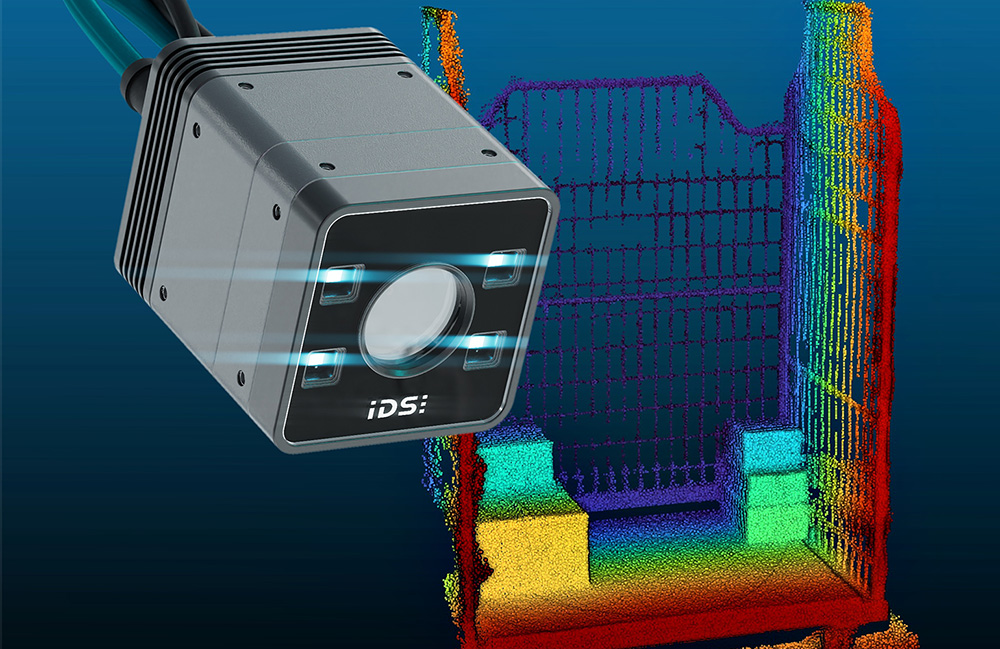
IDS Imaging Expands 3D Camera Line with Nion Time-of-Flight Sensor
IDS Imaging Development Systems GmbH has introduced the Nion, a new industrial time-of-flight (ToF) camera featuring 1.2-megapixel resolution and integrated depth processing. The Nion camera is now in series production and delivers high-resolution, stable depth information at 30 frames per second, even during rapid movements and varying lighting conditions. The introduction of the Nion is significant for industries requiring precise 3D data at real-world speeds, including logistics, automation, and robotics. Patrick Schick, product manager at IDS, emphasized that the Nion provides reliable depth data under variable lighting, which is crucial for automation processes that depend on fast and accurate 3D information. Looking ahead, the Nion's compact design and rugged IP67-rated housing make it suitable for demanding environments, while its Power over Ethernet (PoE) capability simplifies installation. No further timeline was disclosed at the time of publication.
Cameras / Imaging / Vision News Technologies IDS Imaging onsemi
Denso Wave to Showcase Factory Robots and 3D Vision AI at ROBOT TECHNOLOGY JAPAN 2026
Denso Wave will participate in the upcoming "ROBOT TECHNOLOGY JAPAN 2026," scheduled to take place from June 11 to June 13, 2026, at the Aichi Sky Expo in Aichi Prefecture. This event aims to showcase advancements in robotics technology, reflecting the growing interest and innovation in the field. Denso Wave's involvement highlights its commitment to contributing to the development and promotion of robotics solutions.

RS Aqua and UVision Partner to Deliver Underwater 3D Imaging Technology to the Ocean Science Industry of the UK & Ireland
RS Aqua, a specialist in ocean technology, has formed a new partnership with Copenhagen-based technology firm UVision. This collaboration aims to leverage both companies' expertise to advance innovations in marine technology. The announcement was made today, signaling a strategic move to enhance product offerings and expand market reach. By combining RS Aqua's experience in oceanic solutions with UVision's cutting-edge technology, the partnership seeks to address growing demands in the marine sector, particularly in areas such as environmental monitoring and data collection. This alliance is expected to facilitate the development of new technologies that will benefit various stakeholders in the marine industry.
rs aqua uvision partnership underwater 3d imaging technology
Enhancing Telerobotic Endobronchial Imaging and Interventions with Helical Brace Technology
A new study published in Science Robotics details advancements in telerobotic endobronchial imaging and interventions using a helical brace. This innovation aims to stabilize procedures in breathing lungs, enhancing the accuracy and safety of bronchoscopic interventions. The significance of this development lies in its potential to improve patient outcomes during endobronchial procedures. By providing a stable platform for telerobotic systems, the helical brace technology could reduce complications and increase the effectiveness of interventions in real-time scenarios. Looking ahead, the medical community will be keen to observe the practical applications of this technology in clinical settings. Further research and trials will be essential to validate the benefits of the helical brace in routine bronchoscopic procedures. No further timeline was disclosed at the time of publication.
Research Article
New Underwater Drone Technology Promises Enhanced Stealth and Tracking Challenges
Recent advancements in military technology have led to the development of a missile-armed underwater drone that is expected to be quieter and harder to track than traditional submarines. This innovation aims to enhance naval capabilities and improve operational effectiveness in various combat scenarios. The significance of this underwater drone lies in its potential to revolutionize naval warfare by providing a stealthier alternative to submarines. With the ability to operate undetected, this drone could change the dynamics of maritime defense and offense, making it a critical asset for military forces. Looking ahead, the integration of such advanced technologies into military operations will be crucial. Continuous improvements in stealth technology and autonomous systems will likely shape future naval engagements. No further timeline was disclosed at the time of publication.
Military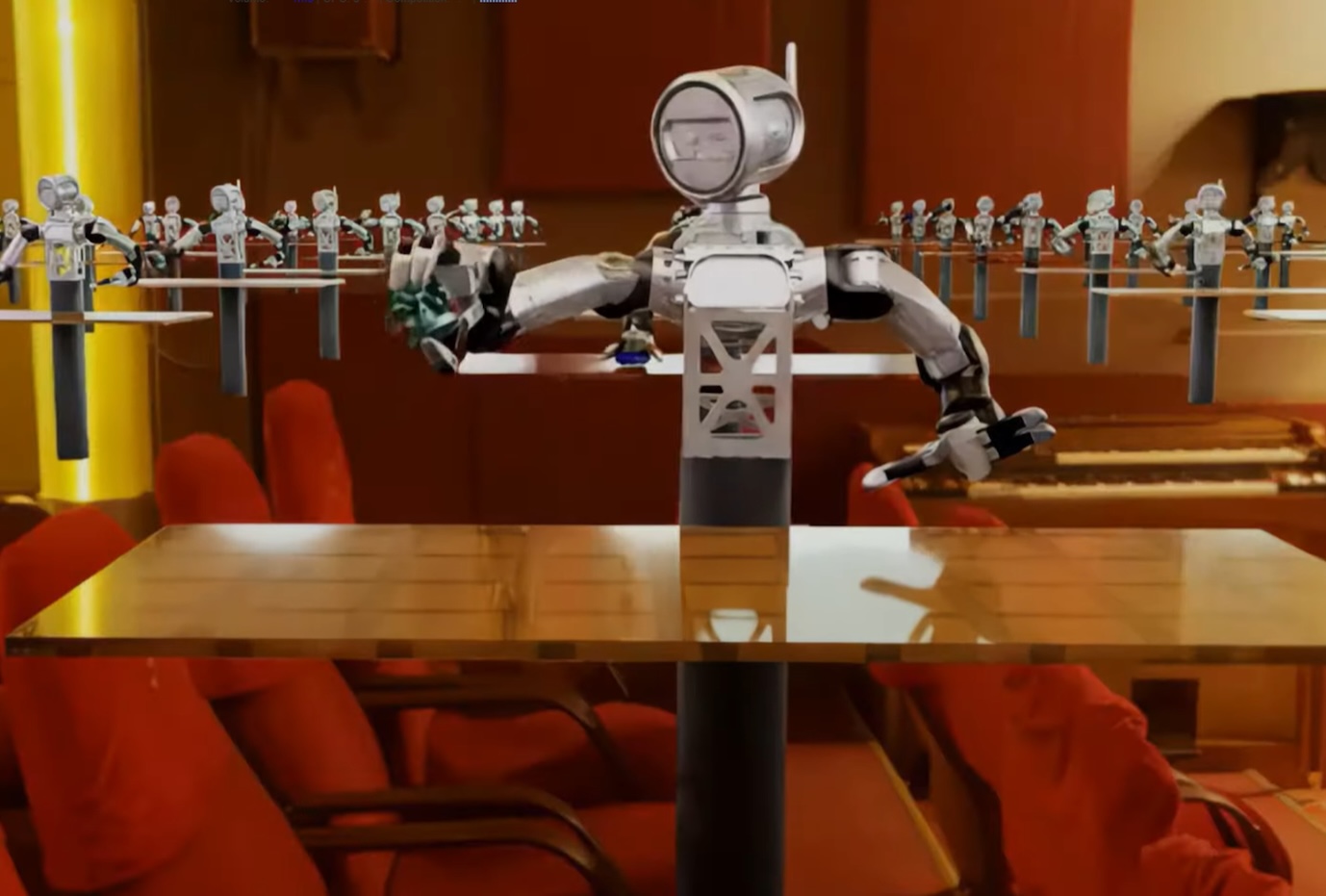
Coast Guard Seeks Effective Technology to Counter Unmanned Underwater Vehicles
The Coast Guard has announced its search for technology capable of defeating unmanned underwater vehicles (UUVs). According to a recent notice, there are currently limited solutions that have been tested and fielded to address this challenge. This initiative is significant as the rise of UUVs poses potential threats to maritime security and safety. The Coast Guard's efforts to find effective countermeasures highlight the urgency of addressing vulnerabilities in underwater operations and protecting critical assets. Looking ahead, the Coast Guard's ongoing search for viable technology solutions will be crucial in enhancing maritime defense capabilities. No further timeline was disclosed at the time of publication.
Naval Warfare coast guard Drones Navy Unmanned unmanned underwater vehicle
China Achieves 3D Mapping of Typhoon Noul Using Drone Swarm Technology
China has successfully created a three-dimensional map of Typhoon Noul from its inception to its conclusion using a swarm of drones. This innovative approach marks a significant advancement in meteorological technology, showcasing the capabilities of drone swarms in real-time environmental monitoring. The development is crucial as it enhances the accuracy of weather predictions and disaster response strategies, potentially saving lives and resources during severe weather events. By employing drone technology, China demonstrates its commitment to leveraging advanced tools for better understanding and managing natural disasters. Looking ahead, the implications of this technology could extend beyond meteorology, influencing various sectors that rely on real-time data collection and analysis. No further timeline was disclosed at the time of publication.
AI and Robotics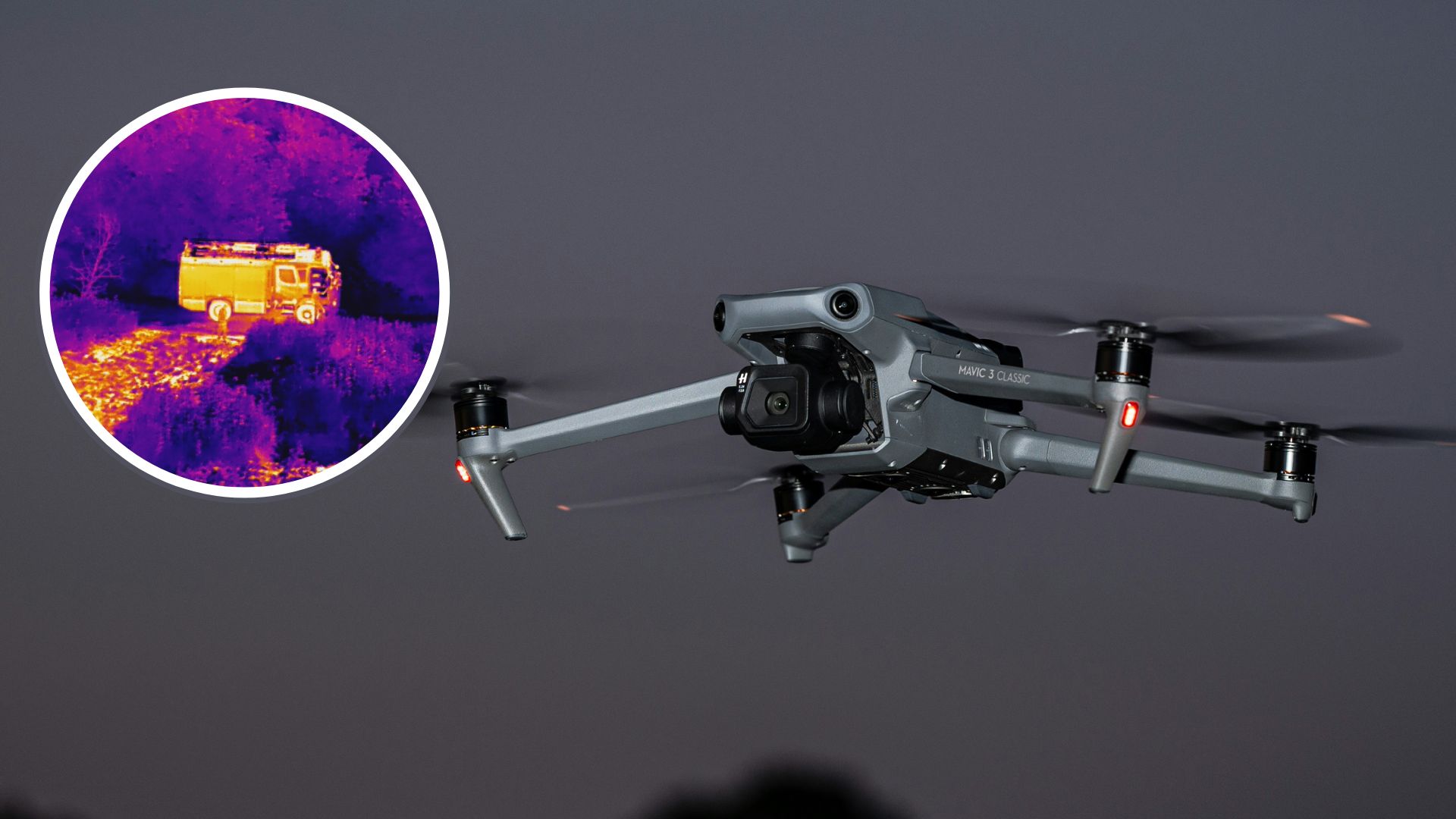
Teledyne FLIR OEM to Enhance U.S. Army's Thermal Imaging Technology for Drones
Teledyne FLIR OEM has partnered with the U.S. Army to advance thermal imaging technology under the DUTCH initiative. This program aims to develop smaller, more affordable uncooled infrared sensors for military applications, enhancing the performance of drones and other autonomous systems. The initiative is significant as it seeks to improve sensor capabilities without increasing size or power requirements, addressing the Army's need for more efficient military equipment. By focusing on size, weight, power, and cost (SWaP-C), the project aims to reduce payload burdens on uncrewed aircraft while extending operational time. Teledyne FLIR OEM plans to leverage its expertise in thermal imaging and system integration to support the Army's modernization efforts. The company is investing in small-pixel thermal sensor designs, which will allow for compact imaging systems that maintain thermal detail. No further timeline was disclosed at the time of publication.
Military
New drone imaging system finds hidden underwater bombs with remarkable accuracy
Researchers at the University of Miami Rosenstiel School have developed an innovative airborne imaging technique that enhances the ability to monitor and study marine ecosystems. This groundbreaking method, unveiled recently, utilizes advanced aerial technology to capture high-resolution images of oceanic environments, enabling scientists to assess the health of coral reefs and other vital habitats more effectively. The technique aims to address the growing concerns over climate change and its impact on marine biodiversity. By providing detailed visual data from the sky, researchers can identify changes in ecosystems and track the effects of environmental stressors over time. This advancement is expected to play a crucial role in conservation efforts and inform policy decisions aimed at protecting marine life.
Science
Time-of-Flight as a key technology for cost-sensitive 3D applications
Patrick Schick, the Product Manager for 3D Vision at IDS, recently provided insights into the development and technical considerations surrounding Nion, a cutting-edge technology in the field of 3D imaging. In his discussion, Schick contextualized the innovative iToF (indirect Time of Flight) technology, emphasizing its significance in enhancing depth perception and spatial awareness in various applications. He outlined typical use cases for Nion, showcasing its potential across industries such as robotics, automation, and augmented reality. Schick's commentary sheds light on the strategic decisions that guided the creation of Nion, illustrating how advancements in 3D vision technology can drive efficiency and innovation in multiple sectors.

MFE Offshore Partners with Hydromea to Bring Advanced Underwater ROV Technology to Offshore Operators
MFE Offshore has entered into a partnership with Hydromea, establishing itself as the official distributor of the latter's underwater robotics solutions tailored for offshore and maritime applications. This collaboration will enable MFE Offshore to provide Hydromea's cutting-edge underwater inspection technologies to a diverse range of sectors, including offshore oil and gas, offshore wind, marine infrastructure, climate science, and various subsea industries. The partnership aims to enhance operational efficiency and safety in these critical areas, leveraging advanced robotics to meet the growing demands of underwater inspections.
mfe offshore hydromea rov offshore operators exray rov
New HySIL lens design makes high-resolution 3D brain and cancer imaging widely accessible
A team from Columbia University has unveiled a groundbreaking microscopy technology that promises to significantly enhance three-dimensional imaging capabilities. This innovative approach, announced in October 2023, aims to improve the visualization of biological structures at unprecedented resolutions. The development is driven by the need for more detailed imaging techniques in various scientific fields, including biology and materials science. By utilizing advanced optical methods, the researchers have created a system that allows for clearer and more accurate representations of complex samples. This advancement could lead to major breakthroughs in understanding cellular processes and developing new materials, ultimately transforming research methodologies across multiple disciplines.
3D-sensing technology could improve self-driving cars and robotic surgery
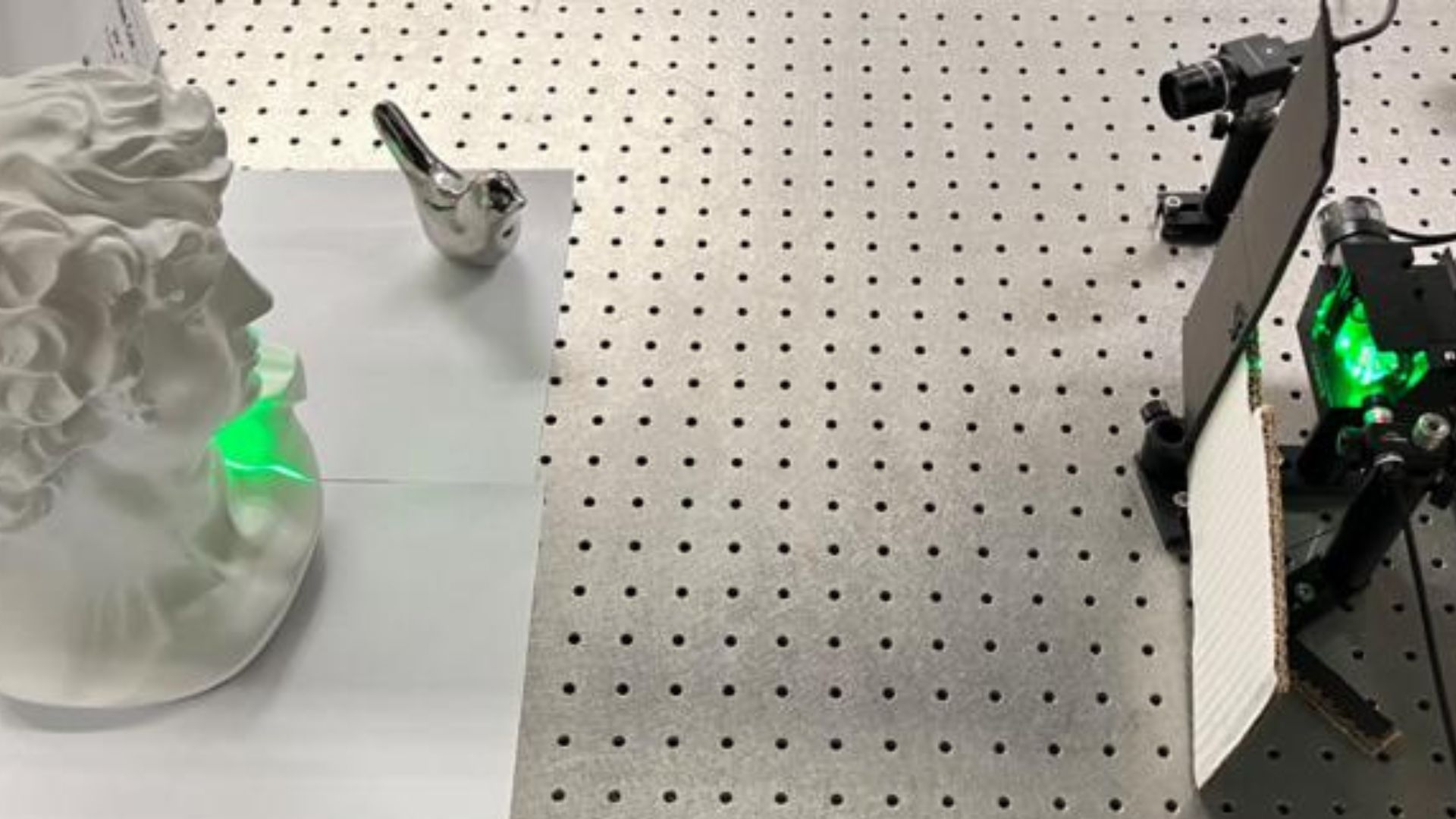
Researchers at the University of Arizona have made significant strides in 3D-sensing technology, which could revolutionize how autonomous vehicles navigate complex urban environments. This breakthrough was announced recently, showcasing the potential to enhance safety and efficiency in city driving. The team developed an advanced system that utilizes sophisticated algorithms and sensors to interpret real-time data from the surrounding environment, enabling vehicles to better understand and respond to dynamic conditions on busy streets. By improving the accuracy of spatial awareness, this technology aims to reduce accidents and improve traffic flow, addressing the growing challenges of urban mobility. The research highlights the university's commitment to innovation in transportation technology, with implications that could extend beyond self-driving cars to various applications in robotics and smart city infrastructure.
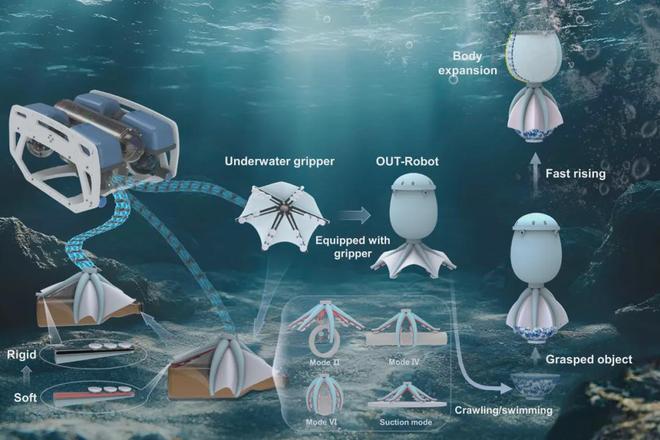
Rapid Stiffness Switching Technology: Peking University Team Develops Biomimetic Octopus Gripper to Solve Underwater Soft Robot's Slow Response Issue
A research team from Peking University, headed by Professor Xie Guangming, has developed a groundbreaking biomimetic octopus gripper capable of transitioning between soft and hard states in less than one second. This advancement enhances the efficiency of underwater robotic operations, enabling more effective and energy-efficient execution of tasks. The team's findings were published in the journal 'Cyborg and Bionic Systems', highlighting the potential applications of this technology in various underwater environments.
Underwater Robotics Soft Robotics Biomimetic Design Robotic Grippers
Klein Marine Systems Introduces MANTIS UUV with SmartArray Technology™ for Autonomous Underwater Missions
Klein Marine Systems, recognized as a global leader in advanced side scan sonar and underwater imaging technology, has unveiled its latest innovation, the MANTIS UUV. This integrated multi-channel side scan sonar system is specifically designed to enhance unmanned underwater vehicles by providing high-quality imaging and onboard processing capabilities. The announcement was made today, highlighting the company’s commitment to improving underwater exploration and data collection. The MANTIS UUV aims to streamline integration processes, making it a valuable tool for various applications in marine research and industry.
klein marine systems mantis uuv smartarray technology™ uuv auv
Collaborative Sampling and Imaging of Phytoplankton Communities by Two Long‐Range Autonomous Underwater Vehicles Using Acoustic Tracking and Messaging
In May 2026, researchers published a study in the Journal of Field Robotics, detailing advancements in robotic technology aimed at enhancing agricultural efficiency. This research, conducted by a team of engineers and agricultural scientists, focuses on the development of autonomous robots capable of performing various farming tasks, such as planting, monitoring crop health, and harvesting. The study highlights the pressing need for innovative solutions in agriculture, driven by the increasing global population and the corresponding demand for food production. By integrating advanced sensors and artificial intelligence, these robots can operate independently, reducing the reliance on manual labor and improving productivity. The research was conducted in various agricultural settings, showcasing the robots' adaptability to different environments and crop types. The findings suggest that implementing such robotic systems could lead to significant cost savings and increased yield for farmers, ultimately contributing to food security. The team employed a combination of field trials and simulations to validate the robots' effectiveness, demonstrating their ability to navigate complex terrains and perform tasks with precision. This breakthrough could revolutionize the agricultural sector, offering a sustainable approach to meet future food demands while minimizing environmental impact.
RESEARCH ARTICLE
Kongsberg Discovery launches HISAS2020 as standalone solution, setting a new standard in ultra-high-resolution underwater imaging
Kongsberg Discovery has launched the HISAS2020 synthetic aperture sonar, making one of the world’s most advanced underwater imaging technologies accessible to the market. This innovative sonar system is designed to enhance underwater exploration and mapping capabilities, providing users with high-resolution imagery that can significantly improve marine research, resource management, and environmental monitoring. The launch, which took place today, aims to meet the growing demand for sophisticated underwater imaging solutions across various sectors, including defense, oil and gas, and scientific research. By leveraging cutting-edge technology, Kongsberg Discovery seeks to empower organizations with the tools necessary for more effective underwater analysis and decision-making.
kongsberg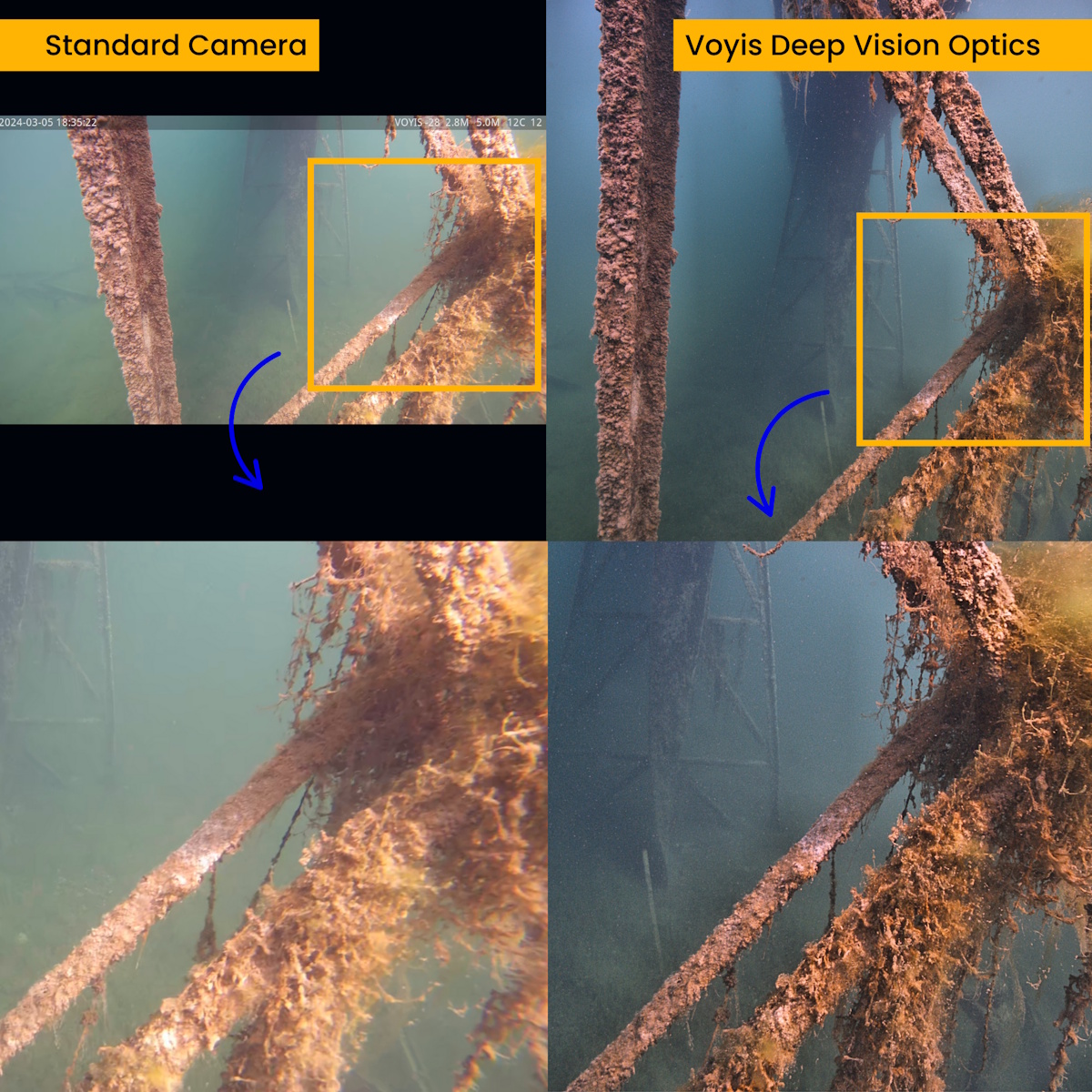
Voyis Launches Deep Vision Optics: A New Era in Underwater Imaging
Voyis, a prominent player in underwater optical sensor technology, has unveiled its latest innovation, the Deep Vision Optics. This advanced optical system aims to significantly improve image clarity and sharpness in subsea environments. The launch, which is part of Voyis’ Discovery Vision Systems and Observer Imaging Systems, marks a pivotal advancement in underwater imaging performance. The introduction of Deep Vision Optics is expected to set a new benchmark in the industry, enhancing the capabilities of underwater exploration and research.
voyis deep vision optics underwater imagingRobotics needs a service framework.
RSF defines a common language for robot service capability, lifecycle operations, certification pathways, and service-provider networks.
Join the RobotToday community on LinkedIn
Daily robotics news, in-depth analysis, conference highlights, and discussions with professionals worldwide.







