Industry Briefing
A single destination for timely, editor-curated robotics news from around the world.

Chiba University Researchers Enhance Control System for Flapping-Wing Robots in Windy Conditions
Researchers from Chiba University in Japan have developed a new control method for flapping-wing micro aerial vehicles (FW-MAVs) that significantly improves stability in windy conditions. This method addresses the limitations of existing control systems, reducing X-axis position error by 53.1 percent, which is crucial for applications like inspection and search-and-rescue operations. The importance of this advancement lies in the unique flight capabilities of FW-MAVs, which are inspired by birds and insects. Their ability to hover and maneuver in confined spaces makes them ideal for various applications, but their susceptibility to disturbances such as wind gusts has posed challenges. The new control method enhances their performance, enabling more stable and accurate flight. Looking ahead, the research paper detailing these findings will be published in the October issue of Control Engineering Practice, following its online release on June 4, 2026. The study's insights into non-minimum-phase behavior and its impact on disturbance correction will be critical for future developments in the field of aerial robotics.
Features Science aerial robotics autonomous flight Autonomous robots bio-inspired robotics
Effective Strategies for Upgrading Control Systems in Brownfield Plants Without Downtime
Modernizing a facility often faces a significant hurdle: downtime. Leadership demands a strategy that minimizes disruption while implementing improvements. A comprehensive understanding of existing systems is crucial before any upgrades can begin. In brownfield facilities, systems have evolved over time, leading to a complex mix of PLCs, HMIs, and outdated documentation. Conducting a thorough IT/OT assessment is essential to identify hardware, lifecycle status, and dependencies. This visibility is vital for developing a low-risk modernization plan that accommodates legacy systems and modern data requirements. The challenge lies in the communication gap between legacy serial protocols and modern Ethernet environments. Upgrading without a clear strategy can lead to significant risks, making the traditional “rip-and-replace” approach impractical. Facilities often have limited time for upgrades, sometimes only a brief window for implementation, emphasizing the need for a well-planned approach.
Factory / Control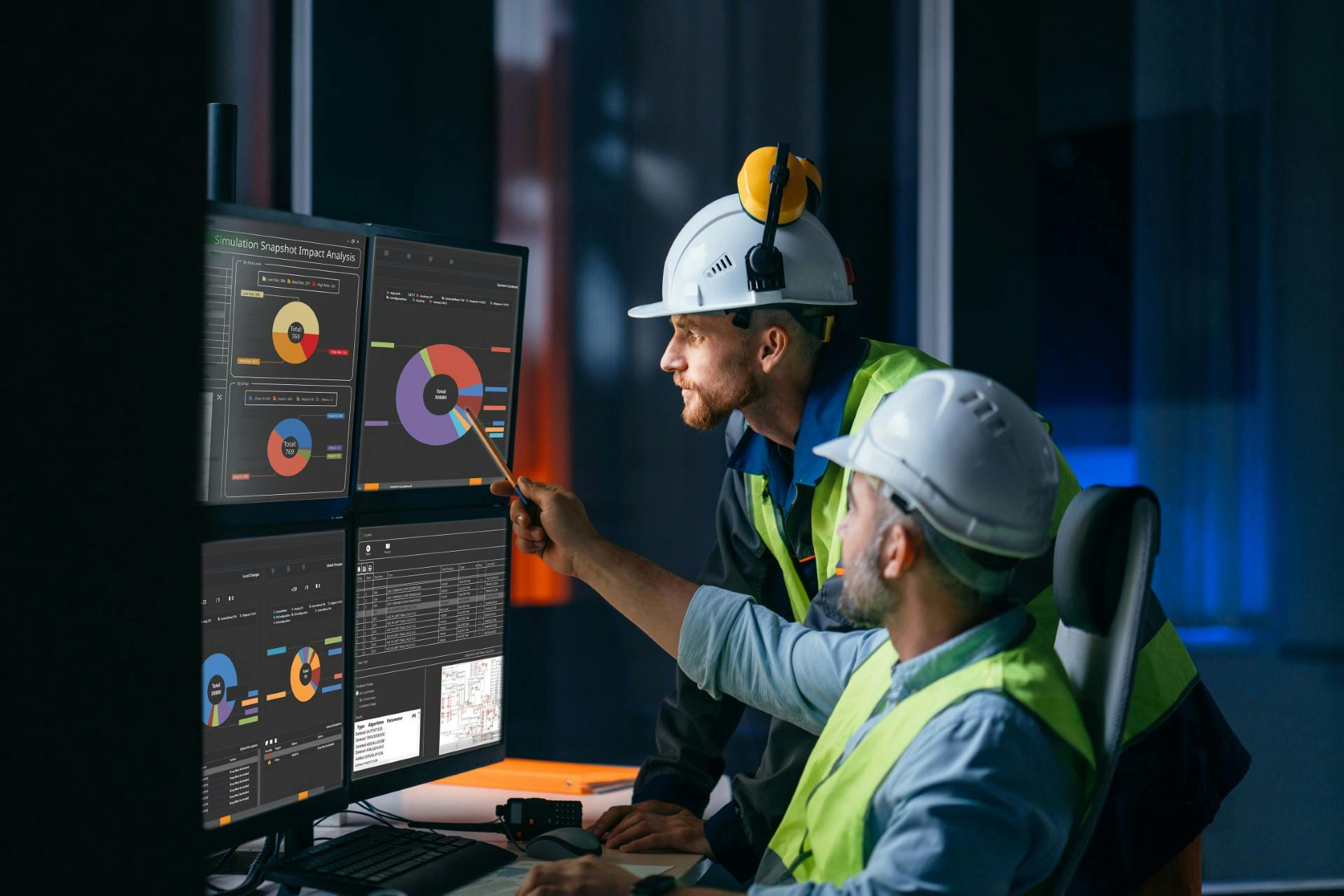
Emerson Introduces Ovation Curation Tool for Enhanced Control Systems Management
Emerson has launched the Ovation Curation Tool, a synchronization software designed for power and water control systems. This tool aims to maintain version control and change history across multiple Ovation systems and simulators, automating the management of changes between production systems and their digital twins. The introduction of the Ovation Curation Tool is significant as it addresses the challenges of keeping digital twins synchronized with live systems, especially amid workforce shortages. By improving testing and training accuracy, the tool is expected to save engineering time and facilitate faster troubleshooting, enhancing overall operational efficiency. Looking ahead, the software's ability to automatically track changes and provide an intuitive dashboard for users will be crucial for organizations seeking to optimize their control systems. No further timeline was disclosed at the time of publication.
Factory / Digital Transformation
Diguwa Robotics and GigaDevice Introduce Comprehensive Control System for Six-Axis Collaborative Robot
On August 5, 2026, Diguwa Robotics and GigaDevice jointly launched a full-stack control system for six-axis collaborative robots, built on the Sunrise S600 and GD32H77R technologies. This initiative marks a significant milestone in their strategic partnership, providing a standardized solution for various applications including precision industrial assembly and flexible automation. The collaboration addresses critical challenges in the robotics industry, such as hardware-software fragmentation and reliance on imported core components. By integrating high-performance computing with real-time motion control, the system enhances operational efficiency and precision, making it suitable for high-dynamic industrial tasks. Looking ahead, the partnership aims to streamline the development process by offering a unified hardware interface and software architecture, significantly reducing the time from prototype validation to mass production. No further timeline was disclosed at the time of publication.
Collaborative Robots Industrial Automation AI Robotics Motion Control
Cooperative Climbing Control for Bridge Pier Defect Detection Using Multi-Wheel Robots
A new multi-wheel cooperative climbing control system has been developed for detecting defects in bridge piers. This innovative circular frame robot system enhances the efficiency and accuracy of inspections, addressing a critical need in infrastructure maintenance. The significance of this technology lies in its potential to improve safety and reduce costs associated with bridge maintenance. By utilizing a cooperative approach, the system can navigate complex structures more effectively, ensuring that defects are identified promptly and accurately. Looking ahead, the adoption of this multi-wheel cooperative climbing control system could revolutionize the way infrastructure inspections are conducted. No further timeline was disclosed at the time of publication.
RESEARCH ARTICLE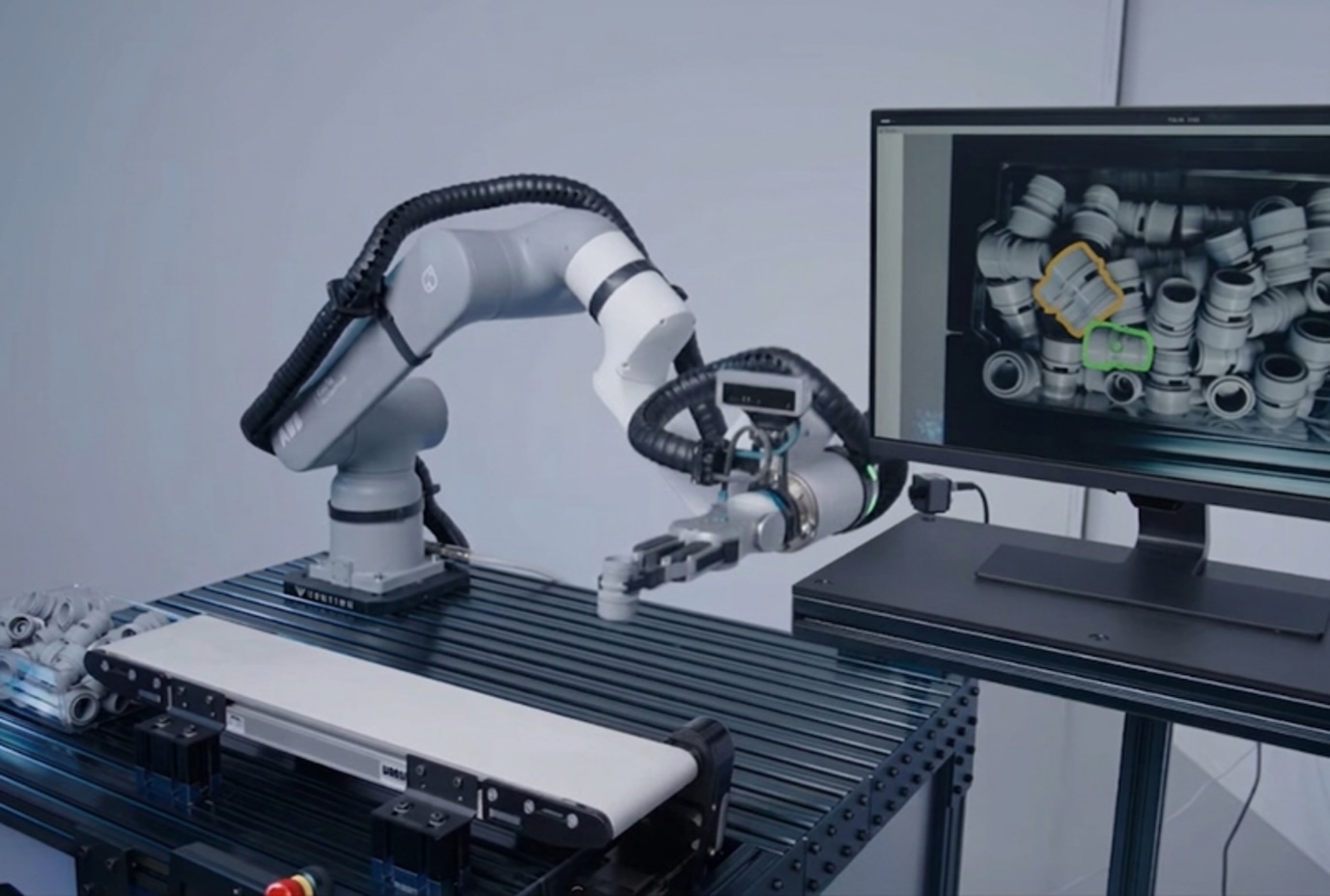
Marine Corps Chooses Allen Control Systems' Bullfrog M240 for L-MADIS Integration
The Marine Corps has selected Allen Control Systems' Bullfrog M240 autonomous weapon for integration into its Light Marine Air Defense Integrated System (L-MADIS). This system is part of the Ground Based Air Defense program and includes two Polaris MRZR vehicles, one serving as a command unit and the other equipped with electronic warfare capabilities to counter drone threats. The Bullfrog M240 transforms the traditional 7.62mm machine gun into an autonomous weapon, capable of firing 850 rounds per minute and weighing approximately 300 pounds. This integration is facilitated through a prototype Other Transaction Agreement contract valued at around $6.2 million. The Marine Corps is also seeking $1.27 billion in its fiscal 2027 budget for Ground Based Air Defense capabilities, highlighting the importance of advanced defense systems. Looking ahead, the Bullfrog M240 is not only being considered by the Marine Corps; the US Army Applications Lab has awarded a contract to assess its deployment on Army combat vehicles. Additionally, Allen Control Systems is working on integrating Bullfrog onto US Special Operations Forces maritime platforms, indicating a growing interest in this technology across multiple military branches.
Land Warfare Naval Warfare Army Counter UAS cUAS LMADIS MADIS
FAA Grants Approval for Drone Amplified's MONTIS Avalanche Control System
The Federal Aviation Administration (FAA) has approved Drone Amplified's MONTIS drone system for avalanche control, paving the way for its use by transportation agencies and ski resorts. This approval allows operators to deploy explosive charges remotely, enhancing safety by keeping personnel away from hazardous areas while still effectively managing avalanche risks. The significance of this approval lies in its potential to improve avalanche mitigation strategies. The MONTIS system offers an alternative to traditional methods such as helicopters and ground teams, providing flexibility in operations, especially in challenging weather conditions. This innovation aims to protect communities and maintain critical transportation routes during winter. Looking ahead, the integration of the MONTIS system into existing avalanche control programs could lead to safer operations in mountain communities and ski areas. While it will not replace traditional methods, it offers a valuable tool for agencies to enhance their response to avalanche threats. No further timeline was disclosed at the time of publication.
News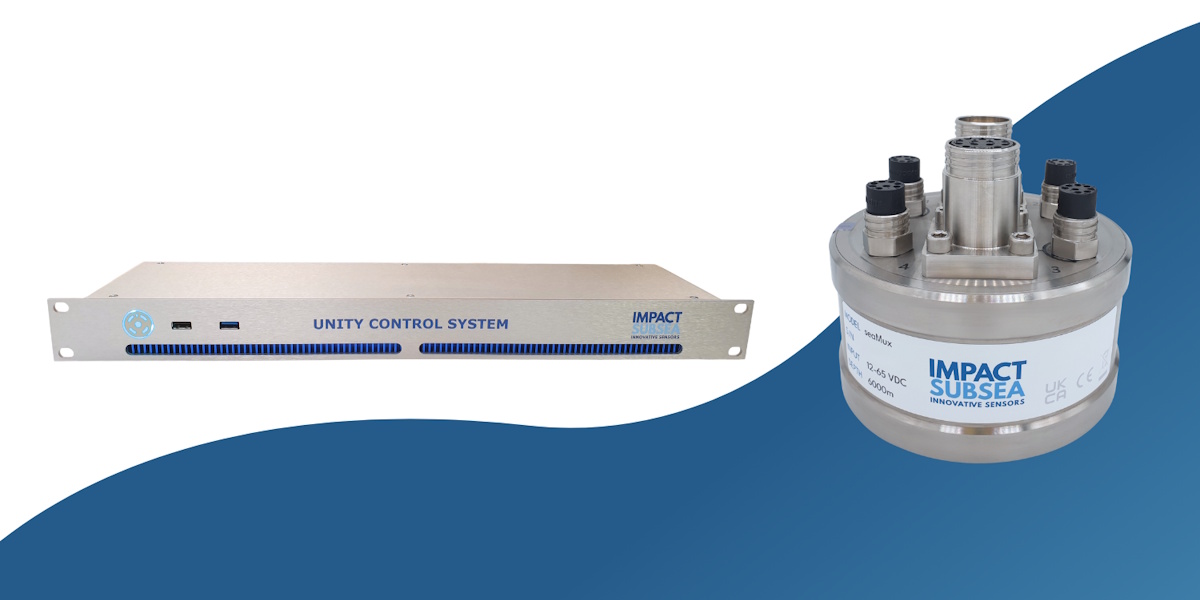
Impact Subsea Launches Topside Control System and Advanced Subsea Multiplexer
Impact Subsea, a prominent player in underwater technology, has unveiled its latest innovations: the Unity Topside Control System and the seaMux Subsea Multiplexer. This announcement was made recently, highlighting the company's commitment to advancing underwater operations. The Unity Topside Control System is designed to enhance the efficiency and effectiveness of remote operations, while the seaMux Subsea Multiplexer aims to improve data transmission and communication in subsea environments. These developments are expected to significantly benefit industries reliant on underwater technology, such as oil and gas, marine research, and environmental monitoring. By integrating these advanced systems, Impact Subsea seeks to address the growing demand for reliable and efficient underwater solutions, reinforcing its position as a leader in the sector.
impact subsea launch topside control system advanced subsea multiplexer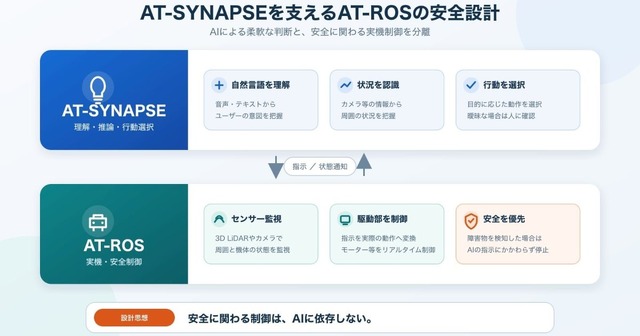
Atrack Lab Introduces Safe Design for Robot Control System AT-ROS Supporting AT-SYNAPSE
On August 13, 2026, Atrack Lab announced the safety design of its robot control system, AT-ROS, which supports the robot AI platform AT-SYNAPSE. This initiative aims to enhance the safety and reliability of collaborative robots. AT-SYNAPSE utilizes large language models like ChatGPT and Gemini to enable robots to understand their surroundings and act autonomously through natural dialogue. The significance of this development lies in the clear separation of AI decision-making from safety controls. Atrack Lab emphasizes that safety-related controls should not rely on AI, ensuring that safety functions remain operational regardless of AI performance. This architecture is crucial for robots operating near humans and objects, where independent control systems must ensure safety through real-time processing of sensor data and motor control. Looking ahead, Atrack Lab plans to leverage its expertise in unmanned vehicles and field robots to combine the flexible decision-making capabilities of AT-SYNAPSE with the real-time control of AT-ROS. No further timeline was disclosed at the time of publication.

Atrack Lab Unveils Safe Design of AT-ROS for Robot Control System Supporting AT-SYNAPSE
On August 13, 2026, Atrack Lab announced the safety design of its robot control system, AT-ROS, which supports the robot AI platform AT-SYNAPSE. This initiative aims to enhance the safety and reliability of collaborative robots. AT-SYNAPSE utilizes large language models (LLMs) like ChatGPT and Claude to enable robots to understand their surroundings and make autonomous decisions through natural dialogue. However, to operate robots safely, a robust control foundation is essential for real-time processing of sensor data, motor control, and obstacle detection, which is provided by AT-ROS based on ROS 2. The separation of AI decision-making from safety control is crucial, ensuring that safety functions remain operational regardless of AI performance. Atrack Lab combines the flexible decision-making capabilities of AT-SYNAPSE with the real-time control of AT-ROS, aiming for applications in service robots, autonomous mobile robots, and disaster response robots, among others. No further timeline was disclosed at the time of publication.

NVIDIA Develops SONIC Framework for Advanced Humanoid Robot Control and Movement
Researchers at NVIDIA have developed a large-scale framework named SONIC that enables humanoid robots to perform a variety of natural movements, including running, jumping, and grasping, using simple commands. Unlike traditional controllers that are limited to specific tasks, SONIC employs a single policy trained on over 100 million motion frames, allowing for improved generalization and adaptability in motion. The significance of SONIC lies in its ability to address the limitations of existing humanoid robotics control systems, which often rely on small neural networks tailored for individual tasks. By treating motion tracking as a scalable learning challenge, SONIC utilizes extensive human motion data to create a robust training signal, enhancing the robot's capability to execute diverse behaviors seamlessly. Looking ahead, SONIC's architecture supports multimodal control, allowing inputs from video, text, and music to influence robot movements. The framework has already demonstrated impressive performance, achieving a 99.2 percent success rate in real-world applications. Future developments may focus on enhancing higher-level perception and reasoning to further advance humanoid autonomy.
AI and Robotics
LimX Dynamics Transitions to POC Deployment with Luna Humanoid and COSA Brain System
LimX Dynamics has shifted its focus from showcasing motion control technologies to deploying proof of concepts (POCs) with its Luna humanoid robot, COSA brain system, and FluxVLA Engine. This transition highlights a significant industry trend where attention is moving from theoretical capabilities to practical applications in real-world scenarios. This shift is crucial as it indicates a growing demand for humanoid robots that can effectively operate in various environments. The emphasis on deployment suggests that companies are prioritizing the development of robots that can perform specific tasks reliably, which is essential for gaining traction in the market. Looking ahead, it will be important to monitor how LimX Dynamics and other players in the industry adapt their technologies to meet the practical needs of users. No further timeline was disclosed at the time of publication.
Industry
An AI-powered control system for robots with legs
Walking robots, such as quadruped robotic dogs, must be able to move safely through rough, often changing environments. Today, there are two main ways to program these walking, or legged, robots. The first is called model predictive control. This technique optimizes the robot's behavior but relies on accurate dynamics models, which are challenging to achieve in real-world settings and often require simplifying assumptions. The second is model-free reinforcement learning, which allows the robot to learn reliable but fixed behaviors, making them difficult to adapt after training.
Robotics
Linear System Identification and Control of a Low‐Cost High‐Performance Omnidirectional Marine Surface Vehicle for Swarming Applications
The Journal of Field Robotics has published an early view article highlighting advancements in robotic technology aimed at enhancing agricultural efficiency. Researchers from various institutions collaborated on this study, which was released in October 2023. The article focuses on the development of autonomous robots designed to optimize crop management and reduce labor costs in farming practices. This initiative is driven by the increasing demand for sustainable agricultural solutions amid a growing global population. The team employed cutting-edge artificial intelligence and machine learning techniques to enable robots to perform tasks such as planting, monitoring crop health, and harvesting with minimal human intervention. Field tests conducted in diverse agricultural settings demonstrated the robots' effectiveness in improving yield while minimizing resource usage. The findings suggest that integrating robotics into farming could significantly address labor shortages and enhance food production efficiency. As the agricultural sector faces mounting pressures from climate change and economic constraints, this research underscores the potential of technology to transform traditional farming methods and promote sustainability.
RESEARCH ARTICLE
Phoxter to showcase AI inspection, AMR, and warehouse control systems at Robot Technology Japan 2026.
Phoxter Co., Ltd. will showcase its innovations at the upcoming "Robot Technology Japan 2026" exhibition, scheduled to take place from June 11 to June 13, 2026, at the Aichi Sky Expo. This event aims to highlight advancements in robotics technology and foster collaboration within the industry. By participating, Phoxter seeks to demonstrate its commitment to driving innovation and engaging with potential partners and customers in the rapidly evolving robotics sector.

Yamaha expands autonomous farming platform with new weed-control system for orchards and vineyards
Yamaha Agriculture is enhancing its Prospr autonomous farming platform by introducing a new herbicide attachment aimed at automating weed control in orchards and vineyards. This innovative system, developed in collaboration with Croplands Equipment, expands the platform's capabilities to include precision herbicide application. The addition is designed to assist specialty crop growers in minimizing labor demands while improving the consistency of spraying operations. This advancement reflects a growing trend in agricultural technology, focusing on efficiency and sustainability in crop management.
Agriculture News agricultural automation agricultural robots agricultural technology ai agriculture
New wearable ground station shrinks FPV drone control system by over 50%
A defense technology company based in Los Angeles has introduced an innovative wearable ground control station designed for first-person-view (FPV) drone operations. This cutting-edge device was unveiled during a recent technology expo, showcasing its potential to enhance the capabilities of drone operators in various fields, including military and emergency response. The wearable station aims to provide users with a more immersive and intuitive control experience, allowing for improved situational awareness and operational efficiency. By integrating advanced technology into a portable format, the company seeks to address the growing demand for effective drone management solutions in dynamic environments. The launch reflects the company's commitment to advancing defense technology and meeting the evolving needs of its clients.

Bio-hybrid robotics system ‘listens’ to cyborg insects for collaborative control
Japanese researchers have unveiled an innovative method for controlling cyborg insects, aiming to enhance the understanding of their behavior and capabilities. This groundbreaking development was announced during a recent conference held in Tokyo, where scientists discussed advancements in bioengineering and robotics. The motivation behind this research stems from the potential applications in environmental monitoring and disaster response, where these engineered insects could play a crucial role in collecting data from hard-to-reach areas. The researchers have integrated electronic components into the insects, allowing for remote control and manipulation of their movements. This process involves sophisticated techniques that blend biology with technology, enabling the insects to be guided through various environments. The team believes that by mastering this control, they can create a new class of biohybrid systems that could revolutionize how we interact with the natural world. As the project progresses, the researchers are optimistic about the implications of their work, which could lead to significant advancements in both ecological research and practical applications in urban planning and emergency management. The findings from this study are expected to be published in a leading scientific journal, further contributing to the growing field of cyborg biology.
Design of a Multi‐Sensor Integrated Control System for Vehicle‐Mounted Tunnel Lining Inspection With Real‐Time Velocity and Posture Tracking
In June 2026, researchers published a comprehensive study in the Journal of Field Robotics, focusing on advancements in robotic technologies and their applications in various fields. The study highlights innovative methodologies that enhance the efficiency and effectiveness of robotic systems, particularly in challenging environments such as disaster response and exploration. The research team, comprised of experts in robotics and engineering, conducted extensive field tests to evaluate the performance of these advanced robotic systems. Their findings demonstrate significant improvements in navigation, autonomy, and adaptability, which are crucial for tasks that require precision and reliability. This study aims to address the growing demand for sophisticated robotic solutions in sectors like agriculture, search and rescue, and environmental monitoring. By showcasing the potential of these technologies, the researchers hope to inspire further development and investment in robotics, ultimately contributing to safer and more efficient operations in critical situations. The publication serves as a pivotal resource for industry professionals and academics alike, providing insights into the future of robotics and its role in addressing complex challenges faced by society.
RESEARCH ARTICLE
Allient to demonstrate advanced motion control systems at 2026 Robotics Summit & Expo
Allient is set to showcase its advanced motion and control technologies at the Robotics Summit & Expo taking place this week in Boston. The company aims to highlight its innovative systems, which are designed to enhance robotic applications and improve operational efficiency. This exhibition represents an opportunity for Allient to engage with industry professionals and demonstrate the capabilities of its latest developments in motion control. The event serves as a platform for networking and collaboration within the robotics sector, emphasizing the importance of technological advancements in driving the future of automation.
Actuators / Motors / Servos Controllers Events Motion Control News allient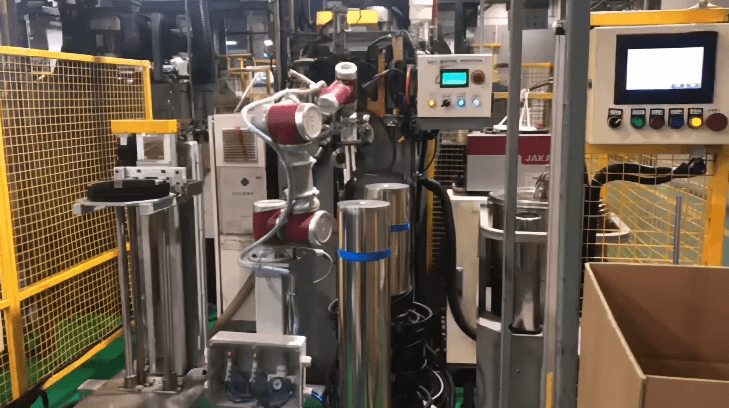
How to Achieve Remote Monitoring and Diagnostics for Controllable Robot Systems
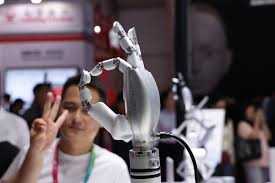
In the evolving landscape of smart manufacturing, the significance of collaborative robots is shifting from mere physical performance to the ability to be managed remotely. As production environments become increasingly decentralized, companies are prioritizing remote monitoring and diagnostics to oversee robot health, predict maintenance needs, and troubleshoot issues without on-site presence. To achieve effective remote management, a combination of advanced hardware sensors and cloud-based software is essential. Utilizing the Industrial Internet of Things (IIoT), data from robots—including motor temperature and power consumption—is streamed to centralized dashboards. Secure data transmission protocols like OPC UA and MQTT facilitate communication with Manufacturing Execution Systems, enabling the use of "Digital Twin" technology. This allows real-time mirroring of a robot's movements, triggering automated alerts for predictive maintenance to prevent costly downtimes. JAKA is at the forefront of this innovation, moving beyond traditional operations to create a connected ecosystem. Their "Smart, Simple, Small" philosophy ensures that managing JAKA systems is as user-friendly as mobile applications. With advanced wireless teaching and cloud management tools, users can monitor their fleet of robots globally from a single interface. JAKA's software suite enables remote diagnostics, providing real-time feedback on robot status, which is crucial for maintaining continuous production across various locations. The integration of AI-driven vision and sensing further enhances remote monitoring capabilities. By investing in JAKA, companies are securing a future-proof solution that ensures control and productivity, regardless of geographical constraints.
A Field‐Adaptive Mechanical Weeding System Coupling Oscillating Pneumatic Mechanism With Deep Learning for Intra‐Row Weed Control in Lettuce
The Journal of Field Robotics has published an early view article highlighting recent advancements in autonomous robotic systems. Researchers from leading universities and technology firms presented their findings on October 15, 2023, during a virtual conference focused on robotics innovation. The study emphasizes the growing importance of these systems in various sectors, including agriculture, search and rescue, and environmental monitoring. The motivation behind this research stems from the increasing demand for efficient and reliable robotic solutions capable of operating in complex environments. By integrating advanced artificial intelligence and machine learning algorithms, the researchers demonstrated how these autonomous systems can enhance operational capabilities and decision-making processes. The article details various case studies showcasing successful implementations of robotic technologies, illustrating their potential to revolutionize traditional practices. The findings suggest that as technology continues to evolve, the integration of autonomous robots will become crucial in addressing global challenges, such as food security and disaster response. This publication marks a significant contribution to the field of robotics, providing insights into future trends and encouraging further exploration of autonomous systems' applications. Researchers and industry professionals are urged to collaborate and innovate, ensuring that the benefits of these technologies are realized across multiple domains.
RESEARCH ARTICLE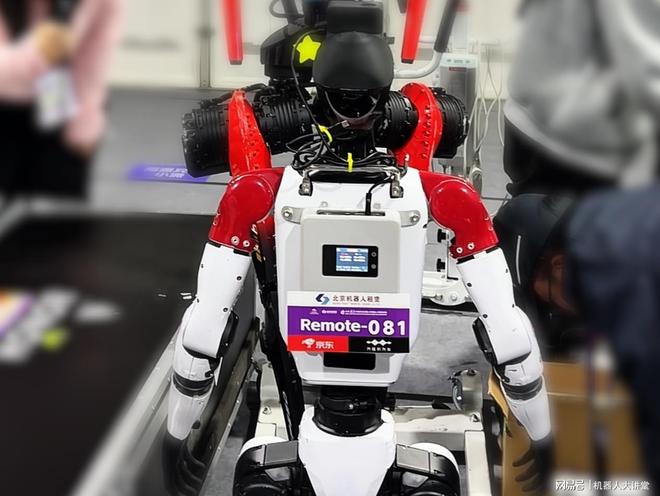
Marathon Limits Tested! How Feikuo Technology's 'Beyond Visual Range Remote Control System' Enables Robot Journalists to Live Stream While Running
The 2026 Beijing Yizhuang Half Marathon is set to showcase an innovative 'human-robot running' event, featuring 12,000 human participants alongside more than 300 humanoid robots. Scheduled to take place in Yizhuang, Beijing, this unique race aims to blend technology with athleticism, highlighting advancements in robotics and their integration into sports. Feikuo Technology will debut the world's first media live-streaming robot at the event, which employs cutting-edge remote control technology to deliver real-time race coverage and conduct interviews with participants. This initiative not only enhances the spectator experience but also demonstrates the potential of robotics in media and event broadcasting. The marathon is expected to attract significant attention, emphasizing the growing intersection of technology and traditional sports, and showcasing how innovation can enhance public engagement in athletic events.
Humanoid Robots Remote Control Technology Live Streaming Marathon Events
4SWLR: A Switched System and Skid Steer Integrated Whole‐Body Control Framework for Wheeled‐Legged Robots
A recent study published in the Journal of Field Robotics highlights advancements in autonomous robotic navigation. Researchers from a leading university conducted experiments to improve the efficiency and accuracy of robots in complex environments. The study, released in early October 2023, focuses on the integration of artificial intelligence and machine learning algorithms to enhance decision-making processes in real-time. The research team aimed to address challenges faced by robots in dynamic settings, such as unpredictable obstacles and varying terrain. By employing advanced sensing technologies and adaptive algorithms, the robots demonstrated significant improvements in their ability to navigate and perform tasks autonomously. The experiments were conducted in various locations, including urban settings and natural landscapes, to test the robots' adaptability and performance under different conditions. The findings suggest that these innovations could lead to more effective applications in fields such as search and rescue, agriculture, and environmental monitoring. This study underscores the growing importance of robotics in addressing real-world challenges and the potential for continued advancements in the field. The researchers believe that their work could pave the way for more sophisticated robotic systems capable of operating independently in increasingly complex environments.
RESEARCH ARTICLE
Design and Analysis of Automatic Whole Row Tomato Seedling Transplanter Technology With Integrated Controlling System
In May 2026, the Journal of Field Robotics published a significant study that explores advancements in robotic technology aimed at enhancing agricultural practices. Researchers from various institutions collaborated to investigate the integration of autonomous robots in crop management, focusing on their efficiency and effectiveness in monitoring plant health and optimizing resource use. The study highlights the growing need for innovative solutions in agriculture, driven by increasing global food demands and the challenges posed by climate change. By employing advanced sensors and machine learning algorithms, the robots demonstrated improved accuracy in detecting crop diseases and pests, ultimately leading to better yield outcomes. This research underscores the potential of robotics to transform traditional farming methods, offering a sustainable approach to food production in an era of rapid technological advancement.
RESEARCH ARTICLE
Improved Ivy Algorithm for an Enhanced Fractional Order Proportional‐Integral‐Derivative Controller: Applications From Winding Tension Control to Hybrid System
In May 2026, the Journal of Field Robotics published a comprehensive study examining advancements in robotic technologies and their applications in various fields. The research, featured in Volume 43, Issue 3, spans pages 1375 to 1414 and highlights the increasing integration of robotics in sectors such as agriculture, healthcare, and manufacturing. The study aims to address the growing demand for automation and efficiency in these industries, driven by the need for improved productivity and cost-effectiveness. Researchers from leading institutions collaborated to analyze the latest innovations in robotic systems, including autonomous vehicles, drones, and robotic arms, showcasing their potential to revolutionize traditional practices. Through a series of case studies and experimental results, the authors detail how these technologies are being implemented in real-world scenarios, demonstrating significant improvements in operational efficiency and safety. The findings underscore the importance of continued investment in robotic research and development to meet future challenges and enhance human-robot collaboration. This publication serves as a vital resource for industry professionals, policymakers, and academics, providing insights into the current state of robotics and its future trajectory. As the field continues to evolve, the study emphasizes the necessity of adapting to technological advancements to harness the full potential of robotics across various sectors.
RESEARCH ARTICLE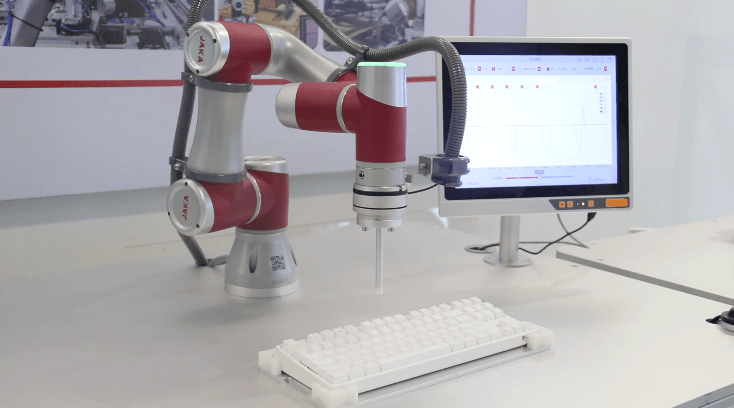
The Importance of Low Latency in Controllable Robot Communication Systems
In the evolving landscape of modern manufacturing, JAKA emphasizes the critical role of low-latency communication in enhancing the reliability of controllable robots. As production lines demand greater flexibility and responsiveness, the speed at which robots receive and execute commands directly influences their motion accuracy, coordination, and safety. This focus on efficient communication is particularly vital as collaborative robots increasingly work alongside human operators, necessitating predictable response times for seamless interaction. JAKA's approach integrates communication architecture into the core design of their systems, ensuring that control signals and sensor feedback travel with minimal delay. This real-time responsiveness is essential for adaptive assembly tasks, where precise timing is crucial to maintain smooth operations and prevent misalignment. The company’s JAKA Ai3 system exemplifies this philosophy, featuring lightweight design and capabilities for quick task transitions, which are essential in small-batch and multi-variety production environments. By prioritizing low latency, JAKA aims to support flexible workflows and enhance productivity, allowing robots to adapt swiftly to changing conditions without extensive recalibration. The strategic emphasis on communication speed not only aligns technical performance with real-world manufacturing demands but also positions JAKA's controllable robots as effective solutions for diverse applications in compact and dynamic workspaces. As the industry continues to evolve, JAKA remains committed to developing systems that leverage efficient communication to ensure reliable performance in modern production settings.

Combining the robot operating system with LLMs for natural-language control
In recent decades, robotics researchers have made significant advancements in the development of autonomous robots capable of performing a variety of real-world tasks. These innovations aim to enable robots to operate effectively in diverse environments, including public spaces, homes, and offices. A critical aspect of this progress is the robots' ability to understand and interpret instructions from human users, allowing them to adapt their actions in response to specific needs and situations. This evolution in robotics is driven by the growing demand for intelligent automation solutions that enhance efficiency and user interaction in everyday life.
Robotics
Constrained Adaptive Fractional‐Order Sliding‐Mode Controller for Stabilizing the Two‐Degree‐of‐Freedom Gimbal System With Limited Field‐of‐View Sensors: Theoretical and Experimental Discussion
A recent study published in the Journal of Field Robotics highlights advancements in autonomous robotic systems designed for agricultural applications. Conducted by a team of researchers from various universities, the study was released in early October 2023. The research focuses on the integration of artificial intelligence and machine learning technologies to enhance the efficiency and precision of farming practices. The study was carried out in agricultural fields across multiple locations, showcasing the robots' capabilities in tasks such as planting, monitoring crop health, and harvesting. The motivation behind this research stems from the growing need for sustainable farming solutions that can address labor shortages and improve crop yields in the face of climate change. The researchers employed a combination of field trials and simulations to test the robots' performance under various conditions, demonstrating significant improvements in operational efficiency compared to traditional farming methods. This innovative approach not only aims to reduce the environmental impact of agriculture but also seeks to empower farmers with advanced tools for better decision-making. As the agricultural sector continues to evolve, the findings from this study could pave the way for the widespread adoption of autonomous robots, ultimately transforming the future of farming.
RESEARCH ARTICLE
Control System for the Navigation of the Agricultural Robots: A Review
The Journal of Field Robotics has published new research findings that highlight advancements in autonomous robotic systems. This study, released in EarlyView, focuses on the integration of artificial intelligence in navigation and obstacle avoidance, showcasing significant improvements in efficiency and safety for robotic applications. Conducted by a team of researchers from various institutions, the study emphasizes the growing importance of robotics in fields such as agriculture, manufacturing, and disaster response. The research was initiated in response to the increasing demand for reliable autonomous systems capable of operating in complex environments. By employing advanced algorithms and machine learning techniques, the team successfully enhanced the robots' ability to adapt to dynamic surroundings, thereby reducing the risk of accidents and improving operational performance. The findings are expected to influence future developments in robotic technology, paving the way for more sophisticated applications that can operate seamlessly alongside humans. This work not only contributes to the academic field but also has practical implications for industries looking to implement robotic solutions in their operations. The study underscores the potential of robotics to transform various sectors by providing safer and more efficient alternatives to traditional methods.
SURVEY ARTICLE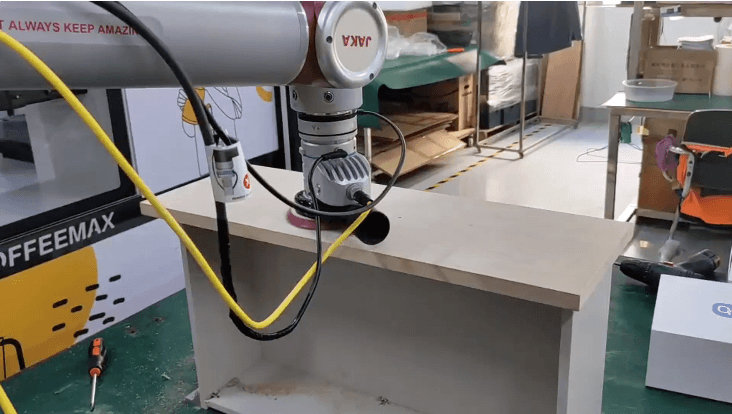
Understanding Automation Robotics Technology: From Sensors to Control Systems (JAKA CAB V3)
JAKA, a leader in automation robotics technology, has unveiled its advanced polishing robot, powered by the innovative CAB V3 controller, designed to enhance the precision and consistency of metal component finishing. This cutting-edge system, which integrates sophisticated sensing and control mechanisms, addresses the challenges faced by skilled artisans in achieving flawless surfaces. The CAB V3 controller serves as the brain of the robot, translating high-resolution sensor data into precise motion commands. Equipped with advanced proprioceptive sensors and force control technology, the polishing robot can adapt to subtle variations in part geometry, ensuring optimal tool orientation and pressure during operation. This real-time feedback loop allows the robot to maintain high standards of quality while compensating for any deviations. JAKA's design philosophy emphasizes the seamless integration of sensing, computation, and mechanical action, enabling the polishing robot to operate smoothly without vibrations that could damage surfaces. The CAB V3 also supports connectivity with external vision systems and factory networks, enhancing flexibility in mixed-production environments. By leveraging this advanced automation technology, manufacturers can achieve unprecedented levels of consistency and quality in their finishing tasks, transforming the traditional polishing process into a highly efficient and repeatable operation.
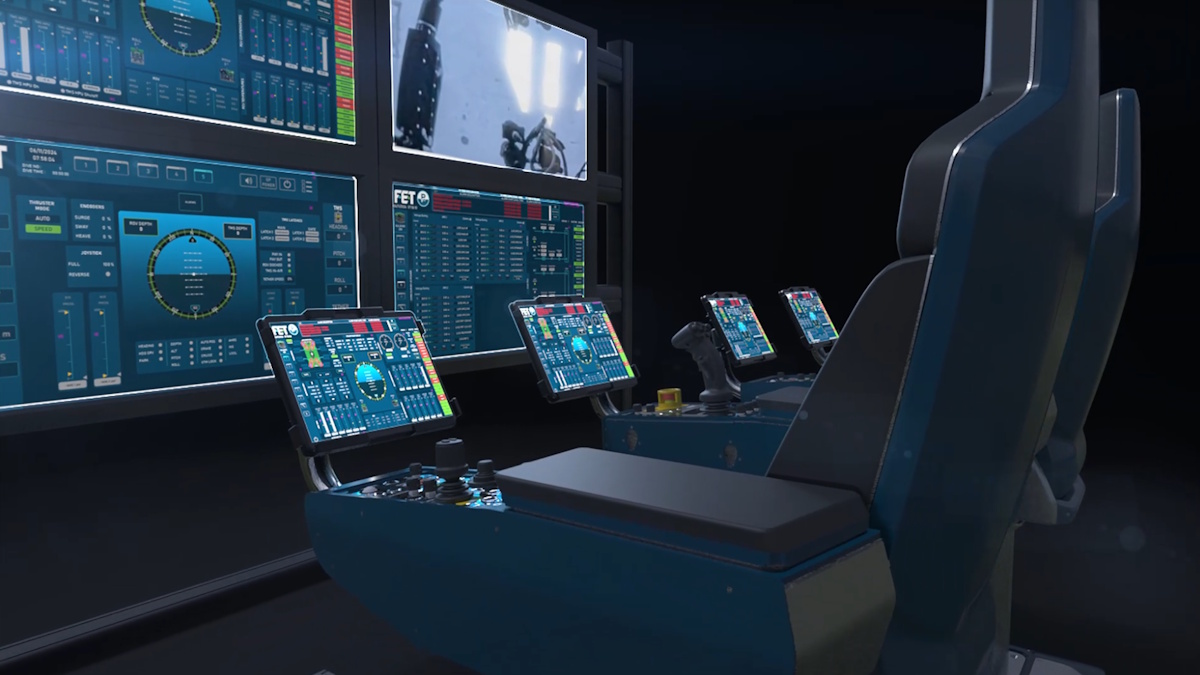
FET launches new ROV control system
Forum Energy Technologies has introduced ICE Unity, a next-generation remotely operated vehicle (ROV) control system, marking a significant advancement in ROV technology. This new system addresses the growing demand within the sector for enhanced data and control access beyond the traditional core control systems. The launch of ICE Unity reflects the company's commitment to innovation and responsiveness to industry needs, providing operators with improved capabilities for managing ROVs in various operational environments.
fet rov control system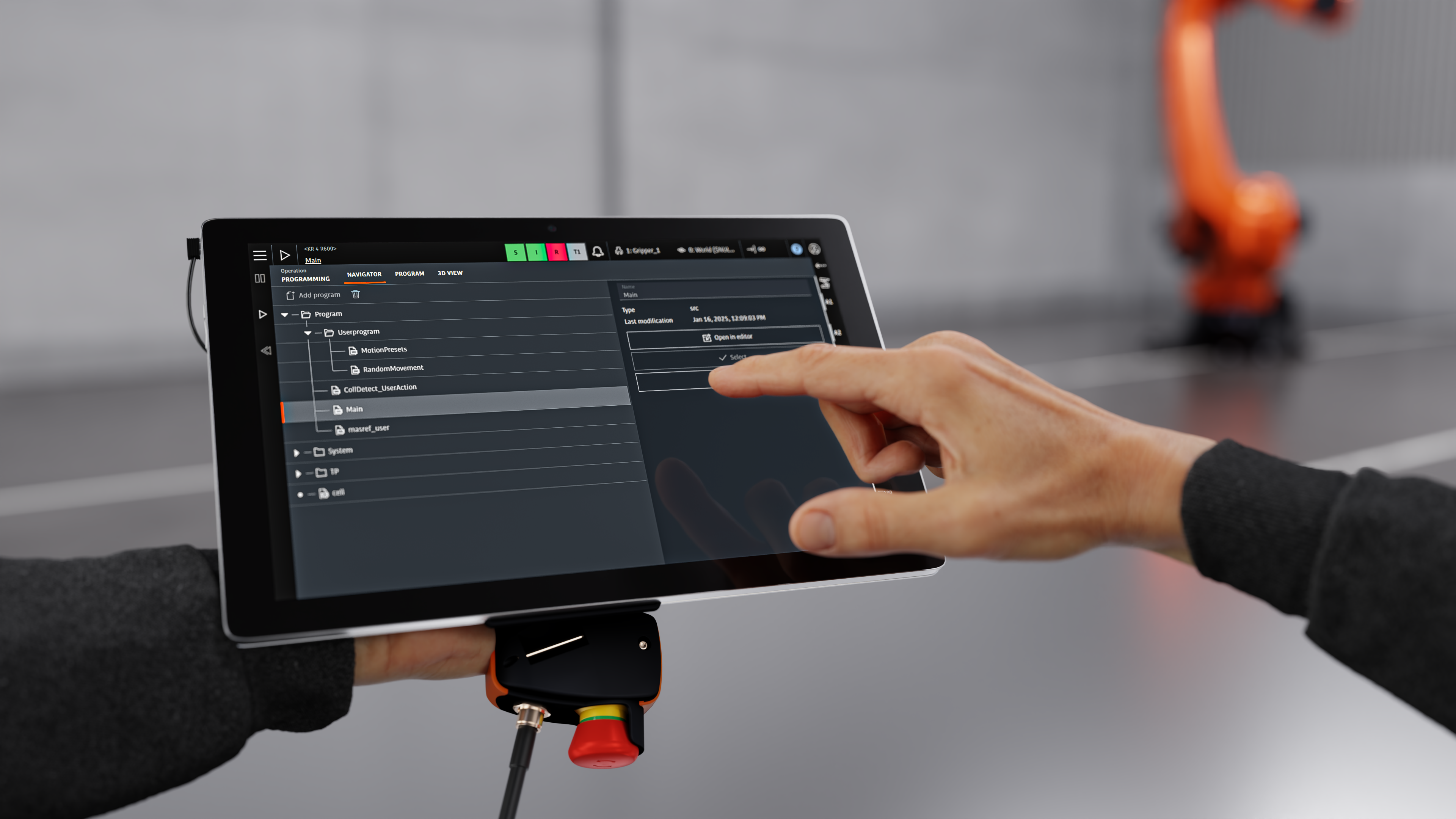
iiQKA.OS2 operating system: Virtual robot controller for production of the future
KUKA has unveiled its innovative iiQKA.OS2 operating system, designed to enhance digital manufacturing capabilities. This scalable and customizable platform features a comprehensive virtual robot controller (VRC) and is equipped with AI capabilities, ensuring compliance with the upcoming ISO 10218:2025 standards and bolstering cyber resilience. The new operating system, which was introduced recently, aims to future-proof manufacturing processes by providing a user-friendly web-based interface. Users can now operate the system with their own teach pendants or the KUKA smartPAD, significantly improving accessibility and ease of use for operators. This advancement reflects KUKA's commitment to advancing automation technology and meeting the evolving needs of the manufacturing industry.
Robotics needs a service framework.
RSF defines a common language for robot service capability, lifecycle operations, certification pathways, and service-provider networks.
Join the RobotToday community on LinkedIn
Daily robotics news, in-depth analysis, conference highlights, and discussions with professionals worldwide.