Industry Briefing
A single destination for timely, editor-curated robotics news from around the world.
Understanding the Necessity of End-of-Line Testing Equipment for Manufacturers
End-of-line testing is crucial for manufacturers to verify product quality before it leaves the production line. This testing serves as a final quality checkpoint, ensuring that products meet performance standards. Common tests include assessing balance, vibration, torque, pressure, electrical performance, dimensions, and functional operation. The significance of end-of-line testing lies in its ability to catch defects and ensure that products are reliable and safe for consumers. By implementing thorough testing protocols, manufacturers can reduce the risk of returns and enhance customer satisfaction. This process not only safeguards the brand's reputation but also contributes to overall operational efficiency. Looking ahead, manufacturers should focus on integrating advanced testing technologies to streamline their end-of-line processes. Continuous improvements in testing equipment and methodologies will be essential to meet evolving industry standards and consumer expectations. No further timeline was disclosed at the time of publication.
Engineering Manufacturing balance testing end-of-line testing eol testing factory automation
Huawei Launches Beta Testing for XiaoYi Work AI Assistant on Multiple Devices
Huawei has initiated beta testing for its AI work assistant, XiaoYi Work, designed for office tasks, coding, and creative projects across HarmonyOS devices including phones, tablets, and PCs. The introduction of XiaoYi Work is significant as it aims to enhance productivity by breaking down goals into manageable steps, utilizing various tools, and allowing users to monitor progress and request reviews at critical stages. Looking ahead, users can expect to assign tasks seamlessly from their phones to cloud or local PCs, ensuring synchronized files and results. No further timeline was disclosed at the time of publication.
News Feed
Antioch Raises $32 Million to Enhance Cloud-Based Robot Testing Capabilities
Antioch, a New York-based startup, has secured $32 million in Series A funding led by Greylock to advance its cloud-based robot testing platform. This funding will enable Antioch to bridge the gap between simulation and real-world testing, which has been a significant bottleneck for robotics developers. The company aims to shift robot development from physical trial-and-error to cloud validation, allowing for more efficient testing processes. The importance of this development lies in its potential to revolutionize how robotics teams validate new capabilities and hardware changes. By utilizing high-fidelity simulations, Antioch's platform enables engineering teams to create digital twins of hardware and conduct thousands of parallel simulations, identifying weaknesses before deployment. This approach significantly reduces the need for costly physical testing, which has traditionally slowed down development cycles. Looking ahead, Antioch's technology, which integrates NVIDIA's Omniverse and Isaac frameworks, is expected to play a crucial role in the future of physical AI and robotics. With early clients like Amazon's Ring, the company is poised to accelerate engineering cycles and enhance the reliability of robotic systems in real-world applications. No further timeline was disclosed at the time of publication.
Robot Development Cloud Simulation AI Testing Automation Technology
Li-S Energy's Lithium-Sulfur Batteries Enter US Army Testing for Drone Applications
Li-S Energy, an Australian battery developer, has delivered lithium-sulfur battery cells to the US Army for independent testing. This marks the first instance of the company's technology being evaluated by a US government agency, specifically by the US Army Combat Capabilities Development Command C5ISR Center at Aberdeen Proving Ground. The significance of this testing lies in the potential for lithium-sulfur batteries to enhance military operations that increasingly depend on drones and autonomous systems. With nearly double the energy density of conventional lithium-ion batteries, these cells could enable unmanned platforms to achieve longer flight times, greater ranges, and increased payload capacities, which are critical for modern military applications. Looking ahead, the evaluation by the DEVCOM C5ISR Center could pave the way for the integration of Li-S Energy's technology into various military programs, including unmanned aircraft and ground robots. No further timeline was disclosed at the time of publication.
Energy Military
Tianjin Metro Unveils Its First Smart Robot Testing Station for Enhanced Passenger Experience
On August 14, 2026, Tianjin Metro inaugurated its first smart robot testing station at the Cultural Center Station, featuring six multifunctional service robots. These robots assist with security guidance, crowd management, emergency announcements, equipment inspections, multilingual explanations, and accessible interactions, significantly improving passenger experience and operational efficiency. The station, which serves over 120,000 passengers daily, addresses real challenges such as high pressure during peak hours and frequent inquiries from tourists. On its first day, the robots conducted 17,000 effective interactions, with 32% initiated by elderly users, and improved security guidance efficiency by 41%, reducing false alarms to below 0.3%. In the next three months, the testing station will connect to the city's transportation big data platform for real-time integration with buses, shared bicycles, and parking facilities. Future enhancements will focus on personalized services, such as identifying pregnant passengers and providing information on nearby facilities, making the smart robot station a vital part of daily transit life in Tianjin.
Smart Transportation AI Robotics Public Service Innovation Passenger Assistance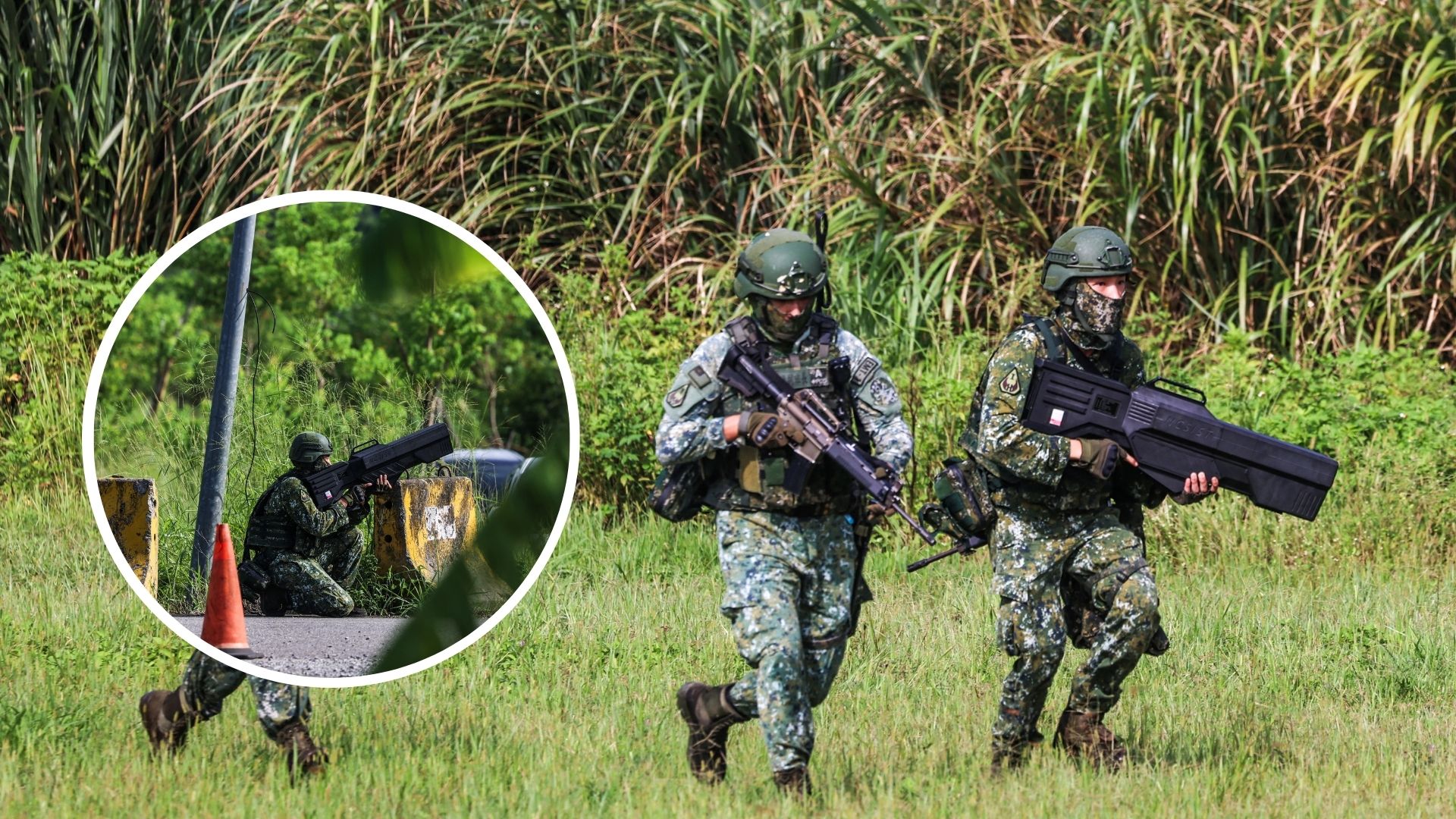
Taiwan's Counter-Drone Network Faces Challenges Amid Testing Failures and Evolving Threats
Taiwan's counter-drone network is under scrutiny following an audit revealing technical deficiencies in a $111 million defense program. The system, designed to safeguard military facilities, struggles to detect and jam frequencies utilized by advanced Chinese drones, highlighting vulnerabilities in Taiwan's defense strategy. The findings coincide with the termination of a procurement for 26 fixed-site systems due to repeated testing failures, raising concerns about Taiwan's ability to adapt to rapidly evolving drone technology. The significance of these issues extends beyond Taiwan, as they reflect a global challenge for military forces adapting to the fast-paced advancements in drone capabilities. Analysts emphasize the need for a layered defense approach that integrates electronic warfare, radar, and lower-cost interceptors, rather than relying solely on expensive missile systems. Taiwan's defense ministry acknowledges the need for upgrades to address the identified gaps, but questions remain regarding the speed of these developments. Looking ahead, Taiwan's defense officials are working on enhancements to counter emerging threats, including fiber-optic and AI-guided drones. However, the effectiveness of these upgrades and the overall adaptability of Taiwan's defense systems will be critical in addressing the evolving landscape of drone warfare. No further timeline was disclosed at the time of publication.
Military
Alibaba Cloud Introduces Qwen AI Arena for Testing AI Agents in Real-World Scenarios
Alibaba Cloud has unveiled the Qwen AI Arena, a platform designed for the challenge and evaluation of AI agents. This innovative platform generates tasks rooted in real business scenarios, equipping developers with essential models, runtime environments, and evaluation tools to test their agent solutions. The significance of the Qwen AI Arena lies in its focus on practical applications, with the inaugural challenge centered on cross-border e-commerce. Participants are tasked with creating product listings tailored for the US, South Korean, and Brazilian markets, which must include content in English, Korean, and Portuguese, along with relevant product images and videos. Automated testing for the submissions is set to commence in mid-August, with the top 30 entries advancing to an expert review phase. This initiative highlights Alibaba Cloud's commitment to fostering innovation in AI and its applications in global commerce.
News Feed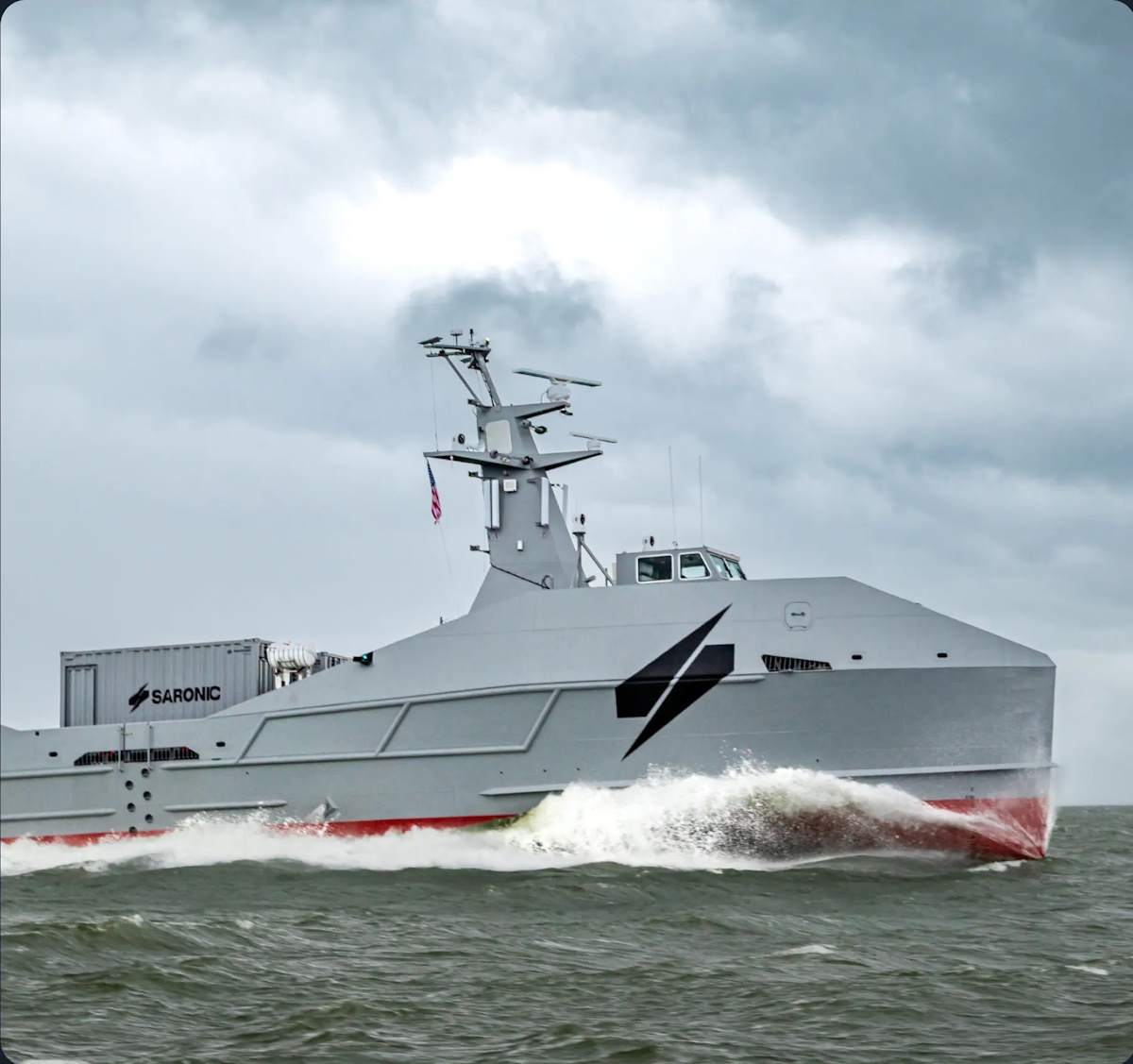
Saronic Establishes On-Water Testing Site for Marauder in Gulfport, Mississippi
Saronic has expanded its operations to Gulfport, Mississippi, where it has set up a site for on-water testing of its Medium Unmanned Surface Vessel (MUSV), Marauder, at the Port of Gulfport. This facility will support the testing and commissioning of the 180 ft. autonomous ships as they transition from production to delivery. The establishment of this site is significant as it reflects Saronic's commitment to scaling production and enhancing the capabilities of unmanned maritime systems. The Port of Gulfport provides a robust ecosystem of partners from industry, academia, and government, which is essential for advancing maritime technology. Looking ahead, Saronic's first Marauder has already begun extensive testing, logging hundreds of hours of trials. Additional units are under construction in Franklin, Louisiana, indicating a ramp-up in production. No further timeline was disclosed at the time of publication.
saronic expansion on-water testing marauder usv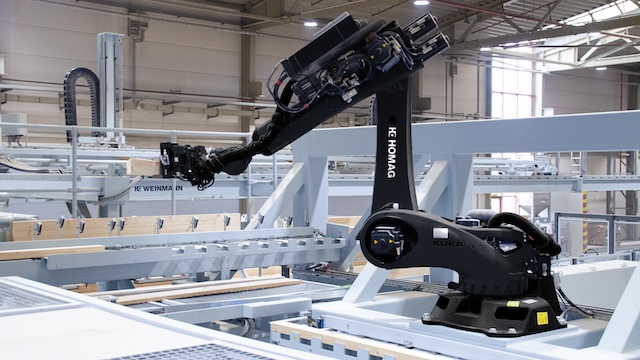
Army Aims to Expedite Interceptor Testing with New Ranges in US and Morocco
Army Secretary Dan Driscoll announced plans to facilitate quicker access to testing ranges for companies that have self-funded their munitions. The initiative aims to have these companies on the ranges within 30 days of their request, enhancing the development and testing of interceptor technologies. This move is significant as it underscores the Army's commitment to accelerating the testing and development processes for new munitions. By streamlining access to testing facilities in both the United States and Morocco, the Army seeks to foster innovation and collaboration with private sector companies, which is crucial for maintaining military readiness. Looking ahead, it will be important to monitor how quickly companies can take advantage of this initiative and the impact it has on the overall timeline for interceptor development. No further timeline was disclosed at the time of publication.
Land Warfare Army Daniel Driscoll Drones interceptors IRAD
Xpeng Reports G9L SUV Testing Across 26 Countries and 6.74 Million Kilometers
Xpeng announced that its G9L SUV has completed extensive road testing across 26 countries and regions, accumulating over 6.74 million kilometers since the project's inception three years ago. The testing encompassed a variety of complex road conditions and extreme environments to ensure the vehicle's performance and reliability. This extensive testing is significant as it highlights Xpeng's commitment to delivering a robust and capable flagship SUV. The G9L, designed as a global five-seat vehicle, is poised to enter the market soon, although a specific launch date has yet to be disclosed. Its specifications include a length of 5.12 meters and a wheelbase of 3.1 meters, showcasing its spacious design. Looking ahead, industry observers will be keen to see the official launch date for the G9L SUV and how it performs in the competitive electric vehicle market. With its dual-motor system producing a combined peak output of 430 kilowatts, the G9L aims to attract consumers seeking high performance and advanced technology in their vehicles. No further timeline was disclosed at the time of publication.
News Feed
Sift Launches Sift Edge for Zero-Loss Telemetry in Aerospace Hardware Testing
Sift has unveiled Sift Edge, a software platform designed to capture engineering test data directly at test sites, ensuring data collection continues despite network or power disruptions. This innovation addresses a significant challenge in aerospace and defense hardware development, where tests often occur in remote or secure locations with unreliable connectivity. The ability to maintain telemetry during critical tests is crucial, as losing data can hinder development efforts. Sift Edge operates locally with test equipment, storing data on-site and syncing with the cloud when connectivity is restored. This streamlined approach eliminates the need for separate infrastructure, allowing engineers to focus on data collection without the complexities of managing multiple systems. Looking ahead, Sift anticipates that the demand for robust data preservation will grow as the industry increasingly adopts data-driven methodologies and AI for performance analysis. No further timeline was disclosed at the time of publication.
Innovation
Baidu Begins Testing Robotaxis in London with Lyft and Freenow Partnership
Baidu has commenced testing its autonomous vehicles in London, collaborating with Lyft and Freenow. This initiative follows a strategic partnership established nearly a year ago to deploy Baidu's Apollo Go RT6 robotaxi across Europe via Lyft's platform. The testing, which started with human safety operators, marks a significant step towards commercial robotaxi services in the UK. The move is crucial as London emerges as a competitive landscape for robotaxi services, with other companies like Waymo and Uber also testing autonomous vehicles in the city. Baidu and Freenow aim to have their robotaxis available for public use by 2027, contingent on regulatory approval. The UK government is actively developing regulations for autonomous vehicles, which will influence the timeline for these services. As testing progresses, Baidu and Freenow are engaging with local authorities, including Transport for London, to ensure compliance and safety. The planned service will feature a hybrid network, integrating human drivers with robotaxis, emphasizing the importance of supporting professional drivers in the evolving transportation landscape.
Transportation Baidu Lyft robotaxis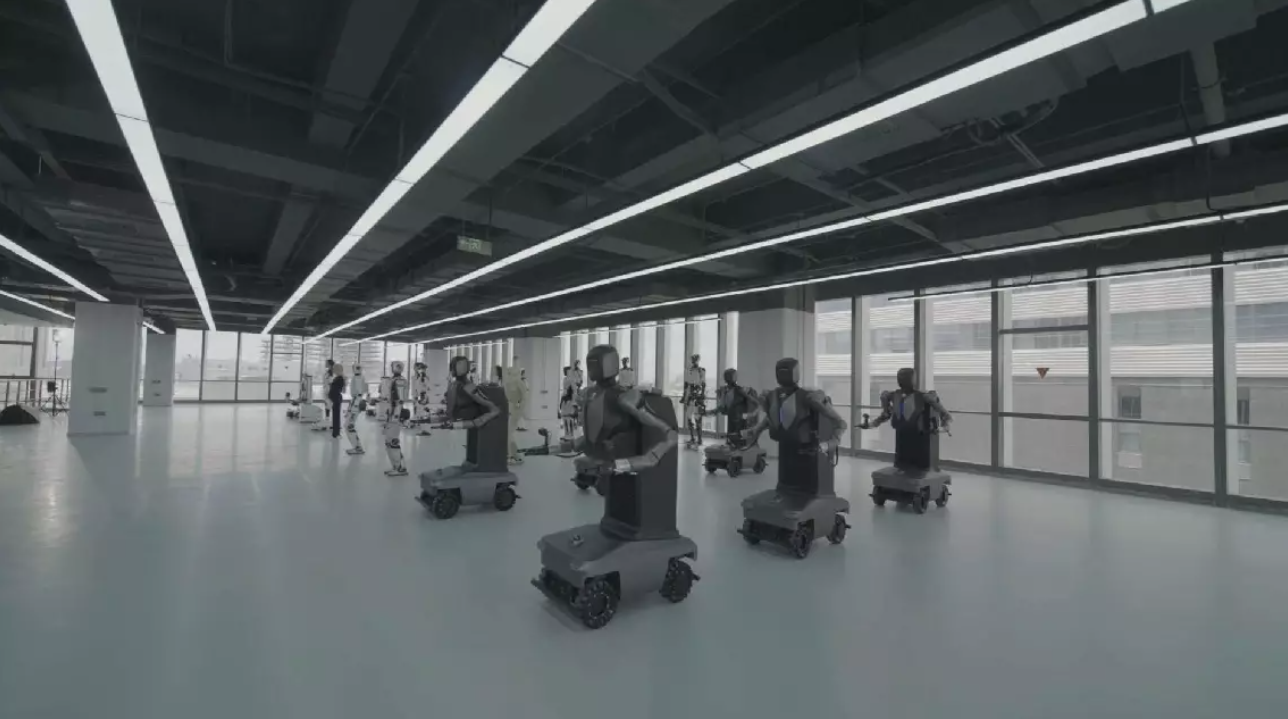
Shanghai Unveils Testing Platform for Humanoid Robot Mass Production
On July 18, during the 2026 World Artificial Intelligence Conference (WAIC), Shanghai launched a humanoid robot testing platform in the Zhangjiang Robot Valley of Pudong. This 6,800 square meter facility aims to bridge the gap between research and mass production, addressing the challenges faced by humanoid robots transitioning from lab to market. The platform features two modular flexible production lines capable of accommodating various robot configurations, with an annual production capacity of 2,000 units. Additionally, it includes a precision component assembly line and a dedicated testing area equipped with advanced testing equipment, enabling comprehensive performance validation of over 400 components and complete robots. Operated by a collaborative humanoid robot innovation center, the platform supports small and medium-sized enterprises with process transformation and production line optimization. It also offers financial incentives and collaborates with over 480 suppliers to develop industry standards, facilitating the rapid integration of humanoid robots into various sectors, including homes and supermarkets.
Humanoid Robots Mass Production Robotics Testing AI Development
CFM International Advances Open-Fan Engine Testing to Achieve 20% Fuel Reduction
CFM International has transitioned its innovative open-fan engine design into full-scale testing, aiming to integrate new technologies into future engines. The Revolutionary Innovation for Sustainable Engines (RISE) could be ready for narrow-body aircraft by the 2030s, with a target of over 20% lower fuel consumption compared to current engines. This development is significant as it represents a potential breakthrough in aviation efficiency, promising to reduce carbon emissions by approximately 20% when using conventional jet fuel. The open-fan design allows for larger fan blades that enhance thrust generation while minimizing weight, thus improving overall fuel efficiency. Looking ahead, CFM plans to conduct rigorous testing under challenging conditions, including simulated bird strikes and ice buildup, to ensure the engine meets aerospace standards. No further timeline was disclosed at the time of publication.
Innovation Transportation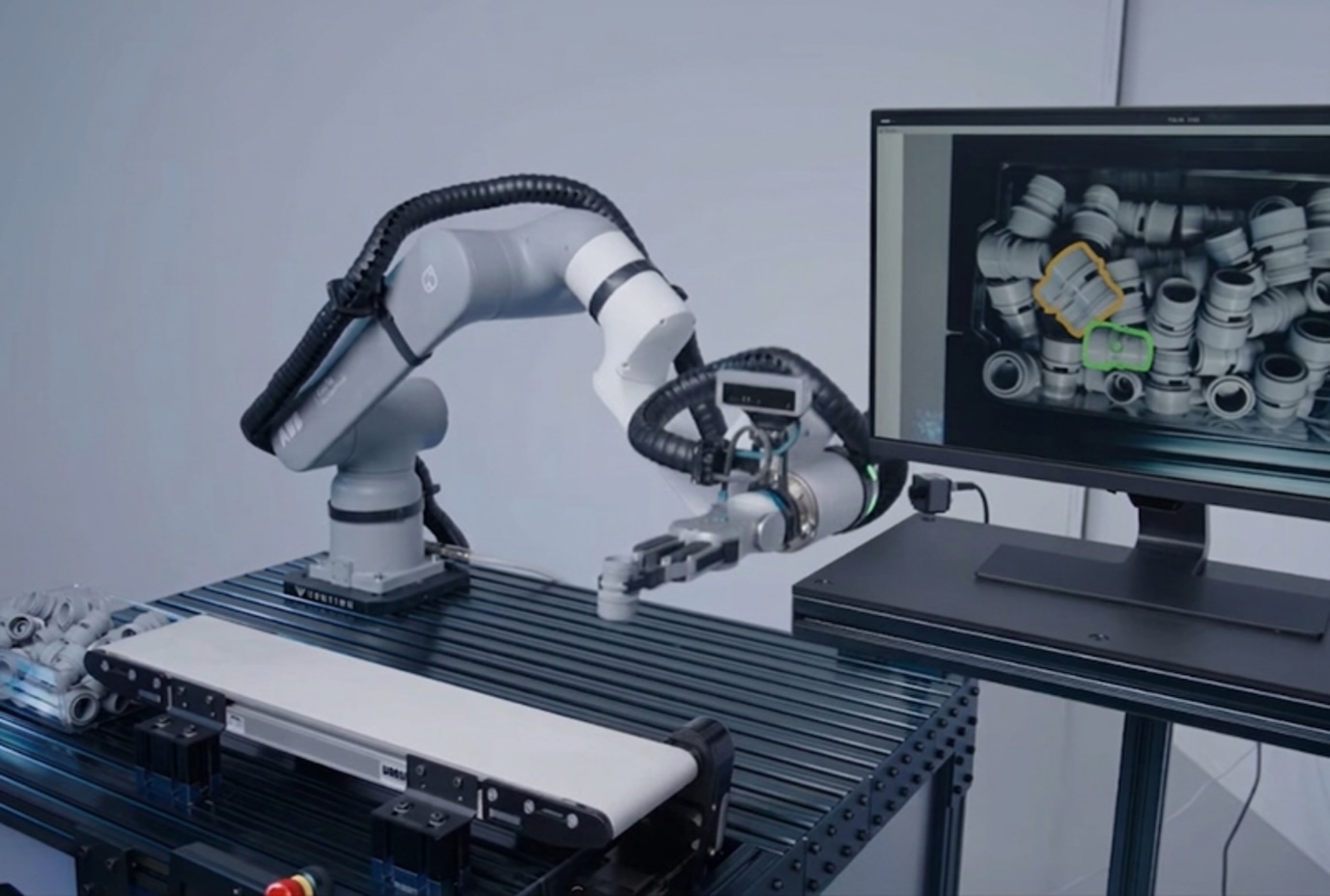
BAE Systems Finalizes BATS Counter-Drone Technology Testing in Eight Months
BAE Systems has successfully completed the integration and deployment testing of its Anti Threat System (BATS), a counter-drone technology developed by its Digital Intelligence division. This achievement marks a significant milestone in the development of advanced counter-drone solutions. The completion of BATS testing is crucial as it enhances BAE Systems' capabilities in addressing the growing threat posed by drones in various environments. The technology aims to provide effective countermeasures against potential drone-related risks, thereby ensuring safety and security in critical areas. Looking ahead, industry stakeholders will be keen to observe the deployment of BATS in real-world scenarios and its effectiveness in countering drone threats. No further timeline was disclosed at the time of publication.
News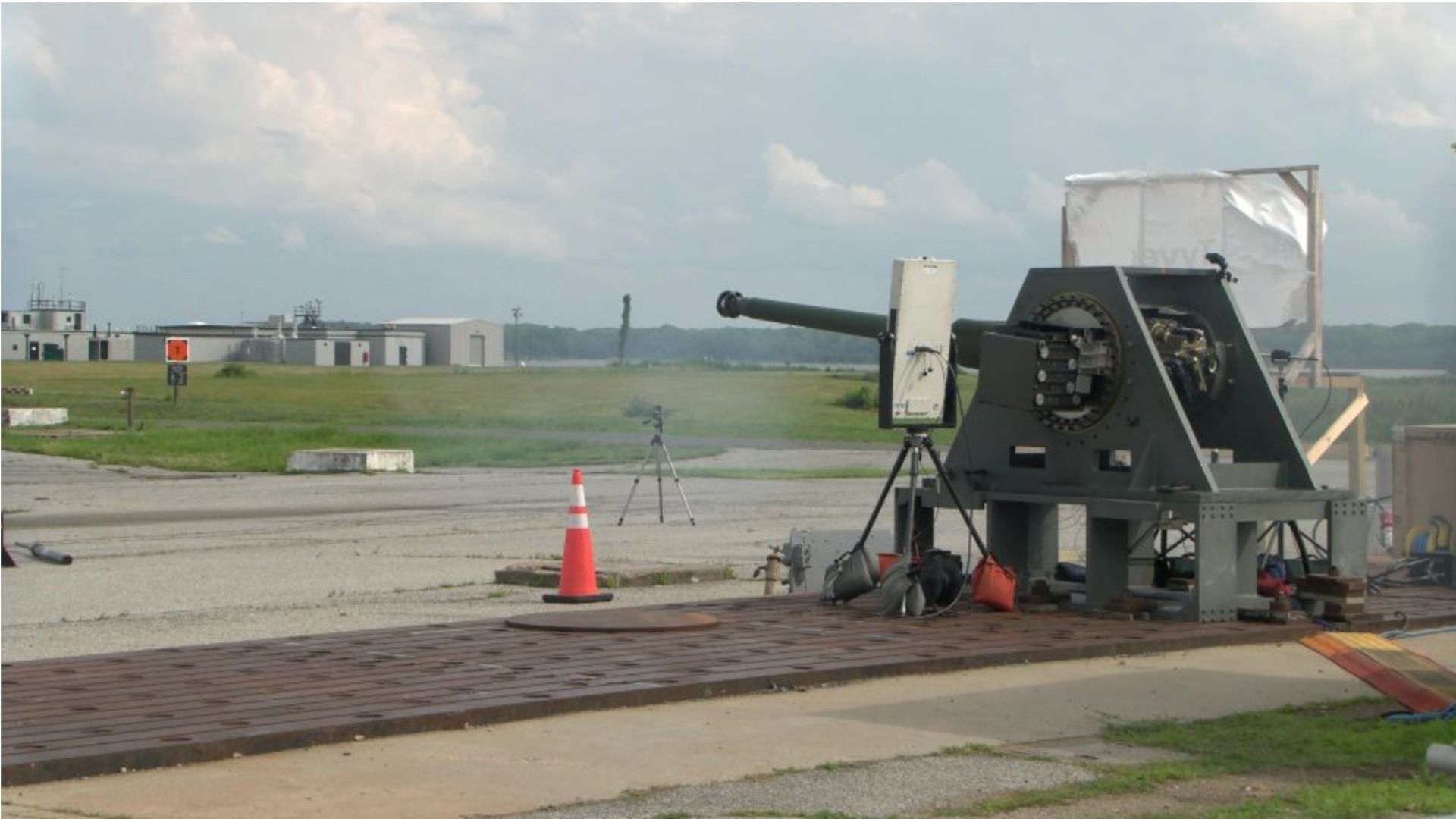
Northrop Grumman Advances 50mm Projectile Testing for Raid Hunter Air Defense System
Northrop Grumman has successfully conducted an aeroballistic test of a new 50mm round for its Raid Hunter air defense system. The test involved firing the projectile from an XM913 Chain Gun to validate its performance and gather flight data, which will aid in developing a guided, proximity-fuzed projectile. This development is significant as it enhances the Raid Hunter's capability to counter coordinated attacks from various aerial threats, including drone swarms and cruise missiles. The high-fidelity data collected during the test matched pre-test predictions, confirming the projectile's design and performance, which is crucial for the next development phase focused on guidance and proximity fuzing. Looking ahead, Northrop Grumman aims to integrate this advanced ammunition with its Bushmaster Chain Gun technology to create a high-rate defensive system. This combination is designed to effectively respond to mixed aerial threats, positioning Raid Hunter as a scalable and cost-effective solution for short-range air defense challenges.
Military
Hanwha and Magnet Defense to Begin Construction of New MUSV This Fall
Hanwha and Magnet Defense have announced plans to commence construction on a new Medium Unmanned Surface Vehicle (MUSV) this fall. The two companies formalized their collaboration through a memorandum of understanding signed in April, which outlines their commitment to developing this advanced maritime technology. The development of the MUSV is significant as it represents a strategic partnership aimed at enhancing capabilities in unmanned maritime operations. This initiative is expected to contribute to advancements in naval defense technology, reflecting the growing importance of unmanned systems in modern military applications. Looking ahead, testing of the MUSV is scheduled for next year, marking a critical phase in the project. Stakeholders will be keen to monitor the progress of this collaboration and its implications for the defense sector, particularly in the context of increasing investments in unmanned vehicle technologies.
Naval Warfare Drones Hanwha Hanwha Defense USA Magnet Defense MUSV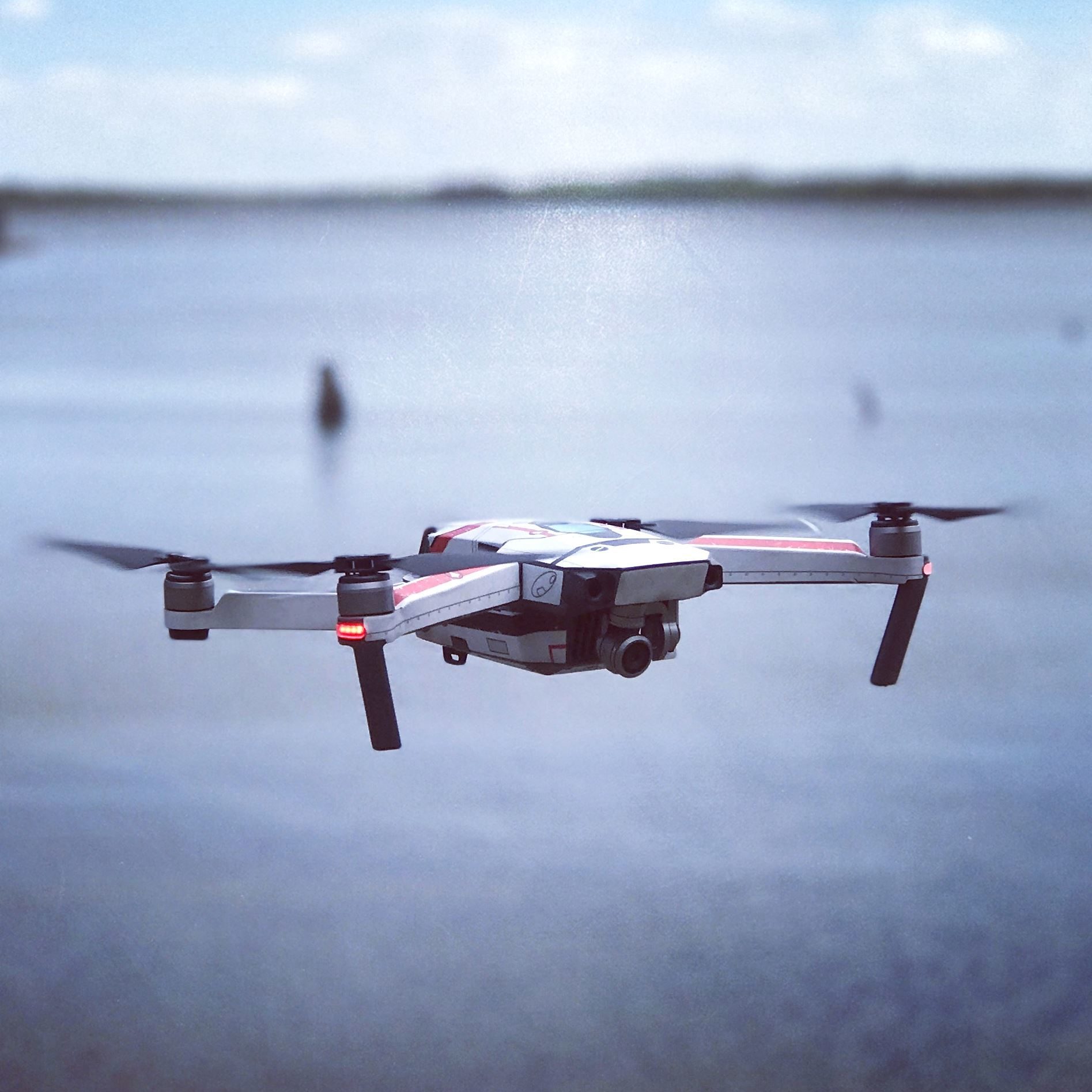
FCC Approves Nationwide Testing of Cellular Networks for Drone Safety Applications
The Federal Communications Commission (FCC) has eliminated a regulatory barrier to facilitate nationwide testing of commercial wireless networks on drones and general aviation aircraft. This order, effective September 11, supports the Department of Transportation's Mobile Network Aviation Assessment Program (MNAAP), which aims to evaluate wireless signal quality across various locations and altitudes in the contiguous United States. This initiative is significant as it seeks to determine the capability of commercial networks to support safety-related aviation services, including UAS command and control, autonomous detect and avoid systems, and counter-UAS detection. The waiver creates a controlled testing environment for participants approved by the Department of Transportation, allowing for the collection of crucial data on mobile broadband service performance. Looking ahead, the MNAAP may authorize up to 2,000 general aviation pilots to utilize a dedicated app on standard devices to report findings to a centralized database. Additionally, dedicated modules may be deployed on up to 200 UAS for targeted testing. This program could enhance understanding of airborne network performance, although the effectiveness of ground-based cellular infrastructure in aerial operations remains to be fully assessed.
Drone News Drone News Feeds News US Government BVLOS cellular connected drones
Pentagon Plans to Expand Tech Testing at US-Mexico Border with Unmanned Systems
The Pentagon is utilizing the US-Mexico border as a testing ground for advanced technologies, including high-energy lasers and unmanned systems. Mark Ditlevson, the assistant secretary of defense for Homeland Defense, expressed a desire to expand these projects, contingent on future funding from Congress. Current negotiations on the fiscal 2027 budget could impact the extent of these initiatives. The significance of this testing lies in its potential to enhance border security and combat narco-trafficking. The Pentagon has already deployed 10 Lightfish unmanned surface vessels (USVs) along the Rio Grande, receiving positive feedback on their sensor capabilities. Ditlevson indicated plans to extend the use of USVs into the Gulf of Mexico to further support anti-trafficking efforts. Looking ahead, the Pentagon is also exploring the automation of aerial drones to reduce reliance on manned aircraft and operators. Challenges remain, particularly regarding obstacle avoidance in US airspace. The timeline for deploying additional unmanned vessels and ground vehicles is uncertain, as the Pentagon continues to evaluate existing technologies and their effectiveness in enhancing operational capabilities.
Air Warfare Land Warfare Naval Warfare Pentagon Air Force Army
Hermeus Introduces Ramjet-X Test Vehicle for Enhanced High-Speed Flight Testing
Hermeus has unveiled the Ramjet-X, an expendable ramjet-powered aircraft designed to be air-launched from its reusable Quarterhorse drone. This innovative two-vehicle architecture aims to reduce the costs associated with high-speed flight testing, allowing for repeated tests without the need for expensive single-use boosters. The significance of the Ramjet-X lies in its potential to revitalize high-speed flight testing in the U.S., which has suffered from high costs and limited opportunities. By utilizing the Quarterhorse as a reusable launch platform, Hermeus aims to streamline the testing process, making it more accessible and efficient for both the company and its customers. Looking ahead, Hermeus plans to position the Ramjet-X not only for its own development but also as a test platform for external clients, offering a service model termed “Flight Test as a Service.” This initiative could attract a variety of payloads and foster increased commercial interest in high-speed flight testing, although further details on performance specifications remain undisclosed.
Air Drones News & Features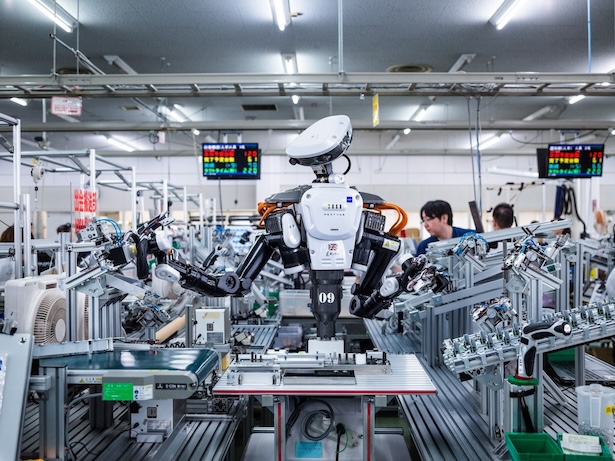
MIT Team Demonstrates Under-Ice Communication with ROV in Arctic Testing
In September 2026, a research team from MIT's Lincoln Laboratory conducted a field test in Utqiaġvik, Alaska, where an underwater remotely operated vehicle (ROV) successfully transmitted data through approximately 3.6 feet of Arctic ice. This marks a significant step toward establishing a large-scale underwater sensor network in the Arctic. The importance of this breakthrough lies in the limitations of traditional radio signals in seawater, which quickly attenuate and are ineffective for underwater communication. The team utilized a magnetic field communication system, employing a modem developed by Norwegian startup Havguard, achieving a data transmission rate of about 1.2KB/s. While this rate may seem modest compared to Wi-Fi or 5G, it suffices for the low bandwidth needs of Arctic sensor networks. Looking ahead, MIT aims to deploy some sensors via air drop by 2028, integrating them with the underwater modem to create a comprehensive system. The technology's potential applications span climate monitoring, coastal resilience, and military surveillance, highlighting the strategic value of autonomous underwater robots as Arctic ice melts and new shipping routes emerge. No further timeline was disclosed at the time of publication.
Underwater Robotics Arctic Research Sensor Networks AI in Robotics
Tesla's Full Self-Driving System Testing in France Could Boost Revenue
Tesla (TSLA) is currently undergoing testing of its Full Self-Driving (FSD) system on public roads in France, with a review expected to conclude by mid-to-late September. An EU-wide approval vote could occur as early as October 6, which is significant as it may lead to increased sales and revenue from existing vehicles in Europe. The potential approval of FSD could allow Tesla to activate the feature through software updates, generating high-margin revenue without the need for additional vehicle production. This is particularly important as automotive margins face pressure, making software revenue a more attractive option than reducing vehicle prices. France's shift from opposition to testing indicates a more favorable stance towards FSD, which is crucial for EU approval that requires support from at least 15 member states. Tesla's FSD Supervised has shown a significant reduction in collisions compared to manually driven vehicles, suggesting its potential as a driver-assistance system. No further timeline was disclosed at the time of publication.

Waymo Launches Paid Driverless Rides in New U.S. Cities as Zoox Begins Testing
Waymo has commenced paid driverless rides in Denver, San Diego, and Tampa, marking its first commercial operations in Colorado. This expansion adds to Waymo's existing fleet of over 4,000 vehicles across 14 U.S. cities, which includes the new Ojai model featuring advanced driverless technology. The growth of Waymo's services comes as Amazon's Zoox plans to initiate testing in Houston and San Diego with human supervisors. Zoox aims to establish a presence in 12 U.S. markets, although it currently lags behind Waymo in the robotaxi sector. The U.S. robotaxi market is projected to grow significantly, reaching $19 billion by 2030. Looking ahead, Waymo aims to increase its weekly robotaxi rides from over 500,000 to 1 million by the end of 2026. As the robotaxi race intensifies, the industry faces scrutiny regarding job impacts and safety concerns, particularly in challenging driving conditions.

Teradyne Unveils New UltraFLEXplus Instruments for AI and Data Center Testing
Teradyne, Inc. has launched three advanced instruments for its UltraFLEXplus platform, specifically designed to address the growing complexities of AI and data center semiconductor testing. The UltraPin5000-EM, UltraPort-PCIe6, and UltraVS64-HP instruments enhance scalability, flexibility, and performance, enabling semiconductor manufacturers to efficiently test cutting-edge devices. This launch is significant as it positions Teradyne to meet the increasing demands of the AI and data center markets, which are driving unprecedented growth in semiconductor complexity. CEO Greg Smith emphasized the company's commitment to providing innovative solutions that help customers stay competitive in this rapidly evolving landscape. Looking ahead, Teradyne will showcase these instruments at SEMICON Taiwan from September 2-4, 2026, in Taipei. The introduction of these products marks a strategic move to strengthen Teradyne's role in the AI device supply chain, ensuring that components meet the industry's stringent quality standards. No further timeline was disclosed at the time of publication.
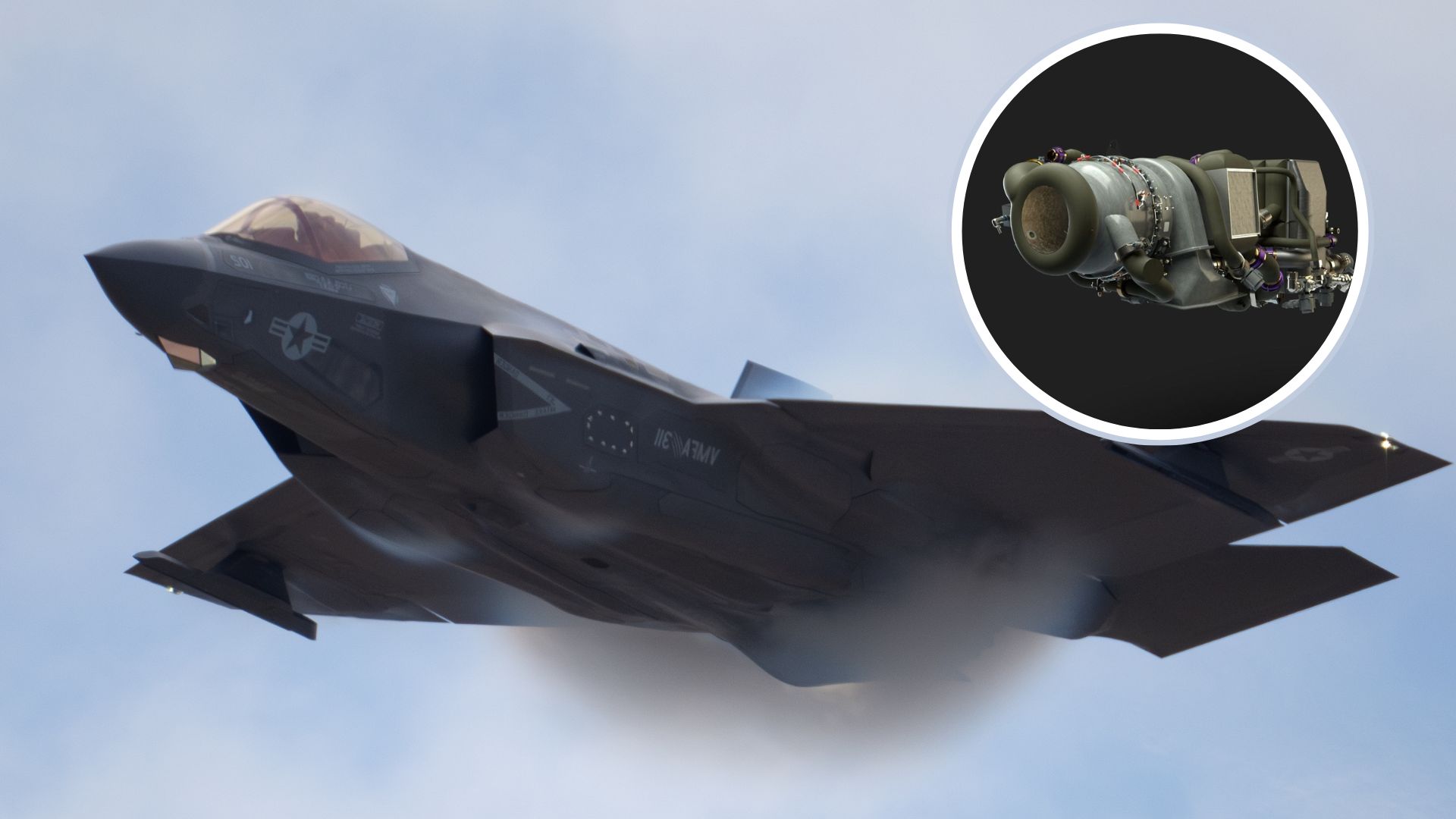
Collins Aerospace Completes Altitude Testing of Enhanced Power and Cooling System for F-35
Collins Aerospace has successfully completed altitude testing of its Enhanced Power and Cooling System (EPACS) for the F-35 jet. This new system is designed to enhance the thermal capacity of the aircraft, enabling it to support future technology upgrades. The testing involved simulating various mission demands and altitude conditions to evaluate the system's performance. The significance of EPACS lies in its ability to meet the increasing thermal and power demands of modern aircraft electronics. As new sensors and mission systems are integrated into the F-35, they generate more heat and require additional electrical power. EPACS aims to provide the necessary thermal margin to accommodate these upgrades without exceeding the aircraft's thermal limits. Looking ahead, the successful altitude testing marks a critical milestone in the development of EPACS, increasing confidence in its performance under real-world conditions. No further timeline was disclosed at the time of publication.
Military
Transforming Backend Testing for AI: Ensuring Reliability at Scale
As artificial intelligence transitions from niche applications to widespread infrastructure, backend testing is experiencing significant changes. Customers are increasingly focused on the reliability and scalability of AI systems, prompting a reevaluation of testing methodologies to meet these new demands. This shift is crucial as organizations seek to integrate AI into their operations, ensuring that systems perform reliably under various conditions. The evolving landscape of AI requires that testing not only validates functionality but also assesses performance and resilience at scale, addressing the complexities introduced by AI technologies. Looking ahead, it will be important to monitor how testing frameworks adapt to these challenges. The industry must prioritize the development of robust testing strategies that can keep pace with the rapid advancements in AI, ensuring that systems are both reliable and efficient. No further timeline was disclosed at the time of publication.
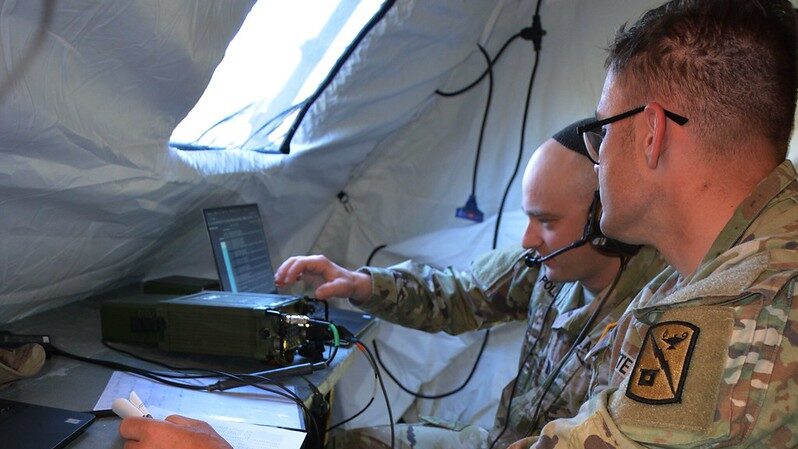
Army Network Command Chief Advocates for Digital Twin to Enhance Training and Cybersecurity
At the AFCEA TechNet Augusta conference, Maj. Gen. Jacqueline Denise McPhail, chief of the Army's Network Command (NETCOM), emphasized the necessity of a digital twin for the Army's networks. This comprehensive simulation would facilitate training and testing of both AI algorithms and personnel, providing a realistic environment to prepare for cyber threats. The digital twin, which would be continuously updated with real-time data, aims to enhance the Army's ability to respond to the increasing sophistication of cyber attacks, which now average 1.2 million daily. McPhail highlighted the importance of distinguishing between benign data and significant behavioral changes, a task where AI could play a crucial role in identifying vulnerabilities within the Department of Defense Information Network – Army (DoDIN-A). While acknowledging the challenges of creating such a digital model, McPhail encouraged contractors to pursue this initiative, suggesting a phased approach to development. The potential benefits of a digital twin extend beyond mere simulation, allowing for stress-testing and predictive analysis to improve network resilience and security.
Land Warfare Networks & Digital Warfare Army artificial intelligence AI cyber security Department of Defense Information Networks DoDIN
Ruoyu Technology's Strategic Positioning in High-Risk Energy Scenarios for Special Robots
The year 2026 is widely recognized as a pivotal moment for the commercialization of humanoid robots and embodied intelligence, with various factors maturing. However, the transition from technology validation to large-scale deployment is ongoing. High-risk energy scenarios are becoming critical testing grounds for the industry, reflecting its future direction. The special robot market is on an upward trajectory, with projections indicating a growth from 290 billion yuan in 2025 to 352 billion yuan in 2026 in China. Despite this expansion, not all players will benefit equally. Two distinct narratives have emerged: traditional hardware-focused manufacturers and algorithm-driven startups, each with different approaches to market engagement. As the industry approaches 2026, which is seen as a key year for commercialization, there is a clear market gap for qualified, intelligent, and operational solutions in high-risk scenarios. The need for robots that can autonomously adapt and operate safely in hazardous environments is critical, as highlighted by the participation of Ruoyu Technology in the recent energy innovation conference, emphasizing their commitment to enhancing safety in dangerous work conditions.
Special Robots Embodied Intelligence Energy Sector Safety Compliance Automation Technology
Development and Testing of a Cost-Effective Integrated Gripper-Shear End-Effector
A new integrated gripper-shear end-effector has been developed and validated, showcasing efficiency and cost-effectiveness. This innovation aims to enhance robotic capabilities in various applications by combining gripping and cutting functionalities into a single tool. The significance of this development lies in its potential to reduce operational costs while improving performance in tasks that require both gripping and shearing actions. By integrating these two functions, the end-effector can streamline processes in fields such as manufacturing and logistics, where efficiency is paramount. Looking ahead, the focus will be on further testing and optimization of the end-effector for specific applications. No further timeline was disclosed at the time of publication.
RESEARCH ARTICLE
PI Launches New Miniaturized Alignment Engine for Electro-Optical Wafer-Level Testing
PI (Physik Instrumente) has unveiled a new technology platform aimed at enhancing electro-optical wafer-level testing. This innovative platform is designed to validate both electrical and optical device functions concurrently, catering to the demands of high-volume production. The introduction of this miniaturized alignment engine is significant as it addresses the growing need for efficient testing solutions in the semiconductor industry. By enabling simultaneous validation of device functions, it promises to streamline production processes and improve overall efficiency in manufacturing. Looking ahead, industry stakeholders should monitor the adoption of this technology in production environments. The effectiveness of this platform in real-world applications will be crucial in determining its impact on the electro-optical testing landscape. No further timeline was disclosed at the time of publication.

Testing Five Robot Lawnmowers Reveals Significant Improvements in Navigation and Performance
A recent comparison of five robot lawnmowers showcased their advancements in handling challenging landscapes, particularly in coastal South Carolina. While these machines are not yet fully autonomous, they significantly reduce yard maintenance efforts, provided users monitor their operation to prevent mishaps. The improvements in navigation and maneuverability, particularly with the adoption of network RTK technology, have led to better performance and reliability. Users can now enjoy a well-maintained lawn with minimal effort, as these mowers operate quietly and efficiently, creating a professional appearance. Looking ahead, the integration of secondary navigation technologies like lidar and vSLAM will further enhance the reliability of robot lawnmowers. However, challenges remain, and users should remain vigilant to ensure optimal performance and prevent issues in their yards.
Buying Guides Gadgets Reviews Robot Smart Home Smart Home Reviews
Army Replaces Infantry Squad Vehicles with Polaris MRZR for Unmanned Systems Testing
The U.S. Army has officially transitioned from using Infantry Squad Vehicles (ISVs) to Polaris MRZR platforms for its Unmanned Systems (UxS) autonomy program. This change, confirmed by Michael Rose, chief technology officer for CPE Mission Autonomy, aims to enhance off-road autonomy testing. The MRZR platforms will allow multiple companies to test their autonomy software in a standardized environment, facilitating direct comparisons of technological capabilities. This shift is significant as it marks a departure from the Army's previous plans to enhance ISVs with autonomy software from Forterra, Overland AI, and Scout AI. The decision to adopt MRZR platforms is based on evolving technological needs and aims to address challenges identified in the initial UxS program, including safety risks and financial constraints. The Army has received 12 MRZR Alphas from Polaris for this initiative, indicating a commitment to advancing unmanned ground vehicle capabilities. Looking ahead, the Army is evaluating various autonomy software providers for the MRZR platforms, although specific companies involved have not been disclosed. The ongoing participation of Forterra, Overland AI, and Scout AI in the UxS program suggests a competitive landscape as the Army seeks to refine its approach to unmanned systems. No further timeline was disclosed at the time of publication.
Land Warfare Army autonomy Drones ground autonomy GVSETS 2026
VicOne Launches Free Radeis Extension for NVIDIA Isaac Sim to Enhance Robot Cybersecurity Testing
VicOne Inc. has introduced the free VicOne Radeis Extension for NVIDIA Isaac Sim, aimed at enabling robotics developers to simulate and test the impact of cyber-attacks on robot behavior. This release comes as the industry shifts towards deploying robots at scale, necessitating robust cyber-safety validation alongside functional testing. The importance of this extension lies in its ability to help developers address cybersecurity risks early in the development process. Max Cheng, CEO of VicOne, emphasized that as robotics companies move towards real-world deployment, ensuring reliability in the face of digital system compromises is crucial. The extension transforms DEF CON research into practical simulation scenarios, promoting the development of resilient physical AI. Looking ahead, VicOne's efforts to integrate cybersecurity validation into robotics development will be critical as the industry evolves. The company has already identified over 180 zero-day vulnerabilities and continues to enhance its threat intelligence capabilities. No further timeline was disclosed at the time of publication.
Artificial Intelligence Automotive Development Tools / SDKs / Libraries Events News Safety & Security
Understanding AI Testing Needs from Wafers to Data Centers
AI is transforming the infrastructure that supports it, particularly at the compute layer. As server architectures and AI accelerators become increasingly intricate, the demand for effective testing has surged. This evolution necessitates advanced testing methodologies to ensure reliability and performance across various components. The significance of this shift lies in the critical role that robust testing plays in the deployment of AI technologies. With the complexity of AI systems rising, ensuring that each layer—from wafers to data centers—functions optimally is essential for maintaining operational efficiency and meeting user expectations. Effective testing can mitigate risks associated with failures and enhance the overall performance of AI applications. Looking ahead, stakeholders should monitor advancements in testing technologies and methodologies that cater to the unique challenges posed by AI systems. As the industry continues to evolve, the integration of innovative testing solutions will be vital for supporting the growing demands of AI infrastructure. No further timeline was disclosed at the time of publication.

Tesla's AI Model Testing Sparks 9% Surge in Alibaba Stock Amid Investor Speculation
Alibaba Group Holding Limited has gained attention following reports that Tesla has begun testing its AI model, Qwen, in its infotainment system. Although unverified, this news has led to a 9% increase in Alibaba's shares over the past five trading sessions, indicating strong investor interest. The significance of this development lies in the potential capabilities of Qwen, which could enhance Tesla's vehicle functions through advanced voice command processing and multi-task management. This speculation has kept Alibaba on the radar of investors, despite the company facing challenges such as increased AI spending and sluggish consumer demand in China. Looking ahead, it remains to be seen whether Tesla will adopt Qwen or continue with its existing partnership with ByteDance's Doubao. Alibaba, with a market cap of $309.2 billion, continues to navigate a complex landscape while experiencing a recent 35.14% rise in shares, driven by cloud growth and reduced legal concerns.
RIMPAC Exercise Serves as Key Testing Ground for Advanced Technologies
The multinational RIMPAC exercise is set to feature experiments with 3D printing and missile launches from uncrewed vessels. These activities will occur alongside high-end warfighting training, showcasing the integration of cutting-edge technologies in military operations. This exercise is significant as it highlights the military's commitment to exploring innovative solutions for modern warfare. The incorporation of advanced technologies like 3D printing and uncrewed systems reflects a shift towards more efficient and effective combat strategies. Looking ahead, observers should monitor the outcomes of these experiments and their potential implications for future military engagements. No further timeline was disclosed at the time of publication.
All Domain Global 3D printing Asia Drones Indo-Pacific
Shanghai Concludes Spring Training for Robotics Teams with Real-World Testing
Thirty-two maker teams showcased their robots in a real-world environment, tackling tasks such as CityWalk, coffee delivery, and urban inspections. Despite their capabilities, the robots faced challenges, including reliance on remote control and limitations in long-distance tasks. This testing highlighted the need for standardized data systems among teams to facilitate collaboration between carbon-based and silicon-based entities. The training culminated in a short film depicting a robotic dog navigating various tasks, revealing both its limitations and the technological advancements made by participating teams. The film emphasized the importance of human oversight and decision-making in enhancing robotic functionality, such as modifying elevator access for robots. Shanghai has introduced the 'Dual-Base Friendly Agreement' to ensure that silicon-based entities do not compromise human safety or privacy. The team is drafting guidelines for creating friendly communities that integrate these technologies. As robots transition into everyday life, it is crucial to align technological advancements with urban planning, social norms, and human psychology.
Robotics Urban Navigation Human-Robot Interaction AI Technology
UNSW Develops Soft Robotic Heart for Disease Study and Cardiac Device Testing
Researchers at the University of New South Wales (UNSW) have created a soft robotic model of the human heart that mimics disease conditions and facilitates testing of cardiac devices. This innovative model replicates the left side of the heart, including critical structures such as artificial valves and papillary muscles, which are essential for heart function. The significance of this development lies in its potential to enhance understanding of cardiovascular diseases, which remain the leading cause of death globally. The soft robotic heart can simulate conditions like mitral valve prolapse and regurgitation, allowing for more effective medical device development and reducing the need for animal testing. Looking ahead, the UNSW team aims to refine these artificial heart models to provide personalized treatment planning for patients. No further timeline was disclosed at the time of publication.

AI Chiplet Architectures Transform Testing Strategies Amid Rising GPU Costs
AI chip designs are increasingly shifting towards 2.5D and 3D chiplet architectures due to lithographic and reticle limitations. This evolution is significantly altering the testing landscape, as the integration of chiplets necessitates new strategies for ensuring quality and performance. The rising costs of GPUs, projected to reach $28,000, underscore the urgency for manufacturers to adopt these advanced architectures. By redefining where testing occurs within the chiplet framework, companies can enhance reliability and reduce costs associated with faulty components. As the industry adapts to these changes, stakeholders should monitor advancements in chiplet technology and testing methodologies. The ongoing evolution in AI chip design will likely influence procurement strategies and investment decisions in the semiconductor sector. No further timeline was disclosed at the time of publication.
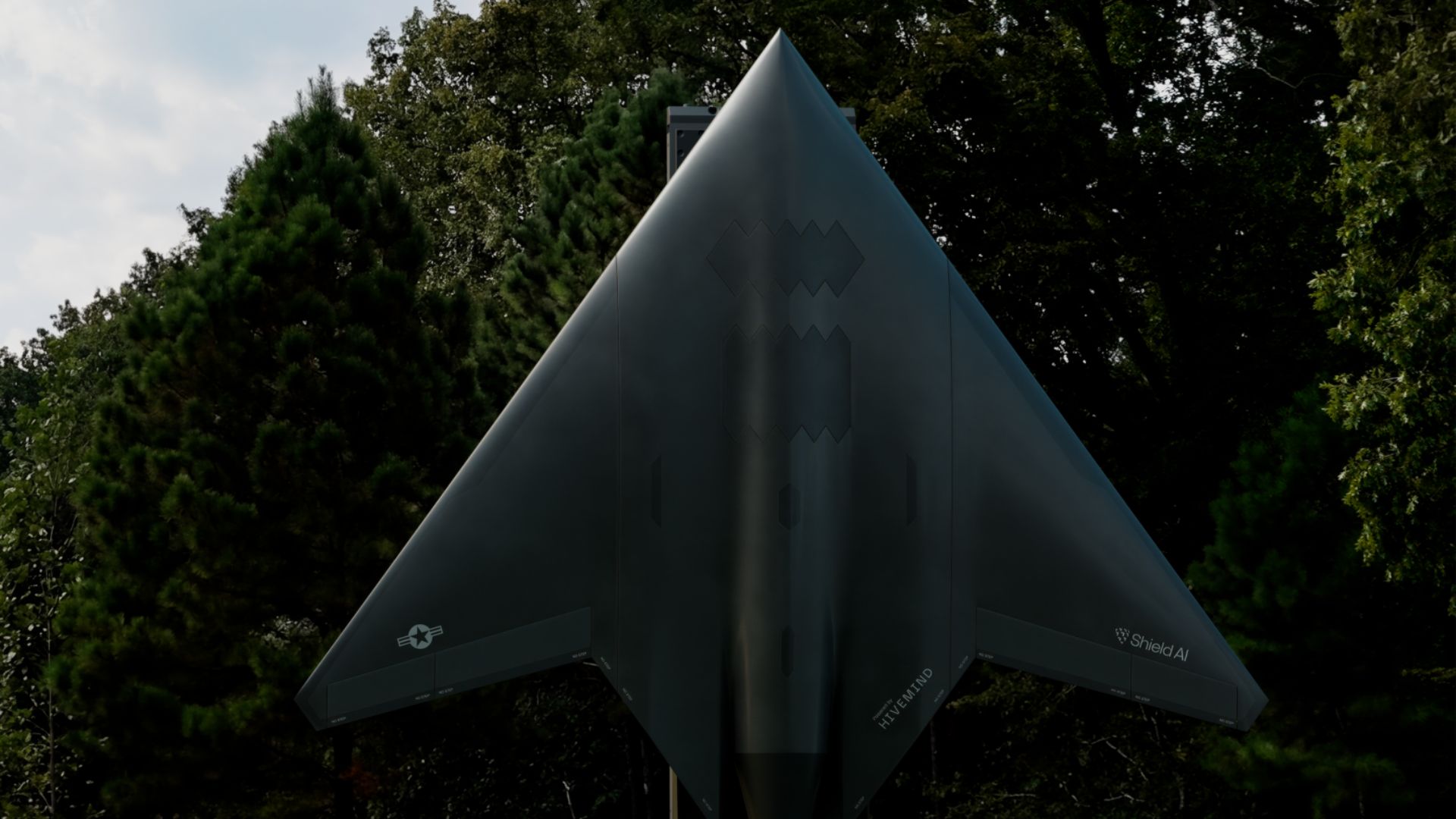
GE Aerospace and Shield AI Achieve Milestone in X-BAT Aircraft Engine Testing
GE Aerospace and Shield AI have successfully completed critical engine tests for the X-BAT unmanned strike aircraft, advancing the project towards vertical flight testing scheduled for later this year. The tests involved the integration and actuation of the Axisymmetric Vectoring Exhaust Nozzle (AVEN) on the F110-GE-129E engine, confirming the propulsion system's functionality. This achievement is significant as it marks the first fully integrated test of the nozzle and engine systems since the 1990s, showcasing the potential of the AVEN to enable vertical takeoff and landing without runways. The X-BAT is designed for deployment in areas lacking traditional airbases, enhancing operational flexibility in combat scenarios. Looking ahead, the next phase involves further ground tests of the AVEN before its installation on the X-BAT prototype for flight trials. The collaboration between GE Aerospace and Shield AI aims to refine the propulsion system, making future iterations of the X-BAT faster, lighter, and more capable for long-range missions.
Innovation Military Transportation
Humanoid Robots Enhance Performance in Real-World Applications with New Testing Metrics
Recent advancements in humanoid robotics have led to the development of new testing methods that evaluate how effectively these robots can handle real-world forces. This shift is significant as humanoid robots transition from novelty items to practical tools in various industries, including manufacturing and logistics, where they perform tasks such as lifting heavy boxes and moving furniture. The importance of this testing lies in its ability to measure the robots' capabilities in dynamic environments, ensuring they can operate safely and efficiently alongside human workers. As these robots take on more demanding roles, understanding their physical interactions with the environment becomes crucial for their integration into workplaces, enhancing productivity and safety. Looking ahead, the continued evolution of testing methodologies will be essential for the deployment of humanoid robots in more complex scenarios. No further timeline was disclosed at the time of publication, but ongoing research is expected to yield more robust performance metrics that will guide future developments in this field.
Robotics
Shenzhen's URKL Launches T800 Robot for Competitive Combat Testing
On July 11, Shenzhen's commercial district unveiled a 6-meter tall T800 robot, attracting crowds for the first-ever humanoid robot combat event, the Ultimate Robot Knock-out Legend (URKL). The competition, set to begin on July 16 at the Nanshan Cultural and Sports Center, features a grand prize of 10 million yuan and a unique three-match format, emphasizing the need for robots to learn from physical challenges. The significance of URKL lies in its role as a rigorous testing ground for humanoid robots, pushing their capabilities to the limit in dynamic combat scenarios. Current humanoid robots often struggle in unpredictable real-world environments, making this competition a critical evaluation of their robustness and algorithmic stability. The event aims to shift the focus from mere mobility to the ability to recover autonomously from loss of control, which is essential for practical applications in logistics and security. Looking ahead, the competition will showcase advancements in autonomous decision-making capabilities, as the T800 transitions from a remote-controlled unit to an intelligent competitor. This evolution reflects a broader trend in the robotics industry, where the ability to navigate complex environments and withstand disturbances is becoming increasingly vital. No further timeline was disclosed at the time of publication.
Humanoid Robots Robot Combat AI Robotics Technology
Xiaopeng begins internal testing of Robotaxi, marking a key step towards "robot cars," says He Xiaopeng.
On September 9, XPeng Motors held its first all-hands meeting for its Robotaxi division, announcing the launch of an internal testing phase for employees. CEO He Xiaopeng emphasized that over the next decade, all intelligent physical carriers will essentially become robots, positioning Robotaxi as a crucial step for XPeng in transitioning from electric vehicles to "robotic cars." This initiative is part of XPeng's broader strategy to establish a foothold in the physical AI landscape. The company plans to focus on integrating hardware and software for its vehicle platform, autonomous driving technology, and AI capabilities. By developing comprehensive solutions, XPeng aims to serve global partners and facilitate the worldwide deployment of Robotaxi services.
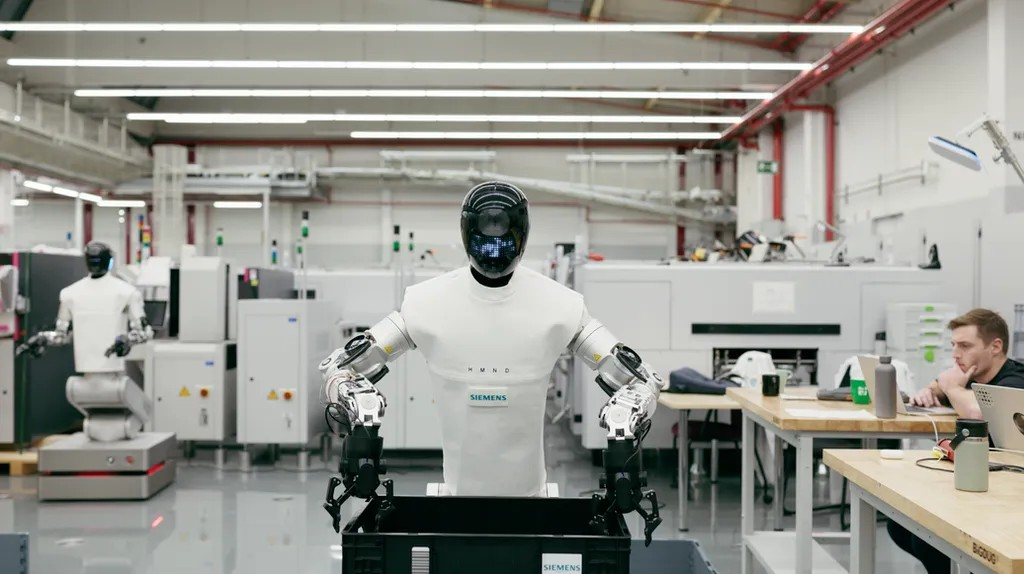
"Physical AI First Implemented in Real Production Line: Siemens Partners with Humanoid to Complete Testing of Humanoid Robot Factory"
Siemens has successfully implemented physical artificial intelligence in a real production line by partnering with Humanoid to complete testing of a humanoid robot factory. This milestone was achieved recently as part of Siemens' ongoing efforts to enhance automation and efficiency in manufacturing processes. The collaboration aims to integrate advanced robotics into production environments, showcasing the potential for humanoid robots to perform complex tasks alongside human workers. By leveraging cutting-edge technology, Siemens and Humanoid are addressing the growing demand for innovative solutions in the manufacturing sector, ultimately seeking to improve productivity and reduce operational costs. This development marks a significant step forward in the evolution of industrial automation, paving the way for future advancements in AI-driven manufacturing.
Robotics Automation AI
Tesla starts testing Cybercab without pedals or a steering wheel in Austin
Tesla is poised to take significant steps towards fulfilling Elon Musk's long-standing vision of establishing a robotaxi network. The company has been working on this ambitious project for several years, and recent developments suggest that it may soon be ready to launch the service. This initiative aims to revolutionize urban transportation by providing a fleet of autonomous vehicles that can operate without human drivers. As Tesla prepares for this next phase, the rollout of the robotaxi network could reshape the landscape of mobility, offering a new, efficient alternative to traditional ride-sharing services. The timeline for the launch remains uncertain, but the company’s advancements in autonomous driving technology indicate that the long-awaited service may soon become a reality.
Transportation autonomous vehicles avs cybercab robotaxis Tesla
Critical Semiconductor Testing for AI and Data Center Power Demands
As artificial intelligence (AI) drives significant power requirements in data centers, the importance of thorough semiconductor testing has escalated. This trend highlights the growing challenges faced by data centers in managing energy consumption while ensuring optimal performance. The new video series aims to provide insights into these critical testing processes and their implications for the industry. The increasing reliance on AI technologies necessitates a robust approach to semiconductor testing, which is essential for maintaining efficiency and reliability in data centers. As power demands rise, organizations must adapt their testing methodologies to address these challenges effectively. This shift underscores the vital role that semiconductor testing plays in supporting the evolving landscape of AI and data center operations. Looking ahead, industry stakeholders should monitor advancements in semiconductor testing techniques and their impact on energy management in data centers. The ongoing development of testing protocols will be crucial in ensuring that data centers can meet the growing power demands associated with AI applications. No further timeline was disclosed at the time of publication.

Design and Testing of a Minimal Configuration Underwater Micro‐Glider: Automating Lake and Reservoir Monitoring
The Journal of Field Robotics has recently published an early view article highlighting advancements in robotic technology and its applications in various fields. This publication, which became available in October 2023, showcases innovative research conducted by a team of engineers and scientists from leading universities and research institutions. The article focuses on the development of autonomous robots designed for complex tasks in environments such as agriculture, disaster response, and exploration. The research aims to address the growing need for efficient and reliable robotic systems capable of operating in challenging conditions, driven by the increasing demand for automation in various industries. Through rigorous testing and experimentation, the authors detail the methodologies employed in creating these advanced robotic systems, emphasizing their potential to enhance productivity and safety. The findings presented in this publication are expected to contribute significantly to the ongoing discourse on the future of robotics and its integration into everyday life. As the field of robotics continues to evolve, this early view article serves as a timely reminder of the transformative impact that innovative technologies can have on society, paving the way for further research and development in the coming years.
RESEARCH ARTICLE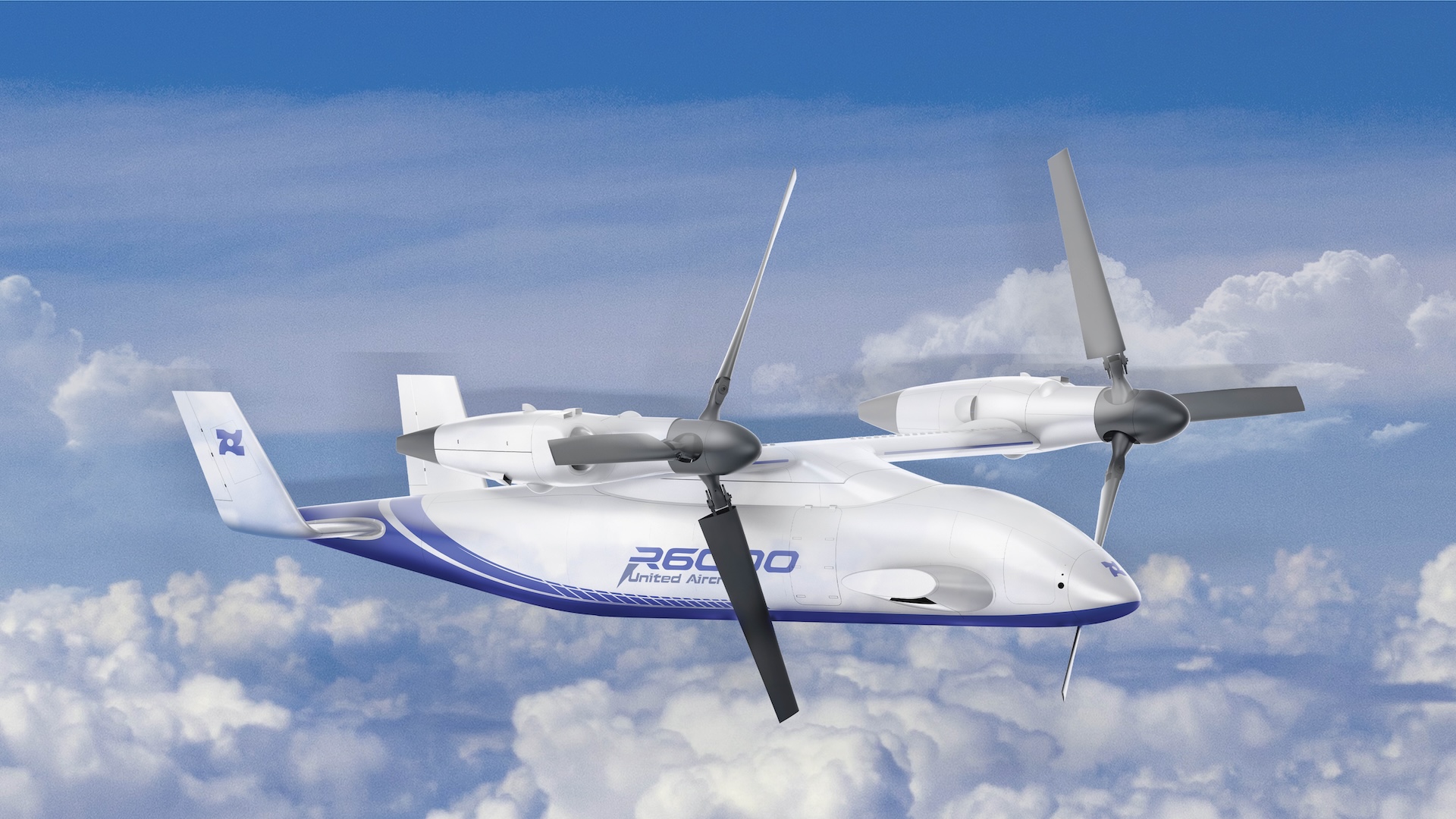
China’s giant 6-ton autonomous tiltrotor drone enters full free-flight testing
China’s R6000, recognized as one of the largest uncrewed tiltrotor aircraft globally, has commenced full free-flight testing. This significant development took place recently, marking a crucial step in advancing the country's aerospace capabilities. The testing is being conducted in various locations, showcasing the aircraft's versatility and potential applications in both military and civilian sectors. The motivation behind this initiative is to enhance China's technological prowess in aviation and to explore new operational possibilities for unmanned aerial vehicles. The R6000's design allows it to take off and land vertically while also achieving high-speed horizontal flight, which could revolutionize transport and logistics in challenging environments. As the testing progresses, engineers and researchers are closely monitoring the aircraft's performance to ensure safety and efficiency, paving the way for future innovations in unmanned flight technology.
Military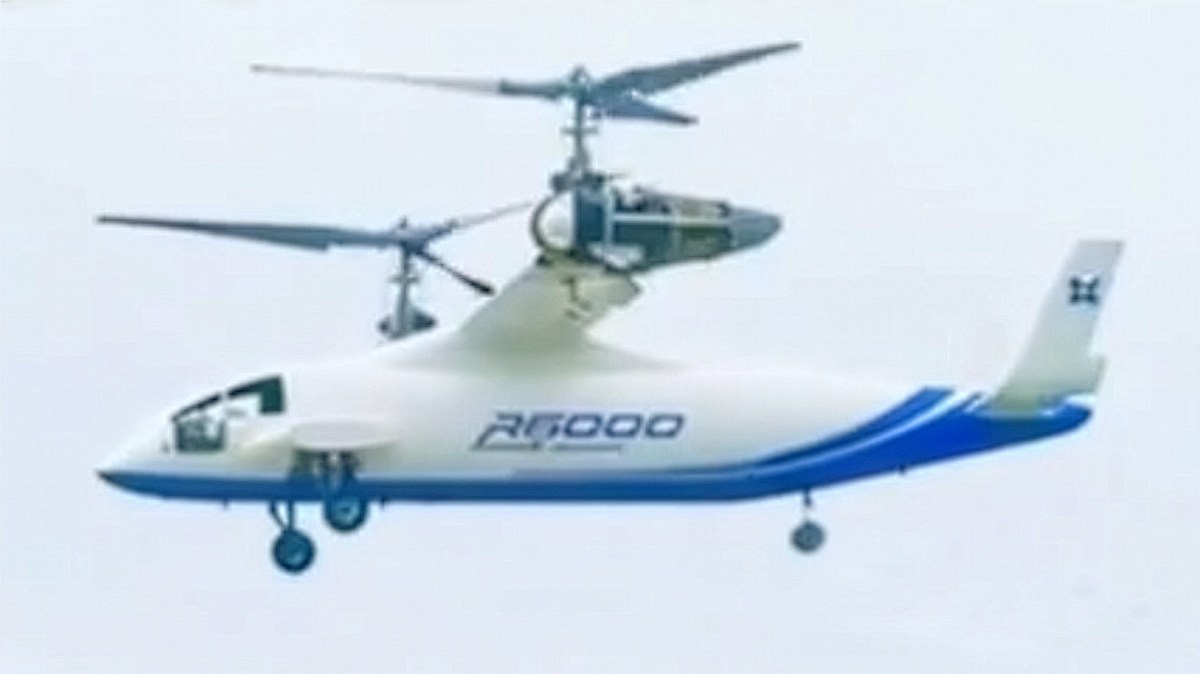
China’s Big R6000 Tiltrotor Drone Has Entered Full Flight Testing
Recent footage has revealed that China's R6000 uncrewed tiltrotor drone has progressed beyond its initial tethered hover trials and has now entered the phase of full flight testing. This advancement marks a significant step in the development of the R6000, showcasing its capabilities in more dynamic flight conditions. The shift to full flight testing indicates that the drone is being evaluated for its operational performance and reliability, which are crucial for potential future applications in various sectors, including military and civilian operations. The testing is taking place in China, although specific locations have not been disclosed. This development reflects China's ongoing efforts to enhance its drone technology and expand its presence in the unmanned aerial vehicle market.
Air Air Forces Around The Globe China Indo-Pacific News & Features
UK MoD opens Europe’s largest drone testing centre in Swindon
The UK Ministry of Defence has inaugurated Europe’s largest drone testing and development facility, marking a significant advancement in military technology and innovation. This state-of-the-art center, located in the UK, aims to enhance the country’s capabilities in unmanned aerial systems. The facility is expected to play a crucial role in the development and testing of drones for various applications, including surveillance and combat operations. The initiative reflects the UK’s commitment to maintaining a competitive edge in defense technology amid evolving global security challenges. The opening of the facility underscores the importance of investing in advanced military infrastructure to support research and development in the field of unmanned systems.
NewsRobotics needs a service framework.
RSF defines a common language for robot service capability, lifecycle operations, certification pathways, and service-provider networks.
Join the RobotToday community on LinkedIn
Daily robotics news, in-depth analysis, conference highlights, and discussions with professionals worldwide.