Industry Briefing
A single destination for timely, editor-curated robotics news from around the world.
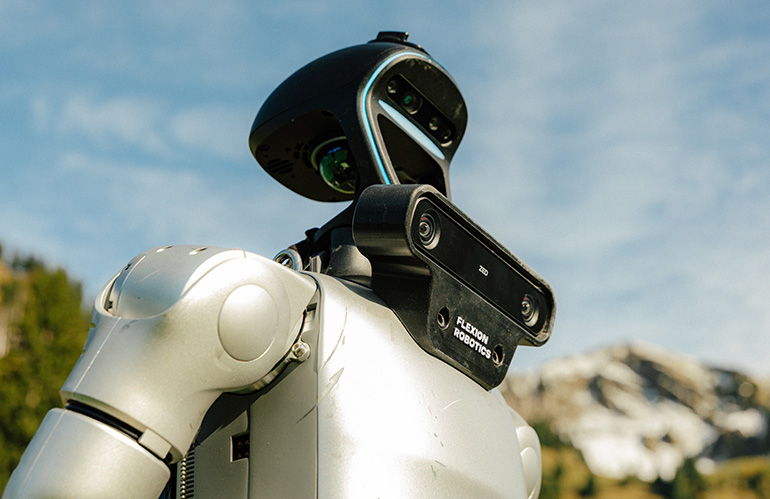
Flexion Develops Reinforcement Learning Platform to Address Teleoperation Issues in Robotics
Flexion is developing a reinforcement learning and sim-to-real platform specifically for humanoid robots. Over the past 18 months, humanoid robotics companies have raised billions, primarily funding human operators to manage robots, which has led to a teleoperation and data challenge within the industry. This reliance on teleoperation as a labor solution raises concerns about the long-term viability of training physical AI systems. The assumption that enough human demonstrations will enable robots to generalize across environments is questionable, especially given that teleoperation datasets are significantly smaller than those used for training language models, creating a growing data gap. Looking ahead, the industry must address the limitations of teleoperation and the dependency on human input for robot training. If humanoid robots require continuous human demonstrations, the original vision of automation may be compromised. No further timeline was disclosed at the time of publication.
Artificial Intelligence Artificial Intelligence / Cognition Controllers Development Tools / SDKs / Libraries Humanoids News
Allocentric Teleoperation Enhances Multirobot Coordination from Variable Perspectives
In the July 2026 issue of Science Robotics, researchers introduced allocentric teleoperation as a novel approach to enhance multirobot coordination. This method allows operators to control multiple robots from various perspectives, improving situational awareness and operational efficiency. The significance of this development lies in its potential to transform how operators interact with robotic systems. By enabling a variable perspective, allocentric teleoperation can facilitate more intuitive control and better decision-making in complex environments, which is crucial for applications in fields such as search and rescue, exploration, and industrial automation. Looking ahead, the implications of allocentric teleoperation could lead to advancements in robotic teamwork and autonomy. Future research may focus on refining this technology and exploring its integration into existing robotic systems. No further timeline was disclosed at the time of publication.
Research Article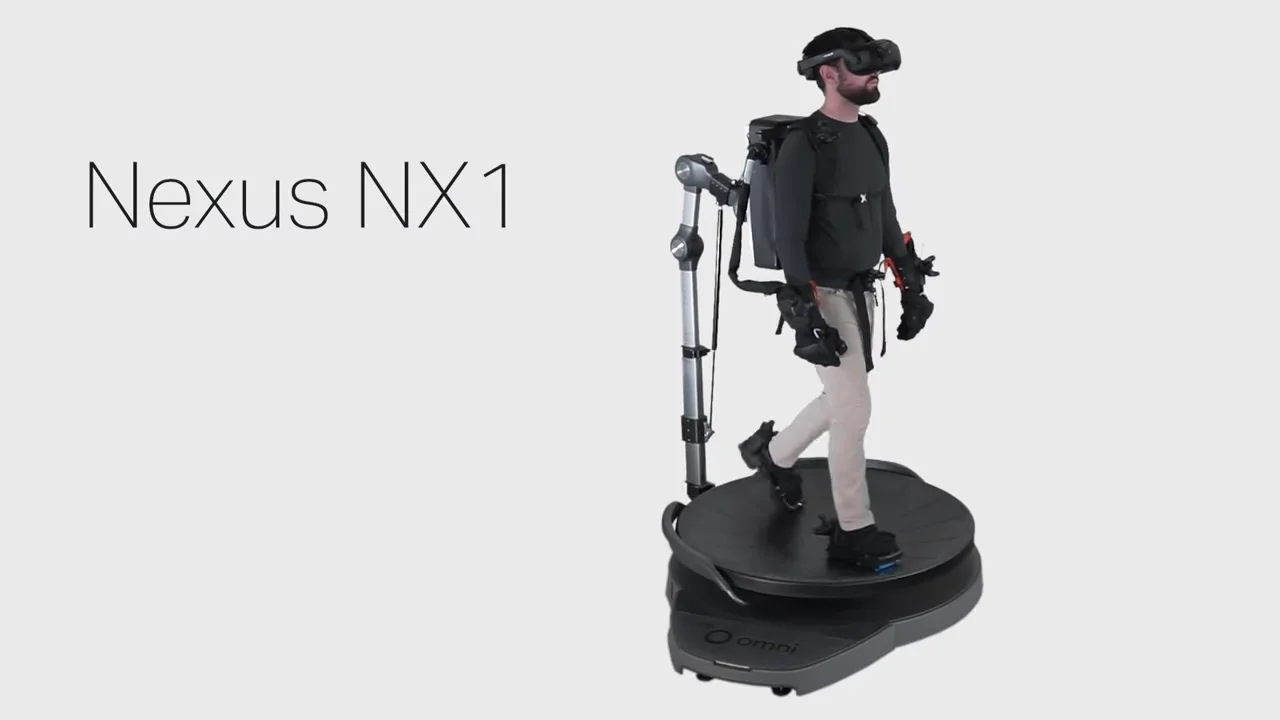
1HMX Enters the Humanoid Data Race with a High-Fidelity Teleoperation Rig
A new training system, the Nexus NX1, has been launched, combining HaptX gloves and Virtuix treadmills to create a comprehensive solution aimed at enhancing robotic dexterity training. This innovative system is designed to provide realistic haptic feedback, which developers believe is crucial for improving the skills necessary for operating robots effectively. The Nexus NX1 is positioned as a "turnkey" solution, simplifying the training process for users. The introduction of this system comes as the demand for advanced training tools in robotics continues to grow, reflecting the industry's push towards more immersive and effective learning experiences.
teleoperation 1HMX
Why Every Robot Teleoperation Team Eventually Outgrows WebRTC
WebRTC is proving to be a vital tool for robotics teams, enabling them to quickly demonstrate their innovations. However, challenges arise once the robots transition from laboratory settings to real-world applications. As organizations utilize WebRTC, they face the inevitable question of when they will outgrow the platform and what engineering efforts will be necessary in the upcoming months to adapt and enhance their capabilities. This evolution is crucial for teams aiming to stay competitive in the rapidly advancing field of robotics.

DexRobot Unveils Full Dexterous Hand Series and New DexTele Teleoperation System at Automate 2026
At this year's exhibition, a dedicated Humanoid Robot Pavilion highlights the increasing emphasis on AI-driven industrial automation. This event serves as a prime platform for DexRobot to showcase its latest advancements in robotic manipulation and high-fidelity data acquisition. The demonstration aims to illustrate how these technologies are not only becoming practical and affordable but also ready for real-world application. The focus on integrating AI into industrial processes underscores the growing trend of automation in various sectors, reflecting the industry's commitment to innovation and efficiency.

Hand Tracking Streamer: A Practical Bridge from Quest Hand Tracking to Robotics Teleoperation and Data Collection
In the field of research, the integration of high-fidelity hand-telemetry systems is frequently achieved through the use of specialized coding and tailored interfaces. These solutions are typically designed to function effectively within the confines of a specific laboratory setup, a particular machine, or a singular demonstration. This approach, while effective in isolated environments, raises concerns about scalability and adaptability across different research contexts. As researchers strive for more versatile and universally applicable systems, the reliance on bespoke solutions may hinder collaboration and innovation in the broader scientific community. The ongoing challenge is to develop standardized frameworks that can accommodate diverse setups while maintaining the high fidelity required for accurate telemetry data.
Single‐Master Bimanual‐Slaves Cooperative Teleoperation With Modified Damping Zeroing Neurodynamics
A recent study published in the Journal of Field Robotics highlights advancements in robotic technology aimed at enhancing agricultural efficiency. Researchers from various institutions collaborated to develop a new autonomous robot designed to optimize crop monitoring and management. This innovative technology was tested in diverse agricultural settings throughout the summer of 2023, primarily in rural areas of California. The motivation behind this development stems from the increasing need for sustainable farming practices amid rising global food demands. The robot utilizes advanced sensors and machine learning algorithms to analyze soil health, monitor plant growth, and identify pest infestations in real-time, thereby enabling farmers to make informed decisions. Through a series of field tests, the team demonstrated the robot's ability to navigate complex terrains and adapt to varying environmental conditions. The findings suggest that such technology could significantly reduce labor costs and improve crop yields, ultimately contributing to more sustainable agricultural practices. As the agricultural sector faces challenges related to climate change and labor shortages, this robotic solution presents a promising avenue for enhancing productivity and sustainability in farming. The research underscores the potential of robotics to transform traditional agricultural methods, paving the way for a more efficient and environmentally friendly future in food production.
RESEARCH ARTICLE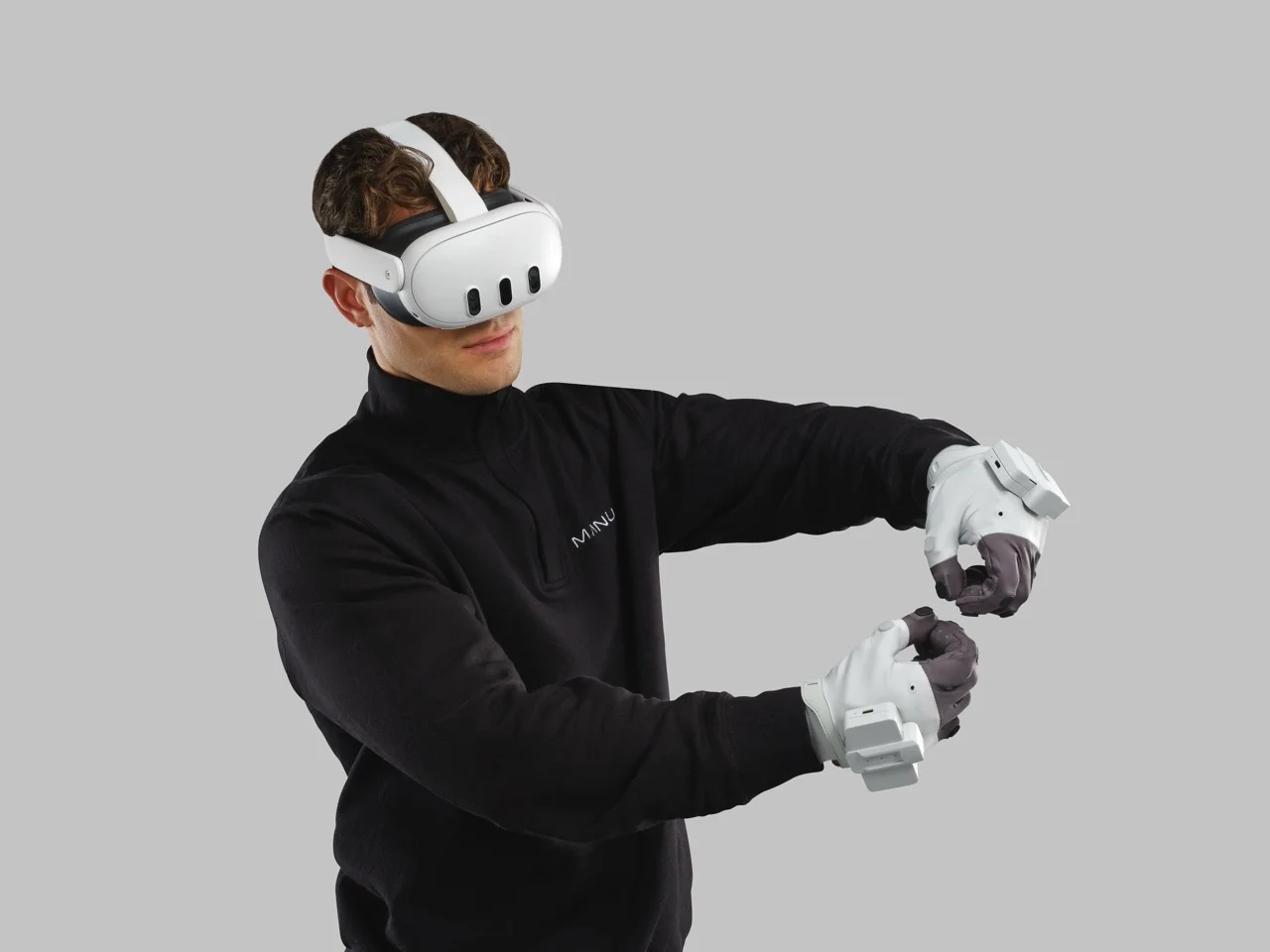
Manus Metagloves Pro Haptic: Closing the Feedback Loop for Humanoid Teleoperation
Dutch haptic specialists have unveiled their latest hardware designed to enhance the performance of embodied AI and improve dexterous robot control. This innovative technology aims to deliver high-fidelity data crucial for the development of next-generation robotic systems. The announcement comes as the demand for advanced robotics continues to grow, driven by the increasing integration of AI in various industries. By providing more precise sensory feedback, this new hardware is expected to significantly advance the capabilities of robots, enabling them to perform complex tasks with greater accuracy and efficiency. The launch highlights the ongoing efforts within the tech community to push the boundaries of robotics and artificial intelligence, paving the way for smarter, more responsive machines.
Data Collection Dexterity hand Manus
Tesla’s Miami Mishap Highlights the Fragile Reality of Teleoperation
A recent incident at a Miami event has drawn attention to the potential hazards associated with teleoperated humanoid robots, following the collapse of an Optimus robot during a demonstration. The video of the malfunction quickly went viral, sparking discussions about the safety and reliability of such advanced technologies. Observers noted that while the development of humanoid robots aims to enhance automation and assist in various tasks, incidents like this highlight the challenges and risks involved in their operation. Experts emphasize the need for rigorous testing and safety protocols to mitigate these risks as the technology continues to evolve.
Optimus Tesla safety standards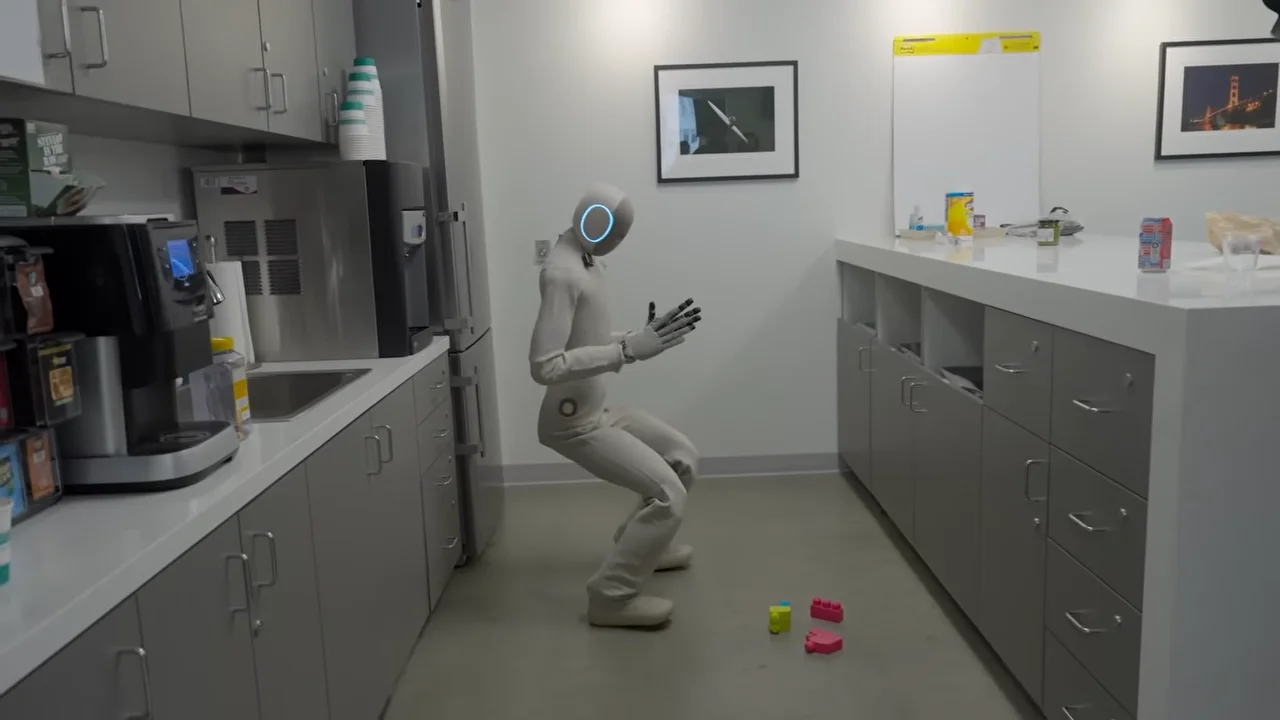
1X CEO Details NEO's 'Two Modes' and Defends Teleoperation as 'More Secure' than a Cleaner
In a recent interview, Bernt Børnich, CEO of 1X, defended the company's NEO robot, emphasizing its human-in-the-loop model and drawing comparisons to industry leaders such as Waymo and ChatGPT. Børnich explained that the NEO operates in "two modes," highlighting its adaptability and responsiveness. He also introduced new privacy controls designed to enhance user security and trust in the technology. Looking ahead, Børnich expressed optimism about achieving full autonomy for the NEO by 2027, outlining a strategic timeline for the robot's development and deployment. This vision reflects 1X's commitment to advancing robotics while addressing concerns about privacy and operational efficiency.
1X-technologies NEO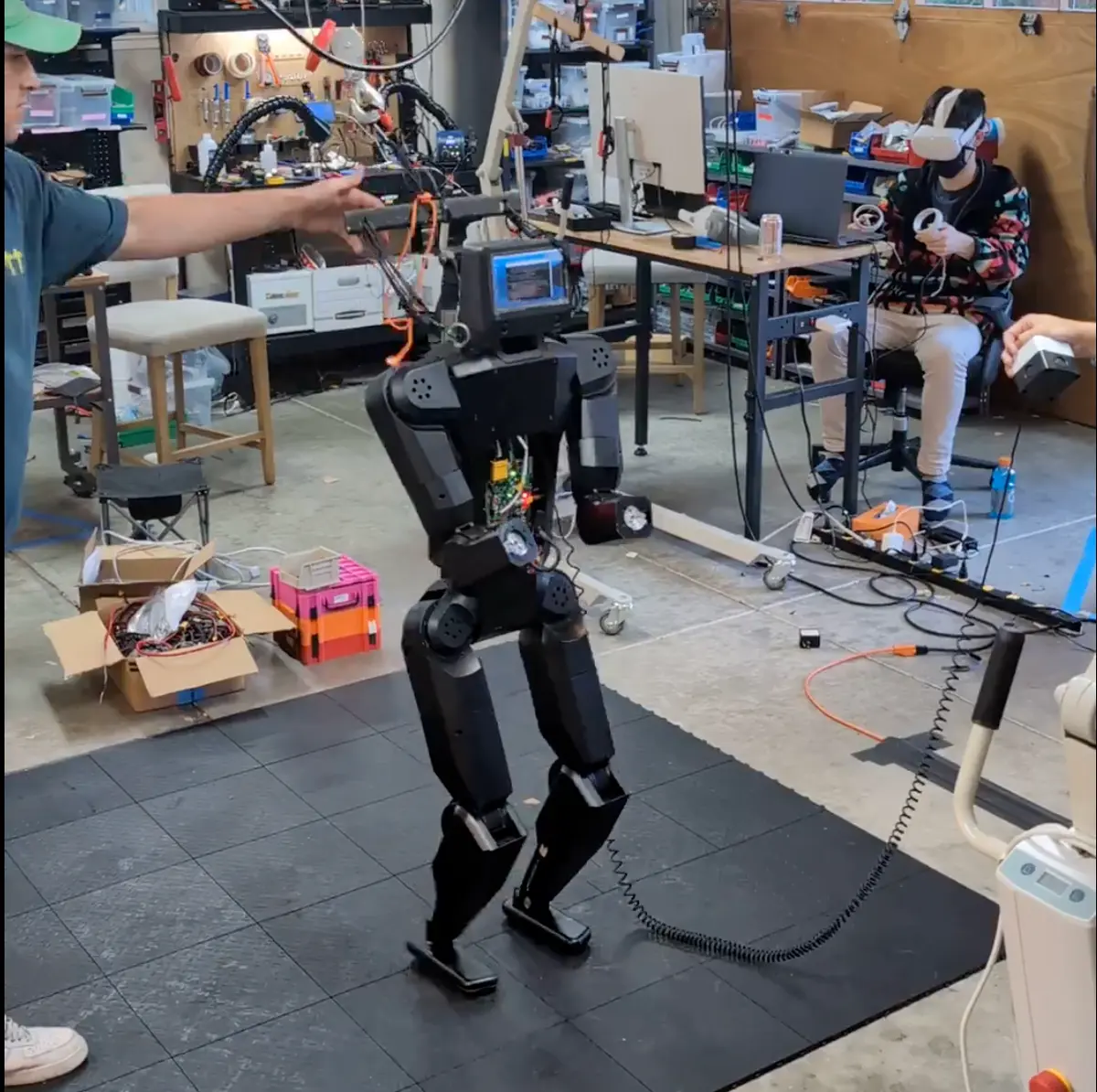
K-Scale Labs Demos Low-Latency Humanoid Teleoperation in New Garage Video
An open-source robotics startup has unveiled a new video that highlights the capabilities of its K-Bot humanoid robot, which is being operated in real-time by a virtual reality (VR) equipped user. The demonstration, released recently, showcases the robot's remarkable stability and fluid movements, achieved with low latency. This advancement in robotics technology illustrates the potential for enhanced human-robot interaction and could pave the way for future applications in various fields, including manufacturing and personal assistance. The startup aims to push the boundaries of robotics by integrating VR technology, allowing operators to control the humanoid with greater precision and responsiveness.
k-scale k-bot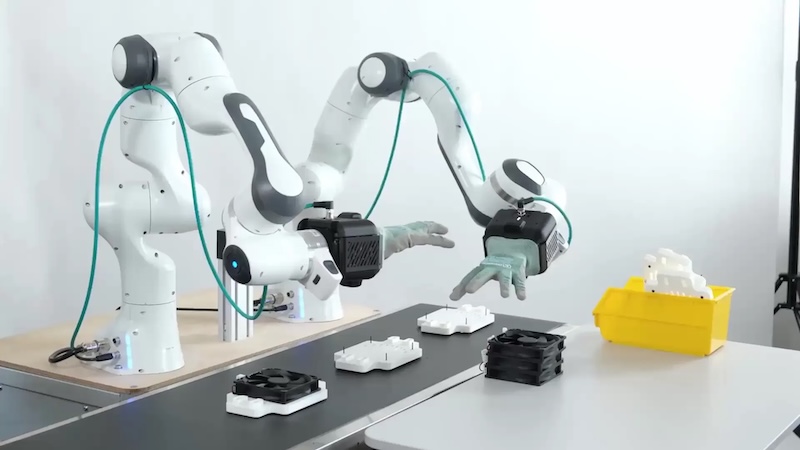
mimic Robotics Launches Comprehensive Platform for Advanced Dexterous Robot Manipulation
mimic Robotics has unveiled a new robotic hand, the mimic hand M1, along with the mimic wearable U1 exoskeleton and a proprietary software platform. This integrated system aims to enhance general-purpose dexterous manipulation in industrial robots by addressing the challenge of collecting high-quality training data for AI models that perform human-like tasks. The significance of this launch lies in mimic Robotics' approach to design, which focuses on human hand morphology rather than traditional two-finger grippers. The mimic hand M1 features 15 actuated degrees of freedom and is capable of handling payloads over 25 kg, while the mimic wearable U1 allows human operators to demonstrate tasks in real-time, improving data collection for AI training. Looking ahead, the company’s innovative middleware and teleoperation software are expected to enhance robot control and AI inference speed. No further timeline was disclosed at the time of publication.
Components Computing News ai automation dexterous manipulation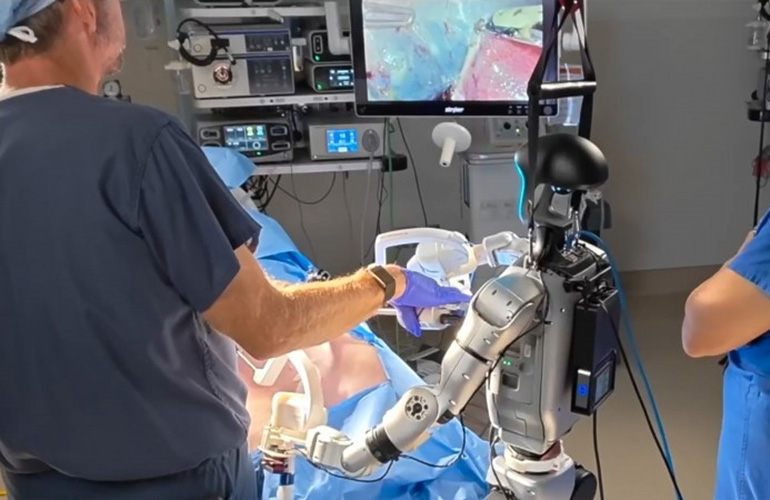
UC San Diego Trials Teleoperated Humanoid Robots for Surgical Procedures
In a groundbreaking preclinical trial at UC San Diego, teleoperated humanoid robots successfully conducted surgeries, marking a significant advancement in surgical technology. This trial represents the first instance of humanoid robots being utilized in a surgical context, showcasing their potential to enhance precision and efficiency in medical procedures. The significance of this development lies in the versatility of humanoid robots, which may offer improved capabilities over traditional robotic systems like the da Vinci Surgical System. By integrating advanced teleoperation techniques, these robots could potentially reduce the need for human intervention, thereby minimizing risks and improving patient outcomes in complex surgeries. Looking ahead, the next steps involve further trials to assess the long-term effectiveness and safety of these humanoid robots in surgical environments. No further timeline was disclosed at the time of publication, but the results of this trial could pave the way for broader applications in healthcare robotics.
Healthcare Robotics Human Robot Interaction / Haptics Humanoids News Surgical / Interventional Systems Surgical Systems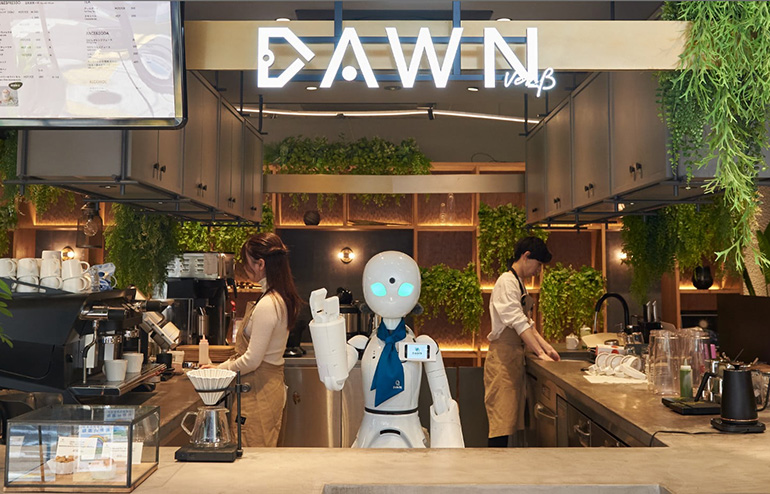
Robots can enhance manufacturing workers rather than replace them
In a recent statement, the president of ONE Holdings emphasized the potential of robotics to enhance manufacturing processes rather than replace human workers. This assertion highlights the importance of integrating advanced artificial intelligence, teleoperation technologies, and robust safety measures in the manufacturing sector. The discussion comes at a time when industries are increasingly exploring automation solutions to improve efficiency and productivity. By leveraging these technologies, companies can create a more collaborative environment where robots assist rather than supplant the workforce, ultimately leading to greater opportunities in manufacturing. The insights shared reflect a growing trend towards embracing innovation while prioritizing the role of human labor in the evolving landscape of production.
Artificial Intelligence Artificial Intelligence / Cognition Assembly Collaborative Robots Controllers Food / Beverage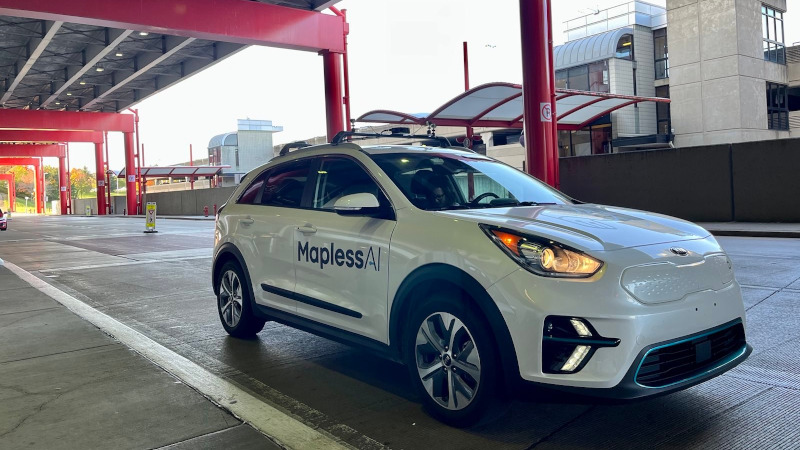
Fort Robotics acquires Mapless AI to expand supervised autonomy and physical AI safety platform
Fort Robotics, a company specializing in trust solutions for physical AI, has acquired Mapless AI, a prominent firm based in Boston and Pittsburgh known for its expertise in vehicle teleoperation and autonomy supervision. This acquisition marks a strategic move for Fort, enhancing its Trust Platform with two essential capabilities: remote human-in-the-loop teleoperation and onboard active safety. By integrating Mapless AI's technologies, Fort aims to broaden its commercial offerings and improve the safety and efficiency of autonomous systems. The deal underscores Fort's commitment to advancing the development of reliable and secure AI-driven solutions in the robotics sector.
Artificial Intelligence Financials & Investments Logistics active safety systems ai robotics automation news
Figure CEO Brett Adcock Says Company ‘Will Not Teleoperate’ Robots, Drawing Contrast with 1X Strategy
During a panel discussion at the NVIDIA GTC, Brett Adcock, CEO of Figure, expressed skepticism about the future of teleoperation, labeling it as "soy stuff." He emphasized that the true competition between the United States and China lies in the development of general-purpose artificial intelligence rather than in manufacturing capabilities. Adcock's remarks reflect a growing sentiment in the tech industry that prioritizes advancements in AI technology as a critical factor in global competitiveness. The event, which took place recently, highlighted the ongoing dialogue surrounding the strategic directions of AI development and the implications for both nations.
Brett Adcock 1X-technologies nvidia-gtc teleoperation Figure
IShowSpeed's Chaotic Live Stream at 1X Offers an Unfiltered Look at NEO Humanoid Robots
In a late-night event at 1X's headquarters in Palo Alto, online streamer IShowSpeed showcased the capabilities of the NEO Gamma humanoid robots during a live, unscripted demonstration. This rare public appearance highlighted the company's advanced teleoperation technology, allowing viewers to witness the robots in action. The event not only entertained fans but also served to promote 1X's innovative developments in robotics, emphasizing the growing intersection of technology and entertainment.
1X-technologies teleoperation NEO IShowSpeed
Qingche Intelligent Showcases Comprehensive Data Systems and Robotics at WAIC 2026
From July 17 to 20, 2026, Qingche Intelligent participated in the World Artificial Intelligence Conference (WAIC) in Shanghai, focusing on bridging models and real-world intelligence. The company showcased a complete technology system from real-world data collection to model training and robotic applications, emphasizing the importance of real-world data for embodied intelligence. Qingche's RoboPocket system, a no-body robot data collection platform, allows users to gather data without direct interaction with robots, significantly lowering the barriers for data acquisition. The DM3 data management platform complements this by enabling visual retrieval, quality control, and data asset management, handling up to 10,000 data entries daily and accumulating substantial real-world data assets. The company also presented its new generation of embodied intelligence pre-training models, which do not rely on teleoperation data, demonstrating a viable path for model training using only field-collected data. Qingche's solutions have already been deployed in real-world scenarios, such as retail pharmacies and hotel laundry services, showcasing the practical applications of their technology and the continuous evolution of their data-driven model development.
Embodied Intelligence Data Management Robotics AI Applications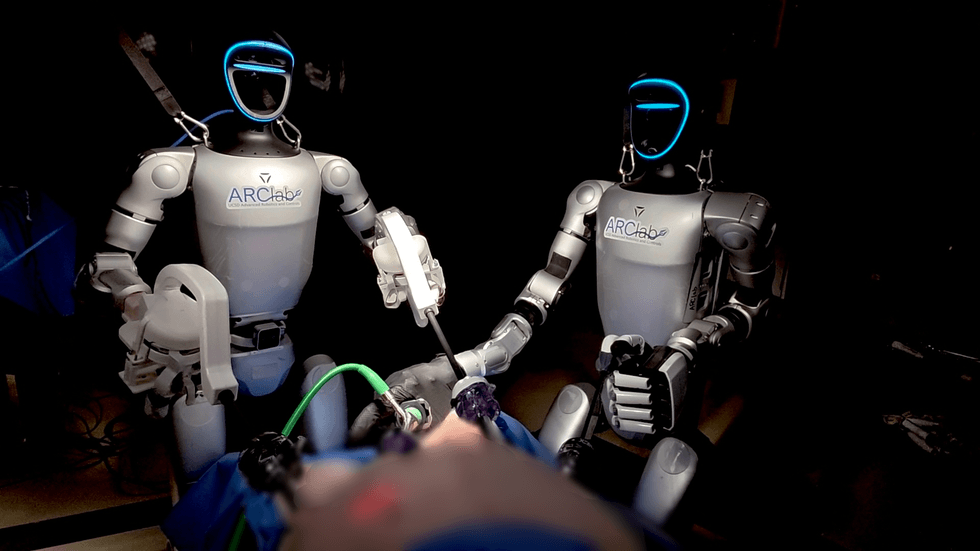
Weekly Robotics Videos Showcase Advances in Humanoid Surgery and Quadrupedal Locomotion
This week's Video Friday highlights significant advancements in robotics, including a systematic evaluation of humanoid technology for laparoscopic surgical tasks. Researchers developed a humanoid-based teleoperation framework and assessed its performance through various studies, revealing both potential and challenges for clinical deployment. The importance of these developments lies in their ability to enhance surgical precision and efficiency, which could transform medical practices. The study provides an evidence-based assessment of humanoid capabilities, emphasizing the need for further technical improvements before widespread clinical use. Looking ahead, the robotics community will continue to explore the integration of advanced technologies in surgical applications and other fields. Upcoming events, such as the Summer School on Multi-Robot Systems and Actuate 2026, will provide platforms for sharing insights and innovations in robotics.
Humanoid-robots Video-friday Quadruped-robots Robot-videos Robot-surgeon Boston-dynamics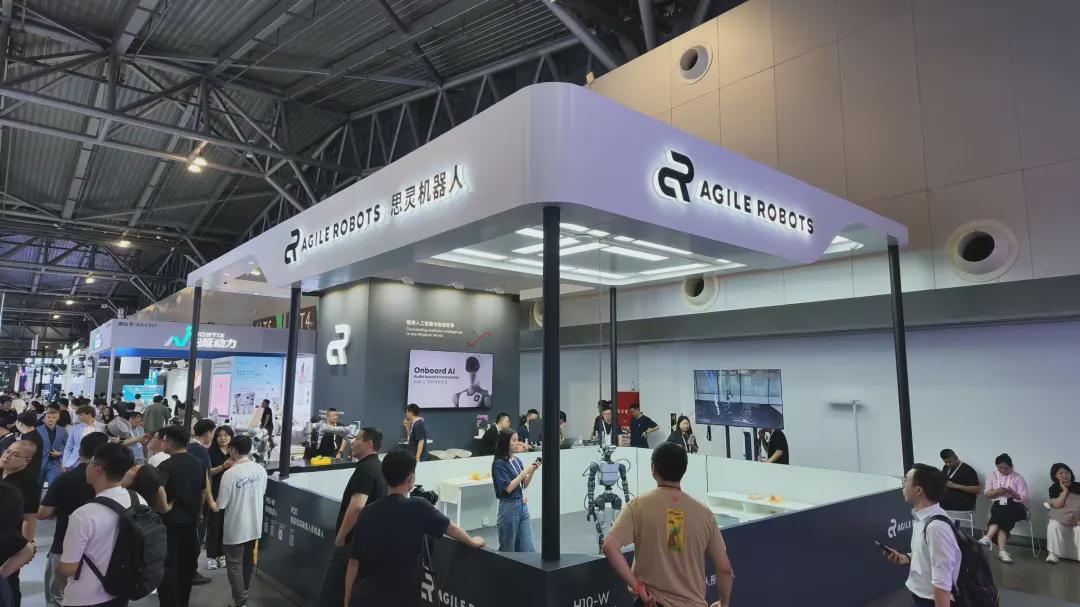
Agile Robots Unveils Advanced Physical AI Solutions at WAIC 2026 in Shanghai
On July 17, 2026, the World Artificial Intelligence Conference (WAIC 2026) commenced in Shanghai, featuring Agile Robots, a leading intelligent robotics company. Agile Robots showcased its H20 lightweight humanoid robot, H10-W assistant robot, AI therapy robot, and high-precision teleoperation data collection system, emphasizing its vision of linking AI with the physical world. The significance of this event lies in the anticipated growth of the humanoid robot market, with projections indicating that China's production could exceed 100,000 units by the end of 2026. This marks a pivotal moment for the global AI industry, transitioning humanoid robots from experimental stages to large-scale production and real-world applications. Looking ahead, Agile Robots is positioned to capitalize on this industry opportunity, having established a strong technological foundation and extensive commercialization experience. The company aims to enhance its AI algorithms and data ecosystems to support the deployment of humanoid robots across various sectors, including healthcare, logistics, and smart agriculture. No further timeline was disclosed at the time of publication.
Humanoid Robots AI Robotics Technology Healthcare Robotics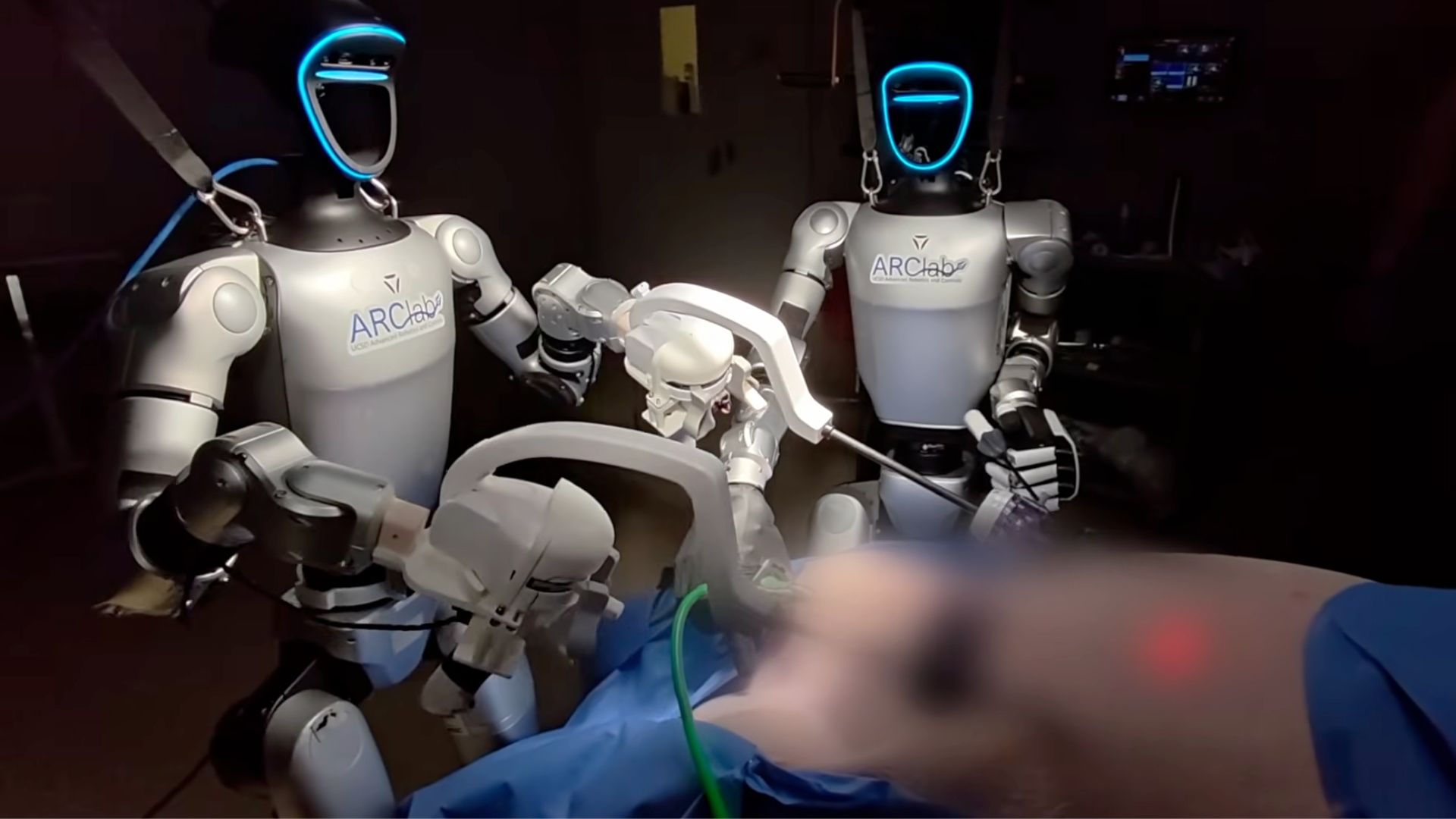
World’s first surgery using teleoperated humanoid robots conducted by US team
A team of researchers has made a groundbreaking advancement by successfully employing teleoperated humanoid robots to carry out two complex tasks. This achievement marks a significant milestone in robotics, showcasing the potential for remote-controlled machines to perform intricate functions that were previously thought to be the domain of human operators. The experiments took place in a controlled environment, allowing the researchers to meticulously assess the robots' capabilities and refine their performance. The motivation behind this innovative project stems from the desire to enhance efficiency and safety in various industries, particularly in situations where human presence may be risky or impractical. By leveraging advanced teleoperation technology, the researchers demonstrated that humanoid robots could effectively mimic human movements and decision-making processes, paving the way for future applications in fields such as disaster response, healthcare, and manufacturing. The successful execution of these tasks not only highlights the progress in robotic technology but also opens new avenues for research and development, potentially transforming how we approach complex operations in challenging environments. As the team continues to refine their methods, the implications of this work could lead to widespread adoption of teleoperated robots in various sectors, ultimately improving productivity and safety for human workers.
AI and Robotics
Robot Talk Episode 161 – Collaborative haptic systems, with Allison Okamura
Claire recently engaged in a conversation with Allison Okamura, a prominent figure in the field of engineering at Stanford University, where she holds the position of Richard W. Weiland Professor. The discussion centered on the development of advanced robotic systems designed for haptic interaction, which allows users to experience touch sensations through technology. Okamura's research encompasses a wide range of interests, including haptics, teleoperation, virtual reality, medical robotics, soft robotics, rehabilitation, and education. As the Director of Graduate Studies for Mechanical Engineering at Stanford, she is at the forefront of integrating these innovative technologies into various applications, aiming to enhance user experience and interaction in both medical and educational settings. The dialogue highlights the significance of haptic technology in creating more immersive and effective robotic systems, reflecting ongoing advancements in the field.

Consistency, not complexity, is the key to teaching robots dexterity, new research suggests
Researchers in the field of robotics are making significant strides in teaching robots to manipulate objects with humanlike dexterity, a challenge that has persisted for years. This endeavor involves enabling robots to perform complex tasks such as rotating objects in-hand and coordinating multiple arms to handle bulky items. These tasks demand constant adjustments in grip, contact, and motion, which have proven difficult to program effectively and to demonstrate through human teleoperation. The advancements in this area are crucial for improving the functionality and versatility of robotic systems, potentially transforming industries that rely on precise manipulation, such as manufacturing and healthcare. As of October 2023, ongoing research continues to explore innovative methods to enhance robotic dexterity, paving the way for more sophisticated applications in the future.
Robotics
FORT Robotics acquires Mapless AI to expand teleop capabilities
FORT Robotics has announced its acquisition of Mapless AI, a move aimed at enhancing its teleoperation capabilities. This strategic decision, made to diversify FORT's technological expertise beyond traditional industrial environments, leverages Mapless AI's experience in more unstructured settings. The acquisition is expected to bolster FORT's offerings in robotics and automation, allowing for improved operational flexibility and efficiency. The deal reflects a growing trend in the robotics industry to integrate advanced AI technologies to meet the evolving demands of various operational contexts.
Artificial Intelligence Artificial Intelligence / Cognition Automotive Design / Development Financial Markets / Industries
Hyperscale Data's Subsidiary Omnipresent Robotics Enters into an Agreement Providing for the Acquisition of Robots from AGIBOT and Related Developments
Omnipresent Robotics is set to launch the initial deployment of up to 143 AGIBOT intelligent robots in Michigan. This initiative aims to enhance domestic teleoperation capabilities, facilitate VLA data processing, and support embodied AI training. The deployment is also expected to contribute to the expansion of the local workforce. The rollout marks a significant step in integrating advanced robotics into various sectors, reflecting the company's commitment to innovation and workforce development in the region.
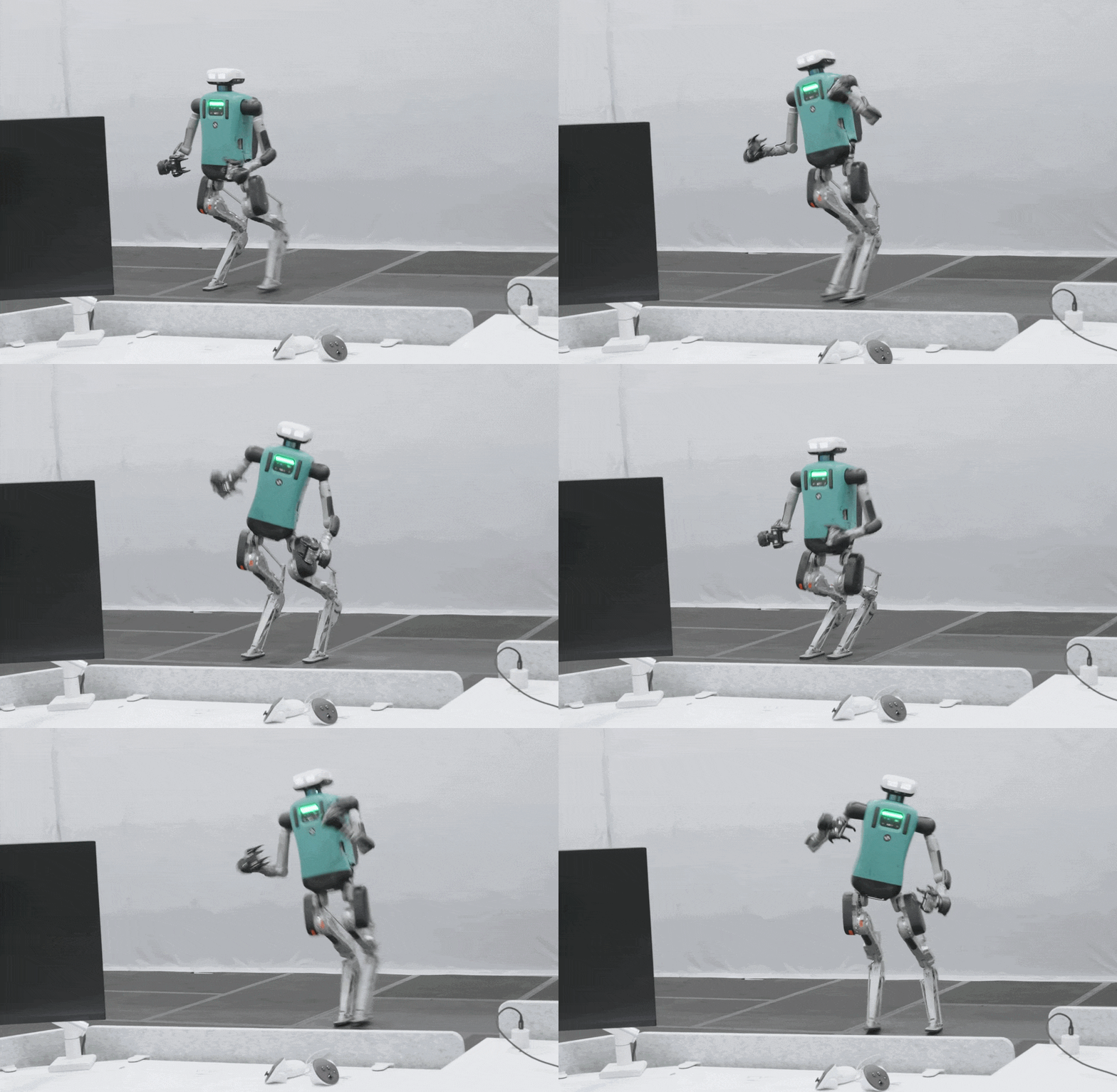
Video Friday: Digit Learns to Dance—Virtually Overnight
In a recent roundup of advancements in robotics, IEEE Spectrum highlighted several notable developments and upcoming events in the field. Among the key innovations is Digit, a humanoid robot that can learn new whole-body control capabilities overnight through sim-to-real reinforcement training, enhancing its performance in various tasks. Additionally, the introduction of GEN-1 marks a significant milestone in robot learning, achieving a 99% success rate in simple physical tasks and drastically reducing task completion time. Unitree has made strides by open-sourcing the UnifoLM-WBT-Dataset, a comprehensive dataset for humanoid robot teleoperation, which has been available since March 5, 2026. Meanwhile, researchers presented MRReP, a Mixed Reality interface that allows users to guide autonomous mobile robots in human-shared environments through hand gestures. In other developments, Sanctuary AI showcased its advanced hydraulic hands capable of dexterous manipulation, while China’s Yuxing 3-06 satellite successfully completed an in-orbit refueling test, paving the way for future satellite servicing. Furthermore, Japan Railway West collaborated with Serendix to utilize 3D printing technology for rapid construction at Hatsushima station, demonstrating innovative solutions to infrastructure challenges. Upcoming robotics events include ICRA 2026 in Vienna from June 1-5, and the Summer School on Multi-Robot Systems in Prague from July 29 to August 4, 2026, providing platforms for further exploration and collaboration in the robotics sector.
Humanoid-robots Video-friday Robot-ai Human-robot-interaction Teleoperation Industrial-robots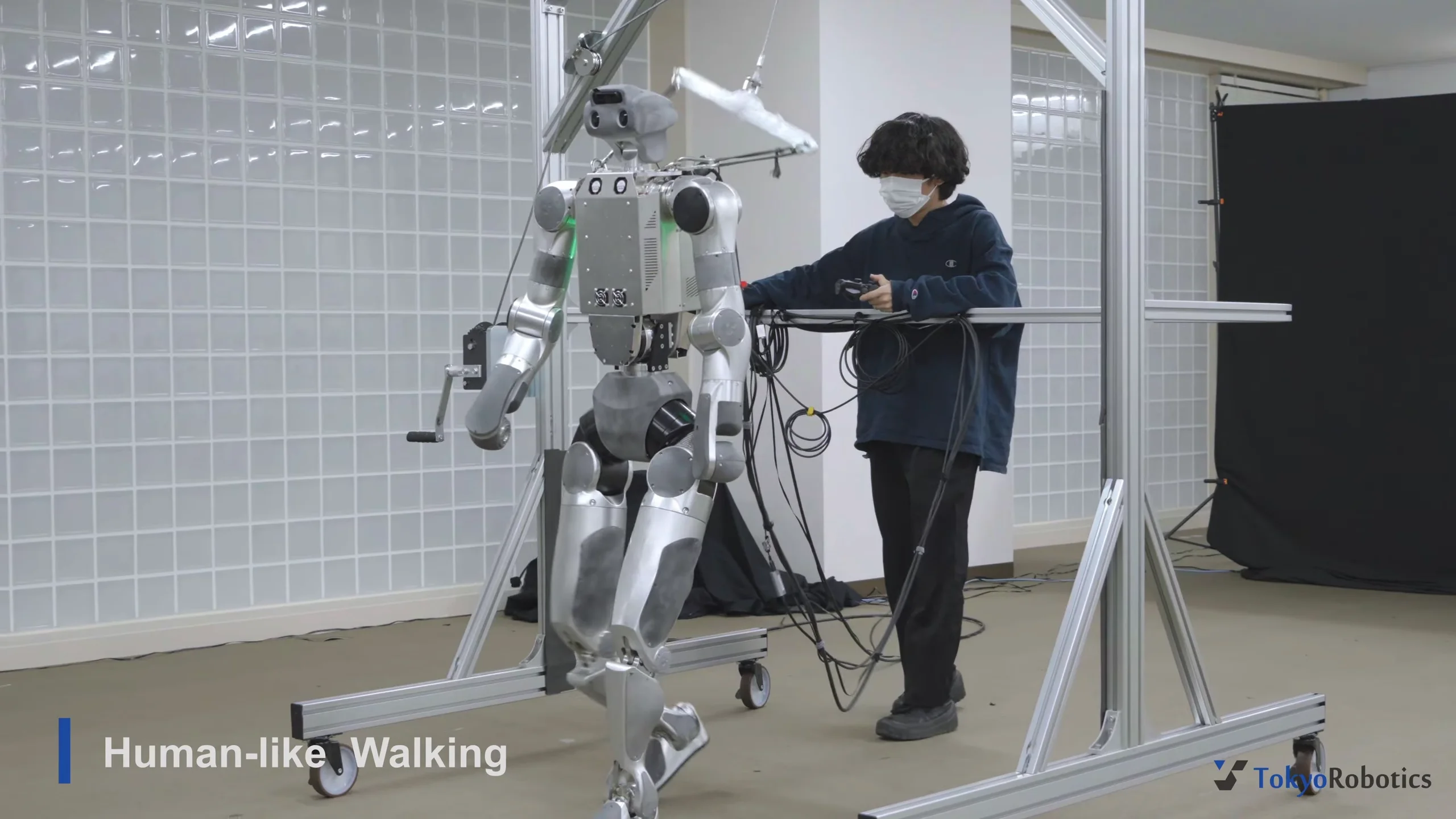
Tokyo Robotics Steps Into the Bipedal Arena with RL-Driven Humanoid
Tokyo Robotics has unveiled an innovative bipedal prototype that showcases advanced self-balancing capabilities and real-time whole-body teleoperation. This development marks a significant evolution from the company's established wheeled Torobo platform. The demonstration highlights the potential for enhanced mobility and control in robotic applications, reflecting the company's commitment to pushing the boundaries of robotics technology. The prototype's capabilities were showcased recently, emphasizing Tokyo Robotics' role in advancing the field of humanoid robotics. This breakthrough aims to address various practical applications, including assistance in complex environments and improved interaction with humans.
Japan Torobo Tokyo Robotics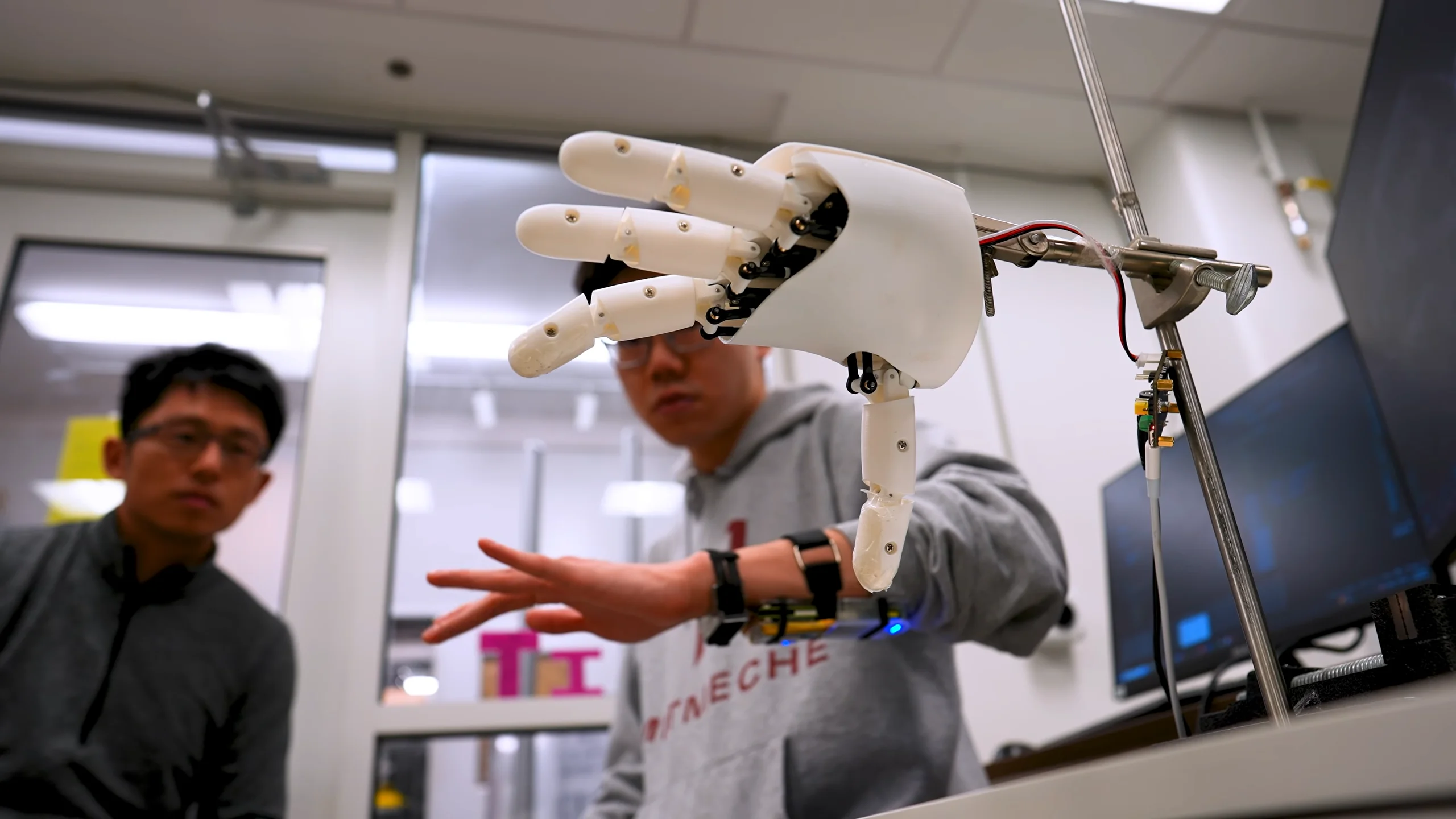
The Puppet Strings of AI: MIT’s Ultrasound Wristband Predicts Hand Dexterity
Engineers at the Massachusetts Institute of Technology (MIT) have unveiled a groundbreaking wearable ultrasound wristband designed to monitor hand movements by capturing images of internal muscle and tendon activity. This innovative technology aims to address the significant data bottlenecks that currently hinder humanoid teleoperation, a field where precise control and feedback are crucial. The wristband's development comes in response to the growing demand for more effective remote manipulation systems, particularly in robotics and telemedicine. By utilizing ultrasound imaging, the device provides real-time insights into muscular and tendinous functions, enhancing the ability to operate humanoid robots with greater accuracy. This advancement could pave the way for improved applications in various sectors, including healthcare and remote work, where effective hand movement tracking is essential.
MIT hand hands
Video Friday: These Robots Were Born to Run
IEEE Spectrum's weekly feature, Video Friday, showcases a collection of innovative robotics videos and highlights upcoming robotics events, including the International Conference on Robotics and Automation (ICRA) scheduled for June 1-5, 2026, in Vienna. This week’s videos introduce advanced modular building blocks that allow for the automatic design and rapid assembly of agile robots capable of navigating unstructured outdoor environments, a significant advancement from traditional legged robots that rely on predefined designs. Additionally, the RIVR project presents a concept for an ideal urban delivery robot, while KIMLAB introduces TRIP-Bag, a portable teleoperation system designed for high-fidelity data collection in various settings. TUM has developed an open-vocabulary semantic exploration system that enhances robots' ability to map and locate objects in dynamic environments. In a practical demonstration, a reconfigurable robot assists a team responding to a simulated radiation leak at a nuclear facility, showcasing its adaptability in challenging conditions. Meanwhile, Carnegie Mellon University's Robomechanics Lab reflects on a devastating flood that destroyed many of its robots, honoring them with a tribute video. Lastly, the 2025 Silicon Valley Humanoids Summit features a keynote by Disney Research's Moritz Baecher, discussing insights into robotic character development.
Robotics Humanoid-robots Video-friday Modular-robots Robot-videos Quadruped-robots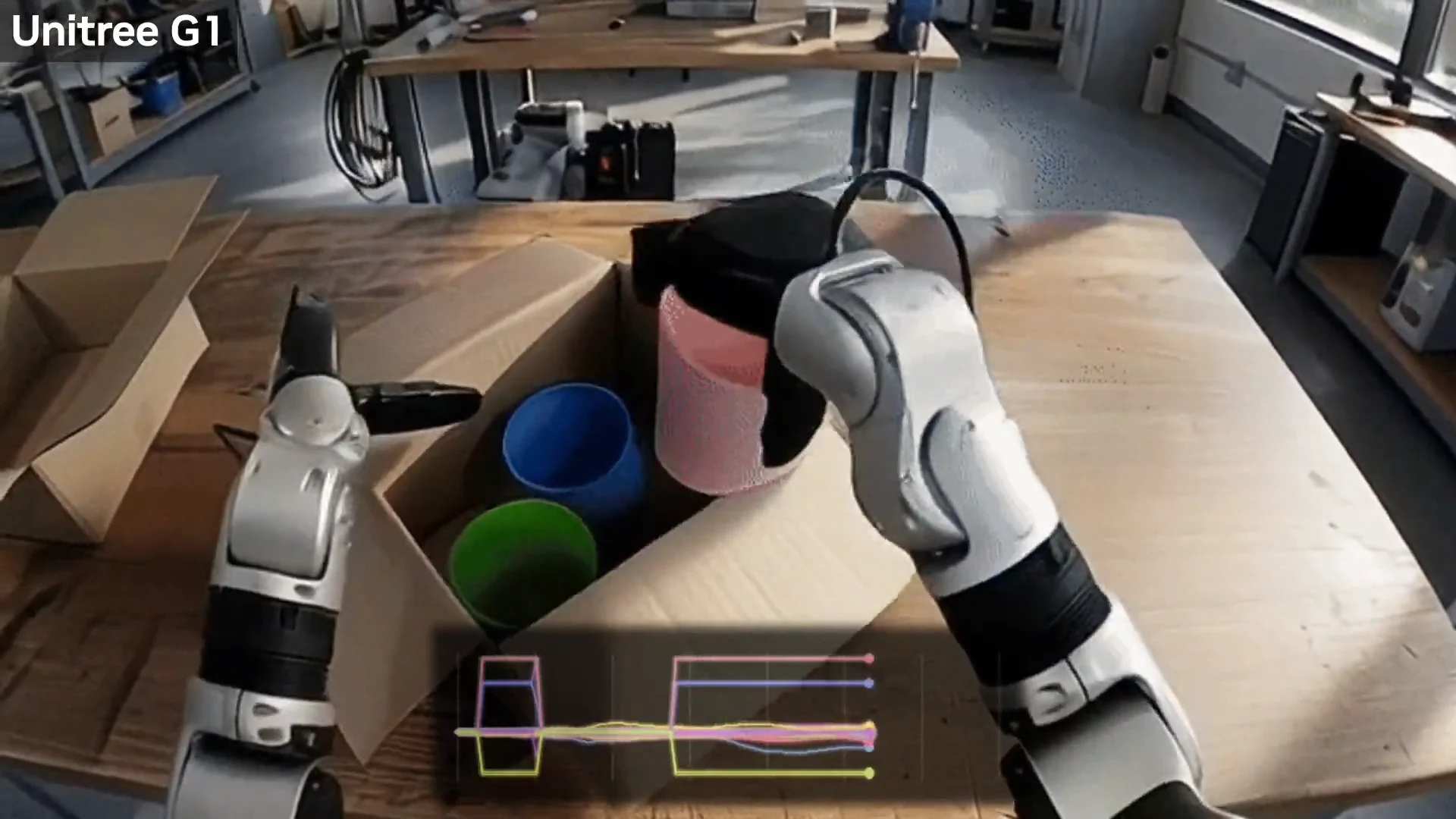
NVIDIA Open-Sources DreamDojo: A 44,000-Hour "Dream" to Solve the Robotics Data Gap
NVIDIA GEAR Lab has unveiled DreamDojo, an innovative open-source world model that leverages a substantial dataset of 44,000 hours of human egocentric videos. This advanced model employs "latent actions" to effectively connect human movements with robotic actions, enabling it to achieve zero-shot generalization and real-time controllability for applications in teleoperation and planning. The release of DreamDojo marks a significant advancement in the field of robotics, enhancing the potential for seamless interaction between humans and machines.
Dr Jim Fan NVIDIA World-Models open-source world-model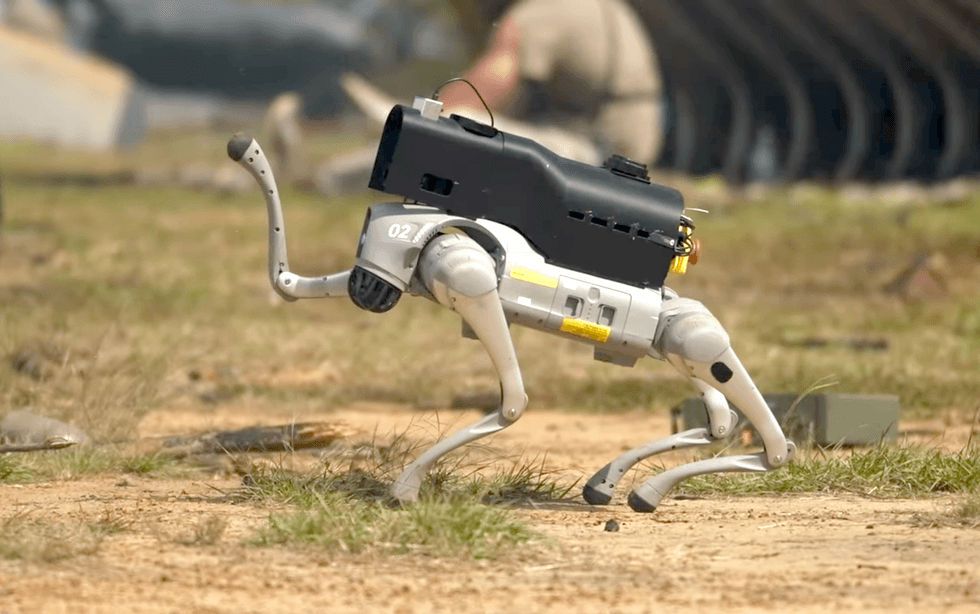
Video Friday: Humans and Robots Team Up in Battlefield Triage
IEEE Spectrum robotics has released its latest edition of "Video Friday," showcasing a collection of innovative robotics videos and a calendar of upcoming robotics events. Among the featured highlights is the Lynx M20 quadruped robot, which successfully completed a field test in extreme cold conditions in Yakeshi, Hulunbuir, demonstrating its reliability in temperatures as low as -30°C. Additionally, a teaser video from KIMLAB presents a new teleoperation robot, set against the backdrop of the University of Illinois at Urbana-Champaign's Main Quad, where students enjoy the serene environment. The publication also includes commentary on the practicalities of using humanoid robots for specific tasks, emphasizing that just because a humanoid can perform a task, it does not necessarily mean it should. Other notable mentions include an autonomous urban delivery robot and the development of CLIO, an embodied tour-guide robot created by an undergraduate team at the University of Hong Kong, which utilizes advanced technologies such as large language models and computer vision to enhance visitor experiences. This weekly roundup not only highlights the advancements in robotics but also encourages collaboration and engagement between researchers and the public, reflecting the ongoing evolution of the field.
Robotics Video-friday Darpa Human-robot-interaction Quadruped-robots Humanoid-robots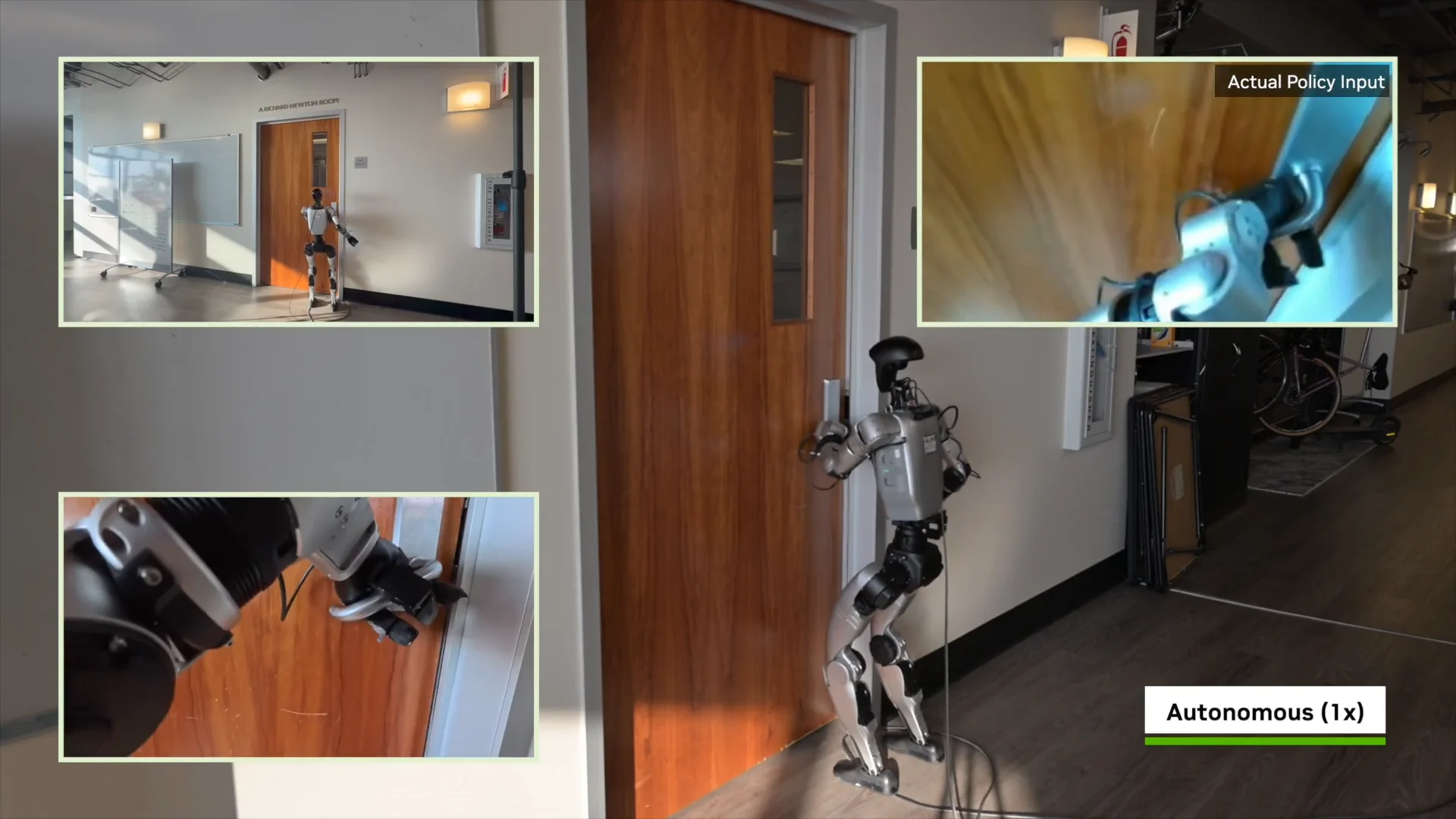
NVIDIA’s "DoorMan" Teaches Humanoids to Open Doors Faster Than Humans Can
Recent research conducted by NVIDIA in collaboration with UC Berkeley has revealed a groundbreaking vision-only policy that surpasses human teleoperation capabilities. This advancement positions the Unitree G1 robot as the benchmark for sim-to-real research in robotics. The study showcases how the integration of advanced visual processing can enhance robotic performance, paving the way for more autonomous systems. The findings were published in October 2023, highlighting the significance of this innovation in the field of robotics and artificial intelligence. By demonstrating the effectiveness of a vision-based approach, the research underscores the potential for robots to operate with greater efficiency and independence, reducing reliance on human operators.
NVIDIA G1 Research embodied-ai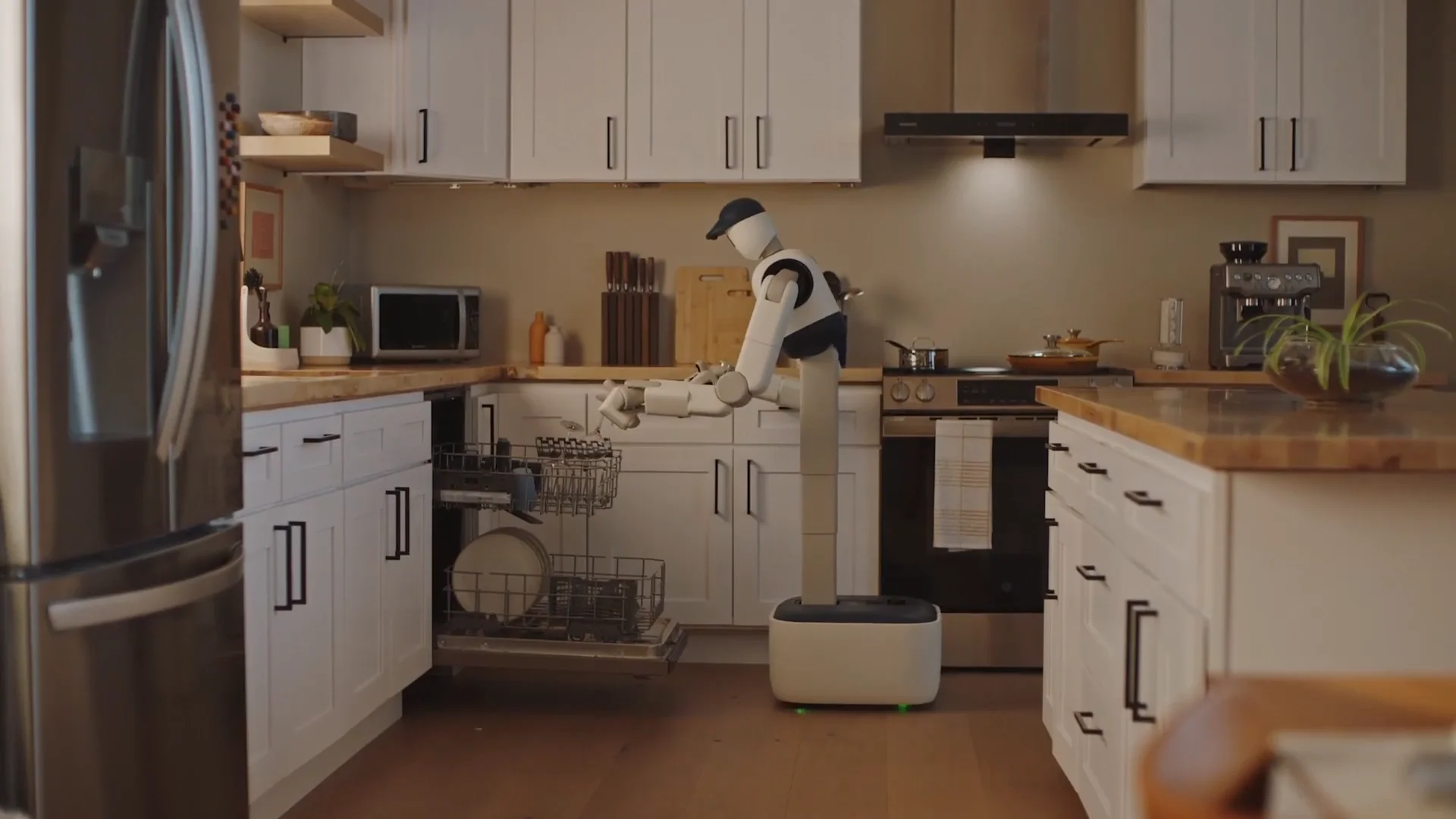
Sunday Robotics Founders on the "GPT Moment" for Physical AI and Breaking the Data Bottleneck
In a recent interview, Tony Zhao and Cheng Chi discussed their innovative "data-first" philosophy, which they believe is pivotal in advancing technology within their industry. They emphasized the impending end of teleoperation, suggesting that reliance on remote control systems is becoming obsolete. Zhao and Chi expressed their concerns about the current state of the industry, which they feel is caught in a transitional phase between traditional generative pre-trained transformers (GPT) and the more advanced ChatGPT models. Their insights reflect a broader trend in technology, where data-driven approaches are increasingly seen as essential for progress. The interview sheds light on the challenges and opportunities facing the industry as it navigates this critical evolution.
Sunday Robotics Memo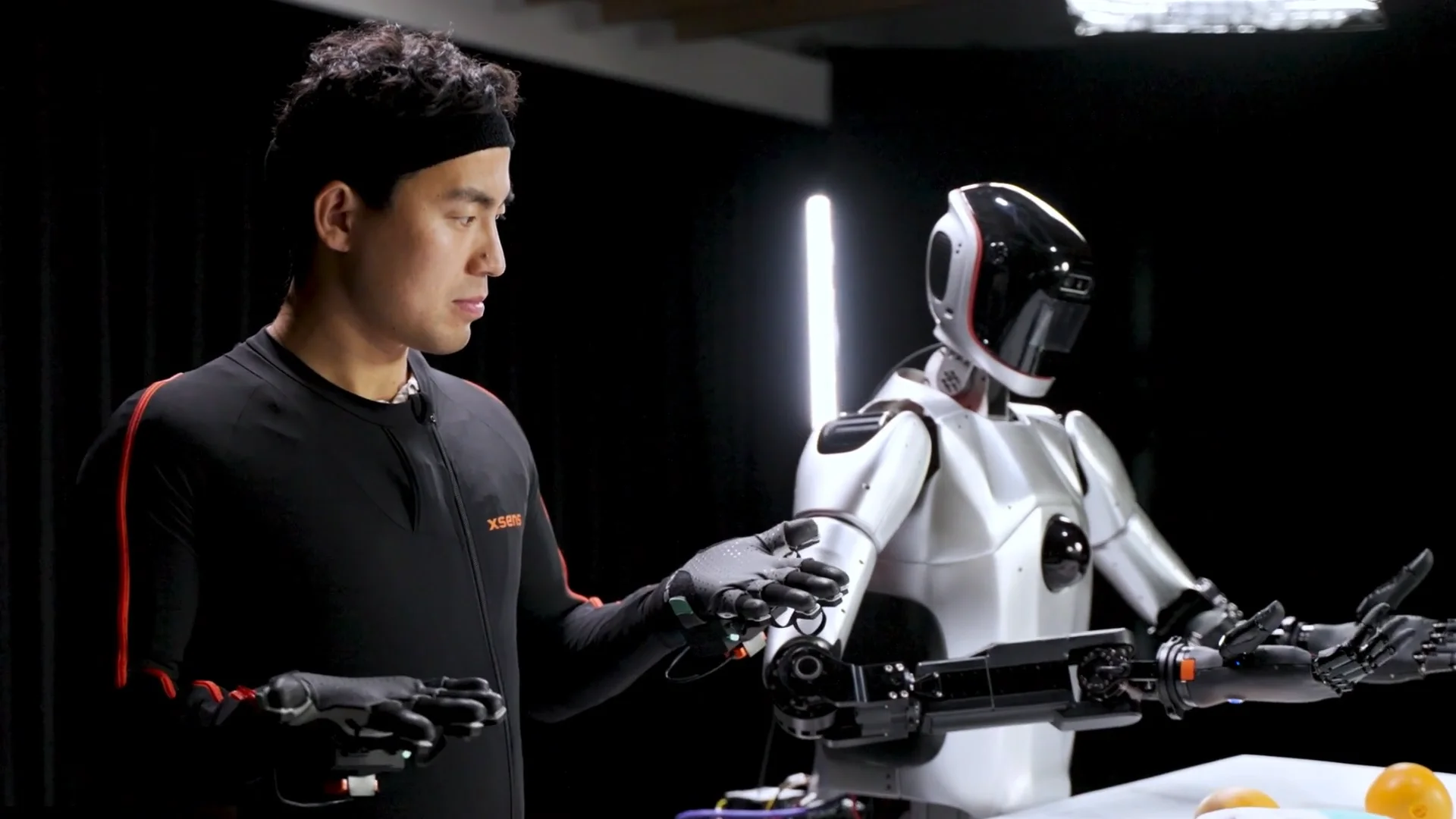
Xsens Launches New 'Link' MoCap Suit to Service Robotics' Data Bottleneck
Xsens has unveiled its next-generation motion capture system, Xsens Link, designed specifically for robotics labs, entertainment, and sports industries. Launched recently, this advanced platform serves as a high-fidelity tool for teleoperation and AI training, catering to the growing demand for effective solutions in the "human-in-the-loop" strategy. By addressing the industry's challenges related to physical data bottlenecks, Xsens Link aims to enhance the capabilities of humanoid robots and improve their interaction with human operators.
xsens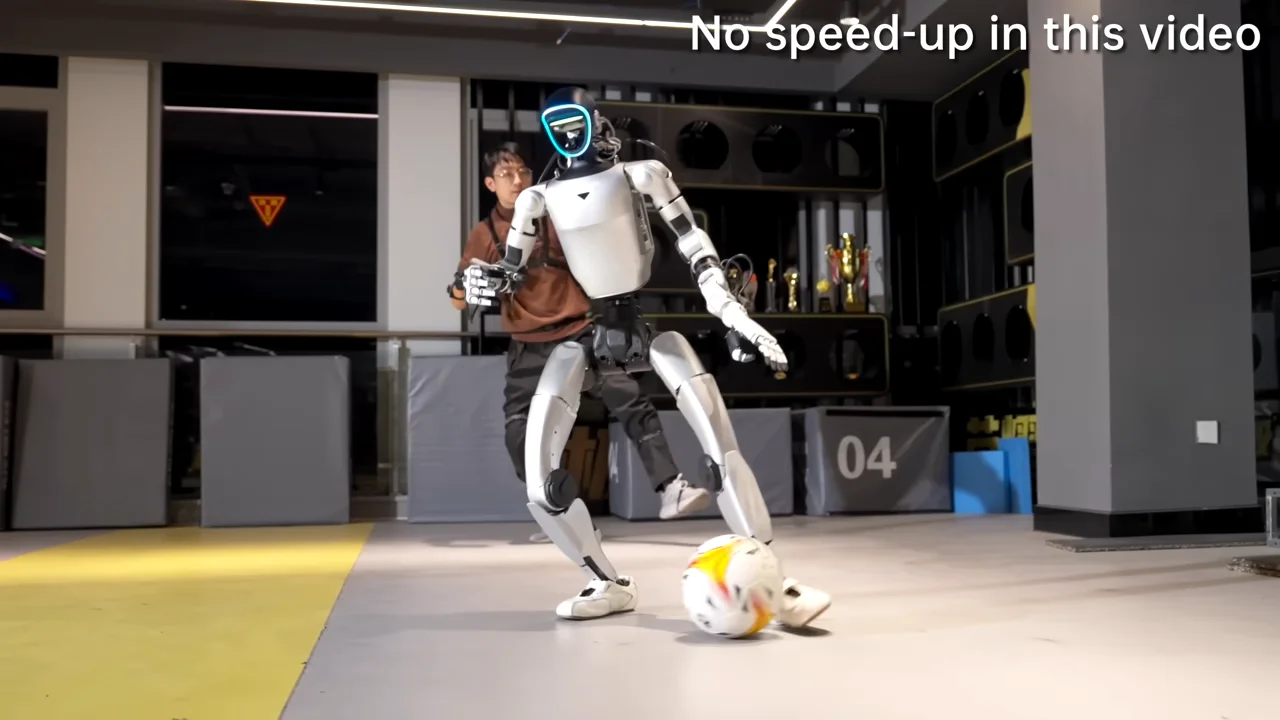
Unitree's New ''Embodied Avatar'' Is More Than a ''Real Steel'' Toy—It's a Data Engine
Unitree has introduced an innovative full-body teleoperation platform designed for its G1 humanoid robot. This unveiling comes alongside the release of new videos demonstrating the robot's capabilities in low-latency boxing and soccer. However, the primary objective of this advanced system appears to be its function as a "data acquisition platform," aimed at addressing the existing physical AI bottleneck within the industry. By enhancing data collection and interaction, Unitree seeks to propel advancements in artificial intelligence and robotics.
G1 Unitree Robotics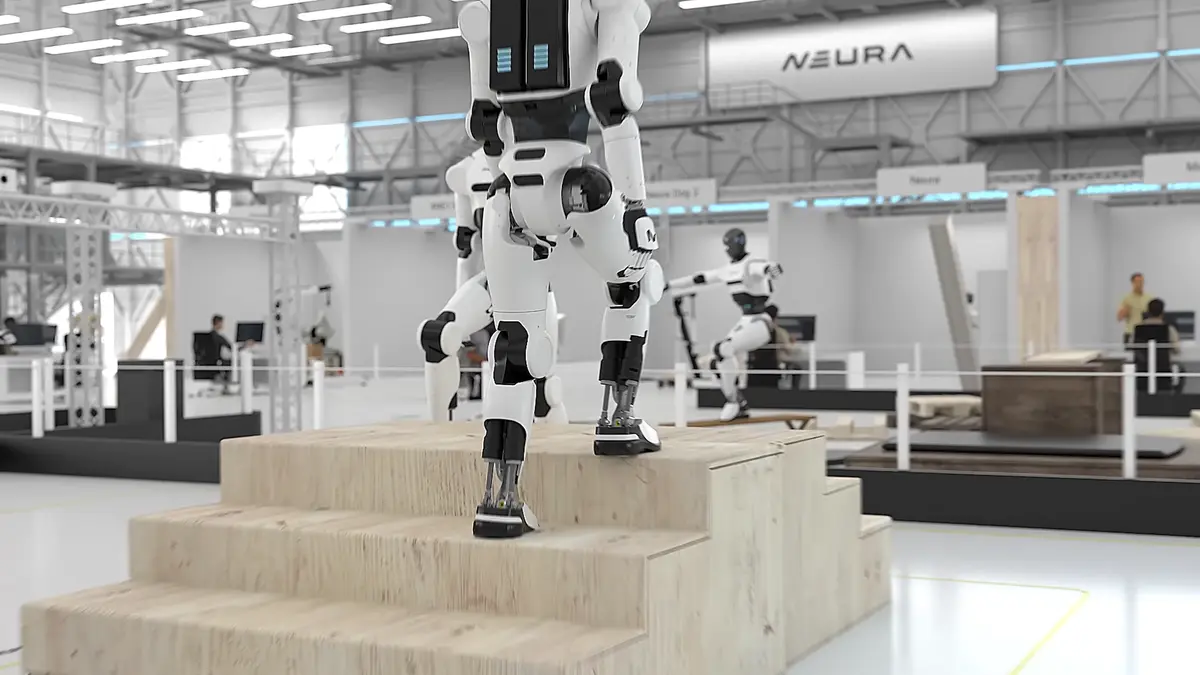
The Physical AI Bottleneck: Comparing the Data Strategies of 1X, Figure, Tesla, and Neura
A recent report by the LA Times reveals that leading robotics companies are engaged in a significant, low-tech initiative to collect real-world data, which has emerged as a critical challenge in the field. As of October 2023, these companies are exploring various strategies to address this data bottleneck, with approaches ranging from human-video capture and teleoperation to extensive simulation techniques. The diversity in methods reflects the industry's urgent need to enhance robotic capabilities and improve performance in real-world applications.
Data Collection 1X-technologies Tesla Figure Neura Robotics Neura Gym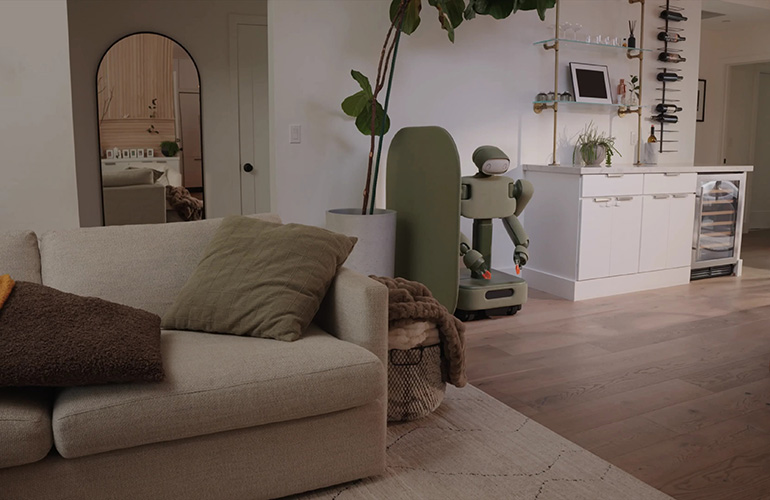
Weave Robotics Introduces Isaac 1, Its First Mobile Humanoid Robot for Home Use
Weave Robotics has launched Isaac 1, a wheeled humanoid robot designed for household chores, with deliveries set to begin this fall. Priced at $7,999 or $449 per month, Isaac 1 features a friendly design and is equipped to perform tasks like folding laundry and tidying rooms. The introduction of Isaac 1 marks a significant step in consumer robotics, providing an approachable solution for everyday household tasks. With its adjustable height and autonomous navigation, the robot can efficiently move around homes, allowing users to schedule tasks via a companion app. Looking ahead, Weave Robotics aims to position Isaac 1 as an affordable entry point into home robotics. The company has previously sold units of Isaac 0 for laundry services, and it will be interesting to see how the market responds to this new consumer-focused model. No further timeline was disclosed at the time of publication.
Arms / Manipulators Autonomous Mobile Robots (AMRs) Human Robot Interaction / Haptics Humanoids News household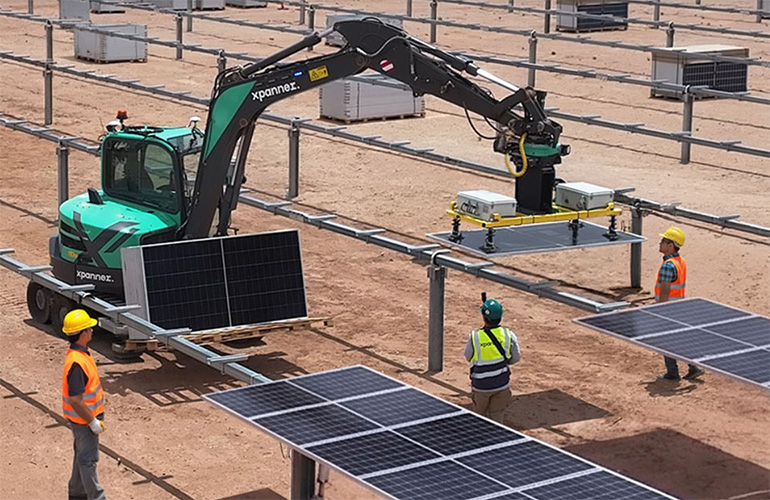
Xpanner Launches X1 Panel Lift to Automate Solar Panel Installation Processes
Xpanner Global has introduced the X1 Panel Lift system, aimed at alleviating the skilled labor shortage in the solar industry. This innovative platform, previously used for solar pile-driving, now facilitates automated lifting and replacement of solar panels using excavators. By automating repetitive material handling tasks, the X1 Panel Lift allows installation crews to focus on more critical activities such as aligning and fastening panels. The significance of the X1 Panel Lift lies in its potential to transform solar installation workflows, which have traditionally relied on large teams and complex setups. Henri Lee, co-founder and CEO of Xpanner, emphasized that this solution simplifies operations, enabling any operator to manage the system from day one. The introduction of this technology could lead to increased efficiency and reduced labor costs in utility-scale solar projects. Looking ahead, Xpanner plans to enhance the X1 Panel Lift's capabilities through software updates, allowing for the automation of additional workflows without necessitating new equipment purchases. No further timeline was disclosed at the time of publication.
Arms / Manipulators Artificial Intelligence Construction Energy / Solar / Renewables News Safety & Security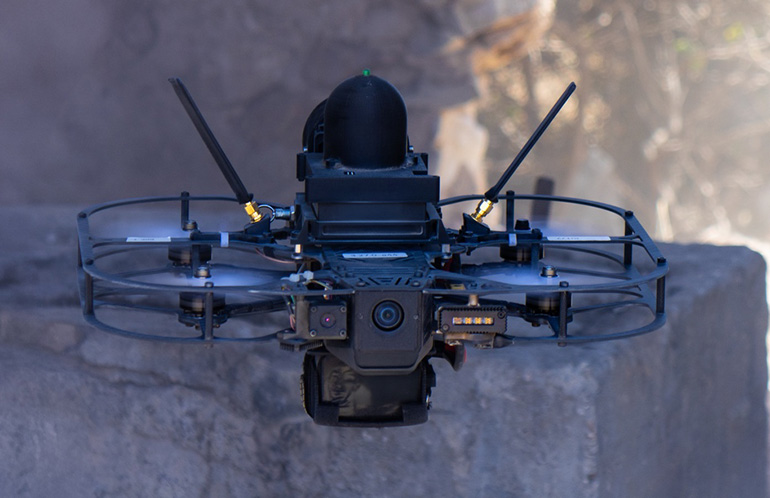
XTEND Receives U.S. Patent for Drone Autonomy Technology Enhancing Mission Efficiency
XTEND Reality Inc. has secured a U.S. patent for its autonomous navigation technology, specifically U.S. Patent No. 12,222,735, which allows drones to navigate toward operator-designated destinations without reliance on the surrounding environment. This patent, also granted in Israel, supports the company's mission to enhance drone autonomy in complex operational settings, reducing operator workload and improving mission execution reliability. The significance of this patent lies in its ability to enable drones to adapt their navigation in real-time while maintaining focus on mission objectives. As autonomous operations grow in defense, security, and public safety sectors, this technology positions XTEND favorably in a competitive landscape, reinforcing its software foundation, XOS, for next-generation autonomous systems. Looking ahead, XTEND is set to participate in the Gauntlet II phase of the U.S. Department of War's Drone Dominance Program, which will test autonomous systems in August at Fort Carson, Colorado. No further timeline was disclosed at the time of publication regarding additional developments related to this patent or upcoming projects.
Controllers Defense / Security Investments Mergers & Acquisitions News Unmanned Aerial Systems / Drones
HIVE brings in $15M to build physical AI for industrial machines
HIVE has deployed its technology across several sites in Scandinavia, operating autonomously across different machines. The post HIVE brings in $15M to build physical AI for industrial machines appeared first on The Robot Report.
Artificial Intelligence Artificial Intelligence / Cognition Automation Construction Design / Development Financial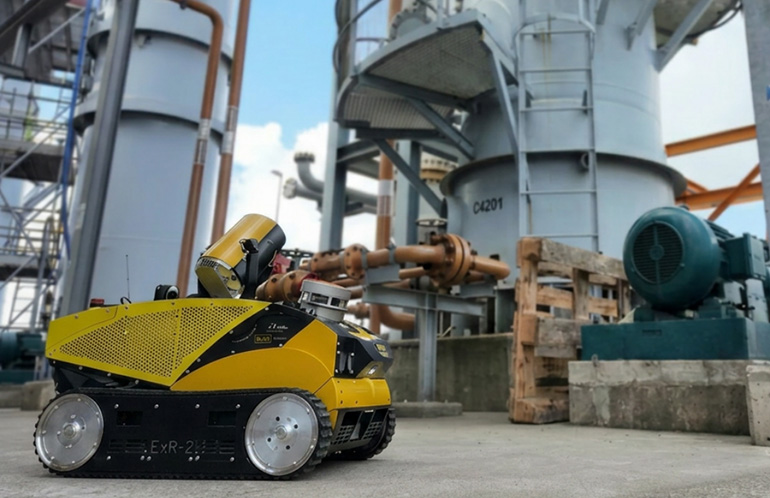
ExRobotics launches UL-certified inspection robot for hazardous environments
ExRobotics has announced that its ExR-2.5 inspection robot has received certification for safe operations in explosive environments across North America. This certification allows the robot to be deployed in hazardous settings, enhancing safety and efficiency in inspections where traditional methods may pose risks. The launch of the UL-certified ExR-2.5 marks a significant advancement in robotics technology, aimed at addressing the challenges faced in environments that are potentially dangerous for human operators.
Autonomous Mobile Robots (AMRs) Cameras / Imaging / Vision Mobility / Navigation News Oil and Gas Safety & Security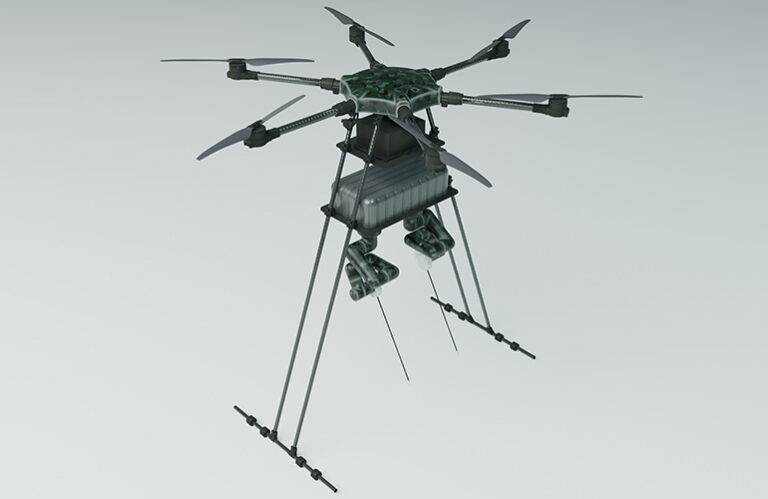
Can surgical robots fly? SS Innovations discusses challenges, solutions
SS Innovations, a robotics developer, is concentrating its efforts on enhancing emergency medical care in active war zones and other challenging environments. The company is exploring the feasibility of deploying surgical robots in these high-stress situations, addressing the unique challenges posed by such settings. This initiative aims to improve the speed and effectiveness of medical interventions in areas where traditional healthcare access is limited or compromised. By leveraging advanced robotics technology, SS Innovations seeks to provide critical support to medical personnel and improve patient outcomes in emergencies. The ongoing discussions around this innovative approach highlight the potential for surgical robots to revolutionize emergency care in some of the most dangerous locations worldwide.
Defense / Security Drones Healthcare Robotics Markets / Industries News Robots / Platforms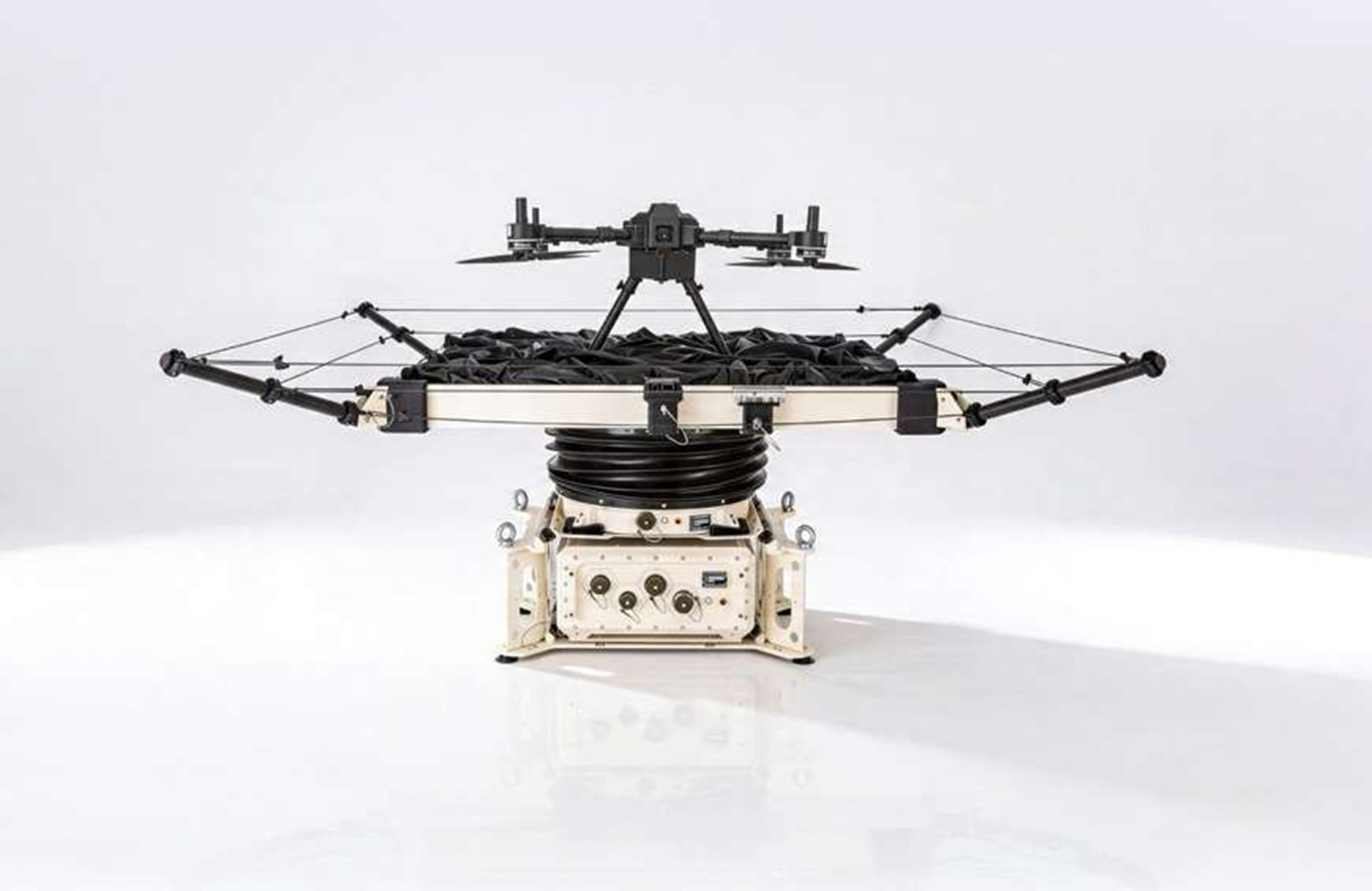
WaiV Robotics emerges from stealth to help drones take off and land at sea
WaiV Robotics has emerged from stealth mode with a mission to enhance drone operations at sea, backed by $7.5 million in funding. The company is focused on developing its innovative drone landing system and is actively seeking original equipment manufacturer (OEM) partners to collaborate on bringing this technology to market. By improving the efficiency and safety of drone takeoffs and landings in maritime environments, WaiV Robotics aims to address the growing demand for reliable drone solutions in various industries.
Artificial Intelligence Artificial Intelligence / Cognition Controllers Defense / Security Design / Development Drones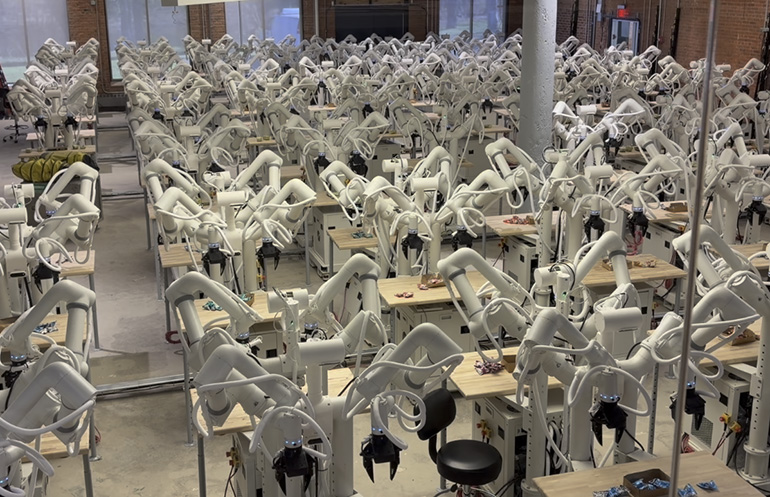
Tutor Intelligence builds Data Factory to train robot AI in the real world
Tutor Intelligence has initiated the operation of 100 Sonny semi-humanoid robots at its headquarters, a move aimed at enhancing the training of artificial intelligence in real-world scenarios. This initiative is part of the company's broader strategy to develop a Data Factory that will facilitate the sharing of technology and data with its Cassie mobile manipulator. By leveraging these advanced robotic systems, Tutor Intelligence seeks to improve the efficiency and effectiveness of AI training, ultimately advancing its capabilities in various applications. The deployment of these robots marks a significant step in the company's commitment to innovation in robotics and AI technology.
Arms / Manipulators Artificial Intelligence Artificial Intelligence / Cognition Cobot Arms Consumer Robotics Food / Beverage
SS Innovations is developing a drone-based surgical robot
SS Innovations has unveiled the SSi Vimana Aero, a drone-based surgical robot aimed at providing immediate robotic surgical care to injured soldiers. This innovative technology is part of the company's broader initiative to enhance medical response in combat situations. In addition to the Vimana Aero, SS Innovations is also developing a surgical humanoid, further expanding its capabilities in robotic surgery. The advancements reflect a growing commitment to integrating robotics into emergency medical services, particularly in military settings, where timely and effective care can significantly impact survival rates.
Defense / Security Healthcare Robotics Humanoids Markets / Industries News Robots / Platforms
1X's NEO Launch Splits Tech World, Sparking Heated Debate on Autonomy and ''Selling the Dream''
The recent pre-order launch of the $20,000 NEO humanoid robot has sparked significant online interest, capturing the attention of both enthusiasts and skeptics within the technology sector. Scheduled for release soon, the robot's innovative design features a transparent, human-in-the-loop strategy that has garnered praise from supporters who believe it represents a major advancement in robotics. However, the initiative has also faced criticism from various industry leaders, including rival CEOs, who describe the project as an incomplete "hype reel." This division within the tech community highlights the ongoing debate over the future of humanoid robotics and the balance between innovation and practicality. As the pre-order phase progresses, the reactions from both sides will likely shape the discourse surrounding the NEO robot's eventual impact on the market.
1X-technologies teleoperation Figure MKBHD NEO
1X Details NEO's 'Human-in-the-Loop' Strategy and Hardware as $20,000 Pre-Orders Go Live
1X has opened pre-orders for its $20,000 NEO robot, marking a significant step in the company's strategy to enhance its artificial intelligence capabilities. The initiative, aimed at early adopters, involves utilizing a human-piloted "Expert Mode" that allows users to help train the robot's AI system. This approach fosters a collaborative relationship between humans and technology, described by the company as a "social contract." The NEO robot features a lightweight, tendon-driven body, designed to facilitate agility and responsiveness. By engaging early users in the training process, 1X aims to refine the robot's functionality and adaptability in real-world scenarios.
1X-technologies teleoperation NEORobotics needs a service framework.
RSF defines a common language for robot service capability, lifecycle operations, certification pathways, and service-provider networks.