Industry Briefing
A single destination for timely, editor-curated robotics news from around the world.

LandSpace's Zhuque-3 Static Fire Test Succeeds as Commercial Aerospace Scales Up
LandSpace's Zhuque-3 reusable rocket successfully completed a static fire test on October 15, 2023, at the Dongfeng Commercial Aerospace Innovation Zone. This milestone is significant for the company as it advances its efforts in developing reliable and cost-effective space launch solutions. The static fire test, which involves igniting the rocket's engines while it remains secured to the ground, is a crucial part of the testing process to ensure the vehicle's performance and safety before its first flight. This achievement underscores LandSpace's commitment to innovation in the aerospace sector and positions the company to contribute to the growing demand for satellite launches and space exploration initiatives.
Industry News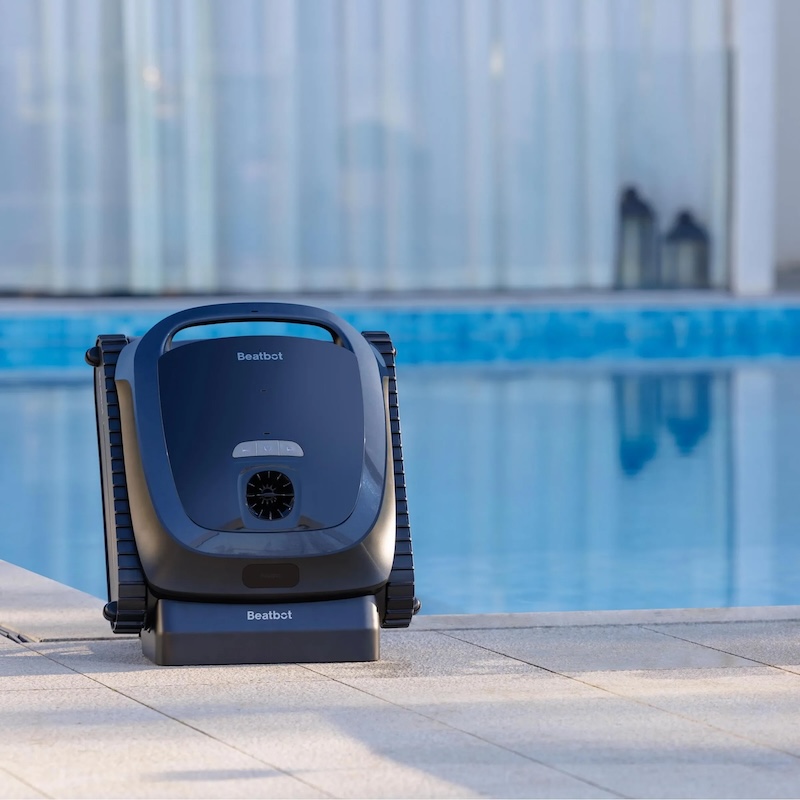
How AI Navigation is Improving the Performance of Robotic Pool Cleaners
Robotic pool cleaners have evolved beyond traditional metrics such as suction power and debris collection, with a significant emphasis now placed on navigation capabilities. Previously, these devices were primarily evaluated based on their ability to pick up dirt and debris, but advancements in technology have shifted the focus to how effectively they can navigate a pool's surface. A robot that operates randomly may clean certain areas thoroughly while neglecting others, leading to inconsistent cleaning results. This change in evaluation criteria reflects a growing understanding that efficient navigation is crucial for maximizing the overall performance of pool cleaning robots. As manufacturers continue to innovate, the integration of sophisticated navigation systems is becoming a key factor in the design and functionality of these devices, ensuring a more comprehensive cleaning experience for pool owners.
Artificial Intelligence Environment Technology AI navigation ai robotics AquaSense 2 Ultra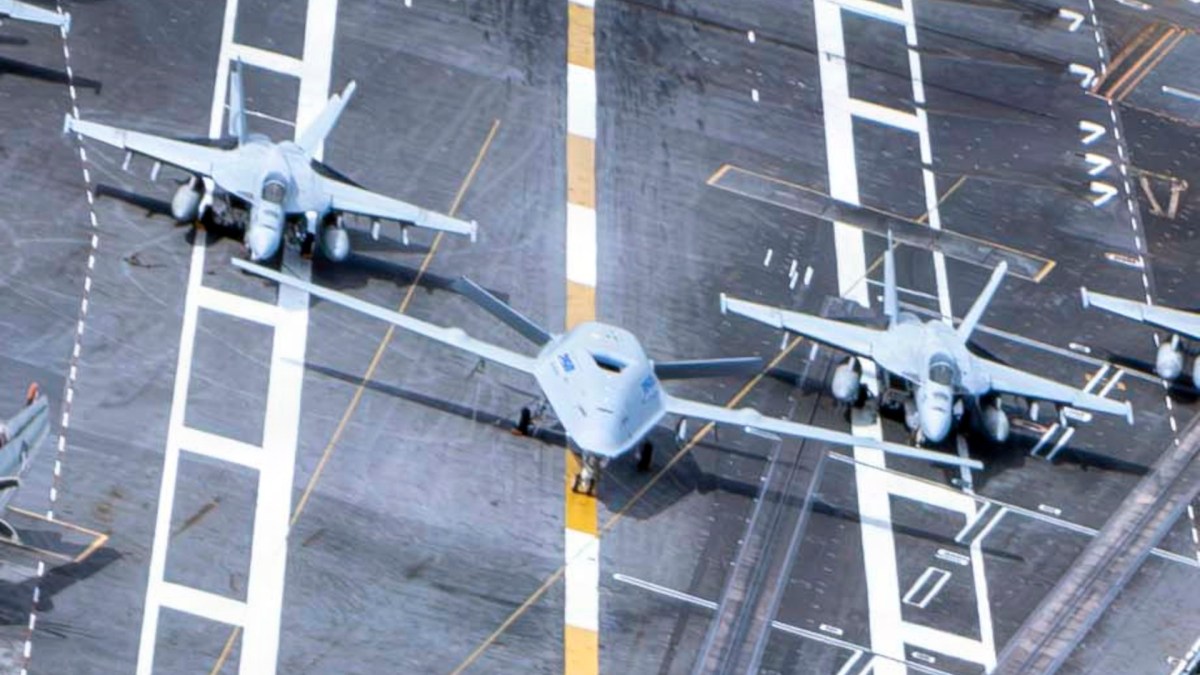
MQ-25 Stingray Demonstrator Goes Aboard USS Nimitz For 250th U.S. Anniversary Celebrations
The Navy's T-1 tanker drone demonstrator made a notable appearance on the deck of the USS Nimitz, coinciding with the 250th anniversary celebrations of the United States. This event highlighted the drone's significant size in comparison to its crewed counterparts, showcasing advancements in naval aviation technology. The demonstration underscores the Navy's commitment to integrating unmanned systems into its operations, reflecting a shift towards modernizing its fleet. The USS Nimitz, a key asset in the Navy's carrier strike group, served as the backdrop for this milestone, emphasizing the importance of innovation in maintaining maritime superiority.
Air Carriers MQ-25 Navies Nimitz Class Sea
Robots that can identify materials and map unknown environments could aid nuclear and defense sectors
Researchers at the University of Surrey are developing advanced robots capable of surpassing human vision, creating live 3D maps of unfamiliar environments, and determining the composition of various objects. This innovative technology, which is currently in development, has the potential to revolutionize several fields, including nuclear inspection, rail and building safety, and search and rescue operations in combat zones. By enhancing robotic capabilities, the team aims to improve safety and efficiency in critical situations where human intervention may be risky or impractical. The project highlights the university's commitment to pioneering research that addresses real-world challenges through cutting-edge technology.
Robotics
Linear System Identification and Control of a Low‐Cost High‐Performance Omnidirectional Marine Surface Vehicle for Swarming Applications
The Journal of Field Robotics has published an early view article highlighting advancements in robotic technology aimed at enhancing agricultural efficiency. Researchers from various institutions collaborated on this study, which was released in October 2023. The article focuses on the development of autonomous robots designed to optimize crop management and reduce labor costs in farming practices. This initiative is driven by the increasing demand for sustainable agricultural solutions amid a growing global population. The team employed cutting-edge artificial intelligence and machine learning techniques to enable robots to perform tasks such as planting, monitoring crop health, and harvesting with minimal human intervention. Field tests conducted in diverse agricultural settings demonstrated the robots' effectiveness in improving yield while minimizing resource usage. The findings suggest that integrating robotics into farming could significantly address labor shortages and enhance food production efficiency. As the agricultural sector faces mounting pressures from climate change and economic constraints, this research underscores the potential of technology to transform traditional farming methods and promote sustainability.
RESEARCH ARTICLE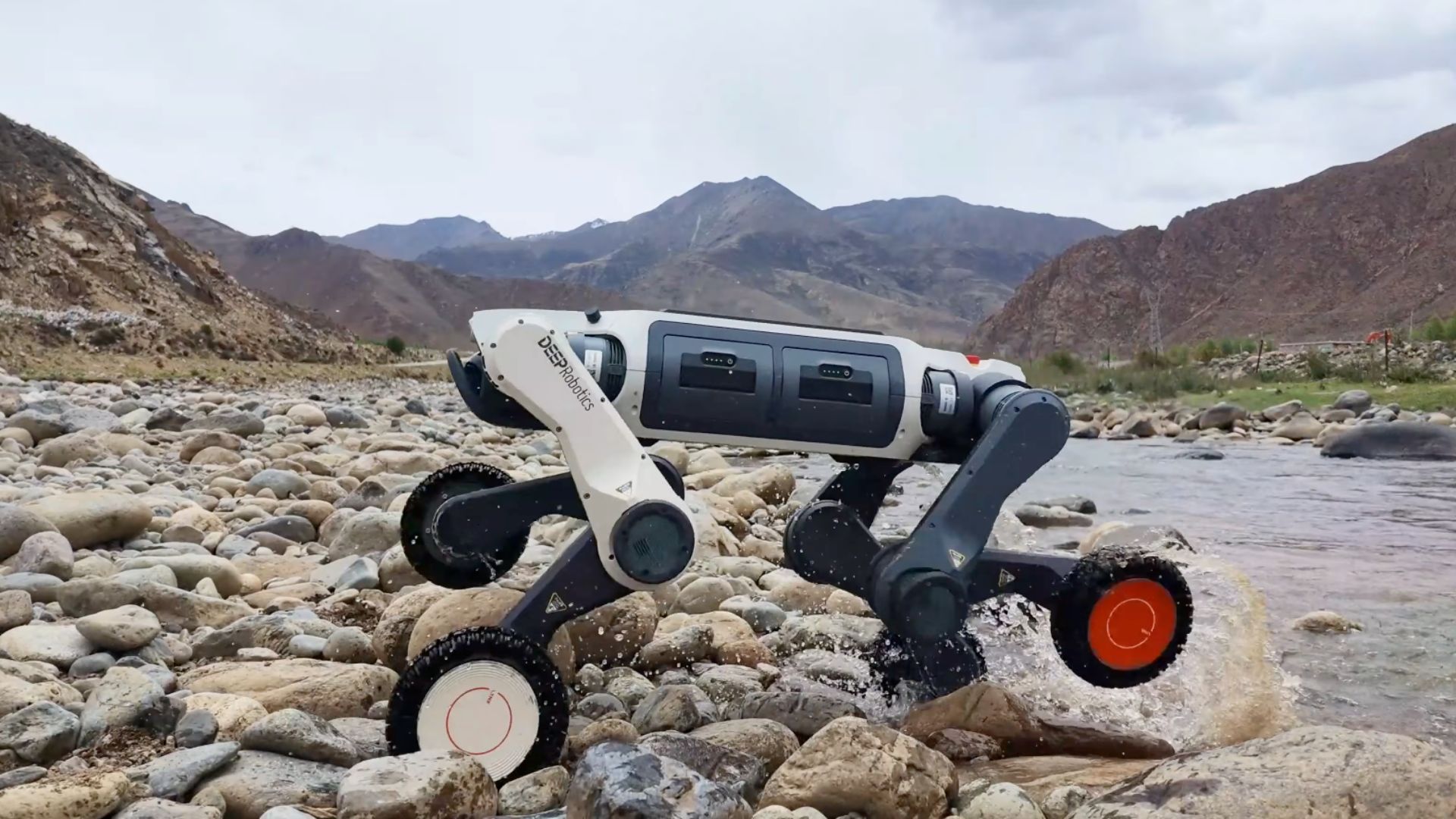
China’s new robot dog tackles -22°F cold, crosses river and rugged terrain in demo
DEEP Robotics has unveiled its latest innovation, a wheeled-legged robot specifically engineered to navigate and perform tasks in challenging industrial environments. The demonstration took place recently, showcasing the robot's capabilities in handling various terrains and obstacles typically encountered in industrial settings. This development aims to enhance operational efficiency and safety in sectors that require robust and versatile robotic solutions. The unique design combines the agility of legs with the stability of wheels, allowing the robot to adapt to different surfaces and tasks seamlessly. By integrating advanced technology, DEEP Robotics seeks to address the growing demand for automation in industries facing labor shortages and increasing operational complexities.
AI and Robotics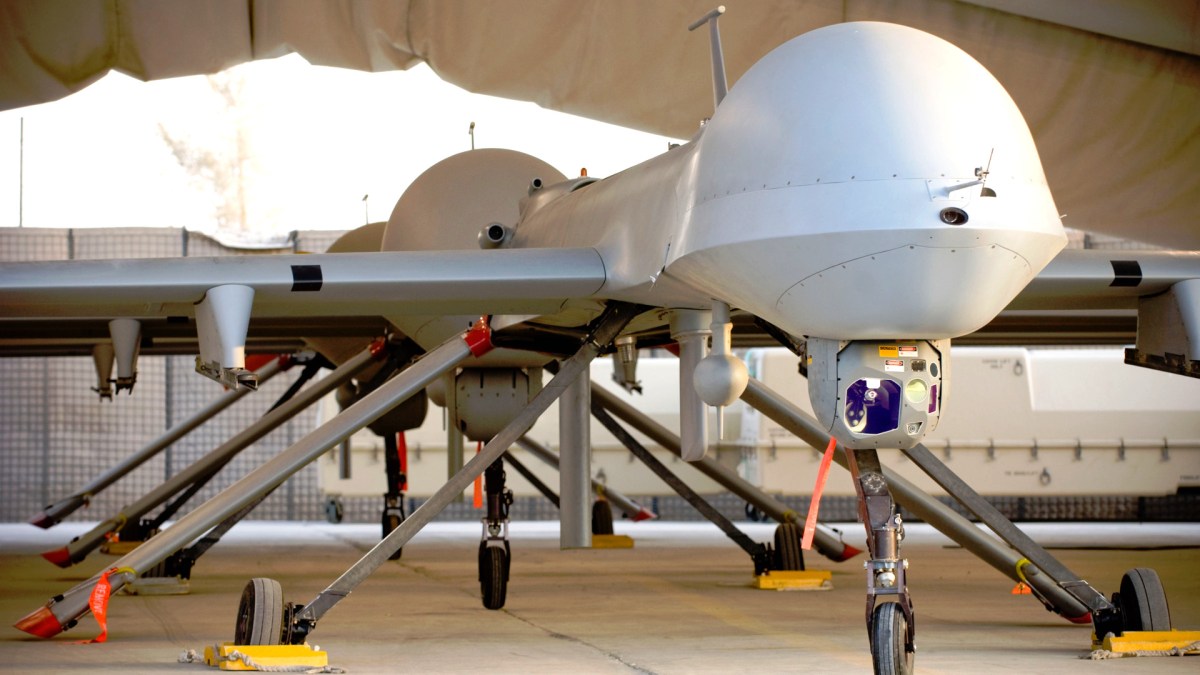
Pocket Fleet Of Unseen MQ-1 Predators Still Flying In Specialized Role
Formerly retired MQ-1 Predator drones, once a staple of the U.S. Air Force, are now being repurposed for specialized missions, showcasing their continued relevance in modern military operations. These drones, which had been phased out of active service, are being utilized in roles that require their unique capabilities, allowing them to contribute to missions that demand surveillance and reconnaissance. This resurgence of the MQ-1s comes as military strategists seek cost-effective solutions to meet evolving operational needs. The drones are primarily being deployed in less conventional environments, where their stealth and adaptability provide a tactical advantage. While the exact locations and details of their current missions remain classified, the ongoing use of these drones highlights the military's commitment to maximizing existing resources. The decision to keep the MQ-1s operational reflects a broader trend within the defense sector to extend the lifespan of proven technologies amidst budget constraints and the need for versatile aerial platforms. As of October 2023, these unmanned aerial vehicles continue to play a crucial role in enhancing situational awareness and intelligence gathering, proving that even retired military assets can find new life in the ever-evolving landscape of defense operations.
Air Drones Navies News & Features Q-1 Sea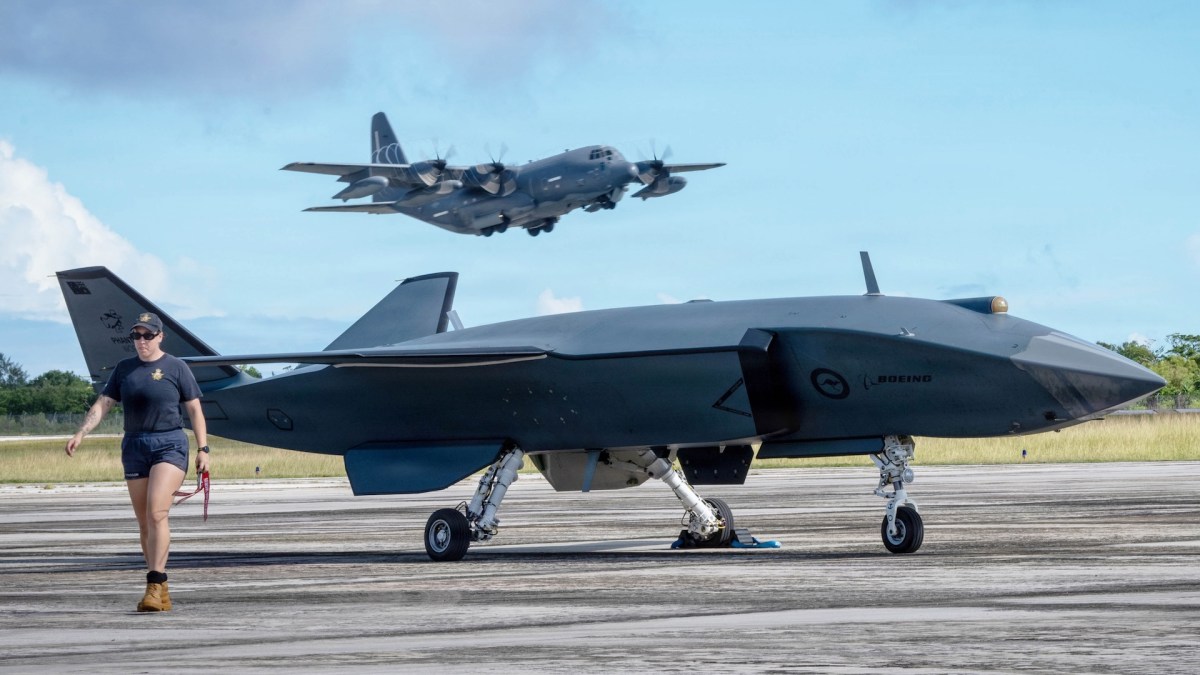
MQ-28 Ghost Bat Drone Debuts In Large-Force Combat Exercise In The Pacific
The MQ-28 Ghost Bat drone made its debut during the Valiant Shield exercise, showcasing its capabilities alongside other crewless combat aerial systems (CCAs) in a large-force combat scenario in the Pacific. This event, which highlights the integration of advanced drone technology into military operations, aims to explore how these systems can enhance coalition operations in future conflicts. The exercise underscores the growing importance of unmanned systems in modern warfare and their potential to transform strategic partnerships among allied forces.
Air Around The Globe Indo-Pacific Loyal Wingman MQ-28 News & Features
NATO And Ukraine Turning To Private Sector To Help Crater Russian Airfields
NATO and Ukraine are collaborating with the private sector to address the ongoing conflict with Russia by launching a challenge aimed at developing a system to deny Russian forces access to their airfields. This initiative seeks innovative solutions to enhance military capabilities and disrupt Russian operations. The challenge is part of a broader strategy to leverage private sector expertise in defense technology, reflecting a shift towards more unconventional methods in modern warfare. The announcement comes amid escalating tensions in the region, emphasizing the urgency of finding effective means to counter Russian military advantages. Participants are encouraged to propose creative and practical approaches, with the potential for significant rewards for successful implementations.
News & Features Air Air Forces Around The Globe Drones Europe
What Was The “Jellyfish-Like” Drone Swarm The Downed F-15E Pilot Reportedly Saw Over Iran?
A pilot of an F-15E Strike Eagle reported encountering a “minefield of drones” in the skies over Iran shortly before their aircraft crashed. The incident has raised questions about the nature of the drone swarm, described as “jellyfish-like,” and its implications for aerial operations in the region. The circumstances surrounding the crash remain under investigation, with experts analyzing the potential threats posed by such drone formations. This event highlights the evolving challenges faced by military pilots in environments increasingly populated by unmanned aerial vehicles.
Air Air Forces Around The Globe Drones F-15 Fighters
DARPA X-Plane Designed To Maneuver With Just Bursts Of Air Finally Gets Its Wings
Aurora Flight Sciences, in collaboration with the Defense Advanced Research Projects Agency (DARPA), is aiming to launch the X-65 drone in the upcoming year following previous delays and budget increases. This innovative drone is designed to maneuver using only bursts of air, showcasing advanced aerodynamics and control technology. The project reflects DARPA's commitment to pushing the boundaries of aviation technology and enhancing military capabilities. The successful flight of the X-65 could mark a significant milestone in drone development, potentially leading to new applications in both defense and civilian sectors.
Air Drones News & Features Unmanned
Peking University team develops new generation data acquisition device using EMG wristband, backed by Gong Hongjia, Lu Qi, and overseas
The SnowOrigin team, composed of researchers from Peking University, has secured investments from notable figures including Gong Hongjia and Lu Qi, as well as overseas institutions. This innovative team focuses on surface electromyography (sEMG) technology to develop a new generation of human control data collection solutions, utilizing wearable devices like neural wristbands and panoramic headsets, along with their proprietary Neural Math Hybrid (NMH) AI decoding model. As the fields of embodied intelligence and Physical AI rapidly evolve, there is an increasing demand for high-quality human control data. Current mainstream data collection methods, such as first-person video and motion capture, often fail to capture critical information about the intent and nuances of human actions. SnowOrigin's wearable devices aim to bridge this gap by integrating muscle and neural signal decoding technologies to create structured data that includes posture, force, and micro-control, thereby supporting the training of robots and world models. Founder Qin Xu emphasized that unlike traditional lab-based motion capture systems, their wearable solutions are cost-effective, lightweight, and suitable for long-term use without disrupting daily activities. The team is advancing two commercialization pathways: enhancing human-robot interaction for AI devices and building a foundational data infrastructure for Physical AI applications. With a strong academic background and a commitment to innovation, SnowOrigin is positioned to lead in the emerging market for embodied data collection, having already made significant strides in real-time decoding of sEMG signals into actionable insights. As the demand for comprehensive interaction data grows, the team is poised to capitalize on this shift in paradigm.

Turkey’s ‘Fighter Drone’ Teamed With M-346 Fighter-Trainer In Autonomy Trials
Turkey has joined a select group of nations engaged in advanced flight testing of crewed and uncrewed aircraft collaboration, marking a significant step in the development of autonomous combat systems. The recent demonstrations featured Turkey's innovative 'fighter drone' working in tandem with the M-346 fighter-trainer aircraft. These trials are part of a broader initiative as air forces worldwide strive to enhance their capabilities through collaborative combat aircraft. The successful integration of these technologies could reshape future military operations and tactics, underscoring Turkey's commitment to advancing its defense capabilities in an increasingly competitive global landscape.
Air Air Forces Drones News & Features Turkish Air Force
Expanding the Subsea Toolbox: Water Linked Joins NORBIT
NORBIT, a technology company, has announced its acquisition of Water Linked, a Trondheim-based firm known for its expertise in underwater navigation and imaging technologies tailored for remotely operated vehicles (ROVs), autonomous underwater vehicles (AUVs), and uncrewed surface vessels. This strategic move, finalized recently, aims to enhance NORBIT's capabilities in the maritime technology sector. By integrating Water Linked's innovative solutions, NORBIT seeks to strengthen its position in the growing market for underwater technology, driven by increasing demand for advanced navigation and imaging systems in various marine applications. The acquisition is expected to facilitate the development of new products and services, ultimately benefiting customers in the maritime industry.
water linked norbit
RC-135 Rivet Joints Could Control Drones To Drastically Expand Collection Capabilities
The RC-135 Rivet Joint, a reconnaissance aircraft, is exploring the potential of integrating drone technology to enhance its operational capabilities. This innovative approach aims to significantly expand the aircraft's data collection abilities. As military technology continues to evolve, the collaboration between manned aircraft and unmanned drones presents new opportunities for intelligence gathering and surveillance. The initiative reflects a broader trend within the defense sector to leverage advanced technologies for improved mission effectiveness. Further developments in this area are anticipated, indicating a shift in how aerial reconnaissance may be conducted in the future.
Air Drones Loyal Wingman Manned ISR News & Features RC-135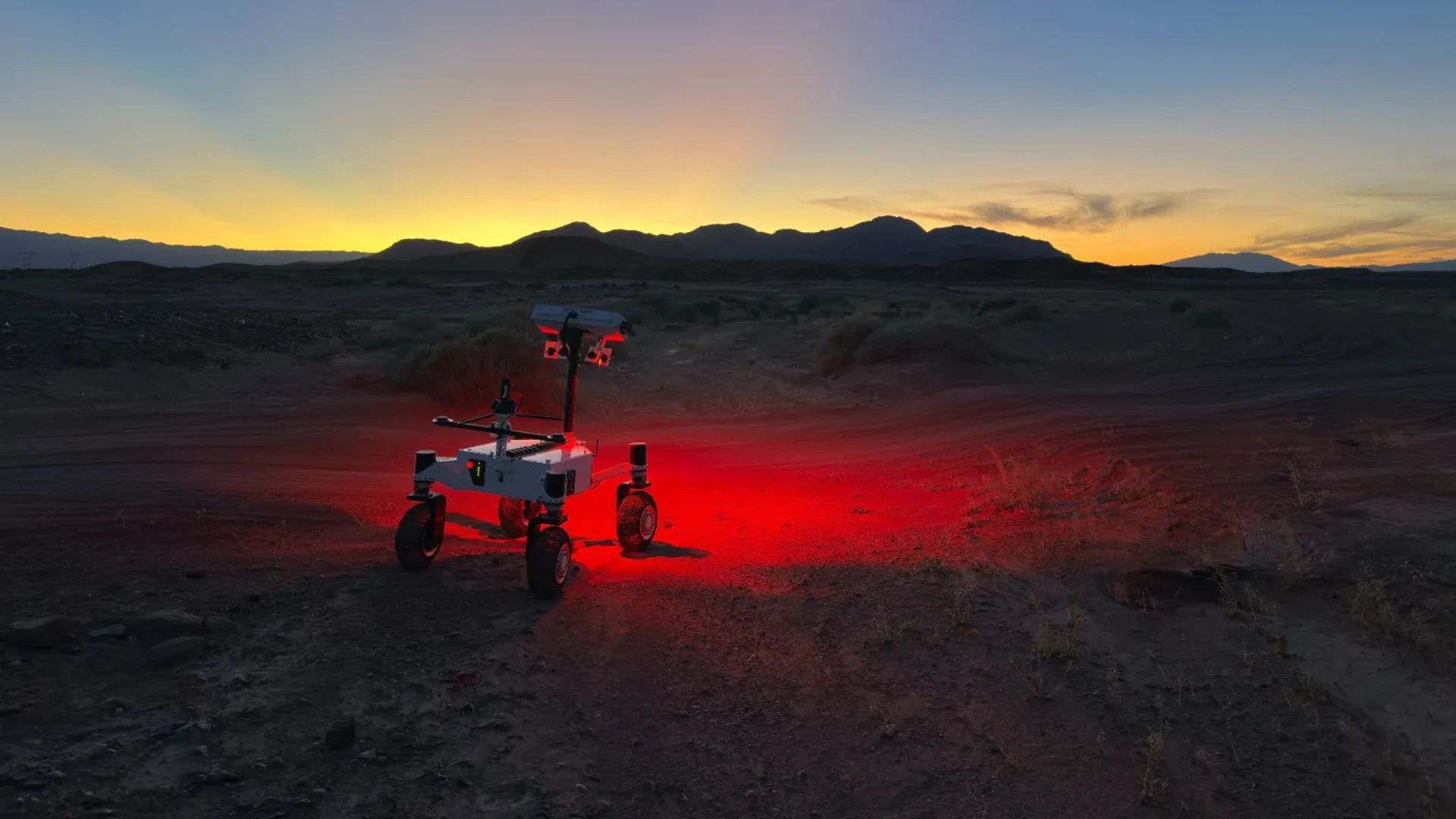
NASA’s new prototype rover completes 16-mile autonomous desert trek
NASA's Jet Propulsion Laboratory (JPL) has unveiled an innovative prototype, a four-wheeled vehicle measuring four feet in length, engineered for high-speed and long-distance travel. This development, announced recently, aims to enhance exploration capabilities on planetary surfaces, potentially paving the way for future missions to Mars and beyond. The vehicle's design incorporates advanced technology to navigate challenging terrains efficiently, addressing the need for faster and more reliable transportation in extraterrestrial environments. By leveraging cutting-edge engineering and robotics, JPL seeks to overcome the limitations of current exploration vehicles, ensuring that future missions can cover greater distances in shorter timeframes. The prototype is a significant step forward in NASA's ongoing efforts to expand human presence in space and improve the tools available for scientific discovery.
AI and Robotics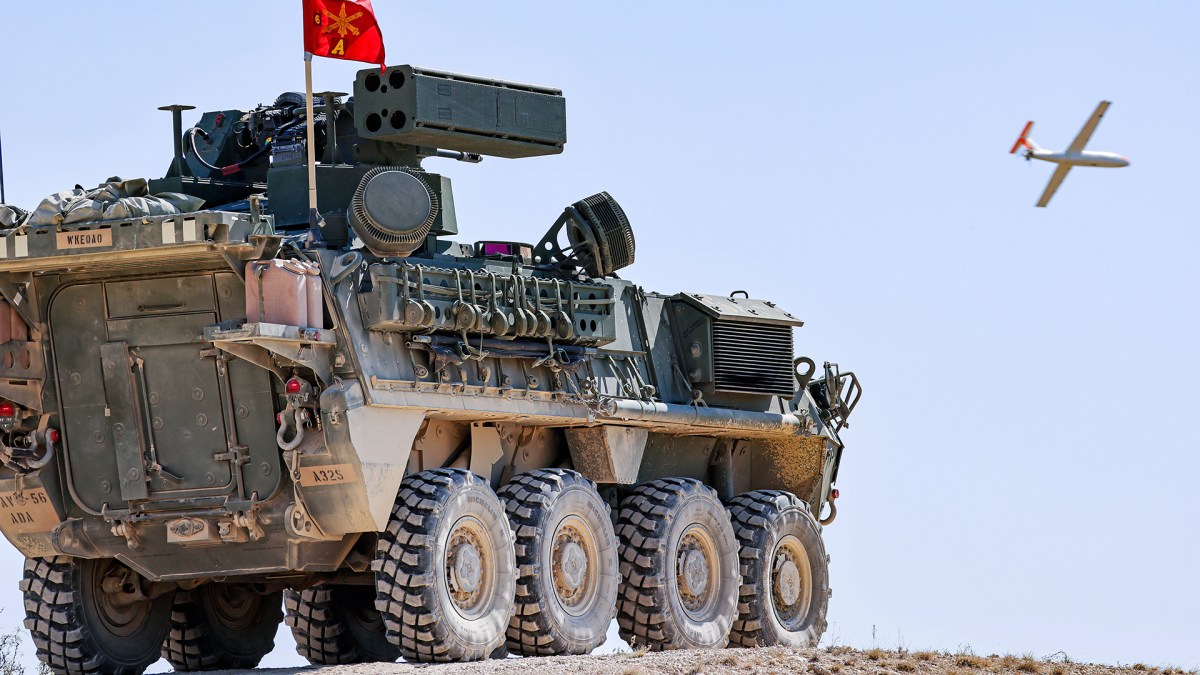
Army’s Newest Unit Aims To “Overwhelm” Adversary With Drones In Pacific Fight
The U.S. Army has established the 7th Infantry Division Multi-Domain Command – Pacific, a new unit designed to integrate drone warfare with the operational strengths of Stryker brigades. This initiative aims to enhance the military's capabilities in the Pacific region, allowing for a more versatile and overwhelming response to potential adversaries. The command will leverage advanced drone technology to support ground operations, providing a strategic advantage in modern warfare. The formation of this unit reflects the Army's commitment to adapting its tactics and resources in response to evolving threats in the region.
Air Armies Around The Globe Drones Indo-Pacific Land
First Bluebottle Hull Christened as Part of Royal Australian Navy's Program of Record
Ocius Technology has achieved a significant milestone in the Royal Australian Navy's $176 million Bluebottle Program with the ceremonial christening of the first uncrewed surface vessel (USV) hull. This event, which took place following the contract announcement in March, marks the initial delivery under the program aimed at enhancing naval capabilities. The Bluebottle USVs are designed to support various maritime operations, reflecting the Navy's commitment to modernizing its fleet and improving operational efficiency. The successful christening underscores Ocius Technology's role in advancing innovative maritime solutions for the Australian defense sector.
bluebottle usv hull christening ocius royal australian navy
OMS Advances Sea Acceptance Tests for USV Elite, Validating Deepwater Survey P Capability and Long-range Endurance
OMS Group (OMS) has announced significant progress in the Sea Acceptance Tests (SAT) for its long-range DriX O-16 Uncrewed Surface Vessel (USV), taking place off the southern coast of France. The ongoing tests are showcasing remarkable seakeeping abilities and promising initial results regarding the vessel's deepwater multibeam echosounder performance. This development aligns with OMS's strategic objective to enhance and expand its long-range uncrewed survey capabilities on a global scale.
oms group sea acceptance tests usv deepwater survey long-range endurance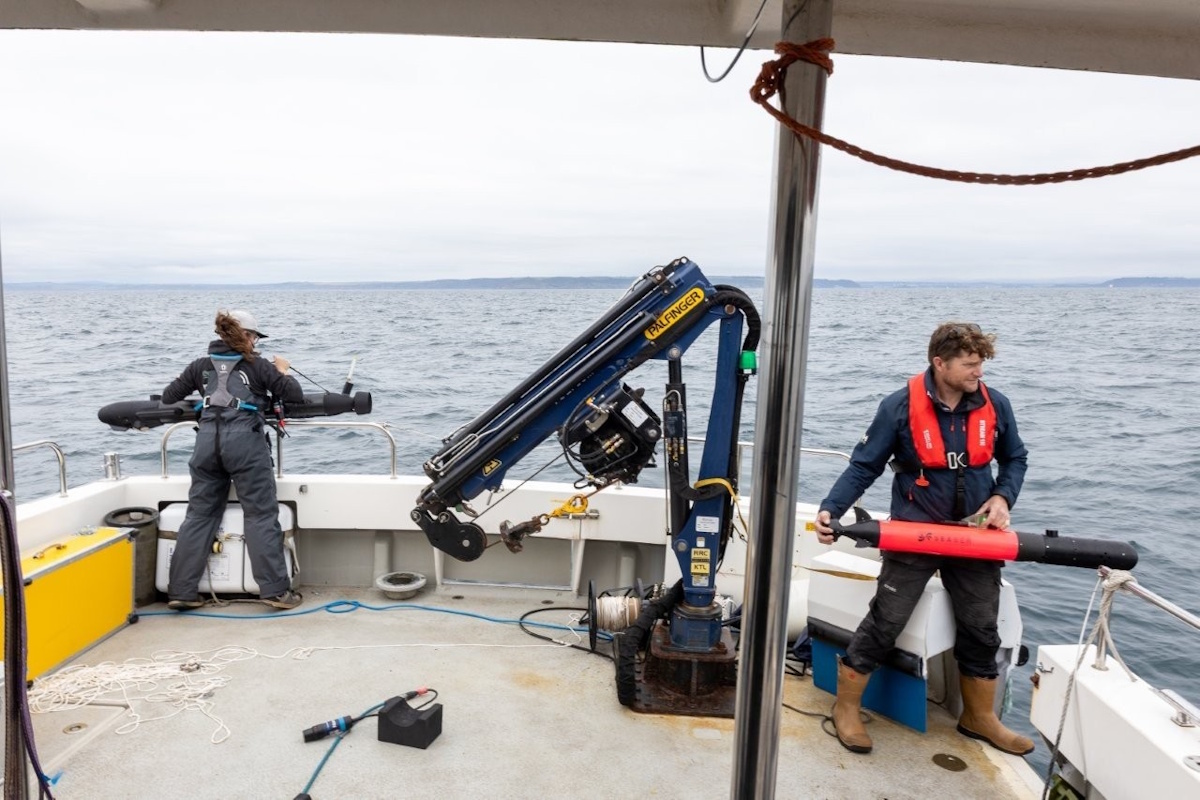
Multi-robot Demo Showcases New Plymouth Subsea Test Range
A newly established underwater trials site in the UK has successfully conducted its inaugural major test, showcasing a live demonstration of a multi-marine surface and subsea robotic platform. This event marks a significant step forward in advancing marine autonomy and enhancing ocean sensing capabilities. The trials aim to foster innovation in marine technology, addressing the growing need for sophisticated underwater exploration and monitoring solutions. By providing a dedicated environment for testing, the site is expected to facilitate the development of cutting-edge robotic systems that can operate effectively in challenging marine conditions. The successful demonstration underscores the potential for these technologies to transform the way oceanic research and operations are conducted, paving the way for future advancements in the field.
multi-robot demo showcase plymouth subsea test range sonardyne smart sound connect subsurface (sscs) project smart sound plymouth
Waymo recalls about 3,900 robotaxis after some drove into 'freeway construction zones'
Waymo has initiated a recall of its robotaxis following incidents where some vehicles entered closed construction zones. The decision comes in response to software issues that have raised safety concerns. The recall aims to address and rectify these underlying problems to ensure the safe operation of the autonomous vehicles. This action underscores the company's commitment to maintaining high safety standards as it continues to develop and deploy its technology in urban environments. The timeline for the recall and the specific locations affected by the software updates have not been disclosed, but Waymo is actively working to resolve the issues to prevent future occurrences.

Extraordinary Footage From Moscow Under Heavy Ukrainian Aerial Attack
In a significant escalation of the ongoing conflict, Ukraine launched a large-scale aerial strike on Moscow, resulting in massive explosions and fires throughout the city. This unprecedented attack marks a potential new phase in the long-range air war between the two nations. The strike occurred recently, with extraordinary footage capturing the chaotic scenes in the Russian capital as the explosions unfolded. Analysts suggest that this development could alter the dynamics of the conflict, highlighting Ukraine's growing capabilities in conducting long-range operations against key targets in Russia. The motivations behind the strike appear to stem from Ukraine's strategic objectives to disrupt Russian military operations and assert its presence in the ongoing war.
News & Features Around The Globe Drones Europe Russia Ukraine
Waymo Recalls Robotaxis Over Driving Through Freeway Work Zones
Waymo has announced a recall of thousands of its robotaxis due to a software glitch that poses a safety risk. The issue could potentially lead the autonomous vehicles to inadvertently accelerate through construction zones on freeways. This decision comes as part of the company's commitment to ensuring the safety of its fleet and the public. The recall is being implemented promptly to address the software malfunction and prevent any incidents that could arise from the vehicles' erratic behavior in these hazardous areas. Waymo is actively working on a solution to rectify the problem and will notify affected vehicle owners about the necessary updates.
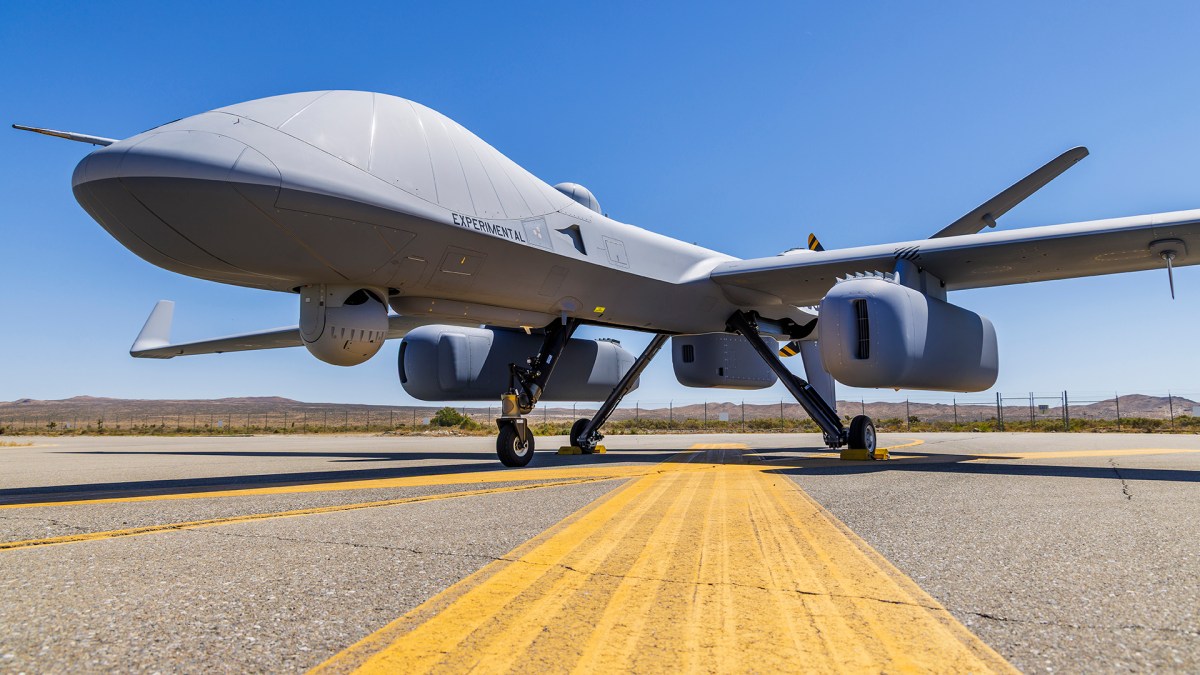
MQ-9 Getting Airborne Early Warning Radar Is A Huge Deal
The introduction of radar-equipped MQ-9 drones marks a significant advancement in airborne early warning capabilities, addressing an urgent need for enhanced surveillance in contemporary military operations. This development comes at a time when the demand for cost-effective and adaptable aerial monitoring solutions is critical. The MQ-9's ability to provide persistent airborne early warning is expected to improve situational awareness and response times in various operational scenarios. As military forces seek to bolster their defensive and offensive strategies, the integration of this technology is seen as a crucial step in modernizing aerial reconnaissance and ensuring readiness in an increasingly complex security environment.
Air Airborne Radar Airborne Sensors Drones News & Features Q-9
Waymo recalls nearly 4,000 robotaxis to stop them driving into highway construction zones
A technology company has reported that its fleet of robotaxis has encountered at least 13 incidents of driving into highway sections that were closed for construction. This troubling pattern raises concerns about the safety and reliability of the autonomous vehicles, as they navigate complex road conditions. The incidents were identified through data analysis conducted by the company, which is committed to improving its systems and ensuring the safety of its passengers and other road users. The company is now investigating the circumstances surrounding these occurrences to enhance its navigation algorithms and prevent future mishaps. The findings come amid ongoing discussions about the regulatory framework for autonomous vehicles and their integration into public roadways, highlighting the need for stringent safety measures as these technologies continue to evolve.
Transportation autonomous vehicles Recalls robotaxis Waymo
Waymo recalls robotaxis after some vehicles entered construction zone
Waymo has initiated a recall of its robotaxis after several incidents were reported where the autonomous vehicles ignored ramp-closure signs and entered freeway construction zones. This decision comes in response to safety concerns raised by these occurrences, highlighting potential risks to both passengers and construction workers. The recall aims to address these issues and ensure the vehicles operate within designated safety parameters. Waymo is expected to implement software updates and conduct thorough inspections to prevent future incidents. The company emphasizes its commitment to safety and regulatory compliance as it navigates the challenges of deploying autonomous technology on public roads.
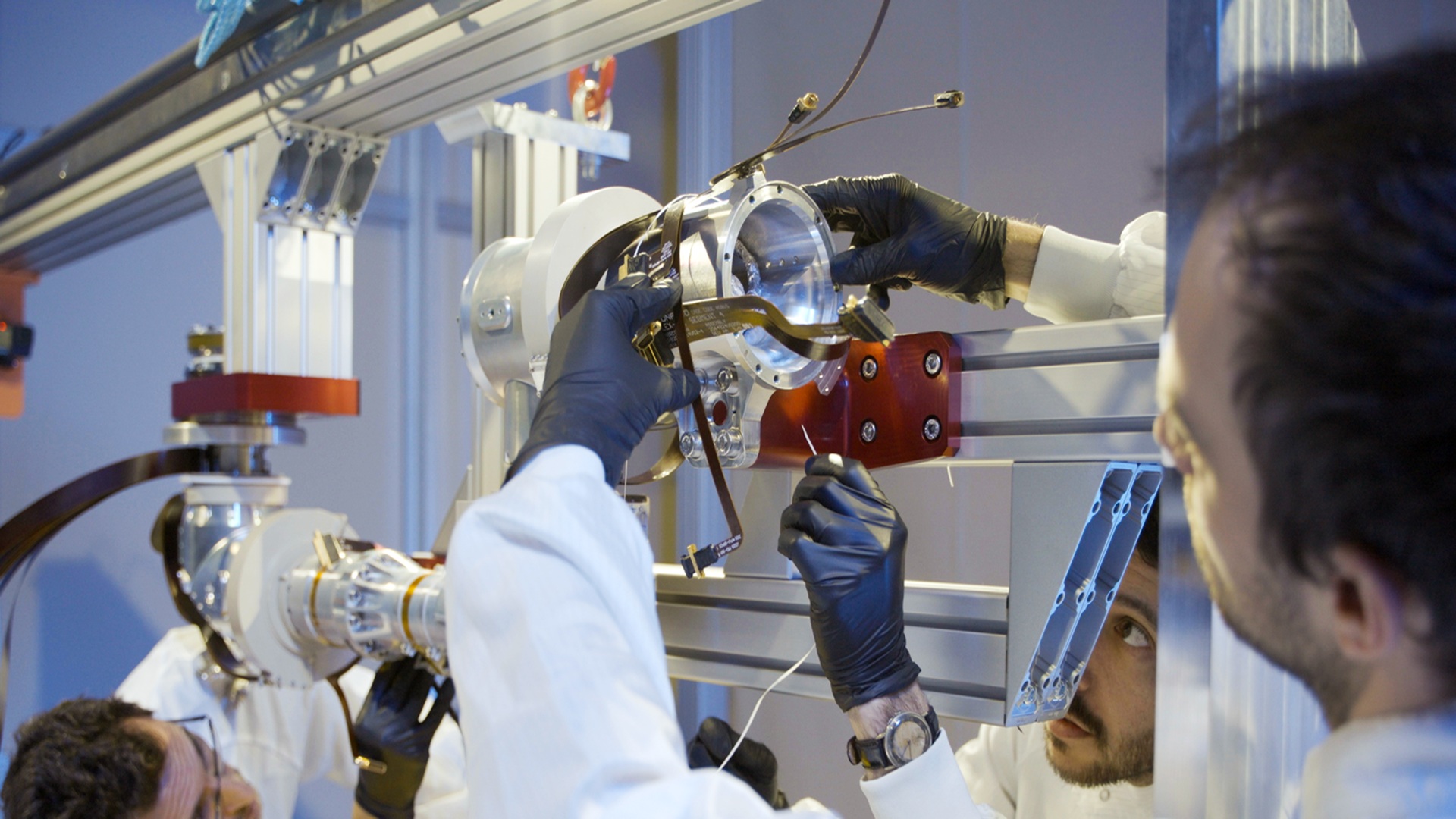
Europe builds robotic arm that can see, feel and handle samples for Moon missions
Engineers at the European Space Agency (ESA) are currently in the process of assembling a highly sophisticated robotic arm designed for future space missions. This advanced technology aims to enhance the capabilities of European spacecraft, allowing for more complex tasks in orbit and on planetary surfaces. The assembly is taking place at ESA's facilities in the Netherlands, where teams are meticulously working to ensure the arm meets stringent operational standards. The initiative is part of ESA's broader strategy to strengthen its role in international space exploration and to contribute to collaborative missions with other space agencies. By developing this cutting-edge robotic arm, ESA seeks to improve the efficiency and effectiveness of its missions, ultimately advancing scientific research and exploration beyond Earth.
AI and Robotics
Australia tests backpack-sized counter-drone system deployable in under two minutes
Australia is intensifying its initiatives to safeguard frontline troops against the increasing risks posed by small drones. This move comes in response to the rising use of unmanned aerial vehicles in modern warfare, which have become a significant concern for military operations. The Australian Defence Force (ADF) is prioritizing the development and deployment of advanced counter-drone technologies to enhance the safety and effectiveness of its personnel in the field. In recent months, military officials have conducted assessments and trials to identify the most effective strategies for neutralizing drone threats. These efforts are part of a broader strategy to adapt to evolving combat scenarios, ensuring that Australian forces remain well-equipped to handle emerging challenges. The urgency of this initiative is underscored by the increasing frequency of drone-related incidents in conflict zones worldwide, prompting a reevaluation of existing defense protocols. As part of this initiative, the ADF is collaborating with technology firms and defense experts to innovate solutions that can detect, track, and neutralize hostile drones. The aim is to implement these technologies in various operational settings, thereby reinforcing the protection of troops during missions. This proactive approach reflects Australia’s commitment to maintaining a robust defense posture in the face of evolving threats in the global security landscape.
Military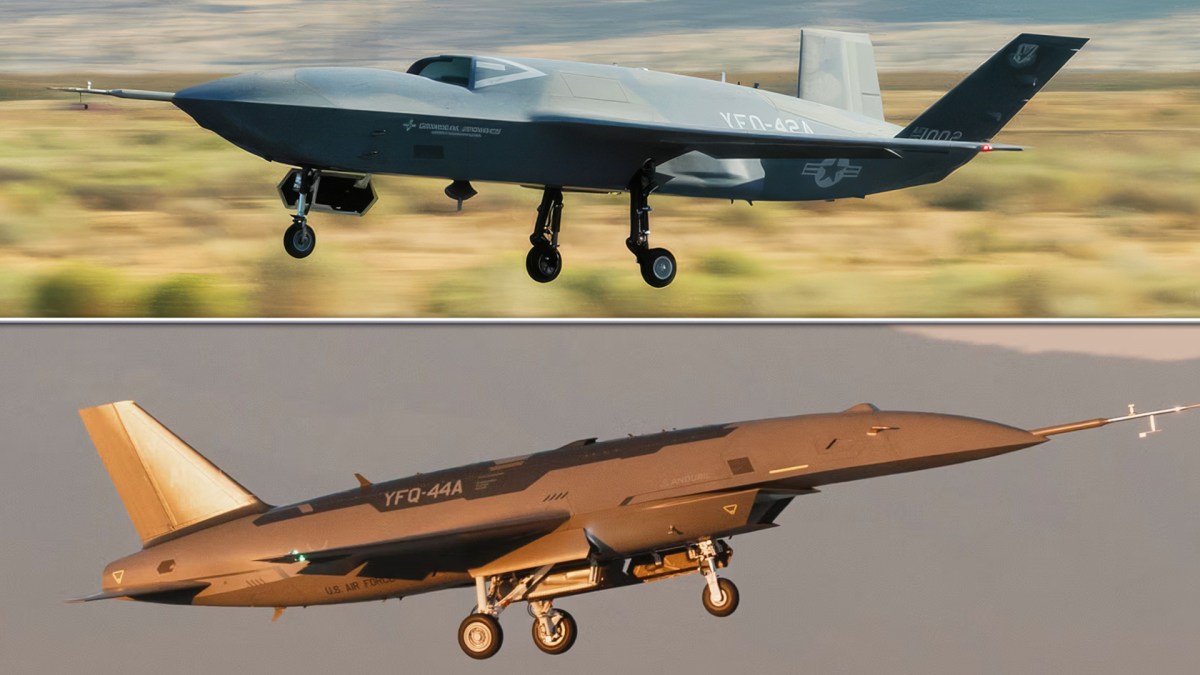
USAF Orders Both General Atomics’ FQ-42 And Anduril’s FQ-44 Into Production
The United States Air Force (USAF) has made a significant decision to order both the FQ-42 and FQ-44 Collaborative Combat Aircraft designs from General Atomics and Anduril, respectively. This move, announced recently, aims to mitigate risks associated with the high-stakes program by leveraging the advantages of both aircraft designs. By opting for dual production, the USAF seeks to enhance its operational capabilities and ensure a more robust defense strategy. The decision underscores the importance of innovation and adaptability in military aviation, as the USAF navigates the complexities of modern warfare.
Air Air Forces Collaborative Combat Aircraft Drones News & Features U.S. Air Force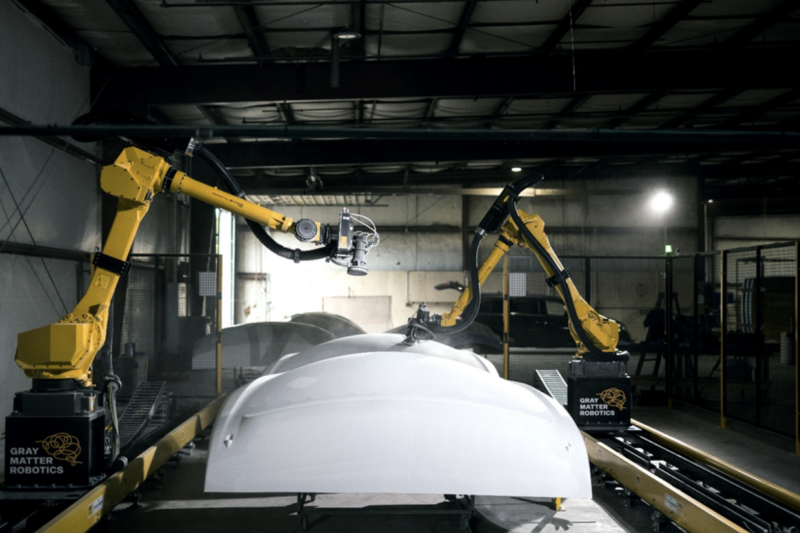
Evaluating humanoids for surface finishing applications
In response to the health risks and ergonomic challenges associated with manufacturing processes like sanding, polishing, blasting, grinding, coating, and painting, there is a growing interest in automating these tasks with robotic technology. Industries are exploring the potential of humanoid robots to enhance efficiency and safety in surface finishing applications. As the demand for automation increases, particularly for handling larger parts, the design and capabilities of robotic arms are being evaluated to meet these specific operational needs. This shift aims to reduce the physical strain on workers while improving productivity across various manufacturing sectors.
Humanoids Manufacturing News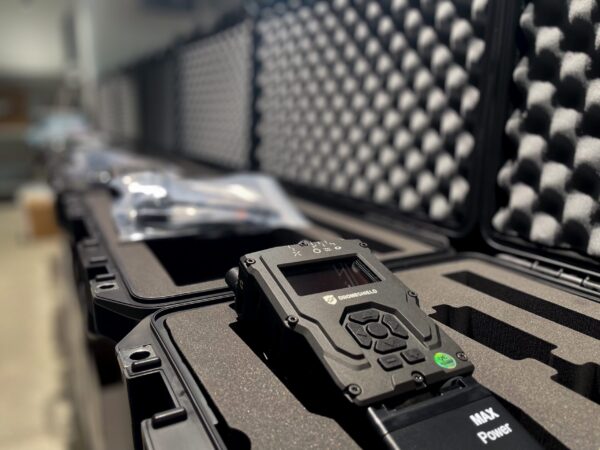
First DroneShield Products Roll Off Production Line in Europe
Western European nations are responding to increasing threats from drones operated by malicious actors by enhancing their domestic production of unmanned aerial vehicles (UAVs) and counter-drone technology. This initiative aims to streamline supply chains and bolster regional manufacturing capabilities. In a significant development, the first products from DroneShield’s production line in Europe have recently been completed, marking a step forward in the region's efforts to address these challenges. The move is part of a broader strategy to ensure that UAS manufacturing is localized, thereby improving security and reducing reliance on external suppliers.
Anti-drone technology Defense Drone News Drone News Feeds Europe Drone Industry European Union
Elephant trunk skin’s dual-zone design offers blueprint for advanced robotic grippers
An elephant's trunk, a remarkable adaptation of the species, showcases its strength and versatility as it can effortlessly transport heavy logs across open spaces. This impressive ability not only highlights the physical prowess of elephants but also serves a crucial role in their daily activities, such as foraging and building shelters. Observations of these behaviors contribute to a deeper understanding of elephant intelligence and their interactions with the environment. The trunk's dexterity allows elephants to manipulate objects with precision, demonstrating their complex problem-solving skills and social behaviors. As researchers continue to study these magnificent creatures, they uncover insights into their ecological impact and the importance of preserving their habitats.
AI and Robotics
Alleged Plot On White House UFC Fight Puts Drone Threat In The Spotlight
Authorities have raised concerns about a potential threat to national security following the arrest of several individuals allegedly involved in a complex plot targeting the White House during a UFC fight. While it remains unclear if the suspects had the capability to execute such an intricate attack, the incident highlights the increasing risks associated with drone technology in public events. The arrests, made in the lead-up to the high-profile sporting event, have prompted a thorough investigation into the motivations behind the alleged conspiracy and the methods that could have been employed. As the situation unfolds, security measures are expected to be heightened to ensure the safety of attendees and the integrity of the event.
News & Features Air Americas Around The Globe Drones POTUS
Mach Industries wins DIU contract for maritime, long-range strike drone
The U.S. Navy is pursuing the development of an unmanned aerial system capable of launching from smaller vessels that lack extensive flight decks. This initiative aims to enhance the Navy's long-range strike capabilities, allowing for more versatile and efficient operations at sea. The move comes as part of the Navy's broader strategy to modernize its fleet and adapt to evolving maritime threats. By leveraging unmanned technology, the Navy seeks to extend its operational reach while minimizing risk to personnel and resources. The project is currently in the planning stages, with further details expected to emerge as the Navy refines its requirements and explores potential partnerships with defense contractors.
Air Warfare Naval Warfare Air Force destroyer Drones Navy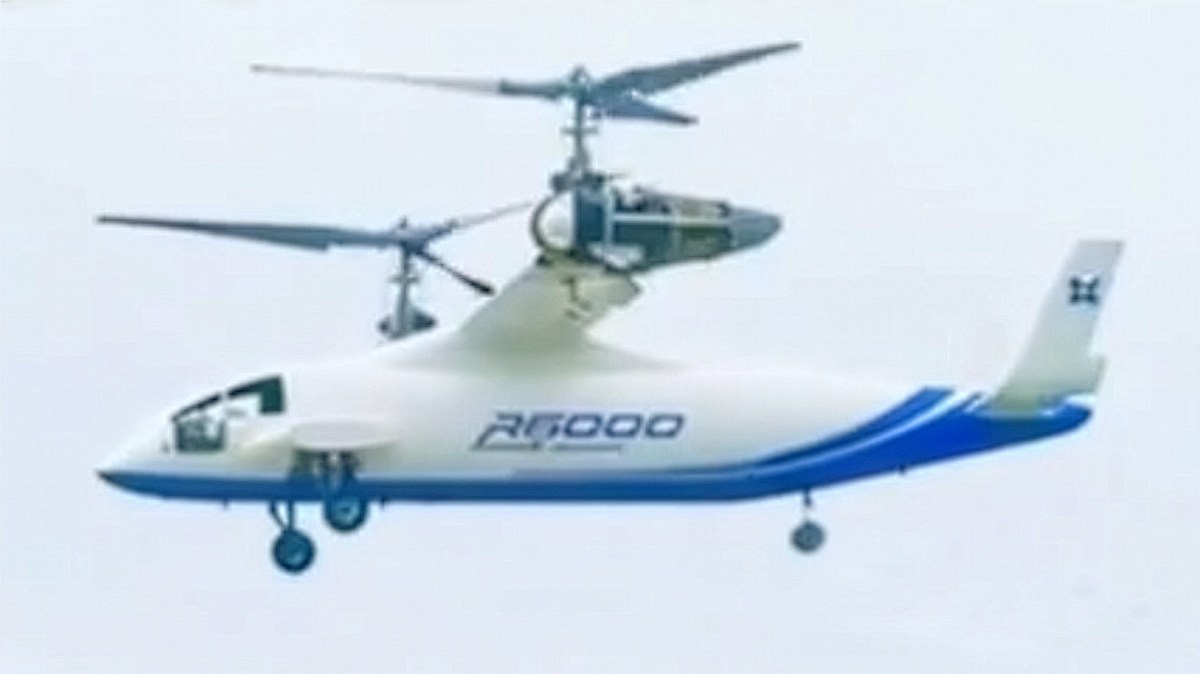
China’s Big R6000 Tiltrotor Drone Has Entered Full Flight Testing
Recent footage has revealed that China's R6000 uncrewed tiltrotor drone has progressed beyond its initial tethered hover trials and has now entered the phase of full flight testing. This advancement marks a significant step in the development of the R6000, showcasing its capabilities in more dynamic flight conditions. The shift to full flight testing indicates that the drone is being evaluated for its operational performance and reliability, which are crucial for potential future applications in various sectors, including military and civilian operations. The testing is taking place in China, although specific locations have not been disclosed. This development reflects China's ongoing efforts to enhance its drone technology and expand its presence in the unmanned aerial vehicle market.
Air Air Forces Around The Globe China Indo-Pacific News & Features
Astrobotic unveils Griffin-1, NASA’s Moon Base lander with 1,377-lb payload, for 2026
Astrobotic has officially introduced its Griffin-1 lunar lander, which has been chosen by NASA for future lunar missions. The unveiling took place during a recent event, showcasing the lander's advanced technology and design aimed at facilitating exploration and research on the Moon. This selection is part of NASA's broader Artemis program, which seeks to return humans to the lunar surface and establish a sustainable presence there. The Griffin-1 is expected to play a crucial role in delivering payloads to the Moon, supporting scientific experiments and technology demonstrations. Astrobotic's commitment to lunar exploration underscores the growing interest in space commercialization and international collaboration in scientific endeavors.
Space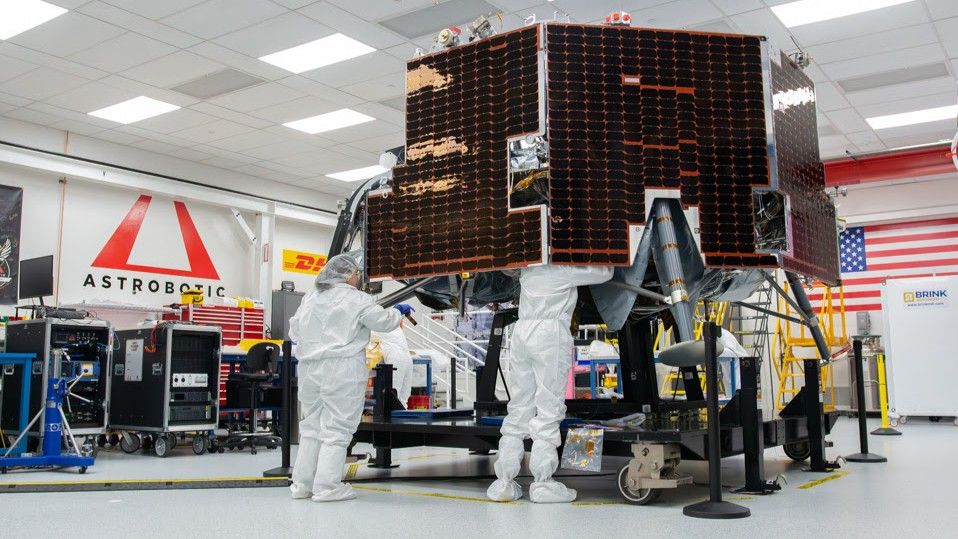
Astrobotic unveils Griffin-1 lunar lander for NASA Moon Base mission
Astrobotic has announced the launch of its latest lunar lander, Griffin-1, which is set to deliver one of the heaviest payloads to the moon's surface. This significant development was revealed recently, highlighting Astrobotic's ongoing commitment to advancing lunar exploration. The mission aims to support various scientific and commercial endeavors on the moon, showcasing the potential for future lunar activities. The Griffin-1 lander is expected to play a crucial role in expanding our understanding of the lunar environment and facilitating further exploration initiatives.
Space Exploration
How Japanese scientists sent a real-life Transformer to the moon
In 2024, a groundbreaking autonomous rolling rover demonstrated its innovative design by transforming from a sphere into a robot during a successful exploration of the moon's surface. This mission marks a significant advancement in lunar exploration technology, showcasing the rover's ability to navigate diverse terrains effectively. The development of such versatile rovers aims to enhance our understanding of the moon's environment and potentially pave the way for future manned missions. The exploration was conducted as part of ongoing efforts to gather data that could inform scientific research and exploration strategies.
The moon Astronomy Solar System
OCCAR taps EUROSAM to develop multi-layer SAMP/T NG system
The Organisation for Joint Armament Cooperation (OCCAR), which represents France, has awarded a significant contract to Eurosam for the development of an advanced multi-layered version of the SAMP/T NG surface-to-air missile system, incorporating ASTER and VL MICA technologies. This contract marks a strategic move to enhance France's air defense capabilities amid growing security concerns in the region. The collaboration aims to bolster the effectiveness of the missile system, ensuring a robust defense against various aerial threats. The project is expected to advance the technological landscape of France's military assets, reflecting a commitment to modernizing defense systems in response to evolving challenges.
News
Seattle Stadium “No-Drone Zone” During FIFA Matches
Federal officials have issued a warning to drone operators to refrain from flying their devices near Lumen Field, which will temporarily be referred to as Seattle Stadium, as it prepares to host six matches for the FIFA World Cup 2026 over the coming weeks. The advisory aims to ensure the safety and security of the event, emphasizing the importance of maintaining a clear airspace during this high-profile international tournament. Authorities are particularly concerned about recreational drone use, which could pose risks to both players and spectators. The no-drone zone is part of broader efforts to manage air traffic and protect the integrity of the matches.
Drone News Drone News Feeds News Public Safety safety and security World Cup
Four-legged robot dog spots hazardous toxins before firefighters enter danger zones
A groundbreaking four-legged robot dog, engineered to identify toxic substances, is poised to serve as a first responder in hazardous situations. Developed by a team of researchers and engineers, this innovative technology aims to enhance safety protocols in environments where chemical exposure poses significant risks. The robot's deployment is anticipated to occur in the coming months, with trials set to take place in various industrial settings and disaster response scenarios. The motivation behind this advancement stems from the increasing need for effective monitoring and rapid response to chemical spills and leaks, which can have dire consequences for both human health and the environment. By utilizing advanced sensors and artificial intelligence, the robot dog can navigate challenging terrains and provide real-time data on toxic substance levels, allowing human responders to make informed decisions. As the project progresses, the team is focused on refining the robot's capabilities and ensuring its reliability in real-world applications. This initiative represents a significant step forward in the integration of robotics into emergency response, potentially revolutionizing how hazardous situations are managed and mitigating risks associated with toxic exposures.
AI and Robotics
Rough Surface Gripper for Handling
Schmalz has introduced the FSGA-78 CF balg suction gripper, designed to adapt effectively to structured materials, ensuring a secure grip. This innovative solution addresses the challenges posed by rough surfaces, enhancing operational efficiency in various industrial applications. The product aims to improve handling processes by providing reliable performance even in demanding environments.
Allgemein Greifer & Werkzeuge Robotik
Saronic and Castelion to Demonstrate First-of-Its-Kind Maritime Hypersonic Launch Capability
Saronic and Castelion have unveiled a collaborative initiative to develop a hypersonic vehicle that will be launched from an unmanned surface vessel. This partnership combines Castelion’s advanced Blackbeard technology with Saronic’s Medium Unmanned Surface Vessel (MUSV) Marauder, creating a formidable solution aimed at deterring potential adversaries. The announcement was made today, highlighting the companies' commitment to enhancing maritime defense capabilities through innovative technology. By leveraging their respective expertise, Saronic and Castelion aim to provide a credible and powerful option for national security in an increasingly complex global landscape.
saronic castelion demo maritime hypersonic launch capability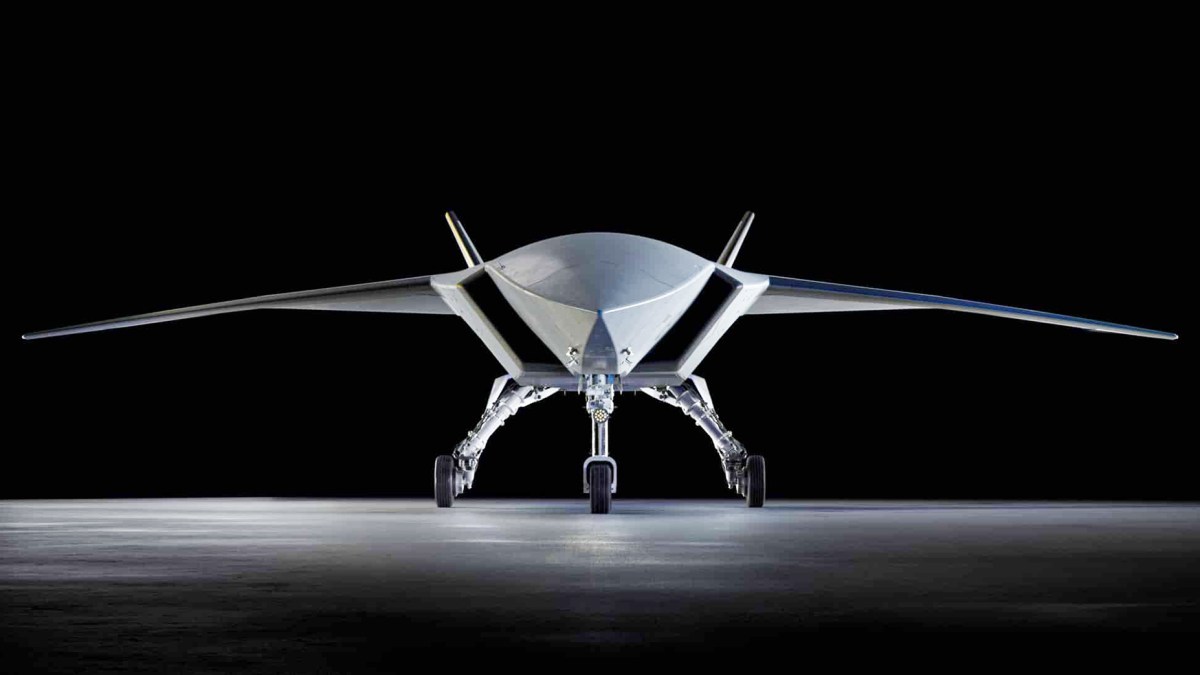
Boeing’s New Larger Ghost Bat Can Carry AIM-120 AMRAAMs Internally
Boeing is set to unveil the third iteration of its stealthy Ghost Bat, which features larger wings, increased power, and internal weapons bays. This upgraded version aims to enhance the aircraft's capabilities, allowing it to carry AIM-120 Advanced Medium-Range Air-to-Air Missiles (AMRAAMs) internally. The development reflects Boeing's commitment to advancing military aviation technology and improving the operational effectiveness of the Ghost Bat. As defense needs evolve, this new model is expected to play a crucial role in modern aerial combat scenarios.
Air AIM-120 AMRAAM Air Force Munitions Air-To-Air Around The Globe Drones
How AI APIs are strengthening phishing detection and email security across industrial enterprises
Phishing attacks have evolved beyond traditional IT concerns, posing significant threats to manufacturers, robotics integrators, and logistics operators. A single deceptive email can disrupt production lines, misdirect supplier payments, or jeopardize access to automated warehouse systems. This shift highlights the urgent need for enhanced cybersecurity measures to protect industrial operations from increasingly sophisticated threats. As the attack surface broadens, companies must adapt their defenses to safeguard against these emerging risks in the industrial sector.
Artificial Intelligence Business AI APIs AI phishing detection automation news business email compromise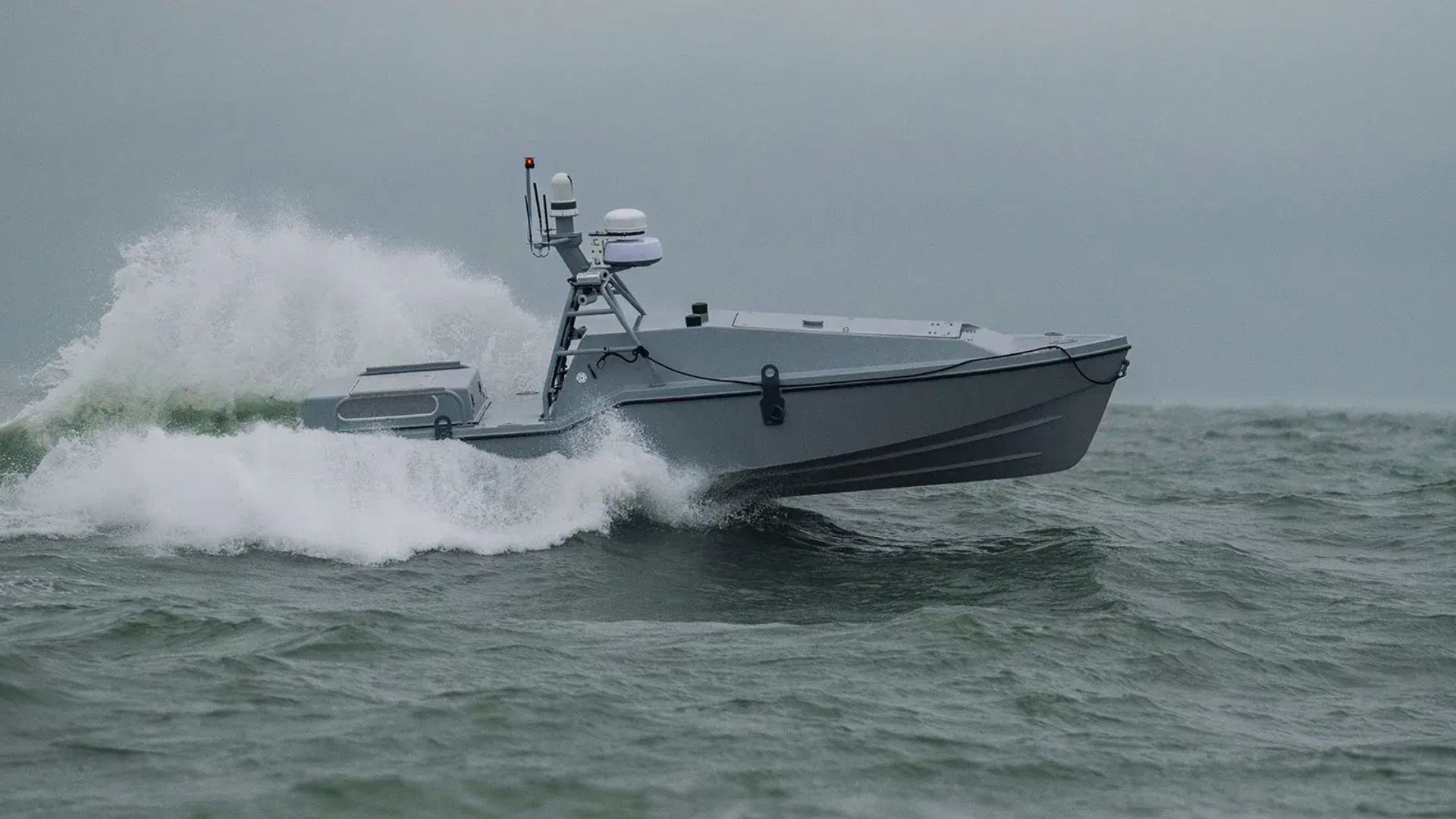
First-ever drone boat rescue: US Navy vessel pulls out two downed pilots from sea
A U.S. Navy unmanned surface vessel successfully conducted a rescue operation for two Army pilots whose AH-64 Apache helicopter had crashed. The incident occurred on a training mission off the coast of California on Tuesday. The unmanned vessel, equipped with advanced technology, was able to locate the pilots quickly and facilitate their safe retrieval from the water. This operation highlights the increasing role of unmanned systems in military rescue missions, showcasing their effectiveness in enhancing operational capabilities and ensuring the safety of personnel in distress. The successful rescue underscores the collaborative efforts between the Navy and Army in conducting joint operations and responding to emergencies in challenging environments.
Military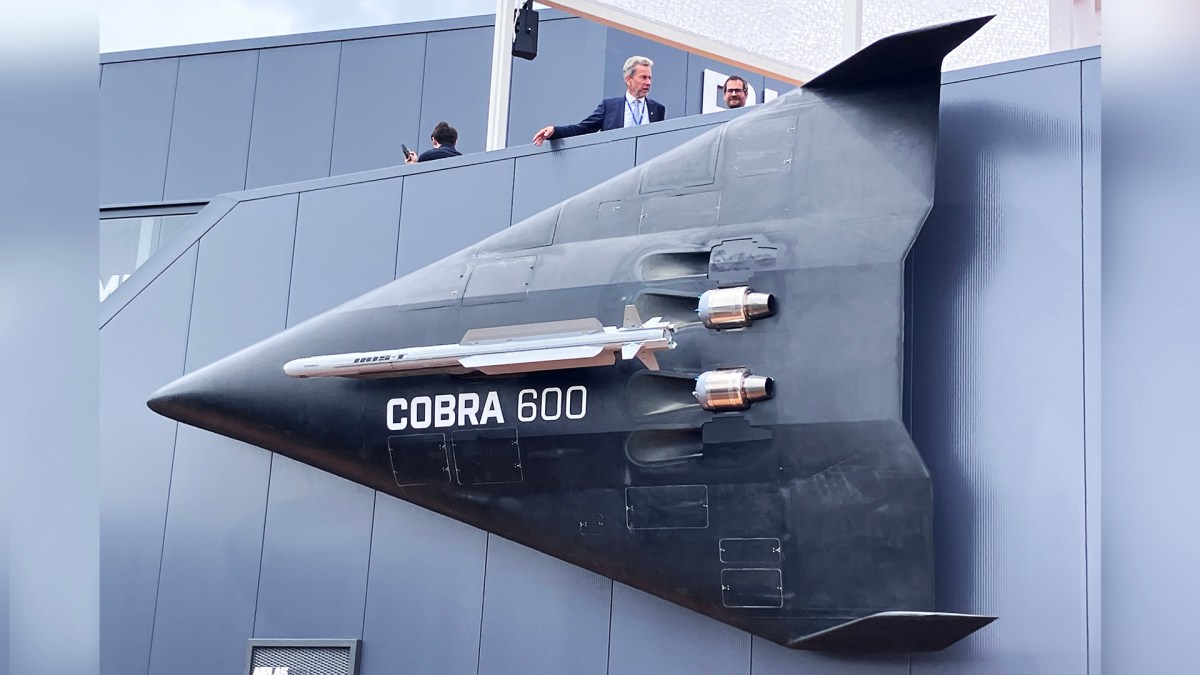
Germany’s Cobra 600 Is A Jet Powered Interceptor Drone That Slings An IRIS-T Missile
Germany has unveiled the Cobra 600, a jet-powered interceptor drone designed to enhance the capabilities of its surface-to-air missile systems. This innovative drone can transport the IRIS-T missile over hundreds of miles from its launch point, significantly extending the operational range of missile batteries. The development of the Cobra 600 reflects Germany's commitment to modernizing its defense technology and improving its aerial defense strategies. The introduction of this advanced drone is expected to bolster the country's military readiness and response capabilities in an increasingly complex security environment.
Air Around The Globe Drones Europe Germany Land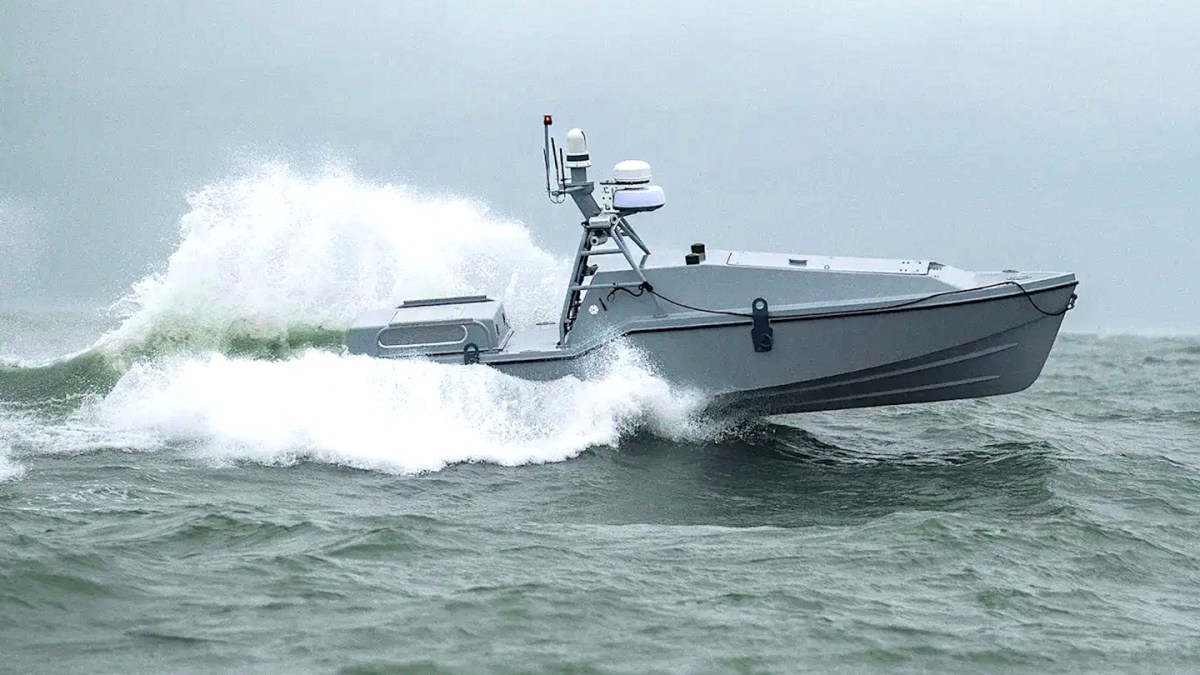
This Is The Corsair Drone Boat That Plucked The Downed Apache Crew Out Of The Gulf Of Oman
The U.S. Navy's leading drone task force in the Middle East has recently begun utilizing the Corsair uncrewed surface vessels, which were deployed for operations starting in March. This innovative technology played a crucial role in a recent rescue mission, successfully retrieving the crew of a downed Apache helicopter from the Gulf of Oman. The deployment of the Corsair underscores the Navy's commitment to enhancing maritime operations and improving response capabilities in the region. The use of these advanced drone boats marks a significant step in modern naval warfare and operational efficiency.
Sea Around The Globe Iran Middle East Navies News & Features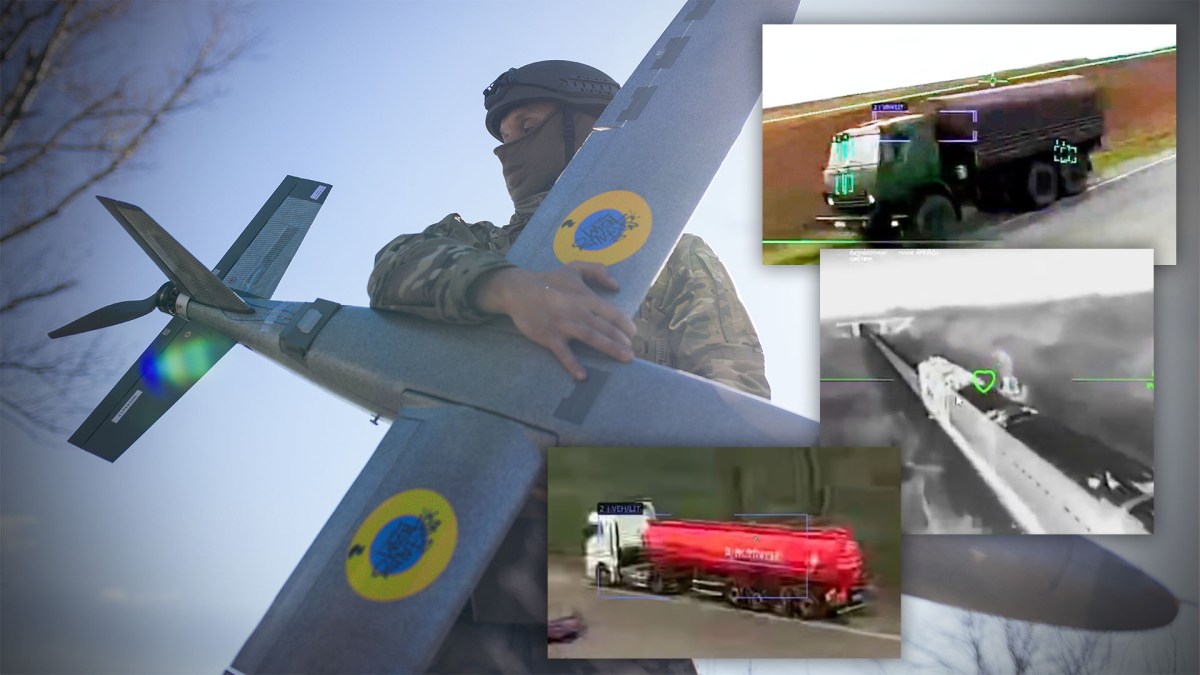
Inside Ukraine’s AI-Enabled Drone Campaign Targeting Russian Logistics Deep Behind The Lines
An officer involved in Ukraine's mid-range drone campaign has provided rare insights into the strategic strikes aimed at disrupting Russian logistics deep within enemy territory. This campaign, which leverages advanced artificial intelligence technology, is designed to enhance the effectiveness of drone operations against key supply routes and infrastructure supporting Russian military efforts. The officer's revelations shed light on the tactical planning and execution of these operations, highlighting their significance in the ongoing conflict. As Ukraine continues to adapt its military strategies, the use of AI-enabled drones represents a pivotal shift in modern warfare, allowing for more precise targeting and increased operational efficiency.
News & Features Air Around The Globe Europe Russia Ukraine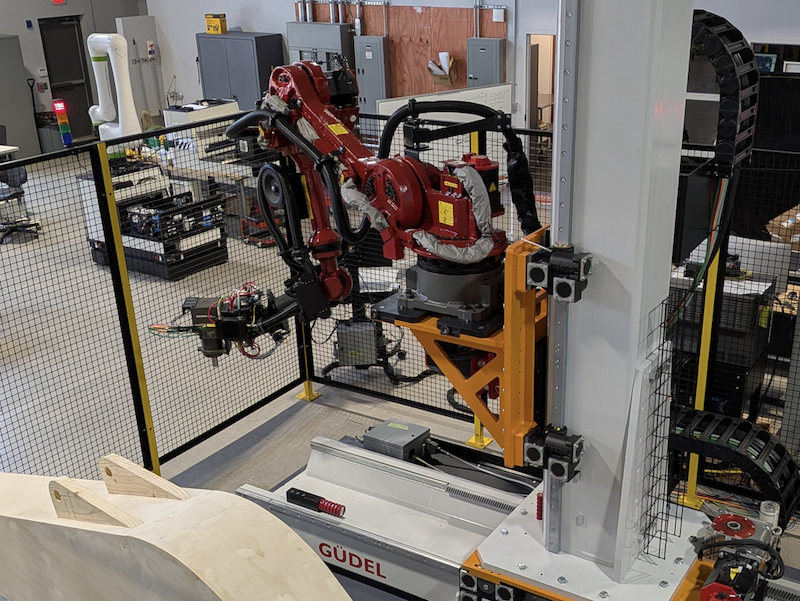
Güdel enhances robotic grinding capabilities with integrated vertical and horizontal movement.
The automation of grinding and surface finishing for large fabricated parts is gaining attention as a solution to the challenges posed by traditional methods, which are often characterized as dull, dirty, and dangerous. However, the implementation of robotic systems in this area presents significant hurdles, including the need for multiple robots and intricate part repositioning. These factors contribute to increased costs and longer cycle times, while also introducing new variations into the manufacturing process. As industries seek to enhance efficiency and safety, the push for automation in grinding applications continues to evolve, highlighting the need for innovative solutions to streamline operations and reduce overhead.
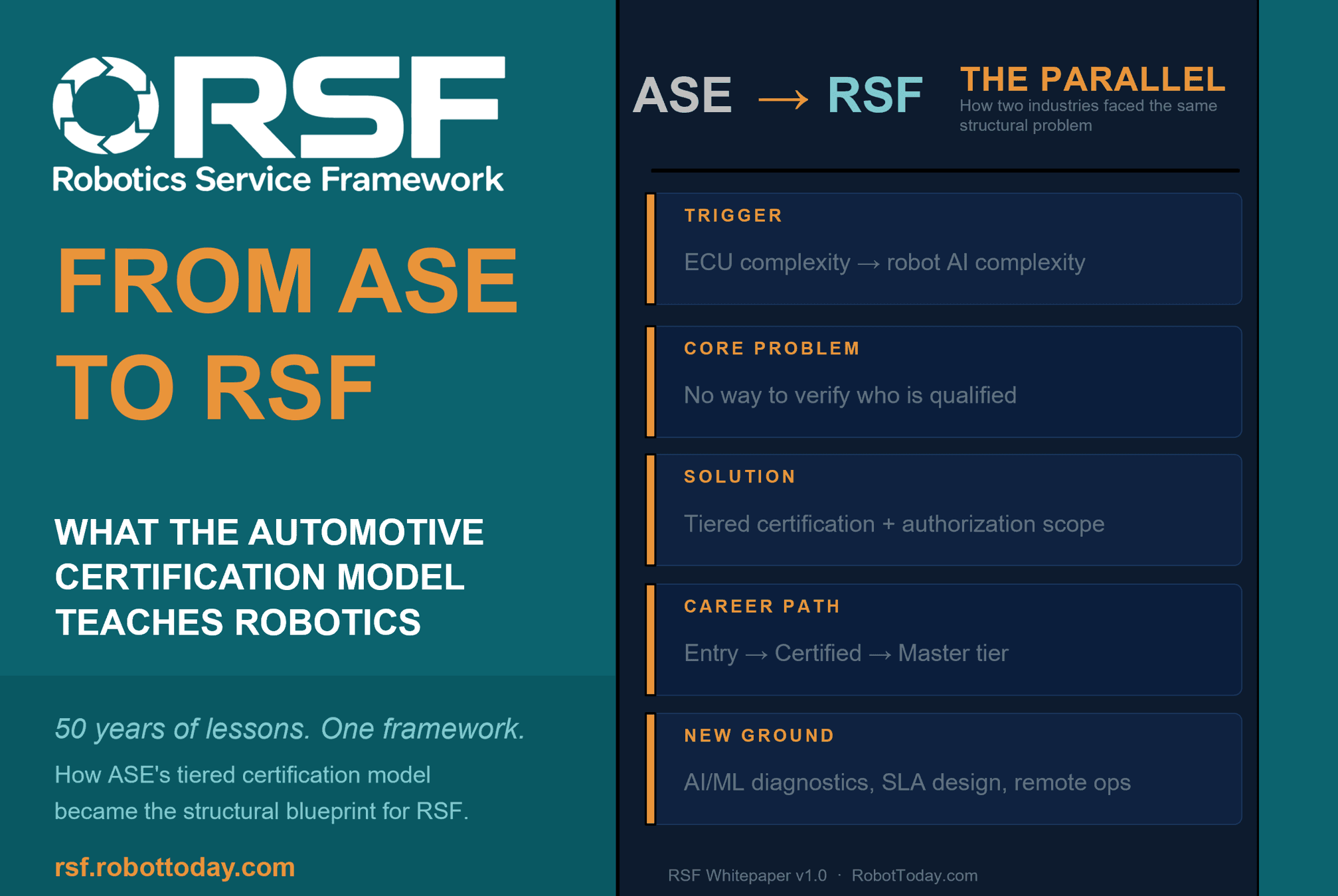
Engineering Events Automate 2026 automation news factory automation fanucRobotics needs a service framework.
RSF defines a common language for robot service capability, lifecycle operations, certification pathways, and service-provider networks.