

Industry Briefing
A single destination for timely, editor-curated robotics news from around the world.
U.S. Navy's Dive-LD Drone Captured by Iran: Key Details and Implications
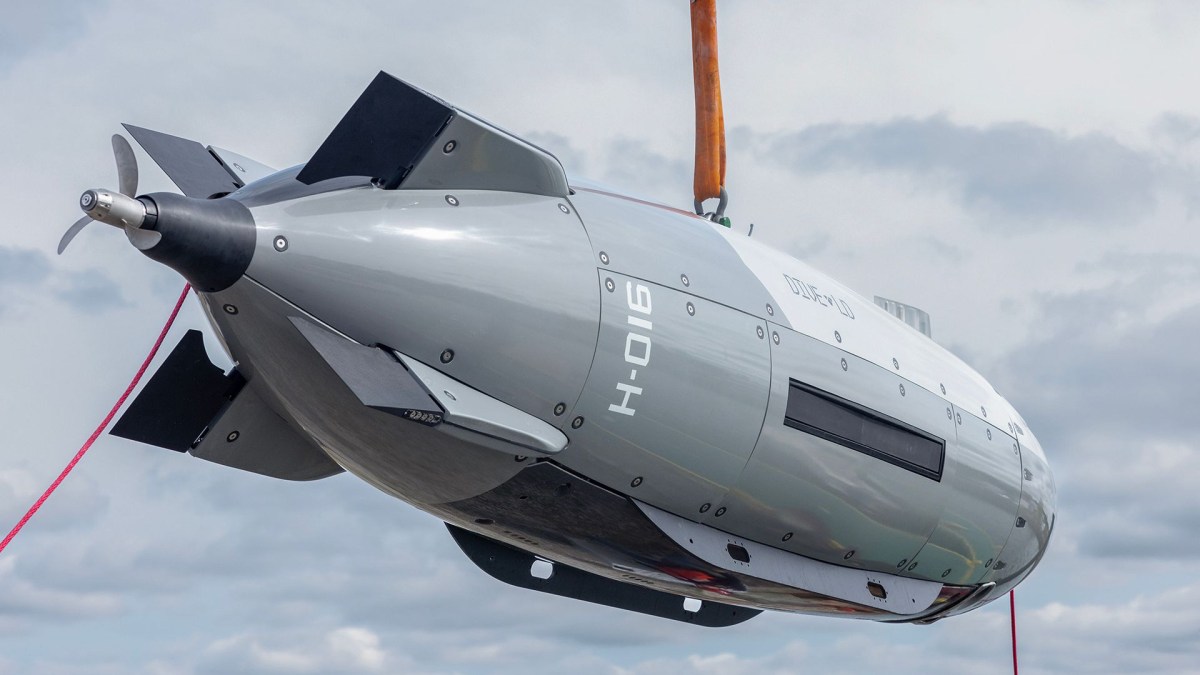
The U.S. Navy has lost a Dive-LD uncrewed underwater vehicle (UUV) to Iran, which claims to have retrieved it intact near the Strait of Hormuz. This incident marks the first known operational deployment of the Dive-LD, a relatively new capability for the Navy that began service over a year ago. The significance of this event lies in the ongoing tensions in the Strait of Hormuz, a critical maritime route. U.S. officials have confirmed the use of UUVs to assist in keeping the strait free of Iranian naval mines, which have impeded maritime traffic. The Iranian regime's announcement of the capture highlights the potential risks associated with U.S. military operations in the region. Looking ahead, the exact circumstances of the UUV's malfunction and subsequent capture remain unclear. No further timeline was disclosed at the time of publication. The U.S. Navy continues its operations in the area, and the implications of this incident for future UUV deployments and regional security will be closely monitored.
Sea Around The Globe Iran Middle East Navies News & Features
Three Years Later: Remembering the TITAN Tragedy and Advancing Submersible Safety
Three years after the tragic loss of the OceanGate submersible TITAN in the North Atlantic, Pelagic Research Services (PRS) commemorates the lives lost during the incident. The organization joins the global maritime and undersea community in reflecting on the profound impact of this event, which marked one of the most significant deep-ocean emergency responses in recent history. The remembrance serves not only as a tribute to those who perished but also as a reminder of the challenges and risks associated with deep-sea exploration.
oceangate submersible titan pelagic research services
Base Materials to Supply Buoyancy Solutions to DNV Certified Full Ocean Depth Submersible
Base Materials has announced a partnership with Inkfish, an organization dedicated to marine research, to provide buoyancy solutions for the DSV Bakunawa, a full ocean depth submersible. This collaboration is part of a broader initiative to upgrade the submersible, enhancing its capabilities for deep-sea exploration. The project aims to advance marine research efforts, enabling scientists to conduct more comprehensive studies of ocean ecosystems. The timeline for the upgrade has not been specified, but it reflects a growing commitment to improving tools for underwater research.
base materials buoyancy dnv submersible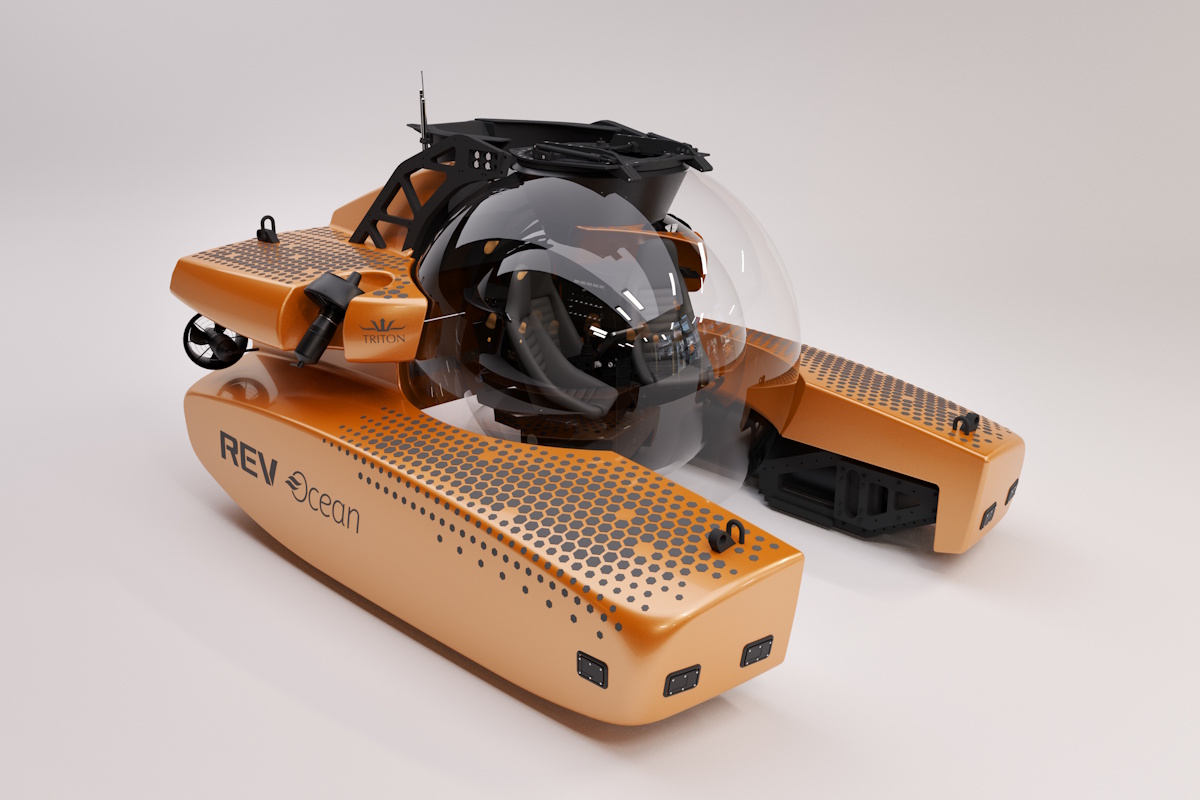
Base Materials Announces Long-term Technical Partnership with Cutting-edge Submersible Manufacturer Triton Submarines LLC
Base Materials has entered into a strategic partnership with Triton Submarines LLC to enhance the capabilities of the Triton 7500/3, recognized as the world's deepest diving three-person acrylic submersible. This collaboration aims to upgrade the innovative vessel, which is certified by DNV and features a fully transparent acrylic pressure hull. Capable of reaching depths of 2,286 meters (7,500 feet) and operating for over 10 hours, the Triton 7500/3 will provide explorers, scientists, and filmmakers with unparalleled access to the ocean's bathypelagic zone, an area located between 1,000 and 4,000 meters (3,280 to 13,123 feet) beneath the surface. This initiative underscores the growing interest in deep-sea exploration and the need for advanced technology to uncover the mysteries of the ocean.
base materials technical partnership submersible triton submarinesRobotics needs a service framework.
RSF defines a common language for robot service capability, lifecycle operations, certification pathways, and service-provider networks.
Join the RobotToday community on LinkedIn
Daily robotics news, in-depth analysis, conference highlights, and discussions with professionals worldwide.







