

Industry Briefing
A single destination for timely, editor-curated robotics news from around the world.

Cambridge Researchers Investigate Soil as an Intelligent System for New Technologies
Researchers at the Bio-Inspired Robotics Laboratory at Cambridge are examining the behavior of soil as an intelligent system. Their study focuses on the soil's structure, chemistry, and the biological networks of microbes and fungi. This research aims to inspire advancements in bio-inspired computing, precision agriculture, and environmental sensing. The significance of this research lies in its potential to reshape our understanding of soil and its capabilities. By recognizing soil as a complex system that can process information, the team hopes to develop innovative technologies that could enhance agricultural practices and environmental monitoring. This perspective could lead to more sustainable approaches in various sectors. Looking ahead, the ongoing research may yield new insights into the applications of soil intelligence in technology. As the team continues to explore the interactions within soil ecosystems, it will be important to watch for developments that could influence bio-inspired computing and precision agriculture. No further timeline was disclosed at the time of publication.
Robotics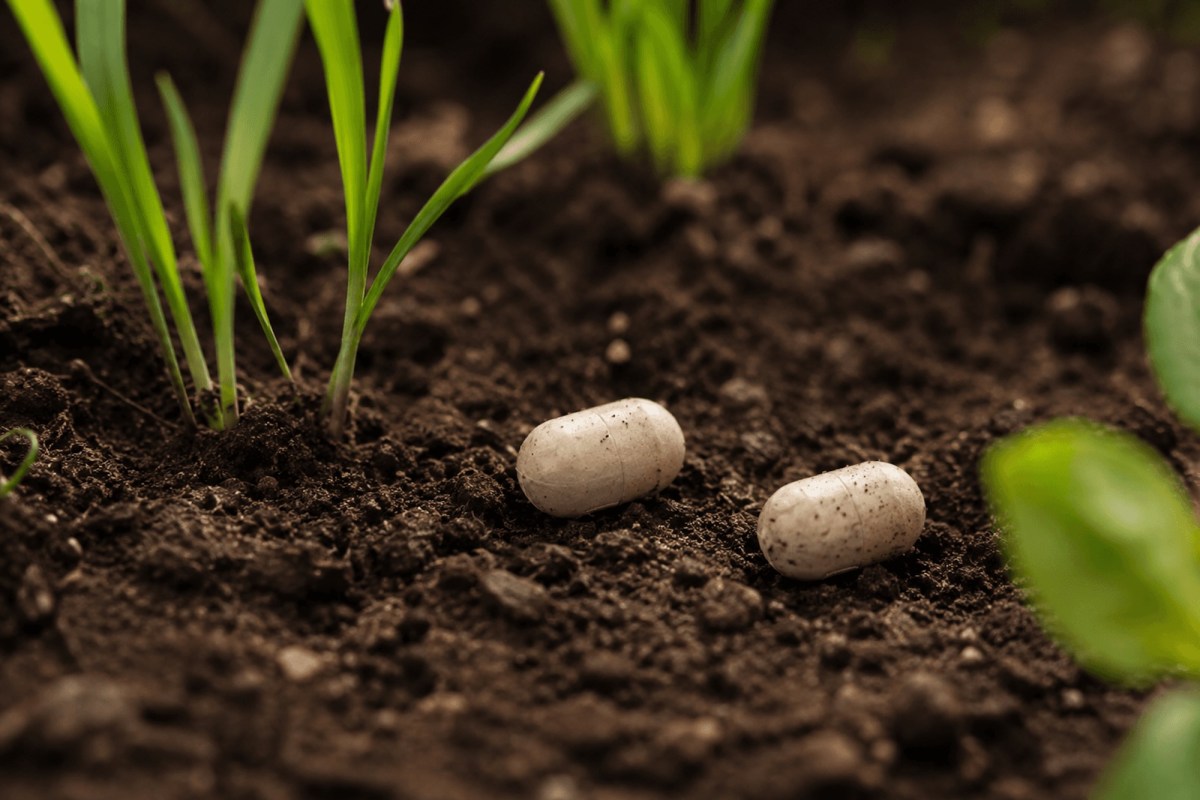
Muju Earth Introduces Aeropod for Soil Aeration at TechCrunch Disrupt
Muju Earth has unveiled the Aeropod, a device designed to automate soil aeration without the use of traditional machinery or robotics. This innovation aims to address the significant issue of soil compaction, which can lead to yield reductions of 20% to 60%. The Aeropod, comparable in size to a fingernail, is dropped into the soil alongside seeds, eliminating the need for prior tilling. The Aeropod promotes better soil health while potentially reducing tilling costs for farmers by over 50%. According to co-founder and CEO Ifeoluwa Afolayan, the device operates by bursting open when exposed to specific environmental conditions, creating channels for air, water, and roots to penetrate the soil more effectively. Initial field trials are set to begin this fall in the U.K., targeting onion growers who are particularly affected by soil compaction. As Muju Earth participates in the Startup Battlefield at TechCrunch Disrupt, the company is also attracting interest from businesses developing biologic amendments that enhance soil quality. The Aeropod's intuitive design has resonated with farmers, leading to strong inbound interest and a waitlist of over 30 additional farmers eager to adopt the technology. No further timeline was disclosed at the time of publication.
Climate agriculture Startup Battlefield 200 TechCrunch Disrupt
Mobile Manipulator Robot for Autonomous In‐Situ Soil Measurements in Chile Pepper Cultivation
A recent study published in the Journal of Field Robotics highlights the advancements in autonomous robotic systems designed for agricultural applications. Researchers from various institutions conducted the study to explore how these technologies can enhance efficiency and productivity in farming practices. The findings, released in early October 2023, indicate that the integration of robotics in agriculture can significantly reduce labor costs and improve crop yields. The research was conducted in multiple agricultural settings, demonstrating the versatility of robotic systems in different environments. By employing advanced sensors and machine learning algorithms, these robots can perform tasks such as planting, harvesting, and monitoring crop health with minimal human intervention. The motivation behind this innovation stems from the growing need for sustainable farming solutions amid increasing global food demand and labor shortages in the agricultural sector. Through extensive field trials, the researchers documented the robots' performance, revealing their ability to operate efficiently under various weather conditions and terrains. This study not only underscores the potential of robotics to transform agriculture but also emphasizes the importance of continued investment in technology to address future challenges in food production.
RESEARCH ARTICLE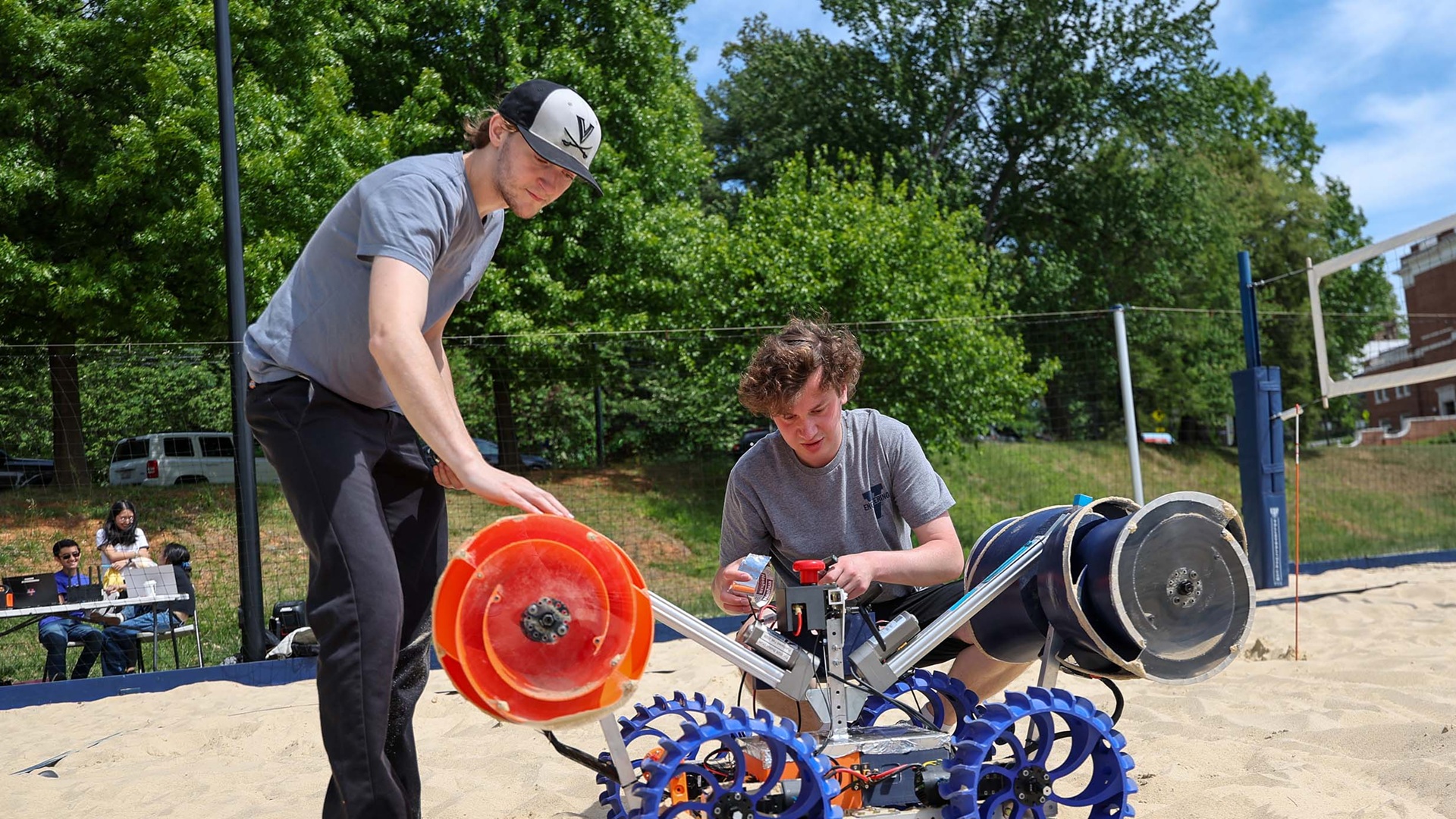
NASA tests 80-pound student-built robot designed to mine soil for Artemis moon bases
Students at the University of Virginia are developing innovative robots aimed at mining lunar soil and constructing habitats on the Moon. This ambitious project, which began in early 2023, is part of a broader initiative to explore sustainable living on extraterrestrial bodies. The students are motivated by the potential for lunar resources to support future space missions and the possibility of establishing a human presence beyond Earth. The team is utilizing advanced engineering techniques and collaborating with experts in robotics and space exploration to create machines capable of operating in the harsh lunar environment. Their work includes designing robots that can autonomously navigate the Moon's surface, extract regolith, and assemble structures using the mined materials. This initiative not only enhances the students' practical skills in engineering and robotics but also contributes to the growing field of space exploration, as NASA and other space agencies look to the Moon as a stepping stone for future missions to Mars and beyond. The project is expected to culminate in a demonstration of the robots' capabilities in simulated lunar conditions later this year.

Physics‐Based Torque Prediction Model for Excavating Drums on Granular Soil
A recent study published in the Journal of Field Robotics highlights advancements in robotic technology aimed at enhancing agricultural efficiency. Conducted by a team of researchers from various institutions, the study was released in May 2026 and focuses on the integration of autonomous robots in farming practices. The research addresses the growing need for sustainable agricultural solutions in response to increasing global food demands and labor shortages. By employing advanced sensors and machine learning algorithms, the robots are designed to optimize planting, monitoring, and harvesting processes, thereby reducing resource waste and improving crop yields. The study was carried out in diverse agricultural settings, showcasing the robots' adaptability to different environments and crop types. Through extensive field trials, the researchers demonstrated how these autonomous systems can operate effectively, even in challenging conditions, while significantly minimizing human intervention. This innovative approach not only aims to boost productivity but also seeks to promote environmentally friendly practices in agriculture, aligning with global sustainability goals. The findings suggest that the implementation of such robotic technologies could revolutionize the agricultural sector, making it more resilient and efficient in the face of future challenges.
RESEARCH ARTICLERobotics needs a service framework.
RSF defines a common language for robot service capability, lifecycle operations, certification pathways, and service-provider networks.
Join the RobotToday community on LinkedIn
Daily robotics news, in-depth analysis, conference highlights, and discussions with professionals worldwide.







