

Industry Briefing
A single destination for timely, editor-curated robotics news from around the world.
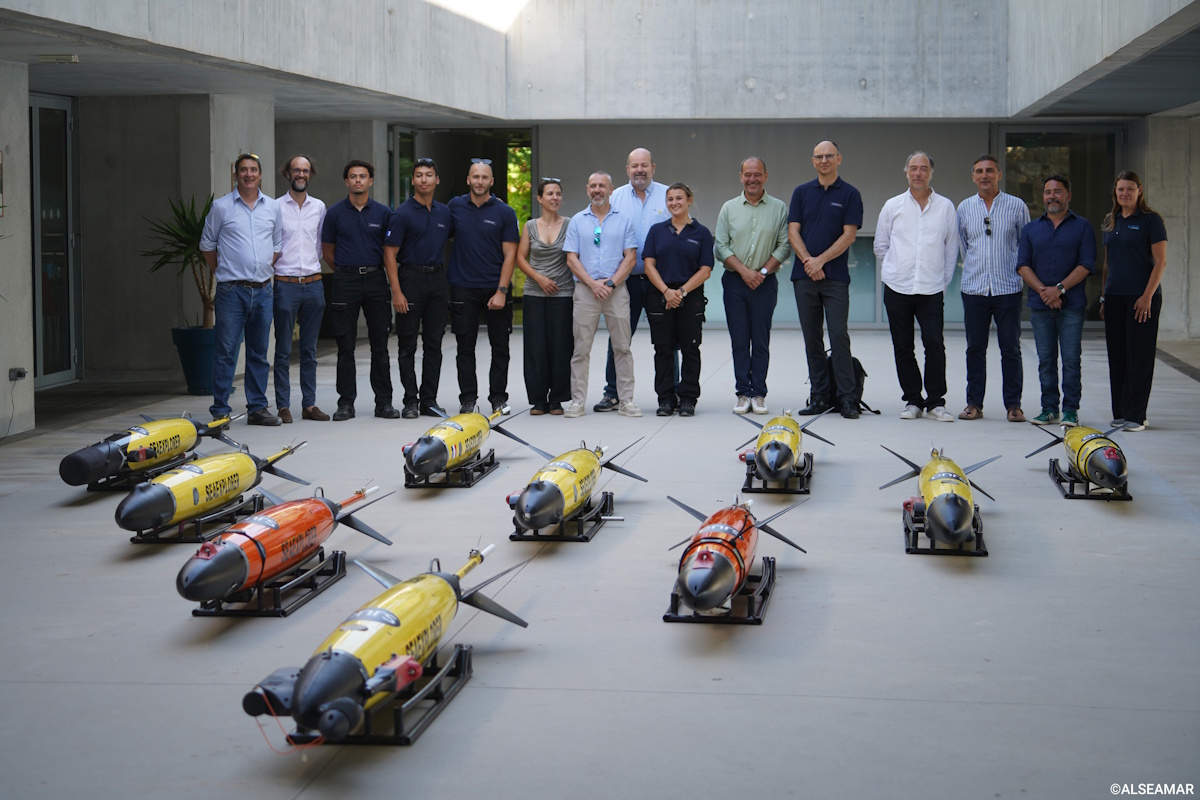
CNRS Deploys Ten SEAEXPLORER Autonomous Gliders for Mediterranean Ecosystem Research
In mid-June 2026, the CNRS deployed ten SEAEXPLORER autonomous underwater gliders in the Ligurian Sea as part of Mission 6 under France's 2030 funding plan. This initiative aims to create a comprehensive environmental data atlas for the northwestern Mediterranean, focusing on the impacts of human activities on marine ecosystems. The gliders will operate for one month, diving to depths of 1,000 meters and equipped with sensors to monitor underwater noise and ocean currents. The deployment is significant as it represents a strategic effort by the French government to enhance industrial competitiveness and develop next-generation technologies for deep-sea exploration. By utilizing coordinated fleets of autonomous gliders and advanced sensing technologies, researchers aim to better understand the dynamics of marine ecosystems and the effects of climate change, maritime traffic, and ocean acidification. This innovative approach will facilitate the study of plankton distribution and biodiversity through methods such as environmental DNA monitoring. Looking ahead, the next phases of Mission 6 will involve additional deployments in the Gulf of Lion in 2028 to test new sensors, followed by operations in French Polynesia between 2028 and 2029. These efforts will further expand the capabilities of autonomous underwater vehicles in marine research, with no further timeline disclosed at the time of publication.
autonomous gliders cnrs exploration mediterranean marine ecosystems
French Navy Orders Initial Acoustic Data Acquisition Capability with ALSEAMAR's SEAEXPLORER 1000-M Gliders
ALSEAMAR has secured a contract with the French Navy to supply five SEAEXPLORER 1000-M gliders, the military variant of its latest generation of underwater drones. This agreement marks a significant step in enhancing the French Navy's operational capabilities and is set to be fulfilled by the end of 2025. The decision to incorporate these advanced gliders is driven by the need for improved surveillance and reconnaissance in maritime operations. The SEAEXPLORER 1000-M gliders are designed to operate in challenging environments, providing the Navy with enhanced data collection and analysis capabilities.
french navy acoustic data acquisition capability alseamar seaexplorer 1000-m gliders
ALSEAMAR Joins NATO Task Force X Baltic to Demonstrate SEAEXPLORER Glider Capabilities in the Baltic Sea
ALSEAMAR has announced its participation in Task Force X Baltic (TFXB), which is currently operating in the Baltic Sea. This initiative, coordinated by NATO's Allied Command Transformation (ACT), seeks to integrate various innovative uncrewed systems and evaluate their effectiveness in realistic operational scenarios. The deployment underscores NATO's commitment to enhancing maritime security and advancing technological capabilities within its member nations.
alseamar nato task force x seaexplorer glider baltic seaRobotics needs a service framework.
RSF defines a common language for robot service capability, lifecycle operations, certification pathways, and service-provider networks.
Join the RobotToday community on LinkedIn
Daily robotics news, in-depth analysis, conference highlights, and discussions with professionals worldwide.







