

Industry Briefing
A single destination for timely, editor-curated robotics news from around the world.
Rosenxt Enhances Subsea Inspection Services for Improved Asset Integrity Management
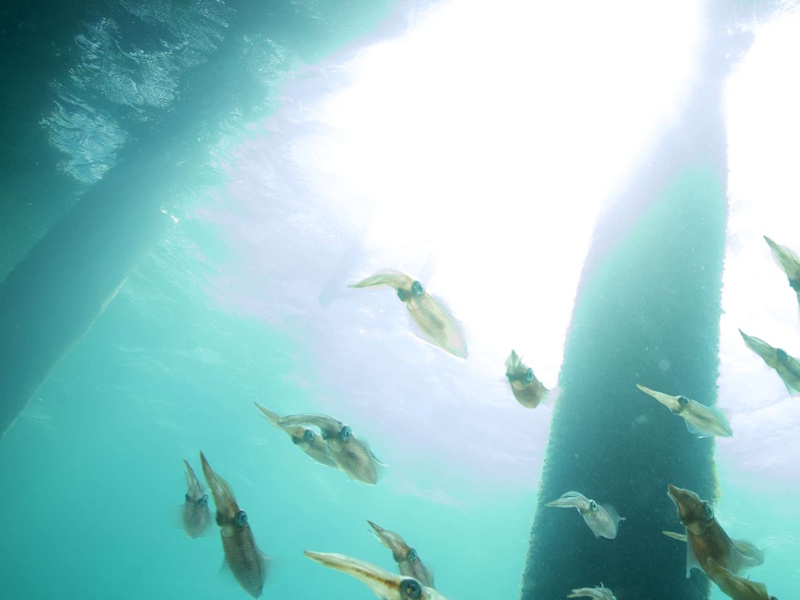
Rosenxt is expanding its subsea inspection capabilities to enhance the integrity management of subsea assets. This new offering integrates advanced subsea technology with operational expertise, enabling clients to make informed decisions regarding asset conditions and necessary interventions. The importance of this expansion lies in the challenging environments where subsea assets operate, making integrity assessments critical. Operators require precise insights to manage asset integrity effectively throughout their lifecycle, which Rosenxt aims to provide through tailored inspection programs. Looking ahead, Rosenxt's new services will include a range of inspection techniques such as visual inspections and depth-of-burial assessments. By focusing on the specific integrity questions posed by clients, Rosenxt is positioned to deliver actionable data that supports long-term asset management. No further timeline was disclosed at the time of publication.
rosenxt subsea inspection integrity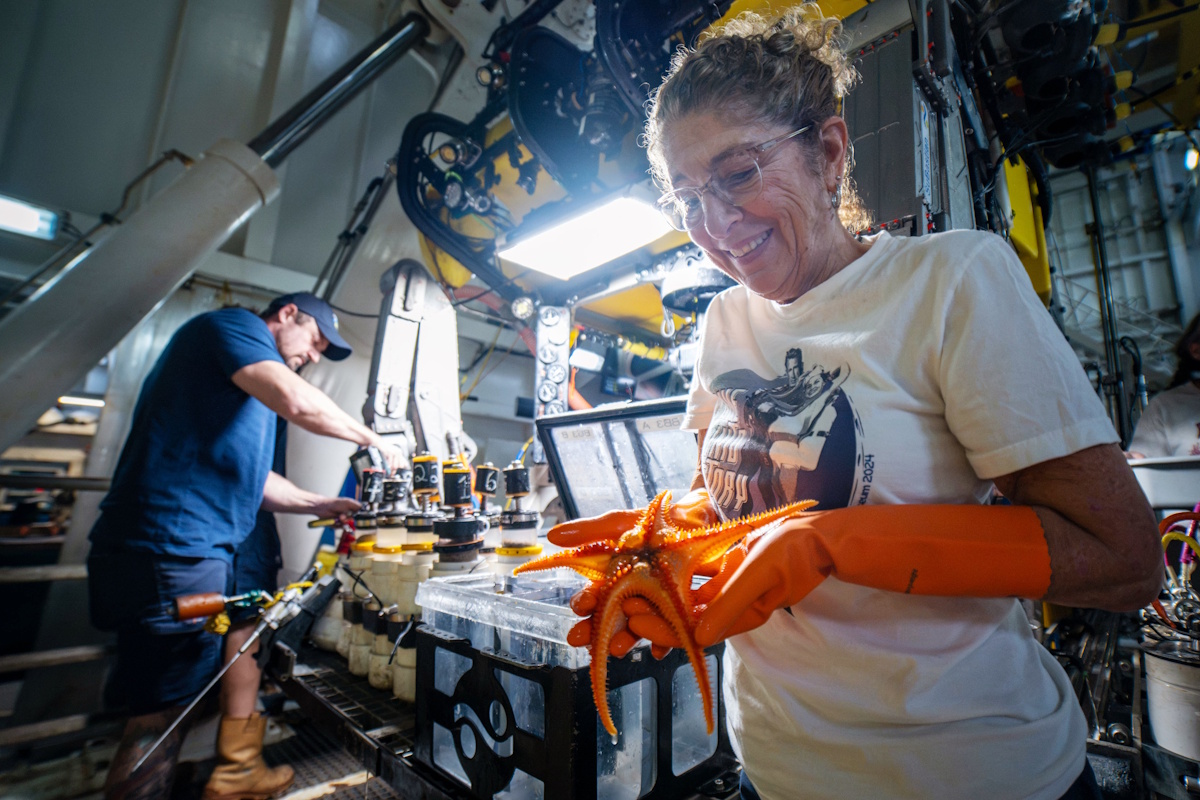
Trinidad and Tobago's First Local Expedition Reveals Deep Sea Ecosystems and New Species
Marine scientists from Trinidad and Tobago conducted the first comprehensive deep-sea survey of the islands' waters aboard the Schmidt Ocean Institute's R/V Falkor (too) in July 2026. The month-long expedition resulted in the discovery of over 25 active cold seeps and 20 suspected new species, mapping approximately 13% of the marine territory. This expedition is significant as it showcases the capabilities of Caribbean scientists to explore and document their own marine ecosystems. The findings, including over 700 specimens collected, will enhance the deep-sea collection at the Zoology Museum at the University of the West Indies, St. Augustine, increasing it twelve-fold. The discoveries underscore the importance of understanding and preserving these ecosystems, which are vital for marine biodiversity. Looking ahead, the data collected will aid in marine governance and spatial planning in Trinidad and Tobago, potentially leading to the establishment of marine protected areas. The expedition also tested a novel cryoprotectant for preserving living animal tissues, contributing to future research on ecosystem changes. No further timeline was disclosed at the time of publication.
caribbean expedition deep sea schmidt ocean institute (soi) r/v falkor (too)
Rosenxt Holding USA Acquires Zupt to Enhance Subsea and Offshore Technology Portfolio
Rosenxt Holding USA LLC has announced the acquisition of Zupt LLC, a Houston-based company specializing in subsea metrology and advanced 3D subsea inspection. This acquisition is part of Rosenxt's strategy to build a comprehensive portfolio of technologies for the subsea market, following previous acquisitions of Beam in 2025 and K.U.M. Umwelt- und Meerestechnik Kiel GmbH in 2026. The integration of Zupt's capabilities in subsea metrology, positioning, and machine-vision-based inspection will enable Rosenxt to offer end-to-end solutions for offshore and subsea assets. This includes services from front-end engineering design to long-term operation and decommissioning, addressing the increasing demands for efficiency and safety in offshore projects. Looking ahead, Rosenxt aims to redefine subsea operations through intelligent technologies that enhance efficiency and create lasting value. No further timeline was disclosed at the time of publication.
rosenxt holding usa acquisition zupt
European Space Agency Locates Philae Lander on Comet 67P After Two-Year Search
On September 2, 2016, the European Space Agency successfully located its long-lost Philae lander on Comet 67P after an extensive two-year search. Philae, which was deployed by the Rosetta spacecraft in November 2014, had experienced a rough landing due to failed harpoons, leading it to bounce and ultimately rest in a shadowed area where it could not generate sufficient solar power. The discovery of Philae's location provided closure for the European Space Agency, as it marked the culmination of a challenging mission that aimed to understand comet behavior. Despite its limited operational time, Philae made significant contributions, including the detection of organic materials on the comet's surface, before its batteries were depleted. Looking ahead, the Rosetta mission concluded with a controlled crash landing on Comet 67P on September 30, 2016. The mission's findings continue to influence our understanding of comets and their role in the solar system, making it a pivotal moment in space exploration history.
Space Exploration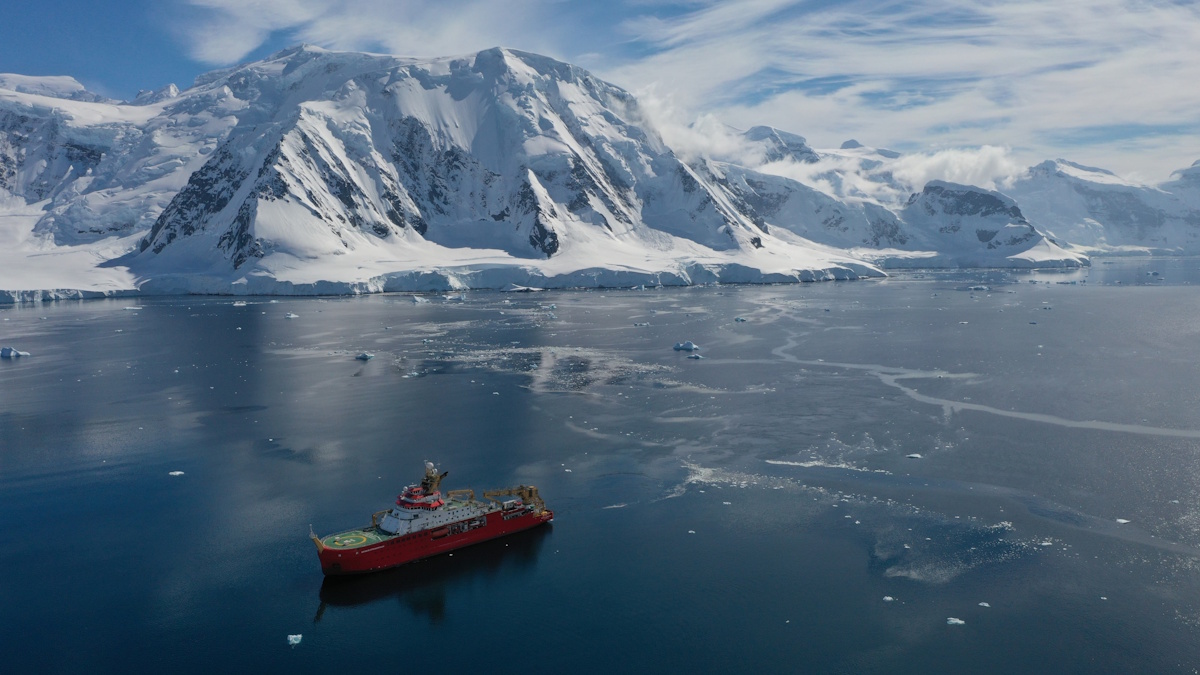
International Research Team Embarks on Greenland Expedition to Study Melting Glaciers
An international team of researchers is set to begin a six-week expedition in Greenland on July 16, 2026, to investigate the rapid melting of fjord glaciers and its implications for the Atlantic Ocean. The study aims to assess how this melting contributes to potential climate tipping points, particularly affecting ocean currents. The research is part of a five-year project called GIANT, led by the British Antarctic Survey (BAS) and funded by the Advanced Research + Invention Agency (ARIA). The team will utilize advanced technologies, including drones, marine robots, and sensors, to gather data that will enhance predictions regarding the future of Greenland's glaciers and their environmental impact. As the expedition unfolds, attention will be focused on the effects of Greenland's melting ice on the North Atlantic Subpolar Gyre and the Atlantic Meridional Overturning Circulation (AMOC). Dr. Kelly Hogan from BAS emphasizes the significance of modern tools in exploring glacier-ocean interactions, highlighting the urgency of understanding these changes as they may occur within decades.
rrs sir david attenborough glaciers melting fjord glaciers climate change giant (greenland ice sheet to atlantic tipping points british antarctic survey (bas)
E/V Nautilus Embarks on Two Expeditions to Explore Mariana Deep-Sea Regions
The Ocean Exploration Trust's Exploration Vessel (E/V) Nautilus has set sail for two expeditions to explore the deep sea around the Mariana Islands. These expeditions, taking place from June to August 2026, will utilize the vessel's remotely operated vehicle (ROV) and telepresence systems, alongside Woods Hole Oceanographic Institution's autonomous underwater vehicle (AUV) Sentry, to investigate previously unsurveyed areas. These missions are significant as they aim to enhance understanding of abyssal plain habitats and ancient seamounts east of the Mariana Trench, a region known for its tectonic activity and unique geological features. The expeditions are supported by NOAA Ocean Exploration and the Bureau of Ocean Energy Management, highlighting the collaborative effort to advance oceanographic research and fill knowledge gaps in this critical area. Looking ahead, the E/V Nautilus will focus on characterizing deep ocean habitats and biodiversity, as well as geological formations, including marine critical minerals. The outcomes of these expeditions are expected to contribute to both US and international scientific priorities, addressing the need for comprehensive data on the largely unexplored deep-sea environments around the Mariana Islands.
e/v nautilus marianas deep-sea exploration ocean exploration trust
NOC to Co-lead REV Ocean Sargasso Sea Expedition
REV Ocean has announced the launch of its Maiden Voyage Science Program, which will feature ten partner-led missions across the South Atlantic, Caribbean, and Eastern Tropical Pacific. This initiative marks the inaugural operational research season for REV, a new vessel added to the global philanthropic fleet dedicated to ocean research and conservation. The program aims to address critical environmental issues and promote sustainable practices in marine ecosystems. Through collaborative efforts with various partners, REV Ocean seeks to enhance scientific understanding and foster innovative solutions to protect the world's oceans.
national oceanography centre (noc) rev ocean sargasso sea expedition (rose)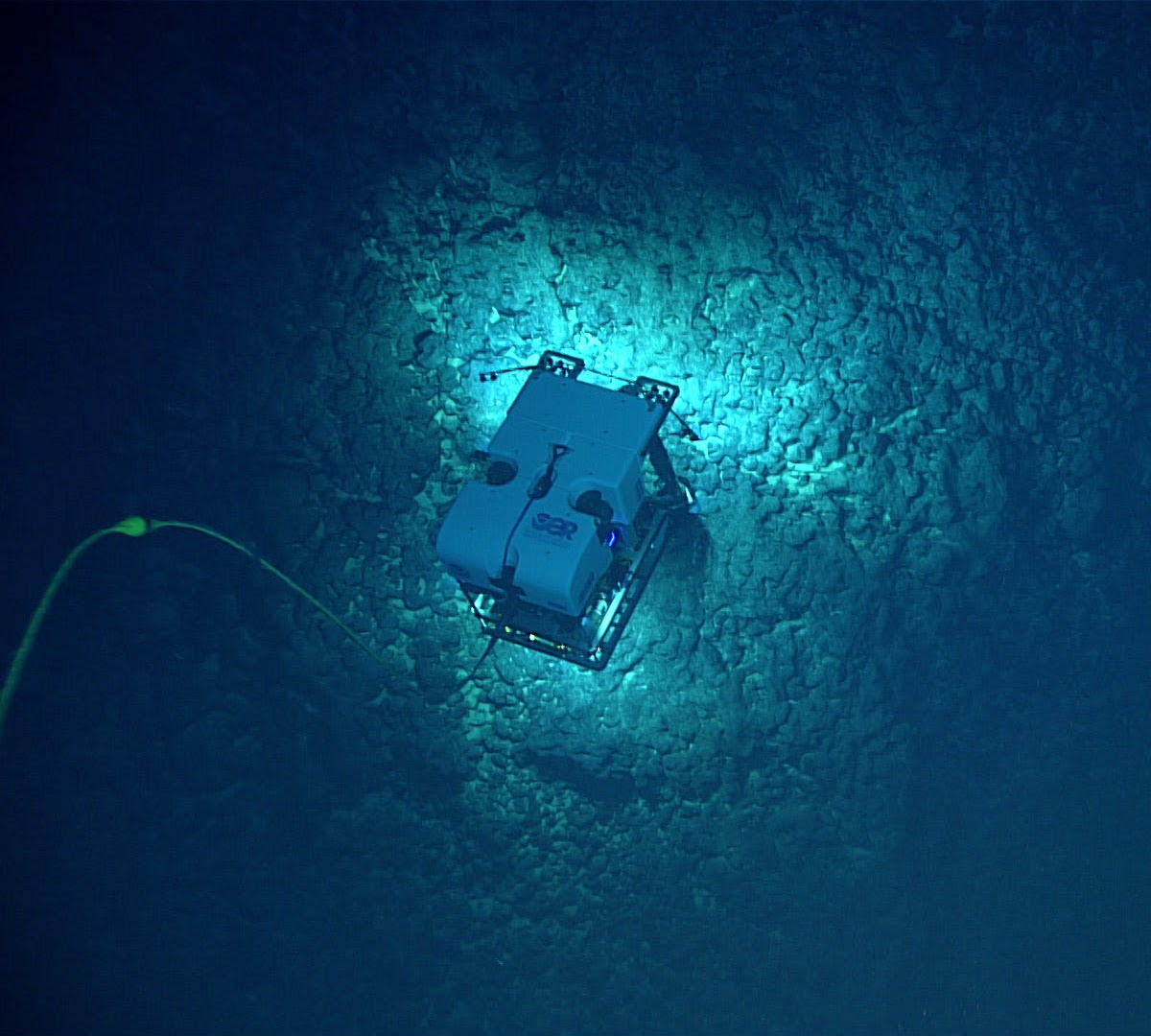
NOAA and Partners to Conduct Expeditions for Deep-Sea Mapping in American Samoa
NOAA Ocean Exploration, alongside its partners, is set to conduct two significant expeditions in the waters surrounding American Samoa during the summer and fall of 2026. These expeditions aim to map and characterize the deep seafloor in a region prioritized for offshore critical mineral exploration, generating publicly available data to enhance understanding of mineral potential and support decision-making. The importance of these expeditions lies in their potential to uncover unknown marine habitats and mineral resources vital for national prosperity and security. NOAA's Principal Deputy Assistant Secretary Erik Noble emphasized the commitment to providing scientific research that supports commerce, while Captain William Mowitt highlighted the need for authoritative science to guide responsible marine resource management. The first expedition will occur from August to September 2026, followed by a second from late September to October 2026, utilizing advanced mapping technology and observational sensors aboard the NOAA Ship Okeanos Explorer. Real-time ROV operations will be streamed online, allowing public engagement and transparency in the exploration process. No further timeline was disclosed at the time of publication.
noaa exploration mapping deep water rov
Major American deep-sea expedition delivers 4,059 samples across 53 survey sites
American Ocean Minerals Corporation (AOMC) has successfully completed a significant deep-sea environmental research initiative aimed at assessing the impact of mineral extraction on marine ecosystems. The project, which took place over the past several months, focused on various locations in the Pacific Ocean known for their rich mineral deposits. This research is part of AOMC's broader commitment to sustainable practices in the mining industry, driven by the increasing demand for critical minerals used in technology and renewable energy solutions. By conducting thorough environmental assessments, AOMC seeks to ensure that its operations do not adversely affect marine life or habitats. The findings from this extensive study will inform future mining practices and regulatory compliance, as the company aims to balance economic development with environmental stewardship. AOMC plans to share the results with stakeholders and the scientific community to foster transparency and collaboration in the pursuit of responsible ocean resource management.
Science
Rosenxt Announces Strategic Acquisition of Beam, Expanding Offshore and Subsea Capabilities
Rosenxt UK Ltd., a subsidiary of Switzerland-based Rosenxt Holding AG, has successfully acquired specific assets and talent from Rovco Limited, a subsea robotics and engineering company previously operating in Bristol and Aberdeen. This strategic acquisition aims to enhance Rosenxt's capabilities in the subsea sector, leveraging Rovco's expertise and resources to strengthen its market position. The deal underscores Rosenxt's commitment to expanding its operational footprint and technological prowess in the rapidly evolving subsea industry.
rosenxt strategic acquisition beam
Key to Managing Legacy Munitions in the Baltic Sea - Expedition AL628 Investigates Suspected Sites in German and Danish Waters
The Baltic Sea, long known to be contaminated with remnants of munitions from past conflicts, is the focus of ongoing research aimed at identifying the locations and conditions of these underwater hazards. Three major initiatives at the national, Baltic Sea, and European levels are currently underway to enhance understanding and develop technologies for the safe identification of submerged munitions. The GEOMAR Helmholtz Centre for Ocean Research Kiel is actively participating in these efforts through a series of expeditions. The first of these missions has commenced aboard the research vessel ALKOR, which is testing and refining advanced mapping and analysis techniques. This initial expedition is concentrating on specific areas within German and Danish waters, particularly around the Flensburg Fjord/Lille Belt, west of Bornholm, and the Bay of Lübeck. The goal of these projects is to consolidate existing knowledge and improve safety measures regarding the munitions that pose environmental and navigational risks in the Baltic Sea.
Robotics needs a service framework.
RSF defines a common language for robot service capability, lifecycle operations, certification pathways, and service-provider networks.
Join the RobotToday community on LinkedIn
Daily robotics news, in-depth analysis, conference highlights, and discussions with professionals worldwide.







