Industry Briefing
A single destination for timely, editor-curated robotics news from around the world.
MassRobotics Launches Sponsorships for RoboBoston 2026 and AI Career Fair Announcement
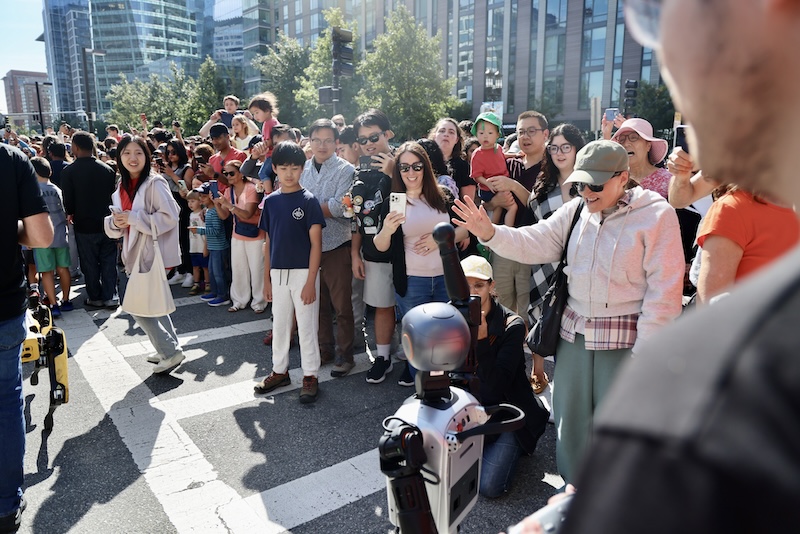
MassRobotics has revealed plans for RoboBoston 2026, its ninth annual Robot Block Party, scheduled for September 26, alongside a Robotics & AI Technical Career Fair on September 25. The event will take place at Boston’s Seaport and is expected to host over 50 robotics companies, universities, and student teams, showcasing interactive exhibits and demonstrations. The significance of RoboBoston lies in its role in highlighting the region’s robotics ecosystem, uniting industry, academia, and students. Attendees will experience a variety of activities, including a Sidewalk Robot Parade and a ribbon-cutting ceremony, while exhibitors will present new technologies and research projects. MassRobotics has opened sponsorship opportunities, inviting organizations to support the event and promote STEM education and robotics innovation. Looking ahead, the Robotics & AI Technical Career Fair on September 25 aims to connect employers with technical talent in the robotics and AI sectors. Previous events have drawn over 800 job seekers, making it a valuable opportunity for both companies and candidates. No further timeline was disclosed at the time of publication.
Business Features ai careers artificial intelligence automation boston
MassRobotics Announces Sponsorship for RoboBoston 2026 and Career Fair for Robotics & AI
MassRobotics has opened sponsorship opportunities for RoboBoston 2026, scheduled for September 26, 2026, at Boston's Seaport. This event marks the 9th Annual Robot Block Party, showcasing over 50 robotics companies, universities, and student teams. Attendees will engage with innovators and experience interactive exhibits and demonstrations. The significance of RoboBoston lies in its role as the largest robotics celebration in the region, highlighting Boston's position as a global leader in robotics and AI innovation. The event aims to foster connections between industry professionals and the public, encouraging interest in robotics and technology among attendees of all ages. Looking ahead, companies interested in participating as sponsors or hiring at the Robotics & AI Technical Career Fair should prepare for the event. No further timeline was disclosed at the time of publication.

ARM Institute expands RoboticsCareer.org into physical AI
The ARM Institute has announced an expansion of RoboticsCareer.org to include job opportunities in the burgeoning field of physical artificial intelligence (AI). This initiative aims to facilitate connections between employers and qualified candidates, addressing the increasing demand for talent in this innovative sector. The updated platform is expected to serve as a valuable resource for both job seekers and companies looking to hire skilled professionals in physical AI. This development reflects the ongoing growth and significance of robotics and AI in the workforce, highlighting the need for specialized talent in these areas.
Artificial Intelligence Artificial Intelligence / Cognition Business Resources Defense / Security Design / Development Educational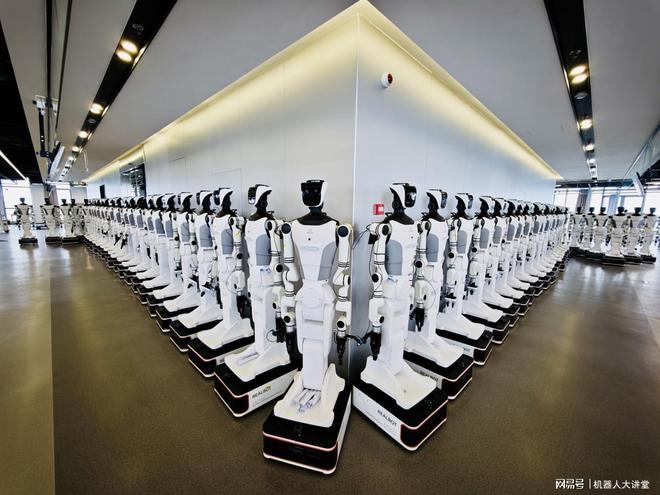
Ruiliman Showcases at FAIR plus 2026: Strengthening the 'True Working' Robotics Ecosystem with Reliable Hardware and Mass Delivery Capabilities
At the FAIR plus 2026 event, Ruiliman unveiled its cutting-edge robotics capabilities, announcing plans to achieve a production capacity exceeding 1 million integrated joint modules by the year 2026. The company underscored the significance of fostering a collaborative ecosystem to facilitate the widespread implementation of robotics across multiple industries. This initiative aims to enhance efficiency and innovation, positioning Ruiliman as a leader in the evolving robotics landscape.
Robotics Manufacturing Automation Ecosystem Development
SpaceX's Starship V3 Plans for 1 Million Starmind Satellites by 2030
SpaceX's Starship V3 is set to revolutionize satellite deployment, aiming to launch 1 million Starmind satellites by 2030. The spacecraft can carry over 100 tonnes to low Earth orbit (LEO), significantly more than the Falcon 9's capacity. As of May 2026, Starship has completed 12 flights, with the next mission scheduled for late July 2026, focusing on operational payloads including AI1 prototypes in early 2027. This ambitious plan is crucial for expanding orbital compute capacity, targeting an annual addition of 100 GW through a million tonnes of satellite hardware. SpaceX's strategy hinges on achieving a launch cadence of approximately 12,000 flights, equating to about three launches per day. The company has invested over $15 billion in the Starship program, with expectations to begin payload deliveries in the second half of 2026, starting with Starlink V3 satellites. Looking ahead, the successful deployment of the Starmind constellation will depend on Starship's ability to meet its cost targets of $10–20 million per flight. If achieved, this would make launching satellites more economical than building ground data centers. The next significant milestone will be the launch of AI1 prototypes in early 2027, with full-scale deployments commencing in 2028 from the new Gigasat factory in Texas.
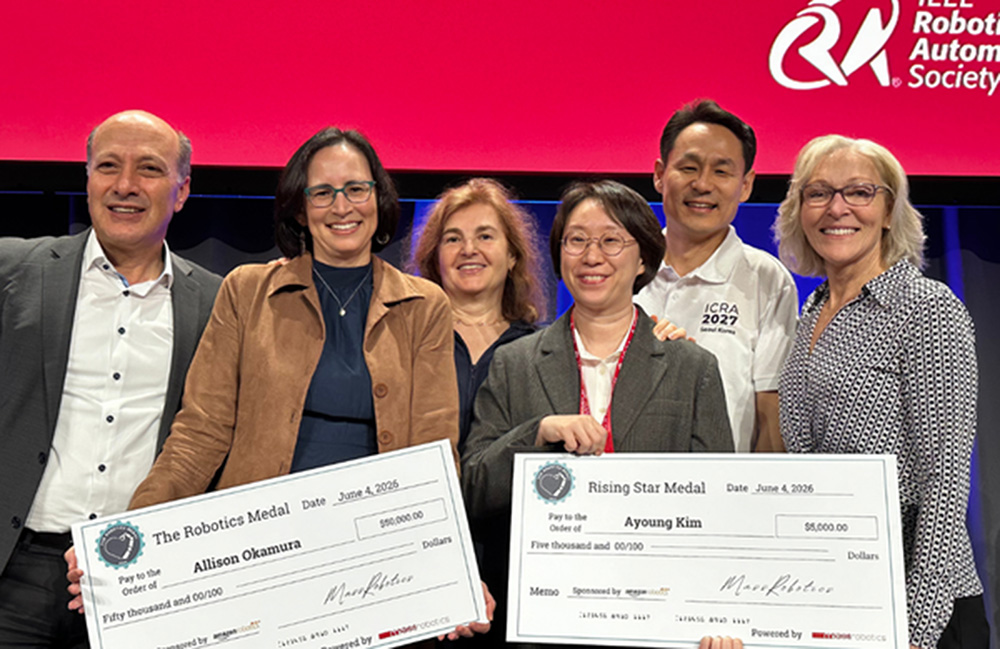
MassRobotics announces the winners of 2026 Robotics Medal and Rising Star awards
Allison Okamura and Ayoung Kim have been recognized with prestigious awards from MassRobotics, receiving the 2026 Robotics Medal and the Rising Star Medal, respectively. These accolades celebrate the achievements of women in the field of robotics, highlighting their significant contributions and inspiring future generations. The announcement was made recently, underscoring the growing recognition of female innovators in a traditionally male-dominated industry. The awards aim to promote diversity and encourage more women to pursue careers in robotics, reflecting a broader commitment to inclusivity within the technology sector.
Academia / Research Artificial Intelligence Artificial Intelligence / Cognition Design / Development Events Healthcare Robotics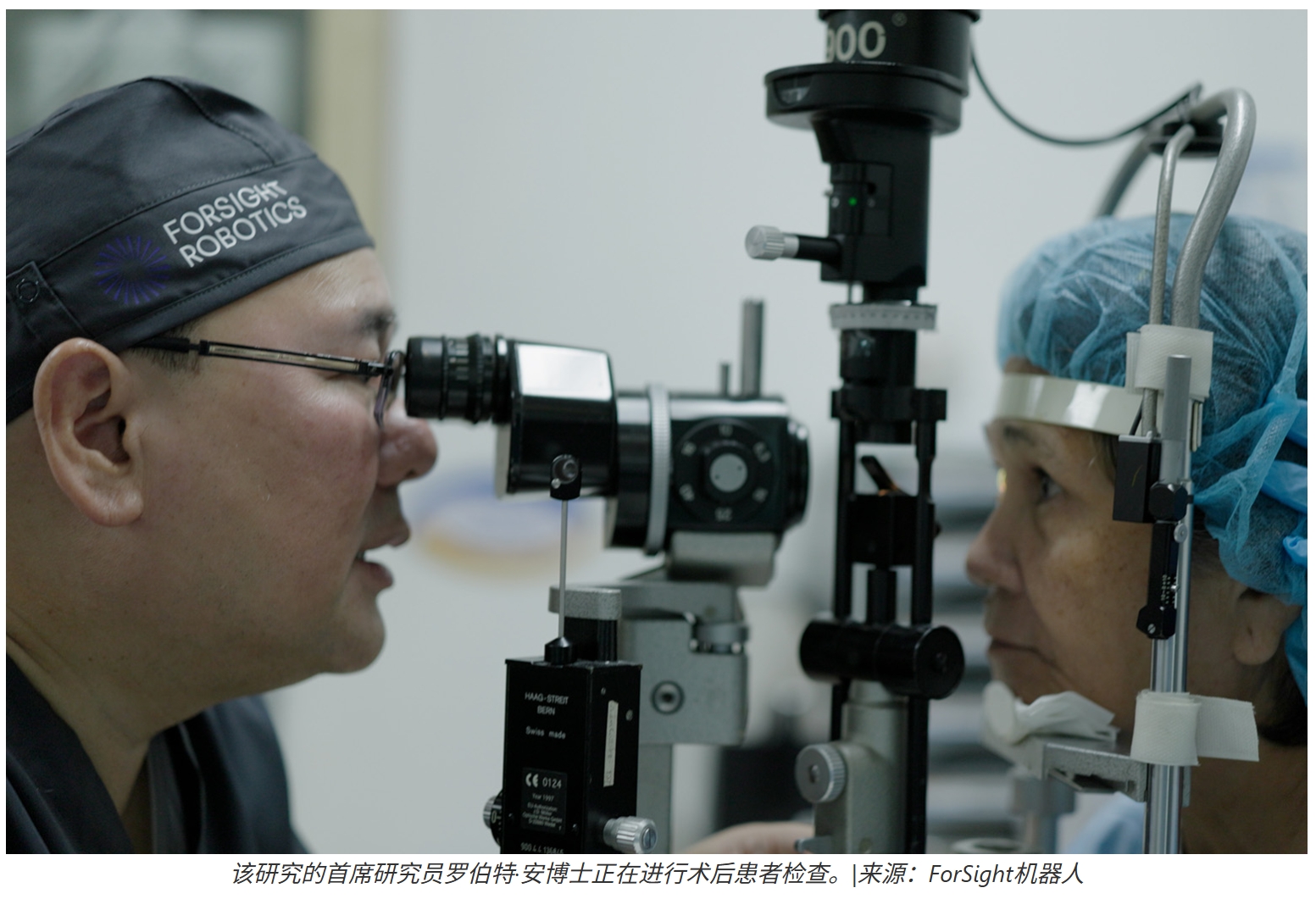
ForSight Robotics Completes First Fully Robotic Cataract Surgery with JASPER Platform
ForSight Robotics has successfully completed the world's first fully robotic cataract surgery using its JASPER platform, led by Dr. Alexey Rapoport in April 2026. This groundbreaking procedure was performed at the Asian Eye Institute in the Philippines, showcasing JASPER's ability to execute the entire surgery autonomously without general anesthesia, adhering to modern cataract surgery standards. The significance of this achievement lies in JASPER's unique design, which empowers surgeons rather than replacing them. By integrating AI algorithms, advanced computer vision, and miniature mechanical technology, JASPER provides enhanced imaging and precision control, allowing surgeons to perform with the accuracy of elite professionals. This innovation also addresses ergonomic concerns, as it enables surgeons to operate seated, potentially extending their careers and improving surgical outcomes. Looking ahead, ForSight Robotics aims to secure FDA approval for JASPER in the United States, with plans to bring this technology to market in the coming years. The company has raised $195 million since its founding in 2020, with significant investments from notable figures and organizations. No further timeline was disclosed at the time of publication.
Robotic Surgery Cataract Surgery AI in Healthcare Ophthalmology Medical Robotics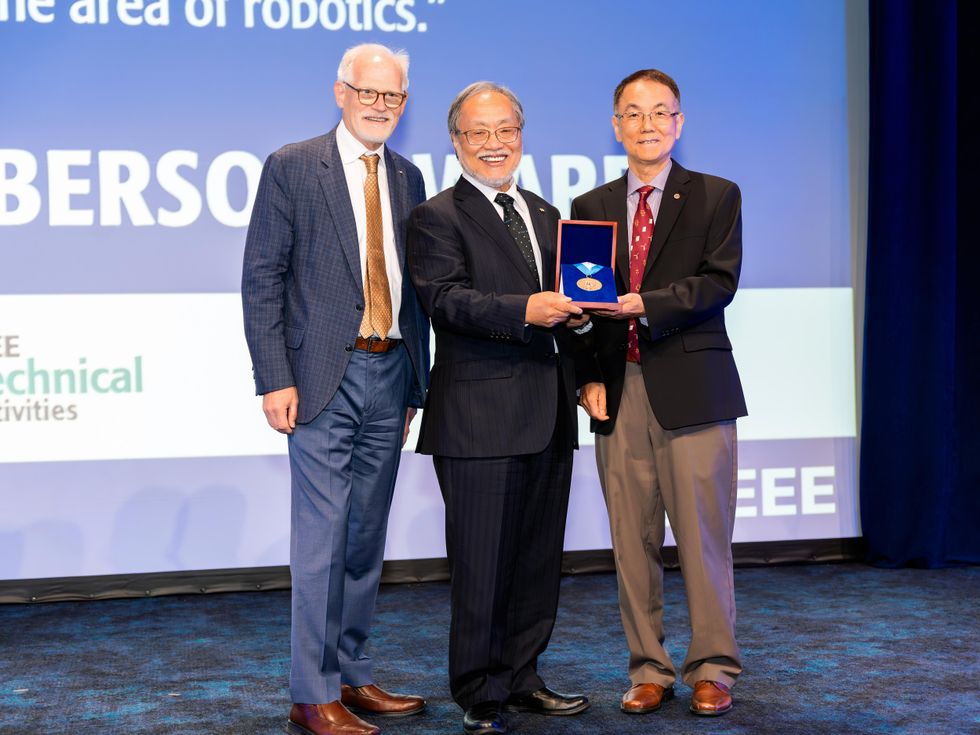
IEEE Honors Robotics Pioneer Toshio Fukuda
Toshio Fukuda has been blazing trails for most of his career. He is considered to be one of the most prolific scholars in robotics, writing more than 2,000 research papers and authoring several books on the field. He’s an influential figure thanks to his pioneering work developing biomedical robotic systems, industrial robots, micro-nano robotics, mechatronics, and AI-driven automation.Fukuda launched one of the first robotics conferences, the IEEE/RSJ International Conference on Intelligent Robots and Systems (IROS). It is still popular almost 40 years later.Toshio FukudaEmployerEgypt-Japan University of Science and Technology, in Alexandria TitleProfessor and vice president of research Member gradeLife Fellow Alma matersWaseda University, in Tokyo; University of Tokyo An IEEE Life Fellow, he is a professor emeritus in the department of micro-nano systems engineering and a visiting professor at Nagoya University, in Japan, where he taught for nearly 25 years. Currently, he is a vice president of research at the Egypt-Japan University of Science and Technology, in Alexandria, Egypt.Within IEEE, Fukuda has held top volunteer positions including the organization’s highest office: He served as IEEE president in 2020, becoming the first person of Asian descent to hold the role.He’s a former program director of Japan’s Moonshot program, which by 2050 intends to develop advanced AI robots.Born in Japan, Fukuda has been recognized by the country for his contributions to science with two of its highest awards: the Medal of Honor with a purple ribbon in 2015 and the Order of the Sacred Treasure in 2022.IEEE honored him with this year’s Richard M. Emberson Award for “distinguished service advancing the technical objectives of IEEE, especially in the area of robotics.” The IEEE Board-level award is sponsored by the IEEE Technical Activities Board. Fukuda received the award on 24 April at a ceremony in New York City.As a former IEEE president who has served as a master of ceremonies at several of the organization’s major award events, Fukuda noted that he is more accustomed to bestowing awards than receiving them.“It’s very interesting to be on the receiving end,” he says.The journey into robotics researchAs a teenager, Fukuda spent his summer breaks teaching himself how to build things including transistor radios and steam engines.“It was very nice to have a hands-on hobby and make these kinds of things myself,” he says. His experimentation led him to study engineering.He earned a bachelor’s degree in engineering in 1971 from Waseda University, in Tokyo. He says one of his professors there—Ichiro Kato, regarded as the father of Japanese robotics research—was a good mentor who made a positive impact.Fukuda’s research interests were robotics and mechatronics, a field that combines robotics, electronics, computer science, and control systems.He went on to earn a master’s degree and a doctorate in science from the University of Tokyo, in 1971 and 1977. During those years, he also attended Yale, where he conducted research on advanced control theory in 1973.He reflects fondly on his time at Yale: “It was a very nice environment and a kind of free-thinking atmosphere. It motivated me to study more.”“IEEE doesn’t care who you are, what you do, what country you are from, or whether you are male or female. IEEE accepts people who have energy and passion.”While at Yale, Fukuda served as an assistant to his advisor—which led him to consider a career in academia, he says, because he enjoyed the freedom that research work afforded him.But he realized that such freedom comes with a price. University researchers are expected to raise the money that funds their work. He compares researchers to small-business owners who have to bring in money to keep their enterprise afloat.That realization led him to select robotics as his field because he intended to develop technologies useful to industry, he says.After earning his doctorate, he returned to Japan in 1977 to work as a research scientist at the government’s Mechanical Engineering Laboratory, later renamed the National Institute of Advanced Industrial Science and Technology, in Tsukuba.“There was a lot of research going on at the lab, including practical robotics and theory,” he says.He left Japan in 1979 to become a visiting research fellow at the University of Stuttgart, in Germany. During his year there, he studied systems, software problems, and related topics.He returned to Japan and was hired as an associate professor of mechanical engineering at the Tokyo University of Science. He conducted research into practical uses for robots by visiting industrial plants. He decided to develop robots that inspect industrial equipment such as those used in assembly plants, oil refineries, and power stations—places that “can be hostile environments for humans,” he says.His work drew interest from chemical, oil, and utility companies.“I got a lot of money from them for this very practical application, which funded my research,” he says, laughing.Developing popular robotic systemsFukuda grew tired of making those robots, he says, so he switched to creating ones for scientific applications. He developed many techniques, but he probably is best known for his modular, cellular robotic systems (CEBOTs), which he introduced in 1985.He has described how CEBOTs work in numerous papers published in the IEEE Xplore Digital Library.The CEBOT system is composed of a number of autonomous robotic cells that stick together like interlocking Lego plastic bricks, he says.Each cell is a fundamental modular unit that has a function. When a simple task is given, the system can analyze it and generate the structure of the cellular manipulator. The cells connect to and detach from each other through connection mechanisms and cooperate mutually, creating complex structures and configurations.“You start developing from the component-wise to the cell-wise to a small functional unit—and then you come up with clusters that make bigger systems. We can make a society of robot beings like that,” he explained in his oral history published on the Engineering and Technology History Wiki. “It’s a distributed robotic system, a self-organized robotic system, and also an evolutionary robotic system.“It’s also a fault-tolerant robot system because if something is wrong, you just remove those things and make a new one. You keep the system working. That’s a great thing.”Today CEBOTs are used for a variety of tasks such as delivering medication in hospitals, assisting with planting crops, and transporting products in distribution centers. Check out IEEE Spectrum’s Robots Guide for news from the world of robotics.In 1989 Fukuda joined Nagoya University as a professor of mechanical engineering and micro-nano systems engineering. During his 24-year career there, he was director of the university’s Center for Micro-Nano Mechatronics. He developed a long list of technologies at the university, including many for medical applications. He also conducted groundbreaking research into intelligent robotic systems and micro- and nano-robotics.Another technology he is known for is brachiation robots, which he helped develop in 1988. He calls them monkey robots because they’re based on the pendulum-like movement of monkeys swinging from tree to tree. The gravity-based locomotion enables continuous movement.Brachiation robots now are inspecting high-voltage transmission towers and bridges, searching damaged buildings for survivors, and performing maintenance on pipelines and cables.Fukuda retired from the university in 2013 and was named professor emeritus.He didn’t stay retired for long, though. He next held a teaching appointment at Meijo University, in Nagoya, until he left in 2022 to join the Egypt-Japan University.A prominent volunteerHe joined IEEE in 1980 at the encouragement of one of his research advisors, Professor Fumio Harashima, now an IEEE Life Fellow. After attending conferences and reading the organization’s publications, Fukuda says, he looked forward to becoming more involved.“I wanted to know how to organize a conference and how to edit a paper for one of its Transactions,” he says. “I wanted to know what was going on from inside the organization, not just the outside.”In 1988 he was the founding chair and organizer of IROS, in Tokyo. The conference had 330 attendees that year, and was supported by Harashima. Today it is one of the largest and most prestigious conferences on the topic, attracting more than 9,000 people annually. Out of 120,000 conferences, it was the only conference in the Nature Index database for this year, Fukuda says.In 1996 he and other members launched IEEE Transactions on Mechatronics.He was the founding president of the IEEE Nanotechnology Council, which was established in 2002. He is considered a pioneer in nanotechnology research, particularly regarding how it relates to robotics.Over the years, he has held numerous volunteer positions on IEEE editorial boards and committees.He was the 1998–1999 president of the IEEE Robotics and Automation Society, becoming the first non-U.S. member to hold the title.He was director of IEEE Division X (2001–2002 and 2017–2018), which covers intelligent systems, biological engineering, robotics, control systems, and photonic technologies. He served as the 2013–2014 director of IEEE Region 10 (Asia-Pacific).As the 2020 IEEE president, Fukuda saw the organization through the early part of the COVID-19 pandemic. Because of travel restrictions, he realized IEEE should change how it offered its in-person services, specifically educational programs. He encouraged IEEE Educational Activities to develop an online learning platform. The IEEE Learning Network started with just three courses and now offers nearly 2,000 courses, webinars, and learning materials.An award-winning memberThe Emberson Award joins a slew of other recognitions Fukuda has received from IEEE. They include several from the IEEE Robotics and Automation Society: a 2004 Pioneer Award, a 2009 Saridis Leadership Award, and the 2011 Harashima Award for Innovative Technologies. He is also a recipient of the Board-level 2010 IEEE Robotics and Automation Technical Field Award.He says he feels strongly that IEEE should be a diverse organization that is welcoming to all. As IEEE president, he led efforts to devise a diversity, equity, and inclusion program. Several policies, procedures, and bylaws were revised to give members a safe, inclusive place for discourse.“It’s important for IEEE to make everyone feel comfortable,” he says. “DEI programs are important. All people should be equal. IEEE doesn’t care who you are, what you do, what country you are from, or whether you are male or female. IEEE accepts people who have energy and passion.“It accepted me, from the Far East. That’s why I like it.”You can learn more about Fukuda and his career from the oral history conducted by the IEEE History Center.
Robotics Robots Ieee-member-news Type-ti Ieee-awards Toshio-fukuda
Weeks after Huang visit, Nvidia expands Korea hiring into robotics, HPC
Nvidia is expanding its engineering presence in South Korea, nearly a month after CEO Jensen Huang announced the company's plans to establish a research and development center in the country. Recent job postings on Nvidia's official careers website indicate a focus on key areas such as robotics simulation, high-performance computing, and automotive software, which are closely linked to South Korea's manufacturing, semiconductor, and automotive industries. This strategic move aims to strengthen Nvidia's involvement in these critical sectors, reflecting the company's commitment to innovation and collaboration within the region. The latest job listings, discovered by the Korea Herald, highlight Nvidia's intent to tap into local expertise and resources as it seeks to enhance its technological capabilities in Korea.
All News
Samsung office raided over alleged insider trading tied to takeover of robotics firm
Prosecutors conducted a search-and-seizure operation at Samsung Electronics Co.'s headquarters in Suwon, south of Seoul, on Thursday. This action stems from allegations that employees of a local robotics company profited unfairly by using insider information during its acquisition by the tech giant. The Seoul Southern District Prosecutors Office is leading the investigation, which has already seen financial authorities refer 16 individuals for scrutiny, including the head of the robotics firm. The inquiry aims to uncover potential misconduct related to the acquisition process and ensure accountability within the involved parties.
All News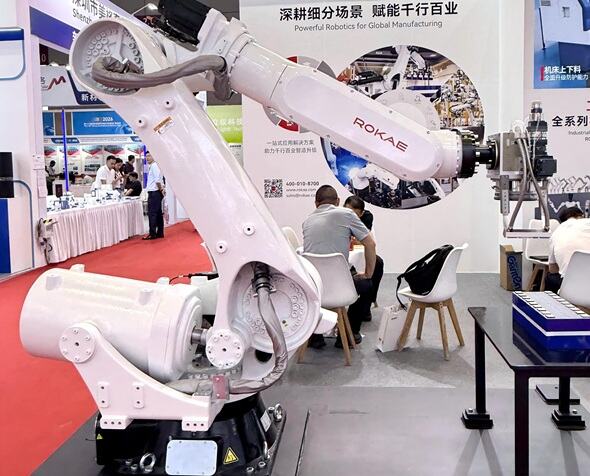
ROKAE Robotics at CIBF 2026: Force-Controlled Welding Solutions for Battery Manufacturing
ROKAE Robotics showcased its advanced automation solutions for lithium battery manufacturing at the 2026 China International Battery Fair (CIBF), held at the Shenzhen World Exhibition & Convention Center. The company highlighted its innovative technologies focused on force-controlled assembly and robot-integrated laser welding, aimed at enhancing efficiency and precision in battery production. This exhibition provided ROKAE Robotics with a platform to demonstrate its commitment to advancing the battery manufacturing industry, responding to the growing demand for high-quality and reliable lithium batteries in various applications.

Struggling to Hire? High-End Embodied Intelligence Talent Recruitment Fair Offers Solutions
As investments in embodied intelligence continue to rise, the robotics sector is experiencing an unprecedented demand for skilled professionals. This surge has led to a significant talent shortage and a mismatch between available positions and qualified candidates. In response to these challenges, a specialized recruitment fair is being held in Beijing, designed to bridge the gap between top talent and industry leaders. The event aims to facilitate connections that could alleviate the current hiring difficulties and foster growth within the rapidly evolving field of robotics.
Robotics Talent Acquisition Embodied Intelligence AI Job Market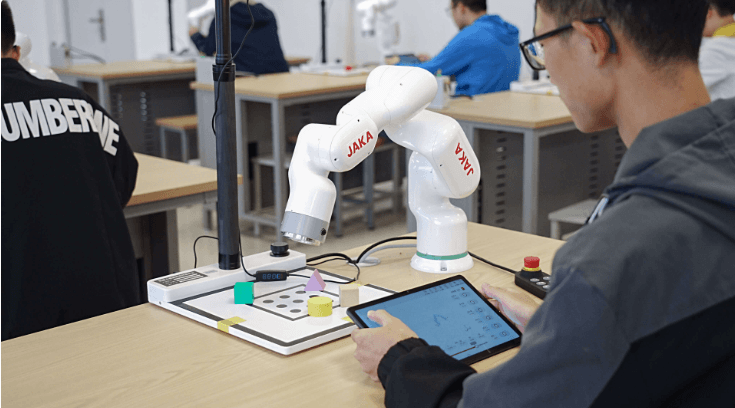
Industrial Automation and Robotics for Educators: Training the Next Generation
The rapid evolution of industrial automation and robotics is reshaping global manufacturing, leading to an increased need for a skilled workforce adept at managing advanced machinery. As educators strive to connect theoretical engineering principles with the practical demands of modern smart factories, there is a pressing requirement for classroom tools that reflect real-world equipment. By 2026, the integration of robotics into STEM curricula is expected to be crucial for fostering critical thinking and technical literacy among students. Educational programs are shifting towards "Embodied Intelligence," where learners engage with sophisticated technologies like industrial robot arms, enhancing their understanding of vision systems, sensor feedback, and machine learning. This hands-on experience equips students with essential skills in industrial safety, workflow optimization, and predictive maintenance, preparing them for careers as automation engineers and technicians. However, challenges persist, including the high costs and complexities associated with traditional industrial robots, which often require specialized facilities and safety measures. To address these issues, educational institutions are exploring "all-in-one" solutions that prioritize safety and usability while maintaining industrial-grade performance. JAKA Robotics is stepping up to meet these educational needs by providing tools that facilitate a safe learning environment. Their JAKA Academy offers a comprehensive training platform with courses ranging from basic operations to advanced software development. The versatile JAKA Zu and S series robots are designed for both research and classroom use, allowing students to engage in practical tasks and develop innovative AI-driven workflows. By incorporating JAKA's technology into educational settings, students are empowered to become the next generation of leaders in industrial automation.
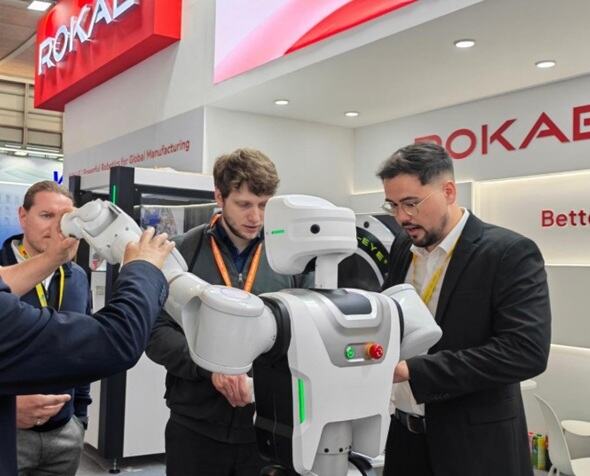
ROKAE Showcases Robotics Solutions at Hannover Messe 2026
ROKAE Robotics showcased its cutting-edge robotics and intelligent manufacturing solutions at HANNOVER MESSE 2026, one of the largest industrial trade fairs globally. The event, held in Hall 26 at Booth C21 and the humanoid robot zone (G44/27), emphasized Physical AI, highlighting the growing importance of automation and digitalization in the industry. Through its participation, ROKAE aims to demonstrate the potential of its technologies in transforming manufacturing processes and enhancing operational efficiency, aligning with the fair’s focus on innovation and future trends in industrial automation.
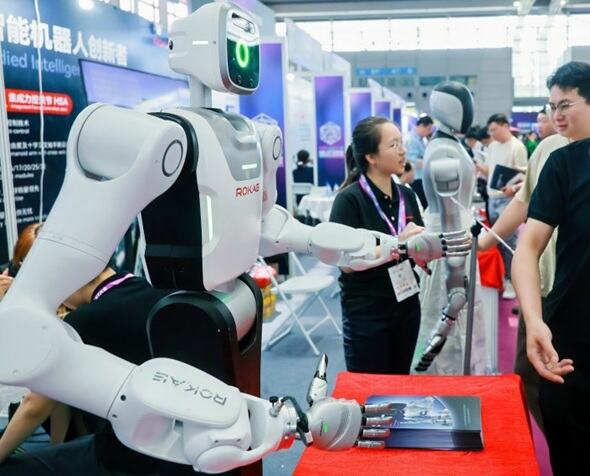
ROKAE Showcases Embodied Intelligence Solutions at FAIR plus 2026
ROKAE Robotics unveiled its cutting-edge embodied intelligence technologies during the FAIR plus 2026 event, which took place at the Shenzhen Convention & Exhibition Center in Futian. The company, located at Hall 9-W01, highlighted advancements in artificial intelligence hardware, core algorithms, and application deployment. This showcase aimed to foster collaboration with industry partners and explore the future landscape of robotics.

Hiroshi Fujiwara and Robert Little Selected for 2026 Joseph F. Engelberger Robotics Awards
Hiroshi Fujiwara, Executive Director of the Japan Robot Association, and Robert Little, co-founder of ATI Industrial Automation, have been honored with the 2026 Joseph F. Engelberger Robotics Awards, the highest accolade in the robotics field. The announcement was made by the Association for Advancing Automation (A3) on April 28, 2026. The awards recognize Fujiwara for his extensive contributions to advancing robotics and fostering international collaboration, while Little is celebrated for his pivotal role in enhancing the practical application of robotics in manufacturing. The awards ceremony will take place on June 24, 2026, from 5:15 to 8:30 p.m. CT at McCormick Place in Chicago, coinciding with Automate 2026, North America's largest robotics and automation event. Attendees can purchase tickets through the Automate registration process. A3 President Jeff Burnstein emphasized the significance of both winners, noting that their efforts have greatly contributed to the growth and practical implementation of robotics. Fujiwara has been instrumental in strengthening Japan's robotics ecosystem and promoting collaboration across various sectors, while Little has dedicated his career to providing manufacturers with the tools necessary for effective automation. Together, their achievements embody the spirit of the Engelberger Awards, celebrating innovation and leadership in the robotics industry.
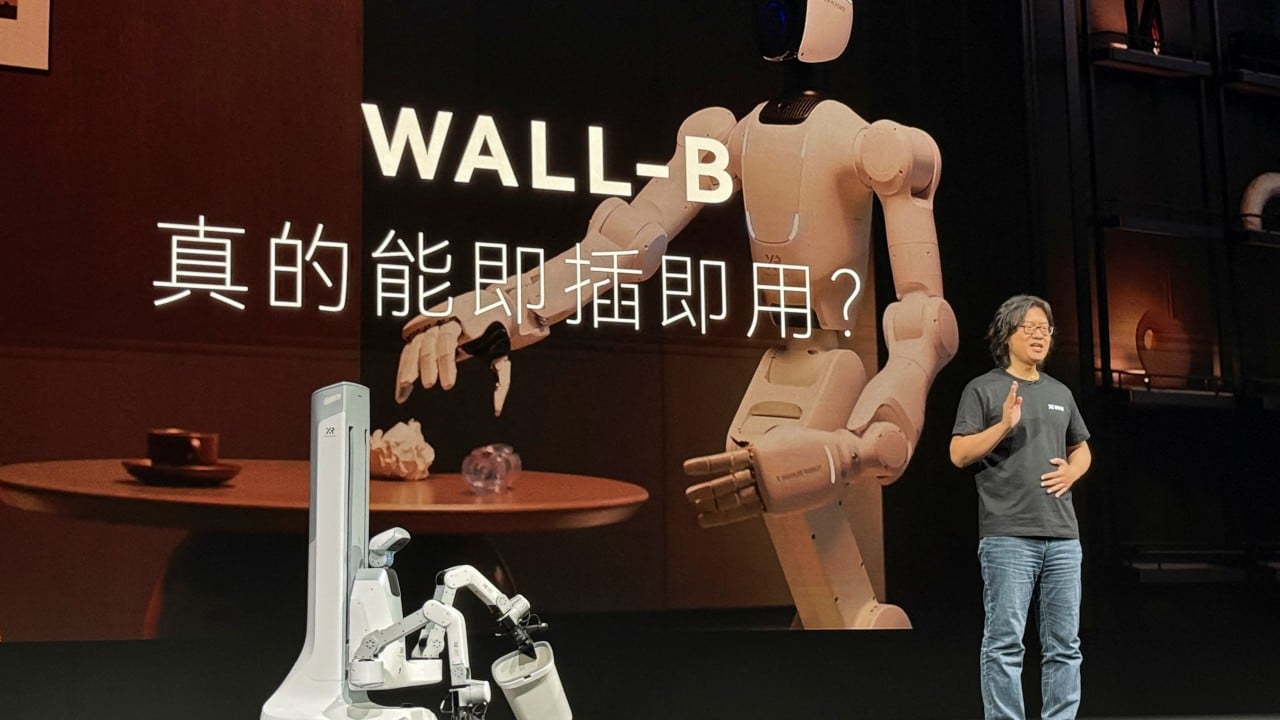
From supply chain to record growth: Shenzhen dominates China’s robotics landscape
At the Fair Plus robotics trade show held this week in Shenzhen, the focus shifted from flashy demonstrations to practical applications of robotics technology. Exhibitors showcased robots performing essential tasks such as sorting supermarket inventory, serving popcorn, and transporting large packages. Notably, Shenzhen-based X Square Robot demonstrated the capabilities of its wheel-based humanoid robots, which utilize the company’s proprietary Wall-A embodied foundation model. These robots effectively picked up litter from the floor and disposed of it in bins, highlighting their real-world functionality. The event underscores the growing trend of deploying robots in everyday tasks, reflecting advancements in robotics aimed at enhancing efficiency in various sectors.
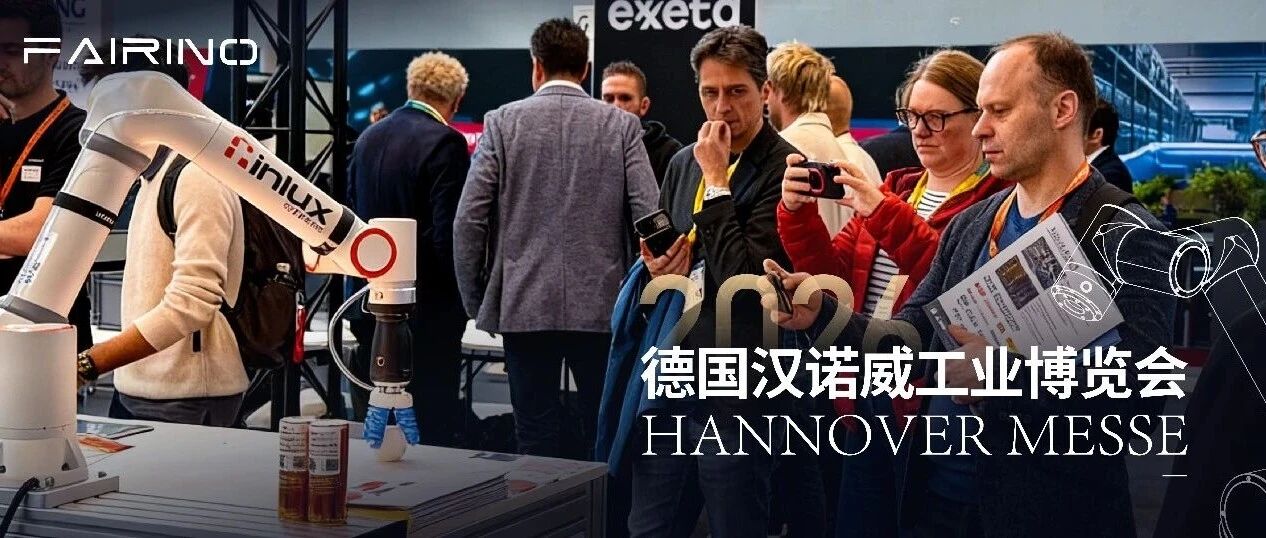
Hannover Industrial Fair: Comprehensive Collaborative Robot Solutions from Leading Manufacturers
The Hannover Industrial Fair commenced on April 20, featuring innovative collaborative robot solutions from Faou Robotics. The event served as a platform for the company to present its localized industry solutions while engaging in discussions with prominent global clients, including BOSCH and Toyota. The focus of the fair was on the integration of humanoid and collaborative robots into various industrial applications, underscoring the growing importance of automation in enhancing operational efficiency and productivity across sectors.
Collaborative Robots Humanoid Robots Industrial Automation AI Technology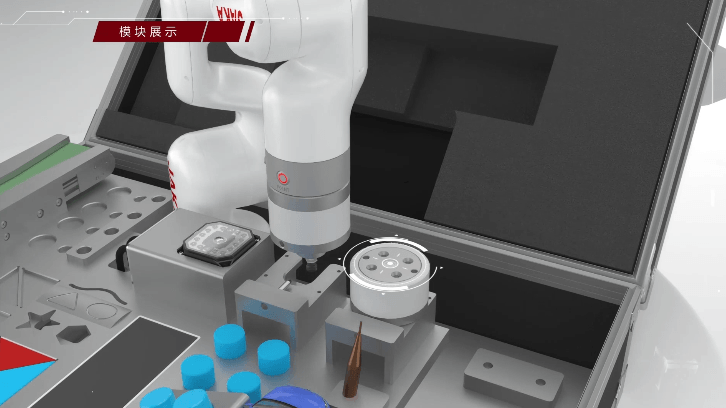
Educational Robotic Arm in Action: Case Studies in High School Robotics Clubs
In recent years, high school robotics clubs have increasingly adopted educational robotic arms, such as the JAKA MiniCobo, to enhance student learning through hands-on experience with automation and programming. This versatile tool allows students to engage in various tasks, including sorting and assembly, while minimizing direct contact with potentially hazardous equipment, thereby creating a safer learning environment. The JAKA MiniCobo has become a central resource in several robotics clubs, where students have successfully programmed the arm to identify and separate components during projects. This adaptability enables students to explore multiple programming approaches and fosters collaboration as they work in teams to troubleshoot and refine their coding solutions. Educators have noted that the use of this robotic arm not only improves accuracy and efficiency but also teaches essential skills in workflow optimization and precision control, crucial for careers in engineering and STEM fields. Furthermore, the integration of the JAKA MiniCobo into extracurricular activities has significantly boosted student engagement. Students benefit from immediate feedback on their programming efforts and enjoy the creative freedom to design new tasks, simulating real-world industrial processes. This hands-on approach cultivates curiosity and confidence in technology, ultimately preparing students for future innovations. Overall, the incorporation of educational robotic arms like the JAKA MiniCobo in high school settings exemplifies the transformative potential of automation in education, equipping students with valuable skills while promoting a safe and engaging learning atmosphere.
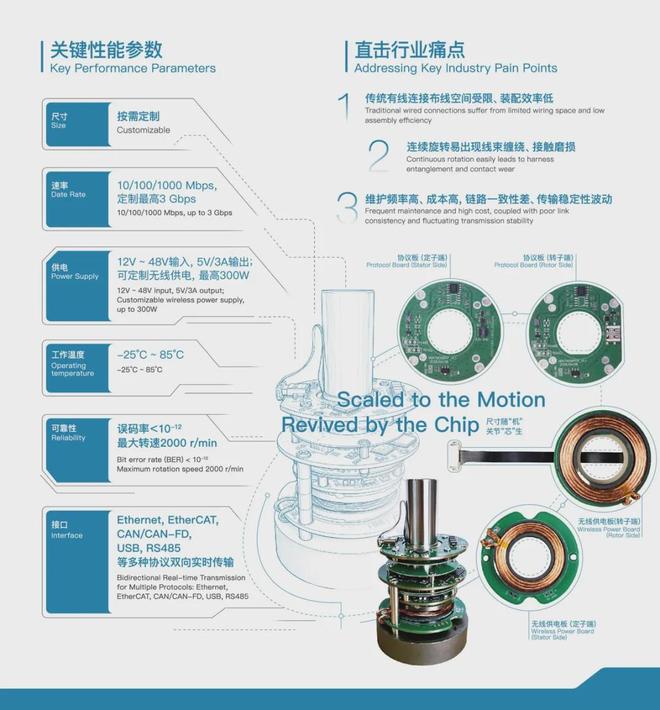
Enhancing Robot Durability: Decosemi's Non-Contact Millimeter-Wave Interconnect Chip Solution Unveiled at FAIR plus
At the FAIR plus robotics event held in Shenzhen, Decosemi unveiled its cutting-edge non-contact millimeter-wave interconnect chip solutions tailored for robotic joints. This innovative technology seeks to enhance connection stability and integration efficiency, effectively tackling the limitations posed by traditional wired connections in dynamic robotic applications. By providing a more reliable and efficient means of connectivity, Decosemi aims to advance the capabilities of robotics in various industries.
Millimeter-Wave Technology Robotics Non-Contact Communication Dynamic Connectivity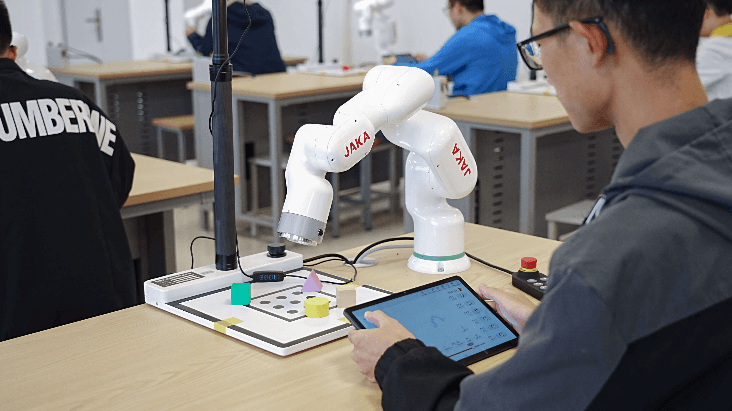
Automation and Industrial Robotics for Education: Training Programs and Platforms
JAKA, a leader in industrial automation and robotics, is revolutionizing technical education by integrating hands-on experience with industrial cobot systems into learning environments. This initiative aims to prepare students for future careers in manufacturing and engineering by providing practical knowledge that complements traditional theoretical studies. The company has developed training programs centered around the JAKA Pro16, an industrial cobot designed to operate in challenging environments, allowing students to engage in tasks such as palletizing, machine tending, and precision welding without damaging sensitive equipment. This hands-on approach helps learners understand the practical challenges of modern industrial settings. JAKA's modular platforms facilitate both individual and collaborative learning, enabling students to program trajectories, test automation sequences, and analyze data from integrated sensors. This immersive experience connects theoretical concepts with real-world applications, enhancing problem-solving skills and technical confidence. The goal of these educational programs is to equip students with the skills necessary for careers in manufacturing, engineering, and technology. By interacting with advanced robotics like the JAKA Pro16, students gain insights into mechanical operations, control systems, and safety protocols. JAKA also provides instructor guides and safety materials to ensure effective and secure learning. Through this commitment to integrating automation and robotics into education, JAKA is helping to bridge the gap between classroom learning and industry requirements, ultimately preparing the next generation for the evolving challenges of modern manufacturing.
Crossroads to Career: Amy Arteritano’s Temp Job Turned Into a 30-Year Legacy
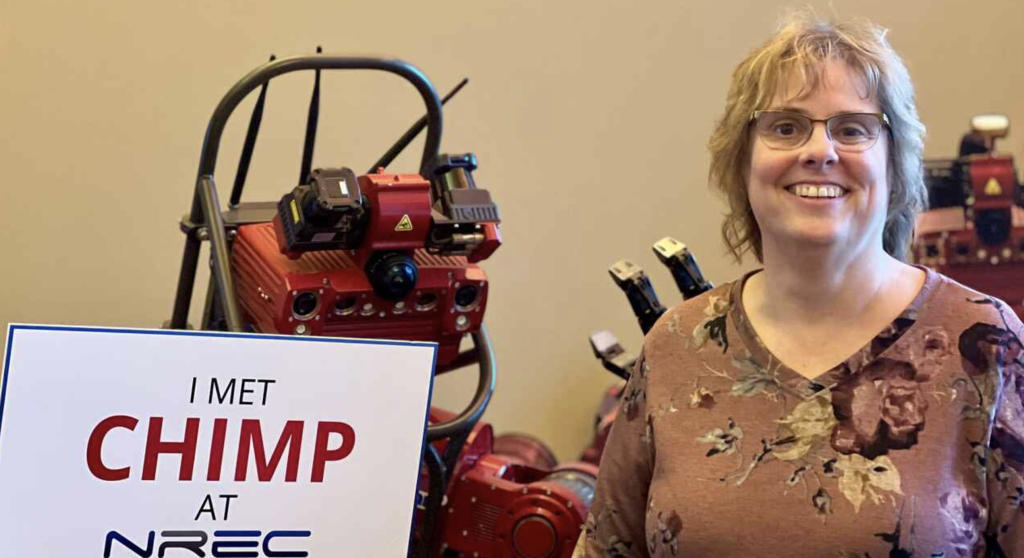
Amy Arteritano, a 1996 graduate with a teaching degree, found herself at a pivotal moment in her career when she turned to Carnegie Mellon University’s National Robotics Engineering Center (NREC) for support. Initially unaware of the significant role CMU would play in her professional journey, Arteritano's temporary position at the center evolved into a remarkable 30-year legacy in the field of robotics. Her story highlights the transformative impact of educational institutions in shaping careers and fostering long-term professional development.
RI Life
National Robotics Week 2026 Underscores Robotics as a Critical U.S. Industry and Workforce Engine
National Robotics Week 2026 is set to showcase the increasing significance of robotics in driving innovation and shaping the workforce in the United States. Scheduled for April 3-11, the event will take place across various locations nationwide, including educational institutions, research facilities, and community centers. This annual celebration aims to raise awareness about the advancements in robotics technology and its applications in diverse sectors such as manufacturing, healthcare, and education. The initiative seeks to engage the public, particularly students and young professionals, in understanding the potential of robotics to transform industries and create new job opportunities. Through workshops, demonstrations, and interactive exhibits, participants will have the chance to explore the latest robotic technologies and their implications for the future workforce. Organizers emphasize the importance of fostering interest in STEM (Science, Technology, Engineering, and Mathematics) fields, as well as encouraging collaboration between academia, industry, and government to drive further innovation. By highlighting the role of robotics in enhancing productivity and efficiency, National Robotics Week aims to inspire the next generation of engineers and innovators to pursue careers in this rapidly evolving field.

Tulsiani Receives NSF CAREER Award
Shubham Tulsiani, an assistant professor at Carnegie Mellon University's Robotics Institute, has been honored with the National Science Foundation's prestigious CAREER Award. This recognition is awarded to early career faculty who demonstrate exceptional potential in their research and education efforts. Tulsiani's project focuses on developing advanced perception systems aimed at enhancing the understanding of the three-dimensional world. The award underscores both his innovative contributions to the field of robotics and the importance of fostering new talent in scientific research.
Awards
Women in robotics you need to know about 2025
On October 1, International Women in Robotics Day was celebrated, highlighting the significant contributions of women in the field of robotics. This year’s edition of “Women in Robotics You Need to Know About” showcases the diverse roles women play in advancing robotics technology beyond traditional settings. Their work spans various sectors, including space exploration, healthcare, agriculture, and global connectivity. The initiative aims to recognize and promote the achievements of female innovators, encouraging greater representation and participation of women in this rapidly evolving industry. By sharing their stories, the campaign seeks to inspire future generations to pursue careers in robotics and related fields.
Gerald Mies, CEO of Estun Robotics Europe, Elected to Executive Board of International Federation of Robotics (IFR)
Gerald Mies, the CEO of Estun Robotics Europe, has been elected to the Executive Board of the International Federation of Robotics (IFR). This appointment reflects Mies' leadership role within Estun Robotics Europe, a subsidiary of ESTUN Automation, where he has been instrumental in driving the company's initiatives in the robotics sector. The election took place recently, marking a significant milestone in Mies' career and highlighting his contributions to the industry. His new position on the IFR board will enable him to influence global robotics standards and practices, furthering the development and adoption of robotics technology worldwide.
ESTUN AUTOMATION ROBOTICS SERVO SYSTEMS
Robotics Alum Earns PAMI Young Researcher Honorable Mention
Ishan Misra, a 2018 Ph.D. graduate from Carnegie Mellon University's Robotics Institute, has been recognized with an honorable mention for the 2025 Pattern Analysis and Machine Intelligence (PAMI) Young Researcher Award. This accolade was presented at the IEEE Conference on Computer Vision and Pattern Recognition (CVPR), highlighting his significant contributions to the field of computer vision as an early career researcher. Currently serving as a director, Misra's achievements underscore the impact of his work in advancing robotics and machine learning technologies.
Awards
Jiaoyang Li Earns NSF CAREER Award
Jiaoyang Li, an assistant professor at Carnegie Mellon University's Robotics Institute, has been awarded the National Science Foundation's Faculty Early Career Development (CAREER) award. This prestigious recognition, announced recently, honors early-career faculty who demonstrate exceptional commitment to their institution's mission and contribute significantly to their field. The CAREER program is designed to support and advance the careers of promising educators and researchers, underscoring the importance of their work in academia and beyond. Li's achievement highlights his dedication to innovation in robotics and his potential to influence future developments in the discipline.
Awards Research
Andrea Bajcsy Earns NSF CAREER Award
Andrea Bajcsy, an assistant professor at the Robotics Institute within Carnegie Mellon University’s School of Computer Science, has been honored with the National Science Foundation (NSF) Faculty Early Career Development (CAREER) award. This prestigious recognition is awarded to early-career faculty who demonstrate exceptional commitment to their institution's mission and contribute significantly to research and education. The award highlights Bajcsy's dedication to advancing the field of robotics and her impact on the academic community.
Awards
How I taught myself to code, quit my consulting job, and started an AI robotics firm by age 25
Oscar Brisset, a 25-year-old entrepreneur, has transitioned from his role at Boston Consulting Group (BCG) to pursue a new venture in the tech industry. Utilizing his vacation days to acquire coding skills, Brisset has launched an AI robotics company that has gained backing from Y Combinator, a prominent startup accelerator. This strategic move reflects his commitment to innovation and the growing demand for advanced technology solutions. The decision to leave a stable position at BCG underscores his ambition to make a significant impact in the field of artificial intelligence and robotics.
Startups Careers Tech as-told-to contributor-2026 bcg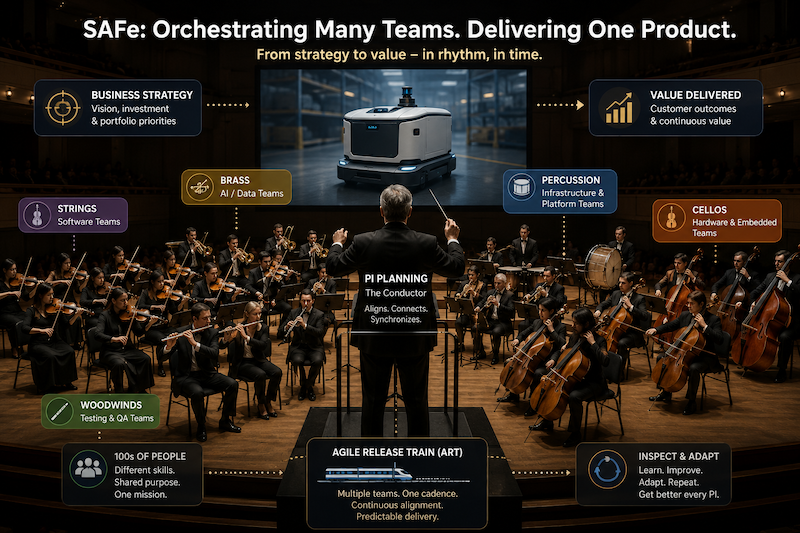
SAFe Has Won Enterprise Agile – What That Means for Your Career
In recent years, the landscape of enterprise agile frameworks has seen a significant shift, with the Scaled Agile Framework (SAFe) establishing itself as the leading methodology for large organizations seeking to implement agile practices at scale. This trend has been particularly evident among companies with substantial hiring needs, where SAFe's structured approach has facilitated smoother transitions to agile operations. The framework's popularity stems from its ability to address the complexities of scaling agile across various teams and departments, making it an appealing choice for enterprises aiming to enhance productivity and collaboration. As organizations continue to embrace agile methodologies, SAFe's dominance reflects a broader industry consensus on effective practices for large-scale agile transformation.
Business Computing Software agile coaching Agile leadership agile methodology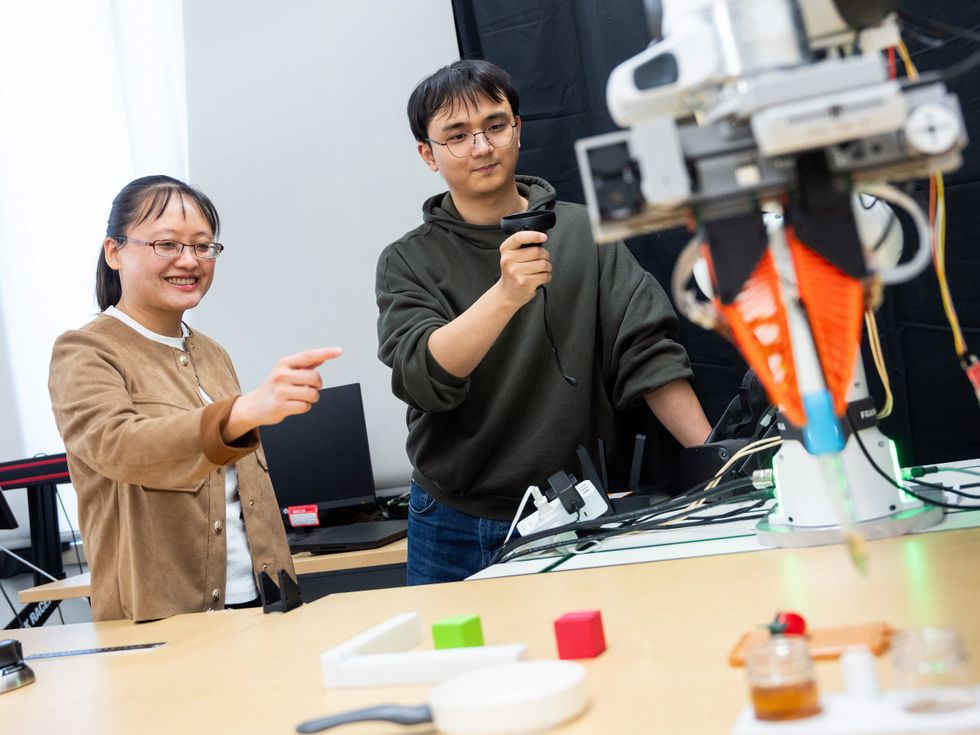
Award-Winning Researcher Trains Robots to Make Educated Guesses
Yen-Ling Kuo, an assistant professor of computer science at the University of Virginia, has been recognized for her significant contributions to robotics and automation. Last year, she received the IEEE Robotics and Automation Society’s inaugural Outstanding Women in Robotics and Automation Early Career Contribution Award for her paper, “Diff-DAgger: Uncertainty Estimation with Diffusion Policy for Robotic Manipulation.” This innovative research introduces a method that enhances robots' ability to identify and manage uncertainty during unfamiliar tasks, thereby reducing the need for human supervision and increasing task completion rates. Kuo’s journey began in Taiwan, where her fascination with science and technology was sparked by early exposure to programming and computer logic. After earning her degrees from National Taiwan University and MIT, she gained practical experience at Google, where she contributed to AI-driven shopping technologies. This experience motivated her to pursue a Ph.D. to deepen her understanding of neural networks. Her current research focuses on developing computational models that enable robots to interpret both explicit data and subtle social cues, aiming to replicate human-like reasoning in machines. Kuo's work has garnered attention from the National Science Foundation, which awarded her a five-year Career Award to support her research on human-robot interactions. As robotics and autonomous vehicles become more prevalent, Kuo envisions creating robots that can seamlessly integrate into social environments, enhancing human-robot collaboration.
Ieee-member-news Robots Artificial-intelligence Ieee-robotics-and-automation-soc Careers Type-ti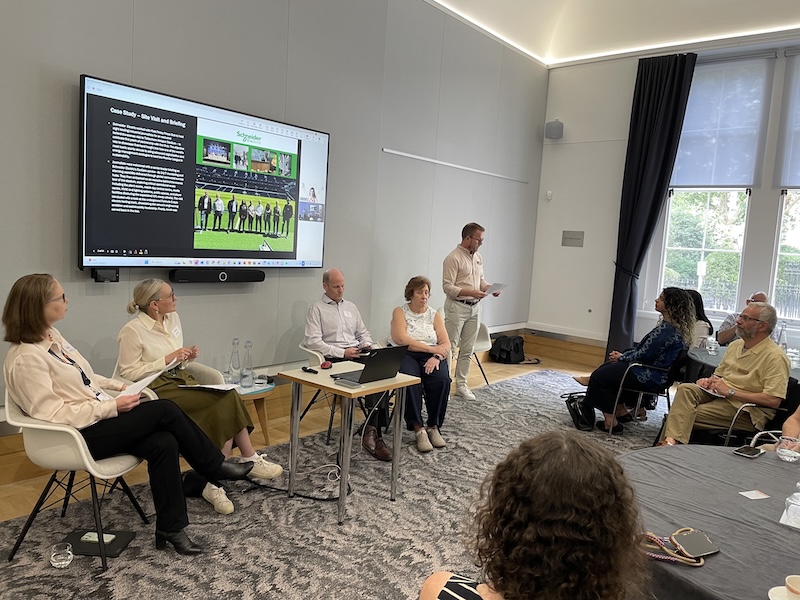
High-powered panel discussion: Why aren’t there more women in engineering?
Despite the common adage that "necessity is the mother of invention," women remain largely underrepresented in the field of engineering, a domain traditionally associated with innovation. This gender disparity persists globally, with historical and cultural factors contributing to the scarcity of female engineers. Efforts to address this imbalance are ongoing, as advocates highlight the importance of encouraging young women to pursue careers in engineering and related fields. By fostering an inclusive environment and promoting role models, the aim is to inspire the next generation of female innovators and change the narrative surrounding women in engineering.
Engineering Features automation news confidence gap diversity in engineering engineering careers
LG Electronics Expands Humanoid Robot Actuator Supply Chain Ahead of 2027 Goals
LG Electronics is enhancing its robot-actuator division by hiring for six mid-career positions, aiming to supply motorized joints for humanoid robots by 2027. Actuators, which can account for up to 60% of a humanoid's cost, are critical components in the robotics industry. This strategic move is significant as LG seeks to establish itself as a key player in the actuator supply market, which is expected to generate substantial revenue in the near term. The roles span R&D, quality management, and global sales, indicating a comprehensive approach to bringing these components to market. Looking ahead, LG plans to leverage its manufacturing capabilities, producing approximately 45 million motors annually. The company aims to first utilize its actuators in its home robot CLOiD before expanding to global partners by 2027 and entering industrial applications by 2030. No further timeline was disclosed at the time of publication.
All News
New humanoid robot built for companionship with 90% accuracy in recognizing emotions
Chinese robotics company UBTech has unveiled its latest innovation, the UWORLD U1 Series, which it claims to be the world's first humanoid robot designed for educational purposes. The launch took place on October 15, 2023, during a technology expo in Beijing, where the company showcased the robot's capabilities in interactive learning and skill development for students. The UWORLD U1 Series aims to enhance educational experiences by providing personalized tutoring and engaging students in STEM subjects through interactive lessons. UBTech's motivation behind this development is to address the growing demand for innovative educational tools that can adapt to various learning styles and environments. The humanoid robot features advanced AI technology, enabling it to interact with students in real-time, respond to questions, and facilitate hands-on learning activities. By integrating robotics into the classroom, UBTech hopes to inspire a new generation of learners and foster interest in technology and engineering fields. With this launch, UBTech positions itself at the forefront of the educational technology sector, aiming to revolutionize how students engage with learning materials and prepare for future careers in an increasingly digital world.
AI and Robotics
Krypton Evening News: Token prices drop to a few dollars; OpenAI may significantly reduce product prices; discounted train tickets for
Christian Stein has been appointed as the new CEO of Renault Group Spain, effective July 1, succeeding Josep María Recasens, who is leaving the company for new career opportunities. Stein will also continue in his role as Chief Communications Officer and report to Renault Group CEO François Provost. In a significant shift, General Motors is considering abandoning the use of lithium iron phosphate (LFP) batteries for electric vehicles, despite plans to produce them by the end of 2027 at a joint factory in Tennessee. This decision comes as the company reassesses its battery technology strategy amidst a competitive market. Global prediction markets Polymarket and Kalshi have reported that contracts for the upcoming World Cup champion have surpassed $2 billion, potentially setting a new record for single-event prediction market transactions. In the tech sector, OpenAI is contemplating substantial price reductions for its products to compete with rival Anthropic, as rising costs for AI services have become a concern for executives. Meanwhile, J&T Express has responded to an investigation by China's State Post Bureau, emphasizing its commitment to cooperate fully and improve safety management practices in light of the inquiry. AliExpress, Alibaba's cross-border e-commerce platform, has launched official local delivery services in five countries, including the U.S. and Spain, aiming to enhance logistics efficiency for merchants. In product news, Insta360 has unveiled the Luna Ultra, the world's first 8K dual-camera gimbal, which sold out shortly after its launch on June 10. Lastly, Neura Robotics, a German robotics firm, has secured $1.4 billion in funding to accelerate its development of a leading physical AI platform, with backing from major investors like Amazon and NVIDIA.

Pathak Receives 2026 PAMI Young Researcher Award
Deepak Pathak, a Raj Reddy Associate Professor of Robotics at Carnegie Mellon University’s Robotics Institute, has been honored with the 2026 Pattern Analysis and Machine Intelligence (PAMI) Young Researcher Award. This prestigious accolade was presented during the IEEE Conference on Computer Vision and Pattern Recognition (CVPR), a leading event in the field. The award is one of the highest recognitions for early-career researchers in computer vision, acknowledging Pathak's significant contributions to the discipline. The recognition not only highlights his innovative work but also underscores the importance of fostering new talent in advancing technology and research in robotics and computer vision.
Announcements Awards
Automation Moving On Up
Stow Group, a specialist in racking and warehouse automation, is setting ambitious global goals for its automation brand. During the LogiMAT trade fair, Paul Hamblin spoke with Christophe Coulongeat, the newly appointed CEO of Movu Robotics, about the company's future direction. Under the long-term entrepreneurial leadership of Jos de Vuyst, stow Group has established itself as a significant player in the industrial racking sector. The company aims to expand its influence in automation, reflecting a strategic shift to enhance its market position and meet growing demand in the logistics industry.
AMR and AGV Automation Systems and Shuttles Conveying and Sortation Magazine Features Materials Handling Robotic Picking
Leading Companies Connect with Elite Talent: A One-Stop Resource Link for High-End Intelligent Talent Recruitment in Beijing
As investment in embodied intelligence continues to rise, the robotics sector is experiencing an increasing demand for skilled professionals. In response to this growing need, a talent recruitment fair is set to take place in Beijing, aimed at connecting highly qualified candidates with leading robotics companies. Scheduled for next month, the event seeks to address the critical talent shortages within the industry by facilitating effective job matching. Organizers believe that this fair will play a pivotal role in aligning the skills of job seekers with the specific requirements of employers, ultimately enhancing the workforce in this rapidly evolving field.
Robotics Talent Recruitment Embodied Intelligence AI Industry Events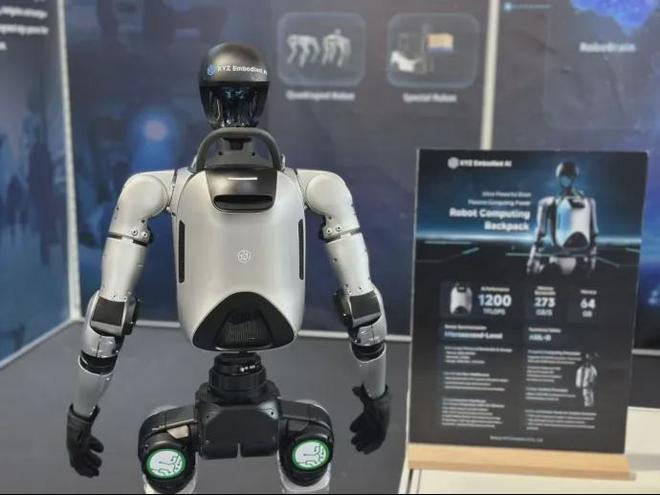
A Lightweight Computing Backpack Under 2.5 kg is Liberating Humanoid Robots from the Cloud
At the 2026 Hannover Industrial Fair, humanoid robots demonstrated advanced capabilities powered by the BotPack B series computing backpack, marking a significant leap in robotics technology. This innovative computing solution allows the robots to operate independently of cloud services, providing high-performance processing directly on board. The development addresses critical challenges in the field, particularly concerning weight and power efficiency, enabling the robots to execute complex tasks seamlessly. The fair showcased how this technology could revolutionize various industries by enhancing the autonomy and functionality of robotic systems.
Humanoid Robots Robotics Technology AI Computing Edge Computing
Autel fights FCC drone ban, denies China data access claims
Autel Robotics has expressed concerns regarding the Federal Communications Commission's (FCC) regulatory approach, arguing that the agency is unjustly categorizing its drones alongside those of competitor DJI. The company contends that there has been no evidence presented by regulators to suggest that Autel's products pose any security risks. This statement highlights ongoing tensions within the drone industry, particularly as regulatory scrutiny intensifies in response to national security concerns. Autel's claims come amid a broader discussion about the implications of drone technology and the need for fair treatment among manufacturers.
News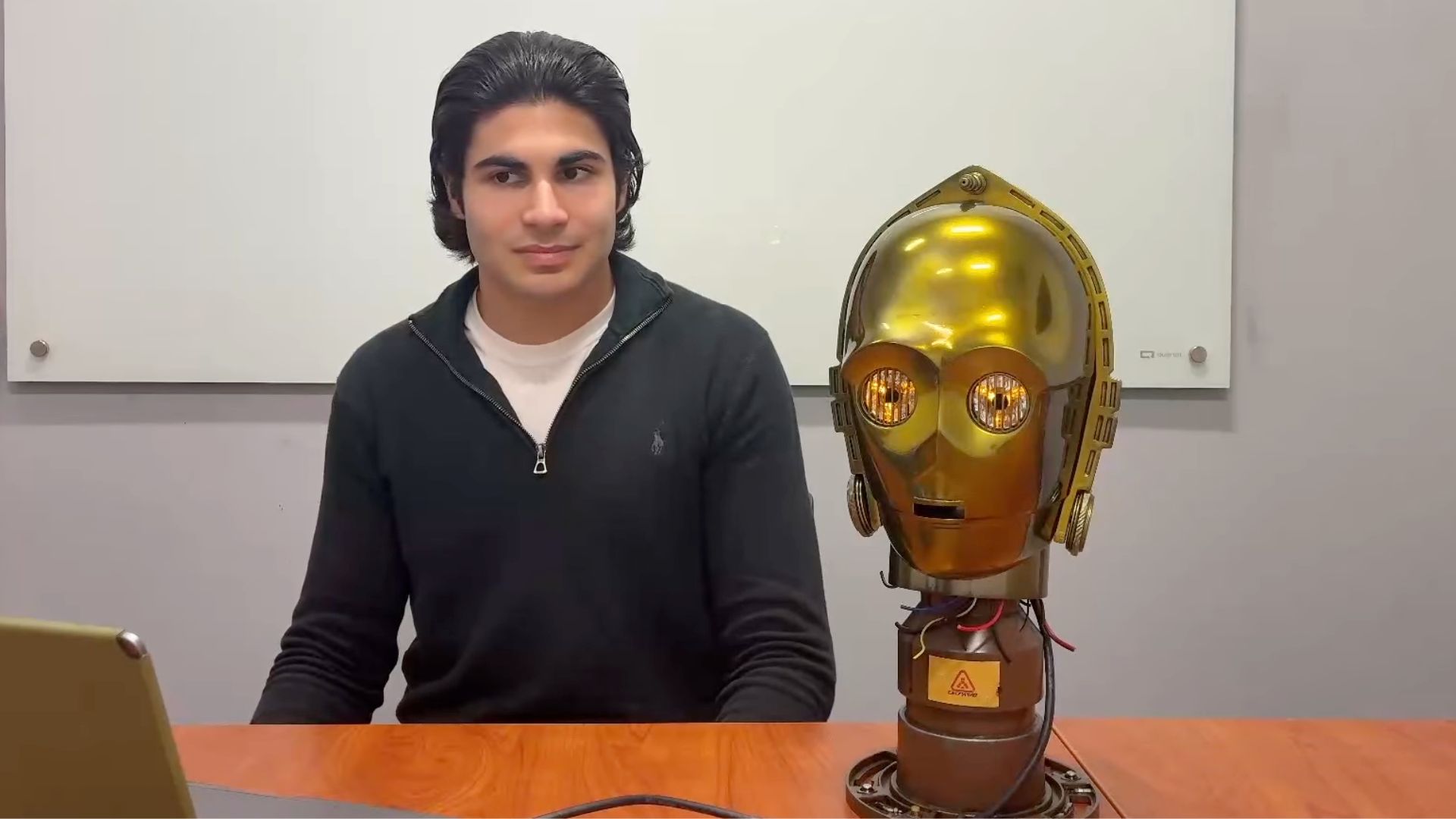
DIY robot head inspired by Star Wars’ C-3PO droid comes to life with local AI
A hobbyist maker has successfully created a functional desktop robot inspired by a beloved science fiction character. This innovative project showcases the intersection of technology and creativity, appealing to fans of the genre. The robot, designed to perform various tasks, was unveiled at a local maker fair held last weekend in San Francisco. Driven by a passion for robotics and a desire to bring a piece of science fiction to life, the creator utilized a combination of programming skills and engineering techniques to bring the character's features and functionalities into the real world. The project not only highlights the maker's technical abilities but also serves as an inspiration for others in the community to explore their own creative ideas in robotics.
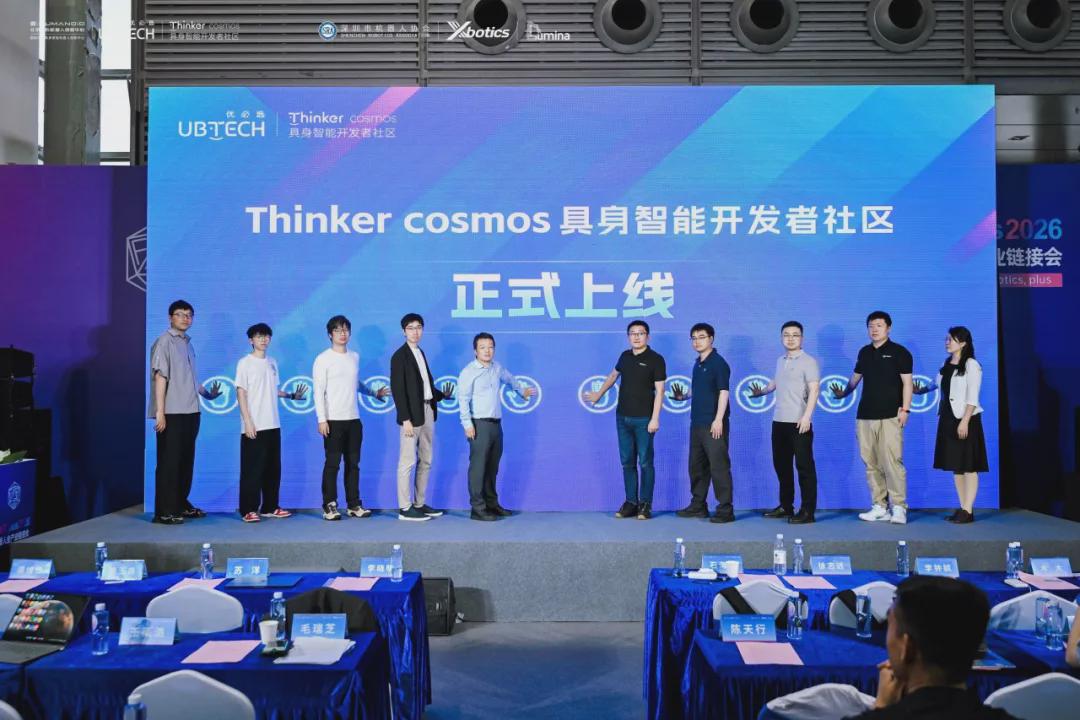
UBTECH Launches Thinker Cosmos: Enhancing Developer Ecosystem to Drive Humanoid Robots Towards Scalability
At the FAIR plus 2026 robotics conference, UBTECH introduced the Thinker Cosmos developer community, designed to enhance collaboration within the humanoid robotics industry. This new platform provides a robust resource-sharing environment for developers, encouraging innovation and tackling significant challenges related to technology application and scalability. By fostering a collaborative space, UBTECH aims to drive advancements in humanoid robotics and support developers in overcoming obstacles in the field.
Humanoid Robots Developer Ecosystem Robotics Innovation AI Open Source
AI-powered robots offer new hope to German factories
At a prominent industrial trade fair in Germany, a blue-eyed humanoid robot showcased its advanced "physical AI" capabilities, captivating a crowd of visitors. During the demonstration, the robot meticulously opened a box and placed a tool inside, highlighting the growing integration of robotics in industrial applications. This event, held in October 2023, underscores the increasing interest in automation and artificial intelligence within the manufacturing sector, as companies seek innovative solutions to enhance efficiency and productivity. The demonstration not only illustrates the technological advancements in robotics but also reflects the industry's commitment to exploring new frontiers in automation.
Robotics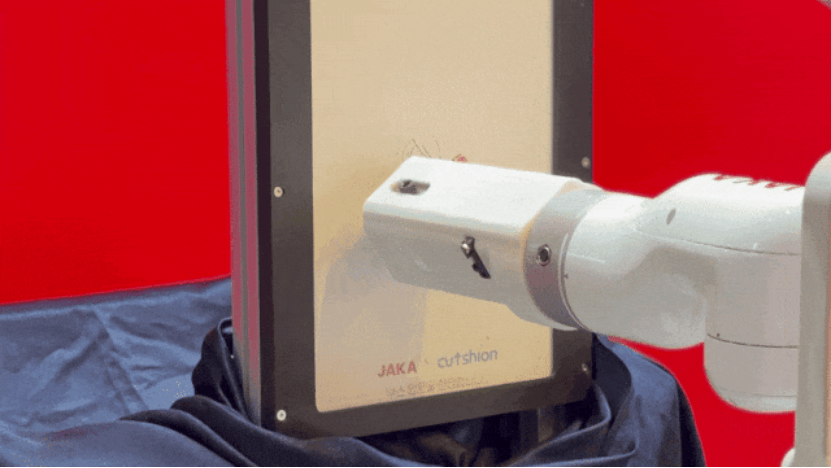
韩国智造!节卡机器人亮相AW2026 韩国展,全场景通用智能机器人方案解锁产业无限可能!
The Automation World 2026 (AW2026) exhibition, a leading event in smart manufacturing innovation, kicked off on March 4, 2026, at the Coex Convention Center in Seoul. JAKA Robotics showcased its cutting-edge technologies, including the JAKA Lumi embodied intelligence platform and the JAKA K1 dual-arm robot, aimed at enhancing the smart upgrade of South Korea's manufacturing sector. The JAKA Lumi platform, a highly integrated training solution, garnered attention after a successful demonstration at the 2025 Korea International Machinery Fair, where it impressed major clients like Chimeak from the food industry. This platform is designed to improve training efficiency with minimal data input, making it suitable for various commercial applications. In collaboration with local integrator Cutshion, JAKA developed the JAKA Lumi platform to cater to new business clients, featuring advanced voice interaction and image processing capabilities. The JAKA K1 robot attracted significant interest with its VR remote operation demonstration, showcasing its flexibility and precision for industries such as automotive and electronics. JAKA's welding solutions, developed through a two-year partnership with a major South Korean shipyard, were also highlighted, demonstrating the effectiveness of their robots in various welding applications. Additionally, the JAKA A12L robot and JAKA S³ composite robot were presented, addressing key challenges in the robotics market. JAKA Robotics emphasized its commitment to education by collaborating with top South Korean universities to integrate robotics into academic programs. The company aims to foster local partnerships and adapt its products to meet regional market demands, marking AW2026 as a significant milestone in its expansion into East Asia. A product sharing session for the JAKA Lumi platform is scheduled for the following day, inviting attendees to explore its applications in service, new business, and light industry.

Pathak Receives 2026 Young Investigator Award
Deepak Pathak, a Raj Reddy Associate Professor of Robotics at Carnegie Mellon University’s Robotics Institute, has been honored with the 2026 Young Investigator Award from the Office of Naval Research. This prestigious accolade is designed to recognize early career faculty in the fields of science, technology, engineering, and mathematics whose innovative research demonstrates significant potential for enhancing capabilities vital to the U.S. Navy. The award aims to support promising researchers in their efforts to contribute to advancements that can benefit naval operations and technology.
Awards
Tech Is Taking Over Olympic Curling
At the Winter Olympics in Italy, a controversy erupted in curling over a disputed double-touch incident, igniting debates about sportsmanship and trust within the sport. As the competition unfolds, the rise of AI and robotics in curling has raised questions about the integrity of the game. Robots like "Curly," which can analyze ice conditions and execute precise shots, have already defeated top human curlers, showcasing the potential of technology to transform the sport. This shift has sparked concern among athletes and ethicists about the erosion of traditional skills and the "Spirit of Curling," which emphasizes integrity and respect. The World Curling Federation faces challenges in regulating these advancements, as the integration of AI could shift decision-making from players to algorithms. While some technologies, such as rock launchers and virtual reality systems, aim to enhance training and accessibility, the overarching trend indicates a growing reliance on data-driven strategies. As nations invest heavily in these innovations to gain competitive advantages, the future of curling may be redefined by technology, prompting a critical examination of what it means to compete fairly in a sport long governed by human intuition and experience.
Robotics Artificial-intelligence Virtual-reality Sports Canada Olympic-games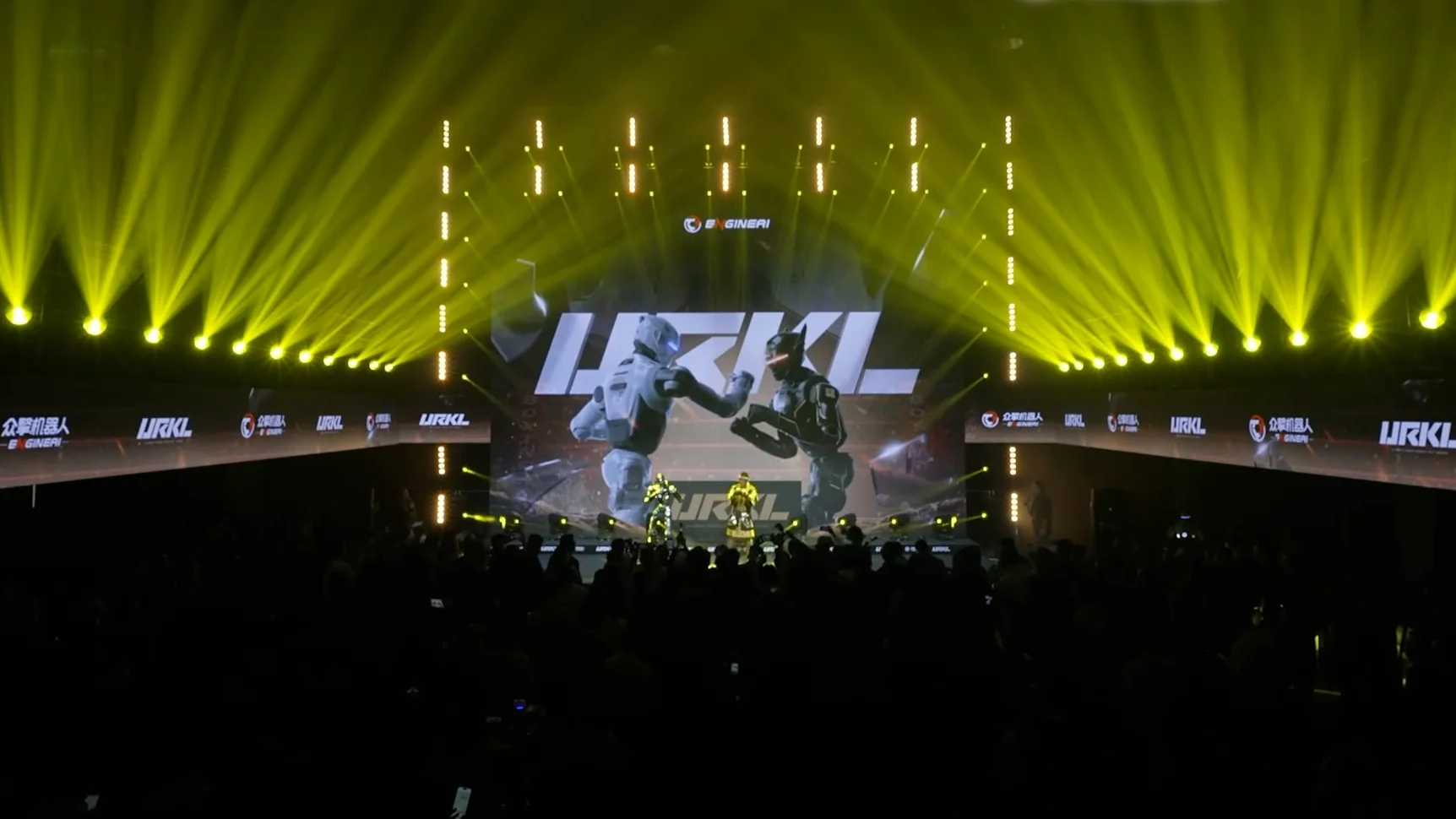
EngineAI Details URKL League: A $1.4 Million Gold Belt and the Future of Bipedal Brawling
EngineAI, a technology company based in Shenzhen, has announced the launch of the Ultimate Robot Knock-out Legend (URKL) league, aimed at advancing humanoid robotics. The league features a substantial prize pool and is governed by stringent technical regulations to ensure fair competition. The tournament format is specifically designed to rigorously test the capabilities of next-generation humanoid hardware. This initiative reflects EngineAI's commitment to pushing the boundaries of robotics technology and fostering innovation in the field. The league's launch marks a significant step in promoting competitive robotics and enhancing the development of humanoid machines.
EngineAI T800 URKL China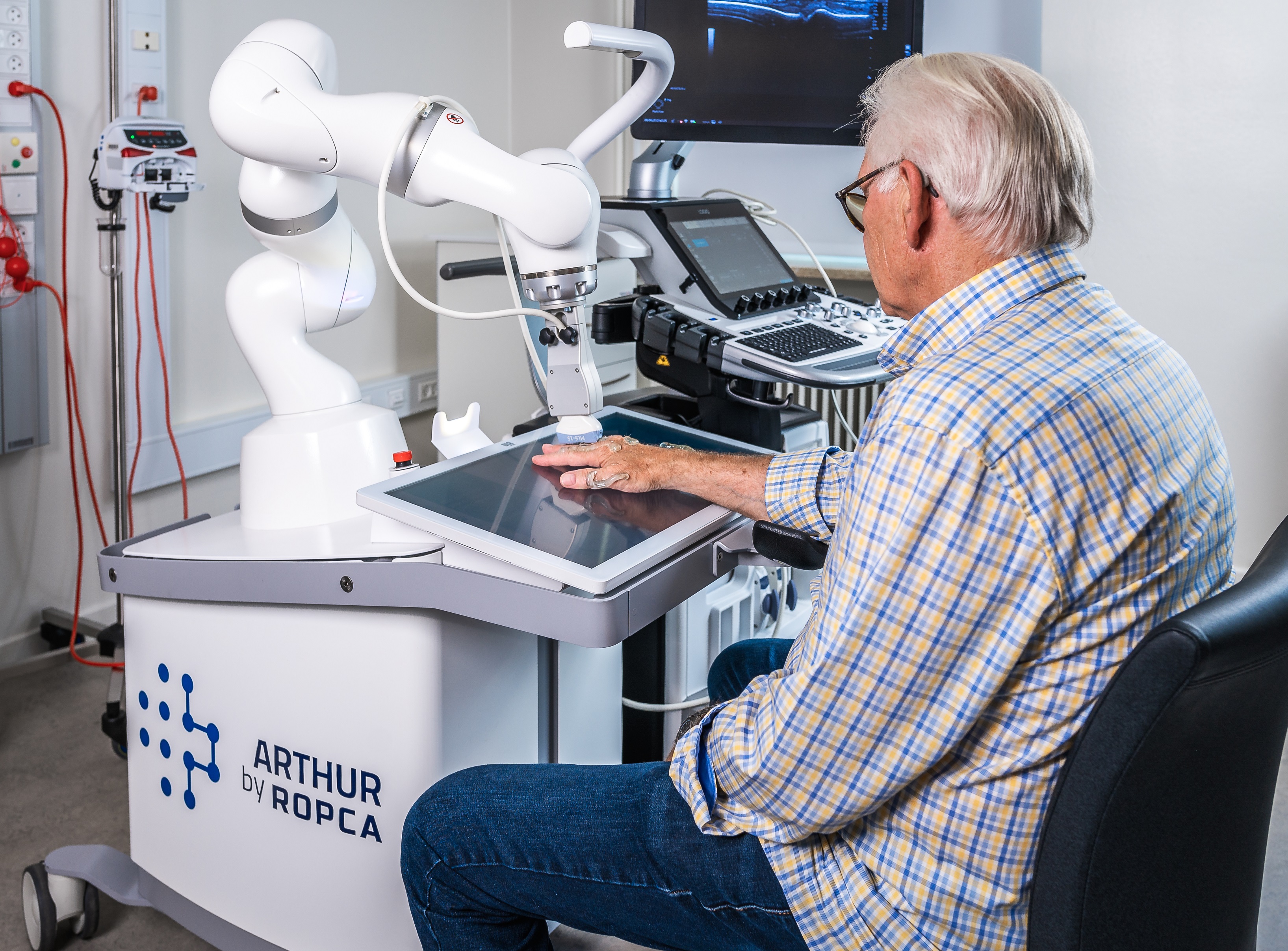
Innovations for the Medicine of the Future: KUKA at MEDICA 2025
At a prominent medical technology trade fair, KUKA showcased innovative robot-based solutions designed to assist healthcare professionals, including doctors and therapists. This event, recognized as one of the largest in the industry, serves not only to highlight advancements in medical technology but also to foster new talent in the field. KUKA is promoting the KUKA Innovation Award, which provides a platform for young innovators to present their ideas in medical robotics. This initiative underscores the company's commitment to integrating cutting-edge technology into healthcare, aiming to enhance patient care and streamline medical processes. The trade fair, held in October 2023, reflects the growing importance of robotics in medicine and the potential for future developments in this sector.
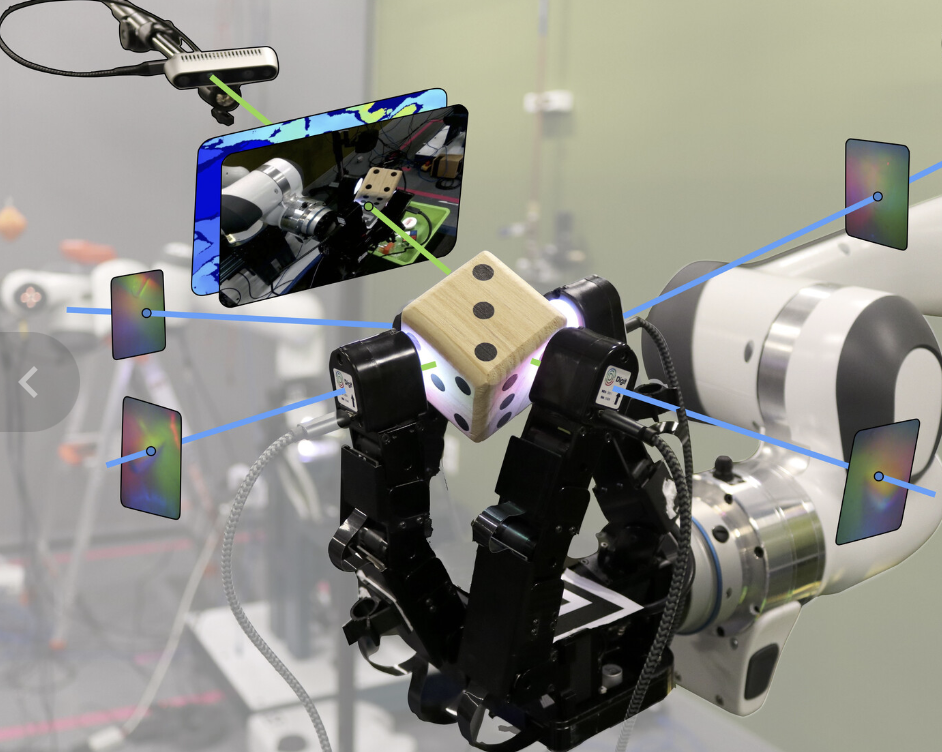
CMU and Partners Redefine Robotic Perception with NeuralFeels
A collaborative research effort involving Carnegie Mellon University, Meta FAIR, the University of California, Berkeley, the Technical University of Dresden in Germany, and the Centre for Tactile Internet with Human-in-the-Loop (CeTI) has led to the development of NeuralFeels, an innovative machine learning model. This model enhances robotic perception by integrating vision and touch sensing capabilities within a robotic hand, enabling it to reconstruct and track objects that are not directly visible. The initiative aims to advance the field of robotics by improving how machines interact with and understand their environments, addressing limitations of traditional sensing methods. The research findings were recently announced, showcasing the potential of NeuralFeels to redefine the capabilities of robotic systems in various applications.
ResearchRobotics needs a service framework.
RSF defines a common language for robot service capability, lifecycle operations, certification pathways, and service-provider networks.