Industry Briefing
A single destination for timely, editor-curated robotics news from around the world.
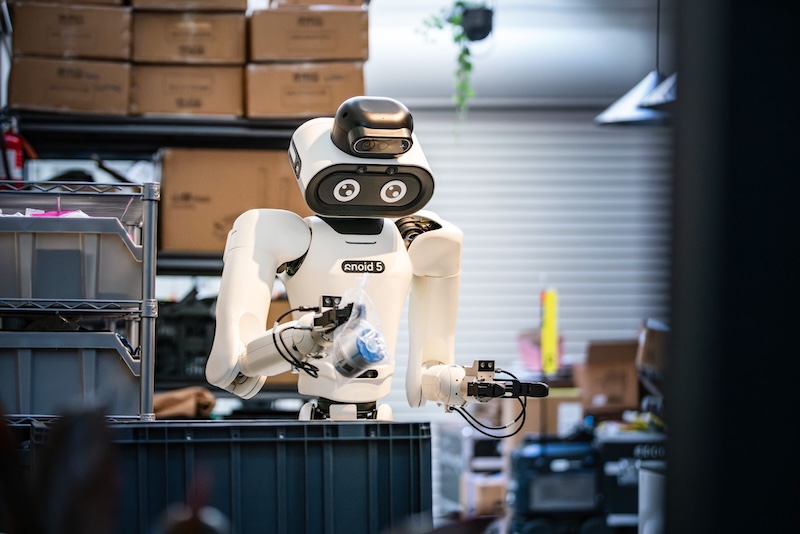
Robot.com Introduces R-noid Humanoid Robot for Challenging Labor Markets
Robot.com has officially launched R-noid, a humanoid robot designed to tackle repetitive and hard-to-fill jobs across various industries. Deployed under a Robot-as-a-Service model, R-noid can achieve autonomous operation within eight to twelve weeks, addressing significant staffing challenges in sectors like healthcare and food services. The introduction of R-noid is crucial as industries face high turnover rates, with quick-service restaurants experiencing over 130 percent staff turnover and hotel operators reporting critical staffing gaps. R-noid aims to alleviate these issues by taking on roles that are difficult to staff, allowing human workers to focus on more skilled tasks. Looking ahead, Robot.com is collaborating with FieldAI to integrate advanced AI capabilities into R-noid, enhancing its operational efficiency in dynamic environments. No further timeline was disclosed at the time of publication.
Humanoids News automation fieldai formic hospitality automation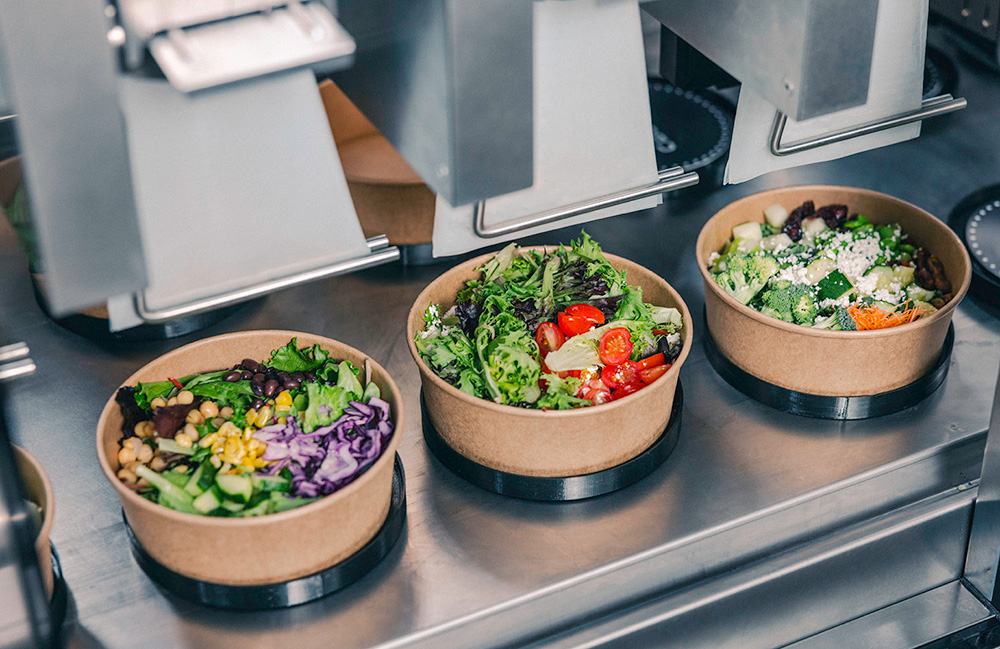
Appetronix acquires Cibotica to automate restaurant kitchens
Appetronix, a company known for developing fully autonomous restaurants, has expanded its capabilities by acquiring Cibotica, a firm specializing in kitchen automation. This strategic move allows Appetronix to retrofit existing restaurant kitchens with advanced automation technology, enhancing operational efficiency and modernizing traditional food service environments. The acquisition marks a significant step for Appetronix, enabling it to diversify its offerings and address a broader market demand for automated solutions in the restaurant industry.
Artificial Intelligence Artificial Intelligence / Cognition Design / Development Financial Food / Beverage Markets / Industries
Coco Robotics Expands Autonomous Delivery Operations in Washington, D.C.
Coco Robotics has announced the expansion of its autonomous delivery services in Washington, D.C., with customer deliveries set to commence this summer. This move marks a significant step in scaling its fleet across major U.S. cities, enhancing service for local restaurants and retailers. The expansion into Washington, D.C. is crucial as it allows Coco Robotics to tap into a vibrant urban market, providing efficient and reliable delivery solutions. This initiative aims to assist neighborhood businesses in reaching more customers while simultaneously addressing issues like traffic congestion and emissions. Looking ahead, the launch of deliveries in Washington, D.C. will be closely monitored as it could set a precedent for further expansions in other urban areas. No further timeline was disclosed at the time of publication.
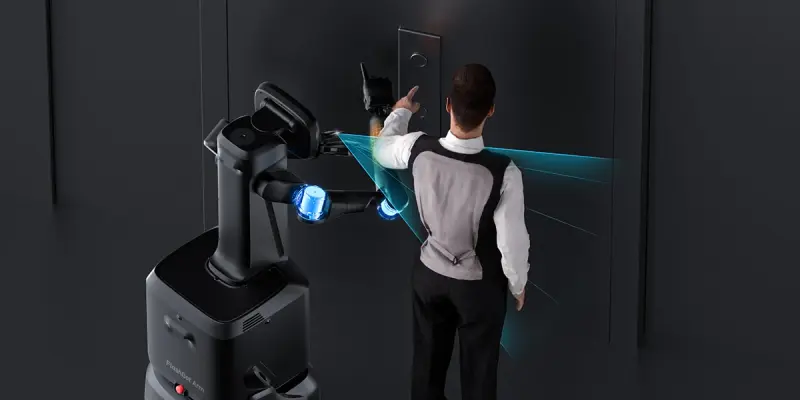
Video: Pudu Robotics Equips Delivery Bot with Dual Arms in New FlashBot Arm
Pudu Robotics has unveiled its latest innovation, the FlashBot Arm, a cutting-edge service robot that features dual seven-degree-of-freedom arms and dexterous hands mounted on a mobile delivery base. This advanced robot is engineered to perform a variety of tasks, including operating elevators and opening doors, thereby enhancing its functionality in diverse service environments. The introduction of the FlashBot Arm signifies a significant step towards integrating autonomous navigation with sophisticated manipulation capabilities, allowing for greater versatility in settings such as hotels, hospitals, and restaurants. By combining these technologies, Pudu Robotics aims to improve efficiency and service delivery in industries increasingly reliant on automation.
pudu robotics flashbot arm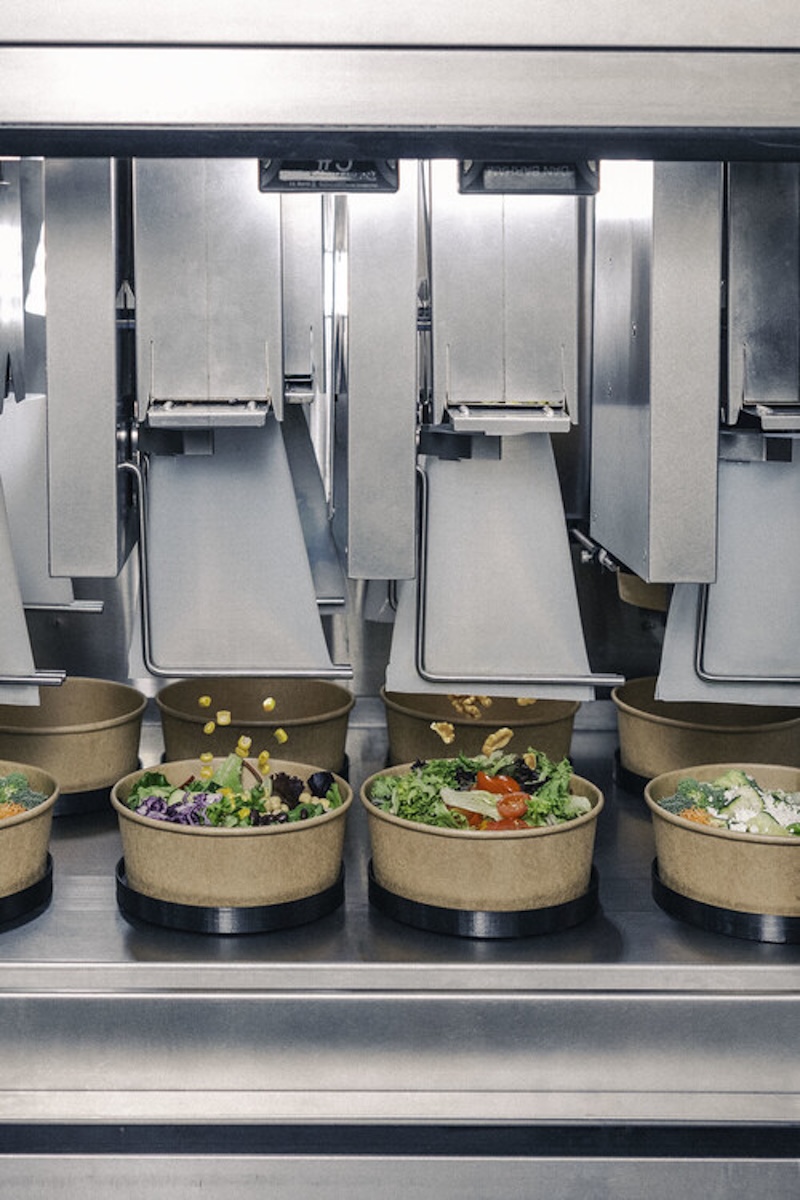
Appetronix acquires Cibotica to expand robotic foodservice automation beyond pizza
Appetronix, a developer specializing in robotic kitchen systems, has acquired Cibotica, a company focused on food robotics, to enhance its automation platform by incorporating a wider range of food categories beyond pizza. The financial details of the acquisition remain undisclosed. This strategic move allows Appetronix to integrate Cibotica’s advanced automated ingredient dispensing and portioning technology into its existing offerings, including the Remy robotic system. The acquisition is part of Appetronix's ongoing efforts to innovate and expand its capabilities in the food service industry.
Engineering AI in foodservice appetronix automation news autonomous kitchens Cibotica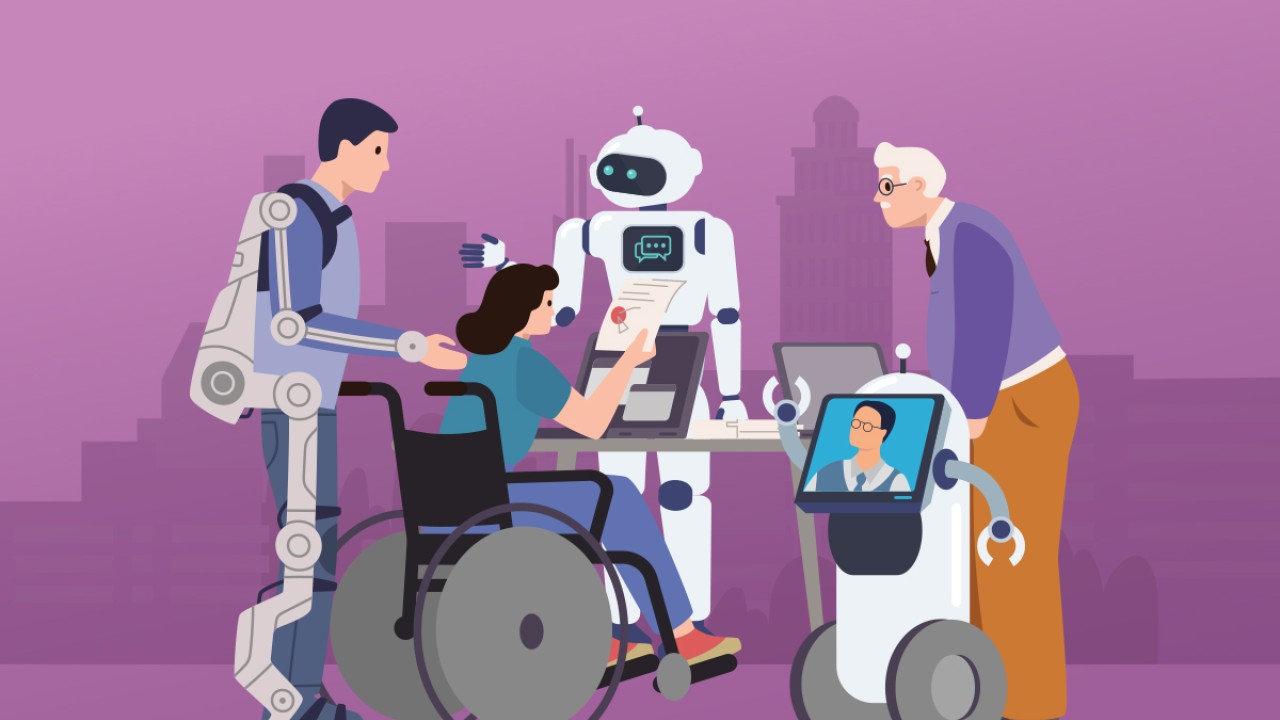
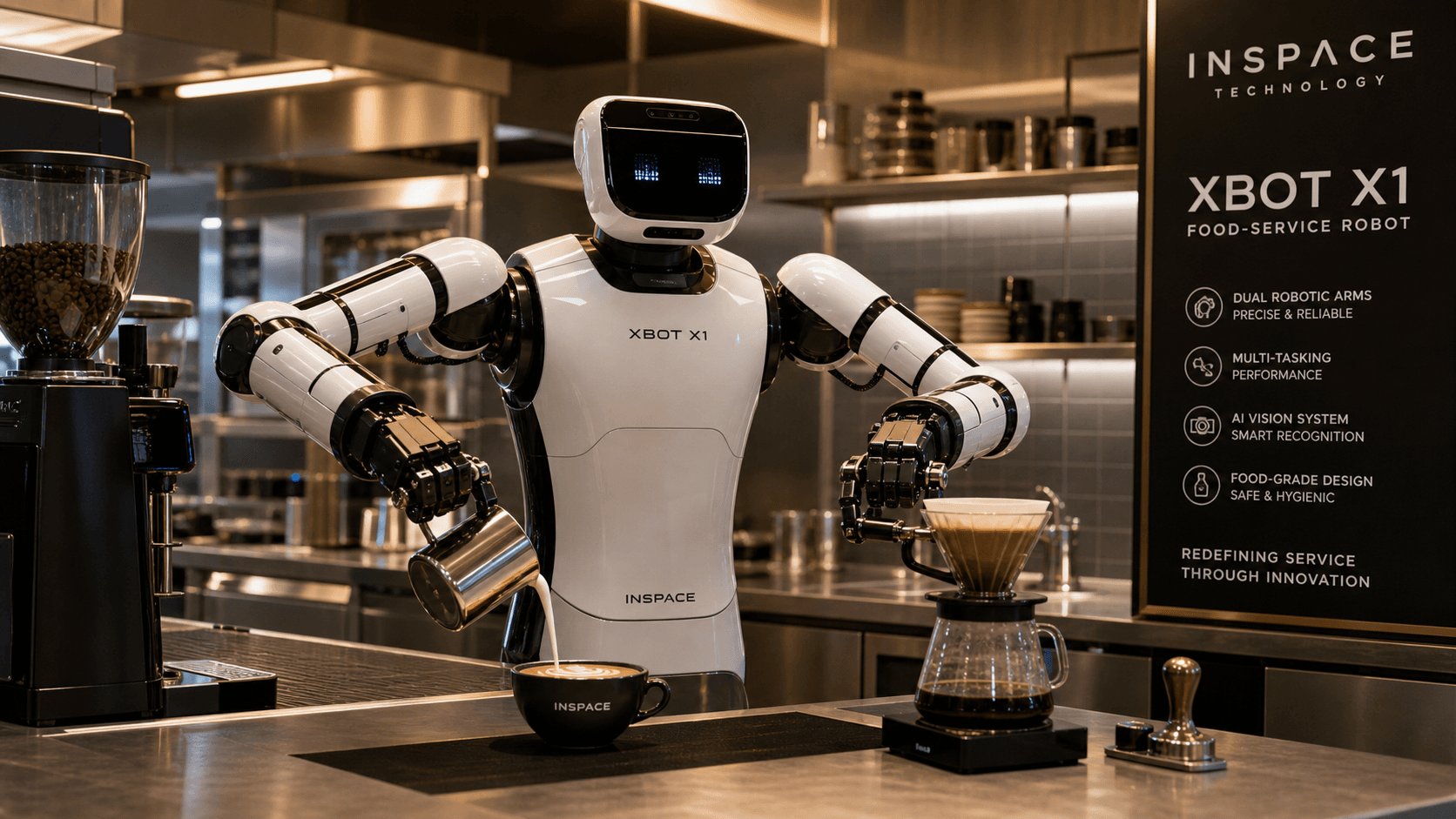
How assistive robots can boost an inclusive workforce
In a growing trend within the hospitality industry, businesses are increasingly utilizing robots in restaurants and hotels, while also fostering inclusivity by employing individuals with disabilities to operate these machines. These telepresence robots, often referred to as avatar robots, feature the operator's face displayed on a screen, ensuring a human connection in service delivery. This innovative approach not only enhances customer experience but also provides meaningful job opportunities for those with mobility challenges. By integrating technology with a commitment to inclusivity, these establishments are redefining service roles and promoting accessibility in the workforce.
Ex-Xiaomi Executive Tang Mu Launches Food Service Humanoid Robot, Targets Year-End Production
InSpace Technology, a robotics company established by former Xiaomi executive Tang Mu, introduced three innovative food-service robots during a product launch event held on June 30. The unveiling took place in a bid to enhance efficiency in the food service industry, addressing the growing demand for automation in restaurants and catering services. These robots are designed to streamline operations, reduce labor costs, and improve customer service by delivering food and beverages directly to tables. The launch event showcased the robots' advanced features and capabilities, highlighting their potential to revolutionize the way food service is conducted.
Robotics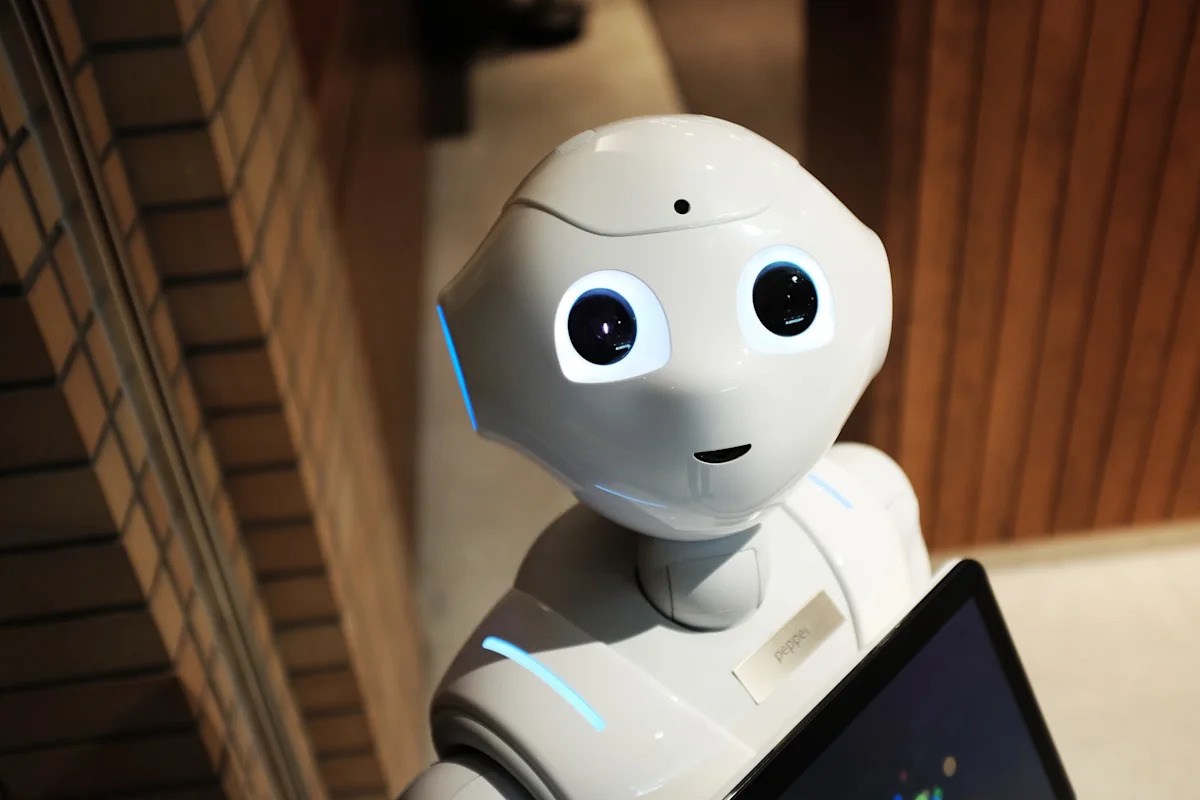
Serve Robotics (SERV) Expands AI-Powered Robot Delivery Into Laundry Services Through NoScrubs Deal
Serve Robotics Inc. has announced a significant expansion of its AI-powered robot delivery services to include laundry, following a deal with NoScrubs. This partnership, revealed on June 2, 2026, allows Serve Robotics to utilize its fleet of approximately 2,000 autonomous sidewalk robots to pick up and deliver laundry orders in addition to its existing food delivery services. NoScrubs, which operates in seven major metropolitan areas, provides a comprehensive laundry service that includes washing, drying, and folding clothes. The collaboration aims to optimize delivery operations by scheduling laundry pickups and returns during off-peak hours for food deliveries. Orders will be assigned to Serve Robotics based on their availability and storage requirements. This move marks Serve Robotics' entry into a new vertical, with plans to explore further opportunities in grocery, pharmacy, retail, and dry cleaning markets. Despite a 45% decline in its stock value this year, analysts view this as a potential buying opportunity, projecting a 190% increase over the next year. The company continues to focus on expanding its delivery capabilities while serving thousands of restaurants across major cities in the U.S.

Robot.com Launches R-noid, a Humanoid Built For the Work That Burns People Out. No Legs, All Lift to the Bottom Line.
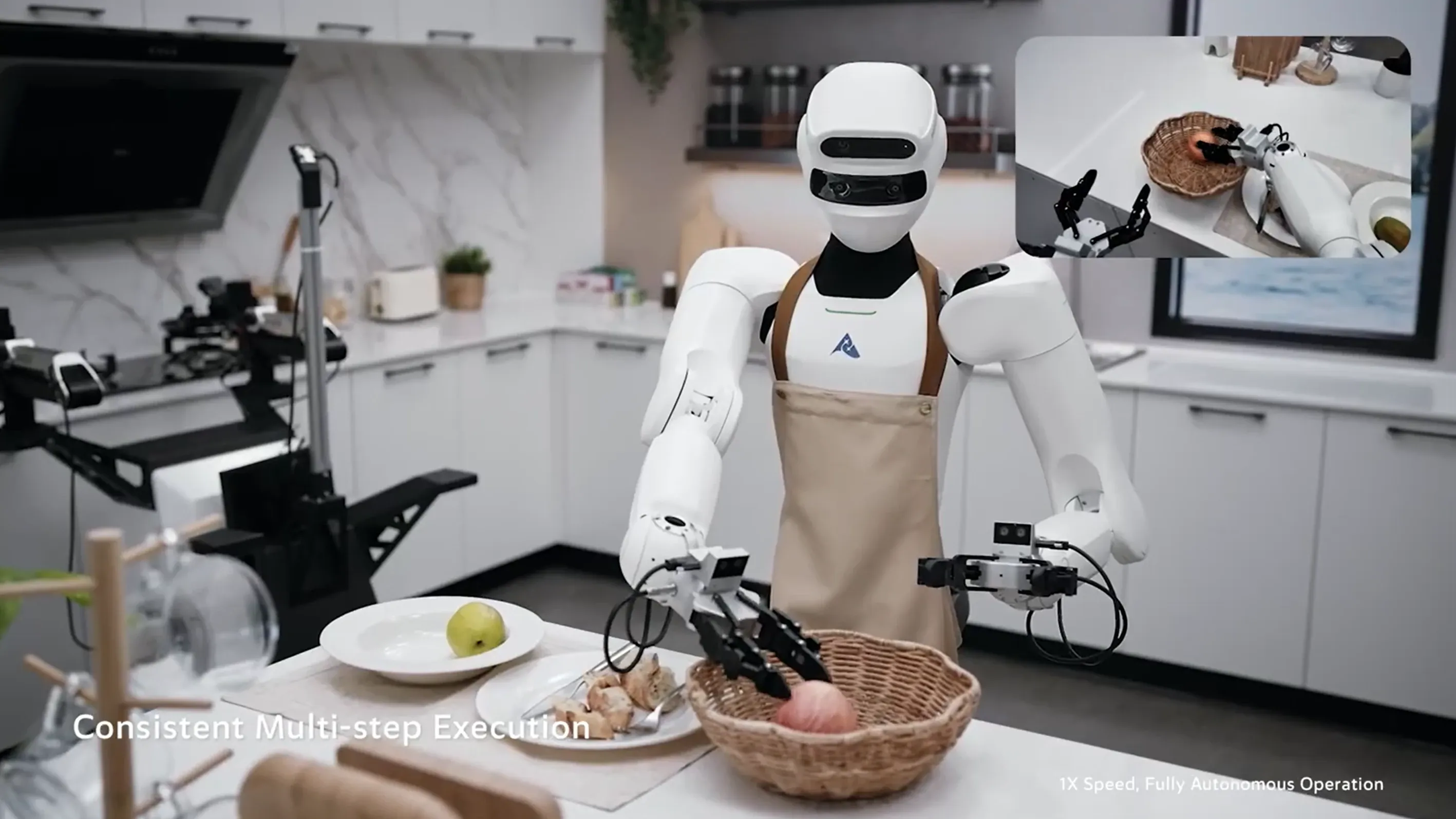
Robot.com has officially launched R-noid™, a humanoid robot designed to alleviate labor shortages in repetitive and hard-to-fill jobs across various industries. Announced on June 22, 2026, in San Francisco, this innovative solution aims to address chronic staffing issues in sectors such as quick-service restaurants, logistics, healthcare, and hospitality, where turnover rates are alarmingly high. R-noid operates under a Robot-as-a-Service (RaaS) model, allowing for deployment from initial site visits to full autonomous operation within eight to twelve weeks. The robot can perform 19 different tasks, including roles such as restaurant assistant, packer, and picker, and will be showcased at Automate 2026 in Chicago from June 22-25. The motivation behind R-noid's development stems from the pressing need to enhance customer experience by filling critical staffing gaps that often disrupt service. CEO Felipe Chavez Cortes emphasized that the goal is to free human workers from monotonous tasks, enabling them to focus on more meaningful aspects of their jobs. R-noid's design features advanced mobility and dexterity, equipped with dual 7-degree-of-freedom arms and a holonomic base for maneuverability in tight spaces. Collaborating with various partners, including NVIDIA Robotics and Yukai Engineering, the robot incorporates an expressive interaction system to foster trust and engagement with users. This launch marks a significant step in Robot.com's mission to integrate humanoid solutions into its existing fleet, enhancing operational efficiency across multiple sectors.
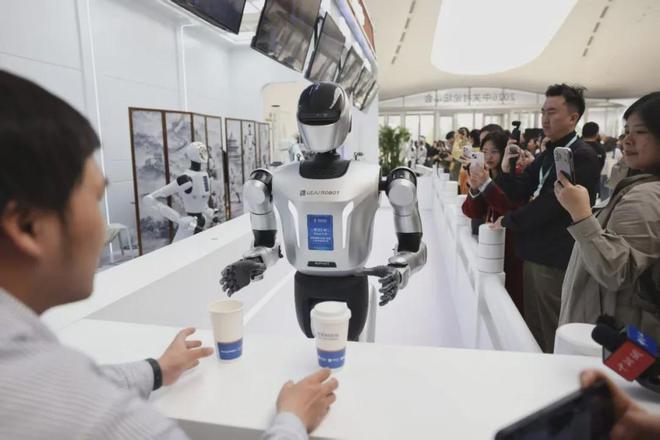
2026 Zhongguancun Forum: Robots Revolutionizing the Workforce
The 2026 Zhongguancun Forum highlighted a diverse range of robotic technologies, featuring service robots utilized in restaurants and collaborative robots designed for various industries. Taking place in Beijing, this event showcased how advanced technologies are facilitating seamless interaction and coordination among robots. The forum underscored the growing importance of robotics in daily life, emphasizing the potential for these innovations to transform everyday activities and enhance efficiency across multiple sectors. As industries increasingly adopt robotic solutions, the forum served as a platform for discussing the future integration of robots into society.
Service Robots Collaborative Robotics AI Technology Automation Smart Restaurants
Chef Robotics Advances Bi-Manual Physical AI System for Prep Table Food Assembly Powered by a Food Foundation Model
Chef Robotics has announced the development of a bi-manual physical AI system aimed at enhancing food assembly tasks on prep tables, such as burger and burrito preparation. This innovative system, which is set to launch on May 19, 2026, will cater to various sectors including ghost kitchens, fast-casual restaurants, and catering services, focusing on lower-volume yet more complex meal assembly compared to traditional food manufacturing processes. The new AI system utilizes two robotic arms for coordinated and dexterous manipulation, mimicking human-like capabilities to handle a variety of food items and utensils. It is powered by Chef's Food Foundation Model (FFM), which employs imitation learning to adapt quickly to diverse tasks and environments, overcoming the limitations of existing robotic systems that struggle with the variability of food materials. Chef Robotics aims to automate manual prep table assembly, a critical area in the food industry that has remained largely reliant on human labor. By leveraging the FFM, the system is designed to learn from demonstrations, allowing it to generalize across different tasks and robotic platforms. This advancement is expected to improve operational efficiency, yield, and consistency in food preparation, ultimately transforming how food assembly is approached in various culinary settings.
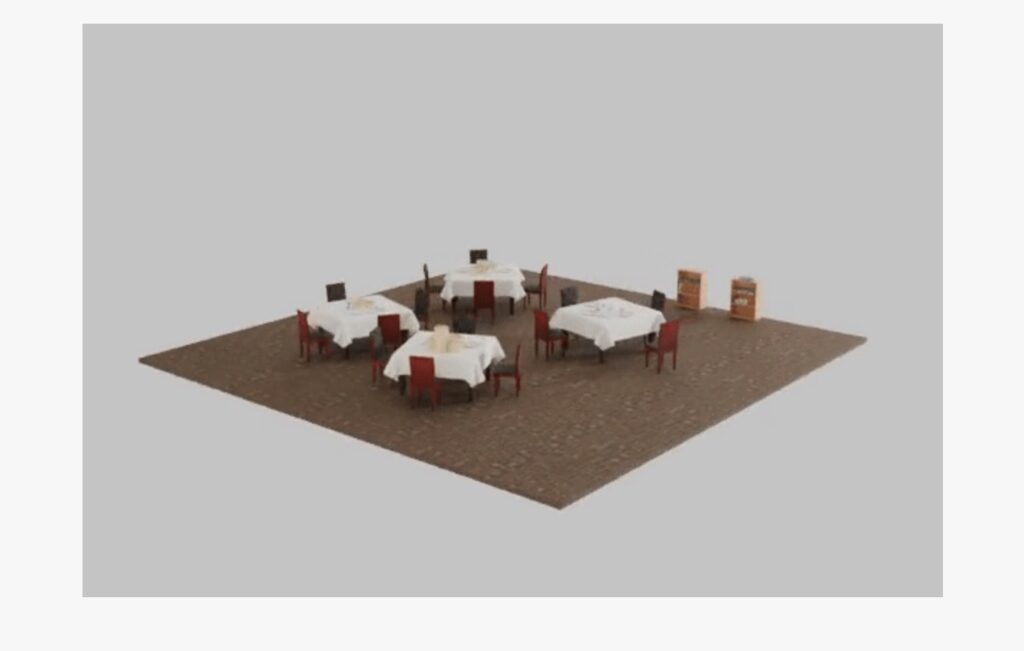
Using generative AI to diversify virtual training grounds for robots
Researchers have developed a new system called "steerable scene generation," designed to create digital environments such as kitchens, living rooms, and restaurants. This innovative technology allows engineers to simulate various real-world interactions and scenarios involving robots. The system aims to enhance the training and performance of robotic systems by providing realistic settings for testing and development. The advancements in generative AI play a crucial role in this process, enabling the creation of dynamic and adaptable scenes that can be tailored to specific needs. This breakthrough could significantly improve how robots are trained to navigate and interact within diverse environments, ultimately leading to more effective and versatile robotic applications.
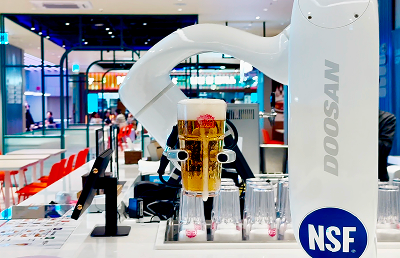
Doosan Robotics diversifies collaborative robot F&B solutions to speed up customer acquisition
Doosan Robotics is advancing its business by developing innovative food and beverage solutions utilizing collaborative robots for tasks such as beer dispensing and cocktail making. On October 23, the company announced the deployment of its collaborative robot beer dispensing solution at the Airbot Bar in Culinary Square, located in Terminal 2 of Incheon International Airport. This initiative follows a memorandum of understanding signed with Incheon International Airport Corporation in May 2022, aimed at fostering digital transformation and creating unique attractions for both domestic and international tourists. The beer dispensing solution employs the E-series robot, certified by the U.S. National Sanitation Foundation for food safety, which efficiently handles the entire process—from dispensing beer to washing cups. It can store up to eight kegs and pour a 14-ounce beer in approximately 43 seconds, ensuring an optimal beer-to-foam ratio. Additionally, on October 15, Doosan Robotics introduced an AI-driven cocktail-making robot at Lotte Duty Free in Gimpo International Airport. This system uses advanced technology to analyze customers' facial expressions and emotions, allowing it to recommend and prepare cocktails tailored to their mood. The robot can create 19 different cocktails based on recipes learned from professional bartenders. Doosan Robotics aims to expand its customer base by diversifying its F&B solutions, which also include a barista solution currently piloted in six Mega MGC Coffee stores and a noodle-making solution for VIPS restaurants. These innovations not only enhance efficiency but also improve safety and reduce the physical strain on workers in the food service industry.

Ardian to invest €5 billion in digital infrastructure in France; Kuaishou creates 189 new jobs, 15 from AI; China allocates
On June 2, 2023, in Beijing, Gaode Map and the Singapore Tourism Board signed a strategic cooperation memorandum, marking the launch of the first collaborative tourism ranking list between a Chinese company and an overseas national tourism board. This initiative will feature the Singapore Street Ranking, utilizing Gaode's advanced aerial street view technology to provide a 360-degree perspective of local attractions, hotels, neighborhoods, and restaurants. The goal is to enhance the travel experience by allowing visitors to assess their destinations before arrival. In a separate development, the Jiangxi National Rare Earth Technology Innovation Center was established with a registered capital of 1.25 billion yuan, focusing on mineral resource exploration and scientific research. Additionally, WeRide and Uber announced plans to introduce Spain's first commercial Robotaxi service in Madrid, expanding WeRide's presence to its twelfth global city. The initiative aims to deploy hundreds of Robotaxis in the city center as operational benchmarks are met. In France, Ardian, a private equity firm, revealed a partnership with Verne to invest up to 5 billion euros in developing a next-generation digital infrastructure park in the Île-de-France region, with a target capacity of 500 megawatts by 2030. Other notable news includes a collaboration between Google and Telstra to build a fiber and submarine cable network in Australia, updates on the recovery timeline for Blue Origin's launch facilities following a recent rocket explosion, and a reduction in fuel surcharges for domestic flights in China starting June 5.

China establishes a venture capital fund in Hangzhou with 1 billion yuan; Tianjin opens AI sensor industrial park; Zhejiang plans
ZTO Express has established a new logistics company, Guangzhou Zhongjing Logistics Co., Ltd., in Guangzhou with a registered capital of 500 million RMB. The company, wholly owned by ZTO Express, will engage in domestic freight transportation, equipment leasing, and computer system services. OpenAI has announced its entry into the robotics sector, focusing on developing assistive robots. CEO Sam Altman stated the company is looking for engineers to create robots that can aid in building future infrastructure. The initiative, which has evolved from a world simulation research project, aims to integrate hardware and machine learning for practical applications. Nan Er, Vice President of Zhejiang Chint Electric, has been recognized as a "2026 Zhejiang Youth Technology Entrepreneur" as part of a program to support technology entrepreneurs in the region. Foxconn and French company Bull will collaborate to manufacture AI and cloud infrastructure, with an initial investment of over 120 million euros. The project will utilize facilities in both France and the Czech Republic. On June 1, new regulations for online food delivery were implemented, with Taobao Flash collaborating with various local regulatory bodies to label the first batch of "no dine-in" merchants, enhancing compliance among 60,000 restaurants this year. Muyu Group has partnered with Alibaba Cloud to develop an AI model for the livestock industry, significantly improving the efficiency of health checks for pigs. In investment news, a new venture capital fund, Guoxin Qianjiang, has been established in Hangzhou with a capital of 1 billion RMB, while Zhi Mi has opened a financing window with a pre-IPO valuation of approximately 70 billion RMB. In product developments, a new automotive brand resulting from a collaboration between Sairus and ByteDance is set to launch a hybrid vehicle this year, while Sharpa has introduced a humanoid robot equipped with advanced tactile capabilities in partnership with NVIDIA. Lastly, the Tianjin AI Sensor Industrial Park has officially opened, with ten companies signing contracts, and Shanghai is focusing on advancing core software technologies as part of its development plan. Zhejiang Province is also seeking to implement the "Spark Plan" to accelerate the application of quantum technology products.

Startup Revolutionizes Restaurant Kitchens with World Models and AI Technology
Yuanjie Intelligent, a startup founded in March 2026 and led by former Meituan executive Dr. Wang Dong, has successfully raised millions in seed funding within just two months of its inception. The company aims to tackle the pressing labor shortages in the restaurant industry by developing intelligent kitchen robots designed to enhance operational efficiency and reduce costs. Utilizing advanced world action models, these robots are engineered to navigate the complexities of kitchen environments effectively. By addressing critical pain points in food delivery operations, Yuanjie Intelligent is positioning itself to revolutionize the culinary sector, promising a smarter and more automated future for restaurants.
Restaurant Automation AI Technology Robotics Food Delivery Solutions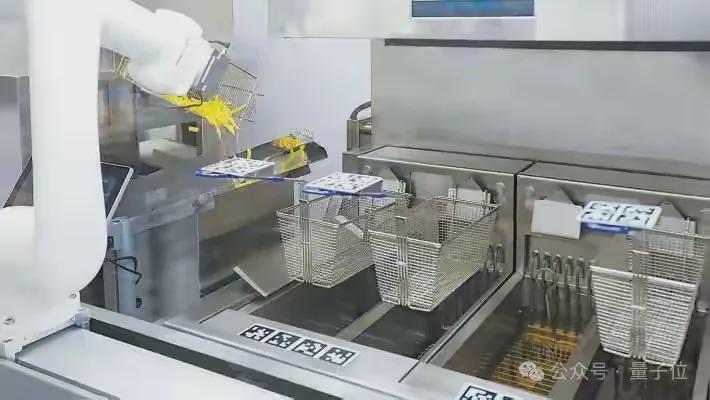
"Delivery no longer relies on subsidies, is the back kitchen world model starting to rewrite the restaurant industry?"
In a significant shift within the restaurant industry, the reliance on subsidies for delivery services is diminishing, prompting industry experts to question whether this marks the beginning of a new operational model. This transformation is occurring as restaurants seek to adapt to changing consumer behaviors and economic pressures. The trend has gained momentum in recent months, particularly as businesses strive to enhance profitability and streamline operations in the wake of the pandemic's impact. As restaurants explore innovative strategies to manage delivery logistics without financial support, many are investing in technology and partnerships that optimize efficiency. This evolution reflects a broader movement towards sustainability and self-sufficiency within the food service sector. Observers note that this change could lead to a more competitive landscape, where restaurants must differentiate themselves through quality and service rather than relying on discounts and promotions. Industry leaders are closely monitoring these developments, as the shift away from subsidies could redefine customer expectations and operational standards. The implications of this transition are significant, potentially reshaping the dynamics of food delivery and the overall restaurant experience. As the sector continues to navigate these changes, the future of dining may be characterized by a more resilient and innovative approach to delivery services.
Robotics Automation AI
JD.com food delivery hits 1 million daily orders in 40 days
JD.com has reported that its newly launched food delivery service has achieved over 1 million daily orders just 40 days after its debut. The platform collaborates with more than 450,000 dine-in restaurants across 142 cities in China. This impressive growth is largely credited to JD.com’s policy of zero commission fees, which has enabled some partnered restaurants to surpass 2,000 monthly orders. The company’s innovative approach is attracting new merchants, further enhancing its market presence in the competitive food delivery sector.
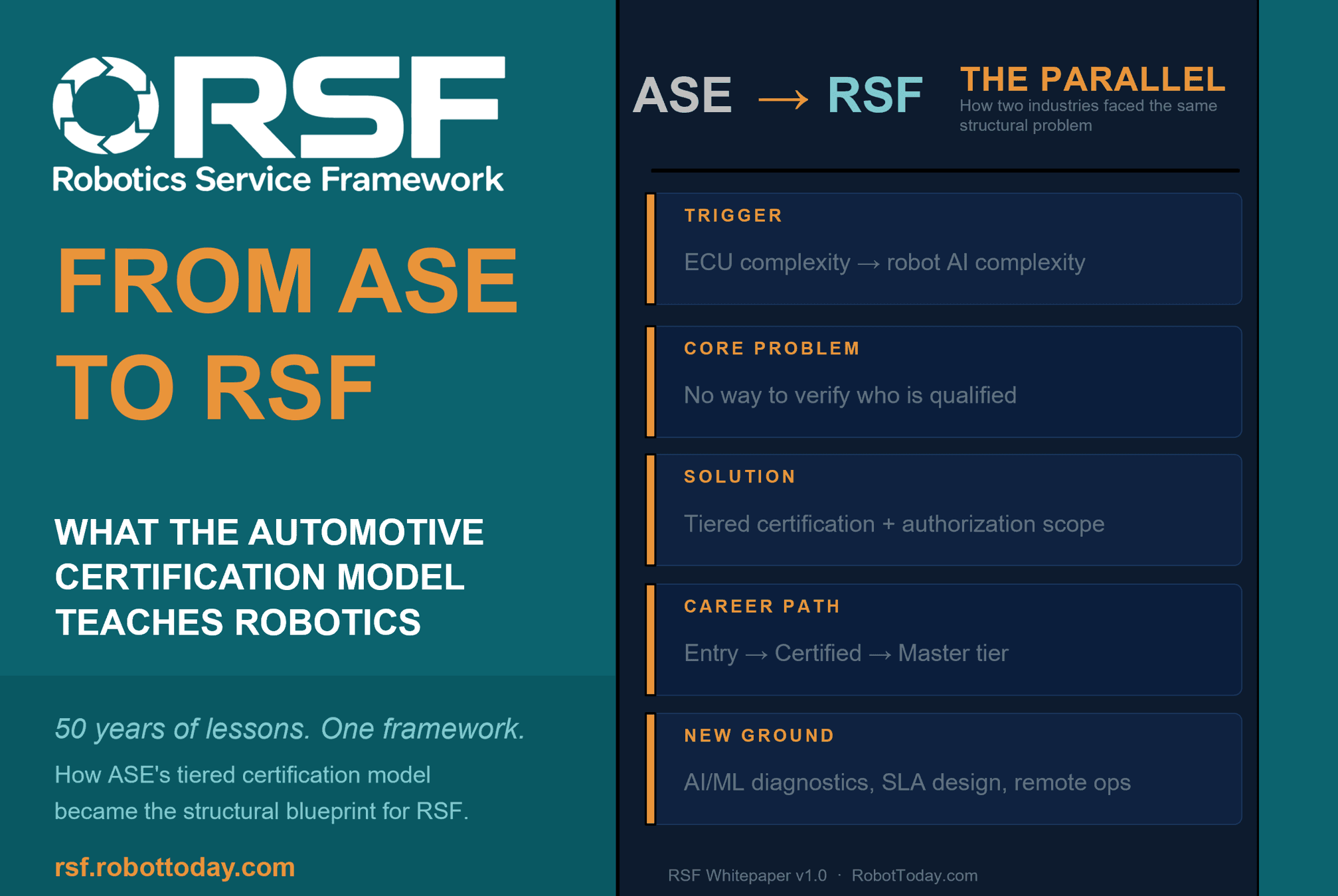
News FeedRobotics needs a service framework.
RSF defines a common language for robot service capability, lifecycle operations, certification pathways, and service-provider networks.