Industry Briefing
A single destination for timely, editor-curated robotics news from around the world.

Reflex Robotics to Build Latin America’s First Humanoid Robot Factory in Mexico
Reflex Robotics, a company based in Brooklyn, is set to begin mass production at a new facility in Nuevo León, Mexico. This expansion is expected to generate approximately 2,000 jobs in the region. The move is part of the company's strategy to scale its innovative "human-in-the-loop" automation platform, which integrates human oversight into robotic processes. By establishing operations in Mexico, Reflex Robotics aims to enhance its production capabilities and meet growing demand for its technology. The facility is anticipated to play a crucial role in the company's future growth and development in the automation sector.
US reflex-robotics Wheeled base Mexico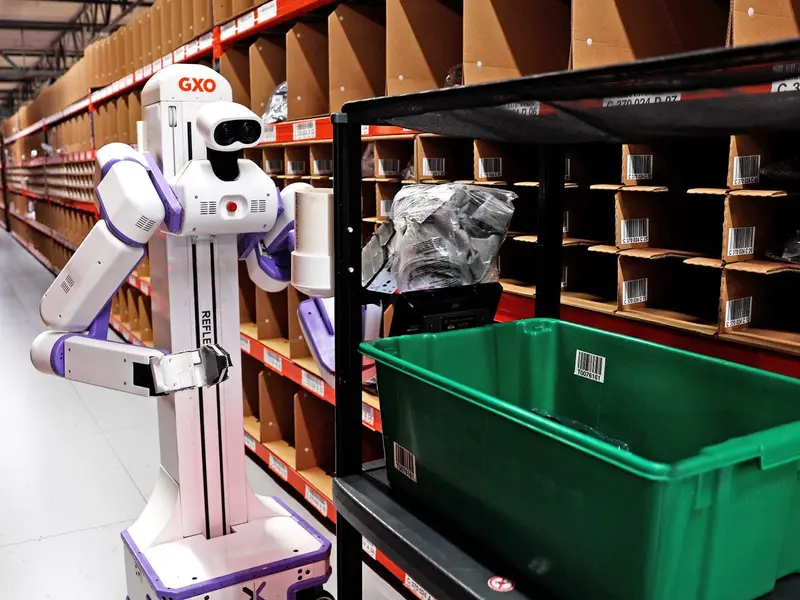
GXO Tests Humanoid Workforce: Logistics Giant Pilots Robots from Agility, Apptronik, and Reflex
Logistics giant GXO is currently testing humanoid robots developed by Agility Robotics, Apptronik, and Reflex Robotics in its warehouses. This pilot program aims to explore the robots' potential for multi-tasking capabilities powered by artificial intelligence. However, GXO acknowledges that these robots face challenges related to dexterity and scale. The company is utilizing its facilities as experimental labs, providing valuable feedback to the developers to enhance the robots' performance.
reflex-robotics Agility Robotics Apptronik
Reflex Robotics Selects Manufacturo to Scale Robot Production With Built-In Traceability and Quality Control
A new partnership has been formed to implement a unified system of record aimed at enhancing operational efficiency in manufacturing environments. This initiative is designed to standardize execution processes, document as-built history, and improve traceability, all while minimizing disruptions on the shop floor. By integrating these capabilities, the collaboration seeks to streamline workflows and ensure that all relevant data is easily accessible and accurately recorded. The move comes in response to the growing need for manufacturers to adopt more cohesive and efficient systems that can adapt to the complexities of modern production demands. The implementation is expected to significantly benefit organizations by fostering better communication and coordination among teams, ultimately leading to improved productivity and quality control.
The Dark Matter of Robotics: Generalist AI’s Andy Zeng on the Quest for Physical Commonsense
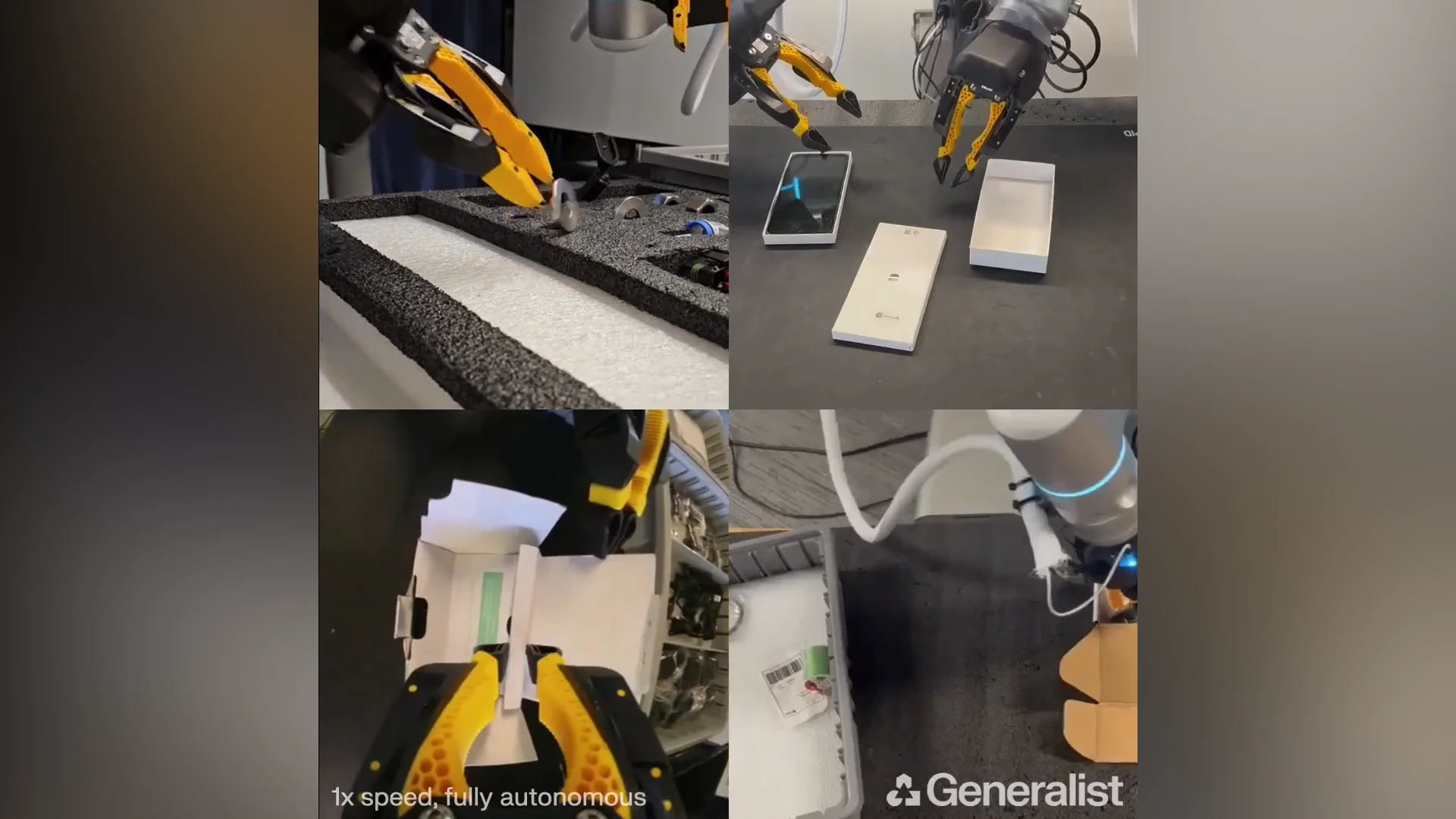
The chief scientist of Generalist AI has emphasized that the future advancements in robotics will not stem from textual data available on the internet, but rather from enhancing the 'reflexive' intelligence associated with physical interactions. This statement highlights a shift in focus towards developing robots that can better understand and respond to their environments through direct engagement, rather than relying solely on pre-existing information. The insights were shared during a recent discussion on the evolution of artificial intelligence and its implications for robotic development. As the field progresses, experts are advocating for a more hands-on approach to training robots, suggesting that real-world experiences will be crucial in fostering their capabilities. This perspective underscores the importance of integrating sensory feedback and adaptive learning in robotic systems to achieve significant breakthroughs in the industry.
Generalist AI embodied-ai
Zhi Ping Fang launches NeuroVLA, a brain-like embodied intelligence system.
Recently, Zhi Ping Fang unveiled NeuroVLA, an innovative brain-inspired embodied intelligence system, marking a significant advancement in robotics. This system features a unique three-tier architecture that mimics the human brain, comprising the cortex for semantic understanding and task planning, the cerebellum for high-frequency motion coordination and dynamic correction, and the spinal cord for rapid motion execution and safety reflexes. Experimental results indicate that NeuroVLA can reduce robotic motion jitter by over 75% and achieve reflex responses within 20 milliseconds following a collision, all while significantly lowering system power consumption. This breakthrough aims to enhance the efficiency and safety of robotic operations, positioning NeuroVLA at the forefront of intelligent robotics technology.
Robotics needs a service framework.
RSF defines a common language for robot service capability, lifecycle operations, certification pathways, and service-provider networks.