

Industry Briefing
A single destination for timely, editor-curated robotics news from around the world.

Alibaba DAMO Academy Publishes Open-Source Abdominal CT AI Model DAMO RADAR in Science
Alibaba DAMO Academy has introduced DAMO RADAR, an open-weight abdominal CT AI model, which has been published in the journal Science. This model is capable of identifying 146 findings across 18 different organs, achieving an area under the curve (AUC) of approximately 0.913, alongside expert-level reader-study results. The significance of DAMO RADAR lies in its potential to enhance diagnostic accuracy in medical imaging, providing a valuable tool for healthcare professionals. With its high AUC score, the model demonstrates a strong ability to detect various conditions, which could lead to improved patient outcomes and more efficient healthcare delivery. Looking ahead, the impact of DAMO RADAR on the medical imaging field will be closely monitored. Its open-source nature may encourage further research and development in AI-driven diagnostics, fostering innovation and collaboration among researchers and healthcare providers. No further timeline was disclosed at the time of publication.

Suoteng Juchuang Advances Digital Laser Radar for Mass Production at IFA
Suoteng Juchuang has unveiled multiple digital laser radars at the IFA, signaling a move towards mass production applications. This development highlights the company's commitment to advancing technology in the field of digital laser radar, which is crucial for various industries. The introduction of these digital laser radars is significant as it reflects the growing demand for advanced sensing technologies in automation and robotics. Suoteng Juchuang's innovations could enhance operational efficiency and accuracy in applications ranging from industrial automation to smart vehicles. Looking ahead, industry stakeholders should monitor Suoteng Juchuang's progress in scaling production and the potential adoption of its digital laser radar technology across different sectors. No further timeline was disclosed at the time of publication.
Robotics Automation AI
Robotics Startups Invited to Apply for the 2026 Robotics Startup Radar Program
The Robot Report has announced the opening of submissions for the 2026 Robotics Startup Radar, aimed at identifying innovative robotics startups. Startups that are five years old or younger and offer novel full systems, enabling technologies, or unique business approaches are encouraged to apply. The deadline for submissions is Tuesday, October 6, 2026. This initiative is significant as it provides a platform for emerging robotics companies to showcase their technology and gain visibility among potential investors and industry experts. Last year, the Radar featured 100 promising startups across various sectors, including autonomous mobility and industrial automation, highlighting the diversity and potential of the robotics landscape. Looking ahead, the editorial team will evaluate all submissions, but inclusion is not guaranteed. The program, sponsored by Maxon Precision Motors and PTC, offers a valuable opportunity for young businesses to connect with influential figures in the robotics industry. No further timeline was disclosed at the time of publication.
News Startups Robotics Startup Radar
Royal Air Force Enhances Counter-Drone Capabilities with Saab's Giraffe 1X Radars
Saab UK has successfully supplied its Giraffe 1X radar systems to the Royal Air Force (RAF) to combat the rising threat from uncrewed aerial systems (UAS). This delivery is significant as it enhances the RAF's capabilities in counter-drone defense, addressing a growing concern in modern military operations regarding UAS threats. Looking ahead, the integration of the Giraffe 1X radars into the RAF's defense strategy will be crucial in maintaining airspace security. No further timeline was disclosed at the time of publication.
News
Robin Radar Systems Expands Operations in Northern Virginia Amid Rising U.S. C-UAS Demand
Robin Radar Systems has officially opened a new facility in Northern Virginia on August 26, 2026, adding 20 roles to support its growing U.S. operations. The company reported a remarkable 75% increase in IRIS radar sales in the first half of 2026 compared to the previous year and closed its largest U.S. deal to date, facilitated by a counter-UAS integrator for various government customers. This expansion is significant as it reflects Robin Radar's commitment to becoming an integral part of the American security ecosystem. CEO Siete Hamminga emphasized the importance of being close to customers and collaborating with American companies to enhance their capabilities in the U.S. market. The facility's opening was attended by notable figures, including Ambassador Birgitta Tazelaar, highlighting the investment's importance in strengthening transatlantic relations. Looking ahead, Robin Radar's IRIS radar technology, designed for detecting small and low-flying drones, will continue to play a crucial role in counter-UAS operations, especially with over 30 units deployed during the FIFA World Cup 2026. No further timeline was disclosed at the time of publication.
C-UAS Drone News Drone News Feeds News radar
QinetiQ to Collaborate with Australia on AESA Radar Integration and CEAFAR2 Suite
The UK has signed a statement of intent to enhance cooperation with Australia in the field of AESA radar technology. This collaboration focuses on the integration of the CEAFAR2 radar suite, which is crucial for advancing defense capabilities. This partnership is significant as it aims to strengthen defense ties between the UK and Australia, fostering innovation in radar technology. The integration of the CEAFAR2 radar suite is expected to enhance operational effectiveness and interoperability between the two nations' defense systems. Looking ahead, stakeholders will be monitoring the progress of this integration and any subsequent developments in radar technology collaboration. No further timeline was disclosed at the time of publication.
News
QinetiQ to Collaborate with Australia on AESA Radar Integration in the UK
The UK has signed a statement of intent to work closely with Australia on advancing the Active Electronically Scanned Array (AESA) radar technology. This collaboration includes the integration of the CEAFAR2 radar suite, which is expected to enhance the UK's defense capabilities. This partnership is significant as it underscores the importance of international cooperation in defense technology, particularly in the realm of radar systems. By integrating the CEAFAR2 radar suite, the UK aims to modernize its radar capabilities, which are crucial for surveillance and defense operations. Looking ahead, stakeholders will be keen to observe the progress of this integration and any subsequent developments in radar technology that may arise from this collaboration. No further timeline was disclosed at the time of publication.
News
NASA Funds Innovative Project for Robotically Assembled Metamaterial Radars in Space
NASA is funding a novel initiative to explore the construction of large radar antennas in space using robots and modular metamaterials. This project, led by Duke University's David Smith, is part of the 2026 NASA Innovative Advanced Concepts (NIAC) Phase I study, titled Robotically Assembled Electromagnetic Metamaterials for Long-Range Space Situational Awareness. The significance of this project lies in its potential to enhance space surveillance capabilities. Current ground-based radars, like the upgraded Space Fence, can track objects as small as four inches in low Earth orbit, but monitoring smaller objects or those at greater distances poses challenges. By assembling radar components in space, the project aims to overcome the limitations of traditional antennas that must survive launch constraints. Looking ahead, the project will focus on the feasibility of using metamaterials as building blocks for a large electromagnetic aperture. NASA plans to investigate metamaterial designs through numerical modeling while considering the robotic assembly techniques demonstrated by the ARMADAS project. No further timeline was disclosed at the time of publication.
Space
U.S. Missile Defense Agency Seeks New Mobile Radar to Enhance Defense Capabilities
The U.S. Missile Defense Agency (MDA) is initiating plans for a new radar system to replace the AN/TPY-2, which is integral to the THAAD missile defense system. This move follows recent vulnerabilities exposed by Iran's successful targeting of static missile defense radars, highlighting the need for a more mobile solution. The MDA's call for innovative prototype concepts for the Forward-Based Mode (FBM) Radar Next aims to develop a system that can be rapidly deployed and relocated, addressing the increasing sophistication of adversarial missile capabilities. The agency's budget request for the 2027 Fiscal Year includes funding for next-generation radar prototypes to enhance emerging technologies for the FBM Radar fleet. As the MDA progresses with this initiative, the focus will be on creating a radar system capable of high-sensitivity detection and rapid deployment, ensuring interoperability with existing command and control networks. No further timeline was disclosed at the time of publication.
Land Land-Based Ballistic Missile Defense News & Features
University of Queensland Develops Noninvasive Muscle Radar for Wearable Robotic Devices
Researchers at the University of Queensland have created innovative noninvasive sensors that measure muscle forces, paving the way for advancements in wearable robotic mobility devices. These ultra-wideband radar sensors detect electromagnetic changes in muscles during contraction, enabling unprecedented data collection methods. This development is significant as it opens new avenues for enhancing the functionality and control of robotic limbs, potentially improving mobility for individuals with disabilities. The ability to measure muscle forces noninvasively could lead to more intuitive and responsive robotic systems that better mimic natural movement. Looking ahead, the implications of this technology could extend beyond mobility devices, influencing various applications in rehabilitation and assistive technologies. No further timeline was disclosed at the time of publication.
Robotics
Ultra-Wideband Radar Technology for Measuring In Vivo Muscle Forces
A recent study published in Science Robotics introduces ultra-wideband radar technology designed to measure in vivo muscle forces. This innovative approach could significantly enhance our understanding of muscle dynamics and biomechanics in real-time settings. The importance of this development lies in its potential applications across various fields, including rehabilitation, sports science, and robotics. By providing accurate measurements of muscle forces, researchers and practitioners can better assess muscle performance and tailor interventions accordingly. Looking ahead, the ongoing research and advancements in ultra-wideband radar technology will be crucial for its integration into clinical and athletic settings. No further timeline was disclosed at the time of publication.
Research Article
Advanced 4D Radar Odometry Utilizing Heatmap Feature Encoding and Spatiotemporal Attention Network
A new method for 4D radar odometry has been introduced, focusing on heatmap feature encoding and a spatiotemporal attention network. This innovative approach aims to enhance the accuracy and reliability of radar-based navigation systems. The significance of this development lies in its potential to improve autonomous navigation in complex environments. By integrating heatmap features and attention mechanisms, the method addresses challenges faced by traditional radar odometry techniques, making it a crucial advancement in the field. Looking ahead, researchers and industry professionals should monitor the implementation of this technology in real-world applications. Its effectiveness in various scenarios will be key to determining its impact on future radar navigation systems. No further timeline was disclosed at the time of publication.
RESEARCH ARTICLE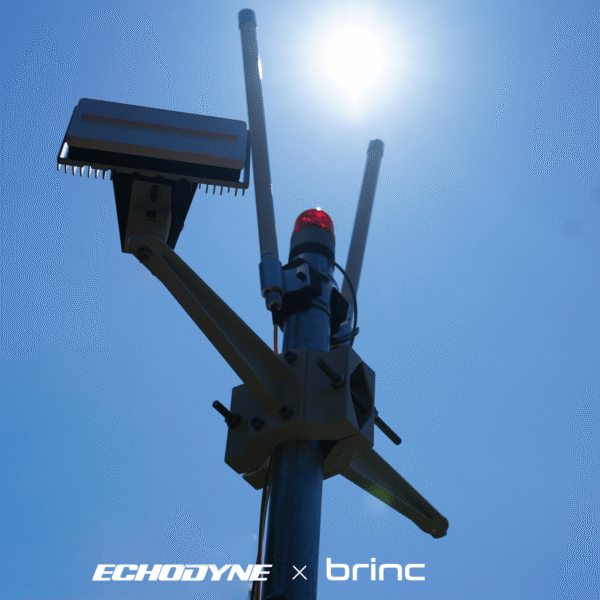
Echodyne Launches 86,350-Square-Foot Radar Facility to Boost MESA Production
Echodyne, a radar manufacturer based in Kirkland, Washington, has inaugurated an 86,350-square-foot facility designed to produce over 30,000 MESA radars annually. This new plant, announced on July 9, 2026, aims to address the growing global demand for counter-unmanned aerial systems (C-UAS) technology, enhancing the company's production capabilities significantly. The expansion is crucial as the market for counter-UAS solutions continues to grow, driven by increasing security concerns and the proliferation of drones. Echodyne's MESA radar technology is known for its advanced capabilities, making it a key player in the C-UAS sector. This facility will allow the company to scale operations and meet the rising needs of both domestic and international clients. Looking ahead, Echodyne's new manufacturing site is expected to play a pivotal role in fulfilling orders and enhancing supply chain efficiency. No further timeline was disclosed at the time of publication regarding additional production milestones or expansion plans for the facility.
Drone News Drone News Feeds NDAA Compliant News US Government $490 million contract
Saab unveils new Giraffe ABM Digital radar at Eurosatory 2026.
At the Eurosatory defense and security international exhibition, Saab unveiled its latest Giraffe AMB D radar system. This launch comes shortly after the Swedish Defence Materiel Administration (FMV) confirmed that it had placed an order for several units in the weeks leading up to the event. The Giraffe AMB D radar is designed to enhance surveillance and air defense capabilities, reflecting Saab's commitment to advancing military technology. The exhibition, held in Paris, serves as a significant platform for defense industry innovations, making it an ideal venue for Saab to showcase its new product and secure further interest from potential clients.
News
Countering Evolving Drone Threats with Layered Tactical Radar Systems
The threat posed by Shahed-136 one-way attack drones highlights the urgent need for advanced counter-drone strategies. As the unmanned aircraft system (UAS) environment evolves, operational users are adapting to new challenges by employing scalable, layered sensing teams capable of detecting and tracking small, fast, and swarming aerial threats. This approach is crucial for effective air defense in complex scenarios, whether on land or at sea. Ray Bischoff, senior director of business development at Leonardo DRS, emphasizes the importance of integrating various sensor systems, particularly tactical radars, into a networked architecture. This layered defense strategy allows for enhanced coverage and response times, which are critical in high-stakes situations like those in the Strait of Hormuz. By utilizing a combination of technologies, including electro-optic and infrared sensors, the defense systems can maintain functionality even if some sensors are compromised. Looking ahead, the focus will remain on refining these layered systems to address emerging drone threats. The integration of diverse sensor technologies will be key to improving decision-making and operational effectiveness. No further timeline was disclosed at the time of publication.
Sponsored Content Counter-Unmanned Aerial Vehicles (C-UAS) Land
NATO's Phoenix Drone Enhances Allied Warships' Threat Detection Capabilities
NATO has introduced the Phoenix drone, its only self-owned drone, to assist allied warships in detecting threats beyond their radar capabilities. This advancement is significant as it enhances situational awareness for naval forces, allowing them to respond more effectively to potential threats in their operational environment. The introduction of the Phoenix drone is crucial for NATO's defense strategy, as it represents a step forward in integrating advanced technology into military operations. By providing enhanced surveillance capabilities, the drone helps allied forces maintain a strategic advantage in maritime security and defense. Looking ahead, the continued development and deployment of the Phoenix drone will be important for NATO's operational readiness. As military technology evolves, the effectiveness of such systems in real-world scenarios will be closely monitored to assess their impact on naval operations and overall defense strategies.
Military
University of Queensland Develops Non-Invasive Sensors for Wearable Robotic Limbs
Researchers at the University of Queensland have developed new non-invasive sensors that measure muscle forces. This innovation unlocks new possibilities for wearable robotic mobility devices, enhancing their functionality and user experience. The development of these sensors is significant as it paves the way for improved integration of robotics with human movement. By accurately measuring muscle forces, these sensors can enable more responsive and adaptive robotic limbs, potentially transforming mobility solutions for individuals with disabilities. Looking ahead, the impact of these sensors on the design and functionality of wearable robotic devices will be crucial. No further timeline was disclosed at the time of publication.

130-year-old Japan firm flies under the radar to develop antidrone tech
Aerospace & Defense Industries130-year-old Japan firm flies under the radar to develop antidrone techTokyo Keiki sees share price spike in last 3 yearsTokyo Keiki's precision equipment requires advanced technical expertise to assemble. (Tokyo Keiki)FUMIHITO ISHIZUKAJuly 7, 2026 07:15 JSTTOKYO -- A 130-year-old midsize navigation instrument company appears to hold the key to innovating in counterdrone technology.Read NextAerospace & Defense IndustriesUkraine pushes civil drone drive with Japan and TaiwanInterviewDrone industry leader urges Japan and Taiwan to get on same regulatory pageStartupsJapan startup SolaNika to test tech for charging drones with lasersChina techBeijing plane crash sharpens scrutiny of nascent 'low-altitude economy'Aerospace & Defense IndustriesKawasaki Heavy and Airbus to team up on anti-submarine drone for JapanPolicy AsiaUS defense spending demand leaves Asian allies in limboAerospace & Defense IndustriesEuropean startup to make defense drones in Japan, export across AsiaAerospace & Defense IndustriesA European nation wants to buy Japan's defense equipment, Koizumi saysBusiness dealsJapan's Terra Drone buys 2 Ukrainian drone makers in global pushAerospace & Defense IndustriesUS attack drone maker taps into Taiwan controller demandLatest on Aerospace & Defense IndustriesAerospace & Defense IndustriesUkraine pushes civil drone drive with Japan and TaiwanAerospace & Defense IndustriesJapan, UK and Italy award $6bn contract to advance next-gen fighter jetAerospace & Defense IndustriesJapan, UK, Italy to consider Canada as observer in fighter jet programSponsored ContentAbout Sponsored ContentThis content was commissioned by Nikkei's Global Business Bureau.

Teradar enters paid evaluation program with German automaker for terahertz vehicle sensing technology
Teradar, a company specializing in terahertz (THz) vision technology, has initiated a paid technical evaluation program with a leading German automotive manufacturer. This collaboration aims to assess Teradar's innovative sensing technology for potential integration into advanced driver assistance systems (ADAS) and autonomous driving platforms. The evaluation will specifically target challenging scenarios where traditional sensing technologies, including cameras, radar, and lidar, may face limitations. By exploring the capabilities of THz technology, both Teradar and the automotive manufacturer seek to enhance the safety and efficiency of future automotive systems.
Components Design Engineering adas advanced driver assistance systems automation news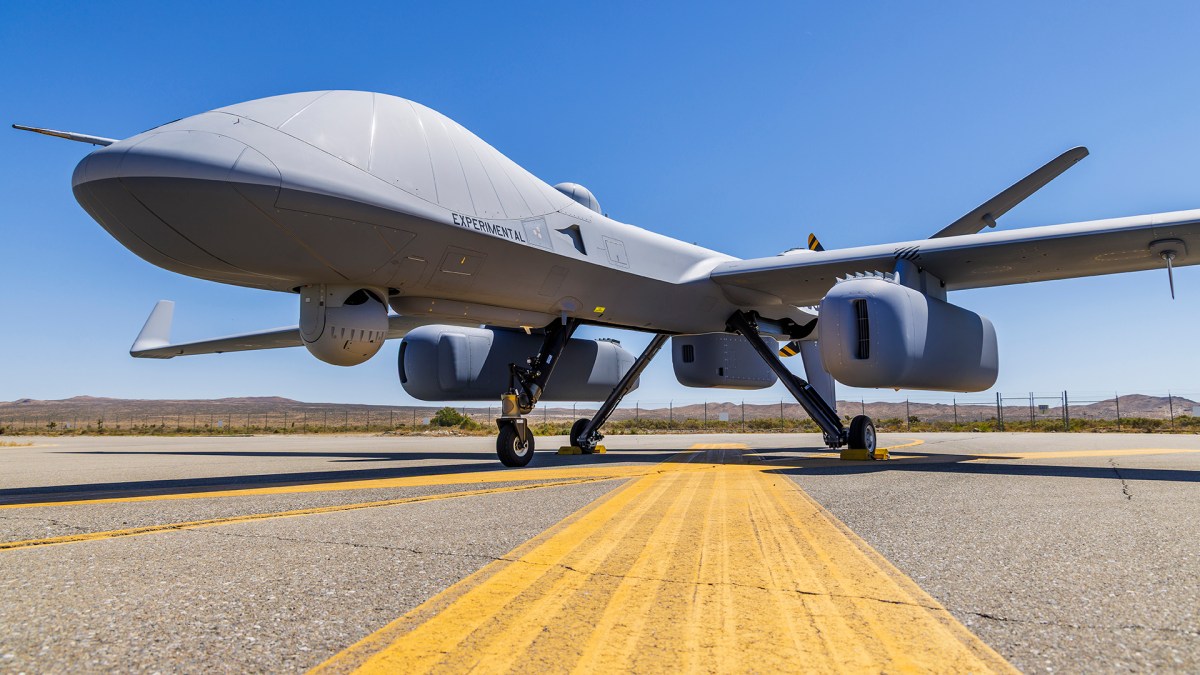
MQ-9 Getting Airborne Early Warning Radar Is A Huge Deal
The introduction of radar-equipped MQ-9 drones marks a significant advancement in airborne early warning capabilities, addressing an urgent need for enhanced surveillance in contemporary military operations. This development comes at a time when the demand for cost-effective and adaptable aerial monitoring solutions is critical. The MQ-9's ability to provide persistent airborne early warning is expected to improve situational awareness and response times in various operational scenarios. As military forces seek to bolster their defensive and offensive strategies, the integration of this technology is seen as a crucial step in modernizing aerial reconnaissance and ensuring readiness in an increasingly complex security environment.
Air Airborne Radar Airborne Sensors Drones News & Features Q-9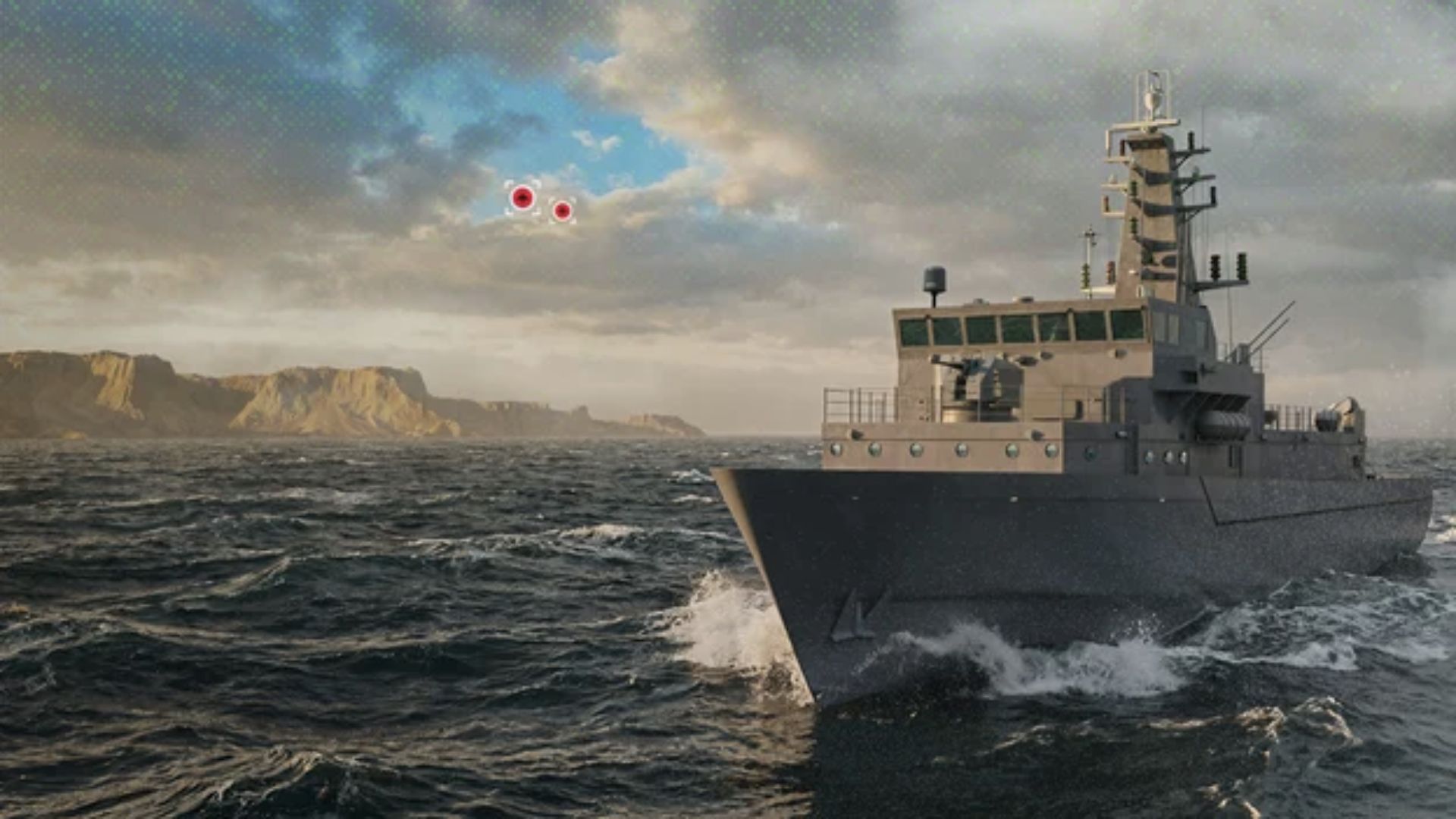
New radar system can detect high-speed drones nearby ports, vessels in extreme environment
A cutting-edge radar system has been developed to enhance the detection of drones operating near ports, vessels, harbors, and other critical maritime areas. This innovative technology aims to bolster maritime security by providing real-time surveillance and threat assessment capabilities. The radar is designed to identify and track drones, which have increasingly become a concern for safety and security in busy maritime environments. The system's deployment is expected to take place in the coming months, with trials set to occur at various strategic locations along coastlines. By integrating advanced detection algorithms and high-resolution imaging, the radar will enable authorities to respond swiftly to potential threats, ensuring the safety of maritime operations and protecting vital infrastructure. This initiative reflects a growing recognition of the need for enhanced security measures in response to the rising prevalence of drone activity in sensitive areas.
Innovation Military
5 Federal Drone Policies Flying Under the Radar This Summer
Several federal initiatives are set to influence the drone industry in the coming months, particularly as attention remains on Chinese drone restrictions and supply chain policies. Key developments include airspace restrictions related to the World Cup and new regulations for critical infrastructure. The long-anticipated Beyond Visual Line of Sight (BVLOS) rule is also a focal point for industry stakeholders. These initiatives, while not widely publicized, are progressing and could significantly impact the operational landscape for drones. As the summer unfolds, the drone industry is closely monitoring these changes, which may reshape regulations and operational capabilities in the near future.
DL Exclusive Drone News Drone News Feeds Drones in the News FAA Feature 1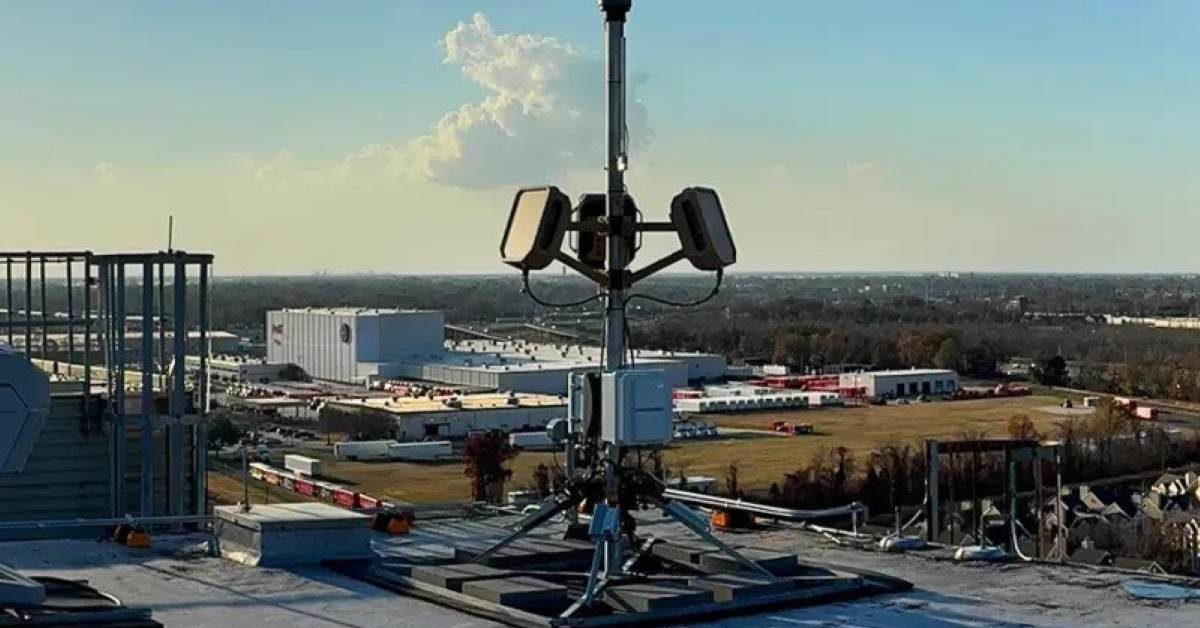
Radar tech could help scale police drone programs faster
As police departments throughout the United States enhance their drone programs, they are facing a growing challenge related to congested low-altitude airspace. The proliferation of both authorized emergency-response drones and unauthorized aircraft operating near critical sites has heightened the need for law enforcement agencies to improve their situational awareness of aerial activities. This development comes as agencies seek to leverage drone technology for various operational purposes, including surveillance and emergency response, while navigating the complexities of airspace management. The increasing demand for drone usage underscores the urgency for effective solutions to monitor and regulate the crowded skies, ensuring safety and security in urban environments.
News
Radar Can Tell the Difference Between Insect Species
Researchers at the Technological University of Denmark have developed a groundbreaking radar system aimed at monitoring pollinators, such as bees and wasps, in a cost-effective and non-invasive manner. Traditional methods of tracking these vital insects have been labor-intensive and often harmful, as they typically require capturing and killing specimens for identification. The new approach, detailed in a study published on April 28 in the journal PNAS Nexus, leverages millimeter-wave radar technology to analyze micro-Doppler signatures generated by insect wingbeats. The team, led by associate professor Adam Narbudowicz, trained a machine learning model using radar data from five species of pollinators captured on the campus of Trinity College Dublin. By focusing on the unique radar reflections produced by the insects, the researchers achieved an impressive 85 percent accuracy in species classification and 96 percent accuracy in distinguishing between bee and wasp species. The accuracy improved with the duration of time the insects remained in the radar beam, suggesting potential for further refinement. This innovative radar system not only promises to enhance the monitoring of pollinators but could also be adapted to track pests and invasive species. The researchers aim to create a portable version of the technology and establish a global database of insect radar signatures, which could include environmental factors to better understand how conditions affect pollinator behavior. This advancement could ultimately contribute to more effective conservation efforts and agricultural practices.
Radar Insects Machine-learning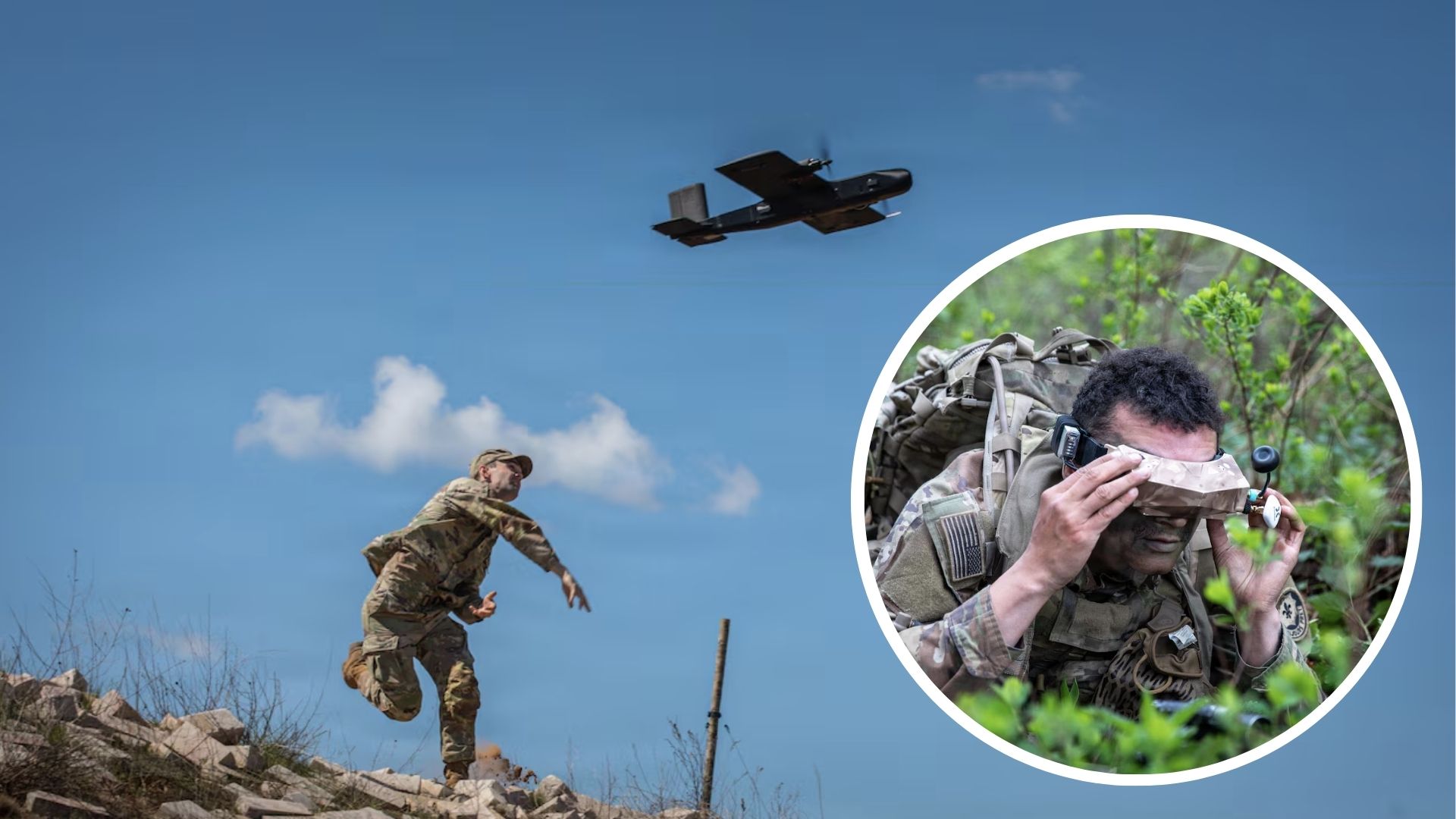
NATO integrates radars, kinetic interceptors to hit target; boost counter-drone lethality
NATO troops have been observed enhancing their counter-drone capabilities through recent training exercises. The soldiers were seen engaging in drills aimed at improving their skills in detecting and neutralizing unmanned aerial vehicles. This initiative comes amid rising concerns over the increasing use of drones in modern warfare and the potential threats they pose to military operations and security. The training sessions took place at various military installations across Europe, where troops utilized advanced technology and tactics to prepare for potential drone-related challenges. By bolstering their counter-drone strategies, NATO aims to ensure the safety and effectiveness of its forces in the face of evolving threats.
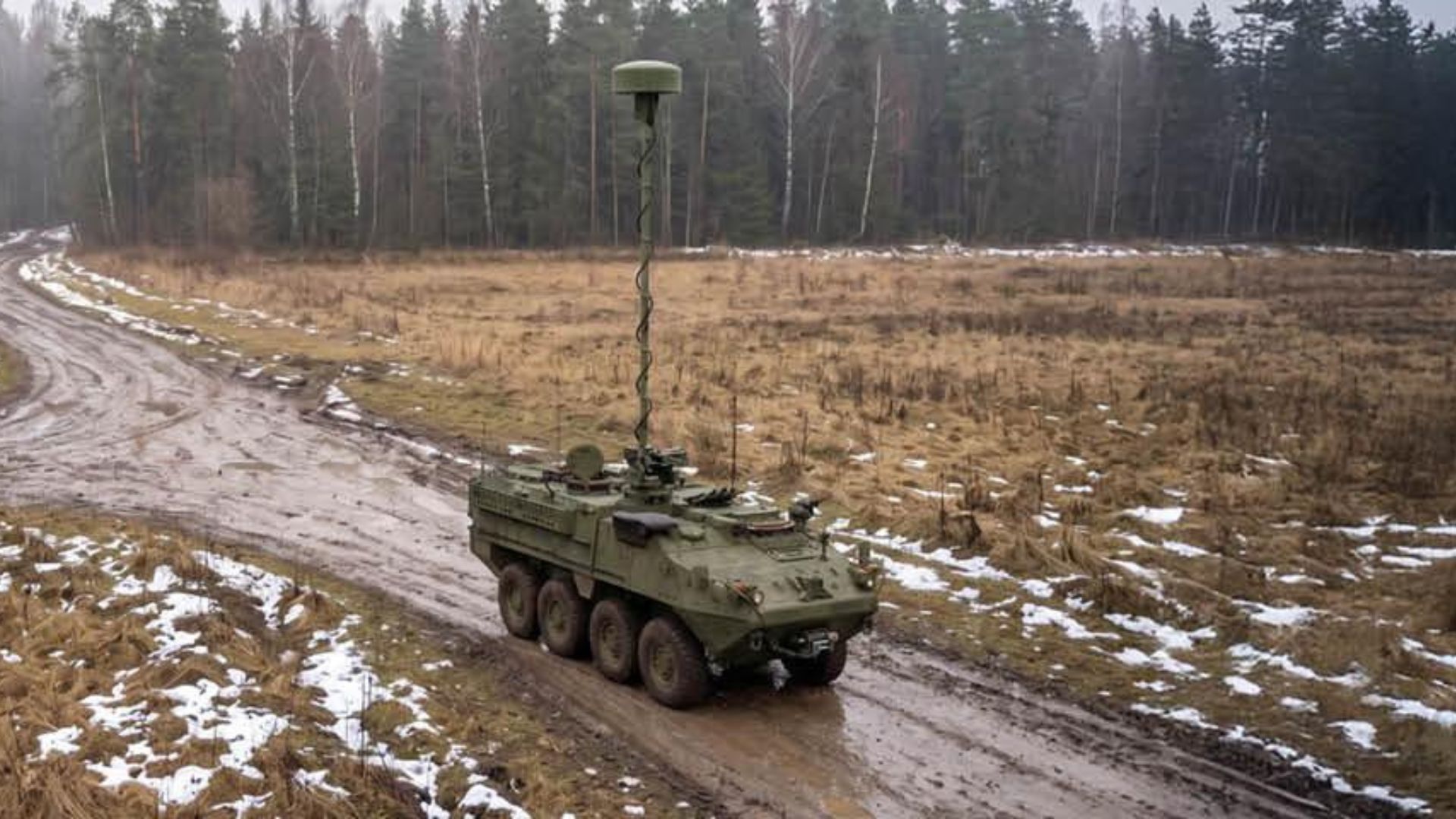
New electronic warfare system can locate enemy drones, radars without sending signals
Leonardo has unveiled a cutting-edge electronic warfare and signals intelligence system designed to enhance the capabilities of military troops. This innovative technology was introduced during a recent defense exhibition held in London, showcasing the company's commitment to advancing military operations. The system aims to provide armed forces with improved situational awareness and the ability to counteract potential threats in real-time. By integrating advanced data processing and analysis features, the new system allows for more effective communication and coordination among units on the battlefield. Leonardo's development of this technology reflects the growing need for enhanced defense solutions in an increasingly complex global security environment.
ICEYE delivers Poland’s radar satellite system in under 12 months
ICEYE has successfully delivered the MikroSAR radar satellite reconnaissance system to the Polish Armed Forces, achieving this milestone in under a year following the contract signing. This swift deployment underscores ICEYE's commitment to enhancing Poland's defense capabilities through advanced satellite technology. The MikroSAR system is designed to provide critical reconnaissance data, enabling improved situational awareness and operational effectiveness for military operations. The delivery marks a significant step in strengthening Poland's defense infrastructure and showcases ICEYE's efficiency in fulfilling defense contracts.
News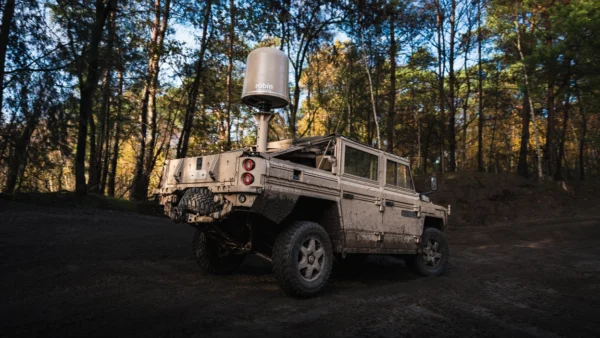
Robin Radar Names Homeland Security and Defense Leads for US Expansion
Robin Radar Systems, a Dutch company specializing in drone-detection radar, has announced a significant expansion in the United States to meet the growing demand for homeland security solutions. On May 18, 2026, the company revealed the appointment of senior sales leadership and the establishment of a larger headquarters in Virginia. This strategic move aims to enhance their operational capabilities and better serve the national security sector as concerns over drone-related threats continue to rise. By bolstering its presence in the U.S. market, Robin Radar Systems seeks to strengthen its position in the defense industry and address the increasing need for advanced counter-drone technologies.
Anti-drone technology C-UAS defense Drone News Drone News Feeds Military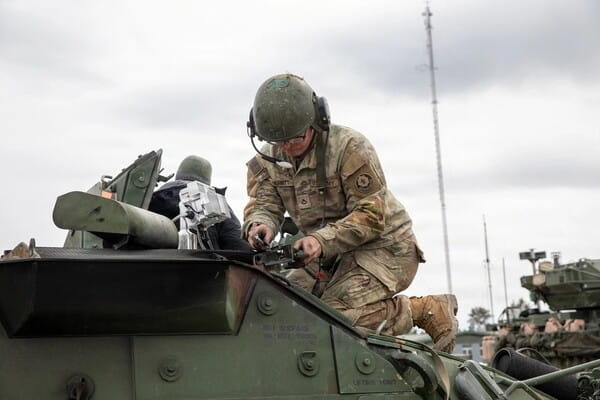
MatrixSpace Brings Portable Counter-Drone Radar to Lithuanian Exercise
MatrixSpace, a Massachusetts-based company, is enhancing low-altitude airspace awareness for M-SHORAD units in Pabradė, Lithuania, by deploying its portable AI-powered radar system. This initiative is part of the U.S. Army’s Flytrap 5.0 counter-drone exercise, taking place from May 1 to May 15, 2026. The announcement of MatrixSpace's involvement was made on May 12, following their recent success in the xTechCounter Strike competition during the previous Flytrap 4.5 exercise. The deployment aims to bolster the Army's capabilities in counter-drone operations, reflecting the growing need for advanced technologies in modern military exercises.
Defense defense Drone News Drone News Feeds Military News
RS Aqua and Nortek Ride the Wave Together with WaveRadar Rex2
RS Aqua has formed a strategic partnership with Nortek, which will now take on the distribution of the WaveRadar Rex2. This collaboration aims to enhance the market presence of the WaveRadar Rex2 by leveraging Nortek's extensive global sales and distribution network. As a result, customers around the world will have improved access to this advanced technology. The partnership is expected to streamline the distribution process, making it easier for users to obtain the WaveRadar Rex2, a product designed for innovative wave measurement solutions.
rs aqua nortek waveradar rex2Robotics needs a service framework.
RSF defines a common language for robot service capability, lifecycle operations, certification pathways, and service-provider networks.
Join the RobotToday community on LinkedIn
Daily robotics news, in-depth analysis, conference highlights, and discussions with professionals worldwide.







