

Industry Briefing
A single destination for timely, editor-curated robotics news from around the world.
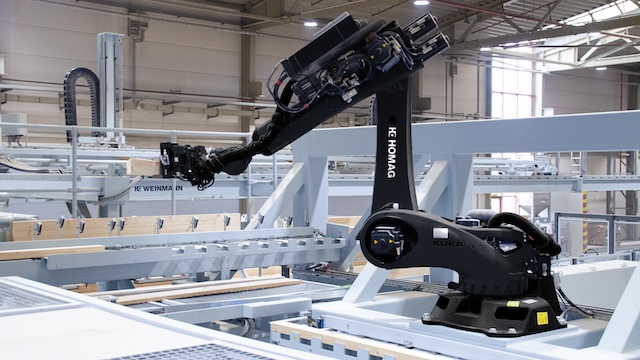
The Role of Quality Management Software in Enhancing Robot Production Line Efficiency
Fourteen months after a collaborative robot (cobot) cell began shipping, a mid-sized integrator found that its torque records were stored in a plant manager's email. With a customer audit approaching in nine days, the situation highlighted the critical importance of quality management in preventing revenue loss. Relying on spreadsheets for quality control across multiple shifts and robot cells is insufficient; a centralized system is essential for effective traceability. The National Institute of Standards and Technology has long noted that production data failures often occur during handoffs between systems and personnel. Quality management software does not enhance the precision of robots but ensures that the operational history of the robots is verifiable. This means that all records related to nonconformance, corrective actions, and supplier complaints can be referenced in one location, streamlining the process when addressing customer inquiries about defective batches. In automated production, quality failures tend to be subtle, often originating from minor deviations that accumulate over time. As robotic cells operate as interconnected systems, each maintaining its own data, implementing software that integrates quality management, document control, and training records can significantly improve operational efficiency. No further timeline was disclosed at the time of publication.
Engineering Manufacturing Software automated manufacturing compliance corrective action
10 Best Workforce Management Software Platforms in 2026
As businesses navigate the complexities of modern workforce management, the need for effective solutions has become increasingly apparent. Organizations are facing challenges such as dispersed teams, fluctuating workloads, and heightened demands for efficiency. In response to these issues, many companies are turning to workforce management software to streamline operations and enhance oversight. By centralizing workforce planning and performance tracking, these tools aim to provide better visibility and consistency in managing employee productivity. The shift towards digital solutions reflects a broader trend of adapting to the evolving landscape of work, where traditional manual planning methods are proving inadequate. As of October 2023, this transition is seen as essential for businesses seeking to maintain competitive advantages in a rapidly changing environment.
Business Software ADP Workforce Now automation news BambooHR CalabrioRobotics needs a service framework.
RSF defines a common language for robot service capability, lifecycle operations, certification pathways, and service-provider networks.
Join the RobotToday community on LinkedIn
Daily robotics news, in-depth analysis, conference highlights, and discussions with professionals worldwide.







