Industry Briefing
A single destination for timely, editor-curated robotics news from around the world.

How Drone-Based Construction Progress Monitoring Is Driving Smarter Industrial Workflows
In a significant advancement for the construction industry, drone-based monitoring is being implemented to enhance transparency across projects. This innovative approach allows all stakeholders, including site foremen and remote investors, to access the same high-resolution digital twin of the construction site. By providing a unified visual representation, the technology aims to eliminate uncertainty and guesswork traditionally associated with construction progress and management. This initiative is part of a broader trend towards integrating advanced technologies in construction, with the potential to improve efficiency and accountability. As the industry continues to evolve, the adoption of drone monitoring is expected to play a crucial role in shaping the future of construction practices.
McLaren Construction Partners with FieldAI to Deploy Autonomous Robots Across UK Sites
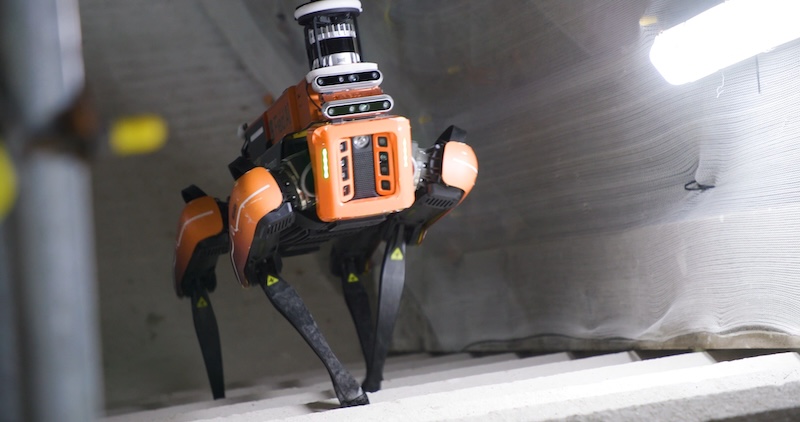
McLaren Construction has formed a partnership with FieldAI to implement autonomous quadruped robots at its construction sites in the UK. These robots will initially be used for capturing 360° site imagery, generating point cloud data, and assisting with progress verification, safety compliance, and quality assurance. The capabilities of these robots will expand over time, enhancing their utility on-site. This partnership is significant as it marks FieldAI's entry into the UK market and builds upon its existing deployments across Europe, Asia, and North America. The use of AI-enabled deviation analysis will facilitate quicker identification of quality issues, ensuring better installation practices and reducing rework. McLaren aims to enhance project monitoring and compliance through this innovative technology. Looking ahead, McLaren Construction anticipates that the collaboration will yield valuable insights for broader robotic applications within the company. The deployment of FieldAI's Field Foundation Models will enable robots to adapt to complex environments without relying on pre-existing maps, thus enhancing operational efficiency. No further timeline was disclosed at the time of publication.
Construction News artificial intelligence Autonomous robots autonomous systems construction automation
Latest Progress! Zhejiang University Team's T-RO Research Achievements, Magnetic-Controlled Microrobots Achieve "Wave-Like Steps" in Complex Environments.
A team from Zhejiang University has made significant advancements in the field of robotics with their development of magnetic-controlled microrobots capable of executing "wave-like steps" in complex environments. This breakthrough was announced recently, showcasing the innovative capabilities of these microrobots, which can navigate challenging terrains with enhanced agility. The research aims to address various practical applications, including medical procedures and environmental monitoring, where precise movement is crucial. By employing magnetic fields to control the microrobots, the team has demonstrated a novel approach to maneuvering small-scale machines, potentially paving the way for future technological advancements in robotics.
Robotics Automation AI
The Strategic Advantage of Rapid Deployment Weather Tracking for Critical Sectors
Field operations across various sectors, including construction and emergency response, are increasingly challenged by unpredictable weather patterns that can compromise safety and hinder progress. As traditional weather forecasts often fail to accurately predict localized storms, the reliance on fixed-location radar stations has become problematic due to their frequent blind spots. This situation underscores the urgent need for more advanced weather monitoring solutions to enhance operational safety and efficiency. By addressing these gaps in forecasting, organizations can better prepare for adverse weather conditions, ultimately improving outcomes in critical field operations.
Communications Infrastructure atmospheric monitoring automation news autonomous systems aviation safety
JD.com Launches First RoboBase Project to Enhance Robotics Ecosystem in Guangzhou
JD.com has initiated the construction of its first RoboBase in the Huangpu district of Guangzhou. This project is designed to establish a closed-loop robotics ecosystem, integrating various robotic technologies and applications to streamline operations. The timeline for completion and specific investment figures have not been disclosed at this time. The significance of the RoboBase project lies in its potential to enhance JD.com's logistics and operational efficiency through advanced robotics. By creating a dedicated facility for robotics development and deployment, JD.com aims to strengthen its competitive edge in the e-commerce sector, particularly in automating supply chain processes. Looking ahead, stakeholders will be monitoring the progress of the RoboBase project closely. The next milestones for the project, including operational launch dates or further investment announcements, have not been disclosed at the time of publication.
News Robotics China guangdong jd.com robotics
Asylon secures Phase Three contract for MARIA aircraft inspection system development
Asylon has been awarded a Phase Three contract by the Warner Robins Air Logistics Complex (WR-ALC) to advance its Multi-modal Autonomous Robotics for Inspection of Aircraft (MARIA) system. This contract focuses on further development, integration, and demonstration of the MARIA technology at the WR-ALC facility, enhancing aircraft inspection processes. The significance of this contract lies in the increasing demand for automation in aircraft maintenance and inspection. Asylon's MARIA system aims to improve efficiency and accuracy in inspections, which is crucial for maintaining operational readiness in military and commercial aviation sectors. The integration of autonomous robotics is expected to streamline workflows and reduce human error. Looking ahead, stakeholders will be monitoring the progress of the MARIA system's development and its subsequent demonstration at WR-ALC. No further timeline was disclosed at the time of publication, but successful implementation could set a precedent for similar technologies in the aerospace industry.
News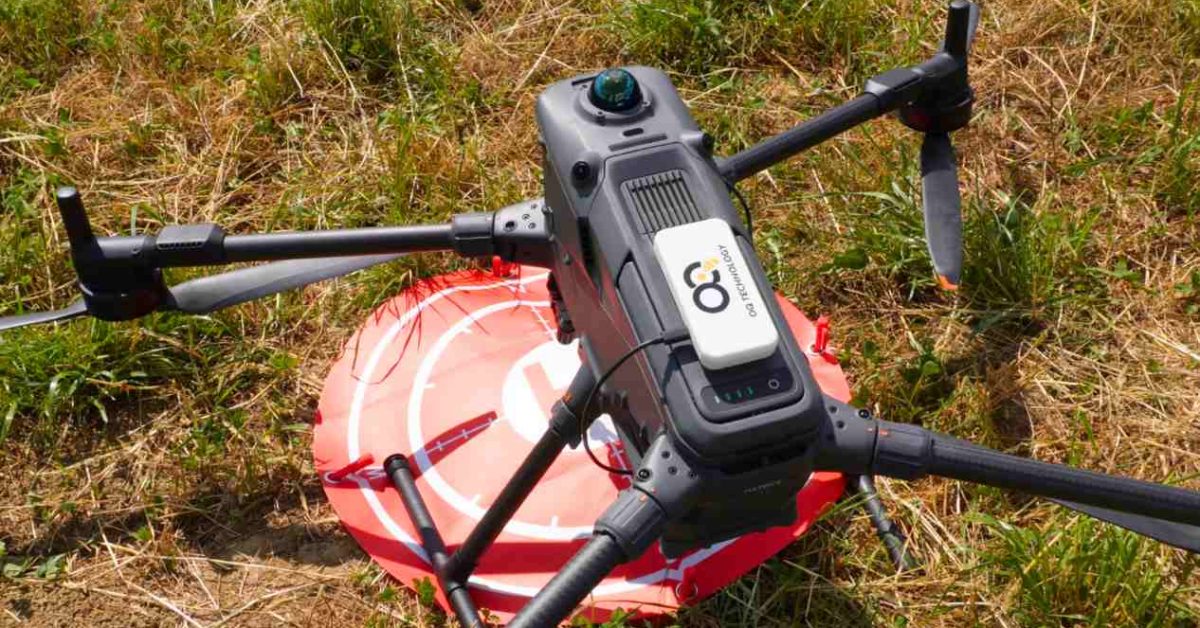
Wildfire drones could soon ditch bulky satellite terminals
As Europe gears up for its largest coordinated response to wildfires, the use of drones is proving crucial for detecting fires, monitoring their progression, and providing real-time updates to emergency teams. However, a significant challenge arises when these drones operate beyond cellular coverage, as traditional methods for transmitting live video require cumbersome satellite terminals. Addressing this issue, OQ Technology has developed a new satellite demonstration that aims to streamline communication for responders in remote areas. This innovation is expected to enhance the efficiency and effectiveness of wildfire management efforts across the continent.
News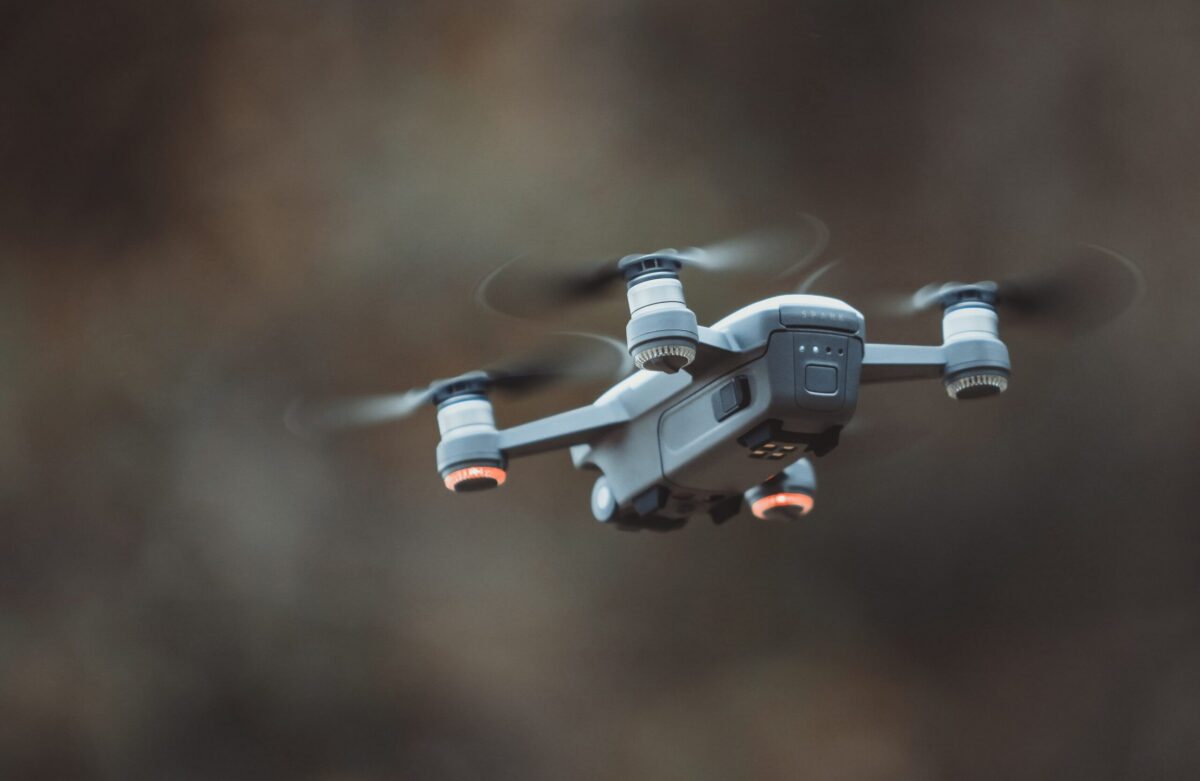
Beyond the Numbers: What 300 World Cup Drone Seizures Really Tell Us
Since the FIFA World Cup commenced on June 11, authorities have confiscated over 300 drones near tournament venues, raising concerns about drone-related security issues. However, experts suggest that this figure may not indicate a surge in security threats but rather reflects improved enforcement and monitoring measures implemented by security agencies. The heightened vigilance has led to a more proactive approach in identifying and seizing unauthorized drone activity around the high-profile event. As the tournament progresses, officials continue to prioritize safety and security, ensuring that regulations are enforced to prevent potential disruptions.
Anti-drone technology C-UAS Drone News Drone News Feeds Drones in the News News
Middle East Tensions, Tesla Deliveries and Other Can't Miss Items this Week
Tensions in the Middle East escalated over the weekend as Iran launched strikes against U.S. military bases in Bahrain and Kuwait, raising concerns about the stability of the fragile U.S.-Iran peace framework established through a recent memorandum of understanding. This renewed conflict threatens access to the Strait of Hormuz, crucial for global energy supplies, just as markets were beginning to stabilize following last week’s diplomatic progress. The ongoing hostilities create uncertainty in energy markets, with potential implications for oil prices and inflation. In the financial sector, Tesla is set to announce its Q2 global delivery numbers before the market opens on Thursday, with analysts forecasting a 4% year-over-year increase to 401,000 electric vehicles. This report will be critical in assessing consumer demand for EVs amid economic uncertainties and heightened competition. The timing of Tesla's announcement coincides with the release of the June jobs report, which includes average hourly earnings and initial jobless claims, providing key economic data before the July 4th holiday. As geopolitical tensions and economic indicators converge, markets face a volatile week, with investors closely monitoring developments in Iran and Tesla's performance, both of which could significantly impact market dynamics and investor sentiment heading into the second half of 2026.

From Pepper's Disastrous Defeat to SoftBank's Mass Production Launch: Masayoshi Son's Third Bet on Robots?
Masayoshi Son, the CEO of SoftBank, is making a significant move in the robotics industry as the company prepares to launch mass production of its latest robotic technology. This initiative comes on the heels of SoftBank's previous setbacks, including the disappointing performance of the Pepper robot, which failed to meet market expectations. The decision to invest in mass production reflects Son's ongoing commitment to the robotics sector, despite past challenges. The announcement was made during a press conference held in Tokyo, where Son outlined his vision for the future of robotics and the potential applications of the new technology. He emphasized the importance of innovation and adaptability in a rapidly changing market, suggesting that SoftBank aims to leverage its expertise to regain its foothold in the industry. The push for mass production is driven by the growing demand for automation and robotics in various sectors, including healthcare, manufacturing, and customer service. SoftBank's strategy involves not only enhancing the capabilities of its robots but also ensuring they are accessible and affordable for businesses of all sizes. As SoftBank embarks on this new chapter, industry analysts are closely monitoring the company's progress, considering both the potential rewards and the risks associated with its ambitious plans. The outcome of this venture could redefine SoftBank's position in the robotics market and influence the future of automation technology globally.
Robotics Automation AI
A Review on Search and Rescue Robots in Complex Scenarios: Key Technologies of Simultaneous Localisation and Mapping
A recent study published in the Journal of Field Robotics highlights the advancements in autonomous robotic systems designed for agricultural applications. Researchers from various institutions collaborated to explore innovative technologies that enhance efficiency and sustainability in farming practices. The findings, released in early October 2023, emphasize the growing need for automation in agriculture to address labor shortages and improve crop yields. The research team conducted extensive field tests to evaluate the performance of these robotic systems in real-world farming scenarios. By integrating artificial intelligence and machine learning, the robots demonstrated the ability to perform tasks such as planting, monitoring, and harvesting with remarkable precision. This technological progress aims to support farmers in overcoming challenges posed by climate change and increasing food demand. The study underscores the importance of developing reliable and cost-effective robotic solutions that can be easily adopted by farmers. As the agricultural sector faces mounting pressures, the implementation of these advanced technologies could significantly transform traditional farming methods, leading to more sustainable practices and enhanced productivity.
SURVEY ARTICLE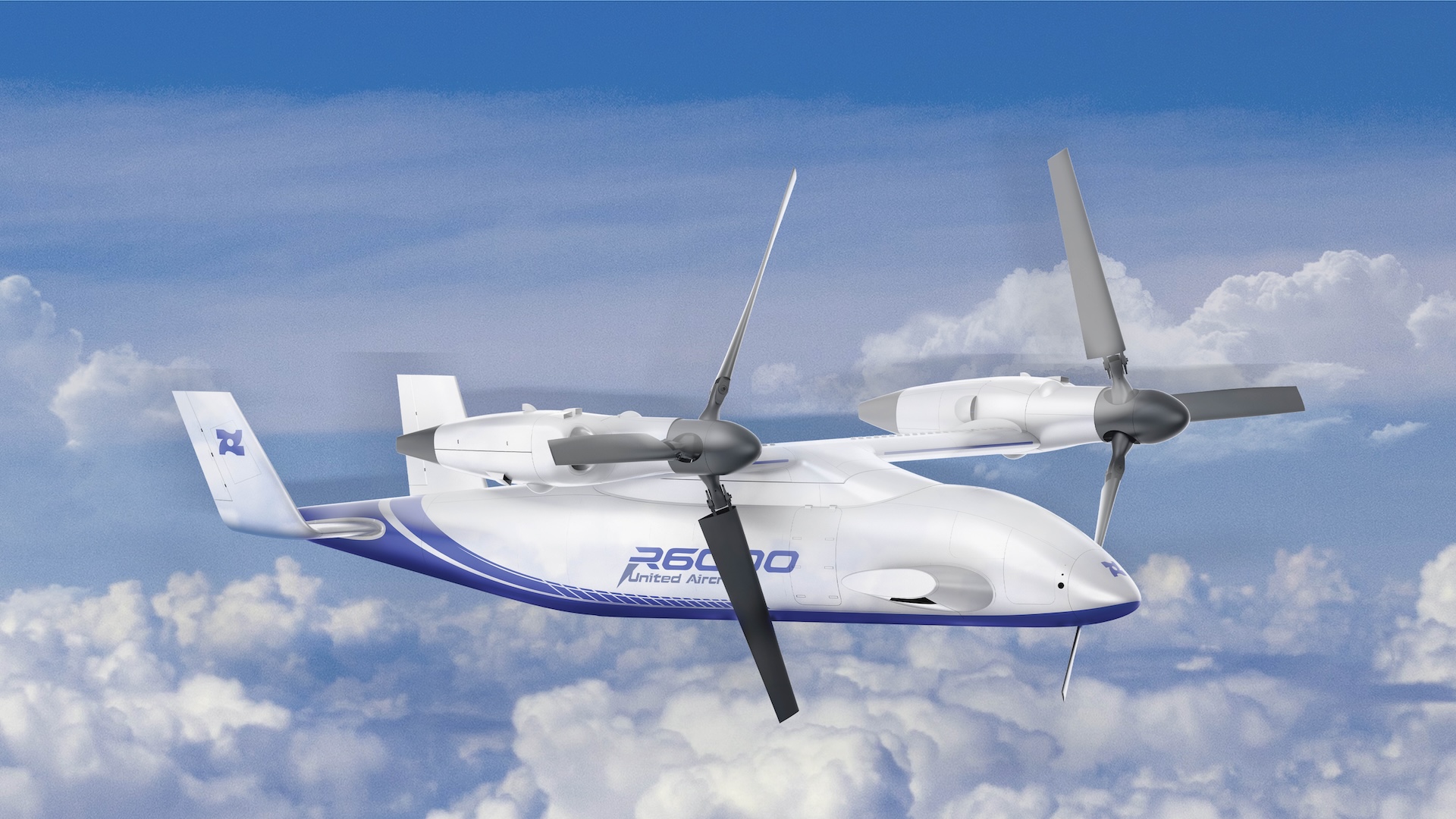
China’s giant 6-ton autonomous tiltrotor drone enters full free-flight testing
China’s R6000, recognized as one of the largest uncrewed tiltrotor aircraft globally, has commenced full free-flight testing. This significant development took place recently, marking a crucial step in advancing the country's aerospace capabilities. The testing is being conducted in various locations, showcasing the aircraft's versatility and potential applications in both military and civilian sectors. The motivation behind this initiative is to enhance China's technological prowess in aviation and to explore new operational possibilities for unmanned aerial vehicles. The R6000's design allows it to take off and land vertically while also achieving high-speed horizontal flight, which could revolutionize transport and logistics in challenging environments. As the testing progresses, engineers and researchers are closely monitoring the aircraft's performance to ensure safety and efficiency, paving the way for future innovations in unmanned flight technology.
Military
5 Federal Drone Policies Flying Under the Radar This Summer
Several federal initiatives are set to influence the drone industry in the coming months, particularly as attention remains on Chinese drone restrictions and supply chain policies. Key developments include airspace restrictions related to the World Cup and new regulations for critical infrastructure. The long-anticipated Beyond Visual Line of Sight (BVLOS) rule is also a focal point for industry stakeholders. These initiatives, while not widely publicized, are progressing and could significantly impact the operational landscape for drones. As the summer unfolds, the drone industry is closely monitoring these changes, which may reshape regulations and operational capabilities in the near future.
DL Exclusive Drone News Drone News Feeds Drones in the News FAA Feature 1
Four-legged robot dog spots hazardous toxins before firefighters enter danger zones
A groundbreaking four-legged robot dog, engineered to identify toxic substances, is poised to serve as a first responder in hazardous situations. Developed by a team of researchers and engineers, this innovative technology aims to enhance safety protocols in environments where chemical exposure poses significant risks. The robot's deployment is anticipated to occur in the coming months, with trials set to take place in various industrial settings and disaster response scenarios. The motivation behind this advancement stems from the increasing need for effective monitoring and rapid response to chemical spills and leaks, which can have dire consequences for both human health and the environment. By utilizing advanced sensors and artificial intelligence, the robot dog can navigate challenging terrains and provide real-time data on toxic substance levels, allowing human responders to make informed decisions. As the project progresses, the team is focused on refining the robot's capabilities and ensuring its reliability in real-world applications. This initiative represents a significant step forward in the integration of robotics into emergency response, potentially revolutionizing how hazardous situations are managed and mitigating risks associated with toxic exposures.
AI and Robotics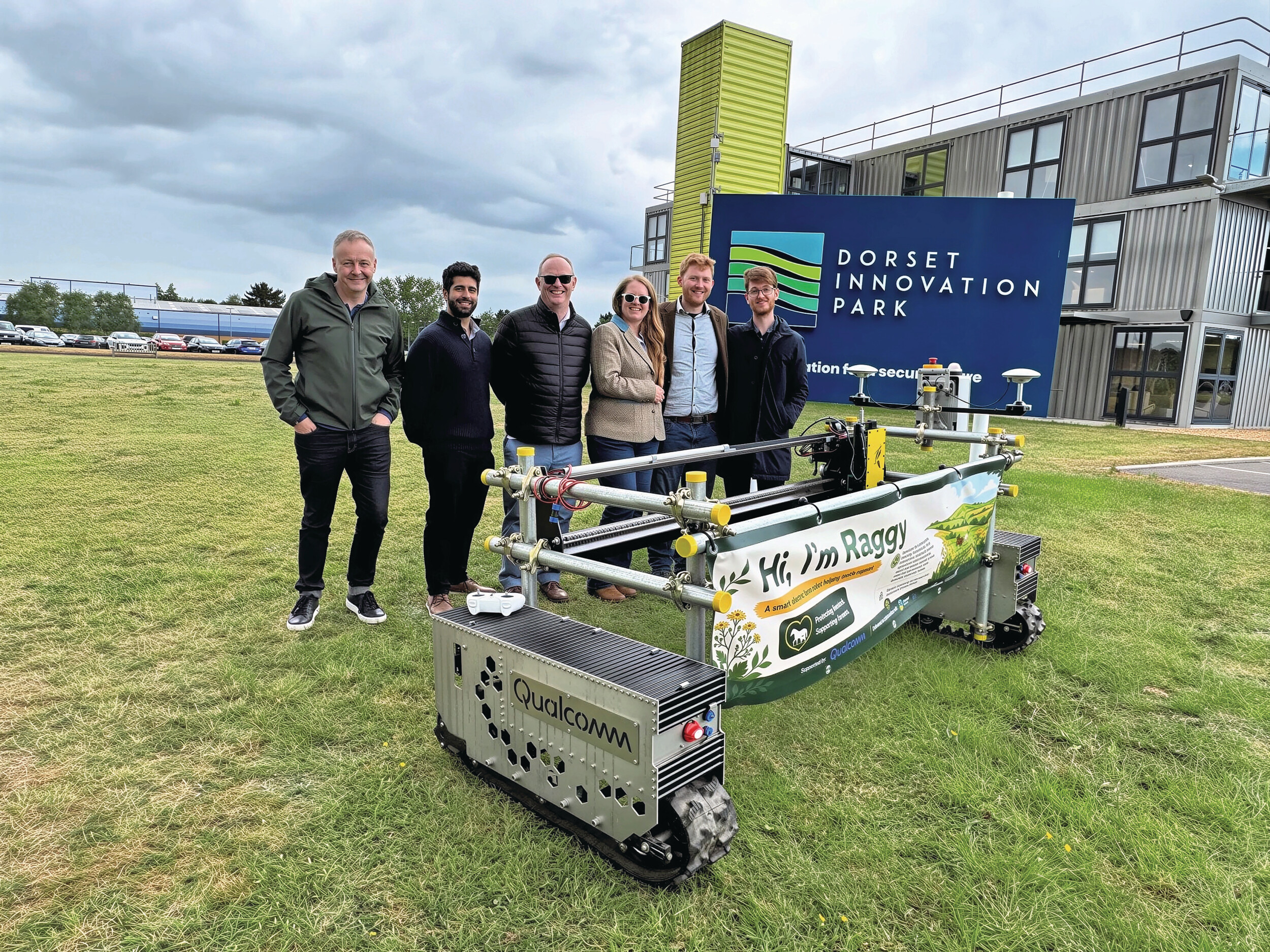
Robot Raggy taking on one of farming’s most persistent weed problems
This summer, farmers in Dorset are closely monitoring the progress of Raggy, a small autonomous robot designed to combat ragwort infestations. Developed by the UK robotics firm Robotriks, Raggy has arrived at Dorset Innovation Park near Wareham for its final testing phase before launching field trials across various farms and land in the region. The introduction of this electrically powered robot is highly anticipated by local farmers and landowners, who are eager for an effective solution to manage the invasive weed that poses a threat to livestock and crops. The ongoing trials aim to demonstrate Raggy's capabilities in tackling this persistent agricultural challenge.
Field robots autonomous farm equipment electric tractors Machine vision robotics weed control systems
Leukemia's Last Trace, Found Faster
A groundbreaking advancement in chronic lymphocytic leukemia (CLL) treatment has emerged with the introduction of the CCADDAS AI pipeline, which significantly enhances minimal residual disease (MRD) detection. This innovative technology, unveiled recently, boasts a remarkable 90% reduction in analysis time while ensuring high diagnostic accuracy. The development aims to improve patient care by allowing for quicker and more reliable assessments of MRD, a critical factor in monitoring treatment effectiveness and disease progression. The implementation of this AI-driven solution is expected to streamline clinical workflows and provide healthcare professionals with timely insights, ultimately benefiting patients undergoing treatment for CLL.

Bio-hybrid robotics system ‘listens’ to cyborg insects for collaborative control
Japanese researchers have unveiled an innovative method for controlling cyborg insects, aiming to enhance the understanding of their behavior and capabilities. This groundbreaking development was announced during a recent conference held in Tokyo, where scientists discussed advancements in bioengineering and robotics. The motivation behind this research stems from the potential applications in environmental monitoring and disaster response, where these engineered insects could play a crucial role in collecting data from hard-to-reach areas. The researchers have integrated electronic components into the insects, allowing for remote control and manipulation of their movements. This process involves sophisticated techniques that blend biology with technology, enabling the insects to be guided through various environments. The team believes that by mastering this control, they can create a new class of biohybrid systems that could revolutionize how we interact with the natural world. As the project progresses, the researchers are optimistic about the implications of their work, which could lead to significant advancements in both ecological research and practical applications in urban planning and emergency management. The findings from this study are expected to be published in a leading scientific journal, further contributing to the growing field of cyborg biology.
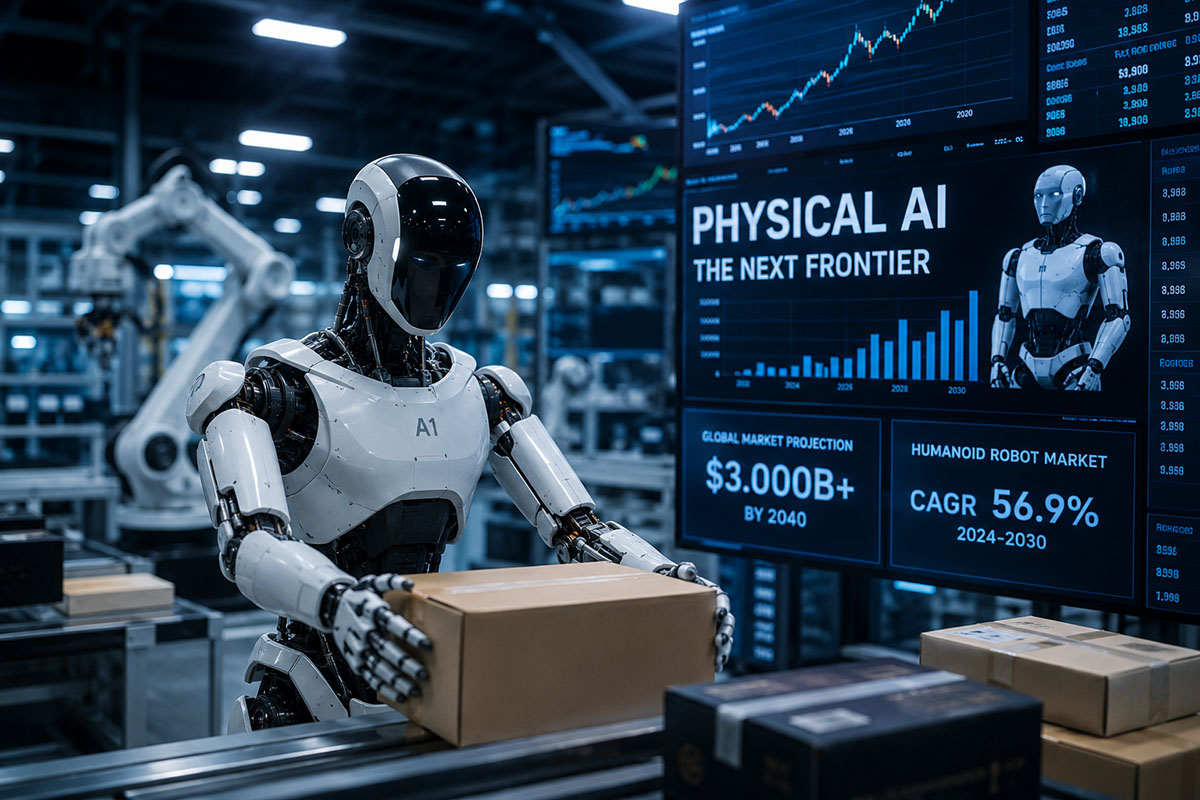
L’IA physique : le prochain marché que surveille déjà Wall Street
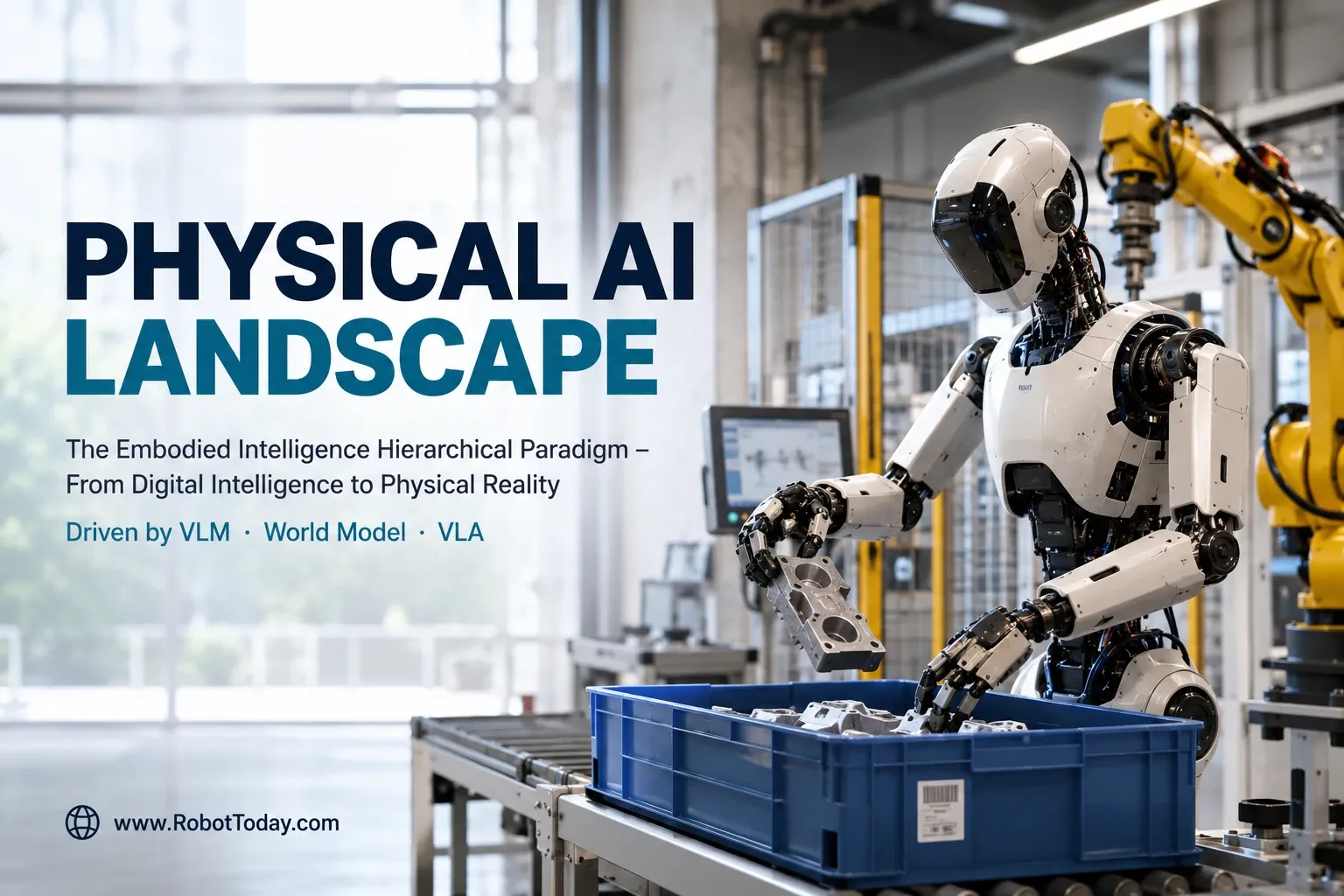
As global attention remains captivated by ChatGPT and generative artificial intelligence, a new wave of innovation is quietly emerging within the laboratories of major tech companies, industrial firms, and investment funds. This development, known as "Physical AI," represents a significant evolution in the field of artificial intelligence. Although still relatively unknown, Physical AI is garnering interest from Wall Street investors, who are closely monitoring its potential market impact. The concept aims to integrate AI with physical systems, potentially transforming various industries and applications. As this technology progresses, it may redefine the landscape of AI and its practical uses in everyday life.
À la une IA Industrie Robotique ABB robotique Amazon robots
Living robot swarms built from algae can split, merge, and target wounds with light
A team of scientists has successfully created living microrobot swarms using algae and nanoparticles, marking a significant advancement in the field of robotics and bioengineering. This innovative development was announced in a study published recently, showcasing the potential of these microrobots to self-assemble and perform tasks autonomously. Conducted at a research facility, the project aims to explore new applications in environmental monitoring and medical treatments. The motivation behind this research stems from the desire to harness the natural properties of algae, which can photosynthesize and move in response to environmental stimuli, combined with the versatility of nanoparticles. By integrating these elements, the scientists have designed microrobots that can adapt to their surroundings and execute complex operations without human intervention. The process involves programming the algae and nanoparticles to work together, allowing the microrobots to respond to specific signals and assemble into desired structures. This breakthrough could pave the way for future innovations in various fields, including drug delivery systems and pollution cleanup efforts. As the research progresses, the team is optimistic about the potential applications of these living microrobots, which could revolutionize how we approach complex challenges in both healthcare and environmental science.

Biomedical jellyfish-inspired robot hits record swim speeds without onboard power
Researchers have developed a groundbreaking jellyfish-inspired soft robot capable of navigating through water at unprecedented speeds. This innovative technology, unveiled in a recent study, showcases the potential for advanced underwater exploration and environmental monitoring. The robot mimics the unique propulsion mechanism of jellyfish, allowing it to move efficiently and swiftly. The development took place in a laboratory setting, where scientists aimed to enhance robotic mobility in aquatic environments. By studying the biomechanics of jellyfish, the team was able to replicate their movement patterns, resulting in a soft robot that not only moves faster than existing models but also carries out tasks such as data collection and monitoring marine ecosystems. This advancement comes at a crucial time as researchers seek sustainable solutions for underwater exploration, driven by the need to better understand and protect marine life. The soft robot's design allows for flexibility and adaptability, making it suitable for various applications, from scientific research to environmental conservation efforts. As the technology progresses, the team envisions further enhancements that could lead to even greater speeds and capabilities, paving the way for a new era of robotic exploration in our oceans.
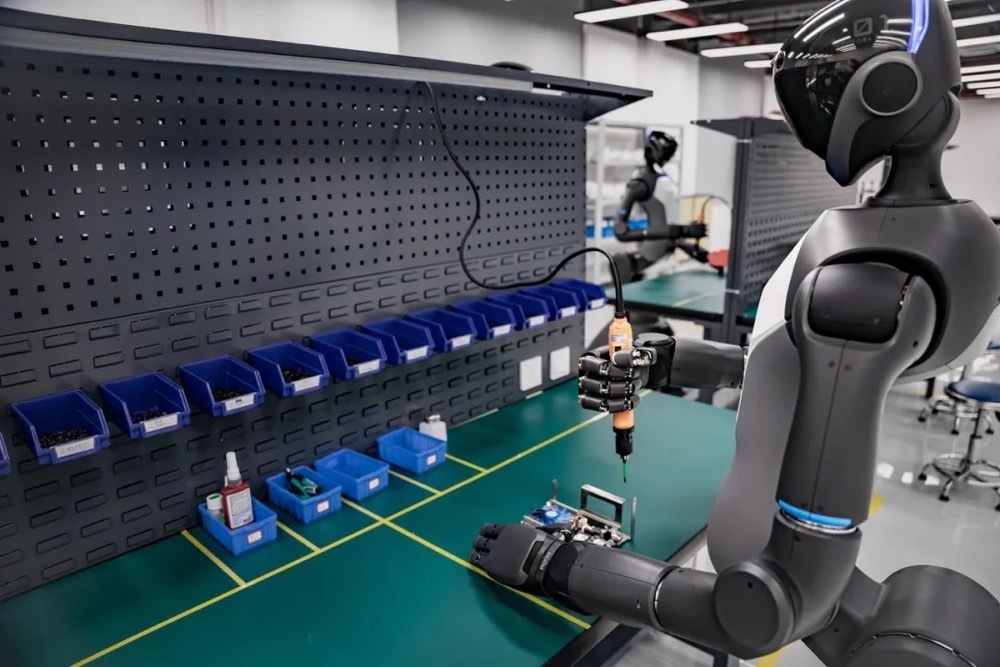
Tesla Optimus vs Figure AI vs Hyundai Atlas: Full Comparison 2026
As the competition in the humanoid robot sector intensifies, Tesla, Figure, and Electric Atlas are vying for dominance with their latest models. By 2026, these companies are expected to showcase significant advancements in specifications, production capabilities, and artificial intelligence integration. Tesla's Gen 3 robot aims to leverage its existing technology and infrastructure to enhance efficiency and functionality, while Figure is focusing on creating a more agile and adaptable humanoid design. Electric Atlas, on the other hand, is emphasizing robust funding and innovative engineering to push the boundaries of what humanoid robots can achieve. The race is not just about technological superiority; it also involves strategic partnerships and investments that could shape the future of robotics. As these companies ramp up their production efforts, the industry is closely monitoring their progress, particularly in terms of AI capabilities that will enable these robots to perform complex tasks autonomously. The outcome of this competition could redefine the landscape of robotics and its applications across various sectors, including manufacturing, healthcare, and personal assistance. With the deadline of 2026 approaching, industry experts are analyzing the strengths and weaknesses of each contender, assessing how their unique approaches to design and technology will influence their success in capturing market share. As advancements continue, the question remains: which company will emerge as the leader in the humanoid robot race?
Hierarchical Dynamic Control Framework for a Hexapod Robot in Complex Terrain
A recent study published in the Journal of Field Robotics has explored advancements in robotic technologies, focusing on their applications in various fields. The research, conducted by a team of engineers and scientists, highlights the significant progress made in robotic systems designed for complex tasks, such as search and rescue operations, agricultural monitoring, and environmental conservation. The findings, released in May 2026, emphasize the importance of integrating artificial intelligence and machine learning into robotic systems to enhance their efficiency and adaptability in real-world scenarios. The study was conducted in multiple locations, showcasing a range of environments where these robotic technologies can be deployed effectively. The motivation behind this research stems from the growing need for innovative solutions to address challenges in disaster response and resource management. By utilizing advanced robotics, the team aims to improve operational capabilities and reduce human risk in hazardous situations. The study outlines a systematic approach to testing and implementing these technologies, providing a framework for future developments in the field. Overall, the research underscores the potential of robotics to transform various industries, offering insights into how these technologies can be harnessed to improve safety, efficiency, and sustainability in critical operations.
RESEARCH ARTICLE
Tesla Optimus Home Use: When Will It Clean Your House?
Elon Musk has announced plans for a consumer launch in 2027, highlighting the potential applications of his technology in various sectors, including elderly care. This announcement comes as part of an updated guide released in March 2026, which outlines the tasks that his innovations aim to address. Musk emphasized the importance of transparency regarding the limitations of his projects, ensuring that consumers have a realistic understanding of what to expect. The developments are part of Musk's broader vision to integrate advanced technology into everyday life, particularly for vulnerable populations. As the timeline approaches, stakeholders are closely monitoring the progress of these initiatives, which could significantly impact the future of consumer technology and healthcare.
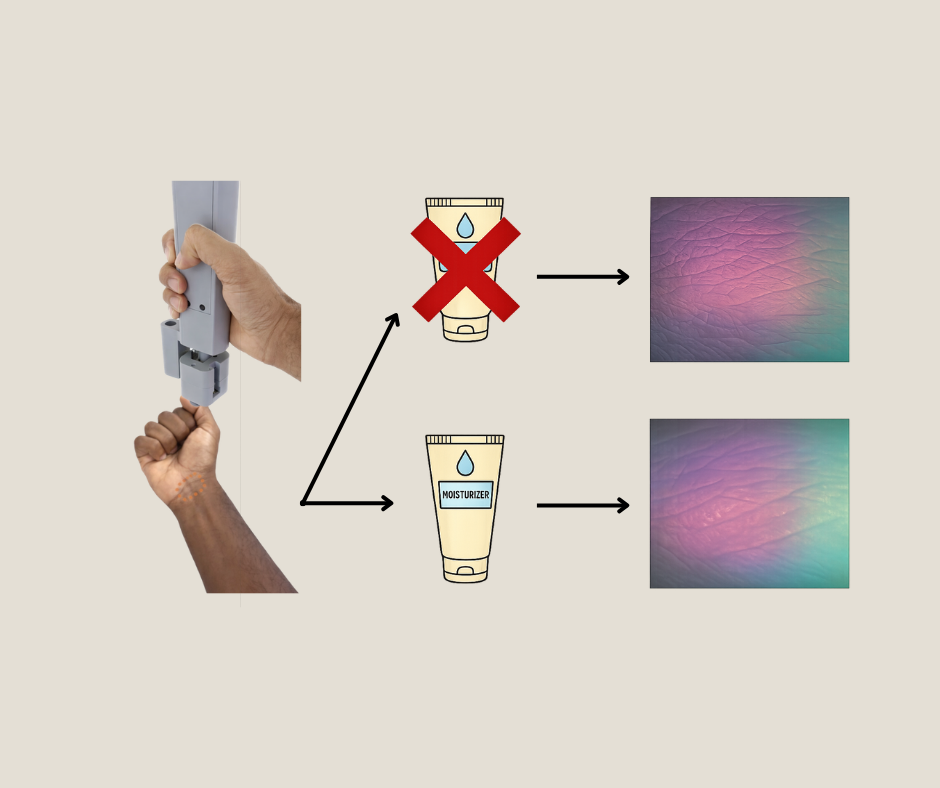
A New Way to Track Skin Health
Researchers at Carnegie Mellon University have developed innovative software that integrates with a handheld imaging tool to create three-dimensional maps of skin texture. This cutting-edge technology transforms subtle changes in the skin's surface into quantifiable data, offering a new method for clinicians to monitor various skin conditions, including eczema and psoriasis. The software aims to enhance the tracking of treatment progress and assess the effectiveness of skincare products. This advancement in skin health monitoring could significantly improve patient care and outcomes in dermatology.
Research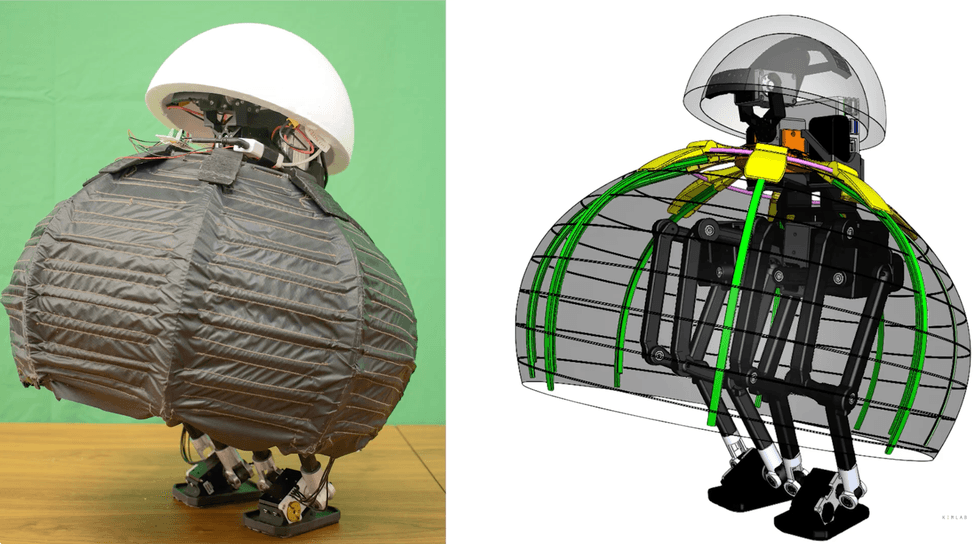
Video Friday: Bipedal Robot Stops Itself From Falling
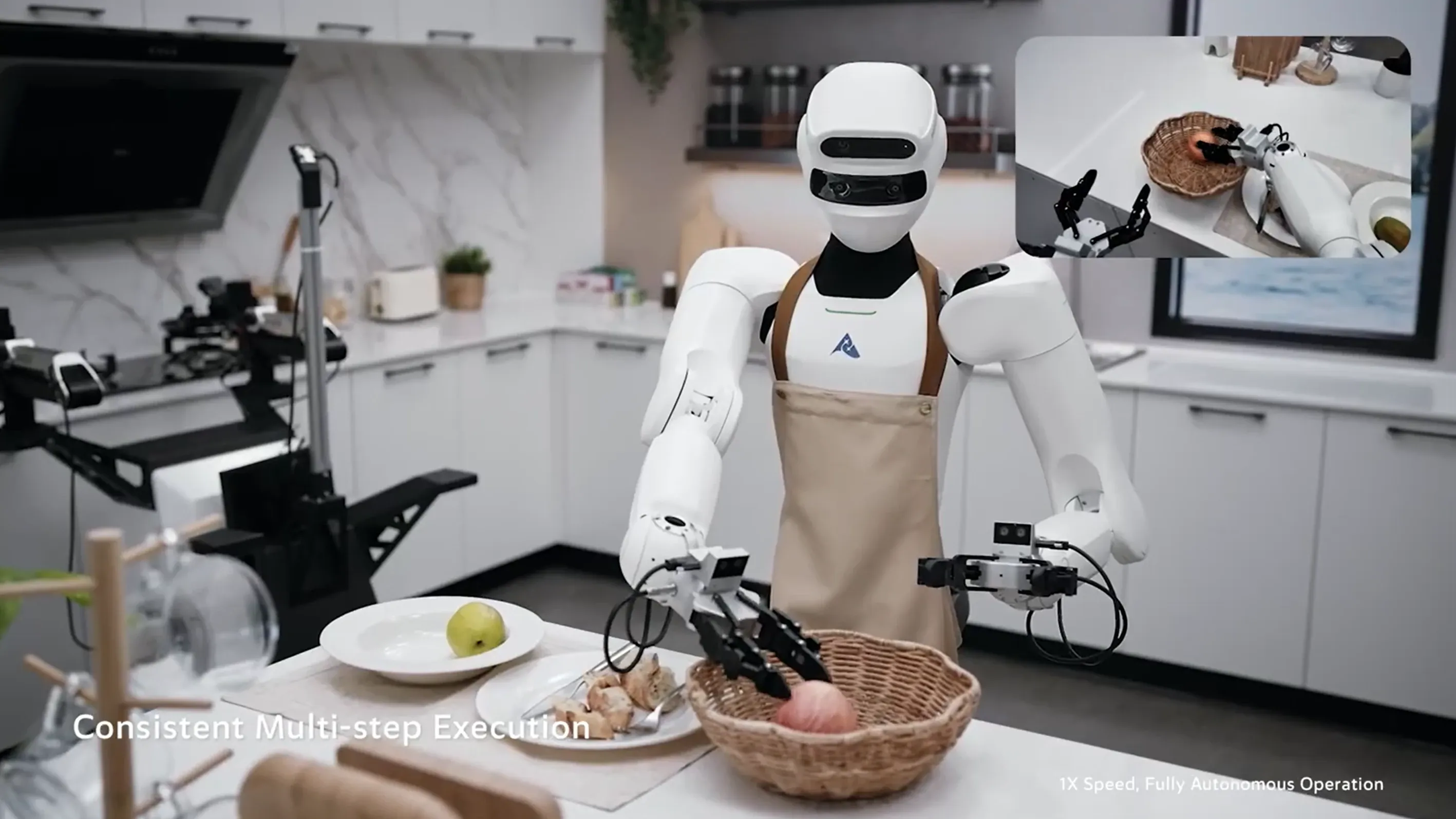
IEEE Spectrum robotics has released its latest edition of Video Friday, showcasing a variety of innovative robotics videos and announcing upcoming events in the field. Among the highlights is the Robotic Autonomy in Complex Environments with Resiliency (RACER) program, which is nearing completion after extensive collaboration with the U.S. Army and Marine Corps. This program is expected to leave a lasting impact on military operations and stimulate private-sector investment in autonomous technologies. Notable advancements include the introduction of COSA, a cognitive operating system that enhances humanoid robots' capabilities for high-level cognition and motion control. Meanwhile, the 1X World Model has made significant strides in robot learning, allowing its NEO model to perform tasks autonomously based on voice or text prompts, even for unfamiliar objects. In assistive technology, the GuideData Dataset has been launched to improve interactions between guide dog trainers and visually impaired individuals, aiming to enhance mobility and safety. Additionally, Fourier's Care-Bot prototype is gaining attention for its interactive features at CES 2026. In environmental monitoring, ETH Zurich has developed an autonomous quadruped robot for volcanic gas measurements, successfully tested on Mount Etna. Humanoid robots have also made progress in industrial logistics, completing proof-of-concept testing at Siemens's factory in Erlangen. Columbia Engineers have created a robot capable of learning facial lip motions for speech and singing through observational learning, marking a significant milestone in robotics. Lastly, DEEP Robotics showcased its quadruped robots' capabilities in complex firefighting scenarios, while Synapticon introduced its POSITRON platform to enhance safety in humanoid robots for real-world applications.
Robotics Video-friday Bipedal-robots Humanoid-robots Quadruped-robots Industrial-robots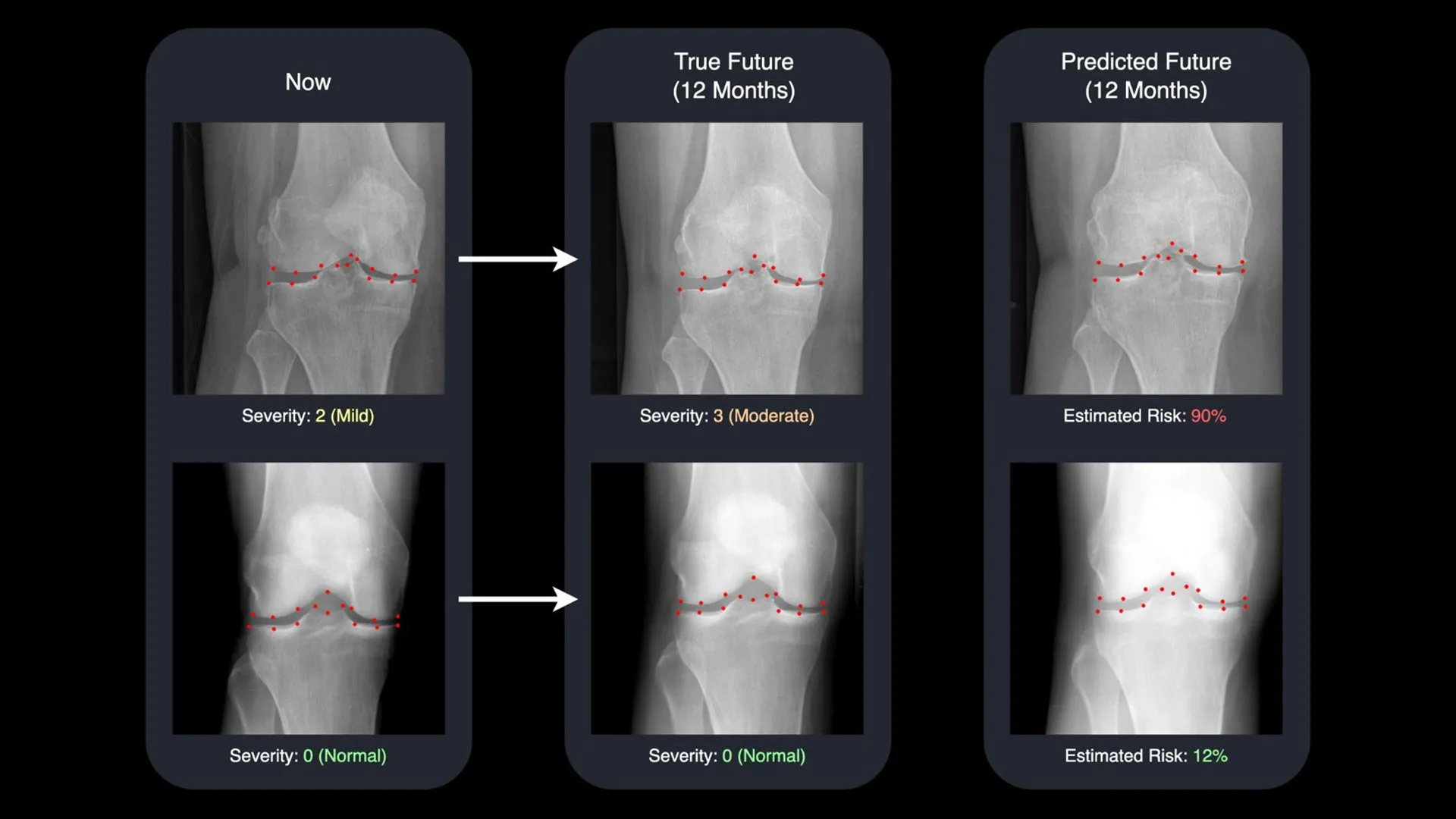
AI turns x-rays into time machines for arthritis care
Researchers at the University of Surrey have created an innovative artificial intelligence tool capable of predicting the appearance of a person's knee X-ray one year into the future, significantly aiding in the monitoring of osteoarthritis progression. This advanced system not only generates a visual forecast of potential changes but also assigns a risk score, enhancing the understanding of the disease for both medical professionals and patients. The AI tool is designed to be faster and more interpretable than previous models, which could lead to its application in predicting other health conditions, including lung and heart diseases, in the near future.
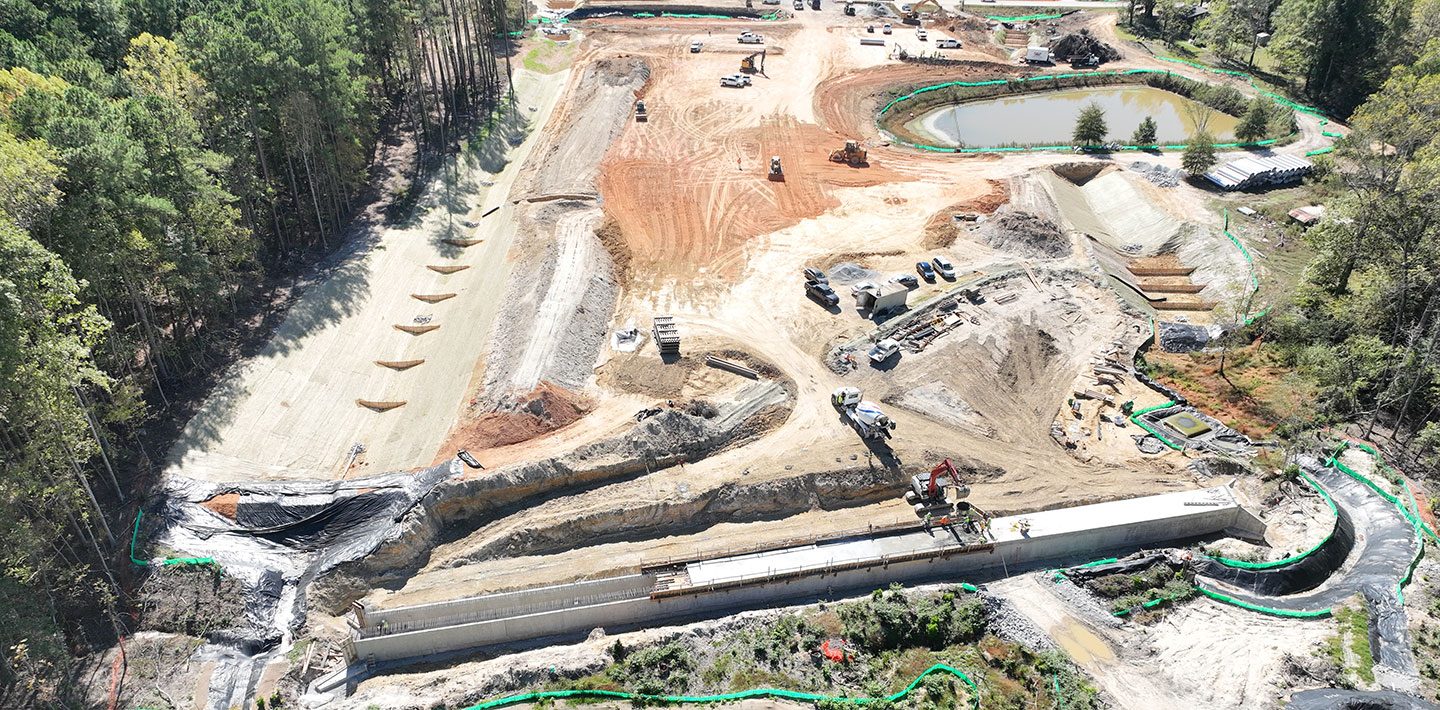
North Carolina Turnpike Authority Uses Drone LiDAR to Improve Oversight on Complete 540 Project
The North Carolina Turnpike Authority (NCTA) is implementing a pilot program that utilizes drone-based LiDAR technology to enhance oversight of the final phase of the Complete 540 project. This initiative aims to provide more accurate tracking of construction progress and improve safety measures on major transportation infrastructure. As construction advances, the use of aerial LiDAR will allow for a detailed assessment of the project, ultimately facilitating better scheduling and oversight. The integration of this technology marks a significant step in modernizing construction management practices in North Carolina.
Applications Construction Drone News Drone News Feeds LiDAR MappingRobotics needs a service framework.
RSF defines a common language for robot service capability, lifecycle operations, certification pathways, and service-provider networks.