Industry Briefing
A single destination for timely, editor-curated robotics news from around the world.
In Defence Investment Plan preview, Britain bets big on drones, ‘hybrid’ navy
The Ministry of Defence has announced an initiative to develop at least six hybrid warships that will integrate with unmanned systems both in the air and at sea. This strategic move aims to enhance naval capabilities and modernize the fleet, reflecting a growing emphasis on advanced technology in military operations. The initiative underscores the Ministry's commitment to maintaining a competitive edge in maritime defense, particularly in an era where unmanned systems are becoming increasingly vital for operational effectiveness. The timeline for the project has not been specified, but it represents a significant step towards modernizing naval warfare and adapting to evolving threats.
Air Warfare Global Land Warfare Naval Warfare Air Force Ajax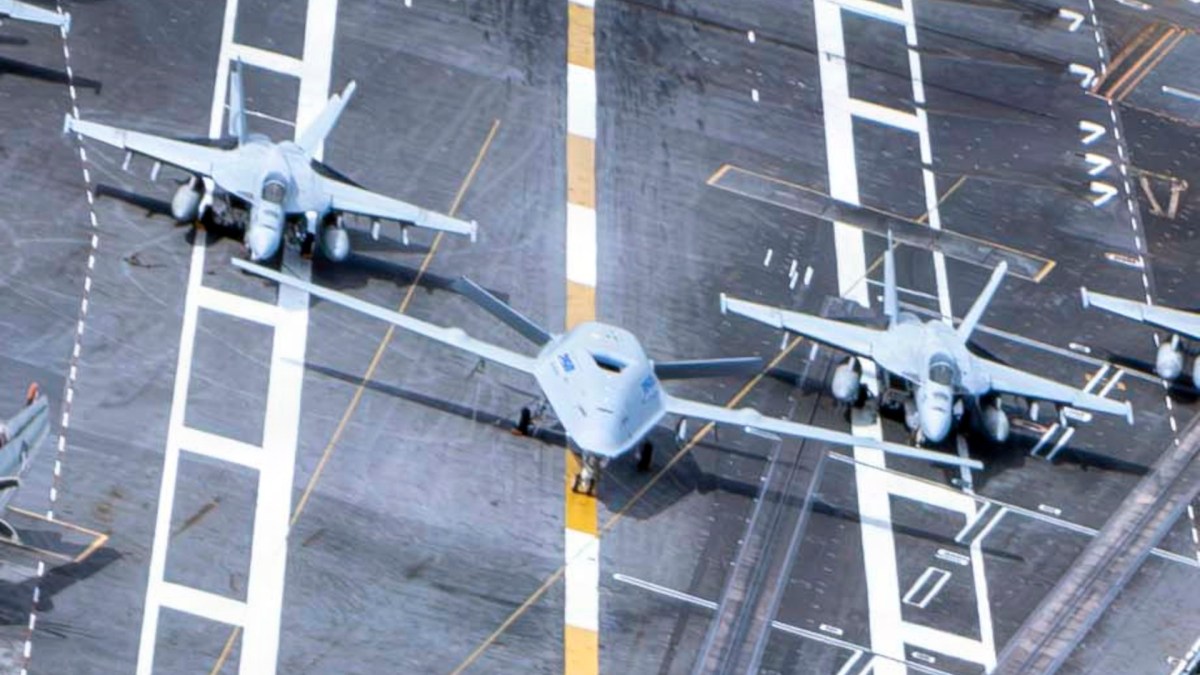
MQ-25 Stingray Demonstrator Goes Aboard USS Nimitz For 250th U.S. Anniversary Celebrations
The Navy's T-1 tanker drone demonstrator made a notable appearance on the deck of the USS Nimitz, coinciding with the 250th anniversary celebrations of the United States. This event highlighted the drone's significant size in comparison to its crewed counterparts, showcasing advancements in naval aviation technology. The demonstration underscores the Navy's commitment to integrating unmanned systems into its operations, reflecting a shift towards modernizing its fleet. The USS Nimitz, a key asset in the Navy's carrier strike group, served as the backdrop for this milestone, emphasizing the importance of innovation in maintaining maritime superiority.
Air Carriers MQ-25 Navies Nimitz Class Sea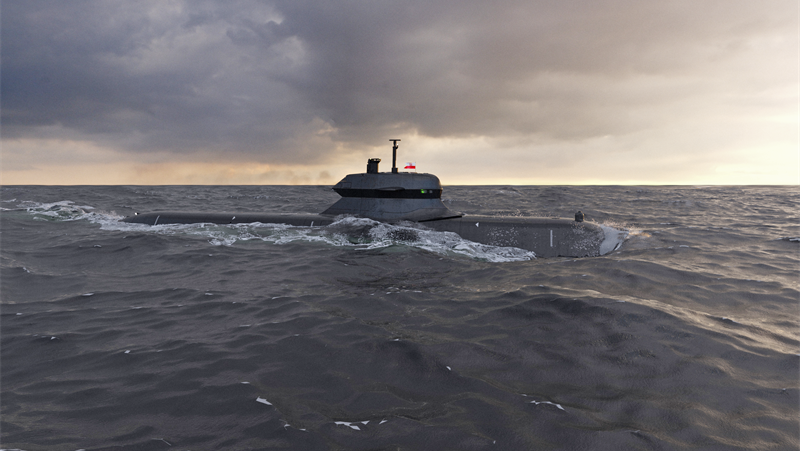
Poland signs $4.8 billion contract for Saab-made A26 submarines
Swedish Prime Minister Ulf Kristersson announced a significant defense agreement that will bolster the Polish Navy, enhancing its capabilities to become one of the most formidable forces within NATO. This long-term deal is expected to strengthen security in the Baltic Sea region and across the alliance. The announcement underscores the importance of collaborative defense efforts among NATO member states, particularly in light of ongoing regional security challenges.
Global Naval Warfare A26 Baltic Sea Europe NATO
Embraer and OGMA complete first Hungarian C-390 maintenance in Portugal
Embraer, in collaboration with the Portuguese aerospace company OGMA, has successfully completed the first scheduled 24-month maintenance for a C-390 Millennium aircraft belonging to the Hungarian Air Force. This significant milestone was achieved as part of ongoing efforts to ensure the operational readiness and reliability of the aircraft, which plays a crucial role in Hungary's military capabilities. The maintenance work was carried out in Portugal, showcasing the partnership between the two companies and their commitment to supporting the Hungarian military's aviation needs. This maintenance cycle not only enhances the aircraft's performance but also extends its service life, reflecting the growing importance of the C-390 Millennium in modern air force operations.
News
UK industry team looks to miniaturize DragonFire laser for Type 45 destroyer debut
The United Kingdom is poised to become the first European NATO member to operationally deploy advanced laser directed energy technology by 2027. This initiative reflects the UK's commitment to enhancing its defense capabilities in response to evolving security challenges. The deployment aims to provide a cutting-edge solution for military operations, improving efficiency and effectiveness on the battlefield. The move underscores the UK's leadership role within NATO and its dedication to modernizing its armed forces in line with contemporary technological advancements.
Global Naval Warfare Army DragonFire Drones Europe
European startup to make defense drones in Japan, export across Asia
Portuguese drone startup Tekever is set to establish a manufacturing base for defense drones in Japan, marking a significant milestone as it is expected to be the first foreign defense company to do so. The initiative, reported on June 23, 2026, aims to leverage Japan's advanced sensor technology and will involve collaboration with Marubeni, which will serve as the sales agent for Tekever's products across Asia. This move is part of Tekever's strategy to expand its market presence in the region and enhance its technological capabilities by tapping into Japan's expertise in defense systems. The establishment of the manufacturing facility is anticipated to strengthen defense ties between Portugal and Japan while contributing to the growing demand for advanced drone technology in the Asian market.

US Marines launch long-endurance spy drone from warship in South China Sea
A small US surveillance drone was launched from the deck of a Navy warship in the South China Sea on Thursday, marking a significant move in the ongoing tensions between the United States and China. The operation aimed to enhance reconnaissance capabilities in a region where both nations have been asserting their military presence. This deployment comes amid rising concerns over China's expanding influence and military activities in the area, prompting the US to bolster its surveillance efforts. The drone's mission involved gathering intelligence on maritime movements and potential threats, showcasing the US commitment to maintaining a strategic advantage in the region. The operation underscores the delicate balance of power in the South China Sea, where territorial disputes have heightened the stakes for both countries.
Military
Defense manufacturing readiness hinges on autonomous finishing, says GrayMatter Robotics
A recent review of the Navy's industrial base has revealed a significant demand for 174,000 new workers to support defense manufacturing. In response to this workforce challenge, GrayMatter Robotics has proposed that robotics technology could effectively address the labor shortage. The company emphasizes that the integration of autonomous finishing processes in manufacturing could enhance efficiency and productivity, thereby meeting the urgent needs of the defense sector. As the military seeks to bolster its operational capabilities, the adoption of advanced robotics may play a crucial role in ensuring readiness and sustainability within the industry.
Collaborative Robots Defense / Security Manufacturing Maritime Markets / Industries News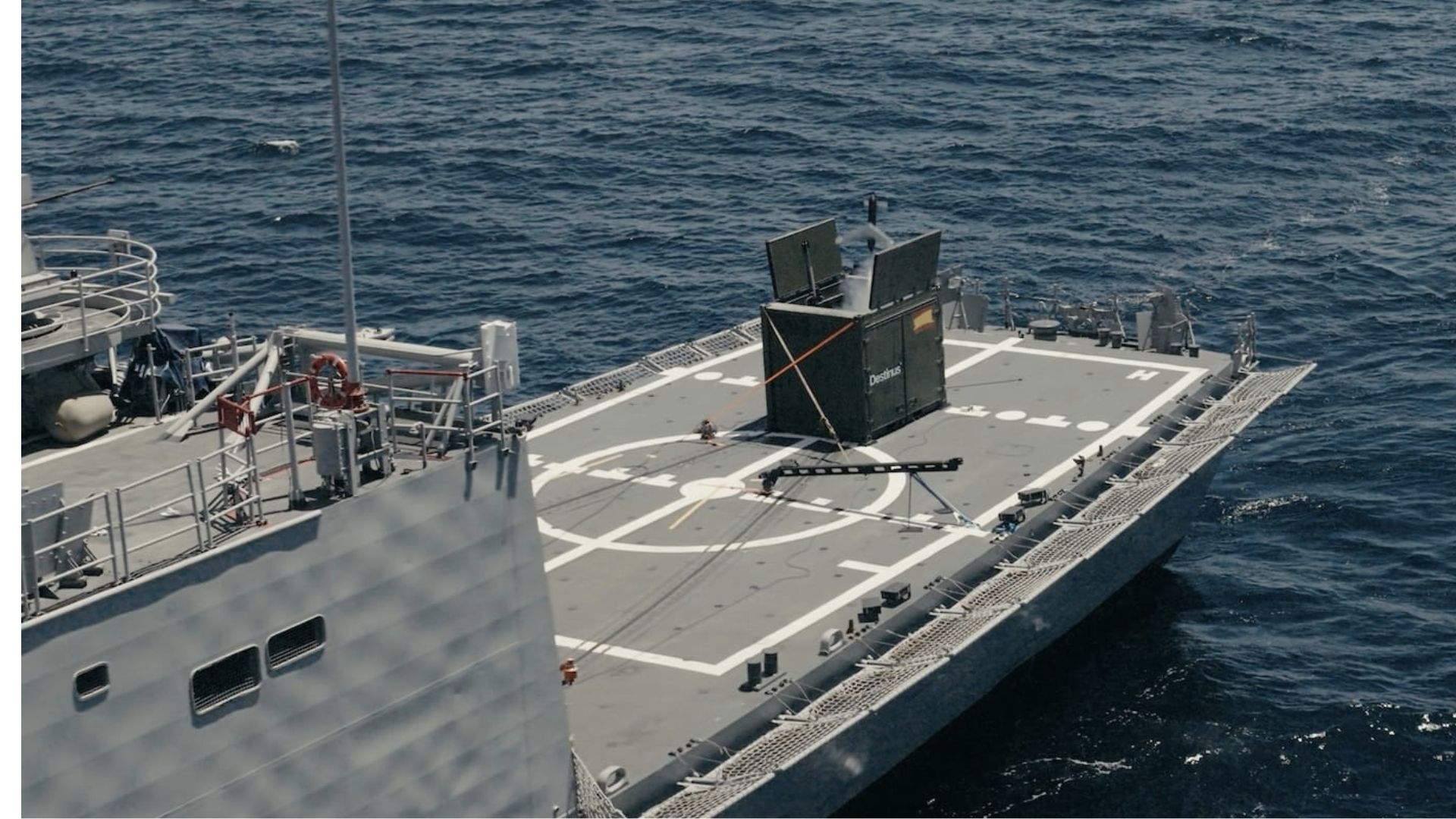
Missile-like interceptor drone destroys target with precision during Spanish Navy’s at-sea test
The Spanish Navy recently conducted a successful at-sea test of the Hornet Block 1, showcasing its advanced capabilities in naval operations. This event took place in October 2023, as part of the Navy's ongoing efforts to enhance its maritime defense systems. The test aimed to evaluate the performance and reliability of the Hornet Block 1, which is integral to Spain's strategic military initiatives. By conducting these trials, the Spanish Navy seeks to ensure that its fleet remains at the forefront of modern naval warfare, effectively responding to evolving security challenges. The successful outcome of this test underscores the Navy's commitment to maintaining operational readiness and technological advancement in its maritime capabilities.
Military
First Bluebottle Hull Christened as Part of Royal Australian Navy's Program of Record
Ocius Technology has achieved a significant milestone in the Royal Australian Navy's $176 million Bluebottle Program with the ceremonial christening of the first uncrewed surface vessel (USV) hull. This event, which took place following the contract announcement in March, marks the initial delivery under the program aimed at enhancing naval capabilities. The Bluebottle USVs are designed to support various maritime operations, reflecting the Navy's commitment to modernizing its fleet and improving operational efficiency. The successful christening underscores Ocius Technology's role in advancing innovative maritime solutions for the Australian defense sector.
bluebottle usv hull christening ocius royal australian navy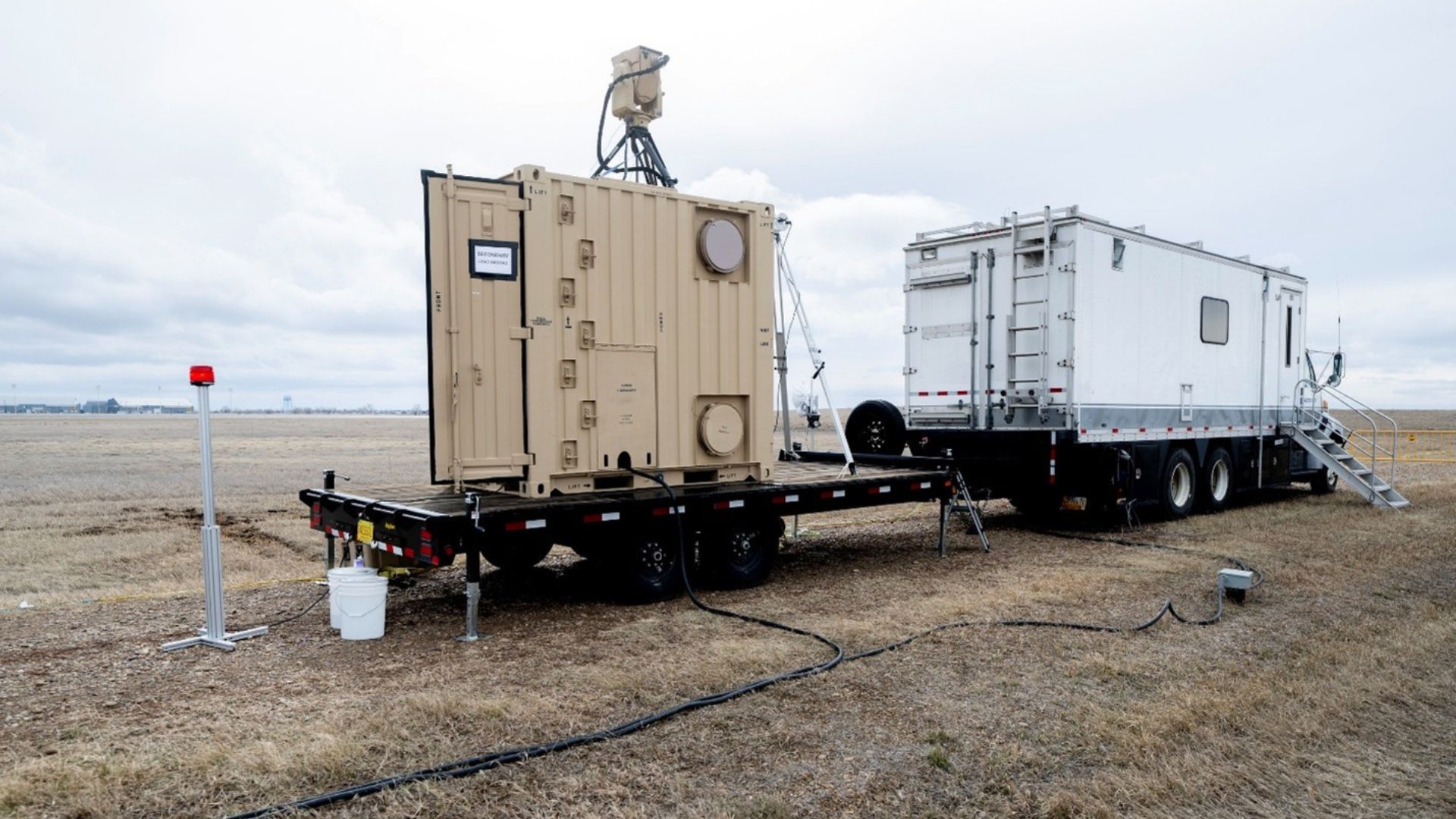
US Navy tests dual-use laser that beams power and counters drone threats in one system
The U.S. Naval Research Laboratory (NRL) has successfully demonstrated a groundbreaking laser system capable of transmitting data at unprecedented speeds. This innovative technology was showcased during a recent test conducted at the laboratory's facilities in Washington, D.C. The demonstration highlights the potential for advanced communication systems that could enhance naval operations and improve data transfer capabilities in various military applications. By utilizing laser technology, the NRL aims to address the growing demand for faster and more secure communication methods in an increasingly digital battlefield. The successful test marks a significant step forward in the development of high-speed data transmission solutions, paving the way for future advancements in military communications.
Military
Large Portuguese building 3D printed in record 9 Days
Havelar, a Portuguese construction company specializing in 3D printing technology, has successfully completed a public building for the municipality of Matosinhos. The project involved the construction of a 500 square meter recycling center office located at the Ecocentro de Perafita in Porto. Remarkably, the building was printed in just nine days and completed within budget, utilizing a COBOD BOD2 construction 3D printer. This innovative approach not only showcases the efficiency of 3D printing in construction but also highlights the growing trend of sustainable building practices in the region.
Construction Features 3D printed buildings additive manufacturing automated construction automation news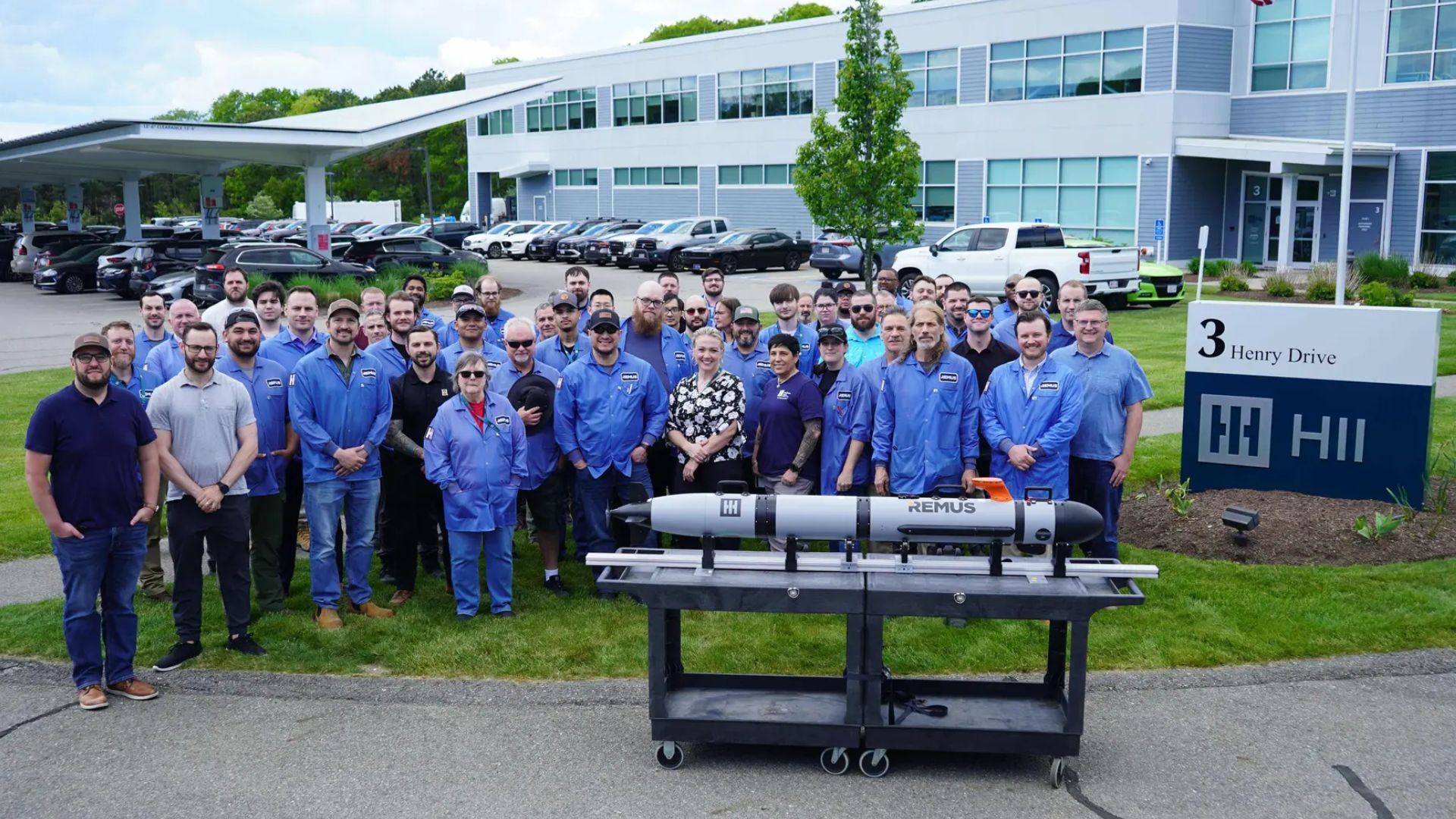
New mini submarine-like drone from HII can dive 328 feet deep with 10 hour battery life
Huntington Ingalls Industries (HII), a prominent U.S. military shipbuilder, has successfully delivered the first REMUS 130 unmanned underwater vehicle. This significant milestone was achieved as part of HII's commitment to advancing maritime technology. The delivery took place in October 2023, showcasing the company's ongoing efforts to enhance the capabilities of the U.S. Navy and other defense partners. The REMUS 130 is designed for various underwater missions, including reconnaissance and surveillance, addressing the growing need for advanced unmanned systems in naval operations. This development reflects HII's strategic focus on innovation and its role in supporting national security objectives through cutting-edge maritime solutions.
Military
Mach Industries wins DIU contract for maritime, long-range strike drone
The U.S. Navy is pursuing the development of an unmanned aerial system capable of launching from smaller vessels that lack extensive flight decks. This initiative aims to enhance the Navy's long-range strike capabilities, allowing for more versatile and efficient operations at sea. The move comes as part of the Navy's broader strategy to modernize its fleet and adapt to evolving maritime threats. By leveraging unmanned technology, the Navy seeks to extend its operational reach while minimizing risk to personnel and resources. The project is currently in the planning stages, with further details expected to emerge as the Navy refines its requirements and explores potential partnerships with defense contractors.
Air Warfare Naval Warfare Air Force destroyer Drones Navy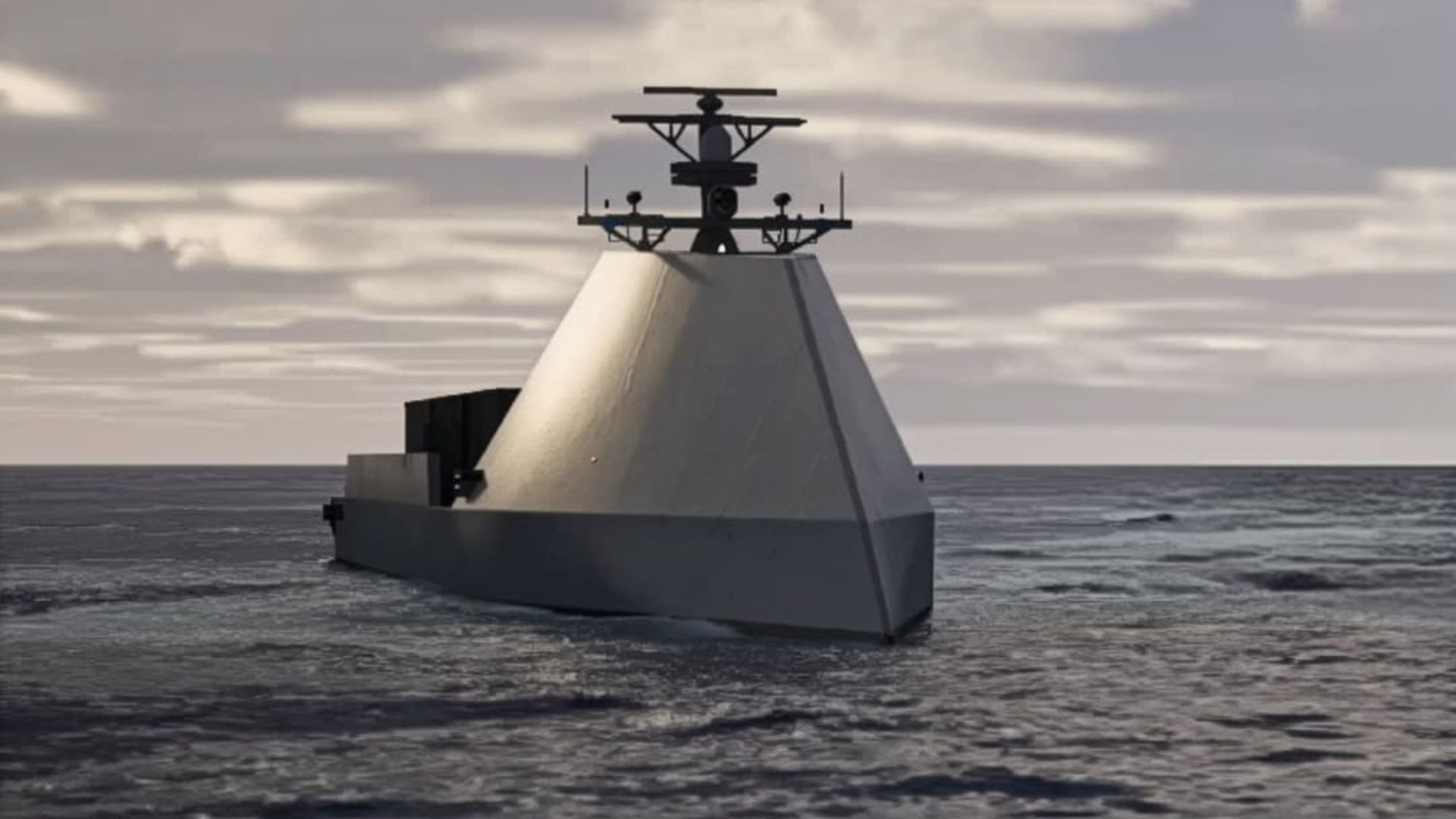
US Navy drone ship gets its own production line to speed up fleet deliveries
Bayou Metals, a key manufacturing partner of defense shipbuilder Huntington Ingalls Industries (HII), has announced the establishment of a new facility aimed at enhancing its production capabilities. This development, which took place in early October 2023, is located in the Gulf Coast region, a strategic area for defense manufacturing. The decision to expand comes in response to increasing demand for advanced materials and components necessary for military vessels. By investing in this new facility, Bayou Metals aims to streamline its operations and improve efficiency, ultimately supporting HII's commitment to delivering high-quality defense products. The facility is expected to create numerous jobs and contribute to the local economy, while also reinforcing the supply chain for the defense sector.
Military
Drone rescue highlights US Navy's autonomous push
The recent deployment of a sea drone to rescue two U.S. Army aviators, reportedly downed by Iranian forces, highlights the increasing significance of unmanned vessels in the United States' naval strategies. Analysts noted that this incident, which took place on Wednesday, reflects a shift in military operations, emphasizing the role of advanced technology in modern warfare. The use of a sea drone not only showcases the capabilities of remote-operated vehicles but also illustrates the U.S. commitment to safeguarding its personnel in hostile environments. As tensions in the region escalate, the integration of such innovative tools into military operations may become a crucial factor in future engagements.
Robotics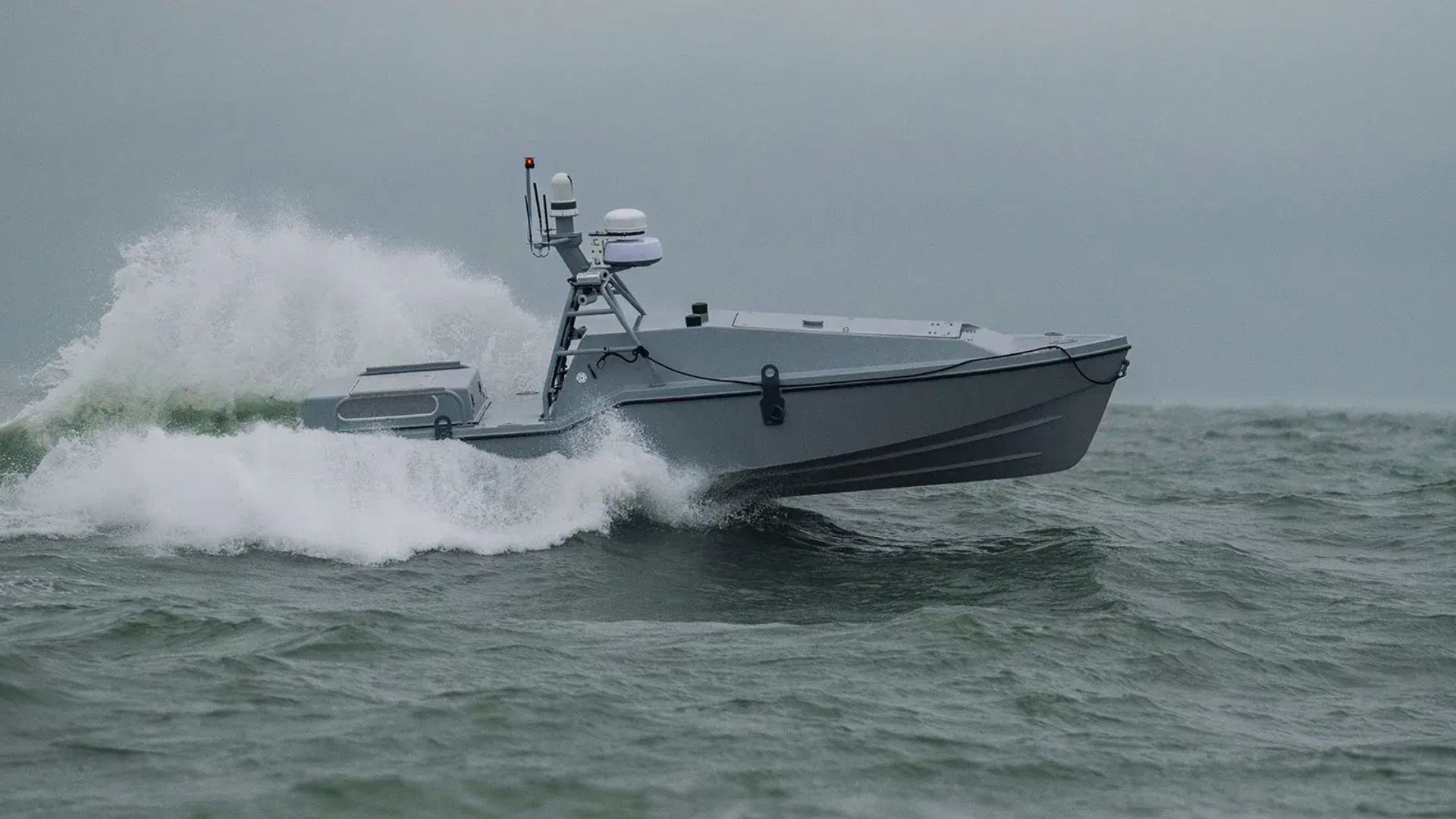
First-ever drone boat rescue: US Navy vessel pulls out two downed pilots from sea
A U.S. Navy unmanned surface vessel successfully conducted a rescue operation for two Army pilots whose AH-64 Apache helicopter had crashed. The incident occurred on a training mission off the coast of California on Tuesday. The unmanned vessel, equipped with advanced technology, was able to locate the pilots quickly and facilitate their safe retrieval from the water. This operation highlights the increasing role of unmanned systems in military rescue missions, showcasing their effectiveness in enhancing operational capabilities and ensuring the safety of personnel in distress. The successful rescue underscores the collaborative efforts between the Navy and Army in conducting joint operations and responding to emergencies in challenging environments.
Military
Naval carrier set to deploy with a drone, while Marines say goodbye to the Harrier
This week, the U.S. Navy is enhancing its fleet capabilities as a Seahawk drone is scheduled to join the aircraft carrier USS Theodore Roosevelt. This integration reflects ongoing efforts to modernize naval operations and improve surveillance and reconnaissance missions. Additionally, the aviation community bids farewell to a legendary aircraft, which is making its final flight, marking the end of an era in military aviation history. The events highlight the Navy's commitment to advancing technology while honoring its storied past.
Air Warfare Naval Warfare Air Force Break Out Video harrier HarrierJumpJet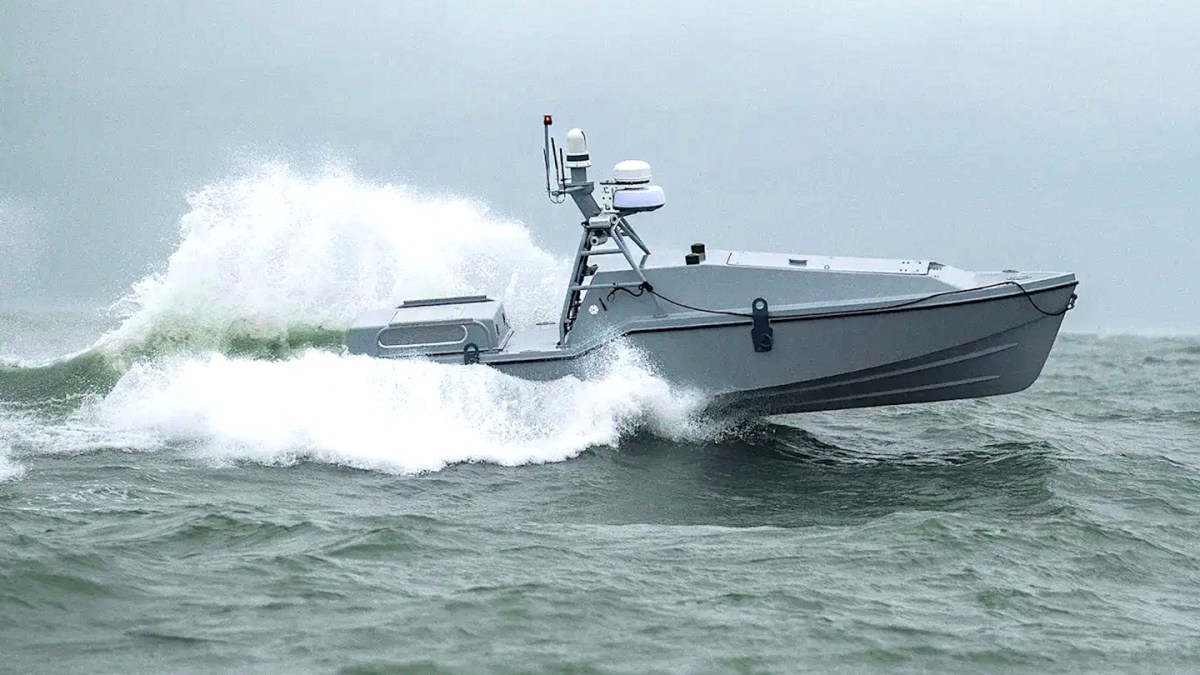
This Is The Corsair Drone Boat That Plucked The Downed Apache Crew Out Of The Gulf Of Oman
The U.S. Navy's leading drone task force in the Middle East has recently begun utilizing the Corsair uncrewed surface vessels, which were deployed for operations starting in March. This innovative technology played a crucial role in a recent rescue mission, successfully retrieving the crew of a downed Apache helicopter from the Gulf of Oman. The deployment of the Corsair underscores the Navy's commitment to enhancing maritime operations and improving response capabilities in the region. The use of these advanced drone boats marks a significant step in modern naval warfare and operational efficiency.
Sea Around The Globe Iran Middle East Navies News & Features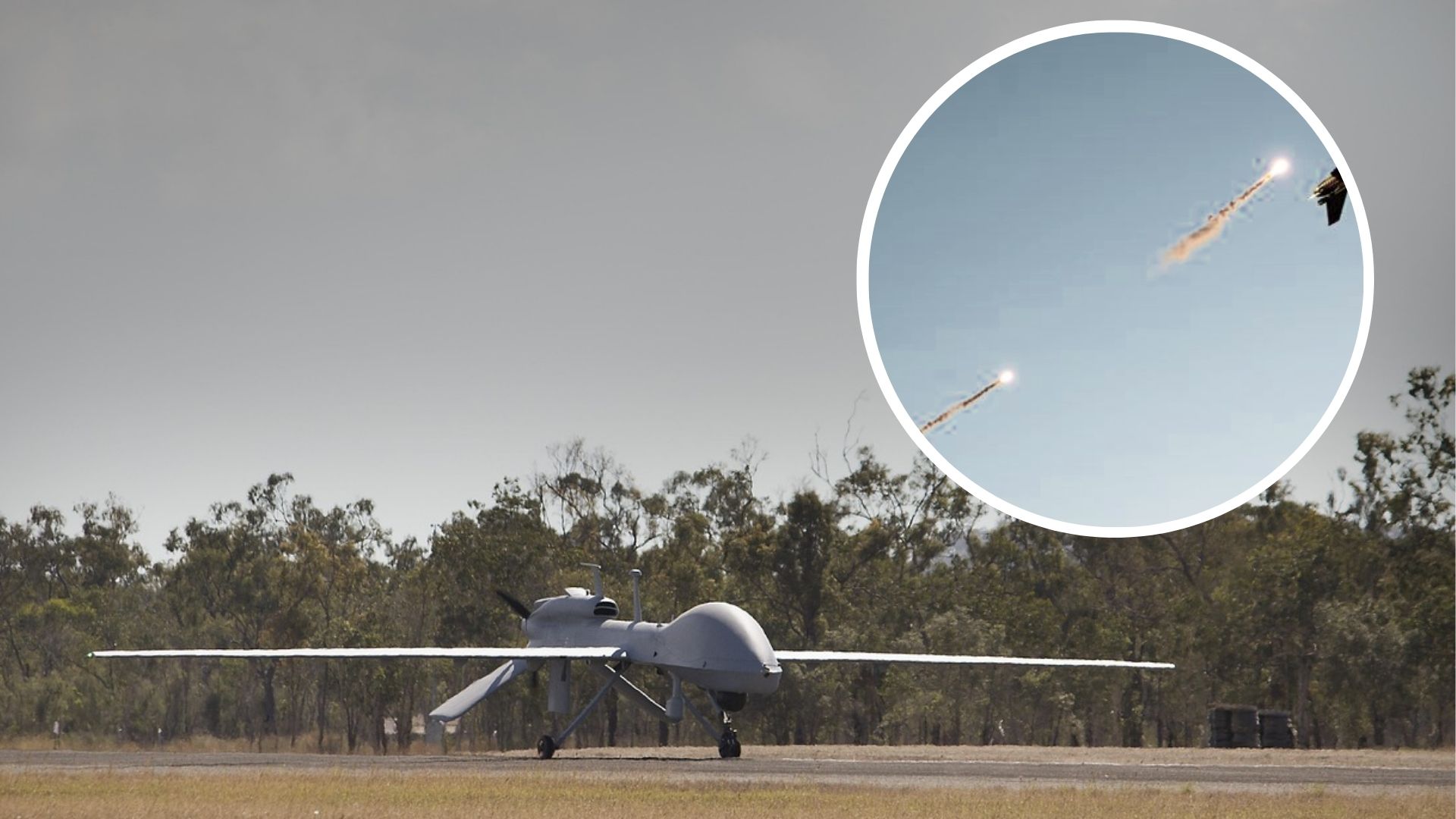
US’ drone-killing capability to get precision, accuracy with new combat-proven advanced fuzes
A Melbourne-based defense company has secured a contract to supply the U.S. Navy with advanced Mechanical Proximity Fuzes, which have been tested and proven in combat situations. This significant agreement, announced recently, aims to enhance the Navy's operational capabilities by integrating these precision fuzes into their munitions systems. The deal underscores the growing collaboration between Australian defense manufacturers and the U.S. military, driven by the need for reliable and effective weaponry in modern warfare. The fuzes are designed to improve the accuracy and effectiveness of naval operations, ensuring that the U.S. Navy maintains a technological edge. The delivery of these fuzes is expected to commence in the coming months, marking a crucial step in strengthening defense ties between the two nations.
A Navy carrier is about to deploy with a robot ship. Could it change the service forever?
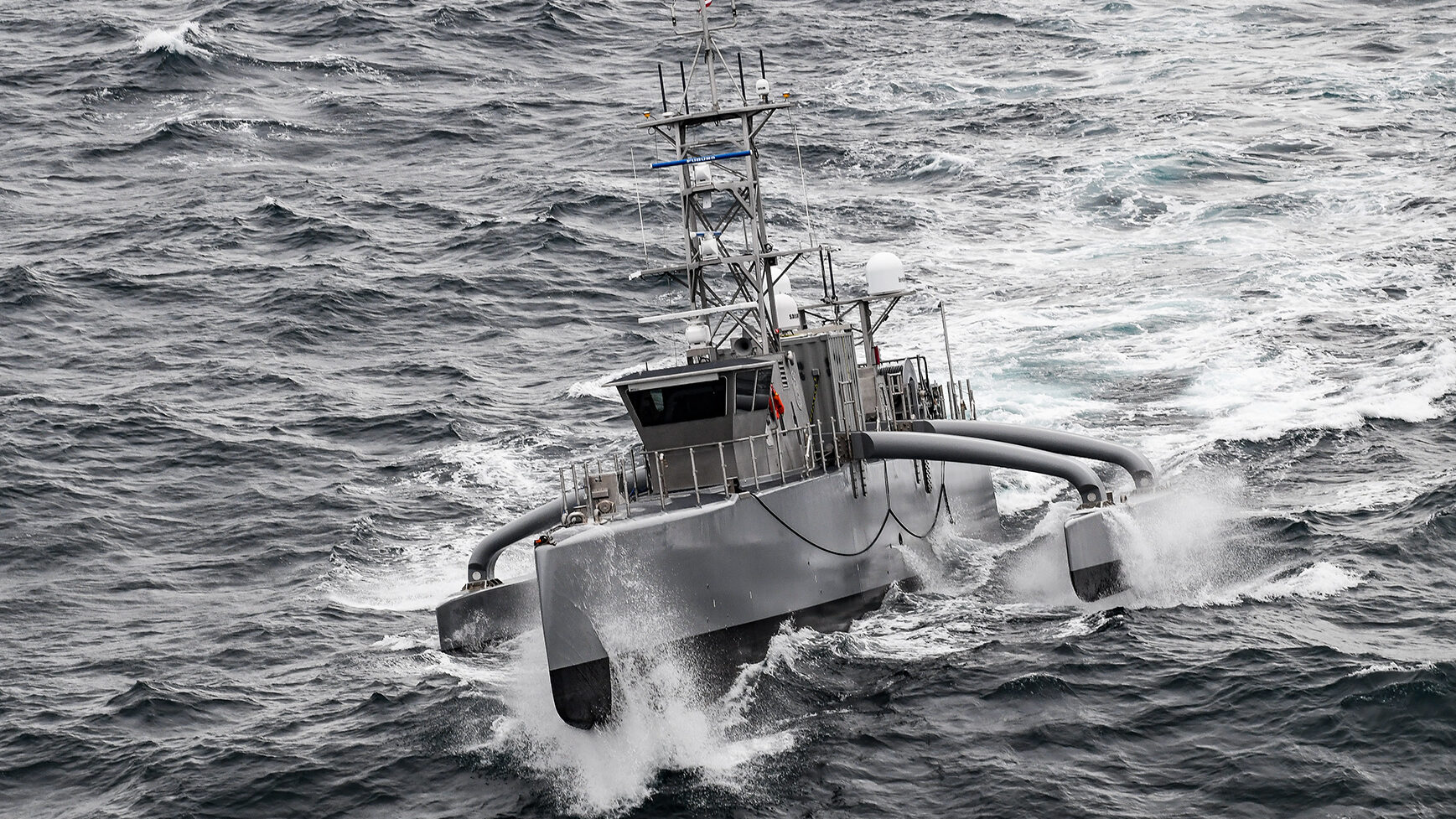
Experts have indicated that the recent deployment of unmanned systems by the Navy could significantly influence the future development of its operational strategies. This initiative, aimed at enhancing naval capabilities, is seen as a pivotal step in integrating advanced technologies into military operations. The deployment is expected to take place in the coming months, with strategic locations being evaluated for optimal effectiveness. By leveraging unmanned systems, the Navy aims to improve efficiency, reduce risks to personnel, and adapt to evolving threats in maritime environments. The insights gained from this deployment will likely shape the Navy's approach to unmanned operations and inform future investments in technology.
Naval Warfare Adm. Daryl Caudle Drones featured Leidos MUSV
GE propulsion selected for US Navy’s next-generation ocean surveillance vessels
GE Aerospace has announced a significant contract to supply propulsion systems for the U.S. Navy's next-generation aircraft. This order, which underscores the company's commitment to advancing military aviation technology, was finalized recently and marks a pivotal step in enhancing the Navy's operational capabilities. The propulsion systems are expected to improve performance and efficiency for the upcoming fleet of aircraft, contributing to national defense objectives. GE Aerospace will leverage its advanced engineering and manufacturing expertise to fulfill this contract, ensuring timely delivery and adherence to the Navy's stringent requirements. This partnership highlights the ongoing collaboration between the defense sector and aerospace manufacturers, aimed at modernizing military assets and maintaining technological superiority.

Royal Navy deploys Defender mine-hunting robot for Strait of Hormuz operations
The Royal Navy is set to deploy the Video Ray Defender, an advanced autonomous underwater robot, as part of its ongoing efforts to enhance maritime security. This deployment is scheduled for later this month, with operations taking place in various strategic locations to bolster surveillance and reconnaissance capabilities. The initiative aims to address increasing concerns over underwater threats and improve response times in maritime operations. By utilizing cutting-edge technology, the Royal Navy intends to streamline underwater missions, allowing for more efficient data collection and analysis. The introduction of the Video Ray Defender marks a significant step in the Royal Navy's modernization efforts, reflecting a commitment to incorporating innovative solutions in national defense strategies.

AUKUS partners sign agreement on underwater drones, speed up sub plan
Australia has decided to abandon plans to purchase a new Virginia-class submarine, opting instead to acquire a decommissioned submarine from the United States Navy. This decision reflects a strategic shift in Australia’s defense procurement approach, aiming to enhance its naval capabilities while managing costs. The change comes amid ongoing discussions about regional security and military readiness, highlighting the importance of maintaining a robust defense posture in the Indo-Pacific region. The acquisition of the ex-US Navy submarine is expected to provide Australia with immediate operational capabilities, allowing for a quicker integration into its fleet compared to a new build, which would require more time and resources.
Global Naval Warfare Asia AUKUS Pillar 2 Drones Europe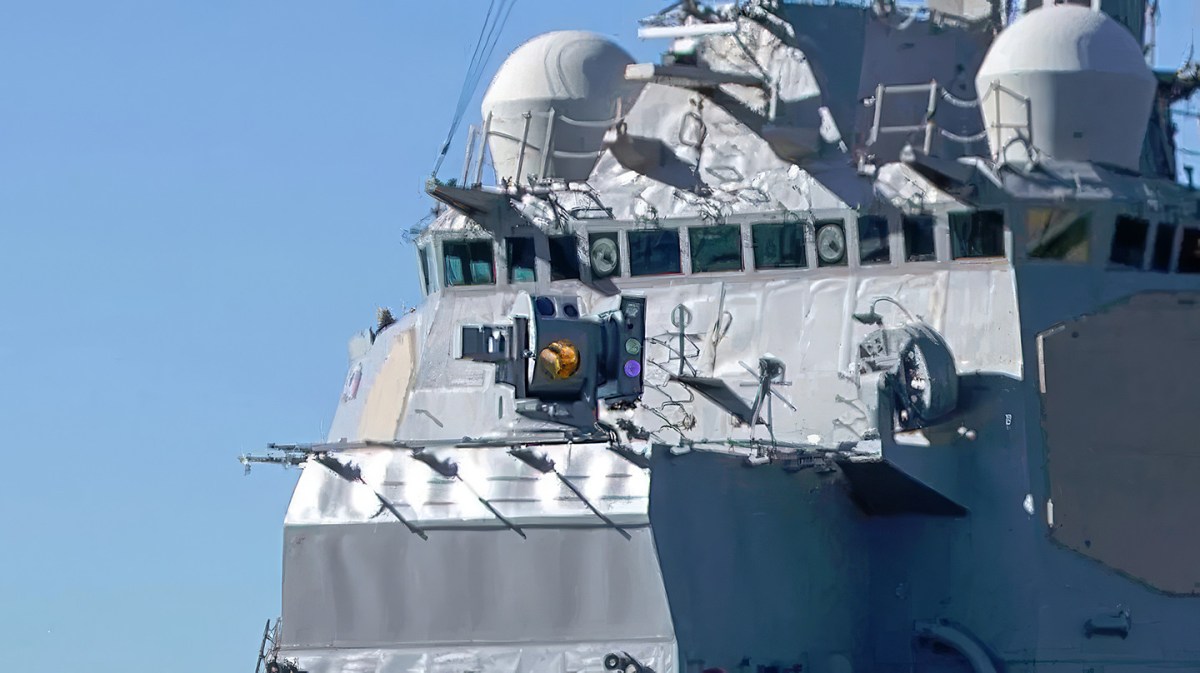
Containerized Variant Of Navy’s Drone-Swatting HELIOS Laser Being Pushed By Congress
Congress is advocating for the development of a containerized version of HELIOS, the Navy's advanced laser system capable of disabling drones from an active warship. This initiative aims to enhance the deployment flexibility of the HELIOS laser, which is currently the only system of its kind in operation. By placing the laser in a container, the Navy could potentially expand its use across various platforms and locations, improving operational readiness and response capabilities. The push for this innovation reflects a growing emphasis on modernizing military technology to address evolving aerial threats.
News & Features Directed Energy Lasers Navies Sea U.S. Navy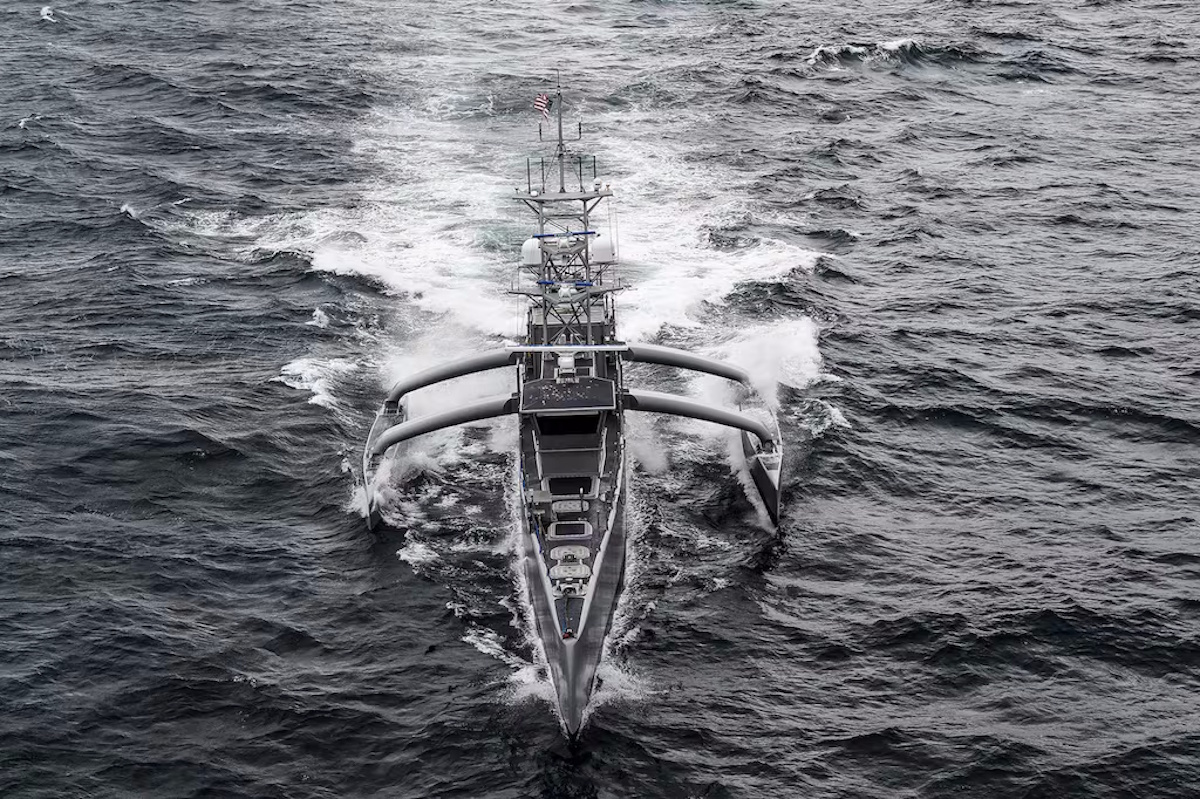
U.S. Navy Announces Seven Companies Selected for MUSV Marketplace At-Sea Demonstrations
The Department of the Navy has announced the selection of seven companies to proceed to the at-sea testing phase for the Medium Unmanned Surface Vessel (MUSV) marketplace. This decision, made public today, marks a significant step in the development of advanced maritime technologies aimed at enhancing naval operations. The selected companies will now engage in rigorous testing to evaluate the performance and capabilities of their unmanned surface vessels. This initiative is part of the Navy's broader strategy to integrate innovative solutions into its fleet, ultimately improving operational efficiency and mission effectiveness.
u.s. navy musv marketplace at-sea demonstrations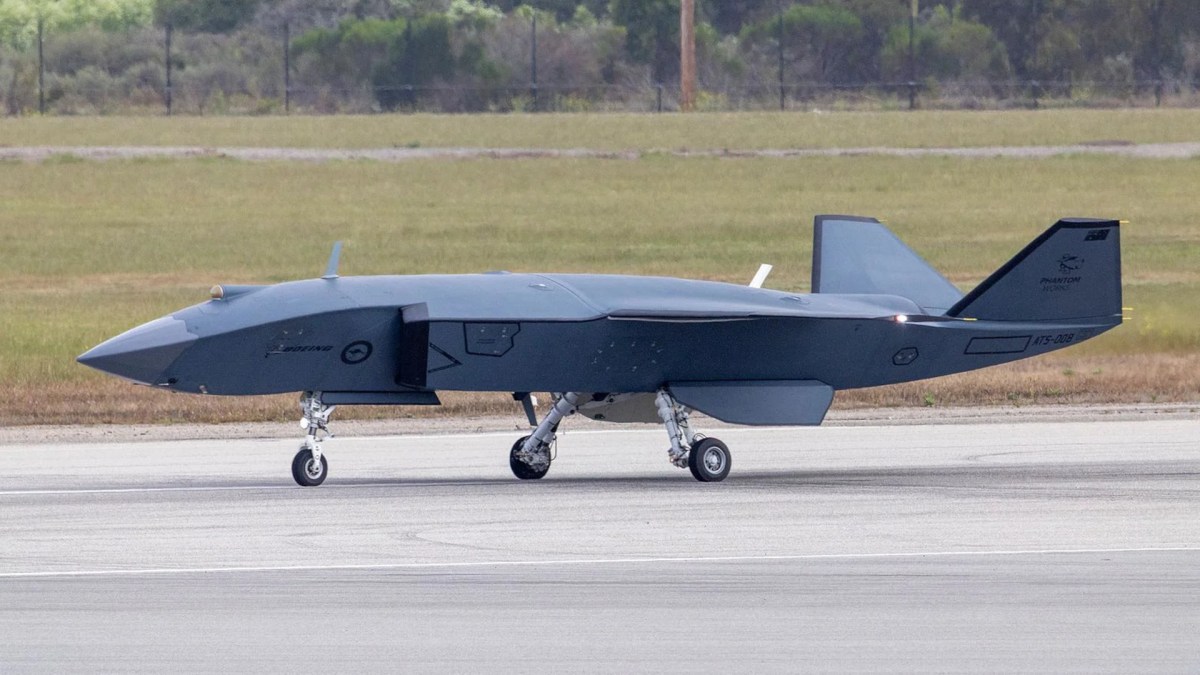
MQ-28 Ghost Bat Now Flying Over The Pacific From U.S. Navy Base
Boeing has announced that it is conducting tests of the Australian-developed MQ-28 Ghost Bat drone off the coast of California. These tests aim to demonstrate the drone's operational maturity and to bolster its sales potential, including possible contracts with the Pentagon. The MQ-28, which has been designed for advanced military applications, is currently being evaluated at a U.S. Navy base, highlighting its significance in the evolving landscape of defense technology. The initiative reflects Boeing's strategy to enhance the drone's market appeal and secure partnerships with key defense entities.
Air Drones Loyal Wingman MQ-28 Navies News & Features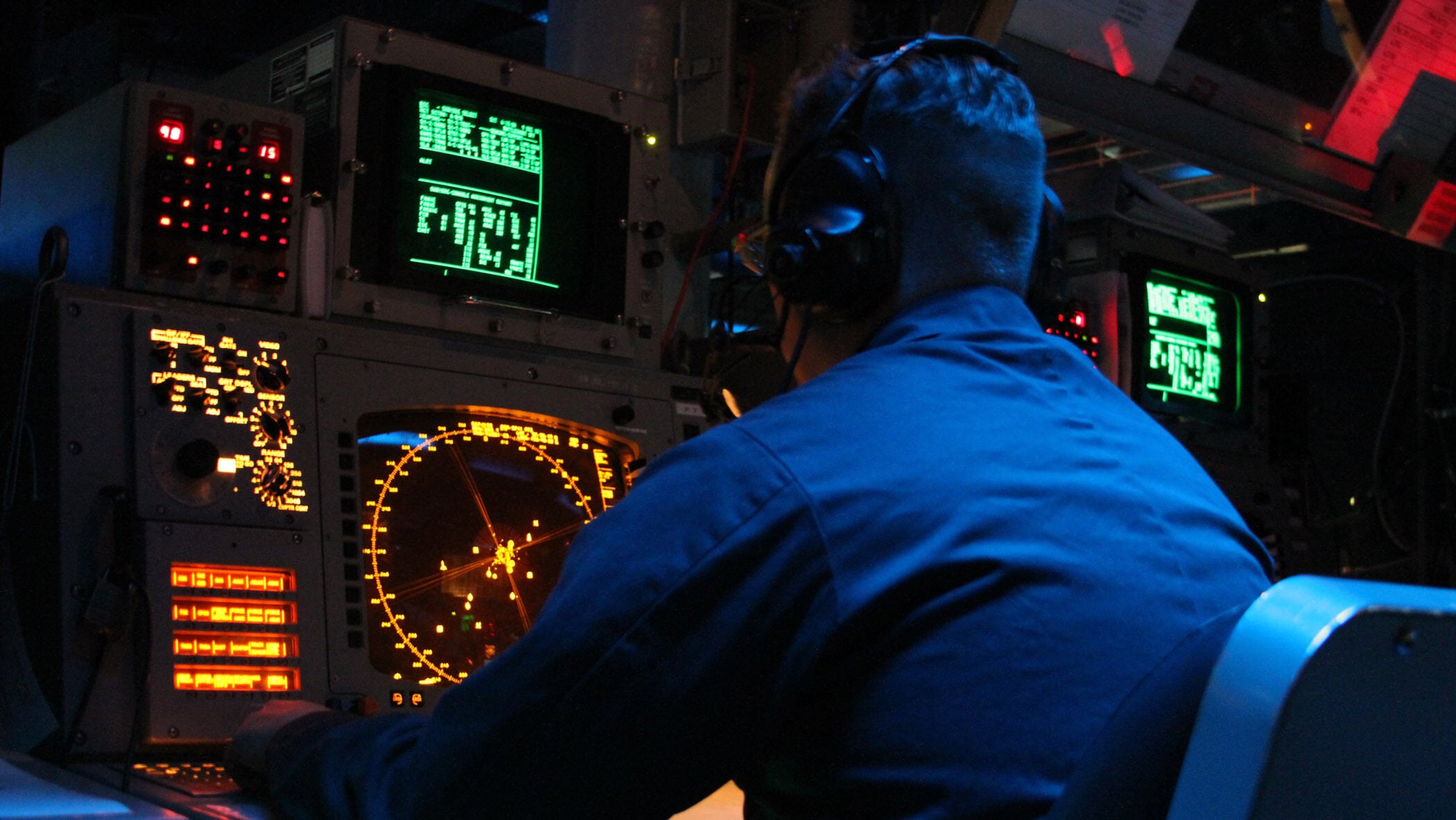
Navy splits major information warfare post across three new directorates
In a significant development, the U.S. military is implementing a new policy that mirrors a decision made by the Air Force nearly two years ago. This initiative aims to enhance operational efficiency and address evolving challenges within the armed forces. The announcement, made recently, underscores the military's commitment to adapting its strategies in response to changing global dynamics. By adopting this approach, the military seeks to streamline processes and improve readiness across various branches. The decision reflects a broader trend within the defense sector to modernize and optimize resources in light of contemporary security threats.
Naval Warfare Networks & Digital Warfare cyber security information warfare Navy networks
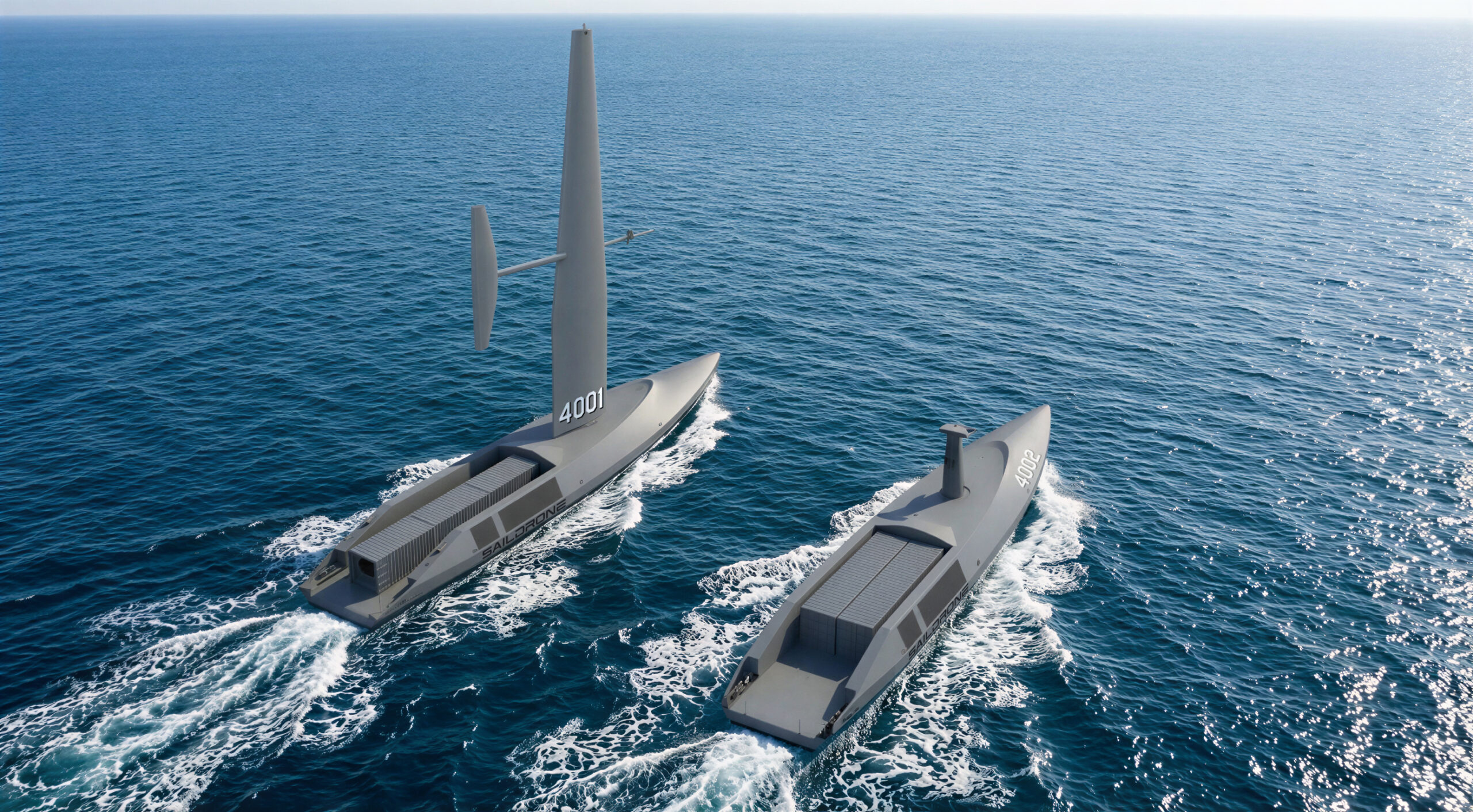
Navy tests MUSV autonomous control and payload architecture across seven prototypes
The US Navy has approved seven submissions for medium unmanned surface vessels (MUSVs) as part of its ongoing efforts to enhance maritime capabilities. This decision, announced recently, marks a significant step in the Navy's initiative to integrate advanced unmanned technologies into its fleet. The approvals come in response to the increasing demand for innovative solutions to address modern naval challenges, including surveillance and reconnaissance missions. By incorporating these unmanned vessels, the Navy aims to improve operational efficiency and reduce risks to personnel. The selected submissions will now move forward in the development process, with the Navy collaborating closely with the respective contractors to ensure successful implementation. This initiative underscores the Navy's commitment to leveraging cutting-edge technology to maintain its strategic advantage in maritime operations.
Navy green lights seven MUSV marketplace submissions to advance to prototype phase
The U.S. Navy has announced that it has selected certain designs to advance in its ongoing procurement process, although specific companies involved have not been disclosed. This decision is part of the Navy's efforts to enhance its capabilities and modernize its fleet. The announcement comes as the Navy seeks to address evolving maritime challenges and improve operational readiness. The selection process is expected to play a crucial role in shaping future naval operations and ensuring that the Navy remains competitive in a rapidly changing defense landscape. Further details regarding the selected designs and the companies behind them are anticipated in the coming weeks.
Naval Warfare Drones Medium Unmanned Surface Vessel MUSV Navy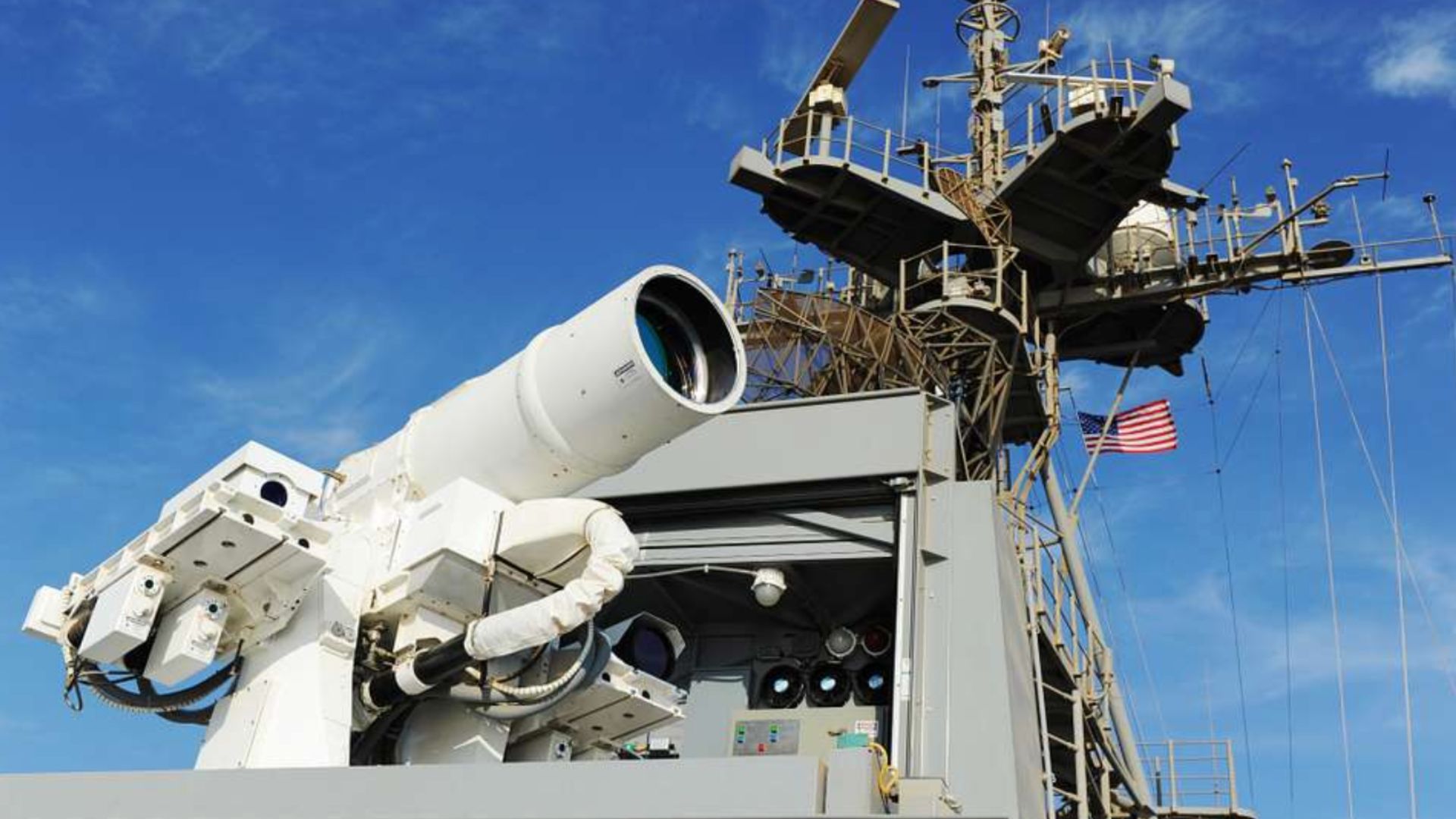
Nine US Navy destroyers that carry laser weapons for drone defense
The U.S. Navy has officially deployed laser weapons aboard its destroyers, marking a significant advancement from previous experimental demonstrations. This deployment, which occurred in October 2023, aims to enhance the Navy's defensive capabilities against various threats, including drones and small boats. The integration of laser technology is part of a broader strategy to modernize military assets and improve operational efficiency. By utilizing directed energy systems, the Navy seeks to provide a cost-effective and precise alternative to traditional munitions, thereby reducing logistical burdens and increasing response times in combat situations. The successful implementation of these systems aboard destroyers underscores the Navy's commitment to innovation and maintaining a technological edge in maritime operations.

ZeroUSV Demonstrates UK Sovereign Maritime Capability During VIP Tour
ZeroUSV recently hosted representatives from the Royal Navy, the Ministry of Defence (MOD), and the National Shipbuilding Office (NSO) at Manor Marine’s headquarters in Portland. The VIP tour highlighted the company's advancements in autonomous maritime technology. This visit comes on the heels of ZeroUSV's strategic investment in Manor Marine, which aims to enhance collaboration and increase the UK's production capacity for its Oceanus class uncrewed surface vessels (USVs). The partnership is expected to bolster the UK’s sovereign capabilities in maritime defense and innovation.
zerousv demo vip tour manor marine mod royal navy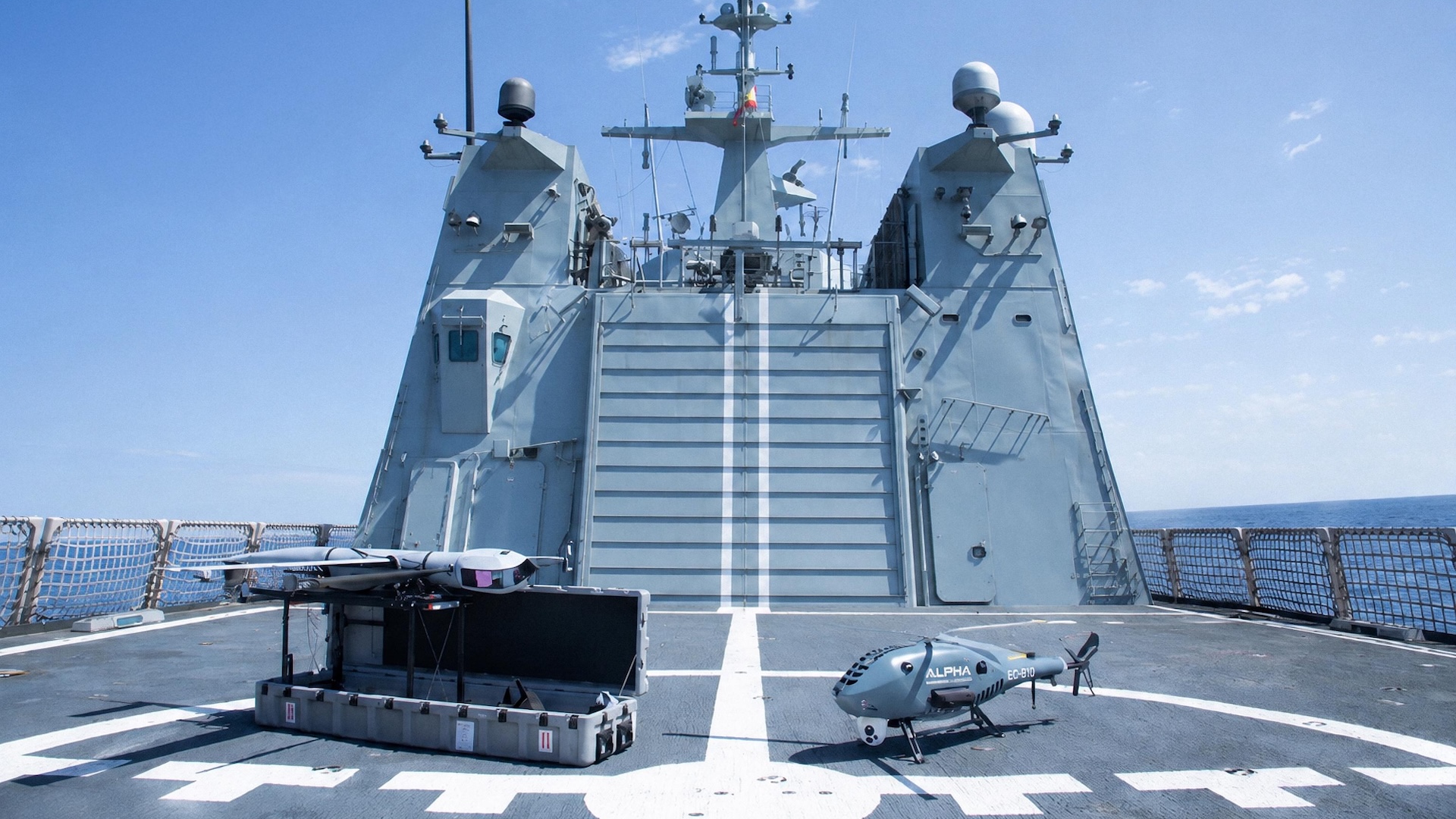
Spanish Navy tests drones controlled from helicopter in boat chase drill
Airbus Helicopters and the Spanish Navy have successfully conducted a flight trial in Rota, Spain, showcasing the capabilities of their latest helicopter technology. The trial, which took place recently, aimed to evaluate the performance and operational efficiency of the helicopters in various scenarios. This collaboration underscores the commitment of both Airbus and the Spanish Navy to enhance aerial capabilities and improve maritime operations. The successful outcome of the trial is expected to pave the way for future advancements in military aviation and strengthen defense partnerships.

MASS and Littoral OpTech Conferences Converge in Atlantic Canada
In a significant development, the U.S. Navy has announced the successful completion of a series of advanced training exercises aimed at enhancing operational readiness among its fleet. Conducted over the past month at various naval bases across the East Coast, these exercises involved multiple ships, submarines, and aircraft, showcasing the Navy's commitment to maintaining a high state of preparedness. The training was designed to simulate real-world scenarios, allowing personnel to refine their skills in navigation, combat tactics, and emergency response. This initiative comes in response to increasing global maritime challenges and aims to ensure that the Navy can effectively respond to potential threats. The exercises included joint operations with allied forces, emphasizing the importance of interoperability and collaboration in modern naval warfare. Participants engaged in complex maneuvers and strategic planning sessions, fostering teamwork and enhancing communication among units. Officials highlighted that the successful execution of these drills not only boosts the confidence of the fleet but also reassures allies and deters potential adversaries. The Navy plans to continue these training efforts regularly, adapting to evolving threats and technologies to ensure mission success in any operational environment.
mass littoral optech conferences atlantic canada events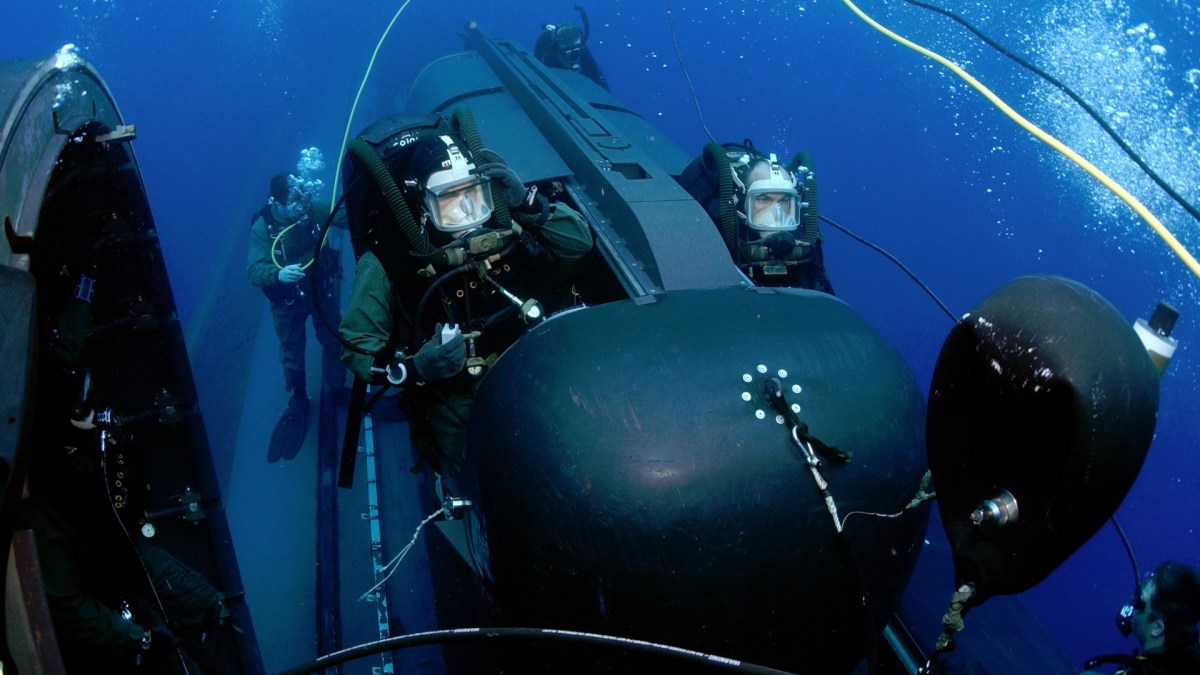
Navy SEALs In Mini-Submarines Teamed With Underwater Drones In The Works
The U.S. Navy is exploring innovative operational strategies by integrating uncrewed underwater vehicles with Navy SEALs utilizing mini-submarines. This collaboration aims to enhance the capabilities of special operations forces in maritime environments, potentially revolutionizing underwater missions. However, the initiative faces several challenges that need to be addressed to ensure effective implementation. As the Navy continues to develop these advanced technologies, the focus remains on overcoming obstacles to maximize the operational potential of this partnership.
Sea Navies Navy SEALs News & Features Special Warfare Submarines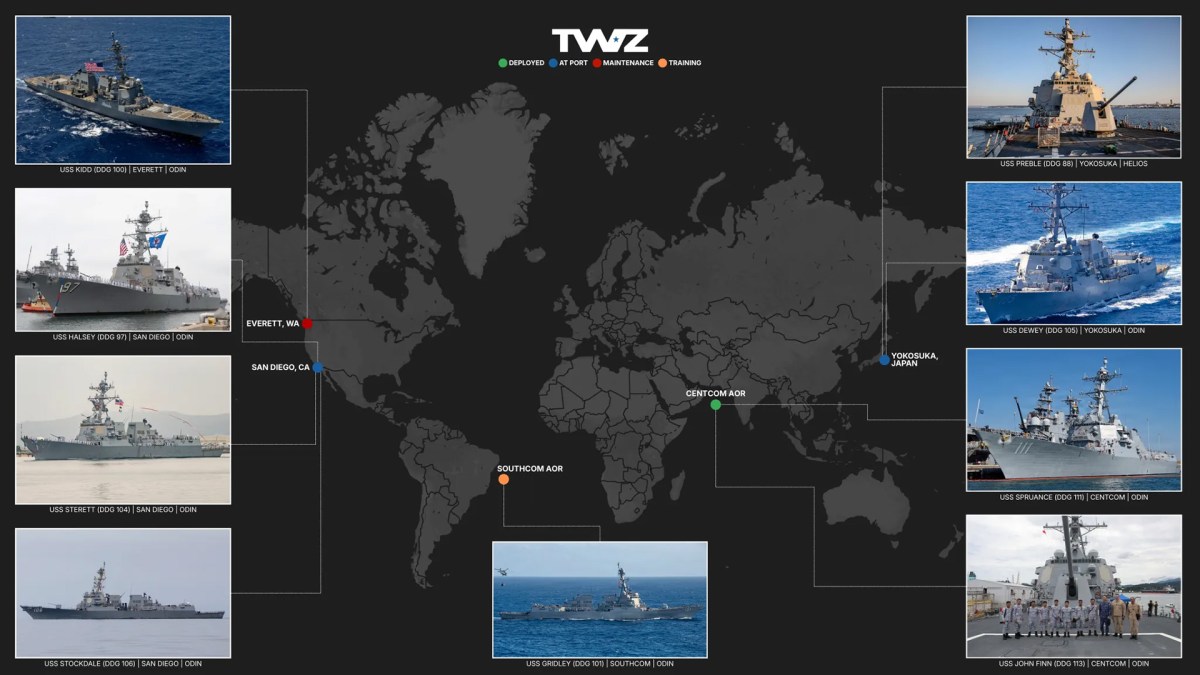
These American Destroyers Are Equipped With Laser Weapons
The U.S. Navy has equipped nine of its surface combatants with directed energy systems, including advanced laser weapons, as part of an initiative to enhance naval capabilities. This move, aimed at bolstering defense mechanisms against various threats, reflects the Navy's commitment to integrating cutting-edge technology into its fleet. The expansion of testing and potential deployment of these systems is expected to occur in the near future, signaling a strategic shift towards modern warfare tactics. The initiative underscores the Navy's focus on improving operational effectiveness and readiness in an evolving security landscape.
Sea Destroyers Directed Energy Lasers Naval Directed Energy Weapons Navies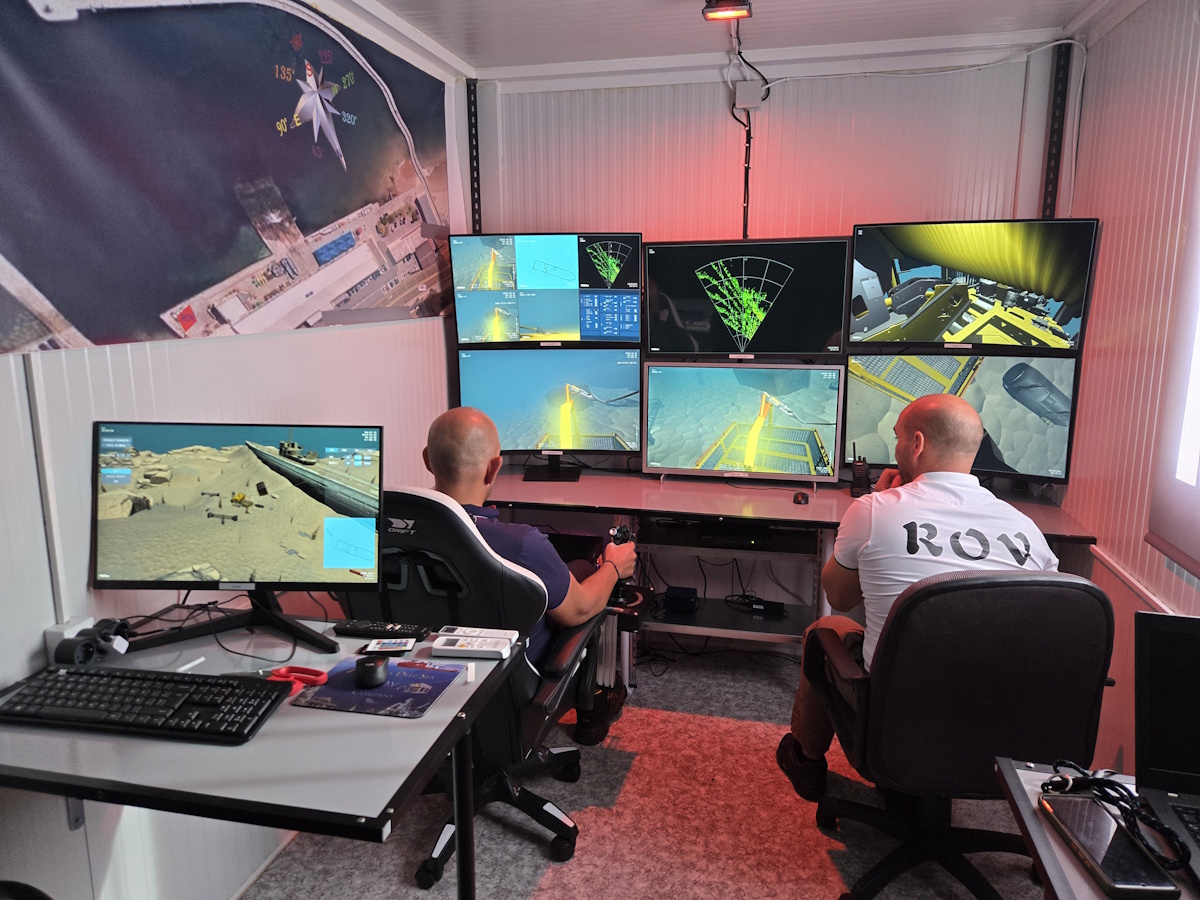
PaleBlue Simulator Powers Atlantis Robotics’ ROV Training for the Portuguese Navy
Please provide the news description you would like me to rewrite.
paleblue rov simulator atlantis robotics rov training portuguese navy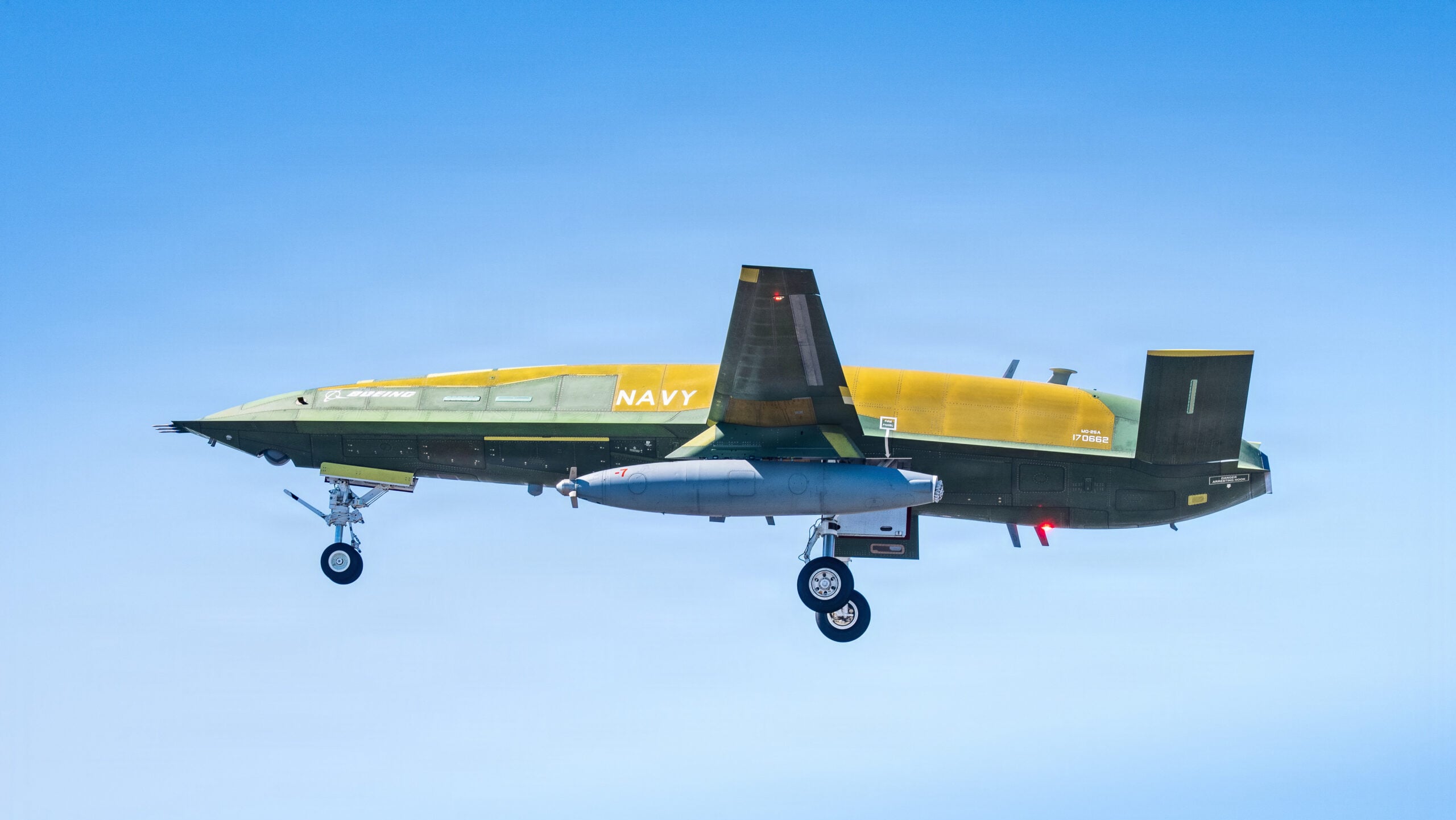
Navy’s MQ-25 Stingray gets green light for low-rate initial production
The U.S. Navy announced plans to award a low-rate initial production contract for three aircraft this summer. This contract marks a significant step in the Navy's ongoing efforts to enhance its aviation capabilities. The decision to move forward with the production is driven by the need to modernize the fleet and improve operational readiness. The specific details regarding the aircraft and the exact timeline for the contract's finalization are still pending, but the Navy's commitment to advancing its aerial assets remains clear.
Naval Warfare aircraft carrier Drones MQ-25A Stingray Navy Unmanned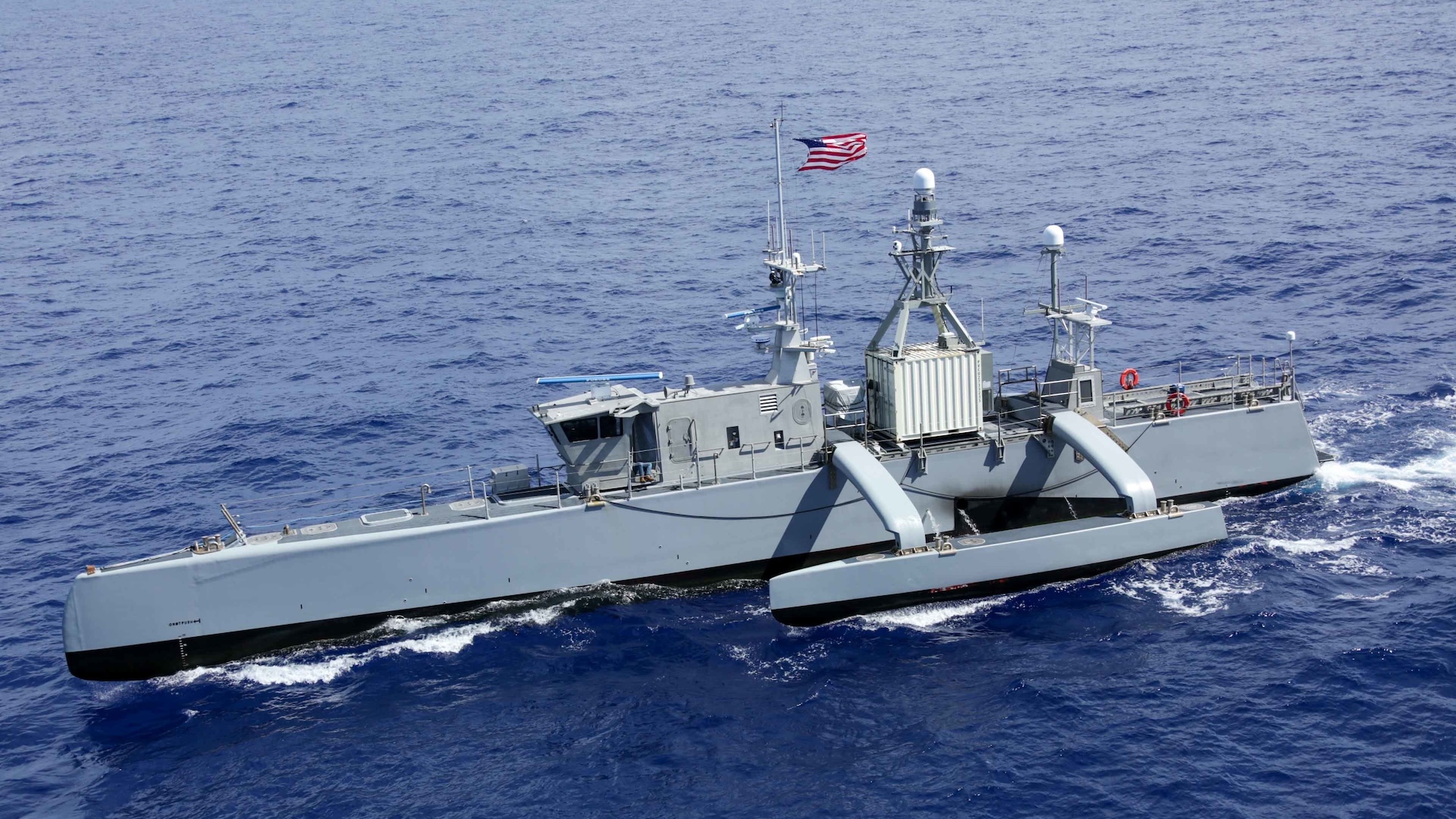
US plans to deploy more than 80 unmanned robotic warships to counter China’s naval dominance
The US Navy has announced the integration of unmanned surface and underwater vessels into its long-term shipbuilding strategy, which spans the next 30 years. This decision, made public in October 2023, reflects the Navy's commitment to modernizing its fleet and enhancing operational capabilities in response to evolving maritime threats. By incorporating advanced technologies, the Navy aims to improve surveillance, reconnaissance, and combat operations while reducing risks to personnel. The move is part of a broader initiative to adapt to the changing landscape of naval warfare and ensure the United States maintains its strategic advantage at sea. The plan outlines investments in research and development, as well as the construction of new vessels designed to operate autonomously, thereby increasing the Navy's efficiency and effectiveness in various mission scenarios.

US Navy unveils ShipOS, targets submarine supply chain bottlenecks amid China rivalry
The U.S. Navy has introduced ShipOS, an advanced artificial intelligence system, to enhance its submarine construction processes. This rollout, which began in October 2023, aims to streamline operations and improve efficiency in building submarines. By leveraging AI technology, the Navy seeks to address challenges in production timelines and resource management, ultimately ensuring that its fleet remains modern and capable. The implementation of ShipOS is part of a broader initiative to integrate cutting-edge technology into military operations, reflecting the Navy's commitment to innovation and maintaining a competitive edge.

USVs could be ‘alternate options’ for missions for stretched manned fleet: Navy official
Unmanned Surface Vessels (USVs) are increasingly being recognized as versatile components of naval operations, particularly in scenarios where deploying a large combatant ship may be prohibitively expensive or tactically excessive. This shift in naval strategy reflects a growing trend among military forces to utilize USVs for a variety of missions, including surveillance, reconnaissance, and logistical support. As nations seek to enhance their maritime capabilities while managing costs, the adoption of these modular systems is expected to rise. The integration of USVs into naval fleets allows for more flexible and efficient responses to maritime challenges, enabling forces to maintain operational readiness without the financial burden of traditional vessels. This evolution in naval warfare underscores the importance of innovation in military technology and strategy, as armed forces adapt to modern threats and operational demands.
Naval Warfare Arleigh Burke AUVSI/MDEX 2026 Drones Navy USV
Kongsberg Q1 orders more than double, company eyes US expansion
In the last quarter, a significant development occurred as a firm partnered with Salt Ship Design to create a design concept for standardized vessels intended for the Royal Norwegian Navy. This collaboration highlights the ongoing efforts to enhance naval capabilities and streamline vessel design processes. The project aims to meet the specific needs of the Navy while ensuring efficiency and cost-effectiveness in future shipbuilding endeavors. The initiative reflects a broader trend within the defense sector to modernize and standardize military assets.
Air Warfare Global Air Force Drones Europe Kongsberg
U.S. Navy Awards Packet Digital $9.8 Million to Scale Drone Battery Production in North Dakota
Packet Digital and its subsidiary, Badland Batteries, have secured $9.8 million from the U.S. Navy as part of Phase 3 of a contract aimed at developing advanced battery cells compliant with the National Defense Authorization Act (NDAA). This funding will facilitate the manufacturing of these battery cells in North Dakota, specifically designed for logistics drones and unmanned systems. The initiative reflects the Navy's commitment to enhancing the capabilities of its drone technology and defense systems. The investment is expected to boost production capacity and support the growing demand for reliable energy sources in military applications.
battery technology Drone News Drone News Feeds drone technology Dual Use News
US Navy gets 26-foot drone submarine with 1,243 mile-range from Australia
Australian company C2 Robotics has successfully delivered the Speartooth, a large uncrewed submarine designed for various underwater applications. This significant achievement was announced recently, showcasing advancements in autonomous marine technology. The Speartooth is intended for use in research, surveillance, and environmental monitoring, reflecting a growing demand for innovative solutions in underwater exploration. The submarine's development aims to enhance operational efficiency and safety by reducing the need for human presence in potentially hazardous underwater environments. C2 Robotics has implemented cutting-edge technology to ensure the Speartooth can navigate complex underwater terrains autonomously, marking a notable step forward in the field of uncrewed maritime vehicles.

Maritime Security Summit: Washington DC, USA - July 15-16, 2026
The 2nd Annual Maritime Security Summit, organized by DSI, is set to convene key stakeholders including members of the Department of the Navy (DoN), the U.S. Coast Guard (USCG), port security executives, and marine technical solutions providers. Scheduled to take place in October 2023, this prominent event will focus on the integration of emerging capabilities, tools, and technologies aimed at enhancing maritime dominance and ensuring sustained readiness. Participants will engage in discussions emphasizing the critical role of alliances and partnerships in bolstering Maritime Domain Awareness (MDA) across the nation’s coastlines, ports, and vessels. By fostering collaboration among various sectors, the summit aims to address current challenges and explore innovative solutions to improve maritime security and operational effectiveness.
maritime security summit event defense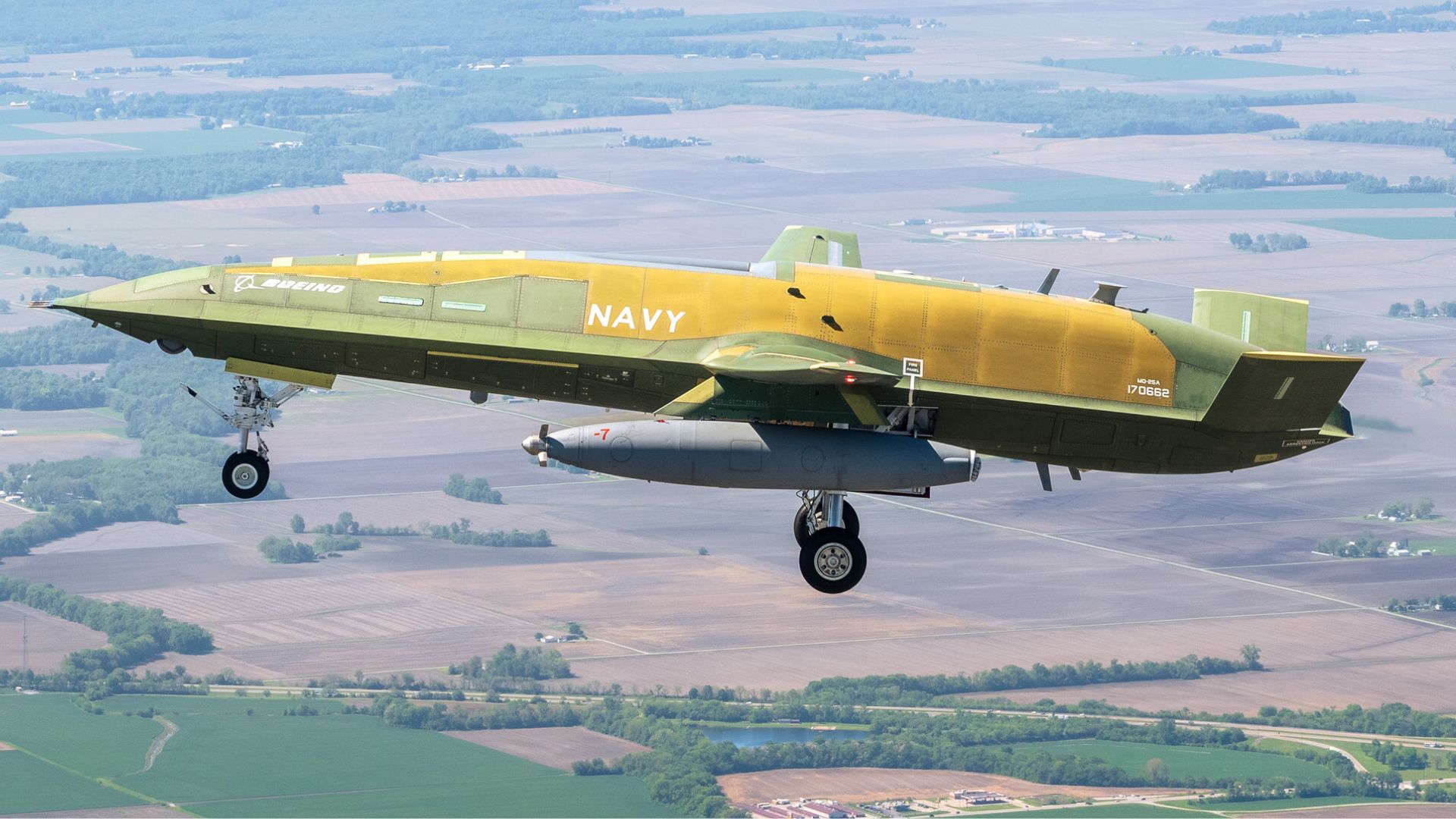
Video: US Navy tests MQ-25A refueling drone in first autonomous operational flight
Boeing and the U.S. Navy have advanced their efforts to integrate unmanned aircraft into military operations, marking a significant development in modern warfare technology. This collaboration was highlighted during a recent demonstration held at a naval base, where various unmanned systems showcased their capabilities in real-time scenarios. The event, which took place in October 2023, aimed to assess the effectiveness of these aircraft in enhancing operational efficiency and safety for naval forces. The integration of unmanned systems is driven by the Navy's need to improve reconnaissance, surveillance, and combat capabilities while reducing risks to personnel. By leveraging Boeing's expertise in aerospace technology, the Navy seeks to enhance its operational readiness and adaptability in increasingly complex combat environments. The demonstration illustrated how these unmanned aircraft can operate alongside manned missions, providing critical support and intelligence. As the military continues to explore innovative solutions, this partnership between Boeing and the U.S. Navy represents a pivotal step towards a future where unmanned systems play a central role in naval strategy and operations. The successful outcomes of this initiative could pave the way for broader adoption of unmanned technologies across various branches of the armed forces.

Navy’s MQ-25 Stingray carrier drone completes first test flight
A new aircraft successfully completed its maiden flight from Boeing's facility at MidAmerica Airport in Mascoutah, Illinois. The flight, lasting approximately two hours, marks a significant milestone in the aircraft's development. This event showcases Boeing's ongoing commitment to innovation and advancement in aviation technology. The successful takeoff and landing demonstrate the aircraft's readiness for further testing and eventual commercial use, reflecting the company's efforts to enhance its product offerings in a competitive market.
Air Warfare Naval Warfare Air Force aviation Boeing Drones
HII Builds on Manned-Unmanned Submarine Teaming Success with New Pentagon Deal Poised to Transform Undersea Warfare
HII, a prominent player in unmanned and autonomous maritime platforms, has secured a contract from the Defense Innovation Unit (DIU) to develop a submarine Torpedo Tube Launch and Recovery (TTLR) system. This innovative system aims to autonomously deploy and recover HII’s REMUS unmanned underwater vehicle (UUV) from U.S. Navy submarines. The contract underscores the growing emphasis on advanced maritime technologies and the need for efficient underwater operations within the Navy. The project is expected to enhance the capabilities of U.S. submarines, enabling them to conduct missions with greater effectiveness and safety.
hii manned-unmanned submarine teaming pentagon undersea warfare
US Navy’s ‘hellscape’ drone plan could complicate China’s Taiwan playbook, experts say
The U.S. Navy is set to deploy thousands of autonomous drone vessels in the Indo-Pacific region as part of a strategic initiative to enhance maritime security and deter potential threats. This deployment is expected to begin in the coming months, reflecting the Navy's commitment to modernizing its fleet and adapting to evolving geopolitical challenges. The move aims to bolster surveillance capabilities and improve operational efficiency in a region marked by increasing tensions and territorial disputes. By integrating advanced technology into its operations, the Navy seeks to maintain a competitive edge and ensure freedom of navigation in vital shipping lanes. The initiative underscores the importance of innovation in military strategy, as the U.S. responds to the growing influence of rival nations in the area.
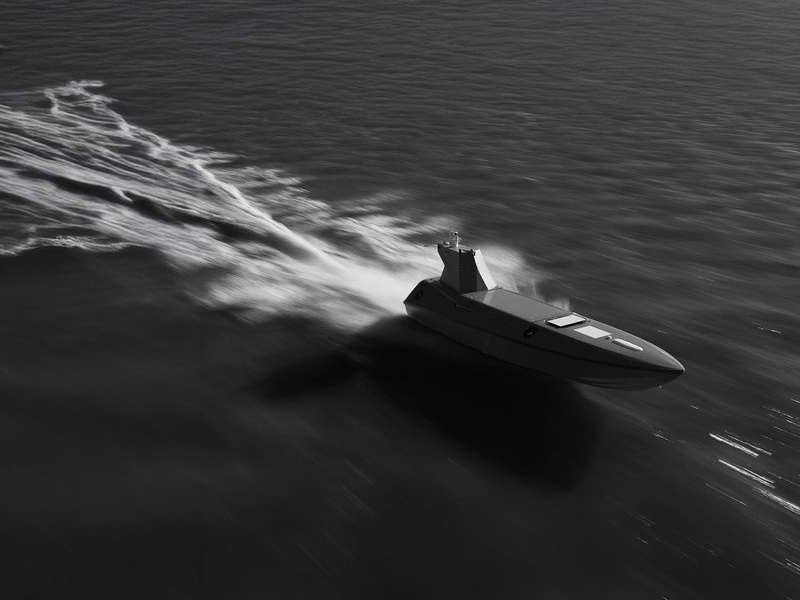
Anduril Partners with Kraken Technology Group on Small USVs
Recent developments in naval warfare have highlighted the critical need for advanced unmanned systems, as traditional strategies are becoming obsolete. The U.S. Navy, facing evolving threats, is seeking small unmanned surface vessels (USVs) capable of carrying flexible payloads over 1,000 pounds, sustaining prolonged operations, and being produced quickly. Navy Secretary John Phelan emphasized this urgency during a Senate Armed Services Committee hearing, stating that future conflicts cannot be won with outdated platforms. He underscored the importance of rapidly producing and integrating unmanned systems across air, surface, and subsurface domains to ensure success in modern warfare. The current domestic offerings, however, do not meet these requirements, prompting a reevaluation of the Navy's capabilities and production strategies.
anduril partnership kraken technology group small usvsRobotics needs a service framework.
RSF defines a common language for robot service capability, lifecycle operations, certification pathways, and service-provider networks.