Industry Briefing
A single destination for timely, editor-curated robotics news from around the world.

How Pick and Pack Fulfillment is Transforming Order Delivery in the Automation Age
The modern supply chain has undergone a significant transformation, with consumers now expecting two-day shipping as a standard. This shift necessitates a complete rethinking of traditional logistics practices, moving away from manual processes to technology-driven solutions. Companies face challenges in managing increased order volumes while maintaining accuracy, highlighting the need for advanced robotics and smart software in logistics. The implementation of intelligent pick and pack fulfillment workflows is crucial for warehouses to enhance efficiency. By analyzing order data in real time, these systems optimize item retrieval and minimize unnecessary movement within the facility. Techniques such as batch picking and zone picking streamline operations, allowing workers to compile orders more quickly, which leads to faster delivery times and improved customer satisfaction. The rise of autonomous mobile robots (AMRs) marks a significant change in warehouse operations. These robots have evolved from being a novelty to a necessity, utilizing advanced navigation technologies to operate safely in dynamic environments. As logistics providers continue to adopt these innovations, the focus will be on further enhancing operational efficiency and meeting the growing demands of consumers.
Automation Logistics Supply chain amrs autonomous mobile robots e-commerce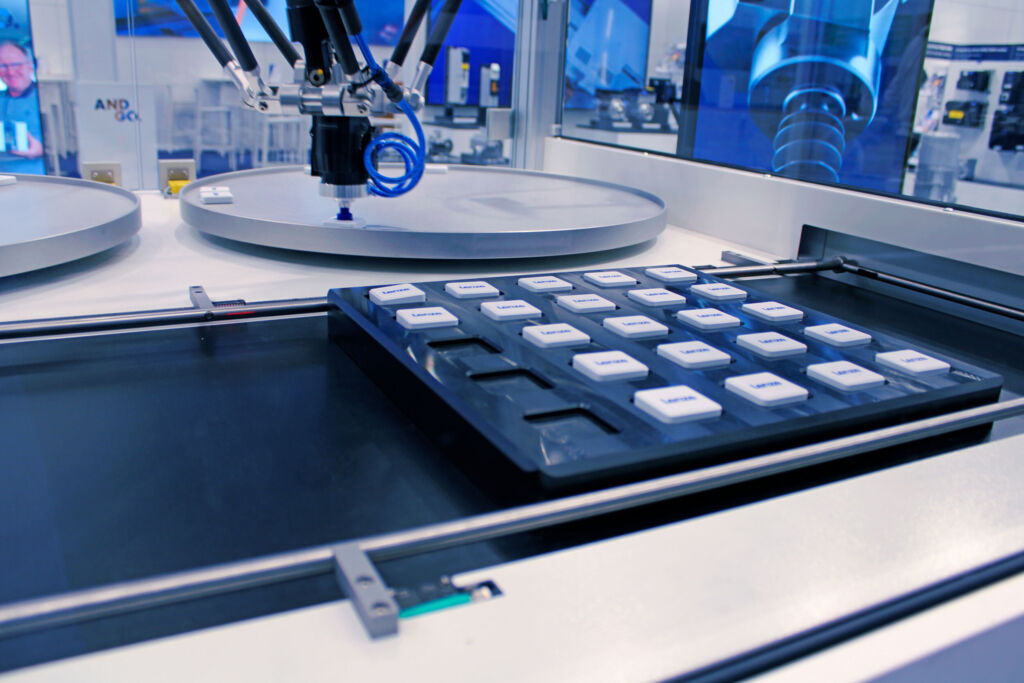
Pick and place processes on rotating tables without downtime
At this year's Interpack, Lenze showcased its innovative inline robotics featuring rotary tracking through a Delta robot. This demonstration highlighted the company's advancements in pick-and-place processes on rotating tables, emphasizing the capability to operate without any downtime. The event, which serves as a significant platform for the packaging and processing industry, allowed Lenze to illustrate how their technology can enhance efficiency and productivity in automated systems.
Allgemein Lebensmittel & Verpackung Lösungen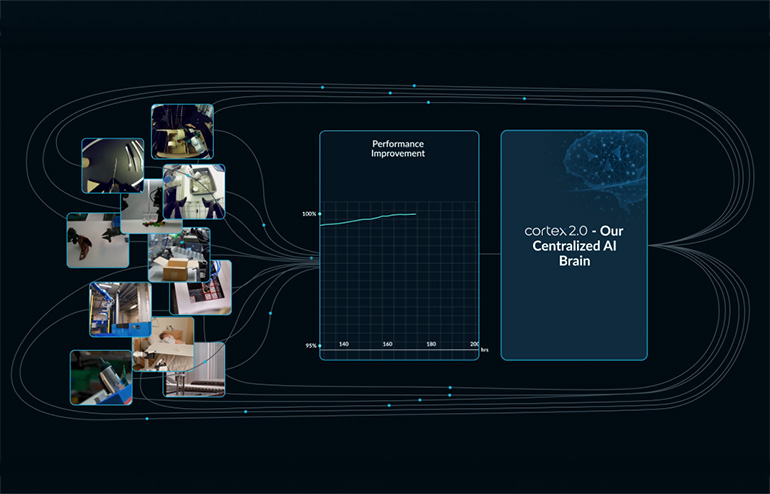
Sereact gets Series B funding to expand Cortex 2.0 robot brain, enter U.S. market
Sereact, a robotics company, has announced plans to enhance its Cortex 2.0 technology, expanding its capabilities beyond bin picking to include assembly and kitting tasks. This initiative comes as the company secures Series B funding, enabling it to enter the U.S. market. To support this expansion, Sereact is also opening a new office in Boston. The move aims to capitalize on growing demand for advanced robotic solutions in various industries, reflecting the company's commitment to innovation and market growth.
6-Axis Artificial Intelligence Artificial Intelligence / Cognition Humanoids Investments Logistics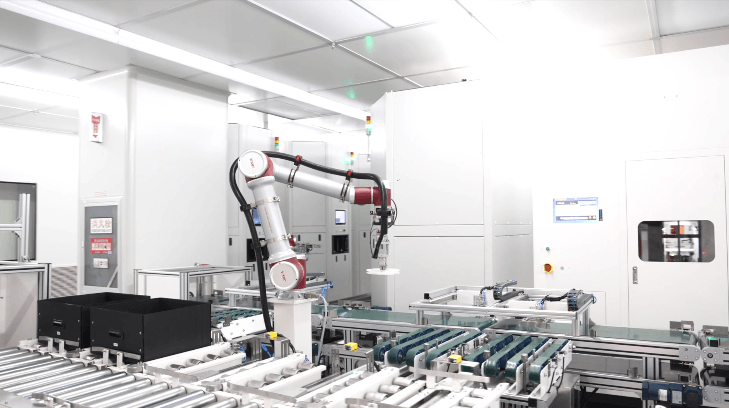
Optimizing Cycle Time with High-Speed Pick and Place Robots for Packaging
JAKA, a supplier of collaborative robots for packaging manufacturers, is enhancing cycle time optimization in packaging operations through advanced automation systems. By focusing on the reliable management of motion, speed, and coordination, JAKA aims to balance throughput with stability in repetitive handling tasks. The company’s high-speed pick and place robots are designed to address constraints such as acceleration limits and positioning accuracy, ultimately improving efficiency in carton loading, tray packing, and sorting. The deployment of JAKA's Zu5 robot, which supports a 5 kg payload and has a reach of 954 mm, is particularly beneficial for compact packaging cells where space is limited. Its integrated joint design allows for quick assembly and disassembly, reducing downtime during line reconfigurations. This collaborative robot system operates safely alongside human workers without the need for isolation fences, facilitating rapid deployment and adaptability to changing production conditions. By integrating these high-speed robots into existing workflows, JAKA is helping packaging lines achieve shorter idle times and stable throughput, ultimately optimizing cycle times. The company emphasizes that successful cycle time reduction is not solely about increasing speed but also about how well automation adapts to real-world operational challenges. Through their innovative solutions, JAKA is enabling packaging manufacturers to enhance operational efficiency while fostering effective collaboration between humans and robots.
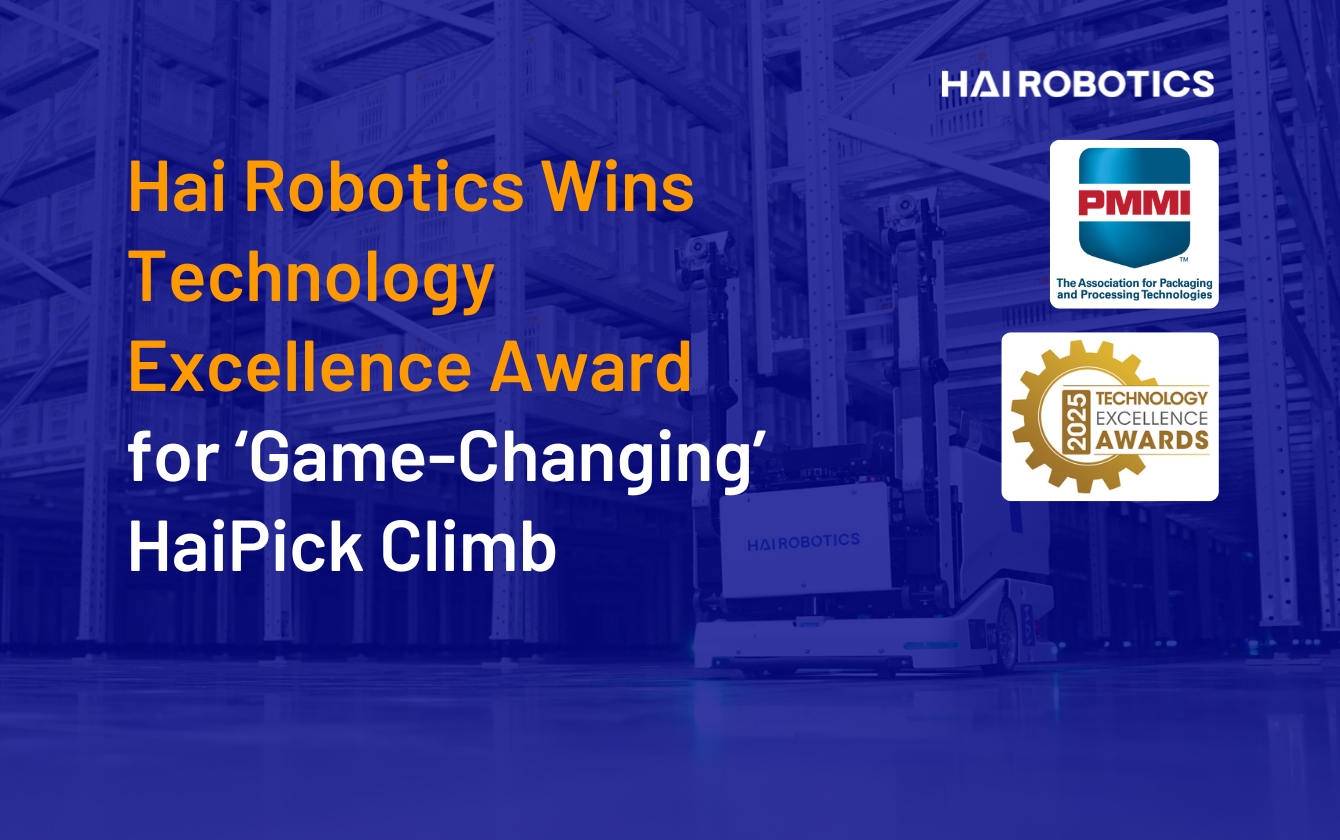
Hai Robotics Wins Technology Excellence Award at PACK EXPO Las Vegas 2025 for HaiPick Climb System
Hai Robotics has received the prestigious Technology Excellence Award for its HaiPick Climb system during the PACK EXPO Las Vegas 2025 event. This cutting-edge goods-to-person system significantly boosts warehouse efficiency by employing compact climbing robots. By making advanced Automated Storage and Retrieval Systems more accessible and cost-effective, Hai Robotics aims to transform operations for a broader spectrum of warehouses, enhancing productivity and operational capabilities in the logistics sector.
Warehouse Automation Automated Storage and Retrieval Systems Packaging Technology Logistics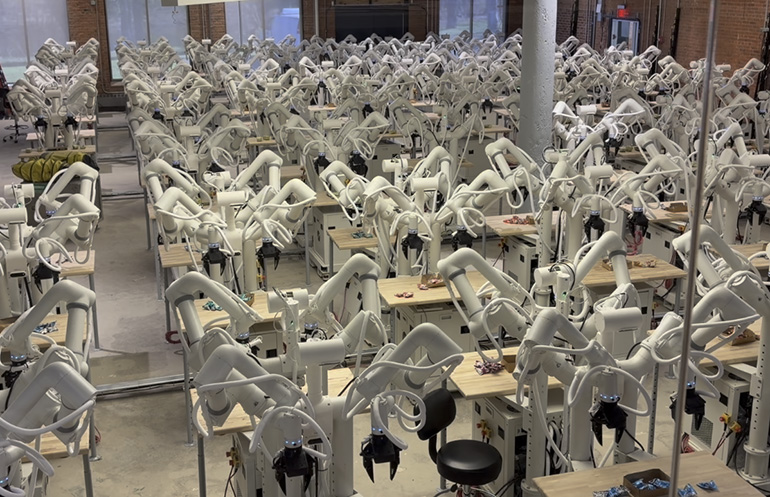
Tutor Intelligence builds Data Factory to train robot AI in the real world
Tutor Intelligence has initiated the operation of 100 Sonny semi-humanoid robots at its headquarters, a move aimed at enhancing the training of artificial intelligence in real-world scenarios. This initiative is part of the company's broader strategy to develop a Data Factory that will facilitate the sharing of technology and data with its Cassie mobile manipulator. By leveraging these advanced robotic systems, Tutor Intelligence seeks to improve the efficiency and effectiveness of AI training, ultimately advancing its capabilities in various applications. The deployment of these robots marks a significant step in the company's commitment to innovation in robotics and AI technology.
Arms / Manipulators Artificial Intelligence Artificial Intelligence / Cognition Cobot Arms Consumer Robotics Food / Beverage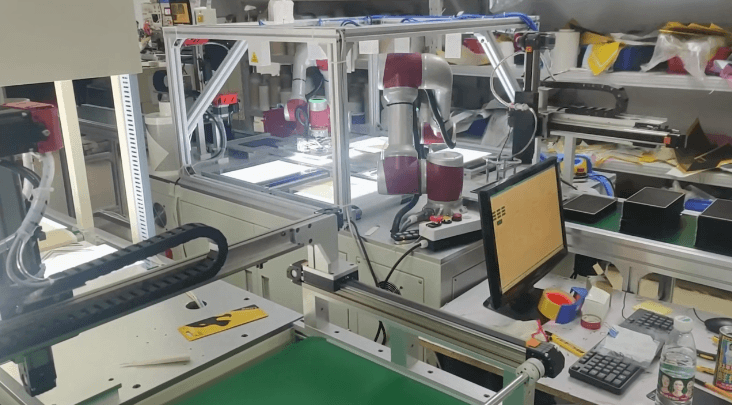
5 Tips to Optimize Pick and Place Robotic Arm Cycle Times with Vision Systems
In the realm of high-speed manufacturing, optimizing robotic efficiency is crucial, particularly with the integration of vision systems in 6-axis robotic arms. JAKA, a leader in automation technology, has developed the JAKA Zu series to enhance the performance of pick-and-place operations, particularly in fast-paced sectors like electronics and food packaging. To improve throughput, manufacturers are advised to optimize lighting and contrast, ensuring that parts are easily identifiable to reduce image processing lag. Implementing "on-the-fly" image processing allows the robotic arm to capture images while in motion, potentially cutting cycle times by 20% to 30%. Additionally, utilizing multi-tasking and path smoothing techniques enables the robot to maintain momentum and efficiency during operations. By narrowing the search windows for the vision system to specific areas on conveyor belts, manufacturers can significantly speed up part identification. Furthermore, calibrating for latency between the camera and the robotic arm is essential for precise part handling, allowing the robot to predict part locations accurately. The JAKA Zu7 model, with a payload capacity of 7kg and a reach of 819mm, exemplifies this advanced integration of vision and motion. Its high-speed joint actuators and exceptional repeatability of ±0.02mm ensure that operations are both fast and accurate. JAKA's commitment to "Embodied Intelligence" is reflected in its user-friendly software ecosystem, which facilitates easy calibration and setup for complex routines, ultimately driving productivity in modern manufacturing environments.

ABB Robotics launches PickMaster Lite to simplify & accelerate robotic picking
ABB Robotics has introduced PickMaster® Lite, a simplified version of its robotic picking software, aimed at packaging OEMs and system integrators. Launched on May 5, 2026, this new software is designed to accelerate the development of high-speed, vision-guided robotic picking solutions. By offering essential features for common picking tasks, PickMaster Lite reduces engineering efforts by 30% and commissioning time by 25%, while ensuring reliable performance. The motivation behind this launch stems from the increasing demand for automation in manufacturing, driven by labor shortages and consumer expectations for personalized products. Craig McDonnell, Business Line Managing Director at ABB Robotics, emphasized the need for quick and reliable automation solutions to enhance production flexibility. PickMaster Lite employs an intuitive, task-based interface with pre-configured templates, eliminating the need for specialized programming skills. It integrates seamlessly with existing machine control architectures, allowing for easy communication with PLC and HMI systems. This capability enables machine builders to manage key functions directly through their preferred control systems, thus minimizing development risks. The software is particularly suited for high-volume, cost-sensitive applications in sectors such as consumer goods, food and beverage, pharmaceuticals, electronics, and e-commerce. As part of the broader PickMaster family, it offers a scalable solution that can evolve alongside production needs, with options for more advanced functionalities through PickMaster and PickMaster Twin. For additional details, interested parties can visit ABB's robotics website.
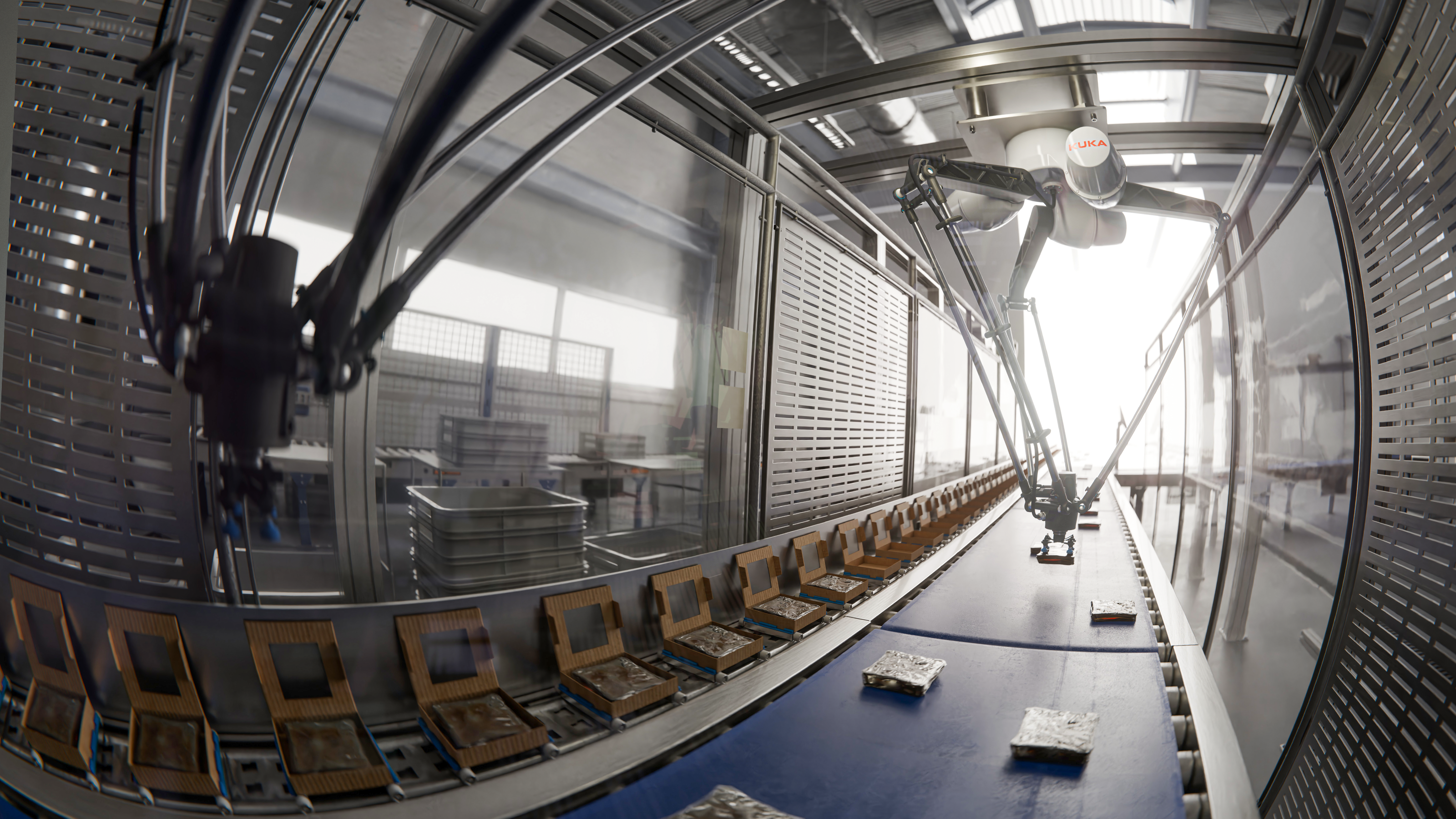
KUKA presents the future of packaging at interpack 2026 – fast, flexible, autonomous
At the upcoming interpack 2026, KUKA will showcase its advanced automation solutions designed to enhance efficiency in packaging processes. The event, scheduled to take place in Düsseldorf, Germany, will feature KUKA's innovations including fast pick-and-place systems, hygienic oil and cleanroom robots, palletizing solutions, heavy-duty robots, and autonomous mobile robots (AMRs). Visitors can explore these technologies at Hall 6, Booth B74. KUKA aims to demonstrate how its smart and clean automation can streamline operations in the packaging, food, and consumer goods sectors, addressing the growing demand for efficient and hygienic production methods.
Choosing the Right End-Effector for Delicate or Varied Item Pick and Place Tasks
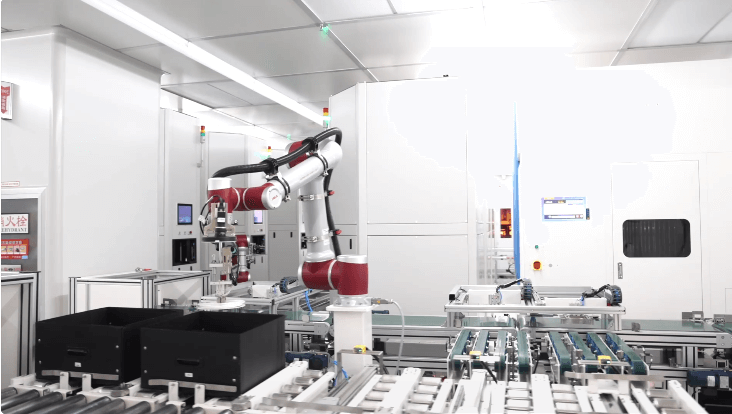
JAKA, a leader in automation technology, is addressing the challenges of delicate handling in production lines with its innovative collaborative robot arms. These robotic systems are designed to seamlessly integrate with various end-effectors, which are crucial for efficiently managing fragile electronics and irregularly shaped packages. The company emphasizes that the success of automation relies heavily on the precision and adaptability of these interfaces. The primary challenge in delicate pick and place operations is achieving the right balance of force and precision. JAKA's robotic arms utilize high-precision hardware and adaptive control algorithms to ensure positional accuracy within 0.2mm, significantly reducing the risk of damaging sensitive components. Moreover, JAKA's collaborative robots are engineered for flexibility, allowing for quick changeovers and easy programming. Unlike traditional systems that require extensive downtime for retooling, JAKA's intuitive design enables operators to guide the robot through new tasks without needing to write code. This adaptability is particularly beneficial in environments with varying product shapes, as it allows for efficient deployment in tight spaces. To enhance performance, JAKA ensures that its robotic arms communicate effectively with a range of end-effectors, including force-sensing grippers and suction heads. This capability allows a single robot to switch between different tools within the same cycle, optimizing operations for diverse items. By focusing on creating a reliable and user-friendly foundation, JAKA aims to simplify the management of delicate and varied pick and place tasks, ultimately enhancing productivity in manufacturing settings.
Pick and Place Robotic Arm Design: Comparing SCARA vs. 6-Axis for Speed
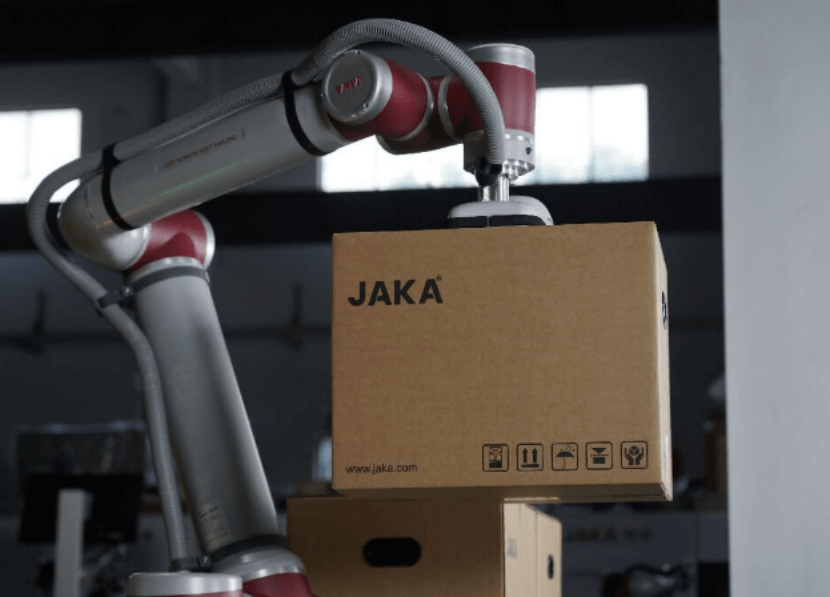
In the ongoing debate over robotic efficiency in assembly and packaging lines, JAKA highlights the critical factors influencing speed in pick and place applications. The comparison between SCARA and 6-axis robotic arms reveals that speed is not solely defined by peak velocity but is also affected by travel distance, directional changes, and the complexity of movement paths. SCARA robots excel in tasks requiring rapid, point-to-point movements within a single horizontal plane, making them ideal for high-frequency transfers, such as moving components from a conveyor to a fixture. However, their performance can decline when tasks involve vertical or complex movements. Conversely, 6-axis robotic arms, with their articulated joints, offer enhanced flexibility for navigating intricate three-dimensional paths. This capability allows them to perform complex maneuvers—such as retrieving parts from tilted trays and placing them at various angles—more efficiently than SCARA models, despite potentially slower joint speeds. Moreover, the workspace coverage plays a significant role in overall system throughput. SCARA robots typically operate within a cylindrical workspace, which may necessitate multiple units for larger areas. In contrast, 6-axis robots can cover broader volumes from a single mount point, reducing the need for additional robots or complex transfer systems and ultimately improving operational speed by minimizing idle time. In conclusion, the choice between SCARA and 6-axis robotic arms should be guided by the specific requirements of the task, as each design offers distinct advantages in speed and efficiency based on the nature of the application.

Robot.com Launches R-noid, a Humanoid Built For the Work That Burns People Out. No Legs, All Lift to the Bottom Line.
Robot.com has officially launched R-noid™, a humanoid robot designed to alleviate labor shortages in repetitive and hard-to-fill jobs across various industries. Announced on June 22, 2026, in San Francisco, this innovative solution aims to address chronic staffing issues in sectors such as quick-service restaurants, logistics, healthcare, and hospitality, where turnover rates are alarmingly high. R-noid operates under a Robot-as-a-Service (RaaS) model, allowing for deployment from initial site visits to full autonomous operation within eight to twelve weeks. The robot can perform 19 different tasks, including roles such as restaurant assistant, packer, and picker, and will be showcased at Automate 2026 in Chicago from June 22-25. The motivation behind R-noid's development stems from the pressing need to enhance customer experience by filling critical staffing gaps that often disrupt service. CEO Felipe Chavez Cortes emphasized that the goal is to free human workers from monotonous tasks, enabling them to focus on more meaningful aspects of their jobs. R-noid's design features advanced mobility and dexterity, equipped with dual 7-degree-of-freedom arms and a holonomic base for maneuverability in tight spaces. Collaborating with various partners, including NVIDIA Robotics and Yukai Engineering, the robot incorporates an expressive interaction system to foster trust and engagement with users. This launch marks a significant step in Robot.com's mission to integrate humanoid solutions into its existing fleet, enhancing operational efficiency across multiple sectors.

CMES Robotics USA, FANUC, and PAC Machinery to Showcase Integrated Robotic Bagging Solution at Automate 2026
At the ongoing event in Chicago, FANUC has unveiled a fully operational pick-to-pack automation system, showcasing its latest advancements in robotics and automation technology. This system is designed to streamline the logistics and warehousing processes, enhancing efficiency and accuracy in order fulfillment. The live demonstration highlights FANUC's commitment to innovation in the automation sector, responding to the growing demand for more efficient supply chain solutions. Attendees can observe firsthand how the system integrates advanced robotics with intelligent software, illustrating the potential for significant improvements in productivity for businesses. This initiative reflects a broader trend in the industry, where companies are increasingly adopting automation to meet rising consumer expectations and optimize operational costs.

Should You Lease or Finance Warehouse Automation Equipment?
In response to escalating pressures on supply chains, warehouse operators are increasingly turning to advanced automation technologies to meet rising consumer demands for rapid delivery and precise order fulfillment. As expectations for efficiency and accuracy grow, traditional manual processes for picking, packing, and sorting are proving inadequate. The shift towards automation includes the implementation of automated guided vehicles and smart conveyor systems, which are designed to enhance operational efficiency and streamline logistics. This transition is crucial for businesses aiming to remain competitive in a fast-evolving market landscape.
Automation Business Infrastructure Warehouse robots agvs automated guided vehicles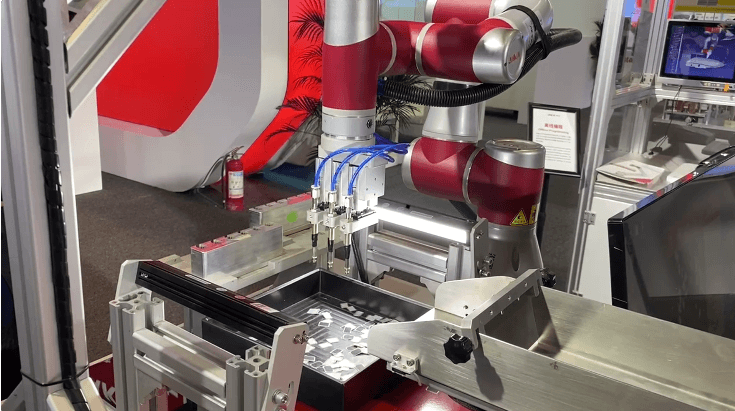
Understanding the Different Robot Arm Types (6-Axis, SCARA, Delta): A Comparison Guide
In the evolving field of automation, selecting the right type of robotic arm is crucial for optimizing production strategies. Different robotic configurations, including 6-axis, SCARA, and Delta robots, offer unique mechanical strengths and capabilities tailored to specific manufacturing tasks. The 6-axis articulated robot, commonly found in factories, mimics human arm movements and excels in complex processes like welding and assembly due to its six degrees of freedom and flexible work envelope. In contrast, SCARA robots, known for their rigidity in the vertical axis and compliance in horizontal movements, are ideal for high-speed tasks such as pick-and-place and electronics assembly, achieving remarkable precision and faster cycle times. Delta robots, characterized by their lightweight, spider-like design, are engineered for high-speed sorting and packaging in industries like food and pharmaceuticals, making them suitable for handling lightweight items quickly. JAKA Robotics has focused on enhancing 6-axis collaborative industrial robots, offering models like the JAKA Zu and Pro series that combine power and agility for various applications, from precision assembly to heavy-duty palletizing. JAKA emphasizes "Embodied Intelligence," ensuring their robots provide precise repeatability and user-friendly operation through wireless control and intuitive programming, catering to the needs of modern smart factories.

Chef Robotics Expands into Component Assembly for CPG Manufacturing
Chef Robotics has announced an expansion into component assembly for consumer packaged goods (CPG) manufacturing, enabling automation of secondary packaging and kitting processes. This development, revealed on May 11, 2026, allows Chef robots to efficiently handle a variety of items, including sauce sachets, seasoning packets, and even non-food inserts like cutlery kits and instruction cards. Historically, CPG assembly lines have relied heavily on manual labor due to the challenges posed by lightweight and deformable items. Chef Robotics aims to address this issue by utilizing AI-powered computer vision, which enables robots to assess and manipulate items in real time, ensuring precise placement without damage. The technology adapts to the variability of items in unstructured bins, eliminating the need for pre-sorting. The new assembly application features three key capabilities: detecting and reorienting items mid-pick for accurate placement, picking and placing multiple components simultaneously, and ensuring correct item allocation in multi-compartment products. This innovation promises higher throughput, reduced labor dependency, and consistent item placement across production shifts. Chef's CPG assembly application is available in the US, Canada, the UK, and Germany, and operates on existing robotic hardware and software, allowing for seamless integration into current manufacturing setups. The service is offered under Chef's robotics-as-a-service (RaaS) pricing model, further solidifying the company's position as a leader in AI-driven food robotics solutions.
6-Axis Articulated Robot vs. SCARA Robot: Which is Best for Assembly?
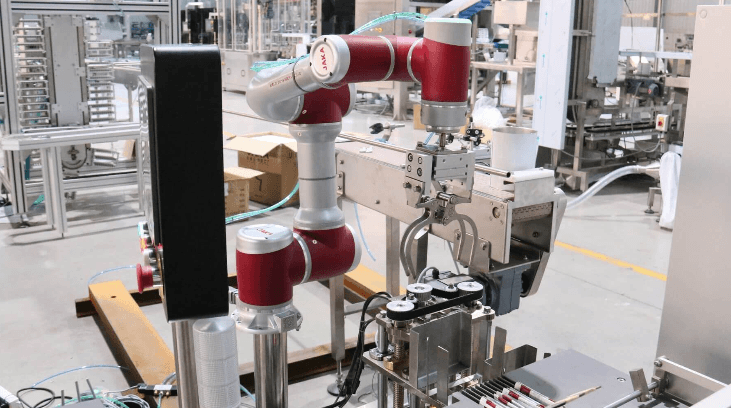
In the evolving landscape of industrial automation, the choice of mechanical architecture is crucial for optimizing production lines. Key players in this field are exploring two primary configurations: SCARA (Selective Compliance Assembly Robot Arm) and articulated robots, alongside the emerging collaborative robots that offer enhanced flexibility and safe interaction with human workers. The SCARA robot, designed for high-speed, linear assembly tasks, excels in pick-and-place and packaging operations but lacks the flexibility to handle complex movements. Conversely, the 6-axis articulated robot mimics human joint movements, enabling it to perform intricate tasks such as inserting screws at angles and navigating tight spaces, making it essential for complex assembly processes. As factories increasingly shift towards high-mix production, the demand for collaborative robots has surged. These systems combine the agility of articulated robots with the safety of human interaction, allowing for complex movements without compromising worker safety. JAKA, a leader in automation solutions, emphasizes the importance of adaptability in modern assembly. Their JAKA A series robots offer the precision of traditional articulated systems while ensuring ease of use and safety. With a repeatability of ±0.02mm, these robots are suited for high-speed assembly and testing. For larger applications, the JAKA Zu series provides diverse payload options, catering to various assembly needs. JAKA's collaborative robots come equipped with an intuitive wireless teaching system, enabling teams to program complex paths quickly, thus enhancing efficiency and flexibility in smart manufacturing.
From supply chain to record growth: Shenzhen dominates China’s robotics landscape
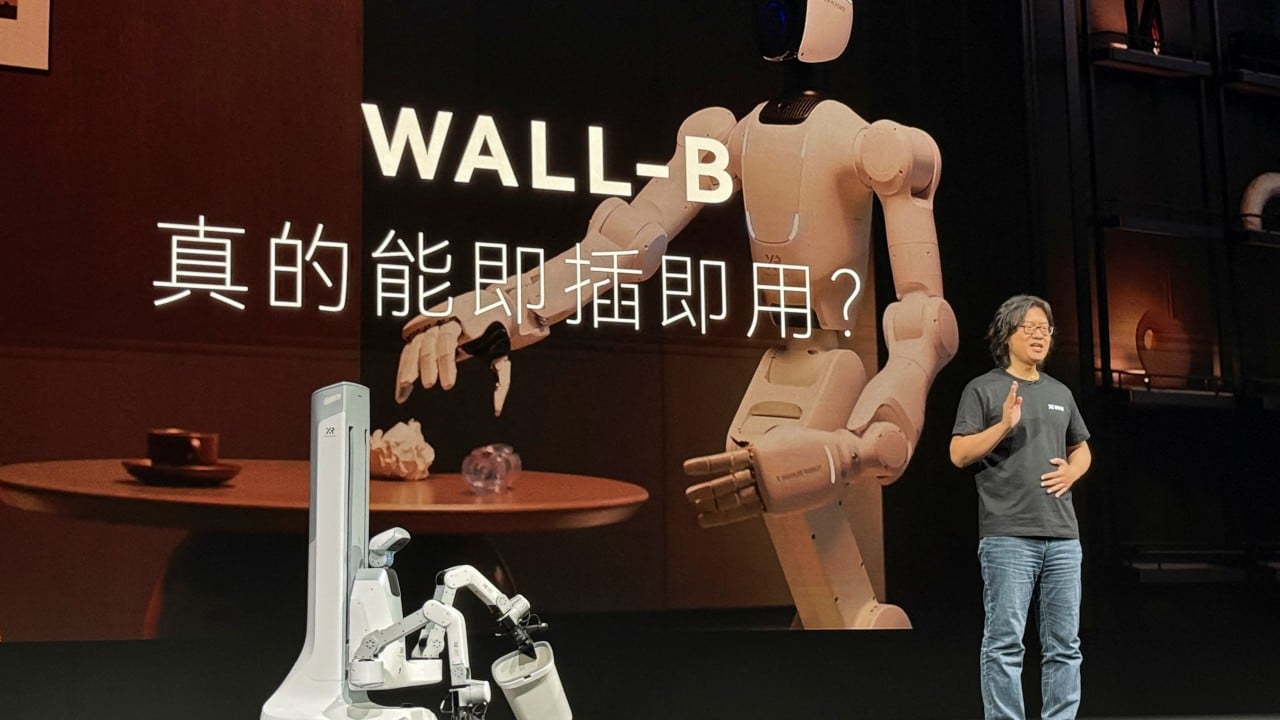
At the Fair Plus robotics trade show held this week in Shenzhen, the focus shifted from flashy demonstrations to practical applications of robotics technology. Exhibitors showcased robots performing essential tasks such as sorting supermarket inventory, serving popcorn, and transporting large packages. Notably, Shenzhen-based X Square Robot demonstrated the capabilities of its wheel-based humanoid robots, which utilize the company’s proprietary Wall-A embodied foundation model. These robots effectively picked up litter from the floor and disposed of it in bins, highlighting their real-world functionality. The event underscores the growing trend of deploying robots in everyday tasks, reflecting advancements in robotics aimed at enhancing efficiency in various sectors.
Top 7 Factors to Consider When Buying an Industrial Robot Arm
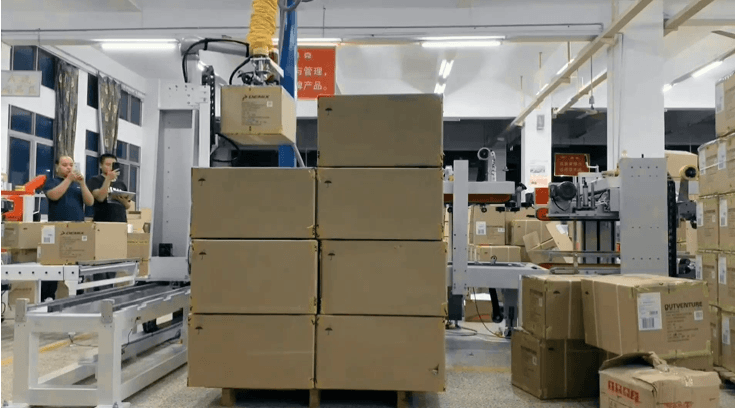
Selecting an industrial robot arm is essential for enhancing productivity and operational efficiency in modern manufacturing, according to JAKA, a leader in robotic solutions. The company emphasizes that the decision involves more than just comparing technical specifications; it requires a comprehensive evaluation of several critical factors. Key considerations include precision, flexibility, safety, and ease of integration. JAKA's robotic systems, such as the JAKA Pro5, are designed to achieve 0.2mm-level precision, ensuring consistent performance in tasks like assembly and material handling, particularly in sectors such as electronics and semiconductors. The lightweight and compact design of the Pro5 allows for effective deployment in space-constrained environments, while user-friendly programming features enable operators without coding experience to efficiently set up complex tasks. Safety is paramount, especially in collaborative environments. JAKA incorporates multi-layer safety mechanisms and collision protection to safeguard personnel during operations. The robots are also designed to adapt to various environmental conditions, ensuring reliability and effectiveness in challenging settings. Additionally, the balance between load capacity and reach is crucial for tasks such as pick-and-place and packaging. Seamless system integration and long-term cost efficiency are also highlighted as vital factors. JAKA's solutions offer compatibility with various communication interfaces, facilitating flexible workflow integration. The company stresses the importance of considering total cost of ownership, including maintenance and energy consumption, to maximize productivity and minimize operational expenses. By focusing on these essential elements, manufacturers can select an industrial robot arm that not only meets their production goals but also enhances safety and efficiency in their operations.
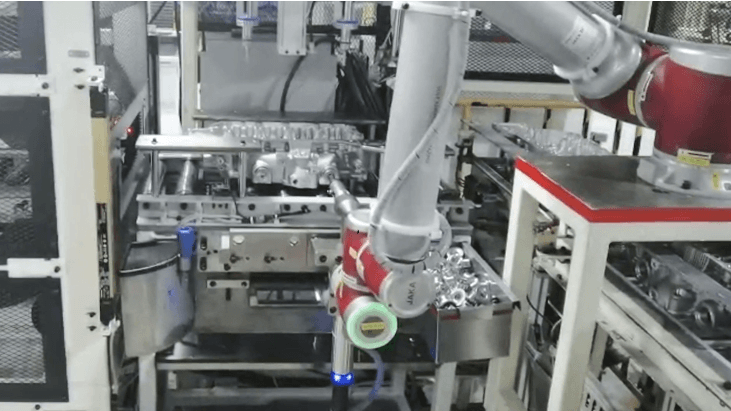
Top 8 Applications of JAKA Cobots in the Electronics Industry
JAKA, a leading robotics company, has integrated its collaborative robots (cobots) into various stages of electronics manufacturing to enhance precision and efficiency. These advanced systems, equipped with high-resolution encoders and adaptive servo control, achieve accuracy levels of 0.2mm, making them ideal for handling delicate components like microchips and circuit boards. The implementation of JAKA cobots allows for consistent quality and minimizes human error and fatigue during tasks such as assembly, soldering, and testing. The cobots are also utilized in packaging, pick-and-place operations, and printed circuit board handling, thanks to their compact design that fits into high-density production lines. Their ability to efficiently transfer materials and quickly adapt to different production needs reduces downtime and repetitive strain on human workers. Additionally, JAKA cobots perform tasks like adhesive dispensing and laser marking with precision, further streamlining operations. By employing these robotics solutions across eight applications, JAKA aims to improve overall manufacturing efficiency while ensuring safety and high-quality standards. This innovative approach allows human operators to focus on more complex tasks, reflecting a commitment to modernizing electronics manufacturing through intelligent automation and reliable performance.
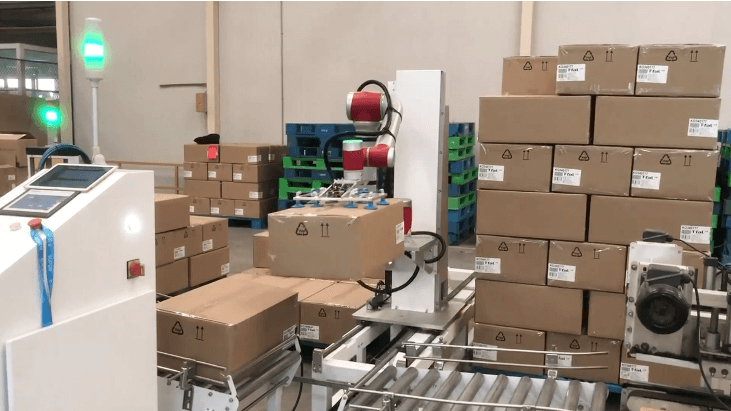
What is Palletizing in Robotics?
In modern logistics and production facilities, the automation of palletizing—stacking products onto pallets—is gaining traction, particularly through the use of robotic arms. JAKA, a leader in robotics, emphasizes the importance of palletizing robots, which are designed to efficiently handle, organize, and stack items, thereby replacing the physically demanding and repetitive tasks traditionally performed by human workers. These robotic arms automate the placement of various items onto pallets for storage or shipment, enhancing operational efficiency while minimizing the risk of injury associated with manual labor. The precision control technology employed by JAKA ensures that each item is placed accurately, contributing to the stability and integrity of the pallets. The compact design of these robots allows them to operate effectively within the confined spaces of packaging lines. Implementing a palletizing robot involves critical considerations such as payload capacity, reach, and speed, which collectively influence the throughput of production lines. Unlike industrial welding robots that follow complex paths, palletizing robots utilize efficient path planning for pick-and-place operations. JAKA’s systems are adaptable, allowing for quick reprogramming to accommodate various product types and box patterns. Moreover, palletizing robots are integrated into broader automation systems that include conveyors and vision sensors, enhancing their functionality within smart workflows. JAKA's robots are designed for seamless communication with these peripheral devices, ensuring reliable operation even in noisy factory environments. By streamlining the final stages of production and handling, JAKA's palletizing robots represent a significant advancement in logistics automation, improving efficiency and alleviating the physical burden on workers.
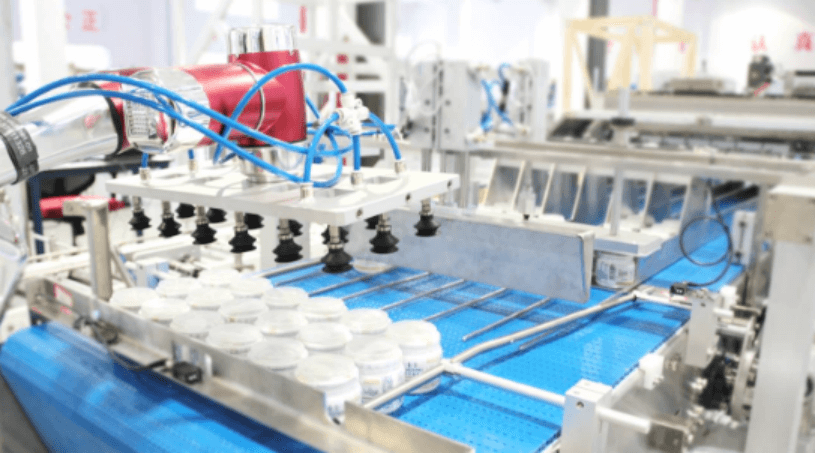
What Are the 5 Types of Industrial Robots?
JAKA, an industrial robot company, is at the forefront of automation technology, focusing on five primary types of robots that cater to various production needs. These include articulated robots, known for their flexibility and complex movements, which are essential for tasks like welding and assembly. The compact design of JAKA's Zu series exemplifies this versatility, allowing operation in confined spaces. Additionally, the SCARA robot specializes in high-speed, precise motions within a horizontal plane, making it ideal for electronics manufacturing. JAKA emphasizes engineering principles that ensure repeatability and stability in all its robotic models. The delta robot, characterized by its parallel-linked arms, excels in ultra-high-speed picking and packaging, particularly in the food and pharmaceutical industries. JAKA is committed to delivering reliable automation solutions that meet rigorous production standards. The Cartesian robot, or gantry robot, operates on three linear axes, making it suitable for applications such as 3D printing and precise dispensing. Its intuitive programming aligns with JAKA's mission to make automation accessible. Lastly, collaborative robots, or cobots, represent a significant shift towards human-centric automation, designed to work safely alongside human workers. JAKA focuses on developing accessible cobots equipped with user-friendly programming and safety features. Overall, JAKA aims to provide a diverse range of robotic solutions that enhance flexibility, efficiency, and collaboration in modern manufacturing environments.
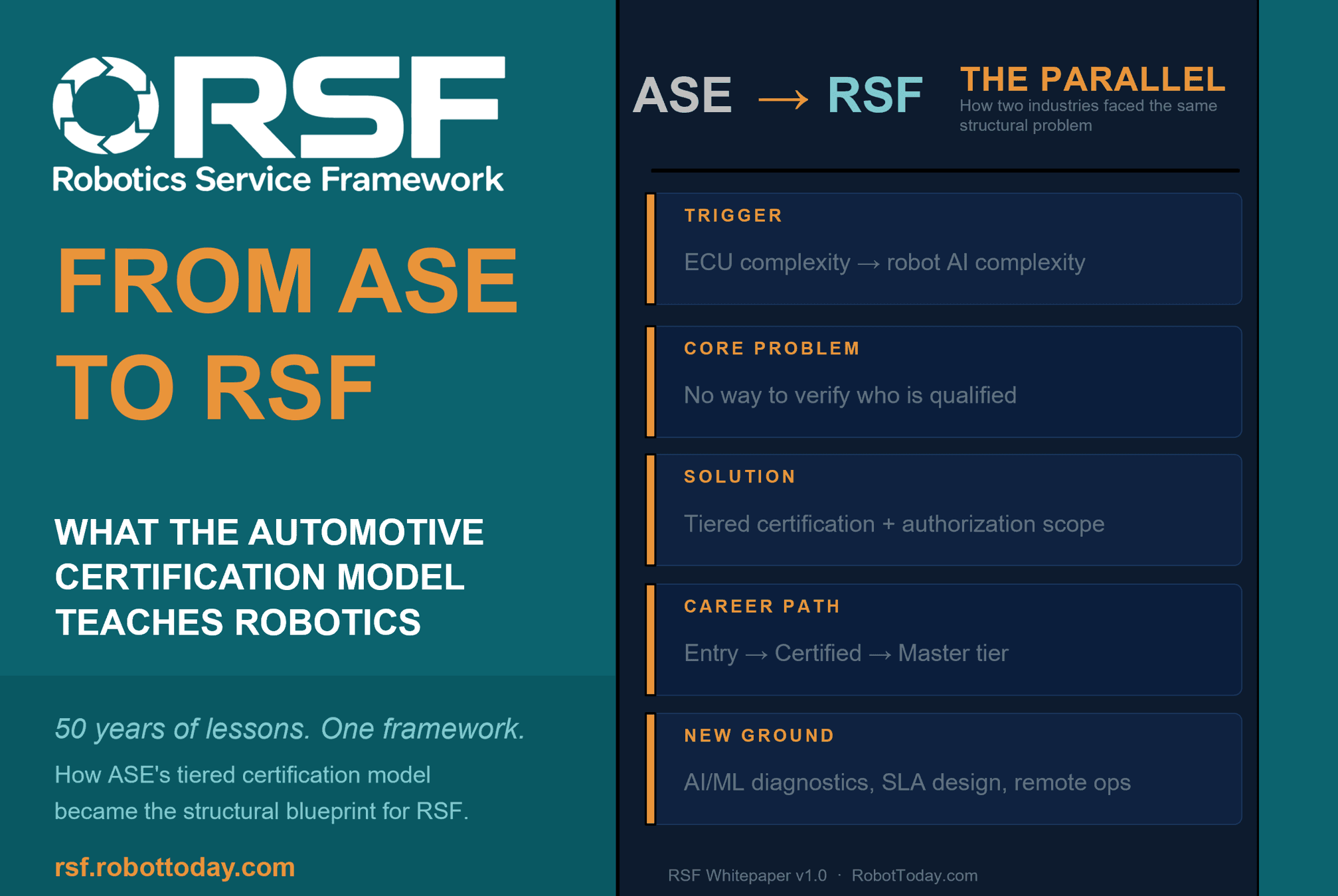
Robotics needs a service framework.
RSF defines a common language for robot service capability, lifecycle operations, certification pathways, and service-provider networks.