Industry Briefing
A single destination for timely, editor-curated robotics news from around the world.

A soft exoskeleton could restore hand function in people with motor impairments
Recent technological advances have opened valuable possibilities for supporting people with motor impairments or who are recovering from injuries to the brain, spinal cord or nerves. Millions of people worldwide currently experience difficulty moving their hands or other parts of their body. Some of these motor impairments are associated with progressive neurodegenerative diseases, such as amyotrophic lateral sclerosis (ALS), while others are the result of neurological damage caused by an injury or a stroke.
Robotics
Ordinary WiFi can now identify people with near perfect accuracy
Researchers in Germany have unveiled a groundbreaking method of surveillance that utilizes standard WiFi signals to identify individuals. This innovative technique involves analyzing the way radio waves reflect off objects and people within a space, allowing scientists to recognize individuals without the need for them to carry a device or have their phones powered on. The study, which highlights the potential for advanced monitoring capabilities, raises significant questions about privacy and the implications of such technology in everyday environments. The findings were shared recently, showcasing the intersection of technology and personal privacy in an increasingly connected world.

Interview de Lucas GOUMARRE , CEO Korben For People
Service robotics is undergoing a significant transformation, evolving from a mere automation tool to a strategic infrastructure across various sectors, including cleaning, logistics, and retail. This shift is driven by the increasing need for effective software management of robotic fleets, which is becoming a crucial factor in optimizing operations. Lucas Goumarre, CEO of Korben For People, discusses these developments and their implications for the future of service robotics. The insights were shared in an interview featured in Robot Magazine.
À la une Actualités Interview Robotique automatisation nettoyage cybersécurité robotique
Hello Robot Unveils Stretch 4: A Simply Useful Robot that Puts People First
Hello Robot has launched Stretch 4, a new open-source robotics platform aimed at enhancing the integration of robots into everyday life. Announced on May 12, 2026, in Martinez, California, Stretch 4 is priced at $29,950 and is designed for researchers and developers working on Physical AI applications. The robot focuses on safe, intuitive human-robot interaction, making it suitable for assisting individuals with mobility impairments. Co-founder and CEO Aaron Edsinger emphasized that Stretch 4 is built to operate alongside people, featuring a compact and lightweight design that prioritizes user safety. The robot is equipped with advanced sensors, including 3D LiDAR and high-resolution cameras, enabling it to navigate complex environments and perform tasks like fetching drinks or closing blinds through a mobile app. The development of Stretch 4 reflects Hello Robot's commitment to creating robots that enhance the quality of life for various users, including children and older adults. By addressing the challenges of human-robot collaboration, the company aims to pave the way for robots to become a familiar presence in homes and workplaces. Charlie Kemp, CTO and co-founder, highlighted that the redesign of Stretch 4 was informed by customer feedback, resulting in a versatile platform that supports a wide range of applications.
Would People Feel Safe Alone with Tesla Optimus? Full Safety Study (2026)
A recent survey reveals that 69% of individuals feel uneasy about being alone with humanoid robots. Concerns primarily stem from the potential risk of physical injury, the unsettling "uncanny valley" effect, and safety issues regarding vulnerable populations such as children and the elderly. Respondents expressed a desire for specific features in robots that could alleviate these fears and foster a more comfortable interaction. The findings highlight the ongoing challenges in integrating humanoid robots into everyday life, as many people remain apprehensive about their presence and capabilities.

EngineAI to launch SA02, a $5,500 humanoid robot aimed at young people
Last week, EngineAI, a Chinese robotics company, unveiled plans to launch the SA02, which it claims to be the first humanoid robot designed specifically for young people. With a price tag of 38,500 yuan (approximately $5,500), the company aims to transition humanoid robots from industrial settings into everyday life. The SA02 stands 1.25 meters tall and weighs 25 kilograms, reflecting EngineAI's vision of integrating advanced robotics into the daily routines of families and children. This initiative is part of a broader effort to make technology more accessible and engaging for younger audiences, fostering an environment where robotics can play a significant role in personal development and entertainment.
News Feed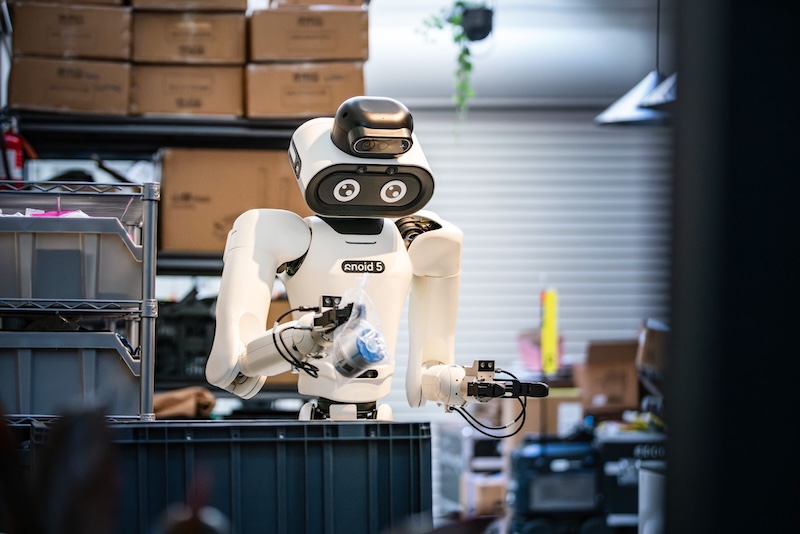
Robot.com Introduces R-noid Humanoid Robot for Challenging Labor Markets
Robot.com has officially launched R-noid, a humanoid robot designed to tackle repetitive and hard-to-fill jobs across various industries. Deployed under a Robot-as-a-Service model, R-noid can achieve autonomous operation within eight to twelve weeks, addressing significant staffing challenges in sectors like healthcare and food services. The introduction of R-noid is crucial as industries face high turnover rates, with quick-service restaurants experiencing over 130 percent staff turnover and hotel operators reporting critical staffing gaps. R-noid aims to alleviate these issues by taking on roles that are difficult to staff, allowing human workers to focus on more skilled tasks. Looking ahead, Robot.com is collaborating with FieldAI to integrate advanced AI capabilities into R-noid, enhancing its operational efficiency in dynamic environments. No further timeline was disclosed at the time of publication.
Humanoids News automation fieldai formic hospitality automation
Chinese Heavy-Lift Drones Airlift Flood Victims in Guangxi Amid Safety Protocols
In Guangxi, China, heavy-lift drones have been deployed to rescue flood victims by airlifting individuals, defying standard safety protocols. This operation highlights the capabilities of the trillion-yuan low-altitude economy, which is becoming increasingly significant in emergency response scenarios. The use of these drones marks a pivotal moment in the integration of aerial technology into disaster management, showcasing their potential to save lives in critical situations. The significance of this operation lies in its demonstration of the industrial capacity within China's low-altitude economy, which is estimated to be worth trillions of yuan. By utilizing drones for rescue missions, authorities are not only addressing immediate humanitarian needs but also paving the way for future applications of drone technology in various sectors. This incident underscores the evolving landscape of aerial logistics and emergency response, emphasizing the need for updated safety regulations to accommodate such innovations. Looking ahead, the continued use of heavy-lift drones in rescue operations may lead to further advancements in drone technology and regulatory frameworks. No further timeline was disclosed at the time of publication, but the success of these missions could prompt increased investment and development in the low-altitude economy, potentially transforming how emergency services operate in the future.
Technology
SpaceX's Starmind Plans 1 Million AI Satellites Amid Collision Risks
SpaceX has announced its ambitious Starmind project, which aims to deploy 1 million AI satellites in orbits between 500 and 2,000 km. This initiative, confirmed by Elon Musk on June 23, 2026, follows a merger with xAI, valuing the combined entity at $1.25 trillion. The satellites will function as orbital data centers, processing AI workloads powered by solar arrays and linked by optical lasers. The significance of Starmind lies in its potential to add 100 gigawatts of AI compute capacity annually, contingent on the successful operation of the Starship launch system. However, the project raises concerns regarding space debris, as the current orbital environment is already congested, with a 20% increase in collision risk reported since 2024. The European Space Agency has highlighted that the density of debris in low Earth orbit is now comparable to that of active satellites, complicating the operational landscape for new entrants like Starmind. Looking ahead, the first operational orbital AI deployments are targeted for 2028, with test launches expected in early 2027. However, the project faces scrutiny regarding its impact on space debris, as even a 1% failure rate could significantly increase the number of uncontrollable objects in orbit, exacerbating existing risks. No further timeline was disclosed at the time of publication.
When Can Regular People Buy Tesla Optimus? Consumer Availability Timeline
Tesla's highly anticipated Optimus robot is not yet available for purchase, with the company confirming a timeline for its release between 2026 and 2027. As excitement builds around the potential of this advanced technology, Tesla has issued warnings regarding pre-order scams, urging consumers to remain vigilant. While specific pricing estimates have not been disclosed, the company is expected to provide more detailed information as the release date approaches. The announcement comes as part of Tesla's ongoing commitment to innovation in robotics, aiming to revolutionize various industries with the capabilities of the Optimus robot. As the launch date nears, stakeholders and potential customers are advised to stay informed and cautious about unofficial offers.

A running toilet and the thing that 50 million people are most afraid to say.
A recent survey reveals that approximately 50 million Americans are hesitant to discuss a common household issue: running toilets. This widespread concern highlights a significant gap in communication regarding home maintenance problems. The survey was conducted in October 2023, aiming to understand the stigma surrounding plumbing issues and the reluctance to seek help. Many respondents expressed embarrassment over what they perceive as a trivial problem, despite the potential for increased water bills and environmental impact. Experts emphasize the importance of addressing such issues promptly to prevent further complications. The findings suggest that a cultural shift is needed to encourage open conversations about home repairs, ultimately leading to better maintenance practices and resource conservation.
Robotics Automation AI
People want robots in warehouses and factories, not hospitals or schools, Hexagon study finds
A recent study by Hexagon, part of its global Robot Generation research, reveals a growing acceptance of robots in the workplace among both adults and children. The findings indicate that while there is a willingness to integrate robots into various tasks, respondents are establishing clear guidelines regarding their use. Adults showed a preference for robots to perform physical and repetitive tasks, suggesting a desire for efficiency and productivity in the workplace. The study highlights a significant shift in attitudes towards automation, reflecting a balance between embracing technological advancements and maintaining human oversight in job roles. As industries increasingly look to incorporate robotic solutions, understanding these preferences will be crucial for successful implementation.
Artificial Intelligence Culture Robotics ai automation news factory automation
Robot.com Launches R-noid, a Humanoid Built For the Work That Burns People Out. No Legs, All Lift to the Bottom Line.
Robot.com has officially launched R-noid™, a humanoid robot designed to alleviate labor shortages in repetitive and hard-to-fill jobs across various industries. Announced on June 22, 2026, in San Francisco, this innovative solution aims to address chronic staffing issues in sectors such as quick-service restaurants, logistics, healthcare, and hospitality, where turnover rates are alarmingly high. R-noid operates under a Robot-as-a-Service (RaaS) model, allowing for deployment from initial site visits to full autonomous operation within eight to twelve weeks. The robot can perform 19 different tasks, including roles such as restaurant assistant, packer, and picker, and will be showcased at Automate 2026 in Chicago from June 22-25. The motivation behind R-noid's development stems from the pressing need to enhance customer experience by filling critical staffing gaps that often disrupt service. CEO Felipe Chavez Cortes emphasized that the goal is to free human workers from monotonous tasks, enabling them to focus on more meaningful aspects of their jobs. R-noid's design features advanced mobility and dexterity, equipped with dual 7-degree-of-freedom arms and a holonomic base for maneuverability in tight spaces. Collaborating with various partners, including NVIDIA Robotics and Yukai Engineering, the robot incorporates an expressive interaction system to foster trust and engagement with users. This launch marks a significant step in Robot.com's mission to integrate humanoid solutions into its existing fleet, enhancing operational efficiency across multiple sectors.
Do people feel safe in a robot’s presence?
In a groundbreaking study published in the June 2026 issue of Science Robotics, researchers from a leading university have unveiled a new robotic system designed to assist in disaster response efforts. The innovative technology, which combines advanced artificial intelligence with agile mobility, aims to enhance the efficiency and effectiveness of rescue operations in environments that are hazardous or difficult to navigate. The research team conducted extensive field tests in various simulated disaster scenarios, demonstrating the robot's ability to traverse challenging terrains and perform critical tasks such as locating survivors and delivering supplies. These tests were carried out in collaboration with emergency response organizations to ensure real-world applicability. The motivation behind this development stems from the increasing frequency and severity of natural disasters, which necessitate improved response mechanisms to save lives and minimize damage. By integrating cutting-edge robotics with emergency protocols, the researchers hope to provide first responders with a powerful tool that can operate in conditions that are unsafe for human intervention. This advancement in robotic technology represents a significant step forward in disaster management, showcasing how innovation can be harnessed to address pressing global challenges. The study highlights the potential for future enhancements and the importance of ongoing collaboration between scientists and emergency services to refine these systems for practical use in real-world situations.
Editors' Choice
People Want Robots in Warehouses and Factories, not Hospitals or Schools, Hexagon Study Finds
A recent study conducted by Hexagon has revealed that both adults and children are increasingly receptive to the integration of robots in the workplace. The findings indicate a growing acceptance of robotic assistance, yet respondents emphasized the importance of establishing clear guidelines regarding the roles and environments in which these machines should operate. The study highlights a nuanced perspective on automation, reflecting a desire for collaboration between humans and robots while ensuring that ethical and practical boundaries are respected. This research, part of Hexagon's global Robot Generation initiative, underscores the evolving attitudes towards technology in professional settings as of October 2023.

People want robots in warehouses and factories, not hospitals or schools, Hexagon study finds
A recent global study by Hexagon reveals significant attitudes toward robots among adults, highlighting a clear preference for their use in specific tasks. While 68% of respondents favor robots for heavy lifting, only 12% are comfortable with robots taking on caregiving roles. The study, which surveyed adults worldwide, indicates that acceptance of robotic assistance is conditional; for instance, 52% of participants support robots for monitoring hazards, and half would welcome them for cleaning shared spaces or information retrieval. However, a substantial 86% emphasize the necessity of establishing clear guidelines regarding the capabilities and limitations of robots. Interestingly, the research also points to a generational shift in attitudes, with children showing a greater openness to robotic integration in various settings. They are 50% more likely than adults to view robots as "full colleagues" in the workplace, suggesting a growing acceptance of technology in everyday life. This evolving perspective on robotics underscores the importance of addressing concerns and establishing frameworks to facilitate their integration into society.

Simple color cue helps people master prosthetic devices faster
Researchers have highlighted the complexities involved in controlling robotic arms, prosthetic hands, and rehabilitation devices, emphasizing the challenges of precision in tasks such as picking up an egg. The study, which draws on data up to October 2023, illustrates that achieving the right amount of force is critical; insufficient pressure can lead to dropping the object, while excessive force risks breaking it. This research aims to improve the functionality and usability of assistive technologies, ultimately enhancing the quality of life for individuals relying on these devices. By refining control mechanisms, the team seeks to make these technologies more intuitive and effective for users in everyday situations.
Robotics
Autonomous drone can deliver life jackets to people that fall overboard
When a person falls overboard, the urgency of the situation escalates rapidly, as their chances of survival diminish significantly with each passing minute. Rescue operations face critical challenges, particularly due to the time required for a vessel to come to a complete stop and deploy a rescue boat. By the time the search begins, the individual may have drifted far from the ship, complicating recovery efforts. This race against time highlights the importance of swift action and efficient rescue protocols in maritime emergencies.
Robotics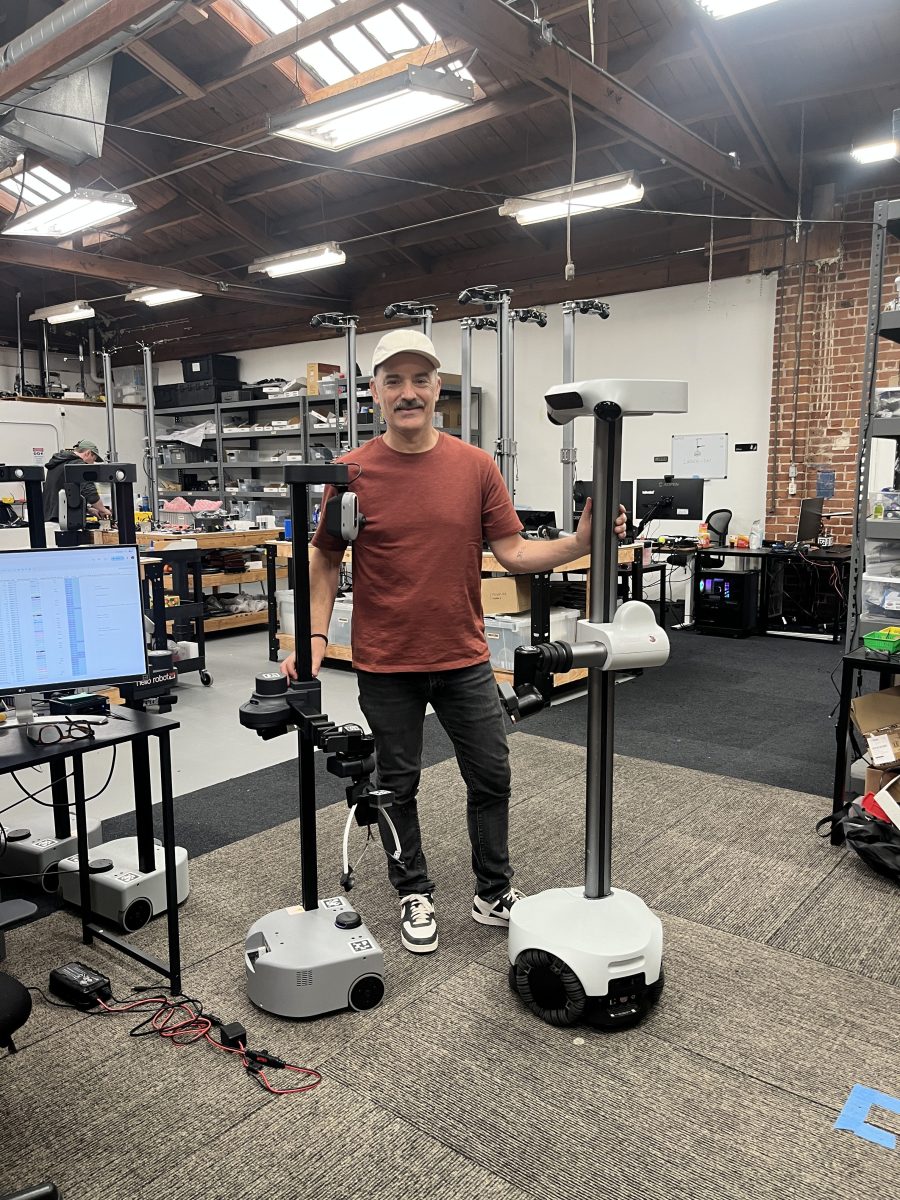
Is Silicon Valley ready to put robots in people’s homes? Hello Robot is.
A California-based startup has unveiled the fourth generation of its home assistance robot, Stretch. This latest model was introduced to the public in October 2023, showcasing advancements in technology aimed at enhancing household efficiency. The robot is designed to assist with various tasks around the home, reflecting the company's commitment to improving daily living through innovative automation solutions. The launch event highlighted the robot's upgraded features, which include improved mobility and enhanced user interaction capabilities, making it a more effective tool for homeowners. The development of Stretch is part of a broader trend in the tech industry, where companies are increasingly focusing on smart home devices to meet the growing demand for convenience and support in everyday life.
AI Robotics Startups Exclusive hello robot
People are leaving a lot of weird stuff in their robotaxis
Uber's annual Lost and Found Index has revealed a quirky assortment of items left behind in its robotaxis over the past year, including a unicorn Beanie Baby, a 15-pound green bowling ball, and a pair of dentures. This year marks the first time the company has expanded its report to include items forgotten specifically in its autonomous vehicles. The index aims to highlight the unusual and often humorous items that riders inadvertently leave behind, reflecting the diverse experiences of passengers using Uber's services. The findings underscore the growing adoption of robotaxis and the unique challenges associated with them, as the company continues to innovate in the transportation sector.
Autonomous Cars News Ride-sharing Transportation Uber Waymo
TechCrunch Mobility: It doesn’t matter that people hate the Ferrari Luce
TechCrunch Mobility has re-emerged as a leading source for insights into the future of transportation, particularly focusing on the increasing role of artificial intelligence in the sector. With advancements in technology and data analysis, the platform aims to provide comprehensive coverage and analysis of how AI is transforming various aspects of mobility. This renewed emphasis comes at a time when the transportation industry is rapidly evolving, making it essential for stakeholders to stay informed about the latest trends and innovations. By leveraging data up to October 2023, TechCrunch Mobility seeks to equip its audience with the knowledge needed to navigate the changing landscape of transportation.
Transportation Ferrari jony ive Waymo Rivian robotaxis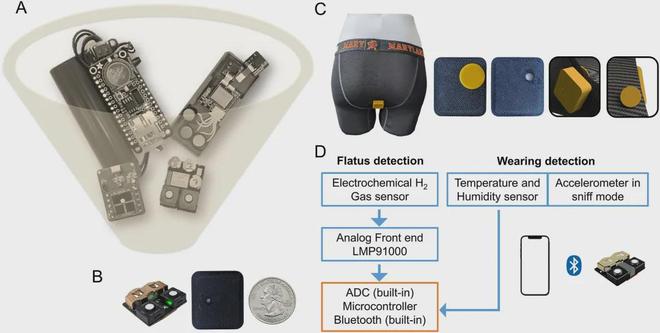
Is 32 Times Flatulence a Day Normal? Scientists Invent 'Smart Underwear' to Create a 'Human Flatulence Map' with 3,500 People Already in Line
Researchers at the University of Maryland have unveiled a new type of 'smart underwear' capable of measuring flatulence, a development that has garnered significant public attention. Their research indicates that healthy adults typically experience an average of 32 flatulence episodes per day, which is double the previously accepted estimates. This innovative project aims to create a detailed map of human gut activity, providing insights into digestive health. The high level of interest in the product has resulted in a long waiting list, reflecting the growing curiosity surrounding gut health and its implications for overall well-being.
Smart Wearables Health Monitoring Gut Microbiome Biotechnology
Saab Hosts Young People in STEM Challenge
Saab UK recently held the South regional heat of the Global Underwater Hub’s STEM Challenge at its Fareham campus, inviting local school pupils to engage in a practical introduction to underwater engineering and marine technology. The event aimed to inspire students by providing them with hands-on experiences in a field that combines science, technology, engineering, and mathematics. Participants had the opportunity to explore various aspects of marine technology, fostering interest in potential careers in this innovative sector. The initiative underscores Saab UK's commitment to promoting STEM education and encouraging the next generation of engineers.
saab stem challenge guh
Tesla Optimus Trust Report: What People Are Actually Willing to Trust It With (2026)
A recent analysis of over 15 studies conducted by organizations such as Pew, KPMG, and Edelman reveals that a significant majority of individuals, approximately 69%, feel uncomfortable being alone with humanoid robots. This finding highlights a growing concern regarding trust in robotic technology, particularly as it becomes more integrated into daily life. The studies, which include insights from YouGov and AAA, examine the nuances of trust on a task-by-task basis, shedding light on the specific scenarios where users may feel more at ease or apprehensive. As humanoid robots continue to evolve and be deployed in various settings, understanding the factors that influence public perception and comfort levels is crucial for developers and policymakers alike. The research underscores the need for addressing these trust issues to facilitate smoother interactions between humans and robots in the future.

What Data Tesla Optimus Could Collect — And How People Feel About It (2026)
Recent findings reveal that a significant majority of individuals, approximately 92%, express concerns regarding the extensive data collection capabilities of home automation systems, particularly those utilizing advanced AI like Optimus. These systems are designed to monitor every room with cameras, maintain constant audio surveillance through always-on microphones, and create detailed floor plans of residences. The growing apprehension stems from privacy issues and the potential misuse of personal information. As technology continues to advance, experts emphasize the need for stricter regulations and transparency regarding data handling practices to protect consumers. This discussion is particularly relevant as more households adopt smart home technologies, raising questions about the balance between convenience and privacy.
Tesla Optimus vs Your Privacy: What People Are Willing to Trade for Convenience (2026)
A recent survey reveals that while 79% of individuals express concern about their privacy, many have willingly shared personal information with smart devices such as Alexa, Google Maps, and Nest. The study, conducted in October 2023, highlights the paradox of consumer behavior regarding privacy and convenience. Participants were asked to evaluate various tasks performed by home robots, illustrating the extent to which they are willing to trade their privacy for the ease these technologies provide. The findings indicate a complex relationship between privacy concerns and the adoption of smart home technology, suggesting that convenience often outweighs apprehensions about data security.
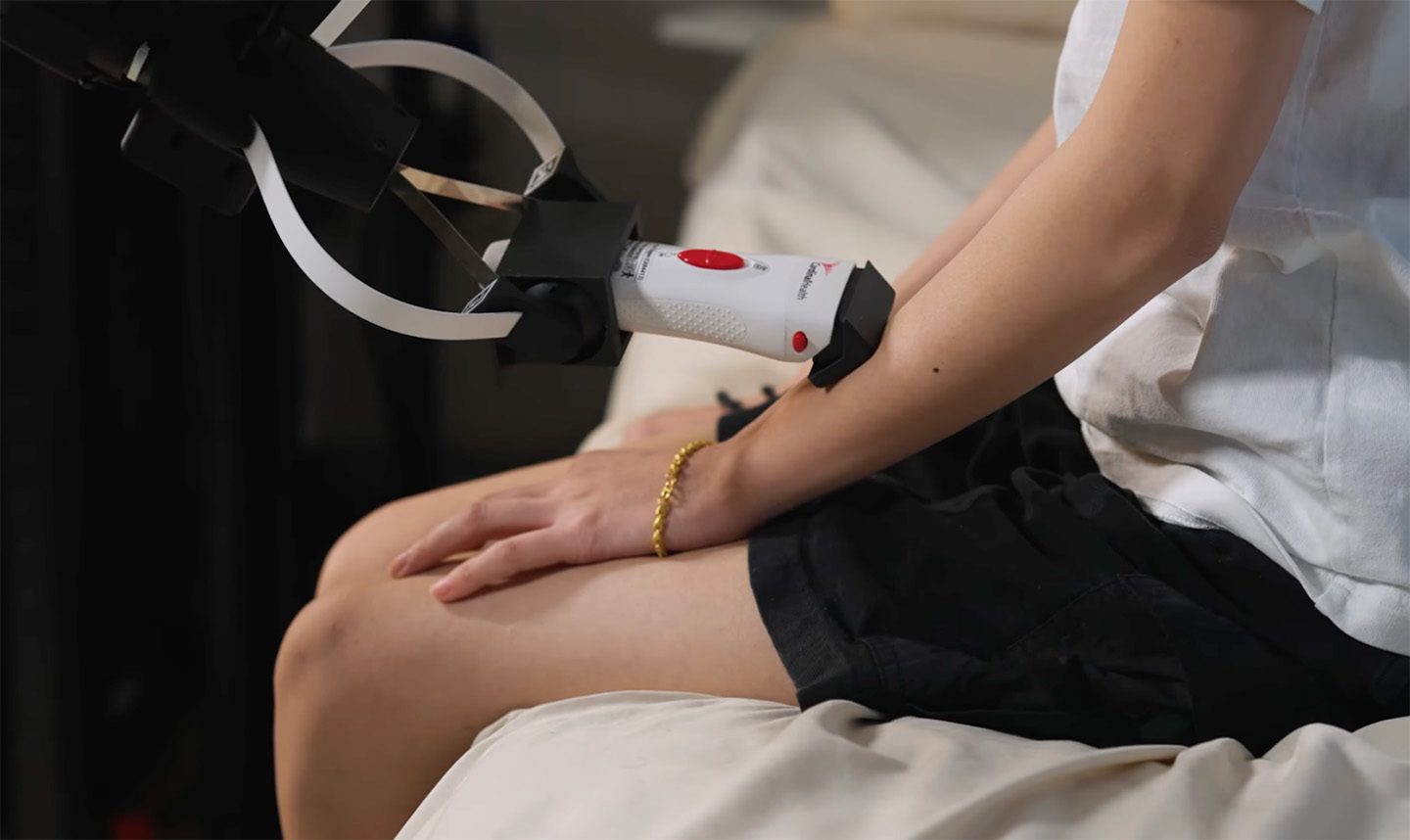
People Could Get Help With Tasks by Talking With Robots
Researchers at Carnegie Mellon University have developed an innovative caregiving robot designed to assist individuals by responding to spoken instructions while performing various physical tasks. This advanced robot not only executes commands but also explains its actions, listens to user feedback, and adjusts its behavior in real time, enhancing user interaction and understanding. The robot was recently tested at Baptist Senior Family's Providence Point, an independent living facility, where residents engaged with the technology to gauge its effectiveness in providing assistance with daily tasks. This initiative aims to improve the quality of life for seniors by making robotic assistance more accessible and user-friendly. The project highlights the potential for robots to play a significant role in caregiving, particularly for the elderly, by bridging the gap between technology and human interaction.
Research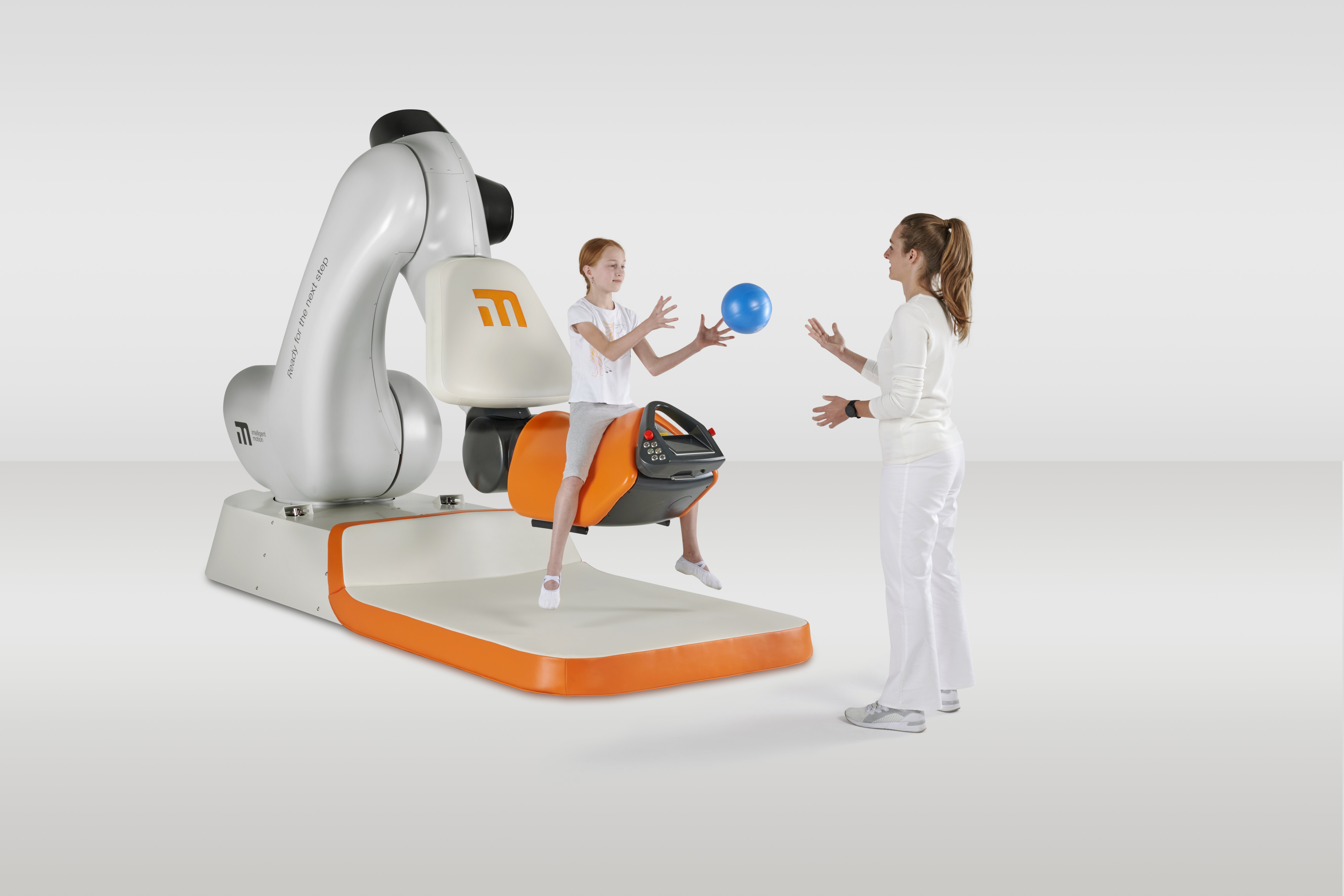
Hippotherapy with robots instead of horses: How a riding simulator helps sick and disabled people
A new approach to rehabilitation is emerging as healthcare professionals explore the benefits of hippotherapy, which aims to help patients regain mobility and independence following serious illnesses. Traditionally reliant on horses, this therapeutic method is now being enhanced through the integration of innovative technologies and robotics, allowing patients to experience the benefits of therapeutic riding without the need for live animals. This advancement is particularly significant for individuals who may not have access to horses or who require a more controlled environment for their therapy sessions. As the healthcare community continues to prioritize patient-centered care, the incorporation of these modern techniques is expected to broaden the scope of rehabilitation options available, ultimately improving outcomes for patients.

SWLP Expands Drone Delivery Network for Pathology Samples in Southwest London
South West London Pathology (SWLP) is broadening its drone delivery program after a successful pilot that transported thousands of pathology samples. This initiative, developed with Apian and Wing, is now integral to SWLP's logistics strategy, potentially serving hospitals and primary care sites across southwest London. The significance of this expansion lies in its ability to enhance medical logistics, particularly for time-sensitive deliveries. Drones have proven to be up to 85% faster than traditional ground transport, allowing clinicians to receive test results sooner, which is crucial for patient care. SWLP serves around 1.8 million people and processes approximately 51 million samples annually, making efficient logistics essential. Looking ahead, SWLP plans to extend drone operations to additional hospitals and primary care facilities, further integrating this technology into healthcare logistics. No further timeline was disclosed at the time of publication.
Applications Delivery Drone News Drone News Feeds News Apian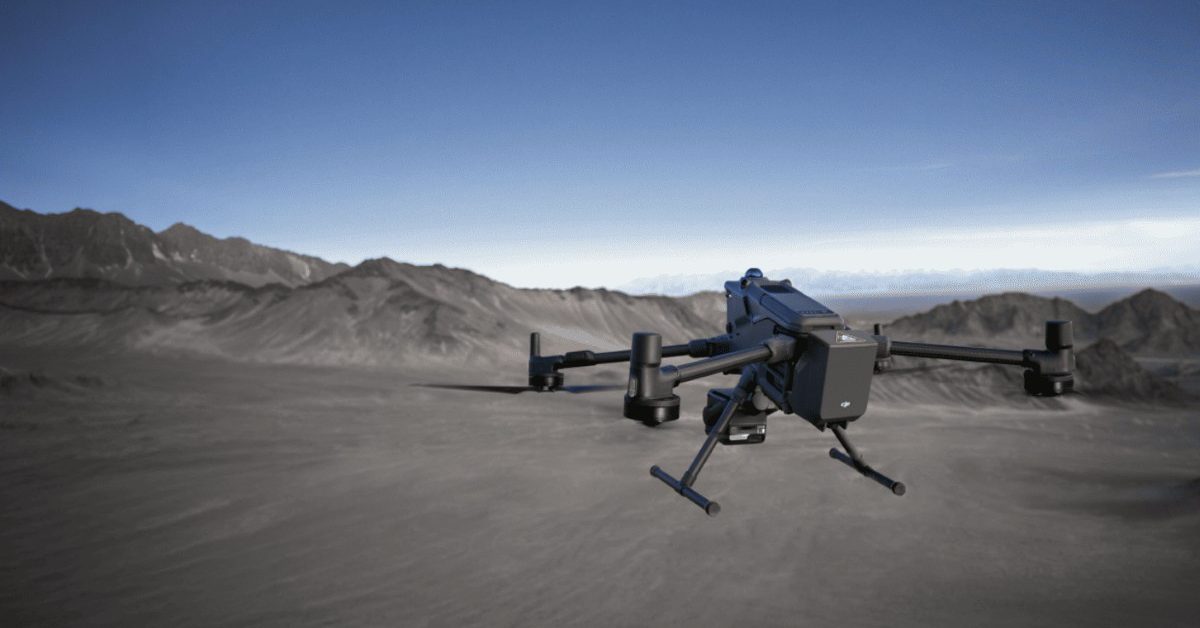
DJI Launches AP100 Parachute for Enhanced Safety of Matrice 400 Drone
DJI has unveiled the AP100 Parachute, a new safety accessory for its Matrice 400 enterprise drone, aimed at protecting the aircraft during emergencies. This parachute system, weighing approximately 935 grams, helps mitigate the impact of in-flight failures by safely lowering the drone to the ground, thus safeguarding valuable payloads and minimizing risks to people and property below. The introduction of the AP100 is significant as it allows the Matrice 400 to comply with safety regulations set by the European Union Aviation Safety Agency and the UK Civil Aviation Authority. This feature is particularly beneficial for organizations operating internationally, as it enhances operational safety and meets specific classification requirements for various missions, including beyond visual line of sight operations. Looking ahead, operators interested in C6 or UK6 certification for STS-02 missions will need to acquire the DJI Matrice 400 (C6) Worry-Free Plus Combo, which includes the AP100. No further timeline was disclosed at the time of publication.
News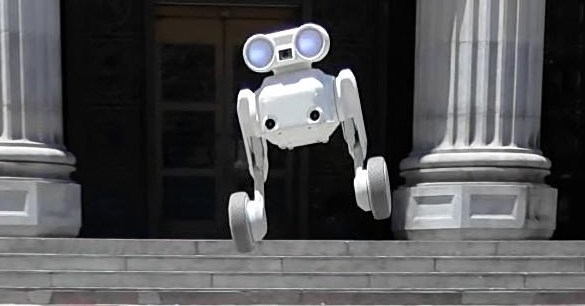
This jumping $800 robot camera dog filled me with joy
A new innovative drone designed to resemble a playful dog is capturing attention for its unique capabilities. This drone, which can run, jump, and perform tricks on command, offers a fresh alternative to traditional drones that often create noise and annoyance. Developed by a team of engineers and designers, the drone aims to enhance user experience by providing a more engaging and interactive way to capture video footage. Set to be showcased at a technology expo in early 2024, the drone not only entertains but also demonstrates resilience, as it can recover from crashes and continue functioning effectively. The creators emphasize that this design is intended to make drone technology more accessible and enjoyable for a broader audience, including families and hobbyists. By combining advanced robotics with playful aesthetics, the team hopes to redefine how people perceive and interact with drones, making them less intimidating and more fun.
Cameras Drones Gadgets Robot Tech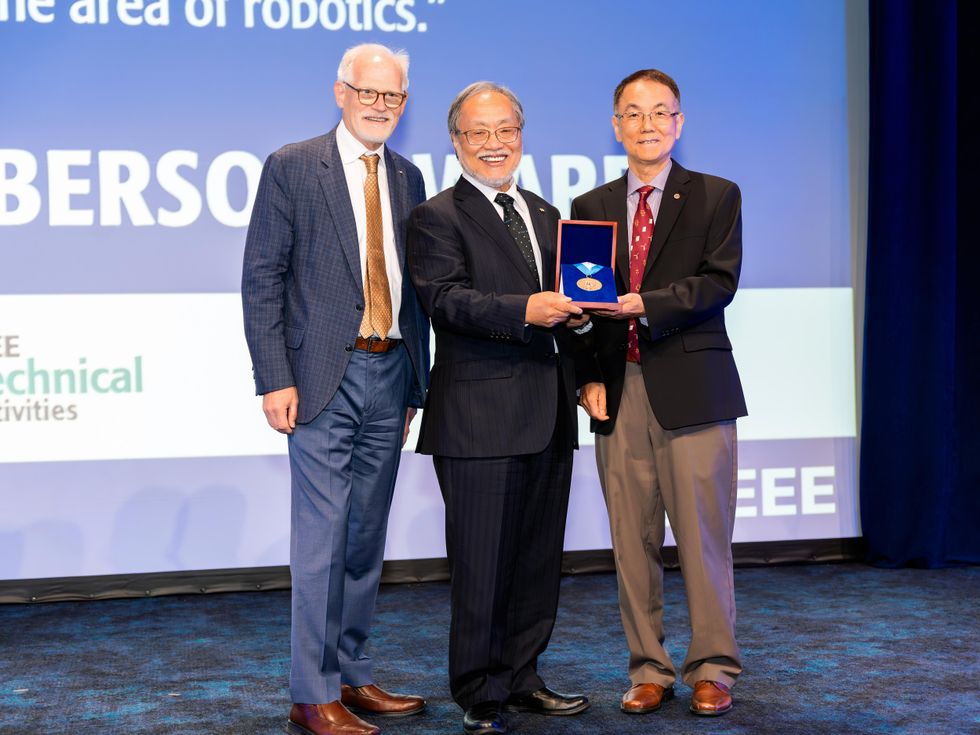
IEEE Honors Robotics Pioneer Toshio Fukuda
Toshio Fukuda has been blazing trails for most of his career. He is considered to be one of the most prolific scholars in robotics, writing more than 2,000 research papers and authoring several books on the field. He’s an influential figure thanks to his pioneering work developing biomedical robotic systems, industrial robots, micro-nano robotics, mechatronics, and AI-driven automation.Fukuda launched one of the first robotics conferences, the IEEE/RSJ International Conference on Intelligent Robots and Systems (IROS). It is still popular almost 40 years later.Toshio FukudaEmployerEgypt-Japan University of Science and Technology, in Alexandria TitleProfessor and vice president of research Member gradeLife Fellow Alma matersWaseda University, in Tokyo; University of Tokyo An IEEE Life Fellow, he is a professor emeritus in the department of micro-nano systems engineering and a visiting professor at Nagoya University, in Japan, where he taught for nearly 25 years. Currently, he is a vice president of research at the Egypt-Japan University of Science and Technology, in Alexandria, Egypt.Within IEEE, Fukuda has held top volunteer positions including the organization’s highest office: He served as IEEE president in 2020, becoming the first person of Asian descent to hold the role.He’s a former program director of Japan’s Moonshot program, which by 2050 intends to develop advanced AI robots.Born in Japan, Fukuda has been recognized by the country for his contributions to science with two of its highest awards: the Medal of Honor with a purple ribbon in 2015 and the Order of the Sacred Treasure in 2022.IEEE honored him with this year’s Richard M. Emberson Award for “distinguished service advancing the technical objectives of IEEE, especially in the area of robotics.” The IEEE Board-level award is sponsored by the IEEE Technical Activities Board. Fukuda received the award on 24 April at a ceremony in New York City.As a former IEEE president who has served as a master of ceremonies at several of the organization’s major award events, Fukuda noted that he is more accustomed to bestowing awards than receiving them.“It’s very interesting to be on the receiving end,” he says.The journey into robotics researchAs a teenager, Fukuda spent his summer breaks teaching himself how to build things including transistor radios and steam engines.“It was very nice to have a hands-on hobby and make these kinds of things myself,” he says. His experimentation led him to study engineering.He earned a bachelor’s degree in engineering in 1971 from Waseda University, in Tokyo. He says one of his professors there—Ichiro Kato, regarded as the father of Japanese robotics research—was a good mentor who made a positive impact.Fukuda’s research interests were robotics and mechatronics, a field that combines robotics, electronics, computer science, and control systems.He went on to earn a master’s degree and a doctorate in science from the University of Tokyo, in 1971 and 1977. During those years, he also attended Yale, where he conducted research on advanced control theory in 1973.He reflects fondly on his time at Yale: “It was a very nice environment and a kind of free-thinking atmosphere. It motivated me to study more.”“IEEE doesn’t care who you are, what you do, what country you are from, or whether you are male or female. IEEE accepts people who have energy and passion.”While at Yale, Fukuda served as an assistant to his advisor—which led him to consider a career in academia, he says, because he enjoyed the freedom that research work afforded him.But he realized that such freedom comes with a price. University researchers are expected to raise the money that funds their work. He compares researchers to small-business owners who have to bring in money to keep their enterprise afloat.That realization led him to select robotics as his field because he intended to develop technologies useful to industry, he says.After earning his doctorate, he returned to Japan in 1977 to work as a research scientist at the government’s Mechanical Engineering Laboratory, later renamed the National Institute of Advanced Industrial Science and Technology, in Tsukuba.“There was a lot of research going on at the lab, including practical robotics and theory,” he says.He left Japan in 1979 to become a visiting research fellow at the University of Stuttgart, in Germany. During his year there, he studied systems, software problems, and related topics.He returned to Japan and was hired as an associate professor of mechanical engineering at the Tokyo University of Science. He conducted research into practical uses for robots by visiting industrial plants. He decided to develop robots that inspect industrial equipment such as those used in assembly plants, oil refineries, and power stations—places that “can be hostile environments for humans,” he says.His work drew interest from chemical, oil, and utility companies.“I got a lot of money from them for this very practical application, which funded my research,” he says, laughing.Developing popular robotic systemsFukuda grew tired of making those robots, he says, so he switched to creating ones for scientific applications. He developed many techniques, but he probably is best known for his modular, cellular robotic systems (CEBOTs), which he introduced in 1985.He has described how CEBOTs work in numerous papers published in the IEEE Xplore Digital Library.The CEBOT system is composed of a number of autonomous robotic cells that stick together like interlocking Lego plastic bricks, he says.Each cell is a fundamental modular unit that has a function. When a simple task is given, the system can analyze it and generate the structure of the cellular manipulator. The cells connect to and detach from each other through connection mechanisms and cooperate mutually, creating complex structures and configurations.“You start developing from the component-wise to the cell-wise to a small functional unit—and then you come up with clusters that make bigger systems. We can make a society of robot beings like that,” he explained in his oral history published on the Engineering and Technology History Wiki. “It’s a distributed robotic system, a self-organized robotic system, and also an evolutionary robotic system.“It’s also a fault-tolerant robot system because if something is wrong, you just remove those things and make a new one. You keep the system working. That’s a great thing.”Today CEBOTs are used for a variety of tasks such as delivering medication in hospitals, assisting with planting crops, and transporting products in distribution centers. Check out IEEE Spectrum’s Robots Guide for news from the world of robotics.In 1989 Fukuda joined Nagoya University as a professor of mechanical engineering and micro-nano systems engineering. During his 24-year career there, he was director of the university’s Center for Micro-Nano Mechatronics. He developed a long list of technologies at the university, including many for medical applications. He also conducted groundbreaking research into intelligent robotic systems and micro- and nano-robotics.Another technology he is known for is brachiation robots, which he helped develop in 1988. He calls them monkey robots because they’re based on the pendulum-like movement of monkeys swinging from tree to tree. The gravity-based locomotion enables continuous movement.Brachiation robots now are inspecting high-voltage transmission towers and bridges, searching damaged buildings for survivors, and performing maintenance on pipelines and cables.Fukuda retired from the university in 2013 and was named professor emeritus.He didn’t stay retired for long, though. He next held a teaching appointment at Meijo University, in Nagoya, until he left in 2022 to join the Egypt-Japan University.A prominent volunteerHe joined IEEE in 1980 at the encouragement of one of his research advisors, Professor Fumio Harashima, now an IEEE Life Fellow. After attending conferences and reading the organization’s publications, Fukuda says, he looked forward to becoming more involved.“I wanted to know how to organize a conference and how to edit a paper for one of its Transactions,” he says. “I wanted to know what was going on from inside the organization, not just the outside.”In 1988 he was the founding chair and organizer of IROS, in Tokyo. The conference had 330 attendees that year, and was supported by Harashima. Today it is one of the largest and most prestigious conferences on the topic, attracting more than 9,000 people annually. Out of 120,000 conferences, it was the only conference in the Nature Index database for this year, Fukuda says.In 1996 he and other members launched IEEE Transactions on Mechatronics.He was the founding president of the IEEE Nanotechnology Council, which was established in 2002. He is considered a pioneer in nanotechnology research, particularly regarding how it relates to robotics.Over the years, he has held numerous volunteer positions on IEEE editorial boards and committees.He was the 1998–1999 president of the IEEE Robotics and Automation Society, becoming the first non-U.S. member to hold the title.He was director of IEEE Division X (2001–2002 and 2017–2018), which covers intelligent systems, biological engineering, robotics, control systems, and photonic technologies. He served as the 2013–2014 director of IEEE Region 10 (Asia-Pacific).As the 2020 IEEE president, Fukuda saw the organization through the early part of the COVID-19 pandemic. Because of travel restrictions, he realized IEEE should change how it offered its in-person services, specifically educational programs. He encouraged IEEE Educational Activities to develop an online learning platform. The IEEE Learning Network started with just three courses and now offers nearly 2,000 courses, webinars, and learning materials.An award-winning memberThe Emberson Award joins a slew of other recognitions Fukuda has received from IEEE. They include several from the IEEE Robotics and Automation Society: a 2004 Pioneer Award, a 2009 Saridis Leadership Award, and the 2011 Harashima Award for Innovative Technologies. He is also a recipient of the Board-level 2010 IEEE Robotics and Automation Technical Field Award.He says he feels strongly that IEEE should be a diverse organization that is welcoming to all. As IEEE president, he led efforts to devise a diversity, equity, and inclusion program. Several policies, procedures, and bylaws were revised to give members a safe, inclusive place for discourse.“It’s important for IEEE to make everyone feel comfortable,” he says. “DEI programs are important. All people should be equal. IEEE doesn’t care who you are, what you do, what country you are from, or whether you are male or female. IEEE accepts people who have energy and passion.“It accepted me, from the Far East. That’s why I like it.”You can learn more about Fukuda and his career from the oral history conducted by the IEEE History Center.
Robotics Robots Ieee-member-news Type-ti Ieee-awards Toshio-fukuda
What Makes AI Art Worth Collecting?
In May, an anonymous artist who goes by SHL0MS on X posted that he had used AI to generate an image inspired by Claude Monet and asked people to weigh in on how it missed the mark. More than 600 responses called out issues, saying the colors were off, the depth was all wrong, and that AI didn’t understand how light worked.SHL0MS then revealed that the image was of a real Monet, one of around 250 variations of water lilies the artist had painted in his lifetime. He had simply downloaded a high-resolution image from Wikimedia and cropped out the signature. He minted the exchange as an NFT (a unique digital collectible recording ownership of the work), titled it “Inferior Image,” and sold it for just over US $40,000 after 28 bids.The stunt exposed how charged the conversation around AI art has become, and how quick people are to dismiss anything AI-generated as slop—even when it’s not. Yet even as those arguments continue, a market for AI-generated art has begun to form anyway. It’s fragmented and contested, but bigger than most people realize.Jediwolf, an anonymous collector who says he has spent more than 20 years acquiring digital and AI art, was watching the experiment unfold in real time on X. He had never interacted with SHL0MS before, but when the NFT went up for auction he made a bid and won. “I was buying a unique moment in time,” he says, “captured by an artist and preserved as a token.”The Monet was not AI art, but most of what Jediwolf buys is. One of Jediwolf’s digital collections, which he calls UnderTheGAN—a play on GANs, or generative adversarial networks, the AI technology that preceded today’s diffusion models—comprises roughly 100 works valued at around $72,000, focused on early AI art from 2015 to 2020, before the medium went mainstream. He describes his role as part collector, part researcher, part curator, trying to document a fast-moving field.“A decade ago, digital art was often treated as peripheral to the ‘serious’ art world,” he says. “Today, it is increasingly difficult to separate contemporary culture from the internet.”AI Art Moves Into MuseumsThe market for AI art extends beyond NFTs: AI-generated pieces are also finding their way into physical installations. Last month saw the opening of Dataland, the world’s first generative AI museum, in downtown Los Angeles. It was spearheaded by Refik Anadol, a digital artist who has built a career out of transforming data into large-scale immersive experiences. The opening exhibition has pieces that use data that Anadol collected from rainforests around the world, with real-time weather information from 16 rainforests feeding into all five galleries. In three of the rooms, the imagery also shifts in response to visitors’ own biometric data, tracked by bracelets they wear. Like any museum it sells tickets, ranging from $49 to $79, and has a gift shop. This shop, however, uses visitors’ biometric data collected during their visit to generate a unique design printed on a T-shirt. For $15,000, a robotic painting system called Qualia creates a one-of-a-kind canvas from that same data, painted once a day, with a waiting list already forming. A founding collection of 1,000 AI data sculptures that evolve based on environmental data from global rainforests sold out in 34 minutes at $5,000 each.The system running it all, which Anadol calls the Large Nature Model, was trained on more than 500 million nature images representing 2.2 million species, gathered through field expeditions to 16 rainforests and partnerships with institutions including the Smithsonian and the Cornell Lab of Ornithology.For Anadol, AI art requires a different kind of transparency than any medium that came before it. Because commercial AI tools have shaped how most people understand the technology, artists working with it seriously have to be more open about their process than painters or photographers ever did.“For AI art, we have to know where the data comes from, we have to know which model is trained and how it’s trained,” he says. “We can’t just think about authenticity and uniqueness if a service and product is the fundamental layer of the artwork.”The reviews for Dataland have mostly been positive, with one critic calling it the Citizen Kane of immersive experiences. But Anadol is used to a more divided reception. His 2022 installation at MoMA—a 7-by-7-meter screen of AI-generated fluid forms with shifting colors and sounds—drew 3 million visitors and entered the permanent collection, even as New York Magazine called it “a massive techno lava lamp.” Anadol sees the skepticism as nothing new, just the latest version of a resistance that has greeted all new media. “Every art form has gone through similar cycles of denial,” he says. “We are living in a renaissance that started 10 years ago, and I just don’t think everyone is aware of it yet.”Who Is Buying AI Art?The broader market data points in multiple directions at once. According to the Art Basel and UBS Art Market Report 2026, digital art’s share of sales nearly tripled between 2024 and 2025, and just over half of all fine art collectors surveyed had purchased a digital artwork in 2025, making it the third most popular category after painting and sculpture (the report does not break out AI art specifically).Meanwhile, Christie’s shuttered its pioneering digital art department in September, folding digital works back into its broader contemporary sales after none of its dedicated auctions broke $400,000.The most data-rich window into buyer behavior comes from a less glamorous corner of the market. After one major stock image platform allowed AI-generated images, monthly sales jumped 80 percent, according to Samuel Goldberg, an economist at Stanford Graduate School of Business who published a research paper about the shift. Traditional contributors began leaving the platform as generative images flooded in, and creators using AI tools rushed to fill the gap. “It looks like consumers like generative AI,” Goldberg says, “and it seems like nongenerative artists could be getting crowded out of the market.” Stock images are essentially a commodity version of art, according to Goldberg, and because image-generating models are already very good at producing them, what’s happening there may be a preview of what’s coming for other creative goods markets—including fine arts—as the technology improves.Artists are typically among the first to test the limits of a new technology; early adopters have created AI art since the 1970s. What’s new now is the ability for anyone to generate an image in seconds with a text prompt. That, according to Christiane Paul, curator of digital art at the Whitney Museum of American Art, is not the same thing at all. What fills those stock-image platforms, and what most people encounter when they think of AI art, does not qualify as art.True AI art, Paul says, is a subcategory of digital art that uses artificial intelligence as both a tool and a medium, engaging with it practically and conceptually, doing things like training custom models, building extensions, and layering control systems. “A visual created by a prompt is not art,” she says. What serious AI artists are actually doing is much more than typing a few words into DALL-E.Far from the shortcut most people assume, working seriously with AI as an artistic medium is, by her account, brutally hard. Every artist she talks to says the same thing. “It is much, much harder than a paintbrush to handle,” she says. “You are literally communicating with a system with a completely different logic.”Thanks to bubblemaps.io for its research assistance on the NFT market.
Ai-art Generative-ai Digital-art Blockchain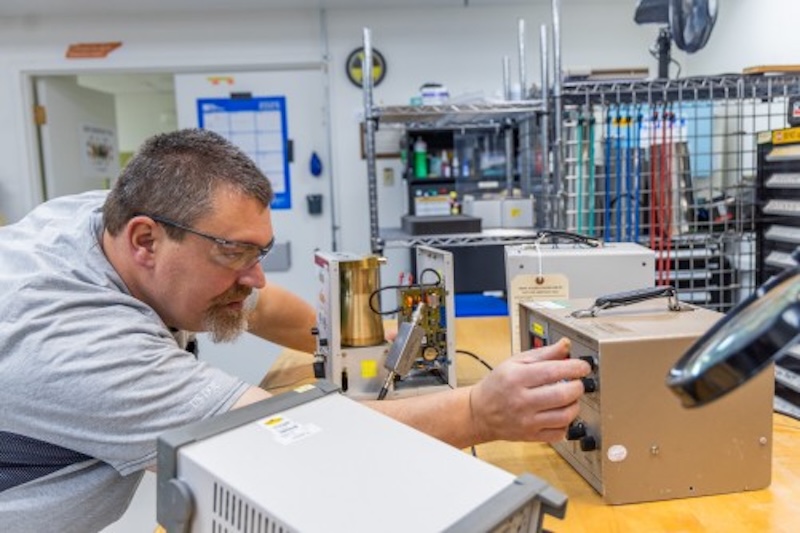
Oak Ridge National Lab reveals ‘hidden workforce’ behind AI-powered research facilities
By Clint Keaton Behind every self-driving laboratory at the US Department of Energy’s Oak Ridge National Laboratory is a team most people never see. Facilities and Operations (F&O) workers are building and maintaining the infrastructure that makes autonomous science possible. Autonomous labs run with little human intervention. Instead, they rely on robotics, sensors and automation […]
Autonomous Vehicles Features Science artificial intelligence autonomous laboratories autonomous science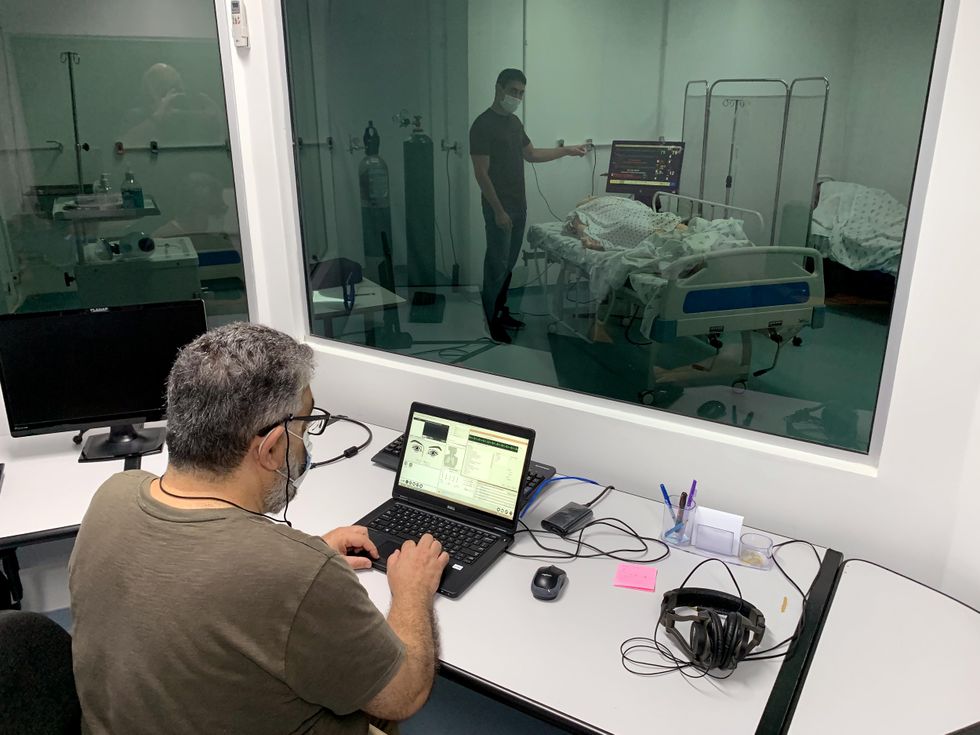
Small-AI Models Gain Traction Around the World
One morning in 2019, Adebayo Alonge was in a Cape Town hotel room, preparing to demonstrate his startup’s AI answer to a serious problem in African health care: counterfeit medication, which kills thousands of people across the continent every year.The RxScanner is a handheld spectrometer that scans a pill with infrared light, then sends the item’s molecular profile to an AI model equipped with a pharmaceutical database. In seconds, the AI identifies the medication from its molecular profile—or reports that it’s phony.Pharmacies were using the system in more than a dozen countries, including Ghana, Kenya, Myanmar, and Alonge’s native Nigeria. But that morning in South Africa, it didn’t work. “I was shocked,” Alonge says.The spectrometer connected to the AI model—but the data center was 14,000 kilometers away and bandwidth was limited. “Our server was in the United States, and just to get the result of a single scan was taking me over 5 minutes.”So Alonge immediately asked his engineers to shrink the AI model down to a smaller, low-power, unconnected version that could run entirely on his Android phone. They produced it 2 hours later, and that saved the demo.More importantly, the work birthed a new version of his device, which can authenticate a pill in places without broadband, computers, or even reliable electricity. It also turned Alonge into an advocate for this kind of “small AI.”Small AI for Global Health Care AccessSmall AI is a far cry from wealthy nations’ colossal large language models (LLMs), hyperscale data centers, multibillion-dollar investments, and debates about AI consciousness. But for millions of people around the world, the only AI that matters, and often the only kind available, is small. (According to a World Bank Report issued in November, only 0.7 percent of internet users in the world’s poorest countries have used ChatGPT, compared to a quarter of all internet users in the most developed nations.)“Most people are discussing AI from the LLM/generative side. But that needs a lot of computing power, electricity, massive data, and skilled people to manage it,” Ajay Banga, president of the World Bank, said last January at the World Economic Forum, in Davos. “Outside the developed world, other than maybe India and China, very few countries have that combination.”By contrast, small AI can deliver useful, even life-saving services to people in areas that have none of those things, Banga said. In India, where the government’s AI plans call for more development of small AI, many such systems are working for farmers.For example, a drone-based system developed by Bala Murugan and colleagues at the Vellore Institute of Technology, in India, takes photos of cashew plants and quickly identifies those with splotches that indicate disease. All the processing takes place on the drone itself, so there’s no need for a computer on-site, nor for a connection to a central server.Using small language models trained for a specific problem, and sometimes running on cheap, low-power devices, other small-AI implementations have been developed to identify ant infestations in a Uruguayan vineyard, detect the presence of malaria-carrying mosquitoes in a number of nations, and run electrocardiograms from an Arduino device in parts of Brazil that lack access to more complex equipment.“This is the most important area in AI nowadays,” says Marcelo José Rovai, a professor at the Institute of Engineering and Information Systems at the Federal University of Itajubá, in Brazil, who was involved in all three projects. “It’s growing very fast.”Low-Power, Small-AI Models on Devices Small AI models can run on a variety of low-power devices, including [from left to right] an Arduino Nano 33 BLE Sense, a Seeed Wio Terminal, and an Arduino Portenta.Moez AltayebFor Alonge, Rovai, and other advocates, small AI is not just “a promising trend,” as that November World Bank report calls it. It may be, in the long term, the form of AI that will touch the most lives and remain sustainable after some of the giant models become too costly for most users.“I think the future of AI is not like one giant model, at a center. I think it’s millions of small, precise models deployed at the edge, each one solving like a specific problem, a specific context,” Alonge says. This is partly because much of humanity—including people in parts of rich countries as well as the developing world—lives without access to cutting-edge frontier models. But, he says, it’s also because those models are not sustainable.“If someone is not subsidizing it, most people will not be able to afford those models. So those of us who are said to be small-AI developers are the ones who will have to build for the majority of the world,” Alonge says.There is no strict definition of “small AI,” but people often use the term for language models with at most a few billion parameters. (Compare that to cutting-edge models, which can include more than a trillion.) That’s small enough to run directly on a phone or a Raspberry Pi. That’s what allows these applications to run on devices without a connection to a data center and use only a few watts of power, often supplied by a battery or a solar panel.Despite their small footprint, these models aren’t fundamentally different technology from that of gigantic AI models, Rovai says. Many instances of small language models were created the same way the phone-based version of Alonge’s pharmaceuticals scanner was—by “pruning” large models, or removing the parameters that weren’t involved in the task. The result is a system that’s less capable generally but still very good at the specific job it was pruned for, Rovai says. A lighter version of RxAll’s RxScanner spectrometer sends its results to an AI model run locally on a phone to check that a drug’s molecular signature is genuine.RxAllOther small models are created by “distillation.” They are trained to mimic a large model, until their performance approaches that of their “teacher,” Rovai says. In other cases, a larger model’s precision is reduced, for example, so that a model run on 32-bit architecture can run on 8-bit designs. In situations where the machine learning application is being used to classify data or predict patterns (like an ant infestation), it’s trained from the beginning on a small device, not derived from a larger model at all. Running all these small, specialized systems is becoming easier, Rovai says, for two reasons.The first reason is that hardware is getting better and more capable while using less power, he says. This means more and more phones can run small AI—especially those equipped with neural processing units, which are specialized chips that handle AI tasks like facial recognition and changing the brightness, shadows, or contrast in a photo.In 2025, slightly more than a third of all smartphones shipped worldwide were capable of running generative AI, and that figure will reach 45 percent by the end of this year, according to the technology research firm Counterpoint. By the end of next year, slightly more than half of all smartphones will be able to run a small AI model.The second reason Rovai cites is the shrinking footprint of language models. Both Google DeepMind’s Gemma 4 (released in April) and Alibaba’s Qwen 3.5 are “fantastic” for small AI, Rovai says. Both models are “open weight,” meaning users can adjust the connections between parameters to suit their needs. This makes it easy, for example, “to take a lot of data from, say, the milk industry and retrain the model specifically on that,” Rovai says.Rovai illustrated these reasons on a Zoom call, using one of his most recent experiments. Holding up a device, he says, “This is the new Arduino UNO Q—a US $50 device with a Qualcomm chipset. I’m running a language model here, which collects data from sensors and analyzes that data to detect tiny pools of water where mosquitoes might be breeding. It takes 3 watts to run it.”Support for Small-AI DevelopmentConvinced that millions of people are already benefiting from these kinds of applications, the World Bank now actively promotes small AI with grants, mentorship programs, financing, technical advice, and models of government policies that are friendly for small-AI development. For example, in Rwanda, the World Bank is backing a government program to help low-income households get devices that can run AI.All that said, no one claims that large language models are going away entirely. To create a generative AI that can run on a phone or other small device requires the architectural insights, data processing, and results of a larger model, Rovai says. “We need the big models to create these smaller models.” And for all that small AI can benefit people without access to big AI, the technology can’t solve the larger problems of development and digital inequality, Alonge says. Implementing small AI won’t allow nations to escape the challenge of creating an ecosystem to support AI: reliable power, a supply chain that works, and an educational system that develops the talents needed to create AI tools.Though his drug-scanning system can run for days on a phone with no connection, “you still want to be able to enable periodic syncing for updates with new signatures for the medications and analytics,” Alonge says. “And even when you are using batteries, reliable power is important. That phone battery is not going to last forever.”In many parts of the world, the future of small AI isn’t assured, he says. “It works, and many places will eventually need to use it. The question is whether or not the political actors are wise enough to invest in infrastructure to support it long term.”
Small-language-models Artificial-intelligence Llms
JD.com (JD) Founder Says Company Will Retrain Couriers for Robot Shift
JD.com (JD) Founder Says Company Will Retrain Couriers for Robot Shift Jeff Lewis Sun, July 5, 2026 at 4:35 AM PDT 1 min read 9618.HK CEC.DE JD JD.com, Inc. (NASDAQ:JD) is one of the 9 Most Oversold Strong Buy-Rated Stocks to Invest In Now. On June 23, 2026, JD.com, Inc. (NASDAQ:JD) founder and chair Richard Liu warned that 700,000 delivery workers will be replaced by robots "sooner or later," Joe Leahy of The Financial Times reported. Liu said JD.com signed contracts with 120 schools to retrain couriers for other work, including repairing and maintaining robots. Liu said there will be a day when couriers are "basically no longer needed," but added that he does not want the company's 700,000 workers to lose jobs or meals. Late in May, Brussels was set to launch an in-depth foreign subsidies investigation into JD.com, Inc. (NASDAQ:JD)'s bid for German electronics retailer Ceconomy, Financial Times' Barbara Moens and Florian Muller reported. The expected probe would be the first time a Chinese takeover became the target of a detailed investigation under the EU's foreign subsidies rules, according to people familiar with the matter. Is Cloudflare (NET) the Best High Growth Cybersecurity Stock to Buy Now? Image by drobotdean on Freepik JD.com, Inc. (NASDAQ:JD) operates as a supply chain-based technology and service provider in the People's Republic of China and Europe. While we acknowledge the potential of JD as an investment, we believe certain AI stocks offer greater upside potential and carry less downside risk. If you're looking for an extremely undervalued AI stock that also stands to benefit significantly from Trump-era tariffs and the onshoring trend, see our free report on the best short-term AI stock. READ NEXT: 33 Stocks That Should Double in 3 Years and Cathie Wood 2026 Portfolio: 10 Best Stocks to Buy. Disclosure: None. Follow Insider Monkey on Google News. View Comments Terms and Privacy Policy Your Privacy Choices CA Privacy Notice More Info

Japan Pioneered Humanoid Robots—Can It Now Catch China?
“In the future, the relationship between humans and robots will deepen, and the distinction between them will probably disappear.” This prediction, from one of the attendees at the recent Humanoids Summit in Tokyo, might have been unremarkable had it not come directly from an android that was first introduced to the world 20 years ago. Geminoid HI-6 is the sixth-generation of a robot originally designed in 2006. The mechanical twin of Osaka University professor Hiroshi Ishiguro, Geminoid HI-6 is now equipped with a large language model trained on Ishiguro’s own writings and interviews. It has advanced conversational skills and can even have a chat with its creator, an eerie spectacle. But at the Humanoids Summit, Geminoid was one of the few humanoid robots from Japan, the country that pioneered the form factor.While the event in Tokyo only had about 40 robots on display, Chinese systems outnumbered Japanese by roughly three to one. Some Japanese robotics firms were even using Chinese robots in their own technology demonstrations, something that would have been unthinkable in the recent past—one Japanese engineer described the situation as “sad.” The conference was a stark reminder of how Japan has ceded its early lead in humanoid robot development to overseas competitors, and the challenge it now faces to secure a place in an ecosystem increasingly dominated by general-purpose robots powered by AI. Twenty-five years ago, Japan was turning out groundbreaking humanoids that were showstopping in their abilities, but they were not commercialized as practical machines in any meaningful way. Heavily influenced by science fiction and lacking practical applications, they were mostly expensive technology demonstrations that were eventually mothballed. What Japan retains, however, is robotics design and know-how, which it must leverage to be a key player in the rapidly evolving humanoid ecosystem. Learning to Walk—Then Standing StillTo anyone who has seen recent videos of Chinese humanoids doing kung-fu and synchronized acrobatics, as well as half-marathon races, China’s remarkable progress in the field is nothing new. At the Humanoids Summit, Toyota showed a video of its latest basketball-playing robot, and Honda exhibited its latest robot hand, but the full-scale humanoids on the floor were mostly Chinese–the kid-size K1 machines from Booster Robotics of Beijing were dancing to Michael Jackson tunes. The full-scale G1 humanoid from Unitree Robotics of Hangzhou was also doing demos. “You cannot sell these bipedal systems in Japan for safety and compliance reasons,” says Shuichi Nagao, a frequent visitor to China as CTO of Omakase Robotics, a division of Zeals, a Japanese humanoid robot developer. Omakase was exhibiting a G1 modified with an external PC controller, a dextrous hand, a suction-cup manipulator and a sensor “hat” with an extra speaker, mic and camera. “In China, the government is pushing humanoid development. They didn’t have an industry 20 years ago. The people pushing it are young, in their 20s and 30s. It’s a really different mentality out there,” says Nagao. “Big players in Japan are still looking for use cases for humanoids. In China, they’re already doing mass production and reducing the cost, so other countries can’t compete with them anymore.”Another Japanese company showing off G1 bots was summit sponsor GMO AI & Robotics, a subsidiary of Japanese internet company GMO. It’s using the robots in partnership with Japan Airlines to load and unload cargo containers at Tokyo’s Haneda airport. The cargo project is a trial—like many other humanoid experiments—but the fact that Chinese machines have penetrated so far into Japan’s ecosystem upends a long history. In 1973, scientists at Waseda University in Tokyo built WABOT-1, considered the first full-scale humanoid robot and capable of slow bipedal locomotion, grasping objects and simple communication. It inspired Honda’s groundbreaking Asimo humanoid, but it was never commercialized. Asimo was eventually retired in 2022, the year ChatGPT was released. Two years later, Unitree’s G1 went on sale for US $16,000. China’s High Torque Technology Co. showed off its Mini Pi biped, customized with an anime-inspired head, at Humanoids Summit in Tokyo. The regular version is priced at $3,500. Tim HornyakSupply and DemandJapan’s development of humanoids happened before practical applications or widespread demand were in place, but bad timing is only part of the story—Japan also has a history of developing technologies that might appeal to domestic consumers but not necessarily those overseas. For example, decades after they first appeared, its highly engineered, multifunction toilets have only recently found a following abroad. Japan’s humanoid prowess was partly built on the back of its legendary industrial automation, yet even that stronghold has eroded. Ani Kelkar, a partner from McKinsey & Company in Boston who produces analytical reports about the robotics industry, told the summit audience that while Japan occupied the top spot in the world in manufacturing robot density (the number of multipurpose industrial robots in operation per 10,000 employees) from at least 1994 to 2009, it then slipped to second in 2014, third in 2019 and fifth in 2024. In that year, South Korea was at the top of the leaderboard with a robot density of 1,220 compared to Japan’s 446. The International Federation of Robotics estimates China now has the most operational industrial robots in the world, with around 2 million total units, approximately 4.5 times more than Japan. “The annual installation numbers are impressive too: 54 percent of all robots installed worldwide in 2024 were deployed in China,” the IFR said in a release in April 2026. “I think the loss of Japanese leadership is more to do with the rise of China as a manufacturing powerhouse including for sectors that Japan had high export levels,” Kelkar said in an email interview. “The recovery has not yet happened as Japan ‘missed’ the rapid acceleration in AI for robotics and is now playing catchup.”How Japan Can Adapt Kelkar believes Japan has a US $100 billion opportunity in general-purpose robotics, which are machines that can perform a wide variety of tasks, and it cannot rely on the slower-growing industrial robot market, which is centered on factory machines that do one simple and predictable task like welding car parts. He points to a McKinsey white paper suggesting that while Japan has much of the hardware and technology experience needed to support general purpose robot development, it must change its strategy to capture more share in AI, software, data collection and robotics platforms.Tetsuya Ogata is a professor of engineering and director of the Institute for AI and Robotics at Waseda University, the birthplace of humanoids in Japan. He briefed the summit on how a nonprofit he chairs, the AI Robot Association (AIRoA), is working with Toyota and other members to develop foundational technologies for collaborative use. For instance, AIRoA has collected some 80,000 hours of data on remote operation of mobile manipulators, and Ogata believes it’s the largest dataset of its kind. Using the data, it built and verified Vision-Language-Action (VLA) models, and it has also started data collection for dual-arm mobile manipulation. In an interview, Ogata acknowledged Japan’s struggle to find its place in the changing landscape. “The world of AI is inherently a game of scale,” says Ogata. “Therefore, Japan’s absolute prerequisite is to secure a competitive baseline of scale—in data, computing resources, and talent. Beyond that, what I consider most critical is a mindset shift: rather than trying to hoard scale within a single nation or company, we must grow stronger by collaborating with a diverse ecosystem of domestic and international players.” Specifically, this means creating a ‘collaborative domain’ to address data—the single biggest bottleneck—through industry-wide cooperation rather than data-siloing. By collectively nurturing a pre-competitive, shared data infrastructure and foundation model, individual companies can then compete on top of it with their own applications. “By offering this open ‘data ecosystem’ to the world, we can engage global players and establish a ‘third pole’ alongside the US and China,” says Ogata. “I believe this is how Japan can reclaim its global presence.”In 1999, Japan introduced the world’s first mobile internet services platform. But being first didn’t turn Japan into a smartphone manufacturing or design center—it’s now merely a supplier of parts to other countries who are leading the smartphone industry. If Japan can avoid a repeat of that experience and successfully deregulate, diversity, and commercialize its original humanoid dreams, it stands a better chance of influencing the direction of the industry and reaping billions in value. As automobiles and electronics were pillars of Japan’s industrial strategy in the last century, Japan could make humanoid robots one of its key value generators in the 21st century, an approach that would not only deliver economic benefits but give Japan greater clout in how the industry will evolve. Just like Japanese cars, electronics, and even toilets, Japanese humanoids could stand for craftsmanship and reliability. It’s a legacy that Japan can’t afford to give up.
Japan Robotics Humanoids Humanoid-robots
Horror-movie cue inspires wearable that turns robot movements into warning music
In an innovative twist, researchers at Georgia Tech's robotics lab are harnessing the power of music to enhance the emotional engagement of robots. This groundbreaking project aims to integrate musical cues into robotic systems, allowing them to respond more effectively to human emotions and interactions. By employing techniques similar to those used in horror films, where music heightens tension and anticipation, the team seeks to create robots that can better understand and react to human feelings. This initiative not only showcases the intersection of technology and art but also addresses the growing need for robots to operate in social environments. The research, ongoing since early 2023, is part of a broader effort to improve human-robot interaction, making these machines more relatable and responsive. As the field of robotics continues to evolve, the incorporation of musical elements could redefine how robots engage with people, ultimately leading to more intuitive and empathetic machines.
Robotics
Dissecting UBTECH's U1: The Challenges of Biomimicry
At UBTECH's annual global launch event, the company unveiled its latest U1 humanoid robots, which are designed to enhance emotional interaction and promote coexistence between humans and robots. The event highlighted the advanced capabilities of the U1 series, which includes three distinct models, each equipped with innovative technical solutions that enable them to move and interact in a human-like manner. The launch generated significant interest, resulting in over 13,000 pre-orders, underscoring the growing demand for sophisticated robotic technology. This initiative reflects UBTECH's commitment to pushing the boundaries of robotics and addressing the complexities involved in creating machines that can effectively engage with people.
Humanoid Robots Robotics Technology AI Interaction
How Ukraine’s military is adapting after four years of war with Russia
In a recent episode of The Break Out, Mara Karlin, a former Pentagon official, discussed insights gained from her recent trip to Ukraine. During her visit, which took place this week, Karlin observed the ongoing impact of the conflict on the region and the resilience of the Ukrainian people. She highlighted the importance of international support for Ukraine in its efforts to defend sovereignty and maintain stability amidst the challenges posed by the ongoing war. Karlin's firsthand experiences and observations shed light on the complex situation in Ukraine, emphasizing the need for continued engagement and assistance from global allies.
Global Air Force Break Out Video CCA collaborative combat aircraft Drones
Artificial skin enables robots to simultaneously sense temperature and pressure like humans
A research team from Seoul National University, headed by Professor Seung Hwan Ko, has made significant advancements in artificial skin technology that allows robots to detect both temperature and pressure simultaneously, mimicking the sensory capabilities of human skin. This breakthrough, announced recently, aims to enhance the interaction between robots and their environments, potentially leading to more sophisticated applications in fields such as healthcare, manufacturing, and service industries. By integrating advanced sensors and materials, the team has developed a system that not only improves robotic sensitivity but also paves the way for more intuitive human-robot interactions. The research highlights the ongoing efforts to bridge the gap between human and robotic capabilities, with the ultimate goal of creating machines that can operate safely and effectively alongside people.
Robotics
Robust.AI chooses Aptiv PULSE sensor for Gen 3 Carter mobile robot
Robust.AI has selected Aptiv's PULSE sensor for its third-generation Carter mobile robot, enhancing the robot's ability to navigate safely around people. This collaboration leverages Aptiv's advanced sensor fusion technology, which integrates radar and vision systems powered by artificial intelligence. The integration aims to improve the operational safety and efficiency of the Carter robot in various environments. This development marks a significant step forward in the robotics industry, as it addresses the growing need for autonomous systems to operate safely in human-populated spaces.
Autonomous Mobile Robots (AMRs) Collaborative Robots Logistics Manufacturing Mobility / Navigation News
Automated Online Investing: How Technology Helps You Build Wealth Passively
Automated online investing is revolutionizing wealth-building strategies for individuals by streamlining the investment process. This innovative approach alleviates the burdens of manual tracking, trade timing, and emotional decision-making, allowing investors to depend on sophisticated systems that manage the majority of the work. As a result, more people are gaining access to investment opportunities, fostering a more inclusive financial landscape. This transformation, driven by advancements in technology and data analytics, is reshaping traditional investment practices and empowering individuals to grow their wealth with greater ease and efficiency.
Business Financials & Investments AI investing algorithmic investing artificial intelligence automated online investing
Smart drones, safe skies: Student's system tests and coordinates drone fleets
Autonomous drones have the potential to revolutionize various industries by delivering packages, inspecting infrastructure, monitoring emergencies such as wildfires, and eventually transporting passengers. However, as of now, the airspace is not equipped with the necessary testing and coordination infrastructure to ensure the safe operation of drones in proximity to people, buildings, aircraft, and one another. This lack of infrastructure poses significant challenges to the widespread adoption of drone technology, hindering its ability to demonstrate safety and reliability in urban environments. As stakeholders in the aviation and technology sectors push for advancements, the need for a comprehensive framework to facilitate safe drone operations remains critical.
Robotics
James Webb Space Telescope discovers exotic salt clouds surrounding famous ‘Pink Planet’
For more than ten years, the "Pink Planet," a vibrant and imaginative realm, has captivated audiences with its enchanting visuals and whimsical themes. This unique concept has gained popularity through various media, including art installations, fashion, and digital content, drawing in fans from around the globe. The phenomenon reached new heights recently, as a series of immersive exhibitions were launched in major cities, allowing visitors to experience the allure of the Pink Planet firsthand. These exhibitions, which began in early 2023, showcase a blend of interactive art and technology, inviting participants to engage with the environment in innovative ways. The creators aim to inspire joy and creativity, encouraging people to escape the mundane and explore a world filled with color and fantasy. The initiative has been particularly successful in urban centers, where the demand for unique cultural experiences continues to grow. As the trend expands, organizers are planning additional events and collaborations, hoping to further solidify the Pink Planet's status as a cultural phenomenon. By fostering a sense of community and imagination, the Pink Planet not only entertains but also promotes a message of positivity and connection in an increasingly digital age.
Space
What Amazon’s Astro Taught Me About Giving Robots a Soul
In 2018, Amazon appointed a lead UX Sound Designer to develop Astro, its first consumer home robot capable of navigating and interacting within homes. The team faced a critical decision: whether to position Astro as an extension of Alexa or as a distinct character. Ultimately, user testing revealed that people preferred Astro as its own entity, leading to the decision to have Alexa serve as a supporting character while Astro communicated through sound, motion, and facial expressions. The design process involved defining Astro's character, which included determining its emotional range and how it would express uncertainty without losing user trust. The team emphasized the importance of a cohesive character, as inconsistencies could lead to a disjointed user experience. Astro's wake-up sequence, characterized by a blend of sound and motion, became a highlight during testing, with users describing it as "alive." Despite progress, the team acknowledged that character development often takes a backseat in product design, which can lead to lifeless devices. The designer urged product leaders to prioritize character definition early in the design process, integrate story and sound into character development, and design for adaptability to create more engaging and responsive products. The full narrative detailing these insights is available on Medium.
Amazon Astro Consumer-robotics Home-robots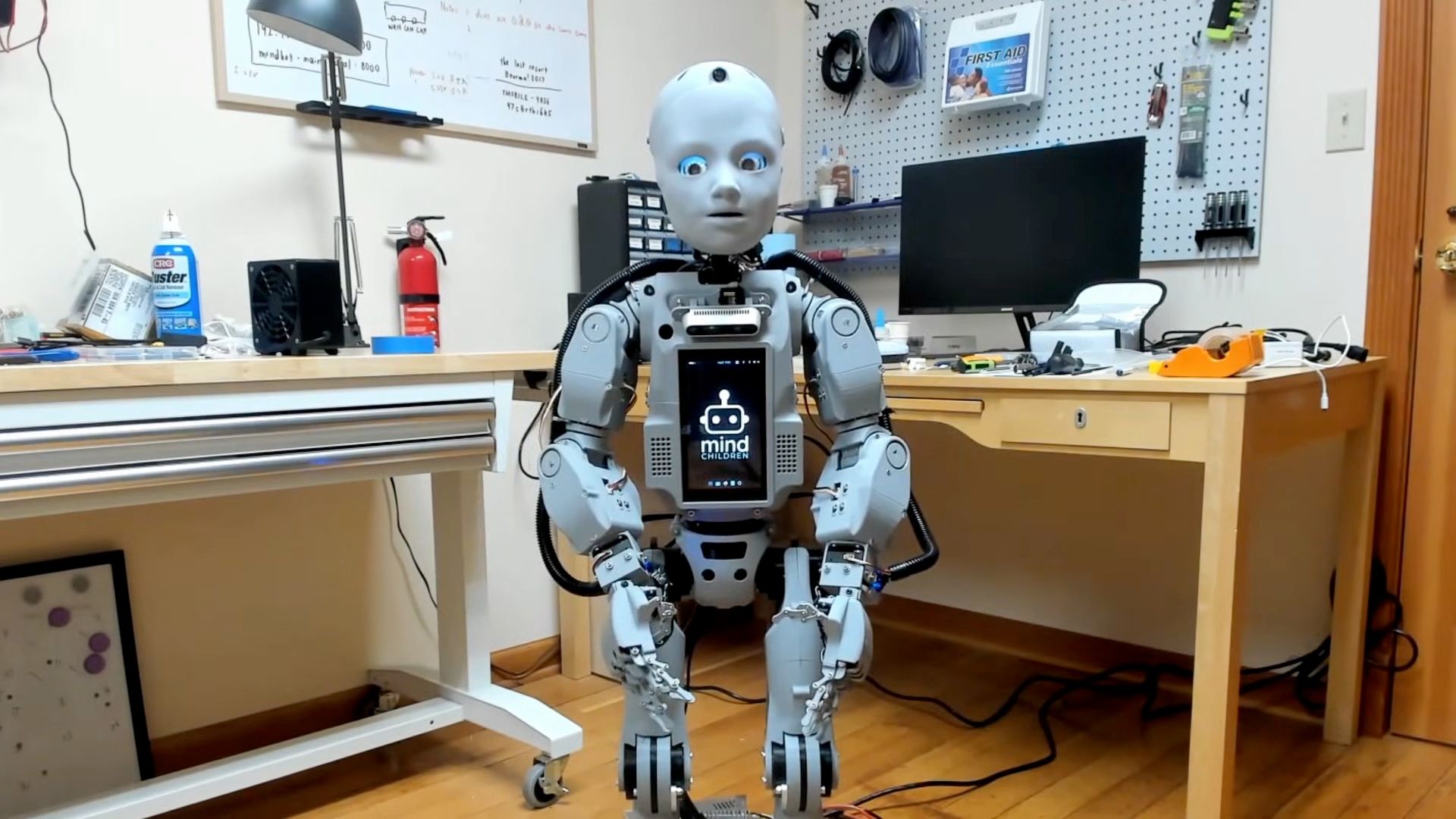
Video: Child-friendly Codey robot showcases embodied AGI future in education, healthcare
A Seattle-based robotics company has unveiled a three-foot-tall humanoid robot intended for public use, showcasing its potential to assist in various environments. The robot, which features advanced interaction capabilities, aims to enhance customer service and provide support in settings such as retail and hospitality. This development comes as part of a broader trend in the robotics industry, where companies are increasingly focusing on creating machines that can engage with people in everyday situations. The prototype was revealed during a technology expo held in Seattle last week, attracting attention from industry experts and potential investors. The creators believe that this humanoid robot could revolutionize the way businesses interact with customers, addressing labor shortages and improving efficiency. By integrating artificial intelligence and user-friendly interfaces, the robot is designed to learn from its interactions, adapting to the needs of its environment.
AI and Robotics
Consumer Demand Brings More Parcel Lockers to UK
InPost, a leading provider of out-of-home parcel lockers, has achieved a significant milestone by installing 15,000 lockers across the UK. This expansion reflects a growing consumer demand for convenient delivery options, allowing millions of people to access 24/7 parcel collection and returns. The strategic placement of these lockers aims to enhance the overall delivery experience, catering to the evolving expectations of shoppers in a rapidly changing retail landscape.
Last Mile and Lockers Packaging and Ecommerce demand eCommerce Inpost Lockers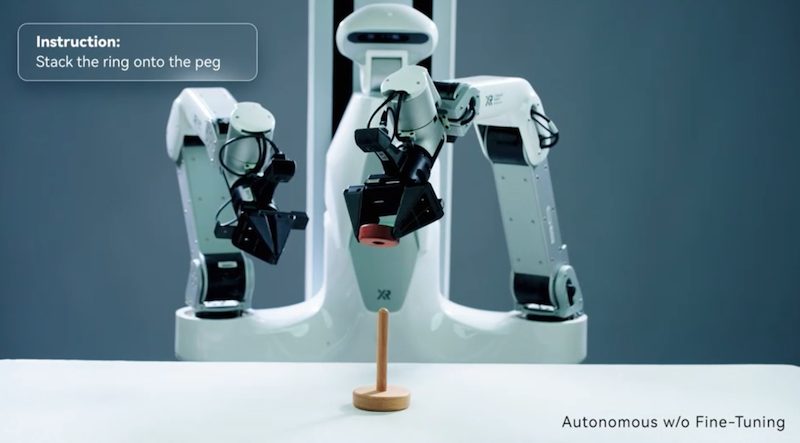
From backflips to folding laundry: How X Square Robot is building the missing ‘brain’ for embodied AI
A Chinese robotics company, X Square Robot, is focusing on a challenging objective: developing robots capable of functioning in the unpredictable and complex environments typical of human settings. Unlike many firms that highlight humanoid robots performing impressive feats like backflips and obstacle courses, X Square Robot aims to create machines that can adapt to real-world conditions where people live and work. The company's founder emphasizes the importance of this endeavor, suggesting that successfully teaching robots to navigate such environments could have significant implications for various industries. This initiative reflects a broader trend in robotics, where the emphasis is shifting from mere performance demonstrations to practical applications that enhance everyday life.
Computing Humanoids News Robot simulation ai robotics artificial intelligence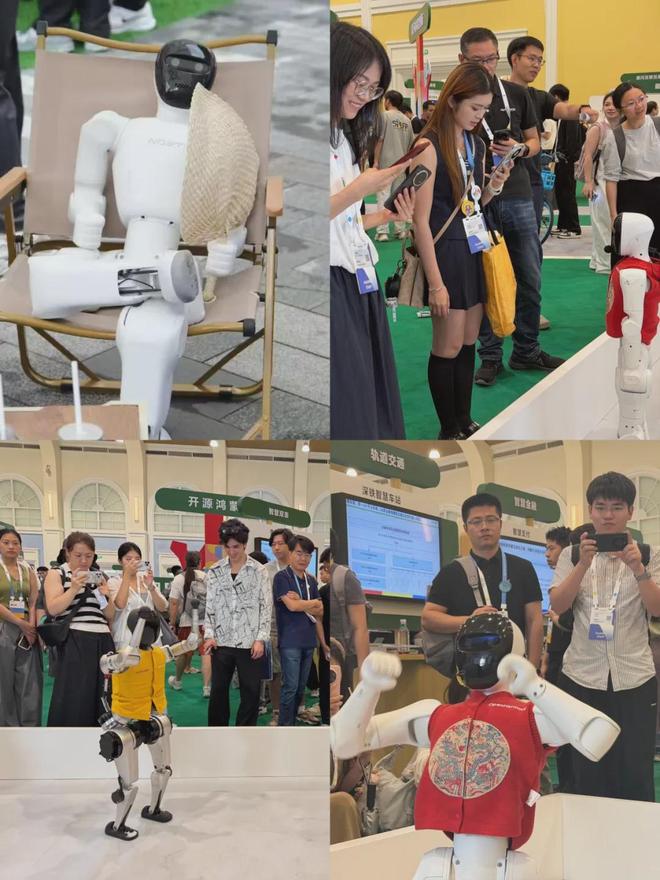
Songyan Power Unveils OpenHarmony Consumer Humanoid Robot at HDC2026
At the HDC2026 conference, Songyan Power unveiled its first consumer-grade humanoid robot, which operates on the OpenHarmony platform. This launch highlights significant advancements in technology integration and the development of a cohesive ecosystem. The company is focused on enhancing user experience by ensuring the robot can seamlessly connect with smart home devices and educational tools. Additionally, Songyan Power announced a new initiative titled '100 People, 100 Machines,' aimed at encouraging collaboration among developers within the industry. This initiative seeks to foster innovation and expand the capabilities of humanoid robots in everyday applications.
Humanoid Robots OpenHarmony AI Developer Ecosystem Smart Home TechnologyRobotics needs a service framework.
RSF defines a common language for robot service capability, lifecycle operations, certification pathways, and service-provider networks.