

Industry Briefing
A single destination for timely, editor-curated robotics news from around the world.

Chinese Robots Demonstrate High-Risk Capabilities at 2026 World Robot Conference in Beijing
At the 2026 World Robot Conference in Beijing, various Chinese companies are showcasing humanoid and quadruped robots for aviation, security, and military operations. The five-day event highlights robots designed for tasks such as industrial site patrols, suspect restraint, and missile loading onto aircraft, reflecting the growing interest in high-risk robotic applications. The significance of this conference lies in its demonstration of China's expanding robotics industry, with over 300 exhibitors presenting innovations that span factory automation, public services, and specialized military operations. Notably, the Fengxing-001 humanoid robot from the Aviation Industry Corporation of China (AVIC) is designed for intelligent manufacturing and aircraft operations, showcasing advanced capabilities that could streamline missile loading tasks. Looking ahead, the conference also features the second World Humanoid Robot Games, with 2,056 machines from 16 countries competing in various events. As the robotics sector continues to evolve, the integration of robots in security applications, such as those developed by NEXWISE, indicates a trend towards reducing human involvement in high-risk environments. No further timeline was disclosed at the time of publication.
AI and Robotics
Estonian Startup Rollo Robotics Launches 1ROLLO, the First Autonomous Monowheel Security Robot
Rollo Robotics, an Estonian startup, has introduced the 1ROLLO, the world's first stable autonomous monowheel security robot designed for real-world patrols. This innovative robot autonomously monitors large facilities, navigating preset routes while balancing on a single 60-centimeter wheel and continuously scanning its environment. The introduction of 1ROLLO is significant as it addresses the long-standing challenge of stability in monowheel robots, enhancing cost-efficiency and versatility in security patrols. With a compact design, the robot can travel at speeds of up to 30 km/h and operates for up to eight hours on a single charge, making it suitable for continuous surveillance across expansive sites. Looking ahead, Rollo Robotics plans to offer 1ROLLO through a subscription-based service, allowing customers to access the technology without a large upfront investment. Commercial availability is expected in 2027, and the robot's ability to navigate tight spaces could revolutionize security operations in various critical infrastructure settings.
AI and Robotics
Wuxi's Robot Police Team Advances Towards Autonomous Patrol Capabilities
In Wuxi, a new police initiative has introduced a team of robots, including humanoid robots and robotic dogs, to assist in public safety. This pilot program, known as the 'Intelligent Armor Team,' began testing traffic management robots in April and deployed robotic dogs for inspections at major events in July. The collaboration between Wuxi Public Security and local companies aims to address the challenges of developing effective robotic solutions for law enforcement. The significance of this initiative lies in its potential to enhance public safety while reducing human exposure to dangerous situations. By providing a testing environment and clear requirements, Wuxi Public Security has facilitated the development of these robotic systems, which are seen as a promising market for embodied intelligence. However, the initial deployment has revealed challenges, such as the need for multiple operators to control the robots and limitations in their operational capabilities. Looking ahead, the traffic management robots are evolving from being remote-controlled to integrating with traffic signal systems for more autonomous operation. As these systems improve, they may significantly change how public safety is managed in urban environments. No further timeline was disclosed at the time of publication.
Robotic Police Autonomous Systems Public Safety Technology Surveillance Robots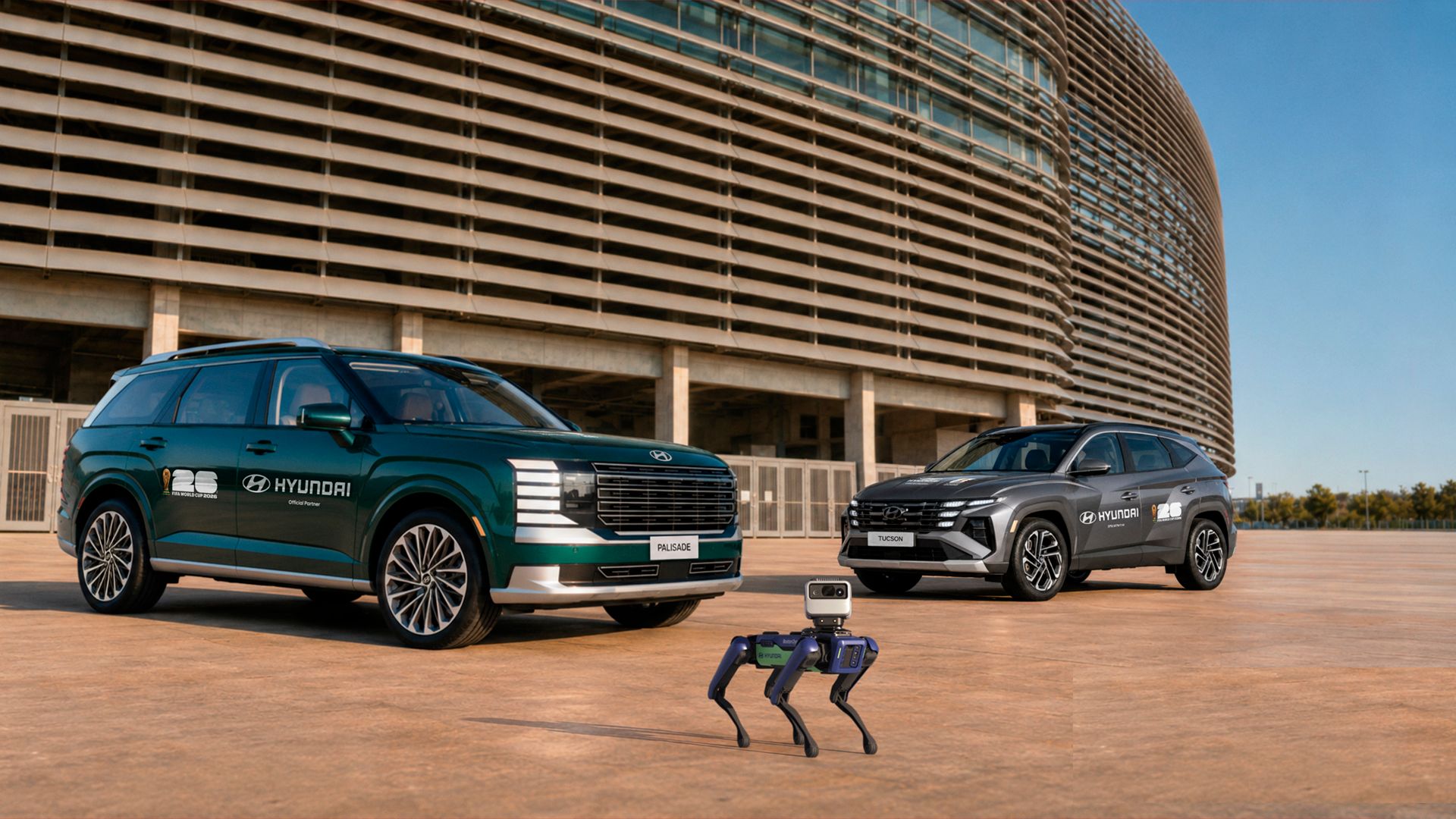
FIFA World Cup 2026 gets Hyundai robot dogs for venue security patrols
As the 2026 FIFA World Cup approaches, Hyundai Motor Company has unveiled its latest marketing campaign aimed at enhancing fan engagement during the tournament. The initiative, which was announced in early October 2023, will leverage innovative technology and interactive experiences to connect soccer enthusiasts across North America. Hyundai's campaign is designed to capitalize on the excitement surrounding the World Cup, which is set to take place in the United States, Canada, and Mexico. The automotive giant aims to strengthen its brand presence and foster a deeper connection with fans by integrating digital platforms and live events into its promotional strategy. Through a series of interactive activations, Hyundai plans to provide fans with unique opportunities to participate in the World Cup experience, including virtual reality experiences and social media engagements. This approach not only highlights Hyundai's commitment to the sport but also aligns with its broader marketing objectives of reaching a diverse audience and enhancing customer loyalty. By embracing the global appeal of soccer, Hyundai seeks to position itself as a key player in the automotive market while celebrating the spirit of the World Cup. The campaign reflects the company's dedication to innovation and community engagement, aiming to create memorable moments for fans during this prestigious sporting event.
AI and Robotics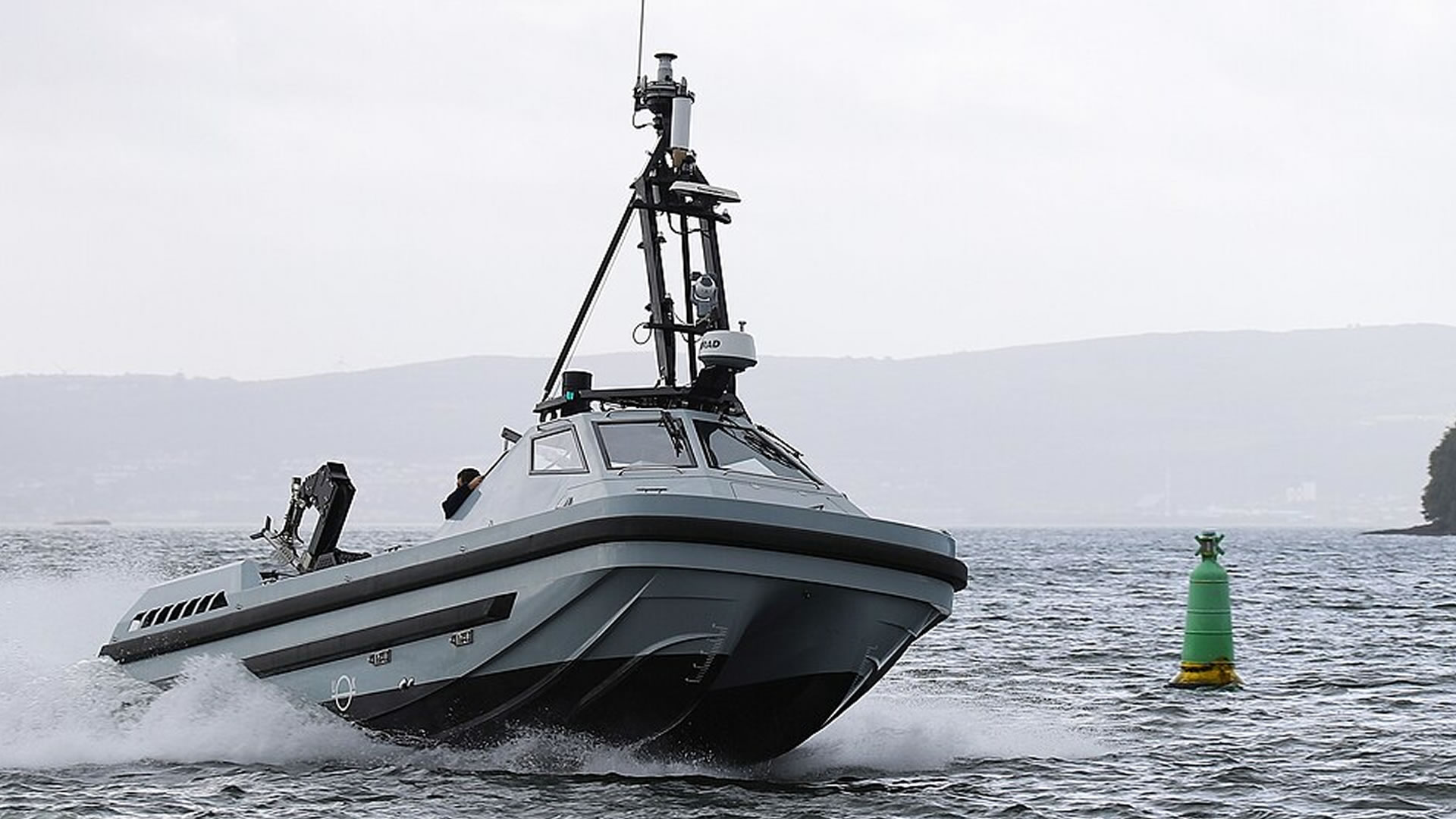
China’s near-silent wave-powered drones could redefine maritime patrols
Chinese researchers have announced a significant advancement in maritime technology, revealing that artificial intelligence (AI) can effectively control unmanned surface vehicles (USVs). This development was shared during a recent conference held in Beijing, where experts discussed the potential applications of AI in enhancing naval operations. The researchers emphasized that the integration of AI into USVs could improve decision-making processes, increase operational efficiency, and reduce human error in various maritime missions. This innovation is driven by the need for safer and more efficient maritime navigation, particularly in challenging environments. The researchers demonstrated the capabilities of AI-controlled USVs through a series of simulations, showcasing their ability to autonomously navigate, avoid obstacles, and perform complex tasks. This breakthrough could pave the way for the future of naval warfare and maritime research, as countries seek to leverage technology for strategic advantages.
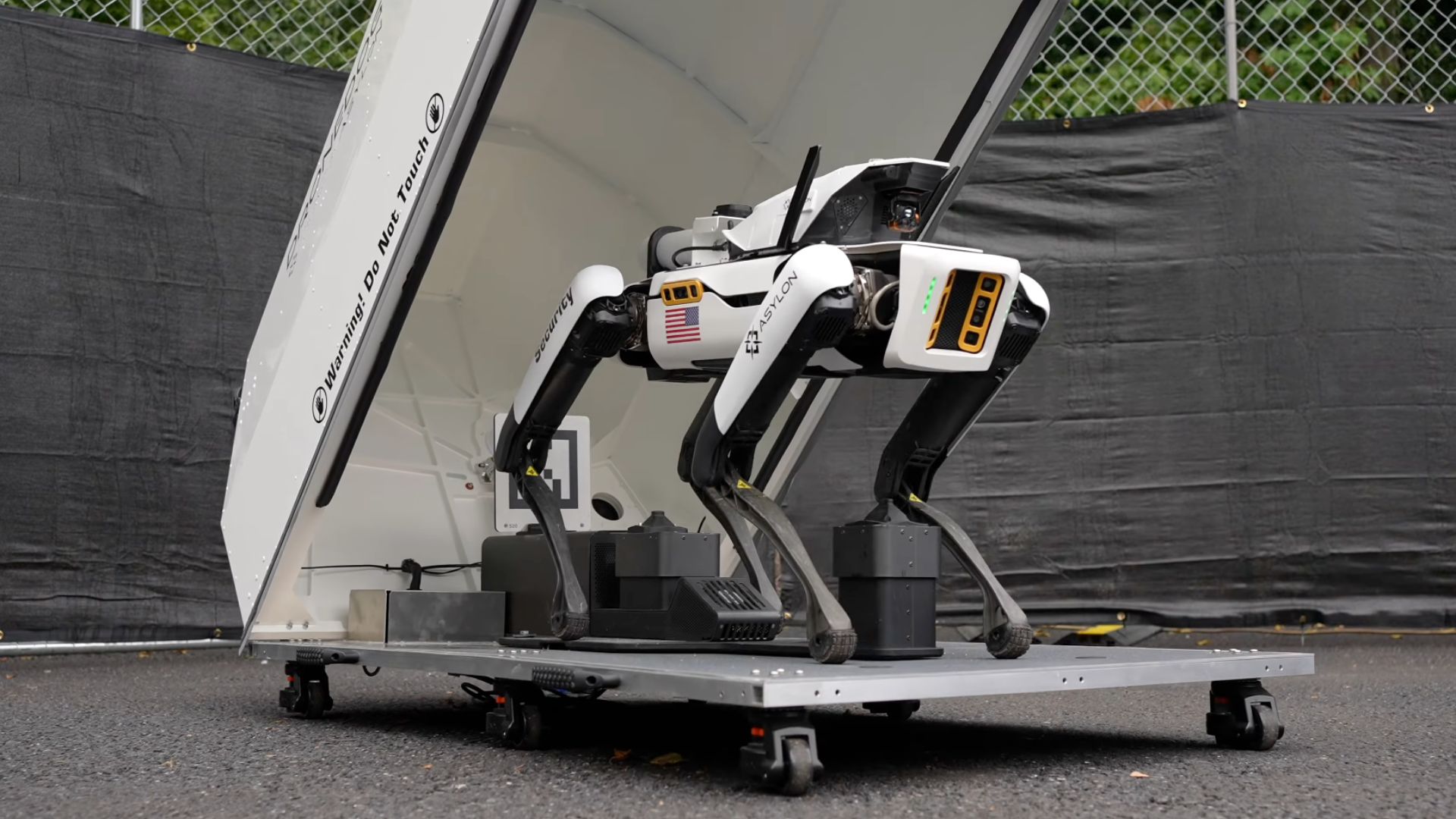
Video: Boston Dynamics’ Spot robot dog gets AI power for nonstop patrols, asset tracking
Robotic security systems are advancing towards practical use in industrial settings, with the introduction of DroneDog, a cutting-edge surveillance drone. Developed by a leading technology firm, this innovative system is designed to enhance security measures by patrolling large areas and detecting potential threats in real-time. The deployment of DroneDog is expected to begin in early 2024, targeting various industrial sites that require robust security solutions. This initiative comes in response to increasing concerns over safety and security in sectors such as manufacturing and logistics, where traditional security measures may fall short. By integrating advanced sensors and artificial intelligence, DroneDog can autonomously navigate complex environments, providing a cost-effective and efficient alternative to human security personnel. The drone's ability to operate around the clock without fatigue significantly enhances the monitoring capabilities of industrial facilities. As industries seek to bolster their security infrastructure, the introduction of robotic systems like DroneDog represents a significant shift towards automation in safety protocols, promising to address vulnerabilities and improve overall site security.

NATO’s Baltic Sentry Steps Up Patrols in the Baltic Sea to Safeguard Critical Undersea Infrastructure
NATO is ramping up its military presence in the Baltic Sea to bolster the monitoring of Critical Undersea Infrastructure (CUI). This initiative, known as Baltic Sentry, is designed to enhance maritime situational awareness in the region, thereby deterring and defending against potential attacks on vital underwater assets. The Allied Maritime Command (MARCOM), operating under the guidance of Joint Forces Command Brunssum (JFCBS), will be instrumental in coordinating ongoing operations to ensure a sustained military presence in the Baltic Sea. This strategic move underscores NATO's commitment to safeguarding critical infrastructure and maintaining security in the area.
nato baltic sentry patrols baltic sea critical undersea infrastructure (cui)Robotics needs a service framework.
RSF defines a common language for robot service capability, lifecycle operations, certification pathways, and service-provider networks.
Join the RobotToday community on LinkedIn
Daily robotics news, in-depth analysis, conference highlights, and discussions with professionals worldwide.







