

Industry Briefing
A single destination for timely, editor-curated robotics news from around the world.
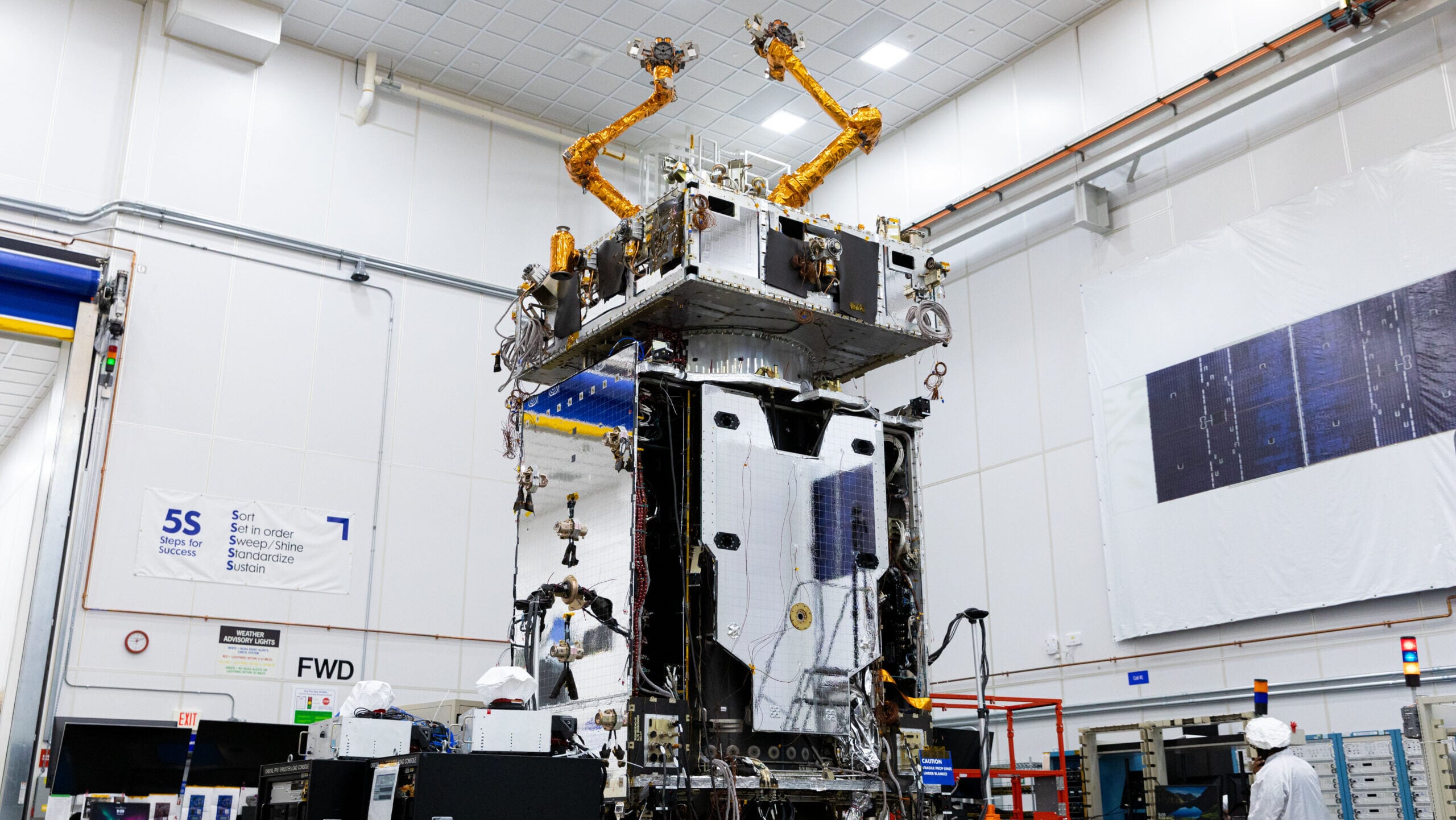
DARPA’s robotic servicing spacecraft to finally fly this summer
The Robotic Servicing of Geosynchronous Satellites mission, a collaboration between DARPA and Northrop Grumman, is set to establish the United States' first on-orbit servicing capability for satellites. This groundbreaking initiative aims to enhance satellite maintenance and repair, extending the operational lifespan of critical space assets. Company officials announced the mission's significance, highlighting its potential to revolutionize satellite operations and reduce costs associated with launching new satellites. The project is expected to take place in the coming months, marking a pivotal advancement in space technology and satellite management.
Space darpa Defense Advanced Research Projects Agency Naval Research Laboratory Northrop Grumman on-orbit refueling
Tesla's Optimus Robots to Support Starmind Satellite Production, Not Maintenance
Tesla's Optimus robots will not be used to repair Starmind satellites in orbit, as confirmed by recent statements from Elon Musk. Instead, these robots are intended to assist in the construction and operation of the Terafab chip manufacturing facility in Texas. The AI1 satellites, designed to disintegrate upon reentry, highlight the company's swap-and-replace strategy rather than traditional maintenance practices. This approach is significant as it reflects a broader trend in satellite management, where mass-produced satellites are replaced rather than repaired. The economics of servicing missions are prohibitive, with the cost of launching a replacement satellite being significantly lower than conducting a repair mission. This model aligns with SpaceX's operational history, where rapid replacement of satellites is more efficient than attempting to maintain them in orbit. Looking ahead, the focus will remain on the production capabilities of the Gigasat factory, which is expected to support the continuous replacement of satellites. No further timeline was disclosed at the time of publication, but the demand for rapid satellite turnover suggests a robust future for Optimus robots in terrestrial manufacturing rather than in-space servicing.
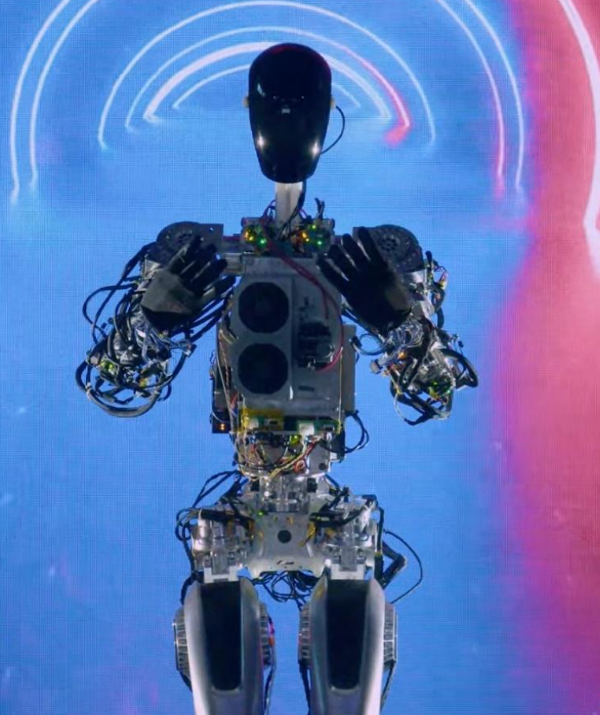
Optimus Robots to Construct Lunar Outpost by End of 2026 Under Musk's Plan
Elon Musk has announced that Tesla's Optimus humanoid robots will lead the construction of a lunar outpost by the end of 2026. SpaceX plans to launch essential construction materials, including modular living quarters and energy equipment, to the Moon using the Starship rocket. The deployment of robots aims to minimize human safety risks and efficiently handle repetitive heavy labor tasks. The rationale behind using robots instead of humans is to reduce complexity and enhance operational efficiency. According to Jim Cantrell, a member of the SpaceX founding team, robots only require sunlight and occasional maintenance, allowing them to work continuously. Upon arrival on the Moon, the Optimus robots will autonomously unload materials, prepare the lunar surface, and assemble prefabricated habitats while also extracting water ice for life support and fuel. Musk envisions the Moon as a testing ground for Mars colonization, with plans to send astronauts to the Moon within 2-3 years and establish a self-sustaining city by 2036. However, challenges remain, including the need for successful orbital refueling of the Starship and overcoming harsh lunar conditions. No further timeline was disclosed at the time of publication.
Humanoid Robots Space Exploration Lunar Colonization Construction Robotics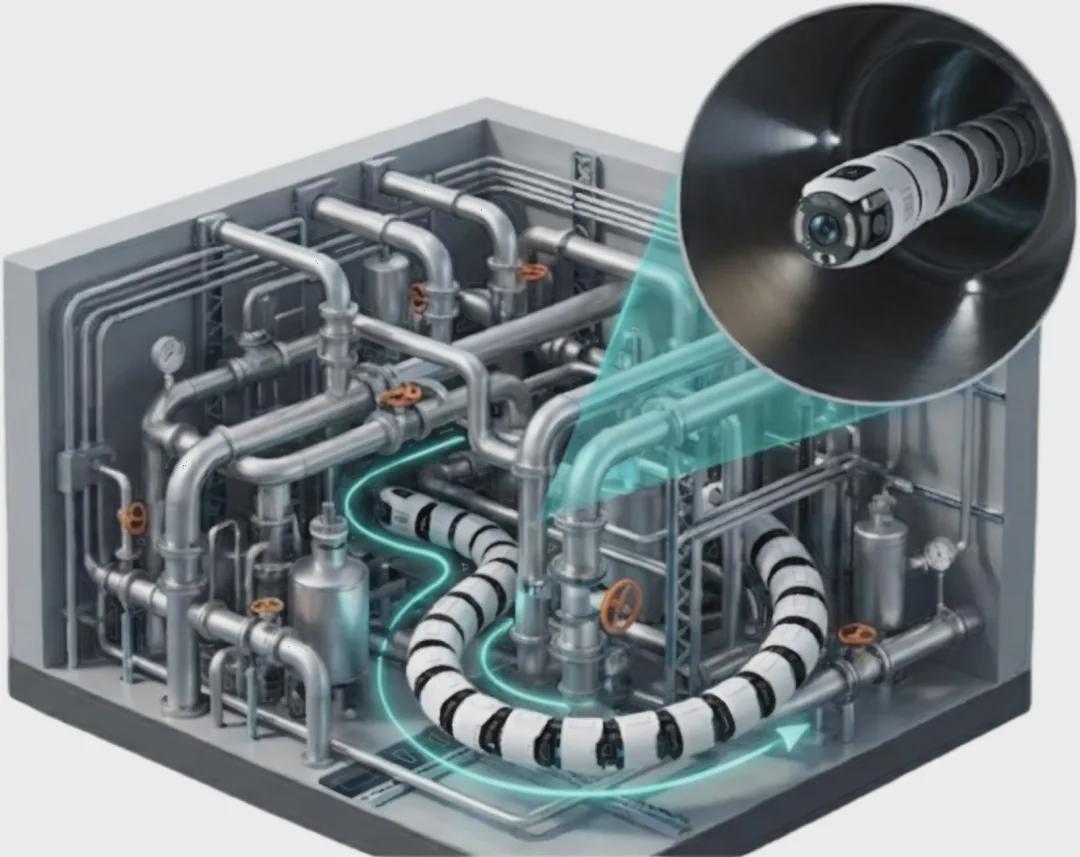
From Space to Ground: The Next Frontier for Flexible Robotic Arms
In March 2026, Tsinghua University's Shenzhen International Graduate School successfully launched the 'Yuxing-3' satellite, which features a groundbreaking flexible robotic arm capable of in-orbit fuel refueling. This innovative technology is designed to operate in extreme environments on Earth, addressing industrial challenges that traditional rigid robotic arms struggle to manage. The unique design of the arm enables precise maneuvers in confined spaces, making it particularly suitable for applications in critical sectors such as nuclear power, aerospace, and the chemical industry. The successful demonstration of this technology marks a significant advancement in robotics and could enhance operational efficiency in various high-stakes environments.
Flexible Robotics Space Technology Industrial Automation Robotic Arms Extreme Environment Operations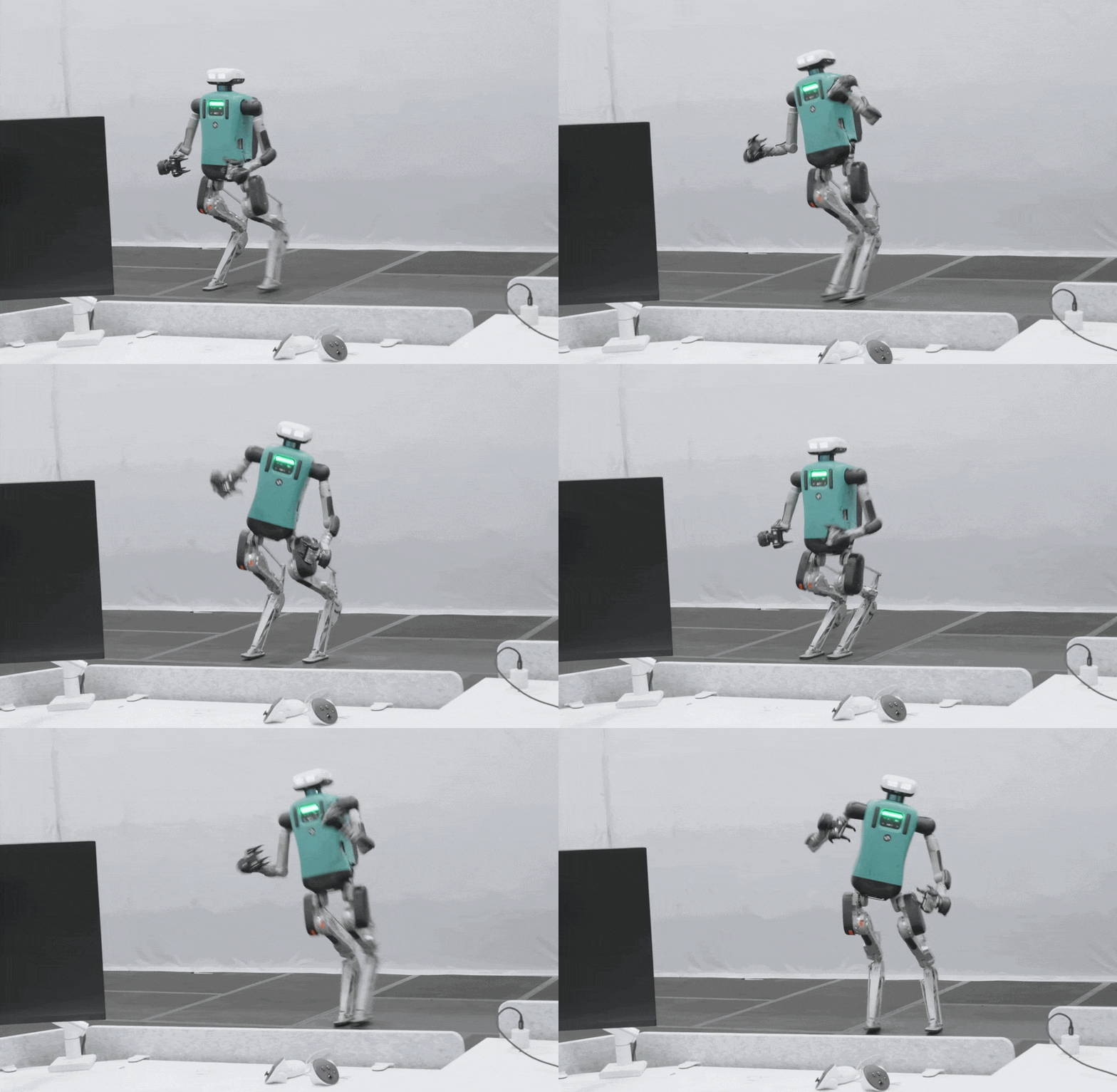
Video Friday: Digit Learns to Dance—Virtually Overnight
In a recent roundup of advancements in robotics, IEEE Spectrum highlighted several notable developments and upcoming events in the field. Among the key innovations is Digit, a humanoid robot that can learn new whole-body control capabilities overnight through sim-to-real reinforcement training, enhancing its performance in various tasks. Additionally, the introduction of GEN-1 marks a significant milestone in robot learning, achieving a 99% success rate in simple physical tasks and drastically reducing task completion time. Unitree has made strides by open-sourcing the UnifoLM-WBT-Dataset, a comprehensive dataset for humanoid robot teleoperation, which has been available since March 5, 2026. Meanwhile, researchers presented MRReP, a Mixed Reality interface that allows users to guide autonomous mobile robots in human-shared environments through hand gestures. In other developments, Sanctuary AI showcased its advanced hydraulic hands capable of dexterous manipulation, while China’s Yuxing 3-06 satellite successfully completed an in-orbit refueling test, paving the way for future satellite servicing. Furthermore, Japan Railway West collaborated with Serendix to utilize 3D printing technology for rapid construction at Hatsushima station, demonstrating innovative solutions to infrastructure challenges. Upcoming robotics events include ICRA 2026 in Vienna from June 1-5, and the Summer School on Multi-Robot Systems in Prague from July 29 to August 4, 2026, providing platforms for further exploration and collaboration in the robotics sector.
Humanoid-robots Video-friday Robot-ai Human-robot-interaction Teleoperation Industrial-robotsRobotics needs a service framework.
RSF defines a common language for robot service capability, lifecycle operations, certification pathways, and service-provider networks.







