

Industry Briefing
A single destination for timely, editor-curated robotics news from around the world.

Challenges of New Software on Legacy Hardware in Industrial Organizations
Modern software is increasingly being deployed on industrial hardware that is decades old, leading to significant visibility challenges. According to Matt Wyckhouse, CEO of Finite State, while organizations can identify physical assets within operational technology networks, they often lack insight into the software running on these devices. This lack of visibility can result in prolonged investigations when vulnerabilities are disclosed, as operators struggle to determine the exact configurations of their systems. The difficulty in inspecting industrial products stems from the complexity of compiled firmware, which differs significantly from typical enterprise applications. A firmware image may include various components, often received as binaries without source code, complicating the ability to track software dependencies accurately. As time passes, the fidelity of the original software record diminishes, making it challenging for organizations to maintain an accurate view of their deployed products. Looking ahead, the role of digitalization in addressing these visibility issues remains uncertain. No further timeline was disclosed at the time of publication, but the ongoing evolution of digital tools may provide solutions to enhance transparency in industrial software management.
Products / Software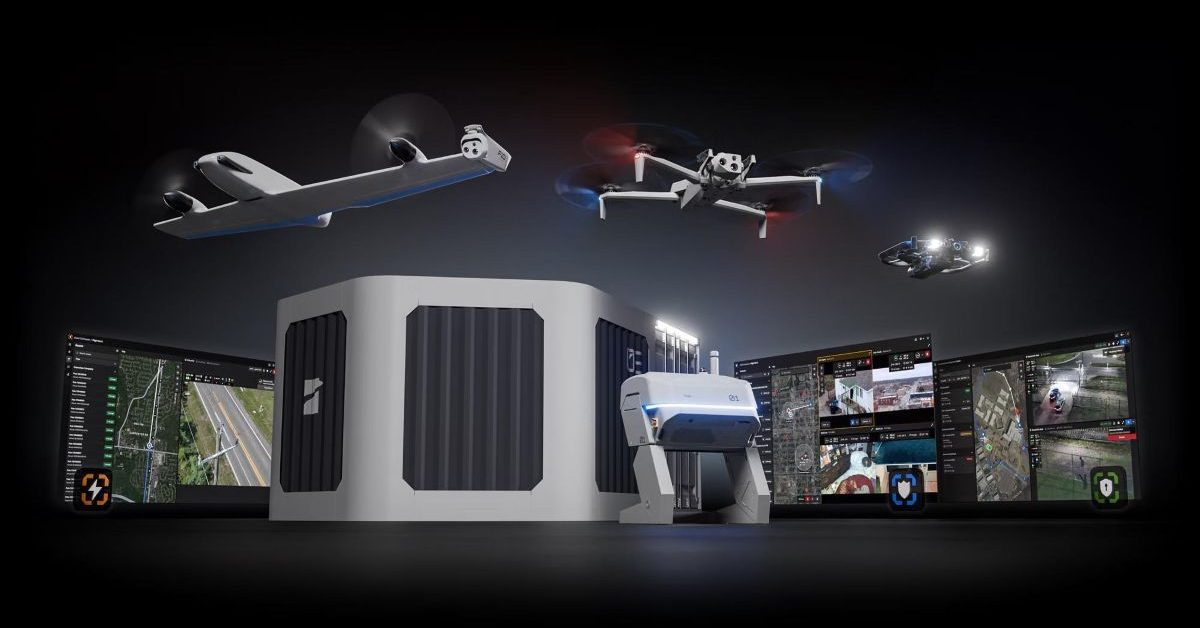
Skydio Introduces F10 Lightrunner, MegaDock, and New Software for Autonomous Drone Operations
Skydio has unveiled its first fixed-wing drone, the F10 Lightrunner, at the Ascend conference in Nevada. This aircraft is designed for long-distance missions, capable of reaching speeds of 100 mph and operating within a 30-mile radius for up to two hours. Alongside the F10, Skydio introduced the MegaDock and two software platforms, Asset Command and Security Command, enhancing its existing drone fleet. The introduction of the F10 Lightrunner signifies a shift in Skydio's approach to drone technology, emphasizing the integration of drones into larger autonomous systems rather than standalone devices. The F10 is particularly suited for applications such as emergency response and infrastructure inspection, where speed and endurance are critical, potentially transforming how agencies and companies utilize drone technology. Looking ahead, Skydio's focus on fixed-wing drones and their operational capabilities could reshape the landscape of drone applications in various sectors. The innovative robotic takeoff and landing system further enhances the F10's usability, eliminating the need for traditional runways or manual handling. No further timeline was disclosed at the time of publication.
News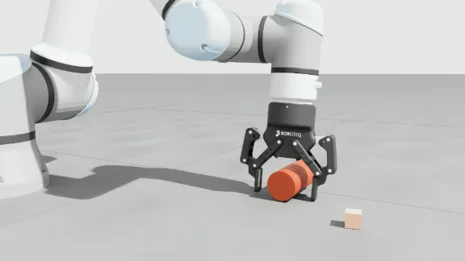
Robotiq Launches Open-Source Software Tools for Enhanced Adaptive Grippers
Robotiq has introduced three open-source software tools for its adaptive grippers, aimed at enhancing robotics development. These tools include a ROS 2 package, a standalone C++ SDK, and updated Isaac Sim assets, all available on Robotiq’s GitHub repository. This release marks the initial components of Robotiq’s Contact Core software layer for physical AI, with further advancements expected in the fourth quarter. The significance of this release lies in the growing demand for higher fidelity in simulation and tighter control loops for physical AI applications. According to Robotiq's CTO, Vincent Duchaine, conventional grippers do not meet the requirements of modern applications, which necessitate detailed reporting and continuous data collection across numerous cycles. The new tools are designed to support developers in creating more sophisticated robotics solutions. Looking ahead, Robotiq plans to introduce embedded intelligence at the point of contact, anticipated for release in the fourth quarter. The company will showcase this technology at the upcoming IEEE/RSJ International Conference on Intelligent Robots & Systems (IROS 2026) in Pittsburgh on September 28, 2026, at booth 427.
AI AI Funding & Investment AI Infrastructure & Compute Robotics C++ grippers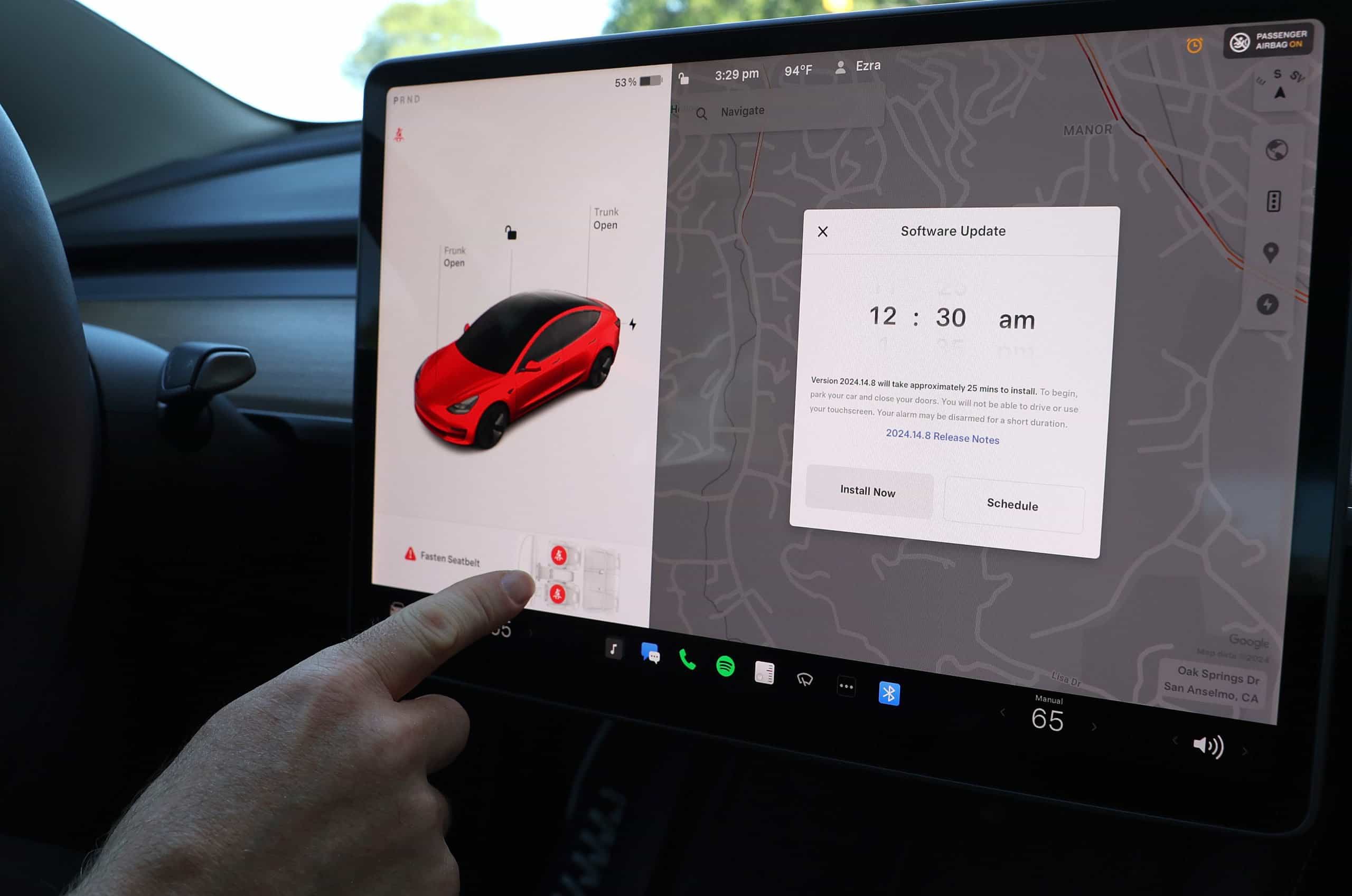
Tesla's New Software Update Enables Collision Avoidance Without Full Self-Driving Activation
Tesla has announced the rollout of its v14.3.9 software update, which allows vehicles to steer away from imminent collisions even if the driver has not activated Full Self-Driving (FSD). This feature aims to enhance safety and is part of a broader strategy to increase FSD subscriptions, which have seen a 56% year-over-year growth, reaching 1.48 million. The update is significant as it provides non-subscribers a glimpse into FSD capabilities, potentially driving future subscriptions. Elon Musk's recent comments on slowing AI development contrast with the aggressive push for FSD, which has contributed to an 18% decline in TSLA stock this year. The new active safety feature is expected to improve vehicle demand, as CFO Vaibhav Taneja noted that FSD is a key factor in consumer interest. Looking ahead, Tesla's strategy to transition FSD access to monthly subscriptions highlights the importance of user experience in driving monetization. The company aims to leverage emergency interventions to showcase the software's value, which could lead to increased adoption among non-subscribers. No further timeline was disclosed at the time of publication.
FCC Proposes New Rules for Drone Manufacturers on Software and Hardware Disclosure
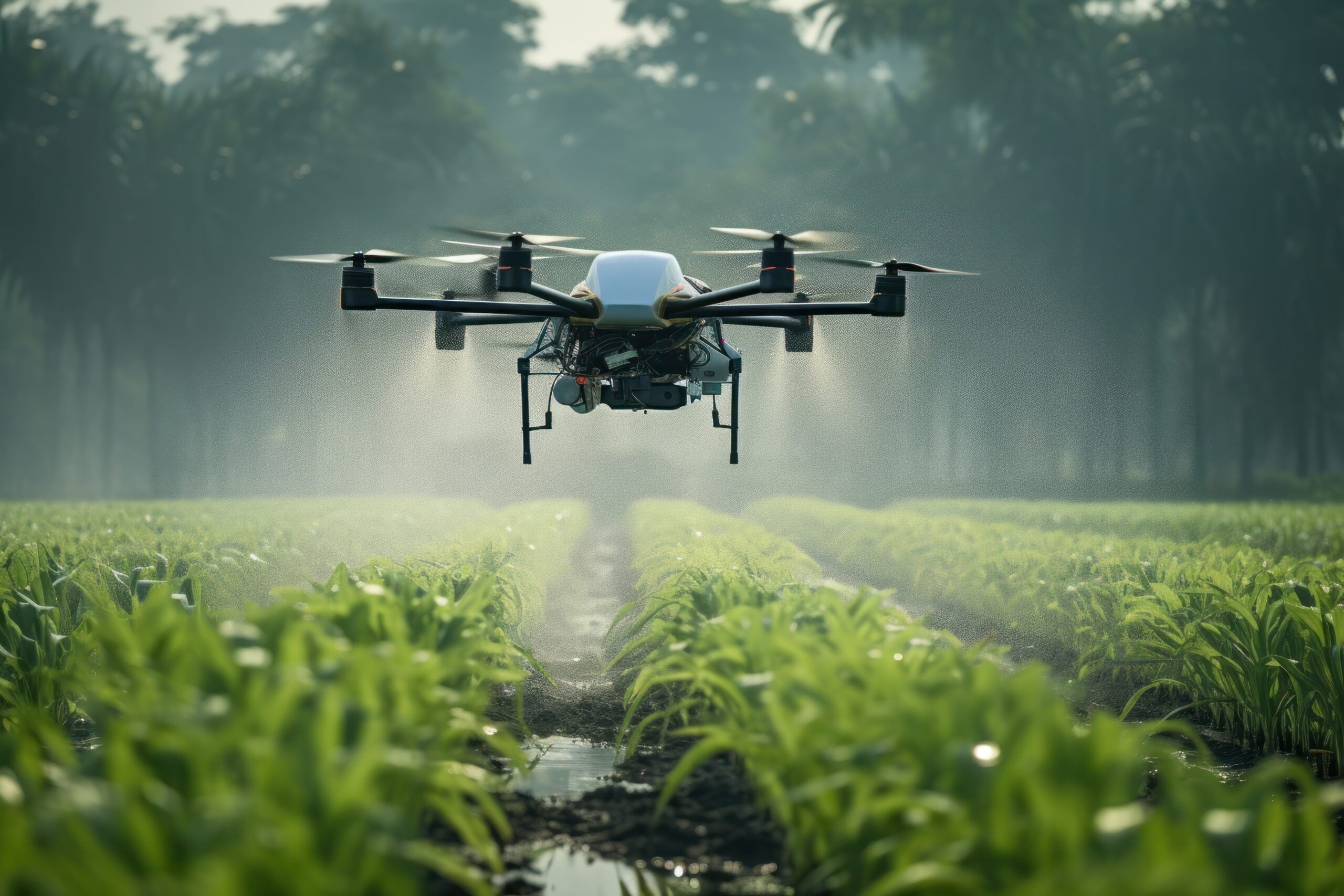
The Federal Communications Commission (FCC) has initiated a rulemaking process that may require drone manufacturers to disclose comprehensive details about their hardware and software. This proposal, published on August 7, is part of the FCC's Third Further Notice of Proposed Rulemaking and aims to enhance transparency in the commercial drone industry. This rulemaking is significant as it could reshape the regulatory landscape for drone manufacturers, particularly through the proposed Hardware Bill of Materials (HBOM) and Software Bill of Materials (SBOM). Will Dawson from the Agricultural Drone Initiative emphasized that these requirements could be pivotal, as they would mandate certification applicants to provide detailed information about each component's producer and production location, potentially impacting supply chains and security protocols. As the FCC seeks public comment on these proposals, the industry should monitor the developments closely. The implications of the HBOM and SBOM requirements could lead to stricter certification processes and influence how drone manufacturers manage their supply chains. No further timeline was disclosed at the time of publication.
Agriculture Applications Drone News Drone News Feeds Feature 1 News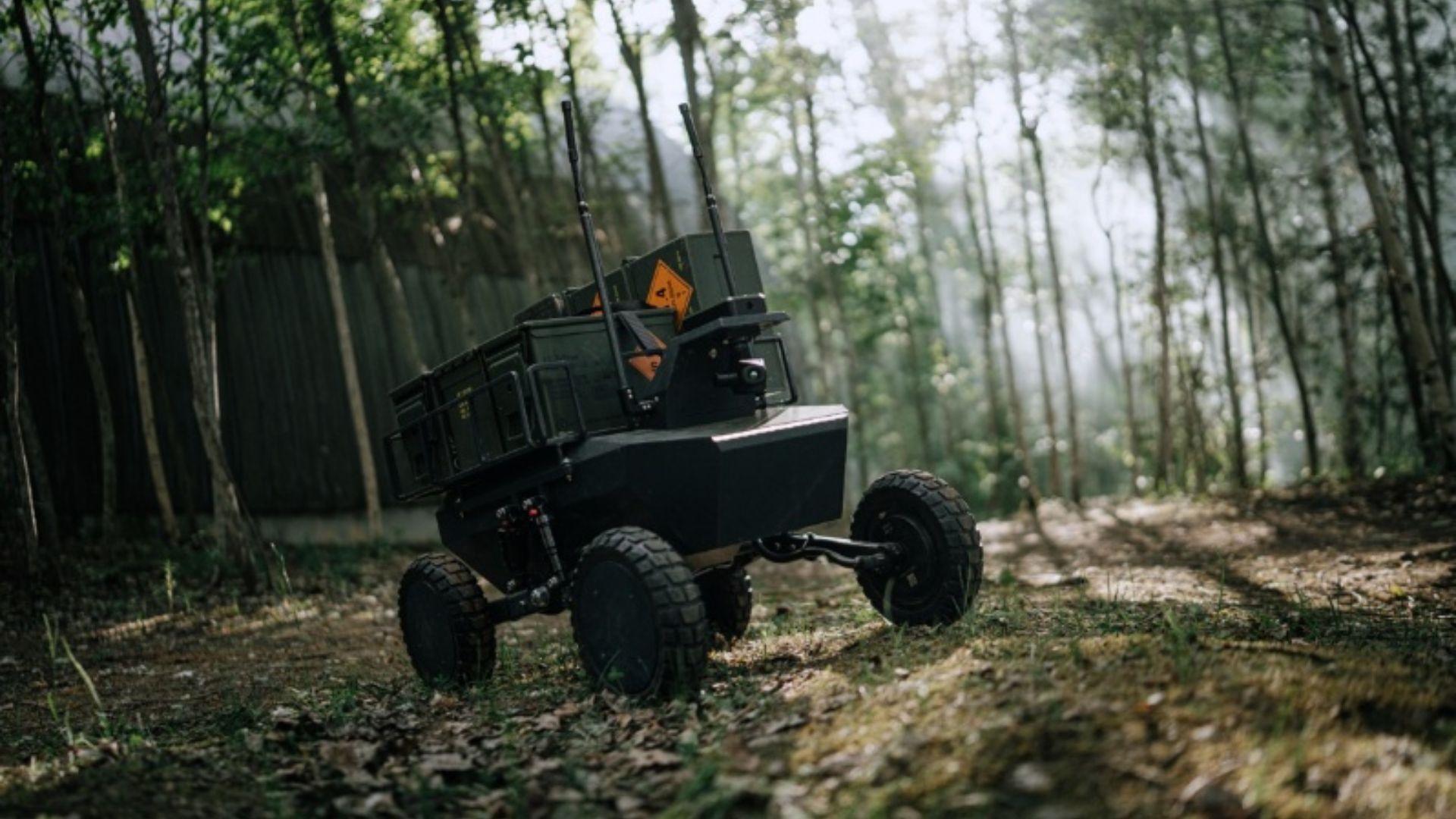
XTEND Expands Robotics Portfolio with AtlasROVER Ground Robot Deployment
Israeli physical AI firm XTEND has launched its AtlasROVER ground robot, marking its first delivery to a customer in the Asia-Pacific region. This deployment integrates XTEND’s XOS operating software, which is designed to unify control across various robotic platforms, including aerial and ground systems. The introduction of the AtlasROVER signifies XTEND's strategic shift to create a cohesive software ecosystem for robots operating in diverse environments. By utilizing XOS, XTEND aims to streamline operator workflows and enhance mission-specific capabilities across its robotic offerings, thereby improving operational efficiency. Looking ahead, XTEND's focus will be on further integrating XOS into its ground robotics portfolio, following the acquisition of Latvia-based Atlas. This move is expected to enhance XTEND's engineering and manufacturing capabilities in Europe, while also expanding the operational roles of its robotic systems. No further timeline was disclosed at the time of publication.
AI and Robotics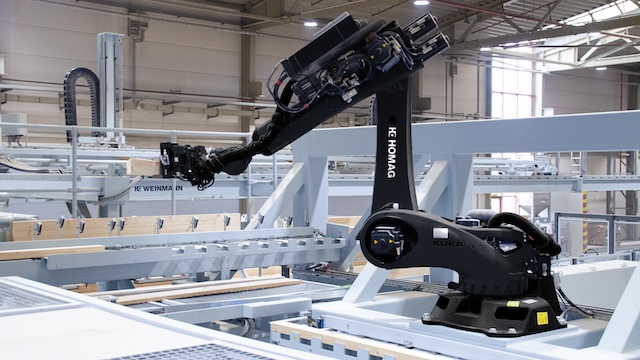
Anthropic Introduces Software Standard for Claude to Enhance Collaboration with Robots and Lab Tools
Anthropic PBC has unveiled a new software standard designed to improve the interaction between AI assistants, such as Claude, and various robotic and scientific lab tools. This development aims to streamline operations in both manufacturing and scientific environments, enhancing the efficiency of AI in these sectors. The introduction of this software standard is significant as it represents a step forward in integrating AI technologies with physical systems. By enabling Claude to better collaborate with robots and lab equipment, Anthropic is addressing a critical need for improved automation and precision in scientific and manufacturing processes. Looking ahead, industry stakeholders will be keen to observe how this new standard impacts the deployment of AI in robotics and lab settings. No further timeline was disclosed at the time of publication.

New DroneShield software targets faster, harder-to-track drones
As drones become faster, smarter, and more difficult to track, counter-drone technology has to keep pace. That’s the thinking behind DroneShield’s latest quarterly software release, which the Australian company says delivers significant improvements in radio-frequency (RF) detection, tracking speed, and overall operational performance across its counter-drone platform.
News
From Materials Simulation to Experimental Astronomy, New NVIDIA AI Software Unlocks Scientific Discoveries
During the ISC conference taking place this week in Hamburg, NVIDIA unveiled innovative software aimed at accelerating artificial intelligence applications in scientific research. The newly introduced DAQIRI library and ALCHEMI NIM software are designed to enhance processes in various fields, including chemistry, materials discovery, and even the exploration of dark matter. By leveraging advanced AI capabilities, NVIDIA seeks to empower researchers and scientists to achieve breakthroughs more efficiently, addressing the growing demand for faster and more effective scientific solutions.

RoboDK to Demonstrate New CAM Software That Cuts Robotic Machining Deployment Time by Up to 40% at Automate Chicago 2026
RoboDK is set to demonstrate its advanced capabilities in CAD-to-robot machining and collision-free motion planning at an upcoming event. Utilizing a Mecademic robot, the company will present a production-ready setup that highlights the efficiency and precision of its technology. This showcase aims to illustrate how RoboDK's software can streamline robotic machining processes, enhancing productivity and safety in manufacturing environments. The event is scheduled for later this month, providing an opportunity for industry professionals to witness firsthand the innovations in robotic automation and their practical applications in real-world scenarios.
Visual Components launches new version of its factory simulation software
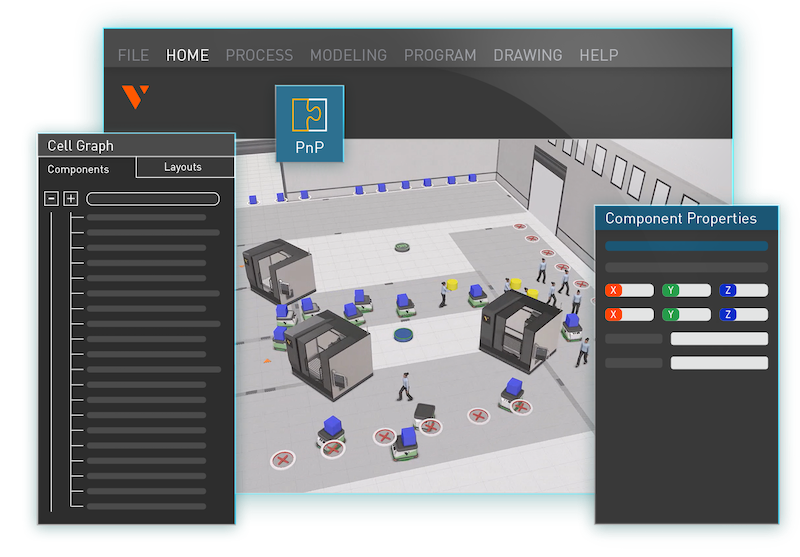
Visual Components, a leader in 3D manufacturing simulation and robot offline programming, has unveiled its latest software, Visual Components 5.1. This significant update aims to assist manufacturers in navigating the increasing complexity of autonomous production environments. Released recently, the new version features enhanced physics simulation for greater accuracy and scalable robot orchestration capabilities. These advancements are designed to streamline operations and improve efficiency in manufacturing processes, responding to the industry's evolving demands for automation and precision.
Computing News Robot simulation Software AGV simulation AMR simulation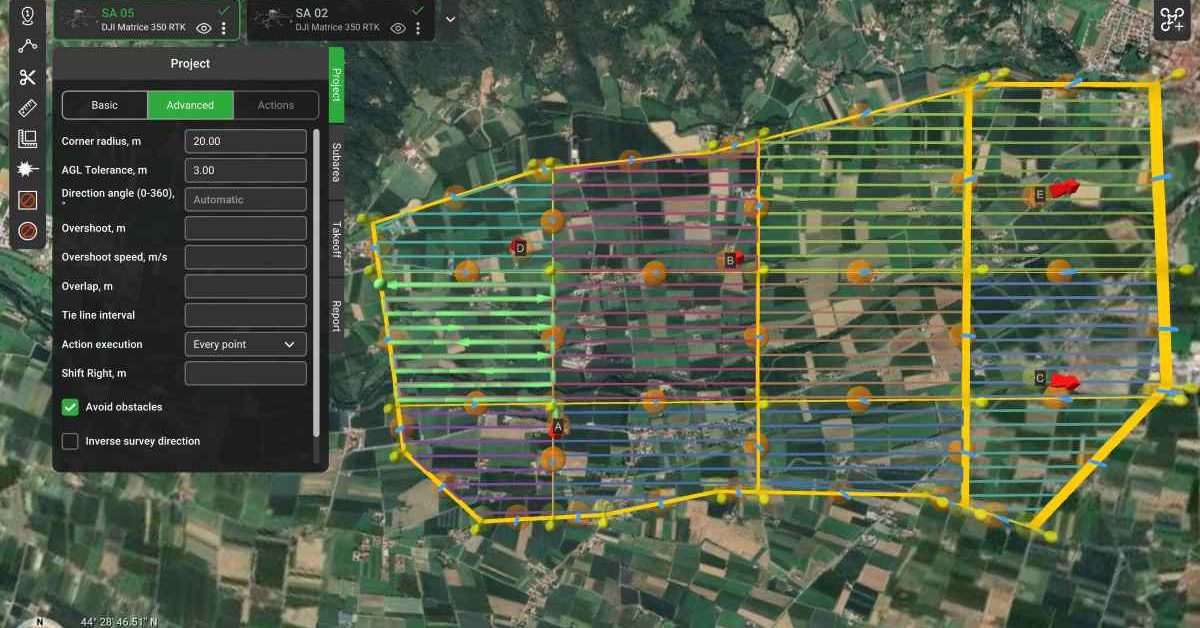
New UgCS 6.0 flight planning software solves a major headache for drone surveyors
SPH Engineering has announced the launch of UgCS 6.0, a significant update to its enterprise drone flight planning platform, aimed at addressing a longstanding challenge faced by drone survey teams operating in extensive mining, oil pipeline, and remote geological sites. The update provides a solution for efficiently dividing large survey areas into manageable flight sections, thereby preventing alignment issues that can compromise data quality. This innovation is expected to enhance the operational efficiency and accuracy of drone surveys, which are crucial for various industries reliant on precise geographical data. The introduction of UgCS 6.0 marks a notable advancement in drone technology, responding to the needs of professionals in the field.
News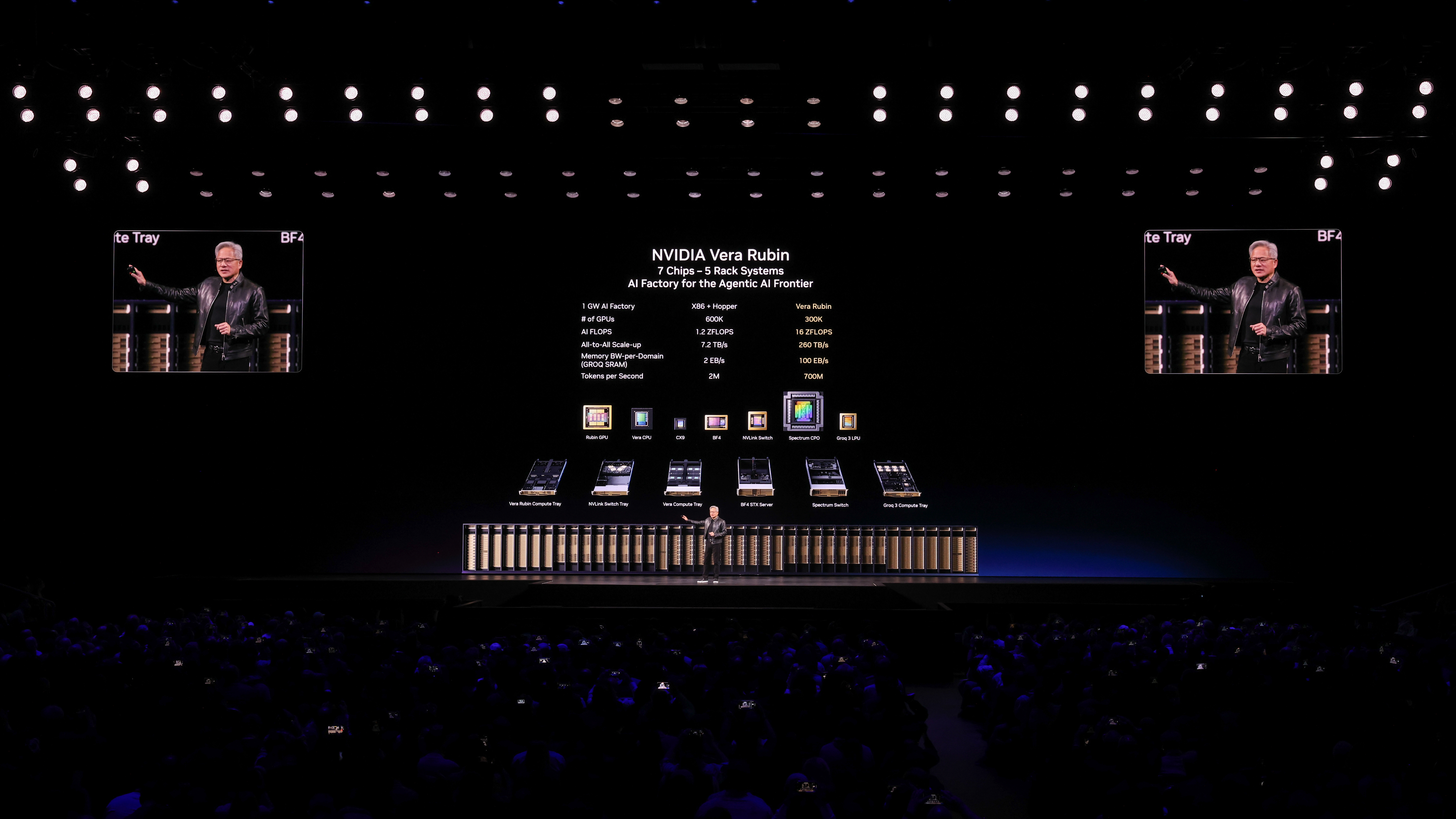
From Lab to Factory Floor: KUKA Unveils ‘KUKA AMP’ at NVIDIA GTC 2026 as a Software Bridge to New Growth
At the NVIDIA GTC 2026 event held from March 16 to 19 in San Jose, KUKA introduced the KUKA Automation Management Platform (KUKA AMP), a groundbreaking solution aimed at bridging the gap between artificial intelligence innovations and practical applications in the global labor market, valued at $30 trillion. This new platform is designed to address the complexities of real-world production constraints, enabling customers to effectively implement Physical AI in their operations. By focusing on systematizing processes rather than relying solely on demonstrations, KUKA aims to enhance productivity and efficiency in various industries.

NVIDIA DRIVE AV Software Debuts in All-New Mercedes-Benz CLA
NVIDIA is set to revolutionize the automotive industry by introducing its NVIDIA DRIVE AV software, which features advanced level 2 point-to-point driver assistance capabilities. This innovative technology is expected to hit U.S. roads by the end of this year, with Mercedes-Benz as the initial partner for deployment. The collaboration aims to enhance driving safety and convenience, leveraging NVIDIA's expertise in artificial intelligence to redefine the driving experience. By integrating this cutting-edge software, NVIDIA and Mercedes-Benz are responding to the growing demand for smarter and more efficient driving solutions in an increasingly automated world.

Robosys Automation Launches New Software Autopilot VOYAGER AI SMARTPILOT™ at Autonomous Ship Expo
Robosys Automation, a leader in vessel control systems and advanced maritime autonomy, introduced its latest innovation, the VOYAGER AI SMARTPILOT™ software autopilot, at the Autonomous Ship Expo held in Amsterdam, Netherlands. This unveiling took place during the expo, which showcases cutting-edge technologies in the maritime industry. The development of the VOYAGER AI SMARTPILOT™ aims to enhance the safety and efficiency of maritime navigation, addressing the growing demand for autonomous solutions in shipping. By leveraging advanced artificial intelligence, the software is designed to improve decision-making processes for vessel operations, ultimately contributing to the future of autonomous shipping.
robosys automation new software autopilot voyager ai smartpilot™Robotics needs a service framework.
RSF defines a common language for robot service capability, lifecycle operations, certification pathways, and service-provider networks.
Join the RobotToday community on LinkedIn
Daily robotics news, in-depth analysis, conference highlights, and discussions with professionals worldwide.







