

Industry Briefing
A single destination for timely, editor-curated robotics news from around the world.

RTsys Underwater Technologies and Singapore Navy Deploy COMET-MCM Drones for Maritime Security
RTsys Underwater Technologies, the Republic of Singapore Navy, and the Defence Science and Technology Agency (DSTA) have announced the operational deployment of COMET-MCM autonomous underwater vehicles. These drones are designed to detect and identify naval mines, marking a significant advancement in the Singapore Navy's mine countermeasures capabilities. The Singapore Strait is a crucial maritime route, with nearly 150,000 ships passing through annually. The deployment of COMET-MCM systems aims to enhance maritime safety by addressing underwater threats, particularly naval mines, which could disrupt international trade and maritime safety in the Asia-Pacific region. The COMET-MCM drones operate autonomously for over twelve hours, equipped with high-resolution side scan sonar for precise mapping of underwater areas. This integration into the Singapore Navy's strategy allows for efficient reconnaissance and complements data from minehunters, improving mission effectiveness. No further timeline was disclosed at the time of publication.
rtsys underwater technologies republic of singapore navy dsta operational deployment comet-mcm auv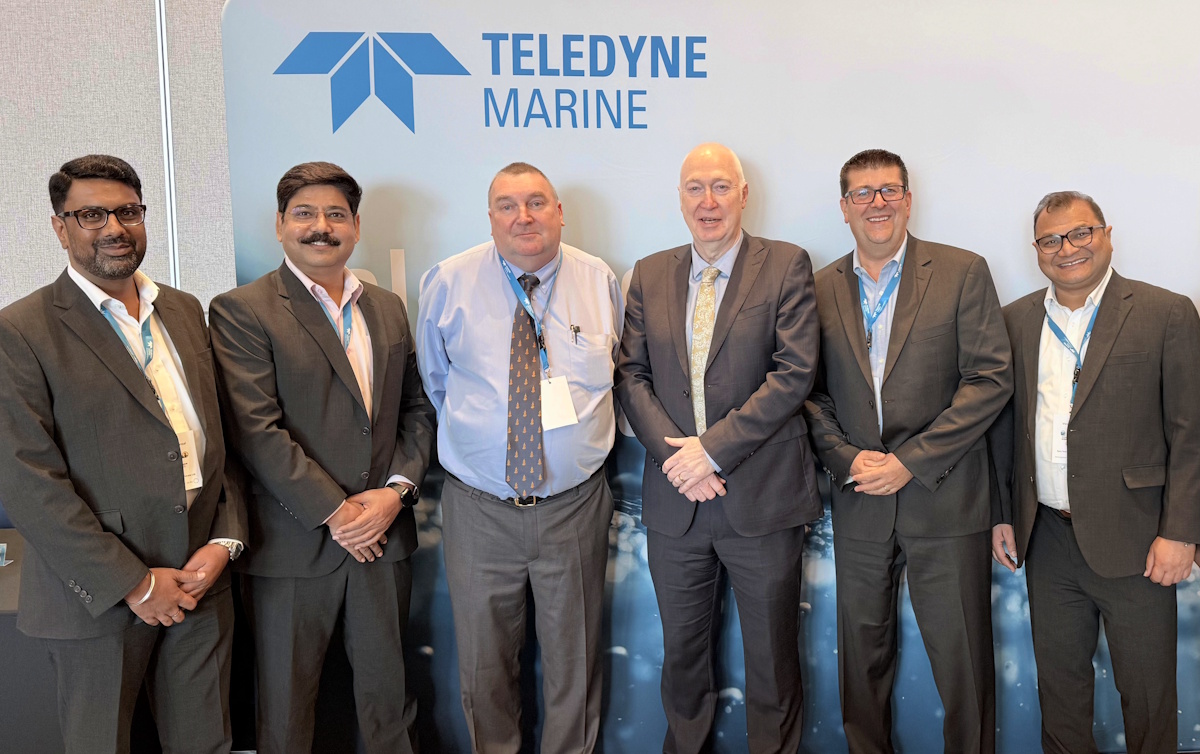
Spry Technocon and Partners Form Alliance for Unmanned Mine Countermeasure Solutions for Indian Navy
Spry Technocon Private Limited has formed a strategic partnership with Teledyne Marine, Klein Marine Systems, and VideoRay to develop advanced Unmanned Mine Countermeasure (MCM) Systems for the Indian Navy. This collaboration aims to leverage cutting-edge underwater sensing and imaging technologies alongside indigenous engineering capabilities to create a comprehensive MCM Suite. The partnership is significant as it aligns with India's Aatmanirbhar Bharat and Make in India initiatives, promoting self-reliance in defense technologies. By integrating advanced Autonomous Underwater Vehicles, high-resolution sonar systems, and remotely operated vehicles, the alliance seeks to enhance the Indian Navy's capabilities in mine warfare. Looking ahead, the focus will be on establishing a sustainable ecosystem for next-generation mine warfare technologies in India. No further timeline was disclosed at the time of publication.
Marotta Controls to Supply Technology for US Navy's Next Generation Jammer Program
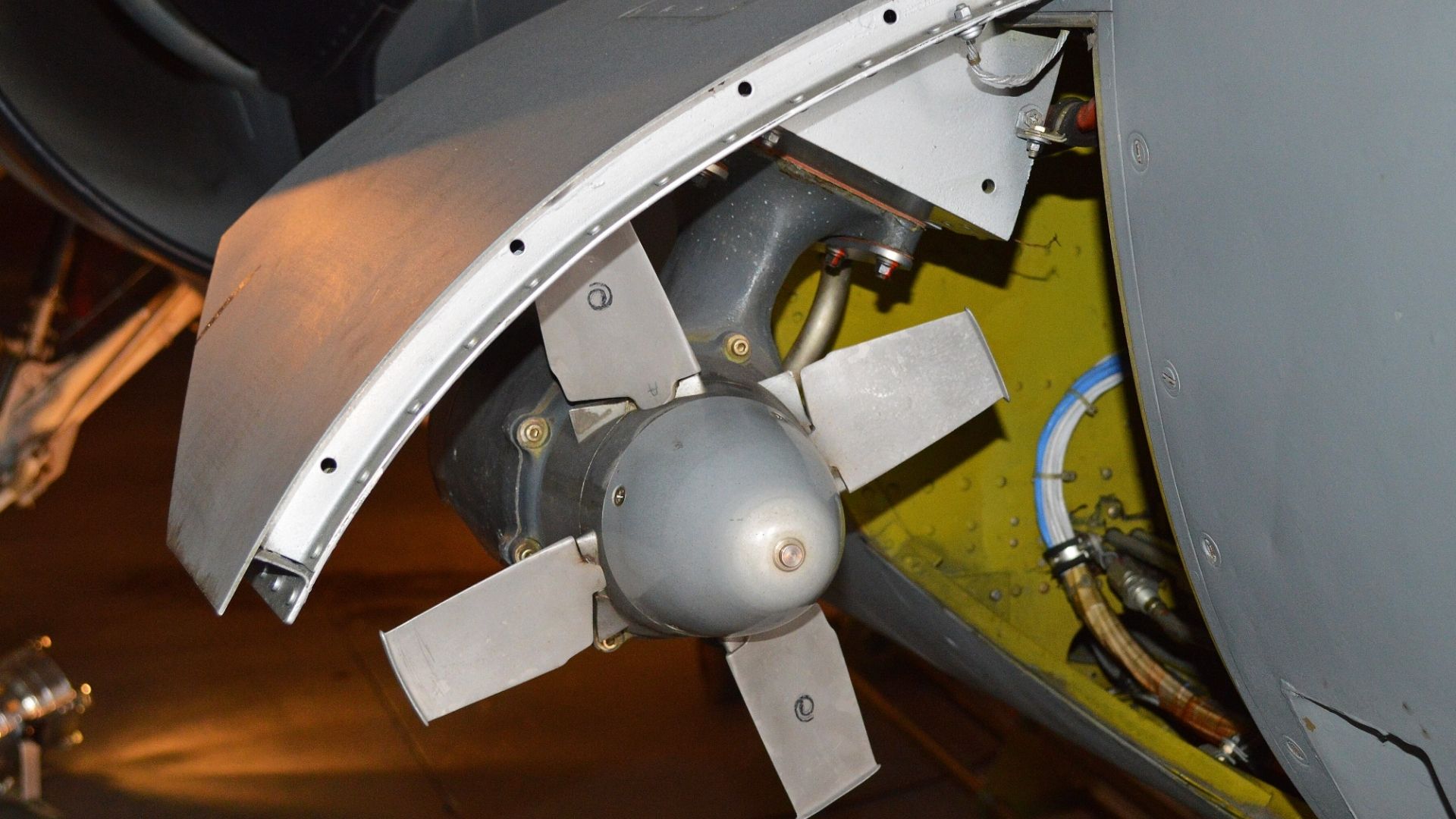
Marotta Controls, a US aerospace and defense contractor, has secured contracts to provide technology for two subsystems of the US Navy’s Next Generation Jammer–Low Band (NGJ-LB) program. Announced on September 2, the contracts involve a subcontract with CFD Research Corporation for a ram-air turbine power-generation system and a direct contract from L3Harris Technologies, the prime contractor for the NGJ-LB. The NGJ-LB is designed for the EA-18G Growler, enhancing its electronic warfare capabilities by disrupting enemy air defenses and ground communications. Marotta's involvement marks its entry into the airborne electronic warfare market, supplying equipment for the Turbine Speed Control System, which is crucial for power generation and regulation within the NGJ-LB pod. As the US Navy aims to replace the legacy AN/ALQ-99 Tactical Jamming System, the NGJ-LB program, selected in August 2024 under a $587.4 million contract, is set to deliver operational prototype pods for fleet assessment. No further timeline was disclosed at the time of publication.
Military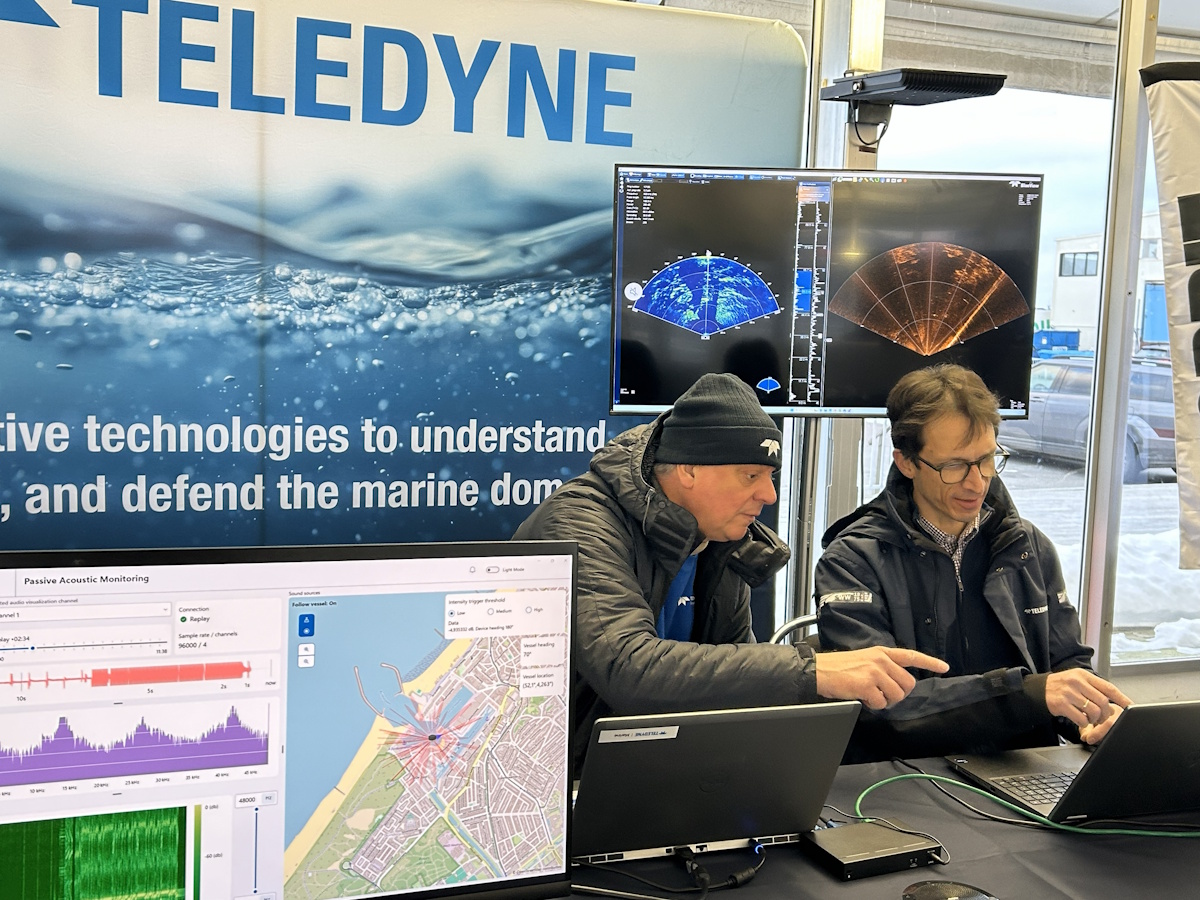
Teledyne Marine Puts Cutting-Edge Sonar to the Test at SeaSEC Harbour Challenge Ahead of Navy Tech 2026
Teledyne Marine showcased its cutting-edge sonar technology during the SeaSEC Harbour Protection Challenge Day held on February 2 in Gothenburg, Sweden. This live exercise focused on identifying and monitoring underwater threats in port environments, providing a practical demonstration of the company's capabilities. The event served as a precursor to Teledyne Marine's upcoming participation in the Navy Tech & Seabed Defence 2026, scheduled for February 3-5, 2026, where the company will exhibit its innovations and present two expert speaker sessions. This initiative underscores Teledyne Marine's commitment to enhancing maritime security through advanced technological solutions.
teledyne marine sonar seasec harbour challenge navy tech 2026
EVENT: Navy Tech & Seabed Defence 2026
Naval forces globally are undergoing significant transformations to address a rapidly changing landscape of threats, which now encompass uncrewed systems, advanced anti-ship weapons, cyber attacks, and electronic warfare, as well as emerging challenges from the seabed. As potential adversaries enhance their capabilities, it has become essential for navies to adapt both physically and conceptually to maintain their operational superiority across all maritime domains, including underwater environments. This evolution is driven by the necessity to counteract the sophisticated tactics employed by peer and near-peer nations, ensuring that naval operations remain effective and resilient in the face of modern warfare complexities.
events navy tech & seabed defence 2026 navy leaders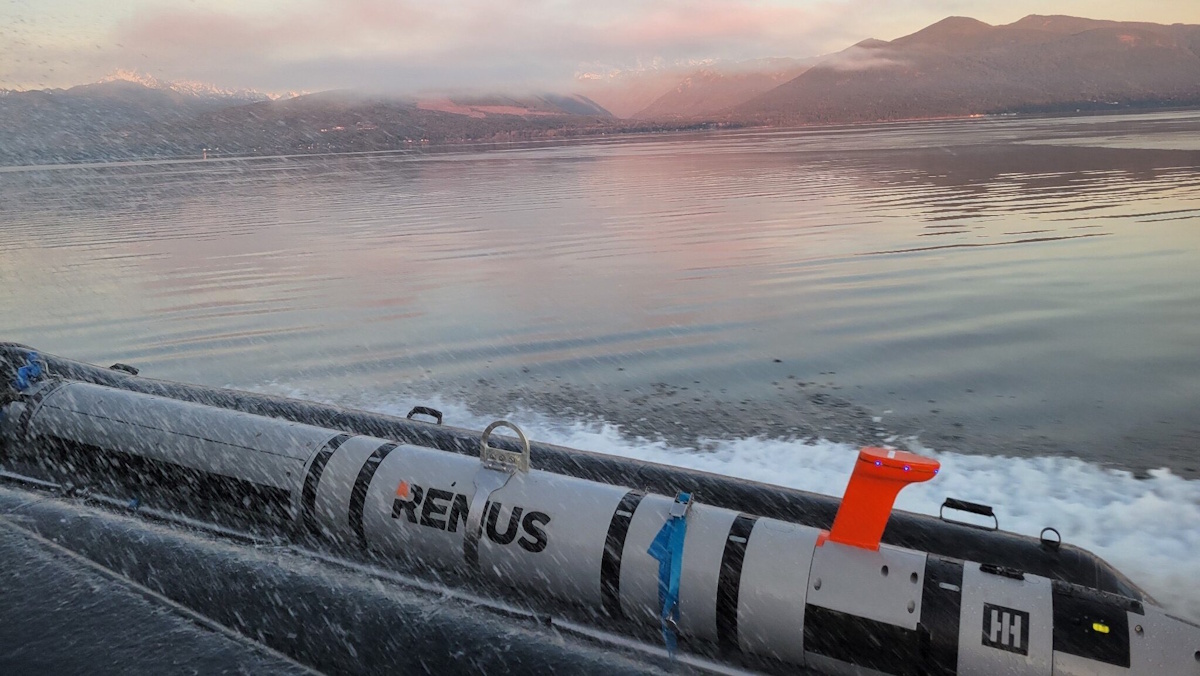
HII’s Mission Technologies Tests Next-Generation REMUS 620 UUV on US Navy Confidence Course
Uncrewed Systems, a division of HII’s Mission Technologies, showcased its next-generation medium-class unmanned underwater vehicle, the REMUS 620, during the U.S. Navy UUV Confidence Course held in Bangor, Washington. The vehicle was transported from its manufacturing facility in Pocasset, Massachusetts, to Keyport, Washington, where it successfully completed a series of pre-mission checks and ballasting procedures. This participation underscores the company's commitment to advancing underwater technology and enhancing the capabilities of unmanned systems for naval operations.
hii mission technologies test remus 620 uuv us navy confidence courseRobotics needs a service framework.
RSF defines a common language for robot service capability, lifecycle operations, certification pathways, and service-provider networks.
Join the RobotToday community on LinkedIn
Daily robotics news, in-depth analysis, conference highlights, and discussions with professionals worldwide.







