
A single destination for timely, editor-curated robotics news from around the world.
Researchers from NTU Singapore and Waseda University have created an innovative flexible "diving suit" designed for cyborg cockroaches, allowing these insects to navigate underwater and in low-oxygen environments for as long as three hours. The findings, published today in Nature Communications, highlight the potential for utilizing cyborg insects in search-and-rescue operations, particularly in disaster-stricken areas where traditional robots may struggle to operate due to obstacles like flooded debris or partially submerged locations. This advancement could significantly enhance rescue efforts in challenging environments, showcasing the intersection of biology and technology in addressing real-world problems.
TechXplore:Robotics Jun 29, 2026 Robotics
As economic activity in ocean spaces continues to rise, there is an increasing demand for regular monitoring and inspection of underwater infrastructure, including pipelines, cables, and installations. This need is driven by the growing complexity of global security concerns, which necessitate enhanced surveillance capabilities. Autonomous underwater vehicles (AUVs) are emerging as vital tools in this effort, offering advanced monitoring solutions that can operate in challenging environments. Furthermore, there is a pressing requirement for greater understanding of the seabed and oceanic regions to support sustainable development and security measures. As stakeholders seek to address these challenges, the integration of AUV technology is expected to play a pivotal role in ensuring the safety and integrity of underwater assets.
TechXplore:Robotics Jun 25, 2026 Robotics
Norway has initiated the inaugural expedition of its advanced robot submarine, designed to reach depths of nearly 6,000 meters. This groundbreaking mission commenced recently in the North Atlantic, showcasing the submarine's capabilities in deep-sea exploration. The project aims to enhance scientific research and environmental monitoring in the region, addressing the growing need for innovative technology in oceanography. The submarine is equipped with state-of-the-art sensors and imaging systems, allowing it to gather critical data on marine ecosystems and geological formations. This expedition marks a significant step forward in Norway's commitment to advancing underwater research and understanding the complexities of ocean environments.
InterestingEngineering.com By Georgina Jedikovska Jun 22, 2026 Science
NORBIT, a technology company, has announced its acquisition of Water Linked, a Trondheim-based firm known for its expertise in underwater navigation and imaging technologies tailored for remotely operated vehicles (ROVs), autonomous underwater vehicles (AUVs), and uncrewed surface vessels. This strategic move, finalized recently, aims to enhance NORBIT's capabilities in the maritime technology sector. By integrating Water Linked's innovative solutions, NORBIT seeks to strengthen its position in the growing market for underwater technology, driven by increasing demand for advanced navigation and imaging systems in various marine applications. The acquisition is expected to facilitate the development of new products and services, ultimately benefiting customers in the maritime industry.
ROVplanet.com By ROV Planet Jun 22, 2026 water linked norbit
The Journal of Field Robotics has recently published an early view article highlighting advancements in robotic technology and its applications in various fields. This publication, which became available in October 2023, showcases innovative research conducted by a team of engineers and scientists from leading universities and research institutions. The article focuses on the development of autonomous robots designed for complex tasks in environments such as agriculture, disaster response, and exploration. The research aims to address the growing need for efficient and reliable robotic systems capable of operating in challenging conditions, driven by the increasing demand for automation in various industries. Through rigorous testing and experimentation, the authors detail the methodologies employed in creating these advanced robotic systems, emphasizing their potential to enhance productivity and safety. The findings presented in this publication are expected to contribute significantly to the ongoing discourse on the future of robotics and its integration into everyday life. As the field of robotics continues to evolve, this early view article serves as a timely reminder of the transformative impact that innovative technologies can have on society, paving the way for further research and development in the coming years.
JournalofFieldRobotics By James M Rand, Alan Hunter, Danielle Wain, Lee D Bryant Jun 21, 2026 RESEARCH ARTICLE
In the latest edition of Video Friday, IEEE Spectrum robotics showcases a variety of innovative robotics videos and announces upcoming events in the field. Notable events include RSS 2026 scheduled for July 13-17 in Sydney, the Summer School on Multi-Robot Systems from July 29 to August 4 in Prague, Actuate 2026 on August 18-19 in San Francisco, and IROS 2026 from September 27 to October 1 in Pittsburgh. Among the featured projects, Eno, an advanced AI and general-purpose robot developed by Genesis, exemplifies a new generation of robots designed to enhance human capabilities. Meanwhile, NASA's Jet Propulsion Laboratory is testing the ERNEST rover in California's Colorado Desert, which is being developed for future lunar missions and can operate autonomously over challenging terrain. Sony AI's Ace project demonstrates a robotic system capable of adapting to unpredictable scenarios in table tennis, while ANYbotics highlights the economic benefits of their quadruped robots in industrial inspections, preventing significant production losses. GITAI is preparing for a robotic satellite servicing demo, and Bi-AQUA is exploring underwater photography challenges for robots. Sanctuary AI has achieved impressive results in wire plugging tasks for a major automotive supplier, showcasing a success rate exceeding 99.5%. Additionally, various other robotics projects are highlighted, including a bipedal robot named GrowBot, which operates on a low-cost Raspberry Pi and aims to make physical AI accessible to a broader audience.
IEEESpectrumRobotics By Evan Ackerman Jun 19, 2026 Video-friday Robot-videos Lunar-rover Inspection-robots Robot-hands Robot-ai
Dynautics has been honored with the Subsea and Underwater Intervention award at the Seawork Innovations Showcase for its groundbreaking Phantom 2 autonomous underwater vehicle (AUV). This recognition highlights the vehicle's innovative modular design and its significant role in advancing subsea operations. The award was presented during the annual showcase, which took place recently, underscoring the importance of technological advancements in underwater exploration and intervention. Dynautics aims to enhance operational efficiency and safety in subsea environments through the capabilities of the Phantom 2, marking a pivotal step in the evolution of underwater technology.
ROVplanet.com By ROV Planet Jun 19, 2026 dynautics seawork innovations showcase award phantom 2 auv
A newly established underwater trials site in the UK has successfully conducted its inaugural major test, showcasing a live demonstration of a multi-marine surface and subsea robotic platform. This event marks a significant step forward in advancing marine autonomy and enhancing ocean sensing capabilities. The trials aim to foster innovation in marine technology, addressing the growing need for sophisticated underwater exploration and monitoring solutions. By providing a dedicated environment for testing, the site is expected to facilitate the development of cutting-edge robotic systems that can operate effectively in challenging marine conditions. The successful demonstration underscores the potential for these technologies to transform the way oceanic research and operations are conducted, paving the way for future advancements in the field.
ROVplanet.com By ROV Planet Jun 19, 2026 multi-robot demo showcase plymouth subsea test range sonardyne smart sound connect subsurface (sscs) project smart sound plymouth
Huntington Ingalls Industries (HII), a prominent U.S. military shipbuilder, has successfully delivered the first REMUS 130 unmanned underwater vehicle. This significant milestone was achieved as part of HII's commitment to advancing maritime technology. The delivery took place in October 2023, showcasing the company's ongoing efforts to enhance the capabilities of the U.S. Navy and other defense partners. The REMUS 130 is designed for various underwater missions, including reconnaissance and surveillance, addressing the growing need for advanced unmanned systems in naval operations. This development reflects HII's strategic focus on innovation and its role in supporting national security objectives through cutting-edge maritime solutions.
InterestingEngineering.com By Sujita Sinha Jun 17, 2026 Military
Eni S.p.A and Fincantieri have entered into a strategic partnership to enhance the capabilities of Clean Sea, an advanced underwater robotic system developed by Eni. This agreement, announced recently, involves Fincantieri's subsidiary IDS – Ingegneria dei Sistemi, which specializes in unmanned systems and advanced sensor technologies. The collaboration aims to improve the monitoring of marine ecosystems and the integrity of subsea infrastructure. By leveraging Clean Sea's innovative technology, the two companies seek to address environmental concerns and ensure the sustainability of underwater operations. The initiative reflects a growing commitment to utilizing advanced robotics in environmental monitoring and infrastructure maintenance.
ROVplanet.com By ROV Planet Jun 17, 2026 eni fincantieri group strategic agreement underwater monitoring technologies clean sea
BlueME has developed innovative magnetoelectric antennas designed to enhance data exchange for underwater robots, enabling communication over long distances while maintaining a low power consumption of under 10 watts. This advancement is particularly significant for operations in real-world ocean environments, where efficient data transmission is crucial for various marine applications. The technology aims to improve the capabilities of underwater robotics, facilitating better data collection and communication in challenging aquatic settings.
AZOrobotics.com Jun 16, 2026
HII, the largest military shipbuilder in the United States and a leader in autonomous maritime systems, has successfully delivered the first REMUS 130 unmanned underwater vehicle (UUV) to a U.S. ally. This significant achievement represents a milestone in the advancement of the next generation of the REMUS series, which is recognized as the most widely deployed autonomous underwater vehicle globally. The delivery underscores HII's commitment to enhancing maritime capabilities for allied nations and reflects the growing importance of autonomous systems in modern naval operations.
ROVplanet.com By ROV Planet Jun 16, 2026 hii remus variant: 130
BlueArch Corporation has been established to develop and manufacture domestically produced autonomous underwater vehicles (AUVs) and underwater robots (UUVs). This initiative aims to enhance Japan's capabilities in underwater exploration and technology, responding to the growing demand for advanced marine solutions. The company focuses on leveraging innovative engineering and technology to create efficient and reliable underwater systems. The establishment of BlueArch marks a significant step in the country's efforts to strengthen its maritime industry and promote research and development in underwater robotics.
RobotStart.info Jun 15, 2026
Ultra Maritime has successfully conducted the inaugural in-water deployment trial of its advanced Multistatic Active Receive system. This significant milestone took place recently, marking a key step in the development of the technology designed to enhance maritime surveillance and detection capabilities. The trial was held in a controlled marine environment, allowing the team to assess the system's performance and reliability in real-world conditions. The motivation behind this initiative is to improve the effectiveness of maritime operations, particularly in detecting underwater threats and monitoring marine activities. By utilizing innovative technology and methodologies, Ultra Maritime aims to set a new standard in maritime security solutions. The successful trial demonstrates the potential of the Multistatic Active Receive system to revolutionize the industry and address growing concerns over maritime safety and security.
InterestingEngineering.com By Aamir Khollam Jun 12, 2026 Military
MFE Offshore has entered into a partnership with Hydromea, establishing itself as the official distributor of the latter's underwater robotics solutions tailored for offshore and maritime applications. This collaboration will enable MFE Offshore to provide Hydromea's cutting-edge underwater inspection technologies to a diverse range of sectors, including offshore oil and gas, offshore wind, marine infrastructure, climate science, and various subsea industries. The partnership aims to enhance operational efficiency and safety in these critical areas, leveraging advanced robotics to meet the growing demands of underwater inspections.
ROVplanet.com By ROV Planet Jun 12, 2026 mfe offshore hydromea rov offshore operators exray rov
Remotely operated underwater vehicles (ROVs) face significant challenges when navigating cloudy and turbulent waters, as sediment disturbance can severely impair visibility for onboard cameras. This issue arises when ROVs settle on the seafloor or dig through sand beds, leading to the creation of sediment clouds that obscure their view. Consequently, operators often have no choice but to pause operations and wait for the marine dust to settle before the vehicles can safely continue their exploration or tasks. This limitation highlights the complexities of underwater operations and the need for advancements in technology to enhance visibility in such challenging conditions.
TechXplore:Robotics Jun 11, 2026 Robotics
A groundbreaking technology known as “Sonar-MASt3R” has been developed to enhance underwater mapping capabilities by integrating sonar and visual data. This innovative system is capable of producing real-time 3D maps, significantly improving navigation and exploration in challenging environments, including cloudy water conditions. The technology was unveiled in October 2023, showcasing its potential to revolutionize marine research and underwater operations. By combining different data sources, Sonar-MASt3R addresses the limitations of traditional mapping methods, offering clearer and more accurate representations of underwater landscapes. This advancement is expected to benefit various sectors, including environmental monitoring, maritime safety, and underwater archaeology, by providing researchers and professionals with reliable tools for better decision-making in aquatic environments.
MITNews By Jennifer Chu | MIT News Jun 11, 2026 Research Robotics Computer vision Imaging Sensors Oceanography and ocean engineering
The Ocean Exploration Trust (OET) launched its Exploration Vessel (E/V) Nautilus today for the inaugural expedition of 2026, marking a significant advancement in deep-sea exploration. This expedition, named Pacific Mapping (NA178), features the first operational deployment of the newly installed Kongsberg EM 304 MKII multibeam sonar technology, which enhances the vessel's capability to explore ocean depths more effectively than ever before. The initiative aims to expand our understanding of the Pacific Ocean's underwater landscapes and ecosystems, leveraging cutting-edge technology to gather critical data. The expedition underscores OET's commitment to marine research and exploration, as it seeks to uncover the mysteries of the ocean and contribute to scientific knowledge.
ROVplanet.com By ROV Planet Jun 10, 2026 ocean exploration trust’s (oet) e/v nautilus expedition 2026
A research team led by Barbara Mazzolai at the Istituto Italiano di Tecnologia (IIT) has unveiled an innovative octopus-inspired soft robotic arm. This development, which emerged from the Bioinspired Soft Robotics unit, showcases advanced technology that allows the robotic arm to autonomously grasp objects in challenging environments, including underwater. The arm's artificial suction cups are equipped with sensors that can detect contact and assess the intensity and direction of applied forces. This breakthrough, announced recently, highlights the potential of oceanic biology to inspire future robotics solutions, emphasizing the importance of nature as a model for technological advancements.
TechXplore:Robotics Jun 08, 2026 Robotics
A European defense official has outlined the expanding roles of military drones, emphasizing their capabilities in armed scouting, surveillance, and crewed-uncrewed teaming. These advanced unmanned aerial vehicles are also expected to function as "motherships" for launching additional air effects. This development highlights the increasing reliance on drone technology in modern military operations, reflecting a strategic shift towards more versatile and integrated aerial combat systems. The official's comments come amid ongoing discussions about enhancing military capabilities in response to evolving global security challenges.
BreakingDefense By Tim Martin Jun 08, 2026 Air Warfare Global Air Force Airbus Drones Europe
Saab UK is celebrating four decades of advancements in subsea robotics through its Seaeye division, which has significantly enhanced safety and performance in underwater operations. Established in 1983, Seaeye has pioneered innovative technologies that have transformed the industry, making underwater exploration and operations more efficient and secure. This milestone reflects Saab UK's commitment to engineering excellence and its ongoing efforts to address the challenges faced in subsea environments. The anniversary highlights the company's role in shaping the future of underwater robotics and its dedication to continuous improvement in this vital sector.
ROVplanet.com By ROV Planet Jun 08, 2026 saab uk saab seaeye subsea robotics innovation
KONGSBERG and DRASS have announced a strategic partnership aimed at enhancing the development of advanced underwater solutions. This collaboration will facilitate the exchange of technologies, systems, payloads, and operational architectures, leveraging the complementary industrial strengths and technical expertise of both companies. By combining their operational experience, KONGSBERG and DRASS seek to innovate and improve underwater capabilities, addressing the growing demands in this sector. The partnership marks a significant step forward in the pursuit of cutting-edge solutions for underwater operations.
ROVplanet.com By ROV Planet Jun 08, 2026 kongsberg drass strategic partnership
On the evening of May 29, 36Kr and Light Source Capital hosted the second offline gathering titled "TokenAge" in Beijing, focusing on the impact of AI on productivity rather than just token consumption metrics. The event featured four prominent guests from the AI startup scene: Huang Yi, founder of RoboParty, which specializes in open-source bipedal robots; Zheng Jiaxi, founder of Eup Robotics, developing underwater inspection robots for offshore energy platforms; Jin Ruofan, founder of Science Intelligence, exploring AI applications in scientific research; and Huang Xinxin, head of Light Source Capital's 3i Innovation Incubator. The gathering highlighted the challenges faced by young entrepreneurs in the AI sector, emphasizing the need for rapid product delivery and clear commercialization strategies. Attendees, including entrepreneurs and investors, engaged in discussions about how companies should reorganize in the AI era and why AI has yet to significantly enhance organizational efficiency. Light Source Capital's CEO, Zheng Xuanle, noted that AI represents a fundamental shift in productivity, akin to electricity, and is driving innovation across various sectors. The event underscored the importance of understanding AI's potential and the necessity for organizations to adapt to its rapid evolution. As AI becomes increasingly integrated into business processes, the focus will shift from merely adopting technology to fostering a culture of innovation and strategic thinking among teams. The evening concluded with each guest setting ambitious goals for the coming year, reflecting their commitment to advancing their respective fields within the AI landscape.
36kr.com Jun 04, 2026
Sonardyne, a specialist in underwater technology, has entered into a Memorandum of Understanding with AMOG, an international advanced engineering firm, to deliver a comprehensive subsea asset monitoring service aimed at offshore energy infrastructure operators. This collaboration seeks to enhance the safety and efficiency of subsea operations, addressing the growing need for reliable monitoring solutions in the energy sector. The agreement was finalized recently, reflecting both companies' commitment to advancing technology in underwater asset management. By leveraging their respective expertise, Sonardyne and AMOG aim to provide innovative solutions that will support operators in maintaining the integrity and performance of their offshore assets.
ROVplanet.com By ROV Planet Jun 04, 2026 sonardyne amog subsea asset monitoring mou
Cellula Robotics Ltd. and Defence Research and Development Canada (DRDC) have announced significant advancements in their joint efforts to develop long-endurance autonomous underwater vehicle technology. This progress is the result of several years of collaboration focused on enhancing practical underwater capabilities for challenging operational conditions. The partnership aims to address the increasing demand for sophisticated underwater technologies that can operate effectively in various environments, showcasing the commitment of both organizations to innovation in maritime defense and exploration.
ROVplanet.com By ROV Planet Jun 03, 2026 cellula robotics drdc/rddc long-endurance auv collaboration
A Japanese marine research agency is set to develop an advanced autonomous underwater vehicle (AUV) by fiscal 2028 to enhance the search for rare earth elements and other mineral resources in the seabed near Minamitorishima, Japan's easternmost territory. This initiative, announced on June 3, 2026, aims to secure a stable supply of these critical materials, which are essential for various high-tech industries. The project reflects Japan's ongoing efforts to reduce its dependence on foreign sources, particularly China, amid rising global demand for rare earths. The development of this hybrid vessel is expected to significantly accelerate exploration and retrieval processes in the region, positioning Japan as a key player in the global rare earth supply chain.
Nikkei.com Jun 02, 2026
The Royal Navy is set to deploy the Video Ray Defender, an advanced autonomous underwater robot, as part of its ongoing efforts to enhance maritime security. This deployment is scheduled for later this month, with operations taking place in various strategic locations to bolster surveillance and reconnaissance capabilities. The initiative aims to address increasing concerns over underwater threats and improve response times in maritime operations. By utilizing cutting-edge technology, the Royal Navy intends to streamline underwater missions, allowing for more efficient data collection and analysis. The introduction of the Video Ray Defender marks a significant step in the Royal Navy's modernization efforts, reflecting a commitment to incorporating innovative solutions in national defense strategies.
InterestingEngineering.com By Munis Raza Jun 01, 2026
Researchers have developed an innovative antenna system aimed at enhancing communication between underwater robots, particularly in challenging environments such as murky waters. This advancement comes as part of ongoing efforts to improve the efficiency and effectiveness of robotic operations in marine settings. The new system was unveiled during a technology conference held in San Diego on October 15, 2023. The motivation behind this development stems from the increasing reliance on underwater robots for various applications, including environmental monitoring, search and rescue missions, and marine research. Traditional communication methods often struggle in low-visibility conditions, which can hinder the performance of these robots. The newly designed antenna system utilizes advanced signal processing techniques to facilitate clearer and more reliable communication between multiple robots operating simultaneously. By overcoming the limitations posed by murky water, this technology promises to enhance collaborative efforts among underwater robots, leading to improved outcomes in their respective missions. As the demand for autonomous underwater vehicles continues to grow, this breakthrough could play a crucial role in advancing the capabilities of marine robotics, ultimately contributing to better data collection and exploration of underwater environments.
InterestingEngineering.com By Mrigakshi Dixit Jun 01, 2026
Australia has decided to abandon plans to purchase a new Virginia-class submarine, opting instead to acquire a decommissioned submarine from the United States Navy. This decision reflects a strategic shift in Australia’s defense procurement approach, aiming to enhance its naval capabilities while managing costs. The change comes amid ongoing discussions about regional security and military readiness, highlighting the importance of maintaining a robust defense posture in the Indo-Pacific region. The acquisition of the ex-US Navy submarine is expected to provide Australia with immediate operational capabilities, allowing for a quicker integration into its fleet compared to a new build, which would require more time and resources.
BreakingDefense By Mike Yeo May 30, 2026 Global Naval Warfare Asia AUKUS Pillar 2 Drones Europe
AUKUS Defence Ministers have unveiled advancements in pioneering technologies utilizing uncrewed underwater vessels during a recent meeting in Singapore. This announcement marks a significant step forward in the trilateral security partnership involving Australia, the United Kingdom, and the United States. The discussions, held to enhance collaboration and address regional security challenges, underscore the commitment of the three nations to strengthen their defense capabilities. By integrating cutting-edge technologies, the AUKUS alliance aims to bolster maritime security and deter potential threats in the Indo-Pacific region.
ROVplanet.com By ROV Planet May 30, 2026 underwater tech aukus partnership aukus pillar 2
University of Florida researchers are advancing underwater communication technology by deploying robots in various aquatic environments, from the shallow shores of Lake Wahlberg to the depths of the ocean. This initiative aims to enhance the robots' ability to communicate effectively in challenging, murky conditions. The project, which began recently, leverages innovative techniques to improve data transmission and interaction among robots operating in diverse water conditions. By refining these communication methods, the researchers hope to facilitate more efficient underwater exploration and data collection, potentially benefiting fields such as marine biology, environmental monitoring, and search and rescue operations.
TechXplore:Robotics May 29, 2026 Robotics
In a groundbreaking initiative, Greenpeace has launched an underwater robot to conduct a scientific survey of vulnerable deep-sea ecosystems along the Arctic Mid-Ocean Ridge. This event marks the deepest banner protest ever executed from the seabed, occurring at a depth of 2,300 meters. The robot displayed a powerful message urging global leaders to heed scientific advice, stating, “LISTEN TO THE SCIENCE!” The campaign aims to raise awareness about the urgent need for action to protect these unexplored marine environments. Dr. Sandra Schöttner, a key figure in the initiative, emphasized the importance of scientific research in informing policy decisions regarding environmental conservation. This innovative protest not only highlights the threats facing deep-sea ecosystems but also seeks to galvanize international attention and action on climate change and marine protection.
RoboticsAndAutomationNews.com By Sam Francis May 27, 2026 Environment News Arctic Ocean automation news autonomous underwater vehicles climate change
Cellula Robotics, recognized as a global leader in autonomous undersea vehicles, has entered into a memorandum of understanding with Integer Technologies, a prominent provider of mission assurance and reliability software for maritime operations. This collaboration aims to integrate Integer’s DIGIT COMMAND operator software with Cellula’s mission control software, specifically for its advanced unmanned underwater vehicle platforms. The partnership, announced today, seeks to enhance mission reliability for clients operating in environments where communication is limited. By combining their technologies, both companies aim to improve operational efficiency and effectiveness in challenging maritime conditions.
ROVplanet.com By ROV Planet May 26, 2026
KONGSBERG is set to present its advanced autonomous underwater vehicle (AUV) technology at the upcoming CANSEC 2026, scheduled for May 27–28 at the Cohere Centre in Ottawa. Attendees will have the chance to view the HUGIN Edge AUV at booth 707 and engage with KONGSBERG experts. This showcase aims to highlight how the HUGIN Edge AUV effectively meets the demands of various undersea missions, demonstrating the company's commitment to innovation in maritime technology.
ROVplanet.com By ROV Planet May 26, 2026 kongsberg autonomous underwater capability cansec 2026
China has announced the successful completion of a groundbreaking 537-day deep-sea material corrosion exposure experiment, claiming it to be the first of its kind in the world. Conducted in the South China Sea, the project aimed to assess the durability and longevity of various materials used in marine engineering and construction. The initiative is part of China's broader efforts to enhance its capabilities in deep-sea exploration and technology, driven by the increasing demand for sustainable and resilient infrastructure in challenging underwater environments. Researchers monitored the materials' performance and degradation over the extended period, providing valuable data that could inform future developments in maritime engineering. This achievement underscores China's commitment to advancing its scientific research and technological prowess in the field of marine sciences.
InterestingEngineering.com By Atharva Gosavi May 25, 2026
Underwater inspections of bridge foundations have been identified as one of the most perilous tasks in the field of civil engineering. Conducted by specialized divers and engineers, these inspections are crucial for ensuring the structural integrity and safety of bridges. The inspections typically take place during scheduled maintenance periods, which can vary throughout the year depending on weather conditions and operational requirements. The inspections are primarily carried out in various locations across the country, where aging infrastructure poses significant risks to public safety. The motivation behind these inspections stems from the need to prevent catastrophic failures and to comply with regulatory standards that mandate regular assessments of bridge conditions. To perform these inspections, teams utilize advanced technology, including remotely operated vehicles (ROVs) and sonar imaging, which allow for detailed examinations of underwater structures without compromising diver safety. Despite these innovations, the inherent risks associated with underwater work, such as strong currents and visibility challenges, remain a concern for professionals in the field. As infrastructure continues to age, the demand for thorough inspections is expected to increase, highlighting the importance of ongoing training and the development of safer inspection methods. This proactive approach aims to enhance the safety of bridges and ensure the reliability of transportation networks for the public.
InterestingEngineering.com By Munis Raza May 25, 2026
Blueye Robotics has announced the launch of its next-generation underwater drone lineup, marking a significant advancement in underwater operations. The new flagship remotely operated vehicle (ROV), the Blueye X7, is set to enhance exploration capabilities, while the upgraded Blueye X3 Ultra features improved 4K HDR imaging and onboard artificial intelligence for more efficient data collection. Additionally, the company introduced Blueye Cloud, a new platform designed to streamline the connection between fleets, data, and teams, facilitating better collaboration and operational efficiency. This launch comes nearly a decade after Blueye began supporting underwater operations globally, reflecting the company's commitment to innovation and technological advancement in the field. The new products aim to meet the growing demand for sophisticated underwater exploration tools and improve the overall effectiveness of marine operations.
ROVplanet.com By ROV Planet May 25, 2026 blueye robotics blueye x7 blueye x3 blueye ultra blueye cloud
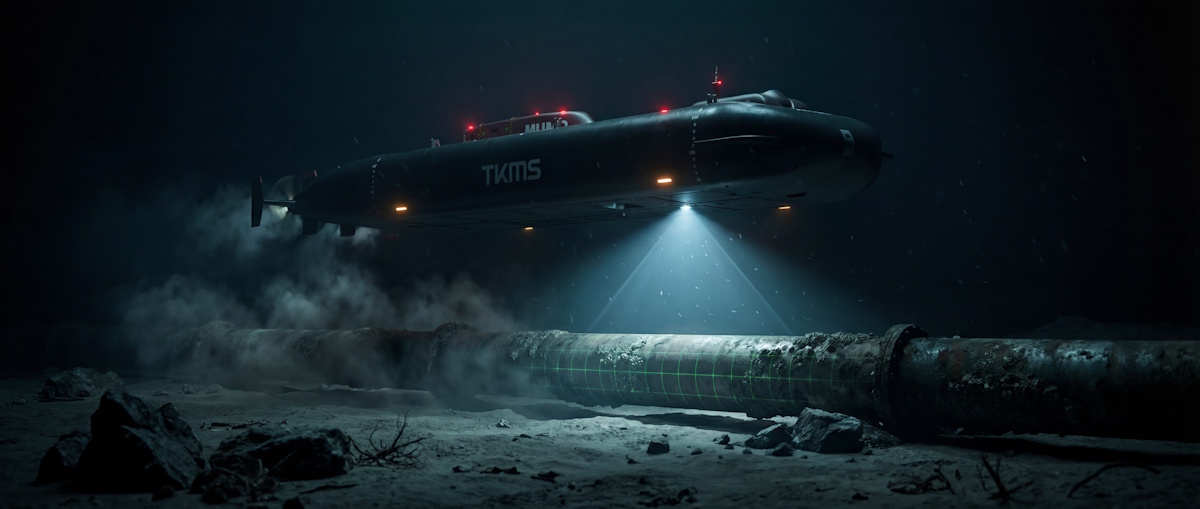
TKMS has achieved a notable advancement in autonomous unmanned watercraft technology with the recent approval from DNV for its MUM demonstrator. This Approval in Principle (AiP) signifies that the vessel has been designed and developed in compliance with DNV's class rule for underwater technology and the guidelines for autonomous and remotely operated vessels. This milestone underscores TKMS's commitment to innovation in maritime technology, paving the way for future developments in the field of autonomous maritime operations.
ROVplanet.com By ROV Planet May 25, 2026 tkms dnv approval in principle (aip) modifiable underwater mothership (mum)
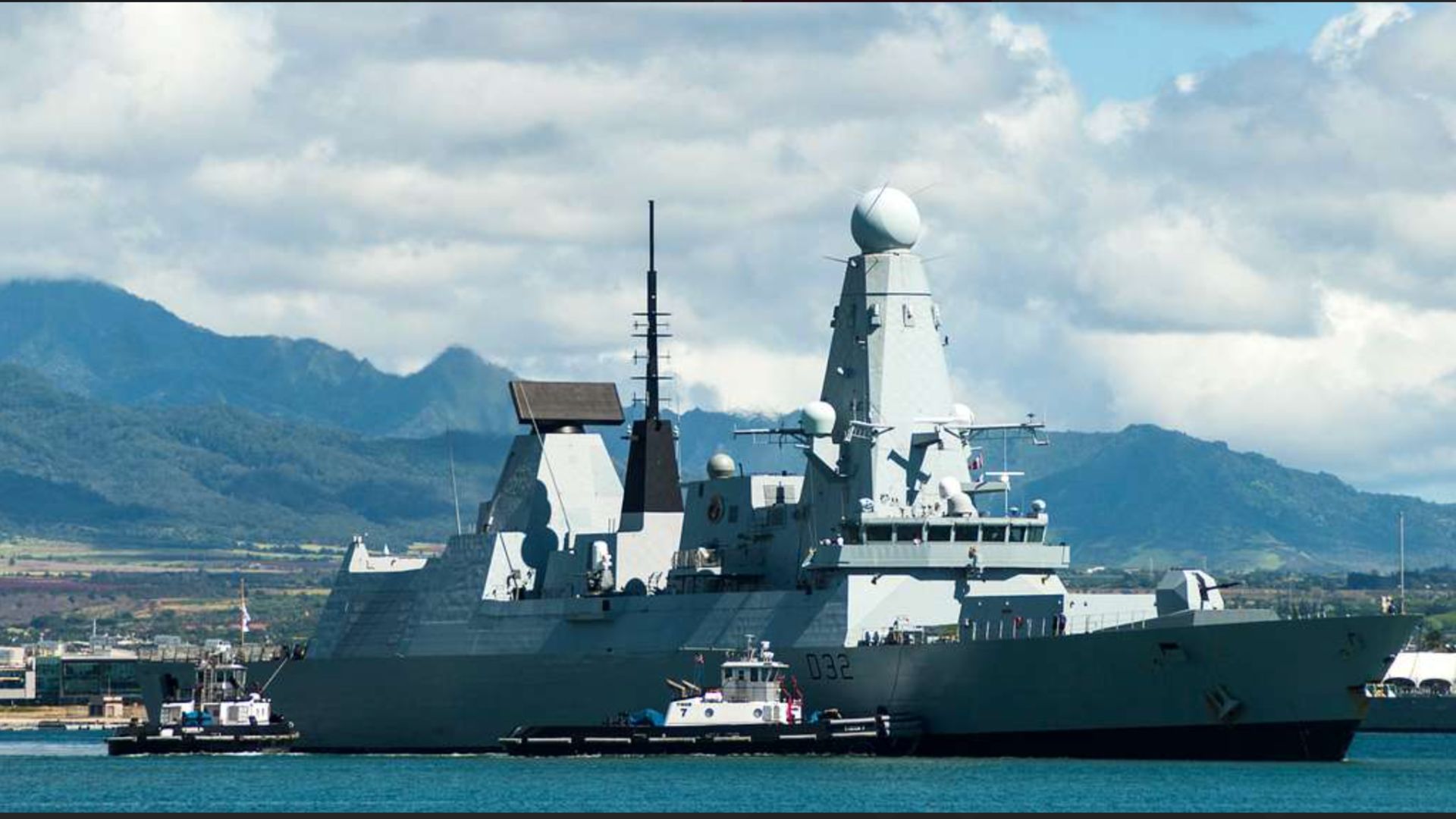
The U.S. Navy is exploring innovative operational strategies by integrating uncrewed underwater vehicles with Navy SEALs utilizing mini-submarines. This collaboration aims to enhance the capabilities of special operations forces in maritime environments, potentially revolutionizing underwater missions. However, the initiative faces several challenges that need to be addressed to ensure effective implementation. As the Navy continues to develop these advanced technologies, the focus remains on overcoming obstacles to maximize the operational potential of this partnership.
TheWarZone By Joseph Trevithick May 20, 2026 Sea Navies Navy SEALs News & Features Special Warfare Submarines
Researchers have developed an enhanced dynamic window approach for unmanned underwater vehicles (UUVs), aimed at improving their navigation capabilities in challenging environments. This innovative method focuses on optimizing obstacle avoidance, which significantly increases the success rates of UUV operations while simultaneously reducing energy consumption. The advancements in this technology are particularly relevant for missions that require precise maneuvering in complex underwater landscapes, such as search and rescue operations, environmental monitoring, and underwater exploration. By integrating this new approach, UUVs can better adapt to dynamic conditions, ensuring safer and more efficient missions. The findings were presented in October 2023, highlighting the potential for this technology to revolutionize underwater vehicle navigation.
AZOrobotics.com May 20, 2026
SYOS, an autonomous systems company based in the UK and New Zealand, has unveiled its latest innovation, the SU10 uncrewed underwater vehicle (UUV), aimed at enhancing maritime security and supporting Antarctic exploration. The announcement was made during a recent event, marking a significant expansion of SYOS's portfolio, which previously focused on air and land operations. The introduction of the SU10 allows the company to venture into subsurface missions, addressing the growing demand for advanced technologies in multi-domain operations. This new underwater drone is designed to operate effectively in challenging environments, underscoring SYOS's commitment to developing versatile solutions for both security and exploration purposes.
Dronelife.com By Miriam McNabb May 20, 2026 Applications Arctic Drone News Drone News Feeds Dual Use News
SYOS has unveiled the SU10 uncrewed underwater vehicle (UUV) today, expanding its portfolio of autonomous systems across multiple domains, including air, land, sea, and subsurface operations. The introduction of the SU10 aims to enhance capabilities in mine countermeasures, protect critical subsea infrastructure, and ensure persistent surveillance and maritime security. This advanced UUV is equipped to undertake a variety of missions, including search and identification, route clearance, and infrastructure inspection and intervention, thereby addressing growing demands for safety and security in maritime environments.
ROVplanet.com By ROV Planet May 20, 2026 syos multi-domain uncrewed portfolio su10 uuv rov auv
Cellula Robotics US Inc. and Metron, Inc. have entered into a decade-long partnership aimed at enhancing the United States defense sector. This collaboration will integrate Cellula's advanced commercial off-the-shelf long-endurance autonomous underwater vehicle platforms with Metron's expertise in adaptive mission autonomy and extensive experience in undersea warfare and maritime operations. The agreement, which underscores a commitment to innovation in defense technology, is expected to bolster the capabilities of the U.S. military in underwater missions, ensuring improved operational efficiency and effectiveness.
ROVplanet.com By ROV Planet May 19, 2026 cellula robotics metron agreement defense
The US Navy has announced the integration of unmanned surface and underwater vessels into its long-term shipbuilding strategy, which spans the next 30 years. This decision, made public in October 2023, reflects the Navy's commitment to modernizing its fleet and enhancing operational capabilities in response to evolving maritime threats. By incorporating advanced technologies, the Navy aims to improve surveillance, reconnaissance, and combat operations while reducing risks to personnel. The move is part of a broader initiative to adapt to the changing landscape of naval warfare and ensure the United States maintains its strategic advantage at sea. The plan outlines investments in research and development, as well as the construction of new vessels designed to operate autonomously, thereby increasing the Navy's efficiency and effectiveness in various mission scenarios.
InterestingEngineering.com By Chris Young May 15, 2026
Natrion, a battery materials company based in Buffalo, New York, has introduced a new line of NDAA-compliant pouch cells that offer up to 80% more energy density than conventional lithium-ion batteries. Announced on May 14, 2026, these defense-optimized battery cells are designed for use in uncrewed systems, including drones, surface and underwater vessels, ground vehicles, and humanoid robots. The launch aims to enhance the performance and efficiency of military and defense applications, addressing the growing demand for advanced energy solutions in various unmanned technologies.
Dronelife.com By staff May 15, 2026 battery technology Defense Drone News Drone News Feeds Military NDAA Compliant
Researchers have developed a groundbreaking jellyfish-inspired soft robot capable of navigating through water at unprecedented speeds. This innovative technology, unveiled in a recent study, showcases the potential for advanced underwater exploration and environmental monitoring. The robot mimics the unique propulsion mechanism of jellyfish, allowing it to move efficiently and swiftly. The development took place in a laboratory setting, where scientists aimed to enhance robotic mobility in aquatic environments. By studying the biomechanics of jellyfish, the team was able to replicate their movement patterns, resulting in a soft robot that not only moves faster than existing models but also carries out tasks such as data collection and monitoring marine ecosystems. This advancement comes at a crucial time as researchers seek sustainable solutions for underwater exploration, driven by the need to better understand and protect marine life. The soft robot's design allows for flexibility and adaptability, making it suitable for various applications, from scientific research to environmental conservation efforts. As the technology progresses, the team envisions further enhancements that could lead to even greater speeds and capabilities, paving the way for a new era of robotic exploration in our oceans.
InterestingEngineering.com By Neetika Walter May 14, 2026
A team of scientists has unveiled an innovative autonomous underwater robot designed to identify and map biodiversity hotspots in marine environments. This groundbreaking technology was introduced during a recent conference held in San Diego, California, where researchers gathered to discuss advancements in ocean exploration. The motivation behind this development stems from the urgent need to monitor and protect fragile ecosystems threatened by climate change and human activity. The robot utilizes advanced sensors and artificial intelligence to navigate underwater terrains, collect data on various species, and create detailed maps of biodiversity-rich areas. By automating the process of exploration, the scientists aim to enhance the efficiency and accuracy of marine research, allowing for more effective conservation efforts. This initiative represents a significant step forward in understanding and preserving the ocean's diverse ecosystems, which are vital for global health and sustainability.
InterestingEngineering.com By Neetika Walter May 13, 2026
A European defense technology company has announced the launch of the world's longest-endurance unmanned submarine, showcasing its capabilities at a recent defense exhibition. The submarine, designed for extended missions, can operate underwater for several weeks without the need for surface resupply, marking a significant advancement in maritime technology. This innovation aims to enhance naval surveillance and reconnaissance operations, addressing the growing demand for autonomous underwater vehicles in modern defense strategies. The unveiling took place in a prominent European city, drawing attention from military officials and industry experts alike, who are keen to explore the potential applications of this groundbreaking technology in various defense scenarios.
InterestingEngineering.com By Georgina Jedikovska May 13, 2026
Klein Marine Systems, recognized as a global leader in advanced side scan sonar and underwater imaging technology, has unveiled its latest innovation, the MANTIS UUV. This integrated multi-channel side scan sonar system is specifically designed to enhance unmanned underwater vehicles by providing high-quality imaging and onboard processing capabilities. The announcement was made today, highlighting the company’s commitment to improving underwater exploration and data collection. The MANTIS UUV aims to streamline integration processes, making it a valuable tool for various applications in marine research and industry.
ROVplanet.com By ROV Planet May 12, 2026 klein marine systems mantis uuv smartarray technology™ uuv auv
A Turkish defense company has introduced a new strike-capable extra-large uncrewed underwater vehicle, marking a significant advancement in naval technology. The unveiling took place during a defense exhibition in Istanbul, showcasing the vehicle's potential for enhancing Turkey's maritime capabilities. This development is part of Turkey's broader strategy to bolster its defense industry and assert its presence in regional waters. The vehicle is designed to conduct various missions, including surveillance and combat operations, reflecting the increasing importance of unmanned systems in modern warfare. By integrating advanced technologies, the company aims to position Turkey as a key player in the global defense market.
InterestingEngineering.com By Georgina Jedikovska May 11, 2026RSF defines a common language for robot service capability, lifecycle operations, certification pathways, and service-provider networks.
Excepteur sint occaecat cupidatat non proident







