Industry Briefing
A single destination for timely, editor-curated robotics news from around the world.

Tech Professionals Leverage Connectivity Tools for Global Collaboration
Tech professionals are increasingly distributed across various countries and time zones, with companies employing cybersecurity experts in one location and software developers in another. This trend is facilitated by the internet, which 74% of the global population utilizes, enabling borderless work and collaboration. The rise of remote work and digital collaboration tools has transformed the tech industry, allowing professionals to work from anywhere. Reliable mobile connectivity is essential for these workers, with solutions like the Holafly eSIM providing seamless coverage before arrival in a new country. The eSIM's Always On feature ensures uninterrupted connectivity, crucial for remote presentations and system check-ins. As the demand for specialized talent grows, companies are increasingly hiring based on skills rather than location. This shift has led to a rise in global mobile engineering roles, presenting new opportunities and unique cybersecurity challenges for tech workers operating across borders. No further timeline was disclosed at the time of publication.
Internet Technology cloud computing cloud infrastructure cybersecurity digital nomads
China Mobile, Huawei, and Leju Robot unveil world’s first 5G-A equipped humanoid robot at MWC 2025
At the Mobile World Congress 2025 on Thursday, China Mobile, Huawei, and Leju Robotics introduced the world's first humanoid robot featuring 5G-A technology. This advanced iteration of 5G, known as 5G-Advanced, represents a significant step towards the future of connectivity, bridging the gap between current 5G networks and the anticipated 6G systems. The robot is designed to leverage the enhanced capabilities of 5G-A, which include broader bandwidth, ultra-low latency, and a more intelligent network architecture. This innovation aims to enhance communication and operational efficiency in various applications, showcasing the potential of next-generation technology in robotics.
News Feed
ABB Robotics and Roche Partner to Enhance Laboratory Efficiency with Intelligent Robotics
ABB Robotics has entered into a collaboration with Roche to develop digitally connected laboratories utilizing intelligent robotics. This partnership aims to improve laboratory workflows significantly, with initial applications focusing on pathology slide handling and enhancing intralogistics within Core Labs. The deployment will feature a variety of ABB Robotics technologies, including autonomous mobile manipulation and fixed articulating robots. This collaboration is significant as it represents a shift towards integrating advanced robotics in laboratory settings, which can lead to increased efficiency and reduced operational costs. By automating tasks such as slide handling, laboratories can expect to streamline processes, minimize human error, and enhance overall productivity. The use of intelligent robotics in this context is expected to set a new standard for laboratory operations. Looking ahead, the first applications of this collaboration are anticipated to roll out soon, although no specific timeline was disclosed at the time of publication. Stakeholders in the robotics and healthcare sectors should monitor this partnership closely, as it may pave the way for further advancements in laboratory automation and connectivity.

Rajant Health (RHI) and Chord Robotics Expand Cowbell Platform to Enable Scalable, Multi-Domain Collaborative Autonomy
Rajant Health (RHI) and Chord Robotics have announced an expanded partnership to enhance their Cowbell platform, introducing advanced "Flying Cowbell" capabilities aimed at enabling scalable, multi-domain collaborative autonomy. This collaboration, revealed on May 22, 2026, integrates RHI's Kinetic Mesh® networking with Chord Robotics' TEMPO™ software, facilitating real-time control of mixed fleets operating across air, land, and sea. The "Flying Cowbell" system transforms mobile nodes, including unmanned aerial systems (UAS) and unmanned surface vehicles (USVs), into active participants in a distributed compute and autonomy framework. This architecture allows for distributed workload execution, dynamic cluster formation, and transport-agnostic operations, even in connectivity-constrained environments. The partnership aims to address the need for persistent coverage and dynamic mission adaptation in complex scenarios where traditional infrastructure may be lacking. By leveraging Rajant's InstaMesh® networking capabilities alongside TEMPO, operators can manage heterogeneous fleets effectively, ensuring that each vehicle can make independent decisions while collaborating seamlessly. RHI's CEO, Robert J. Schena, emphasized that the initiative represents a shift from static infrastructure to a mobility-native system, while Chord Robotics' CEO, James Cooney, highlighted the potential for scaling autonomous fleets in challenging environments. Together, the companies are poised to redefine collaborative autonomy in unmanned systems, enhancing operational efficiency and adaptability.
Understanding Robotics and Autonomous Systems in Next-Gen Smart Factories
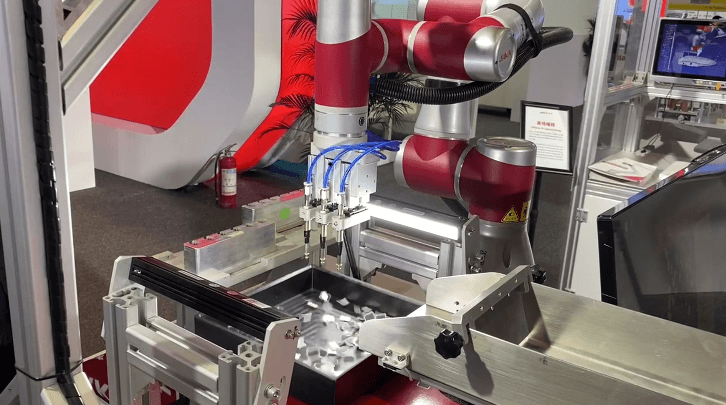
Factories are experiencing a significant transformation as they shift from traditional linear automation to interconnected, intelligent production ecosystems. This change is driven by the integration of robotics and autonomous systems, with JAKA positioning its industrial cobots as essential components within this advanced network. The industrial cobot serves as a flexible link between manual workstations and fully automated lines, enabling manufacturers to adapt quickly to varying tasks such as assembly and inspection. This adaptability is crucial for high-mix production environments, allowing workflows to respond in near real-time to digital directives from a central Manufacturing Execution System (MES). The evolution of true autonomy is facilitated by the connectivity of individual machines within a coordinated network. JAKA's robotic arms can communicate seamlessly with autonomous mobile robots and vision systems, creating a responsive operational loop. For example, an autonomous robot can deliver components to a JAKA cobot, which then executes tasks based on cloud-based analytics. JAKA emphasizes the importance of reliable, connected hardware to support these systems, focusing on high-precision control technology that ensures accurate task execution. This reliability is essential for advancing towards lights-out production in certain processes. As the next-generation smart factory emerges, the industrial cobot is positioned as a versatile agent within a complex architecture of robotics and autonomous systems. JAKA aims to provide manufacturers with the necessary hardware to build increasingly responsive and autonomous production environments, enhancing efficiency and complexity management in the manufacturing landscape.
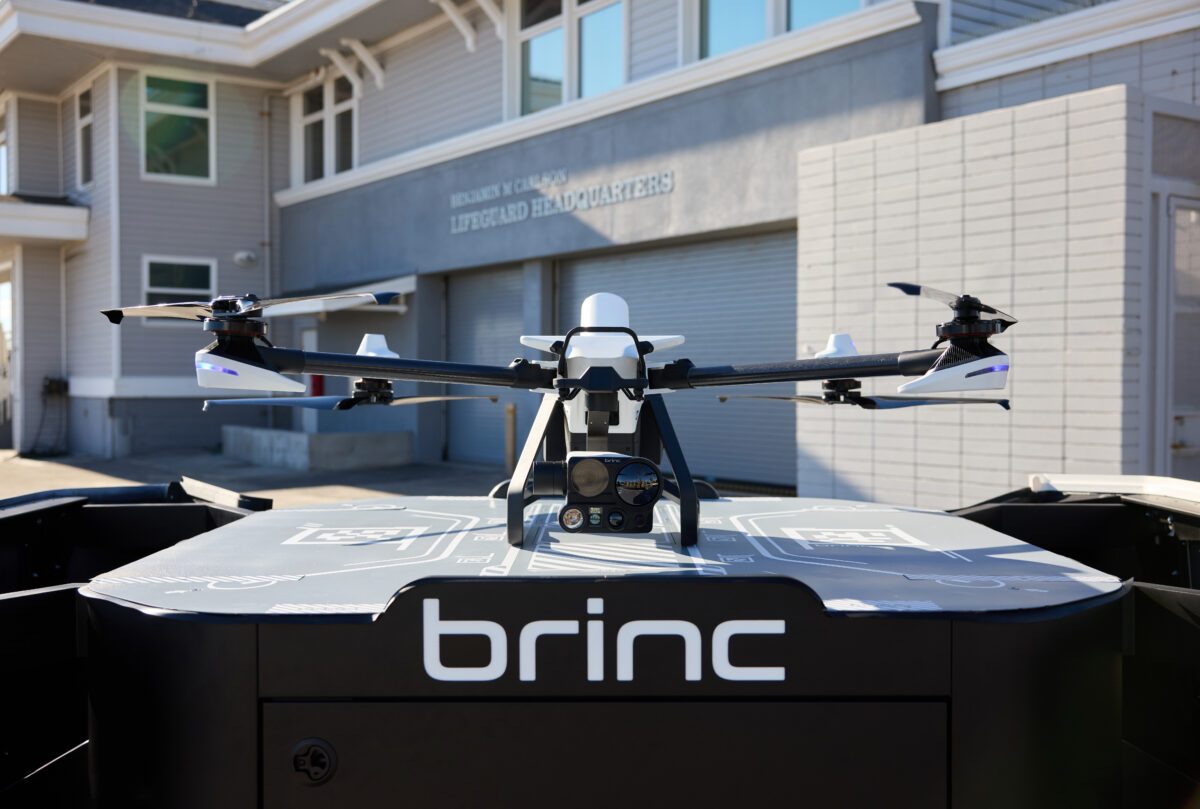
What Starlink Actually Changes for Police Drones: A Look at BRINC’s Guardian
At the recent Motorola Solutions Summit, Blake Resnick discussed the innovative capabilities of BRINC's new Guardian drone, which features integrated Starlink satellite connectivity. This advancement is poised to significantly enhance police drone operations by providing improved connectivity, redundancy, and extended range. The integration of Starlink technology could reshape how law enforcement agencies utilize drones in real-world scenarios, allowing for more effective responses in critical situations. As public safety continues to evolve, the Guardian drone represents a potential new standard for first responders, leveraging cutting-edge technology to meet the demands of modern policing.
Applications DL Exclusive Drone News Drone News Feeds Drones in the News Featured – Safety and Security
Which Company Makes Industrial Robots?
The global manufacturing sector is witnessing a significant transformation as it shifts from traditional high-speed automation to flexible collaborative systems. This change, driven by the emergence of "Industry 5.0," prioritizes human-machine synergy, allowing robots to operate safely alongside human workers. By 2026, the industrial robotics market has diversified, with companies adapting to the specific needs of production lines, moving beyond the dominance of the "Big Four" in heavy-duty manufacturing. Innovators in the field are now focusing on creating robots that are "Smart, Simple, Small," featuring intuitive graphical interfaces and wireless connectivity. This shift has enabled smaller enterprises to adopt automation technologies previously reserved for larger factories, resulting in increased productivity across various sectors, including electronics, food and beverage, and logistics. JAKA Robotics, a leader in this industrial revolution since 2014, emphasizes the concept of "embodied intelligence" in its robots. Their JAKA Zu series supports payloads up to 20kg with high precision, while the JAKA A series caters to delicate assembly lines with even greater accuracy. JAKA distinguishes itself with user-friendly innovations, such as mobile terminal APP control, which simplifies the automation process. The company’s commitment to providing safe and reliable robotic solutions positions it at the forefront of the evolving landscape of industrial innovation, paving the way for a new era in manufacturing.

NVIDIA and Partners Show That Software-Defined AI-RAN Is the Next Wireless Generation
NVIDIA and Nokia have unveiled advancements in AI-driven wireless networks, emphasizing a software-defined approach as essential for the future of AI-native connectivity. This announcement comes just ahead of the Mobile World Congress (MWC), scheduled for March 2-5 in Barcelona. The collaboration aims to transition AI-RAN technology from laboratory settings to real-world applications, showcasing its potential to enhance network efficiency and performance. The push for this innovative technology is driven by the increasing demand for more intelligent and adaptable wireless networks capable of supporting the growing number of connected devices and applications. By integrating AI capabilities into their wireless infrastructure, both companies seek to redefine the landscape of telecommunications and address the challenges posed by modern connectivity needs.

NVIDIA and Global Telecom Leaders Commit to Build 6G on Open and Secure AI-Native Platforms
NVIDIA, alongside a coalition of major technology and telecommunications companies including Booz Allen, BT Group, Cisco, Deutsche Telekom, Ericsson, MITRE, Nokia, OCUDU Ecosystem Foundation, ODC, SK Telecom, SoftBank Corp., and T-Mobile, has announced a significant commitment to develop the next generation of wireless technology. This initiative, revealed today, aims to enhance connectivity and drive innovation in the telecommunications sector. The collaboration seeks to leverage the expertise and resources of each partner to create advanced wireless solutions that meet the growing demands of users and industries worldwide. By pooling their knowledge and capabilities, these companies intend to set new standards in wireless communication, ultimately improving network performance and accessibility for consumers and businesses alike.
Beyond Cobots: Integrating Robotic Automation with AGVs and IIoT Systems
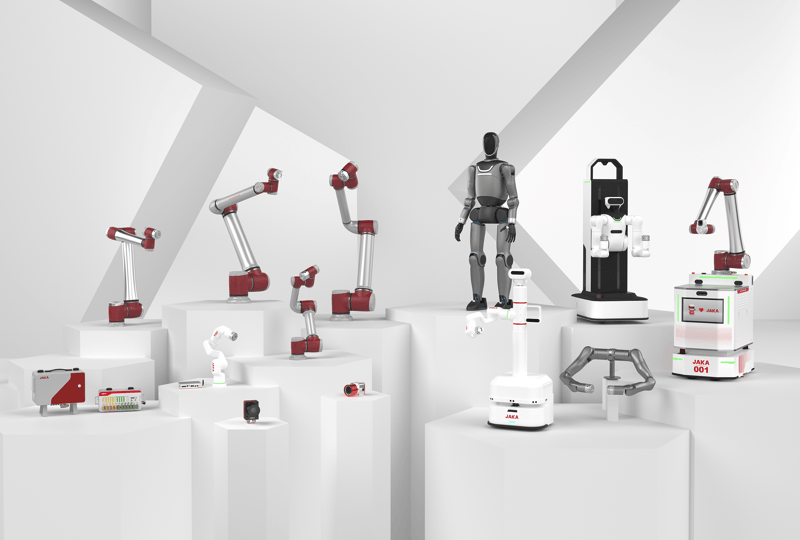
In recent years, manufacturing has experienced a significant transformation as companies shift from standalone automation to interconnected and flexible systems. JAKA, a leader in collaborative robot technology, has observed this evolution, where production environments are increasingly designed around coordinated robots, autonomous guided vehicles (AGVs), and Industrial Internet of Things (IIoT) platforms. This transition enables automation to adapt dynamically to real production conditions while ensuring safety and flexibility in workplaces that prioritize human interaction. Initially, collaborative robots were embraced for their ability to work safely alongside human operators, facilitating smoother automation processes. As their applications have matured, integrating these robots with AGVs and IIoT systems has become a logical progression. This integration allows for synchronized material handling and processing tasks, enhancing efficiency. IIoT connectivity further supports real-time data exchange, enabling predictive maintenance and improved process visibility, which is crucial for maintaining flexibility in production lines. AGVs play a pivotal role in extending automation beyond fixed workstations. When connected through IIoT infrastructure, these vehicles and robots can share crucial information, reducing idle time and manual interventions while enhancing workflow traceability. This coordination not only boosts operational efficiency but also increases transparency, allowing for continuous optimization and informed decision-making. To facilitate this integrated approach, JAKA has developed the Ai12, a collaborative robot designed for easy deployment through wireless teaching and graphical programming. This technology enhances safety and adaptability, allowing for seamless human-robot interaction. JAKA envisions a future where industrial robotic automation is not merely a collection of isolated machines but a cohesive system that evolves with production demands, fostering smarter and more responsive industrial environments.

European researchers developed energy-efficient machine vision inspired by human eyesight and the brain
Researchers have developed advanced technology that empowers intelligent robots and drones to function autonomously during rescue missions, particularly in the aftermath of earthquakes. This innovation is significant as it allows these machines to operate without the need for constant network connectivity or reliance on heavy batteries, which can hinder their effectiveness in emergency situations. The breakthrough, achieved through extensive data training up to October 2023, aims to enhance the efficiency and reliability of search and rescue operations in disaster-stricken areas. By equipping these devices with the ability to navigate and make decisions independently, the technology promises to improve response times and increase the chances of saving lives when traditional communication methods may be compromised.
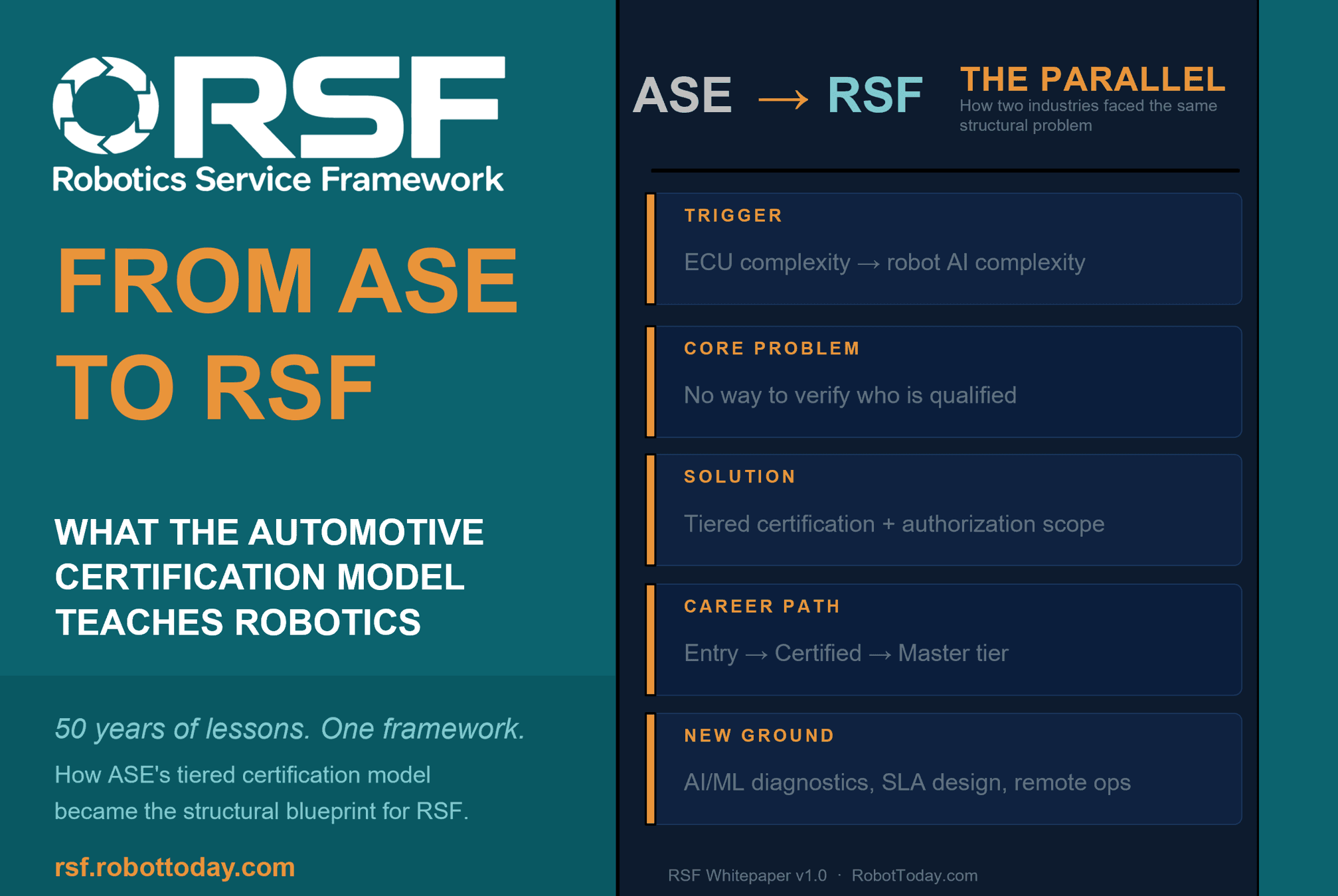
Robotics needs a service framework.
RSF defines a common language for robot service capability, lifecycle operations, certification pathways, and service-provider networks.