Industry Briefing
A single destination for timely, editor-curated robotics news from around the world.
mimic Robotics Launches Comprehensive Platform for Advanced Dexterous Robot Manipulation
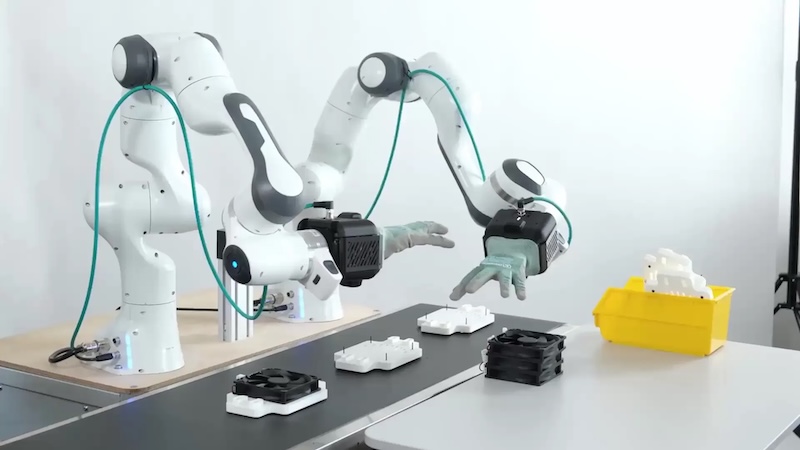
mimic Robotics has unveiled a new robotic hand, the mimic hand M1, along with the mimic wearable U1 exoskeleton and a proprietary software platform. This integrated system aims to enhance general-purpose dexterous manipulation in industrial robots by addressing the challenge of collecting high-quality training data for AI models that perform human-like tasks. The significance of this launch lies in mimic Robotics' approach to design, which focuses on human hand morphology rather than traditional two-finger grippers. The mimic hand M1 features 15 actuated degrees of freedom and is capable of handling payloads over 25 kg, while the mimic wearable U1 allows human operators to demonstrate tasks in real-time, improving data collection for AI training. Looking ahead, the company’s innovative middleware and teleoperation software are expected to enhance robot control and AI inference speed. No further timeline was disclosed at the time of publication.
Components Computing News ai automation dexterous manipulation
Dissecting UBTECH's U1: The Challenges of Biomimicry
At UBTECH's annual global launch event, the company unveiled its latest U1 humanoid robots, which are designed to enhance emotional interaction and promote coexistence between humans and robots. The event highlighted the advanced capabilities of the U1 series, which includes three distinct models, each equipped with innovative technical solutions that enable them to move and interact in a human-like manner. The launch generated significant interest, resulting in over 13,000 pre-orders, underscoring the growing demand for sophisticated robotic technology. This initiative reflects UBTECH's commitment to pushing the boundaries of robotics and addressing the complexities involved in creating machines that can effectively engage with people.
Humanoid Robots Robotics Technology AI Interaction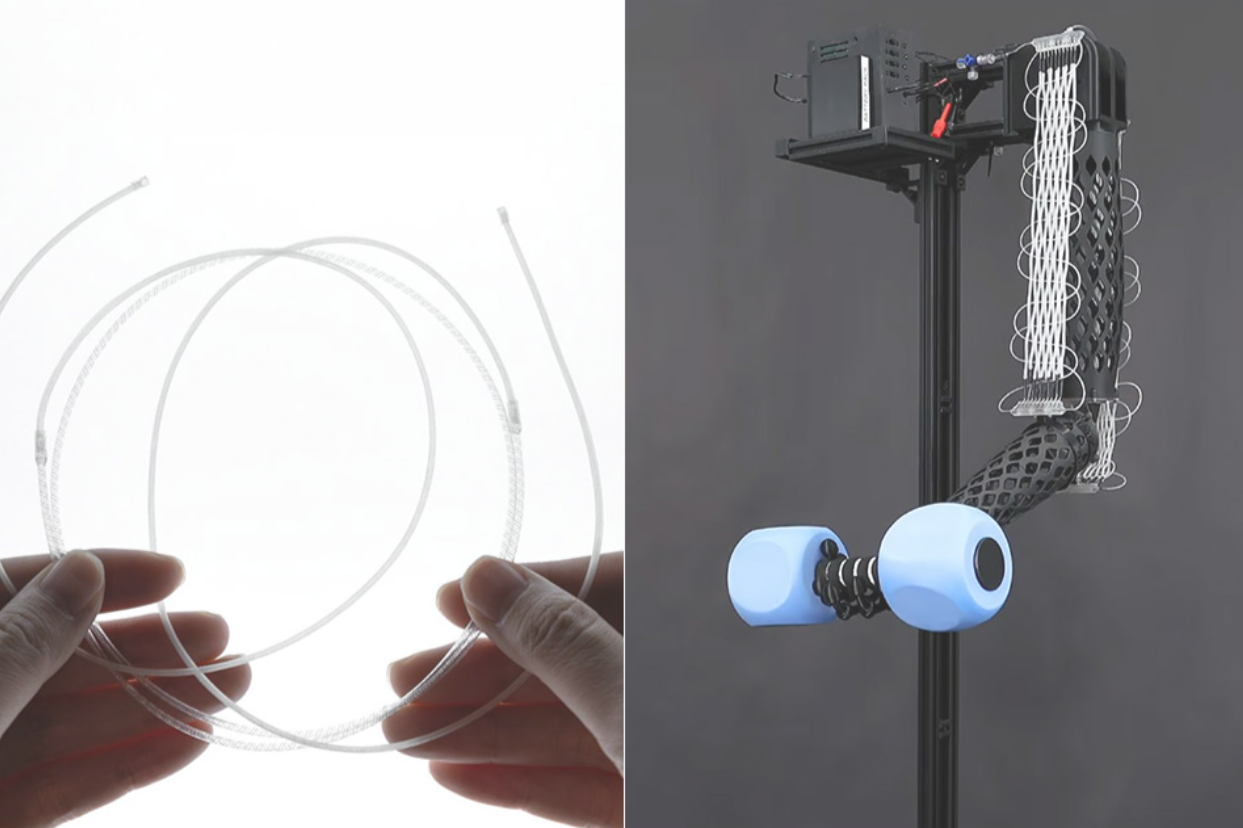
MIT Develops Innovative 'Fiber Muscles' for Robots to Imitate Natural Muscle Movement
Researchers from MIT Media Lab and Bari Polytechnic University have unveiled a groundbreaking technology in soft robotics, detailed in the journal Science Robotics. They have developed 'fiber muscles' that operate silently and efficiently, eliminating the need for external pumps and bulky components traditionally used in robotic joints. This innovation is significant as it addresses the limitations of current robotic systems, which rely on motors and gearboxes that generate noise and require heavy parts, impacting flexibility and energy efficiency. The new system integrates miniature pumps within the muscle fibers, allowing for a self-contained, lightweight, and quiet operation that mimics human muscle movement. Looking ahead, this technology could revolutionize the design of soft robots, enabling them to be embedded in robotic arms, wearable exoskeletons, or prosthetics. The potential for these fiber muscles to enhance human-robot interaction and create more adaptable robotic systems is promising, suggesting a future where the physical boundaries of human-robot coexistence may become more fluid.
Soft Robotics Robotic Actuators Bio-inspired Technology Wearable Robotics
MIT’s ultrasound wristband could teach humanoid robots human hand skills
Researchers have developed an innovative wearable device aimed at enhancing the dexterity of humanoid robots, potentially allowing them to perform tasks with greater human-like precision. This breakthrough was announced in October 2023, as scientists continue to explore ways to improve robotic functionality and interaction in various settings. The device integrates advanced sensors and actuators, enabling robots to mimic the intricate movements of human hands. The motivation behind this development stems from the increasing demand for robots in industries such as healthcare and manufacturing, where fine motor skills are essential for tasks like surgery or assembly. By equipping robots with this new technology, researchers hope to bridge the gap between human and robotic capabilities, leading to more effective collaboration in the workplace. The project highlights the ongoing advancements in robotics and the potential for these machines to take on more complex roles in society.
AI and Robotics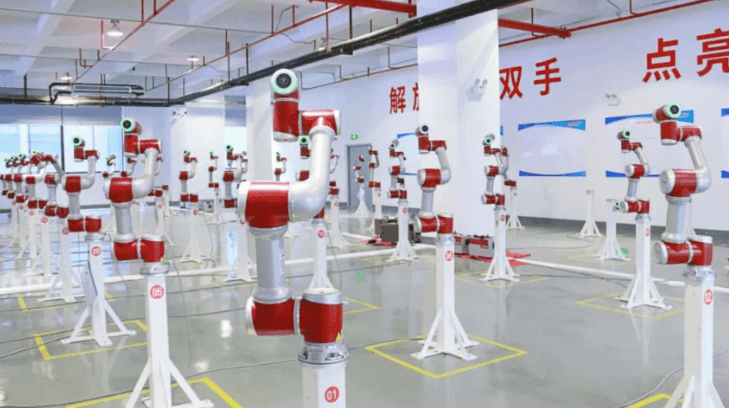
What Are 6 Axis Robot Arms, and How Does Their Versatility Work?
In the realm of industrial automation, the 6-axis robot arm has emerged as a pivotal innovation, offering unparalleled flexibility in manufacturing processes. These advanced machines, designed to mimic human arm movements, have transformed factory operations by enabling complex tasks with ease. The versatility of these robots stems from their unique kinematic structure, which features a series of rotating joints that allow them to access virtually any point in their workspace from various angles. The term "6-axis" signifies the six independent joints that provide the robot with multiple degrees of freedom. The major axes facilitate overall reach, while the minor axes function as a mechanical wrist, granting the robot the ability to pitch, roll, and yaw. This capability allows for diverse applications, from precision medical assembly to heavy-duty palletizing, setting them apart from traditional 4-axis robots. The adaptability of 6-axis robots is particularly beneficial in high-mix production environments, where they can seamlessly switch between tasks throughout the day, such as CNC machine tending and complex surface finishing. This flexibility minimizes the need for specialized machinery, optimizing floor space and reducing capital costs. JAKA has capitalized on this versatility with its Zu series of collaborative robots, which are lightweight and easily redeployable across production lines. The JAKA Zu18 model, capable of handling an 18kg payload with a reach of 1073mm, exemplifies strength combined with agility. Enhanced by user-friendly wireless control through the JAKA App, these robots are positioned to meet the evolving demands of both small workshops and large assembly plants, ensuring efficiency and adaptability in modern manufacturing.
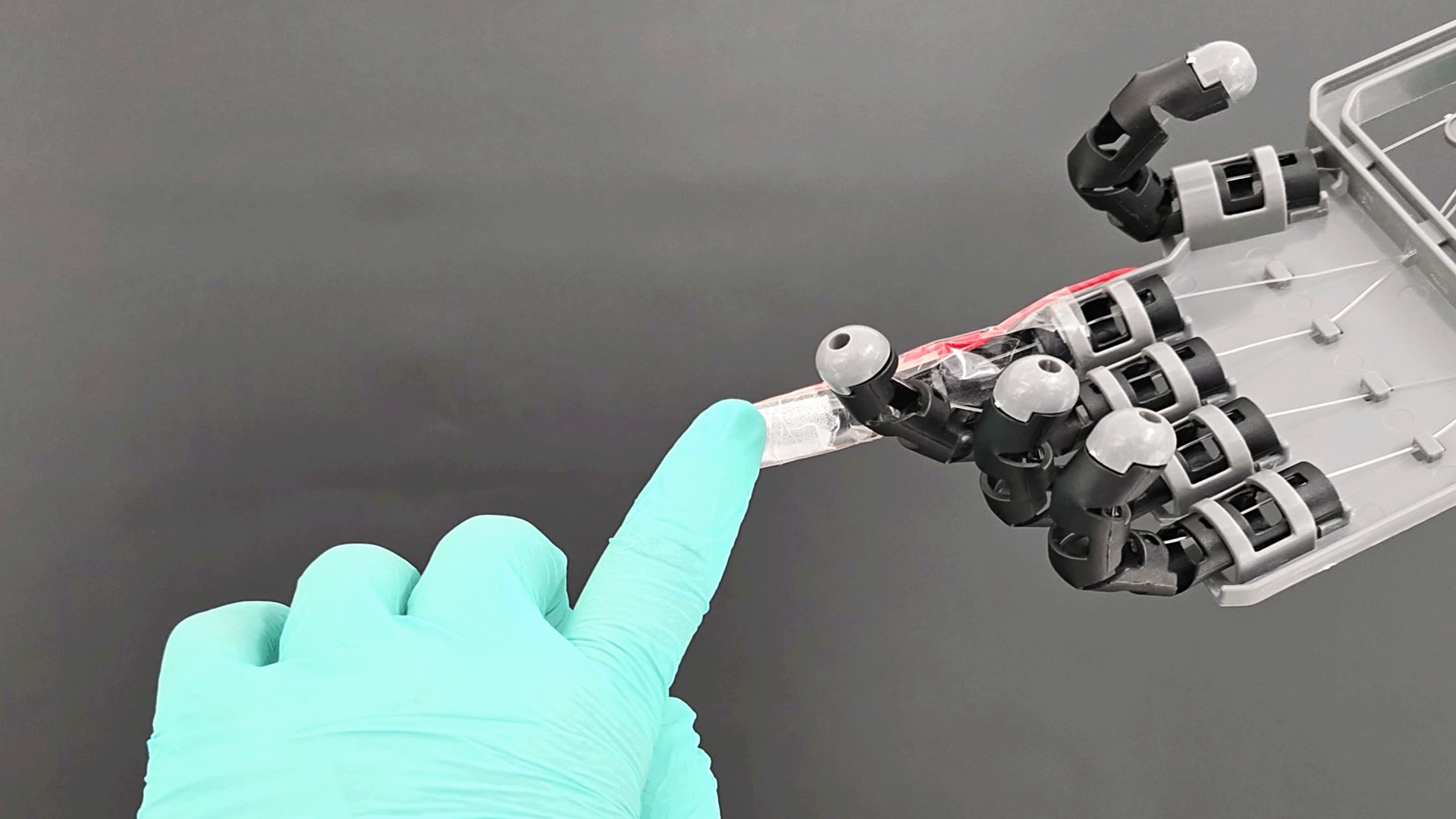
Stretchable electronic skin lets robotic hand feel touch and pressure signals
Researchers are making significant strides in the development of stretchable, transparent electronics capable of bending, rolling, and mimicking human skin. This advancement, which has been gaining momentum in recent months, aims to revolutionize various applications, including wearable technology and medical devices. The ongoing research is taking place in laboratories across the globe, with scientists collaborating to enhance the functionality and durability of these innovative materials. The motivation behind this work stems from the increasing demand for flexible electronics that can seamlessly integrate with the human body and adapt to various environments. Through a combination of advanced materials science and engineering techniques, researchers are exploring new methods to create these electronics, which could lead to breakthroughs in health monitoring and interactive devices. As this technology continues to evolve, it holds the potential to transform industries and improve the quality of life for many individuals.

Scientists build artificial neurons that work like real ones
Engineers at UMass Amherst have developed an innovative artificial neuron that utilizes bacterial protein nanowires, mimicking the function of natural neurons while operating at extremely low voltage. This breakthrough, announced recently, enables efficient communication with biological cells and significantly enhances energy efficiency. The advancement holds promise for the creation of bio-inspired computing systems and wearable electronics that eliminate the need for traditional, power-intensive amplifiers. Future applications of this technology could include sensors powered by sweat or devices capable of harvesting electricity from ambient sources, potentially revolutionizing the field of electronics and energy use.

EPFL and MIT Develop Flapping Robot That Swims and Flies Like Diving Birds
Engineers at EPFL and MIT have created a flapping-wing aerial-aquatic vehicle (FAAV) that mimics the swimming and flying abilities of diving birds. Weighing under 300 grams, the FAAV is designed to help researchers study the mechanics of how these birds transition between air and water. Experiments revealed optimal combinations of wing size, flapping frequency, and tail angle for effective movement in both environments. This innovation is significant as it could lead to a new class of aerial-aquatic drones capable of accessing aquatic regions that are difficult for traditional vessels. The robot's design allows it to dive for samples and return data at a lower cost, making it a valuable tool for oceanographers and marine biologists. The research findings were published in the journal Science, highlighting the potential for enhanced understanding of bird biomechanics. Future developments will focus on improving wing design for better maneuverability and testing the robot in turbulent conditions. The team aims to deploy the FAAV for ocean science research, potentially revolutionizing how data is collected from challenging aquatic environments. No further timeline was disclosed at the time of publication.

MIT and EPFL Develop Flapping-Wing Robot for Air and Water Navigation
Engineers from MIT and EPFL have created a flapping-wing aerial-aquatic vehicle (FAAV) inspired by puffins. Weighing under 300 grams, the robot features a central fuselage, flexible wings, and a steerable tail. Field tests in Lake Geneva demonstrated its ability to swim and then take flight, showcasing its dual-medium capabilities. This innovation is significant for oceanography and marine biology, as it allows for cost-effective data collection from both air and water. The FAAV can fly at speeds of 6 meters per second and swim at 1 meter per second, providing a versatile tool for researchers. The design mimics the natural mechanics of birds, which maintain similar physical dynamics in both environments by adjusting their speed. Looking ahead, the team aims to refine the robot's ability to breach the water's surface, a challenging transition requiring a precise 70-degree pitch. No further timeline was disclosed at the time of publication, but the potential applications for environmental monitoring and research are substantial.
AI and Robotics
MIT and EPFL Develop Flapping Robot for Aerial and Aquatic Exploration
Engineers from MIT and EPFL have created a flapping-wing aerial-aquatic vehicle (FAAV) that weighs under 300 grams. This robot can swim underwater and transition to flight, mimicking the behavior of diving birds. The research, published in Science, showcases the robot's ability to adapt its mechanics for both mediums, which differ significantly in density and resistance. The significance of this development lies in its potential applications in oceanography and environmental monitoring. The FAAV can access areas that are typically hazardous for traditional vessels, allowing scientists to collect data from locations such as icebergs or marine habitats. This innovation could reduce operational costs and enhance data collection efficiency in marine research. Looking ahead, the research team aims to refine the FAAV's design and functionality. Future experiments will likely focus on optimizing the robot's performance in various aquatic environments. No further timeline was disclosed at the time of publication.
Bioinspiration Drones Mechanical engineering Oceanography and ocean engineering Research Robotics
Inchworm-inspired robot that crawls without rigid parts could enable remote exploration
Researchers at the University of Gothenburg have developed a groundbreaking robot inspired by the movement of an inchworm, which operates without any rigid components. This innovative design allows the robot to mimic the flexing motion of muscles, making it suitable for various applications, including inspecting sewer pipes and exploring Mars. The findings of this research have been shared on the arXiv preprint server, highlighting the potential of soft robotics in diverse environments. The project aims to enhance exploration and inspection capabilities in challenging and confined spaces, showcasing the versatility and adaptability of this new robotic technology.
Robotics
New sub-450-gram mini drone system sustains autonomous surveillance despite GPS jamming
As military forces seek innovative solutions to enhance soldier safety and situational awareness, recent advancements in technology are being explored. These developments aim to provide troops with better protection while ensuring they remain alert to their surroundings. The initiative comes in response to the increasing challenges faced by soldiers operating in high-stress environments, where the balance between safety and awareness is crucial. By integrating cutting-edge wearable devices and advanced communication systems, armies are working to create a more effective and responsive combat experience. This effort is particularly relevant in light of ongoing conflicts and the evolving nature of warfare, which demands that soldiers be both protected and informed. The implementation of these technologies is expected to improve operational efficiency and reduce risks on the battlefield, ultimately enhancing the overall effectiveness of military missions.
Military
Robotic Assistance in Natural Disasters and Human-Caused Crises
The Synergise research and development consortium is conducting its first integrated system field test to evaluate new technological solutions, including robots, drones, sensors, localization systems, wearables, and communication platforms. This test is taking place at a training ground in Botkyrka, Sweden, where the consortium aims to assess the effectiveness of these technologies in realistic operational environments. The initiative is driven by the need to enhance response capabilities for natural disasters and human-made crises, showcasing how advanced technology can aid in emergency situations.
Allgemein Newsarchiv Servicerobotik
Scientists want to send a roly-poly robot filled with 'dandelion drones' to investigate hidden tunnels on Mars
Engineers are exploring the innovative approach of biomimicry to design the next generation of robots intended for Mars exploration. This trend, gaining momentum in recent months, aims to enhance the efficiency and adaptability of robotic systems in the challenging Martian environment. By studying and emulating the survival strategies of various organisms on Earth, researchers believe they can develop robots that are better equipped to navigate the planet's rugged terrain and extreme conditions. The initiative reflects a growing recognition of nature's solutions as a source of inspiration for engineering challenges in space exploration. As the timeline for future Mars missions approaches, the integration of biomimetic principles could play a crucial role in advancing robotic technology, ultimately aiding in the quest for knowledge about the red planet.
Mars Astronomy Solar System
Biomedical jellyfish-inspired robot hits record swim speeds without onboard power
Researchers have developed a groundbreaking jellyfish-inspired soft robot capable of navigating through water at unprecedented speeds. This innovative technology, unveiled in a recent study, showcases the potential for advanced underwater exploration and environmental monitoring. The robot mimics the unique propulsion mechanism of jellyfish, allowing it to move efficiently and swiftly. The development took place in a laboratory setting, where scientists aimed to enhance robotic mobility in aquatic environments. By studying the biomechanics of jellyfish, the team was able to replicate their movement patterns, resulting in a soft robot that not only moves faster than existing models but also carries out tasks such as data collection and monitoring marine ecosystems. This advancement comes at a crucial time as researchers seek sustainable solutions for underwater exploration, driven by the need to better understand and protect marine life. The soft robot's design allows for flexibility and adaptability, making it suitable for various applications, from scientific research to environmental conservation efforts. As the technology progresses, the team envisions further enhancements that could lead to even greater speeds and capabilities, paving the way for a new era of robotic exploration in our oceans.
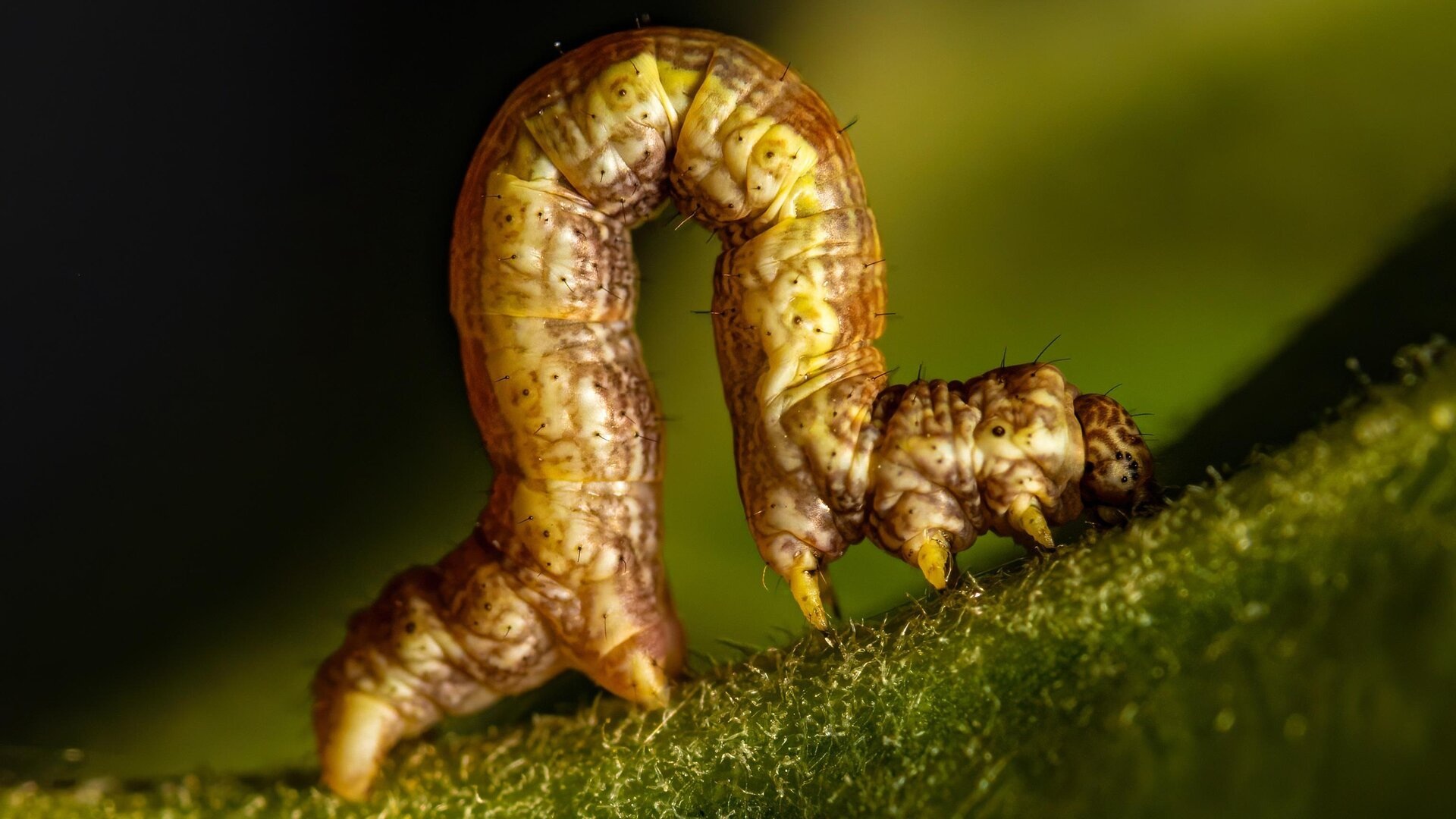
Inchworm-inspired robot uses 10 MeV-tolerant muscles to navigate Mars-like terrain
Researchers at the University of Gothenburg have developed an innovative soft robot inspired by the movement of inchworms. This breakthrough was announced on October 15, 2023, during a presentation at an international robotics conference in Gothenburg, Sweden. The team aims to create a versatile robotic system capable of navigating complex environments, which could have significant applications in fields such as search and rescue, environmental monitoring, and medical assistance. The motivation behind this project stems from the need for robots that can maneuver through tight spaces and uneven terrain, where traditional rigid robots often struggle. By mimicking the inchworm's unique locomotion, the researchers designed a soft robot that uses a series of flexible segments to propel itself forward, allowing for greater adaptability and safety in various settings. The development process involved extensive experimentation with materials and designs to achieve the desired flexibility and efficiency. The team utilized advanced engineering techniques to ensure the robot can perform tasks that require delicate handling, making it suitable for operations in sensitive environments. This innovative approach not only showcases the potential of bio-inspired robotics but also opens new avenues for future research in soft robotics, emphasizing the importance of nature as a source of inspiration for technological advancements.

Meet the AI-powered robotic dog ready to help with emergency response
Engineering students at Texas A&M University have unveiled prototype robotic dogs equipped with advanced artificial intelligence, showcasing their impressive navigation skills. These innovative machines, designed to mimic the memory and instincts of experienced first responders, were demonstrated recently, highlighting their potential applications in emergency situations. The project aims to enhance search and rescue operations, leveraging the robots' ability to traverse challenging environments and assist in critical missions. The development reflects the university's commitment to integrating cutting-edge technology into practical solutions for real-world challenges.
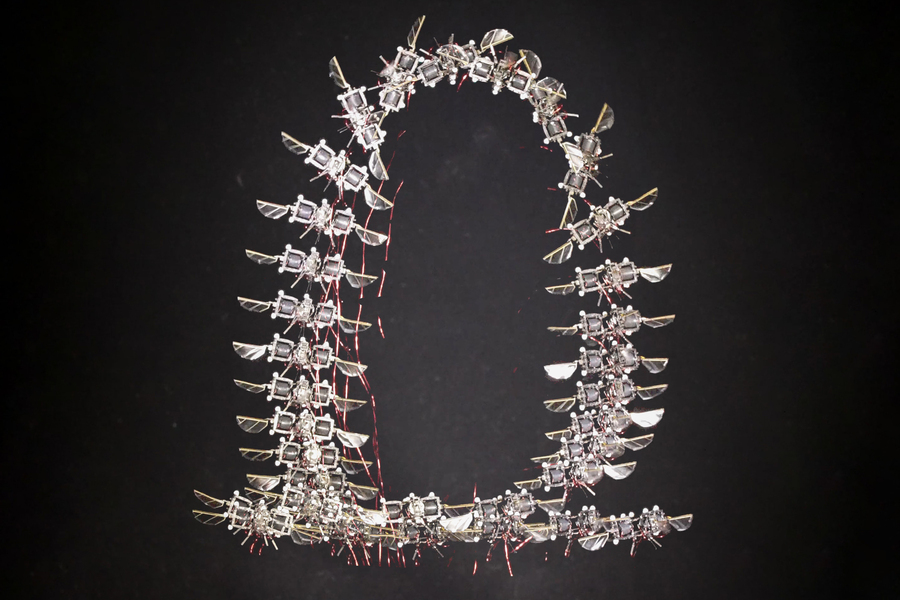
MIT engineers design an aerial microrobot that can fly as fast as a bumblebee
Researchers have developed a tiny robot that mimics the speed and agility of insects, with the potential to assist in search-and-rescue missions. This innovative technology, unveiled in October 2023, aims to enhance emergency response efforts by navigating through challenging environments where traditional rescue methods may falter. The robot's design incorporates advanced mechanics and sensors, enabling it to maneuver quickly and efficiently in tight spaces, such as collapsed buildings or disaster-stricken areas. By leveraging the natural movement patterns of insects, the team hopes to create a reliable tool that can locate survivors and deliver essential supplies in critical situations. This breakthrough represents a significant advancement in robotics, combining engineering and biology to address urgent humanitarian needs.
Robotics needs a service framework.
RSF defines a common language for robot service capability, lifecycle operations, certification pathways, and service-provider networks.