

Industry Briefing
A single destination for timely, editor-curated robotics news from around the world.
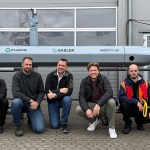
Ranger Autonomous Vessel Successfully Completes Sea Trials from Submarine Torpedo Tube
An innovative autonomous surface vessel, the Ranger, has successfully completed its Sea Acceptance Test (SAT) in Germany, demonstrating its ability to be launched from a submarine's torpedo tube. Developed by Gabler and Flanq, the Ranger is designed for intelligence, surveillance, and reconnaissance missions with minimal human intervention. The successful completion of the SAT marks a significant milestone for the program, confirming the vessel's seaworthiness and the integration of its core technologies. The Ranger, measuring approximately 15 feet long, features a folding keel and collapsible sensor mast, allowing it to fit within a standard 21-inch torpedo tube. Looking ahead, Gabler will manage the commercialization and integration of the Ranger with submarines, while Flanq will provide advanced maritime technologies and mission software. The companies are also developing a one-way attack variant called Strike, expanding the platform's capabilities for future naval operations.
Military
Russian Navy Implements Netting for Submarine Protection Against Drone Threats
Recent satellite imagery reveals that the Russian Navy has begun using nets to shield submarines from drone attacks at its strategic base in Kamchatka. This development highlights Russia's growing concerns about drone threats, extending to critical facilities beyond the Ukraine conflict. Additionally, similar protective measures are being observed at a Black Sea base, indicating a broader trend in enhancing naval defenses against uncrewed aerial systems. The use of nets at the Rybachiy base, home to most of Russia's Borei and Borei-A class nuclear ballistic missile submarines, signifies a tactical shift in response to perceived threats. The imagery shows various submarines covered by nets, consistent with countermeasures previously employed in Ukraine against drone attacks. The introduction of floating booms further enhances protection against surface threats, reflecting a comprehensive approach to naval security. Looking ahead, the Russian Navy's adaptations to counter uncrewed aerial systems and surface vessels will likely continue to evolve. The recent imagery from both Kamchatka and Novorossiysk raises questions about the operational readiness of these submarines and the effectiveness of the new defensive measures. No further timeline was disclosed at the time of publication.
News & Features Air Around The Globe Drones Europe Russia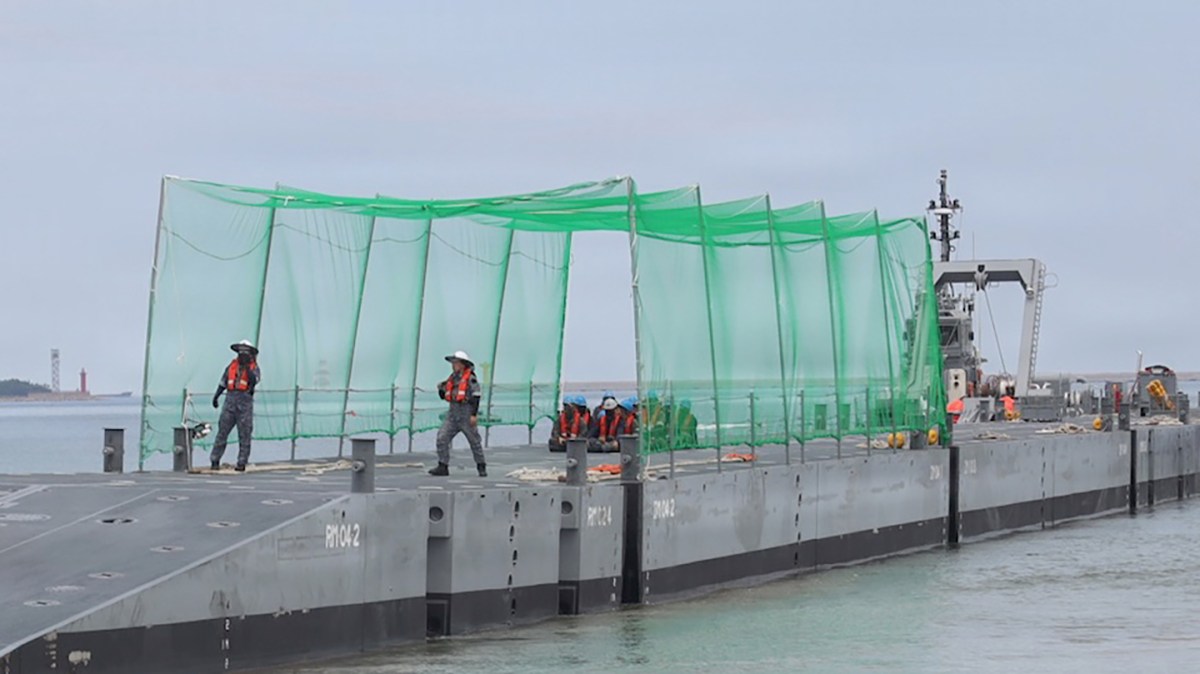
U.S. Marine Corps Implements Anti-Drone Netting in Recent Logistics Exercise
The U.S. Marine Corps has reportedly utilized anti-drone netting during a logistics training exercise in South Korea. Photographs from the Pentagon reveal the netting on a ship-to-shore floating platform, indicating a response to the growing threat of small attack drones. This defensive measure aligns with similar strategies observed in Ukraine and by Dutch forces. The significance of this development lies in the increasing reliance on protective measures against drone threats, particularly in logistics operations. The netting is designed to entangle drones, potentially neutralizing them before they can cause harm. However, its effectiveness against agile first-person view drones remains uncertain, as the netting only covers a portion of the platform, leaving other areas exposed. Looking ahead, the integration of counter-drone strategies into logistics exercises, such as Combined Joint Logistics Over-the-Shore 26, highlights the evolving nature of military operations. As drone attacks continue to pose risks, the military may further adapt its logistics and operational frameworks to enhance protection against these threats. No further timeline was disclosed at the time of publication.
Land Counter-Unmanned Aerial Vehicles (C-UAS) Sea U.S. Marine Corps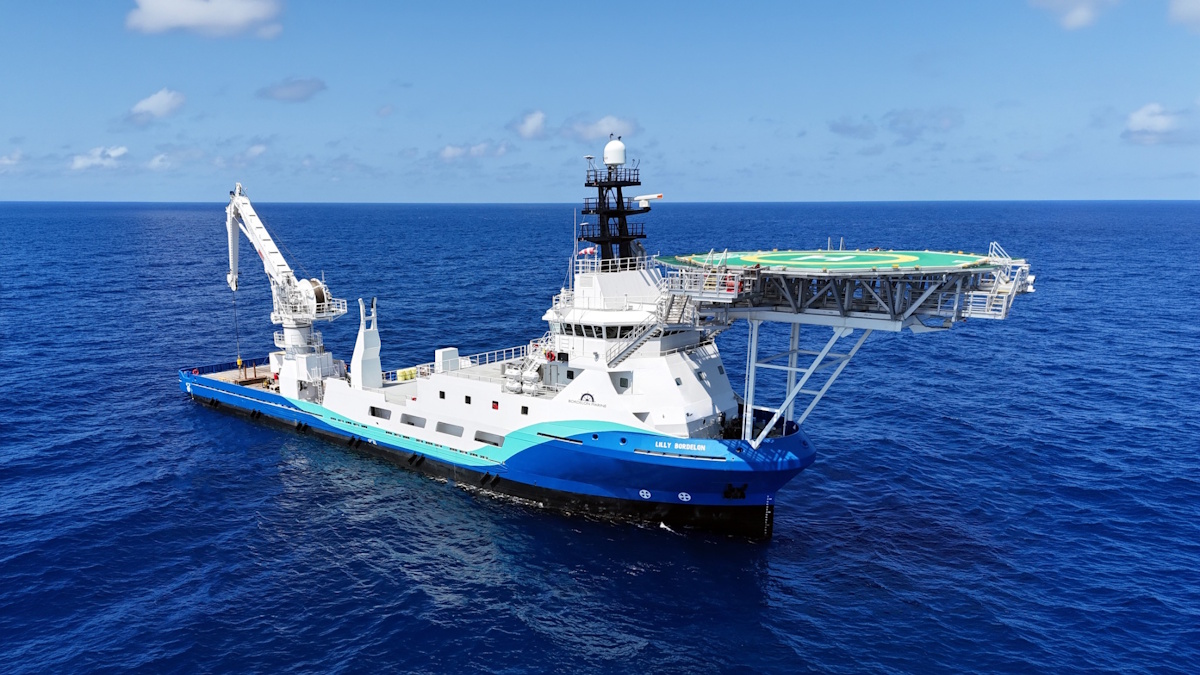
Bordelon Marine Completes Conversion and Delivery of MV Lilly Bordelon Vessel
Bordelon Marine has successfully completed the conversion and redelivery of the MV Lilly Bordelon, a Stingray Series 260 Class DP-2 Ultra-Light Intervention Vessel. This modern subsea intervention vessel has been repurposed from an existing platform to provide cost-efficient and flexible solutions for offshore operations. The MV Lilly Bordelon boasts over 5,500 square feet of clear deck space and features a mezzanine deck that supports two work-class ROVs, along with an integrated ROV control room. It is equipped with a 60-ton active heave-compensated crane and a 17-meter USCG/ABS-certified helideck, making it suitable for a variety of subsea inspection, maintenance, repair, and light construction tasks. Wes Bordelon, President and CEO, expressed pride in adding the MV Lilly Bordelon to their fleet, emphasizing its role in enhancing the company's ability to deliver high-capability, cost-effective subsea solutions to clients. No further timeline was disclosed at the time of publication.
bordelon marine mv lilly bordelon
Streamlining Deployment of Lift Truck Automation with Configurable Platforms
Recent advancements in lift truck automation focus on simplifying deployment processes. New solutions feature standardized and configurable automation platforms that enable warehouses to initiate operations quickly, often within a single day, and with minimal software engineering involvement. This development is significant as it addresses the common barriers to automation adoption in warehouse settings, such as complexity and the need for extensive technical expertise. By reducing these hurdles, more facilities can leverage automation to enhance efficiency and productivity. Looking ahead, the industry may see an increase in the adoption of these simplified automation solutions. As warehouses continue to seek ways to optimize operations, the demand for quick-to-deploy, user-friendly automation platforms is likely to grow. No further timeline was disclosed at the time of publication.
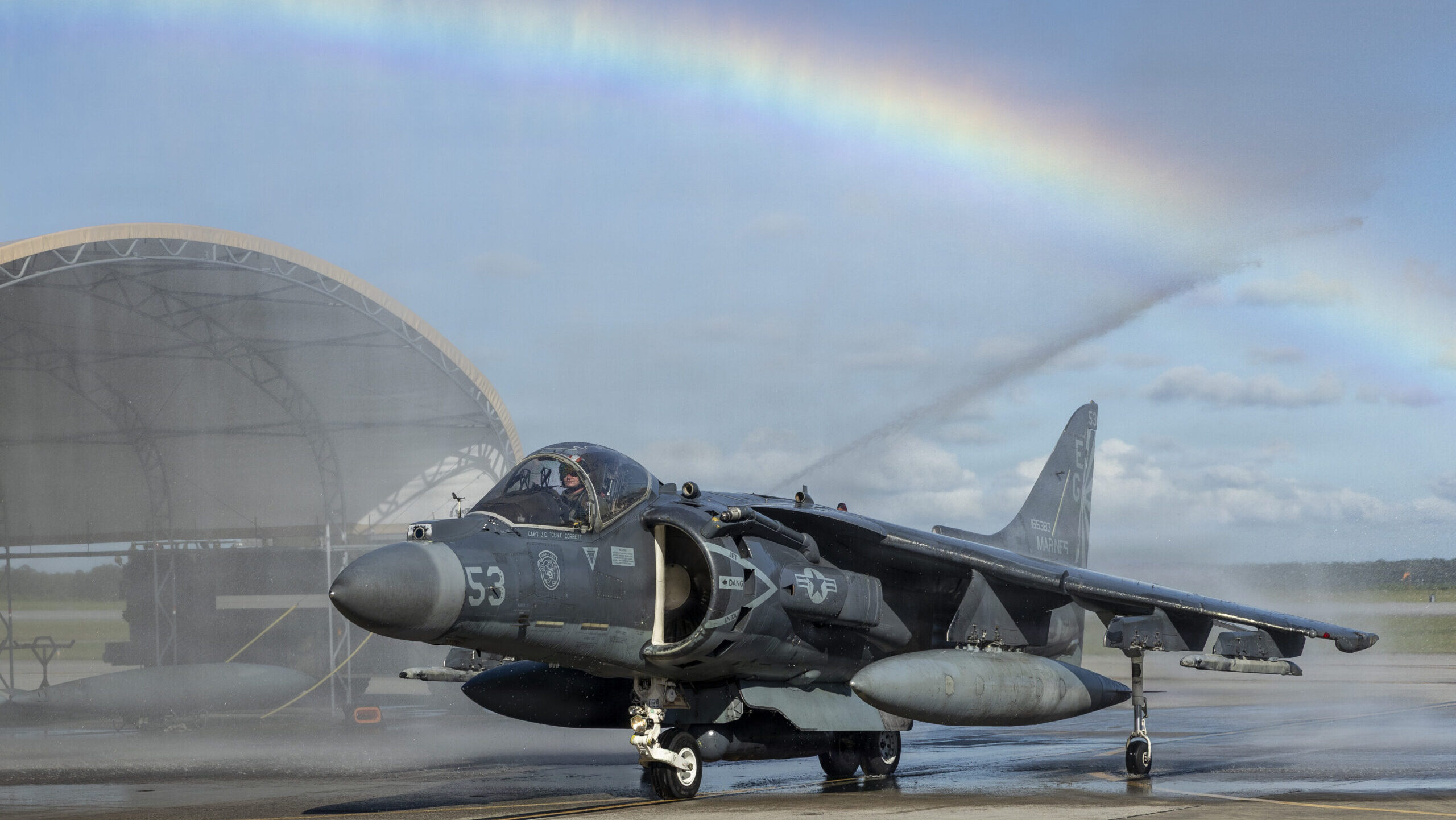
Marine Corps’ Harrier completes final flight following SOUTHCOM deployment
The Marine Corps is advancing its Tactical Aircraft Transition Plan, aiming to fully integrate fifth-generation aircraft into its fleet. This strategic initiative reflects the military's commitment to modernizing its aviation capabilities to enhance operational effectiveness and maintain a competitive edge. As part of this transition, the Marine Corps is focusing on upgrading its existing aircraft and incorporating advanced technologies that fifth-generation models offer. The timeline for this comprehensive adoption is set to unfold over the coming years, with ongoing assessments to ensure that the transition aligns with evolving defense needs. The move is driven by the necessity to adapt to modern warfare demands and to ensure that the Marine Corps remains a formidable force in the skies.
Air Warfare Naval Warfare Air Force harrier HarrierJumpJet Marine Corps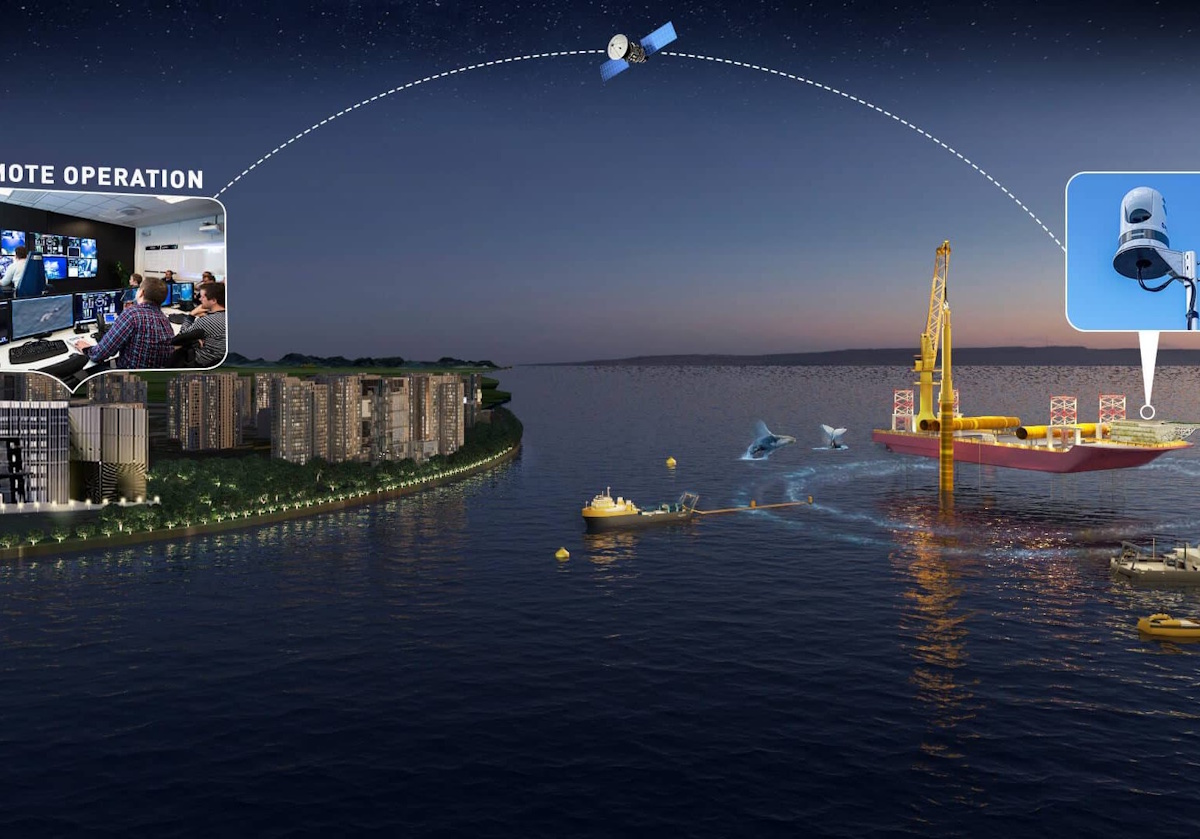
Oceaneering Successfully Completes North Sea Field Trial of Ocean Perception Marine Wildlife Mitigation Solution
Oceaneering International, Inc. has successfully completed a field trial of its innovative Ocean Perception™ software, designed for marine mammal and wildlife mitigation. The trial took place in the Dutch sector of the North Sea aboard an offshore wind installation vessel, in partnership with client Van Oord. This initiative aims to enhance environmental protection measures during offshore operations, reflecting the growing commitment to sustainable practices in the renewable energy sector. The successful implementation of this technology demonstrates Oceaneering's dedication to minimizing the impact of offshore activities on marine life.
oceaneering ocean perception marine wildlifeRobotics needs a service framework.
RSF defines a common language for robot service capability, lifecycle operations, certification pathways, and service-provider networks.
Join the RobotToday community on LinkedIn
Daily robotics news, in-depth analysis, conference highlights, and discussions with professionals worldwide.







