

Industry Briefing
A single destination for timely, editor-curated robotics news from around the world.
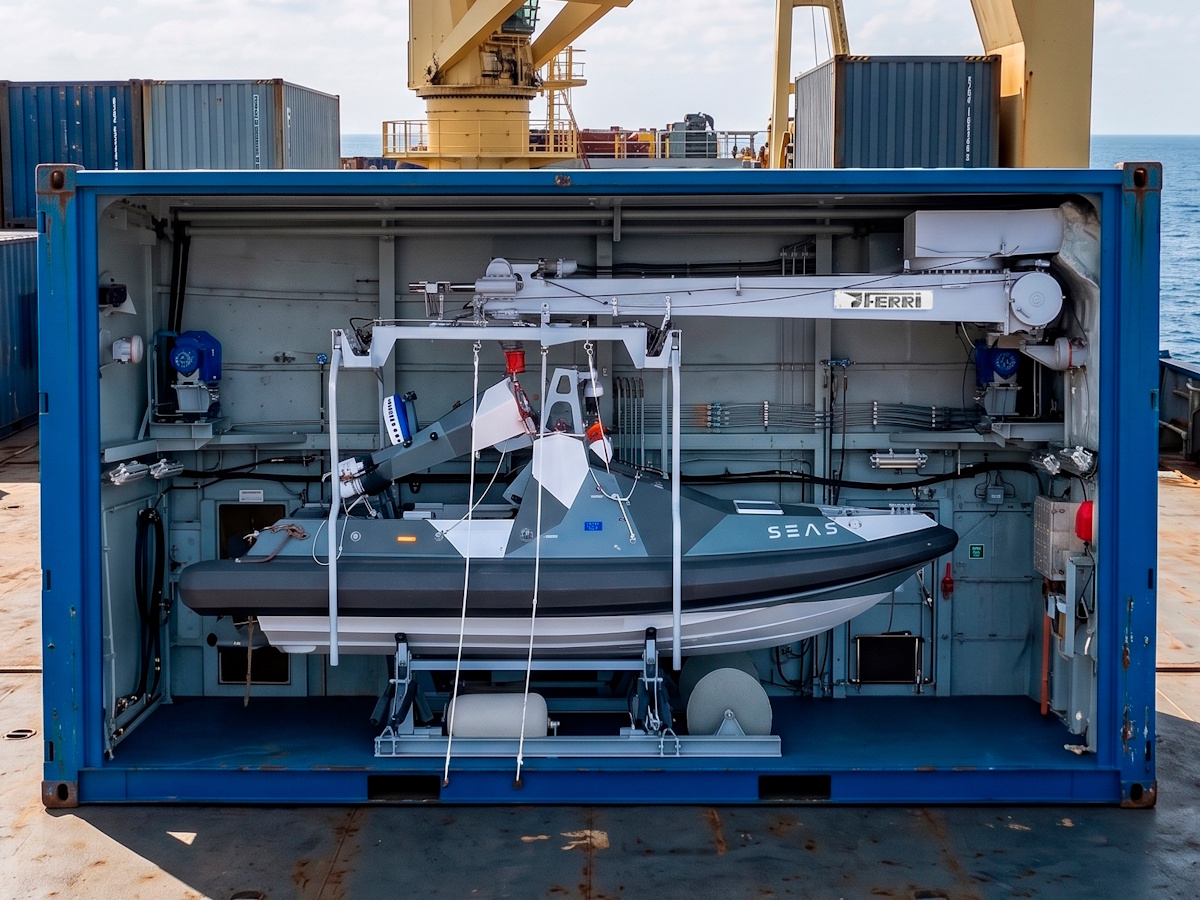
Cellula Robotics and FERRI Establish Nautical Reach Systems for Autonomous Marine Handling
Cellula Robotics Ltd. and Industrias FERRI S.A. have launched Nautical Reach Systems Ltd., a joint venture based in East Coast Canada. This new entity will focus on designing and manufacturing marine motion, lift, and handling systems tailored for autonomous maritime operations, including smart launch and recovery solutions for uncrewed vehicles. The collaboration aims to enhance the safety and reliability of autonomous platforms operating in challenging maritime environments, such as remote and Arctic conditions. Neil Manning, CEO of Cellula Robotics, emphasized the importance of integrating vehicle design with handling equipment to optimize performance at sea, highlighting the joint venture's potential to revolutionize marine operations. Looking ahead, Nautical Reach Systems plans to leverage the combined expertise of both companies to create innovative solutions for naval and coast guard operators. FERRI's significant investment in the venture will foster job creation and intellectual property development in Canada, while Cellula contributes its autonomous handling technology. No further timeline was disclosed at the time of publication.
cellula robotics ferri nautical reach systems autonomous marine handling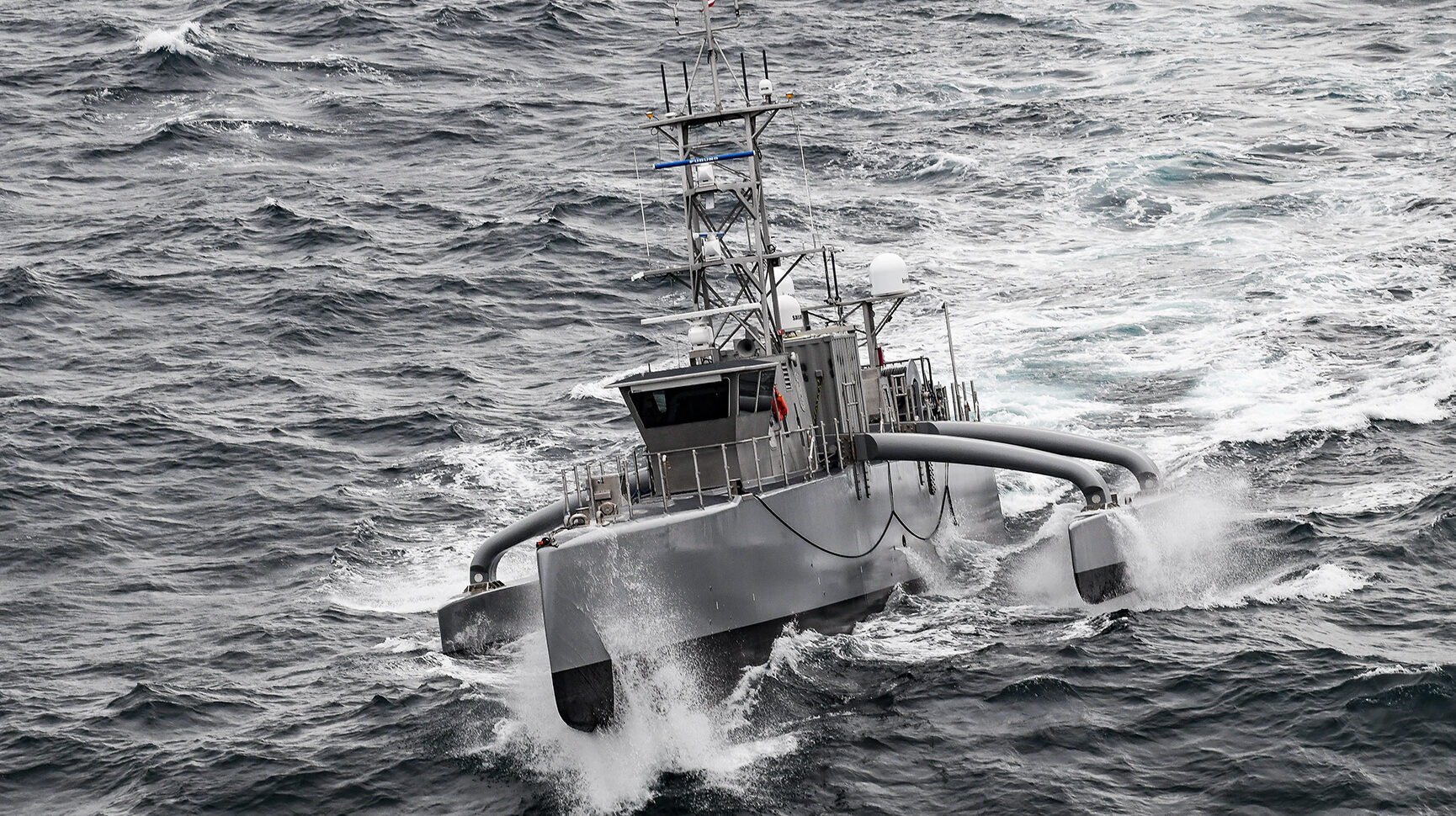
Navy Establishes Robotics and Autonomous Systems Warfighting Development Center in Virginia
The Navy has launched the Robotics and Autonomous Systems Warfighting Development Center (RASWDC) to develop tactics and procedures for unmanned systems. Headquartered at Joint Expeditionary Base Little Creek-Fort Story in Virginia, RASWDC aims to unify efforts across the Navy to enhance operational coherence in unmanned capabilities. This initiative is significant as it aligns with the Navy's broader strategy to integrate robotic and autonomous systems into its operations, as emphasized by Chief of Naval Operations Adm. Daryl Caudle. The RASWDC will work closely with the Direct Reporting Portfolio Manager for Robotic and Autonomous Systems to facilitate the acquisition and deployment of these technologies. Looking ahead, the RASWDC is expected to play a crucial role in ensuring that sailors are equipped with the necessary training and doctrine to effectively utilize unmanned systems. No further timeline was disclosed at the time of publication.
Naval Warfare Adm. Daryl Caudle Drones Navy robotics Unmanned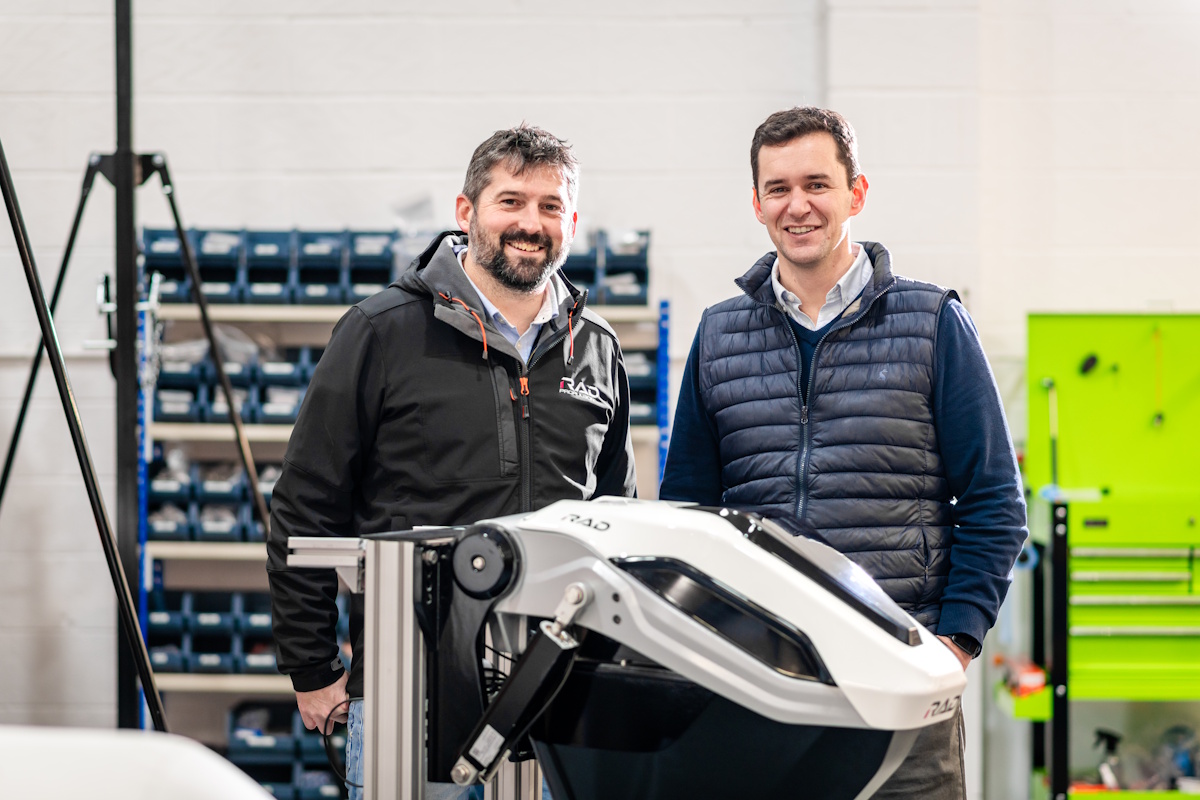
RAD Secures £4.4 Million Funding to Enhance Autonomous Marine Technology and Electric Propulsion Systems
RAD, a marine technology firm, has successfully raised £4.4 million in funding to accelerate the commercialization of its autonomous vessel technologies and expand its electric propulsion systems. This funding round, led by Mercia Ventures, comes after a year of significant product development and customer engagement, including the launch of the Axon open systems architecture for uncrewed vessels at the Combined Naval Event in May 2026. The funding is crucial as RAD aims to capitalize on the growing demand for flexible and scalable marine solutions in both defense and commercial sectors. The Axon architecture allows for rapid development and integration of uncrewed vessel capabilities, which is expected to enhance operational efficiency and reduce vendor lock-in for operators. With this investment, RAD is positioned to lead the electrification shift in marine technology, similar to trends seen in road transport. Looking ahead, RAD plans to utilize the funds for international expansion, including establishing a presence in the U.S. market, and further developing its electric propulsion systems and energy management technologies. The company is also focused on enhancing its engineering capabilities to meet the increasing demand from its diverse customer base. No further timeline was disclosed at the time of publication.
rad raise investment commercialisation autonomous marine technology propulsion systems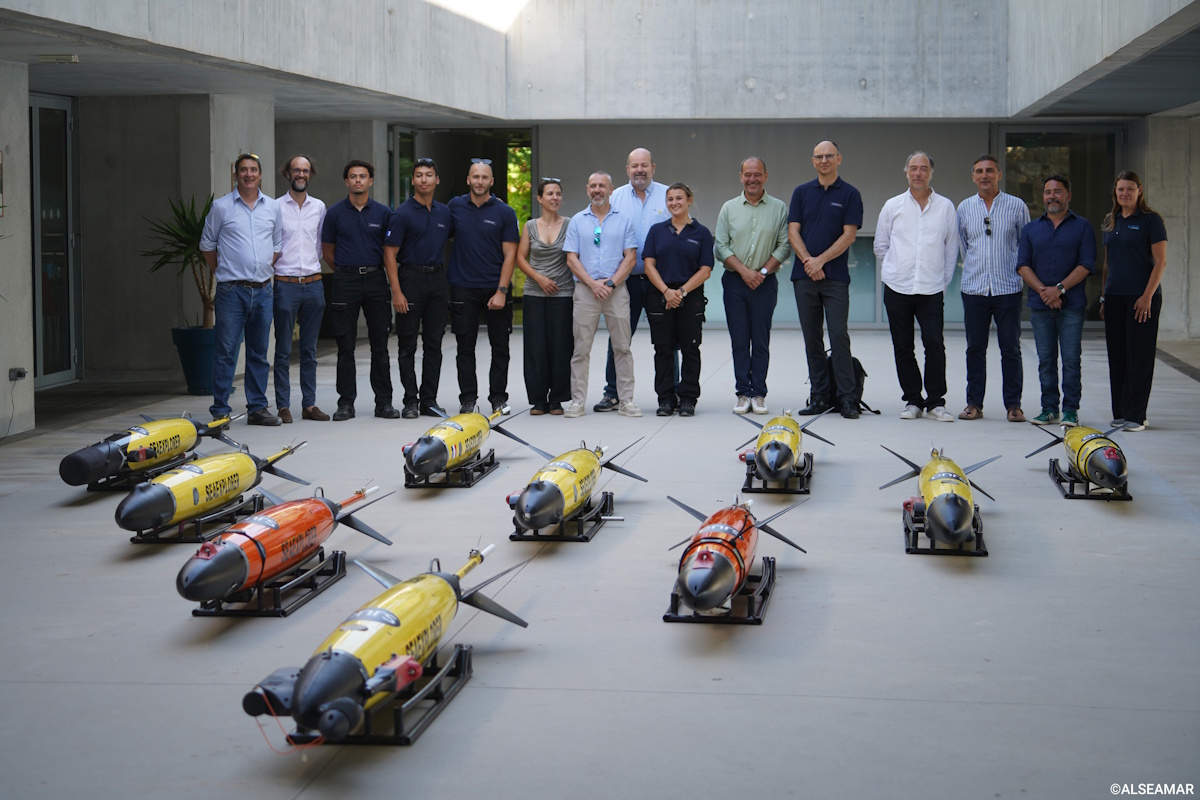
CNRS Deploys Ten SEAEXPLORER Autonomous Gliders for Mediterranean Ecosystem Research
In mid-June 2026, the CNRS deployed ten SEAEXPLORER autonomous underwater gliders in the Ligurian Sea as part of Mission 6 under France's 2030 funding plan. This initiative aims to create a comprehensive environmental data atlas for the northwestern Mediterranean, focusing on the impacts of human activities on marine ecosystems. The gliders will operate for one month, diving to depths of 1,000 meters and equipped with sensors to monitor underwater noise and ocean currents. The deployment is significant as it represents a strategic effort by the French government to enhance industrial competitiveness and develop next-generation technologies for deep-sea exploration. By utilizing coordinated fleets of autonomous gliders and advanced sensing technologies, researchers aim to better understand the dynamics of marine ecosystems and the effects of climate change, maritime traffic, and ocean acidification. This innovative approach will facilitate the study of plankton distribution and biodiversity through methods such as environmental DNA monitoring. Looking ahead, the next phases of Mission 6 will involve additional deployments in the Gulf of Lion in 2028 to test new sensors, followed by operations in French Polynesia between 2028 and 2029. These efforts will further expand the capabilities of autonomous underwater vehicles in marine research, with no further timeline disclosed at the time of publication.
autonomous gliders cnrs exploration mediterranean marine ecosystems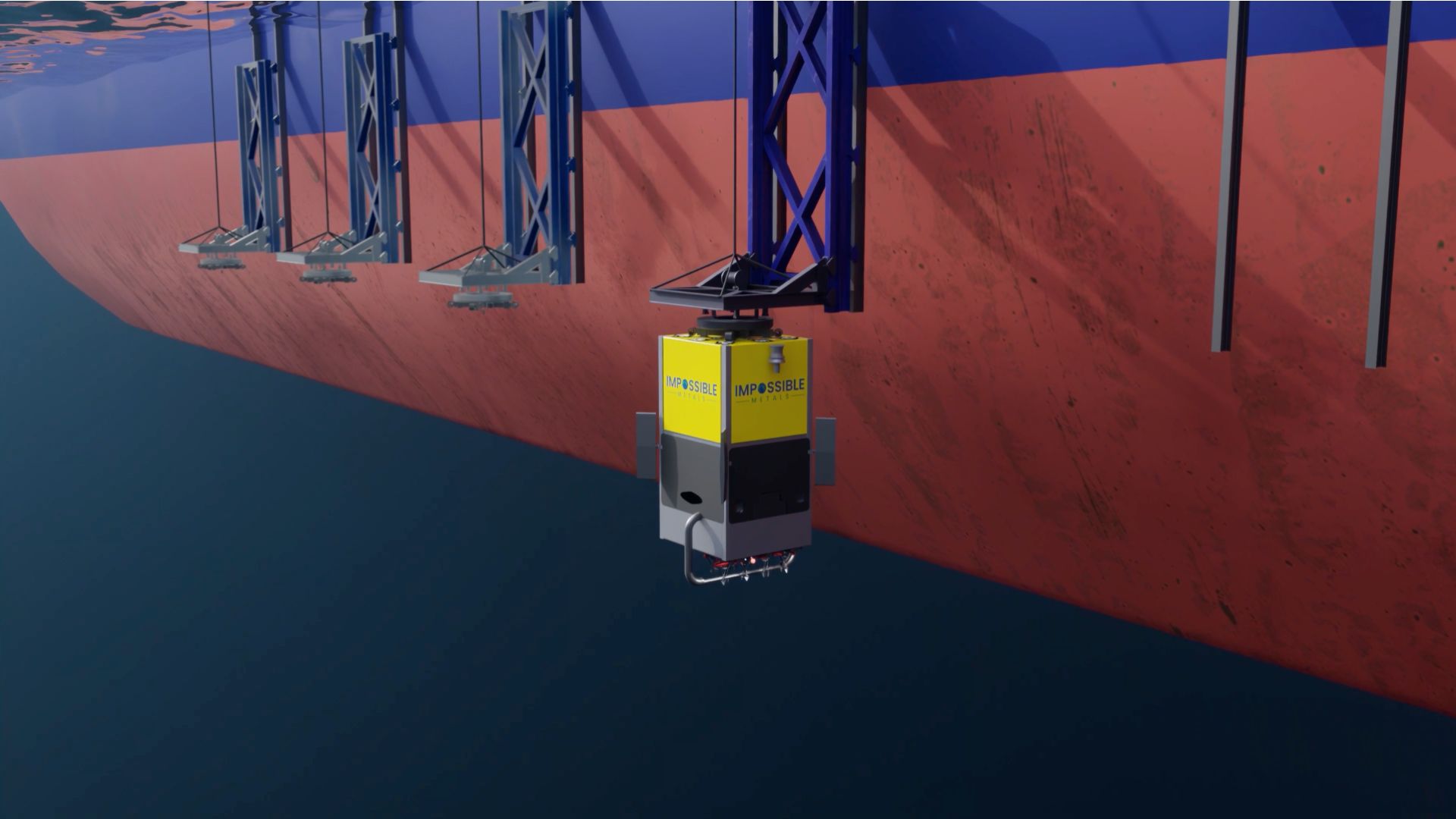
Impossible Metals to Launch Advanced Marine Robotics Hub for Deep-Sea Mineral Harvesting
Impossible Metals, a US mining technology company, has announced plans to establish an Advanced Marine Robotics Hub in Pittsburgh, Pennsylvania. This facility will focus on developing autonomous marine systems for the deep-sea collection of critical minerals, creating over a dozen high-paying engineering and science jobs. The hub aims to enhance US capabilities in marine robotics and critical mineral technologies through collaboration with local universities and researchers. The significance of this initiative lies in its potential to redefine deep-sea mining practices. According to Mike Regan, Chief Growth Officer at Impossible Metals, the hub will enable swarms of autonomous robots to harvest critical minerals like nickel, cobalt, copper, and manganese with minimal environmental impact. This approach not only promises to produce the lowest-cost critical metals on Earth but also aims to strengthen the US supply chain and reduce reliance on foreign sources of essential materials. Looking ahead, the Advanced Marine Robotics Hub will serve as the primary research center for advancing the Eureka autonomous underwater platform and Smart Launch and Recovery Systems. The company plans to continue developing dual-use technologies that cater to both commercial and naval applications. No further timeline was disclosed at the time of publication.
AI and Robotics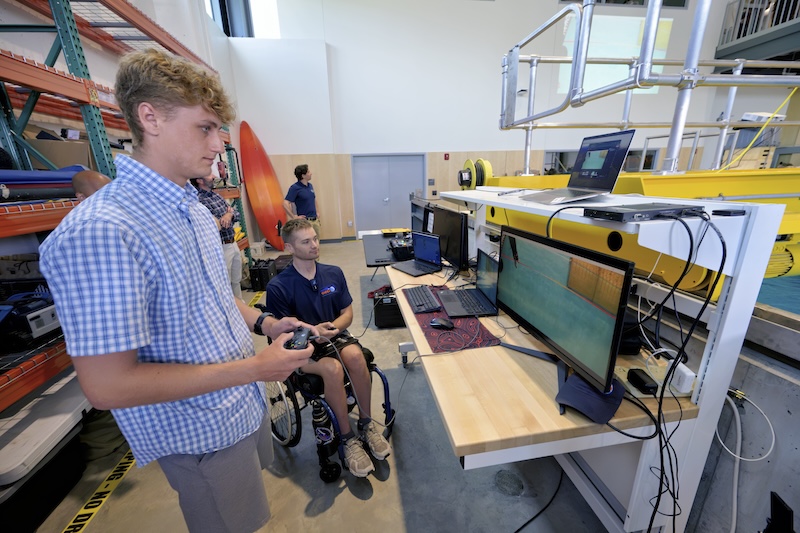
University of Rhode Island opens advanced Ocean Robotics Laboratory for autonomous marine research
Event marked milestone for Narragansett Bay Campus The University of Rhode Island celebrated a major milestone in the $300 million, multi-phase revitalization of the Narragansett Bay Campus with an underwater ribbon cutting ceremony for the new Ocean Robotics Laboratory on June 25. Students Elliot Roman and Jake Bonney piloted URI’s remotely operated vehicle Rhody to […]
Features Robotics Science autonomous systems autonomous underwater vehicles blue economy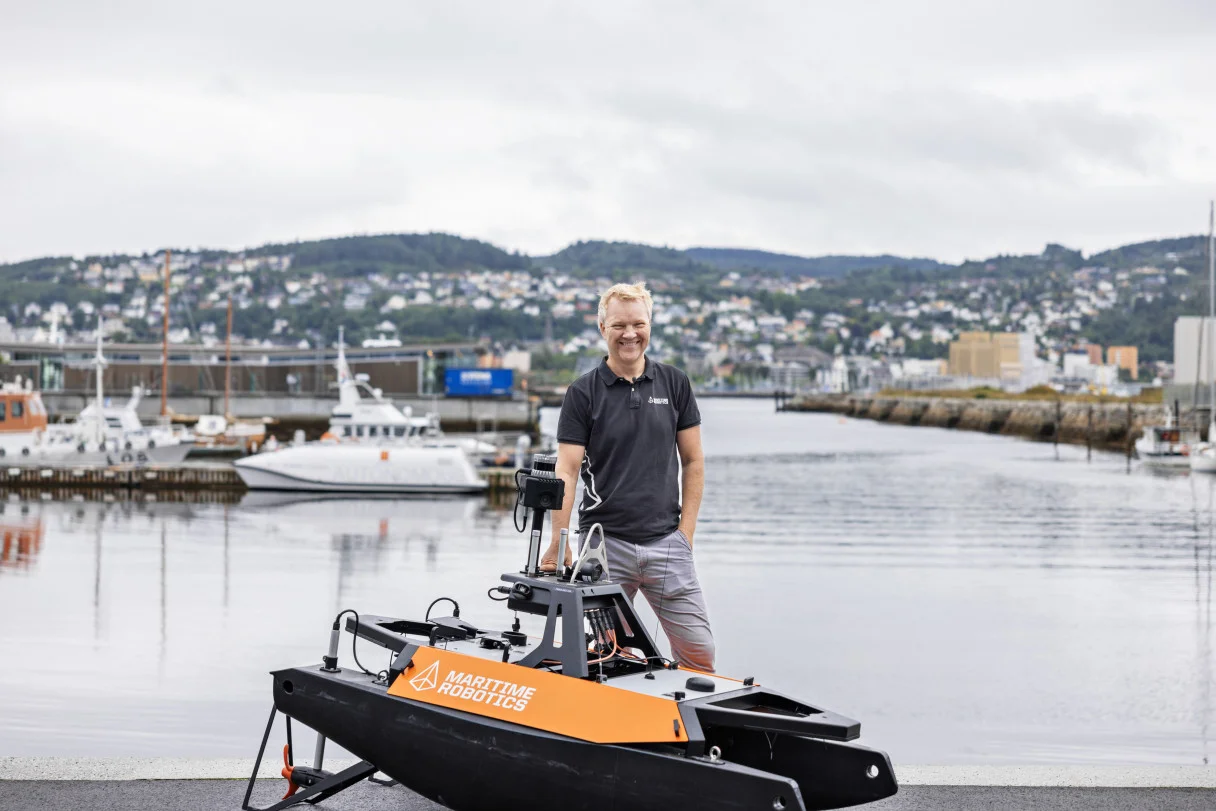
Maritime Robotics Raises €28M in Funding to Expand its Autonomous Sea Drone Systems
Norwegian company Maritime Robotics has secured €28 million in growth funding to enhance its autonomous maritime systems. The funding round, which was led by Mustard Seed + Partners, also saw contributions from existing investors including EnvisionTech, Nysnø Climate Investment, and Umoe, along with participation from the company's founders, employees, and early backers. This financial boost aims to support the company's expansion efforts in the rapidly evolving maritime technology sector.
AI AI Funding & Investment Robotics autonomous maritime systems funding maritime robotics
Klein Marine Systems Introduces MANTIS UUV with SmartArray Technology™ for Autonomous Underwater Missions
Klein Marine Systems, recognized as a global leader in advanced side scan sonar and underwater imaging technology, has unveiled its latest innovation, the MANTIS UUV. This integrated multi-channel side scan sonar system is specifically designed to enhance unmanned underwater vehicles by providing high-quality imaging and onboard processing capabilities. The announcement was made today, highlighting the company’s commitment to improving underwater exploration and data collection. The MANTIS UUV aims to streamline integration processes, making it a valuable tool for various applications in marine research and industry.
klein marine systems mantis uuv smartarray technology™ uuv auv
Aptiv and Comau to Co-Develop Next-Generation Solutions for Robotics, Autonomous Systems, and Industrial Logistics
In a significant move towards enhancing industrial automation, leading technology firms have announced a collaborative initiative aimed at delivering safer, smarter, and more cost-effective solutions for the sector. This partnership, which includes major players in automation technology, was unveiled during a recent industry conference held in San Francisco on October 15, 2023. The collaboration seeks to address the growing demand for advanced automation systems that not only improve operational efficiency but also prioritize safety and sustainability. By pooling resources and expertise, the companies aim to develop innovative technologies that leverage artificial intelligence and machine learning, ultimately transforming the landscape of industrial operations. Industry experts emphasize that this initiative is crucial in responding to the challenges posed by increasing production demands and the need for more resilient supply chains. The collaborative effort will focus on integrating cutting-edge technologies into existing systems, thereby enhancing productivity while reducing costs. Through a series of joint research projects and pilot programs, the partners plan to test and implement new automation solutions across various sectors, including manufacturing, logistics, and energy. This strategic alliance represents a proactive approach to fostering innovation and ensuring that industrial automation keeps pace with the evolving needs of the market.

Aptiv and Comau to Co-Develop Next-Generation Solutions for Robotics, Autonomous Systems, and Industrial Logistics
Comau and Aptiv have announced their collaboration to co-develop next-generation intelligent automation solutions aimed at enhancing efficiency for industrial customers. This partnership, which seeks to leverage both companies' expertise in automation and advanced technologies, is expected to pave the way for innovative solutions that address the evolving needs of the manufacturing sector. The initiative comes at a time when industries are increasingly focusing on automation to improve productivity and reduce operational costs. By combining Comau's extensive experience in industrial automation with Aptiv's cutting-edge technology capabilities, the two companies aim to create systems that not only streamline processes but also integrate advanced data analytics and artificial intelligence. The collaboration is set to take place in various locations where both firms operate, with the goal of delivering impactful solutions to clients in the near future.
Understanding Robotics and Autonomous Systems in Next-Gen Smart Factories
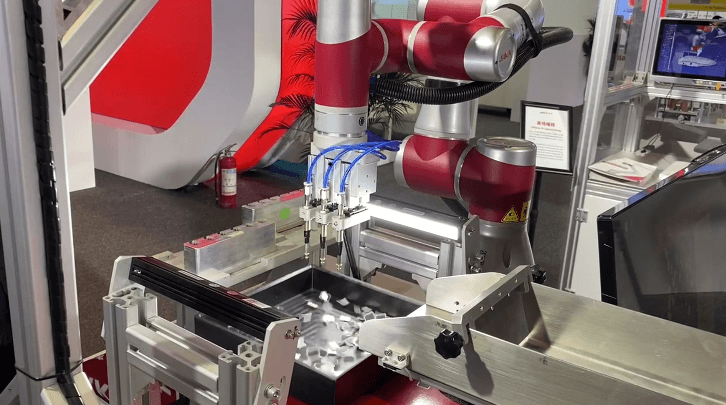
Factories are experiencing a significant transformation as they shift from traditional linear automation to interconnected, intelligent production ecosystems. This change is driven by the integration of robotics and autonomous systems, with JAKA positioning its industrial cobots as essential components within this advanced network. The industrial cobot serves as a flexible link between manual workstations and fully automated lines, enabling manufacturers to adapt quickly to varying tasks such as assembly and inspection. This adaptability is crucial for high-mix production environments, allowing workflows to respond in near real-time to digital directives from a central Manufacturing Execution System (MES). The evolution of true autonomy is facilitated by the connectivity of individual machines within a coordinated network. JAKA's robotic arms can communicate seamlessly with autonomous mobile robots and vision systems, creating a responsive operational loop. For example, an autonomous robot can deliver components to a JAKA cobot, which then executes tasks based on cloud-based analytics. JAKA emphasizes the importance of reliable, connected hardware to support these systems, focusing on high-precision control technology that ensures accurate task execution. This reliability is essential for advancing towards lights-out production in certain processes. As the next-generation smart factory emerges, the industrial cobot is positioned as a versatile agent within a complex architecture of robotics and autonomous systems. JAKA aims to provide manufacturers with the necessary hardware to build increasingly responsive and autonomous production environments, enhancing efficiency and complexity management in the manufacturing landscape.
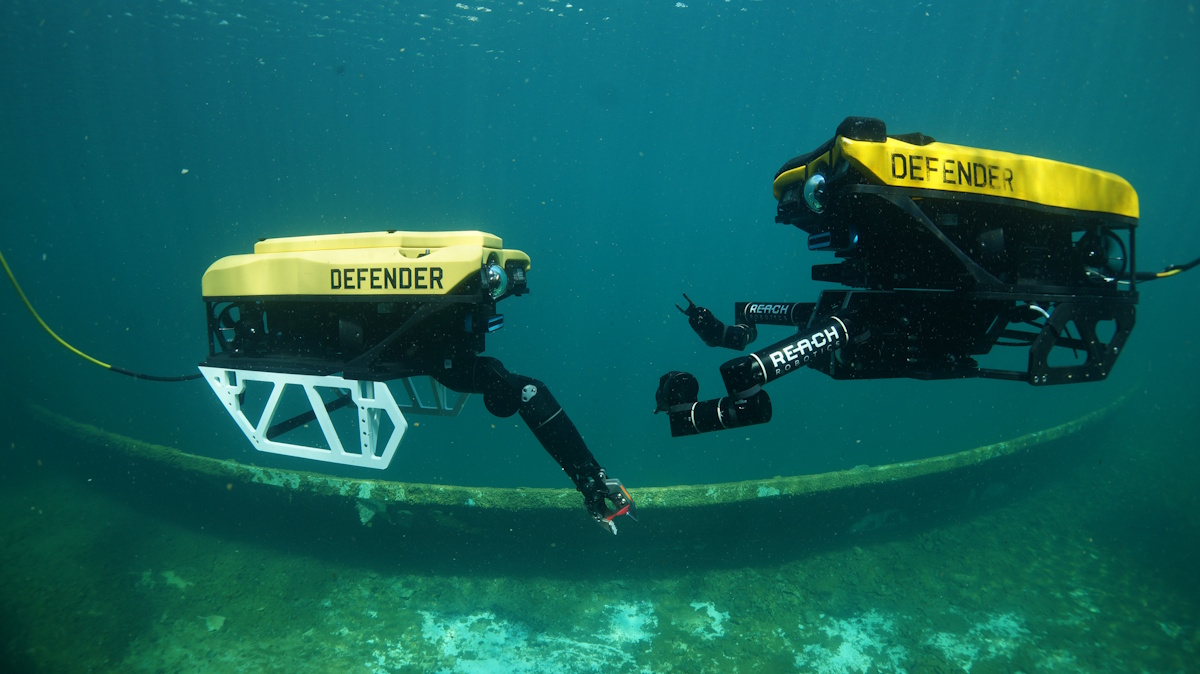
Coast Guard to Invest $350m in Robotics and Autonomous Systems
The Coast Guard revealed on Wednesday its plans to allocate nearly $350 million towards the enhancement of robotics and autonomous systems, aimed at bolstering its mission execution and operational capabilities. This significant investment is part of the One Big Beautiful Bill Act (OBBBA) and includes an immediate allocation of $11 million for fiscal year 2025, designated for urgent upgrades to essential autonomous systems. The initiative reflects the Coast Guard's commitment to modernizing its technology to improve efficiency and effectiveness in its operations.
coast guard investment robotics and autonomous systems videorayRobotics needs a service framework.
RSF defines a common language for robot service capability, lifecycle operations, certification pathways, and service-provider networks.
Join the RobotToday community on LinkedIn
Daily robotics news, in-depth analysis, conference highlights, and discussions with professionals worldwide.







