

Industry Briefing
A single destination for timely, editor-curated robotics news from around the world.
The Long-Term Value of Robotic Arms for Manufacturing in Small to Medium Enterprises (SMEs)
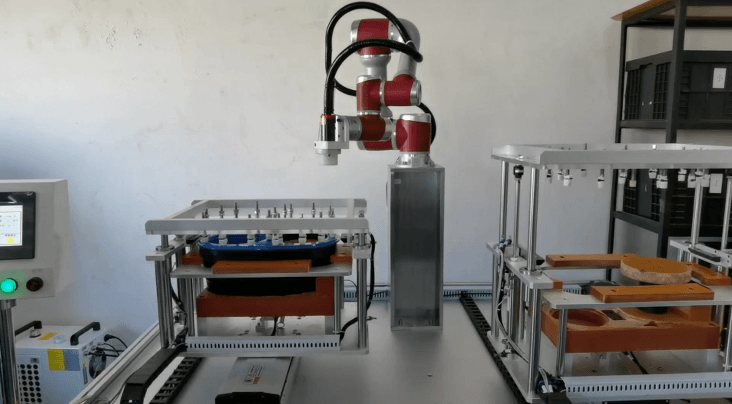
Small and medium enterprises (SMEs) in the manufacturing sector are increasingly turning to collaborative robots to enhance their operational efficiency and product quality, according to JAKA, a leading provider of robotic solutions. This shift comes as SMEs seek to balance cost control with long-term development, particularly in a competitive market. Historically, many SMEs viewed robotic arms as prohibitively expensive and complex. However, advancements in collaborative robot technology have made these tools more accessible. JAKA's A12L intelligent visual perception robot exemplifies this trend, offering simple programming and quick deployment, which eliminates the need for specialized technicians and extensive workshop modifications. This adaptability allows SMEs to significantly reduce labor costs, which are often their largest expense. The JAKA A12L operates continuously without fatigue, minimizing human error and ensuring consistent production quality. Its intelligent vision system enhances machine tending efficiency, enabling SMEs to maintain stable output and lower defect rates. This capability is particularly valuable as SMEs face challenges related to small-batch and diverse production needs, allowing for rapid reconfiguration of production lines. By adopting JAKA's collaborative robots, SMEs can not only achieve immediate cost savings and efficiency gains but also overcome developmental hurdles, positioning themselves for sustainable growth in the evolving manufacturing landscape. JAKA's commitment to providing cost-effective and user-friendly robotic solutions empowers SMEs to optimize their operations and enhance their competitiveness in the market.
Eliminate Labor Waste in Manufacturing with ERP
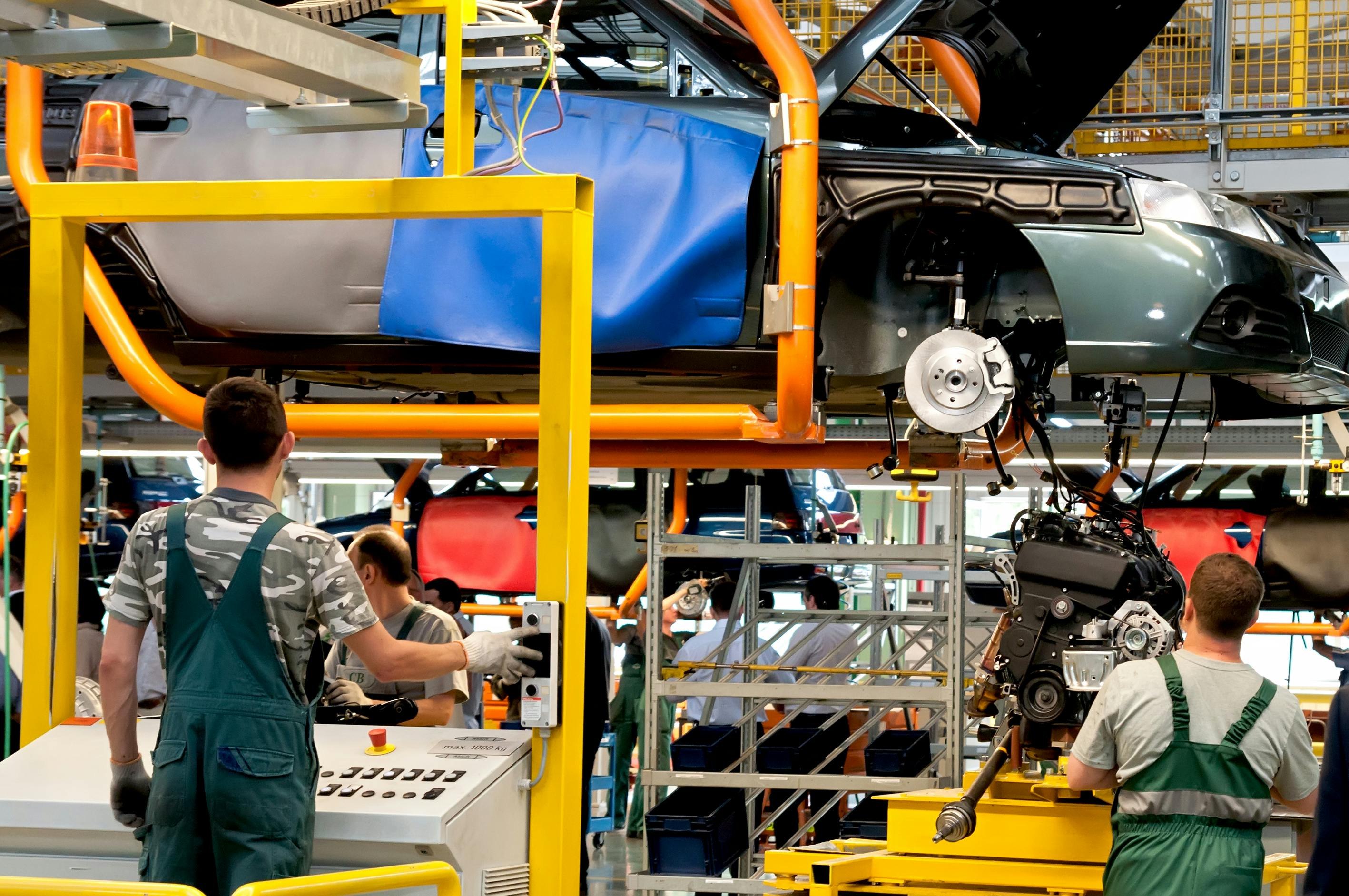
Manufacturers are increasingly turning to enterprise resource planning (ERP) systems to address inefficiencies caused by disconnected systems in production. These systems, which centralize data and automate workflows, aim to eliminate hidden labor waste that often leads to increased overtime and reduced throughput. By streamlining operations, manufacturers can enhance overall efficiency and productivity. The adoption of ERP systems is seen as a crucial step for companies looking to optimize their production processes and remain competitive in the market. As of October 2023, the trend towards automation and data centralization continues to gain momentum in the manufacturing sector.
Factory / WorkforceRobotics needs a service framework.
RSF defines a common language for robot service capability, lifecycle operations, certification pathways, and service-provider networks.
Join the RobotToday community on LinkedIn
Daily robotics news, in-depth analysis, conference highlights, and discussions with professionals worldwide.







