Industry Briefing
A single destination for timely, editor-curated robotics news from around the world.

Leopard Imaging to Present Cutting-Edge Embedded Vision Technologies with Future Electronics at World of Technology & Science 2026
Leopard Imaging will exhibit its advanced embedded vision technologies alongside Future Electronics at Booth 9A043 during the World of Technology & Science 2026. The showcased technologies will include stereo vision, thermal imaging, high-performance camera systems, and ultra-compact imaging solutions. This event is significant as it highlights Leopard Imaging's commitment to innovation in embedded vision, catering to various sectors such as robotics, autonomous systems, industrial automation, AIoT, and edge AI applications. The collaboration with Future Electronics underscores the importance of partnerships in advancing technology solutions. Attendees should look for demonstrations of Leopard Imaging's latest offerings, which are designed to enhance performance in critical applications. No further timeline was disclosed at the time of publication.

Impact of Task Complexity on Skill Retention in Surgical Robot Teleoperation Training
A recent study has revealed the influence of task complexity on skill retention in the teleoperation of surgical robots. This research provides a framework aimed at enhancing training methodologies for surgeons operating robotic systems. Understanding how different levels of task complexity affect surgeons' ability to retain skills is crucial for developing effective training programs. Improved training methods can lead to better surgical outcomes and increased efficiency in robotic surgeries, which is vital in the evolving landscape of medical technology. Looking ahead, the focus will be on implementing the proposed framework in surgical training programs to assess its effectiveness. No further timeline was disclosed at the time of publication.
Unitree Demonstrates G1 Humanoid Sparring Using UnifoLM-X2-1.0 Without Teleoperation
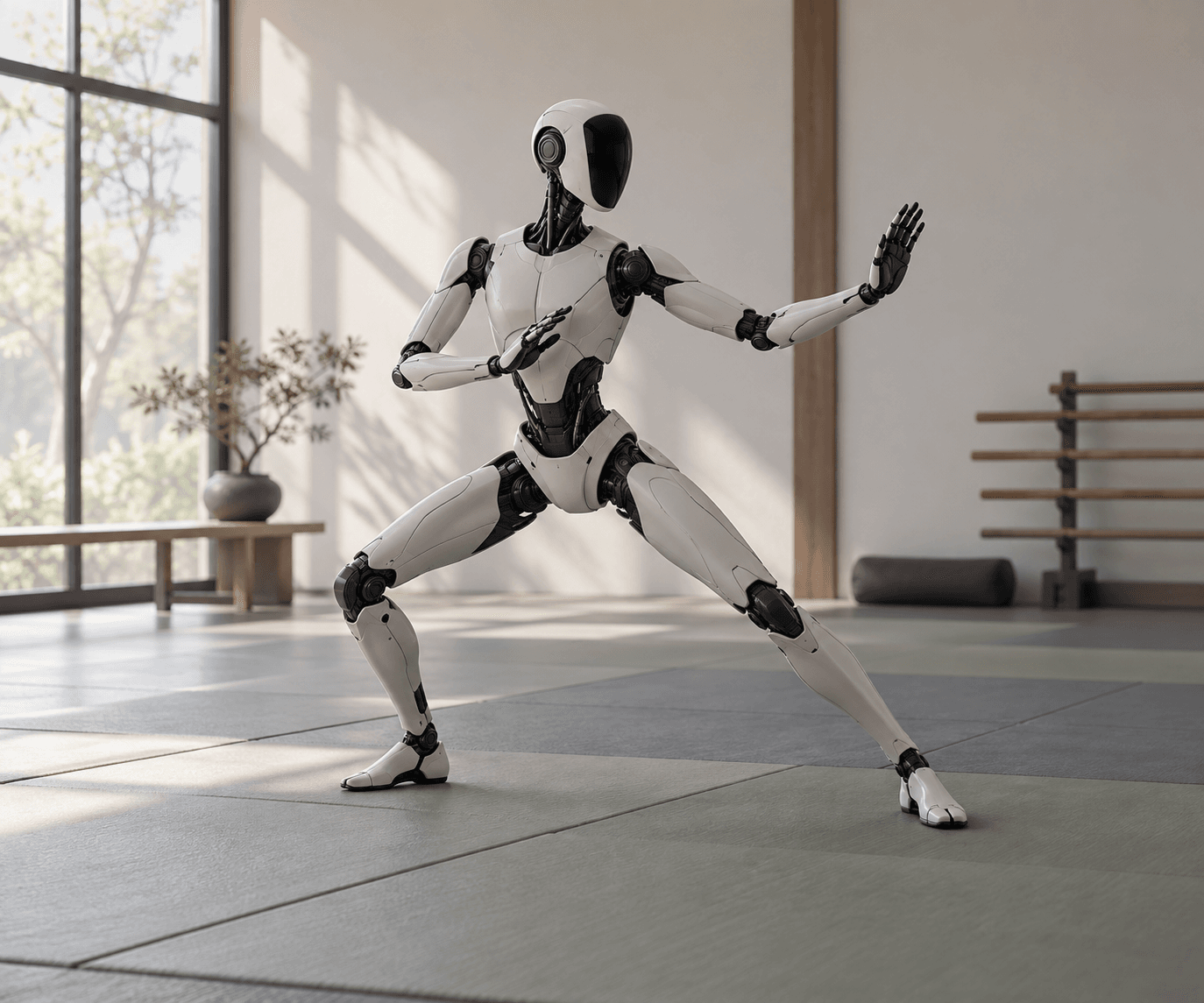
Unitree showcased its G1 humanoid robot engaging in sparring with a trainer, utilizing the UnifoLM-X2-1.0 world-action model. This model enables the robot to predict physical states and plan its movements in real time, all without the need for teleoperation. This demonstration highlights the advancements in world-model-driven control for humanoid robots, suggesting that such technology is becoming increasingly feasible. The ability to operate autonomously in dynamic environments marks a significant step forward in robotics. Looking ahead, the implications of this technology could reshape training and interaction scenarios for humanoid robots. No further timeline was disclosed at the time of publication.

Transitive Robotics Expands Remote Teleop to Control Robotic Arms via Internet
Transitive Robotics has extended its Remote Teleop tool to enable remote control of robotic arms over the Internet. The new version 0.20 introduces virtual reality controllers and mouse gesture commands while maintaining existing WebRTC video and stop mechanisms for mobile robots. This advancement allows for remote operation beyond just wheeled bases. This development is significant as it enhances the capabilities of robotic systems, particularly with the integration of small SO-101 arms used within the LeRobot ecosystem. The official technical page indicates that the software can simultaneously control a mobile robot and a manipulator, providing a more versatile solution for remote operations. Looking ahead, the implications of this update include potential applications in remote assistance, demonstration collection for training, manual recovery after failures, and supervision of isolated machines. However, the accuracy and performance of the system under unstable network conditions remain to be evaluated. No further timeline was disclosed at the time of publication.
Robots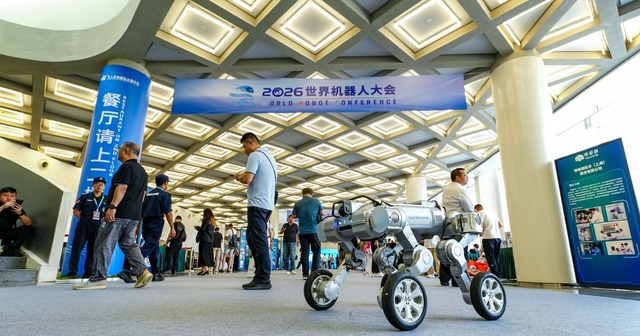
Galileo Unveils Next-Gen Ground Mobility Platform Galileo X at WRC 2026
Chinese embodied AI robotics company Galileo has introduced its next-generation ground mobility platform, Galileo X, at WRC 2026. This platform features the company's proprietary Embodied Ground Mobility System, positioning it as a new paradigm for future ground robots. Galileo X is designed as a versatile ground mobility platform to meet diverse operational needs. It bridges the hardware structures, kinematic models, and control algorithms of wheeled, vehicle-type, and legged platforms through an integrated hardware architecture and unified control framework, creating advanced technological advantages. The introduction of Galileo X aims to establish a unique technological foundation for all-terrain mobile robots, enhancing the company's leadership in multimodal ground mobility solutions. Galileo plans to open its core hardware-software interface to collaborate with algorithm developers, application service providers, and industry partners to build an open ecosystem centered around Galileo X.
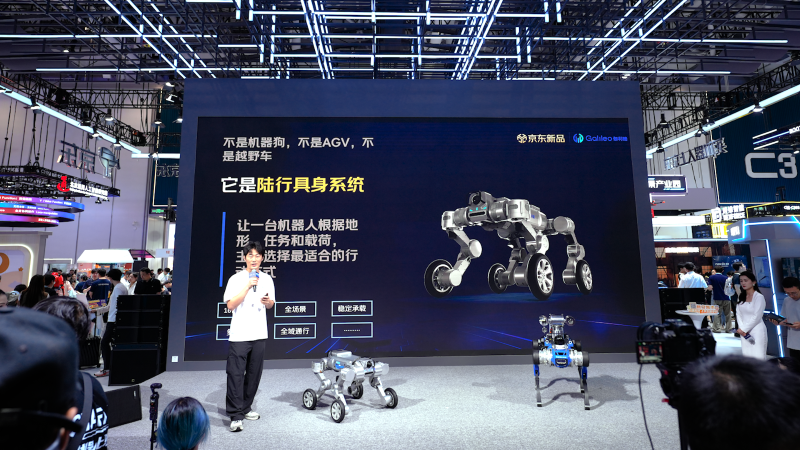
Galileo Unveils Galileo X All-Terrain Mobility Platform at World Robotics Conference 2026
During the 2026 World Robotics Conference, Galileo launched the Galileo X all-terrain mobility platform, introducing a new category called the 'Land Walking System.' The concept machine weighs approximately 50 kg and demonstrated a load capacity of around 70 kg with multi-modal switching. Galileo plans to release a mass production version in Q4, targeting a rated load of 200 kg, a maximum load of 400 kg, and a full-load endurance of 15 hours. This launch is significant as it addresses the limitations of existing robotic solutions in complex industrial environments. Traditional quadruped robots excel in obstacle navigation but struggle with endurance and load efficiency, while AGVs are limited to flat, enclosed spaces. The Galileo X aims to create a seamless task chain for industrial operations, reducing the need for multiple devices and associated costs. Looking ahead, no further timeline was disclosed at the time of publication. However, the industry will be watching how Galileo's integrated approach to mobility and control systems can redefine operational capabilities in various sectors, including rail, power, and petrochemicals, where their products have already seen success.
All-Terrain Robots Industrial Robotics Mobility Solutions Robotic Systems
Galileo Robotics Introduces Next-Generation Galileo X at WRC 2026 with Innovative Mobility System
Galileo Robotics has unveiled the Galileo X at the 2026 World Robot Conference, introducing a revolutionary 'Embodied Ground Mobility System'. This launch signifies a significant advancement in product design and technology, setting a new standard for future ground robots. The introduction of the Galileo X is crucial as it redefines the existing paradigms in robotics, particularly in ground mobility. This innovation positions Galileo Robotics as a leader in the field of embodied intelligence, potentially influencing the development of next-generation robotic solutions. Looking ahead, industry stakeholders will be keen to observe how the Galileo X performs in practical applications and its impact on the robotics market. No further timeline was disclosed at the time of publication.

Teleoperation Robot State Information Enables Sensorless Force Estimation
A recent study published in the Journal of Field Robotics explores sensorless force estimation techniques utilizing teleoperation robot state information. This innovative approach aims to enhance the efficiency and accuracy of robotic operations in various applications. The significance of this research lies in its potential to reduce reliance on physical sensors, which can be costly and complex to integrate. By leveraging state information from teleoperated robots, the method could streamline robotic systems, making them more accessible for industries that require precise force measurements without extensive sensor setups. Looking ahead, the implications of this study could lead to advancements in teleoperation technologies and their applications in fields such as remote surgery, hazardous material handling, and industrial automation. No further timeline was disclosed at the time of publication.
RESEARCH ARTICLE
Leonardo DRS Combat Vehicle Successfully Engages 55-Pound Drones with Software Upgrade
A US armored air defense vehicle successfully engaged simulated Group 1 and Group 2 drones in a recent government test, showcasing its enhanced capabilities without new hardware. The demonstration, conducted by Leonardo DRS using the SGT STOUT mission equipment package on a Stryker armored fighting vehicle, utilized updated detection and fire-control functions to effectively counter smaller airborne threats. This advancement is significant as it supports the US Army’s Mobile Low, Slow UAS Integrated Defeat System program, which aims to improve air defense against evolving drone threats. The test specifically targeted drones weighing up to 55 pounds, which present unique challenges compared to larger aerial threats. The results indicate a promising direction for software-driven air defense capabilities that can adapt to changing operational needs. Looking ahead, the open architecture of the SGT STOUT system allows for future enhancements without major hardware changes, ensuring that the vehicle remains relevant as aerial threats evolve. No further timeline was disclosed at the time of publication.
Military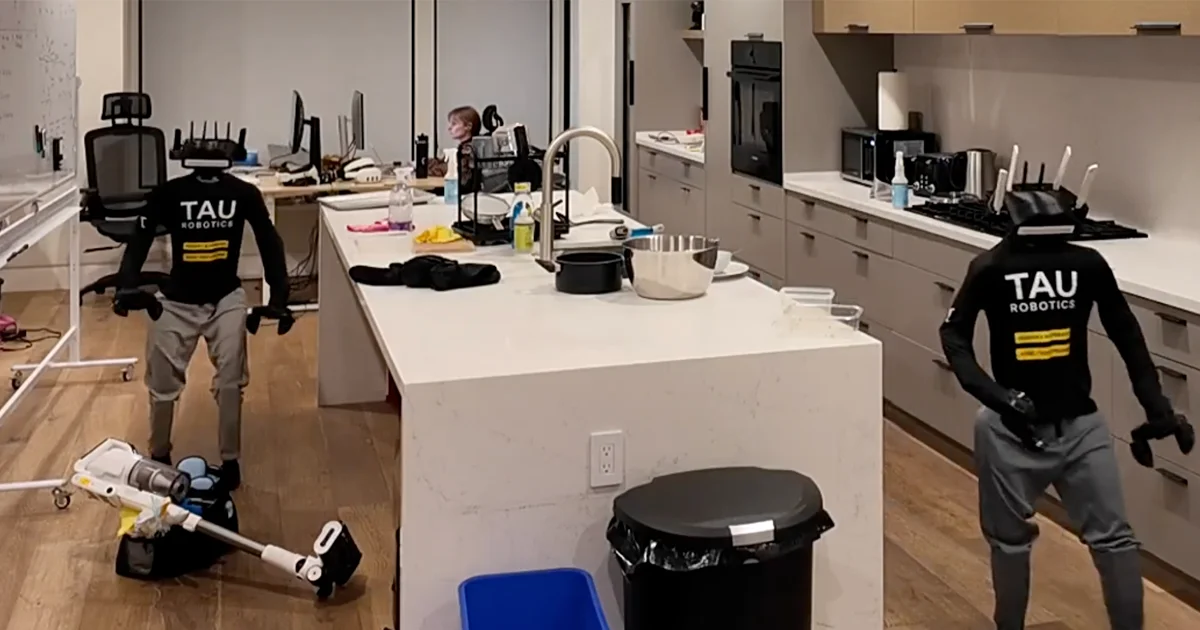
San Mateo County Approves Strict Regulations for Humanoid Robots, Impacting Teleoperation Models
The San Mateo County Board of Supervisors has unanimously approved a resolution to regulate the use of humanoid robots in commercial settings. This resolution, authored by Supervisor Ray Mueller, aims to draft an ordinance that imposes strict oversight on 'untethered, autonomous or semi-autonomous humanoid robots.' The proposed regulations could significantly affect the operational viability of robotics startups in Silicon Valley, particularly those relying on teleoperation. The ordinance mandates that any permitted humanoid robot must be supervised at all times by a trained, on-site human, which poses a substantial challenge to companies like Tau Robotics that currently offer remote-operated humanoid cleaning services. This requirement undermines the cost-saving benefits of automation, as businesses would need to pay for both the robot and a local supervisor, complicating their business models. Additionally, the resolution requires companies to conduct an Economic Impact Assessment to evaluate potential job losses and implement measures to mitigate workforce impacts. The regulations also emphasize hardware safety and public infrastructure integration, necessitating accessible emergency features and a clean safety record for robots. No further timeline was disclosed at the time of publication.
US policy
Kawasaki Reveals Patented Designs for Corleo, Its Innovative Robotic Horse
Kawasaki Heavy Industries has unveiled a set of patented designs for its robotic horse, Corleo, which integrates hydrogen energy, AI, and biomimetic technology. This project aims to create an unprecedented all-terrain personal mobility tool, replacing traditional wheels with four biomimetic mechanical legs that can independently move and absorb shocks. The core design features a 150cc hydrogen fuel engine that acts as a generator, powering independent motors at each leg joint, ensuring long-range and eco-friendliness with emissions of only pure water. The AI system enhances the riding experience by scanning terrain in real-time, assessing foot placements, and maintaining balance based on the rider's weight shifts, offering a unique 'walking-style electrification' experience. Looking ahead, Kawasaki plans to launch a riding simulator and digital models based on Corleo's movement data by 2027. The company has established the 'SAFE ADVENTURE' project team, led by the president, and is collaborating with Nvidia to accelerate development using physics AI and simulation tools. No further timeline was disclosed at the time of publication.
Robotic Mobility Hydrogen Energy AI Technology Biomimetic Design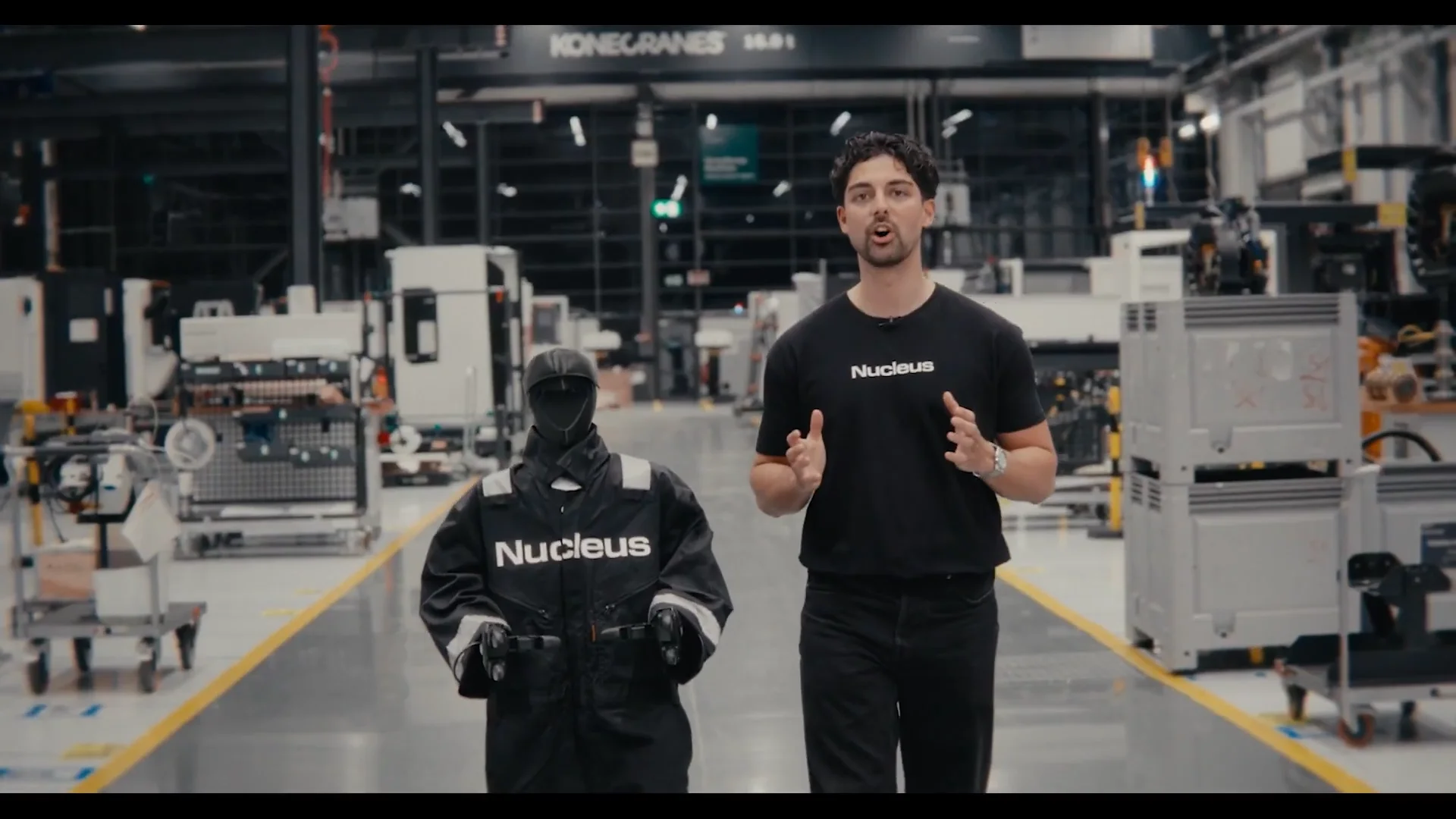
Nucleus Launches Teleoperated Humanoids in Factories, Achieving Deployment in Under 90 Days
Nucleus, a European startup, has emerged from stealth mode to announce the deployment of humanoid robots in a factory setting in Germany within 90 days. This initiative marks a significant shift in the robotics industry, which has been focused on achieving full autonomy. Nucleus aims to address labor shortages by leveraging teleoperation and supervised deployment, allowing humanoids to perform useful tasks from day one. The company's approach contrasts with the industry's tendency to wait for complete autonomy before deploying robots. Nucleus co-founder Melvin Schwarz emphasized the importance of early deployment and heavy supervision, drawing parallels to data-gathering strategies used by Tesla and Waymo in autonomous driving. By actively managing the robots in real-world tasks, Nucleus not only provides immediate value to clients but also collects valuable training data that cannot be easily replicated. Looking ahead, Nucleus plans to continue refining its deployment strategies while addressing logistical challenges faced by clients. The company utilizes Unitree G1 humanoid platforms for its operations, but acknowledges that off-the-shelf hardware often falls short in complex factory environments. No further timeline was disclosed at the time of publication.
Europe Nucleus
Leonardo UK CEO Clive Higgins Discusses CCA Program Potential Amid Funding Concerns
Clive Higgins, CEO of Leonardo UK, expressed interest in the UK’s Collaborative Combat Aircraft (CCA) program but raised concerns about current government funding levels. He noted that the £300 million investment outlined in the Defence Investment Plan is insufficient for developing a complete fleet, suggesting it may only cover initial demonstrator work. Higgins emphasized the importance of understanding the specific requirements of the CCA program to determine how Leonardo can best contribute, particularly in electronic warfare systems. He highlighted the company's ongoing collaboration with the RAF on the StormShroud Autonomous Collaborative Platform, which began operations in May 2025, and the integration of its BriteStorm jammer with Tekever's AR3 aircraft for SEAD missions. Looking ahead, Higgins mentioned the potential for Leonardo's joint venture with Turkey’s Baykar to secure CCA business under the Global Combat Air Programme (GCAP). However, he cautioned that cost considerations and the specific mission requirements will play a crucial role in any future developments related to the CCA initiative.
Air Warfare Global Air Force BAE Systems baykar Business & Industry
Lockheed Martin and Leonardo to Consider C-130J MRO Services Expansion in MENA Region
Lockheed Martin and Leonardo have reached an agreement to explore the expansion of maintenance, repair, and overhaul (MRO) services for the C-130J Super Hercules aircraft. This initiative aims to enhance support for the C-130J fleet across the Middle East and North Africa (MENA) region. The collaboration between Lockheed Martin and Leonardo is significant as it addresses the growing demand for efficient MRO services in the MENA region, ensuring that the C-130J Super Hercules can maintain operational readiness. This move reflects the companies' commitment to providing high-quality support and services to their customers in the region. As discussions progress, stakeholders will be keen to observe the outcomes of this partnership and any potential developments regarding the establishment of MRO facilities. No further timeline was disclosed at the time of publication.
News
Flexion Develops Reinforcement Learning Platform to Address Teleoperation Issues in Robotics
Flexion is developing a reinforcement learning and sim-to-real platform specifically for humanoid robots. Over the past 18 months, humanoid robotics companies have raised billions, primarily funding human operators to manage robots, which has led to a teleoperation and data challenge within the industry. This reliance on teleoperation as a labor solution raises concerns about the long-term viability of training physical AI systems. The assumption that enough human demonstrations will enable robots to generalize across environments is questionable, especially given that teleoperation datasets are significantly smaller than those used for training language models, creating a growing data gap. Looking ahead, the industry must address the limitations of teleoperation and the dependency on human input for robot training. If humanoid robots require continuous human demonstrations, the original vision of automation may be compromised. No further timeline was disclosed at the time of publication.
Artificial Intelligence Artificial Intelligence / Cognition Controllers Development Tools / SDKs / Libraries Humanoids News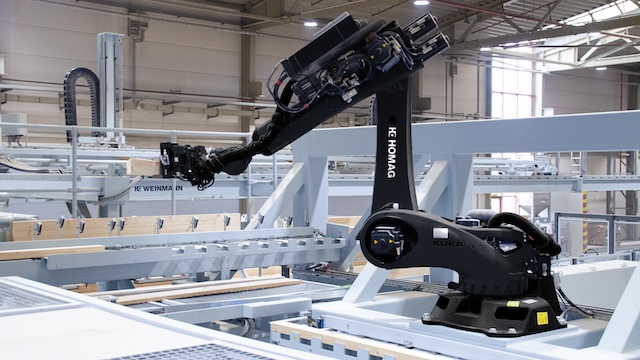
Allocentric Teleoperation Enhances Multirobot Coordination from Variable Perspectives
In the July 2026 issue of Science Robotics, researchers introduced allocentric teleoperation as a novel approach to enhance multirobot coordination. This method allows operators to control multiple robots from various perspectives, improving situational awareness and operational efficiency. The significance of this development lies in its potential to transform how operators interact with robotic systems. By enabling a variable perspective, allocentric teleoperation can facilitate more intuitive control and better decision-making in complex environments, which is crucial for applications in fields such as search and rescue, exploration, and industrial automation. Looking ahead, the implications of allocentric teleoperation could lead to advancements in robotic teamwork and autonomy. Future research may focus on refining this technology and exploring its integration into existing robotic systems. No further timeline was disclosed at the time of publication.
Research Article
US Space Force Engages Leonardo DRS for Advanced Space Sensor Development
The US Space Force has selected Leonardo DRS to develop a new space sensor aimed at detecting, identifying, tracking, and targeting fast-moving threats. This initiative is part of the broader effort to enhance tactical responsiveness in space operations, particularly under the VICTUS HAZE mission framework. This development is significant as it addresses the increasing need for advanced surveillance and threat detection capabilities in space, especially given the growing complexity of space operations and the potential for conflicts in orbit. The optimized sensor system is expected to achieve uplink speeds of 1.25 Mbps and downlink speeds of 100 Mbps, enhancing communication and operational efficiency. Looking ahead, the advancements in space sensor technology will be crucial for future military satellite networks, with Redwire also investing in phased array antennas to improve data links. No further timeline was disclosed at the time of publication.
Space
Galileo Unveils Galileo X: A Unified Ground Mobility Platform for Diverse Environments
Chinese robotics company Galileo has introduced Galileo X, a groundbreaking ground mobility platform that integrates wheeled, off-road, and legged robot capabilities. Unveiled at the 2026 World Robot Conference in Beijing, this innovative system aims to provide a versatile solution for various operational environments by bridging the gaps between different robotic architectures. The significance of Galileo X lies in its ability to combine the precise transport capabilities of wheeled automated guided vehicles (AGVs) with the long-range mobility of off-road vehicles and the adaptability of legged robots. This unified approach allows for a single platform to handle diverse tasks, reducing the complexity and need for multiple specialized machines in challenging terrains. Looking ahead, the potential applications of Galileo X are vast, ranging from heavy-duty off-road handling to warehouse logistics and mobile inspection tasks. No further timeline was disclosed at the time of publication, but the platform's development reflects Galileo's commitment to embodied intelligence and in-house technological advancements in robotics.
AI and Robotics
Booster Robotics Unveils Full-Body Teleoperation Platform 'Booster T2' Demonstration Video
On August 30, 2026, Booster Robotics released a demonstration video of its full-body teleoperation platform, 'Booster T2', on YouTube. The platform is designed to reflect the operator's movements in real-time, accurately tracing human motions from fine finger movements to walking and squatting. The video showcases the robot synchronizing its movements with the operator, highlighting its ability to perform complex tasks such as opening drawers and picking up items. The significance of the Booster T2 lies in its potential applications in various fields, including warehouse sorting and hazardous environment operations. The technology enables precise replication of delicate human movements, which has been challenging for traditional robotic systems. This capability could transform labor and industrial practices, particularly in environments where human interaction is limited. Looking ahead, the full-body teleoperation demonstrated by Booster T2 is not just a technical showcase but holds promise for future practical applications. The ability to perform intricate tasks remotely could lead to advancements in logistics, manufacturing support, and more. No further timeline was disclosed at the time of publication.

Cleora Project in Salida, Colorado, Features 65 Robotically Built Homes
A 55-acre residential community named Cleora is emerging in Salida, Colorado, featuring over 65 homes constructed using robotic technology. This initiative, developed by Cleora in collaboration with True North and RIC Robotics, aims to showcase the potential of robotic construction for entire neighborhoods rather than just prototypes. The significance of Cleora lies in its ambition to transform community design and delivery through advanced construction technology. With nearly seven years of research backing the project, the developers have chosen RIC Robotics to implement two autonomous printing systems, marking a substantial deployment of robotic construction in a single residential area. As the first model home by True North is under construction, the project will gradually expand production based on system performance. Observers should watch for how Cleora integrates autonomous construction into a cohesive community while maintaining architectural diversity and cost control, a notable shift from typical standalone 3D-printed homes.
AI and Robotics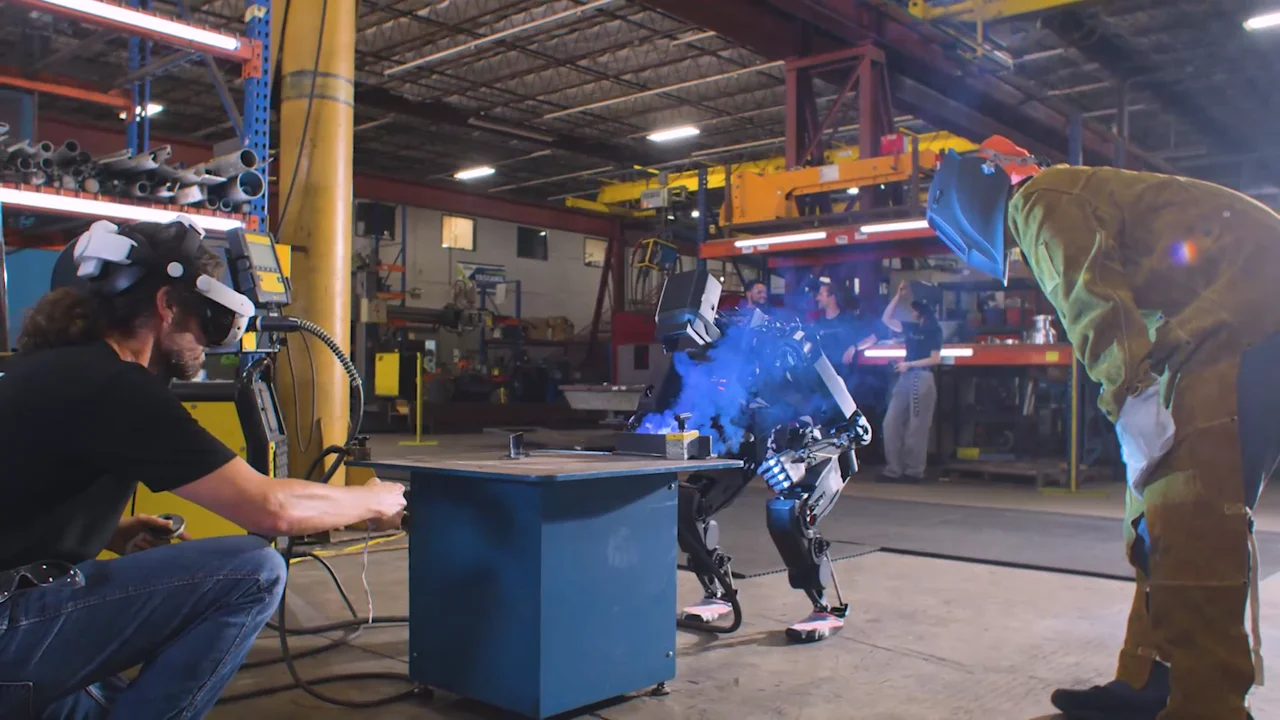
Persona AI's Humanoids Arrive in Korea After Successful Welding Demonstration
Persona AI, a Houston-based robotics firm, has announced the arrival of its humanoid robots in South Korea for early integration work. CEO Nicolaus Radford confirmed that the deployment aligns with the company’s partnership with HD Hyundai, focusing on bipedal welding robots for the shipbuilding sector. The Gen 3 deliveries are expected by the end of the year. This deployment follows a successful proof-of-concept demonstration conducted earlier this summer at ARC Specialties in Houston, where a Gen 1 humanoid robot executed a functional weld in a live industrial environment. The robot showcased advanced capabilities by performing the task without safety tethers, validating its actuation and kinematics in unstructured settings. Looking ahead, Persona AI aims to leverage the data collected during teleoperated movements to enhance its neural networks, paving the way for fully autonomous welding operations. The company’s rapid progress in functional manipulation and international hardware deployment highlights its significant development velocity in the robotics sector. No further timeline was disclosed at the time of publication.
US South Korea Persona AI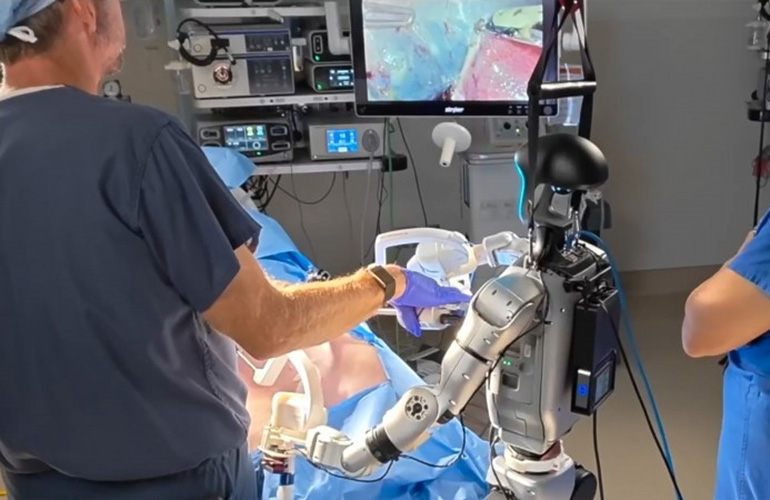
UC San Diego Trials Teleoperated Humanoid Robots for Surgical Procedures
In a groundbreaking preclinical trial at UC San Diego, teleoperated humanoid robots successfully conducted surgeries, marking a significant advancement in surgical technology. This trial represents the first instance of humanoid robots being utilized in a surgical context, showcasing their potential to enhance precision and efficiency in medical procedures. The significance of this development lies in the versatility of humanoid robots, which may offer improved capabilities over traditional robotic systems like the da Vinci Surgical System. By integrating advanced teleoperation techniques, these robots could potentially reduce the need for human intervention, thereby minimizing risks and improving patient outcomes in complex surgeries. Looking ahead, the next steps involve further trials to assess the long-term effectiveness and safety of these humanoid robots in surgical environments. No further timeline was disclosed at the time of publication, but the results of this trial could pave the way for broader applications in healthcare robotics.
Healthcare Robotics Human Robot Interaction / Haptics Humanoids News Surgical / Interventional Systems Surgical Systems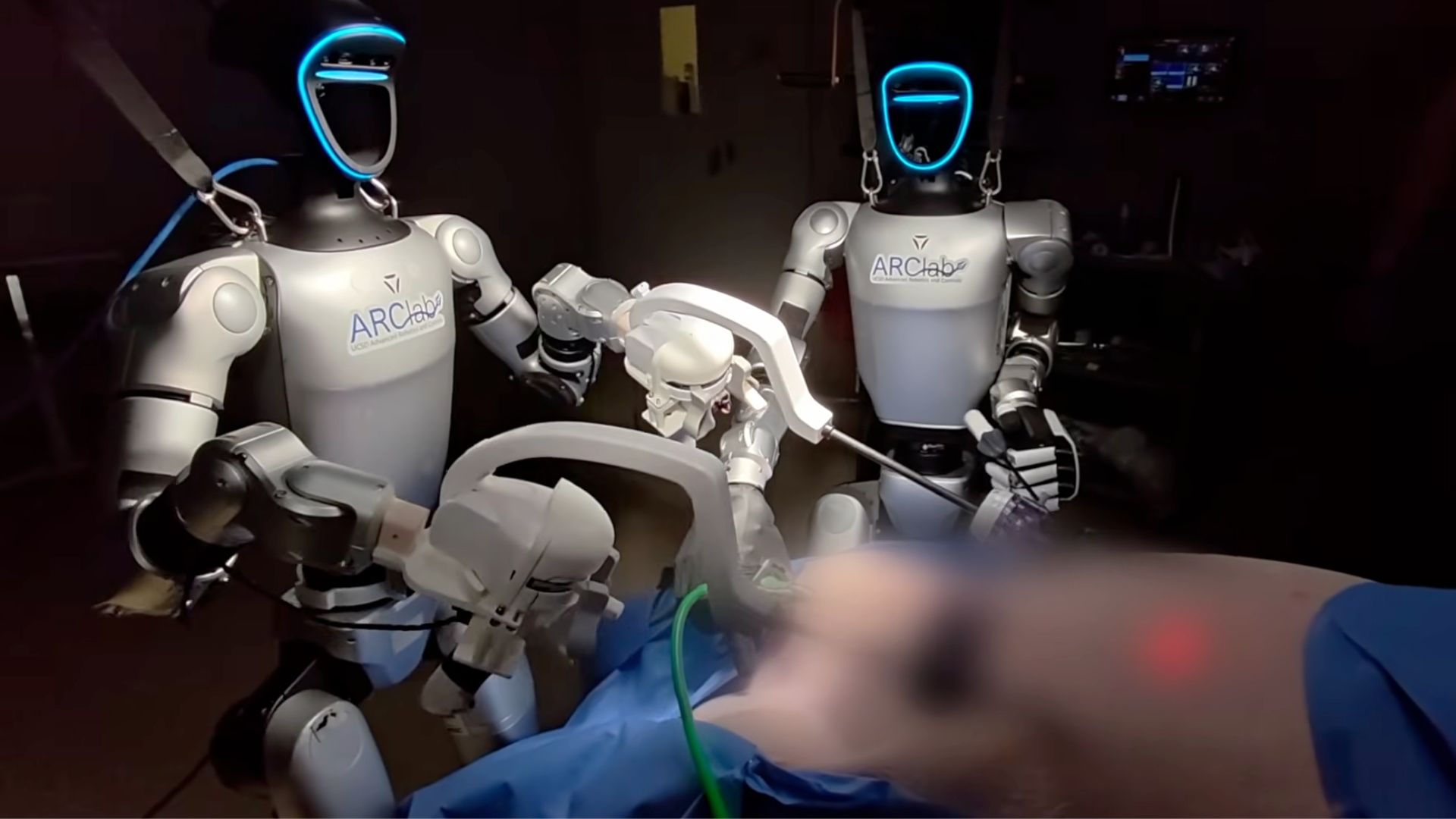
World’s first surgery using teleoperated humanoid robots conducted by US team
A team of researchers has made a groundbreaking advancement by successfully employing teleoperated humanoid robots to carry out two complex tasks. This achievement marks a significant milestone in robotics, showcasing the potential for remote-controlled machines to perform intricate functions that were previously thought to be the domain of human operators. The experiments took place in a controlled environment, allowing the researchers to meticulously assess the robots' capabilities and refine their performance. The motivation behind this innovative project stems from the desire to enhance efficiency and safety in various industries, particularly in situations where human presence may be risky or impractical. By leveraging advanced teleoperation technology, the researchers demonstrated that humanoid robots could effectively mimic human movements and decision-making processes, paving the way for future applications in fields such as disaster response, healthcare, and manufacturing. The successful execution of these tasks not only highlights the progress in robotic technology but also opens new avenues for research and development, potentially transforming how we approach complex operations in challenging environments. As the team continues to refine their methods, the implications of this work could lead to widespread adoption of teleoperated robots in various sectors, ultimately improving productivity and safety for human workers.
AI and Robotics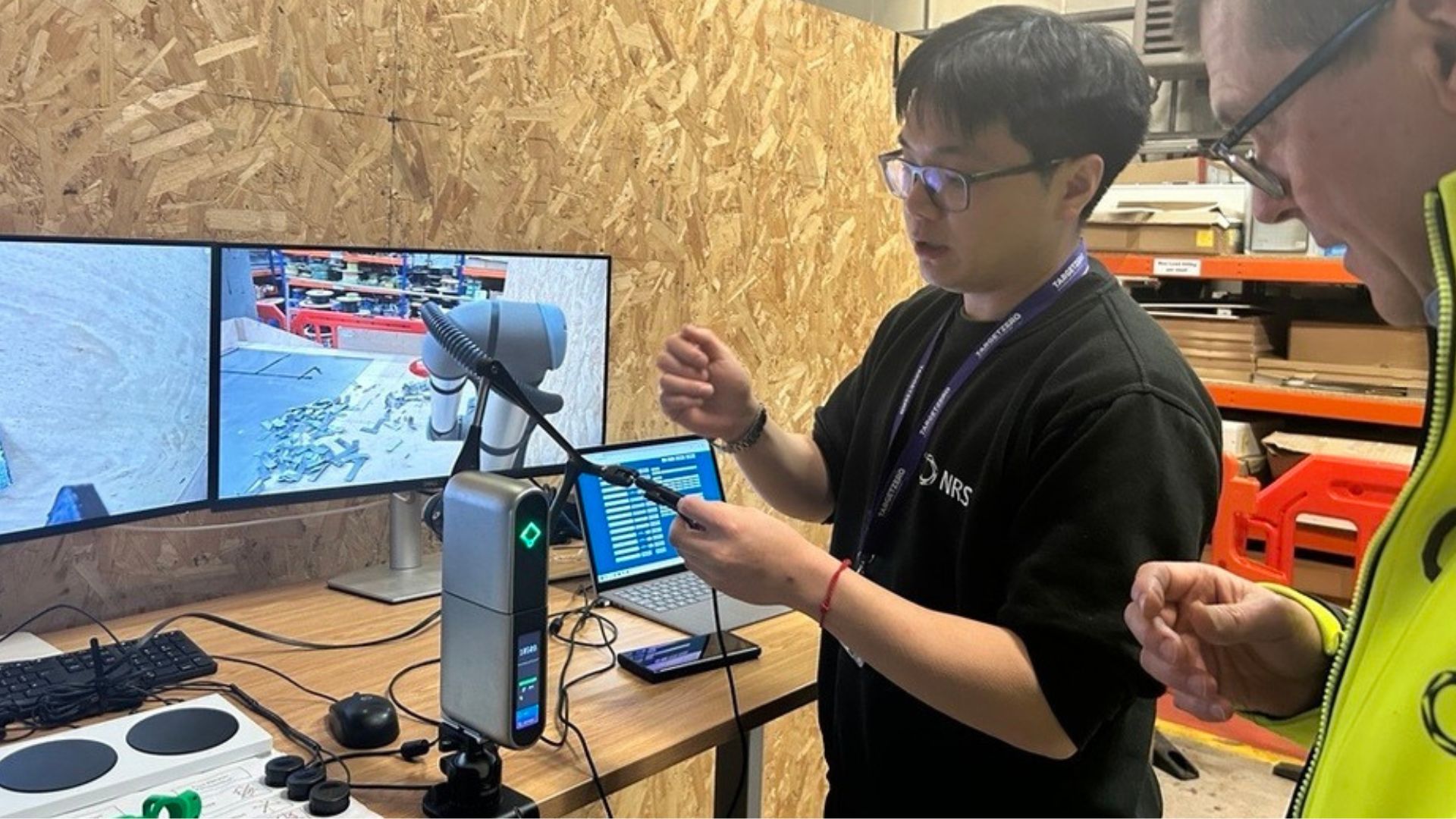
UK’s nuclear waste decommissioning could be handled by teleoperated robots
Innovative robotic technologies are being trialed in the UK to improve the safe management of...
AI and Robotics
Why Every Robot Teleoperation Team Eventually Outgrows WebRTC
WebRTC is proving to be a vital tool for robotics teams, enabling them to quickly demonstrate their innovations. However, challenges arise once the robots transition from laboratory settings to real-world applications. As organizations utilize WebRTC, they face the inevitable question of when they will outgrow the platform and what engineering efforts will be necessary in the upcoming months to adapt and enhance their capabilities. This evolution is crucial for teams aiming to stay competitive in the rapidly advancing field of robotics.

DexRobot Unveils Full Dexterous Hand Series and New DexTele Teleoperation System at Automate 2026
At this year's exhibition, a dedicated Humanoid Robot Pavilion highlights the increasing emphasis on AI-driven industrial automation. This event serves as a prime platform for DexRobot to showcase its latest advancements in robotic manipulation and high-fidelity data acquisition. The demonstration aims to illustrate how these technologies are not only becoming practical and affordable but also ready for real-world application. The focus on integrating AI into industrial processes underscores the growing trend of automation in various sectors, reflecting the industry's commitment to innovation and efficiency.

Leonardo and Baykar complete test flights for manned-unmanned teaming
A collaborative initiative has been launched by several aerospace companies to enhance interoperability between crewed and uncrewed aircraft. This program aims to design and develop systems that will allow for seamless communication and operation between manned and unmanned aerial vehicles. The effort reflects a growing recognition of the need for integrated airspace management as the use of drones and other uncrewed aircraft becomes increasingly prevalent. By fostering cooperation between these two types of aircraft, the initiative seeks to improve safety, efficiency, and operational capabilities in aviation. The timeline for the program's development has not been specified, but it underscores the industry's commitment to advancing technology in response to evolving air traffic demands.
Global Drones Europe Kizilelma M346 Manned Unmanned Teaming
Leonardo in ‘advanced’ talks to expand Italian Army’s AW249 combat helicopter fleet
The Italian Army is exploring advanced applications for its AH-249 helicopter, with plans to utilize the aircraft for high-speed, low-level flights to penetrate deep into enemy territory. Marco Marinoni, the head of the AH-249 acquisition program, highlighted this strategic capability as a key feature of the platform. This development reflects the Army's commitment to enhancing its operational effectiveness in modern warfare scenarios. The initiative aims to bolster Italy's defense capabilities and ensure readiness in increasingly complex combat environments.
Air Warfare Global Aerovironment Air Force AW-249 Drones
AirData UAV and LeoSight Bring Live Drone Data for DFR Programs
LeoSight has announced a new integration with AirData UAV that enables real-time streaming of flight data, telemetry, and operational insights directly into its command software, LeoCommand. This integration aims to enhance collaboration between dispatchers and field teams by providing shared visibility across drone and DFR (Drone First Response) operations. The partnership leverages AirData's status as one of the most widely used platforms in commercial drone operations, allowing public safety agencies to improve their operational efficiency. The integration is expected to streamline communication and data sharing, ultimately enhancing response capabilities in critical situations.
Disaster Response drone fleets Drone News Drone News Feeds emergency response Fire and Police
FORT Robotics acquires Mapless AI to expand teleop capabilities
FORT Robotics has announced its acquisition of Mapless AI, a move aimed at enhancing its teleoperation capabilities. This strategic decision, made to diversify FORT's technological expertise beyond traditional industrial environments, leverages Mapless AI's experience in more unstructured settings. The acquisition is expected to bolster FORT's offerings in robotics and automation, allowing for improved operational flexibility and efficiency. The deal reflects a growing trend in the robotics industry to integrate advanced AI technologies to meet the evolving demands of various operational contexts.
Artificial Intelligence Artificial Intelligence / Cognition Automotive Design / Development Financial Markets / Industries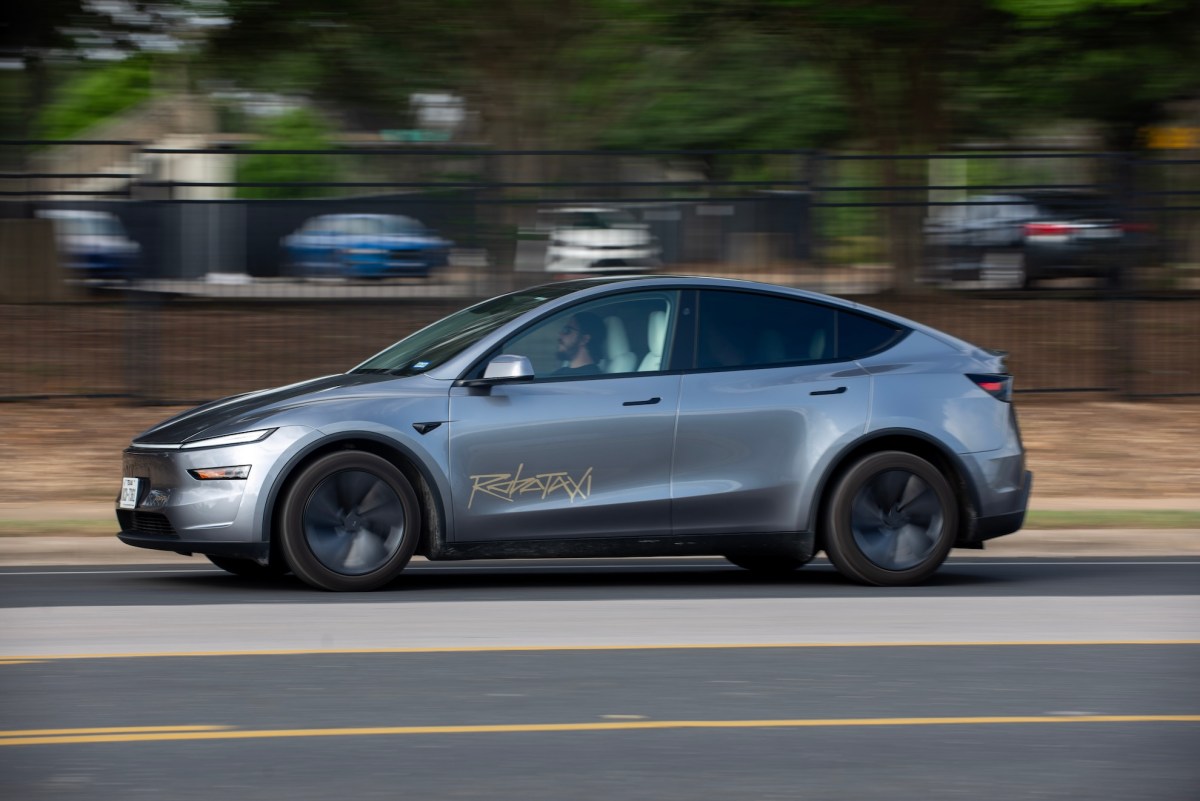
Tesla reveals two Robotaxi crashes involving teleoperators
Recent revelations from newly unredacted crash reports highlight the challenges Tesla has faced in its efforts to scale its robotaxi program. The reports, which were made public this month, detail various incidents that have raised concerns about the safety and reliability of the autonomous vehicles. As Tesla pushes forward with its ambitious plans to revolutionize transportation through self-driving technology, these findings underscore the complexities involved in achieving a fully operational fleet. The company aims to address these issues as it continues to innovate and refine its autonomous driving systems, striving to reassure consumers and regulators about the safety of its robotaxis.
Transportation autonomous vehicles avs electric vehicles robotaxis Tesla
Leonardo reports 31% surge in new orders in Q1 as CEO departs
In the first quarter of the year, the defense sector reported revenues of €4.5 billion, marking a 7 percent increase compared to the same period in 2025. This growth reflects a robust demand for defense services and products, contributing to a total backlog that has now reached €57 billion. The figures were announced by the defense minister, who emphasized the importance of sustained investment in national security and defense capabilities. The increase in revenue and backlog indicates a strong outlook for the industry, driven by ongoing geopolitical tensions and the need for enhanced military readiness.
Air Warfare Global Air Force Business & Industry Drones Europe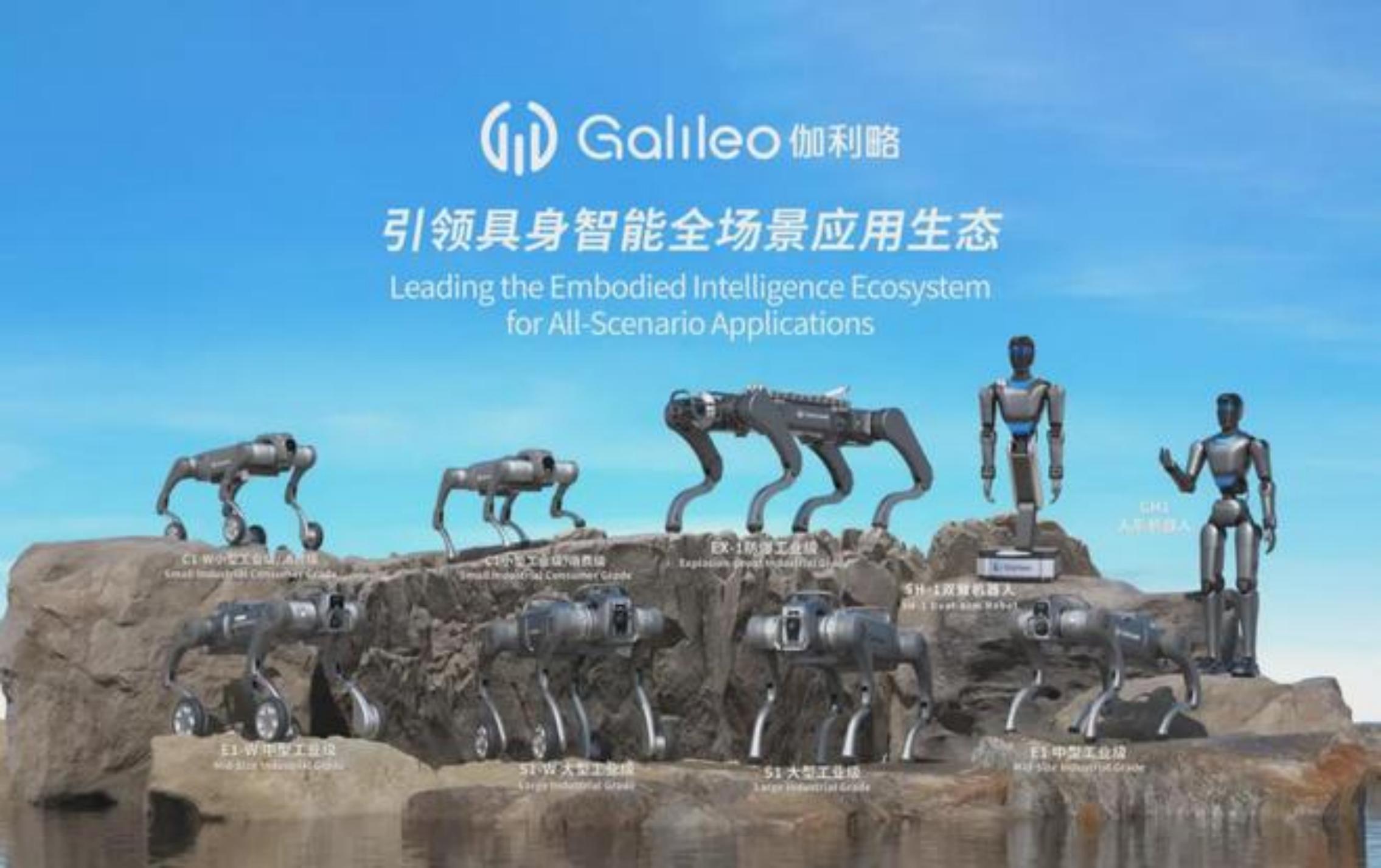
Galileo Robotics Targets Smart Grid Transformation with Advanced Technology
Galileo Robotics is poised to significantly contribute to the transformation of China's smart grid by supplying 8,500 intelligent devices by the year 2026. These advanced robots are specifically engineered for power inspection and emergency response, with the goal of improving operational efficiency and safety within the energy sector. This initiative reflects a broader commitment to modernizing infrastructure and enhancing the reliability of energy services in China.
Smart Grid Technology Robotics Energy Automation Inspection Robots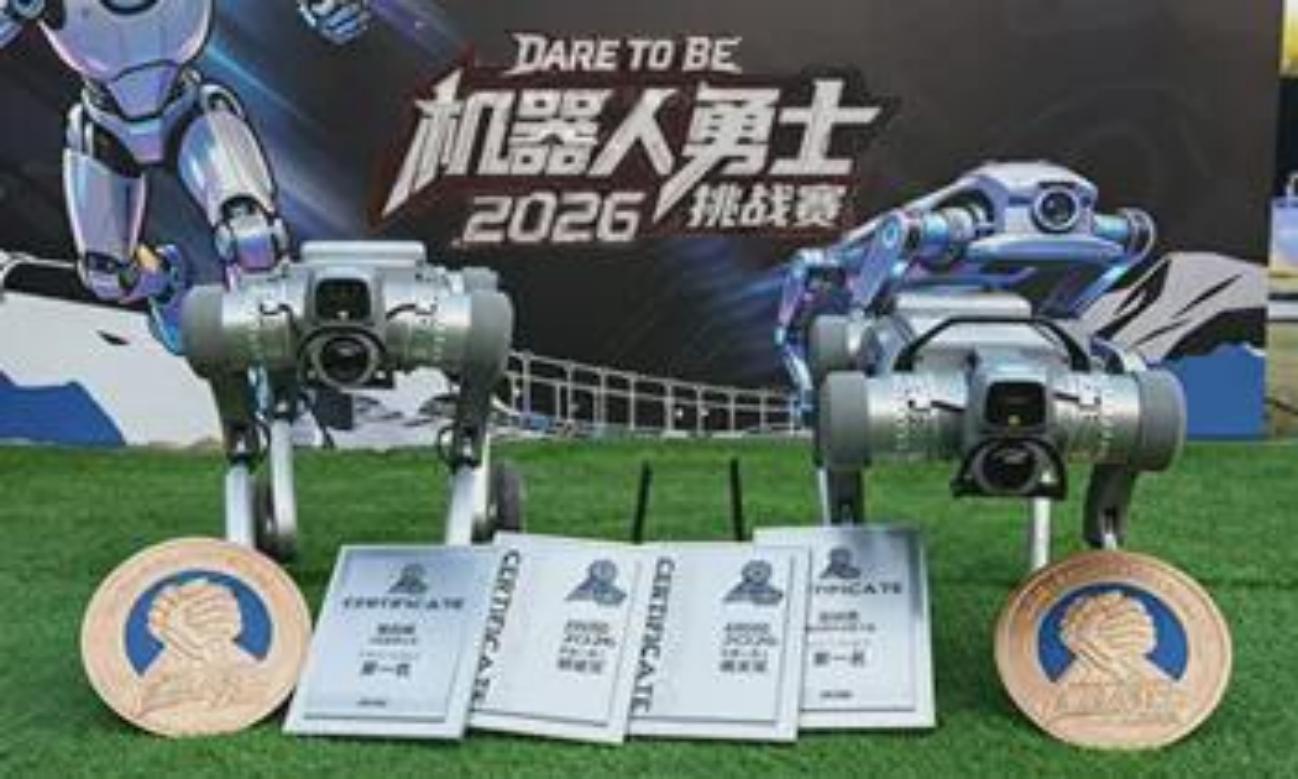
Technological Domination! Galileo Robotics Wins Double Championship and Four Awards at the 2026 Robot Challenge
Galileo Robotics, a company based in Tianjin, celebrated a significant achievement at the 2026 Robot Warrior Challenge by securing victories in both the quadruped and wheeled robot categories. The event, which focused on testing robotic capabilities in simulated disaster rescue scenarios, took place recently and drew attention to the advancements in robotic technology. In addition to their category wins, Galileo Robotics also earned the Speed Award and the Zero Error Award, underscoring the precision and efficiency of their designs. This success not only highlights the company's innovative approach but also demonstrates their readiness to meet industry demands in emergency response situations.
Robotics Disaster Response AI Technology Industrial Automation
Hand Tracking Streamer: A Practical Bridge from Quest Hand Tracking to Robotics Teleoperation and Data Collection
In the field of research, the integration of high-fidelity hand-telemetry systems is frequently achieved through the use of specialized coding and tailored interfaces. These solutions are typically designed to function effectively within the confines of a specific laboratory setup, a particular machine, or a singular demonstration. This approach, while effective in isolated environments, raises concerns about scalability and adaptability across different research contexts. As researchers strive for more versatile and universally applicable systems, the reliance on bespoke solutions may hinder collaboration and innovation in the broader scientific community. The ongoing challenge is to develop standardized frameworks that can accommodate diverse setups while maintaining the high fidelity required for accurate telemetry data.
Single‐Master Bimanual‐Slaves Cooperative Teleoperation With Modified Damping Zeroing Neurodynamics
A recent study published in the Journal of Field Robotics highlights advancements in robotic technology aimed at enhancing agricultural efficiency. Researchers from various institutions collaborated to develop a new autonomous robot designed to optimize crop monitoring and management. This innovative technology was tested in diverse agricultural settings throughout the summer of 2023, primarily in rural areas of California. The motivation behind this development stems from the increasing need for sustainable farming practices amid rising global food demands. The robot utilizes advanced sensors and machine learning algorithms to analyze soil health, monitor plant growth, and identify pest infestations in real-time, thereby enabling farmers to make informed decisions. Through a series of field tests, the team demonstrated the robot's ability to navigate complex terrains and adapt to varying environmental conditions. The findings suggest that such technology could significantly reduce labor costs and improve crop yields, ultimately contributing to more sustainable agricultural practices. As the agricultural sector faces challenges related to climate change and labor shortages, this robotic solution presents a promising avenue for enhancing productivity and sustainability in farming. The research underscores the potential of robotics to transform traditional agricultural methods, paving the way for a more efficient and environmentally friendly future in food production.
RESEARCH ARTICLE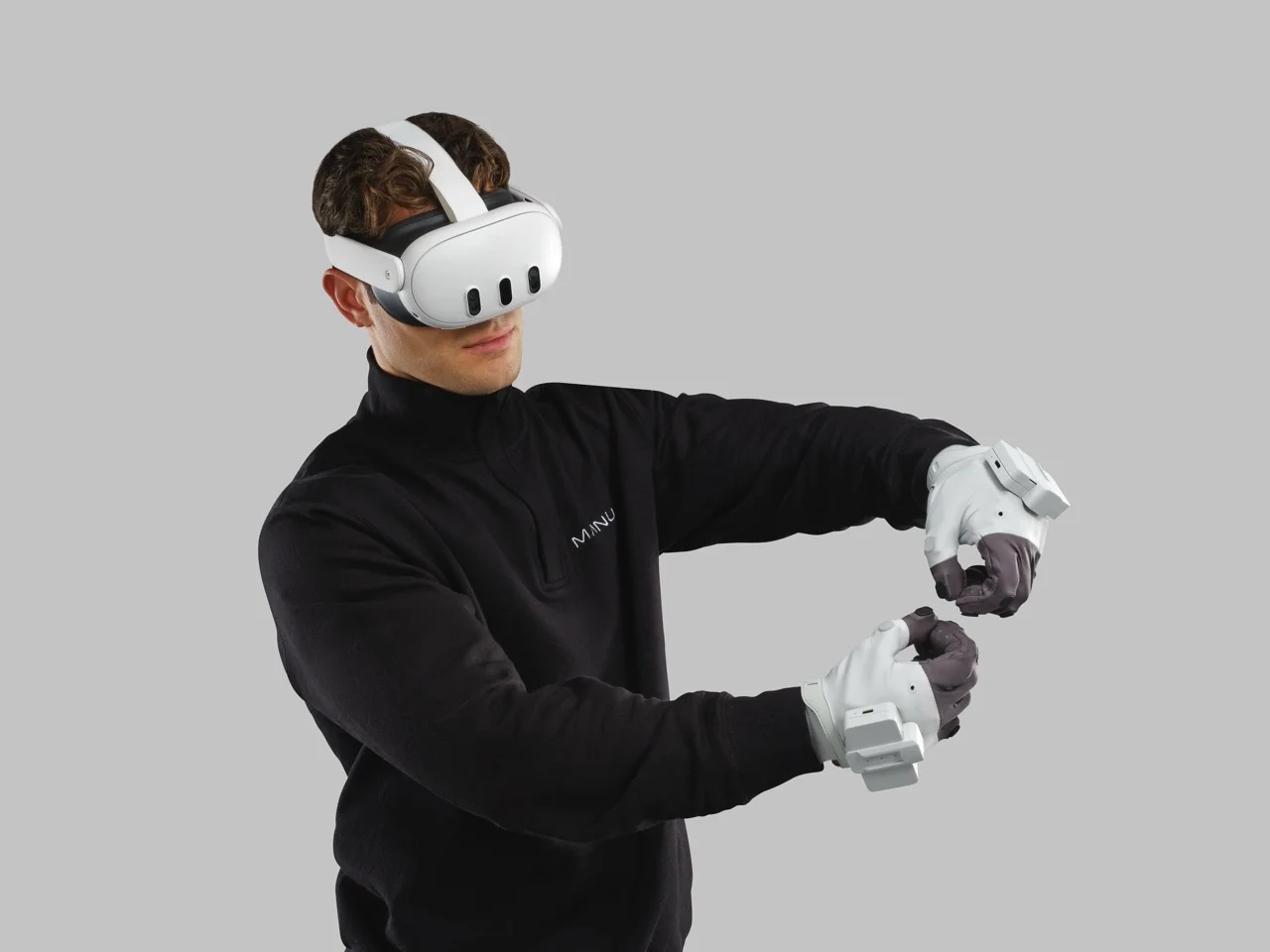
Manus Metagloves Pro Haptic: Closing the Feedback Loop for Humanoid Teleoperation
Dutch haptic specialists have unveiled their latest hardware designed to enhance the performance of embodied AI and improve dexterous robot control. This innovative technology aims to deliver high-fidelity data crucial for the development of next-generation robotic systems. The announcement comes as the demand for advanced robotics continues to grow, driven by the increasing integration of AI in various industries. By providing more precise sensory feedback, this new hardware is expected to significantly advance the capabilities of robots, enabling them to perform complex tasks with greater accuracy and efficiency. The launch highlights the ongoing efforts within the tech community to push the boundaries of robotics and artificial intelligence, paving the way for smarter, more responsive machines.
Data Collection Dexterity hand Manus
Tesla’s Miami Mishap Highlights the Fragile Reality of Teleoperation
A recent incident at a Miami event has drawn attention to the potential hazards associated with teleoperated humanoid robots, following the collapse of an Optimus robot during a demonstration. The video of the malfunction quickly went viral, sparking discussions about the safety and reliability of such advanced technologies. Observers noted that while the development of humanoid robots aims to enhance automation and assist in various tasks, incidents like this highlight the challenges and risks involved in their operation. Experts emphasize the need for rigorous testing and safety protocols to mitigate these risks as the technology continues to evolve.
Optimus Tesla safety standards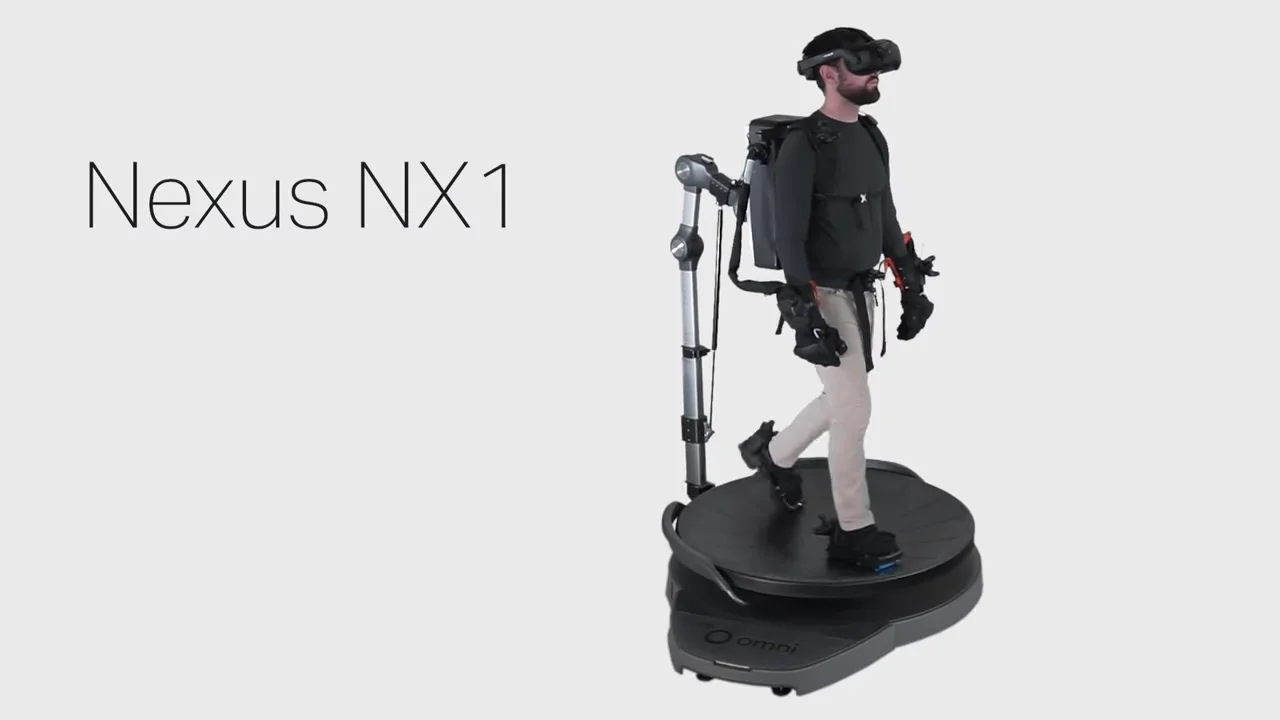
1HMX Enters the Humanoid Data Race with a High-Fidelity Teleoperation Rig
A new training system, the Nexus NX1, has been launched, combining HaptX gloves and Virtuix treadmills to create a comprehensive solution aimed at enhancing robotic dexterity training. This innovative system is designed to provide realistic haptic feedback, which developers believe is crucial for improving the skills necessary for operating robots effectively. The Nexus NX1 is positioned as a "turnkey" solution, simplifying the training process for users. The introduction of this system comes as the demand for advanced training tools in robotics continues to grow, reflecting the industry's push towards more immersive and effective learning experiences.
teleoperation 1HMX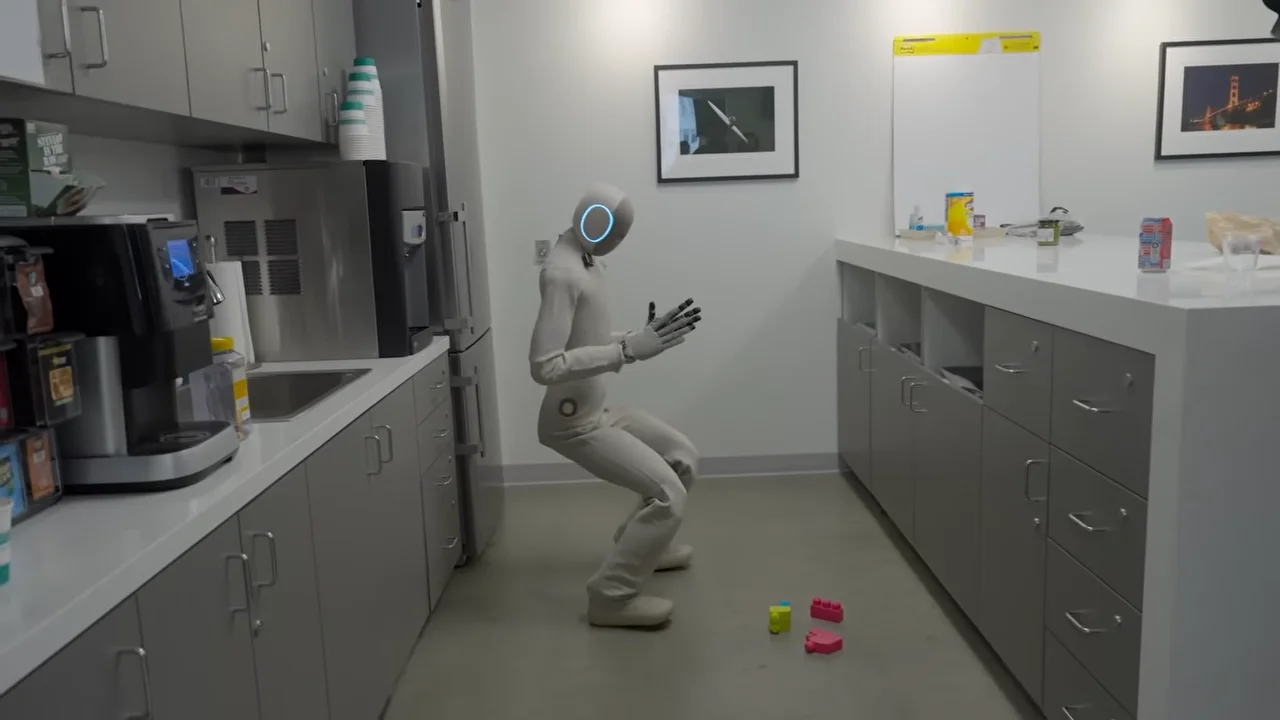
1X CEO Details NEO's 'Two Modes' and Defends Teleoperation as 'More Secure' than a Cleaner
In a recent interview, Bernt Børnich, CEO of 1X, defended the company's NEO robot, emphasizing its human-in-the-loop model and drawing comparisons to industry leaders such as Waymo and ChatGPT. Børnich explained that the NEO operates in "two modes," highlighting its adaptability and responsiveness. He also introduced new privacy controls designed to enhance user security and trust in the technology. Looking ahead, Børnich expressed optimism about achieving full autonomy for the NEO by 2027, outlining a strategic timeline for the robot's development and deployment. This vision reflects 1X's commitment to advancing robotics while addressing concerns about privacy and operational efficiency.
1X-technologies NEO
Figure CEO Brett Adcock Says Company ‘Will Not Teleoperate’ Robots, Drawing Contrast with 1X Strategy
During a panel discussion at the NVIDIA GTC, Brett Adcock, CEO of Figure, expressed skepticism about the future of teleoperation, labeling it as "soy stuff." He emphasized that the true competition between the United States and China lies in the development of general-purpose artificial intelligence rather than in manufacturing capabilities. Adcock's remarks reflect a growing sentiment in the tech industry that prioritizes advancements in AI technology as a critical factor in global competitiveness. The event, which took place recently, highlighted the ongoing dialogue surrounding the strategic directions of AI development and the implications for both nations.
Brett Adcock 1X-technologies nvidia-gtc teleoperation Figure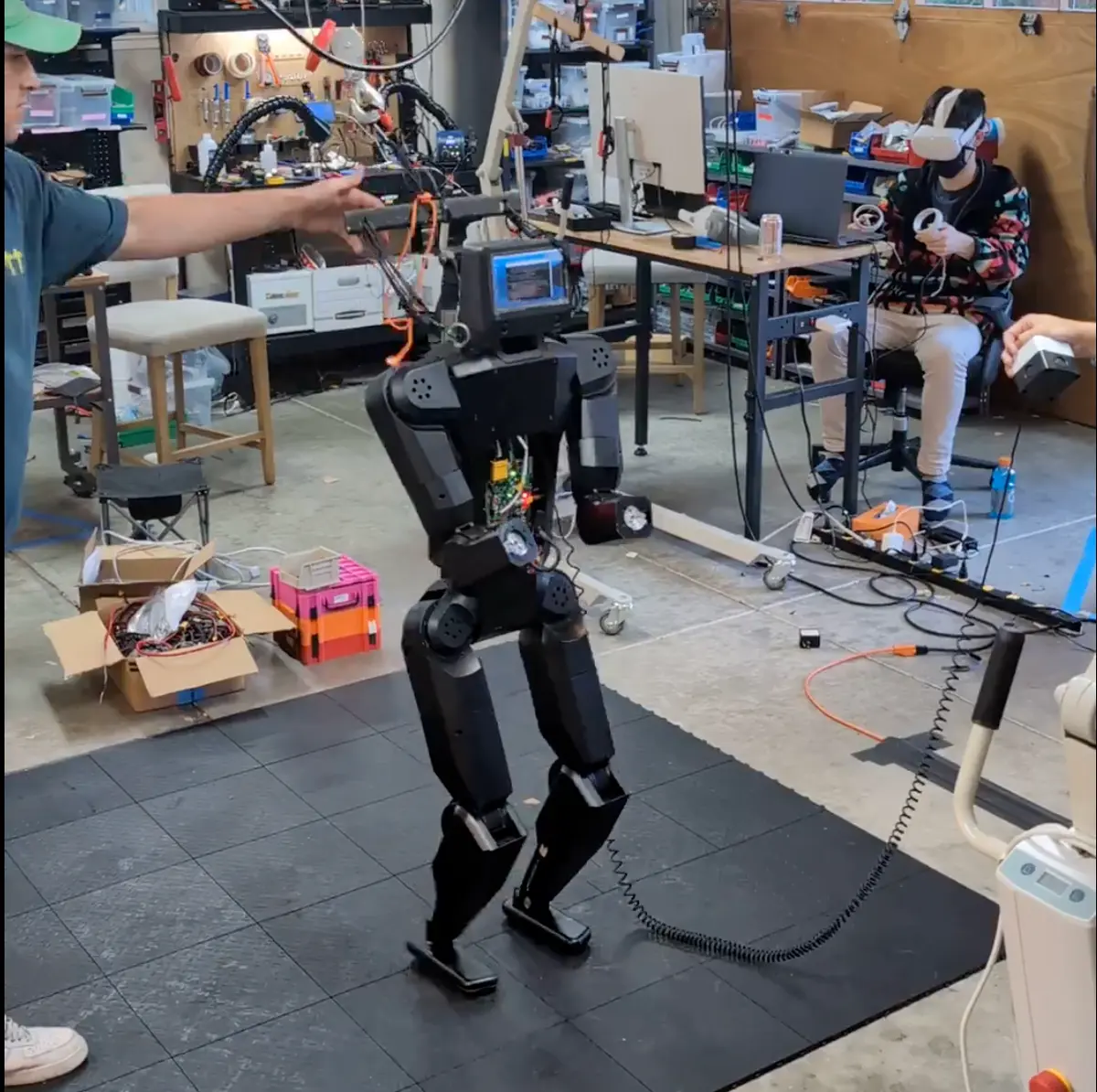
K-Scale Labs Demos Low-Latency Humanoid Teleoperation in New Garage Video
An open-source robotics startup has unveiled a new video that highlights the capabilities of its K-Bot humanoid robot, which is being operated in real-time by a virtual reality (VR) equipped user. The demonstration, released recently, showcases the robot's remarkable stability and fluid movements, achieved with low latency. This advancement in robotics technology illustrates the potential for enhanced human-robot interaction and could pave the way for future applications in various fields, including manufacturing and personal assistance. The startup aims to push the boundaries of robotics by integrating VR technology, allowing operators to control the humanoid with greater precision and responsiveness.
k-scale k-botRobotics needs a service framework.
RSF defines a common language for robot service capability, lifecycle operations, certification pathways, and service-provider networks.
Join the RobotToday community on LinkedIn
Daily robotics news, in-depth analysis, conference highlights, and discussions with professionals worldwide.