

Industry Briefing
A single destination for timely, editor-curated robotics news from around the world.
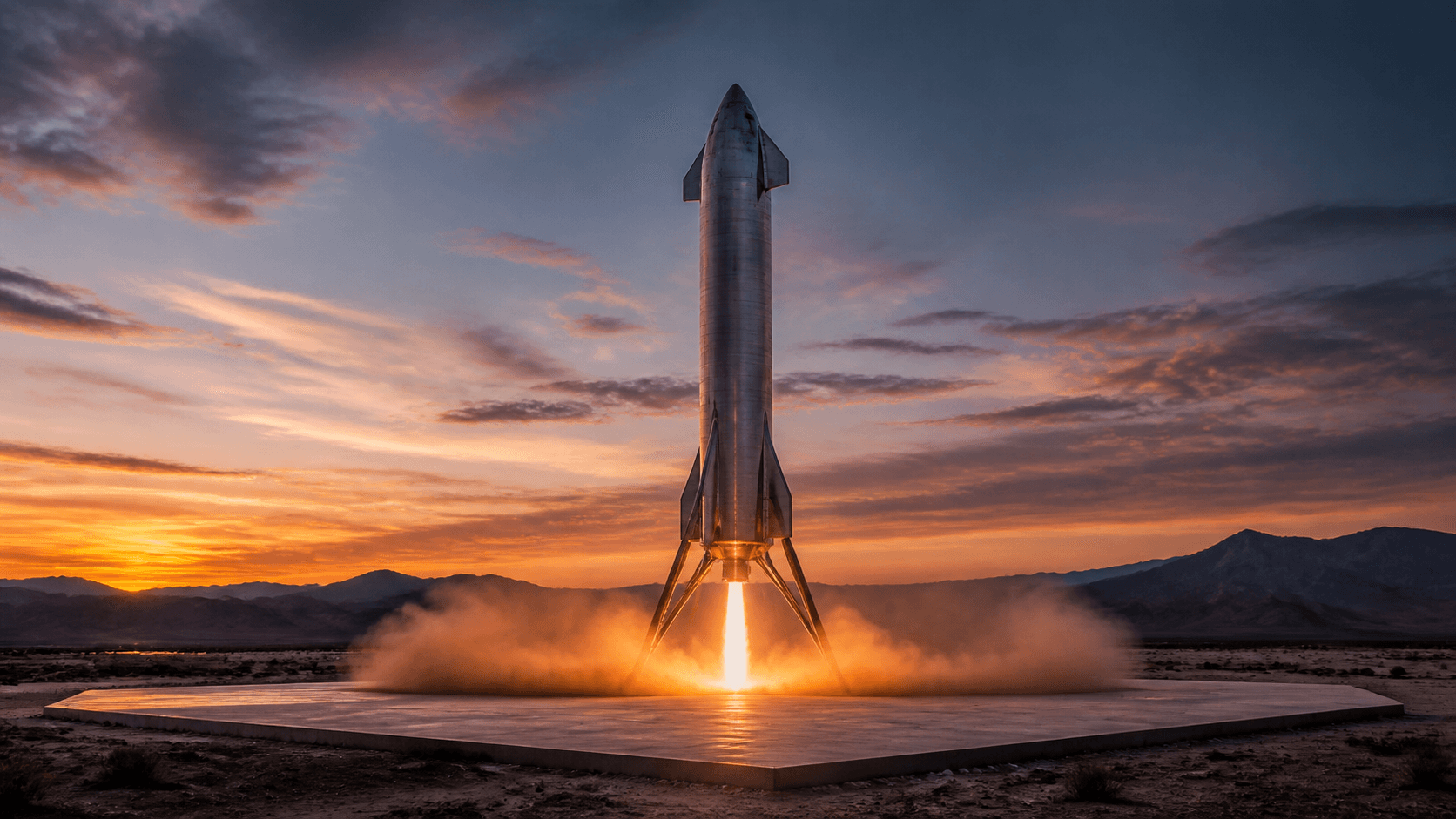
Successful Launch of Zhuque-3 Y-2 Marks China's First Controlled Rocket Stage Recovery
On August 19, the Zhuque-3 Y-2 rocket was launched from the Dongfeng Commercial Aerospace Innovation Pilot Zone, achieving a significant milestone in China's space endeavors. The rocket's first stage successfully landed on the recovery pad located in Minqin County, Gansu, marking China's first controlled recovery of an orbital-class rocket stage. This achievement is pivotal for LandSpace as it transitions from validating recovery technologies to implementing reusable rocket systems. The successful landing demonstrates advancements in engineering and recovery techniques, which are essential for the future of space exploration and satellite deployment. Looking ahead, the focus will be on how this success influences further developments in reusable rocket technology and its potential applications in commercial space missions. No further timeline was disclosed at the time of publication.

China's CZ-10B Rocket Recovery Achieves 60-70% Cost Reduction, Ushering in Reusable Era
China's CZ-10B rocket has successfully demonstrated net-based recovery, marking a significant shift towards reusable rocket technology. This achievement is expected to reduce launch costs by 60-70%, transforming the landscape of the space economy. The move from disposable to reusable rockets is crucial as it aligns with the growing demand for cost-effective space access in both commercial and government sectors. This paradigm shift indicates a maturation of the space economy, which is approaching a trillion-yuan valuation. Looking ahead, the implications of this technology could reshape future space missions and investments. No further timeline was disclosed at the time of publication.
Industry
DJI Osmo Action 6 Cameras Successfully Document Rocket Launch and Recovery
DJI showcased the resilience of its Osmo Action 6 cameras by sending 12 units aboard LandSpace's Zhuque-3 rocket during China's first successful land-based orbital booster recovery on August 19. Remarkably, one camera captured the entire mission in a single, uninterrupted video, providing a unique first-person perspective from liftoff to landing. This demonstration highlights the durability of the Osmo Action 6, which withstood extreme temperatures of 400°C to 500°C and intense vibrations during the flight. The footage serves as a valuable engineering tool for LandSpace, allowing engineers to analyze the rocket's recovery sequence and performance throughout the mission. The cameras recorded continuously, even during a communications blackout, ensuring that all critical moments were preserved. DJI's advanced stabilization technology contributed to the high-quality video, making it a significant achievement in showcasing the capabilities of consumer-grade action cameras in extreme conditions.
News
Remote Launch and Recovery of ROV in Operational Use with DeepOcean
Evotec has introduced Evotec CORE™ Remote, an innovative solution designed to automate the launch and recovery of remotely operated vehicles (ROVs) from shore. This advancement streamlines operations, allowing these processes to be conducted as a single, cohesive automated task. The launch of this technology marks a significant step forward in enhancing the efficiency and safety of marine operations, particularly in challenging environments. By enabling remote handling of ROVs, Evotec aims to reduce the need for extensive on-site personnel and equipment, ultimately lowering operational costs and minimizing risks associated with traditional methods. This development is expected to have a profound impact on industries reliant on underwater exploration and monitoring, providing a more effective means of conducting marine activities.
remote launch and recovery (rlars) rov deepocean evotec core™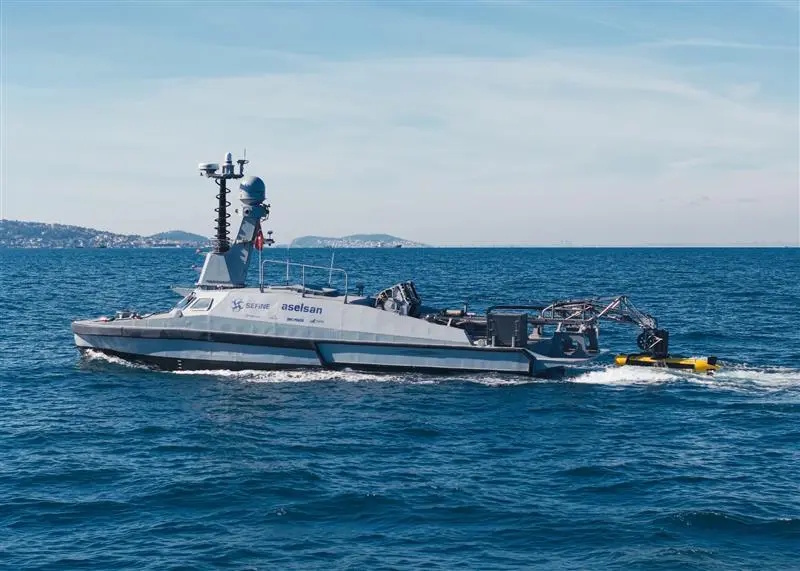
Kraken Robotics Demonstrates KATFISH Autonomous Launch and Recovery from SEFINE USV
Kraken Robotics has successfully integrated and demonstrated its KATFISH towed synthetic aperture sonar system along with an autonomous launch and recovery system (LARS) aboard SEFINE’s RD-22 unmanned surface vessel (USV). This significant event occurred in the first quarter of 2026 off the coast of İstanbul, Türkiye. The collaboration with SEFINE SISAM, the Strategic Unmanned Systems Research Center, highlights the advancements in maritime technology and aims to enhance operational capabilities in underwater exploration and surveillance. The integration of these systems marks a notable achievement in the field of unmanned maritime operations, showcasing Kraken Robotics' commitment to innovation and collaboration in the industry.
kraken robotics katfish autonomous launch and recovery sefine usv
HII Successfully Demonstrates Sea Launcher, Ship-Based Automated Launch and Recovery of REMUS Autonomous Underwater Vehicle
HII, a leading manufacturer of autonomous underwater unmanned vehicles, announced the successful shipboard deployment and recovery of a REMUS autonomous underwater vehicle. This achievement was made possible through the use of the company’s automated launch and recovery system, known as Sea Launcher. The event highlights HII's advancements in underwater technology and its commitment to enhancing operational capabilities in marine environments.
hii sea launcher ship-based automated launch and recovery remus autonomous underwater vehicle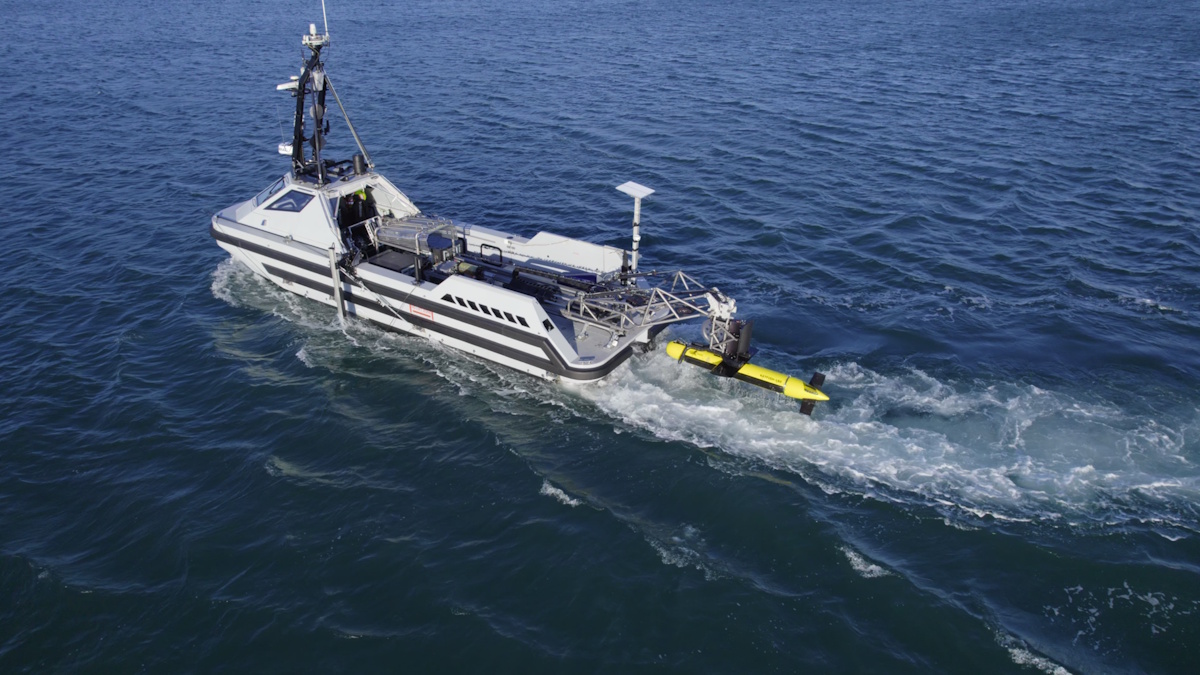
Kraken Robotics and TKMS ATLAS UK Demonstrate KATFISH USV Launch and Recovery System on an in-service UK Royal Navy ARCIMS USV
Kraken Robotics has successfully demonstrated its KATFISH Unmanned Surface Vessel Launch and Recovery System (USV-LARS) aboard TKMS ATLAS UK's 11-meter ARCIMS Unmanned Surface Vehicle (USV). This demonstration highlights a significant advancement in maritime security technology, as the integrated systems deliver a comprehensive autonomous survey solution tailored for mine countermeasure operations and the inspection of critical underwater infrastructure. Notably, the collaboration between ARCIMS and KATFISH USV-LARS marks the introduction of the industry's first air-deployable, 300-meter depth-rated autonomous towed Synthetic Aperture Sonar (SAS) survey system. This innovation aims to enhance operational efficiency and safety in maritime missions.
kraken robotics tkms atlas uk katfish usv launch and recovery system uk royal navy arcims usv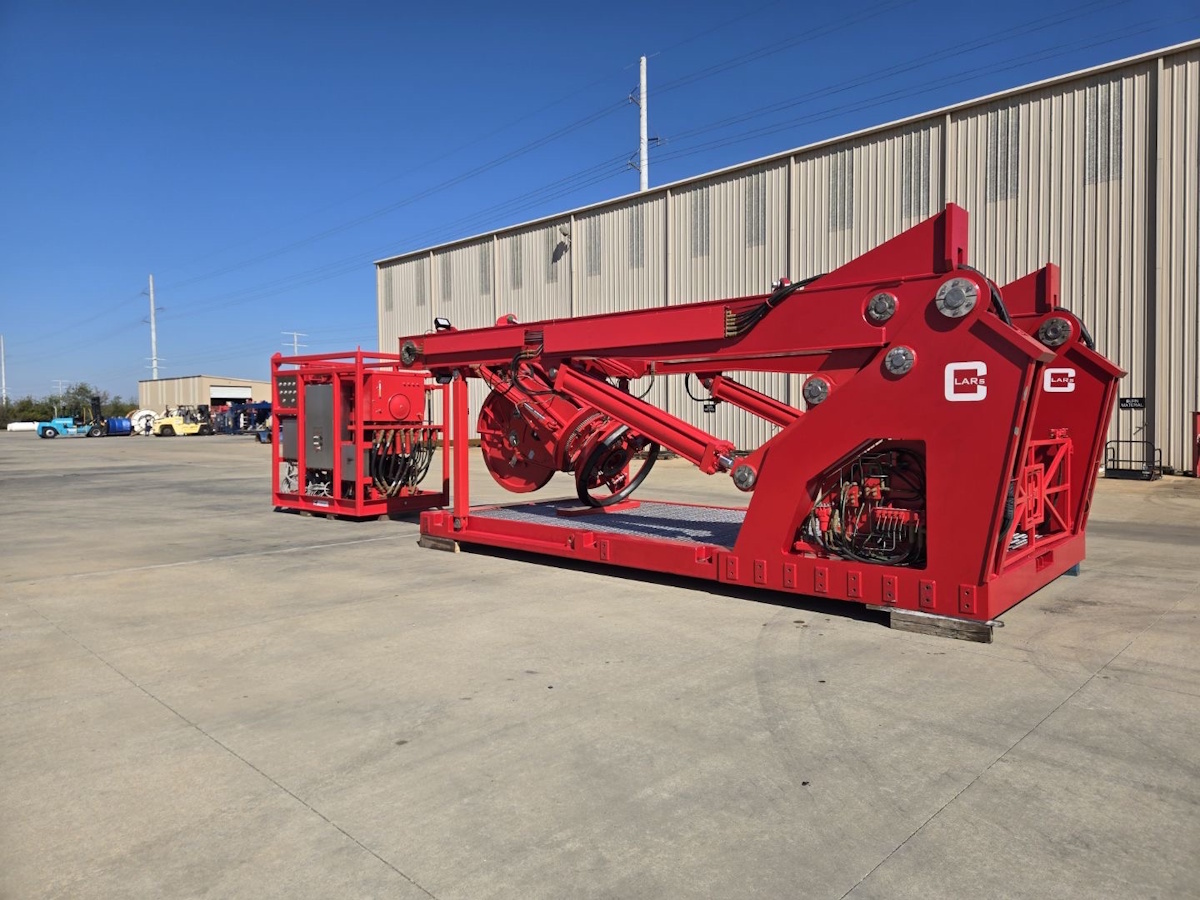
C-LARS Delivers New State of the Art Launch and Recovery System
C-LARS has successfully delivered its advanced Launch and Recovery System to Helix Robotics Solutions in the United States, enhancing the capabilities of their existing fleet. This cutting-edge hydraulic system includes a multiple drive winch system (CTW513) equipped with a Scantrol mTrack Active Heave Package, a powerful 300 horsepower electro-hydraulic power unit (CTH2300), and a self-erecting LARS (CTA620). The delivery marks a significant upgrade for Helix Robotics, aimed at improving operational efficiency and performance in underwater robotics applications.
c-lars launch and recovery system
MARTAC and Sealartec Introduce Fully Autonomous Launch and Recovery System for USV
Maritime Tactical Systems (MARTAC) and Sealartec have announced the launch of a groundbreaking Autonomous Launch & Recovery System designed for unmanned surface vessels (USVs). This innovative system enables the autonomous deployment and retrieval of MARTAC’s MANTAS T8 and T12 models from the Devil Ray T38 platform. The unveiling took place recently, highlighting the importance of such technology in enhancing swarming missions and maximizing the capabilities of unmanned marine systems. The development aims to operate effectively in various sea conditions with minimal human intervention, ensuring both speed and reliability in operations. This advancement is expected to significantly impact maritime operations, paving the way for more efficient and effective use of USVs in the field.
martac sealartec fully autonomous launch and recovery system usvRobotics needs a service framework.
RSF defines a common language for robot service capability, lifecycle operations, certification pathways, and service-provider networks.
Join the RobotToday community on LinkedIn
Daily robotics news, in-depth analysis, conference highlights, and discussions with professionals worldwide.







