Top News

Industry Briefing

A single destination for timely, editor-curated robotics news from around the world.
Integrating Industrial Robots with Laser Cleaning Systems Enhances Production Efficiency

Integrating Industrial Robots with Laser Cleaning Systems Enhances Production Efficiency

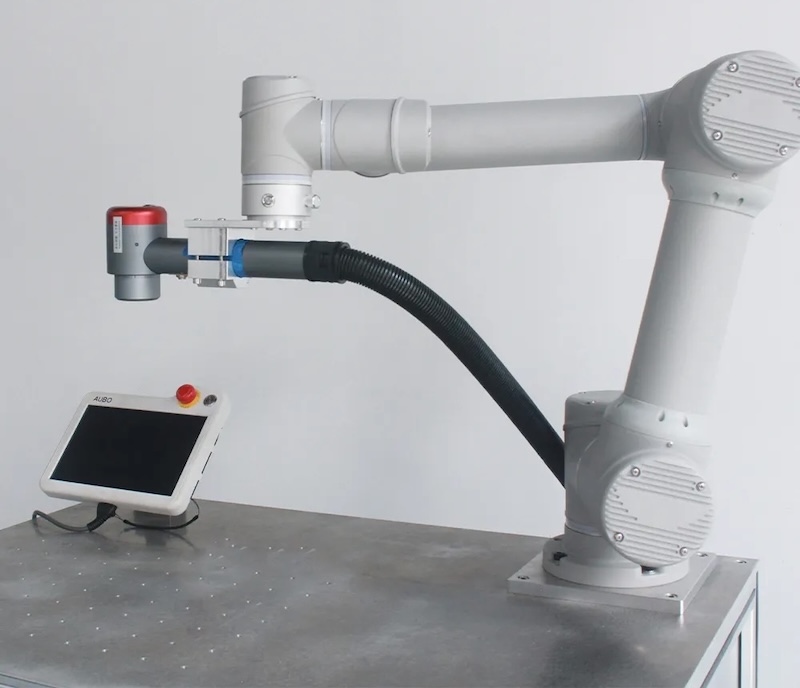
Recent advancements in technology are transforming factory operations, with companies striving to reduce cycle times, cut costs, and ensure quality. The integration of industrial robots with laser cleaning systems is emerging as a solution to automate the removal of burrs from metal components, significantly enhancing productivity and efficiency in production lines. This combination of technologies is crucial as it addresses the need for cleaner surfaces before processes like painting, coating, or welding, which are essential for maintaining product quality. Laser cleaning, a modern technique that utilizes powerful laser beams to eliminate unwanted materials without damaging the underlying metal, offers a more environmentally friendly alternative to traditional cleaning methods that often rely on harsh chemicals. As more companies explore the benefits of industrial laser cleaning machines, the focus will be on how these systems can further optimize production lines. The automation of the cleaning process not only saves time but also improves overall manufacturing efficiency. No further timeline was disclosed at the time of publication.

Engineering Robotics Technology factory automation industrial automation industrial robots
Laser micro-perforation with camera: enhancing reliability in packaging films through industrial vision.

Laser micro-perforation with camera: enhancing reliability in packaging films through industrial vision.

In the contemporary flexible packaging industry, achieving excellence extends beyond aesthetics to become a critical functional requirement. The optimization of permeability has emerged as a fundamental pillar in preserving the freshness of products, where every technical detail plays a vital role in extending shelf life and minimizing food waste. Recent advancements in laser micro-perforation technology, combined with industrial vision systems, are enhancing the reliability of packaging films. This innovative approach not only improves product preservation but also addresses the growing demand for sustainable packaging solutions. The integration of these technologies is transforming how the industry approaches packaging efficiency and effectiveness.

À la une IA Industrie Robotique conservation des aliments contrôle qualité automatisé
A Comprehensive Review of Surface Water Cleaning Robots and Their Future Directions

A Comprehensive Review of Surface Water Cleaning Robots and Their Future Directions

The Journal of Field Robotics has published an early view article that provides a structured review of surface water cleaning robots. This review highlights various technologies employed in the development of these robots, as well as the implementation challenges faced in real-world applications. Understanding the technologies and challenges associated with surface water cleaning robots is crucial for advancing their effectiveness and adoption. The review discusses the current state of research and identifies gaps that need to be addressed to enhance the performance and reliability of these robotic systems. Looking ahead, the article emphasizes the need for further research to overcome existing challenges and improve the design and functionality of surface water cleaning robots. No further timeline was disclosed at the time of publication.

SURVEY ARTICLE
The art(s) of laser weeding demystified: laser expert Matthias Lautenschläger explains

The art(s) of laser weeding demystified: laser expert Matthias Lautenschläger explains

Farmers, growers, and contractors worldwide are increasingly turning their attention to laser weeding, a cutting-edge agricultural technique gaining traction in the industry. This innovative method utilizes high-intensity lasers to target and eliminate weeds without harming crops, offering a sustainable alternative to traditional herbicides. As the agricultural sector grapples with rising temperatures and the challenges posed by climate change, the urgency for effective and environmentally friendly solutions has never been greater. Laser weeding not only reduces the reliance on chemical treatments but also minimizes soil disturbance, promoting healthier ecosystems. The growing interest in this technology is evident as more agricultural professionals seek training and information on its implementation. Demonstrations and workshops are being organized globally, showcasing the efficiency and precision of laser weeding systems. As farmers look for ways to enhance productivity while adhering to sustainable practices, laser weeding stands out as a promising solution that addresses both economic and environmental concerns. With the agricultural landscape evolving rapidly, this method could redefine weed management strategies in the years to come.

Smart farming laser weeding machinery precision agriculture weed control
Escarda starts series production of AI laser weeder after acquisition

Escarda starts series production of AI laser weeder after acquisition

Berlin-based startup Escarda Technologies is set to enhance its production capabilities for its AI-driven laser weeding system following its complete acquisition by Berlin.Industrial.Group (B.I.G.). This strategic acquisition aims to expedite the commercial deployment of environmentally friendly, chemical-free weed control solutions throughout Europe. The initiative reflects a growing commitment to sustainable agricultural practices and positions Escarda Technologies to meet increasing demand for innovative farming technologies.

Smart farming ai automation laser weeding robotic harvesting weed control systems
France's Rafale Fighter Integrates Affordable Laser-Guided Rockets for Anti-Drone Operations

France's Rafale Fighter Integrates Affordable Laser-Guided Rockets for Anti-Drone Operations

France has successfully conducted live-fire tests of 68mm laser-guided rockets from its Rafale fighter, enhancing its anti-drone capabilities. This development follows a trend among air forces to adopt cost-effective solutions for countering drones, rather than relying solely on expensive missiles. The Directorate General of Armaments (DGA) announced the integration of these rockets, which were tested in collaboration with the French Air and Space Force and supported by Dassault Aviation and Thales. The integration program, known as Lutte antidrone sur avion de combat (LADAC), aims to provide French Rafales with a more economical option for countering threats posed by drones like the Iranian Shahed-136. The DGA confirmed that the time from contract award to achieving initial operational capability was under eight months, indicating a swift development process. This capability may also be extended to export customers of the Rafale and potentially other combat aircraft. Looking ahead, the focus will be on the operational deployment of these laser-guided rockets, which are designed to work with the Rafale’s modified RBE2 radar and Talios pod for target tracking. The Aculeus-LG rocket, with a range of 3.7 miles, represents a significant advancement in the cost-effective defense against unmanned aerial systems (UAS). No further timeline was disclosed at the time of publication.

Air Air Forces Drones Fighters French Air Force News & Features
New laser weapon system uses rapid pulses to defeat drones swarms in seconds

New laser weapon system uses rapid pulses to defeat drones swarms in seconds

Israeli startup Esh-Tech has unveiled an innovative laser-based air defense system aimed at countering the increasing threat of aerial attacks. The announcement was made during a technology showcase in Tel Aviv on October 15, 2023. This advanced system is designed to provide a cost-effective and efficient solution for intercepting drones and other airborne threats, which have become more prevalent in recent conflicts. Esh-Tech's motivation stems from the urgent need for enhanced security measures in the region, as traditional defense systems often face limitations in terms of cost and effectiveness against modern aerial threats. The laser technology allows for precise targeting and engagement, significantly reducing the expense associated with conventional missile systems. The development process involved extensive research and collaboration with defense experts, ensuring that the system meets the rigorous demands of military applications. Esh-Tech aims to position its product as a vital tool for both national defense and private sector security, potentially transforming the landscape of air defense strategies in Israel and beyond.

Military
Chinese firm debuts man-portable laser weapon that zaps drones, fits in a backpack

Chinese firm debuts man-portable laser weapon that zaps drones, fits in a backpack

Harbin Xinguang Optic-Electronics Technology, a Chinese defense supplier, has introduced a new man-portable anti-drone laser weapon. The announcement was made recently, highlighting the growing focus on counter-drone technology amid increasing concerns over drone-related threats. This innovative weapon is designed to provide military and security forces with a portable solution to neutralize unauthorized drones effectively. The development reflects a broader trend in defense technology, where nations are investing in advanced systems to safeguard airspace from potential intrusions. The unveiling of this laser weapon underscores the urgency for enhanced security measures in response to the evolving landscape of aerial threats.

Innovation Military
US Navy tests dual-use laser that beams power and counters drone threats in one system

US Navy tests dual-use laser that beams power and counters drone threats in one system

The U.S. Naval Research Laboratory (NRL) has successfully demonstrated a groundbreaking laser system capable of transmitting data at unprecedented speeds. This innovative technology was showcased during a recent test conducted at the laboratory's facilities in Washington, D.C. The demonstration highlights the potential for advanced communication systems that could enhance naval operations and improve data transfer capabilities in various military applications. By utilizing laser technology, the NRL aims to address the growing demand for faster and more secure communication methods in an increasingly digital battlefield. The successful test marks a significant step forward in the development of high-speed data transmission solutions, paving the way for future advancements in military communications.

Military
Israeli startup unveils laser system it says can kill drones in seconds

Israeli startup unveils laser system it says can kill drones in seconds

Esh-Tech has unveiled a groundbreaking energy system that promises to revolutionize the industry, according to CEO Erex Riahi. The new system, which operates on just 4kWh, is designed to be compact and can be easily connected to vehicles. Riahi emphasized that this innovative technology is priced three to four times lower than existing laser or microwave systems, making it a more accessible option for consumers. The announcement marks a significant advancement in energy solutions, with potential implications for both personal and commercial use.

Air Warfare Global Air Force Counter UAS cUAS Drones EUROSATORY 2026
Nine US Navy destroyers that carry laser weapons for drone defense

Nine US Navy destroyers that carry laser weapons for drone defense

The U.S. Navy has officially deployed laser weapons aboard its destroyers, marking a significant advancement from previous experimental demonstrations. This deployment, which occurred in October 2023, aims to enhance the Navy's defensive capabilities against various threats, including drones and small boats. The integration of laser technology is part of a broader strategy to modernize military assets and improve operational efficiency. By utilizing directed energy systems, the Navy seeks to provide a cost-effective and precise alternative to traditional munitions, thereby reducing logistical burdens and increasing response times in combat situations. The successful implementation of these systems aboard destroyers underscores the Navy's commitment to innovation and maintaining a technological edge in maritime operations.

These American Destroyers Are Equipped With Laser Weapons

These American Destroyers Are Equipped With Laser Weapons

The U.S. Navy has equipped nine of its surface combatants with directed energy systems, including advanced laser weapons, as part of an initiative to enhance naval capabilities. This move, aimed at bolstering defense mechanisms against various threats, reflects the Navy's commitment to integrating cutting-edge technology into its fleet. The expansion of testing and potential deployment of these systems is expected to occur in the near future, signaling a strategic shift towards modern warfare tactics. The initiative underscores the Navy's focus on improving operational effectiveness and readiness in an evolving security landscape.

Sea Destroyers Directed Energy Lasers Naval Directed Energy Weapons Navies
Pentagon tests Locust laser that downs drones without harming nearby civilian aircraft

Pentagon tests Locust laser that downs drones without harming nearby civilian aircraft

AeroVironment's LOCUST laser weapon successfully completed a significant counter-drone test in collaboration with the Pentagon, showcasing its advanced capabilities in neutralizing aerial threats. This testing took place recently, highlighting the growing emphasis on innovative defense technologies amid rising concerns over drone warfare. The LOCUST system is designed to provide military forces with an effective means to counteract the increasing prevalence of unmanned aerial vehicles (UAVs) on the battlefield. By utilizing cutting-edge laser technology, the weapon aims to enhance the operational effectiveness of U.S. military operations. The successful demonstration of the LOCUST laser weapon underscores the Pentagon's commitment to integrating advanced systems into its defense strategy, ensuring that military forces are equipped to address evolving threats in modern warfare.

7 Key Engineering Hurdles in Building High Precision Gantry Systems for Automation

7 Key Engineering Hurdles in Building High Precision Gantry Systems for Automation

Multi-axis gantry platforms play a crucial role in enhancing automation across various industries, including semiconductor inspection, laser processing, and advanced metrology. Despite their significance, the challenges associated with achieving precision, reliability, and readiness for production are frequently overlooked. As industries increasingly rely on these platforms to improve efficiency and throughput, addressing these technical hurdles has become essential for advancing automation technologies. The ongoing development and refinement of these systems are vital for meeting the growing demands of high-tech manufacturing processes.

A Ground Mobile Robot for Autonomous Terrestrial Laser Scanning‐Based Field Phenotyping

A Ground Mobile Robot for Autonomous Terrestrial Laser Scanning‐Based Field Phenotyping

A recent study published in the Journal of Field Robotics highlights advancements in autonomous navigation systems for drones, showcasing their potential applications in various industries. Conducted by a team of researchers from leading universities, the study was released in early October 2023. The research took place in multiple test environments, including urban areas and rural landscapes, to evaluate the drones' performance in diverse conditions. The motivation behind this study stems from the increasing demand for efficient and reliable drone technology in sectors such as agriculture, logistics, and disaster response. By enhancing the drones' ability to navigate complex terrains and avoid obstacles, the researchers aim to improve operational safety and effectiveness. The team employed a combination of machine learning algorithms and real-time data processing to develop a robust navigation framework. This innovative approach allows drones to make autonomous decisions based on their surroundings, significantly reducing the need for human intervention. The findings suggest that these advancements could lead to more widespread adoption of drones, ultimately transforming how various industries operate. As the technology continues to evolve, the researchers emphasize the importance of ongoing testing and refinement to ensure that these autonomous systems can be safely integrated into everyday use. The study not only contributes to the academic field but also sets the stage for practical applications that could enhance efficiency and safety across multiple sectors.

RESEARCH ARTICLE
Belgium unveils low-cost laser-guided rocket with proximity sensor for drone hunts

Belgium unveils low-cost laser-guided rocket with proximity sensor for drone hunts

The increasing prevalence of small drones has emerged as a significant challenge for military forces, presenting both operational and financial hurdles. As nations grapple with the threat posed by these unmanned aerial vehicles, the need for effective countermeasures has intensified. This shift in focus comes amid rising concerns about the potential for drones to be used in surveillance, reconnaissance, and even combat scenarios. In response, military organizations are exploring a range of solutions, from advanced technology to innovative tactics, to neutralize the threat posed by small drones. The urgency of this issue has prompted governments to allocate substantial resources towards research and development, aiming to enhance their defensive capabilities. The situation has evolved rapidly, with various countries investing in new systems and strategies to address the growing drone menace. As the landscape of modern warfare continues to change, the ability to effectively counter small drones will be crucial for maintaining national security and operational effectiveness.

Military
New Archimedes laser weapon system for low-cost drone kill trialed for Pentagon

New Archimedes laser weapon system for low-cost drone kill trialed for Pentagon

Aurelius Systems, a US-based technology firm, has successfully completed live testing of its Archimedes autonomous directed-energy system. This significant milestone was achieved recently, showcasing the system's capabilities in real-world scenarios. The testing took place at a designated facility, where the system demonstrated its potential applications in defense and security. The motivation behind developing the Archimedes system is to enhance military operations by providing advanced directed-energy solutions that can effectively neutralize threats. The testing process involved rigorous evaluations to ensure the system's reliability and effectiveness in various conditions, marking a crucial step towards its deployment in operational settings.

Military
Deep Learning Based Dirt Detection and Cleanliness Evaluation in Autonomous Indian Domestic Concrete Water Tank Cleaning Robot

Deep Learning Based Dirt Detection and Cleanliness Evaluation in Autonomous Indian Domestic Concrete Water Tank Cleaning Robot

A recent study published in the Journal of Field Robotics highlights advancements in autonomous robotic navigation. Researchers from a leading robotics institute conducted experiments to enhance the efficiency of robots in complex environments. The study, released in early October 2023, focuses on the integration of advanced algorithms that allow robots to better interpret their surroundings and make real-time decisions. The research was carried out in various challenging terrains, including urban settings and natural landscapes, to test the robots' adaptability. The motivation behind this work stems from the growing demand for autonomous systems in sectors such as agriculture, search and rescue, and urban planning. By improving navigation capabilities, the researchers aim to facilitate the deployment of robots in scenarios where human intervention is limited or dangerous. Through a series of simulations and field tests, the team demonstrated that the new algorithms significantly reduced the time taken for robots to complete tasks while increasing their accuracy in obstacle avoidance. This breakthrough could lead to more reliable and efficient robotic systems, paving the way for wider applications in everyday life. The findings underscore the potential of robotics to transform various industries by enhancing operational efficiency and safety.

RESEARCH ARTICLE
Thales upgrades its laser guided rocket with new LiDAR sensor to target drones

Thales upgrades its laser guided rocket with new LiDAR sensor to target drones

Thales Belgium has announced the integration of an advanced sensor into its guidance kit, enhancing its targeting capabilities. This new technology activates as the kit approaches its target, improving precision and effectiveness. The development was confirmed by a company official in an interview with Breaking Defense, highlighting Thales Belgium's commitment to advancing military technology. This innovation is expected to bolster the operational efficiency of their defense systems, reflecting the company's ongoing efforts to stay at the forefront of the defense industry.

Global Drones Europe EUROSATORY 2026 guided rocket Middle East
Performance Evaluation of Different Laser SLAM Algorithms for Unmanned Mining Vehicles

Performance Evaluation of Different Laser SLAM Algorithms for Unmanned Mining Vehicles

A recent study published in the Journal of Field Robotics highlights advancements in robotic technology aimed at improving agricultural efficiency. Researchers from a leading university conducted experiments to develop autonomous robots capable of performing tasks such as planting, weeding, and harvesting crops. The study, which took place over the summer of 2023, was conducted on various farms in California, showcasing the robots' adaptability to different agricultural environments. The motivation behind this research stems from the increasing demand for sustainable farming practices and the need to address labor shortages in the agricultural sector. By integrating advanced sensors and artificial intelligence, the robots are designed to optimize crop yields while minimizing resource use. The research team employed a series of field trials to test the robots' performance, collecting data on their effectiveness and efficiency compared to traditional farming methods. Preliminary results indicate that these autonomous systems can significantly reduce labor costs and increase productivity, offering a promising solution for modern agriculture. As the agricultural industry faces challenges such as climate change and population growth, this innovative approach could play a crucial role in ensuring food security and sustainability in the coming years. The findings from this study are expected to pave the way for further developments in agricultural robotics, potentially transforming the way food is produced globally.

SURVEY ARTICLE
High-precision laser spectroscopy confirms proton is smaller than expected, at 0.84 fm

High-precision laser spectroscopy confirms proton is smaller than expected, at 0.84 fm

Physicists at the Max Planck Institute of Quantum Optics (MPQ) have successfully reinforced a critical measurement related to quantum mechanics, enhancing our understanding of the fundamental principles governing the behavior of particles at the quantum level. This significant advancement was achieved through a series of precise experiments conducted over the past year at the institute's facilities in Garching, Germany. The researchers aimed to address longstanding questions in the field, specifically focusing on the interactions between light and matter. By employing advanced techniques in quantum optics, they were able to achieve unprecedented accuracy in their measurements, which could have far-reaching implications for future technologies, including quantum computing and secure communication systems. The findings, which were published recently in a leading scientific journal, underscore the importance of continued research in quantum physics and its potential to revolutionize various industries.

Brain Corp Achieves SOC 2 Compliance, Reinforcing Trusted Enterprise-Grade Deployment of AI Systems at Scale

Brain Corp Achieves SOC 2 Compliance, Reinforcing Trusted Enterprise-Grade Deployment of AI Systems at Scale

Brain Corp has achieved a significant security milestone with its autonomous robots, which are increasingly being deployed in commercial spaces. This development comes as businesses seek innovative solutions to enhance operational efficiency and safety. The milestone was reached in October 2023, reflecting the company's commitment to advancing robotic technology in various environments, including retail and logistics. The growing adoption of these robots is driven by the need for improved cleaning and maintenance processes, particularly in high-traffic areas. By utilizing advanced sensors and AI, Brain Corp's robots can navigate complex spaces while ensuring a high level of security and reliability. This progress not only streamlines operations but also addresses the rising demand for contactless services in the wake of the pandemic. As more companies integrate these autonomous solutions, Brain Corp is positioned to lead the market, demonstrating how technology can transform traditional practices in commercial settings. The successful implementation of these robots marks a pivotal moment in the evolution of automated services, paving the way for broader applications in the future.

From Forklifts to Laser Guided Vehicles — The Operational Shift in High-Volume Manufacturing

From Forklifts to Laser Guided Vehicles — The Operational Shift in High-Volume Manufacturing

In response to the growing demands of manufacturing systems, which require increased efficiency and precision, the use of Automated Guided Vehicles (LGVs) is becoming more prevalent. Unlike traditional forklifts, which rely heavily on operator skill and can be affected by factors such as fatigue and congestion, LGVs offer a consistent and repeatable solution for material handling. This shift is particularly crucial as production volumes rise and tolerances become tighter, necessitating a more reliable flow of materials within facilities. As industries seek to enhance their operational capabilities, the integration of LGVs is seen as a strategic move to improve productivity and reduce the risks associated with human error.

US clears counter-drone laser system for southern border use

US clears counter-drone laser system for southern border use

Federal regulators have announced a new measure to address the threat of rogue drones entering restricted airspace, particularly along the southern border of the United States. This innovative response involves the use of a high-speed light beam designed to neutralize unauthorized drones without endangering airline passengers. The initiative reflects growing concerns over drone incursions in sensitive areas and aims to enhance security while maintaining safety in the skies. The implementation of this technology marks a significant advancement in aerial defense strategies, as authorities seek to balance the need for airspace security with the safety of commercial aviation.

News
Facility Maintenance: Lavo Bot AI and NVIDIA Bring Autonomy to Exterior Surface Cleaning

Facility Maintenance: Lavo Bot AI and NVIDIA Bring Autonomy to Exterior Surface Cleaning

A new advanced navigation system has been introduced, designed to enhance operational efficiency on job sites. This innovative technology utilizes sophisticated mapping, multi-sensor vision, and zone-based safety features to confidently navigate areas of up to 6,000 square feet per hour. It is capable of supporting pressure-wash rigs that operate at a rate of up to 12 gallons per minute and can handle pressures of 4,500 PSI. This development aims to streamline processes in various industries, ensuring safety and effectiveness in demanding environments. The system is expected to significantly improve productivity and safety standards for workers on-site.

GS Caltex Completes $135 Million Overhaul at Yeosu Refinery Using Robots and AI

GS Caltex Completes $135 Million Overhaul at Yeosu Refinery Using Robots and AI

GS Caltex announced the completion of a 200 billion won ($135 million) turnaround at its Yeosu refinery, utilizing robots, artificial intelligence, and digital tools to enhance safety and operational efficiency. This large-scale maintenance operation involved halting production for intensive inspections and replacing aged components, laying the groundwork for safer and more efficient plant operations. The significance of this turnaround lies in GS Caltex's integration of digital and AI solutions, which are part of the company's broader digital transformation strategy. By digitalizing core operational systems, the refinery aims to improve workplace practices and boost overall competitiveness. The deployment of technologies like MOVision and tube-cleaning robots addresses specific operational challenges, such as locating electric motor-operated valves and enhancing thermal efficiency. Looking ahead, GS Caltex plans to continue innovating within the manufacturing sector by leveraging its DAX strategies. The company's commitment to integrating on-site expertise with advanced technologies is expected to further enhance efficiency and safety in future operations. No further timeline was disclosed at the time of publication.

All News
Essential Safety Tips for Operating Collaborative Robots Alongside Humans

Essential Safety Tips for Operating Collaborative Robots Alongside Humans

The landscape of modern manufacturing is evolving as industries increasingly integrate collaborative robots, or cobots, into their operations. This shift, aimed at fostering a more agile and flexible production environment, allows humans and machines to work side by side without the traditional safety barriers. However, as these safety cages are removed, ensuring a secure workspace becomes paramount. To achieve this, experts emphasize the importance of comprehensive risk assessments that consider not only the cobots themselves but also the tools they use. For example, when handling sharp or high-temperature items, additional safety measures must be implemented to protect nearby workers. Moreover, employing external sensors like laser scanners can enhance safety by enabling cobots to adjust their speed based on human proximity. JAKA, a leader in collaborative robotics, is committed to prioritizing worker safety through its "Smart, Simple, and Small" philosophy. Their systems feature high-precision torque sensors that allow the robots to detect resistance and halt immediately to prevent injuries. The JAKA S series is specifically designed for environments demanding high interaction standards, incorporating advanced hardware and software to establish trust between operators and machines. With tools that enable visual safety boundary settings, JAKA aims to create a harmonious manufacturing environment that values both human safety and industrial efficiency.

Flexible Robot Path Planning: How to Adapt to Changing Workpiece Geometry

Flexible Robot Path Planning: How to Adapt to Changing Workpiece Geometry

JAKA, a leader in robotics technology, is addressing the challenges of automated finishing processes, particularly in polishing applications where workpiece dimensions can vary. Traditional robots, which rely on fixed programming, often struggle to maintain quality when faced with different part geometries. To overcome this limitation, JAKA has developed a flexible robotic system that intelligently adapts its polishing path in real time, ensuring consistent quality across diverse production batches. This innovative approach integrates advanced sensory technology, such as vision systems and laser scanners, which capture the actual geometry of each workpiece. The robot's control system then compares this data to the ideal CAD model, allowing for dynamic adjustments in its trajectory. JAKA's proprietary force control technology further enhances this adaptability by maintaining optimal contact pressure, compensating for minor deviations in part shape. To simplify the user experience, JAKA's systems feature intuitive graphical off-line programming software that enables operators to easily import new CAD models and generate tool paths with minimal reprogramming. The compact and lightweight design of JAKA's robotic arms facilitates quick repositioning for different production lines, while standardized communication protocols allow for swift integration of various sensors, reducing downtime. By combining mechanical dexterity, integrated perception, and intelligent control algorithms, JAKA is transforming polishing robots from rigid tools into adaptive partners. This advancement ensures high-quality finishing standards, even as product designs evolve, ultimately benefiting manufacturers in high-mix production environments.

Advanced Calibration for Servo Arm Robot Repeatability and Accuracy

Advanced Calibration for Servo Arm Robot Repeatability and Accuracy

In the realm of high-precision manufacturing, JAKA emphasizes the importance of meticulous calibration for servo arm robots, particularly in tasks requiring exceptional accuracy, such as polishing and assembly. This ongoing calibration process is essential for ensuring repeatability and positional accuracy, which are critical for achieving flawless surface finishes. The calibration begins with the robot's internal model, where advanced techniques are employed to identify and correct minute variations in joint alignment and link dimensions. By moving the arm through programmed sequences and measuring discrepancies with external metrology tools, JAKA enhances the robot's native accuracy, laying the groundwork for high-precision applications. Attention then shifts to the Tool Center Point (TCP), the active contact point of the tool. For polishing robots, precise definition of the TCP is crucial, as even minor errors can lead to uneven material removal. JAKA employs advanced methods, including calibration spheres and laser systems, to accurately define the TCP in six dimensions, ensuring that programmed paths align correctly with real-world locations. Recognizing that mechanical parameters can drift over time, JAKA advocates for a continuous calibration protocol. This involves periodic verification and compensation, utilizing in-line sensors or scheduled re-calibration to maintain precision. For instance, a laser profilometer may be used to scan test pieces and trigger recalibration if tolerances shift. By integrating sophisticated calibration methodologies, JAKA transforms general-purpose servo arm robots into dedicated precision machines, underscoring that such investments are not just technical necessities but essential for maintaining product quality and reducing waste in manufacturing processes.

How to Choose a Robot Vacuum and Mop That Actually Fits Your Home

How to Choose a Robot Vacuum and Mop That Actually Fits Your Home

In the evolving landscape of home cleaning technology, combination robots that vacuum and mop have transitioned from novelty items to essential household tools. However, the market is saturated with options, making it challenging for consumers to discern which models truly deliver on their promises. As two machines priced similarly can yield vastly different performances in actual home environments, potential buyers must navigate a plethora of marketing claims that often emphasize specifications not necessarily relevant to effective cleaning on various floor types. This complexity highlights the need for informed decision-making when selecting a cleaning robot that best suits individual home needs.

Cleaning robots best robot vacuum and mop floor cleaning hardwood floor cleaning home automation home technology
Military Selects First Bases for Directed-Energy Counter-Drone Program

Military Selects First Bases for Directed-Energy Counter-Drone Program

The U.S. Department of Defense has unveiled the first five military installations chosen to participate in a directed-energy counter-drone program aimed at enhancing defenses against unmanned aircraft systems (UAS). This initiative, announced by the Joint Interagency Task Force 401, seeks to bolster national security by developing advanced drone defense technologies. The selected bases will play a crucial role in testing and implementing these systems, reflecting the growing need to address the evolving threats posed by drones. The program underscores the military's commitment to adapting to modern warfare challenges and ensuring effective countermeasures against potential aerial threats.

Anti-drone technology Applications C-UAS Defense defense Drone News
Kraus Hamdani Aerospace Demonstrates Wireless Power Beaming to K1000ULE at Shaw AFB

Kraus Hamdani Aerospace Demonstrates Wireless Power Beaming to K1000ULE at Shaw AFB

Kraus Hamdani Aerospace (KHA) and PowerLight Technologies successfully demonstrated their innovative wireless power beaming technology for the K1000ULE drone at Shaw Air Force Base. This event, hosted by the AFCENT Battle Lab, showcased the capability to sustain continuous intelligence, surveillance, and reconnaissance (ISR) operations without the need for ground recovery. The demonstration highlights the potential of laser-based power transmission to enhance operational efficiency for military applications, aligning with CENTCOM's focus on advancing operational energy innovation.

Defense Drone News Drone News Feeds Long Range News aerial surveillance
Productive Robotics Equips Manufacturers With Zero Programming End-To-End Automation At IMTS

Productive Robotics Equips Manufacturers With Zero Programming End-To-End Automation At IMTS

Productive Robotics, based in Santa Barbara, California, is set to showcase its innovative end-to-end automation solutions at the International Manufacturing Technology Show (IMTS) 2026, taking place on July 1. The company will exhibit at two booths, highlighting its 7-axis OB7 collaborative robots, which require no programming and offer a plug-and-play setup. This technology aims to address acute labor shortages, rising costs, and global competition faced by manufacturers. In Booth #339186, the focus will be on automating metal removal processes, while Booth #237138 will emphasize abrasive machining, sawing, and gear production. Zac Bogart, president of Productive Robotics, emphasized the importance of CNC machining for U.S. manufacturers, particularly in defense, aerospace, and automotive sectors, as well as for reshoring efforts to stabilize supply chains. The demonstrations will include automated vision inspection systems, MIG welding, and laser welding applications, showcasing the versatility of the company's robots. With their unique 7-axis design, these collaborative robots offer enhanced dexterity, allowing them to perform a wide range of tasks without the need for workspace redesign. The user-friendly interface enables operators with no robotics experience to quickly teach the robots tasks, significantly boosting productivity and safety in various manufacturing environments. For more information, visit Productive Robotics' website.

How AI Navigation is Improving the Performance of Robotic Pool Cleaners

How AI Navigation is Improving the Performance of Robotic Pool Cleaners

Robotic pool cleaners have evolved beyond traditional metrics such as suction power and debris collection, with a significant emphasis now placed on navigation capabilities. Previously, these devices were primarily evaluated based on their ability to pick up dirt and debris, but advancements in technology have shifted the focus to how effectively they can navigate a pool's surface. A robot that operates randomly may clean certain areas thoroughly while neglecting others, leading to inconsistent cleaning results. This change in evaluation criteria reflects a growing understanding that efficient navigation is crucial for maximizing the overall performance of pool cleaning robots. As manufacturers continue to innovate, the integration of sophisticated navigation systems is becoming a key factor in the design and functionality of these devices, ensuring a more comprehensive cleaning experience for pool owners.

Artificial Intelligence Environment Technology AI navigation ai robotics AquaSense 2 Ultra
Aerospace equipment company, with a team experienced in major aircraft assembly, secures millions in funding.

Aerospace equipment company, with a team experienced in major aircraft assembly, secures millions in funding.

Dalian Kunda Automation Co., a company specializing in intelligent assembly equipment for large aircraft, has successfully completed a Series A funding round, raising tens of millions of yuan. The investment was led by Taizhou Yongxin Rongyan Venture Capital Partnership, with Dagan Capital serving as the exclusive financial advisor. The funds will primarily be allocated for the development of a new generation of intelligent assembly systems, expansion of core product capacity, and to supplement working capital. Founded in 2016, Dalian Kunda focuses on providing automation solutions for heavy manufacturing sectors, particularly in aerospace. The company offers a range of products, including high-precision mobile docking platforms and composite mobile robots, catering to major manufacturers and research institutions in aviation, aerospace, and engine sectors. Dalian Kunda has developed advanced technologies to meet the stringent demands of aerospace assembly, including high-precision docking and assembly techniques. Its products, capable of handling loads from 2 to 200 tons, integrate laser SLAM, visual navigation, and autonomous scheduling systems for efficient operation in large-scale manufacturing environments. The company has reported a revenue of approximately 80 million yuan for the latest fiscal year, marking a 49% increase. With a strong focus on research and development, Dalian Kunda holds over 60 patents and collaborates with Dalian University of Technology on precision assembly algorithms. Investors are optimistic about Dalian Kunda's potential, citing the rapid growth of the domestic aerospace market and the company’s established expertise in flexible production solutions. The firm aims to expand its presence in the civil aviation sector and explore opportunities in low-altitude economic initiatives, particularly in the development of large unmanned cargo aircraft.

How Roomba started a robot revolution

How Roomba started a robot revolution

In the early days of robotic vacuum technology, the Roomba was characterized by its simplicity and limited functionality. These devices navigated homes by randomly bumping into obstacles while attempting to clean, often ceasing operation once their batteries depleted or their dust containers filled. Despite these shortcomings, the Roomba gained popularity among consumers for its convenience, marking a significant step in the evolution of home cleaning appliances. As technology has advanced, newer models have incorporated sophisticated navigation systems and improved suction capabilities, reflecting the growing demand for more efficient and user-friendly cleaning solutions.

Gadgets Podcasts Smart Home Tech Version History
Materials Handling Group Power

Materials Handling Group Power

At LogiMAT, Bowe Group leaders discussed the company's evolution and future plans for integrated automation supported by advanced software intelligence. Founded 80 years ago, Bowe Group initially focused on manufacturing household goods before expanding into dry cleaning and car wash systems, and eventually document and paper management. The company's commitment to engineering innovation continues to drive its growth and adaptation in the materials handling sector.

AMR and AGV Automation Systems and Shuttles Conveying and Sortation Magazine Features Materials Handling WMS & SCM Software
Why Richtech Robotics’ (RR) Latest Collaboration Could Change The Conversation

Why Richtech Robotics’ (RR) Latest Collaboration Could Change The Conversation

Richtech Robotics Inc. (NASDAQ: RR), currently valued at $3.02 per share, has announced a potential partnership with SoundHound AI (SOUN) as of May 7, 2026. This collaboration aims to integrate SoundHound’s advanced voice AI technology into Richtech’s robotic systems, enhancing human-robot interactions in hospitality and service sectors. The partnership will kick off with a demonstration of Richtech’s Scorpion robot utilizing SoundHound’s voice capabilities in an interactive beverage service setting. Earlier, on April 8, Richtech secured a distribution agreement with NewConsultancy, a Netherlands-based firm, to distribute its robotic solutions across the Netherlands and the European Union. This agreement is expected to bolster Richtech’s international presence and customer support capabilities. Founded in 2016 and headquartered in Las Vegas, Richtech Robotics specializes in developing AI-powered robots designed to automate labor-intensive tasks across various industries. Its product lineup includes robotic food runners, autonomous cleaning systems, and robotic bartenders, all aimed at improving operational efficiency and addressing labor shortages. While Richtech shows promise as an investment, analysts suggest that other AI stocks may present greater potential for growth with less risk.

The Future of Welding Cobot Technology: AI Path Planning and Simulation

The Future of Welding Cobot Technology: AI Path Planning and Simulation

The welding industry is experiencing a significant digital transformation in response to a global shortage of skilled welders and an increasing demand for high-precision manufacturing. This shift is marked by the introduction of collaborative robots, or welding cobots, which are evolving from traditional automated tools into intelligent partners capable of executing complex welding tasks. These advancements allow small-to-medium enterprises to achieve high-quality welding standards with reduced setup times. Key innovations include AI-driven path planning and vision integration, which address the challenges posed by variability in workpieces. By employing technologies such as "Through-the-Arc" sensing and laser vision systems, these cobots can analyze seams in real-time and adjust their movements to compensate for any misalignments. Additionally, "Lead-through" programming enables human welders to guide the robotic arm, which the AI then refines into a precise trajectory. The use of simulation and digital twin technology further enhances the welding process. Engineers can create virtual models of welding cells to optimize operations without interrupting production. This capability allows for the prediction of thermal effects and minimizes heat distortion, significantly reducing the time required to deploy welding cobots from days to hours. At the forefront of this innovation is JAKA, which is integrating these intelligent features into its collaborative platforms. Their welding cobots, equipped with advanced sensors and motion control, are designed for various welding applications. JAKA also offers a user-friendly software package that simplifies complex path planning, enabling operators to monitor and adjust weld parameters remotely, thereby enhancing craftsmanship while ensuring precision.

Top 8 Applications of JAKA Cobots in the Electronics Industry

Top 8 Applications of JAKA Cobots in the Electronics Industry

JAKA, a leading robotics company, has integrated its collaborative robots (cobots) into various stages of electronics manufacturing to enhance precision and efficiency. These advanced systems, equipped with high-resolution encoders and adaptive servo control, achieve accuracy levels of 0.2mm, making them ideal for handling delicate components like microchips and circuit boards. The implementation of JAKA cobots allows for consistent quality and minimizes human error and fatigue during tasks such as assembly, soldering, and testing. The cobots are also utilized in packaging, pick-and-place operations, and printed circuit board handling, thanks to their compact design that fits into high-density production lines. Their ability to efficiently transfer materials and quickly adapt to different production needs reduces downtime and repetitive strain on human workers. Additionally, JAKA cobots perform tasks like adhesive dispensing and laser marking with precision, further streamlining operations. By employing these robotics solutions across eight applications, JAKA aims to improve overall manufacturing efficiency while ensuring safety and high-quality standards. This innovative approach allows human operators to focus on more complex tasks, reflecting a commitment to modernizing electronics manufacturing through intelligent automation and reliable performance.

Federal Funding for Autonomous Underwater Robotics Project to Inspect Floating Offshore Energy Platforms

Federal Funding for Autonomous Underwater Robotics Project to Inspect Floating Offshore Energy Platforms

The FORE-PAIR consortium has officially launched a project aimed at developing autonomous robotic technologies for the inspection, maintenance, and cleaning of floating offshore energy platforms, including floating wind and solar systems. This initiative is backed by approximately 10 million euros in federal funding. The project is set to enhance the efficiency and sustainability of offshore energy production, addressing the growing demand for renewable energy sources. By leveraging advanced robotics, the consortium aims to streamline operations and reduce the environmental impact associated with traditional maintenance methods. The project is expected to contribute significantly to the future of offshore energy infrastructure, promoting innovation in the sector.

funding autonomous underwater robotics
Acoustic Awareness: ANAVI Framework Addresses Robot Noise Levels in the Home

Acoustic Awareness: ANAVI Framework Addresses Robot Noise Levels in the Home

Researchers at Carnegie Mellon University's Robotics Institute are exploring the potential of in-home robots to enhance quality of life by assisting with tasks such as cleaning, companionship, security, and healthcare. While these robots offer significant convenience, concerns regarding their noise levels have emerged as a critical issue for effective human-robot interaction. To address this challenge, the team has developed the ANAVI framework, which focuses on managing and reducing the noise produced by these robotic systems. This initiative aims to create a more harmonious living environment, ensuring that the benefits of robotic assistance do not come at the cost of comfort and tranquility in the home.

Research
Best Practices for Calibrating and Maintaining Manufacturing Robotic Arms

Best Practices for Calibrating and Maintaining Manufacturing Robotic Arms

In the evolving landscape of modern manufacturing, robotic arms and collaborative robots have emerged as essential tools, enhancing efficiency and precision while minimizing human error. JAKA, a leading provider of collaborative robots, emphasizes the importance of scientific calibration and regular maintenance to ensure the stable operation of these machines, which directly impacts production quality and safety. To maintain optimal performance, JAKA outlines best practices for calibrating and servicing robotic arms, particularly its JAKA Zu12 model. Regular kinematic calibration is crucial for correcting geometric errors and ensuring accurate motion trajectories, which is vital for collaborative robots that interact closely with humans. The JAKA Zu12’s integrated design facilitates efficient calibration during assembly, maximizing its reach and payload capabilities. Daily and periodic maintenance is also critical in reducing failure rates. Daily tasks include cleaning, checking cable connections, and ensuring joint operation, while periodic maintenance focuses on lubricating joints, inspecting wear on components, and updating software. For collaborative robots like the JAKA Zu12, regular safety checks are essential to ensure safe human-robot interactions. JAKA also advocates for scenario-based maintenance tailored to specific application needs, such as handling and palletizing tasks, to enhance processing precision and operational reliability. By implementing systematic calibration and maintenance strategies, JAKA aims to help enterprises optimize the performance of their robotic arms, ultimately reducing costs and boosting production efficiency in automated manufacturing environments.

Inside Verobotics’ edge AI robotics deployment at NVIDIA’s Israel campus

Inside Verobotics’ edge AI robotics deployment at NVIDIA’s Israel campus

Verobotics has announced the deployment of its advanced robotic technology at NVIDIA’s Israel campus, transforming vertical surfaces that were previously considered hazardous and difficult to access into safe, data-rich robotic workspaces. This innovative solution aims to enhance operational efficiency and safety by allowing for repeatable access to these challenging areas. The integration of edge AI into the robotic systems enables real-time data collection and analysis, facilitating improved decision-making processes. This development marks a significant step forward in the application of robotics in environments that require high levels of precision and safety.

Artificial Intelligence Artificial Intelligence / Cognition Cameras / Imaging / Vision Case Study Design / Development News
How to Maintain and Manage 6 Axis Robot Arms for Longevity and Precision

How to Maintain and Manage 6 Axis Robot Arms for Longevity and Precision

In the realm of smart manufacturing, the 6-axis robot arm has emerged as a crucial tool for achieving high-speed production and exceptional accuracy. However, maintaining its peak performance requires a systematic management approach. Neglecting routine maintenance can lead to unexpected downtime and safety hazards in collaborative workspaces. To address this, manufacturers are encouraged to adopt a tiered maintenance strategy that ensures the robot's repeatability and structural integrity. A successful maintenance program begins with daily visual inspections, where operators check for wear on the robot’s harness and ensure cleanliness to prevent contamination of internal components. In addition to daily checks, a quarterly or semi-annual schedule should focus on mechanical stability and accuracy, utilizing tools like laser trackers to detect any drift caused by thermal expansion or wear. The longevity of these robotic arms also hinges on the health of internal components and software. Regular checks for lubrication and maintaining a clean, temperature-controlled environment for the control cabinet are essential. Furthermore, keeping the robot's firmware updated and backing up program data ensures rapid recovery in case of hardware failures. JAKA Robotics has developed the JAKA Zu series, designed to minimize maintenance needs while maximizing operational life. The JAKA Zu20 model, capable of handling a 20 kg payload, is particularly suited for heavy-duty applications. The company also offers a digital ecosystem through the JAKA App, enabling users to monitor robot performance wirelessly. With built-in diagnostics and professional training resources, JAKA aims to provide a reliable investment in robotic technology that delivers precision and value over time.

What Are Industrial Cobots and How Does Their Safe Collaboration Work?

What Are Industrial Cobots and How Does Their Safe Collaboration Work?

In response to the growing demand for flexible automation in manufacturing, JAKA is advancing the development of industrial collaborative robots, or cobots, designed to work safely alongside human workers. Unlike traditional robots that require safety cages, these cobots feature a lightweight design with rounded edges and force-limited joints, enabling them to perform tasks such as assembly and material handling in close proximity to personnel. The safety of these collaborative robots is ensured through a combination of specialized hardware and advanced software. Equipped with sensors that monitor torque and velocity, the cobots can immediately halt motion upon detecting unexpected resistance, such as contact with a person. Additional safety features, including monitored stops and speed monitoring, create a dynamic safety system that adapts to the presence of human coworkers. JAKA's approach extends beyond the robots themselves, integrating certified safety interfaces with external devices like laser scanners to establish protected zones. The company also offers programming tools that allow engineers to configure safety boundaries and speed limits, ensuring that cobots operate efficiently while maintaining high safety standards. This innovative design not only enhances productivity in manufacturing environments but also fosters a collaborative model where human skills and robotic efficiency complement each other. By prioritizing safety and adaptability, JAKA aims to revolutionize manufacturing operations, making them more efficient and responsive to varying tasks.

Why Optical Metrology is Replacing Tactile Measurement for Complex Component Validation Source

Why Optical Metrology is Replacing Tactile Measurement for Complex Component Validation Source

Manufacturers are experiencing a significant transformation in the validation of complex components as optical metrology increasingly complements and, in some cases, surpasses traditional tactile measurement methods. This shift is driven by practical advantages, including the elimination of surface deformation risks associated with contact measurements, significantly enhanced measurement speeds, and the ability to capture a greater volume of usable surface data. As industries seek more efficient and accurate validation processes, optical metrology is becoming an essential tool in manufacturing, marking a pivotal change in how quality assurance is approached.

Components Engineering 3d scanning additive manufacturing advanced manufacturing aerospace manufacturing
RobotToday Initiative

Robotics needs a service framework.

RSF defines a common language for robot service capability, lifecycle operations, certification pathways, and service-provider networks.