

Industry Briefing
A single destination for timely, editor-curated robotics news from around the world.
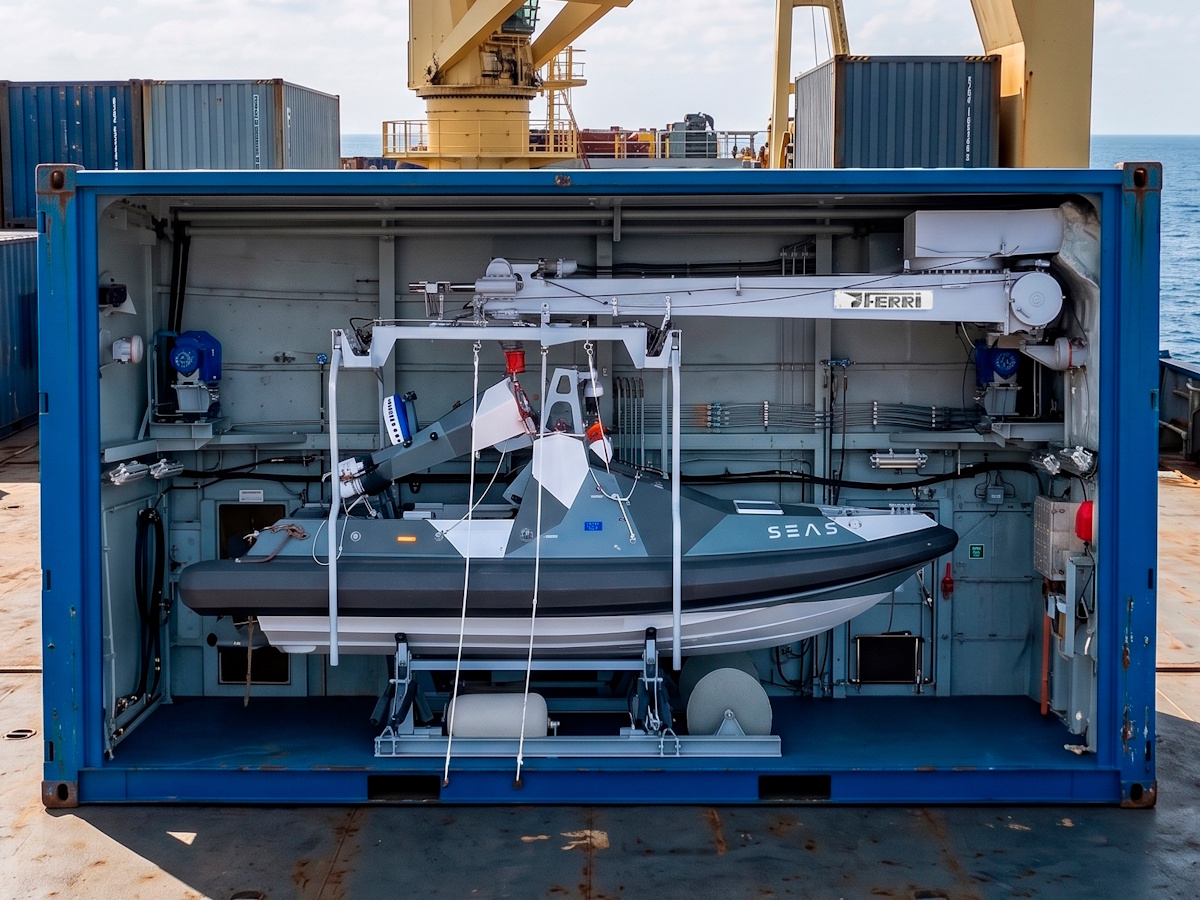
Cellula Robotics and FERRI Establish Nautical Reach Systems for Autonomous Marine Handling
Cellula Robotics Ltd. and Industrias FERRI S.A. have launched Nautical Reach Systems Ltd., a joint venture based in East Coast Canada. This new entity will focus on designing and manufacturing marine motion, lift, and handling systems tailored for autonomous maritime operations, including smart launch and recovery solutions for uncrewed vehicles. The collaboration aims to enhance the safety and reliability of autonomous platforms operating in challenging maritime environments, such as remote and Arctic conditions. Neil Manning, CEO of Cellula Robotics, emphasized the importance of integrating vehicle design with handling equipment to optimize performance at sea, highlighting the joint venture's potential to revolutionize marine operations. Looking ahead, Nautical Reach Systems plans to leverage the combined expertise of both companies to create innovative solutions for naval and coast guard operators. FERRI's significant investment in the venture will foster job creation and intellectual property development in Canada, while Cellula contributes its autonomous handling technology. No further timeline was disclosed at the time of publication.
cellula robotics ferri nautical reach systems autonomous marine handling
Marine Corps Chooses Allen Control Systems' Bullfrog M240 for L-MADIS Integration
The Marine Corps has selected Allen Control Systems' Bullfrog M240 autonomous weapon for integration into its Light Marine Air Defense Integrated System (L-MADIS). This system is part of the Ground Based Air Defense program and includes two Polaris MRZR vehicles, one serving as a command unit and the other equipped with electronic warfare capabilities to counter drone threats. The Bullfrog M240 transforms the traditional 7.62mm machine gun into an autonomous weapon, capable of firing 850 rounds per minute and weighing approximately 300 pounds. This integration is facilitated through a prototype Other Transaction Agreement contract valued at around $6.2 million. The Marine Corps is also seeking $1.27 billion in its fiscal 2027 budget for Ground Based Air Defense capabilities, highlighting the importance of advanced defense systems. Looking ahead, the Bullfrog M240 is not only being considered by the Marine Corps; the US Army Applications Lab has awarded a contract to assess its deployment on Army combat vehicles. Additionally, Allen Control Systems is working on integrating Bullfrog onto US Special Operations Forces maritime platforms, indicating a growing interest in this technology across multiple military branches.
Land Warfare Naval Warfare Army Counter UAS cUAS LMADIS MADIS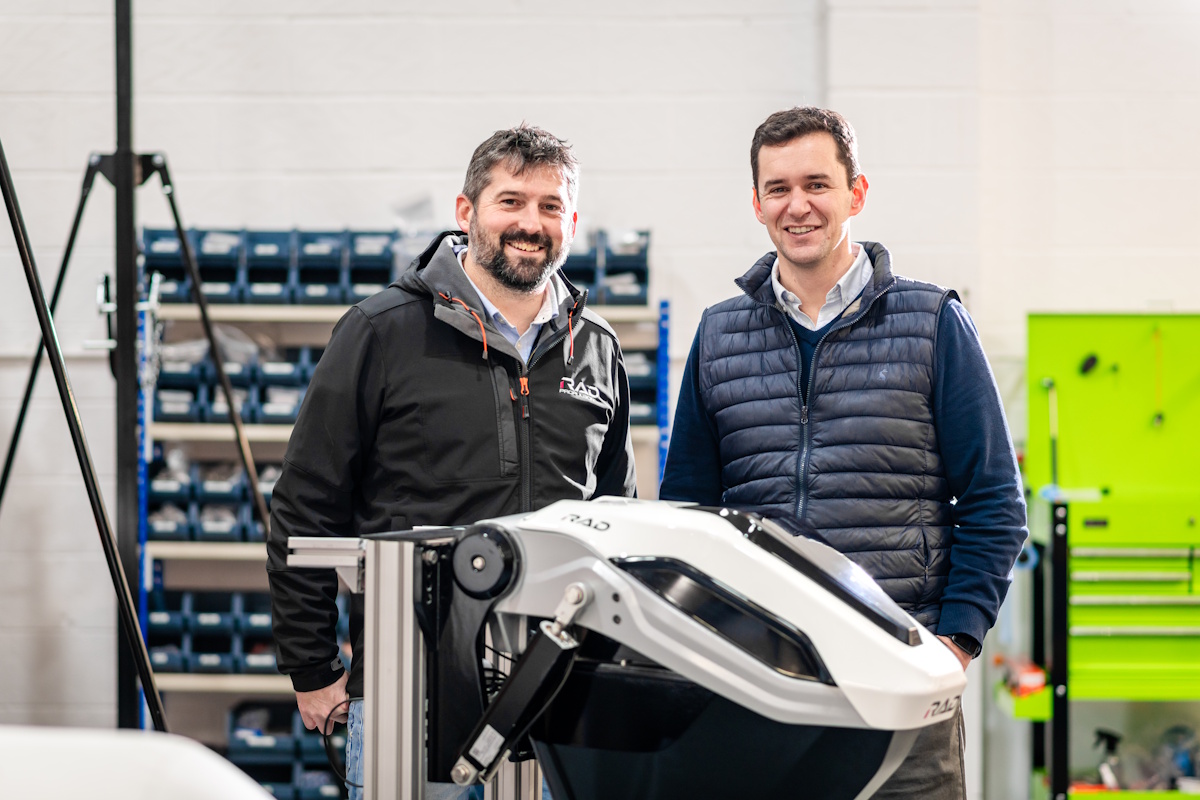
RAD Secures £4.4 Million Funding to Enhance Autonomous Marine Technology and Electric Propulsion Systems
RAD, a marine technology firm, has successfully raised £4.4 million in funding to accelerate the commercialization of its autonomous vessel technologies and expand its electric propulsion systems. This funding round, led by Mercia Ventures, comes after a year of significant product development and customer engagement, including the launch of the Axon open systems architecture for uncrewed vessels at the Combined Naval Event in May 2026. The funding is crucial as RAD aims to capitalize on the growing demand for flexible and scalable marine solutions in both defense and commercial sectors. The Axon architecture allows for rapid development and integration of uncrewed vessel capabilities, which is expected to enhance operational efficiency and reduce vendor lock-in for operators. With this investment, RAD is positioned to lead the electrification shift in marine technology, similar to trends seen in road transport. Looking ahead, RAD plans to utilize the funds for international expansion, including establishing a presence in the U.S. market, and further developing its electric propulsion systems and energy management technologies. The company is also focused on enhancing its engineering capabilities to meet the increasing demand from its diverse customer base. No further timeline was disclosed at the time of publication.
rad raise investment commercialisation autonomous marine technology propulsion systems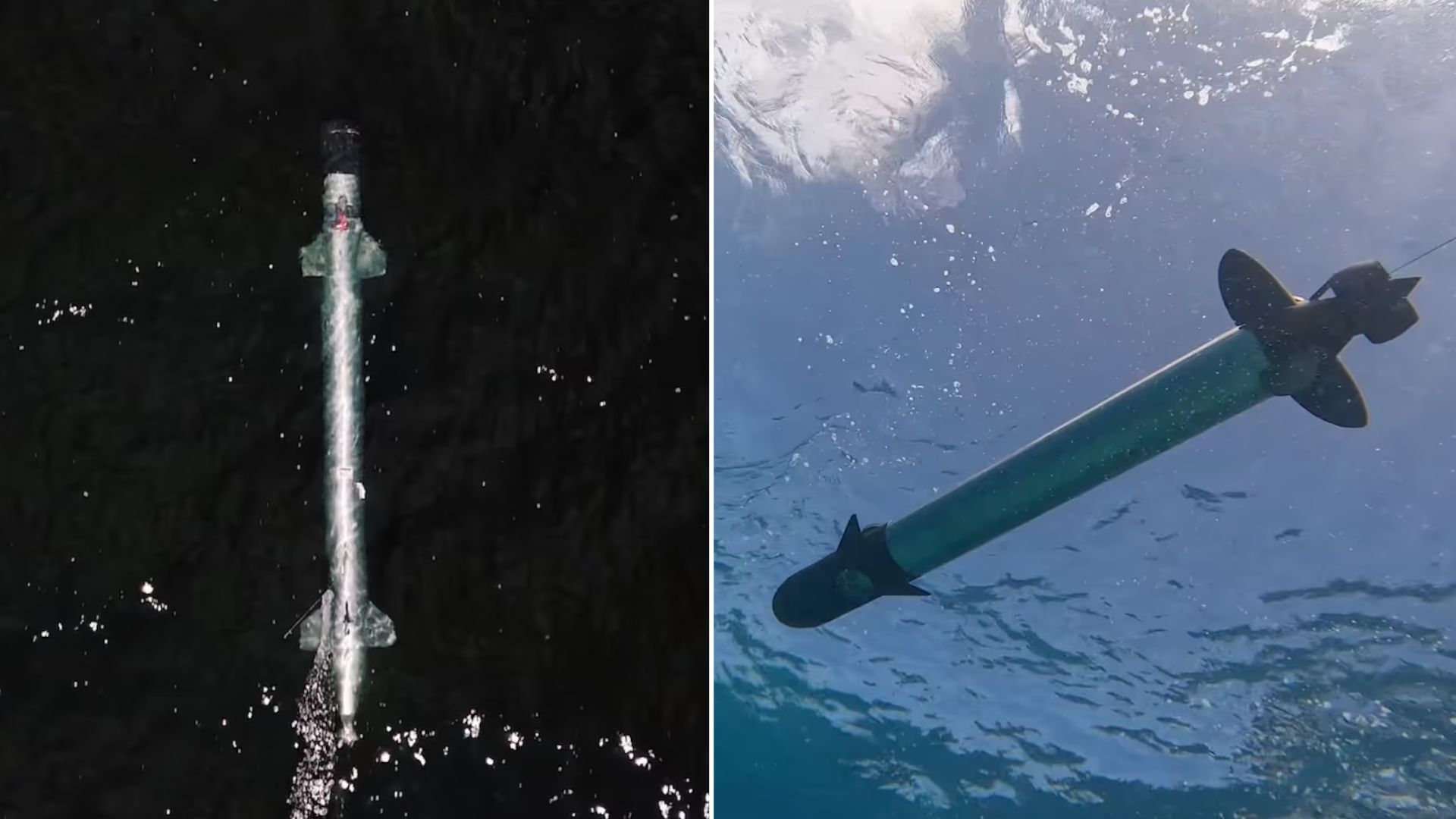
Taiwan Collaborates with U.S. Startup Vatn Systems on 200 nm Submarine Drone Technology
Taiwan has entered into a partnership with U.S. defense startup Vatn Systems to develop autonomous underwater vehicles (AUVs) aimed at enhancing maritime surveillance and defense capabilities. The agreement, signed with the National Chung-Shan Institute of Science and Technology (NCSIST), focuses on AI-enabled command-and-control systems and establishing a local supply chain for AUV technology. This collaboration is significant as it combines Vatn's expertise in undersea autonomy with Taiwan's industrial capabilities, allowing for the development of affordable AUVs like the Skelmir S12. These vehicles can perform various missions, from seabed mapping to mine countermeasures, without the risks associated with manned vessels, thus expanding Taiwan's underwater capabilities. Looking ahead, the partnership not only aims to enhance Taiwan's defense but also supports dual-use applications in critical infrastructure inspection and offshore industries. The initiative is part of a broader strategy by NCSIST to develop indigenous underwater technology while collaborating with foreign firms, including ongoing efforts with Anduril Industries and the Huilong program for local AUV development.
Military
US Marine Corps Awards $11 Million Contract for Epirus' HAVOC Microwave Weapon System
The US Marine Corps has awarded Epirus an $11 million contract for the HAVOC system, a vehicle-mounted high-power microwave weapon designed to disable drone swarms. This system is derived from Epirus' Leonidas weapon and will be integrated into both manned and unmanned Marine Corps vehicles, enhancing their counter-drone capabilities. The HAVOC system represents a significant advancement in the Marine Corps' efforts to combat drone threats, providing three times the power and improved range compared to its predecessor, the Expeditionary Directed Energy Counter-Swarm system (ExDECS). This capability allows for simultaneous electronic effects against multiple drones, ensuring effective protection for high-value assets and personnel. Looking ahead, the HAVOC system's software-driven architecture will enable continuous updates to counter evolving drone technologies. The universal sled mount design will facilitate its deployment across various Marine Corps vehicles, enhancing operational flexibility. No further timeline was disclosed at the time of publication.
Military
Epirus Wins $11 Million Contract for HAVOC C-UAS with Marine Corps
The Marine Corps has awarded an $11 million contract to Epirus for its High-power Microwave Autonomous Vehicle Operational Capability (HAVOC) system, designed to counter unmanned aircraft. This system will be installed on ground vehicles and includes training, service, and sustainment support. This contract underscores the Marine Corps' focus on deploying integrated, software-defined systems to address the evolving drone threat. Epirus CEO Andy Lowery emphasized the importance of the HAVOC system in enhancing the Marines' capabilities for low-collateral protection of critical assets. Looking ahead, the HAVOC system represents an upgraded version of the previously delivered ExDECS system, aimed at improving Low Altitude Air Defense formations. No further timeline was disclosed at the time of publication.
Land Warfare Naval Warfare Army Drones electronic warfare Epirus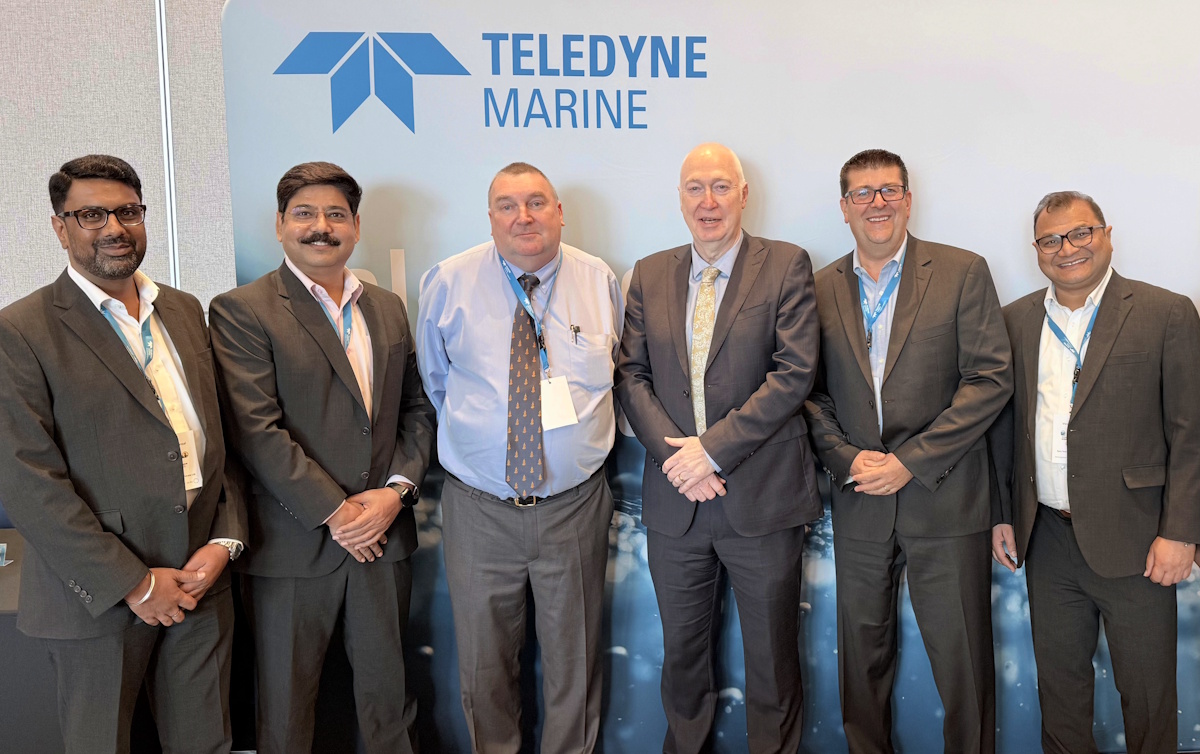
Spry Technocon and Partners Form Alliance for Unmanned Mine Countermeasure Solutions for Indian Navy
Spry Technocon Private Limited has formed a strategic partnership with Teledyne Marine, Klein Marine Systems, and VideoRay to develop advanced Unmanned Mine Countermeasure (MCM) Systems for the Indian Navy. This collaboration aims to leverage cutting-edge underwater sensing and imaging technologies alongside indigenous engineering capabilities to create a comprehensive MCM Suite. The partnership is significant as it aligns with India's Aatmanirbhar Bharat and Make in India initiatives, promoting self-reliance in defense technologies. By integrating advanced Autonomous Underwater Vehicles, high-resolution sonar systems, and remotely operated vehicles, the alliance seeks to enhance the Indian Navy's capabilities in mine warfare. Looking ahead, the focus will be on establishing a sustainable ecosystem for next-generation mine warfare technologies in India. No further timeline was disclosed at the time of publication.
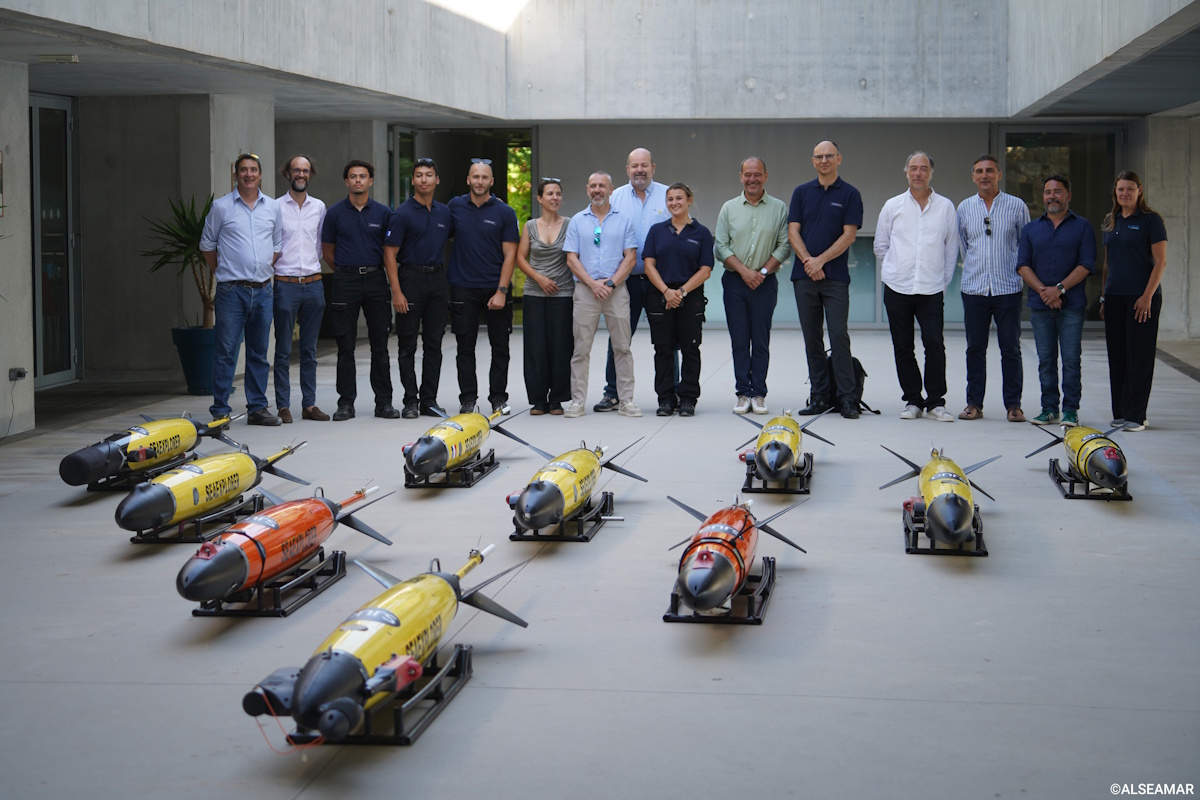
CNRS Deploys Ten SEAEXPLORER Autonomous Gliders for Mediterranean Ecosystem Research
In mid-June 2026, the CNRS deployed ten SEAEXPLORER autonomous underwater gliders in the Ligurian Sea as part of Mission 6 under France's 2030 funding plan. This initiative aims to create a comprehensive environmental data atlas for the northwestern Mediterranean, focusing on the impacts of human activities on marine ecosystems. The gliders will operate for one month, diving to depths of 1,000 meters and equipped with sensors to monitor underwater noise and ocean currents. The deployment is significant as it represents a strategic effort by the French government to enhance industrial competitiveness and develop next-generation technologies for deep-sea exploration. By utilizing coordinated fleets of autonomous gliders and advanced sensing technologies, researchers aim to better understand the dynamics of marine ecosystems and the effects of climate change, maritime traffic, and ocean acidification. This innovative approach will facilitate the study of plankton distribution and biodiversity through methods such as environmental DNA monitoring. Looking ahead, the next phases of Mission 6 will involve additional deployments in the Gulf of Lion in 2028 to test new sensors, followed by operations in French Polynesia between 2028 and 2029. These efforts will further expand the capabilities of autonomous underwater vehicles in marine research, with no further timeline disclosed at the time of publication.
autonomous gliders cnrs exploration mediterranean marine ecosystems
Klein Marine Systems Introduces MANTIS UUV with SmartArray Technology™ for Autonomous Underwater Missions
Klein Marine Systems, recognized as a global leader in advanced side scan sonar and underwater imaging technology, has unveiled its latest innovation, the MANTIS UUV. This integrated multi-channel side scan sonar system is specifically designed to enhance unmanned underwater vehicles by providing high-quality imaging and onboard processing capabilities. The announcement was made today, highlighting the company’s commitment to improving underwater exploration and data collection. The MANTIS UUV aims to streamline integration processes, making it a valuable tool for various applications in marine research and industry.
klein marine systems mantis uuv smartarray technology™ uuv auv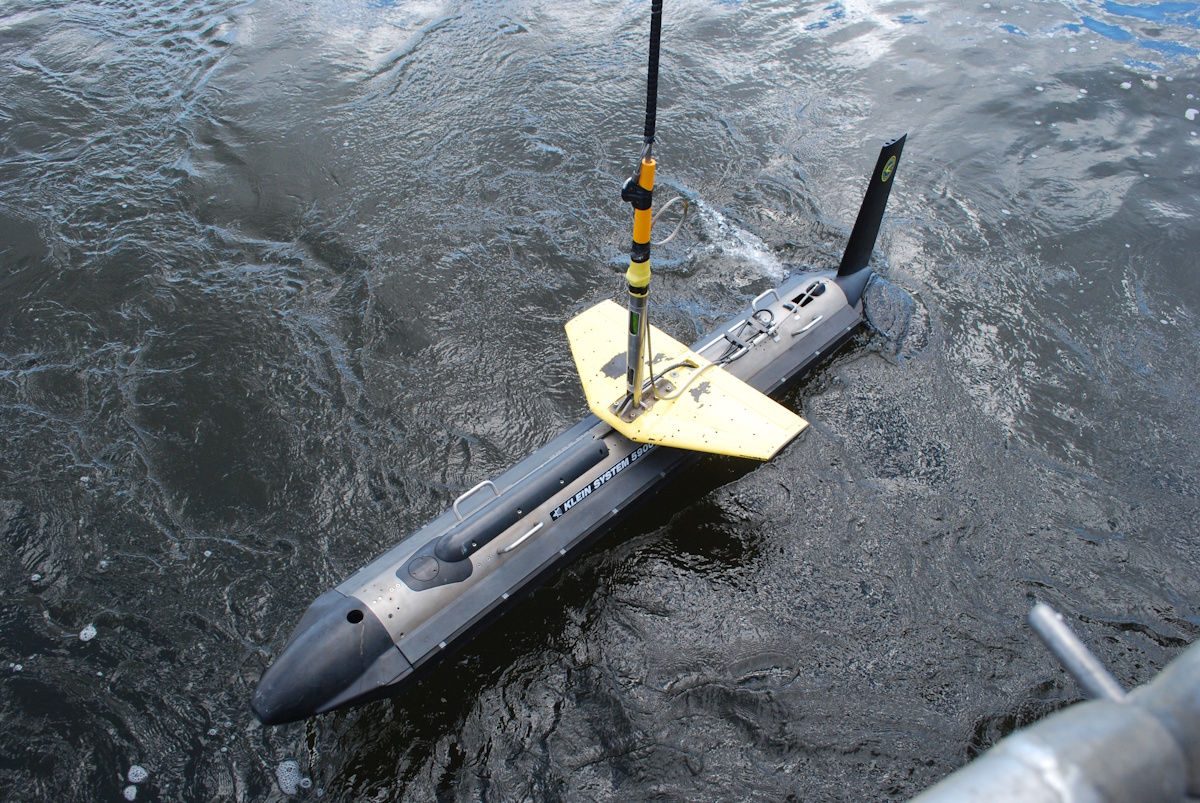
Klein Marine Systems Awarded $1.5M NAVOCEANO Contract
Klein Marine Systems, recognized for its advanced sonar technology, has secured a five-year indefinite delivery/indefinite quantity (IDIQ) contract with the U.S. Naval Oceanographic Office (NAVOCEANO). This contract, valued at up to $1.5 million, focuses on providing support and maintenance for the Klein System 5900 side scan sonars used by the Navy. The firm-fixed price agreement aims to enhance the operational capabilities of the sonar fleet, ensuring reliability and efficiency in naval operations.
klein marine systems contract award navoceano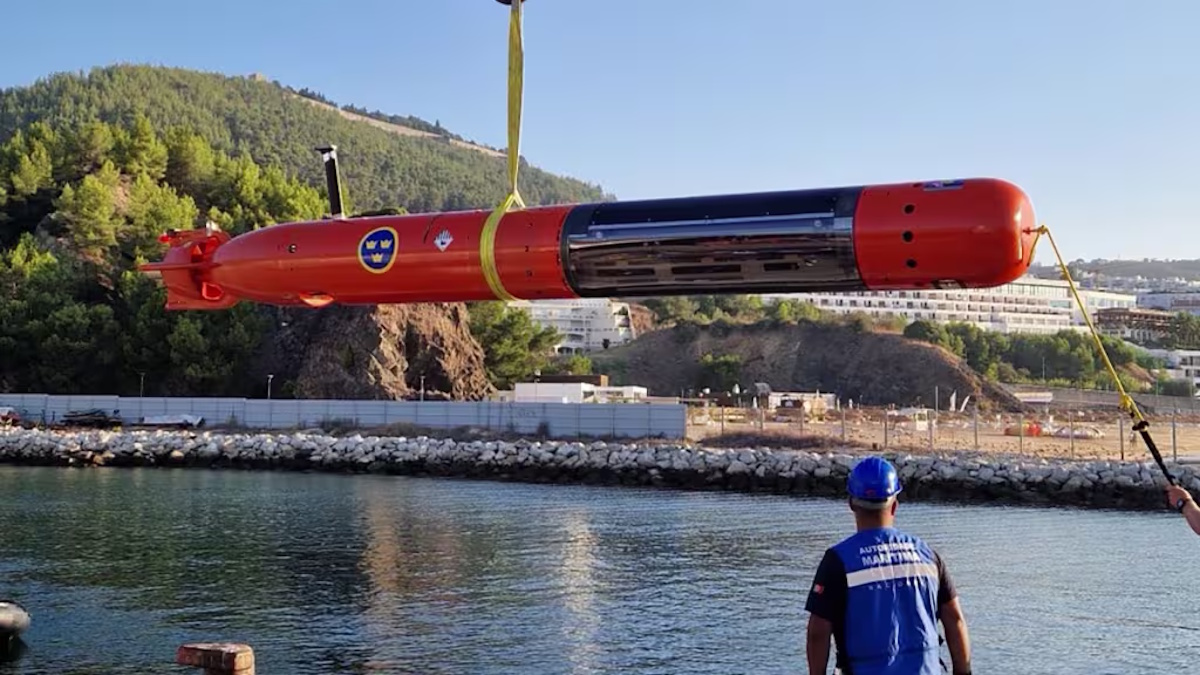
Klein Marine Systems Signs Development Agreement With SAAB to Provide Synthetic Aperture Sonar (SAS) Technology
Klein Marine Systems, a prominent player in sonar technology, has secured a contract to supply Synthetic Aperture Sonar (SAS) hardware to Saab Kockums AB, based in Linköping, Sweden. This partnership underscores Klein's commitment to advancing maritime surveillance and reconnaissance capabilities. The agreement highlights the growing demand for sophisticated sonar systems in defense applications, as both companies aim to enhance underwater operational efficiency. The collaboration is expected to leverage Klein's cutting-edge technology to support Saab's ongoing projects, reflecting a strategic alignment in the defense sector.
klein marine systems development agreement saab synthetic aperture sonar (sas) technology
Klein Marine Systems Selects Exail Navigation Technology to Equip their 5900 Sonar
Klein Marine Systems, a prominent player in sonar technology, has announced the integration of the Exail Octans Nano OEM Attitude and Heading Reference System (AHRS) as the standard navigation solution for its 5900 Side Scan Sonar (SSS). This strategic collaboration, revealed recently, is designed to improve the precision and reliability of the sonar system, which is essential for high-resolution seabed mapping. The enhanced capabilities will support various applications across defense, security, and commercial sectors, reflecting the growing demand for advanced maritime technology.
klein marine systems exail navigation technology 5900 sonar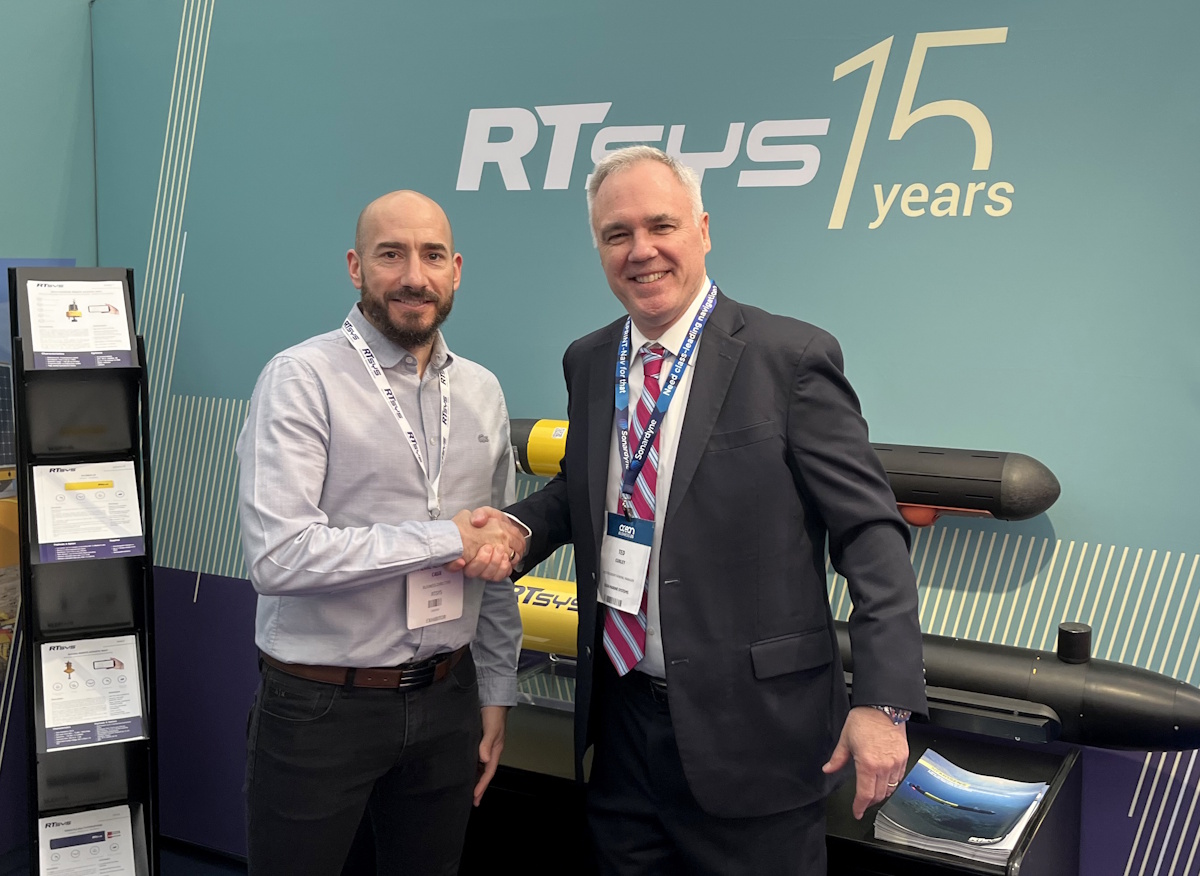
Klein Marine Systems Secures Order for 20 High-Resolution Side Scan Sonars for NemoSens® Micro AUV
Klein Marine Systems, a leading company in advanced sonar technology, has announced the acquisition of 20 high-resolution 900kHz side scan sonar systems from the French firm RTsys. This purchase, revealed today, is intended for integration into Klein's innovative micro autonomous underwater vehicle (AUV) platform, NEMOSENS. The move is seen as a pivotal step in advancing underwater exploration and mapping capabilities, reflecting the company's commitment to enhancing technological solutions in marine environments.
klein marine systems order high-resolution side scan sonars nemosens® micro auv
Klein Marine Systems Dedicates Their Sonar Innovation Lab
Klein Marine Systems, a prominent player in sonar technology, has officially dedicated the “Klein Sonar Innovation Lab” at the John Olson Advanced Manufacturing Center at the University of New Hampshire (UNH). This event marks a significant step forward in the partnership between Klein Marine Systems and UNH, aimed at fostering advancements in sonar technologies and marine exploration. The collaboration underscores both organizations' commitment to innovation in the field, enhancing research and development efforts that could shape the future of marine technology.
klein marine systems sonar innovation lab john olson advanced manufacturing center university of new hampshire (unh)
Klein Marine System’s 5900 High-Speed Side-Scan Sonar To KIOST For Seafloor Topography Surveys
Klein Marine Systems has successfully delivered its 5900 ultra-high-resolution sonar to the Korea Institute of Ocean Science & Technology (KIOST) as part of KIOST's initiative to enhance marine science and technology. The advanced sonar system will be utilized for seafloor topography surveys, aiding in the institute's research efforts. Acceptance trials for the sonar were conducted off the coast of Busan, South Korea, marking a significant step in KIOST's ongoing quest to improve marine exploration capabilities.
klein marine system’s 5900 high-speed side-scan sonar kiost seafloor topography surveys
Ultra Maritime Showcases New Underwater Surveillance System at U.S. Navy's 2026 Exercise
Ultra Maritime demonstrated a new underwater surveillance system during the U.S. Navy’s 2026 Lanternfish exercise. The system integrates the Sea Spear passive sonar with the SSQ-125B active sonobuoy to enhance detection capabilities for unmanned underwater vehicles (UUVs). This combination allows for continuous monitoring and precise localization of underwater threats. The significance of this demonstration lies in its potential to improve naval operations against UUVs and submarines. By utilizing both passive and active sonar technologies, Ultra Maritime aims to provide naval forces with a comprehensive understanding of underwater activity across extensive maritime areas. The Sea Spear's passive capabilities enable persistent surveillance, while the SSQ-125B enhances target localization. Looking ahead, Ultra Maritime's system is part of the broader “Ocean of Things” initiative, which envisions a network of underwater sensors deployed from various platforms. This approach could revolutionize maritime security by enabling long-term monitoring of critical areas such as ports and busy sea routes. No further timeline was disclosed at the time of publication.
Military
Linear System Identification and Control of a Low‐Cost High‐Performance Omnidirectional Marine Surface Vehicle for Swarming Applications
The Journal of Field Robotics has published an early view article highlighting advancements in robotic technology aimed at enhancing agricultural efficiency. Researchers from various institutions collaborated on this study, which was released in October 2023. The article focuses on the development of autonomous robots designed to optimize crop management and reduce labor costs in farming practices. This initiative is driven by the increasing demand for sustainable agricultural solutions amid a growing global population. The team employed cutting-edge artificial intelligence and machine learning techniques to enable robots to perform tasks such as planting, monitoring crop health, and harvesting with minimal human intervention. Field tests conducted in diverse agricultural settings demonstrated the robots' effectiveness in improving yield while minimizing resource usage. The findings suggest that integrating robotics into farming could significantly address labor shortages and enhance food production efficiency. As the agricultural sector faces mounting pressures from climate change and economic constraints, this research underscores the potential of technology to transform traditional farming methods and promote sustainability.
RESEARCH ARTICLE
Machine Learning Predicts Toxic Metal Levels in Marine Systems
Researchers have developed a new method that utilizes machine learning and feature selection to accurately predict aluminum levels in marine environments. This innovative approach aims to enhance the efficiency of monitoring efforts, addressing growing concerns over aluminum pollution in aquatic ecosystems. The study, which builds on data collected up to October 2023, highlights the importance of advanced technological solutions in environmental science. By improving prediction accuracy, the research not only aids in better understanding the impact of aluminum on marine life but also supports regulatory bodies in making informed decisions regarding environmental protection. The findings are expected to play a crucial role in future monitoring strategies, ensuring healthier marine ecosystems.
Teledyne Demonstrates Autonomous System for Anti-Submarine Warfare to NATO Members in the North Atlantic
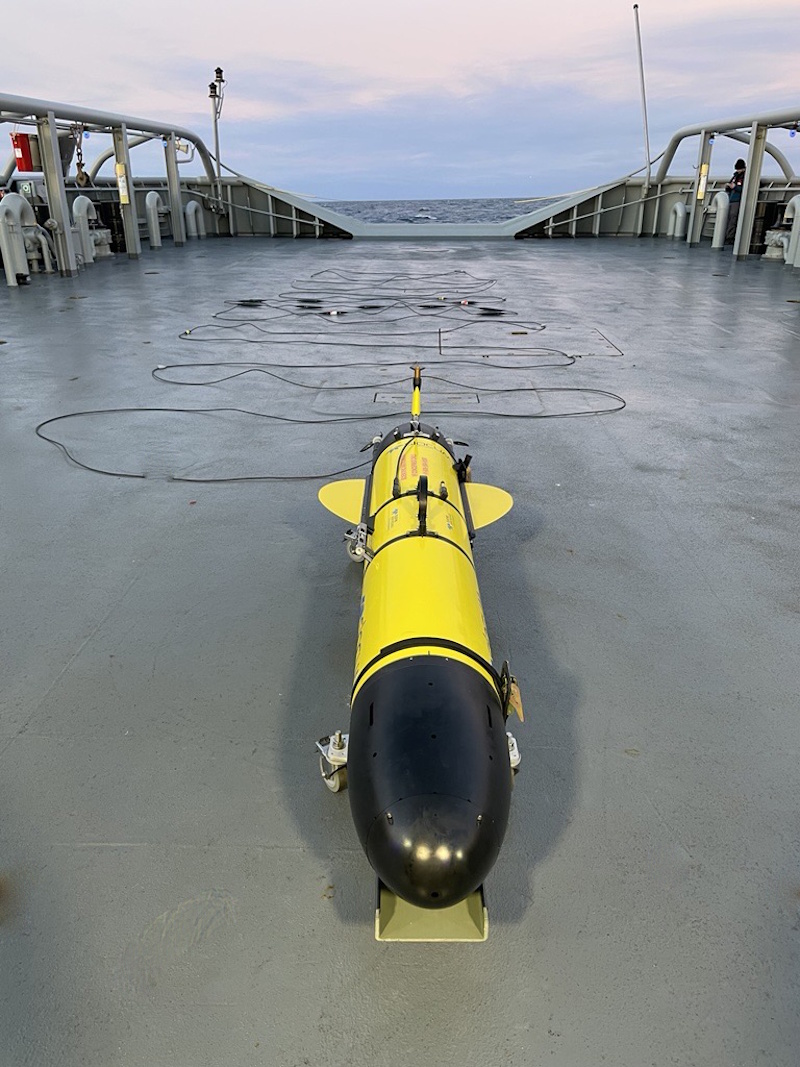
Teledyne Technologies Incorporated recently showcased its advanced capabilities in Anti-Submarine Warfare (ASW) through a demonstration conducted in Icelandic waters from January 17 to January 22. The event featured the deployment of several state-of-the-art autonomous underwater vehicles, including the Slocum Sentinel Glider, equipped with a 60-meter-long passive acoustic towed array, and the Slocum G3 Glider, which integrates Teledyne Benthos acoustic communications technology. Additionally, two Advanced Profiling Explorer (APEX) floats were utilized, each fitted with ambient noise Passive Acoustic Monitoring systems. This demonstration highlights Teledyne's commitment to enhancing maritime security and underwater surveillance capabilities in response to evolving defense needs.
teledyne demo autonomous system anti-submarine warfare (asw) nato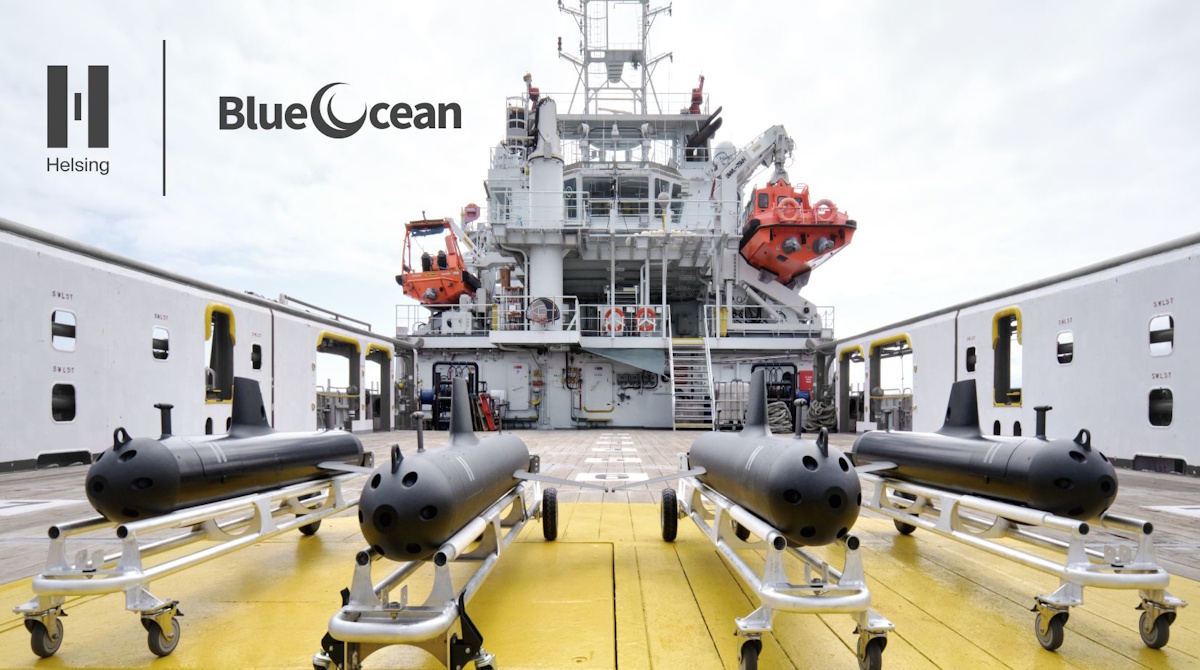
Blue Ocean Marine Tech Systems is being acquired by Helsing
Blue Ocean Marine Tech Systems has announced its acquisition by Helsing, a prominent European defense technology firm known for its expertise in artificial intelligence-driven autonomous systems. This strategic move is set to enhance Helsing's capabilities in mass and precision operations across various domains. The acquisition reflects a growing trend in the defense sector, where advanced technology plays a crucial role in modern warfare and security solutions. The deal is expected to be finalized in the coming months, positioning both companies to leverage their strengths in an increasingly competitive market.
blue ocean marine tech systems acquisition helsing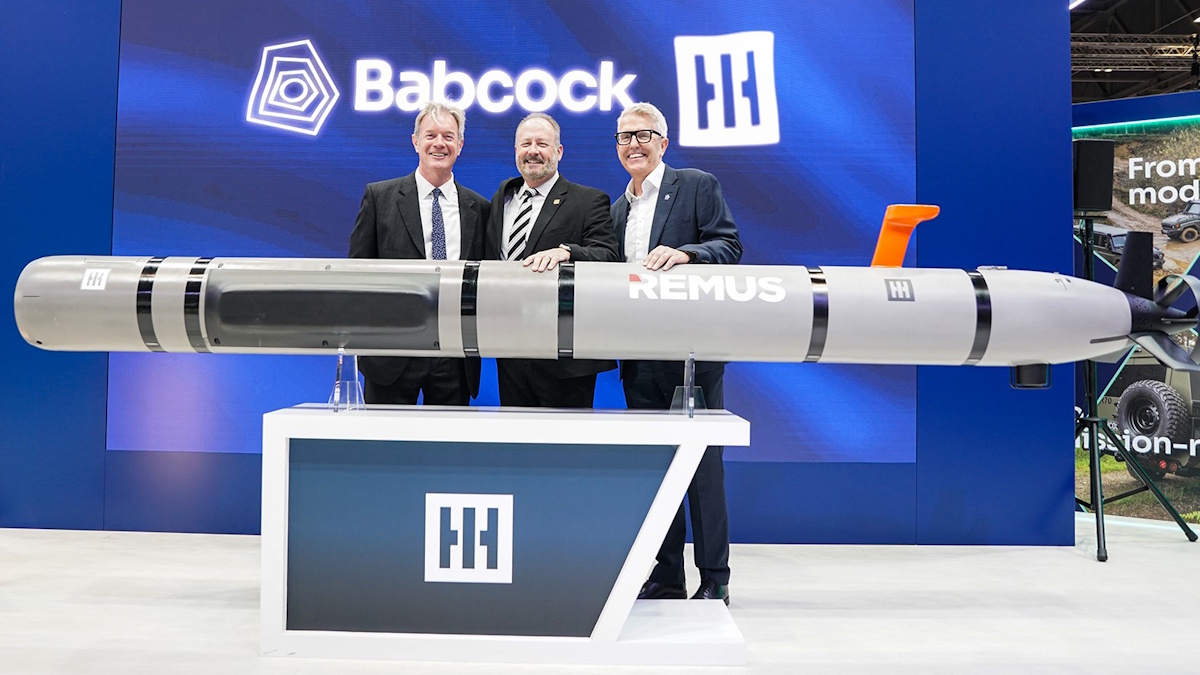
HII and Babcock Join Forces to Integrate Unmanned Underwater Vehicles with Submarine Weapon Handling and Launch Systems
Babcock International Group and HII have entered into a memorandum of understanding to integrate HII’s REMUS unmanned underwater vehicles with Babcock’s advanced submarine Weapon Handling and Launch Systems. This collaboration aims to enhance the autonomous launch and recovery capabilities of UUVs through submarine torpedo tubes, thereby bolstering the undersea operational advantages of allied navies. This initiative marks the inaugural program of its kind within Babcock's Mission Systems division, reflecting a significant step forward in military maritime technology.
hii babcock unmanned underwater vehicles submarine weapon handling and launch systems dsei 2025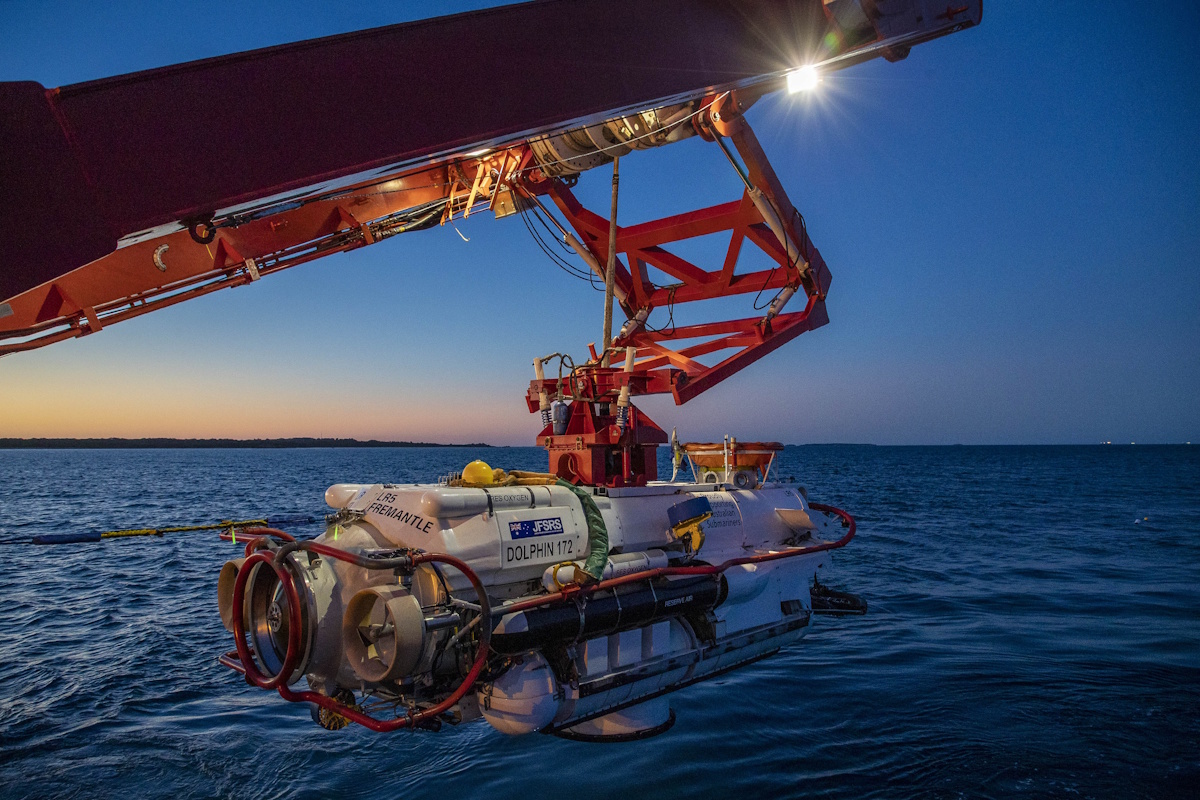
Australia’s Submarine Rescue System in Safe Hands as JFD Australia Locks in Contract Extension
JFD Australia has secured a four-year extension of its contract with the Department of Defence, ensuring the continued provision of submarine rescue systems to the Royal Australian Navy (RAN). This partnership, which has been in place since 2009, underscores the importance of maintaining a critical sovereign capability for the RAN. The extension reflects the government's commitment to enhancing maritime safety and operational readiness, allowing JFD to further support the Navy's mission through advanced rescue technologies and training.
australia submarine rescue system jfd australia contract extensionRobotics needs a service framework.
RSF defines a common language for robot service capability, lifecycle operations, certification pathways, and service-provider networks.
Join the RobotToday community on LinkedIn
Daily robotics news, in-depth analysis, conference highlights, and discussions with professionals worldwide.







