

Industry Briefing
A single destination for timely, editor-curated robotics news from around the world.
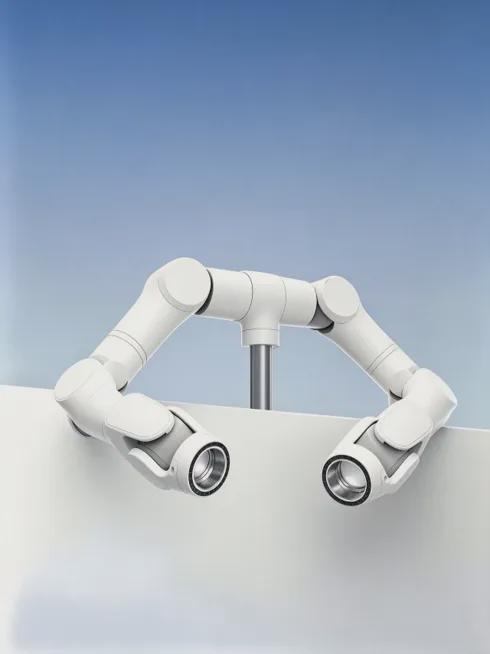
Bionic Force Control: Dual-Arm System for Industrial and Home Use
Shanghai Weiyi Technology has developed a dual-arm robotic system that integrates high-precision joint modules and collaborative control technology. This system is designed to operate effectively in both industrial environments and home settings, addressing the need for versatile robotic solutions. It can perform tasks such as assembly, polishing, and palletizing in factories, while also assisting with household chores and delicate operations at home. The significance of this dual-arm system lies in its ability to provide a unified force control technology that meets the demands of both industrial production lines and home services. By utilizing a native closed-loop force control system, the robot can adapt to various operational conditions, ensuring safety and efficiency in both settings. This innovation represents a shift towards more adaptable robotic solutions that can transition seamlessly between different environments. Looking ahead, the dual-arm system's capabilities for high stability in industrial applications and safety in home environments will be crucial. The system supports a range of payloads and features a dual-mode safety system that adjusts its operation based on the environment. No further timeline was disclosed at the time of publication.
Humanoid Robots Industrial Automation Home Robotics Bionic Technology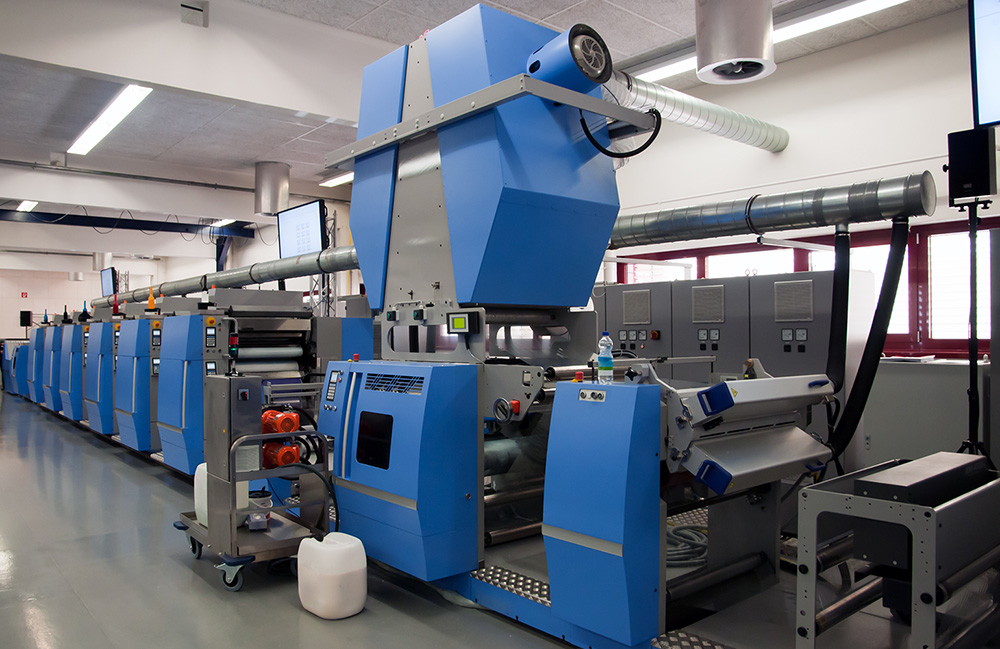
Optimizing High Voltage Motion Systems in Industrial Facilities for Efficiency
Industrial facilities, such as manufacturing plants and automotive production lines, often operate on 400–480V three-phase power. Kollmorgen emphasizes that the challenge lies not in adopting high voltage but in effectively utilizing it without unnecessary complexity. Many machine builders mistakenly assume that high-voltage environments require complex motion systems, but not every axis needs to meet the highest specifications. The importance of this approach is underscored by the potential for increased costs and integration difficulties when over-specifying systems. Kollmorgen points out that many tasks in large industrial settings, such as positioning and material handling, do not require top-tier performance. By focusing on 'right-sizing' solutions, machine builders can enhance usability and reduce commissioning time, ultimately leading to more efficient operations. Looking ahead, the industry is shifting towards evaluating motion systems based on a broader set of criteria, including ease of integration and long-term usability. As machine builders adopt this measured approach, they will likely prioritize solutions that align with application needs while minimizing complexity. No further timeline was disclosed at the time of publication.
Batteries / Power Supplies Controllers Mechanical Motion Control News Robot Components
Effective Strategies for Upgrading Control Systems in Brownfield Plants Without Downtime
Modernizing a facility often faces a significant hurdle: downtime. Leadership demands a strategy that minimizes disruption while implementing improvements. A comprehensive understanding of existing systems is crucial before any upgrades can begin. In brownfield facilities, systems have evolved over time, leading to a complex mix of PLCs, HMIs, and outdated documentation. Conducting a thorough IT/OT assessment is essential to identify hardware, lifecycle status, and dependencies. This visibility is vital for developing a low-risk modernization plan that accommodates legacy systems and modern data requirements. The challenge lies in the communication gap between legacy serial protocols and modern Ethernet environments. Upgrading without a clear strategy can lead to significant risks, making the traditional “rip-and-replace” approach impractical. Facilities often have limited time for upgrades, sometimes only a brief window for implementation, emphasizing the need for a well-planned approach.
Factory / Control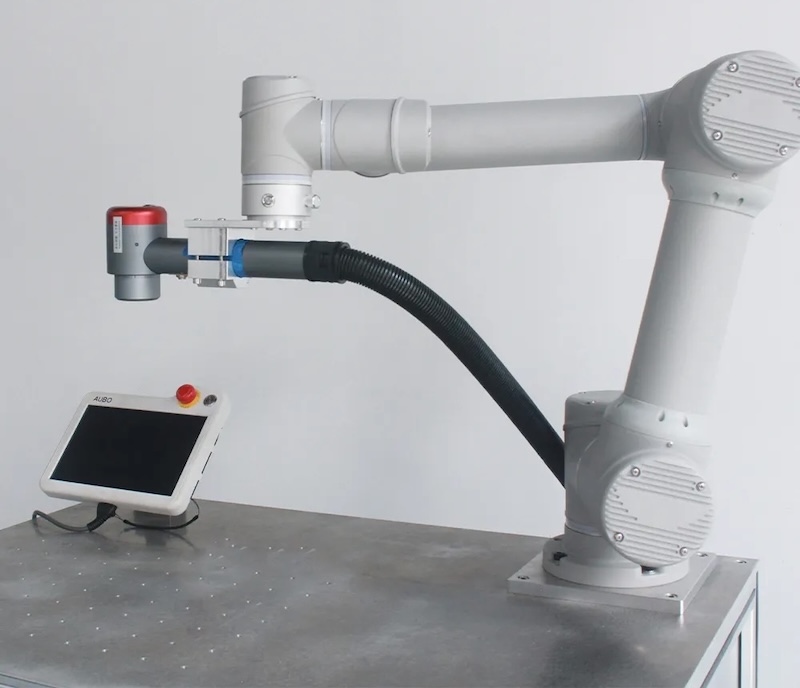
Integrating Industrial Robots with Laser Cleaning Systems Enhances Production Efficiency
Recent advancements in technology are transforming factory operations, with companies striving to reduce cycle times, cut costs, and ensure quality. The integration of industrial robots with laser cleaning systems is emerging as a solution to automate the removal of burrs from metal components, significantly enhancing productivity and efficiency in production lines. This combination of technologies is crucial as it addresses the need for cleaner surfaces before processes like painting, coating, or welding, which are essential for maintaining product quality. Laser cleaning, a modern technique that utilizes powerful laser beams to eliminate unwanted materials without damaging the underlying metal, offers a more environmentally friendly alternative to traditional cleaning methods that often rely on harsh chemicals. As more companies explore the benefits of industrial laser cleaning machines, the focus will be on how these systems can further optimize production lines. The automation of the cleaning process not only saves time but also improves overall manufacturing efficiency. No further timeline was disclosed at the time of publication.
Engineering Robotics Technology factory automation industrial automation industrial robots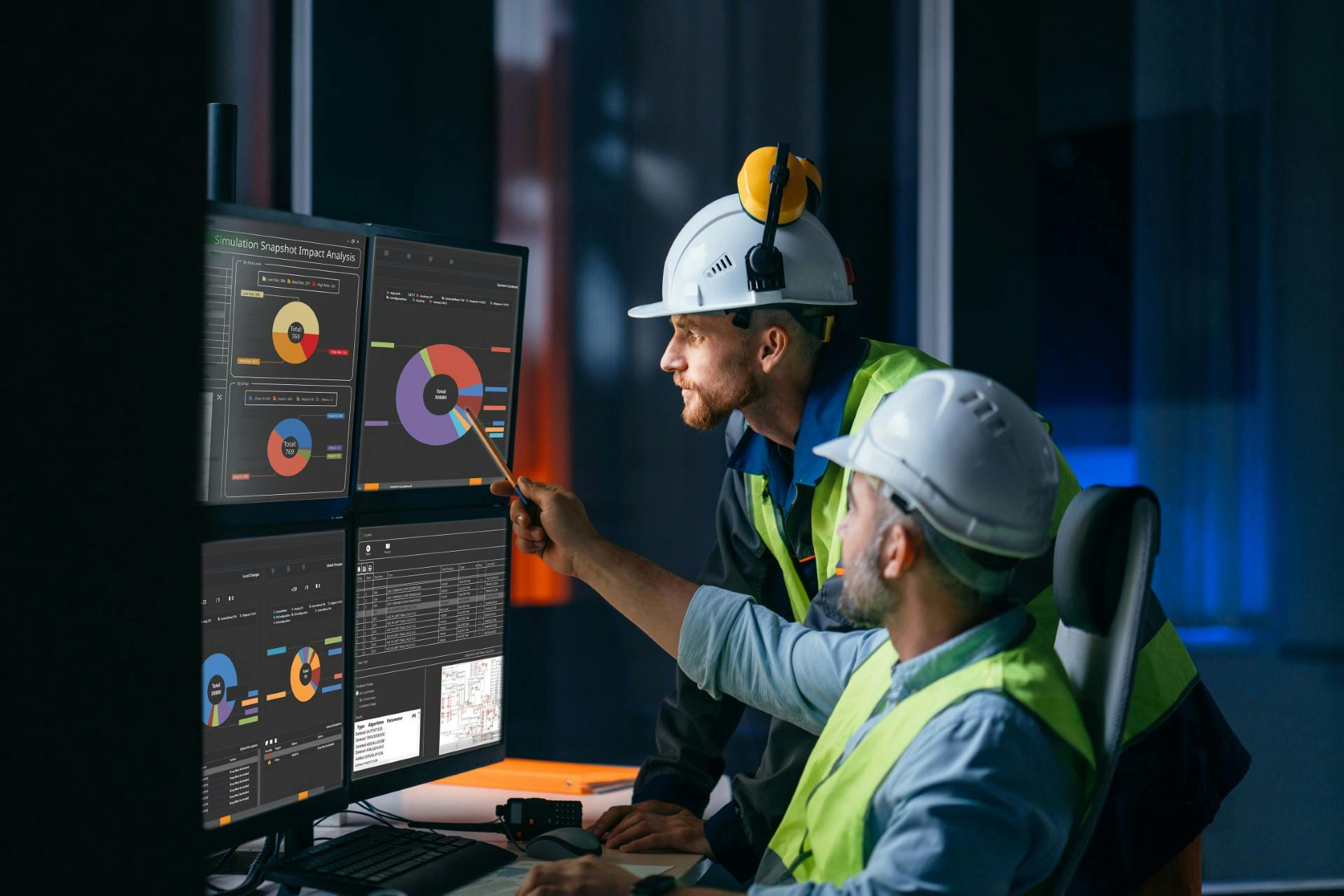
Emerson Introduces Ovation Curation Tool for Enhanced Control Systems Management
Emerson has launched the Ovation Curation Tool, a synchronization software designed for power and water control systems. This tool aims to maintain version control and change history across multiple Ovation systems and simulators, automating the management of changes between production systems and their digital twins. The introduction of the Ovation Curation Tool is significant as it addresses the challenges of keeping digital twins synchronized with live systems, especially amid workforce shortages. By improving testing and training accuracy, the tool is expected to save engineering time and facilitate faster troubleshooting, enhancing overall operational efficiency. Looking ahead, the software's ability to automatically track changes and provide an intuitive dashboard for users will be crucial for organizations seeking to optimize their control systems. No further timeline was disclosed at the time of publication.
Factory / Digital Transformation
Emerging 2D Flex Feeding Revolutionizes Industrial Part Picking with Simplified Vision Systems
The article discusses the advancements in 2D Flex feeding technology, which simplifies robotic vision for industrial part picking. Unlike traditional 3D bin picking, this new approach allows for quicker and more reliable implementations, making it accessible for a broader range of applications. This innovation is significant as it enhances the capabilities of industrial robots in manufacturing, reducing the complexity associated with advanced vision systems. Experts Nicholas Kern from SICK and Nick Barron from Feedall highlight the advantages of flex feeding over bowl feeding, showcasing early adopters who are already experiencing substantial benefits. Looking ahead, the future of feeding robots appears promising with the integration of smarter vision systems. As this technology continues to evolve, it will be essential to monitor its adoption and impact on manufacturing efficiency and productivity. No further timeline was disclosed at the time of publication.
Factory / Robotics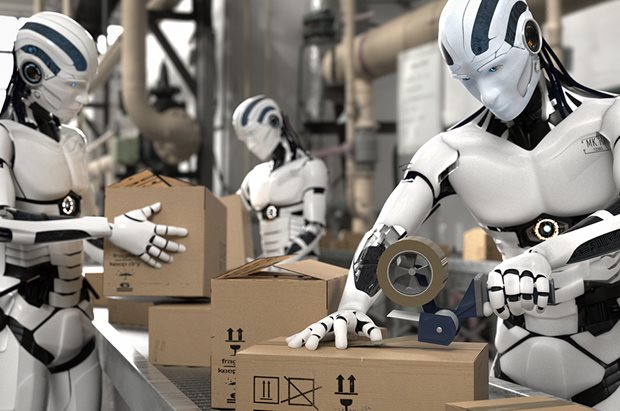
Reframe Systems Secures $40 Million to Expand Microfactory Network for Homebuilding
Reframe Systems has successfully raised $40 million in venture-backed equity financing aimed at scaling its microfactory network throughout North America. This funding will enable the company to enhance its capacity to deliver homes to customers more efficiently. The significance of this financing lies in Reframe Systems' mission to industrialize home construction, leveraging physical AI technology to streamline the building process. The investment, led by Energy Impact Partners, with contributions from various venture firms, underscores the growing interest in innovative solutions for the housing sector. Looking ahead, Reframe Systems is poised to make substantial advancements in homebuilding efficiency and accessibility. No further timeline was disclosed at the time of publication.
Construction News automated construction construction robotics construction technology energy impact partners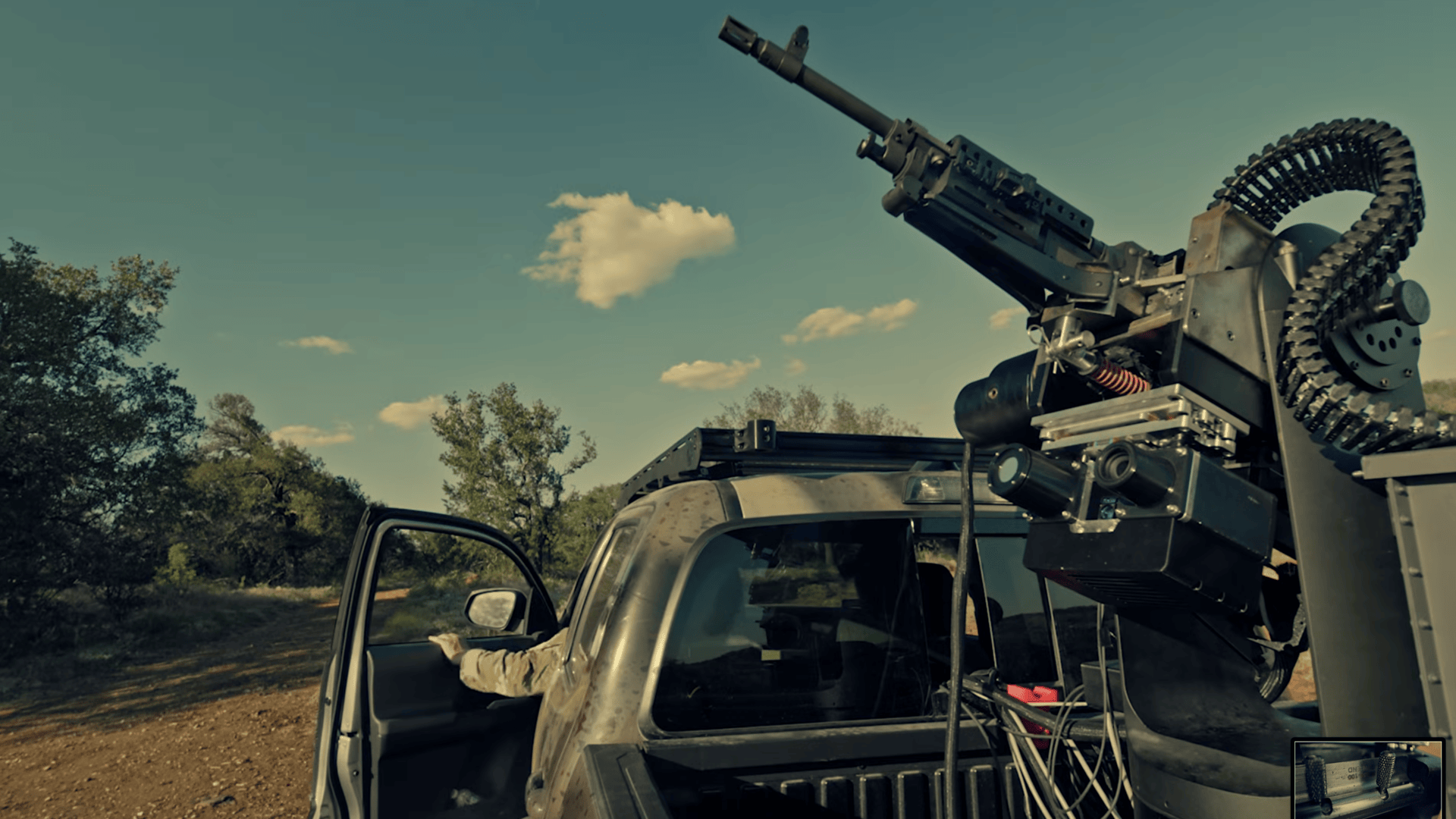
Alien Control Systems Opens 191,000-Square-Foot Facility for Bullfrog Counter-Drone Production
Alien Control Systems (ACS) is launching a new 191,000-square-foot manufacturing facility in Austin, Texas, to enhance production of its Bullfrog counter-drone system. This expansion is a direct response to increased demand from the U.S. and allied nations for effective countermeasures against weaponized drones. The new facility will allow ACS to rapidly scale production of Bullfrog, which integrates computer vision, autonomous control, and precision robotics. The system has already been deployed by the U.S. Army and Navy, and it has contracts with Joint Interagency Task Force 401 and several allied militaries, underscoring its significance in safeguarding critical infrastructure. Looking ahead, ACS aims to further expand Bullfrog's deployment across U.S. military services, following its recent selection by the U.S. Marine Corps for the Ground Based Air Defense program. No further timeline was disclosed at the time of publication.
Military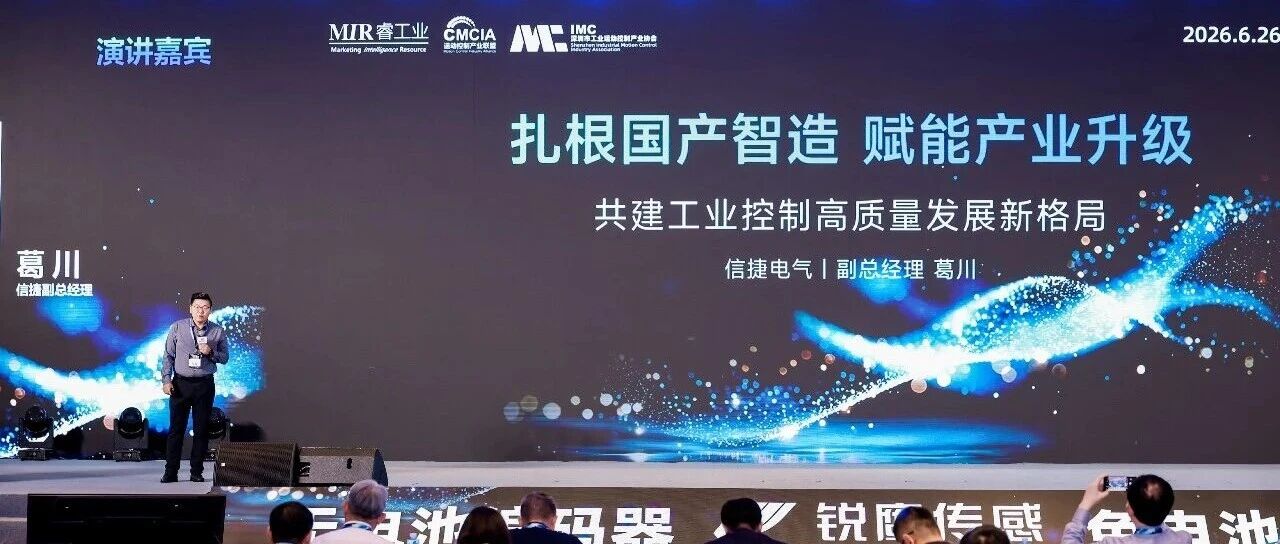
Xinjie Electric Highlights Market Strategy and Domestic Industrial Control Strength at 2026 Conference
Recently, the 2026 Industrial Control Industry Development Conference concluded, co-hosted by MIR, the Motion Control Industry Alliance, and the Shenzhen Industrial Motion Control Industry Association. Xinjie Electric, a key player in the domestic industrial control sector, showcased its strategic insights and technological advancements during the event. Xinjie Electric's Vice General Manager, Ge Chuan, delivered a keynote speech emphasizing the company's commitment to industrial automation and core technology development since its inception in 2008. With projected revenue exceeding 2 billion yuan by 2025, the company has invested significantly in R&D, with 10% of its revenue allocated to this area. Xinjie's comprehensive product matrix includes PLCs, drive systems, and robotics components, highlighting its competitive edge through deep technological integration. Looking ahead, Xinjie aims to solidify its core business while expanding into robotics components, with a projected revenue of 680 million yuan by 2025. The company is also focused on enhancing customer value through comprehensive service models and fostering talent through partnerships with educational institutions. No further timeline was disclosed at the time of publication.

KNR Develops Industrial Robot Hand with 300 kg Grip and Precision Control
KNR Systems has unveiled an industrial-grade robot hand capable of gripping up to 300 kg while delicately handling fragile objects like eggs. This innovative hand will be integrated into the upcoming 'Super Humanoid' robot, designed for high-intensity environments such as nuclear decommissioning and disaster sites. The significance of this development lies in its ability to combine powerful grip strength—six times that of the average adult male—with precise control. The robot hand's design allows it to adapt to various object shapes, enhancing its functionality in challenging industrial conditions. Looking ahead, KNR's collaboration with Seojin System aims to facilitate mass production of the Super Humanoid robot, which is expected to operate in environments that are difficult for humans to access. No further timeline was disclosed at the time of publication.
Industrial Robotics Robot Grippers Humanoid Robots Automation Technology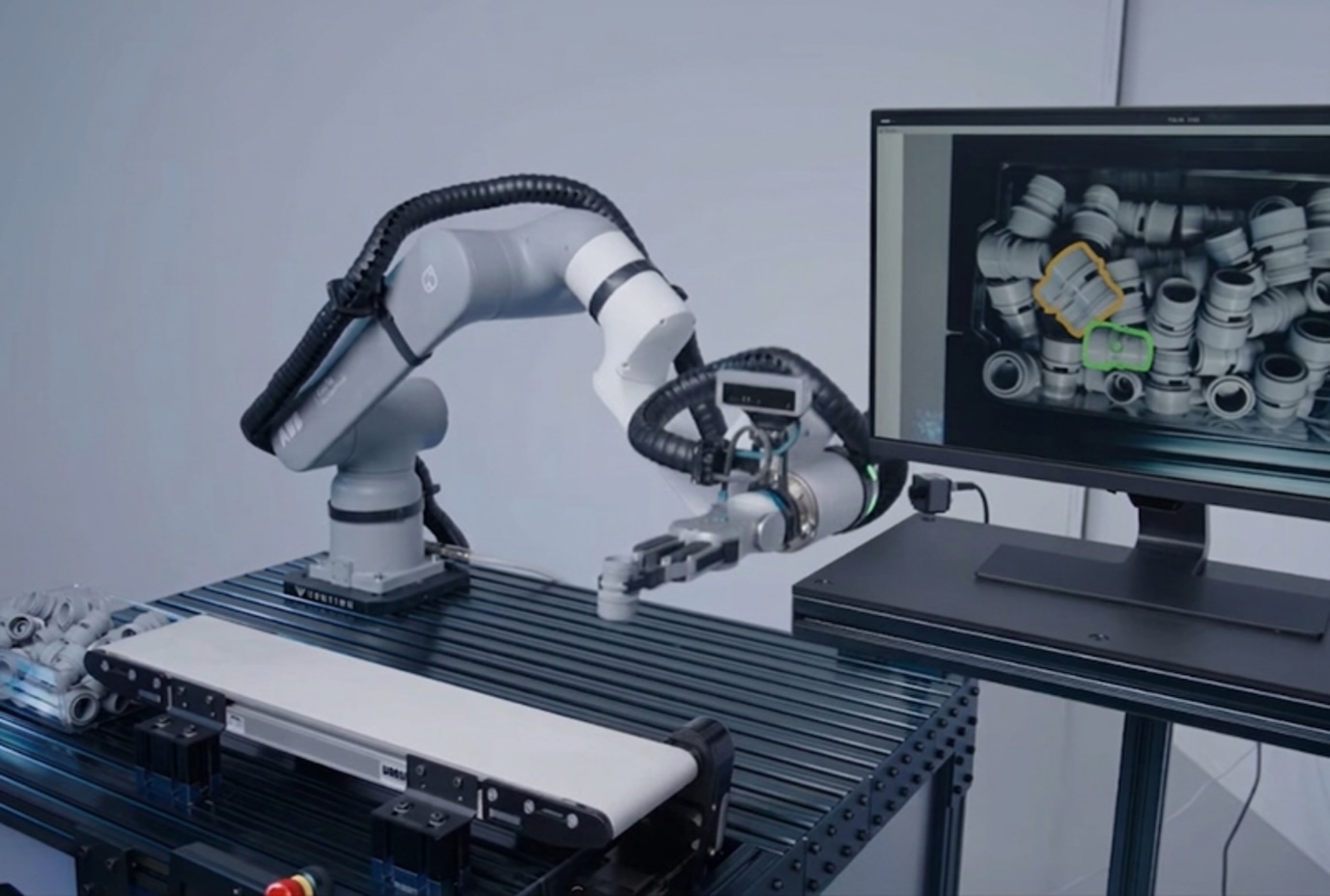
Marine Corps Chooses Allen Control Systems' Bullfrog M240 for L-MADIS Integration
The Marine Corps has selected Allen Control Systems' Bullfrog M240 autonomous weapon for integration into its Light Marine Air Defense Integrated System (L-MADIS). This system is part of the Ground Based Air Defense program and includes two Polaris MRZR vehicles, one serving as a command unit and the other equipped with electronic warfare capabilities to counter drone threats. The Bullfrog M240 transforms the traditional 7.62mm machine gun into an autonomous weapon, capable of firing 850 rounds per minute and weighing approximately 300 pounds. This integration is facilitated through a prototype Other Transaction Agreement contract valued at around $6.2 million. The Marine Corps is also seeking $1.27 billion in its fiscal 2027 budget for Ground Based Air Defense capabilities, highlighting the importance of advanced defense systems. Looking ahead, the Bullfrog M240 is not only being considered by the Marine Corps; the US Army Applications Lab has awarded a contract to assess its deployment on Army combat vehicles. Additionally, Allen Control Systems is working on integrating Bullfrog onto US Special Operations Forces maritime platforms, indicating a growing interest in this technology across multiple military branches.
Land Warfare Naval Warfare Army Counter UAS cUAS LMADIS MADIS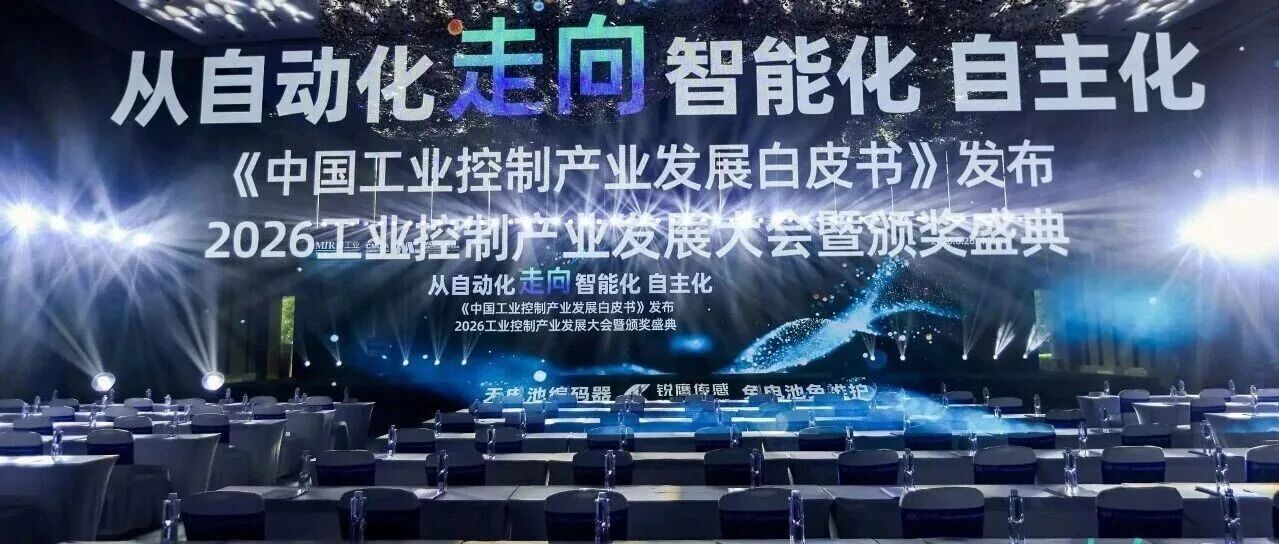
MIR Industrial Releases First White Paper on China's Industrial Control Industry
On June 26, the 2026 Industrial Control Industry Development Conference concluded successfully in Suzhou, co-hosted by MIR Industrial and other organizations. The event featured the launch of the first 'China Industrial Control Industry Development White Paper,' focusing on the transition from automation to intelligent and autonomous systems. This white paper aims to fill the gap in systematic research within the industrial control sector, addressing the need for comprehensive data across the entire industry chain. The conference also served as a platform for nearly thirty thematic discussions, covering key areas such as market trends, product innovations, and AI integration. Looking ahead, the establishment of an industrial control alliance and the planning for the second conference are expected to further enhance collaboration and innovation within the sector. No further timeline was disclosed at the time of publication.
ICA Industrial Control Industry Awards 2026 Celebrates Achievements and Future Endeavors
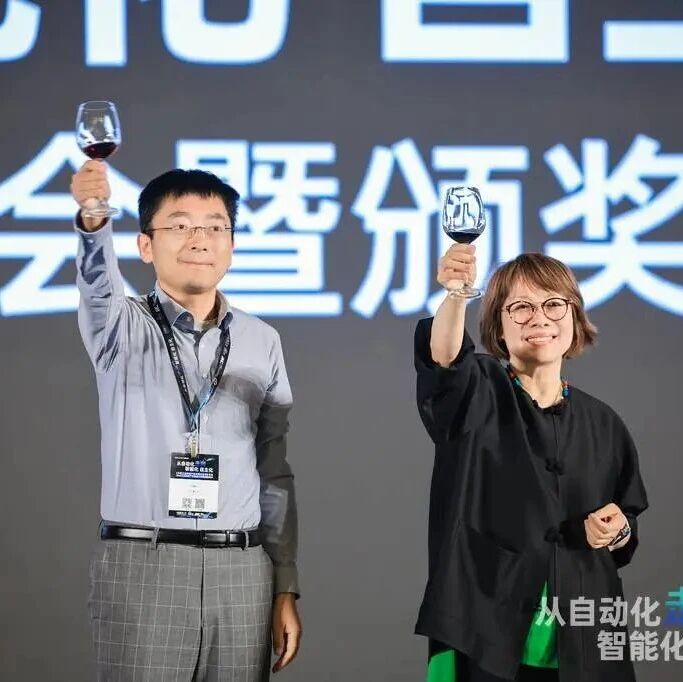
The 2026 ICA Industrial Control Industry Annual Awards ceremony took place on June 26 in Suzhou, honoring 23 awards across various categories, including individual, corporate, product technology, and industry application awards. The event gathered industry professionals to reflect on breakthroughs and recognize leading companies for their contributions to the field. This ceremony highlights the importance of dedication and innovation within the industrial control sector. It serves as a reminder of the commitment and expertise of industry leaders who have paved the way for future advancements. The recognition of these achievements fosters a culture of excellence and encourages ongoing development in automation and intelligent manufacturing. Looking ahead, the industry faces challenges on the path to autonomy and intelligence. The names celebrated at this event represent the resilience and determination of professionals committed to driving the industry forward. No further timeline was disclosed at the time of publication.

Mouser Expands Industrial Automation Portfolio with New Manufacturer Additions to Support Next-Gen Systems
A recent expansion initiative aims to enhance access to essential technologies in artificial intelligence, connectivity, power, control, and sensing. This development is crucial for fostering the integration of industrial environments, which are becoming increasingly interconnected. By broadening the availability of these key technological components, the initiative seeks to support industries in adapting to modern demands and improving operational efficiency. The move is expected to facilitate innovation and growth across various sectors, positioning them to better meet the challenges of a rapidly evolving technological landscape.
Elmo releases new motion controller and servo drives for industrial applications
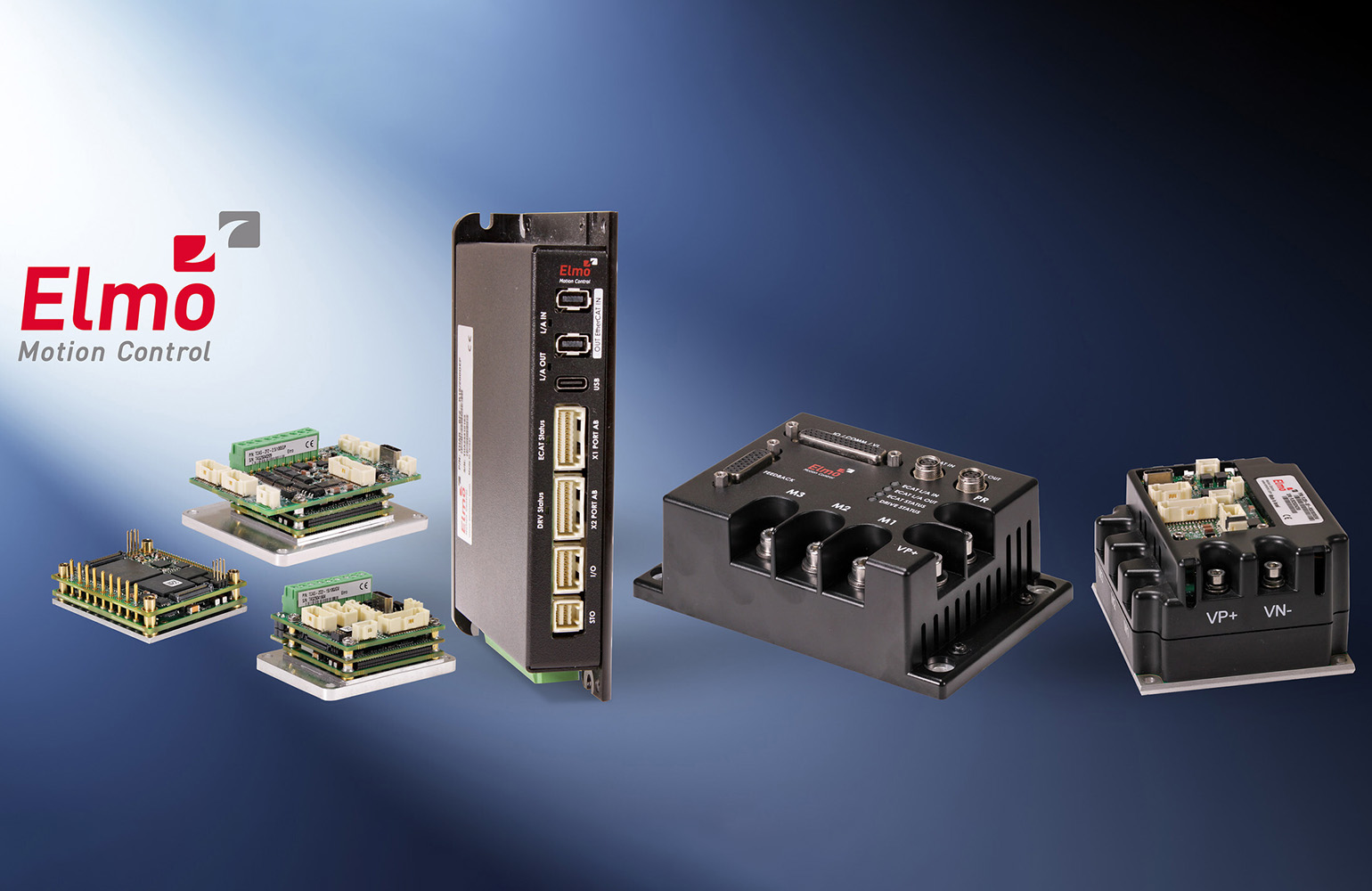
Elmo has unveiled its latest motion controller and servo drives, enhancing its existing Platinum product line and launching a new Titanium line. This development aims to set new standards for power density in industrial applications. The announcement highlights Elmo's commitment to innovation and leadership in the automation sector, as the company seeks to meet the growing demands for efficient and high-performance solutions in the market. The new products are expected to provide advanced capabilities for various industrial applications, reinforcing Elmo's position as a key player in the industry.
Actuators / Motors / Servos Events Motion Control News Robot Components servo
The Steam Controller and an Industrial Robot: An Unexpected Intersection
ENCY Software has highlighted the significance of tactile, analog input in programming industrial robots and collaborative robots (cobots) through its innovative product, ENCY Hyper. This development underscores the relevance of standard wireless controllers, which may initially appear disconnected from the manufacturing environment. By integrating these controllers into robotic programming, ENCY Software aims to enhance the precision and efficiency of robotic operations. The initiative reflects a growing recognition of the importance of user-friendly interfaces in industrial automation, emphasizing how traditional input methods can still play a crucial role in modern technology.
How Industrial Vision Systems Beat Dust, Heat and Vibration to Stay Sharp on the Factory Floor
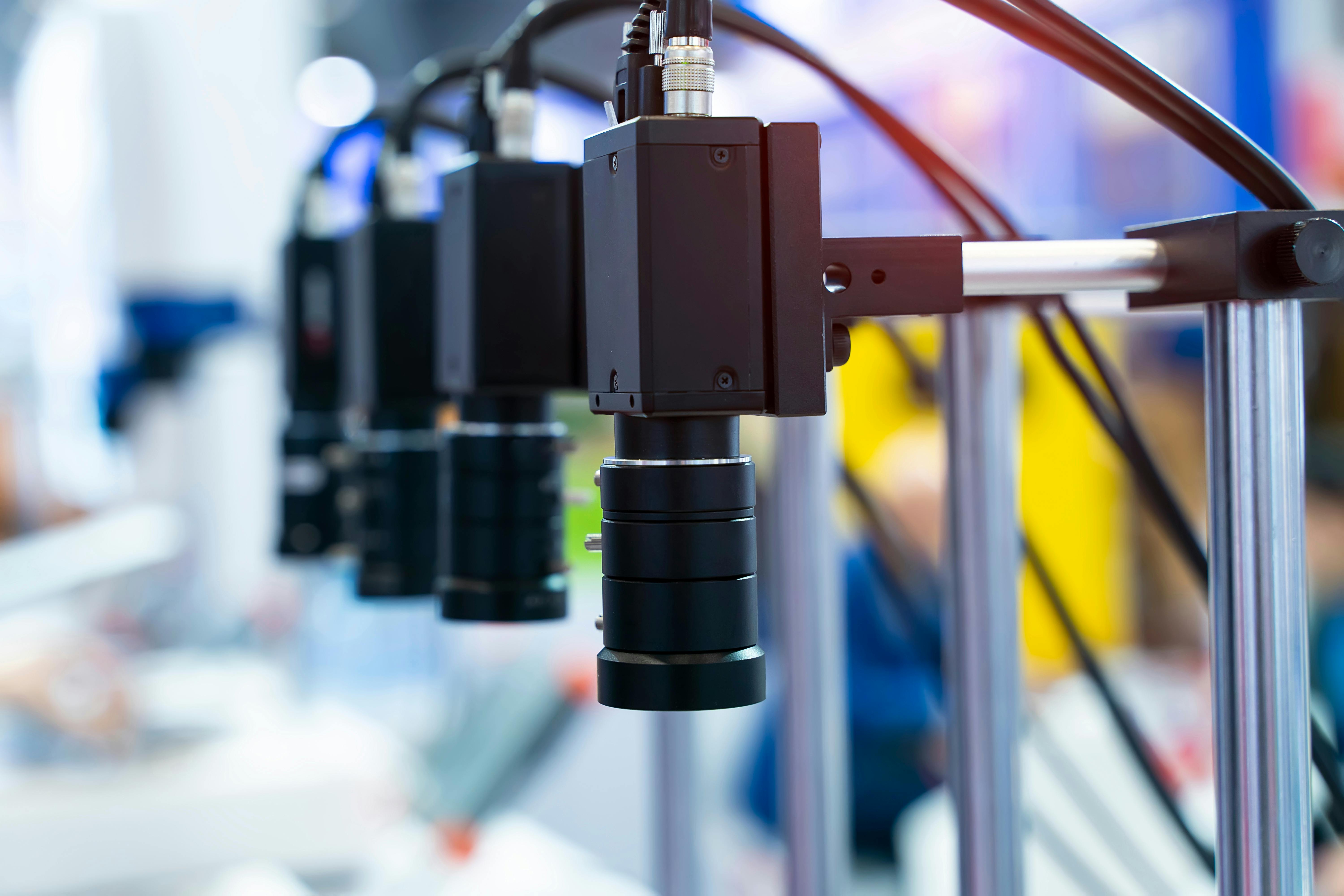
Engineers and operators in the manufacturing sector are addressing environmental threats to machine vision cameras, which can compromise system accuracy and lead to operational downtime. To mitigate these risks, experts are implementing protective measures and maintenance strategies designed to enhance the durability and reliability of these critical systems. By focusing on proactive maintenance and environmental safeguards, teams can ensure that machine vision technology continues to function effectively, even in challenging conditions. This approach not only helps maintain productivity but also extends the lifespan of the equipment, ultimately supporting the efficiency of manufacturing processes.
Factory / Sensors
Phoxter to showcase AI inspection, AMR, and warehouse control systems at Robot Technology Japan 2026.
Phoxter Co., Ltd. will showcase its innovations at the upcoming "Robot Technology Japan 2026" exhibition, scheduled to take place from June 11 to June 13, 2026, at the Aichi Sky Expo. This event aims to highlight advancements in robotics technology and foster collaboration within the industry. By participating, Phoxter seeks to demonstrate its commitment to driving innovation and engaging with potential partners and customers in the rapidly evolving robotics sector.

Enhancing Industrial Automation: Why Compact Mini PCs Are Quietly Becoming the Default Choice for Robotic Controllers
In recent years, the evolution of control cabinets in modern factories has significantly transformed, with a notable increase in the complexity of components housed within them. Engineers are now tasked with integrating advanced technologies such as vision systems, sensors, controllers, and networking equipment into increasingly confined spaces. This shift has prompted the adoption of compact industrial computers, which are designed to efficiently manage the growing demands of industrial automation. As manufacturers seek to optimize their operations and streamline processes, these compact solutions are becoming essential for maintaining productivity and enhancing system capabilities. The trend reflects a broader movement towards more sophisticated and space-efficient technologies in the manufacturing sector, driven by the need for innovation and efficiency in an ever-competitive landscape.
Automation Computing Factories Industry automation hardware automation news
Allient to demonstrate advanced motion control systems at 2026 Robotics Summit & Expo
Allient is set to showcase its advanced motion and control technologies at the Robotics Summit & Expo taking place this week in Boston. The company aims to highlight its innovative systems, which are designed to enhance robotic applications and improve operational efficiency. This exhibition represents an opportunity for Allient to engage with industry professionals and demonstrate the capabilities of its latest developments in motion control. The event serves as a platform for networking and collaboration within the robotics sector, emphasizing the importance of technological advancements in driving the future of automation.
Actuators / Motors / Servos Controllers Events Motion Control News allient
Aptiv and Comau to Co-Develop Next-Generation Solutions for Robotics, Autonomous Systems, and Industrial Logistics
In a significant move towards enhancing industrial automation, leading technology firms have announced a collaborative initiative aimed at delivering safer, smarter, and more cost-effective solutions for the sector. This partnership, which includes major players in automation technology, was unveiled during a recent industry conference held in San Francisco on October 15, 2023. The collaboration seeks to address the growing demand for advanced automation systems that not only improve operational efficiency but also prioritize safety and sustainability. By pooling resources and expertise, the companies aim to develop innovative technologies that leverage artificial intelligence and machine learning, ultimately transforming the landscape of industrial operations. Industry experts emphasize that this initiative is crucial in responding to the challenges posed by increasing production demands and the need for more resilient supply chains. The collaborative effort will focus on integrating cutting-edge technologies into existing systems, thereby enhancing productivity while reducing costs. Through a series of joint research projects and pilot programs, the partners plan to test and implement new automation solutions across various sectors, including manufacturing, logistics, and energy. This strategic alliance represents a proactive approach to fostering innovation and ensuring that industrial automation keeps pace with the evolving needs of the market.

Aptiv and Comau to Co-Develop Next-Generation Solutions for Robotics, Autonomous Systems, and Industrial Logistics
Comau and Aptiv have announced their collaboration to co-develop next-generation intelligent automation solutions aimed at enhancing efficiency for industrial customers. This partnership, which seeks to leverage both companies' expertise in automation and advanced technologies, is expected to pave the way for innovative solutions that address the evolving needs of the manufacturing sector. The initiative comes at a time when industries are increasingly focusing on automation to improve productivity and reduce operational costs. By combining Comau's extensive experience in industrial automation with Aptiv's cutting-edge technology capabilities, the two companies aim to create systems that not only streamline processes but also integrate advanced data analytics and artificial intelligence. The collaboration is set to take place in various locations where both firms operate, with the goal of delivering impactful solutions to clients in the near future.
How to Achieve Remote Monitoring and Diagnostics for Controllable Robot Systems
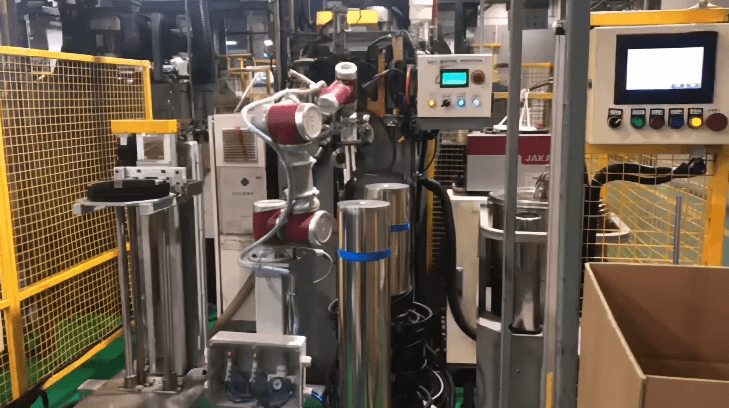
In the evolving landscape of smart manufacturing, the significance of collaborative robots is shifting from mere physical performance to the ability to be managed remotely. As production environments become increasingly decentralized, companies are prioritizing remote monitoring and diagnostics to oversee robot health, predict maintenance needs, and troubleshoot issues without on-site presence. To achieve effective remote management, a combination of advanced hardware sensors and cloud-based software is essential. Utilizing the Industrial Internet of Things (IIoT), data from robots—including motor temperature and power consumption—is streamed to centralized dashboards. Secure data transmission protocols like OPC UA and MQTT facilitate communication with Manufacturing Execution Systems, enabling the use of "Digital Twin" technology. This allows real-time mirroring of a robot's movements, triggering automated alerts for predictive maintenance to prevent costly downtimes. JAKA is at the forefront of this innovation, moving beyond traditional operations to create a connected ecosystem. Their "Smart, Simple, Small" philosophy ensures that managing JAKA systems is as user-friendly as mobile applications. With advanced wireless teaching and cloud management tools, users can monitor their fleet of robots globally from a single interface. JAKA's software suite enables remote diagnostics, providing real-time feedback on robot status, which is crucial for maintaining continuous production across various locations. The integration of AI-driven vision and sensing further enhances remote monitoring capabilities. By investing in JAKA, companies are securing a future-proof solution that ensures control and productivity, regardless of geographical constraints.
Industrial Cobots vs. Traditional Industrial Robot Systems: Which Is Better?
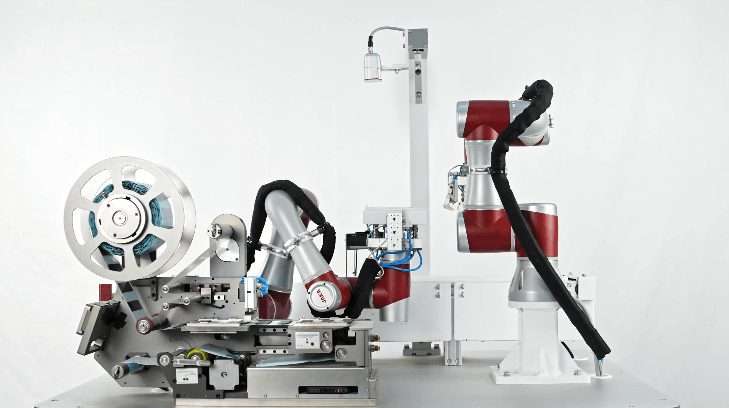
In recent years, manufacturing industries have increasingly turned to industrial collaborative robots, or cobots, as a more flexible alternative to traditional robotic systems. JAKA, a leader in this field, has noted a significant shift in automation strategies, with companies opting for cobots that facilitate close human interaction without the need for extensive safety measures or programming. The JAKA Pro12 exemplifies the advantages of industrial cobots, showcasing enhanced environmental adaptability with its IP68 protection, allowing it to function reliably in challenging industrial conditions. Its maintenance-free design ensures high precision while occupying minimal space, which helps reduce downtime and simplifies operations compared to traditional robots. While traditional robots are effective for high-speed and heavy-load tasks, they require more space and safety precautions. In contrast, the JAKA Pro12 can work alongside human operators, making it ideal for dynamic tasks and environments where collaboration is key. This flexibility enables companies to swiftly adapt to changing production demands, a capability often lacking in conventional setups. Cost considerations for implementing cobots involve various factors, including integration complexity and required peripherals. JAKA assists clients in navigating these elements, demonstrating how cobots can lead to lower long-term operational costs through reduced maintenance and quicker deployment times. Ultimately, the decision between industrial cobots and traditional robots hinges on the specific needs of each manufacturing operation. JAKA's cobots offer a compelling blend of safety, flexibility, and precision, making them an attractive option for companies seeking versatile automation solutions.

DroneDash and GEODNET Launch GEODASH Aerosystems to Bring Map-Free, AI-Driven Precision Spraying to Industrial Agriculture
A new joint venture has been established to focus on oil palm, sugarcane, and broad-acre agricultural operations across Southeast Asia, the United States, and South America. The initiative aims to enhance agricultural productivity and sustainability in these regions. Commercial deployment of the venture's projects is scheduled for the third quarter of 2026, marking a significant step forward in agricultural innovation and resource management. The collaboration seeks to leverage advanced technologies and sustainable practices to meet the growing demand for these crops while addressing environmental concerns.
The Importance of Low Latency in Controllable Robot Communication Systems
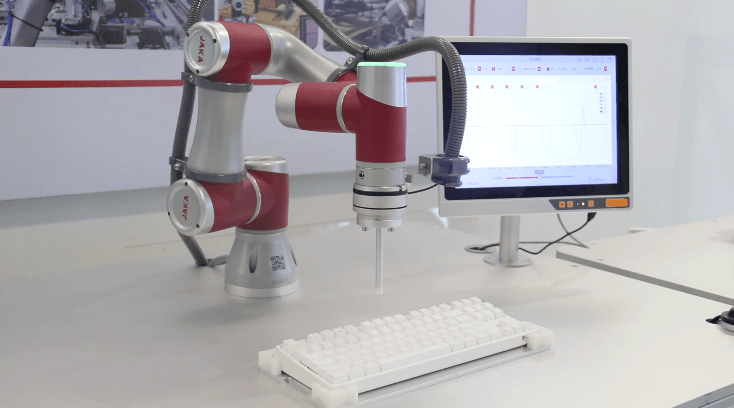
In the evolving landscape of modern manufacturing, JAKA emphasizes the critical role of low-latency communication in enhancing the reliability of controllable robots. As production lines demand greater flexibility and responsiveness, the speed at which robots receive and execute commands directly influences their motion accuracy, coordination, and safety. This focus on efficient communication is particularly vital as collaborative robots increasingly work alongside human operators, necessitating predictable response times for seamless interaction. JAKA's approach integrates communication architecture into the core design of their systems, ensuring that control signals and sensor feedback travel with minimal delay. This real-time responsiveness is essential for adaptive assembly tasks, where precise timing is crucial to maintain smooth operations and prevent misalignment. The company’s JAKA Ai3 system exemplifies this philosophy, featuring lightweight design and capabilities for quick task transitions, which are essential in small-batch and multi-variety production environments. By prioritizing low latency, JAKA aims to support flexible workflows and enhance productivity, allowing robots to adapt swiftly to changing conditions without extensive recalibration. The strategic emphasis on communication speed not only aligns technical performance with real-world manufacturing demands but also positions JAKA's controllable robots as effective solutions for diverse applications in compact and dynamic workspaces. As the industry continues to evolve, JAKA remains committed to developing systems that leverage efficient communication to ensure reliable performance in modern production settings.
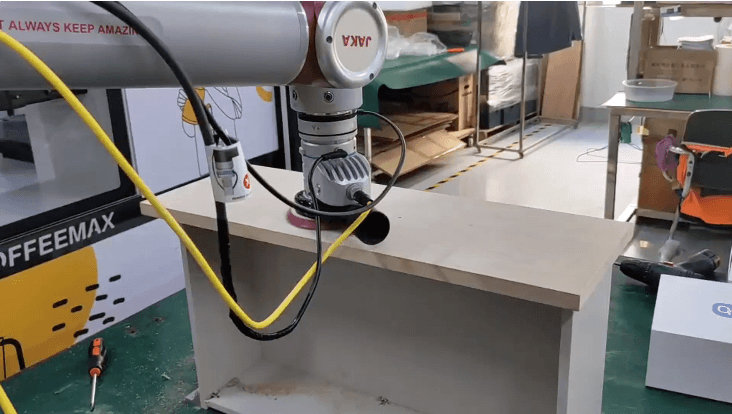
Understanding Automation Robotics Technology: From Sensors to Control Systems (JAKA CAB V3)
JAKA, a leader in automation robotics technology, has unveiled its advanced polishing robot, powered by the innovative CAB V3 controller, designed to enhance the precision and consistency of metal component finishing. This cutting-edge system, which integrates sophisticated sensing and control mechanisms, addresses the challenges faced by skilled artisans in achieving flawless surfaces. The CAB V3 controller serves as the brain of the robot, translating high-resolution sensor data into precise motion commands. Equipped with advanced proprioceptive sensors and force control technology, the polishing robot can adapt to subtle variations in part geometry, ensuring optimal tool orientation and pressure during operation. This real-time feedback loop allows the robot to maintain high standards of quality while compensating for any deviations. JAKA's design philosophy emphasizes the seamless integration of sensing, computation, and mechanical action, enabling the polishing robot to operate smoothly without vibrations that could damage surfaces. The CAB V3 also supports connectivity with external vision systems and factory networks, enhancing flexibility in mixed-production environments. By leveraging this advanced automation technology, manufacturers can achieve unprecedented levels of consistency and quality in their finishing tasks, transforming the traditional polishing process into a highly efficient and repeatable operation.

How a PaaS Platform Can Bridge Classical Robotics and AI to Build the Next Generation of Industrial Systems
In a recent development within the field of robotics and artificial intelligence, engineers are facing challenges in integrating these technologies effectively within projects. As design choices are often finalized before the connection of robotics and AI, engineers find themselves in a position where they must simultaneously adjust both software code and hardware components. This parallel modification process aims to ensure that the systems operate consistently, despite the constraints imposed by pre-determined design decisions. The ongoing evolution of these technologies underscores the need for a more cohesive approach in the design phase to facilitate smoother integration and functionality.
Robotics needs a service framework.
RSF defines a common language for robot service capability, lifecycle operations, certification pathways, and service-provider networks.
Join the RobotToday community on LinkedIn
Daily robotics news, in-depth analysis, conference highlights, and discussions with professionals worldwide.







