

Industry Briefing
A single destination for timely, editor-curated robotics news from around the world.

Flying Lion Introduces Remote Staffing Service for Continuous DFR Operations
Flying Lion has unveiled a Remote Staffing Service aimed at assisting public safety and security organizations in operating Drone as First Responder (DFR) programs continuously. This service, announced at the National Real Time Crime Center Association conference in Phoenix, integrates remote pilots with Flying Lion’s proprietary pilot management software, enabling agencies to fill staffing gaps or launch new programs without altering existing technology. The significance of this service lies in its ability to provide agencies with flexible staffing solutions, allowing them to maintain 24/7 DFR operations. Barry Brennan, Founder and President of Flying Lion, emphasized that the service is not restricted to any specific drone or software platform, which enhances operational flexibility. The remote pilots can operate from an agency’s Real-Time Crime Center or Security Operations Center, ensuring critical aerial support is available promptly when needed. Looking ahead, the Remote Staffing Service can facilitate cross-jurisdictional and multi-agency operations, which is crucial as agencies expand their DFR programs. The service can be utilized for scheduled or on-demand staffing, thereby helping organizations manage their resources effectively. No further timeline was disclosed at the time of publication.
Applications DFR dispatch Drone News Drone News Feeds Featured – Safety and Security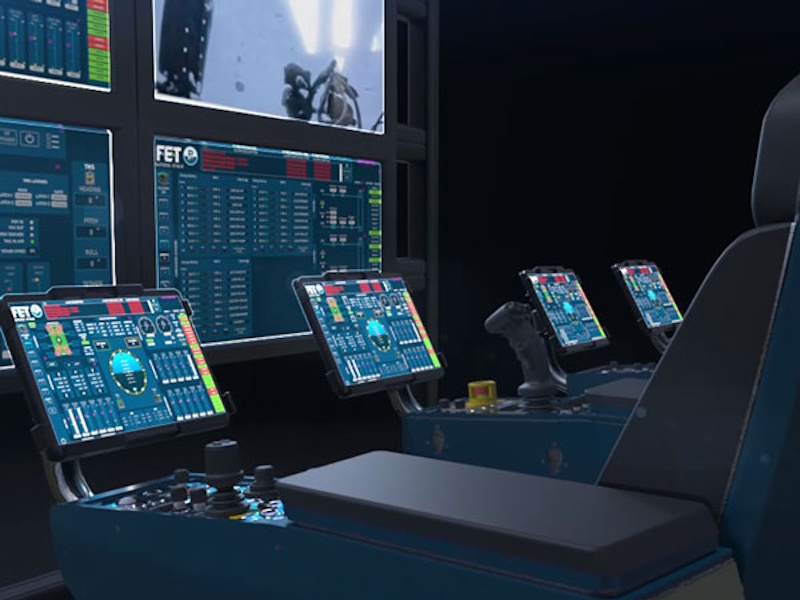
FET Sets New Standard for Subsea Operations with Ice® Unity Remote-Connect
Forum Energy Technologies (FET), a prominent provider of remotely operated vehicles (ROVs), has introduced an innovative remote control station designed to enhance operational safety and flexibility for its clients. This new technology allows users to control ROV systems from virtually any location, significantly improving the efficiency and effectiveness of underwater operations. The announcement was made recently, highlighting FET's commitment to advancing remote operation capabilities in the energy sector. By enabling remote control, FET aims to reduce risks associated with on-site operations while providing clients with greater convenience and control over their underwater tasks. This development is expected to transform how companies engage with ROV technology, making it safer and more accessible than ever before.
fet ice® unity remote-connect
Flying Lion Launches Remote Staffing Service for Public Safety Drone Operations
California-based Flying Lion has introduced a Remote Staffing Service aimed at assisting public safety agencies and security organizations in maintaining 24/7 drone operations. This service combines their pilot management software with a network of trained remote pilots, addressing the staffing challenges faced by agencies running Drone as First Responder (DFR) programs. The significance of this service lies in its ability to provide immediate aerial support during emergencies, enhancing situational assessment for responders. As DFR programs gain traction across the U.S., the need for qualified pilots available around the clock has become a pressing issue for many agencies. Flying Lion's offering allows organizations to scale staffing based on demand without the need for extensive in-house pilot training. Looking ahead, Flying Lion's platform-agnostic service could facilitate the integration of drone operations for agencies with existing fleets. The company emphasizes that their experienced remote pilots can support various hardware and software combinations, potentially transforming how agencies approach 24/7 DFR and security operations. No further timeline was disclosed at the time of publication.
News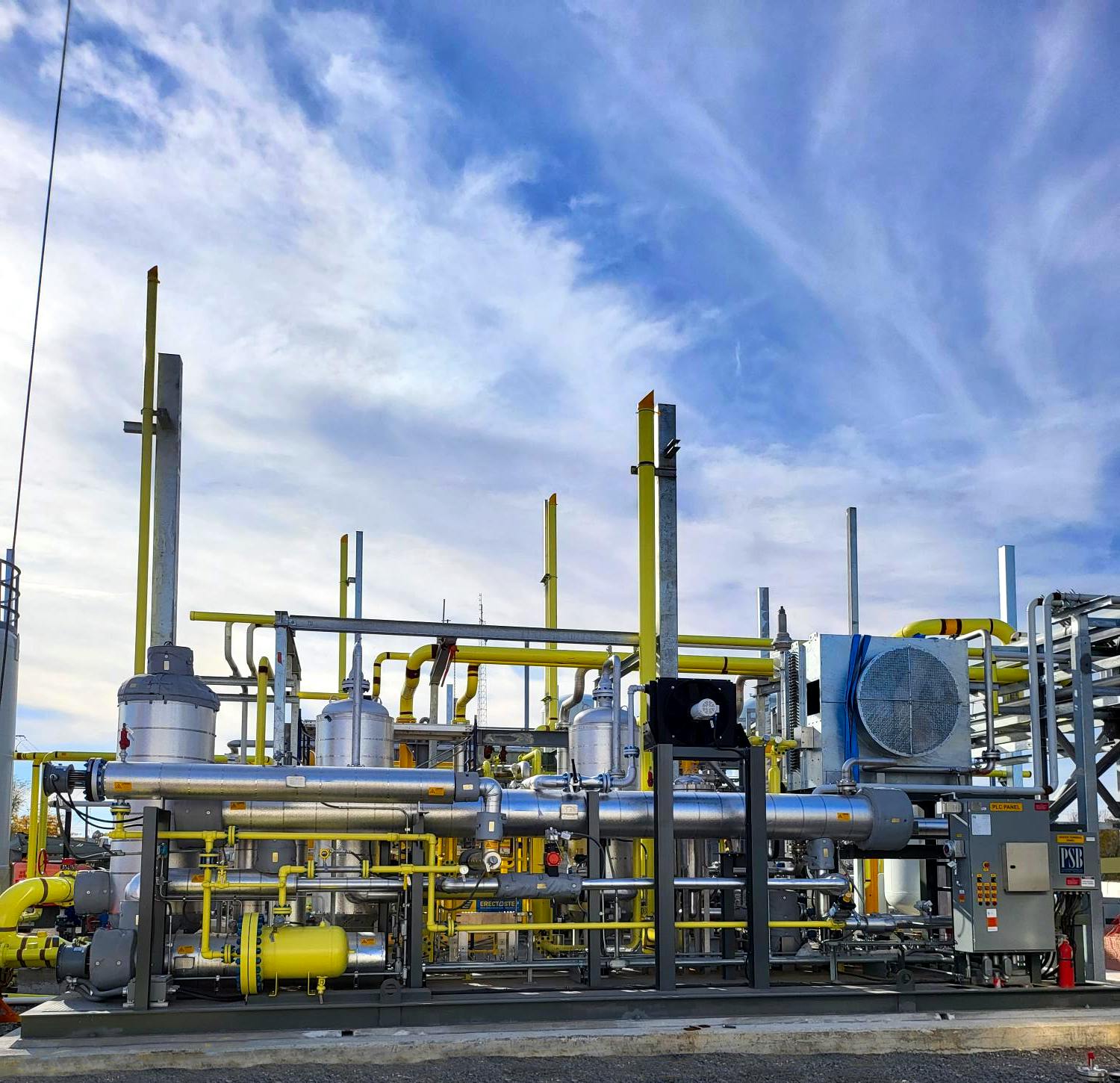
PSB Industries Launches Remote Monitoring Service for Enhanced OEM Visibility
PSB Industries has unveiled its Remote Monitoring Service, aimed at providing customers with direct OEM visibility and faster technical support. This service is designed to help customers detect abnormal operating conditions earlier, thereby reducing unplanned downtime and enhancing long-term reliability while maintaining operational authority with on-site personnel. The introduction of this service is significant as it combines installed hardware, secure connectivity, and ongoing OEM technical support to ensure continuous visibility into system status and alarm activity. Core deliverables include the OptixEdge industrial edge gateway, cloud-connected data collection, and remote troubleshooting, which collectively facilitate proactive maintenance and quicker identification of root causes for issues. Looking ahead, PSB's Remote Monitoring Service is expected to transform customer support by shifting from reactive troubleshooting to a more proactive approach. This service offers additional benefits such as priority access to OEM service and reduced hourly service rates, making it a valuable addition for customers operating PSB systems. No further timeline was disclosed at the time of publication.
Factory / Digital Transformation
Advancing End-to-End Automation by Integrating Factory Operations with Business Systems
Manufacturers have long automated physical production processes, utilizing robots and sensors for efficiency. However, many surrounding processes still rely on manual data entry and communication, leading to inefficiencies. The next phase of automation focuses on integrating operational systems with business software, enhancing communication across departments. This integration is crucial as it allows for real-time information sharing between operational technology and business systems, which traditionally serve different purposes. For instance, while a machine can detect performance issues, the process of creating maintenance tickets often remains manual. End-to-end automation aims to streamline these handoffs, ensuring that relevant information flows seamlessly across organizational boundaries. Looking ahead, the implementation of an embedded integration platform is essential for connecting operational data with various business applications like ERP and CRM systems. This approach not only simplifies the integration process but also ensures that operational decisions remain within the appropriate environments while coordinating necessary administrative actions. No further timeline was disclosed at the time of publication.
Automation Business Design Engineering ai agents business process automation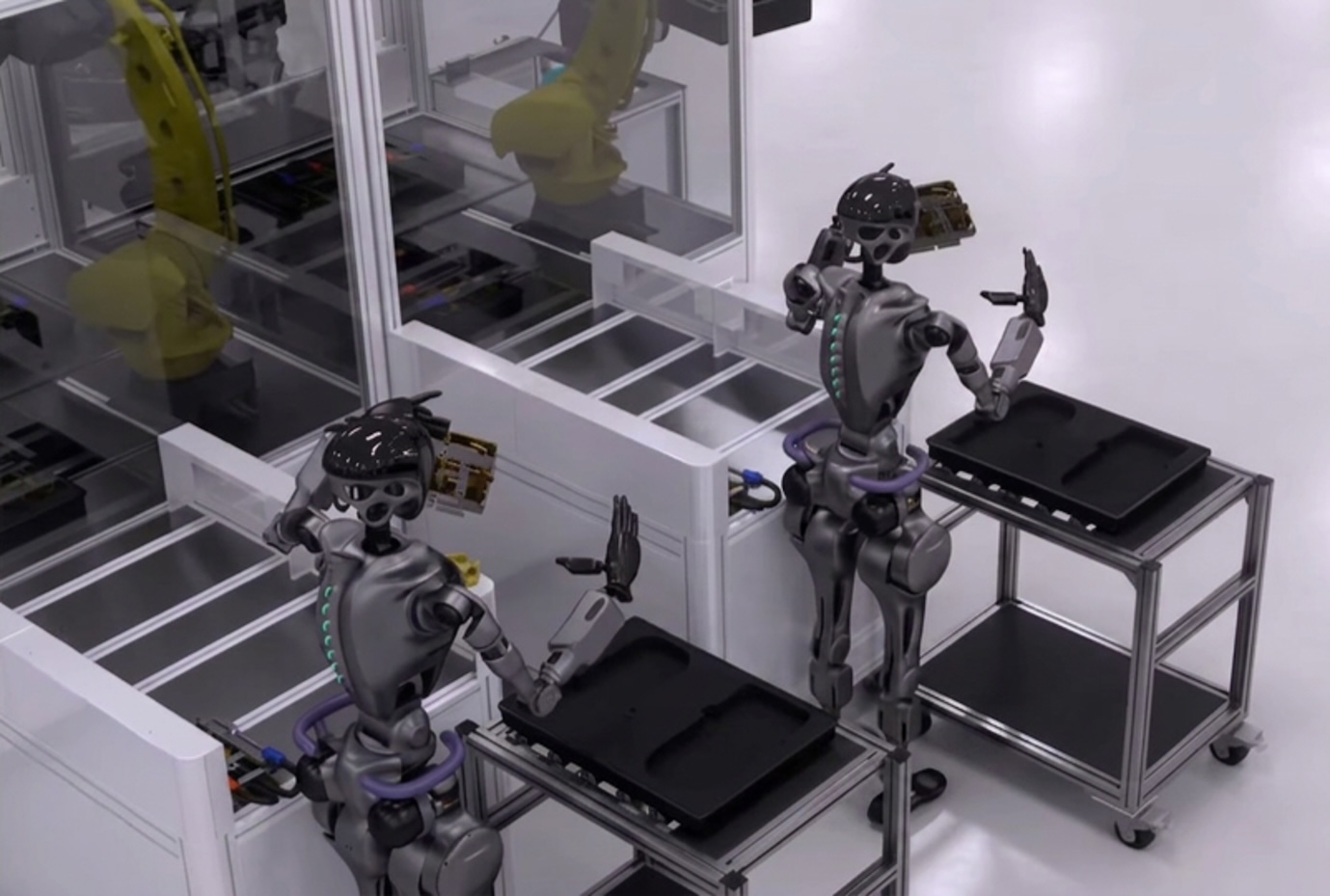
SpaceX Launches Starmind Project for 1 Million AI Satellites by 2028
SpaceX has officially named its orbital AI infrastructure project 'Starmind,' which aims to deploy a constellation of up to 1 million satellites. This initiative, confirmed by Elon Musk on June 22, 2026, will enable AI inference directly in space, utilizing solar energy rather than terrestrial power sources. The first satellite, designated AI1, was unveiled on June 8, 2026, and is designed to operate in sun-synchronous orbits. The significance of Starmind lies in its potential to overcome the limitations faced by ground-based data centers, such as land, power, and water constraints. By running AI computations in orbit, Starmind can provide a more efficient solution to the growing demand for AI computing power. The project leverages the existing Starlink infrastructure for data transmission, distinguishing its function from Starlink's internet relay capabilities. Looking ahead, SpaceX plans to begin hardware deployment with the AI1 satellite, while full-scale production and deployment of the satellite constellation are targeted for 2028. As of now, no Starmind satellites have been launched, and further engineering challenges remain to be addressed, particularly regarding the scalability of the satellite design.

SpaceX's Starmind Plans 1 Million AI Satellites Amid Collision Risks
SpaceX has announced its ambitious Starmind project, which aims to deploy 1 million AI satellites in orbits between 500 and 2,000 km. This initiative, confirmed by Elon Musk on June 23, 2026, follows a merger with xAI, valuing the combined entity at $1.25 trillion. The satellites will function as orbital data centers, processing AI workloads powered by solar arrays and linked by optical lasers. The significance of Starmind lies in its potential to add 100 gigawatts of AI compute capacity annually, contingent on the successful operation of the Starship launch system. However, the project raises concerns regarding space debris, as the current orbital environment is already congested, with a 20% increase in collision risk reported since 2024. The European Space Agency has highlighted that the density of debris in low Earth orbit is now comparable to that of active satellites, complicating the operational landscape for new entrants like Starmind. Looking ahead, the first operational orbital AI deployments are targeted for 2028, with test launches expected in early 2027. However, the project faces scrutiny regarding its impact on space debris, as even a 1% failure rate could significantly increase the number of uncontrollable objects in orbit, exacerbating existing risks. No further timeline was disclosed at the time of publication.

SpaceX IPO Provides Indirect Investment Opportunity in Starmind Project
Starmind does not have a standalone stock or ticker; investors can gain exposure through SpaceX (ticker: SPCX), which began trading on Nasdaq after its IPO on June 12, 2026. Starmind is integrated within SpaceX, contributing to the company's AI and space initiatives, and its performance directly influences SPCX shares. The significance of Starmind lies in its role as a division of SpaceX, which encompasses other projects like Starlink and Starship. As of early July 2026, SPCX shares are trading between $149 and $150, significantly lower than their 52-week high of $225.64. The project’s milestones, such as AI1 prototype updates, can impact SpaceX's stock performance, making it essential for investors to monitor these developments closely. Looking ahead, the early 2027 launch of AI1 prototype satellites is a critical milestone that could provide verifiable data affecting Starmind's valuation and, consequently, SPCX stock. No further timeline was disclosed at the time of publication, but the upcoming events will be pivotal for investors tracking the relationship between Starmind and SpaceX's stock performance.
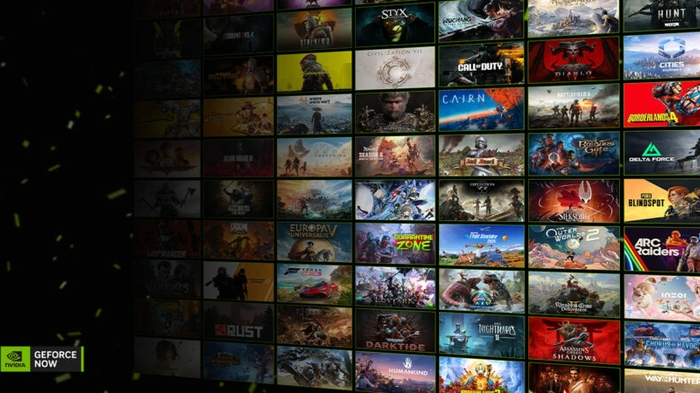
Sync and Stream: GeForce NOW Connects to Members’ Game Libraries Across Devices
GeForce NOW, a cloud gaming service, allows users to play their favorite titles from various popular game libraries while keeping their progress synchronized across multiple devices. This innovative platform enables gamers to seamlessly transition between devices, enhancing their gaming experience by providing flexibility and convenience. With access to a wide range of games, GeForce NOW caters to the growing demand for cloud-based gaming solutions, making it easier for players to engage with their favorite titles anytime and anywhere. As the gaming industry continues to evolve, services like GeForce NOW are becoming increasingly relevant, offering solutions that meet the needs of modern gamers.
Robotics needs a service framework.
RSF defines a common language for robot service capability, lifecycle operations, certification pathways, and service-provider networks.
Join the RobotToday community on LinkedIn
Daily robotics news, in-depth analysis, conference highlights, and discussions with professionals worldwide.







