Industry Briefing
A single destination for timely, editor-curated robotics news from around the world.
Cartwheel Robotics Shows Off Eerily Smooth, AI-Generated Robot Motion
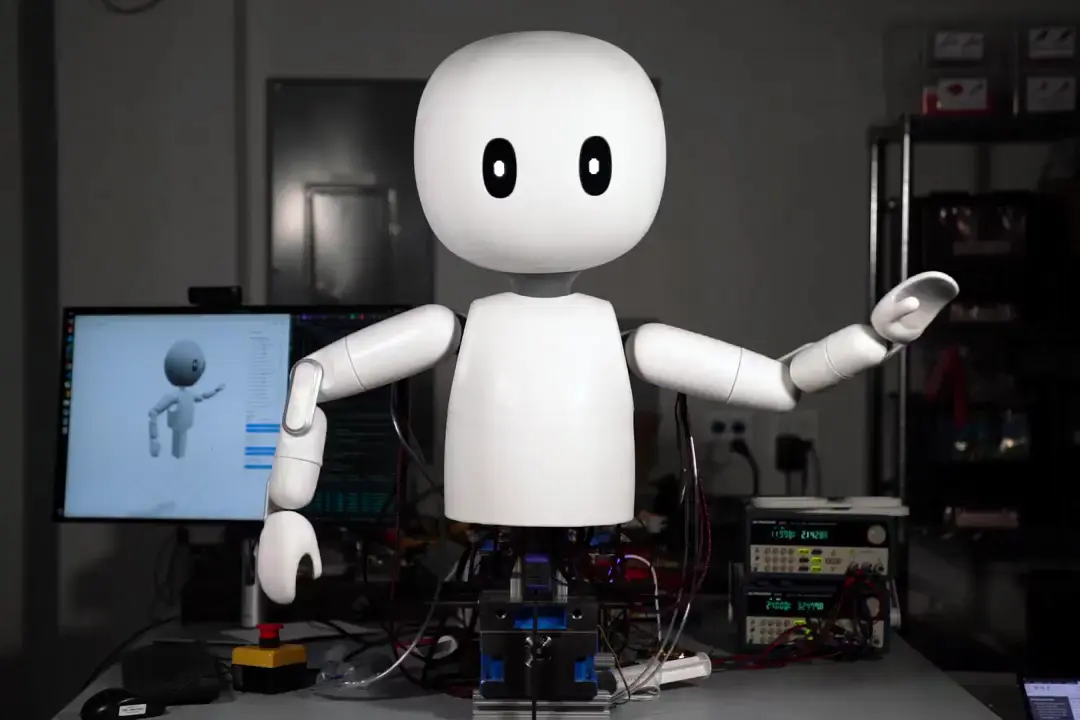
Scott LaValley, founder of Cartwheel Robotics, has released a new video demonstrating the impressive capabilities of the company's humanoid torso, named 'Yogi.' This innovative technology utilizes a generative AI model that converts text into fluid, lifelike movements, showcasing a significant advancement in robotics. The video highlights Yogi's ability to perform motions that closely mimic human expression and movement, emphasizing the potential applications of such technology in various fields, including entertainment and education. This development marks a notable step forward in the integration of artificial intelligence with robotics, reflecting ongoing efforts to enhance human-robot interaction.
Cartwheel Robotics humanoid-robots generative-ai robotics
7-Eleven Japan Taps Telexistence for AI-Powered Humanoid Robots in Stores by 2029
Japanese convenience store giant, in collaboration with robotics firm Telexistence, is set to introduce "Astra," a humanoid robot equipped with a Vision-Language-Action AI model. This initiative, announced recently, aims to address ongoing labor shortages within the retail sector and transform in-store operations. By integrating advanced robotics into their stores, the company seeks to enhance efficiency and improve customer service, responding to the increasing demand for innovative solutions in the face of workforce challenges. The deployment of Astra represents a significant step towards modernizing the convenience store experience, leveraging technology to meet both operational needs and customer expectations.
generative-ai retail automation 7-Eleven Telexistence
1X Reveals Its 'World Model,' A Digital Twin to Accelerate Humanoid AI Training
Robotics firm 1X has unveiled its latest innovation, an 'action-controllable' world model, as part of its Redwood AI initiative. This advanced system serves as a high-fidelity simulator, enabling the company to predict the outcomes of its NEO robot's actions. By utilizing this technology, 1X can efficiently assess AI performance and make necessary adjustments without the need for expensive and time-consuming physical trials. This development marks a significant step forward in the company's efforts to enhance robotic capabilities and streamline testing processes.
1X-technologies Redwood generative-ai embodied-ai robotics-ai world-model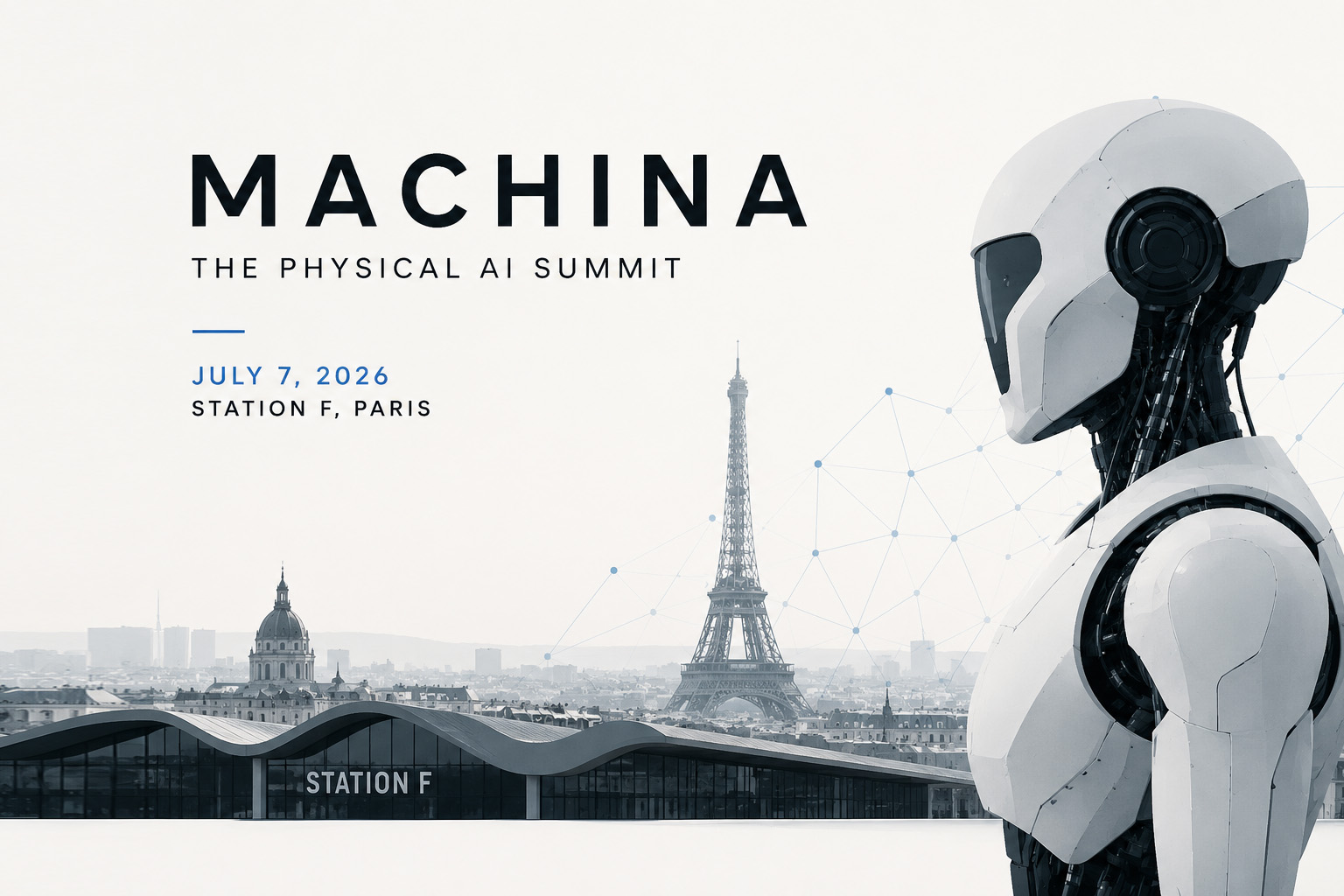
Paris aims to become the European capital of Physical AI by 2026.
A new era of artificial intelligence is emerging, transitioning from the digital realm of generative AI to the physical world with the development of robots that can perceive, reason, and act in real environments. On July 7, Paris will host the inaugural edition of MACHINA 2026, an event aimed at establishing the city as the European capital of Physical AI. This initiative reflects a growing interest in integrating advanced AI technologies into everyday life, highlighting the potential for robots to enhance various sectors by interacting with their surroundings in meaningful ways. The event is expected to showcase innovations and foster discussions on the future of robotics and AI in society.
À la une IA Industrie Robotique 1X Robotics Agility Robotics
Deepfake Detection Dataset Aims to Keep Up With Generative AI
A collaborative effort involving researchers from Microsoft, Northwestern University, and the non-profit organization Witness has led to the development of a new dataset aimed at enhancing the detection of AI-generated media. Announced in a study published on April 10 in IEEE Intelligent Systems, the Microsoft-Northwestern-Witness (MNW) deepfake detection benchmark is designed to address the growing challenge of distinguishing real from fake content in an era where generative AI technology is rapidly advancing. The dataset includes a diverse array of AI-generated images, audio, and videos, reflecting the current landscape of generative AI. Thomas Roca, a principal research scientist at Microsoft, emphasized the increasing sophistication of AI-generated media, which can easily be produced by anyone using accessible applications. This proliferation raises significant concerns, including identity fraud and the creation of harmful content. The MNW benchmark aims to improve the effectiveness of detection systems by providing a wider variety of AI-generated materials, including those that have undergone post-processing manipulations. Researchers acknowledge that while this dataset could potentially be misused to develop new evasion techniques, it is crucial for enhancing the ability to assess the authenticity of media as generative AI continues to evolve. The team plans to update the dataset biannually to incorporate the latest developments in generative AI and detection challenges, with the goal of fostering transparency and raising standards in the fight against deepfake content.
Deepfakes Generative-ai Artificial-intelligence Microsoft Journal-watch
Generative AI analyzes medical data faster than human research teams
In a recent study, researchers explored the capabilities of generative AI in analyzing complex medical datasets, comparing its performance to that of human experts. The findings revealed that in certain instances, the AI not only matched but also surpassed the effectiveness of teams that had dedicated months to developing prediction models. By utilizing precise prompts to generate usable analytical code, the AI significantly decreased the time required for processing health data. This advancement suggests a promising future where artificial intelligence could accelerate the transition from data analysis to scientific discovery, potentially transforming research methodologies in the medical field.

Two RI Ph.D. Students Receive Generative AI in Healthcare Fellowship
Carnegie Mellon University's Center for Machine Learning and Health has announced the recipients of the 2024 Generative AI in Healthcare Fellowship, recognizing seven individuals for their innovative contributions to the field. Among the awardees are Angela Chen and Bardienus (Bart) Duisterhof, both Ph.D. students from the Robotics Institute. Their research focuses on leveraging artificial intelligence to enhance healthcare solutions. This fellowship aims to support and promote the integration of generative AI technologies in healthcare, fostering advancements that could significantly improve patient outcomes.
Awards Uncategorized
Xiaomi Launches Robotics-U0: A Unified 38B-Parameter Generative Model for Robotics
Xiaomi has unveiled Robotics-U0, an advanced embodied generative model featuring 38 billion parameters. This innovative model is designed to perform multiple tasks, including scene generation, embodied transfer, video generation, and text-to-image capabilities, all within a single unified architecture. The introduction of Robotics-U0 is significant as it represents a leap forward in the integration of various robotic functions into one cohesive system. By unifying these four tasks, Xiaomi aims to enhance the efficiency and versatility of robotic applications, potentially transforming how robots interact with their environments and process information. Looking ahead, industry observers will be keen to see how Robotics-U0 is adopted across different sectors and its impact on the development of future robotic technologies. No further timeline was disclosed at the time of publication.
Technology
Sumitomo Corporation and Kyoto City find winning strategy for AI use, resolving the Copilot cost-effectiveness issue.
As the effectiveness of generative AI comes under scrutiny, Sumitomo Corporation has independently verified Microsoft’s projected cost savings associated with the technology. This evaluation highlights the potential benefits of generative AI, particularly through its applications in Kyoto City. By examining these case studies, the analysis aims to uncover successful strategies for investing in generative AI, shedding light on its practical implications and future prospects.

Using generative AI to diversify virtual training grounds for robots
Researchers have developed a new system called "steerable scene generation," designed to create digital environments such as kitchens, living rooms, and restaurants. This innovative technology allows engineers to simulate various real-world interactions and scenarios involving robots. The system aims to enhance the training and performance of robotic systems by providing realistic settings for testing and development. The advancements in generative AI play a crucial role in this process, enabling the creation of dynamic and adaptable scenes that can be tailored to specific needs. This breakthrough could significantly improve how robots are trained to navigate and interact within diverse environments, ultimately leading to more effective and versatile robotic applications.

Myinfo Copilot: Teradyne’s domain-specific generative AI chatbot
Teradyne has announced the launch of MyInfo Copilot, a new generative AI tool designed to enhance everyday workflows within the company. This development is part of Teradyne's broader AI strategy aimed at integrating advanced technology into its operations. The announcement comes as the company seeks to maintain its competitive edge in the rapidly evolving tech landscape. MyInfo Copilot is tailored to meet specific domain needs, reflecting Teradyne's commitment to leveraging AI for improved efficiency and productivity. The tool is expected to be implemented across various departments, streamlining processes and facilitating better decision-making. With this initiative, Teradyne aims to not only keep pace with industry advancements but also to position itself as a leader in the adoption of innovative AI solutions.

Generative AI improves a wireless vision system that sees through obstructions
Researchers have developed an innovative technique that enables robots to more accurately detect hidden objects and interpret indoor environments by utilizing reflected Wi-Fi signals. This advancement, which leverages existing wireless technology, could significantly enhance the capabilities of robots in various applications, including search and rescue operations, home automation, and security surveillance. The technique was unveiled in October 2023, showcasing the potential for robots to navigate and understand complex indoor spaces without the need for additional sensors. By analyzing how Wi-Fi signals bounce off objects, the robots can create a detailed map of their surroundings, improving their situational awareness and object recognition skills. This breakthrough not only promises to make robots more efficient but also opens new avenues for integrating smart technology into everyday life.

ImportAI 449: LLMs training other LLMs; 72B distributed training run; computer vision is harder than generative text
As artificial intelligence continues to evolve, experts are raising concerns about its potential to disrupt political systems globally. A recent discussion among political analysts and technologists highlighted the possibility of an unprecedented political interregnum driven by AI advancements. This conversation gained momentum in October 2023, as various stakeholders, including policymakers and industry leaders, began to assess the implications of AI on governance and societal structures. The rapid integration of AI technologies into everyday life is prompting fears that traditional political frameworks may struggle to adapt, leading to instability and uncertainty. Analysts argue that the increasing reliance on AI for decision-making processes could undermine democratic institutions, as algorithms may not reflect the complexities of human values and ethics. In response to these concerns, experts are advocating for proactive measures to ensure that AI development aligns with democratic principles. They emphasize the need for transparent regulations and ethical guidelines to mitigate potential risks associated with AI's influence on political landscapes. The discourse around AI's role in shaping future governance is expected to intensify as the technology continues to advance, prompting a reevaluation of how societies govern themselves in an increasingly automated world. As the debate unfolds, the urgency for a collaborative approach among technologists, policymakers, and civil society becomes clear, aiming to harness the benefits of AI while safeguarding democratic integrity and social cohesion.

How to Get Started With Visual Generative AI on NVIDIA RTX PCs
AI-powered content generation has become an integral part of daily tools such as Adobe and Canva, as numerous agencies and studios increasingly adopt this technology into their workflows. This shift, which has gained momentum over recent months, allows for the creation of photorealistic images and videos, enhancing the quality and efficiency of digital content production. The integration of AI into these platforms is driven by the need for faster turnaround times and improved creative capabilities, enabling users to produce high-quality visuals with ease. As the technology continues to evolve, it is reshaping the landscape of content creation, making advanced tools accessible to a broader range of users.

Italy Enters the Chat: Generative Bionics Raises €70M to Bring "Physical AI" to Industry
A new spinoff company, emerging from the renowned Italian Institute of Technology, has officially entered the competitive humanoid robotics sector. This initiative is supported by significant investments from AMD and Tether, reflecting a strong commitment to transforming two decades of research into practical applications. The company aims to leverage advanced technologies and innovations developed over the years to create humanoid robots that can meet industrial needs. With the backing of established tech giants, the spinoff is poised to make a substantial impact in the field, potentially revolutionizing how humanoid robots are integrated into various industries.
Generative Bionics Europe Tether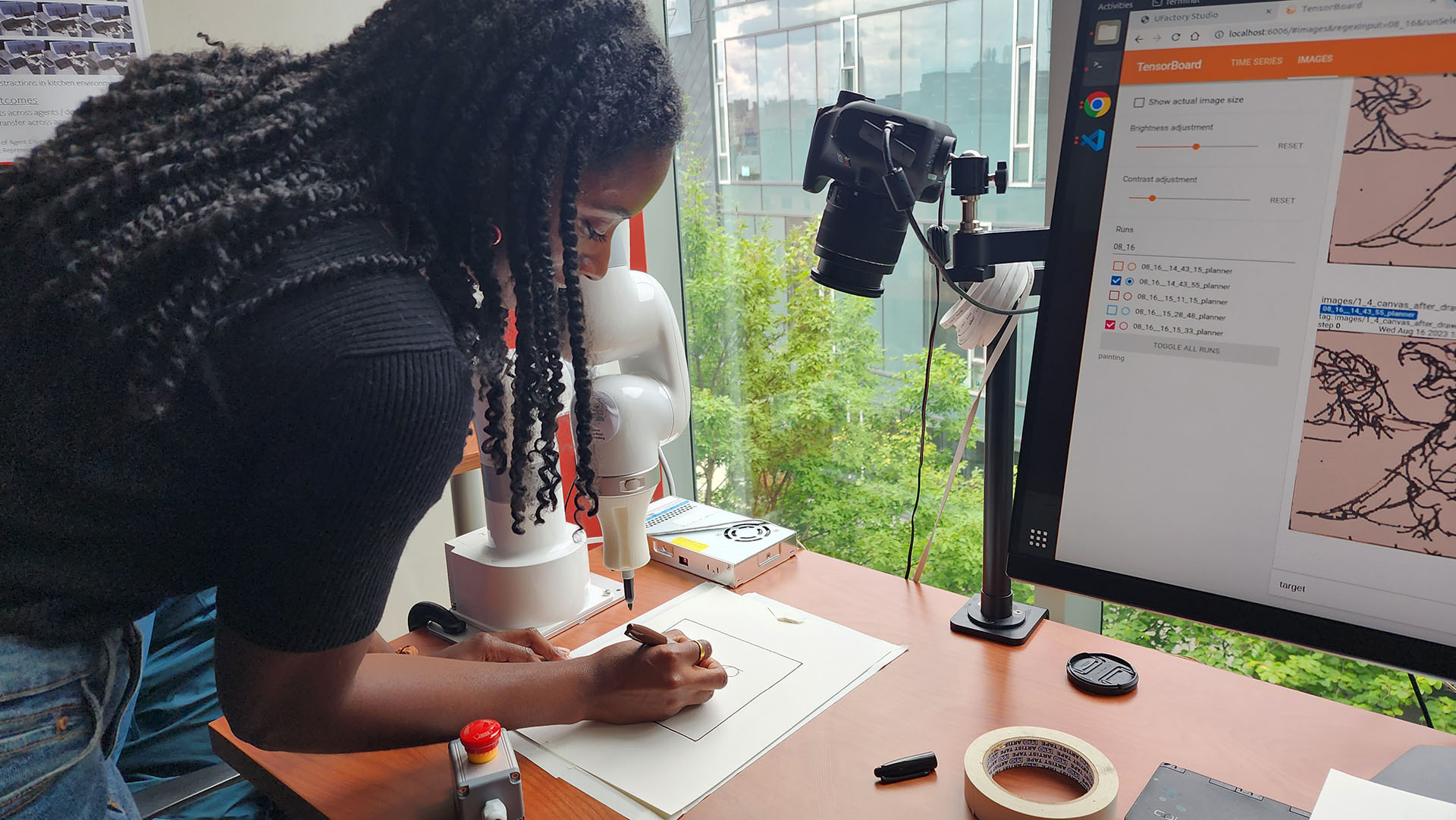
RI Research Brings Together Humans, Robots and Generative AI To Create Art
Researchers at Carnegie Mellon University's Robotics Institute have introduced a groundbreaking robotic system designed for interactive art creation. Named Collaborative FRIDA (CoFRIDA), this innovative technology allows individuals of all artistic skill levels to engage in collaborative painting. The system serves as a creative partner, akin to a writing prompt, encouraging users to explore their artistic potential alongside a robotic counterpart. This development highlights the intersection of human creativity and robotics, aiming to enhance the artistic experience in real-world settings.
Uncategorized
What Makes AI Art Worth Collecting?
In May, an anonymous artist who goes by SHL0MS on X posted that he had used AI to generate an image inspired by Claude Monet and asked people to weigh in on how it missed the mark. More than 600 responses called out issues, saying the colors were off, the depth was all wrong, and that AI didn’t understand how light worked.SHL0MS then revealed that the image was of a real Monet, one of around 250 variations of water lilies the artist had painted in his lifetime. He had simply downloaded a high-resolution image from Wikimedia and cropped out the signature. He minted the exchange as an NFT (a unique digital collectible recording ownership of the work), titled it “Inferior Image,” and sold it for just over US $40,000 after 28 bids.The stunt exposed how charged the conversation around AI art has become, and how quick people are to dismiss anything AI-generated as slop—even when it’s not. Yet even as those arguments continue, a market for AI-generated art has begun to form anyway. It’s fragmented and contested, but bigger than most people realize.Jediwolf, an anonymous collector who says he has spent more than 20 years acquiring digital and AI art, was watching the experiment unfold in real time on X. He had never interacted with SHL0MS before, but when the NFT went up for auction he made a bid and won. “I was buying a unique moment in time,” he says, “captured by an artist and preserved as a token.”The Monet was not AI art, but most of what Jediwolf buys is. One of Jediwolf’s digital collections, which he calls UnderTheGAN—a play on GANs, or generative adversarial networks, the AI technology that preceded today’s diffusion models—comprises roughly 100 works valued at around $72,000, focused on early AI art from 2015 to 2020, before the medium went mainstream. He describes his role as part collector, part researcher, part curator, trying to document a fast-moving field.“A decade ago, digital art was often treated as peripheral to the ‘serious’ art world,” he says. “Today, it is increasingly difficult to separate contemporary culture from the internet.”AI Art Moves Into MuseumsThe market for AI art extends beyond NFTs: AI-generated pieces are also finding their way into physical installations. Last month saw the opening of Dataland, the world’s first generative AI museum, in downtown Los Angeles. It was spearheaded by Refik Anadol, a digital artist who has built a career out of transforming data into large-scale immersive experiences. The opening exhibition has pieces that use data that Anadol collected from rainforests around the world, with real-time weather information from 16 rainforests feeding into all five galleries. In three of the rooms, the imagery also shifts in response to visitors’ own biometric data, tracked by bracelets they wear. Like any museum it sells tickets, ranging from $49 to $79, and has a gift shop. This shop, however, uses visitors’ biometric data collected during their visit to generate a unique design printed on a T-shirt. For $15,000, a robotic painting system called Qualia creates a one-of-a-kind canvas from that same data, painted once a day, with a waiting list already forming. A founding collection of 1,000 AI data sculptures that evolve based on environmental data from global rainforests sold out in 34 minutes at $5,000 each.The system running it all, which Anadol calls the Large Nature Model, was trained on more than 500 million nature images representing 2.2 million species, gathered through field expeditions to 16 rainforests and partnerships with institutions including the Smithsonian and the Cornell Lab of Ornithology.For Anadol, AI art requires a different kind of transparency than any medium that came before it. Because commercial AI tools have shaped how most people understand the technology, artists working with it seriously have to be more open about their process than painters or photographers ever did.“For AI art, we have to know where the data comes from, we have to know which model is trained and how it’s trained,” he says. “We can’t just think about authenticity and uniqueness if a service and product is the fundamental layer of the artwork.”The reviews for Dataland have mostly been positive, with one critic calling it the Citizen Kane of immersive experiences. But Anadol is used to a more divided reception. His 2022 installation at MoMA—a 7-by-7-meter screen of AI-generated fluid forms with shifting colors and sounds—drew 3 million visitors and entered the permanent collection, even as New York Magazine called it “a massive techno lava lamp.” Anadol sees the skepticism as nothing new, just the latest version of a resistance that has greeted all new media. “Every art form has gone through similar cycles of denial,” he says. “We are living in a renaissance that started 10 years ago, and I just don’t think everyone is aware of it yet.”Who Is Buying AI Art?The broader market data points in multiple directions at once. According to the Art Basel and UBS Art Market Report 2026, digital art’s share of sales nearly tripled between 2024 and 2025, and just over half of all fine art collectors surveyed had purchased a digital artwork in 2025, making it the third most popular category after painting and sculpture (the report does not break out AI art specifically).Meanwhile, Christie’s shuttered its pioneering digital art department in September, folding digital works back into its broader contemporary sales after none of its dedicated auctions broke $400,000.The most data-rich window into buyer behavior comes from a less glamorous corner of the market. After one major stock image platform allowed AI-generated images, monthly sales jumped 80 percent, according to Samuel Goldberg, an economist at Stanford Graduate School of Business who published a research paper about the shift. Traditional contributors began leaving the platform as generative images flooded in, and creators using AI tools rushed to fill the gap. “It looks like consumers like generative AI,” Goldberg says, “and it seems like nongenerative artists could be getting crowded out of the market.” Stock images are essentially a commodity version of art, according to Goldberg, and because image-generating models are already very good at producing them, what’s happening there may be a preview of what’s coming for other creative goods markets—including fine arts—as the technology improves.Artists are typically among the first to test the limits of a new technology; early adopters have created AI art since the 1970s. What’s new now is the ability for anyone to generate an image in seconds with a text prompt. That, according to Christiane Paul, curator of digital art at the Whitney Museum of American Art, is not the same thing at all. What fills those stock-image platforms, and what most people encounter when they think of AI art, does not qualify as art.True AI art, Paul says, is a subcategory of digital art that uses artificial intelligence as both a tool and a medium, engaging with it practically and conceptually, doing things like training custom models, building extensions, and layering control systems. “A visual created by a prompt is not art,” she says. What serious AI artists are actually doing is much more than typing a few words into DALL-E.Far from the shortcut most people assume, working seriously with AI as an artistic medium is, by her account, brutally hard. Every artist she talks to says the same thing. “It is much, much harder than a paintbrush to handle,” she says. “You are literally communicating with a system with a completely different logic.”Thanks to bubblemaps.io for its research assistance on the NFT market.
Ai-art Generative-ai Digital-art Blockchain
From audio tapes to AI: Interview with TDK investment director Ankur Saxena
Artificial intelligence has emerged as a leading focus in technology investment, yet some investors caution that the robotics sector may misinterpret the implications of recent advancements in large language models and generative AI. Ankur Saxena, the investment director at TDK Ventures, the corporate venture capital division of TDK, has voiced concerns regarding this trend. He emphasizes the need for a more nuanced understanding of how these AI breakthroughs can be effectively integrated into robotics, suggesting that a simplistic application of AI principles could lead to misguided strategies in the industry. Saxena's insights reflect a broader debate among investors about the future direction of robotics in light of AI developments, highlighting the importance of critical evaluation in investment decisions.
Features Financials & Investments Technology ai hardware ai robotics Ankur Saxena
NVIDIA Brings Trusted, 24/7 AI Agents to Telecom Operations
Telecom operators are experiencing significant benefits from the implementation of generative AI in their operations, particularly in automating network management, customer care, and back-office tasks. This technological advancement has primarily led to task-based automation, enhancing the efficiency of predefined processes while still involving human oversight. As of October 2023, these innovations are reshaping the industry, allowing companies to streamline operations and improve service delivery, ultimately driving better returns on investment. The integration of generative AI is seen as a crucial step towards modernizing telecom services and meeting the growing demands of consumers.

How Musicians Can Get Paid for Training AI
In response to the challenges posed by generative AI on the music industry, startups like Sureel and SoundVerse are developing innovative solutions to ensure musicians are compensated fairly for their work. Following Warner Music Group's acquisition of Sureel, the company has partnered with the Swedish copyright agency STIM to create a system that tracks how music is used in AI training. This software allows creators to specify the terms of use for their music, ensuring they receive royalties based on its influence in AI-generated outputs. The ongoing debate centers on how to accurately attribute the contributions of various training data to the outputs produced by AI systems. SoundVerse advocates for a model that rewards artists continuously throughout the AI lifecycle, rather than through one-time payments. This approach aims to maintain the economic incentives that drive creativity while addressing concerns about AI's potential to undermine cultural vibrancy and artist livelihoods. As copyright lawsuits give way to negotiated agreements between major music labels and AI companies, there is a growing opportunity to establish fair compensation practices. Experts emphasize the need for transparent and equitable attribution systems that reflect the complex relationship between training data and AI outputs. Ultimately, the success of these initiatives may depend on collaboration across disciplines, including musicology, law, and economics, to create policies that support a sustainable creative sector in the age of AI.
Copyright Training-data Generative-ai Music
Torc Robotics Announces First-Ever Autonomous-Trucking Partnership at Mila to Advance Physical AI
Torc Robotics has announced a groundbreaking partnership with the Quebec Artificial Intelligence Institute, known as Mila, aimed at enhancing physical AI research. This collaboration, revealed on May 27, 2026, marks Torc as the first autonomous trucking company to join Mila's ecosystem in Montreal. The partnership will provide Torc access to top academic talent, including students and researchers, and includes dedicated research space on-site. By embedding itself within Mila's renowned environment, Torc intends to advance its capabilities in areas such as generative world models, multi-agent behavior modeling, and reinforcement learning. This initiative is part of Torc's mission to develop safe and scalable autonomous trucks, with a focus on bridging the gap between research and real-world applications. Mila, recognized globally for its contributions to machine learning, has a strong network of researchers and ties to leading Canadian universities, making it an ideal partner for Torc. The collaboration builds on a relationship that began in 2020 and reflects Torc's commitment to investing in AI talent and research partnerships. Both organizations aim to unlock safer and more efficient autonomous transportation solutions, contributing to the commercialization of autonomous trucking technology.

Sarang Gupta Builds AI Systems With Real-World Impact
Sarang Gupta, a data scientist at OpenAI in San Francisco, has leveraged his childhood curiosity and engineering skills to make significant contributions to the field of artificial intelligence. From a young age, Gupta demonstrated a knack for problem-solving, fixing household items and later developing software solutions, including an online ordering system for a local restaurant. After earning dual degrees in industrial engineering and business management from the Hong Kong University of Science and Technology, he began his career at Goldman Sachs, where he automated trade reconciliation processes, enhancing operational efficiency. In 2020, Gupta earned a master's degree in data science with a focus on AI from Columbia University, where he collaborated on projects that aimed to improve journalism through technology. He then joined Asana as a product data scientist, leading the launch of AI-powered features to enhance user experience. His work gained momentum alongside the rise of generative AI, prompting him to transition to OpenAI in September 2025. At OpenAI, Gupta collaborates with the marketing team to develop data-driven models that optimize customer outreach and measure the effectiveness of various marketing channels. He emphasizes the transformative potential of AI across industries and plans to continue his work in this rapidly evolving field. Gupta, an IEEE member since 2024, values the organization for its resources and networking opportunities, which he believes inspire and enhance his professional journey.
Ieee-member-news Openai Generative-ai Chatgpt Careers Type-ti
Scaling Industrial Robots in the Age of AI
Robotic Foundation Models (RFMs) are emerging as a transformative technology in the field of robotics, akin to large language models used for text generation. These generative AI models are designed to enhance the capabilities of robots by enabling them to perform and predict a wide range of tasks with remarkable accuracy. The development of RFMs allows robots to adapt to changing conditions in real-time without the need for extensive reprogramming. As of October 2023, researchers and developers are focusing on training these models using extensive datasets, which significantly improves the robots' ability to learn and operate in dynamic environments. The motivation behind this innovation is to streamline robotic operations across various industries, making them more efficient and versatile. By leveraging RFMs, robots can better understand and respond to their surroundings, ultimately leading to increased productivity and reduced operational costs. The ongoing advancements in RFMs signal a pivotal shift in how robots are integrated into everyday tasks, promising to revolutionize sectors such as manufacturing, logistics, and healthcare. As this technology continues to evolve, it is expected to play a crucial role in the future of automation and artificial intelligence, paving the way for smarter, more capable robotic systems.

This AI spots dangerous blood cells doctors often miss
A groundbreaking generative AI system has been developed that surpasses human experts in analyzing blood cells, achieving greater accuracy and confidence in detecting subtle signs of diseases such as leukemia. This advanced technology not only identifies rare abnormalities in blood samples but also has the capability to recognize its own uncertainty, enhancing its reliability as a support tool for clinicians. By integrating this AI into medical diagnostics, healthcare professionals can improve early detection and treatment of blood-related diseases, ultimately leading to better patient outcomes. The system represents a significant advancement in the intersection of artificial intelligence and medical science, promising to transform the way blood disorders are diagnosed and managed.
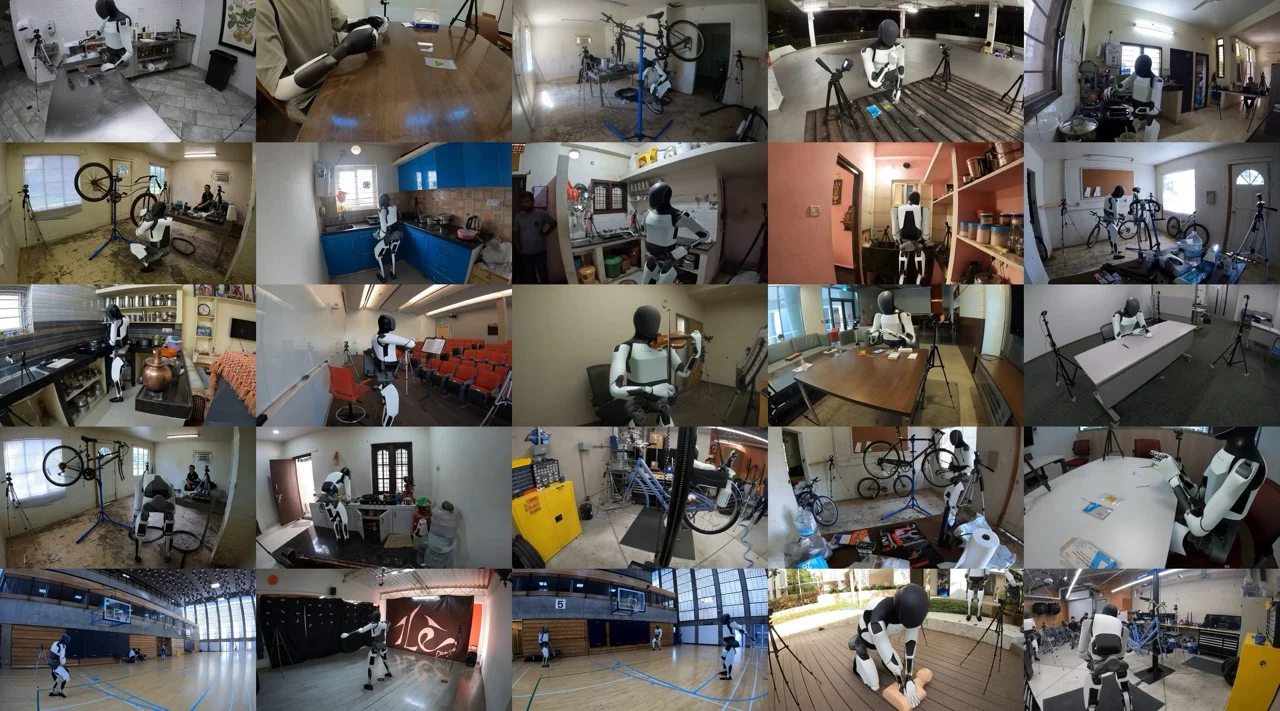
Research Spotlight: X-Humanoid ‘Robotizes’ Human Videos to Train the Next Generation of Androids
Researchers at the National University of Singapore have unveiled an innovative generative video pipeline designed to transform third-person footage of human activities into synthetic training data for humanoid robots. This groundbreaking development aims to address the embodiment gap in robotics, enabling more effective training of robots by providing them with diverse and realistic scenarios. The project, which leverages advanced video synthesis techniques, represents a significant advancement in the field of robotics and artificial intelligence. By creating a scalable solution for generating training data, the researchers hope to enhance the capabilities of humanoid robots, making them more adept at understanding and interacting with the world around them.
Data Collection embodied-ai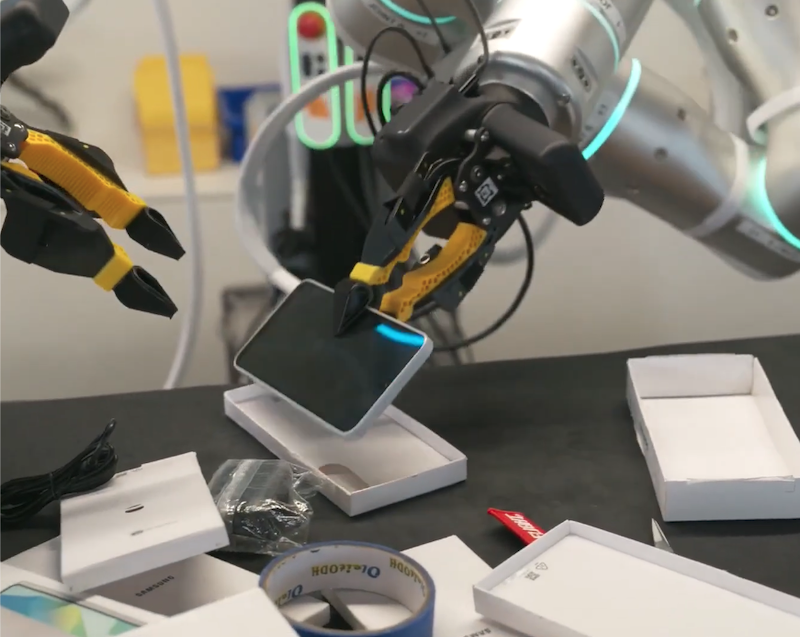
Generalist AI raises $400 million to scale robot intelligence platform
Generalist AI, a startup focused on creating foundation models for robotics, has successfully secured $400 million in a recent funding round. This investment aims to expedite the development of what the company refers to as “physical AGI,” or artificial general intelligence that can function in the physical world through robotic systems. Following this funding, Generalist AI's valuation has reached approximately $2 billion. The influx of capital will enable the company to enhance its research and development efforts, positioning it at the forefront of advancements in robotics and AI technology.
Computing News Software 8VC ai funding AI models
5 Best Audio to Video AI Generators for Modern Content Workflows
The audio to video AI generator sector has become an essential component of contemporary content production, facilitating the conversion of spoken audio, voiceovers, and scripts into cohesive visual narratives. This innovative technology streamlines the content creation process by automating scene generation, timing alignment, and visual selection, thereby eliminating the need for traditional editing methods. As a result, users can produce high-quality content at scale, significantly enhancing efficiency and creativity in various media projects. The advancements in this field reflect the growing demand for automated solutions in content creation, driven by the need for faster turnaround times and increased output in an ever-evolving digital landscape.
Business Design Software ai avatars AI content tools AI storytelling
Understanding Technological Singularity and Its Impact on Robotics and AI
For decades, technological singularity was more a concept of science fiction than engineering reality. Today, it is a topic of discussion among AI laboratories, industrial giants, investment funds, and robotics companies worldwide. The rapid advancement of generative AI, autonomous robots, foundation models, and AI agents raises a fundamental question: what will happen when machines can enhance their own intelligence faster than humans? The origins of the technological singularity date back to 1965 when British mathematician I.J. Good proposed that an 'ultra-intelligent machine' could trigger an intelligence explosion. In the 1990s, mathematician Vernor Vinge expanded on this idea, suggesting that once a certain level of AI is reached, technological evolution would become unpredictable for humans. Ray Kurzweil later popularized the concept, predicting that artificial general intelligence (AGI) could emerge in the coming decades, leading to continuous self-improvement of systems. Currently, the landscape is shifting rapidly, with large language models, vision-language-action models, and autonomous agents enabling robots to understand natural language instructions, interpret their environment, and learn new tasks without specific programming. Companies like NVIDIA, Google DeepMind, and Tesla are investing billions in developing this new generation of intelligent robots.
À la une IA Industrie Robotique agents autonomes agents IA
Large Tabular Models Excel Where LLMs Fail
A new generative AI model, known as NEXUS, has emerged from the startup Fundamental, which recently secured $275 million in funding. Launched on February 5, 2026, NEXUS is designed to analyze structured data, a task that traditional large language models (LLMs) like ChatGPT and Claude struggle with. While LLMs excel in generating human-like text and images, they falter when faced with complex tabular data, which is crucial for businesses across various sectors, including finance and healthcare. Fundamental's CEO, Jeremy Fraenkel, explained that LLMs are not suited for structured data due to their reliance on sequential input, making them less effective for tasks requiring deterministic predictions, such as fraud detection. In contrast, NEXUS utilizes a large tabular model (LTM) that directly models the structure of tabular data, allowing for more accurate reasoning and predictions. The development of NEXUS involved training on billions of tables, using a mix of proprietary and public datasets while ensuring customer data confidentiality. This innovative model has already been integrated into Amazon Web Services' SageMaker platform, enhancing its accessibility for businesses handling sensitive data. As the demand for effective data analysis solutions grows, other companies, including Feedzai and Google, are also developing similar technologies. Experts predict that the future of data processing will increasingly rely on automated systems, combining the strengths of LLMs and LTMs to improve efficiency and accuracy in data analysis.
Data-analytics Llms Foundation-models Databases
A soft exoskeleton could restore hand function in people with motor impairments
Recent technological advances have opened valuable possibilities for supporting people with motor impairments or who are recovering from injuries to the brain, spinal cord or nerves. Millions of people worldwide currently experience difficulty moving their hands or other parts of their body. Some of these motor impairments are associated with progressive neurodegenerative diseases, such as amyotrophic lateral sclerosis (ALS), while others are the result of neurological damage caused by an injury or a stroke.
Robotics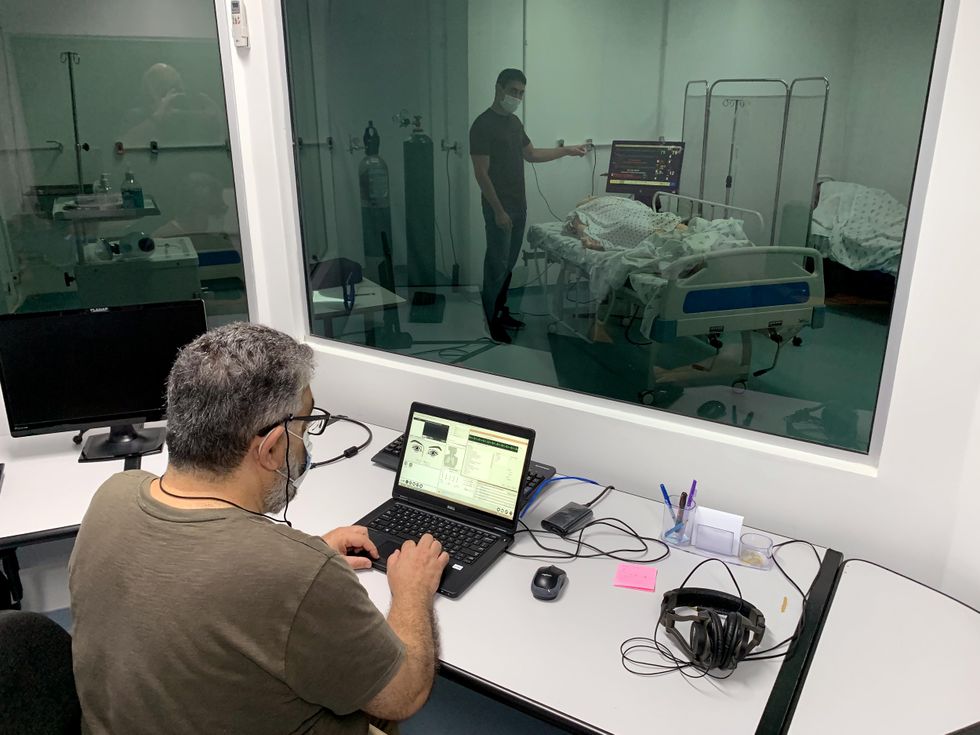
Small-AI Models Gain Traction Around the World
One morning in 2019, Adebayo Alonge was in a Cape Town hotel room, preparing to demonstrate his startup’s AI answer to a serious problem in African health care: counterfeit medication, which kills thousands of people across the continent every year.The RxScanner is a handheld spectrometer that scans a pill with infrared light, then sends the item’s molecular profile to an AI model equipped with a pharmaceutical database. In seconds, the AI identifies the medication from its molecular profile—or reports that it’s phony.Pharmacies were using the system in more than a dozen countries, including Ghana, Kenya, Myanmar, and Alonge’s native Nigeria. But that morning in South Africa, it didn’t work. “I was shocked,” Alonge says.The spectrometer connected to the AI model—but the data center was 14,000 kilometers away and bandwidth was limited. “Our server was in the United States, and just to get the result of a single scan was taking me over 5 minutes.”So Alonge immediately asked his engineers to shrink the AI model down to a smaller, low-power, unconnected version that could run entirely on his Android phone. They produced it 2 hours later, and that saved the demo.More importantly, the work birthed a new version of his device, which can authenticate a pill in places without broadband, computers, or even reliable electricity. It also turned Alonge into an advocate for this kind of “small AI.”Small AI for Global Health Care AccessSmall AI is a far cry from wealthy nations’ colossal large language models (LLMs), hyperscale data centers, multibillion-dollar investments, and debates about AI consciousness. But for millions of people around the world, the only AI that matters, and often the only kind available, is small. (According to a World Bank Report issued in November, only 0.7 percent of internet users in the world’s poorest countries have used ChatGPT, compared to a quarter of all internet users in the most developed nations.)“Most people are discussing AI from the LLM/generative side. But that needs a lot of computing power, electricity, massive data, and skilled people to manage it,” Ajay Banga, president of the World Bank, said last January at the World Economic Forum, in Davos. “Outside the developed world, other than maybe India and China, very few countries have that combination.”By contrast, small AI can deliver useful, even life-saving services to people in areas that have none of those things, Banga said. In India, where the government’s AI plans call for more development of small AI, many such systems are working for farmers.For example, a drone-based system developed by Bala Murugan and colleagues at the Vellore Institute of Technology, in India, takes photos of cashew plants and quickly identifies those with splotches that indicate disease. All the processing takes place on the drone itself, so there’s no need for a computer on-site, nor for a connection to a central server.Using small language models trained for a specific problem, and sometimes running on cheap, low-power devices, other small-AI implementations have been developed to identify ant infestations in a Uruguayan vineyard, detect the presence of malaria-carrying mosquitoes in a number of nations, and run electrocardiograms from an Arduino device in parts of Brazil that lack access to more complex equipment.“This is the most important area in AI nowadays,” says Marcelo José Rovai, a professor at the Institute of Engineering and Information Systems at the Federal University of Itajubá, in Brazil, who was involved in all three projects. “It’s growing very fast.”Low-Power, Small-AI Models on Devices Small AI models can run on a variety of low-power devices, including [from left to right] an Arduino Nano 33 BLE Sense, a Seeed Wio Terminal, and an Arduino Portenta.Moez AltayebFor Alonge, Rovai, and other advocates, small AI is not just “a promising trend,” as that November World Bank report calls it. It may be, in the long term, the form of AI that will touch the most lives and remain sustainable after some of the giant models become too costly for most users.“I think the future of AI is not like one giant model, at a center. I think it’s millions of small, precise models deployed at the edge, each one solving like a specific problem, a specific context,” Alonge says. This is partly because much of humanity—including people in parts of rich countries as well as the developing world—lives without access to cutting-edge frontier models. But, he says, it’s also because those models are not sustainable.“If someone is not subsidizing it, most people will not be able to afford those models. So those of us who are said to be small-AI developers are the ones who will have to build for the majority of the world,” Alonge says.There is no strict definition of “small AI,” but people often use the term for language models with at most a few billion parameters. (Compare that to cutting-edge models, which can include more than a trillion.) That’s small enough to run directly on a phone or a Raspberry Pi. That’s what allows these applications to run on devices without a connection to a data center and use only a few watts of power, often supplied by a battery or a solar panel.Despite their small footprint, these models aren’t fundamentally different technology from that of gigantic AI models, Rovai says. Many instances of small language models were created the same way the phone-based version of Alonge’s pharmaceuticals scanner was—by “pruning” large models, or removing the parameters that weren’t involved in the task. The result is a system that’s less capable generally but still very good at the specific job it was pruned for, Rovai says. A lighter version of RxAll’s RxScanner spectrometer sends its results to an AI model run locally on a phone to check that a drug’s molecular signature is genuine.RxAllOther small models are created by “distillation.” They are trained to mimic a large model, until their performance approaches that of their “teacher,” Rovai says. In other cases, a larger model’s precision is reduced, for example, so that a model run on 32-bit architecture can run on 8-bit designs. In situations where the machine learning application is being used to classify data or predict patterns (like an ant infestation), it’s trained from the beginning on a small device, not derived from a larger model at all. Running all these small, specialized systems is becoming easier, Rovai says, for two reasons.The first reason is that hardware is getting better and more capable while using less power, he says. This means more and more phones can run small AI—especially those equipped with neural processing units, which are specialized chips that handle AI tasks like facial recognition and changing the brightness, shadows, or contrast in a photo.In 2025, slightly more than a third of all smartphones shipped worldwide were capable of running generative AI, and that figure will reach 45 percent by the end of this year, according to the technology research firm Counterpoint. By the end of next year, slightly more than half of all smartphones will be able to run a small AI model.The second reason Rovai cites is the shrinking footprint of language models. Both Google DeepMind’s Gemma 4 (released in April) and Alibaba’s Qwen 3.5 are “fantastic” for small AI, Rovai says. Both models are “open weight,” meaning users can adjust the connections between parameters to suit their needs. This makes it easy, for example, “to take a lot of data from, say, the milk industry and retrain the model specifically on that,” Rovai says.Rovai illustrated these reasons on a Zoom call, using one of his most recent experiments. Holding up a device, he says, “This is the new Arduino UNO Q—a US $50 device with a Qualcomm chipset. I’m running a language model here, which collects data from sensors and analyzes that data to detect tiny pools of water where mosquitoes might be breeding. It takes 3 watts to run it.”Support for Small-AI DevelopmentConvinced that millions of people are already benefiting from these kinds of applications, the World Bank now actively promotes small AI with grants, mentorship programs, financing, technical advice, and models of government policies that are friendly for small-AI development. For example, in Rwanda, the World Bank is backing a government program to help low-income households get devices that can run AI.All that said, no one claims that large language models are going away entirely. To create a generative AI that can run on a phone or other small device requires the architectural insights, data processing, and results of a larger model, Rovai says. “We need the big models to create these smaller models.” And for all that small AI can benefit people without access to big AI, the technology can’t solve the larger problems of development and digital inequality, Alonge says. Implementing small AI won’t allow nations to escape the challenge of creating an ecosystem to support AI: reliable power, a supply chain that works, and an educational system that develops the talents needed to create AI tools.Though his drug-scanning system can run for days on a phone with no connection, “you still want to be able to enable periodic syncing for updates with new signatures for the medications and analytics,” Alonge says. “And even when you are using batteries, reliable power is important. That phone battery is not going to last forever.”In many parts of the world, the future of small AI isn’t assured, he says. “It works, and many places will eventually need to use it. The question is whether or not the political actors are wise enough to invest in infrastructure to support it long term.”
Small-language-models Artificial-intelligence Llms
OpenAI's updated GPT-5.5 Instant is better at shopping, complex constraints, and understanding user intent — and it's already in the API
OpenAI has announced an update to its popular language model, GPT-5.5 Instant, which is now the default for free ChatGPT users. The upgrade, revealed on June 24, enhances the model's ability to understand user intent and adapt responses, particularly in complex scenarios like shopping and local recommendations. This update follows the model's initial release in early May 2026, which aimed to address factual inaccuracies and improve conversational quality. The latest version is being rolled out first to paid subscribers, with free users gaining access shortly thereafter. While OpenAI has not provided specific performance benchmarks, the company claims significant improvements in handling multi-part instructions and contextual awareness. This is expected to make ChatGPT more effective for everyday tasks, such as planning trips or comparing products. For developers, the updated model can be accessed through OpenAI's chat-latest API alias, which points to the latest Instant model. However, OpenAI continues to recommend the separate gpt-5.5 model for production use. The update reflects a shift towards more intuitive AI systems capable of better inferring user goals and maintaining context across interactions, marking a significant step forward in generative AI technology.
Technology
Chinese AI Startup Aims for Global Leadership in Spatial Intelligence
Chinese startup Zhitiangxia has successfully obtained angel funding to further develop its generative Gaussian model and broaden its 3DGS technology community on a global scale. The funding comes as the company experiences a surge in daily creative data, surpassing that of the UK’s SuperSplat, positioning Zhitiangxia at the forefront of the spatial intelligence sector, which is increasingly supported by major technology firms like NVIDIA and World Labs. To foster growth and engagement, Zhitiangxia is implementing a strategy of offering free services aimed at building a robust user community. This approach not only enhances user interaction but also generates valuable data essential for training their models. As the market for spatial intelligence continues to expand, Zhitiangxia's innovative tactics and strategic funding are setting the stage for long-term success in this competitive landscape.
Spatial Intelligence Generative AI 3D Technology Data Ecosystems
Video Friday: Watch This Running Robot Not Fall Down Stairs
IEEE Spectrum robotics has released its latest edition of "Video Friday," showcasing a selection of impressive robotics videos and announcing upcoming robotics events scheduled for 2026. Notable events include RSS 2026 in Sydney from July 13-17, the Summer School on Multi-Robot Systems in Prague from July 29 to August 4, and Actuate 2026 in San Francisco on August 18-19. Among the featured videos, a humanoid robot from DEEP Robotics demonstrated remarkable recovery skills, raising questions about the role of luck in robotics. The DARoS Lab shared insights on their MPC-based balance controller, while Generative Bionics revealed their new robot, GENE01, designed and produced in just three months. A significant milestone was achieved by IHMC Robotics with their humanoid robot, Alex, which successfully took its first steps outdoors in preparation for a demonstration in Maryland. Flexiv Robotics introduced the Flexiv MICO, a compact dual-arm system designed for safe collaboration in various workspaces. Additionally, ICRA 2026 showcased CCRobot-S, a team of cable-climbing robots capable of collaboratively inspecting and maintaining bridge cables. Boston Dynamics provided a behind-the-scenes look at how their Atlas robot learned to play football, exploring the possibilities of robotics in sports without biological constraints. These developments highlight the rapid advancements in robotics technology and the ongoing exploration of their capabilities across diverse applications.
Humanoid-robots Video-friday Robot-arms Robot-videos Bipedal-robots
Microsoft unveils new AI models to lessen reliance on OpenAI and lower costs for developers
During its Build developer conference, Microsoft unveiled a new suite of generative AI models aimed at competing in the rapidly evolving artificial intelligence market, which is currently dominated by OpenAI, Anthropic, and Google. The announcement, made on a significant platform for developers, highlights Microsoft's commitment to advancing AI technology and expanding its capabilities in this competitive landscape. By introducing these models, Microsoft seeks to leverage its existing resources and expertise to carve out a stronger presence in the AI sector, responding to the growing demand for innovative AI solutions. The move is part of a broader strategy to enhance its offerings and attract developers to its ecosystem, positioning the company as a formidable player in the ongoing AI race.
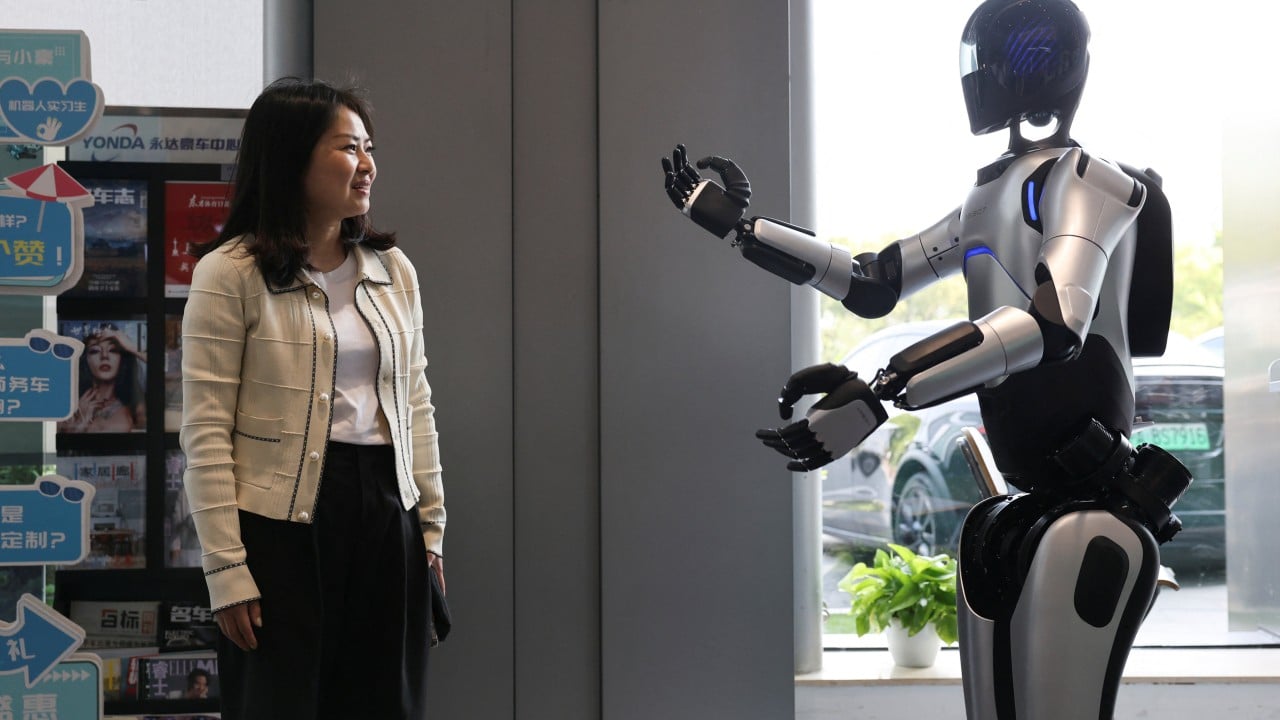
Alibaba, Tencent lead pivot from chatbots to embodied AI for robotics
Chinese tech companies are rapidly advancing the integration of artificial intelligence into robotics, marking a significant shift in the generative AI landscape from digital chatbots to physical autonomous systems. Last week, Alibaba Group Holding introduced its Qwen3.7-Max model, which boasts innovative “tool-calling” capabilities. This feature enables the AI to function as a digital brain, facilitating the control of robots by coordinating various physical actions, including navigation and interaction with external software and hardware components. This development reflects a broader trend within the tech industry to enhance robotic functionalities through advanced AI, aiming to improve efficiency and expand the applications of autonomous systems in various sectors.
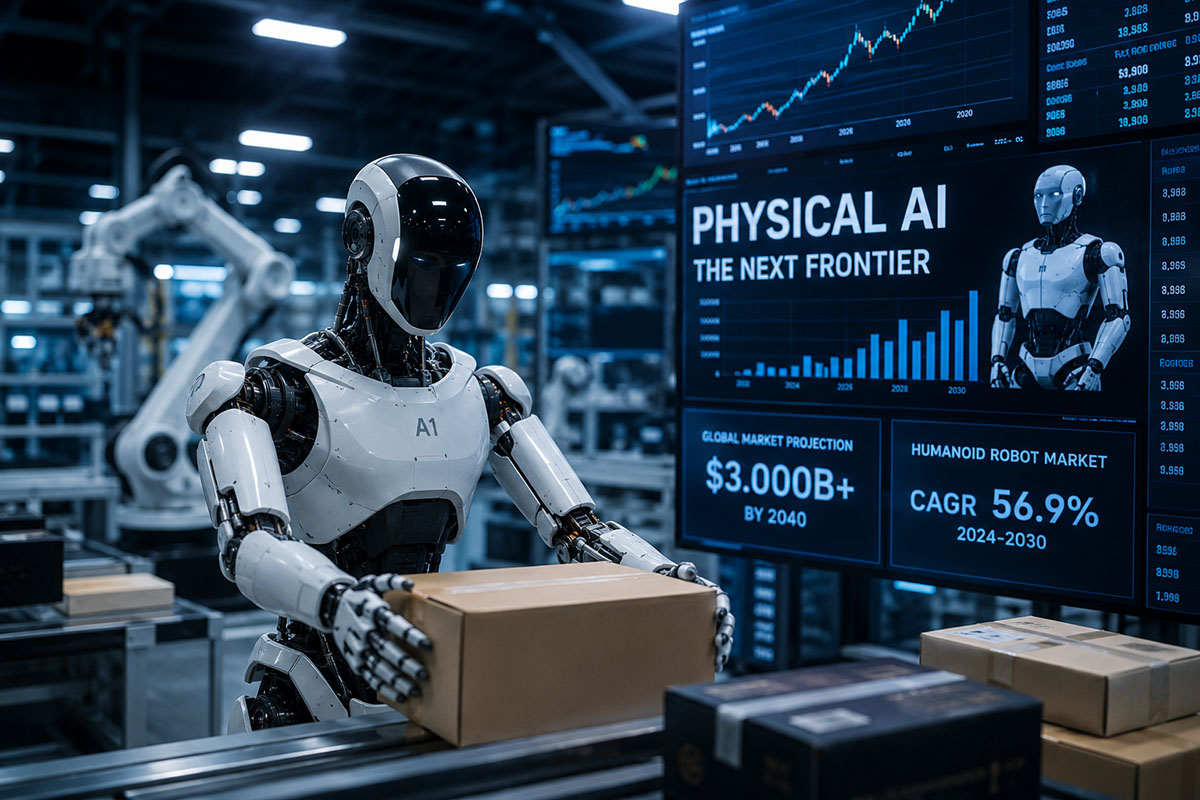
L’IA physique : le prochain marché que surveille déjà Wall Street
As global attention remains captivated by ChatGPT and generative artificial intelligence, a new wave of innovation is quietly emerging within the laboratories of major tech companies, industrial firms, and investment funds. This development, known as "Physical AI," represents a significant evolution in the field of artificial intelligence. Although still relatively unknown, Physical AI is garnering interest from Wall Street investors, who are closely monitoring its potential market impact. The concept aims to integrate AI with physical systems, potentially transforming various industries and applications. As this technology progresses, it may redefine the landscape of AI and its practical uses in everyday life.
À la une IA Industrie Robotique ABB robotique Amazon robots
AI won’t replace you but someone using AI might
A recent study conducted by researchers at the University of Vaasa highlights the rapid transformation of workplaces due to generative AI technologies. The research, led by Zhe Zhu, indicates that the primary challenge employees face is not the emergence of AI itself, but rather the risk of not adapting to its use effectively. The findings reveal that employees who view AI tools, such as ChatGPT and Gemini, as supportive collaborators instead of threats to their jobs exhibit higher levels of engagement, adaptability, and optimism regarding their career prospects. This underscores the importance of fostering a positive mindset towards AI integration in the workplace to harness its full potential.

OpenAI brings its models to Amazon's cloud after ending exclusivity with Microsoft
OpenAI has announced that its generative AI models will now be accessible on Amazon's cloud platform, marking a significant shift in its partnerships. This development comes just one day after OpenAI restructured its longstanding collaboration with Microsoft. The move aims to broaden the availability of OpenAI's advanced AI technologies, allowing more businesses and developers to integrate these tools into their applications. By leveraging Amazon's extensive cloud infrastructure, OpenAI seeks to enhance its reach and provide users with more flexible options for utilizing its AI capabilities. This strategic decision reflects OpenAI's commitment to expanding its influence in the AI landscape while adapting to the evolving demands of the market.

Rethinking AI TCO: Why Cost per Token Is the Only Metric That Matters
Traditional data centers have undergone a significant transformation, evolving from mere storage and processing facilities into advanced AI token factories. This shift has been driven by the increasing reliance on AI inference as the primary workload, marking a new era in data management. As of October 2023, these centers are now focused on generating intelligence rather than just handling data. This evolution reflects the growing demand for sophisticated AI capabilities, highlighting the critical role that modern data centers play in supporting the advancements in generative and agentic AI technologies. The transition is reshaping how businesses and organizations utilize data, emphasizing the importance of intelligence generation in today's digital landscape.

GTC Spotlights NVIDIA RTX PCs and DGX Sparks Running Latest Open Models and AI Agents Locally
The landscape of consumer computing is evolving with the introduction of agent computers, a new category driven by generative AI technologies such as OpenClaw. Traditionally, personal devices like PCs, smartphones, and tablets have dominated the market, but this shift marks a significant transformation in how users interact with technology. The emergence of agent computers aims to enhance user experience by providing more intuitive and responsive interactions. As of October 2023, this innovation is set to redefine the role of computing devices, making them not just tools but intelligent companions that can assist users in various tasks. The development of these devices reflects a growing demand for more sophisticated and personalized technology solutions in everyday life.

NVIDIA Enters Production With Dynamo, the Broadly Adopted Inference Operating System for AI Factories
NVIDIA has unveiled NVIDIA Dynamo 1.0, an open-source software designed for generative and agentic inference at scale, marking a significant advancement in artificial intelligence technology. The announcement was made today, highlighting the software's potential for widespread global adoption across various industries. This initiative aims to enhance the capabilities of AI systems, enabling them to generate and infer data more efficiently and effectively. By making Dynamo 1.0 open-source, NVIDIA seeks to foster collaboration and innovation within the tech community, encouraging developers and researchers to contribute to and expand upon the software's functionalities. This move aligns with NVIDIA's commitment to advancing AI technology and supporting its integration into diverse applications worldwide.
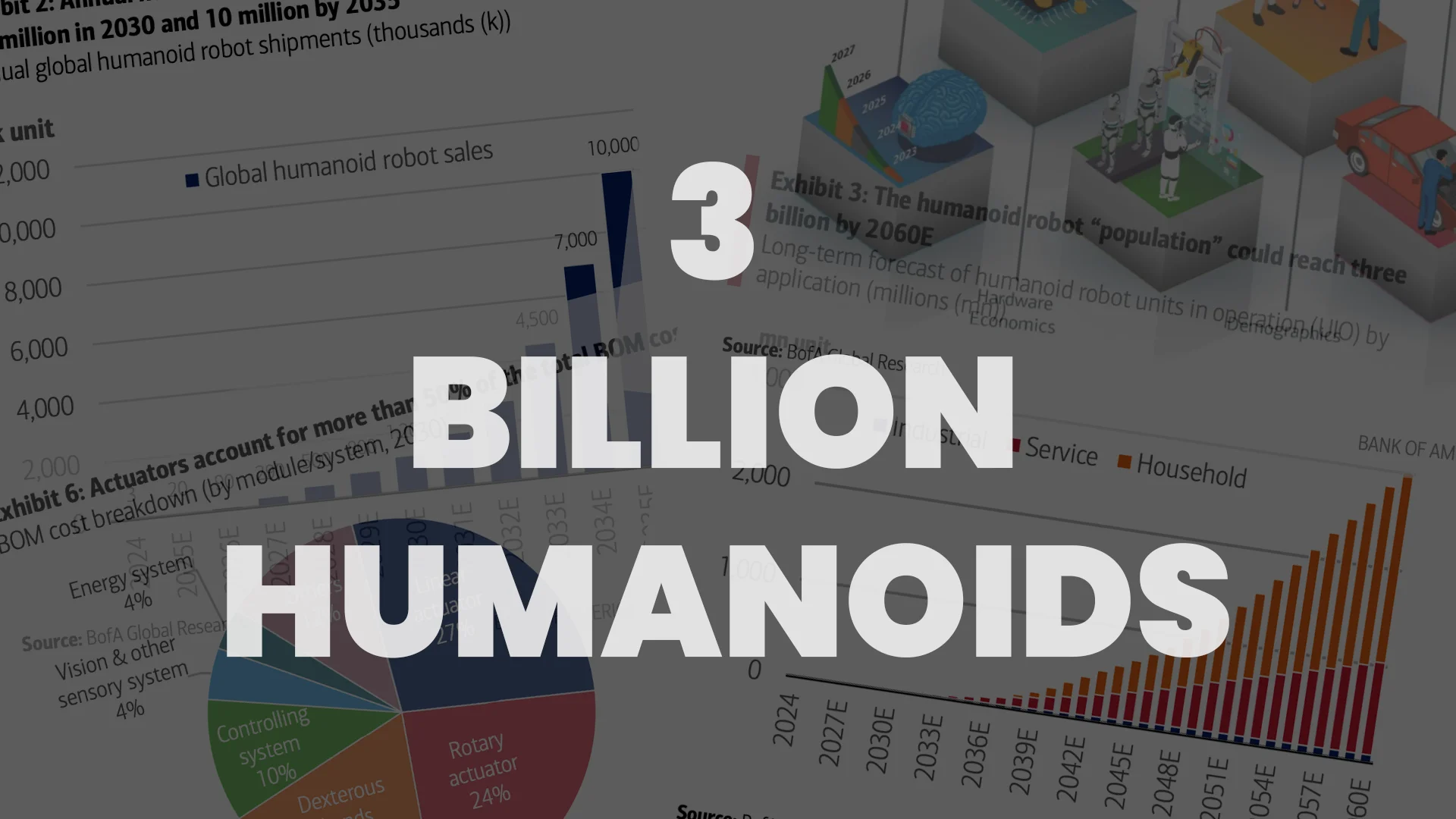
The Three Billion Humanoid Milestone: Inside Bank of America’s Long-Term Physical AI Forecast
A recent report from Bank of America forecasts that by 2060, the number of humanoids worldwide will surpass the number of cars. This shift is attributed to advancements in generative artificial intelligence and precision hardware, which are expected to create a seamless integration of technology that enhances human-like capabilities. The report highlights the growing trend of humanoid development as a response to increasing demands for automation and efficiency in various sectors. As industries evolve, the rise of humanoids could significantly reshape transportation, labor markets, and daily life, marking a pivotal change in how society interacts with technology.
Market
Fincantieri and Generative Bionics Partner to Bring Humanoid Welders to Italian Shipyards
Italian startup Generative Bionics has announced a significant four-year industrial partnership with shipbuilding leader Fincantieri, following the unveiling of its GENE.01 concept at CES 2026. This collaboration aims to integrate autonomous welding robots into heavy manufacturing processes, enhancing efficiency and precision in production. The partnership reflects a growing trend in the industry to leverage advanced robotics and automation technologies to meet increasing demands for innovation and productivity. By combining Generative Bionics' cutting-edge technology with Fincantieri's extensive manufacturing expertise, the initiative seeks to revolutionize traditional welding methods and streamline operations in shipbuilding and other heavy manufacturing sectors.
Generative Bionics Europe GENE01 Persona AI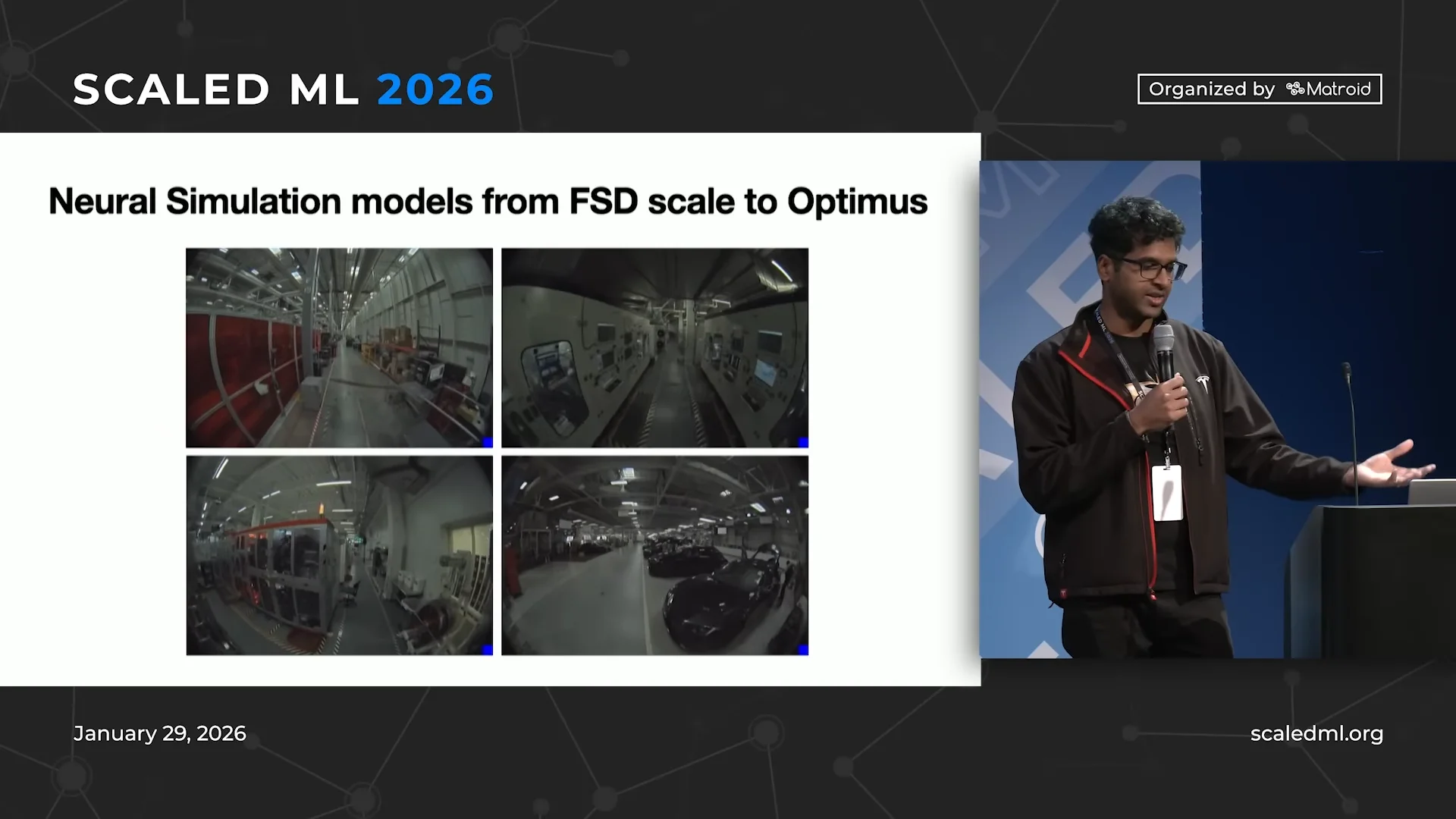
Abundance and the Bitter Lesson: Ashok Elluswamy Outlines Tesla’s Unified AI Future
At the 2026 ScaledML Conference, Tesla's Vice President of AI Software presented the company's comprehensive strategy for achieving full autonomy in its vehicles. The presentation highlighted the innovative use of a singular generative "world simulator" that underpins both the driverless taxi operations in Austin and the development of humanoid robots in Fremont. This approach aims to enhance the efficiency and effectiveness of Tesla's autonomous systems by creating a unified platform for simulation and training. The conference served as a significant platform for Tesla to showcase its advancements in artificial intelligence and automation technology, emphasizing the company's commitment to pioneering autonomous solutions in urban transportation and robotics.
Optimus Tesla US Ashok Elluswamy
Researchers tested AI against 100,000 humans on creativity
A groundbreaking study involving over 100,000 participants has revealed that advanced generative AI systems, such as GPT-4, can outperform the average human in specific creativity tests. Conducted recently, the research highlights AI's ability to excel in tasks that assess original thinking and idea generation. However, the findings also indicate limitations, as the most creative individuals, particularly those in the top 10%, significantly surpass AI capabilities in more complex creative endeavors like poetry and storytelling. This study underscores the evolving landscape of AI and its implications for creative fields, showcasing both its advancements and its boundaries in comparison to human creativity.
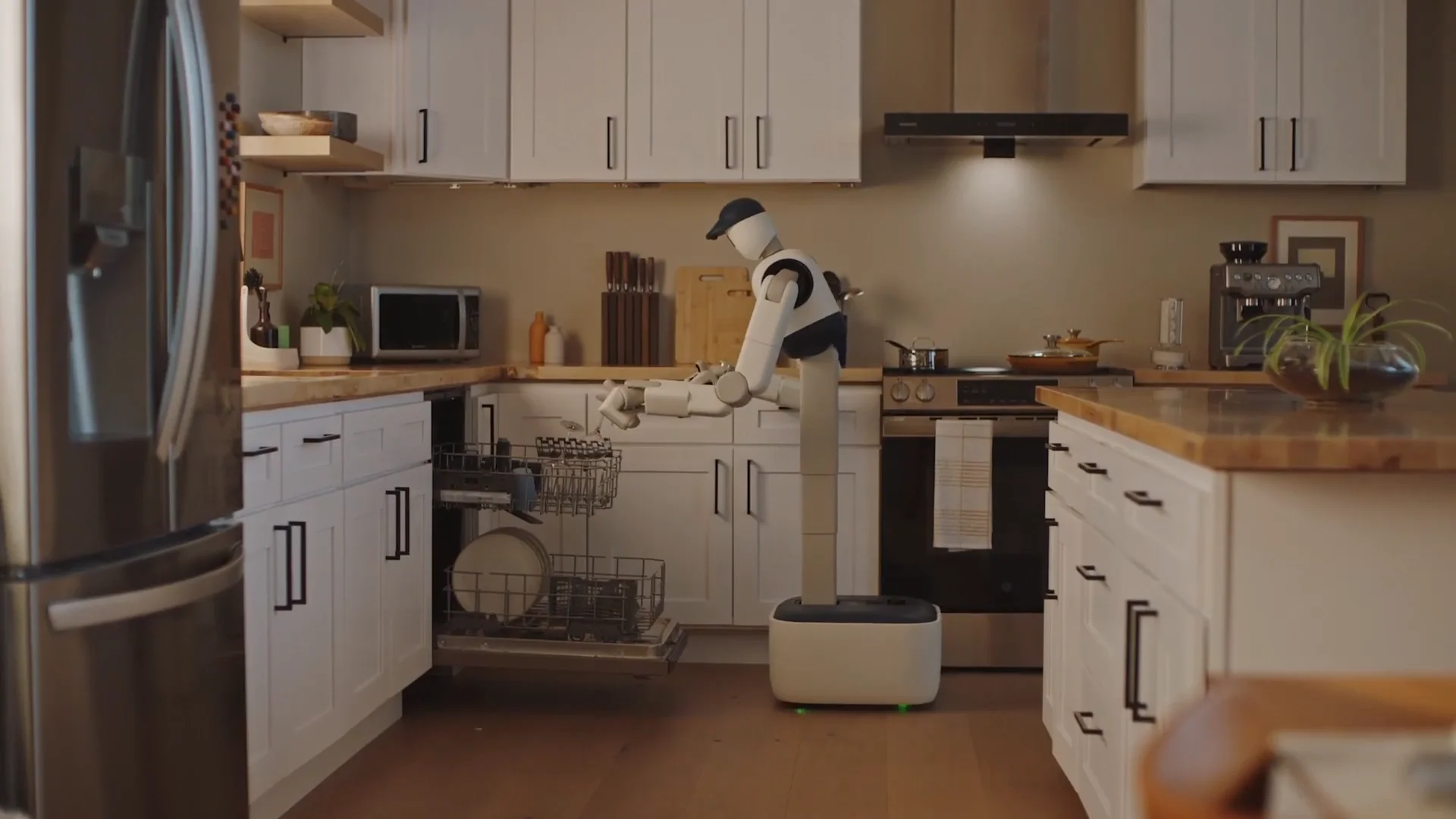
Sunday Robotics Founders on the "GPT Moment" for Physical AI and Breaking the Data Bottleneck
In a recent interview, Tony Zhao and Cheng Chi discussed their innovative "data-first" philosophy, which they believe is pivotal in advancing technology within their industry. They emphasized the impending end of teleoperation, suggesting that reliance on remote control systems is becoming obsolete. Zhao and Chi expressed their concerns about the current state of the industry, which they feel is caught in a transitional phase between traditional generative pre-trained transformers (GPT) and the more advanced ChatGPT models. Their insights reflect a broader trend in technology, where data-driven approaches are increasingly seen as essential for progress. The interview sheds light on the challenges and opportunities facing the industry as it navigates this critical evolution.
Sunday Robotics Memo
Amazon and Carnegie Mellon University launch strategic AI Innovation Hub
A new collaboration has been announced between leading technology firms aimed at advancing research in generative artificial intelligence, robotics, natural-language processing, and cloud computing. This initiative, which is set to begin in early 2024, will take place across multiple research facilities located in Silicon Valley and other tech hubs. The partnership seeks to drive innovation in both foundational and emerging technologies, responding to the growing demand for advanced solutions in various sectors. By pooling resources and expertise, the companies involved aim to accelerate development and implementation of cutting-edge technologies that can transform industries and enhance user experiences.
Conversational AI
1X Unveils 1XWM: The Video-to-Action "Brain" That Lets NEO Imagine Its Chores
1X Technologies has successfully evolved its World Model from a mere simulation tool into an advanced generative "cognitive core." This innovative development enables the NEO humanoid to undertake a variety of new tasks, such as steaming shirts and operating toilet seats, by first visualizing these actions. This transition marks a significant advancement in robotics, showcasing the potential for humanoid robots to perform complex and practical tasks in everyday settings. The enhancement of the World Model is expected to broaden the capabilities of NEO, making it a more versatile assistant in both domestic and commercial environments.
1X-technologies embodied-ai NEO Bernt Børnich
Commemorating 70 Years of Artificial Intelligence
Artificial intelligence (AI), a transformative technology of the 21st century, is reshaping various aspects of life and has seen unprecedented adoption rates since its formal establishment in 1956 at the Dartmouth Summer Research Project. Pioneers like John McCarthy and Marvin Minsky introduced the concept, envisioning machines that could simulate human intelligence. Over the past 70 years, AI has evolved significantly, impacting fields such as business, education, healthcare, and military applications. The journey of AI has been marked by innovation and setbacks, including periods known as "AI winters," where interest and funding waned. However, a resurgence in the 2010s, driven by advances in deep learning and generative AI, has led to the development of sophisticated systems like ChatGPT, which was publicly released in 2022. This evolution has enabled AI to perform cognitive tasks at unprecedented speeds, automate processes, and enhance creativity. Despite its advantages, AI poses significant risks, including biased outputs, privacy concerns, and the potential for misinformation. The IEEE has played a crucial role in guiding AI's development, promoting ethical standards, and fostering research through publications and conferences. As AI continues to advance, the focus remains on ensuring it is human-centered and beneficial for society, emphasizing the need for responsible governance and informed decision-making. The future of AI will depend on the choices made today, as the technology's trajectory is shaped by collective actions and ethical considerations.
Type-ti Ieee-history Artificial-intelligence Ai History-of-technologyRobotics needs a service framework.
RSF defines a common language for robot service capability, lifecycle operations, certification pathways, and service-provider networks.