Industry Briefing
A single destination for timely, editor-curated robotics news from around the world.
Walden Robotics Emerges with $1.1B Valuation and $300M Funding for General-Purpose Robots
Walden Robotics has officially launched with a valuation of $1.1 billion, backed by $300 million in funding. The company focuses on developing general-purpose robots that continuously learn and improve while performing real-world tasks. Co-founder Dr. Russ Tedrake emphasized the importance of understanding current manufacturing practices to deliver real value to customers. The significance of Walden Robotics lies in its innovative approach to physical AI, which has attracted attention from technology leaders. The company combines large behavior models with practical operations, allowing its robots to handle complex tasks while enhancing human capabilities. This approach aims to create a scalable business model that aligns with existing manufacturing processes. Looking ahead, Walden Robotics is set to expand its deployments, having already transitioned its robots from pilot programs to production tasks at a Toyota plant in North America within two months. No further timeline was disclosed at the time of publication.
Aerospace Artificial Intelligence Artificial Intelligence / Cognition Automotive Healthcare Robotics Humanoids
RevOps for Robotics OEMs Integrates AI Agents as New GTM Operating System
RevOps for robotics OEMs is evolving to unify sales, marketing, and customer success teams under a strategic framework. This integration aims to enhance customer attraction and retention, increase average order value (AOV), and maximize customer lifetime value (CLV), all while optimizing costs. Efficiency is paramount, making tech stack management a critical function of RevOps. The introduction of Go-to-Market (GTM) AI agents is transforming the tech stack, enabling improved predictive forecasting, market data analysis, and buyer intent tracking. These AI agents streamline lead routing, scheduling, and personalized outreach, allowing RevOps teams to focus on innovative strategies to drive revenue growth. The use of GTM AI APIs facilitates the development of core tech stack layers, enhancing the ability to analyze prospect interactions and identify effective sales tactics. As AI agents are integrated into intent layers, they monitor high buying intent signals and enrich prospect profiles by gathering data from various sources. This data is visualized as contact graphs, enabling targeted outreach. A practical example in the robotics OEM sector illustrates how these AI agents enhance operational efficiency and strategic decision-making, ultimately contributing to revenue preservation and growth.
AI agents Technology agentic ai ai agents artificial intelligence automation
WAIC 2026 Preview: Highlights of Embodied Intelligence and Robotics
The WAIC 2026 is set to commence on July 17, featuring embodied intelligence and intelligent computing as its two main themes. Embodied intelligence has emerged as a focal point of the event, attracting significant attention from government, capital, industry, and the public. Over 200 companies are expected to showcase their innovations in this field. This year's exhibition marks a shift from demonstration effects to practical application capabilities, indicating a notable maturity in the industry chain. Attendees can expect to see an increase in complete machine categories, active large model solutions, and accelerated domestic component replacements. The H3 pavilion will highlight key exhibitors and trends, providing insights into the practical applications of embodied intelligence in various sectors. Notable companies such as Zhiyuan and UBTECH will present their latest humanoid robots and technologies, emphasizing production delivery capabilities over technical demonstrations. The event will also feature a demonstration of a robot factory and various innovative robotic solutions, showcasing the potential of embodied intelligence in real-world applications. No further timeline was disclosed at the time of publication.
Embodied Intelligence Humanoid Robots Robotics AI Industrial Automation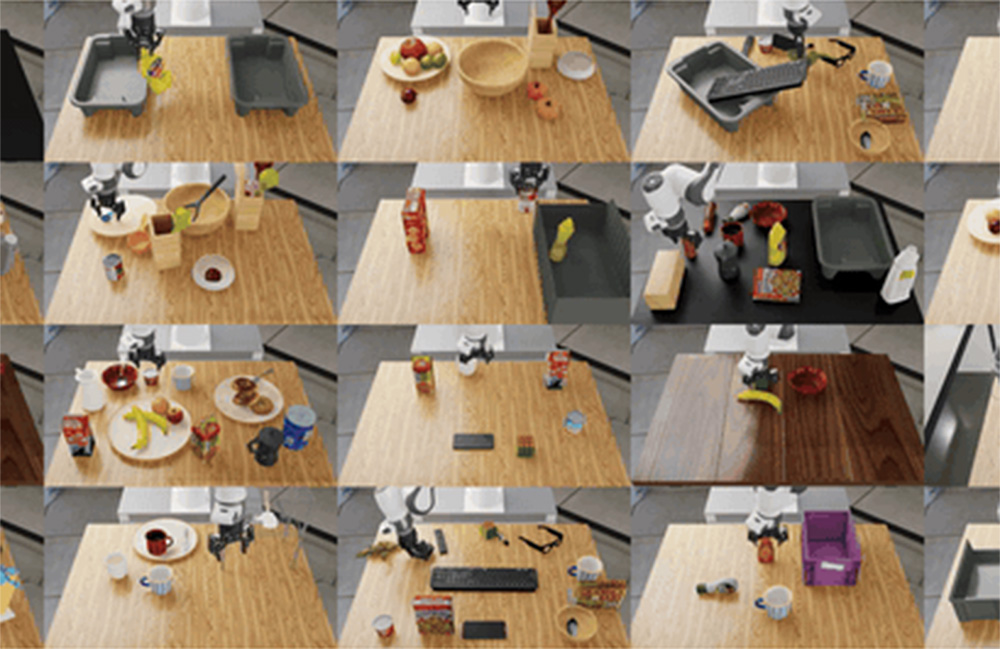
NVIDIA Discusses Evaluating General-Purpose Robot Policies for Real-World Applications
NVIDIA has highlighted the challenges in evaluating general-purpose robot policies as their capabilities advance. The company emphasizes that while current robotics models can follow natural language instructions to manipulate various objects, rigorous evaluation remains a significant hurdle due to the limitations of existing benchmarks. Real-world testing is costly and slow, necessitating effective simulation methods for large-scale evaluations. The importance of this evaluation process lies in the need for robots to generalize their skills beyond memorized setups. NVIDIA points out that many benchmarks suffer from visual and task-domain overlap, which can lead to misleading performance metrics. As models achieve high scores on static task sets, it becomes increasingly difficult to differentiate their true capabilities, raising concerns about the meaningfulness of reported results. Looking ahead, NVIDIA's focus on improving simulation environments and task generation methods is crucial for advancing robotic evaluation. The company aims to address the diagnostic gaps in current benchmarks, which often fail to provide insights into the reasons behind a robot's performance. No further timeline was disclosed at the time of publication.
Artificial Intelligence Artificial Intelligence / Cognition Design / Development Motion Control News Software / Simulation
MIT and Toyota Develop SceneSmith to Enhance Robot Training with AI-Generated Environments
MIT and the Toyota Research Institute have introduced SceneSmith, a system that utilizes AI agents to create realistic 3D environments for robot training. This innovation addresses the significant challenge of generating diverse simulation content, which is crucial for teaching robots various tasks in a cost-effective manner. The SceneSmith system employs three AI agents, leveraging the advanced vision-language model GPT-5.2, to design intricate indoor scenes. These environments, featuring up to six times more objects than previous methods, allow robots to practice skills in a rich virtual playground, ultimately reducing the need for extensive real-world testing. As the research progresses, the effectiveness of these AI-generated environments will be closely monitored. The team has already demonstrated that robots can successfully navigate and perform tasks in these virtual settings, indicating a promising future for robotic training methodologies. No further timeline was disclosed at the time of publication.
Research Robotics Artificial intelligence Simulation Computer science and technology Machine learning
X Square Robot Develops Integrated Stack for General-Purpose Robotics
X Square Robot, a Chinese company focused on embodied AI, is pioneering an integrated stack for general-purpose robots. This stack combines data learning, a world model for predicting physical changes, and an action model that integrates perception, planning, reasoning, and decision-making. The company emphasizes the importance of quality interaction data over sheer quantity, utilizing its Universal Manipulation Interface (UMI) to enhance data collection. The significance of X Square Robot's approach lies in its potential to unify various aspects of robotic intelligence, addressing the fragmented nature of current systems. By prioritizing interaction quality and establishing a closed inspection loop for data validation, the company aims to create a more effective learning environment for robots. This method not only reduces costs but also enhances the reliability of the training data, which is crucial for developing general-purpose robots capable of performing diverse tasks. Looking ahead, X Square Robot's WALL-WM world model represents a shift towards event-based action prediction, allowing for more coherent and context-aware robotic behavior. As the company continues to refine its models and data collection methods, the broader robotics community will be watching for independent validation of its results and the potential implications for the future of general-purpose robotics.
Home-robots Type-sponsored Large-language-models Embodied-intelligence Ai-robots Robot-learning
Advancements in Embodied Intelligence: Robots Learning Through Experience
A robot in a warehouse near Austin has fallen for the 4,000th time without assistance, showcasing the progress of embodied intelligence. This technology allows machines to physically interact with the world, fundamentally changing how they learn. Instead of merely processing information, these robots learn through experience, such as understanding gravity by knocking over objects. Embodied intelligence is gradually integrating into daily life, with humanoid robots working on assembly lines and assisting police in Hangzhou. In Malaysia, the Prime Minister introduced an AI digital twin to handle citizen inquiries autonomously. However, in Europe, there is growing concern about job displacement, with unions negotiating wage structures in anticipation of humanoid robot deployment. The societal divide is evident: while Asian countries view robots as helpful assistants, Europeans express fears of job loss. The future of embodied intelligence will depend on societal acceptance, highlighting a complex relationship between technology and human values. No further timeline was disclosed at the time of publication.
Embodied Intelligence Robotics AI Technology Human-Robot Interaction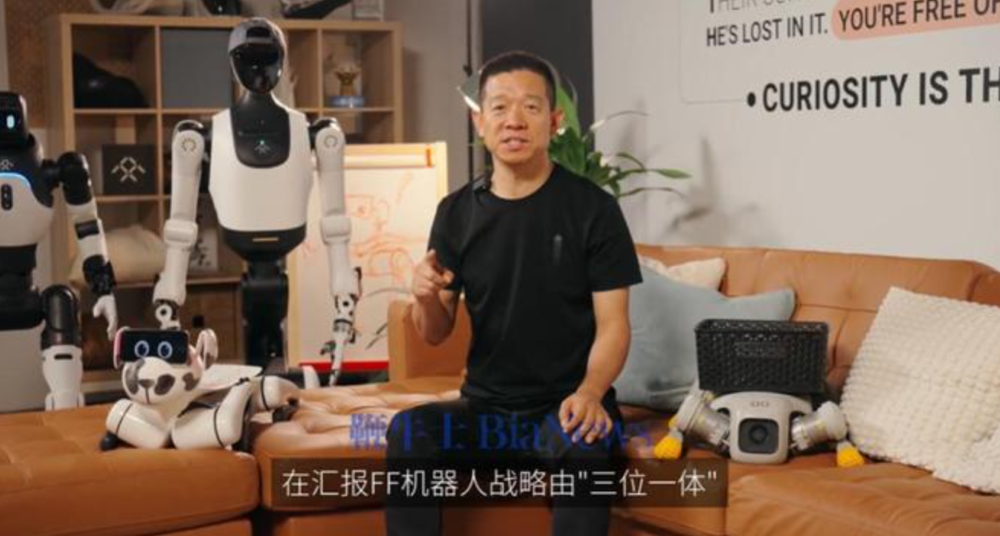
FF Robotics Upgrades Strategy with 'Quad-Core Intelligence' Ecosystem and 2000 Units Target
On July 13, FF founder Jia Yueting announced the upgrade of FF Robotics' strategy from a 'Trinity' model to a 'Quad-Core Intelligence' ecosystem. This strategic iteration follows the launch of four major robot series in February and the completion of the 'Full-Form EAI Robot World' in June, marking a significant advancement in embodied intelligence. The upgrade introduces a new core module focused on industry productivity solutions and a developer platform, targeting four key sectors: education, industrial, security, and inspection. Jia emphasized that this shift aims to transition from standalone capabilities to a comprehensive system that addresses industry-specific pain points, facilitating the practical application of FF robots in real-world scenarios. Looking ahead, FF aims to achieve a sales target of 2000 units by the end of the year, with the Q3 launch of the first FF EAI Robot Productivity Practical League to showcase real-world applications. This initiative, alongside the sales goal, is expected to validate the effectiveness of robots as productivity tools, moving beyond mere demonstrations to practical utility.
Robotics Artificial Intelligence Industry Solutions Productivity Tools
Ruiwei Technology Becomes First Visual Embodied Intelligence Company on Hong Kong Stock Exchange
On July 8, 2026, Ruiwei Technology (07656.HK) officially listed on the Hong Kong Stock Exchange, closing at HKD 21 per share, with a market capitalization of approximately HKD 6.411 billion. This marks the first company to enter the market under the Hong Kong Stock Exchange's Chapter 18C specialized technology rules, positioning itself as a leader in 'visual embodied intelligence.' Ruiwei's revenue from its smart civil aviation business reached CNY 172 million by the end of 2025, accounting for 38.9% of total revenue. The company is rapidly diversifying, with smart commercial and smart safe driving segments contributing 34.9% and 26.2% of revenue, respectively. However, the embodied intelligence robotics segment was not disclosed as a separate revenue stream in the prospectus. Looking ahead, Ruiwei aims to leverage its decade-long expertise in 3D spatial perception from airport facial recognition systems to expand into embodied intelligence robotics. The company plans to use over 50% of its IPO proceeds, approximately HKD 5.29 billion, for research and development in visual large models, embodied technology, and commercial robot hardware, targeting significant overseas revenue growth within 3 to 5 years.
Visual Intelligence Facial Recognition Robotics AI Technology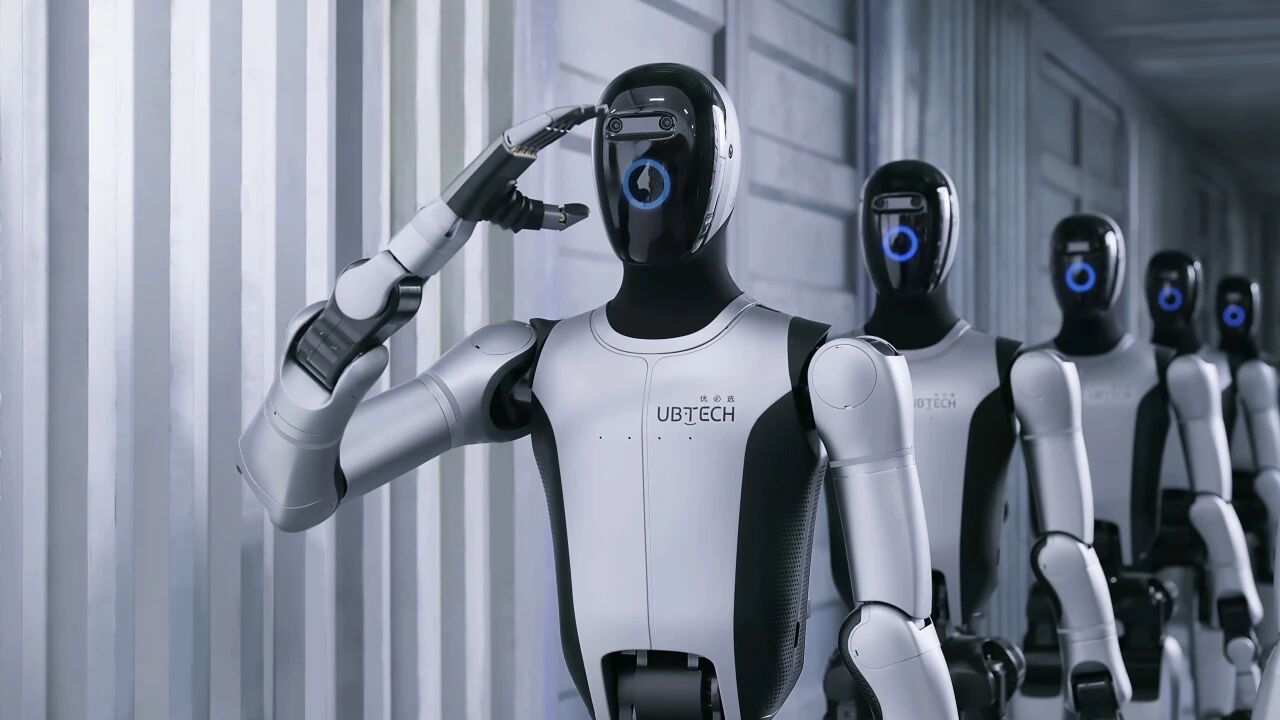
UBTECH Advances China's First Industry Standard for Collaborative Intelligent Systems by 2026
Recently, China's Ministry of Industry and Information Technology approved the development of the first industry standard for collaborative intelligent systems, led by UBTECH Robotics. The standard, titled 'Control Interface Specifications for Embodied Collective Intelligent Systems in Industrial Applications,' aims to address interoperability issues among multi-robot systems in industrial settings, marking a significant step in standardization. This initiative is crucial as industrial production shifts from single-robot operations to collaborative multi-robot systems. The lack of unified protocols and control interfaces has hindered the scalability of collective intelligence technologies. The new standard will provide clear guidelines for task allocation, fault reporting, and security interactions, facilitating better integration of diverse robotic systems in smart factories and logistics. Looking ahead, UBTECH is also collaborating with the China Electronics Standardization Institute to develop a reference architecture for collective intelligent systems. This comprehensive framework will define key terminologies and functional modules, further solidifying the foundation for collective intelligence standards in China. No further timeline was disclosed at the time of publication.
Humanoid Robots Industrial Automation AI Standards Collective Intelligence Robotics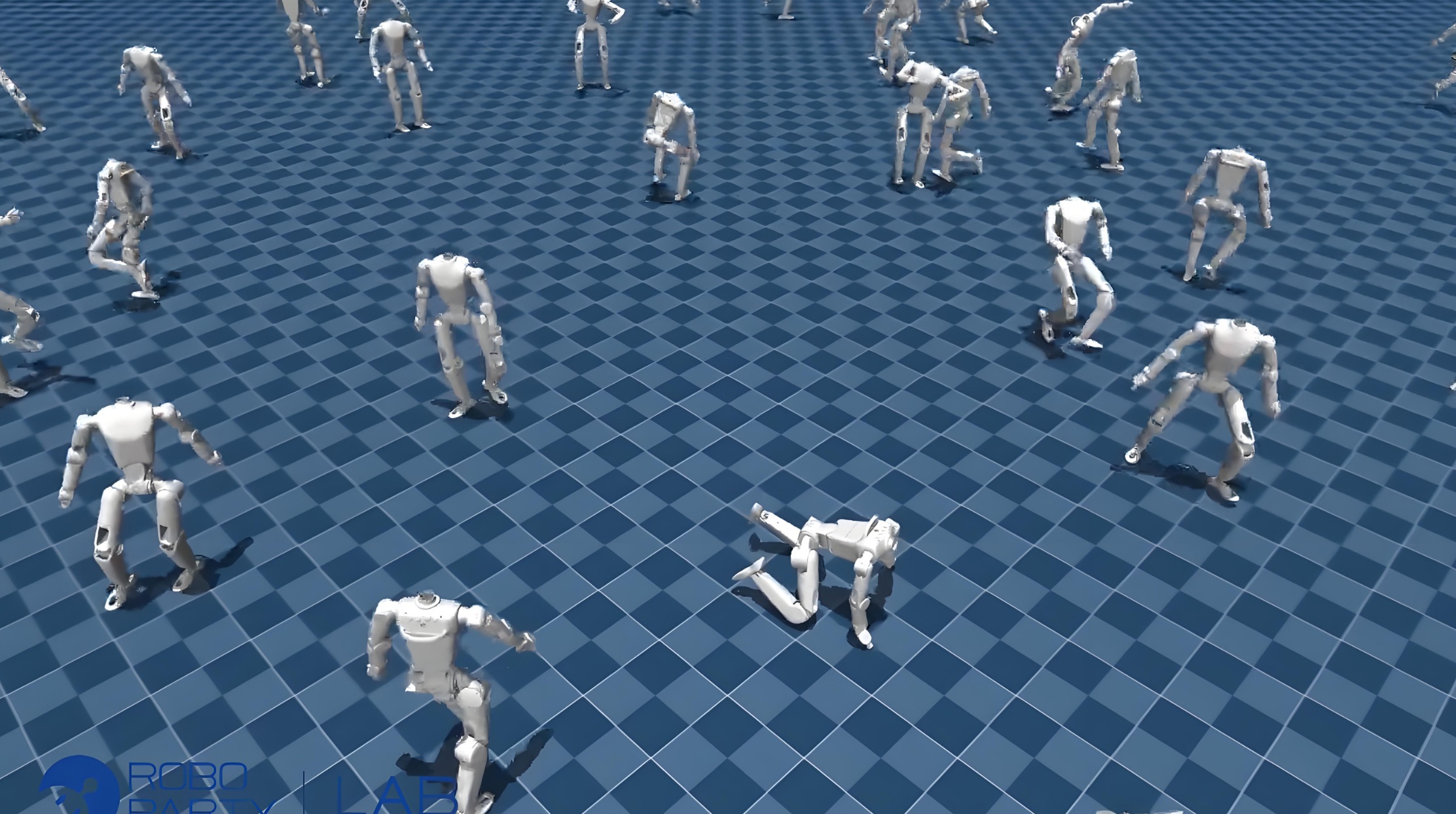
RoboParty Launches Open Source Framework for Next-Gen Humanoid Robot Development
In the past two years, the humanoid robot industry has seen numerous impressive demonstrations, but a shift is emerging in the second half of 2026. Companies are now focusing on developing training frameworks, development platforms, data tools, open-source models, and various R&D infrastructures. The competition is evolving from showcasing superior robots to enabling more developers to create robots faster. Recently, RoboParty established RoboParty Lab (RPLab) and introduced Party OS, an open-source embodied intelligence R&D foundation for next-generation humanoid robots. Alongside this, they released three R&D infrastructures: MimicLite, UFO, and hhtools. This move signifies a transition from merely demonstrating capabilities to building a robust R&D ecosystem that fosters collaboration and scalability within the developer community. As humanoid robots move from laboratories to practical applications in factories, warehouses, and homes, the industry is shifting its focus toward creating a reproducible, collaborative, and scalable R&D system. The emphasis is now on sustaining and accelerating development capabilities, marking a significant change in industry dynamics over the past year.
Humanoid Robots R&D Infrastructure Open Source Embodied AI Robot Development Tools
Alibaba's Qwen AI Model to Enhance Apple Intelligence Across Multiple Platforms
Alibaba's Qwen AI model is set to be integrated into Apple Intelligence, enhancing user experiences in China across various Apple operating systems including iOS, iPadOS, macOS, and visionOS. This integration allows users to utilize Qwen's features such as text and image understanding and content generation without the need to switch between applications. The significance of this integration lies in its potential to streamline AI-powered interactions for Apple users in China, aligning with the growing trend of incorporating advanced AI capabilities into consumer technology. The announcement coincides with the Cyberspace Administration of China filing for seven on-device generative AI services for smartphones, highlighting the competitive landscape among major tech players like Huawei and OPPO. Looking ahead, the integration of Qwen into Apple Intelligence marks a notable development in the AI sector, particularly in the context of mobile technology. No further timeline was disclosed at the time of publication.
News Feed
Xiaomi Launches Robotics-U0: A Unified 38B-Parameter Generative Model for Robotics
Xiaomi has unveiled Robotics-U0, an advanced embodied generative model featuring 38 billion parameters. This innovative model is designed to perform multiple tasks, including scene generation, embodied transfer, video generation, and text-to-image capabilities, all within a single unified architecture. The introduction of Robotics-U0 is significant as it represents a leap forward in the integration of various robotic functions into one cohesive system. By unifying these four tasks, Xiaomi aims to enhance the efficiency and versatility of robotic applications, potentially transforming how robots interact with their environments and process information. Looking ahead, industry observers will be keen to see how Robotics-U0 is adopted across different sectors and its impact on the development of future robotic technologies. No further timeline was disclosed at the time of publication.
Technology
Walden Robotics Emerges with $300 Million Funding to Deploy General-Purpose Robots
Walden Robotics has officially launched, securing $300 million in funding to develop and deploy general-purpose robots. This funding round, co-led by Toyota and Deviation Capital, values the company at $1.1 billion and includes participation from notable investors such as NVIDIA, Boeing, and Samsung Ventures. The significance of this launch lies in Walden Robotics' focus on creating full-stack Physical AI solutions that enable robots to learn and adapt while performing real-world tasks. This approach positions the company to meet the growing demand for versatile robotic solutions across various industries, enhancing operational efficiency and productivity. Looking ahead, industry observers should monitor Walden Robotics' progress in deploying its general-purpose robots and the potential impact on sectors that require automation. No further timeline was disclosed at the time of publication.
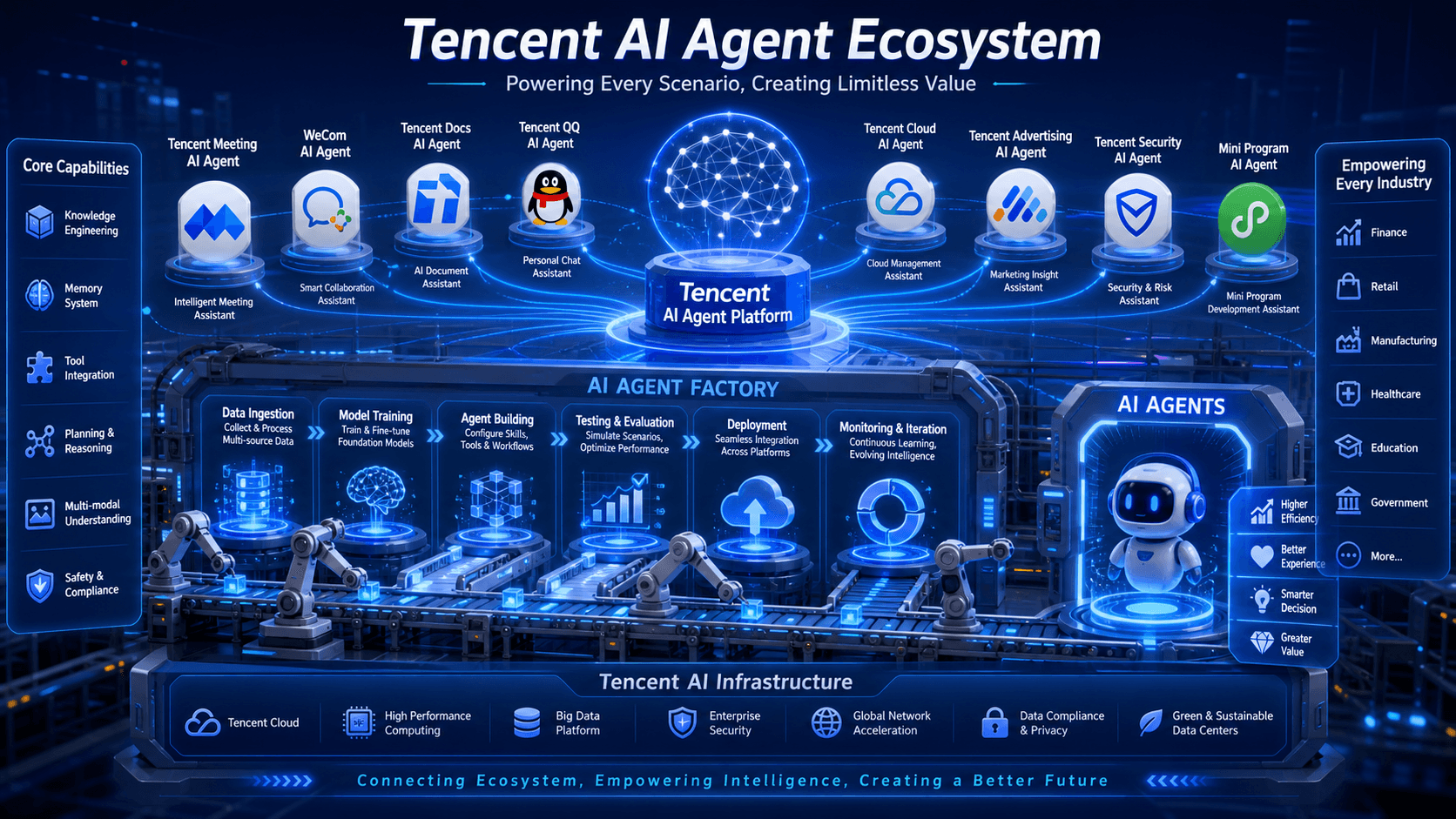
Tencent Emerges as a Leading Agent Production Hub with WorkBuddy and New AI Offerings
Tencent has established itself as a significant player in the agent production sector, launching WorkBuddy, which has garnered 8.85 million monthly visits. This initiative is part of a broader strategy that includes the introduction of several AI agents such as Zaohua Gongfang, Ardot, Miora, WorkRally, DataBuddy, and LearnBuddy. The rise of Tencent as an agent factory is noteworthy as it reflects the growing demand for AI-driven solutions across various industries. With WorkBuddy's impressive user engagement, Tencent is positioning itself to capitalize on the increasing reliance on intelligent agents in both personal and professional environments. Looking ahead, industry observers should monitor Tencent's continued expansion in the AI agent space and its impact on the competitive landscape. No further timeline was disclosed at the time of publication.
Industry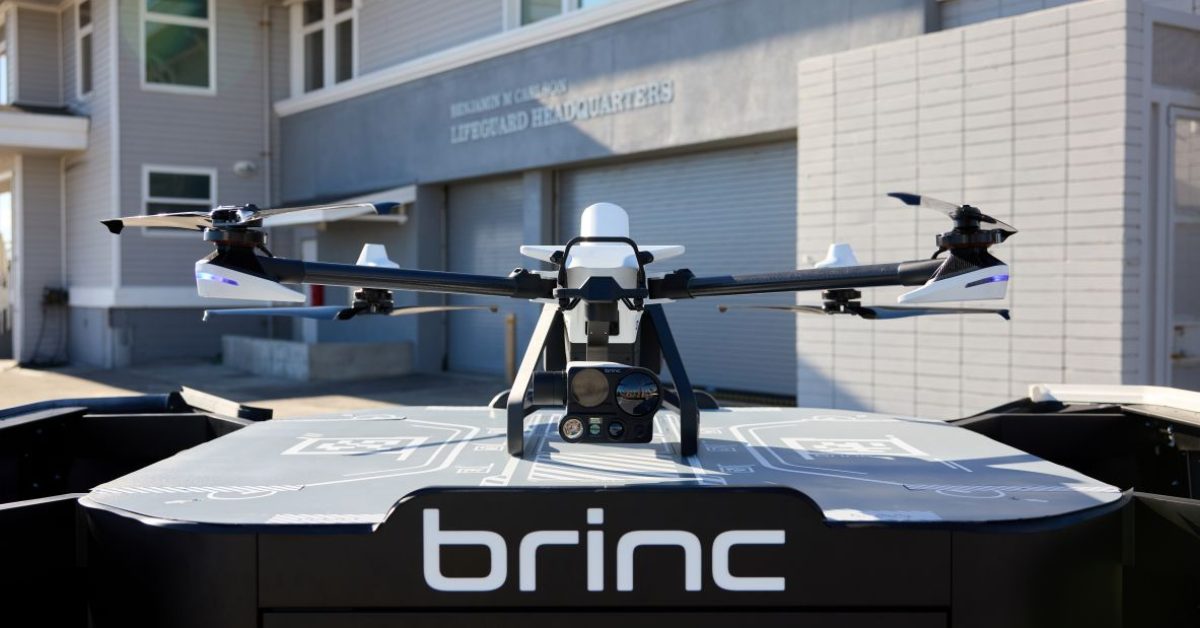
Motorola Solutions Leads $125 Million Funding for BRINC's Emergency Drone Expansion
BRINC, a Seattle-based public safety drone company, has raised $125 million in a funding round led by Motorola Solutions, bringing its total funding to over $250 million. This investment will enable BRINC to expand its manufacturing capabilities and product offerings, with the goal of deploying a 911 response drone at every police and fire station in the U.S. The significance of this funding lies in BRINC's ambition to enhance emergency response times across the nation. With approximately 80,000 police and fire stations in the U.S., the deployment of drones can provide crucial situational awareness before first responders arrive, potentially saving lives and improving operational efficiency. Looking ahead, BRINC plans to move into a new manufacturing facility by the end of the year, which is three times larger than its current site. The company has already seen a surge in demand for its drones, tripling its revenue in 2025 and signing significantly more contracts for 911 response drones compared to the previous year. No further timeline was disclosed at the time of publication.
News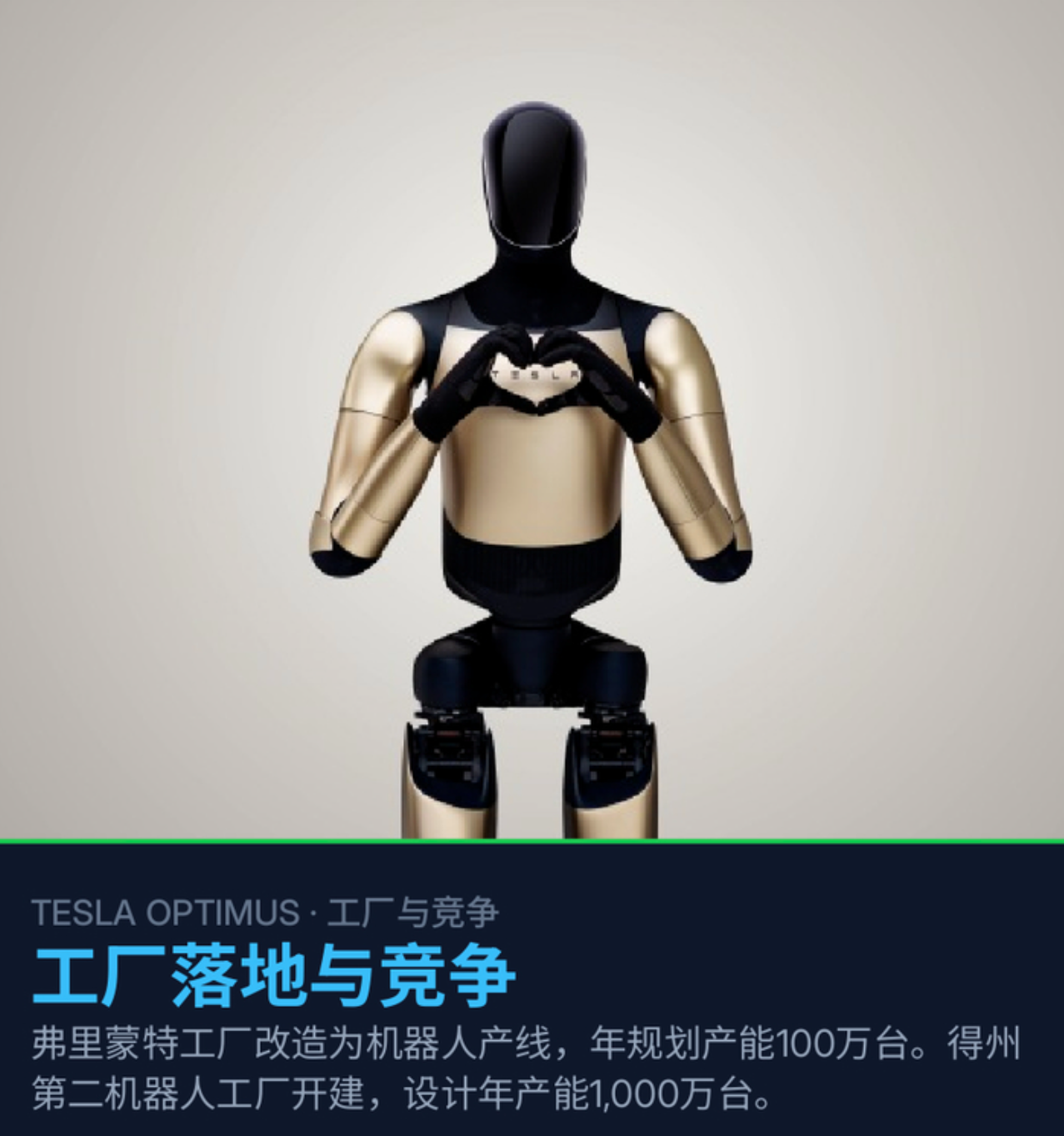
Tesla's Optimus Gen 3 Approved: Musk Aims for 100,000 Units Production Target
Elon Musk has officially approved the latest version of the Optimus Gen 3 robot, marking a significant milestone after over three years of development. With the production line nearing completion, Tesla has issued clear procurement guidelines to suppliers, aiming to ramp up production to 1,000 units per week by September and 2,000 to 2,500 units per week by year-end. This ambitious target of producing 100,000 units annually underscores Tesla's commitment to revolutionizing the labor landscape with robotics. The Optimus Gen 3 features a more compact design with 38 degrees of freedom and a refined dexterous hand, which has been a challenging aspect of its development. The production line is set to begin operations in late July to August, with a long-term plan for a second factory in Texas. As Tesla strives to catch up with competitors in the robotics sector, the success of the Optimus Gen 3 will depend on meeting production goals and effectively integrating the robot into various applications. The target of 100,000 units represents a critical turning point in this four-year journey, with the potential to reshape economic dynamics if realized.
Humanoid Robots AI Robotics Manufacturing Automation
AI Agents Develop Virtual Environments for Essential Robot Training Data
Robots are becoming more visible in public spaces, captivating onlookers. However, they still lack the versatility needed for tasks in kitchens or factories, primarily due to a significant data bottleneck. Similar to human learning, robots acquire skills through experience, but the process of physically training them in various environments is labor-intensive and time-consuming. This challenge highlights the need for innovative solutions to streamline robot training. By utilizing AI agents to create virtual playgrounds, developers can simulate diverse scenarios, allowing robots to learn efficiently without the constraints of physical environments. This approach could significantly reduce the time and resources required for training, ultimately accelerating the deployment of robots in practical applications. Looking ahead, the development of these virtual training environments may pave the way for more capable robots in various industries. As AI technology continues to evolve, it will be essential to monitor advancements in virtual training methodologies and their impact on robot performance and adaptability. No further timeline was disclosed at the time of publication.
Robotics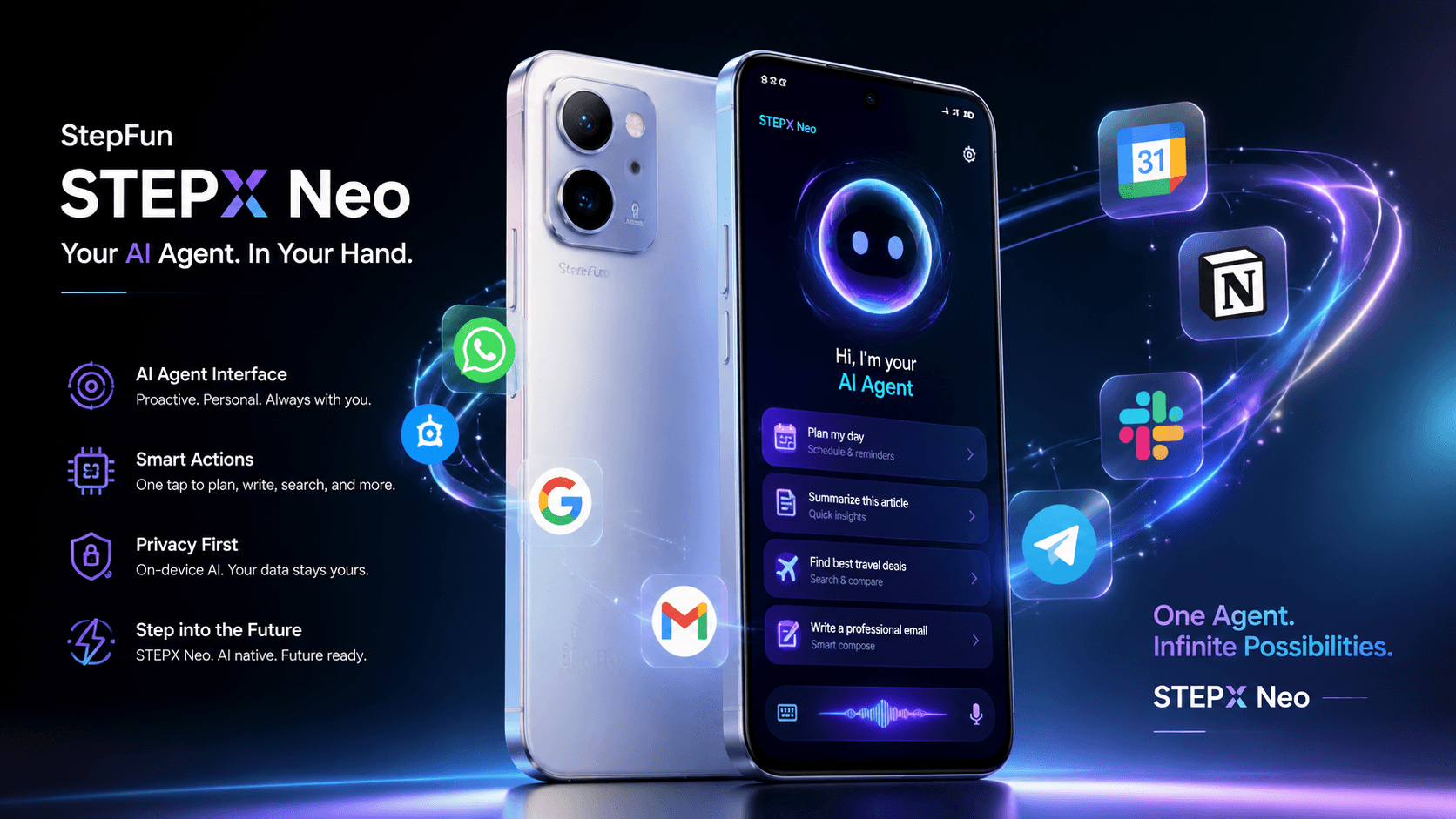
StepFun Launches STEPX Neo: An AI Agent Phone with Cross-App Integration
StepFun, a Shanghai-based AI unicorn, has introduced the STEPX Neo, an innovative phone equipped with the agent-native Step AOS and Amoo agent. This device integrates over 10 major platforms, including Alipay, Meituan, Didi, and Baidu, enabling autonomous task execution across applications. The launch of STEPX Neo is significant as it represents a leap forward in mobile technology, allowing users to perform tasks seamlessly across multiple applications without manual intervention. By leveraging the capabilities of various platforms, the STEPX Neo aims to enhance user experience and efficiency in daily tasks. Looking ahead, the impact of STEPX Neo on the market will be worth monitoring, particularly in how it influences user adoption of AI-driven mobile solutions. No further timeline was disclosed at the time of publication.
Technology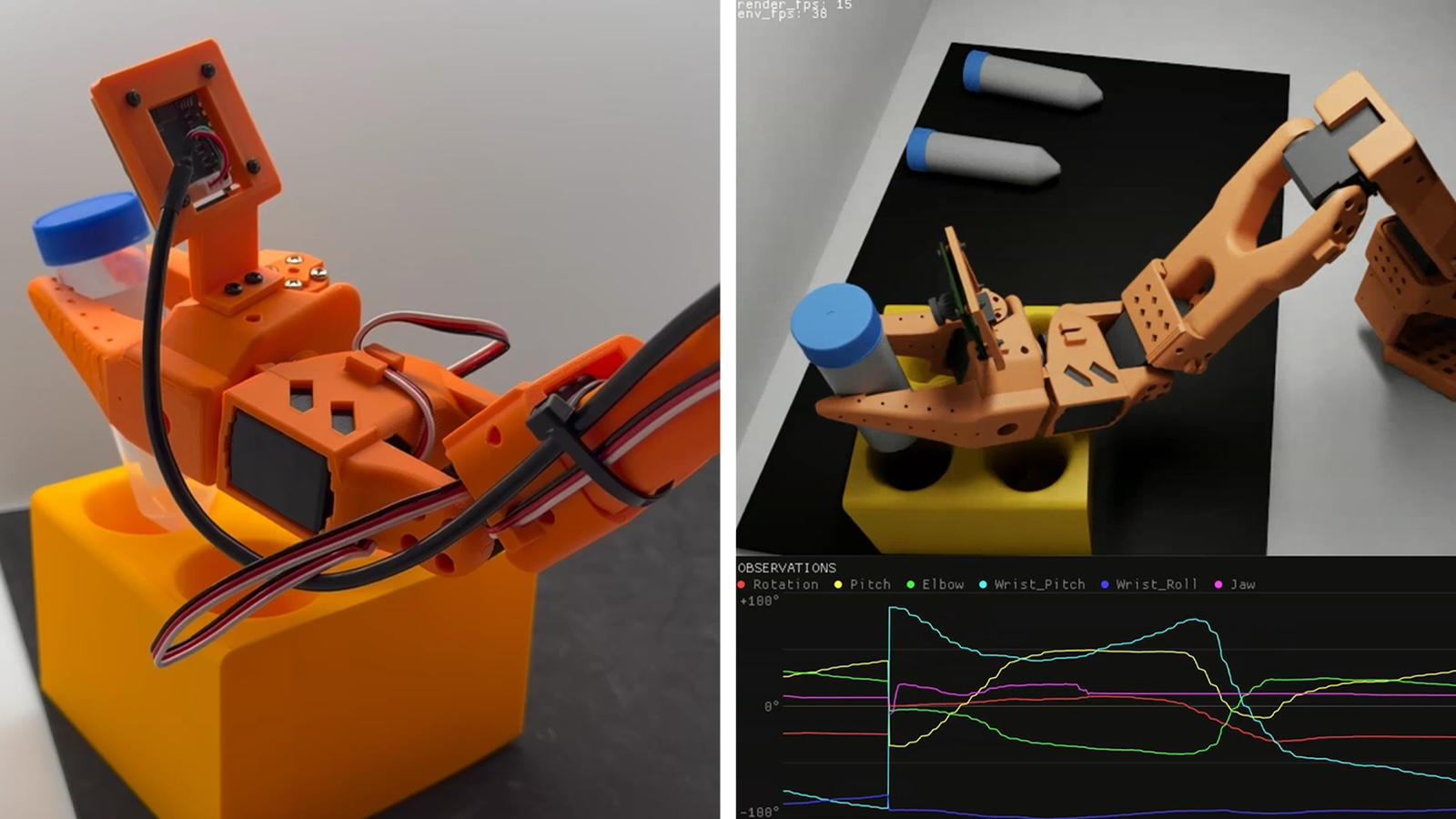
NVIDIA Open Sources Embodied Intelligence Toolchain to Enhance Robotics Development
On July 6, NVIDIA integrated three key components into Hugging Face's open-source robotics library, LeRobot: the GR00T N1.7 model, Isaac Teleop framework, and the upcoming Cosmos 3. This collaboration connects NVIDIA's 3 million robot developers with Hugging Face's 16 million AI builders, facilitating access to pre-trained models and data. This initiative is significant as it shifts NVIDIA's focus from merely creating models to building an ecosystem that addresses data bottlenecks in embodied intelligence development. The Isaac Teleop framework standardizes data collection, allowing for easier sharing and reuse within the community, which is crucial for advancing robotics. Looking ahead, the integration of GR00T N1.7 and Isaac Teleop into the LeRobot workflow marks a pivotal moment for robotics developers. No further timeline was disclosed at the time of publication.
Robotics Open Source AI Development Data Collection Machine Learning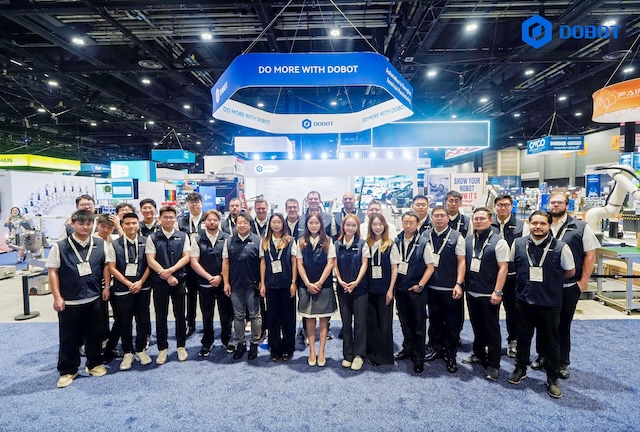
DOBOT Unveils Intelligent Automation Solutions at Automate 2026 to Enhance American Manufacturing
DOBOT showcased its latest intelligent automation solutions at Automate 2026, emphasizing the theme 'DO MORE WITH DOBOT.' The company highlighted how its collaborative robots and AI-powered technologies can enhance efficiency and flexibility in American manufacturing. Key demonstrations included solutions for various industries such as automotive and food & beverage, showcasing the integration of robotics in real-world applications. The significance of DOBOT's presentation lies in its commitment to strengthening American manufacturing through advanced automation. By demonstrating a comprehensive portfolio of application-driven solutions, DOBOT illustrated the potential of intelligent robotics to address industrial challenges and accelerate the transition to smart manufacturing. The showcased technologies aim to improve production processes across sectors, enhancing overall operational efficiency. Looking ahead, DOBOT's focus on integrated automation ecosystems and collaborative robotics indicates a trend towards more accessible and scalable solutions for manufacturers. The company's innovations, including humanoid robots and advanced programming capabilities, suggest a future where human-robot collaboration becomes increasingly seamless. No further timeline was disclosed at the time of publication.
DOBOT Automate 2026 collaborative robots industrial automation automation solutions humanoid robot
Nous Research Secures New Funding Talks at $1.5 Billion Valuation for Hermes Agent
Nous Research, the creator of the open-source Hermes agent, is in discussions to secure a new funding round led by Robot Ventures, aiming for a valuation of $1.5 billion. The company is looking to raise at least $75 million, following a previous $50 million Series A funding announced just three months prior. This funding round is significant as it reflects the high interest from investors in Nous Research's innovative approach to AI agents. Hermes, which features built-in skills for web search, coding, and image understanding, is designed to learn from user interactions autonomously. The company has previously raised $70 million from various investors, indicating strong backing for its growth. Looking ahead, the new funding is expected to enhance the development of Hermes products and expand its business model. No further timeline was disclosed at the time of publication.
AI Startups Venture iRobot Ventures unicorn USV
Chinese Internet Association Launches AI Agent Data Protection Pact with Major Firms
The China Internet Association has introduced a self-regulatory agreement focused on personal information protection for AI agents during a forum in Beijing. Major companies including Baidu, Tencent, Alibaba, and Volcengine are among the initial signatories of this pact, which aims to establish standards for the collection, processing, and usage of personal data by AI agents as their services proliferate across various internet platforms. This initiative is significant as it seeks to address growing concerns regarding data privacy and security in the rapidly evolving landscape of AI technologies. By standardizing practices, the pact aims to enhance consumer trust and ensure responsible handling of personal information, which is crucial as AI agents become increasingly integrated into daily online interactions. Looking ahead, the China Internet Association also unveiled a separate self-regulatory pact for mini-program ecosystems, signed by Tencent, Ant Group, and Baidu, among others. This indicates a broader commitment to data protection across different digital services. No further timeline was disclosed at the time of publication.
News Feed
Nubia Launches First Native AI Agent Smartphone at WAIC 2026, Transforming User Interaction
Nubia has introduced the world's first smartphone featuring a native AI agent at the WAIC 2026. This innovation marks a significant shift from traditional AI features to autonomous systems capable of understanding, executing, and remembering user tasks across various applications. The introduction of this native AI agent smartphone is crucial as it represents a new era in mobile technology, where devices can function more intelligently and interactively. This advancement could redefine user experiences and expectations in the smartphone market, setting a new standard for future devices. Looking ahead, it will be important to monitor how Nubia's native AI agent smartphone performs in the market and whether other companies, such as ByteDance, will follow suit with similar innovations. No further timeline was disclosed at the time of publication.
Technology
PrimeBOT Introduces Personal Robotics at the UN's AI for Good Summit in Geneva
PrimeBOT has introduced a new category of robotics known as Personal Robots at the UN's AI for Good Summit in Geneva. These robots are designed for everyday use in homes, allowing individuals to own, program, and create with them. The significance of PrimeBOT's initiative lies in its focus on education, inclusion, and enhancing human potential rather than merely showcasing technical specifications. This approach aims to foster a broader dialogue about the role of robotics in everyday life. Looking ahead, it will be important to monitor how PrimeBOT's Personal Robots influence discussions around accessibility and innovation in personal robotics. No further timeline was disclosed at the time of publication.
UBTECH and Hitachi Form Strategic Alliance to Develop Intelligent Solutions Across Various Sectors
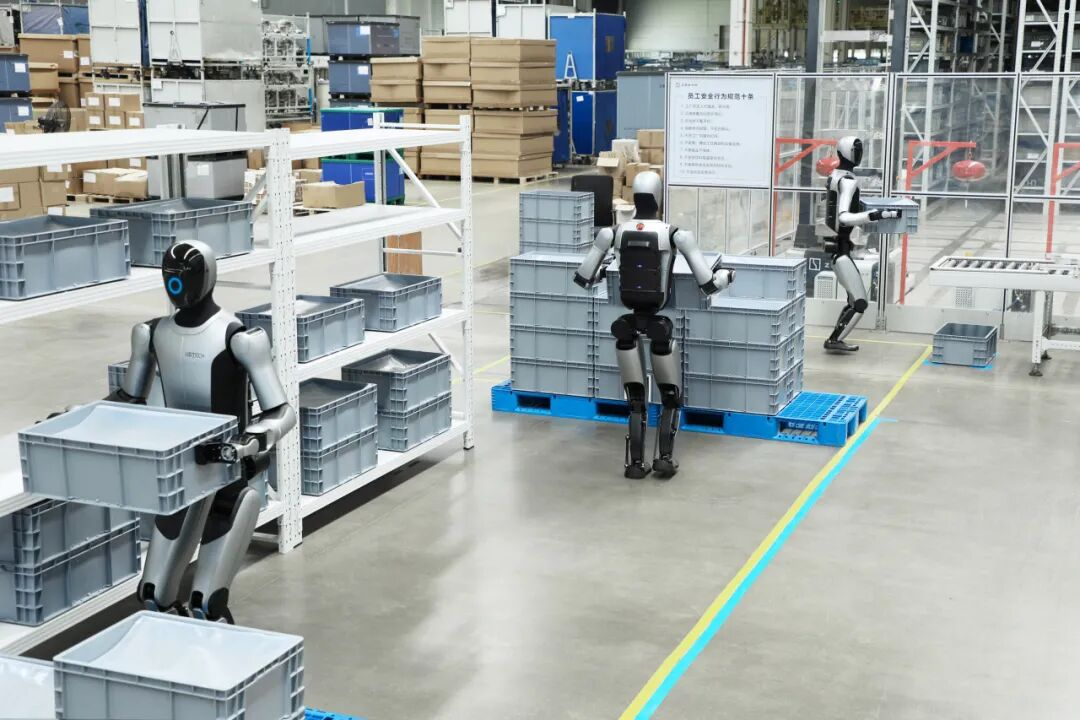
UBTECH Robotics and Hitachi have announced a strategic partnership aimed at exploring intelligent solutions across multiple fields. This collaboration is expected to leverage both companies' strengths in robotics and AI technology to create innovative applications that can enhance operational efficiency and productivity. The partnership is significant as it combines UBTECH's expertise in humanoid robotics with Hitachi's extensive experience in industrial automation and data analytics. This synergy is likely to lead to advancements in intelligent manufacturing, smart cities, and other sectors, addressing the growing demand for automation and intelligent systems in various industries. Looking ahead, stakeholders should monitor the developments from this partnership, particularly in terms of product launches and technological advancements. No further timeline was disclosed at the time of publication.

Exploring Automation Intelligence: Opportunities and Challenges in AI for Manufacturing
The manufacturing sector is experiencing a surge in artificial intelligence (AI) applications, driven by recent advancements in speech, language, and content generation technologies. Engineers and technology leaders are keenly observing these developments to enhance quality, minimize rework, and increase throughput. However, many organizations face challenges in translating AI demonstrations into tangible business value, revealing the complexities of deploying AI in production environments. Despite significant investments in AI and machine learning (ML), the manufacturing industry is encountering hurdles similar to those faced during the initial wave of data science and ML in the context of Industry 4.0. Many early projects failed to deliver operational value due to the misalignment of algorithms designed for consumer behavior with the deterministic needs of industrial settings. As manufacturers increasingly seek actionable insights from their data, the need for a deeper understanding of AI technology and its application in industrial contexts becomes critical. Looking ahead, the emergence of automation intelligence, which integrates lessons from past experiences with current AI tools, offers a promising framework for addressing complex industrial challenges. As AI technologies like generative AI and foundation models continue to evolve, their successful implementation will depend on ensuring real-time grounding, safety, and regulatory compliance in manufacturing processes. No further timeline was disclosed at the time of publication.
Factory / Workforce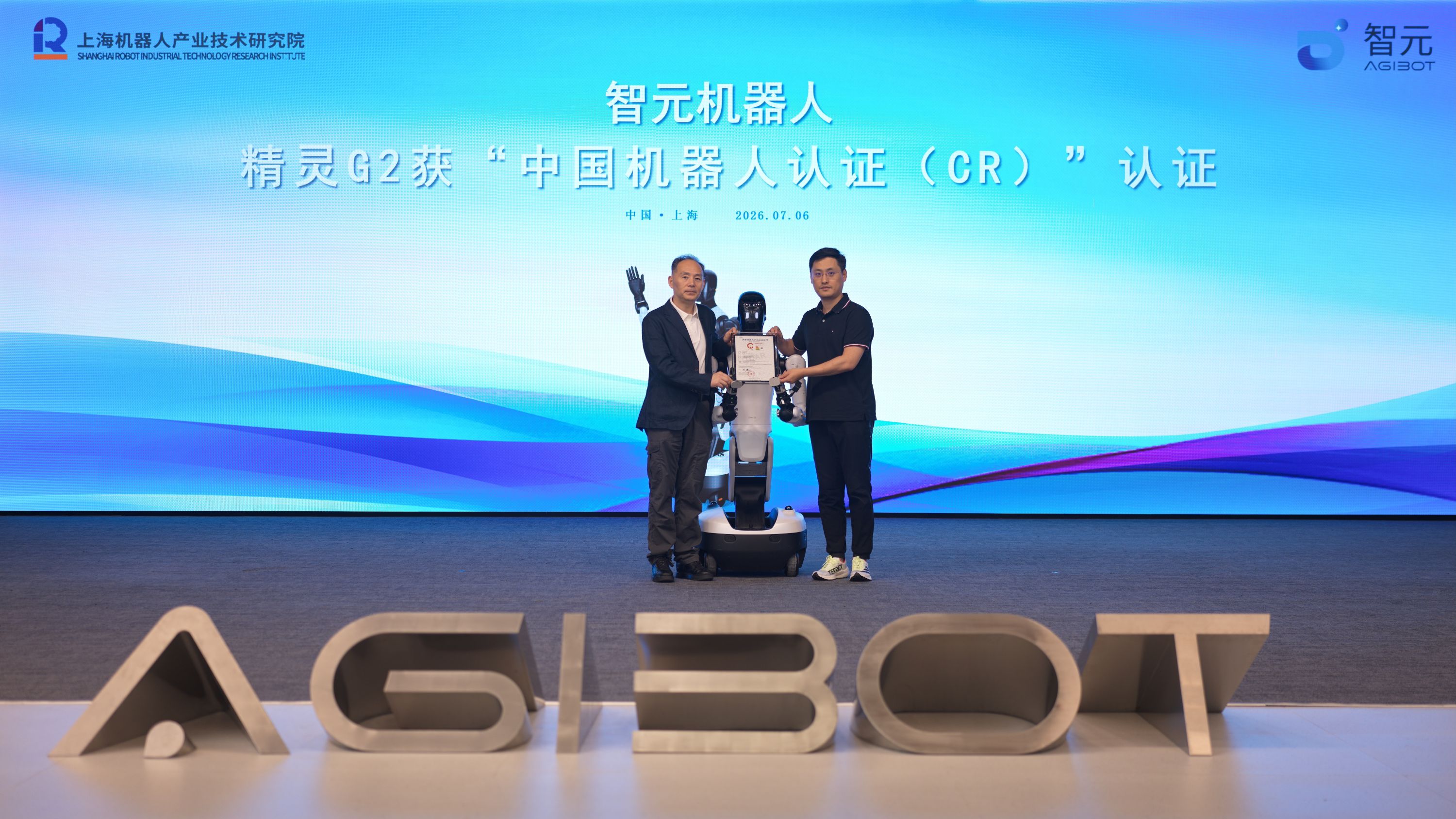
Genie G2 Achieves Key Certifications in China, EU, and USA for Global Market Access
The Genie G2, an interactive embodied robot developed by Zhiyuan, has successfully obtained multiple authoritative product certifications in China, the EU, and the USA. This achievement signifies that the Genie G2 meets top global safety and quality standards, establishing a solid compliance foundation for the brand's global commercial strategy and opening pathways for international market entry. This certification is significant as it positions Zhiyuan as the only company in the industry to have its entire product line certified to the highest international safety standards across all scenarios. The Genie G2's certifications cover essential dimensions such as electrical safety, mechanical safety, functional safety, cybersecurity, and data privacy protection, demonstrating its robust compliance capabilities and adaptability for global markets. Looking ahead, the successful certification of the Genie G2 supports its deployment in key manufacturing sectors, including 3C electronics and automotive components. The robot has undergone rigorous testing in real industrial environments, confirming its operational safety and stability. No further timeline was disclosed at the time of publication regarding future deployments or expansions in the global market.
Interactive Robots Safety Certifications Global Market Expansion Robotics Technology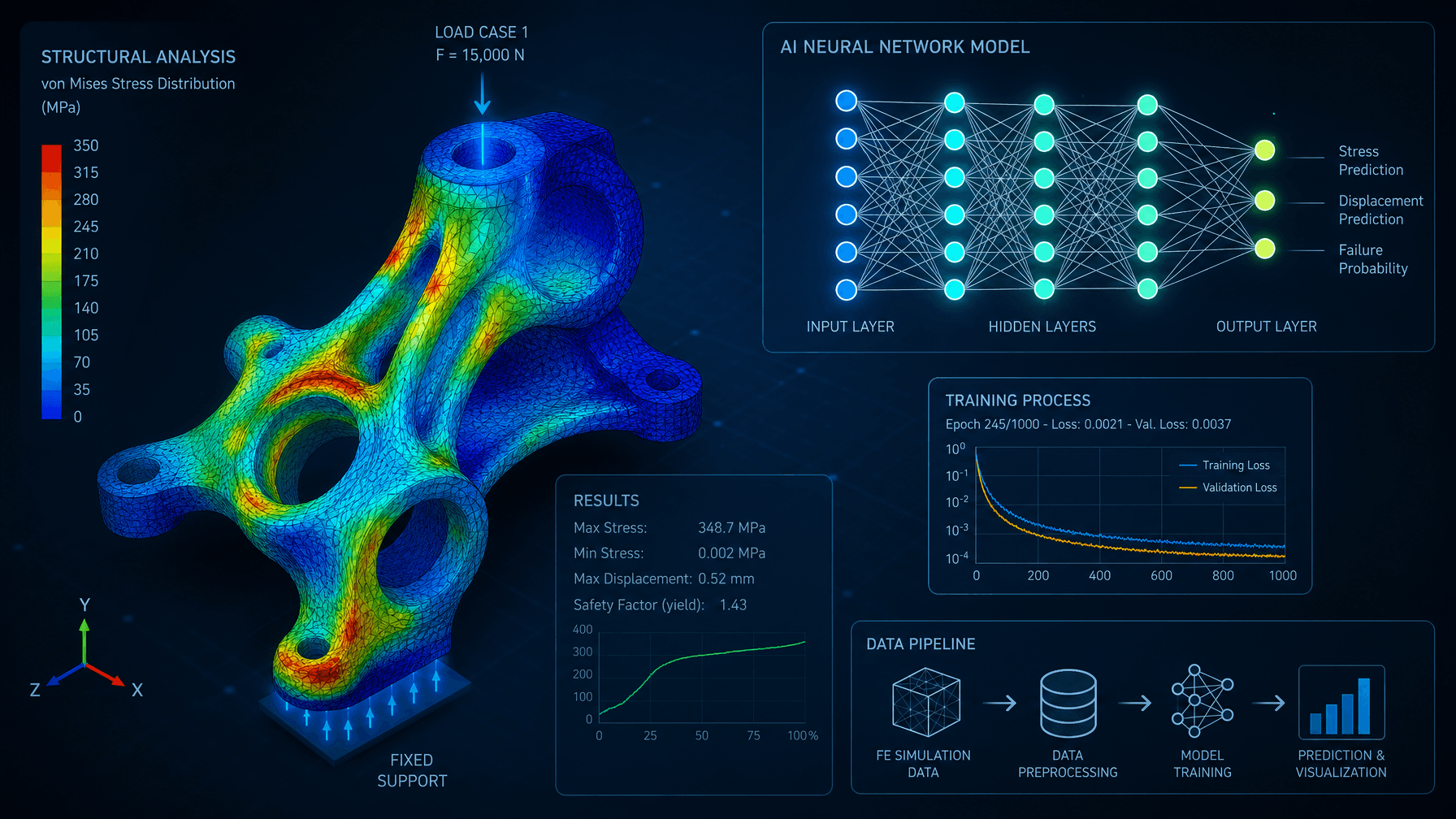
Jiying Technology Launches First Zero-Shot Generalizable Physics Model for Engineering Simulations
Jiying Technology has unveiled its Jiying 2.0 physics foundation model, which is capable of zero-shot generalization across various geometries, materials, and boundary conditions. This model represents a significant advancement in physics AI, particularly for engineering simulations, and was announced in October 2023. The introduction of the Jiying 2.0 model is crucial as it allows engineers to simulate complex physical scenarios without the need for extensive retraining on specific datasets. This capability can enhance efficiency and reduce the time required for simulations, making it a valuable tool in engineering design and analysis. Looking ahead, industry professionals will be keen to observe how the adoption of the Jiying 2.0 model influences engineering practices and simulation accuracy. No further timeline was disclosed at the time of publication regarding additional features or updates to the model.
Technology
Generational change at Valk Welding
Valk Welding is initiating a deliberate leadership transition from its second to third generation. This strategic move aims to ensure the company's continued growth and innovation in the welding industry. The transition reflects the company's commitment to adapting to changing market demands and fostering new ideas while maintaining its established values. The leadership change is expected to take place in the coming months, with the new generation poised to bring fresh perspectives and approaches to the business. This generational shift is part of Valk Welding's long-term vision to enhance its competitive edge and sustain its legacy in the industry.
Allgemein
End-Side AI Leader Mianbi Intelligence Secures $5 Billion Funding, Reaches $20 Billion Valuation
On July 15, Mianbi Intelligence announced the completion of a new funding round, attracting investments from national funds, state-owned enterprises, and automotive manufacturers. This brings the total funding raised by Mianbi Intelligence in the first half of 2026 to over 5 billion yuan, with a valuation exceeding 20 billion yuan, making it the highest-valued unicorn in the end-side AI sector. The significance of this funding is underscored by Mianbi Intelligence's rapid financing activity, which includes multiple rounds led by prominent investors such as China Telecom and Shenzhen Capital Group. The company, which originated from Tsinghua University's NLP lab, has made substantial strides in the AI field, particularly with its MiniCPM series of models that have seen over 38 million downloads across platforms like GitHub and Hugging Face. Looking ahead, Mianbi Intelligence is set to release its MiniCPM-2.4B model in February 2024, focusing on end-side AI applications. The company has already established a strong presence in the automotive sector, with several models from manufacturers like Changan and SAIC expected to integrate its technology. No further timeline was disclosed at the time of publication.
End-Side AI Funding Automotive Technology Artificial Intelligence Startups
PixVerse Secures $439M in Series C Extension, Valuation Exceeds $2B
Singapore-based video-generation startup PixVerse announced the closure of its Series C extension, raising a total of $439 million. This funding has propelled its valuation past $2 billion, enabling the company to enhance its world model offerings and expand its customer base globally. The significance of this funding round lies in PixVerse's ambition to solidify its position in the competitive video generation market. Founded in 2023 by Wang Changhu and Jaden Xie, the company has already attracted notable investors, including Alibaba and Lollapalooza Capital, and boasts over 150 million registered users for its consumer product. Looking ahead, PixVerse plans to launch a new V-Series model for video generation and a new version of its world model within the year. The company is also focused on expanding its enterprise outreach and hiring additional researchers to support its growth strategy. No further timeline was disclosed at the time of publication.
AI Fundraising alibaba pixverse video generation
Lu Ce Wu Advances Embodied Intelligence at Qiongche Intelligent in China
Lu Ce Wu, a scientist from Chaoshan, has made significant strides in the field of embodied intelligence, establishing Qiongche Intelligent in 2023. This venture aims to enhance robotic capabilities, with a focus on real-world applications. In 2025, Qiongche's robots will be deployed in a pharmacy in Shenyang, demonstrating autonomous navigation and product recognition without altering existing systems. The significance of Lu's work lies in his commitment to embodied intelligence, a concept he believes should extend beyond digital confines to interact with the physical world. His journey began in 2012 when he recognized the potential of AI after witnessing AlexNet's success. Despite initial challenges in promoting embodied intelligence in China, Lu's persistence has led to recognition, including the Science Exploration Award in 2023, making him the first recipient in this field. Looking ahead, Lu plans to further develop Qiongche Intelligent's capabilities and has established the first AI doctoral program in China. He emphasizes the importance of strategic planning and talent cultivation to prepare for the future of embodied intelligence. No further timeline was disclosed at the time of publication.
Embodied Intelligence Robotics Artificial Intelligence Technology Innovation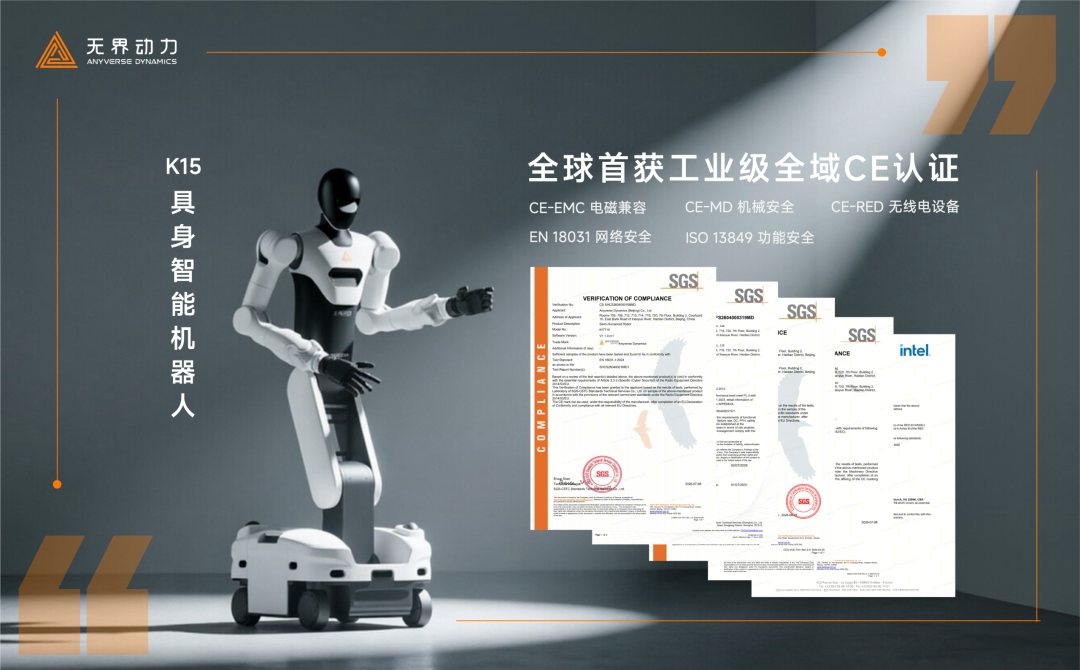
Unbounded Power Launches K15 Robot with Full CE Certification for Global Markets
On July 9, 2026, Unbounded Power announced that its second-generation K15 robot has achieved full industrial-grade CE certification, making it the world's first embodied intelligent robot to do so. The K15 has passed multiple EU standards, including CE-MD for machinery safety and EN ISO 13849 for functional safety, confirming its compliance with the highest global safety standards. This certification is significant as it allows the K15 to enter the European industrial manufacturing chain, enhancing its marketability in regions like the UK. The K15's compliance with stringent safety and electromagnetic compatibility standards ensures reliable operation in complex industrial environments, addressing potential risks associated with physical interactions and electromagnetic interference. With nearly $100 million in global orders now in the delivery phase, the first batch of K15 robots is being shipped to Europe. This marks a critical step in Unbounded Power's strategy to expand its global footprint and enhance the value chain of Chinese manufacturing, transitioning from hardware exports to integrated intelligent infrastructure solutions. No further timeline was disclosed at the time of publication.
Embodied Intelligence Industrial Robotics CE Certification Global Supply Chain Smart Manufacturing
Yuanli Lingji Launches DM0.5 Model and Apex Robot at Action 2026 Conference
On July 9, Yuanli Lingji introduced three key products, including the DM0.5 model and Apex robot, during the Action 2026 Developer Conference. This event highlighted the company's commitment to full-stack capabilities in embodied intelligence, a crucial factor in addressing industry fragmentation and enhancing model architecture with high-quality data. The significance of these product launches lies in their potential to drive commercialization within the embodied intelligence sector. By focusing on full-stack solutions, Yuanli Lingji aims to set itself apart in a competitive market, where the integration of robust data and model frameworks is essential for success. Looking ahead, industry observers will be keen to see how these products perform in the market and whether they can effectively address the challenges of fragmentation. No further timeline was disclosed at the time of publication regarding future developments or additional product releases.
Embodied Intelligence Robotics AI Machine Learning Automation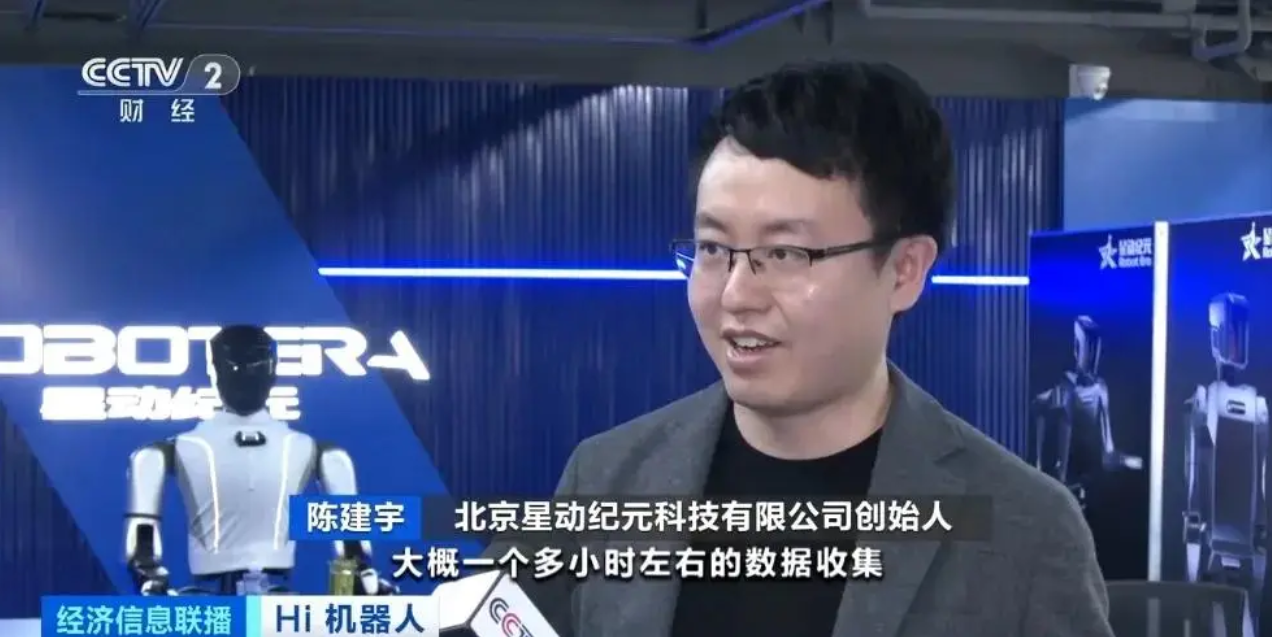
Embodied Intelligence Unicorn Secures $1.5 Billion Valuation with State-Owned Investment
Star Motion Era, an embodied intelligence startup, has successfully secured 1 billion RMB in its latest funding round, which was led by a state-owned investment fund. This recent influx of capital brings the company's total funding to 2.5 billion RMB within just two months and elevates its valuation to over 1 billion USD. The company specializes in robotics and artificial intelligence, with a strong focus on practical applications and data-driven development, particularly targeting the logistics and manufacturing sectors.
Embodied Intelligence Robotics AI Logistics Automation State-Owned Investment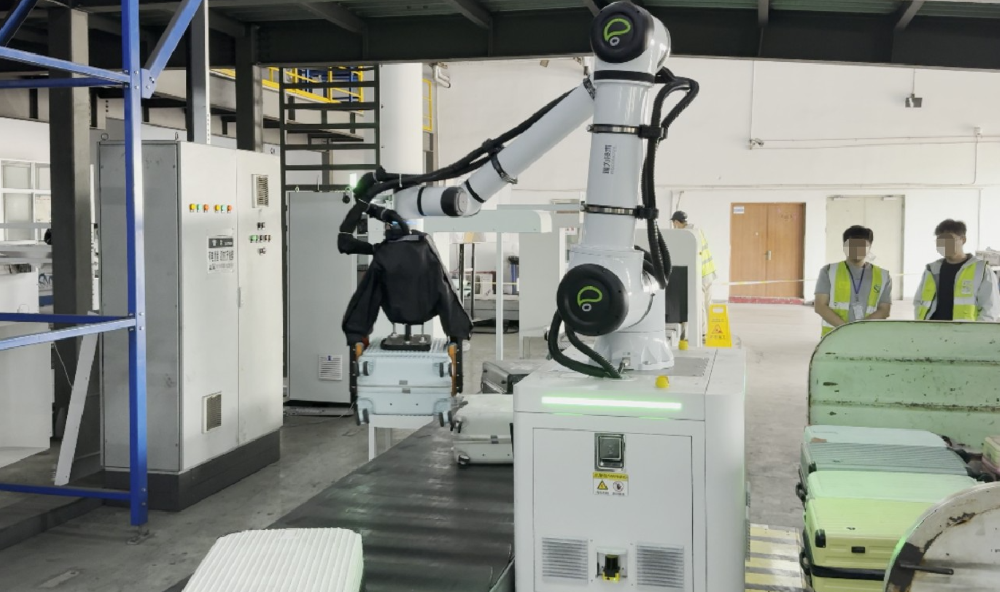
First Stock in Visual Embodied Intelligence Launched: A Scene-Driven Company Goes Public
Ruiwei Technology, recognized as the first stock in visual embodied intelligence, made its debut on the Hong Kong Stock Exchange on July 8. Although the company's share price experienced a minor decline, the initial public offering (IPO) garnered significant attention, being oversubscribed by an impressive 3,646 times. This overwhelming demand reflects strong investor interest in the company's innovative approach to artificial intelligence. Ruiwei Technology specializes in practical AI applications, particularly within the airport sector, and is committed to transforming AI from merely an intelligence assistant into a productivity assistant. The company's product development strategy is uniquely tailored to meet the specific needs of various industries, positioning it as a forward-thinking player in the tech landscape.
Visual Intelligence AI Applications Robotics Airport Technology
Former Huawei Executive Leads Morphi in Embodied Intelligence with Over $1.4 Billion in Funding
Morphi, a rising company in the field of embodied intelligence, has successfully secured over 1 billion yuan in angel funding, achieving a post-investment valuation of over 7 billion yuan. The startup, which counts tech giants Alibaba and Tencent among its backers, is focused on creating a versatile, multimodal robotic brain. Initially, Morphi will concentrate on commercial applications, with plans to later venture into the household robotics sector. Founded by former leaders from Huawei, the company is preparing to launch its first consumer service robot in July.
Embodied Intelligence Robotics AI Funding Startups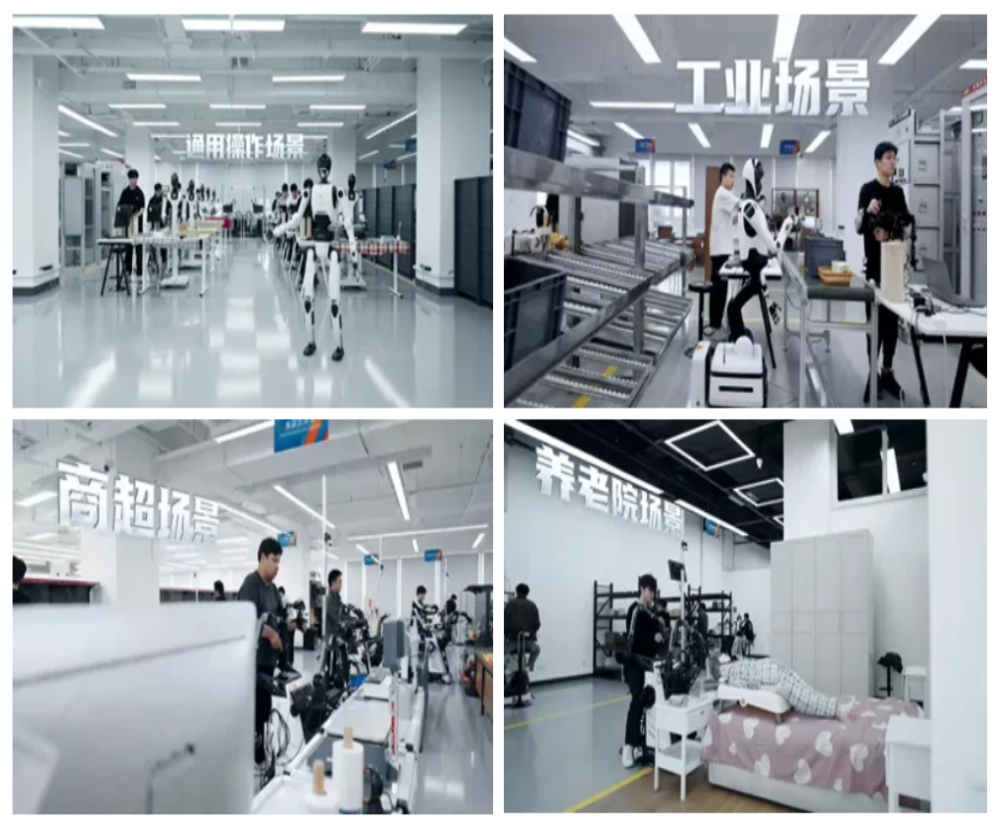
The Paradox of Embodied Intelligence: Massive Investment Amidst Slow Product Development
In the first half of 2026, the embodied intelligence sector saw a remarkable influx of investment, amassing 93.5 billion yuan through 322 financing events. However, despite this substantial financial backing, product development within the industry is still in its early stages, with many leading companies facing difficulties in generating significant sales. Industry experts highlight the critical need for securing ongoing funding and developing practical applications to navigate the challenging path toward commercialization.
Embodied Intelligence Robotics Investment Commercialization Technology Development
First Visual Embodied Intelligence Company Lists on Hong Kong Stock Exchange
Ruiwei Technology, a company known for its facial recognition systems tailored for airports, has made a successful debut on the Hong Kong Stock Exchange, achieving a valuation of around HKD 6.4 billion. This listing marks a significant shift for the company as it moves beyond its initial focus on smart airport solutions. With over ten years of experience in 3D spatial perception and artificial intelligence, Ruiwei aims to expand its operations into a wider array of sectors, thereby diversifying its revenue streams. The transition reflects the company's ambition to embrace a broader vision of embodied intelligence, positioning itself to capitalize on emerging opportunities in various industries.
Facial Recognition AI Technology Embodied Intelligence Smart Airports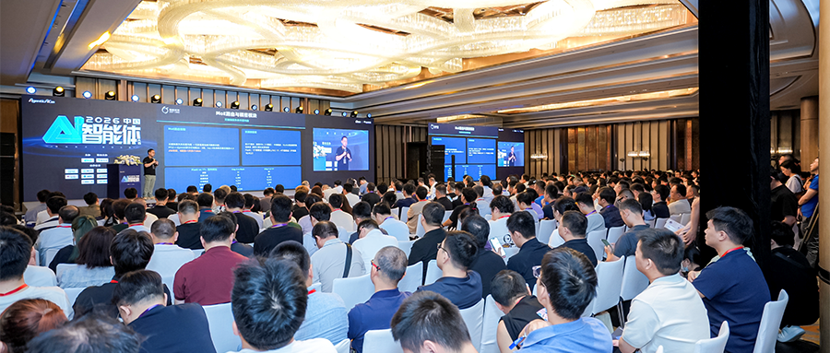
AI Agent Conference in Hangzhou Highlights Key Innovations and Challenges
The 2026 China AI Agent Conference wrapped up in Hangzhou, highlighting the advancements in Agentic AI and its impact on productivity. The event brought together 64 distinguished speakers who engaged in comprehensive discussions across ten key topics, shedding light on the latest technological innovations and tackling significant challenges facing the industry. The conference served as a platform for experts to share insights and explore the future of AI, emphasizing its transformative potential in various sectors.
Agentic AI Productivity Transformation AI Innovations Technology Conference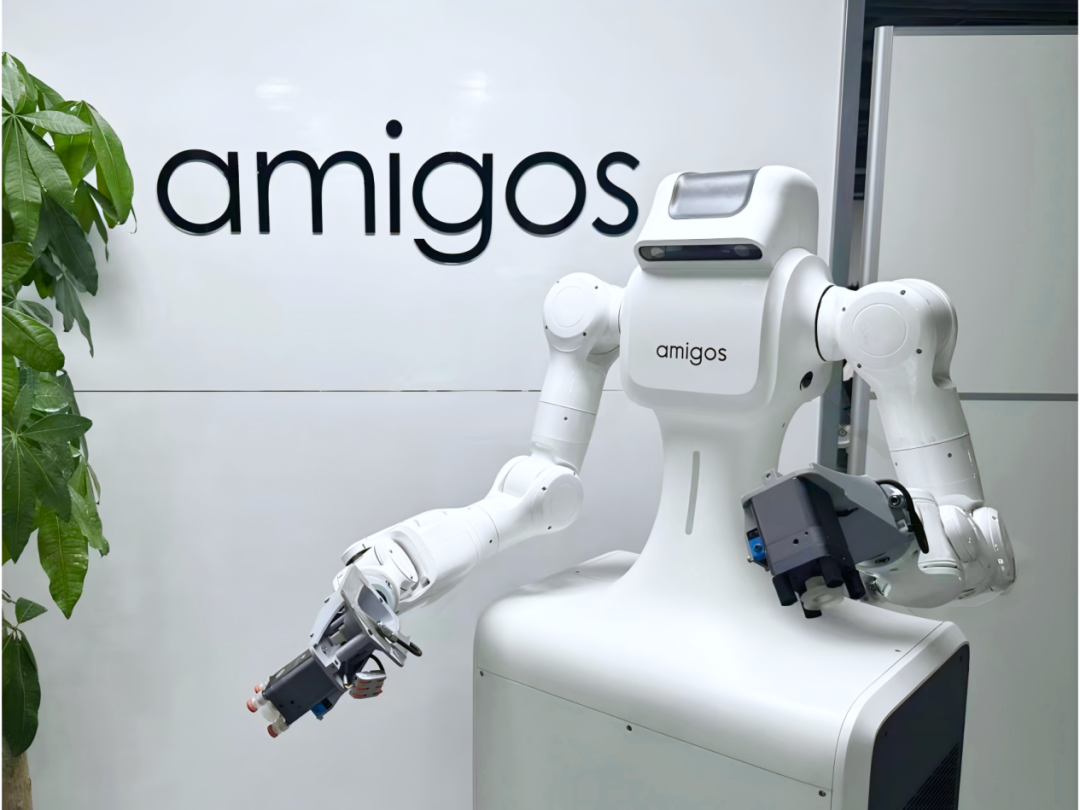
Amiro Robotics' Liu Fang: Embodied Intelligence is Not Just Large Models or Autonomous Driving
Liu Fang, the founder of Amiro Robotics, has presented a new perspective on embodied intelligence, distinguishing it from large models and autonomous driving. During a recent discussion, he emphasized that the true essence of embodied intelligence lies in enhancing labor capabilities within industrial environments. Liu argued that robots should be designed to provide consistent and reliable outputs, which is crucial for their integration into real-world applications. To further this discussion, he introduced a novel metric called Hours Per Intervention (HPI), aimed at evaluating robotic performance in production settings. This metric underscores the significance of building trust in robotic labor, as reliable performance is essential for widespread adoption in various industries. Liu’s insights reflect a growing recognition of the need for practical and dependable robotic solutions in the workforce, marking a shift towards more effective and measurable applications of robotics in industrial operations.
Embodied Intelligence Industrial Robotics Automation HPI Metric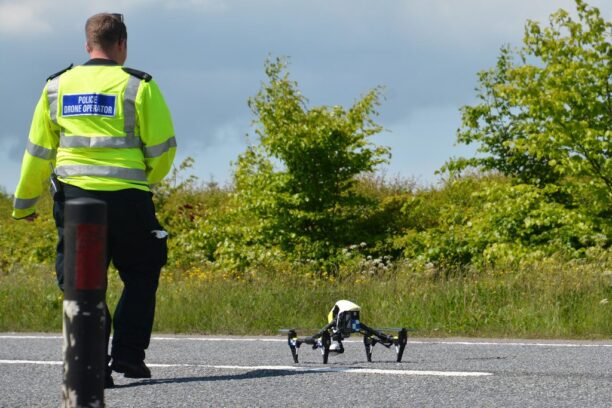
Federal Agencies Move Quickly to Turn SAFER SKIES Act Into Operational Reality
New DOJ/DHS rule and coordinated FCC actions establish the legal, technical, and spectrum framework for trained state and local agencies to deploy counter-drone systems The federal government’s expansion of state and local counter-drone authority took a major step forward this week as the Department of Homeland Security (DHS), Department of Justice (DOJ), and Federal Communications […] The post Federal Agencies Move Quickly to Turn SAFER SKIES Act Into Operational Reality appeared first on DRONELIFE.
Applications C-UAS Drone News Drone News Feeds emergency response Feature 1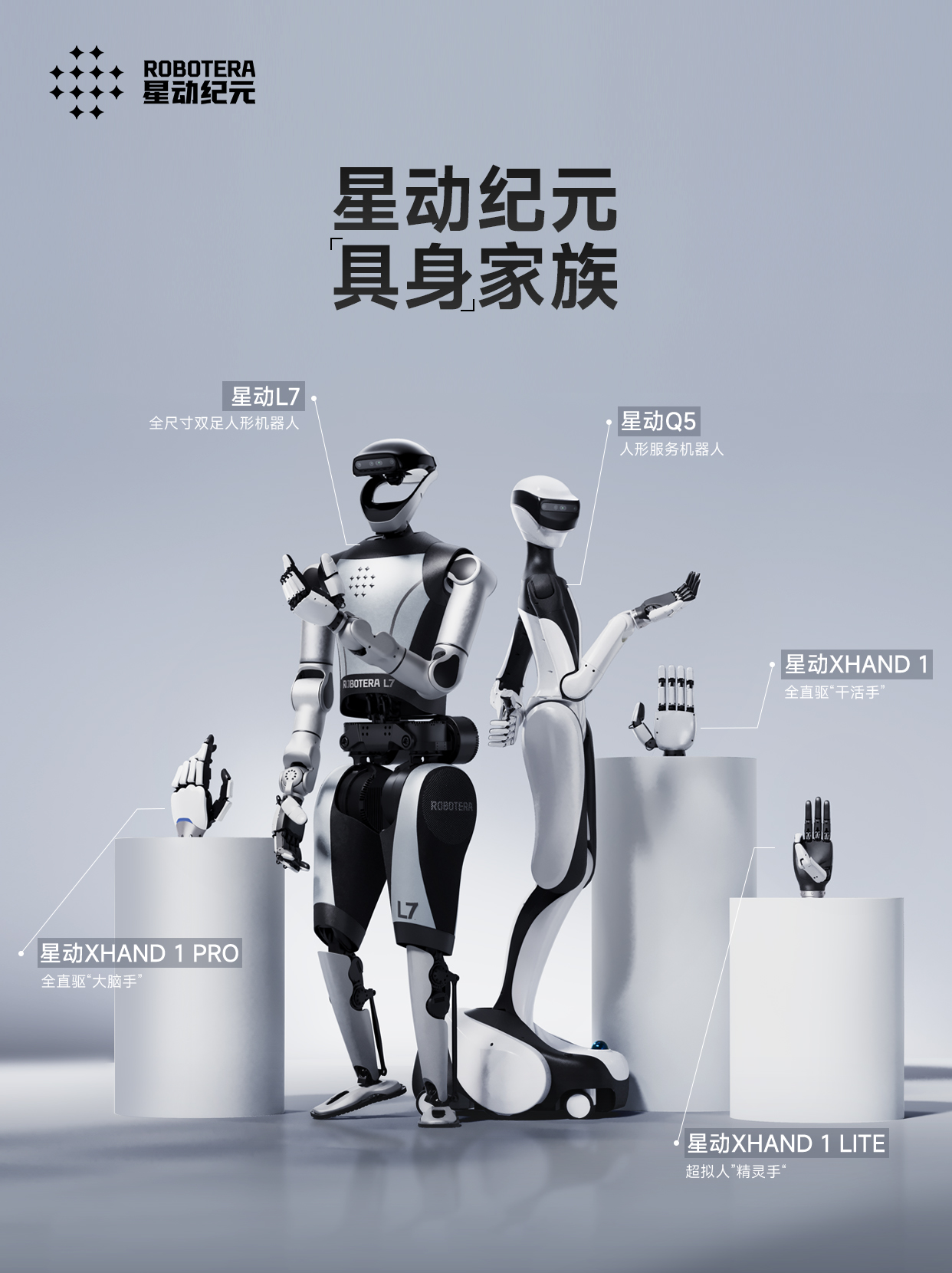
Xingdong Era Secures 2.5 Billion Yuan in Funding: State-Owned Enterprises Backing Intelligent Robotics
Xingdong Era has secured 2.5 billion yuan in funding over the past two months, with the investment primarily coming from state-owned enterprises and financial institutions. The company specializes in embodied intelligence, focusing on the development of advanced robotics solutions tailored for logistics and industrial applications. This significant financial backing will enable Xingdong Era to enhance its data-driven systems, ultimately aiming to improve operational efficiency across various sectors.
Embodied Intelligence Robotics Logistics Automation AI Data Systems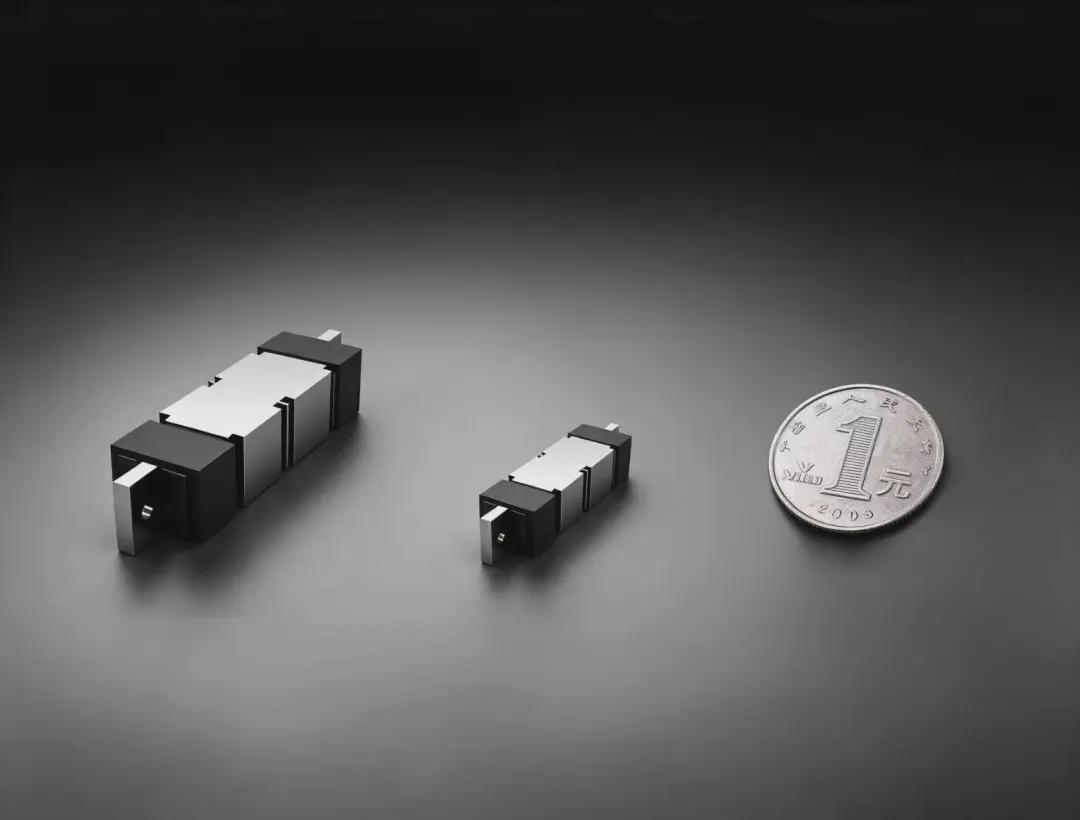
Revolutionizing Robotics with Artificial Tendons: A New Era of Embodied Intelligence
Suzhou Zhixingjian Robot Technology Co., Ltd. has unveiled a groundbreaking development in robotics with its creation of artificial tendons designed to replace conventional motor systems. This innovative technology, which mimics biological tendons, significantly improves the weight, precision, and energy efficiency of robotic hands. By integrating these biomimetic tendons, the company aims to usher in a new era of lightweight and highly functional robotics, enhancing the capabilities of embodied intelligence. The advancements are expected to broaden the applications of robotic systems across various industries, marking a pivotal shift in the field of robotics.
Artificial Tendons Robotics Embodied Intelligence Biomimetic Technology Actuation Systems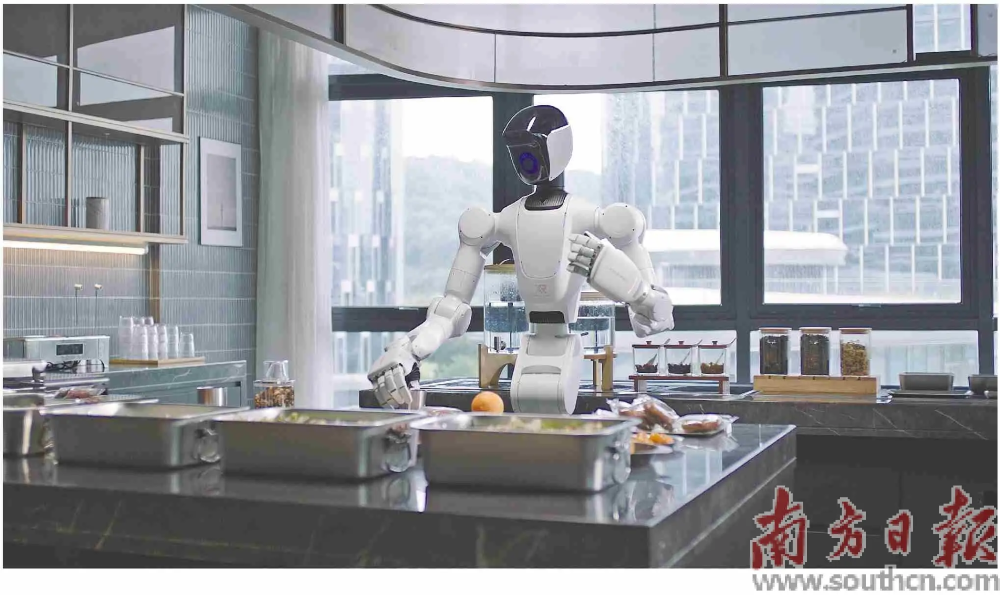
First $20 Billion Embodied Intelligence Unicorn Emerges in Greater Bay Area
Shenzhen-based Zivariable Robotics has reached a significant milestone by securing over $20 billion in valuation through four rounds of funding completed within two months. The company attracted investments from prominent industry leaders, including Meituan, Alibaba, and Xiaomi. Zivariable Robotics is at the forefront of developing embodied intelligence technology, which is already being integrated into homes and factories. This advancement represents a notable leap forward in the robotics sector, showcasing the growing interest and potential in intelligent automation solutions.
Embodied Intelligence Robotics Artificial Intelligence Investment Automation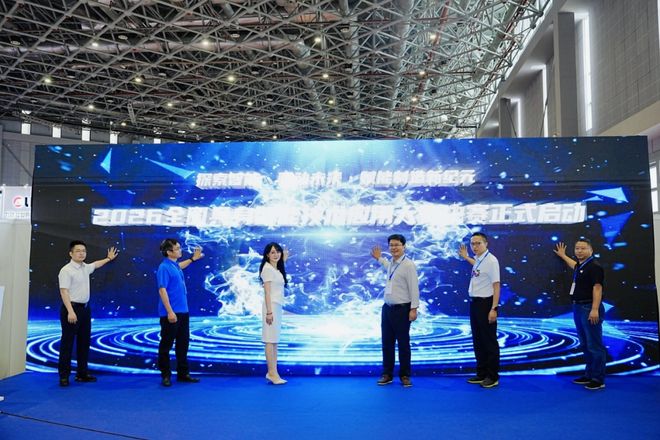
2026 National Embodied Intelligence Technology Application Competition Finals Opens in Shanghai
The finals of the 2026 National Embodied Intelligence Technology Application Competition kicked off at the National Exhibition and Convention Center in Shanghai. This inaugural event, part of the Shanghai International Embodied Intelligence Industry Expo, seeks to promote innovation in artificial intelligence and manufacturing. Over 117 teams from more than 60 universities have gathered to demonstrate their skills across various competition categories, highlighting the growing importance of embodied intelligence in technological advancement. The competition aims to inspire collaboration and creativity among participants, ultimately contributing to the development of cutting-edge solutions in the field.
Embodied Intelligence AI in Manufacturing Robotics Innovation Competition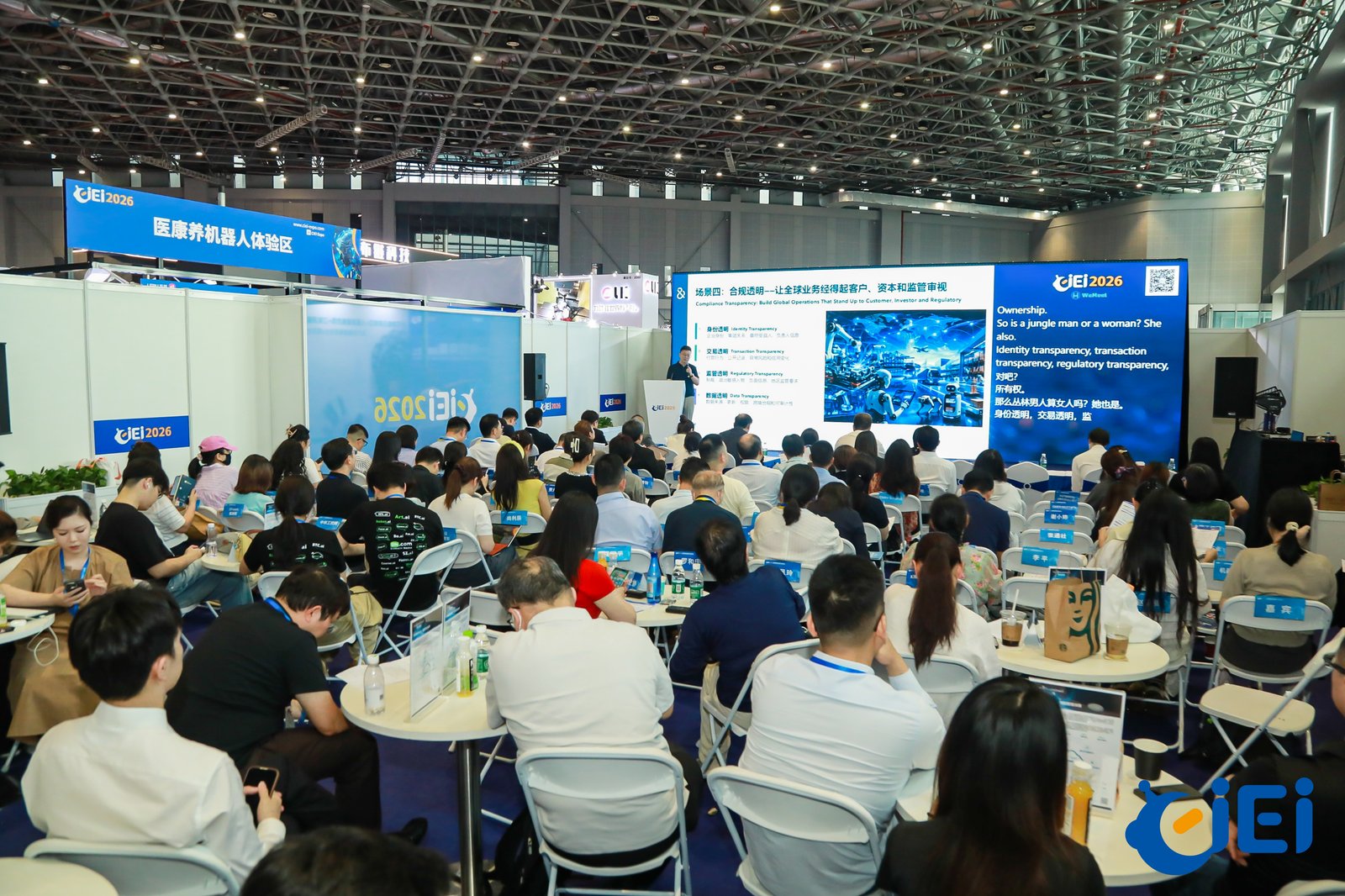
Successful Global Embodied Intelligence Industry Collaboration Conference Held in Shanghai
On July 3, 2026, nearly 200 representatives from around the world convened in Shanghai for the Global Embodied Intelligence Industry Collaboration Conference. The event aimed to strengthen international cooperation and align global demand with China's supply in the rapidly evolving embodied intelligence sector. Attendees explored various policies, financial support mechanisms, and trade opportunities designed to promote high-quality export growth. The conference highlighted the importance of collaboration in addressing the growing needs of the industry and fostering innovation on a global scale.
Embodied Intelligence International Trade Industry Collaboration Global Supply Chain Technology Innovation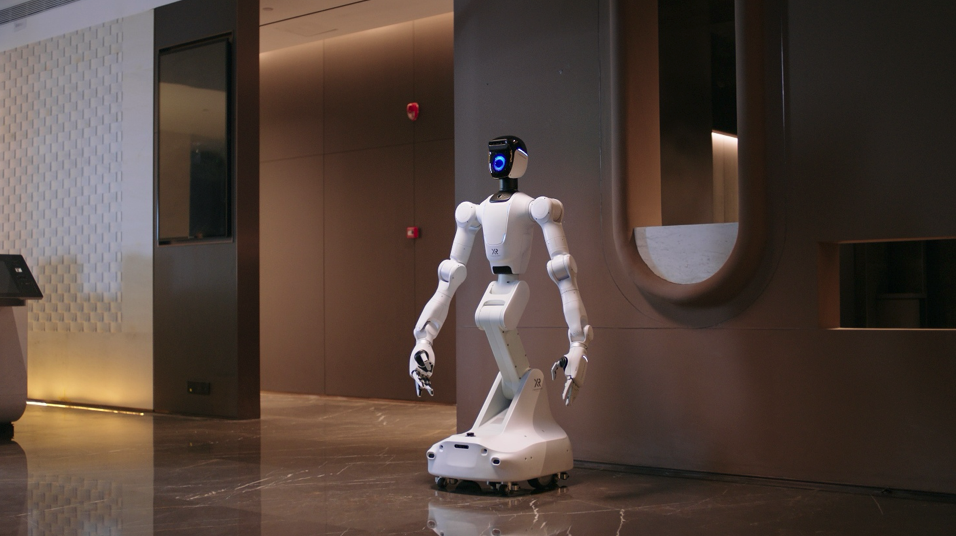
X Square Robot builds a full-stack approach to embodied AI and general-purpose robotics
The robotics industry is undergoing a transformation due to the swift advancement of embodied artificial intelligence, prompting companies to innovate machines that can tackle diverse real-world tasks instead of being limited to single functions. Notably, Shenzhen-based X Square Robot has emerged as a key player in this competitive landscape, successfully completing four consecutive financing rounds. This funding achievement underscores the growing interest and investment in versatile robotic technologies, as firms strive to enhance their capabilities and meet the increasing demand for intelligent automation solutions.
Business Features Robotics artificial intelligence Artixon china robotics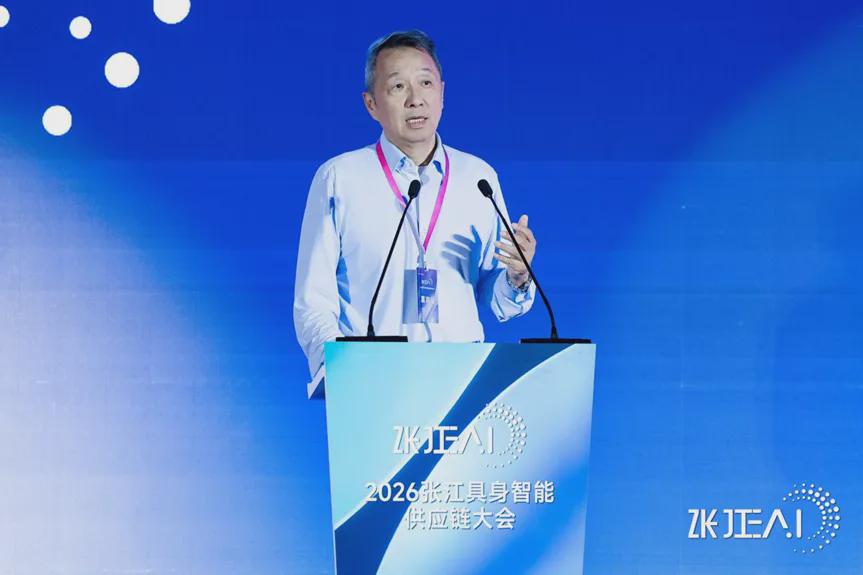
Future Trends in Embodied Intelligence: Insights from Wang Tianmiao
In a recent discussion, Wang Tianmiao highlighted the growing tension within the embodied intelligence sector, where substantial capital investment and supportive policies contrast sharply with the slow pace of commercialization. Despite the influx of funding, the industry grapples with significant challenges related to scaling operations and achieving profitability. This situation raises critical questions about the future direction of the sector, especially in light of ongoing geopolitical shifts and rapid technological advancements. As stakeholders navigate these complexities, the potential for innovation remains high, but the path to sustainable growth appears fraught with obstacles.
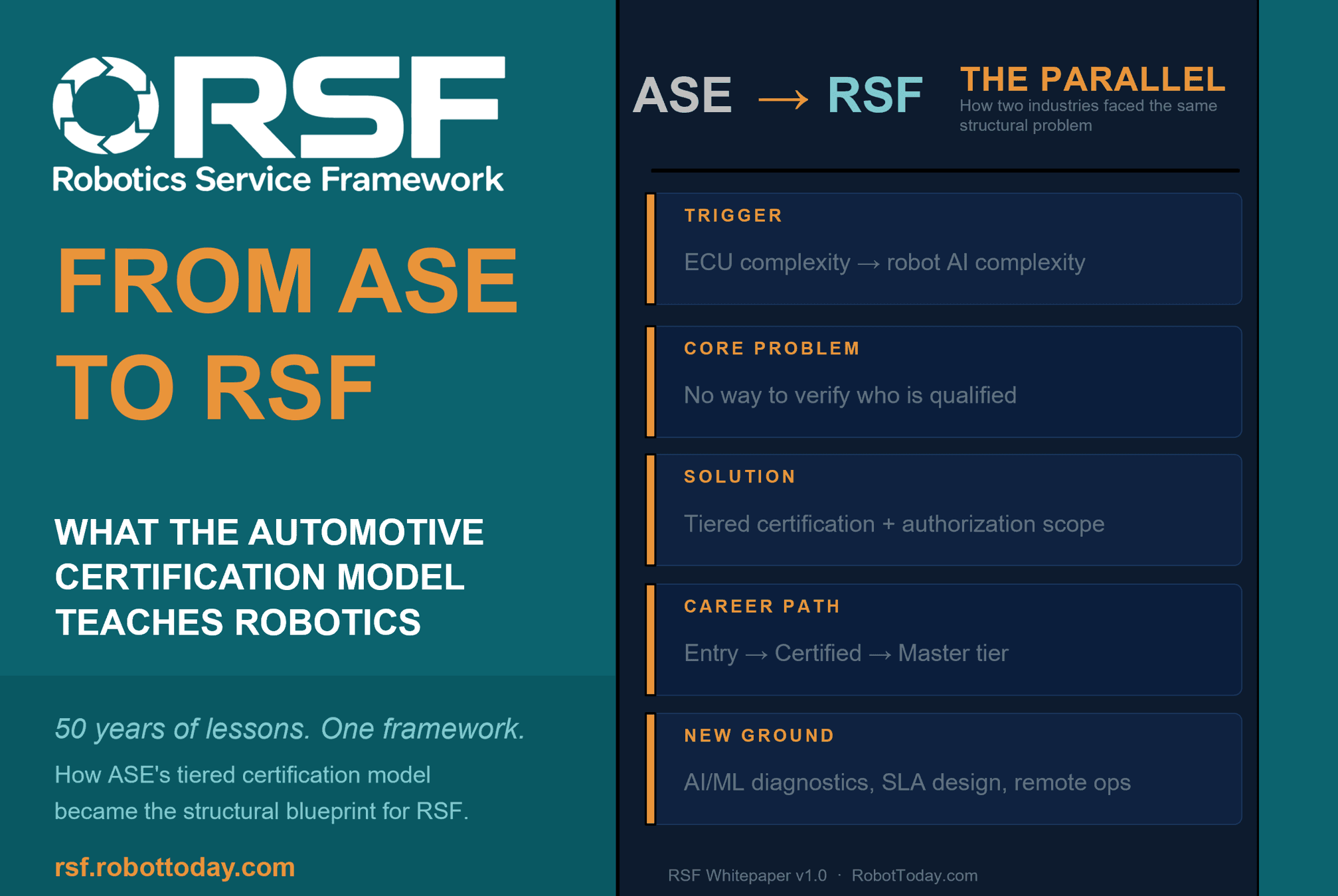
Embodied Intelligence AI Investment Trends Industrial AutomationRobotics needs a service framework.
RSF defines a common language for robot service capability, lifecycle operations, certification pathways, and service-provider networks.