Industry Briefing
A single destination for timely, editor-curated robotics news from around the world.

Universal Robots Introduces Gen 7 Platform for Enhanced Industrial Automation and AI
Universal Robots, a Teradyne Robotics company, has launched its seventh-generation industrial robot platform, Gen 7, aimed at advancing industrial automation and physical AI applications. This new platform was introduced at the IMTS trade show and features an innovative design that includes new robot arms, a controller, a teach pendant, and a tool flange, all centered around the PolyScope X robot technology. The introduction of Gen 7 is significant as it represents a major step forward in the capabilities of industrial robots, enhancing their functionality in automation processes and AI integration. This development is expected to improve operational efficiency and flexibility in various industrial settings, making it a crucial advancement for manufacturers looking to optimize their production lines. Looking ahead, industry professionals should monitor the adoption of the Gen 7 platform and its impact on the market for industrial automation solutions. No further timeline was disclosed at the time of publication.
Industrial robots News cobots collaborative robots g-series gen 7
COFE+ Showcases 7th Generation Coffee Robot at Xiangshan Forum, Brews Customized Lattes in 58 Seconds
At the Xiangshan Forum, COFE+ introduced its 7th generation coffee robot, designed for operational efficiency and customer service. The robot can brew espresso in 28 seconds, cappuccino in 38 seconds, and specialty latte art in 58 seconds, utilizing AI to control over 300 parameters for precision brewing. This innovation is significant as it addresses the growing demand for automated coffee solutions that can adapt to diverse customer preferences and operational challenges. COFE+ has established a global presence, with its robots capable of processing payments in 197 countries and supporting over 200 languages, making it a leader in the coffee robotics sector. Looking ahead, COFE+ aims to expand its reach while overcoming challenges related to localization, such as payment systems and compliance in various countries. The company emphasizes its practical application in real-world settings, showcasing its ability to consistently deliver high-quality coffee with minimal errors, a feat that sets it apart from many competitors still in the conceptual phase.
Coffee Robotics AI Technology Automation Service Robots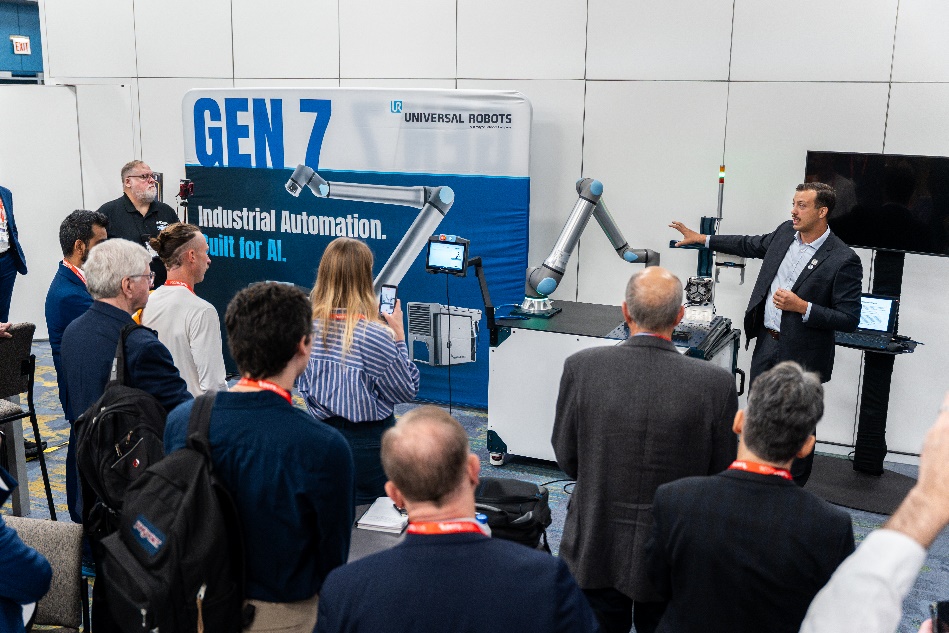
YouRobot Launches Gen 7 Platform for Enhanced Industrial Automation and Physical AI Deployment
YouRobot has introduced its new Gen 7 platform aimed at facilitating large-scale deployment of industrial automation and physical AI. This innovative platform is designed to enhance operational efficiency and adaptability in various industrial settings. The significance of the Gen 7 platform lies in its potential to transform how industries implement automation solutions. By leveraging advanced AI capabilities, YouRobot aims to address the growing demand for intelligent systems that can operate autonomously and improve productivity. Looking ahead, industry stakeholders should monitor the adoption rates of the Gen 7 platform and its impact on operational workflows. The response from the market will be crucial in determining the platform's success and its role in shaping the future of industrial automation.
Robotics Automation AI
Universal Robots Launches Gen 7 Platform for Enhanced Industrial Automation and AI Integration
Universal Robots has introduced the Gen 7 robot platform, which features a complete redesign from the controller to the tool flange. This new platform is designed to be AI-ready right out of the box, equipping companies with advanced software tools and improved connectivity. The significance of the Gen 7 platform lies in its ability to facilitate the transition of AI technologies from research environments into practical industrial applications. This advancement is crucial for companies looking to enhance their operational efficiency and leverage AI capabilities in their processes. Looking ahead, the industry will be keen to observe how the Gen 7 platform impacts the adoption of AI in industrial settings. No further timeline was disclosed at the time of publication.
Universal Robots Launches Gen 7 Robotics Platform at IMTS 2026 in Chicago
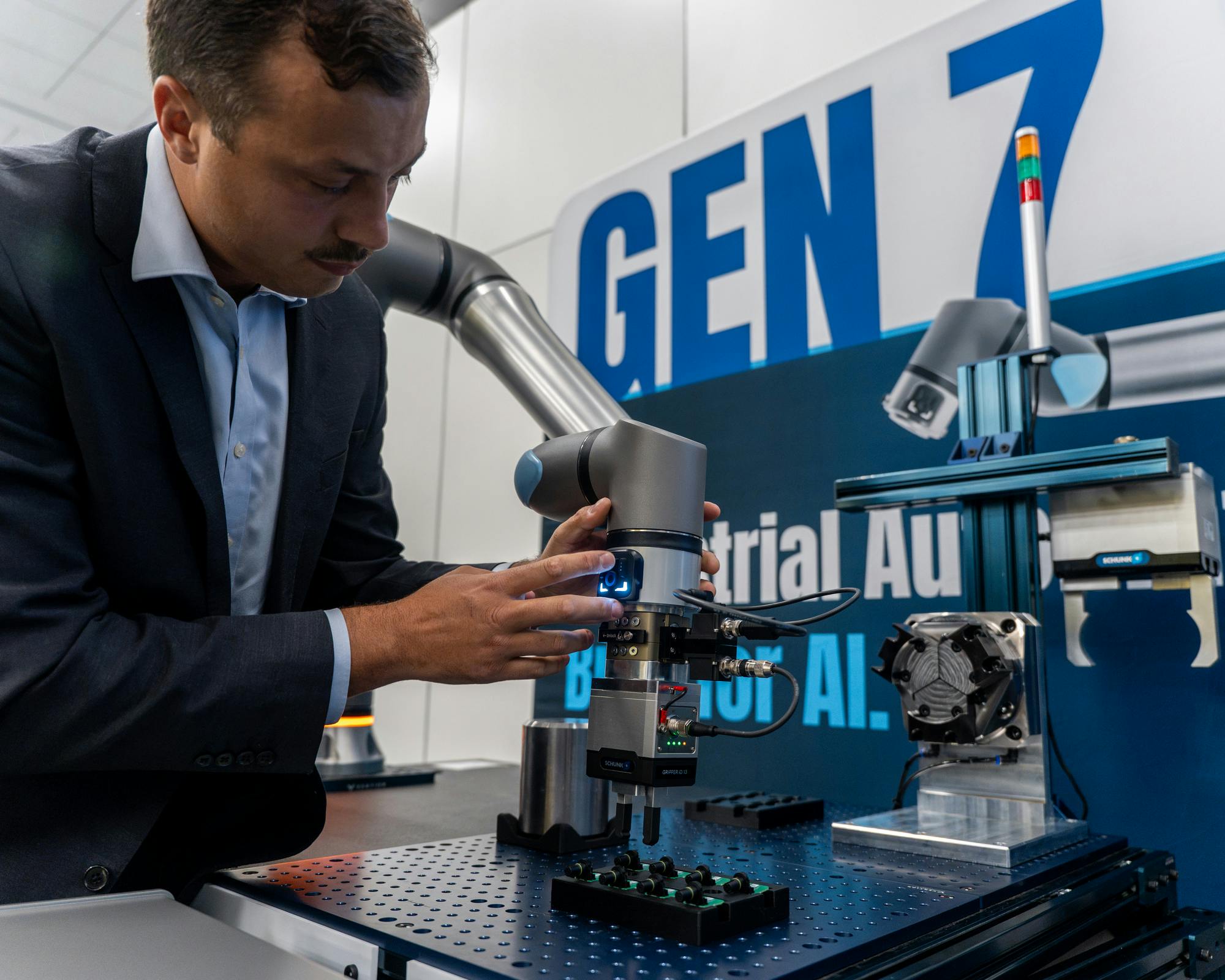
Universal Robots unveiled its seventh-generation robotics platform, Gen 7, at the IMTS conference in Chicago on September 14, 2026. This platform features a unified system upgrade anchored by the PolyScope X robot operating system, which includes a reengineered control box, teach pendant, and tool flange. The significance of Gen 7 lies in its ability to reduce integration friction and expand application capabilities, enabling customers to deploy advanced AI-powered applications confidently. With over 20 years of cobot innovation and more than 100,000 industrial deployments, the platform is designed to meet the demands of the AI era. Looking ahead, Gen 7's advanced features, such as AI-ready tool flanges and enhanced force-torque sensing, position it as a key player in the evolution of collaborative robotics. No further timeline was disclosed at the time of publication.
Factory / Robotics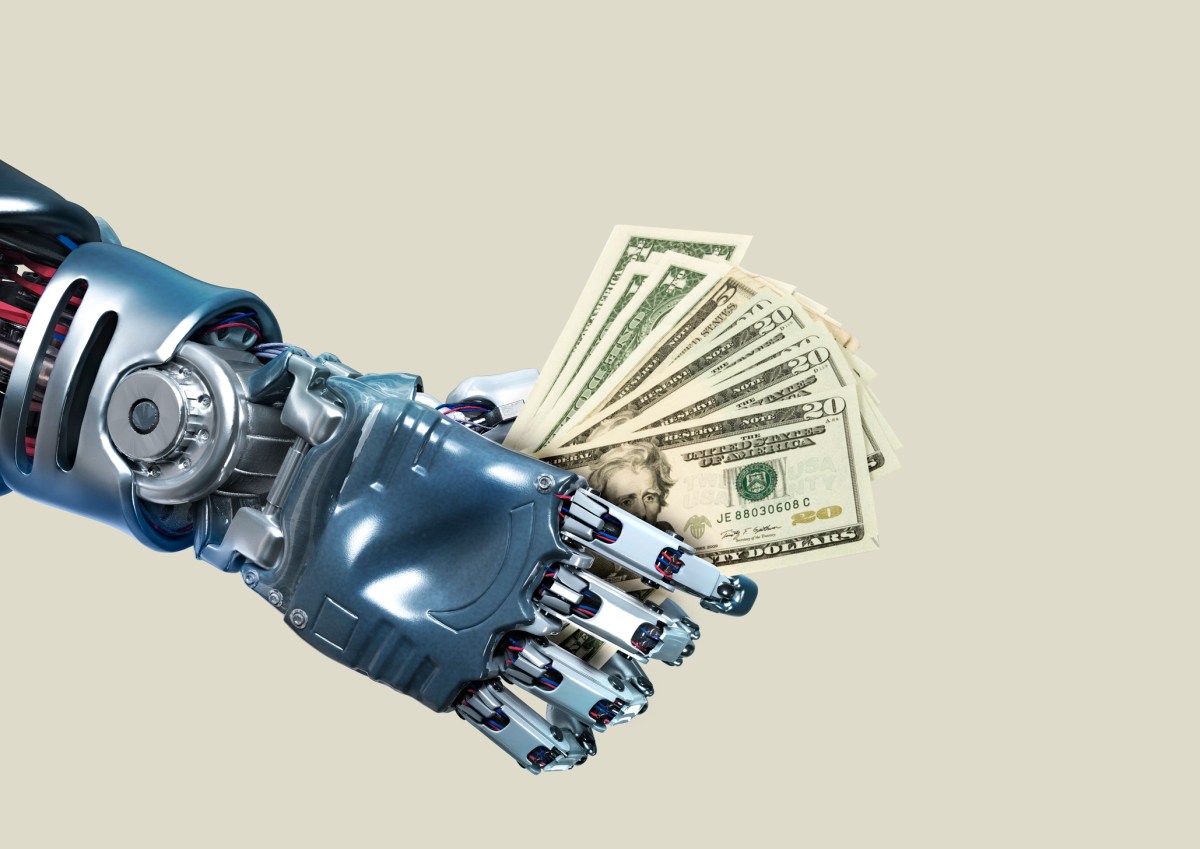
General Intuition Secures $6B Valuation with Support from Valor and Point72 Ventures
General Intuition, based in New York, is in discussions to secure funding at a $6 billion pre-money valuation, with participation from Valor Equity Partners and Point72 Ventures. This follows a recent $320 million funding round at a $2.3 billion valuation, highlighting the startup's rapid growth in the physical AI sector. The significance of this funding lies in General Intuition's innovative approach to developing generalized AI agents capable of navigating complex environments. CEO Pim de Witte's strategy leverages extensive gameplay data to enhance the AI's learning capabilities, which investors believe will be crucial for the model's ability to generalize across various tasks. As General Intuition finalizes this funding round, which is reportedly oversubscribed, the company plans to allocate resources toward improving its general model and expanding its compute infrastructure. The involvement of notable investors like Valor Equity Partners marks a significant milestone for the startup as it aims to advance its robotics initiatives. No further timeline was disclosed at the time of publication.
AI Fundraising Venture Exclusive general intuition Point72 Ventures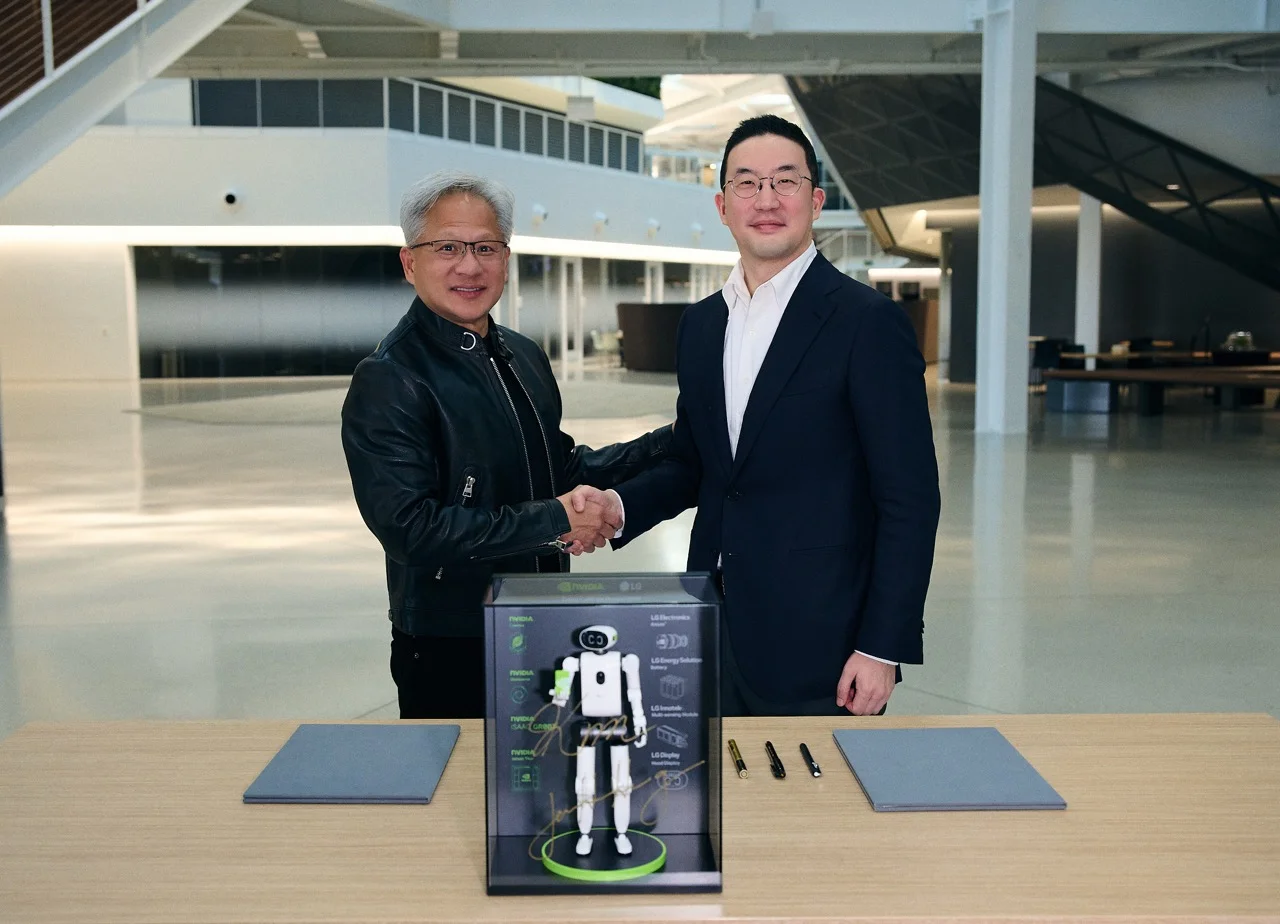
LG Partners with NVIDIA to Launch Next-Gen Humanoid Robot in Early 2027
LG Corp. has announced a partnership with NVIDIA to co-develop a next-generation bipedal humanoid robot, set to be unveiled in early 2027. This collaboration, formalized in a memorandum of understanding between LG CEO Kwang Mo Koo and NVIDIA CEO Jensen Huang, marks LG's transition from research to commercial execution in robotics. The new humanoid will leverage NVIDIA's Jetson Thor system-on-module for onboard computing and will be powered by the Isaac GR00T open humanoid foundation model. LG aims to utilize its extensive industrial capabilities by integrating components from its subsidiaries, which is expected to reduce the high costs associated with humanoid commercialization. In addition to the humanoid project, LG will deploy its CLOiD wheeled robots in Tennessee to collect operational data, which will enhance its proprietary Robot Foundation Model. This dual approach ensures LG's independence from a single software vendor while bolstering its AI infrastructure through significant investments in NVIDIA's DSX AI factory architecture. No further timeline was disclosed at the time of publication.
NVIDIA US South Korea LG
Noin Intelligence Raises $70 Million for Advancements in Home Robotics Technology
Noin Intelligence, a company specializing in consumer-grade embodied intelligence, has successfully completed a funding round of 500 million RMB (approximately $70 million). This funding was led by Matrix Partners with participation from Red Dot Ventures, SenseTime, Huaden Technology, and L2F Light Source Entrepreneur Fund. Since its establishment in August 2025, Noin has rapidly completed four funding rounds, highlighting the strong investor interest in its home robotics solutions. The significance of this funding lies in Noin's ambition to address the core challenges of embodied intelligence. As large models transition from the digital to the physical world, the competition will focus on a robot's ability to adapt across various environments and tasks. Noin's approach emphasizes the importance of generalization, which encompasses data, world understanding, task planning, action execution, and real feedback, particularly in the complex home environment. Looking ahead, Noin's GLOW generative embodied model system aims to enhance the robot's generalization capabilities. The system generates first-person embodied data with 3D structure and physical consistency from limited real interactions. This innovative approach allows for the expansion of training distributions, enabling robots to learn from diverse real-world scenarios. No further timeline was disclosed at the time of publication.
Consumer Robotics Embodied AI Home Automation Generative Models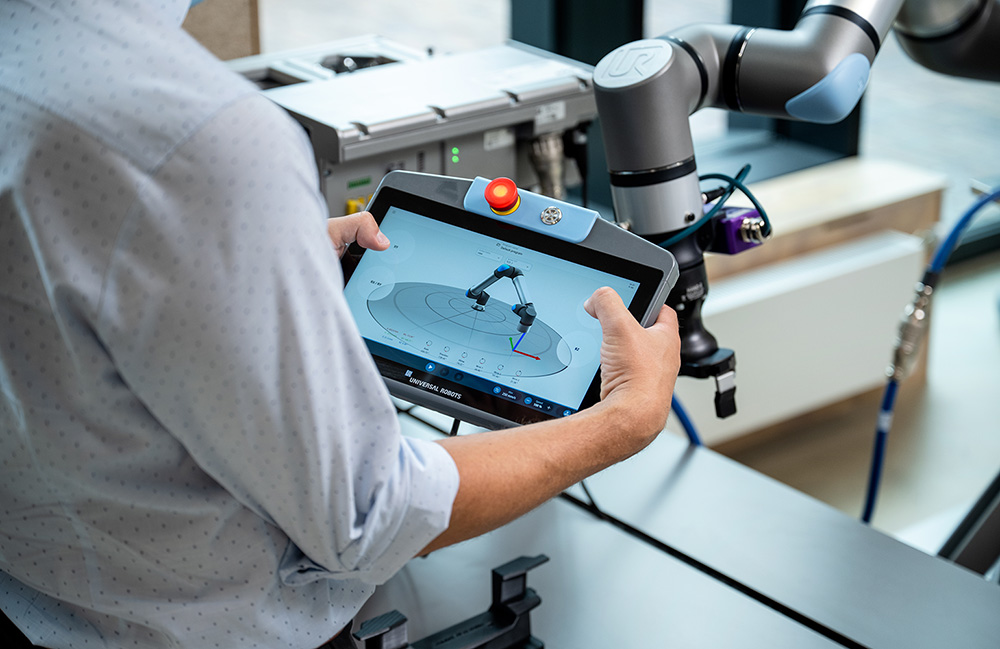
Universal Robots Unveils Gen 7 Robotics Platform at IMTS Trade Show
Universal Robots A/S launched its seventh-generation robotics platform, Gen 7, at the IMTS trade show. This platform enhances the user experience by integrating advanced AI-powered applications into industrial operations, maintaining a familiar interface for operators and engineers. The new platform features a re-engineered control box, teach pendant, and tool flange, designed to simplify complex tasks. The introduction of Gen 7 is significant as it reflects Universal Robots' commitment to advancing AI in manufacturing. The new core controller boasts 40% more compute power while being 30% smaller than previous models, facilitating multi-network communication and reducing reliance on external switches. This upgrade is expected to enhance the deployment of AI in factories, aligning with Teradyne's broader strategy to leverage AI for revenue growth. Looking ahead, Universal Robots aims to further improve the ease of deployment and programming of its robots, particularly in the context of AI integration. The Gen 7 platform includes three new robot arms, UR10g-1750, UR17g-1300, and UR18g-950, which are larger than earlier models. No further timeline was disclosed at the time of publication.
Arms / Manipulators Artificial Intelligence Artificial Intelligence / Cognition Cobot Arms Collaborative Robots Controllers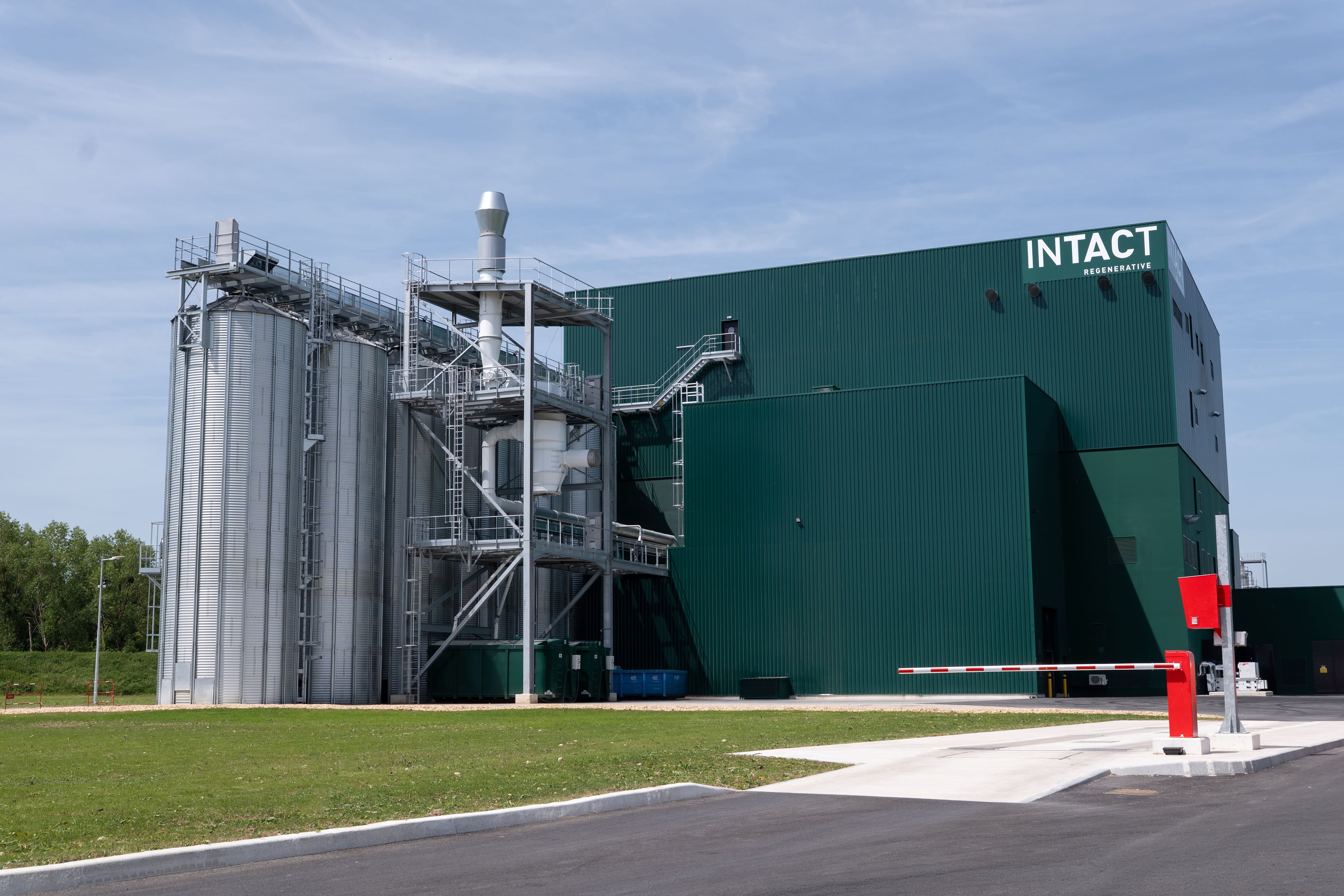
Intact Regenerative Launches First Legume Processing Plant in Baule with €75 Million Investment
Intact Regenerative, a startup focused on sustainable practices, inaugurated its first plant for processing legumes into flour and alcohol on May 29 in Baule, Loiret. This facility represents a significant investment of €75 million and marks a milestone in the company's journey since its inception four years ago. The establishment of this plant is crucial as it aligns with the growing demand for sustainable food sources and innovative processing methods. By focusing on legumes, Intact Regenerative aims to contribute to a lower carbon footprint in food production, which is increasingly important in today's environmentally conscious market. Looking ahead, stakeholders will be keen to observe how this facility impacts the local economy and the broader food industry. No further timeline was disclosed at the time of publication.
Produits alimentaires
European Space Agency Locates Philae Lander on Comet 67P After Two-Year Search
On September 2, 2016, the European Space Agency successfully located its long-lost Philae lander on Comet 67P after an extensive two-year search. Philae, which was deployed by the Rosetta spacecraft in November 2014, had experienced a rough landing due to failed harpoons, leading it to bounce and ultimately rest in a shadowed area where it could not generate sufficient solar power. The discovery of Philae's location provided closure for the European Space Agency, as it marked the culmination of a challenging mission that aimed to understand comet behavior. Despite its limited operational time, Philae made significant contributions, including the detection of organic materials on the comet's surface, before its batteries were depleted. Looking ahead, the Rosetta mission concluded with a controlled crash landing on Comet 67P on September 30, 2016. The mission's findings continue to influence our understanding of comets and their role in the solar system, making it a pivotal moment in space exploration history.
Space Exploration
NVIDIA Vera Rubin NVL72 Achieves 30x Efficiency Improvement for AI Workloads
NVIDIA's Vera Rubin NVL72 systems have demonstrated a remarkable performance increase, achieving up to 30 times higher throughput per megawatt compared to the NVIDIA GB300 NVL72 for agentic AI workloads. This significant enhancement is crucial as agentic AI applications, which require extensive token usage for tasks like investment research, continue to proliferate across various industries. The efficiency gains from the Vera Rubin NVL72 are particularly important for power-constrained AI factories, allowing them to execute 30 times more agentic work within the same energy footprint. This leap in performance is attributed to NVIDIA's innovative GPU architecture and continuous software optimizations, which enhance the overall efficiency of both Vera Rubin NVL72 and GB300 NVL72 systems. As agentic AI workloads evolve, the demand for efficient infrastructure will only increase. Future performance measurements will need to adapt to capture the complexities of agent workflows, which can involve hundreds of thousands of tokens. No further timeline was disclosed at the time of publication.

LG to Launch Next-Generation Nvidia-Powered Humanoid Robot in Early 2027
South Korean electronics leader LG is set to unveil a new bipedal humanoid robot powered by Nvidia's Isaac GR00T in the first quarter of 2027. This development follows a memorandum of understanding signed on August 13 between LG and Nvidia, marking a significant step towards the execution of their collaborative efforts in robotics and AI technologies. The partnership aims to enhance LG's capabilities in AI factories and mobility solutions, leveraging Nvidia's advanced technologies. LG's chairman, Kwang Mo Koo, emphasized the clarity of their goals in AI Factory and Physical AI, while Nvidia's CEO, Jensen Huang, highlighted the transformative potential of physical AI in everyday life. This collaboration is expected to accelerate the integration of AI in various sectors. Looking ahead, LG plans to validate its LG CLOiD wheel-based robots at its washing machine manufacturing line in Tennessee this year. The results will inform further refinements and potential expansions of robot deployments across global production facilities and commercial spaces. No further timeline was disclosed at the time of publication.
Autonomous Vehicles Factories Humanoids News Robotics ai factories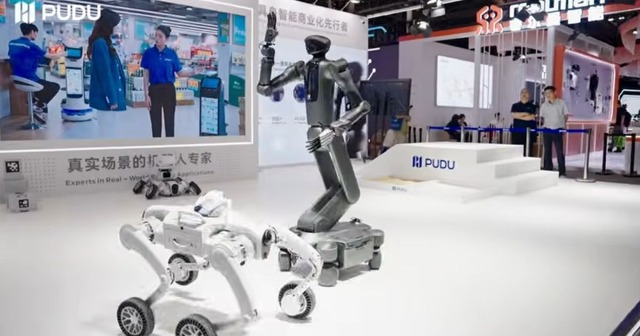
Pudu Robotics Unveils Next-Generation Semi-Humanoid Robot 'PUDU D7' at WAIC 2026 in Shanghai
Pudu Robotics showcased its entire product lineup at the 2026 World Artificial Intelligence Conference (WAIC 2026) held in Shanghai from July 17 to 20, including the world premiere of the next-generation semi-humanoid robot 'PUDU D7'. Attendees had the opportunity to take commemorative photos with 'PUDU D7' and receive unique snapshots from the robot's perspective. The event also featured a multi-robot cooperative demonstration with the quadruped robot 'PUDU D5', which autonomously navigated while avoiding pedestrians. The robots demonstrated their autonomous navigation capabilities on an obstacle course simulating gravel, steps, and slopes, achieving a maximum speed of 5 m/s during drift driving. Use cases for autonomous inspection in complex environments such as power substations and industrial parks were also presented. In addition to 'PUDU D7', Pudu Robotics exhibited various robots including the serving robot 'BellaBot', industrial transport robot 'PUDU T300', and commercial cleaning robots 'PUDU MT1 Max' and 'PUDU CC1 Pro', highlighting their applications across diverse industries such as food service, retail, manufacturing, and logistics. No further timeline was disclosed at the time of publication.
Emesent Raises $17 Million to Enhance Cortex AI and Aura Cloud Software Development
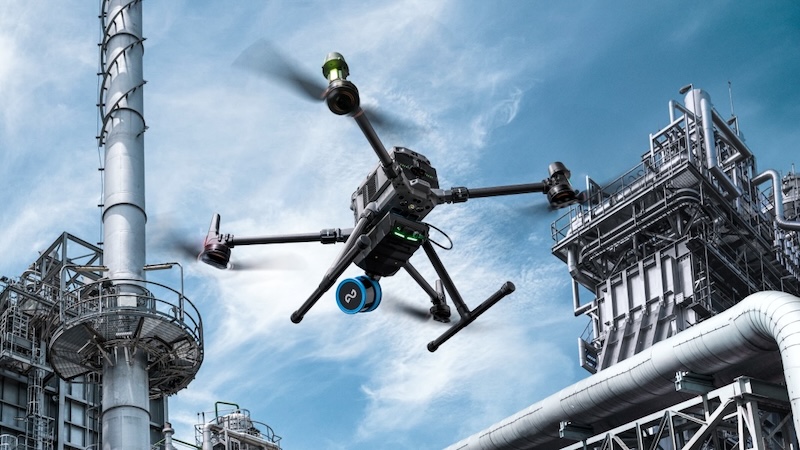
Emesent, an autonomous mapping and robotics company, has secured $17 million in funding to advance its Cortex AI autonomy platform and expand its Aura cloud software. This funding includes a $7 million venture debt facility from the National Reconstruction Fund Corporation and a $10 million equity round supported by various investors. The investment is significant as it will enable Emesent to scale its manufacturing operations in Wacol, Queensland, Australia, and enhance its capabilities in sectors such as mining, defense, and architecture, engineering, and construction. CEO Charles Miller emphasized the importance of this funding in meeting the demands of clients operating in challenging environments. Looking ahead, Emesent plans to leverage this capital to deepen its presence in critical sectors and further develop its AI and autonomy technologies. No further timeline was disclosed at the time of publication.
Financials & Investments News AEC artificial intelligence aura Australian robotics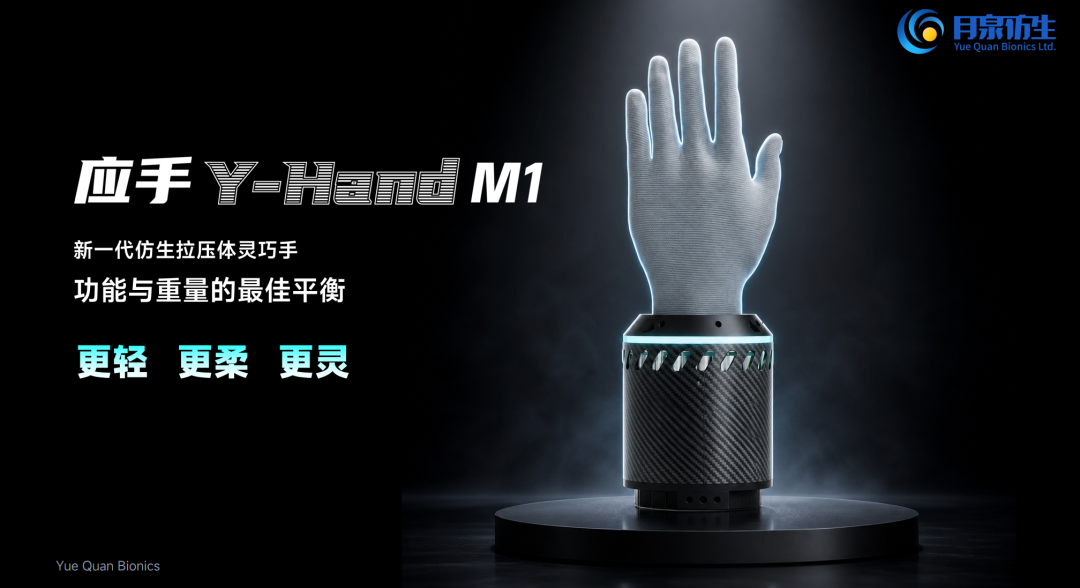
Yuequan Bionics Launches Innovative 299.7g Y-Hand M1 with Unique Biomechanical Technology
On July 3, Yuequan Bionics unveiled the Y-Hand M1, a dexterous robotic hand weighing 299.7 grams. Unlike competitors that focus on increasing degrees of freedom, the Y-Hand M1 employs a unique bionic tension-compression technology, achieving significant dexterity with only 26 degrees of freedom. This innovation is crucial as the robotics industry grapples with the challenge of balancing performance, cost, and reliability in dexterous hands. The Y-Hand M1 represents a paradigm shift, addressing the industry's 'impossible triangle' where high performance often leads to increased costs and reduced reliability. Looking ahead, the dexterous hand market in China is projected to grow significantly, with sales expected to reach 70,200 units in 2026. As investment in this sector surges, the Y-Hand M1's unique approach may set a new standard for future developments in robotic manipulation technology. No further timeline was disclosed at the time of publication.
Dexterous Hands Bionic Technology Robotics Innovation Embodied Intelligence
ROKAE Robotics Lists on HKEX, Paving the Way for Global Expansion of Intelligent Robotics
On July 9, 2026, ROKAE Robotics officially listed on the Hong Kong Stock Exchange under the stock code 03752.HK, marking a significant milestone as Hong Kong's first listed company offering a comprehensive range of intelligent robots. Founder and CEO Hua Tuo emphasized the importance of this listing as a new beginning for ROKAE, focusing on self-development and collaboration to enhance global industrial efficiency. ROKAE Robotics currently serves over 1,000 customers across more than 40 countries, deploying robots in sectors such as automotive, 3C electronics, and new energy. By integrating advanced technologies like force control and vision, ROKAE facilitates complex automation processes, enhancing flexible manufacturing through applications such as intelligent welding and assembly. Looking ahead, ROKAE aims to further expand its global presence and accelerate the deployment of its robots in commercial service scenarios. The company is committed to building a robust ecosystem for the Physical AI era, which is expected to revolutionize the robotics industry and improve productivity across various sectors. No further timeline was disclosed at the time of publication.

SpaceX's $1.75 Trillion Valuation Driven by Starmind's Future Potential
Starmind is a pivotal element in SpaceX's estimated $1.75 trillion IPO valuation, despite currently generating no confirmed revenue. The stock price reflects optimistic projections regarding AI infrastructure growth, which Starmind has yet to substantiate. As of early July 2026, SpaceX's stock has decreased from its 52-week high of $225.64 to around $150, indicating market skepticism about future execution. The significance of Starmind lies in its potential to transform SpaceX's revenue model beyond traditional launch services. Goldman Sachs has shifted its focus from Starlink subscriber growth to the prospects of AI revenue, including orbital computing, as a cornerstone of SpaceX's long-term valuation. This marks a substantial change in how analysts view the company's growth trajectory, necessitating rates exceeding its historical 33% growth. Looking ahead, the credibility of Starmind as a growth narrative will be crucial for maintaining investor confidence. Analysts have noted a considerable divergence in price targets, reflecting uncertainty about the value of the Starmind and xAI initiatives. No further timeline was disclosed at the time of publication regarding specific milestones for these projects.

Cobot deliveries expected to increase by 17.3% annually by 2030.
A recent market report from Interact Analysis indicates that deliveries of collaborative robots, commonly known as cobots, are projected to increase by an average of 17.3% annually from 2025 to 2030. This significant growth reflects the rising demand for automation solutions in various industries, driven by the need for enhanced efficiency and productivity. The report highlights the expanding role of cobots in manufacturing and other sectors, suggesting a robust future for this technology as businesses increasingly adopt collaborative robotics to streamline operations.
Allgemein Cobots & MRK Newsarchiv
Pudu Robotics unveils next-gen semi-humanoid "PUDU D7," featuring embodied AI for autonomous evolution through tasks.
Pudu Robotics, a leading Chinese robotics company, has announced the launch of its next-generation semi-humanoid robot, the PUDU D7, designed specifically for manufacturing and industrial environments. This innovative robot aims to enhance operational efficiency and productivity within various sectors by automating tasks that traditionally require human intervention. The announcement was made recently, highlighting the company's commitment to advancing robotic technology in industrial applications. The PUDU D7 is expected to streamline workflows, reduce labor costs, and improve safety in workplaces, reflecting the growing trend of automation in the industry.

Tianlian Launches TCE605 Robotic Arm at a Groundbreaking Price of ¥17880
Tianlian Robotics has introduced the TCE605 robotic arm, priced at ¥17880, marking a significant advancement in embodied intelligence. This model features a lightweight design at 6.8kg, capable of handling a rated load of 5kg and a maximum load of 8kg, with a working radius of 653mm and a repeat positioning accuracy of ±0.05mm. The TCE605's innovative design combines full harmonic joints with a dual encoder system, ensuring smooth motion and high precision even under rapid movements. Its low power consumption and safety features enhance its adaptability for various applications, including exploration, disaster relief, and industrial automation. This launch signifies a shift in the collaborative robotics market, making high-performance robotic arms accessible at a lower cost. The TCE605 aims to serve as a versatile interface in the embodied intelligence ecosystem, supporting various robotic operating systems and applications, thus transforming the concept of embodied intelligence into practical solutions.
Robotic Arms Embodied Intelligence Automation Industrial Robotics
Microsoft Releases Urgent Patch KB5121767 for Dell PCs Running Windows 11
On July 18, 2026, Microsoft released an urgent update, KB5121767, for Windows 11 versions 25H2 and 24H2. This patch addresses performance issues and update restrictions affecting Dell PCs equipped with Intel Innovation Platform Framework (Intel IPF) drivers. The update aims to resolve problems that arose after the recent Windows Update, including performance degradation and changes in power consumption. The significance of this update lies in its ability to lift the temporary block on the distribution of the July 2026 security update, KB5101650, for certain Dell PCs. By applying KB5121767, users can not only fix operational issues but also install previously withheld security updates, ensuring their systems remain secure and functional. Looking ahead, users of affected Dell PCs should ensure that their Windows Update settings are configured to automatically receive updates. If not, they can manually install the patch through various methods, including the Microsoft Update Catalog. No further timeline was disclosed at the time of publication.

Seven AI Technologies Enhancing Military Drone Swarms' Intelligence and Effectiveness
Military drone swarms are becoming a pivotal advancement in autonomous warfare, enabling multiple unmanned systems to operate collectively rather than individually. This capability is heavily reliant on artificial intelligence, which aids drones in interpreting sensor data, navigating complex environments, and communicating effectively, thereby reducing the burden on human operators. The significance of these advancements lies in their ability to enhance operational resilience. Swarm intelligence allows drones to function as a coordinated unit, utilizing decentralized algorithms to manage interactions, maintain formations, and adapt to challenges, inspired by natural collective behaviors. Programs like DARPA’s OFFSET have explored these concepts, demonstrating how autonomous systems can collaborate in intricate missions, particularly in urban settings. Looking ahead, the integration of edge AI technology is crucial for military drone swarms. This innovation enables drones to process data onboard, ensuring functionality even when connectivity to command centers is compromised. As these technologies evolve, their impact on military operations and strategies will be significant, with ongoing developments to watch closely.
AI and Robotics
Pudu Robotics Showcases 'One Brain, Multiple Embodiments' Technology and PUDU D7 at WAIC 2026
Pudu Robotics presented its advancements in the 'One Brain, Multiple Embodiments' technology architecture at WAIC 2026. The event featured an in-depth exploration of its Physical Agent architecture, highlighting the innovative capabilities of this system. The company also unveiled the PUDU D7, an industrial-grade semi-humanoid robot, during its first offline public showcase. This demonstration marks a significant step in Pudu Robotics' efforts to enhance automation solutions across various sectors. Looking ahead, industry observers will be keen to see how Pudu Robotics continues to develop its technology and the potential applications of the PUDU D7 in real-world scenarios. No further timeline was disclosed at the time of publication.

LG Energy to Supply Batteries for Google's Largest Solar and Storage Project
LG Energy has been confirmed to supply batteries for Google's largest solar and energy storage project, marking a significant expansion in energy infrastructure related to the rising power demands of AI data centers. This project, known as the Steel River Energy Center, is a collaboration between Google and Cypress Creek Energy in Arkansas. The initial phase of the project will feature 1.6 gigawatts (GW) of solar power generation capacity and approximately 2 gigawatt-hours (GWh) of battery storage, with plans to expand to 2.5 GW of solar and 2.9 GWh of storage by 2029. LG Energy is expected to provide its JF2 DC Link system, utilizing lithium iron phosphate battery technology, with the order valued at several hundred billion Korean won. As the demand for renewable energy solutions grows, this partnership highlights the increasing importance of energy storage systems in supporting sustainable infrastructure. No further timeline was disclosed at the time of publication.

xAI Files Lawsuit Against Terry Harwood for Allegedly Using Grok to Create CSAM Deepfakes
Elon Musk's xAI has initiated legal action against Terry Wayne Harwood, accusing him of using the Grok AI chatbot to generate child sexual abuse material (CSAM). The lawsuit alleges that Harwood intentionally bypassed Grok's safeguards to alter images and create CSAM, violating the company's policies. Harwood, who was arrested in February on multiple felony charges related to CSAM, is claimed to have used Grok to convert non-consensual images into explicit content. This lawsuit is significant as it highlights the potential legal and reputational risks associated with AI technologies like Grok, especially following the introduction of features that allow image editing. xAI's claims suggest that Harwood's actions not only breached their policies but also exposed the company to substantial legal challenges. The case follows a trend of increasing scrutiny on AI-generated content and the responsibilities of companies in preventing misuse. Looking ahead, xAI is seeking damages and legal expenses from Harwood, as well as a court order to prevent him from using Grok in the future. This lawsuit marks a notable moment in the ongoing conversation about the ethical implications of AI tools and the accountability of their users. No further timeline was disclosed at the time of publication.
AI News Policy Tech Twitter - X xAI
SpaceX's Starmind Targets AI Labs with $6.3 Billion Compute Contracts
SpaceX's Starmind is designed to provide wholesale AI compute services to businesses, particularly AI labs and cloud customers, rather than individual consumers. The service operates similarly to AWS, where users benefit from applications running on Starmind without direct subscriptions. The compute capacity of a single AI1 satellite is comparable to one NVIDIA GB300 rack, emphasizing its enterprise-grade capabilities. The significance of Starmind lies in its positioning as a potential fourth hyperscaler, joining the ranks of AWS, Microsoft Azure, and Google Cloud. The Reflection AI contract, valued at $150 million per month, exemplifies the enterprise-focused model, with total payments potentially reaching $6.3 billion through 2029. This contract highlights the growing demand for AI compute resources, particularly from AI-native startups and labs. Looking ahead, the focus will remain on securing additional enterprise contracts as Starmind expands its offerings. No consumer-facing products or subscriptions have been announced, and the current strategy is to cater to businesses with substantial AI workloads. No further timeline was disclosed at the time of publication.
SpaceX's Starmind Plans 1 Million AI Satellites Amid Collision Risks
SpaceX has announced its ambitious Starmind project, which aims to deploy 1 million AI satellites in orbits between 500 and 2,000 km. This initiative, confirmed by Elon Musk on June 23, 2026, follows a merger with xAI, valuing the combined entity at $1.25 trillion. The satellites will function as orbital data centers, processing AI workloads powered by solar arrays and linked by optical lasers. The significance of Starmind lies in its potential to add 100 gigawatts of AI compute capacity annually, contingent on the successful operation of the Starship launch system. However, the project raises concerns regarding space debris, as the current orbital environment is already congested, with a 20% increase in collision risk reported since 2024. The European Space Agency has highlighted that the density of debris in low Earth orbit is now comparable to that of active satellites, complicating the operational landscape for new entrants like Starmind. Looking ahead, the first operational orbital AI deployments are targeted for 2028, with test launches expected in early 2027. However, the project faces scrutiny regarding its impact on space debris, as even a 1% failure rate could significantly increase the number of uncontrollable objects in orbit, exacerbating existing risks. No further timeline was disclosed at the time of publication.

SpaceX Unveils AI1 Satellite Specs for Starmind Constellation with Key Thermal Challenges
SpaceX has introduced the AI1 satellite, the inaugural component of its Starmind constellation, which stands 20 meters tall and has a wingspan of 70 meters. This orbital compute node is designed to deliver computing power equivalent to one NVIDIA GB300 server rack, utilizing a unique cooling system with deployable liquid radiators. The satellite's specifications were revealed during a presentation on June 8, 2026, ahead of SpaceX's IPO. The significance of the AI1 satellite lies in its role as a compute platform rather than a traditional satellite, focusing on running AI inference workloads. The satellite's cooling system, which is critical for its operation in the vacuum of space, is designed to reject heat through infrared radiation. However, independent engineers have raised concerns about the feasibility of the thermal and mass claims made by SpaceX, suggesting that the cooling requirements may exceed practical limits. Looking ahead, SpaceX plans to launch two AI1 prototypes in early 2027, with full-scale production expected to commence later that year at its Gigasat facility in Bastrop, Texas. The ongoing debate regarding the satellite's thermal management capabilities will be crucial to monitor as the project progresses, with no further timeline disclosed at the time of publication.

Starmind's Satellite Technology Achieves 880 Billion Liters in Annual Water Savings
Starmind has announced that its satellite technology can save approximately 880 billion liters of cooling water annually at full scale. This figure is equivalent to the annual household water use of around 6.5 million Americans. The technology operates by utilizing a closed-loop liquid cooling system that eliminates the need for water during its operational life, contrasting sharply with traditional ground data centers that consume vast amounts of water for cooling. The significance of this achievement lies in the growing water consumption crisis faced by data centers, particularly as AI expansion drives demand. In 2025, U.S. data centers consumed nearly one trillion liters of water, highlighting the urgent need for sustainable solutions. Starmind's approach not only addresses direct water usage but also avoids indirect water consumption associated with electricity generation, marking a substantial shift in how computing can be conducted in a resource-efficient manner. Looking ahead, Starmind's deployment strategy includes a projected buildout of 100 GW of orbital compute per year, which could displace an additional 735 billion liters of ground water demand annually. The first tranche of 10,000 satellites is already operational, offsetting approximately 8.8 billion liters of water per year. No further timeline was disclosed at the time of publication.
Top 7 AI Agent Platforms for Industrial Manufacturing in 2026
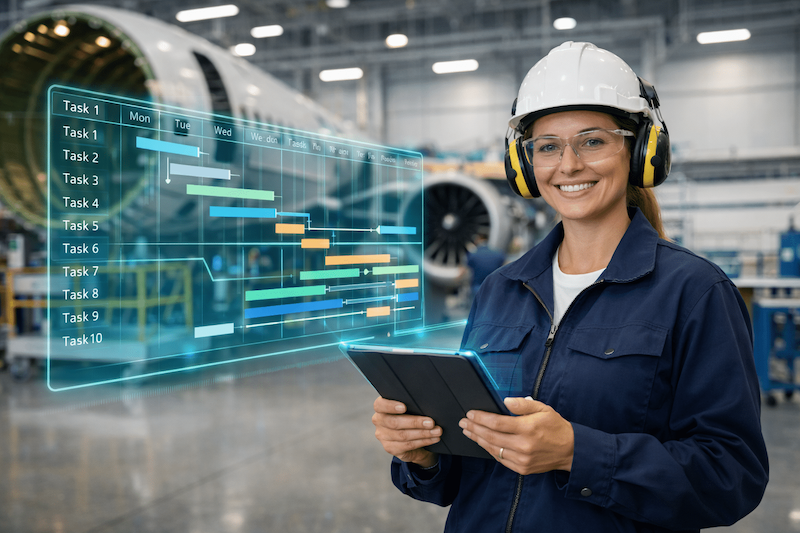
The manufacturing sector is undergoing a significant digital transformation, marked by substantial investments in Internet of Things (IoT) sensors, Manufacturing Execution Systems (MES), industrial analytics, and predictive maintenance solutions over the past decade. This shift has provided manufacturers with unparalleled operational visibility, enabling real-time monitoring of equipment, production lines, quality metrics, and material flows. Despite these advancements, production managers continue to face challenges in optimizing processes and improving efficiency. The integration of these technologies aims to enhance productivity and streamline operations, ultimately driving the industry towards a more data-driven future.
AI agents Manufacturing ai agents autonomous manufacturing digital manufacturing ERP integration
Commemorating 70 Years of Artificial Intelligence
Artificial intelligence (AI), a transformative technology of the 21st century, is reshaping various aspects of life and has seen unprecedented adoption rates since its formal establishment in 1956 at the Dartmouth Summer Research Project. Pioneers like John McCarthy and Marvin Minsky introduced the concept, envisioning machines that could simulate human intelligence. Over the past 70 years, AI has evolved significantly, impacting fields such as business, education, healthcare, and military applications. The journey of AI has been marked by innovation and setbacks, including periods known as "AI winters," where interest and funding waned. However, a resurgence in the 2010s, driven by advances in deep learning and generative AI, has led to the development of sophisticated systems like ChatGPT, which was publicly released in 2022. This evolution has enabled AI to perform cognitive tasks at unprecedented speeds, automate processes, and enhance creativity. Despite its advantages, AI poses significant risks, including biased outputs, privacy concerns, and the potential for misinformation. The IEEE has played a crucial role in guiding AI's development, promoting ethical standards, and fostering research through publications and conferences. As AI continues to advance, the focus remains on ensuring it is human-centered and beneficial for society, emphasizing the need for responsible governance and informed decision-making. The future of AI will depend on the choices made today, as the technology's trajectory is shaped by collective actions and ethical considerations.
Type-ti Ieee-history Artificial-intelligence Ai History-of-technology
NVIDIA Brings Trusted, 24/7 AI Agents to Telecom Operations
Telecom operators are experiencing significant benefits from the implementation of generative AI in their operations, particularly in automating network management, customer care, and back-office tasks. This technological advancement has primarily led to task-based automation, enhancing the efficiency of predefined processes while still involving human oversight. As of October 2023, these innovations are reshaping the industry, allowing companies to streamline operations and improve service delivery, ultimately driving better returns on investment. The integration of generative AI is seen as a crucial step towards modernizing telecom services and meeting the growing demands of consumers.
Next-gen wireless drone swarm stays airborne 24/7, never needs to land
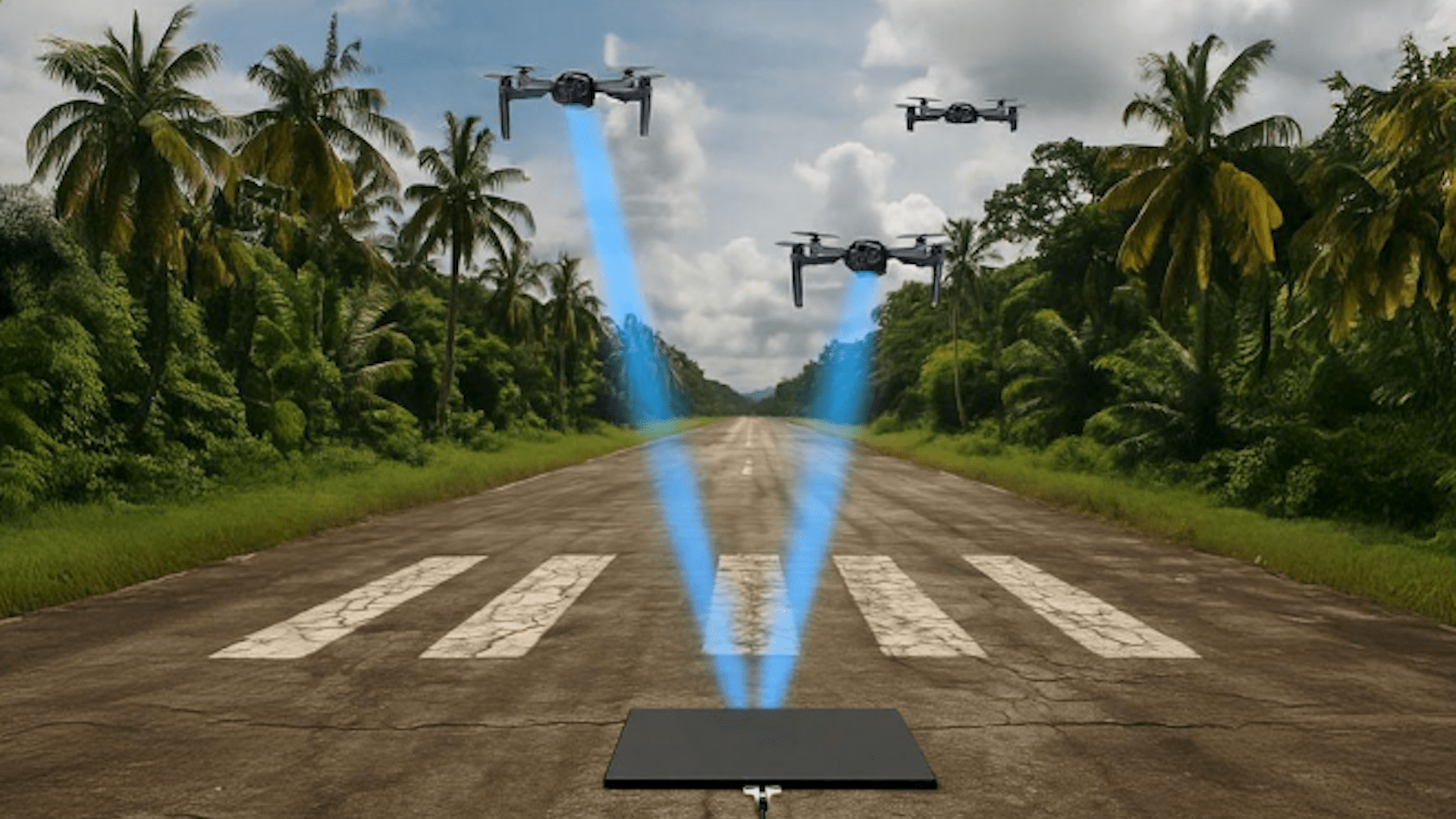
US companies Reach Power and Gambit have unveiled that their collaborative initiative, the SWARM project, has secured funding. This financial backing aims to advance the development of innovative technologies in the renewable energy sector. The announcement was made on October 15, 2023, highlighting the growing interest and investment in sustainable energy solutions. The SWARM project is designed to enhance energy efficiency and promote the integration of renewable resources into existing power grids. By leveraging cutting-edge technology and strategic partnerships, Reach Power and Gambit intend to address the increasing demand for clean energy alternatives. This initiative reflects a broader trend in the industry, as companies seek to align with global sustainability goals and reduce carbon footprints.
Innovation
Microsoft warns of seven new threats from agent-based AI systems, including tool contamination and visual attacks.
Microsoft has revised its classification of agent-based AI vulnerabilities, adding seven new categories, including supply chain breaches and target takeover. This update follows insights gained from real-world red team operations, highlighting the need for enhanced measures against human approval evasion and memory corruption. The company advocates for the implementation of defensive strategies during the design phase to better safeguard against these emerging threats.

Willow Announces $7M Seed Funding to Ensure Enterprises Can Fully Oversee and Govern Autonomous Agents
Willow, an innovative agentic access platform, has officially launched after securing $7 million in seed funding aimed at helping enterprises integrate AI agents into their operations while fostering innovation. The funding round was spearheaded by Hetz Ventures, with early support from Wix Co-Founder and CEO Avishai Abrahami and President Nir Zohar. This financial backing underscores the growing interest in solutions that facilitate the safe adoption of artificial intelligence in the workplace, addressing concerns about potential disruptions to productivity and creativity. Willow's platform is designed to empower organizations to leverage AI technology effectively, marking a significant step forward in the intersection of AI and enterprise operations.
Uncategorized
Humanoid robot with embodied intelligence to run convenience store 24/7 in Hong Kong
Hong Kong is set to launch its first convenience store operated entirely by a humanoid robot, marking a significant advancement in the integration of technology within retail. The store, which is expected to open its doors in the coming weeks, aims to enhance customer experience by providing efficient service and innovative shopping solutions. This initiative is part of a broader effort to modernize the retail sector and address labor shortages exacerbated by the pandemic. The humanoid robot will assist customers with product selection, checkout processes, and provide information, showcasing the potential for artificial intelligence in everyday tasks. The introduction of this automated store reflects Hong Kong's commitment to embracing cutting-edge technology while adapting to changing consumer behaviors.

PUDU Embodied Unveils the Next-Generation PUDU D7: Opening a New Chapter for Industrial Semi-Humanoid Robotics
Pudu Robotics, a prominent player in the service robotics industry, has unveiled its latest innovation, the PUDU D7, a semi-humanoid robot tailored for manufacturing and industrial settings. The announcement was made today, highlighting the company’s commitment to advancing automation solutions that enhance operational efficiency in various sectors. The PUDU D7 is designed to streamline processes and improve productivity within industrial environments, addressing the growing demand for intelligent robotic assistance in manufacturing. This launch marks a significant step forward in Pudu Robotics' mission to integrate cutting-edge technology into everyday industrial applications, ultimately transforming how businesses operate.
Robot Talk Episode 157 – Generating new robot designs, with Josie Hughes
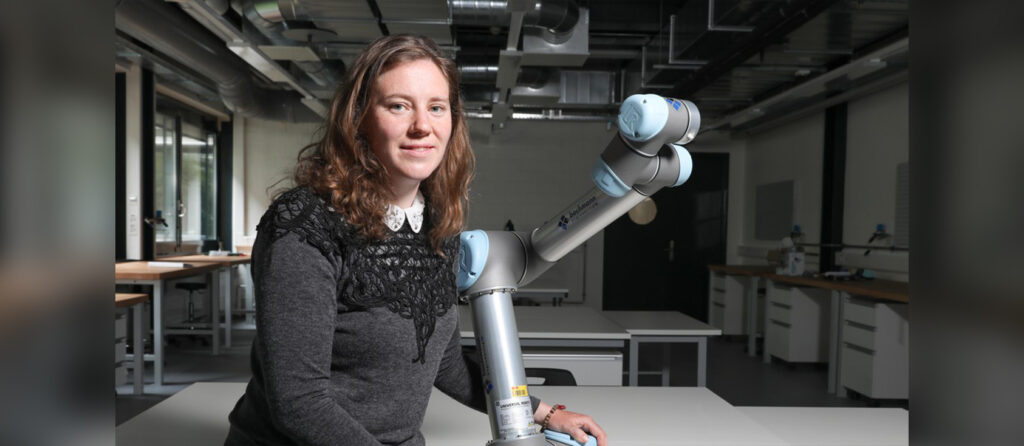
Claire recently engaged in a discussion with Josie Hughes, an Assistant Professor at École Polytechnique Fédérale de Lausanne (EPFL), regarding the innovative application of artificial intelligence in the design of robotic manipulators. Hughes, who founded the CREATE Lab at EPFL in 2021, shared insights from her extensive academic background, including her PhD work at the University of Cambridge, where she focused on bio-inspired robotics. The conversation highlighted the potential of AI to revolutionize the field by enhancing the functionality and efficiency of robotic systems, reflecting a growing trend in integrating advanced technologies into robotics research.
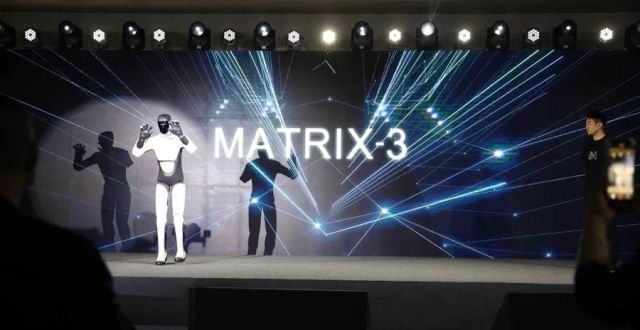
Matrix Super Intelligence Unveils MATRIX-3 Humanoid Robot, Targets 100,000 Units by 2027
Matrix Super Intelligence, a company based in Pudong Zhangjiang, has introduced its latest innovation, the MATRIX-3, a full-size humanoid robot measuring 170 cm in height and weighing 65 kg. This ambitious project aims for mass production of 100,000 units by the year 2027. The development of the MATRIX-3 reflects the company's commitment to advancing robotics technology and meeting the growing demand for humanoid robots in various sectors. The unveiling of this robot marks a significant step in the evolution of artificial intelligence and robotics, as it seeks to enhance human-robot interaction and expand the potential applications of humanoid robots in everyday life.
Robotics
When Chips Grow Limbs: A Giant with a Market Value of 327.4 Billion Rapidly Enters Embodied Intelligence
A significant advancement in embodied intelligence has emerged from a collaboration between Moore Threads and the Beijing Zhiyuan AI Research Institute. The two organizations have successfully trained the RoboBrain2.5 model, a development that highlights the growing capabilities of domestic computing power in this innovative sector. As traditional computing chips face challenges of obsolescence, this milestone represents a pivotal moment for the future of computing. The partnership aims to enhance the efficiency and effectiveness of AI applications, positioning itself at the forefront of technological evolution.
Embodied Intelligence AI Computing Chip Technology Simulation Data Robotics
US aerospace firm clears new adaptive engine for Boeing F-47 sixth-gen fighter jet
GE Aerospace, a leading US aircraft engine supplier, has announced the successful clearance of its XA102 adaptive cycle engine for assembly. This significant development comes as part of the company’s ongoing efforts to enhance engine performance and efficiency. The announcement was made on [insert date], marking a crucial step in the engine's production process. The XA102 engine is designed to provide advanced capabilities for future military aircraft, addressing the increasing demands for versatility and adaptability in modern aviation. By utilizing innovative technology, GE Aerospace aims to meet the evolving needs of the defense sector, ensuring that the new engine can operate effectively across a range of flight conditions. The assembly phase is expected to pave the way for further testing and eventual deployment, reinforcing GE Aerospace's commitment to delivering cutting-edge solutions in aerospace engineering.

Hydrogen-fueled drone submarine with 17 sensors could scan Hormuz for naval mines
A European defense technology company has announced the launch of the world's longest-endurance unmanned submarine, showcasing its capabilities at a recent defense exhibition. The submarine, designed for extended missions, can operate underwater for several weeks without the need for surface resupply, marking a significant advancement in maritime technology. This innovation aims to enhance naval surveillance and reconnaissance operations, addressing the growing demand for autonomous underwater vehicles in modern defense strategies. The unveiling took place in a prominent European city, drawing attention from military officials and industry experts alike, who are keen to explore the potential applications of this groundbreaking technology in various defense scenarios.

World-first submarine drone travels 1,257 miles underwater on hydrogen power
A Canadian company has successfully demonstrated the capabilities of its submarine drone, which has completed a remarkable journey of over 1,257 miles while remaining fully submerged. This achievement highlights advancements in underwater drone technology and showcases the potential for long-distance exploration and surveillance missions. The drone's journey took place recently, emphasizing the growing interest in autonomous underwater vehicles for various applications, including environmental monitoring and military operations. The innovative design and engineering of the drone allow it to operate efficiently over extended periods, making it a significant development in the field of marine technology. This milestone not only underscores the company’s commitment to pushing the boundaries of underwater exploration but also reflects the increasing demand for sophisticated tools in maritime industries.

Goodbye to 'Training Fabrication'! Agent-World Uncovers 1,978 Real Scenarios, Enabling Agents to Operate Effectively
Agent-World, a groundbreaking initiative developed through a partnership between ByteDance's Seed team and Renmin University of China, is transforming the landscape of agent training by employing 1,978 real-world scenarios rather than traditional simulated environments. Launched recently, this innovative program aims to improve agents' performance across multiple industries by enabling them to engage with authentic situations, fostering self-diagnosis and ongoing enhancement of their skills. This shift towards real-world applications is designed to better prepare agents for the complexities of their respective fields, ultimately leading to more effective and adaptable professionals.
AI Agent Training Real-World Scenarios Machine Learning Automation
Physical Intelligence Unveils π0.7: The Rise of Compositional Generalization in Robotics
Physical Intelligence has unveiled its latest foundation model, π0.7, which showcases remarkable "emergent" capabilities. This innovative model can seamlessly integrate various skills and adapt to different robotic hardware without the need for task-specific training. The announcement was made recently, highlighting the advancements in artificial intelligence and robotics. By leveraging extensive data and sophisticated algorithms, π0.7 represents a significant step forward in the development of adaptable robotic systems. This breakthrough aims to enhance the efficiency and versatility of robots in diverse applications, potentially transforming industries that rely on automation.
US Physical Intelligence π07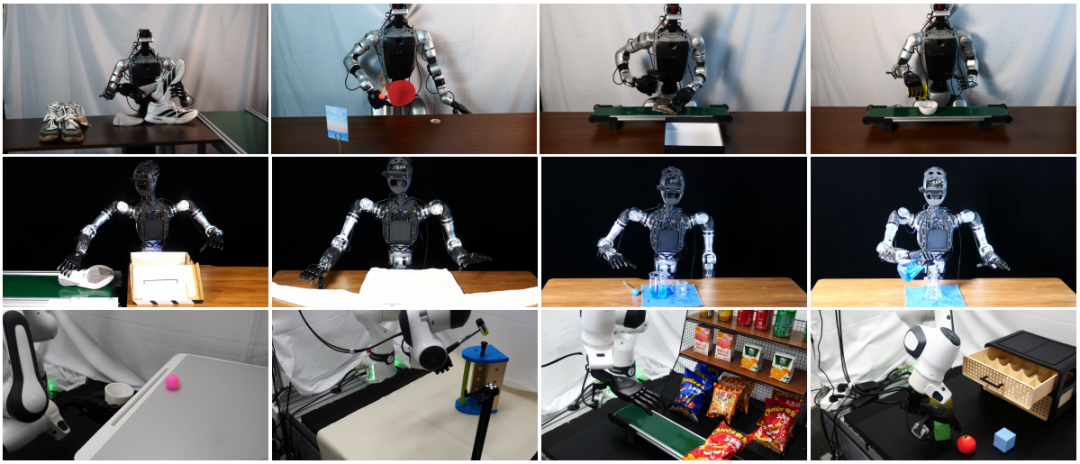
Predicting the World Without Future Frames: BeingBeyond Launches Next-Generation Embodied Intelligence Model Being-H0.7
BeingBeyond has introduced its latest innovation, the Being-H0.7 embodied intelligence model, which revolutionizes the approach to video generation. This new model distinguishes itself by eliminating the need for traditional rendering of future frames, allowing for accurate physical reasoning and dynamic predictions. As a result, Being-H0.7 not only cuts down on training expenses but also ensures a high inference speed. This advancement marks a significant step forward in the field of artificial intelligence, promising enhanced efficiency and effectiveness in various applications.
Embodied Intelligence Robotics AI Machine Learning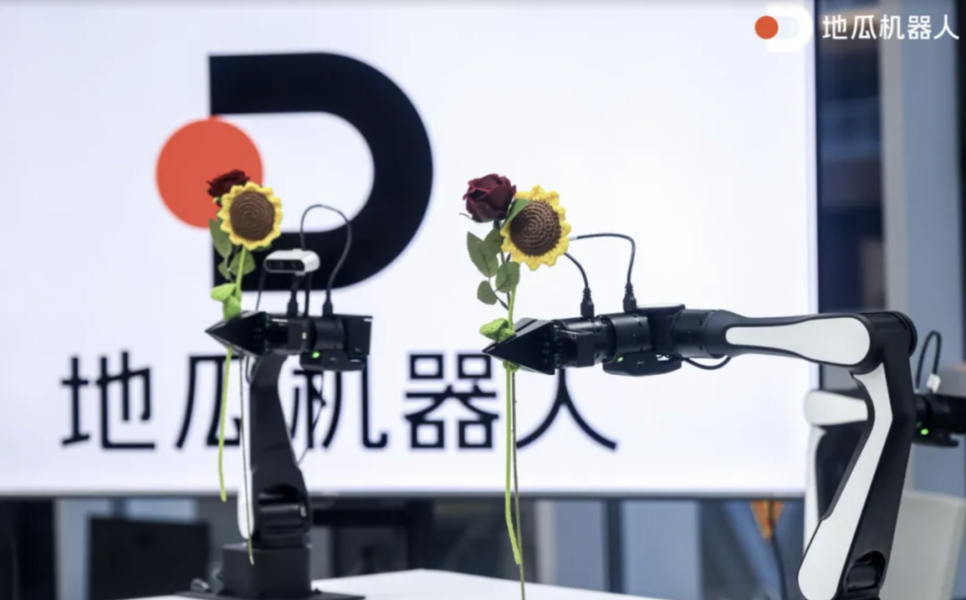
$270 Million in Series B Funding! This Company Sets a New Record for Embodied Intelligence Infrastructure Financing!
On April 8, 2026, Digua Robotics revealed that it has successfully secured $150 million in Series B funding, increasing its total funding to $270 million. This financial boost is aimed at supporting the company's global business expansion and the development of its developer ecosystem. As a leader in the embodied intelligence chip sector, Digua Robotics is poised to leverage these funds to enhance its market presence and foster innovation in its technology offerings.
Robotics AI Chip Technology Funding Developer Ecosystem
2203.7% Growth! UBTECH's Full-Size Embodied Intelligent Humanoid Robots Rank First Globally in Revenue and Sales
UBTECH Robotics, recognized as a leader in the humanoid robotics industry, has announced an impressive revenue growth of 2203.7% for its full-size embodied intelligent humanoid robots, positioning the company at the forefront of global sales and revenue in this sector. This significant increase reflects the rising demand for advanced robotic solutions and underscores UBTECH's commitment to innovation. Looking ahead to 2025, the company plans to intensify its focus on research and development, as well as the commercialization of its products, aiming to further solidify its leadership in the market.
Humanoid Robots AI Robotics Technology Industrial Automation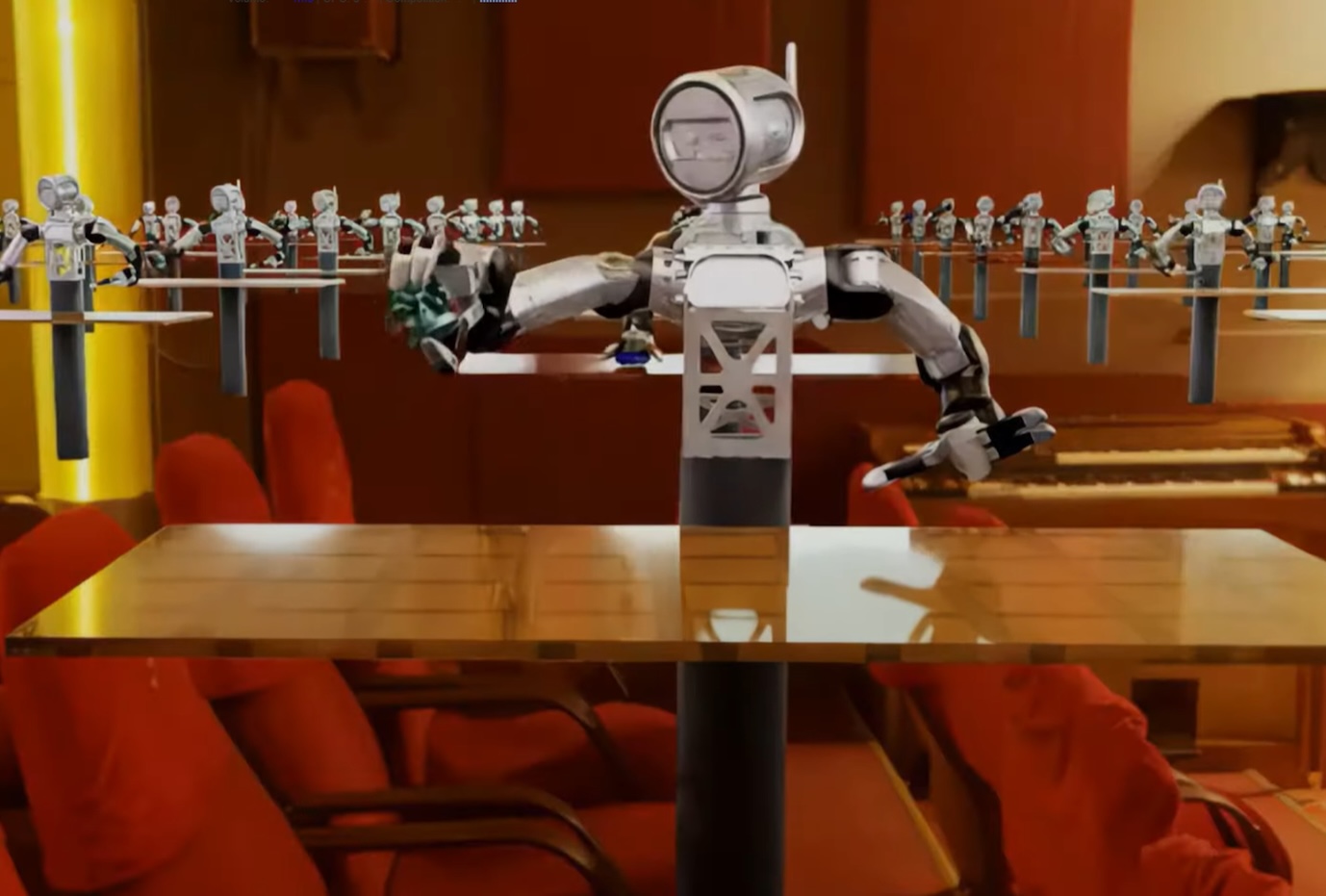
Xiaomi unveils new-gen SU7 as an updated model in its EV lineup
Xiaomi hosted its spring product launch event on Thursday, introducing the next-generation Xiaomi SU7, an enhanced addition to its electric vehicle lineup. The company highlighted significant improvements in safety features, driving performance, and in-car technology for the new model. The SU7 is powered by Xiaomi’s V6s Plus motor and incorporates advanced silicon technology, aiming to elevate the driving experience for consumers. This launch reflects Xiaomi's commitment to innovation in the electric vehicle market as it seeks to strengthen its position amidst growing competition.
News FeedRobotics needs a service framework.
RSF defines a common language for robot service capability, lifecycle operations, certification pathways, and service-provider networks.
Join the RobotToday community on LinkedIn
Daily robotics news, in-depth analysis, conference highlights, and discussions with professionals worldwide.