Industry Briefing
A single destination for timely, editor-curated robotics news from around the world.
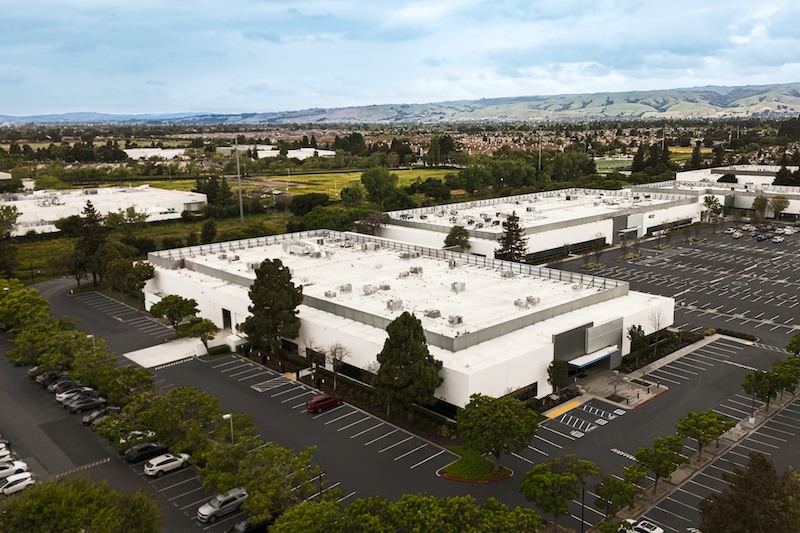
Agility Robotics Launches New Facility in Fremont to Enhance Physical AI Development
Agility Robotics has inaugurated a new facility in Fremont, California, aimed at accelerating advancements in physical AI that enhance customer operations. This 60,000-square-foot site will serve as a hub for software development and AI capabilities, focusing on training and testing technologies that enable the humanoid robot, Digit, to acquire new skills and perform complex tasks in various environments. The establishment of this facility is significant as it positions Agility Robotics in the heart of Silicon Valley, a region known for its AI talent and innovation. The company plans to employ nearly 200 staff members, including experts in hardware engineering and AI/ML software, to drive the development of next-generation AI capabilities that will enhance Digit's safety and productivity in enterprise settings. Looking ahead, Agility Robotics has secured over $300 million in multi-year orders for Digit v5 and has a growing pipeline of more than 30 customers. The Fremont facility is crucial for meeting the increasing demand for humanoid robots in warehouses and manufacturing, as it aims to deliver ongoing safety and productivity improvements in collaboration with human workers. No further timeline was disclosed at the time of publication.
Humanoids Infrastructure News agility robotics ai artificial intelligence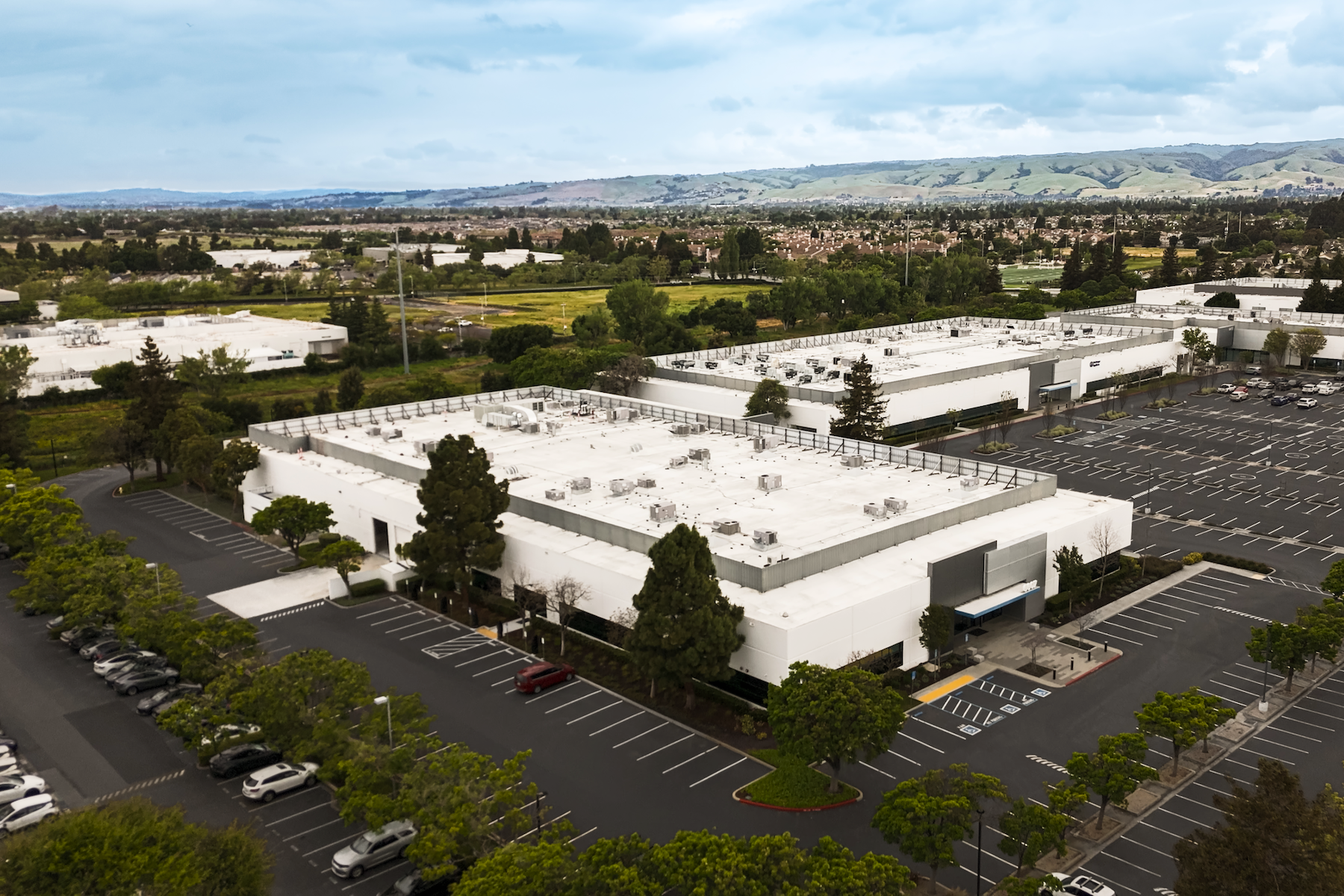
Agility Launches New Facility in Fremont to Enhance Physical AI for Humanoid Robots
Agility has opened a new facility in Fremont, California, aimed at accelerating the development of Physical AI technologies for its humanoid robot, Digit. This 60,000-square-foot site will serve as a hub for software and capabilities, where engineering teams will enhance Digit's ability to learn new skills and perform complex tasks in commercial settings. The establishment of this facility is significant as it positions Agility within Silicon Valley's robust AI ecosystem, allowing for rapid innovation and deployment of advanced capabilities. With nearly 200 new hires planned, Agility aims to strengthen its market position and meet the increasing demand for humanoid robots in enterprise environments, having already secured over $300 million in multi-year orders for Digit v5. Looking ahead, Agility's Fremont facility is expected to play a crucial role in driving innovation and expanding the use of humanoid robots in various industries. No further timeline was disclosed at the time of publication.

Tesla Optimus Plant Cube & Production Hubs: Fremont vs Giga Texas (2026)
Tesla is advancing its production capabilities with the introduction of the Optimus Plant Cube, a new facility designed to enhance manufacturing efficiency. This initiative comes as the company compares production plans between its Fremont factory and the Giga Texas site, aiming to ramp up output for its upcoming Gen 3 vehicle line. As of October 2023, Tesla is focused on achieving significant production milestones, with an ambitious goal of reaching millions of units through a strategic S-curve growth model. The Optimus Plant Cube is expected to play a crucial role in streamlining operations and increasing the overall production capacity. By leveraging innovative technologies and processes, Tesla aims to optimize its supply chain and reduce manufacturing costs. The company’s efforts are part of a broader strategy to meet the growing demand for electric vehicles and maintain its competitive edge in the automotive market. As Tesla continues to refine its production techniques and expand its facilities, the automotive industry is closely watching the developments at both the Fremont and Giga Texas locations. The outcomes of these initiatives will likely have significant implications for Tesla's future growth and its ability to deliver on its ambitious production targets.
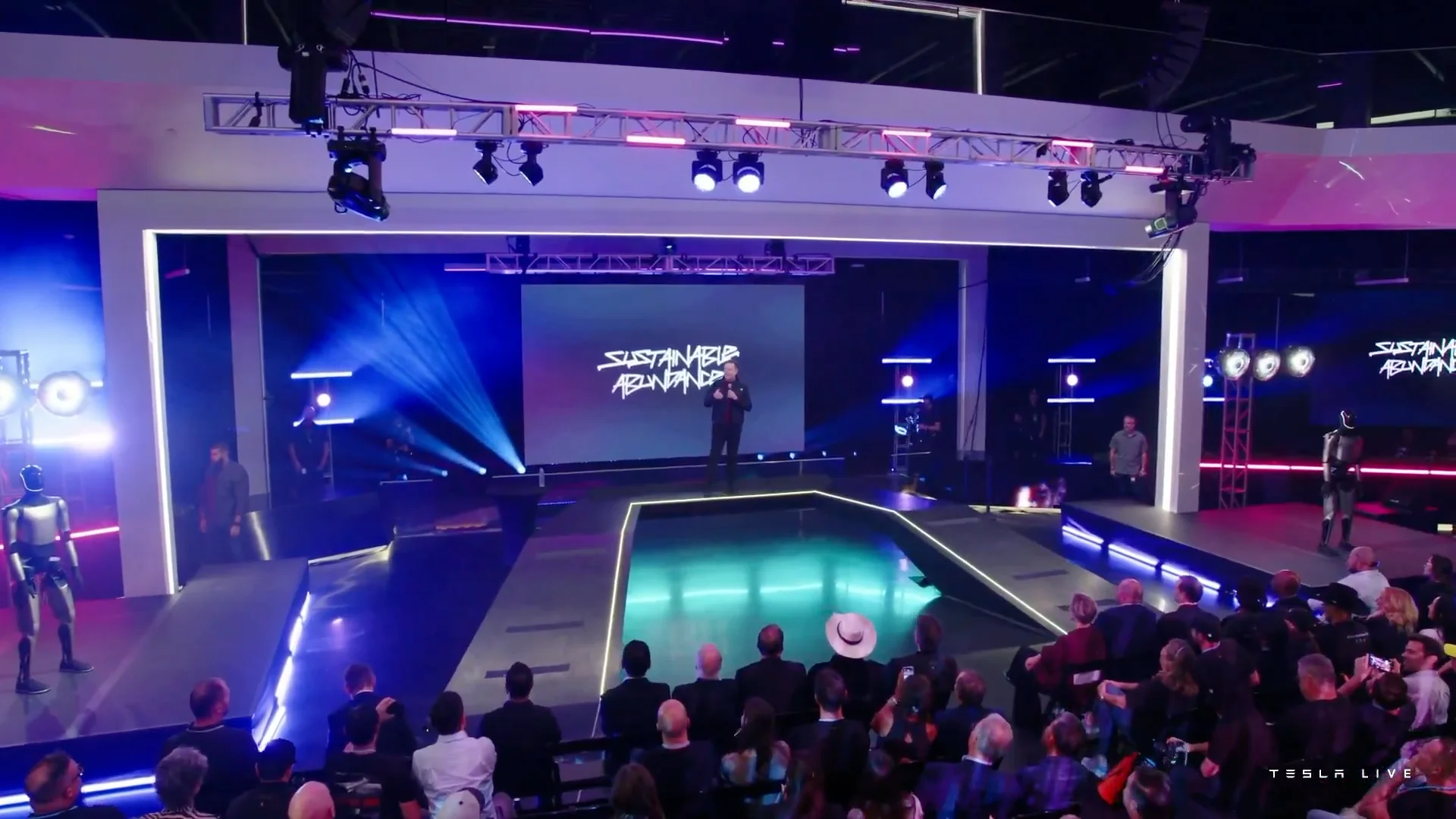
Elon Musk Targets Fremont for First 1-Million-Unit Optimus Line, Eying 10-Million-Unit Giga Line
Elon Musk has announced plans for the production of humanoid robots, outlining specific locations for manufacturing. The initial production will take place in Fremont, where a line is expected to produce one million units. Additionally, a larger facility at a Gigafactory is set to ramp up production to ten million units. Musk emphasized the ambitious goal of achieving a capacity of one billion units annually. This initiative reflects Musk's vision of integrating advanced robotics into various sectors, aiming to revolutionize industries and enhance productivity. The announcement marks a significant step in Tesla's expansion into robotics, showcasing Musk's commitment to innovation and technological advancement.
Optimus Tesla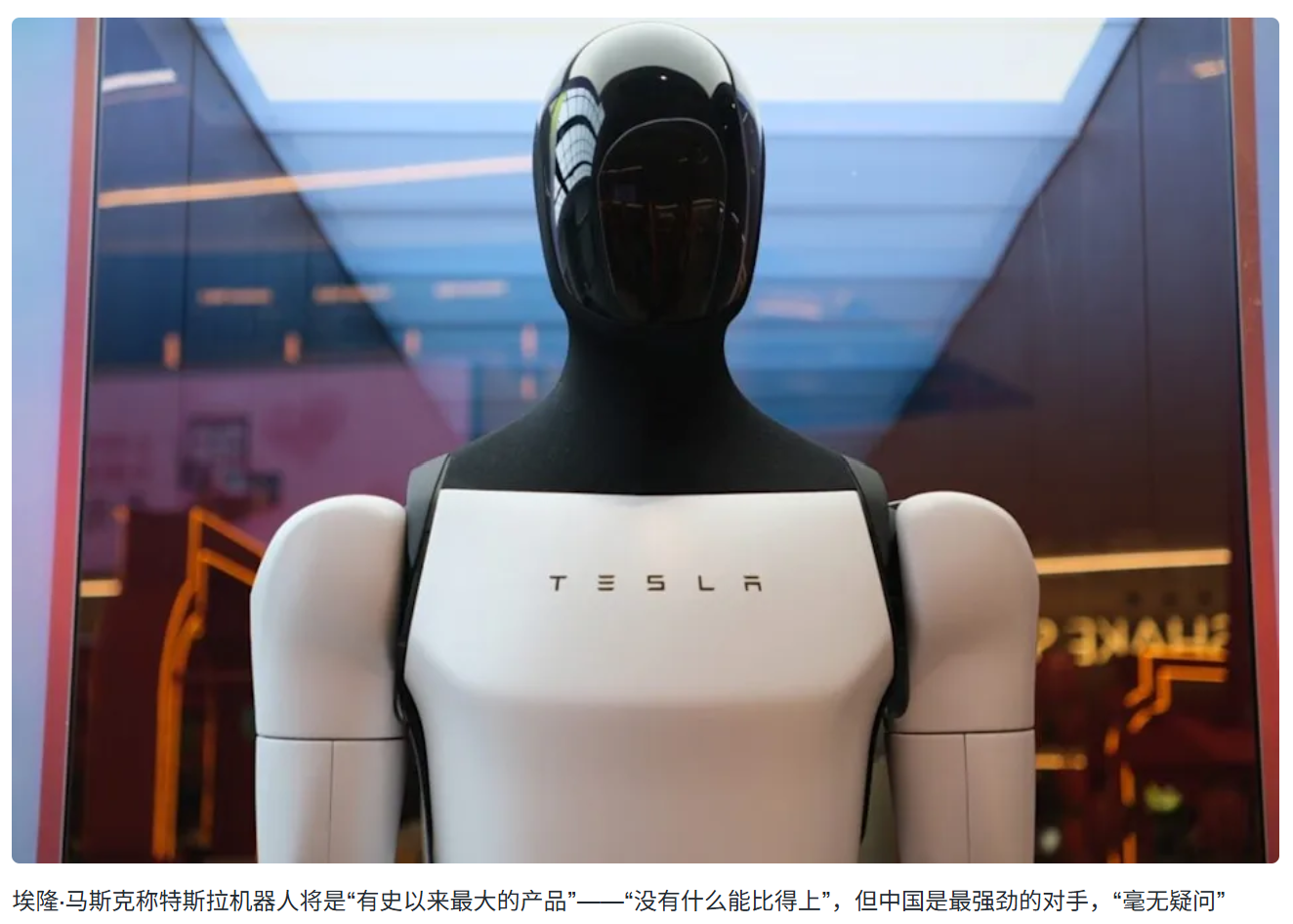
Musk Foresees Optimus as Tesla's Largest Product Amidst Strong Chinese Competition
Elon Musk predicted during Tesla's earnings call in January 2026 that Optimus will become the company's largest product, potentially ten times bigger than its next biggest offering. Tesla is transitioning its Fremont factory to focus on Optimus production, increasing the annual capacity target for the Optimus V3 line from 50,000 to approximately 70,000 units, with plans to add another 70,000 units in Austin by 2028. Musk emphasized the competitive landscape, stating that China will be Tesla's biggest rival in the humanoid robot market, citing the country's strengths in scaling and manufacturing. According to TrendForce, the commercialization of humanoid robots is expected to accelerate in 2026, with China's production projected to grow by 94% annually, accounting for about 90% of global shipments last year. Tesla plans to initiate small-scale production of Optimus between late July and August 2026. Musk's insights indicate a clear competitive race between the U.S. and China, with no significant competitors outside of China currently visible to Tesla, highlighting the intense rivalry in AI and manufacturing capabilities.
Humanoid Robots AI Robotics Manufacturing Tesla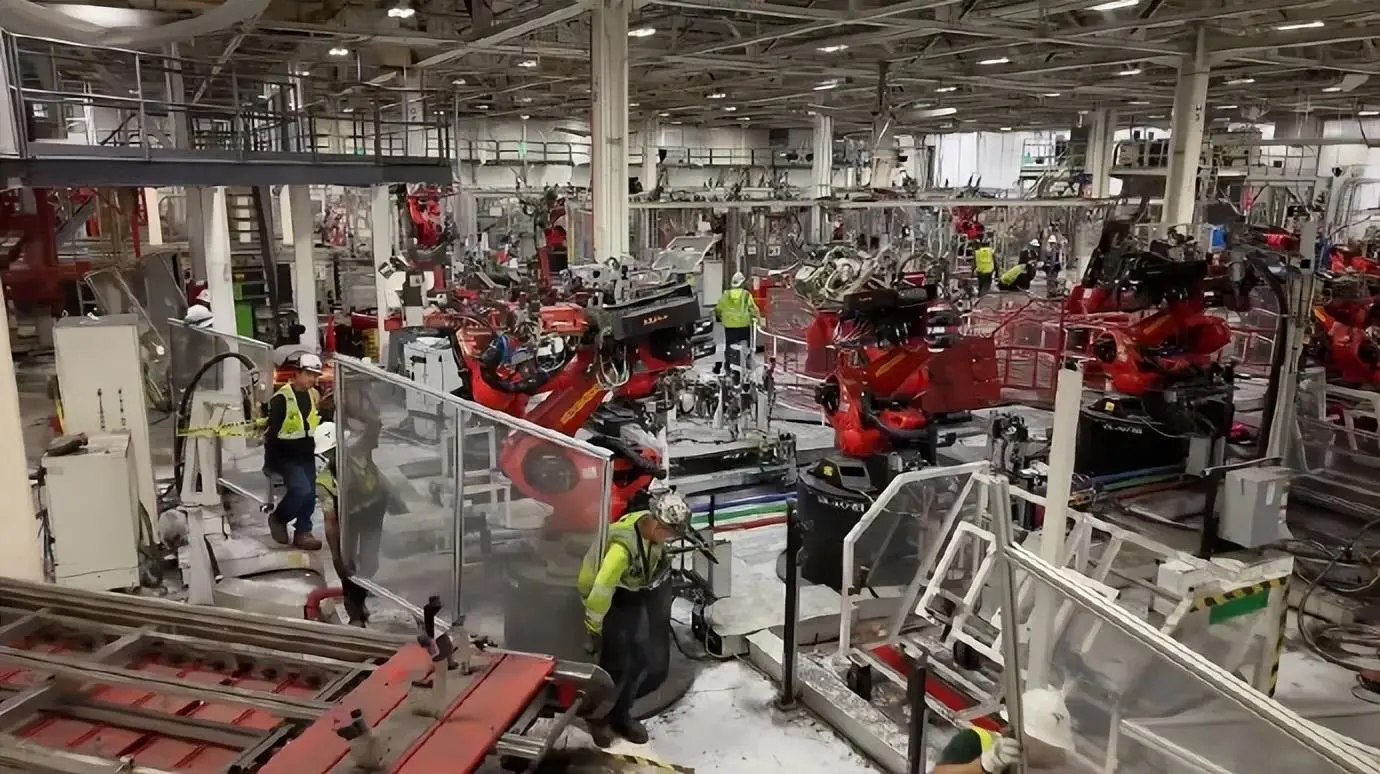
Tesla Completes Dismantling of 14-Year-Old Production Line for Optimus Robots
Tesla has officially dismantled the production line for its Model S and Model X vehicles at its Fremont factory, marking the end of a 14-year era. The entire process took just 46 days, as captured in a video released by Tesla, which stated, 'End of an era.' These flagship models have been pivotal in establishing Tesla's reputation in the luxury electric vehicle market since their launch in 2012. The dismantling is part of Tesla's strategic shift from traditional automotive manufacturing to robotics and artificial intelligence. The space will be repurposed for the production of the Optimus humanoid robots, with a target annual production capacity of up to 1 million units. Elon Musk has emphasized this transition, indicating a significant change in Tesla's focus and operations. The new production line for Optimus is expected to begin large-scale production by late July to August 2023, with plans to achieve a weekly output of 1,000 units by September and increase to 2,000 to 2,500 units by the end of the year. This marks a pivotal moment for Tesla as it aims to redefine its identity in the tech-driven landscape of robotics.
Humanoid Robots Robotics AI Manufacturing Tesla
Tesla Optimus Status Tracker: April & May 2026 Updates
Tesla is set to unveil significant advancements in its Optimus project between April and May 2026, including the highly anticipated AI5 chip and the launch of Cortex 2.0. These developments will take place at the company’s Fremont facility, where a pilot production line is expected to showcase the capabilities of the next-generation technology. This initiative aims to enhance Tesla's robotics and artificial intelligence efforts, reflecting the company's commitment to innovation in automation and smart technology. The updates will provide insights into the progress of the Gen 3 platform, which is crucial for Tesla's future endeavors in AI-driven solutions. The timeline for these announcements underscores Tesla's strategic focus on maintaining its leadership in the rapidly evolving tech landscape.
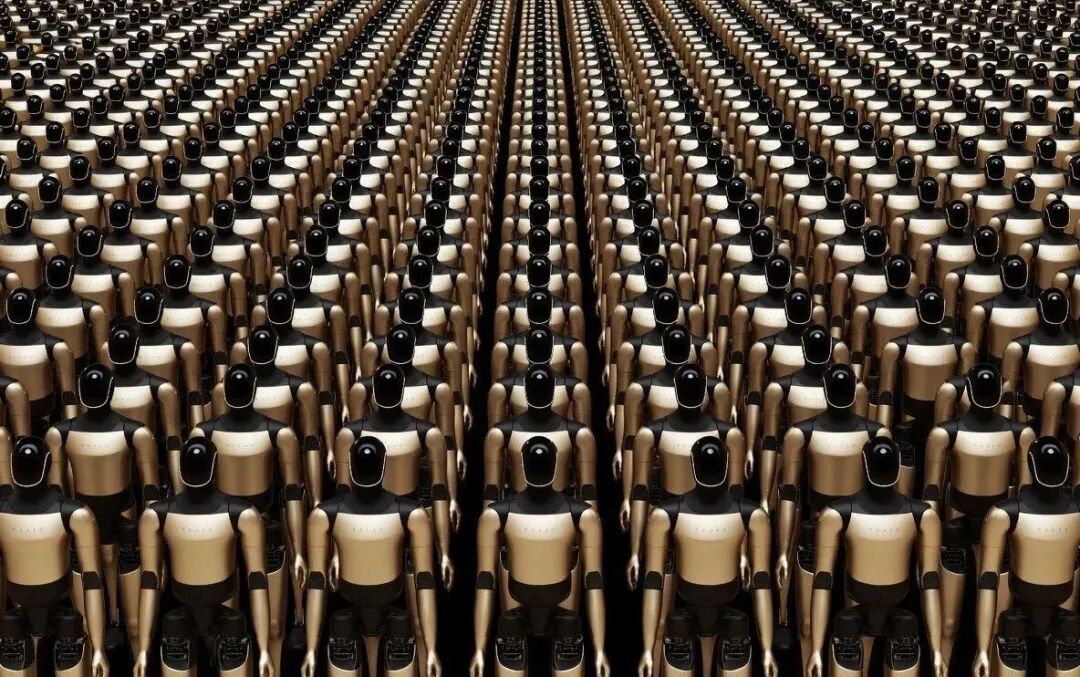
Tesla Confirms Production of Optimus Robot to Begin in July with Dual Factory Layout Targeting 10 Million Units Annually
During the Q1 2026 earnings call, Tesla CEO Elon Musk revealed that production of the company's humanoid robot, Optimus, is set to commence in late July or August at the Fremont factory. This announcement comes as Tesla also works on establishing a second factory in Texas, which is part of a broader strategy to achieve an annual production capacity of 10 million units by 2027. The move reflects Tesla's commitment to expanding its robotics capabilities and meeting anticipated demand in the market.
Humanoid Robots AI Manufacturing Automation
Tesla Optimus Production at Giga Texas: Current Status & 2027 Mass Production Plan
Tesla is progressing with the construction of a dedicated Optimus factory at its Giga Texas facility, with an ambitious goal of producing 10 million units annually. This new factory is part of Tesla's broader strategy to enhance its manufacturing capabilities and streamline production processes for its humanoid robot, Optimus. The decision to establish this facility in Texas reflects the company's commitment to expanding its operations beyond its Fremont, California plant, which will continue to play a crucial role in Tesla's overall production strategy. The ramp-up plan for the factory is set to unfold over the coming years, with full-scale production expected to be achieved by 2027. This initiative underscores Tesla's focus on innovation and its aim to lead in the burgeoning robotics market, driven by increasing demand for automation solutions across various industries.
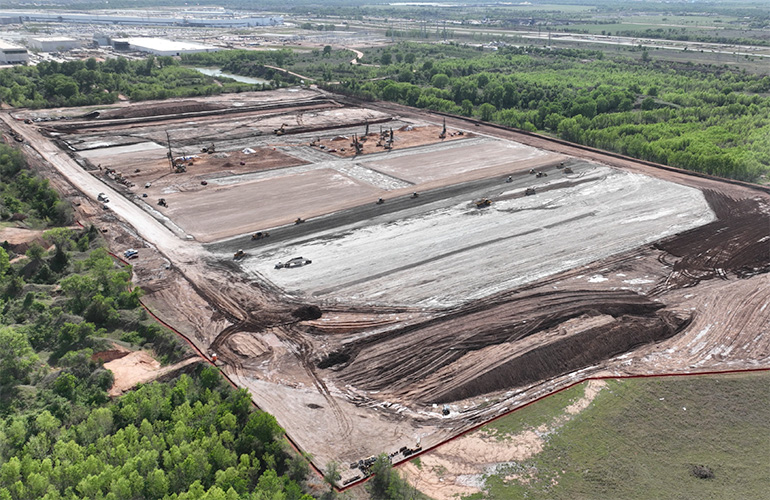
From EVs to robotics: Tesla targets 10M Optimus units with new Texas plant
Tesla has announced plans to commence production of its Optimus robot in the second quarter of 2026, marking a significant shift from its traditional electric vehicle manufacturing at the Fremont plant. This transition is part of the company's broader strategy to embrace a robotics-first future, as it aims to produce 10 million units of the Optimus robot. The new production facility is being established in Texas, where Tesla is investing in scaling its operations to meet this ambitious target. The decision to pivot towards robotics reflects Tesla's commitment to innovation and diversification beyond its established electric vehicle lines.
Artificial Intelligence Humanoids Investments News tesla![Tesla Optimus Production Timeline 2026 [Updated]](/assets/images/default_feed_15.jpg)
Tesla Optimus Production Timeline 2026 [Updated]
In a recent announcement, a company has set ambitious production targets for the coming years, aiming to deliver 5,000 units by 2025 and increasing that goal to between 50,000 and 100,000 units by 2026. This strategic plan includes the conversion of its Fremont facility and the implementation of Cortex 2.0 at its Giga Texas location. The timeline for these developments has been fully verified, and potential risks associated with the production ramp-up have been outlined. The company's proactive approach reflects its commitment to scaling operations and meeting growing market demand.

Tesla Optimus Factory Deployment: 2025-2026 Status
In a significant development for Tesla, the company is actively deploying its Optimus robots at its facilities in Fremont, California, and Giga Texas. These robots are being integrated into production lines to enhance efficiency and productivity, marking a pivotal step in Tesla's automation strategy. The initiative is part of a broader expansion plan aimed at increasing production capabilities by 2026. As of October 2023, Tesla has reported notable milestones in the deployment of these robots, which are designed to assist in various manufacturing processes. The introduction of Optimus robots is expected to streamline operations, reduce labor costs, and improve output rates, aligning with Tesla's commitment to innovation and sustainability. The expansion efforts in both locations are driven by the growing demand for electric vehicles and the need to scale production to meet market expectations. By leveraging advanced robotics, Tesla aims to maintain its competitive edge in the rapidly evolving automotive industry. The ongoing integration of these technologies is seen as a crucial factor in achieving the company's ambitious production targets for the coming years.
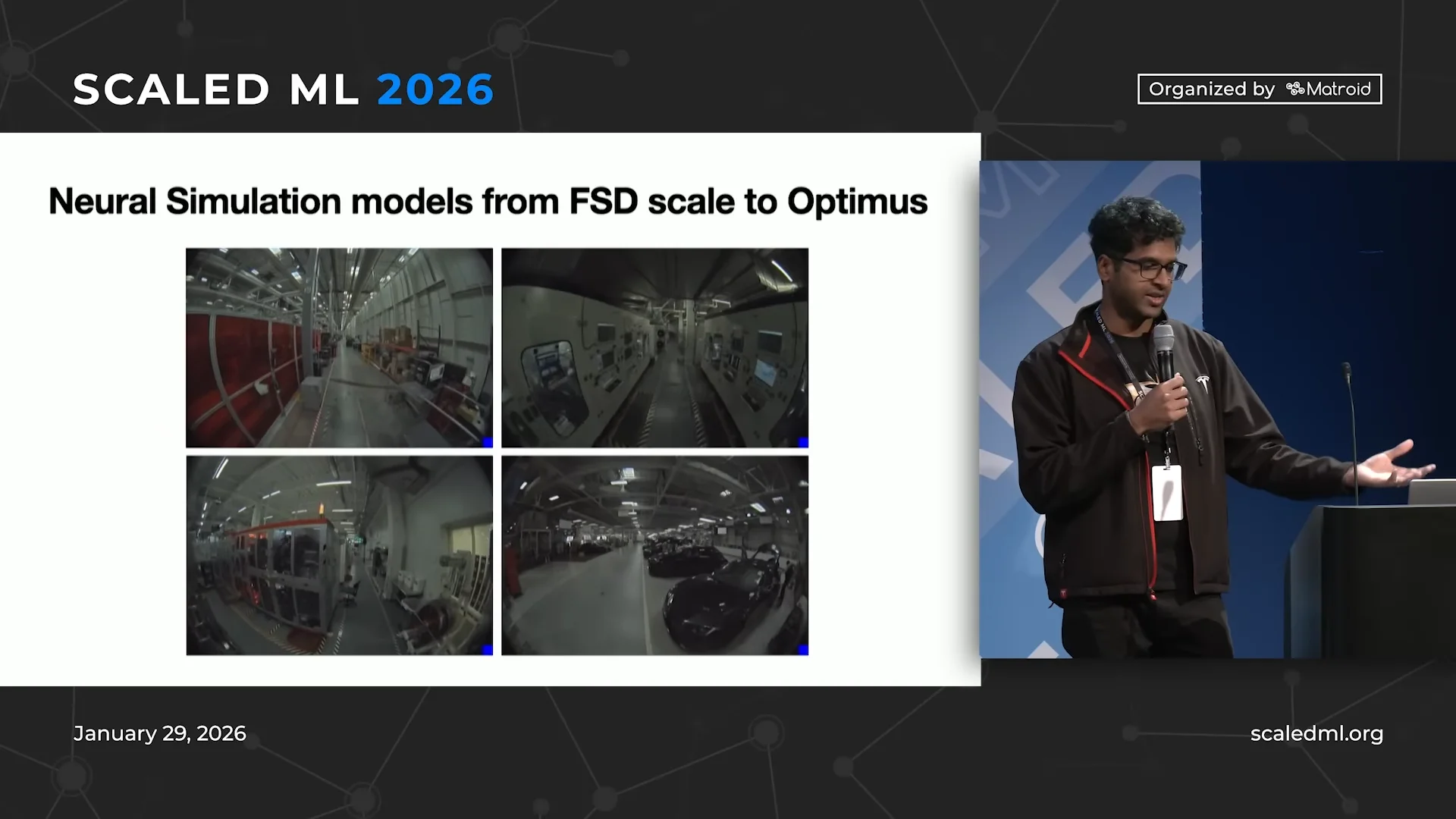
Abundance and the Bitter Lesson: Ashok Elluswamy Outlines Tesla’s Unified AI Future
At the 2026 ScaledML Conference, Tesla's Vice President of AI Software presented the company's comprehensive strategy for achieving full autonomy in its vehicles. The presentation highlighted the innovative use of a singular generative "world simulator" that underpins both the driverless taxi operations in Austin and the development of humanoid robots in Fremont. This approach aims to enhance the efficiency and effectiveness of Tesla's autonomous systems by creating a unified platform for simulation and training. The conference served as a significant platform for Tesla to showcase its advancements in artificial intelligence and automation technology, emphasizing the company's commitment to pioneering autonomous solutions in urban transportation and robotics.
Optimus Tesla US Ashok ElluswamyRobotics needs a service framework.
RSF defines a common language for robot service capability, lifecycle operations, certification pathways, and service-provider networks.