Industry Briefing
A single destination for timely, editor-curated robotics news from around the world.

Delivering Flawless Field Service with Predictive Insights and AI
In a recent session, industry leaders discussed the integration of artificial intelligence and predictive technologies in asset maintenance and field service operations. The event highlighted how organizations are leveraging real-time asset insights to enhance their maintenance and service strategies. By utilizing intelligent recommendations, companies are optimizing their operations and improving technician guidance. This approach not only streamlines maintenance processes but also facilitates the orchestration of end-to-end workflows across supply chain management, service execution, and financial operations. The session underscored the growing importance of technology in driving efficiency and effectiveness in asset management.

AI Agents Revolutionize Service Layer Automation Beyond Traditional Factory Settings
Industrial automation has significantly changed physical production, yet the service layer remains largely manual. Maintenance requests still require human coordination, consuming valuable operational time. AI agents are now emerging to automate this service layer, handling unstructured requests and integrating with various systems to streamline operations. This shift is crucial as it allows organizations to redirect skilled labor from administrative tasks to more strategic work. By automating the intake, triage, and coordination processes, AI agents enhance efficiency and reduce the burden on human operators. The ability to manage requests end-to-end marks a significant advancement in operational capabilities. Looking ahead, the continued development of AI agents in the service layer will be essential for organizations aiming to improve productivity and responsiveness. As these technologies evolve, they promise to further integrate with existing systems and transform how service operations are managed. No further timeline was disclosed at the time of publication.
Automation Computing ai agents artificial intelligence automation chatbots
How Automation Improves Service Consistency in Pest Control Operations
In the rapidly growing $15 billion pest control industry, companies face significant challenges as they expand into new territories. The primary concern is not the prevalence of pests but rather the potential for human error, which can jeopardize operational consistency. As businesses scale, the risk of technicians overlooking essential procedures or arriving late increases, leading to customer dissatisfaction and potential damage to the company's reputation. To combat these issues, pest control operations are implementing rigorous training programs and standardized protocols to ensure that all employees adhere to best practices, regardless of location. By focusing on operational excellence, these companies aim to maintain high service standards and foster customer trust in a competitive market.
Automation Environment Health AI scheduling automation news automation software
Best Managed Virtual Assistant Services for Startups in 2026
Startup founders often face the challenge of managing their time effectively, as they typically do not require additional meetings but rather dependable assistance with administrative tasks. This includes inbox management, CRM follow-ups, and front-desk coverage, all without the burden of hiring another full-time employee. The insights shared are particularly aimed at operators in the fields of robotics, automation, and industrial technology, who seek scalable solutions that do not contribute to process inefficiencies. The recommendations provided focus on managed assistant services that can meet these needs, allowing startups to streamline operations while maintaining productivity.
Artificial Intelligence Business administrative support automation news Business Management business operations
Nauticus Robotics Signs Master Services Agreement with Advanced Ocean Systems
Nauticus Robotics, Inc., a prominent player in the field of autonomous subsea robotics and software solutions, has announced the establishment of a Master Services Agreement (MSA) with Advanced Ocean Systems, Inc. (AOS), a Florida-based company specializing in the development and integration of autonomous and remote systems. This partnership aims to enhance the capabilities and offerings of both companies in the rapidly evolving technology landscape. The agreement was made public today, signaling a strategic collaboration that could lead to innovative advancements in subsea technology and services.
nauticus robotics master services agreement advanced ocean systems
Figure Taps Brookfield's Global Real Estate Portfolio to Scale AI Training
Figure, a humanoid robotics company, has formed a strategic partnership with asset management firm Brookfield. This collaboration will provide Figure with access to an extensive portfolio of real estate, enabling the company to develop a significant real-world training dataset for its Helix AI model. The partnership aims to expedite the commercial deployment of Figure's robotics technology. By leveraging Brookfield's diverse properties, Figure seeks to enhance the capabilities of its AI, ultimately advancing the integration of humanoid robots into various sectors.
Brett Adcock Figure brookfield helix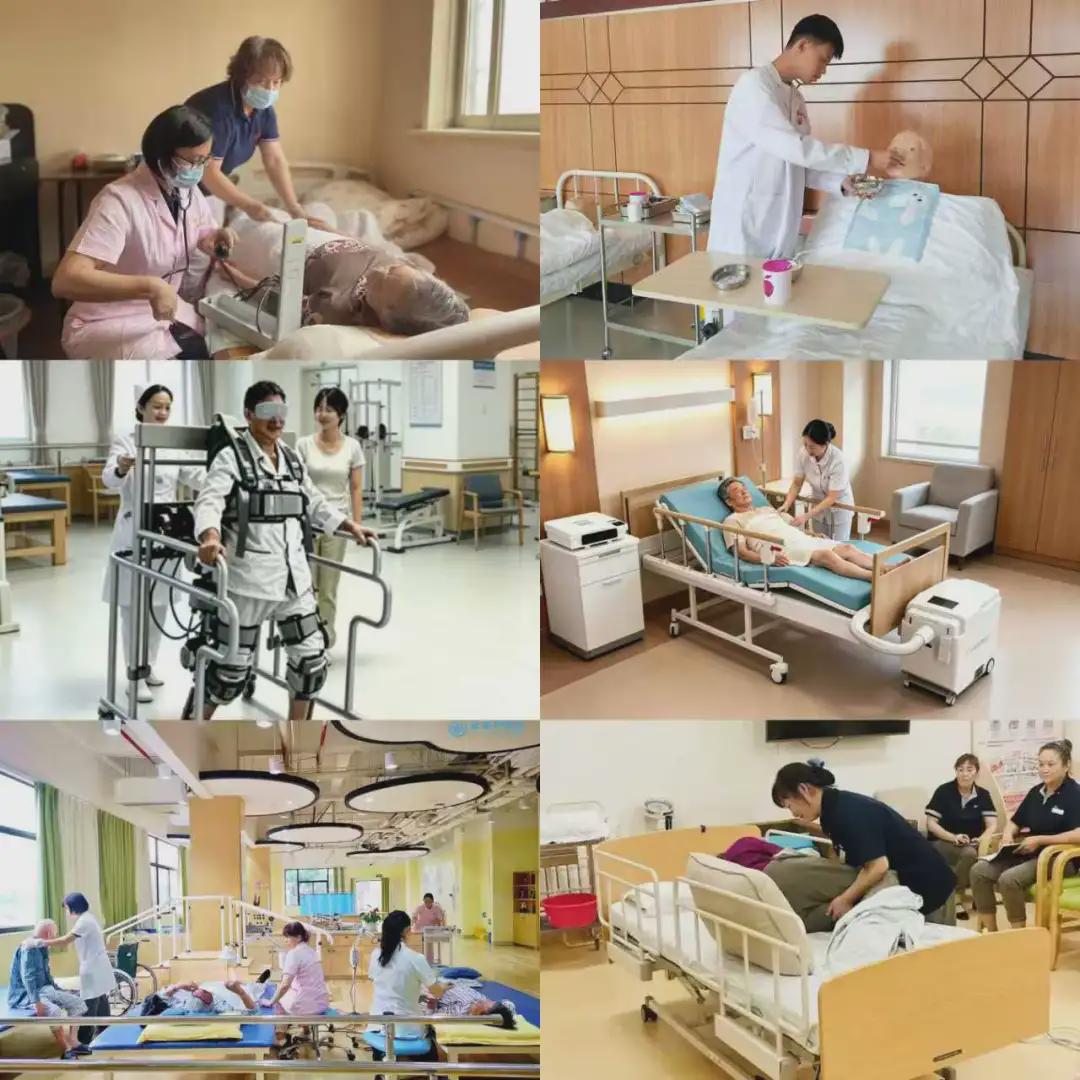
Registration Opens for the 2026 Smart Elderly Care Service Robot Application Competition
Registration has commenced for the 2026 Smart Elderly Care Service Robot Application Competition, set to take place on May 25-26, 2026, in Langfang, Hebei. This event aims to advance the field of rehabilitation and elderly care robotics by presenting challenges that emphasize practical applications and innovative evaluation techniques. Organizers are encouraging participants to showcase their cutting-edge solutions to address the growing needs of the elderly population, reflecting a commitment to enhancing quality of life through technology.
Elderly Care Robots Rehabilitation Robotics AI Technology Robot Competitions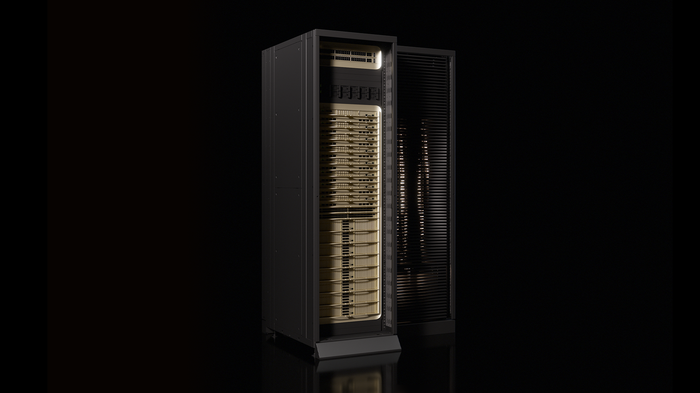
NVIDIA Launches BlueField-4 STX Storage Architecture With Broad Industry Adoption
NVIDIA has unveiled its latest innovation, the BlueField-4® STX, a modular reference architecture designed to facilitate the deployment of accelerated storage infrastructure for enterprises, cloud services, and AI providers. Announced today, this architecture aims to support the long-context reasoning necessary for advanced agentic AI applications. By streamlining the integration of storage solutions, NVIDIA seeks to enhance the capabilities of organizations looking to leverage AI technologies effectively. This development reflects the company's commitment to advancing AI infrastructure and addressing the growing demands of data-intensive applications in various sectors.

SoftBank’s $5.4B ABB Robotics Deal: Why IT Service Providers Should Treat Robotics as a Core Practice
As the fields of autonomy and embodied intelligence continue to advance, IT service providers are likely to shift their roles within the industry. Rather than engaging in every layer of service delivery, companies that cultivate specialized skills in areas such as advisory, integration, or managed operations will find themselves in a stronger position to meet the increasing demand. This evolution reflects a broader trend in the technology sector, where focused expertise is becoming essential for success. As organizations adapt to these changes, the ability to offer targeted solutions will be crucial in navigating the complexities of the modern IT landscape.

Sonardyne Awarded Contract for Seabed Monitoring Landers and Associated Services for NEP Project
Sonardyne has been awarded a contract to provide baseline environmental monitoring services for the United Kingdom's inaugural offshore carbon capture and storage (CCS) site. This decision follows a competitive bidding process, highlighting Sonardyne's expertise in the field. The project aims to ensure the effective monitoring of environmental conditions as the UK moves forward with its CCS initiatives, which are crucial for reducing carbon emissions and combating climate change. The monitoring services will play a vital role in assessing the environmental impact of the CCS operations, ensuring compliance with regulatory standards, and supporting the overall success of this pioneering project.
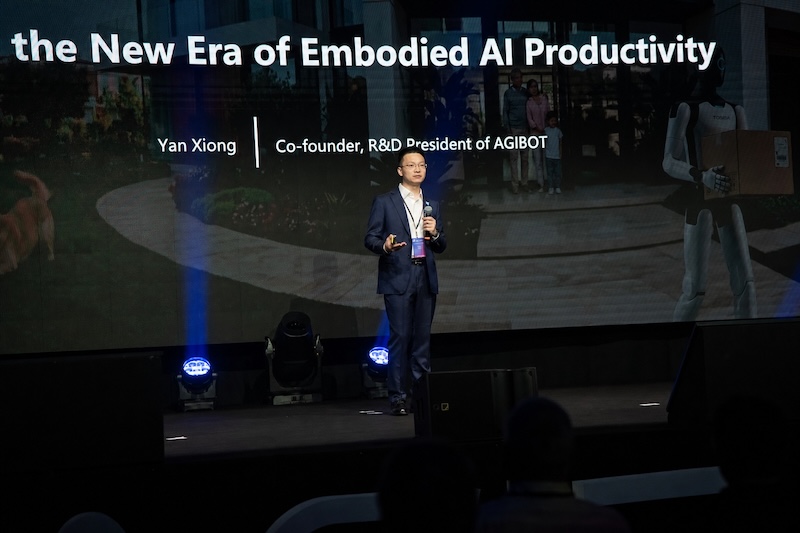
AGIBOT debuts A3 humanoid robot in Europe and launches UK Robot-as-a-Service model
AGIBOT, a prominent developer in the field of embodied AI and robotics, recently convened the UK AGIBOT Partner Conference (APC) 2026 in London. This event represents a significant milestone in the company's strategy to expand its presence in Europe and enhance the commercial viability of humanoid robotics. The conference focused on AGIBOT's dedication to technological innovation, practical applications, and fostering local partnerships to drive long-term value in the robotics sector. Through discussions and presentations, AGIBOT highlighted its vision for the future of humanoid robotics and the importance of collaboration in achieving its objectives.
Humanoids News agibot AGIBOT A3 artificial intelligence commercial robotics
Figure Announces Strategic Partnership with Brookfield
Figure has announced a partnership with Brookfield to create the largest real-world humanoid pretraining dataset, a move designed to bolster the AI infrastructure for its Helix model. This collaboration, which aims to enhance the deployment of humanoid robots across various commercial environments, represents a significant advancement in the fields of artificial intelligence and robotics. The initiative is expected to streamline the integration of humanoid robots into everyday business operations, paving the way for more sophisticated and capable robotic solutions.
Artificial Intelligence Humanoid Robotics Data Collection Commercial Deployment Strategic Partnership
Taobao and Ele.me race into China’s instant retail battlefield
Alibaba is set to rebrand its instant delivery service, transitioning from Taobao Hourly Delivery to Taobao Flash Buy, as reported by Chinese outlet LatePost on Tuesday. The revamped service will begin its rollout in 50 cities this week, with plans for a nationwide launch by May 6. This strategic move comes in response to intensifying competition in China's rapidly evolving e-commerce landscape, as companies vie for market share in the instant delivery sector. By enhancing its offerings, Alibaba aims to strengthen its position and attract more customers in a crowded marketplace.
News Feed Alibaba E-commerce and New Retail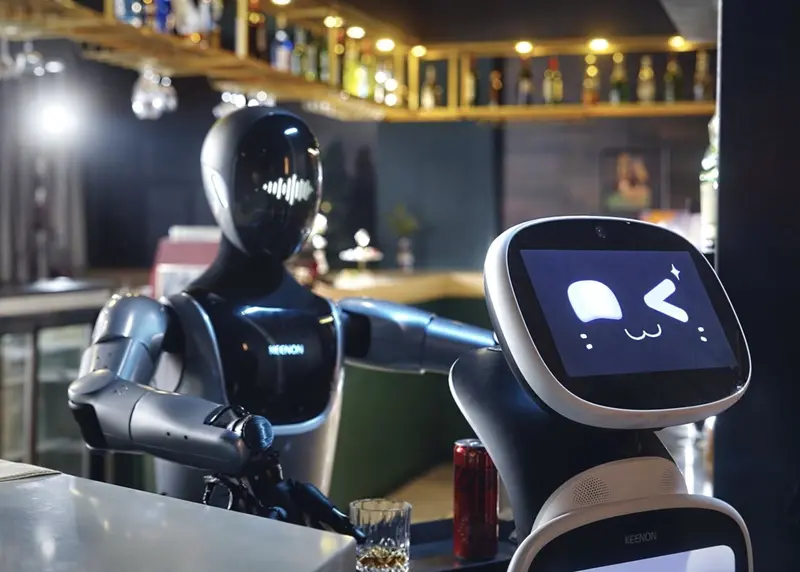
Video: KEENON Robotics Enters Humanoid Field with XMAN-R1, Expands Autonomous Cleaning Lineup
KEENON Robotics has introduced the XMAN-R1, its inaugural humanoid robot aimed at enhancing human interaction and collaboration with its existing line of commercial robots. This launch took place recently as part of the company's efforts to innovate within the service robotics sector. In addition to the XMAN-R1, KEENON also unveiled three new cleaning robots—KLEENBOT C20, C40, and C55—each designed to cater to various cleaning needs across different environments. This expansion of their product lineup underscores KEENON's commitment to providing a comprehensive range of automated solutions, enhancing efficiency and service capabilities in commercial settings.
Keenon XMAN-R1
44.95 Million Yuan! Woan Robotics Secures Largest Single Order in the Field of Home Embodied Intelligence
Woan Robotics has secured a significant contract worth 44.95 million yuan for a project in Shenzhen, announced on May 18. This deal represents the largest publicly disclosed order in the home embodied intelligence sector. The initiative aims to create a comprehensive service center dedicated to embodied intelligence data, with an emphasis on real household scenarios. This project underscores Woan Robotics' commitment to advancing technology that enhances everyday living environments.
Home Robotics Embodied Intelligence Data Collection AI Technology
NVIDIA and ServiceNow Partner on New Autonomous AI Agents for Enterprises
As enterprise AI technology continues to evolve, companies are increasingly focused on determining how artificial intelligence should operate in various contexts. Following the advancements in AI's ability to generate content and reason through complex problems, early agent systems have demonstrated the potential for AI to tackle more intricate tasks beyond basic prompts. This shift marks a significant progression in the capabilities of AI, prompting businesses to explore the implications of AI decision-making and its application in real-world scenarios. As organizations seek to harness this technology effectively, the conversation is shifting towards establishing guidelines and frameworks that govern AI behavior, ensuring that it aligns with ethical standards and business objectives. The ongoing development in this field suggests a transformative impact on how companies will integrate AI into their operations, with a focus on enhancing efficiency and innovation.
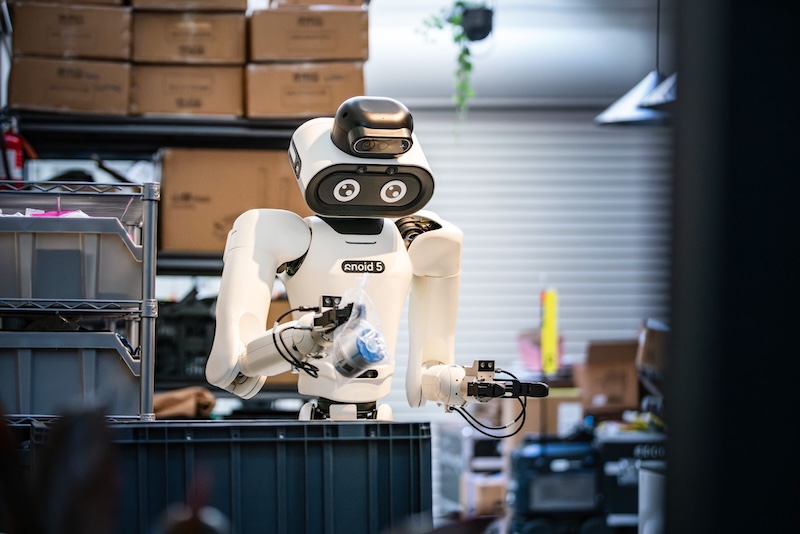
Robot.com Introduces R-noid Humanoid Robot for Challenging Labor Markets
Robot.com has officially launched R-noid, a humanoid robot designed to tackle repetitive and hard-to-fill jobs across various industries. Deployed under a Robot-as-a-Service model, R-noid can achieve autonomous operation within eight to twelve weeks, addressing significant staffing challenges in sectors like healthcare and food services. The introduction of R-noid is crucial as industries face high turnover rates, with quick-service restaurants experiencing over 130 percent staff turnover and hotel operators reporting critical staffing gaps. R-noid aims to alleviate these issues by taking on roles that are difficult to staff, allowing human workers to focus on more skilled tasks. Looking ahead, Robot.com is collaborating with FieldAI to integrate advanced AI capabilities into R-noid, enhancing its operational efficiency in dynamic environments. No further timeline was disclosed at the time of publication.
Humanoids News automation fieldai formic hospitality automation
Apellix Spray Painting Drone Goes to Work in the Field for State DOTs, Federal Contractors, and Commercial Coating Firms
A new technological advancement is transforming the way infrastructure, industrial, and government projects are executed, as the Semi-Autonomous Aerial Coating System begins to replace traditional lifts and scaffolding. This innovative system is being deployed across various real-world applications, streamlining the coating process and enhancing efficiency. The shift towards this aerial solution is gaining momentum as organizations seek to improve safety and reduce labor costs associated with conventional methods. By utilizing advanced robotics and automation, the Semi-Autonomous Aerial Coating System allows for precise application of coatings while minimizing the need for extensive manual labor. As this technology continues to evolve, it is expected to play a significant role in modernizing project execution and addressing the challenges faced in construction and maintenance tasks.
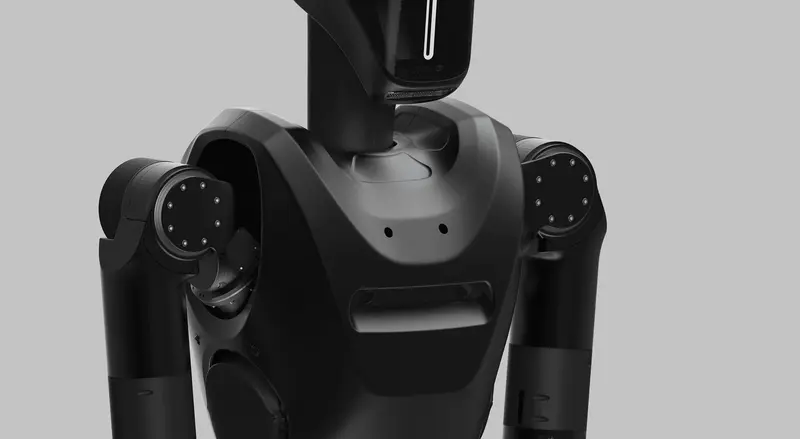
Foundation CEO Discusses 'Dual-Use' Humanoids, From Factory Floors to Future Battlefields
In a recent interview, Sankaet Pathak, CEO of Foundation Robotics, discussed the company's innovative strategy focused on developing humanoid robots designed for industrial automation and military logistics. The conversation highlighted the company's specific hardware selections and ambitious production targets, which aim to set them apart in a competitive market. Pathak also addressed the controversial dual-use approach of their technology, which raises ethical considerations while positioning Foundation Robotics as a leader in both commercial and defense sectors. This strategic direction reflects a growing trend in robotics, where the integration of advanced technology serves multiple purposes, potentially reshaping industries and defense operations alike.
sankaet-pathak military-robotics foundation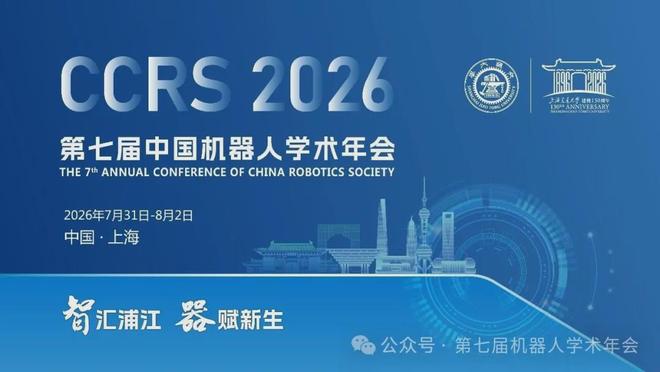
7th China Robotics Academic Annual Conference Scheduled for July 2026 in Shanghai
The 7th China Robotics Academic Annual Conference (CCRS 2026) is set to take place from July 31 to August 2, 2026, at the National Exhibition and Convention Center in Shanghai. The event is co-hosted by several prominent organizations, including the Robotics Branch of the Chinese Mechanical Engineering Society and the Robotics Professional Committee of the Chinese Automation Society, with Shanghai Jiao Tong University and the Shanghai Robotics Society as the local organizers. This year's conference theme is 'Intelligent Integration at the Huangpu River, New Life for Robotics.' It will feature discussions on various topics such as industrial robots, medical robots, service robots, and AI+ robotics. The event aims to attract over 200 renowned experts and scholars in the robotics field, facilitating in-depth academic exchanges through keynote speeches and specialized forums, with an expected attendance of over 3,000 participants. Attendees are reminded to register before payment and to provide proof of student status if applicable. The conference will also serve as a platform for showcasing technologies and products from leading companies in robotics and artificial intelligence. No further timeline was disclosed at the time of publication.
Robotics AI Industrial Robots Medical Robots Conference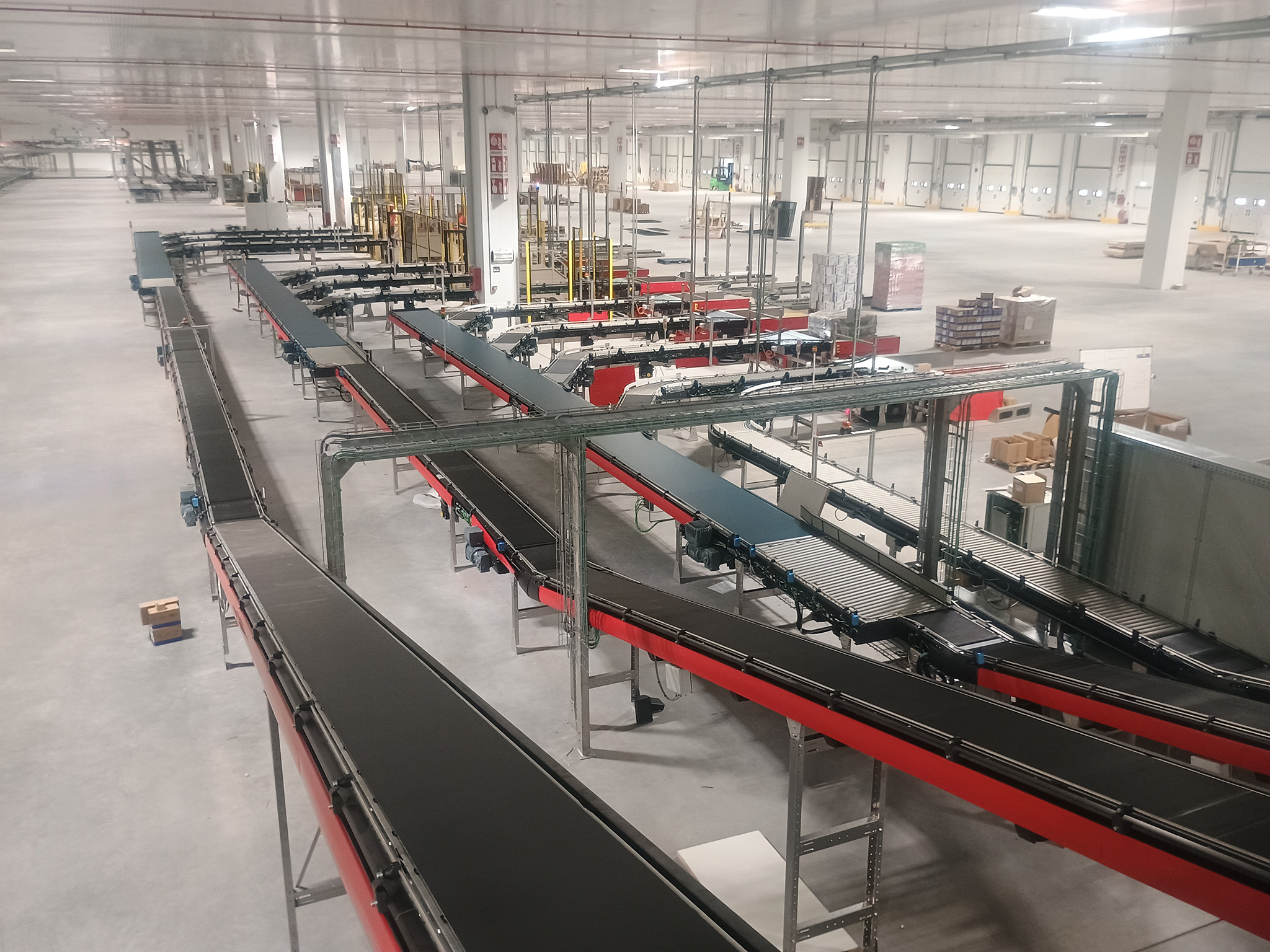
Fives Selected by Coop to Build Automated Distribution Center in Tortona, Italy
Fives has been selected by Coop Consorzio Nord-Ovest to construct a highly automated distribution center in Tortona, Italy. This greenfield facility aims to become a flagship site for the Italian retail sector, focusing on the logistics of fresh products such as meat, dairy, and cold cuts. The investment by Coop is significant as it seeks to enhance logistics flow management, ensuring greater accuracy, speed, and operational continuity across its supply chain. The automated system will optimize sorting operations, improve order preparation quality, and reduce manual errors, thereby reinforcing Coop's commitment to high service quality and competitiveness. Looking ahead, this project represents a major advancement in Coop's logistics network. No further timeline was disclosed at the time of publication.
AMR and AGV Automation Systems and Shuttles Materials Handling Warehousing automation distribution
Former Huawei Executive Leads Morphi in Embodied Intelligence with Over $1.4 Billion in Funding
Morphi, a rising company in the field of embodied intelligence, has successfully secured over 1 billion yuan in angel funding, achieving a post-investment valuation of over 7 billion yuan. The startup, which counts tech giants Alibaba and Tencent among its backers, is focused on creating a versatile, multimodal robotic brain. Initially, Morphi will concentrate on commercial applications, with plans to later venture into the household robotics sector. Founded by former leaders from Huawei, the company is preparing to launch its first consumer service robot in July.
Embodied Intelligence Robotics AI Funding Startups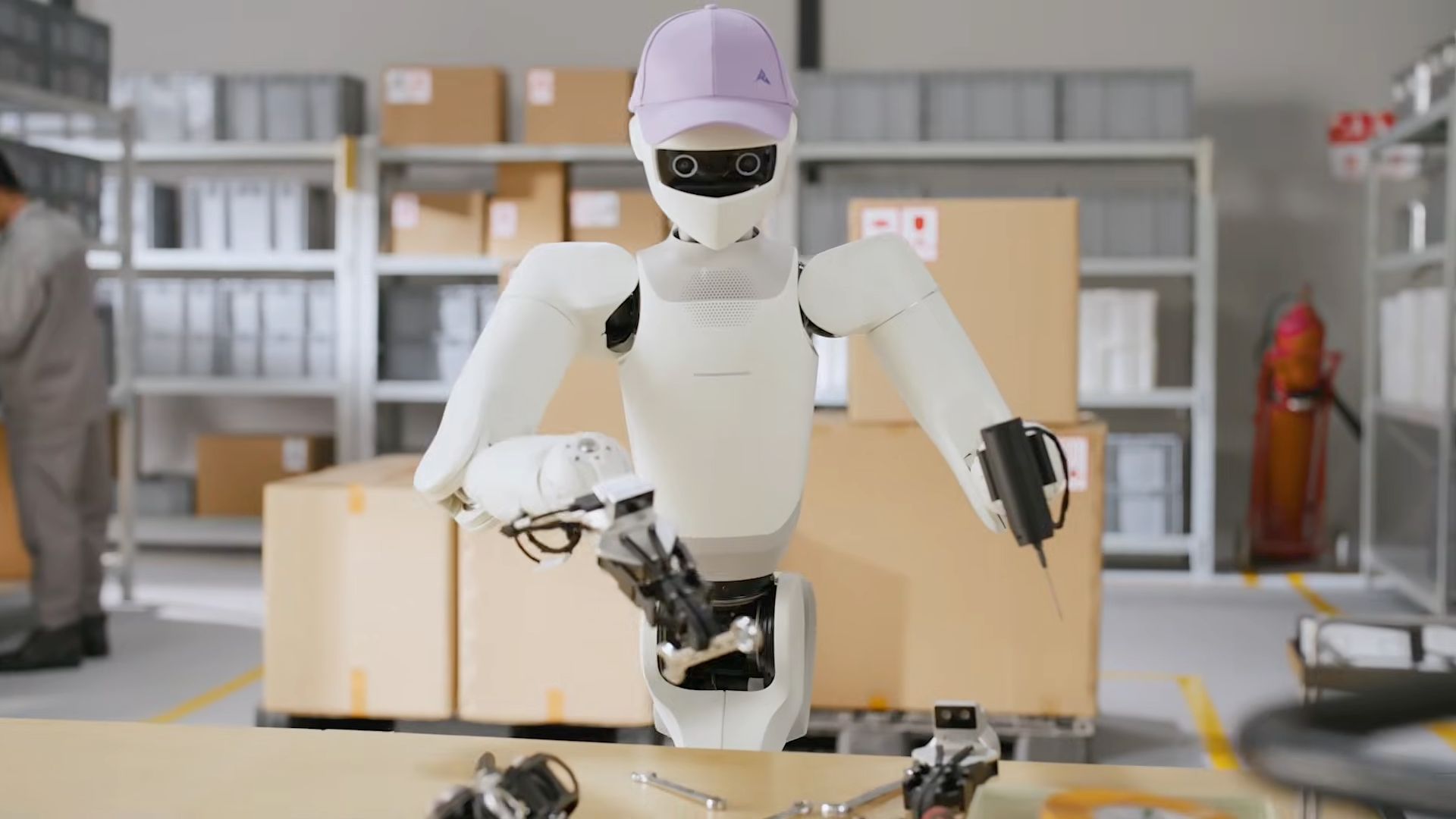
Video: New $13K humanoid from China aims to widen access to advanced robotics
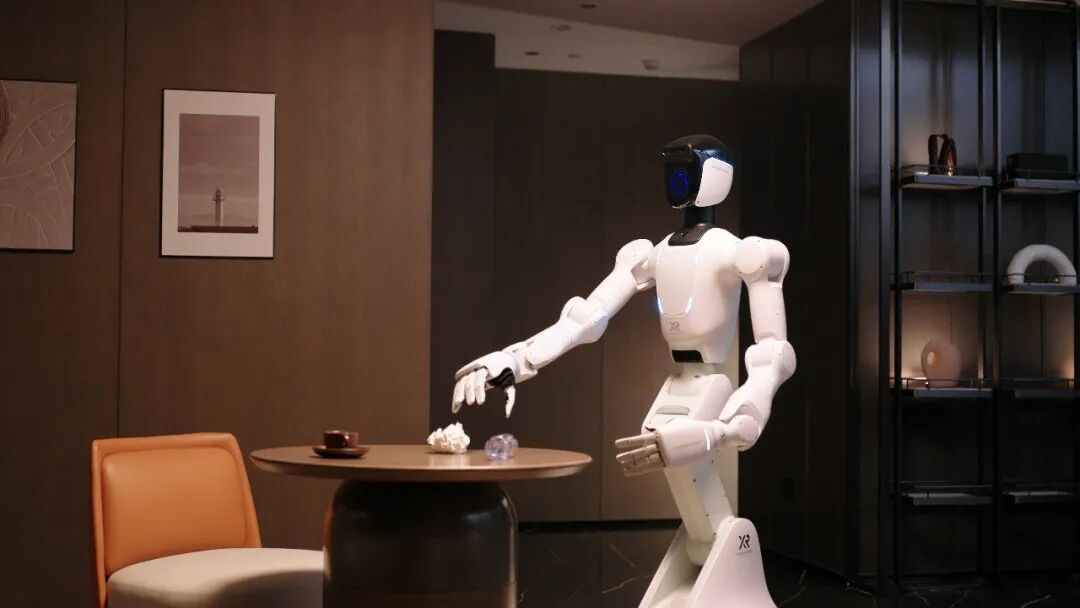
Chinese robotics startup Astribot, also known as Stardust Intelligence, has recently introduced one of the country’s most advanced humanoid robots. The unveiling took place during a technology expo in Beijing on October 15, 2023. This innovative robot, designed for various applications including healthcare and customer service, aims to enhance efficiency and support human workers in multiple sectors. Astribot's motivation behind this development stems from the growing demand for automation and intelligent solutions in China’s rapidly evolving economy. The company has invested significant resources in research and development to create a robot that not only mimics human movements but also integrates artificial intelligence for improved interaction and problem-solving capabilities. The launch event showcased the robot’s features, including its ability to recognize faces, respond to voice commands, and perform complex tasks. Demonstrations highlighted its potential to assist in environments such as hospitals and retail spaces, where it can alleviate workloads and improve service delivery. As the robotics industry continues to expand, Astribot aims to position itself as a leader in the field, contributing to the broader trend of integrating advanced technology into everyday life. The introduction of this humanoid robot marks a significant milestone in China's pursuit of innovation and technological advancement.
Securing 2 Billion! Four Giants Invest in a Shenzhen Unicorn
Shenzhen-based Variable Robotics has successfully secured nearly 2 billion yuan in Series B funding, with the investment spearheaded by tech giants Xiaomi and Sequoia China. The startup, which has garnered support from notable investors including Meituan, Alibaba, and ByteDance, is focused on transforming the field of embodied intelligence. Through the development of its proprietary AI models, Variable Robotics aims to introduce innovative household services that could significantly enhance everyday living. This funding round marks a significant milestone for the company as it seeks to expand its technological capabilities and market presence.
Embodied Intelligence AI Robotics Startup Funding Household Automation
The Birth of iOS/Android for Robotics: Pudu Develops the 'Strongest Brain' in Embodied Intelligence through Global Business Practice
Pudu Robotics has announced the launch of its innovative core technologies, PuduFM 1.0 and PuduAgent, which represent a major leap forward in the field of embodied intelligence. This development comes as the company has successfully deployed over 130,000 robots worldwide, underscoring its commitment to revolutionizing the service robotics industry. The new technologies are designed to enhance the capabilities of service robots, enabling them to evolve from simple, single-task tools into sophisticated, intelligent agents that can effectively navigate and operate in complex environments. This advancement is expected to significantly broaden the applications of service robots, making them more versatile and efficient in various settings.
Embodied Intelligence Service Robots Robotics Technology AI Automation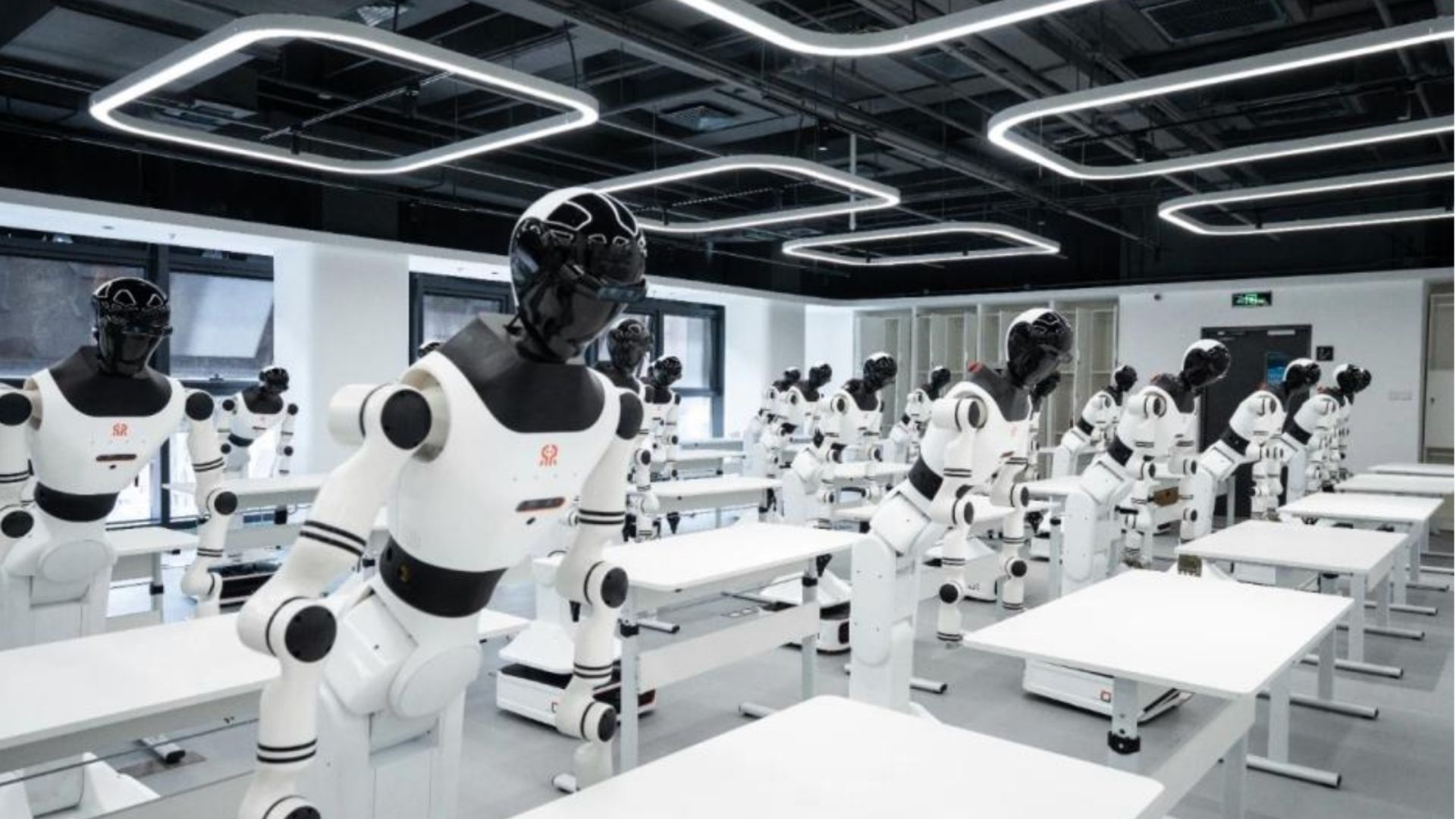
World’s first humanoid robot auction to debut at China’s biggest shopping event
Chinese e-commerce giant JD.com has announced its intention to launch the world’s first humanoid robot, marking a significant milestone in the field of robotics and artificial intelligence. The unveiling is set to take place in early 2024 at the company’s headquarters in Beijing. This innovative development aims to enhance automation in various sectors, including retail and logistics, reflecting JD.com’s commitment to integrating advanced technology into everyday operations. The motivation behind this initiative stems from the growing demand for efficient and intelligent solutions in the e-commerce industry, particularly in response to the challenges posed by labor shortages and the need for improved customer service. By introducing a humanoid robot capable of performing complex tasks, JD.com seeks to streamline operations and reduce costs while providing a futuristic shopping experience for consumers. The process involves extensive research and development, with JD.com leveraging its expertise in artificial intelligence and machine learning to create a robot that can interact with customers and assist in various functions. This launch not only positions JD.com as a leader in technological innovation but also sets a precedent for the future of humanoid robotics in commercial applications. As the company prepares for this groundbreaking event, industry experts and consumers alike are eager to see how this advancement will shape the landscape of e-commerce and beyond.
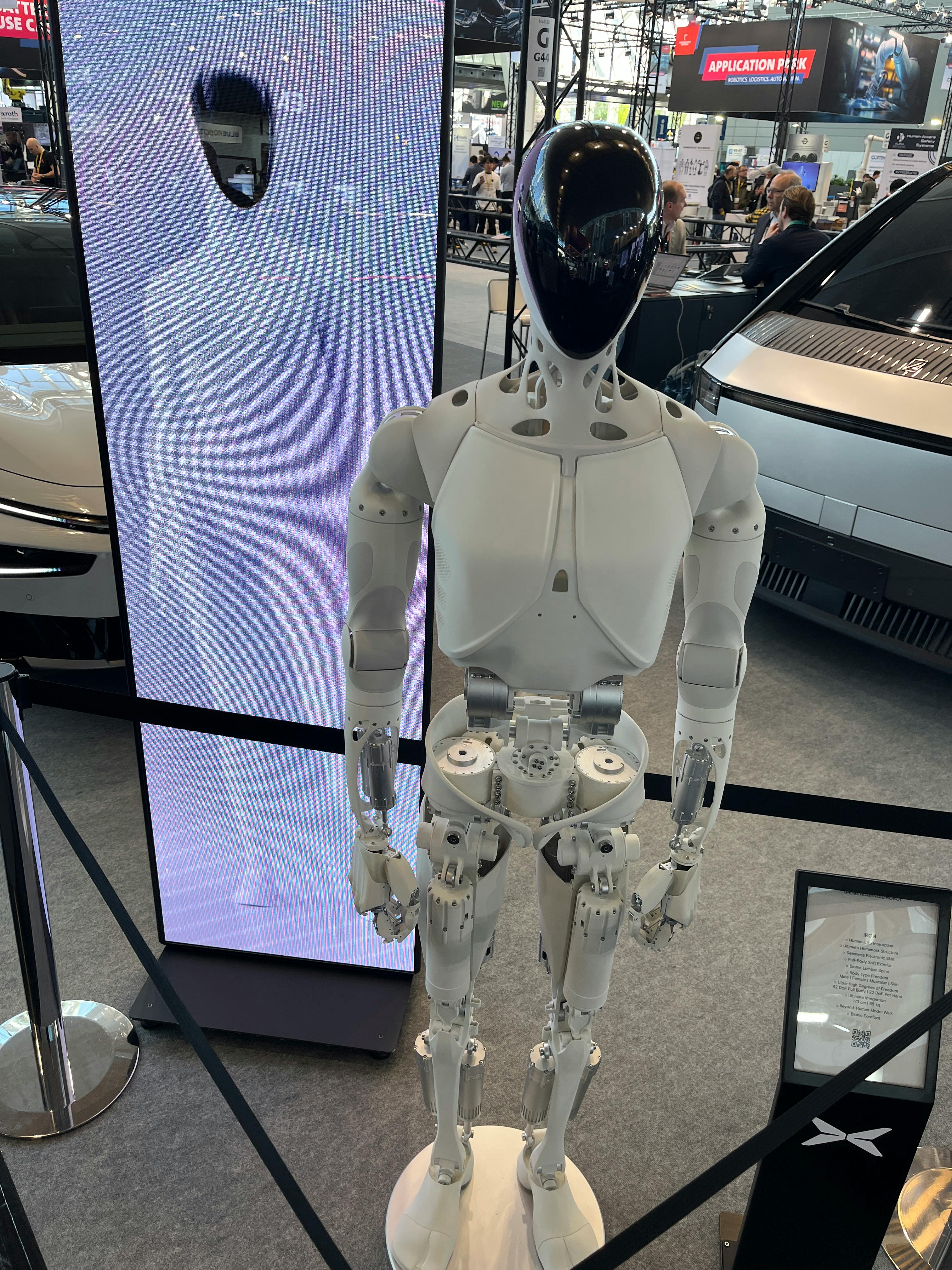
Meet the Humanoid Robots that May Replace Us All: Hannover Messe Edition
At a recent technology exhibition, various humanoid robots showcased their unique capabilities, sparking interest among attendees and industry experts alike. The event, held in October 2023, attracted a diverse audience eager to explore advancements in robotics. Among the standout exhibits was a humanoid robot that distinguished itself through its advanced artificial intelligence and interactive features, which allowed for more natural human-robot interactions. The motivation behind this innovation stems from the growing demand for robots that can assist in everyday tasks and enhance human experiences. Developers demonstrated how this particular robot could adapt to different environments and respond to user commands with remarkable accuracy, showcasing the potential for practical applications in sectors such as healthcare and customer service. As the exhibition unfolded, demonstrations highlighted the robot's ability to learn from its interactions, emphasizing the importance of machine learning in the evolution of humanoid robotics. This event not only illustrated the technological advancements in the field but also raised questions about the future of human-robot collaboration and the ethical implications of integrating such technology into daily life.
Technology and IIoT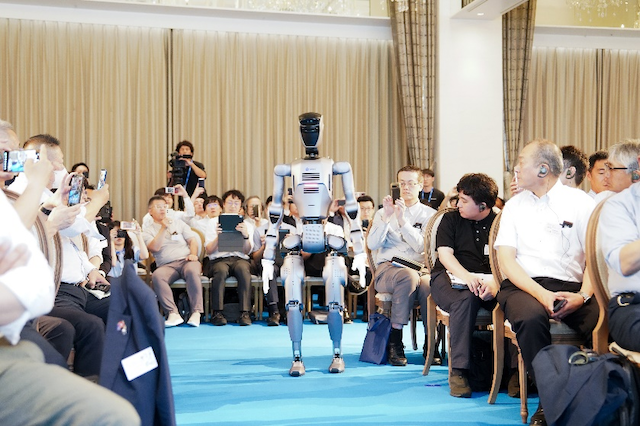
DOBOT Debuted Global Delivery of Humanoid Robot – DOBOT Atom
Dobot has announced the global mass production and delivery of its humanoid robot, DOBOT Atom, during a launch conference in Nagoya, Japan. This significant event marks a milestone for the company as it aims to expand its presence in the robotics market. The launch highlights Dobot's commitment to innovation and its vision of integrating advanced robotics into various sectors, including manufacturing and service industries. The introduction of DOBOT Atom is expected to enhance automation capabilities, providing businesses with efficient solutions to meet growing demands. The conference showcased the robot's features and potential applications, illustrating how it can transform operations across different fields.
robot arm collaborative robot cobot dobot dobot robotics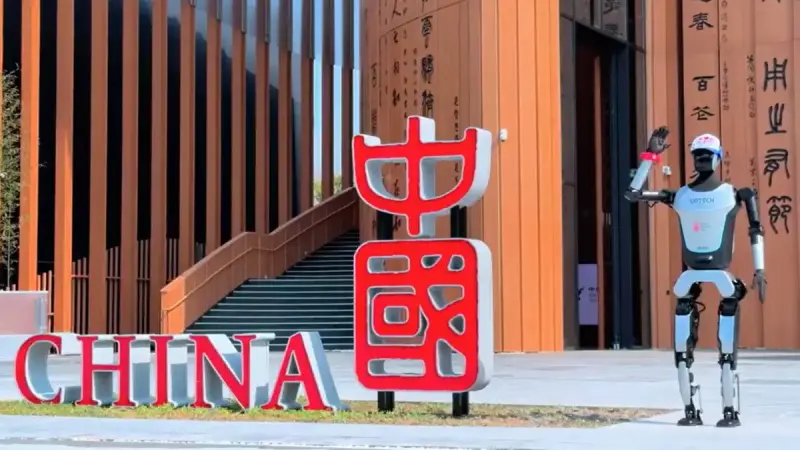
UBTech's Walker C Humanoid Robot Set for Tour Guide Debut at Expo 2025 Osaka
UBTech Robotics is set to unveil its Walker C humanoid robot as a tour guide during Expo 2025, which will take place in Osaka, Japan. This innovative robot is anticipated to demonstrate significant advancements in manipulation and autonomy, potentially evolving from the company's previous Tien Kung model. The introduction of the Walker C underscores China's growing capabilities in the fields of service robotics and artificial intelligence, reflecting the nation's commitment to integrating cutting-edge technology into everyday applications. The expo will serve as a global platform for showcasing these advancements, highlighting the role of robotics in enhancing visitor experiences.
UBTECH Robotics walker c
Clone Robotics Announces Limited Edition Clone Alpha Humanoid Robot for Pre-Order in 2025
Clone Robotics has introduced the Clone Alpha, a humanoid robot engineered to closely replicate human anatomy. This innovative technology aims to enhance human-robot interaction and expand applications in various fields, including healthcare and customer service. Pre-orders for the initial batch of 279 units are set to commence in 2025, marking a significant step forward in robotics. The development reflects the company's commitment to advancing robotics technology and addressing growing demands for automation and assistance in everyday tasks.
clone robotics clone
Kirisense wins funding to develop robotic fingertips that can sense touch and slip
Kirisense, a UK robotics startup, has received funding from the Henry Royce Institute to advance its development of tactile sensing technology aimed at enhancing robots' sense of touch to more closely resemble that of humans. This initiative, part of the Henry Royce Institute’s Industrial Collaboration Programme, is being executed in collaboration with the University of Sheffield. The project will concentrate on creating robotic fingertips that can provide a more nuanced and sensitive interaction with their environment, potentially revolutionizing the field of robotics by improving the dexterity and functionality of robotic systems.
News Sensors advanced automation advanced materials artificial intelligence automation news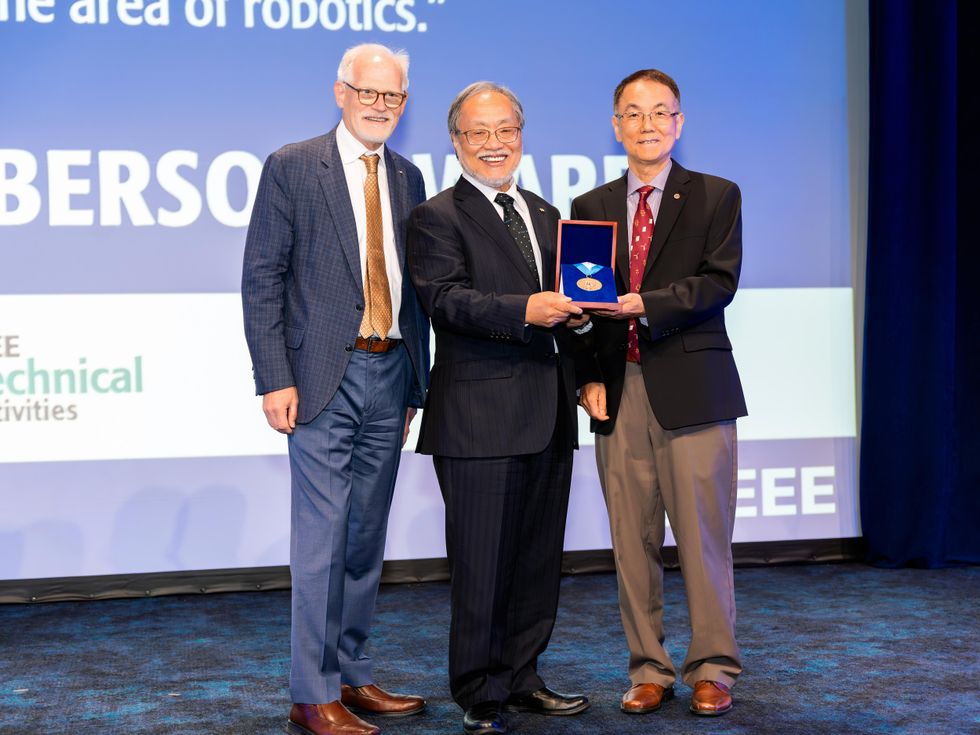
IEEE Honors Robotics Pioneer Toshio Fukuda
Toshio Fukuda has been blazing trails for most of his career. He is considered to be one of the most prolific scholars in robotics, writing more than 2,000 research papers and authoring several books on the field. He’s an influential figure thanks to his pioneering work developing biomedical robotic systems, industrial robots, micro-nano robotics, mechatronics, and AI-driven automation.Fukuda launched one of the first robotics conferences, the IEEE/RSJ International Conference on Intelligent Robots and Systems (IROS). It is still popular almost 40 years later.Toshio FukudaEmployerEgypt-Japan University of Science and Technology, in Alexandria TitleProfessor and vice president of research Member gradeLife Fellow Alma matersWaseda University, in Tokyo; University of Tokyo An IEEE Life Fellow, he is a professor emeritus in the department of micro-nano systems engineering and a visiting professor at Nagoya University, in Japan, where he taught for nearly 25 years. Currently, he is a vice president of research at the Egypt-Japan University of Science and Technology, in Alexandria, Egypt.Within IEEE, Fukuda has held top volunteer positions including the organization’s highest office: He served as IEEE president in 2020, becoming the first person of Asian descent to hold the role.He’s a former program director of Japan’s Moonshot program, which by 2050 intends to develop advanced AI robots.Born in Japan, Fukuda has been recognized by the country for his contributions to science with two of its highest awards: the Medal of Honor with a purple ribbon in 2015 and the Order of the Sacred Treasure in 2022.IEEE honored him with this year’s Richard M. Emberson Award for “distinguished service advancing the technical objectives of IEEE, especially in the area of robotics.” The IEEE Board-level award is sponsored by the IEEE Technical Activities Board. Fukuda received the award on 24 April at a ceremony in New York City.As a former IEEE president who has served as a master of ceremonies at several of the organization’s major award events, Fukuda noted that he is more accustomed to bestowing awards than receiving them.“It’s very interesting to be on the receiving end,” he says.The journey into robotics researchAs a teenager, Fukuda spent his summer breaks teaching himself how to build things including transistor radios and steam engines.“It was very nice to have a hands-on hobby and make these kinds of things myself,” he says. His experimentation led him to study engineering.He earned a bachelor’s degree in engineering in 1971 from Waseda University, in Tokyo. He says one of his professors there—Ichiro Kato, regarded as the father of Japanese robotics research—was a good mentor who made a positive impact.Fukuda’s research interests were robotics and mechatronics, a field that combines robotics, electronics, computer science, and control systems.He went on to earn a master’s degree and a doctorate in science from the University of Tokyo, in 1971 and 1977. During those years, he also attended Yale, where he conducted research on advanced control theory in 1973.He reflects fondly on his time at Yale: “It was a very nice environment and a kind of free-thinking atmosphere. It motivated me to study more.”“IEEE doesn’t care who you are, what you do, what country you are from, or whether you are male or female. IEEE accepts people who have energy and passion.”While at Yale, Fukuda served as an assistant to his advisor—which led him to consider a career in academia, he says, because he enjoyed the freedom that research work afforded him.But he realized that such freedom comes with a price. University researchers are expected to raise the money that funds their work. He compares researchers to small-business owners who have to bring in money to keep their enterprise afloat.That realization led him to select robotics as his field because he intended to develop technologies useful to industry, he says.After earning his doctorate, he returned to Japan in 1977 to work as a research scientist at the government’s Mechanical Engineering Laboratory, later renamed the National Institute of Advanced Industrial Science and Technology, in Tsukuba.“There was a lot of research going on at the lab, including practical robotics and theory,” he says.He left Japan in 1979 to become a visiting research fellow at the University of Stuttgart, in Germany. During his year there, he studied systems, software problems, and related topics.He returned to Japan and was hired as an associate professor of mechanical engineering at the Tokyo University of Science. He conducted research into practical uses for robots by visiting industrial plants. He decided to develop robots that inspect industrial equipment such as those used in assembly plants, oil refineries, and power stations—places that “can be hostile environments for humans,” he says.His work drew interest from chemical, oil, and utility companies.“I got a lot of money from them for this very practical application, which funded my research,” he says, laughing.Developing popular robotic systemsFukuda grew tired of making those robots, he says, so he switched to creating ones for scientific applications. He developed many techniques, but he probably is best known for his modular, cellular robotic systems (CEBOTs), which he introduced in 1985.He has described how CEBOTs work in numerous papers published in the IEEE Xplore Digital Library.The CEBOT system is composed of a number of autonomous robotic cells that stick together like interlocking Lego plastic bricks, he says.Each cell is a fundamental modular unit that has a function. When a simple task is given, the system can analyze it and generate the structure of the cellular manipulator. The cells connect to and detach from each other through connection mechanisms and cooperate mutually, creating complex structures and configurations.“You start developing from the component-wise to the cell-wise to a small functional unit—and then you come up with clusters that make bigger systems. We can make a society of robot beings like that,” he explained in his oral history published on the Engineering and Technology History Wiki. “It’s a distributed robotic system, a self-organized robotic system, and also an evolutionary robotic system.“It’s also a fault-tolerant robot system because if something is wrong, you just remove those things and make a new one. You keep the system working. That’s a great thing.”Today CEBOTs are used for a variety of tasks such as delivering medication in hospitals, assisting with planting crops, and transporting products in distribution centers. Check out IEEE Spectrum’s Robots Guide for news from the world of robotics.In 1989 Fukuda joined Nagoya University as a professor of mechanical engineering and micro-nano systems engineering. During his 24-year career there, he was director of the university’s Center for Micro-Nano Mechatronics. He developed a long list of technologies at the university, including many for medical applications. He also conducted groundbreaking research into intelligent robotic systems and micro- and nano-robotics.Another technology he is known for is brachiation robots, which he helped develop in 1988. He calls them monkey robots because they’re based on the pendulum-like movement of monkeys swinging from tree to tree. The gravity-based locomotion enables continuous movement.Brachiation robots now are inspecting high-voltage transmission towers and bridges, searching damaged buildings for survivors, and performing maintenance on pipelines and cables.Fukuda retired from the university in 2013 and was named professor emeritus.He didn’t stay retired for long, though. He next held a teaching appointment at Meijo University, in Nagoya, until he left in 2022 to join the Egypt-Japan University.A prominent volunteerHe joined IEEE in 1980 at the encouragement of one of his research advisors, Professor Fumio Harashima, now an IEEE Life Fellow. After attending conferences and reading the organization’s publications, Fukuda says, he looked forward to becoming more involved.“I wanted to know how to organize a conference and how to edit a paper for one of its Transactions,” he says. “I wanted to know what was going on from inside the organization, not just the outside.”In 1988 he was the founding chair and organizer of IROS, in Tokyo. The conference had 330 attendees that year, and was supported by Harashima. Today it is one of the largest and most prestigious conferences on the topic, attracting more than 9,000 people annually. Out of 120,000 conferences, it was the only conference in the Nature Index database for this year, Fukuda says.In 1996 he and other members launched IEEE Transactions on Mechatronics.He was the founding president of the IEEE Nanotechnology Council, which was established in 2002. He is considered a pioneer in nanotechnology research, particularly regarding how it relates to robotics.Over the years, he has held numerous volunteer positions on IEEE editorial boards and committees.He was the 1998–1999 president of the IEEE Robotics and Automation Society, becoming the first non-U.S. member to hold the title.He was director of IEEE Division X (2001–2002 and 2017–2018), which covers intelligent systems, biological engineering, robotics, control systems, and photonic technologies. He served as the 2013–2014 director of IEEE Region 10 (Asia-Pacific).As the 2020 IEEE president, Fukuda saw the organization through the early part of the COVID-19 pandemic. Because of travel restrictions, he realized IEEE should change how it offered its in-person services, specifically educational programs. He encouraged IEEE Educational Activities to develop an online learning platform. The IEEE Learning Network started with just three courses and now offers nearly 2,000 courses, webinars, and learning materials.An award-winning memberThe Emberson Award joins a slew of other recognitions Fukuda has received from IEEE. They include several from the IEEE Robotics and Automation Society: a 2004 Pioneer Award, a 2009 Saridis Leadership Award, and the 2011 Harashima Award for Innovative Technologies. He is also a recipient of the Board-level 2010 IEEE Robotics and Automation Technical Field Award.He says he feels strongly that IEEE should be a diverse organization that is welcoming to all. As IEEE president, he led efforts to devise a diversity, equity, and inclusion program. Several policies, procedures, and bylaws were revised to give members a safe, inclusive place for discourse.“It’s important for IEEE to make everyone feel comfortable,” he says. “DEI programs are important. All people should be equal. IEEE doesn’t care who you are, what you do, what country you are from, or whether you are male or female. IEEE accepts people who have energy and passion.“It accepted me, from the Far East. That’s why I like it.”You can learn more about Fukuda and his career from the oral history conducted by the IEEE History Center.
Robotics Robots Ieee-member-news Type-ti Ieee-awards Toshio-fukuda
What Makes AI Art Worth Collecting?
In May, an anonymous artist who goes by SHL0MS on X posted that he had used AI to generate an image inspired by Claude Monet and asked people to weigh in on how it missed the mark. More than 600 responses called out issues, saying the colors were off, the depth was all wrong, and that AI didn’t understand how light worked.SHL0MS then revealed that the image was of a real Monet, one of around 250 variations of water lilies the artist had painted in his lifetime. He had simply downloaded a high-resolution image from Wikimedia and cropped out the signature. He minted the exchange as an NFT (a unique digital collectible recording ownership of the work), titled it “Inferior Image,” and sold it for just over US $40,000 after 28 bids.The stunt exposed how charged the conversation around AI art has become, and how quick people are to dismiss anything AI-generated as slop—even when it’s not. Yet even as those arguments continue, a market for AI-generated art has begun to form anyway. It’s fragmented and contested, but bigger than most people realize.Jediwolf, an anonymous collector who says he has spent more than 20 years acquiring digital and AI art, was watching the experiment unfold in real time on X. He had never interacted with SHL0MS before, but when the NFT went up for auction he made a bid and won. “I was buying a unique moment in time,” he says, “captured by an artist and preserved as a token.”The Monet was not AI art, but most of what Jediwolf buys is. One of Jediwolf’s digital collections, which he calls UnderTheGAN—a play on GANs, or generative adversarial networks, the AI technology that preceded today’s diffusion models—comprises roughly 100 works valued at around $72,000, focused on early AI art from 2015 to 2020, before the medium went mainstream. He describes his role as part collector, part researcher, part curator, trying to document a fast-moving field.“A decade ago, digital art was often treated as peripheral to the ‘serious’ art world,” he says. “Today, it is increasingly difficult to separate contemporary culture from the internet.”AI Art Moves Into MuseumsThe market for AI art extends beyond NFTs: AI-generated pieces are also finding their way into physical installations. Last month saw the opening of Dataland, the world’s first generative AI museum, in downtown Los Angeles. It was spearheaded by Refik Anadol, a digital artist who has built a career out of transforming data into large-scale immersive experiences. The opening exhibition has pieces that use data that Anadol collected from rainforests around the world, with real-time weather information from 16 rainforests feeding into all five galleries. In three of the rooms, the imagery also shifts in response to visitors’ own biometric data, tracked by bracelets they wear. Like any museum it sells tickets, ranging from $49 to $79, and has a gift shop. This shop, however, uses visitors’ biometric data collected during their visit to generate a unique design printed on a T-shirt. For $15,000, a robotic painting system called Qualia creates a one-of-a-kind canvas from that same data, painted once a day, with a waiting list already forming. A founding collection of 1,000 AI data sculptures that evolve based on environmental data from global rainforests sold out in 34 minutes at $5,000 each.The system running it all, which Anadol calls the Large Nature Model, was trained on more than 500 million nature images representing 2.2 million species, gathered through field expeditions to 16 rainforests and partnerships with institutions including the Smithsonian and the Cornell Lab of Ornithology.For Anadol, AI art requires a different kind of transparency than any medium that came before it. Because commercial AI tools have shaped how most people understand the technology, artists working with it seriously have to be more open about their process than painters or photographers ever did.“For AI art, we have to know where the data comes from, we have to know which model is trained and how it’s trained,” he says. “We can’t just think about authenticity and uniqueness if a service and product is the fundamental layer of the artwork.”The reviews for Dataland have mostly been positive, with one critic calling it the Citizen Kane of immersive experiences. But Anadol is used to a more divided reception. His 2022 installation at MoMA—a 7-by-7-meter screen of AI-generated fluid forms with shifting colors and sounds—drew 3 million visitors and entered the permanent collection, even as New York Magazine called it “a massive techno lava lamp.” Anadol sees the skepticism as nothing new, just the latest version of a resistance that has greeted all new media. “Every art form has gone through similar cycles of denial,” he says. “We are living in a renaissance that started 10 years ago, and I just don’t think everyone is aware of it yet.”Who Is Buying AI Art?The broader market data points in multiple directions at once. According to the Art Basel and UBS Art Market Report 2026, digital art’s share of sales nearly tripled between 2024 and 2025, and just over half of all fine art collectors surveyed had purchased a digital artwork in 2025, making it the third most popular category after painting and sculpture (the report does not break out AI art specifically).Meanwhile, Christie’s shuttered its pioneering digital art department in September, folding digital works back into its broader contemporary sales after none of its dedicated auctions broke $400,000.The most data-rich window into buyer behavior comes from a less glamorous corner of the market. After one major stock image platform allowed AI-generated images, monthly sales jumped 80 percent, according to Samuel Goldberg, an economist at Stanford Graduate School of Business who published a research paper about the shift. Traditional contributors began leaving the platform as generative images flooded in, and creators using AI tools rushed to fill the gap. “It looks like consumers like generative AI,” Goldberg says, “and it seems like nongenerative artists could be getting crowded out of the market.” Stock images are essentially a commodity version of art, according to Goldberg, and because image-generating models are already very good at producing them, what’s happening there may be a preview of what’s coming for other creative goods markets—including fine arts—as the technology improves.Artists are typically among the first to test the limits of a new technology; early adopters have created AI art since the 1970s. What’s new now is the ability for anyone to generate an image in seconds with a text prompt. That, according to Christiane Paul, curator of digital art at the Whitney Museum of American Art, is not the same thing at all. What fills those stock-image platforms, and what most people encounter when they think of AI art, does not qualify as art.True AI art, Paul says, is a subcategory of digital art that uses artificial intelligence as both a tool and a medium, engaging with it practically and conceptually, doing things like training custom models, building extensions, and layering control systems. “A visual created by a prompt is not art,” she says. What serious AI artists are actually doing is much more than typing a few words into DALL-E.Far from the shortcut most people assume, working seriously with AI as an artistic medium is, by her account, brutally hard. Every artist she talks to says the same thing. “It is much, much harder than a paintbrush to handle,” she says. “You are literally communicating with a system with a completely different logic.”Thanks to bubblemaps.io for its research assistance on the NFT market.
Ai-art Generative-ai Digital-art Blockchain
Palladyne AI Executes $4.2 Million U.S. Air Force Contract to Advance Swarming Capabilities for Integrated Cross-Domain Operations
Palladyne AI Executes $4.2 Million U.S. Air Force Contract to Advance Swarming Capabilities for Integrated Cross-Domain Operations Visit http://www.palladyneai.com for further information Palladyne AI’s SwarmOS™ platform to support satellite integration, marking a major expansion of its multi-domain autonomy and ISR capabilities across space, air, maritime, and land 07/07/26, 06:15 AM | Mobile Robots, Other Topics | Palladyne AI Corp. Palladyne AI Corp. (NASDAQ: PDYN and PDYNW) ("Palladyne AI"), a developer of artificial intelligence software for robotic platforms in the defense and commercial sectors, today announced that it has executed the previously announced contract awarded by the Air Force Research Laboratory (AFRL) to solve one of the most persistent challenges in modern defense operations—how to make different autonomous systems work together as one coordinated team. The "Hierarchical Adaptive Networked Game-Theoretic Integration of Multiple Echelons (HANGTIME)" contract will address this need. More Headlines A3's Automate 2026 Breaks Records as Demand for Robotics, AI and Automation Grows NVIDIA and Hugging Face Bring New Models and Frameworks to LeRobot for the Open Robotics Community ABB Robotics completes its AI-powered Visual SLAM AMR portfolio with new autonomous forklift UMA Unveils Its Vision for the Next Generation of Humanoid Robots Robbyant Unveils LingBot-Depth 2.0 and LingBot-Vision to Redefine Robotic Spatial Perception Articles Unleash AI Innovation: The Power of NVIDIA RTX PRO 6000 Blackwell Workstation Edition Fueled by PNY-Supplied GPUs Automate 2026 Q&A with DESTACO Automate 2026 Q&A with Roboteon Advances in Robots to See & Interpret within Warehouse Environments Building Resilient Fulfillment Networks with Robotics and Real-Time Logistics Data Today, drones, ships, and satellites often operate largely independently, limiting how quickly warfighters can see and respond to threats. HANGTIME will utilize Palladyne AI's patented SwarmOS™ software platform—the defense variant of the Palladyne™ Pilot embodied AI software—as the baseline technology to bridge that gap, connecting disparate systems so they can share intelligence, adapt to changing conditions, and act in sync across domains, including space, air, maritime, and land. By integrating satellites for the first time, this project also extends Palladyne AI's technology from the ground to orbit, enabling faster, more informed decision-making and coordinated mission execution, turning tactical commanders into strategic commanders by giving them more cross-domain intelligence, surveillance, and reconnaissance (ISR) capabilities than ever before. "Our collaboration with AFRL showcases what's next for autonomous operations," said Ben Wolff, President and CEO, Palladyne AI. "This isn't about replacing humans—it's about giving them sharper, faster insight. By connecting satellite, aerial, and ground systems using the patented SwarmOS embodied AI platform as a foundational technology, we're helping the warfighter make better decisions in real time and stay one step ahead on the battlefield." "The HANGTIME project is a breakthrough that unites high-altitude assets and situational unmanned systems into one coordinated sensor network—delivering a major advantage for the defense industry," said Dr. Denis Garagic, Chief Technology Officer, Palladyne AI. "For the first time, a single AI framework can coordinate assets across multiple domains, including satellites. That means these systems can now think and act together as a team, sharing what they see and learning as conditions change." "The HANGTIME effort represents a critical step in multi-domain autonomy for coordinated execution in challenging environments," said Caleb Williams, Program Manager, AFRL/RIEA. For more information on Palladyne AI and its patented collaborative autonomy software, including SwarmOS, please visit www.palladyneai.com. For more information about AFRL, please visit www.afrl.af.mil. About Palladyne AI Palladyne AI is a U.S.-based technology company developing patented embodied artificial intelligence, collaborative autonomy solutions, advanced avionics, autonomous systems, advanced UAV engineering services, and precision-manufactured components for defense and industrial markets. Palladyne AI delivers secure, American-developed and operated platforms designed to meet the stringent requirements of U.S. government and public-sector customers, including data sovereignty, security, and compliance. Palladyne AI's embodied AI is designed to operate in complex, contested, and high-risk environments, enabling distributed tasking, human-on-the-loop decision-making, degraded-communications resilience, and multi-domain coordination. Its platform-agnostic autonomy stack combines real-time sensor fusion, adaptive AI models, and edge-native orchestration—without vendor lock-in—to support autonomous and collaborative systems across air, ground, maritime, and industrial domains w

HKU professor's startup Yisheng Technology secures hundreds of millions in angel funding to develop memory systems for robots.
TranscEngram, a robotics startup focused on developing autonomous intelligence, has successfully secured hundreds of millions in angel funding. The investment round saw participation from a diverse group of industry and state-owned enterprises, including Charoen Pokphand Group’s China National Pharmaceutical, Pudong Venture Capital, and several others. Founded in September 2023 by leading AI experts, including Professor Ma Yi from the University of Hong Kong, TranscEngram aims to create a unified system for robots that mimics human cognitive processes through a "brain + cerebellum" architecture. This innovative approach seeks to advance the field of explainable embodied intelligence by enabling robots to learn through a closed-loop of perception, prediction, and interaction. The newly acquired funds will primarily support the development of advanced models for embodied control and physical world modeling, as well as the establishment of research and industrial bases in Shenzhen and Shanghai. The company’s technology promises to enhance robots' capabilities in self-correction and continuous evolution, moving towards commercial applications. TranscEngram's unique memory system allows robots to learn from vast amounts of data without relying on fixed programming, significantly improving their performance in multi-tasking scenarios. The startup is currently focusing on high-end service sectors, such as hotel operations and flexible manufacturing in aerospace, aiming to automate and optimize these industries. With research and data centers established in major cities, TranscEngram is collaborating with leading robotics firms to integrate its innovative solutions into existing production processes, enhancing efficiency and adaptability in real-world applications.

Japan Pioneered Humanoid Robots—Can It Now Catch China?
“In the future, the relationship between humans and robots will deepen, and the distinction between them will probably disappear.” This prediction, from one of the attendees at the recent Humanoids Summit in Tokyo, might have been unremarkable had it not come directly from an android that was first introduced to the world 20 years ago. Geminoid HI-6 is the sixth-generation of a robot originally designed in 2006. The mechanical twin of Osaka University professor Hiroshi Ishiguro, Geminoid HI-6 is now equipped with a large language model trained on Ishiguro’s own writings and interviews. It has advanced conversational skills and can even have a chat with its creator, an eerie spectacle. But at the Humanoids Summit, Geminoid was one of the few humanoid robots from Japan, the country that pioneered the form factor.While the event in Tokyo only had about 40 robots on display, Chinese systems outnumbered Japanese by roughly three to one. Some Japanese robotics firms were even using Chinese robots in their own technology demonstrations, something that would have been unthinkable in the recent past—one Japanese engineer described the situation as “sad.” The conference was a stark reminder of how Japan has ceded its early lead in humanoid robot development to overseas competitors, and the challenge it now faces to secure a place in an ecosystem increasingly dominated by general-purpose robots powered by AI. Twenty-five years ago, Japan was turning out groundbreaking humanoids that were showstopping in their abilities, but they were not commercialized as practical machines in any meaningful way. Heavily influenced by science fiction and lacking practical applications, they were mostly expensive technology demonstrations that were eventually mothballed. What Japan retains, however, is robotics design and know-how, which it must leverage to be a key player in the rapidly evolving humanoid ecosystem. Learning to Walk—Then Standing StillTo anyone who has seen recent videos of Chinese humanoids doing kung-fu and synchronized acrobatics, as well as half-marathon races, China’s remarkable progress in the field is nothing new. At the Humanoids Summit, Toyota showed a video of its latest basketball-playing robot, and Honda exhibited its latest robot hand, but the full-scale humanoids on the floor were mostly Chinese–the kid-size K1 machines from Booster Robotics of Beijing were dancing to Michael Jackson tunes. The full-scale G1 humanoid from Unitree Robotics of Hangzhou was also doing demos. “You cannot sell these bipedal systems in Japan for safety and compliance reasons,” says Shuichi Nagao, a frequent visitor to China as CTO of Omakase Robotics, a division of Zeals, a Japanese humanoid robot developer. Omakase was exhibiting a G1 modified with an external PC controller, a dextrous hand, a suction-cup manipulator and a sensor “hat” with an extra speaker, mic and camera. “In China, the government is pushing humanoid development. They didn’t have an industry 20 years ago. The people pushing it are young, in their 20s and 30s. It’s a really different mentality out there,” says Nagao. “Big players in Japan are still looking for use cases for humanoids. In China, they’re already doing mass production and reducing the cost, so other countries can’t compete with them anymore.”Another Japanese company showing off G1 bots was summit sponsor GMO AI & Robotics, a subsidiary of Japanese internet company GMO. It’s using the robots in partnership with Japan Airlines to load and unload cargo containers at Tokyo’s Haneda airport. The cargo project is a trial—like many other humanoid experiments—but the fact that Chinese machines have penetrated so far into Japan’s ecosystem upends a long history. In 1973, scientists at Waseda University in Tokyo built WABOT-1, considered the first full-scale humanoid robot and capable of slow bipedal locomotion, grasping objects and simple communication. It inspired Honda’s groundbreaking Asimo humanoid, but it was never commercialized. Asimo was eventually retired in 2022, the year ChatGPT was released. Two years later, Unitree’s G1 went on sale for US $16,000. China’s High Torque Technology Co. showed off its Mini Pi biped, customized with an anime-inspired head, at Humanoids Summit in Tokyo. The regular version is priced at $3,500. Tim HornyakSupply and DemandJapan’s development of humanoids happened before practical applications or widespread demand were in place, but bad timing is only part of the story—Japan also has a history of developing technologies that might appeal to domestic consumers but not necessarily those overseas. For example, decades after they first appeared, its highly engineered, multifunction toilets have only recently found a following abroad. Japan’s humanoid prowess was partly built on the back of its legendary industrial automation, yet even that stronghold has eroded. Ani Kelkar, a partner from McKinsey & Company in Boston who produces analytical reports about the robotics industry, told the summit audience that while Japan occupied the top spot in the world in manufacturing robot density (the number of multipurpose industrial robots in operation per 10,000 employees) from at least 1994 to 2009, it then slipped to second in 2014, third in 2019 and fifth in 2024. In that year, South Korea was at the top of the leaderboard with a robot density of 1,220 compared to Japan’s 446. The International Federation of Robotics estimates China now has the most operational industrial robots in the world, with around 2 million total units, approximately 4.5 times more than Japan. “The annual installation numbers are impressive too: 54 percent of all robots installed worldwide in 2024 were deployed in China,” the IFR said in a release in April 2026. “I think the loss of Japanese leadership is more to do with the rise of China as a manufacturing powerhouse including for sectors that Japan had high export levels,” Kelkar said in an email interview. “The recovery has not yet happened as Japan ‘missed’ the rapid acceleration in AI for robotics and is now playing catchup.”How Japan Can Adapt Kelkar believes Japan has a US $100 billion opportunity in general-purpose robotics, which are machines that can perform a wide variety of tasks, and it cannot rely on the slower-growing industrial robot market, which is centered on factory machines that do one simple and predictable task like welding car parts. He points to a McKinsey white paper suggesting that while Japan has much of the hardware and technology experience needed to support general purpose robot development, it must change its strategy to capture more share in AI, software, data collection and robotics platforms.Tetsuya Ogata is a professor of engineering and director of the Institute for AI and Robotics at Waseda University, the birthplace of humanoids in Japan. He briefed the summit on how a nonprofit he chairs, the AI Robot Association (AIRoA), is working with Toyota and other members to develop foundational technologies for collaborative use. For instance, AIRoA has collected some 80,000 hours of data on remote operation of mobile manipulators, and Ogata believes it’s the largest dataset of its kind. Using the data, it built and verified Vision-Language-Action (VLA) models, and it has also started data collection for dual-arm mobile manipulation. In an interview, Ogata acknowledged Japan’s struggle to find its place in the changing landscape. “The world of AI is inherently a game of scale,” says Ogata. “Therefore, Japan’s absolute prerequisite is to secure a competitive baseline of scale—in data, computing resources, and talent. Beyond that, what I consider most critical is a mindset shift: rather than trying to hoard scale within a single nation or company, we must grow stronger by collaborating with a diverse ecosystem of domestic and international players.” Specifically, this means creating a ‘collaborative domain’ to address data—the single biggest bottleneck—through industry-wide cooperation rather than data-siloing. By collectively nurturing a pre-competitive, shared data infrastructure and foundation model, individual companies can then compete on top of it with their own applications. “By offering this open ‘data ecosystem’ to the world, we can engage global players and establish a ‘third pole’ alongside the US and China,” says Ogata. “I believe this is how Japan can reclaim its global presence.”In 1999, Japan introduced the world’s first mobile internet services platform. But being first didn’t turn Japan into a smartphone manufacturing or design center—it’s now merely a supplier of parts to other countries who are leading the smartphone industry. If Japan can avoid a repeat of that experience and successfully deregulate, diversity, and commercialize its original humanoid dreams, it stands a better chance of influencing the direction of the industry and reaping billions in value. As automobiles and electronics were pillars of Japan’s industrial strategy in the last century, Japan could make humanoid robots one of its key value generators in the 21st century, an approach that would not only deliver economic benefits but give Japan greater clout in how the industry will evolve. Just like Japanese cars, electronics, and even toilets, Japanese humanoids could stand for craftsmanship and reliability. It’s a legacy that Japan can’t afford to give up.
Japan Robotics Humanoids Humanoid-robots
New color-changing tactile sensor gives robots a real-time sense of touch
Researchers have developed an innovative color-changing tactile sensor that enables machines to perceive and respond to their surroundings in real-time. This groundbreaking technology was unveiled in October 2023 and represents a significant advancement in the field of robotics and artificial intelligence. The sensor mimics the way humans and animals sense touch and texture, providing machines with the ability to "see" and interpret the materials they come into contact with. The motivation behind this development lies in enhancing the interaction between machines and their environment, allowing for more sophisticated and responsive robotic systems. By integrating this tactile sensor, robots can better understand the properties of objects, leading to improved performance in various applications, such as manufacturing, healthcare, and service industries. The process involves a combination of advanced materials and engineering techniques that allow the sensor to change color based on the pressure and texture of the surfaces it touches. This visual feedback not only aids in object recognition but also enhances the machine's ability to make informed decisions based on tactile information. As this technology continues to evolve, it holds the potential to revolutionize how machines interact with the world, paving the way for smarter, more adaptable robotic systems that can operate effectively in diverse environments.
AI and Robotics
1 Incredible Autonomous Vehicle Stock to Buy Instead of Tesla
Investors are increasingly interested in the autonomous vehicle market as cities worldwide approve driverless technology. While Tesla has been a prominent player in this field, Alphabet's Waymo is emerging as a leading contender, recently reporting over 500,000 fully autonomous rides per week—a figure that has doubled in less than a year. As of the first quarter of 2026, Waymo operates in 11 major cities, having expanded to six new locations this year. In contrast, Tesla's Full Self-Driving feature still requires human oversight, with CEO Elon Musk projecting a rollout of full autonomy by late 2026. In addition to its advancements in autonomous driving, Alphabet is also at the forefront of artificial intelligence with its large language model, Gemini. This positions the company as a key player in the rapidly evolving AI landscape, alongside competitors like OpenAI and Anthropic. Despite its focus on emerging technologies, Alphabet's core revenue still heavily relies on advertising and cloud services, which accounted for 70% and 18% of its revenue, respectively, in Q1 2026. Currently, Alphabet's stock trades at a trailing P/E ratio of 30, aligning with its historical averages and presenting a potentially attractive investment opportunity. However, analysts from The Motley Fool's Stock Advisor have identified other stocks as top picks, suggesting that investors should carefully evaluate their options before making any decisions.

Insights behind Kinisi’s acquisition by Bear Robotics
Brennand Pierce, the founder and CEO of Kinisi Robotics, recently shared insights into the company’s innovative approach to physical artificial intelligence following its acquisition by Bear Robotics. This strategic move aims to enhance Bear Robotics' capabilities in the rapidly evolving field of robotics, particularly in applications that require advanced physical interaction. The acquisition, which underscores the growing interest in AI-driven robotics, is expected to bolster Bear Robotics' position in the market. Pierce highlighted the synergies between the two companies, emphasizing how Kinisi's technology will complement Bear Robotics' existing products and services. The deal marks a significant step in the integration of physical AI into everyday robotic applications, paving the way for more sophisticated and efficient robotic solutions.
Artificial Intelligence Business Resources Controllers Humanoids News Opinion
Wukong1000 AUVs: Design, Cooperative Implementation, and Experimental Validation
A recent study published in the Journal of Field Robotics has unveiled significant advancements in robotic navigation systems. Researchers from a leading robotics institute conducted the study to enhance the efficiency and accuracy of autonomous robots in complex environments. The findings, released in early October 2023, highlight innovative algorithms that allow robots to better interpret and navigate their surroundings, particularly in dynamic settings such as urban areas or disaster sites. The motivation behind this research stems from the increasing demand for reliable robotic systems capable of performing tasks in unpredictable conditions, which are essential for applications ranging from search and rescue operations to automated delivery services. By employing advanced machine learning techniques, the team was able to improve the robots' decision-making processes, enabling them to adapt to changing environments in real-time. This breakthrough not only promises to enhance the functionality of existing robotic systems but also paves the way for future developments in the field of autonomous technology. The research team is optimistic that these improvements will lead to wider adoption of robotic solutions across various industries, ultimately contributing to safer and more efficient operations in challenging scenarios.
RESEARCH ARTICLE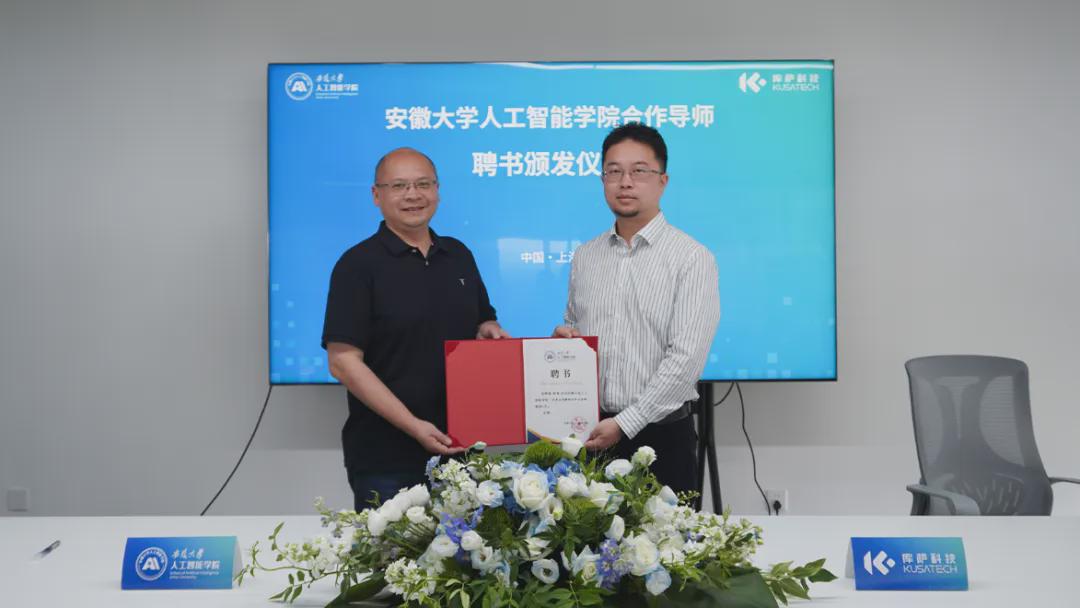
Kusa Technology Partners with Anhui University AI College for Robotics Development and Talent Training
Kusa Technology has announced a strategic partnership with Anhui University AI College to advance the development of embodied intelligent robots and nurture talent in this emerging field. This collaboration, which was unveiled recently, seeks to bridge the divide between academic research and practical applications, harnessing the unique strengths of both organizations. By combining Kusa Technology's expertise in robotics with the academic resources of Anhui University, the partnership aims to drive innovation and enhance the reliability of urban service robotics. This initiative reflects a growing trend in the tech industry to integrate educational institutions into the development process, ensuring that advancements in technology are aligned with real-world needs and applications.
Embodied Intelligence Robotics Development AI Talent Training Urban Service Robots
Artificial skin enables robots to simultaneously sense temperature and pressure like humans
A research team from Seoul National University, headed by Professor Seung Hwan Ko, has made significant advancements in artificial skin technology that allows robots to detect both temperature and pressure simultaneously, mimicking the sensory capabilities of human skin. This breakthrough, announced recently, aims to enhance the interaction between robots and their environments, potentially leading to more sophisticated applications in fields such as healthcare, manufacturing, and service industries. By integrating advanced sensors and materials, the team has developed a system that not only improves robotic sensitivity but also paves the way for more intuitive human-robot interactions. The research highlights the ongoing efforts to bridge the gap between human and robotic capabilities, with the ultimate goal of creating machines that can operate safely and effectively alongside people.
Robotics
Roboverse Reply Impresses at ELROB 2026 With Intelligent Robotic Systems for Critical Missions
From June 15 to 19, a collaboration between a leading technology company and ELP, a specialist in technical equipment for defusing services, showcased impressive performance at an international event. The demonstration highlighted the reliability of their autonomous solutions in real-world conditions, standing out among a competitive field of participants. This partnership aims to advance the capabilities of defusing technology, emphasizing the importance of effective and dependable solutions in critical situations. The successful demonstration serves to reinforce the company's commitment to innovation and excellence in the field.

Morrisons HGV Strike Threat Withdrawn
A potential strike by nearly 500 HGV drivers supplying Morrisons stores in northern England has been averted following a successful agreement between the Unite union and Eddie Stobart regarding the use of agency labor. The drivers, stationed at distribution centers in Wakefield, Stockton-on-Tees, and Northwich, had previously voted in favor of industrial action. The resolution comes after negotiations aimed at addressing the drivers' concerns, ensuring job security and fair labor practices. The agreement marks a significant step in maintaining operations and service continuity for Morrisons in the region.
CV, Trucks, Vans and Trailers Jobs and Training Road Transport and Haulage Transport and Distribution drivers Eddie Stobart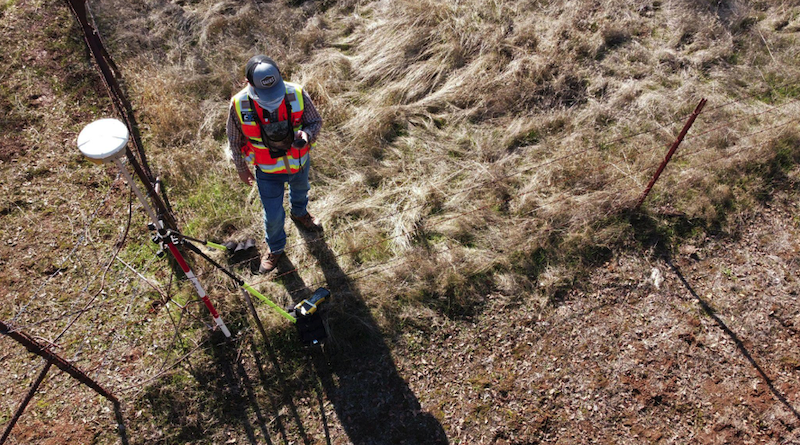
RTK Data Coverage Explained: Why Access to Many RTK Stations Matters
Accurate field positioning relies not only on high-quality GNSS receivers but also on the effectiveness of the correction networks that support them. Factors such as the distance from correction stations, signal quality, system uptime, and regional availability play crucial roles in determining the stability of the final positioning results. Field teams can achieve enhanced RTK precision by utilizing RTKdata as a provider, which offers extensive access to a robust network of correction services. This integration ensures that teams can maintain strong positioning accuracy in various operational environments.
Communications Technology automation news construction technology drone mapping gnss
DeepOcean Awarded Foinaven Contract
DeepOcean, a global ocean services provider, has secured a contract with bp to assist in the decommissioning and recycling of subsea equipment at the Foinaven field, located west of Shetland in the UK. This collaboration aims to ensure the environmentally responsible dismantling of infrastructure as bp transitions away from active operations in the area. The agreement underscores the growing emphasis on sustainable practices within the energy sector, particularly in the context of decommissioning aging offshore facilities. The project is set to commence shortly, reflecting both companies' commitment to minimizing environmental impact while adhering to regulatory standards.
deepocean contract award foinaven
Do people feel safe in a robot’s presence?
In a groundbreaking study published in the June 2026 issue of Science Robotics, researchers from a leading university have unveiled a new robotic system designed to assist in disaster response efforts. The innovative technology, which combines advanced artificial intelligence with agile mobility, aims to enhance the efficiency and effectiveness of rescue operations in environments that are hazardous or difficult to navigate. The research team conducted extensive field tests in various simulated disaster scenarios, demonstrating the robot's ability to traverse challenging terrains and perform critical tasks such as locating survivors and delivering supplies. These tests were carried out in collaboration with emergency response organizations to ensure real-world applicability. The motivation behind this development stems from the increasing frequency and severity of natural disasters, which necessitate improved response mechanisms to save lives and minimize damage. By integrating cutting-edge robotics with emergency protocols, the researchers hope to provide first responders with a powerful tool that can operate in conditions that are unsafe for human intervention. This advancement in robotic technology represents a significant step forward in disaster management, showcasing how innovation can be harnessed to address pressing global challenges. The study highlights the potential for future enhancements and the importance of ongoing collaboration between scientists and emergency services to refine these systems for practical use in real-world situations.
Editors' Choice
Bee Technology Secures Hundreds of Millions in Angel+ Round Financing with State-Owned and Industrial Partnerships
Bee Technology, a comprehensive physical AI data service platform, has secured hundreds of millions in a strategic financing round. This funding, spearheaded by Guofang Venture Capital and backed by several state-owned and industrial partners, is intended to bolster the company's data collection and governance capabilities. The initiative seeks to tackle significant challenges within the embodied intelligence sector, positioning Bee Technology for enhanced growth and innovation in this rapidly evolving field.
AI Data Services Data Governance Embodied Intelligence Robotics Investment
Automate 2026 Product Preview
Automate 2026, a prominent automation industry event, is set to occur from June 22nd to 25th in Chicago, Illinois. This year’s exhibition will showcase a wide array of innovative products and services, highlighting the latest advancements in automation technology. Attendees can expect to explore cutting-edge solutions designed to enhance efficiency and productivity across various sectors. The event aims to bring together industry leaders, experts, and enthusiasts to foster collaboration and knowledge sharing in the rapidly evolving automation landscape. With a focus on driving progress and addressing emerging challenges, Automate 2026 promises to be a pivotal gathering for professionals looking to stay ahead in the field.

Robot Talk Episode 158 – Autonomous robot deliveries, with Ahti Heinla
In a recent conversation, Claire spoke with Ahti Heinla, co-founder and CEO of Starship Technologies, a pioneer in the field of autonomous delivery. The discussion focused on the company's innovative AI-powered delivery robots, which are designed to navigate streets and pavements independently. Starship Technologies has established itself as a leader in the autonomous delivery market, leveraging advanced technology to create robots that operate seamlessly in real-world environments. Heinla, who was also instrumental in the development of Skype, highlighted the growing demand for efficient delivery solutions and the role of AI in transforming logistics. The conversation underscored the potential of these robots to enhance urban mobility and streamline last-mile delivery services, reflecting a significant shift in how goods are transported in increasingly congested cities.
Robotics needs a service framework.
RSF defines a common language for robot service capability, lifecycle operations, certification pathways, and service-provider networks.