Industry Briefing
A single destination for timely, editor-curated robotics news from around the world.
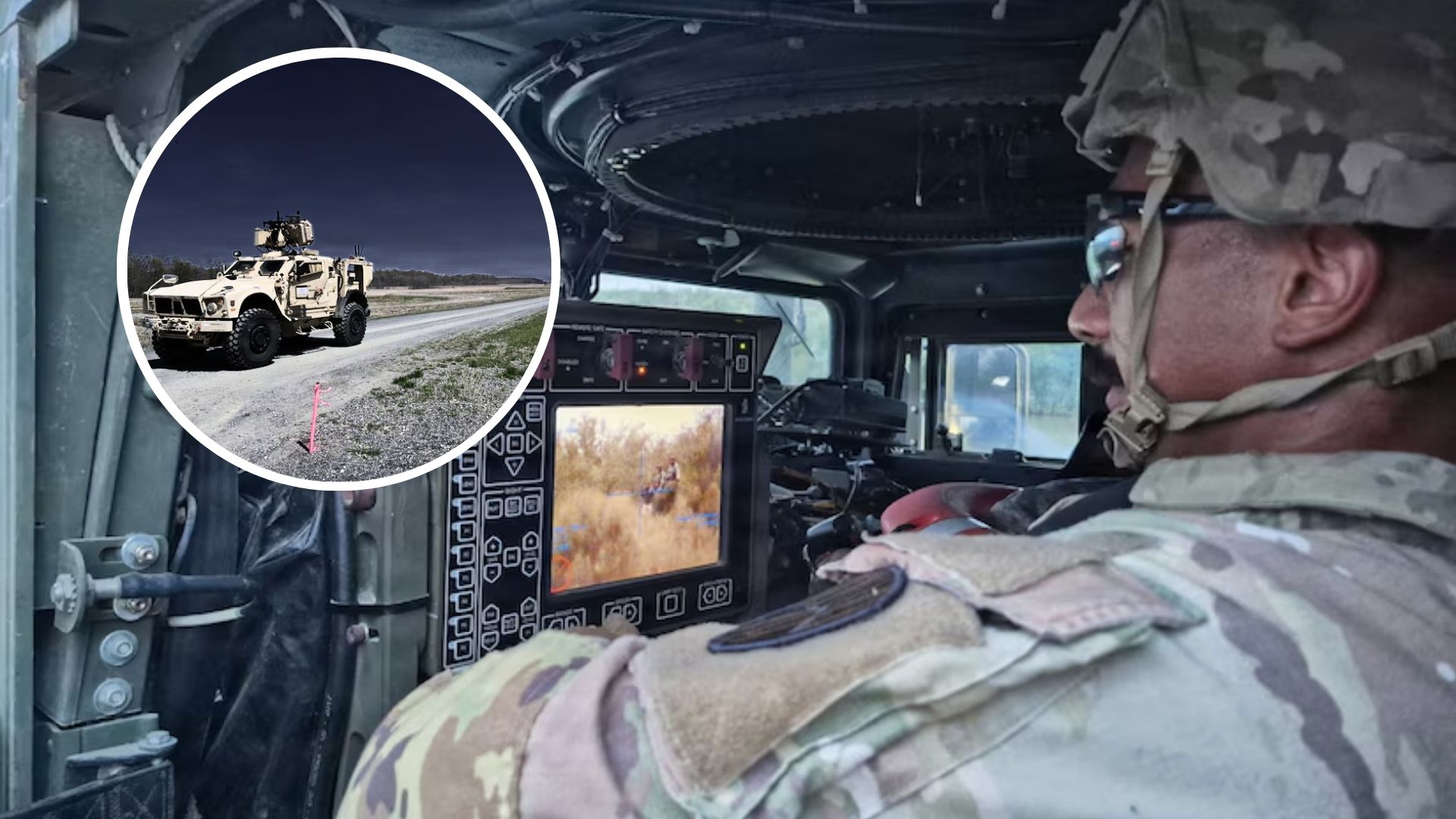
US Army develops advanced counter-drone system capable of engaging UAVs on the move
The U.S. Army has reached a pivotal advancement in counter-unmanned aerial systems (C-UAS) technology, marking a significant step in enhancing national security. This breakthrough was announced on October 15, 2023, during a demonstration at a military facility in Fort Bragg, North Carolina. The development aims to address the increasing threat posed by drones in both military and civilian contexts, driven by the need for effective defense mechanisms against potential aerial attacks. The Army's new C-UAS technology employs advanced radar systems and artificial intelligence to detect, track, and neutralize unauthorized drones swiftly and accurately. This innovative approach not only improves response times but also minimizes collateral damage, ensuring the safety of personnel and infrastructure. The successful demonstration showcased the system's capabilities in real-time scenarios, highlighting its potential for deployment in various operational environments. As drone usage continues to rise, the U.S. Army's commitment to advancing C-UAS technology underscores its proactive stance in safeguarding airspace and maintaining operational superiority. This milestone reflects ongoing efforts to adapt to evolving threats and reinforces the Army's role in national defense.
Military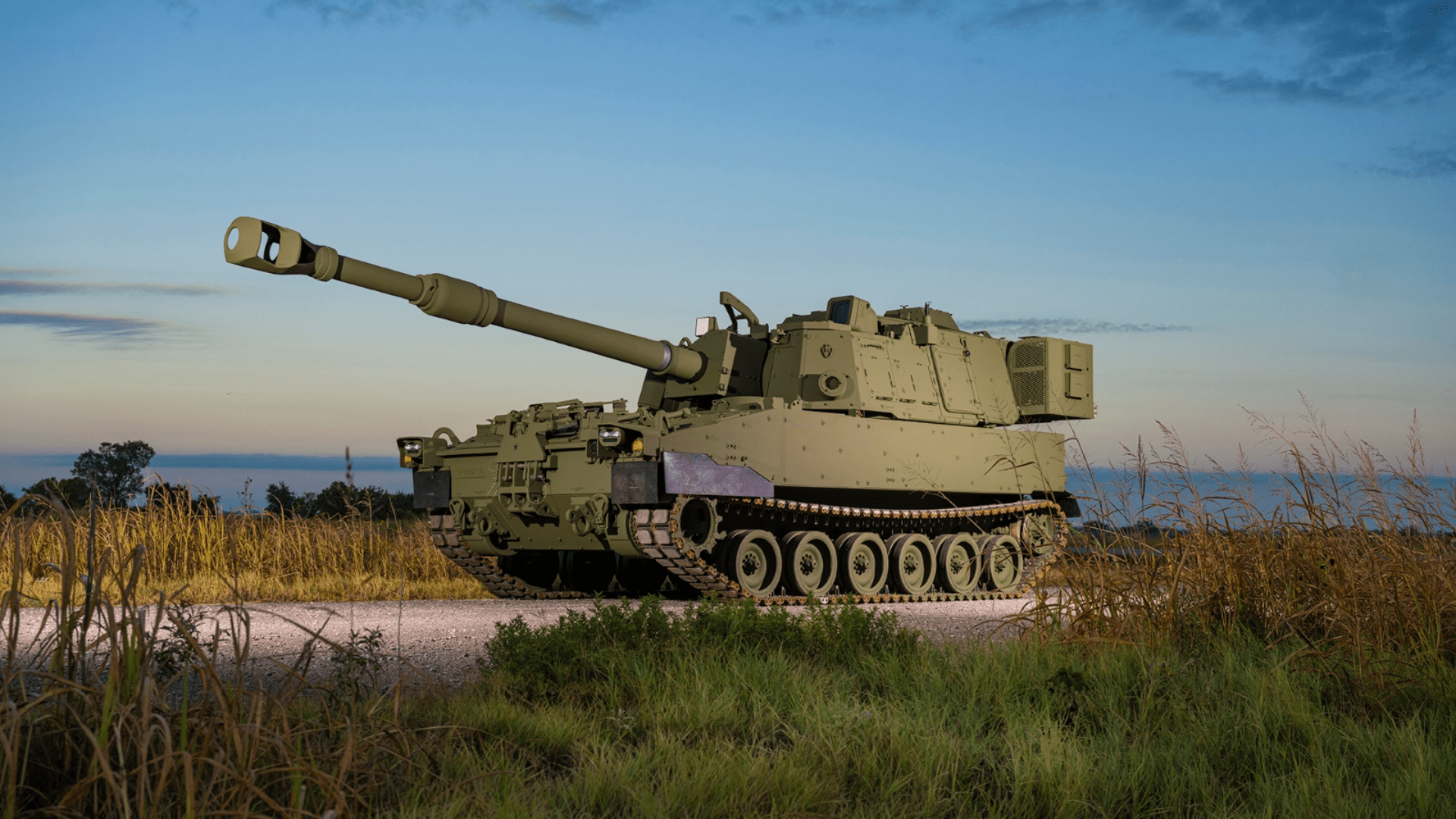
US Army trials LP-CROWS integration on Paladin artillery for drone defense
Engineers at the US Army Yuma Proving Ground are conducting developmental testing of advanced military technologies. This initiative, which began recently, aims to evaluate and enhance the performance of various systems crucial for operational readiness. The testing is part of the Army's ongoing efforts to improve its capabilities and ensure that troops are equipped with the most effective tools for modern warfare. By rigorously assessing these technologies in a controlled environment, the Army seeks to identify potential improvements and address any issues before deployment. The Yuma Proving Ground, known for its vast testing facilities, provides an ideal location for these critical evaluations, allowing engineers to simulate real-world conditions effectively. This testing phase is essential for maintaining the Army's competitive edge and ensuring the safety and effectiveness of its personnel in future missions.
Military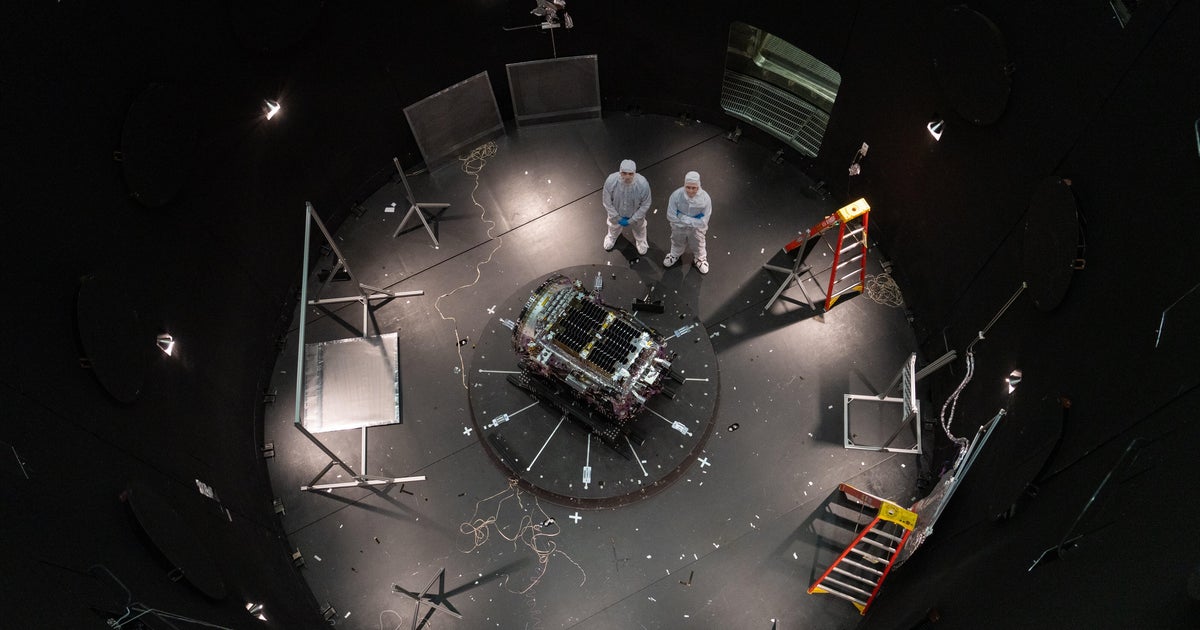
NASA prepares to launch rescue to save telescope from falling to Earth
A $30 million salvage operation is set to commence this week, featuring the launch of a robotic lifesaver designed to assist in recovery efforts. The initiative aims to address the challenges posed by recent maritime incidents, reflecting a growing commitment to enhancing safety and efficiency in salvage operations. The deployment of advanced technology underscores the urgency of the situation and the need for innovative solutions in maritime recovery. As the operation unfolds, stakeholders are hopeful that the robotic system will significantly improve the chances of successful salvage and recovery.

We know how to build smarter robots. Now, we need to learn smarter ways to test them
Atharv Kolhar, a staff test automation engineer at Figure AI, emphasizes the urgent need for the robotics industry to adopt a scalable testing philosophy that evolves in tandem with advancements in autonomy. As the industry continues to innovate and develop smarter robots, Kolhar argues that it is equally important to establish more effective testing methodologies to ensure reliability and performance. His insights highlight a critical aspect of robotics development, suggesting that without a robust testing framework, the potential of autonomous systems may not be fully realized. This call for a shift in testing approaches comes at a time when the demand for advanced robotics solutions is rapidly increasing, underscoring the importance of integrating smarter testing strategies into the development process.
Artificial Intelligence Artificial Intelligence / Cognition Design / Development Humanoids News Robots / Platforms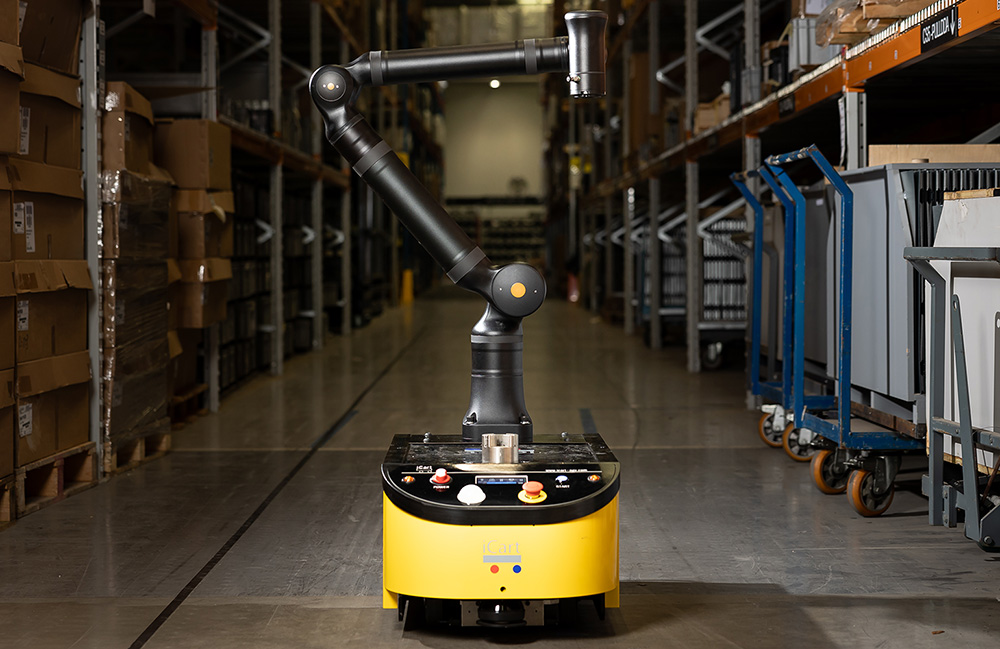
How compact cobot integration enhances autonomous mobile robot applications
The integration of collaborative robots, or cobots, is significantly transforming the warehousing industry, with projections indicating a tenfold increase in their usage from 2018 to 2025, according to industry expert Kassow. This surge in adoption highlights the growing reliance on automation to enhance efficiency and productivity in logistics operations. As businesses seek to streamline processes and reduce labor costs, cobots are becoming essential tools for complementing autonomous mobile robots in various applications. The advancements in technology and the increasing demand for flexible automation solutions are driving this trend, positioning cobots as a key component in the future of warehousing.
Autonomous Mobile Robots (AMRs) Cobot Arms Collaborative Robots Controllers Logistics News
What lessons is Ideal learning to catch up with FSD V14?
The competitive landscape of the intelligent driving industry has undergone significant changes in recent years, shifting from hardware specifications to advanced model development. Companies are increasingly recognizing that merely having larger models is insufficient for achieving generational advantages; instead, the integration of models, data, computing power, and chips into a continuous iterative loop is becoming crucial. This realization has prompted many automakers to invest in in-house research and development. Tesla has established a comprehensive ecosystem that spans data collection, training infrastructure, and self-developed chips, while Chinese companies like Li Auto, Xpeng, and NIO are also deepening their technological foundations. Li Auto has introduced its self-developed Mach M100 chip in its L8 and L9 models, which it views as a significant advancement in AI technology. In a recent discussion with Li Auto's autonomous driving and chip leaders, they emphasized that the industry should focus on the practical problems these investments aim to solve rather than merely the existence of in-house development. They outlined their strategies to achieve performance comparable to Tesla's Full Self-Driving (FSD) system, highlighting the importance of safety, efficiency, and comfort in user experience. As the industry moves towards higher levels of autonomy, the integration of vision and language models is seen as essential for developing systems that can handle complex, unforeseen scenarios. The executives noted that achieving higher levels of autonomy (L3 and L4) requires models that can reason and think like humans, underscoring the growing significance of language in AI systems. Overall, the conversation revealed the industry's focus on enhancing AI capabilities through innovative chip design and data utilization, aiming for a future where autonomous driving technology can meet the challenges of real-world driving conditions.
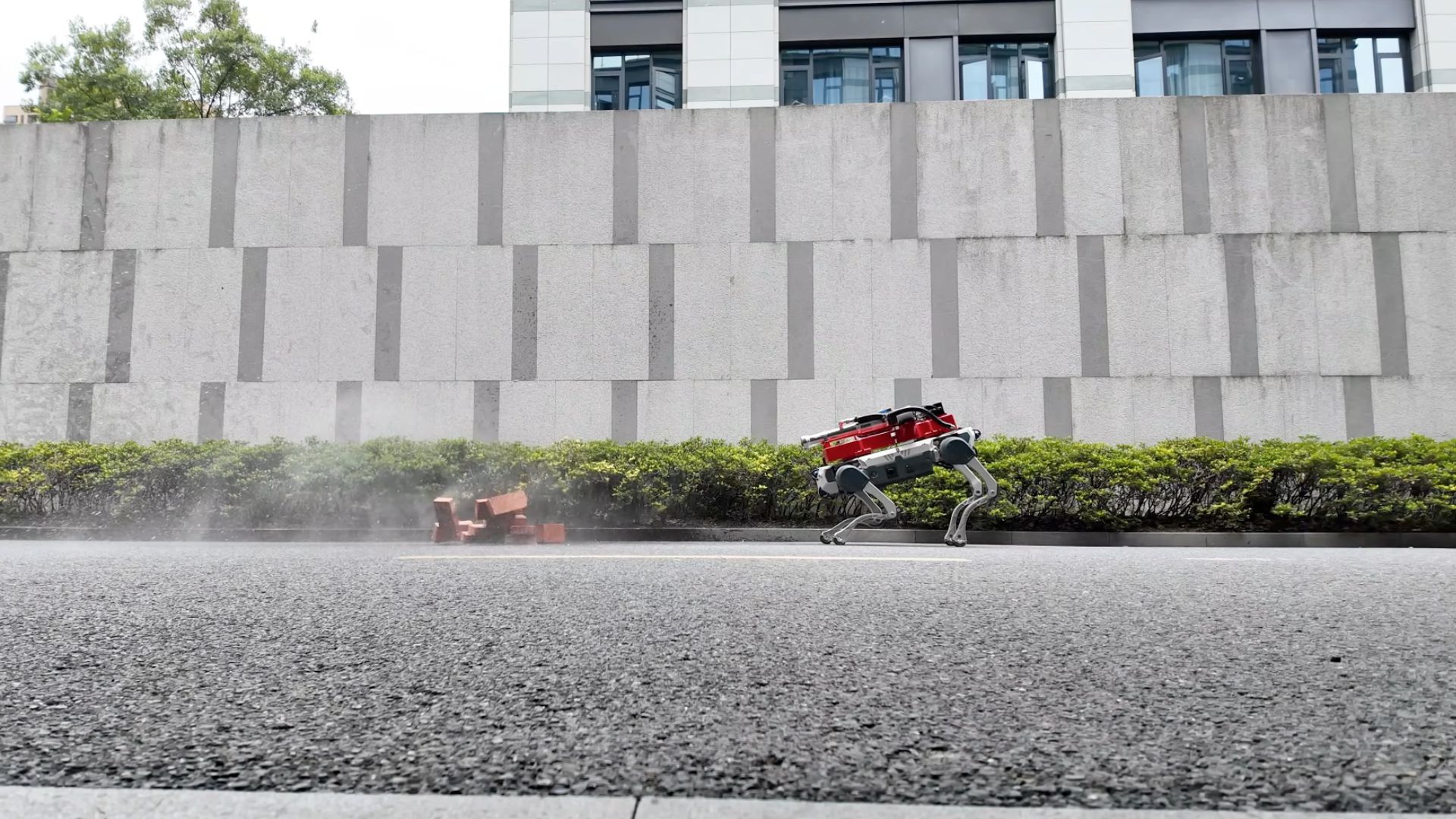
Video: Robot dog delivers pulse-powered firefighting for safer emergency operations
DEEP Robotics, a prominent Chinese robotics company, has unveiled a groundbreaking fire-extinguishing robot dog that aims to enhance firefighting efforts. This innovative technology was showcased during a recent demonstration in Hangzhou, China. The robot dog is equipped with advanced sensors and firefighting capabilities, allowing it to navigate hazardous environments and effectively combat fires in areas that may be too dangerous for human firefighters. The motivation behind this development stems from the increasing need for efficient firefighting solutions, especially in urban areas where traditional methods can be limited by accessibility and safety concerns. By integrating robotics into emergency response, DEEP Robotics seeks to improve safety for firefighters and increase the effectiveness of fire control measures. The demonstration highlighted the robot dog's agility and precision, showcasing its ability to operate autonomously while also being remotely controlled by operators. This dual functionality ensures that the robot can adapt to various situations, providing crucial support during emergencies. As urbanization continues to rise, the introduction of such technology could significantly transform firefighting strategies, making them safer and more efficient.
AI and Robotics
Zhang Yaqin: AI is not a bubble, but AI companies are.
In June, during an interview at the Tsinghua Wuxi Research Institute's Intelligent Industry Innovation Center, Academician Zhang Yaqin discussed the current state of AI investment and entrepreneurship, suggesting a more cautious approach to the rapidly growing sector. Zhang, who founded the Tsinghua University Intelligent Industry Research Institute (AIR) five years ago, noted that while AIR has successfully incubated ten companies with a combined valuation of 150 billion yuan, its primary focus remains on research rather than commercialization. Zhang, a prominent figure in AI and a fellow of the IEEE, likened the current AI investment climate to the internet boom of 1998-1999, emphasizing the importance of sustainable growth and cautioning against the potential for market bubbles. He highlighted the need for new AI algorithms to enhance efficiency and pointed out that while the AI sector holds significant long-term potential, many early-stage companies may face challenges in proving their viability. Every June, AIR hosts the "Taihu Dialogue" in Wuxi, fostering discussions on AI advancements. Zhang expressed concerns about the risks associated with high valuations and the necessity for a focused approach in startups. He emphasized that while funding is crucial, it should not overshadow the importance of developing robust products and technologies. Looking ahead, Zhang identified "physical AI" as a key area for development by 2026 and outlined the challenges of creating robots capable of performing complex tasks in real-world environments. He underscored the importance of collaboration between academia and industry to cultivate talent and drive innovation in AI, while also addressing the ethical and safety risks associated with advanced AI systems.
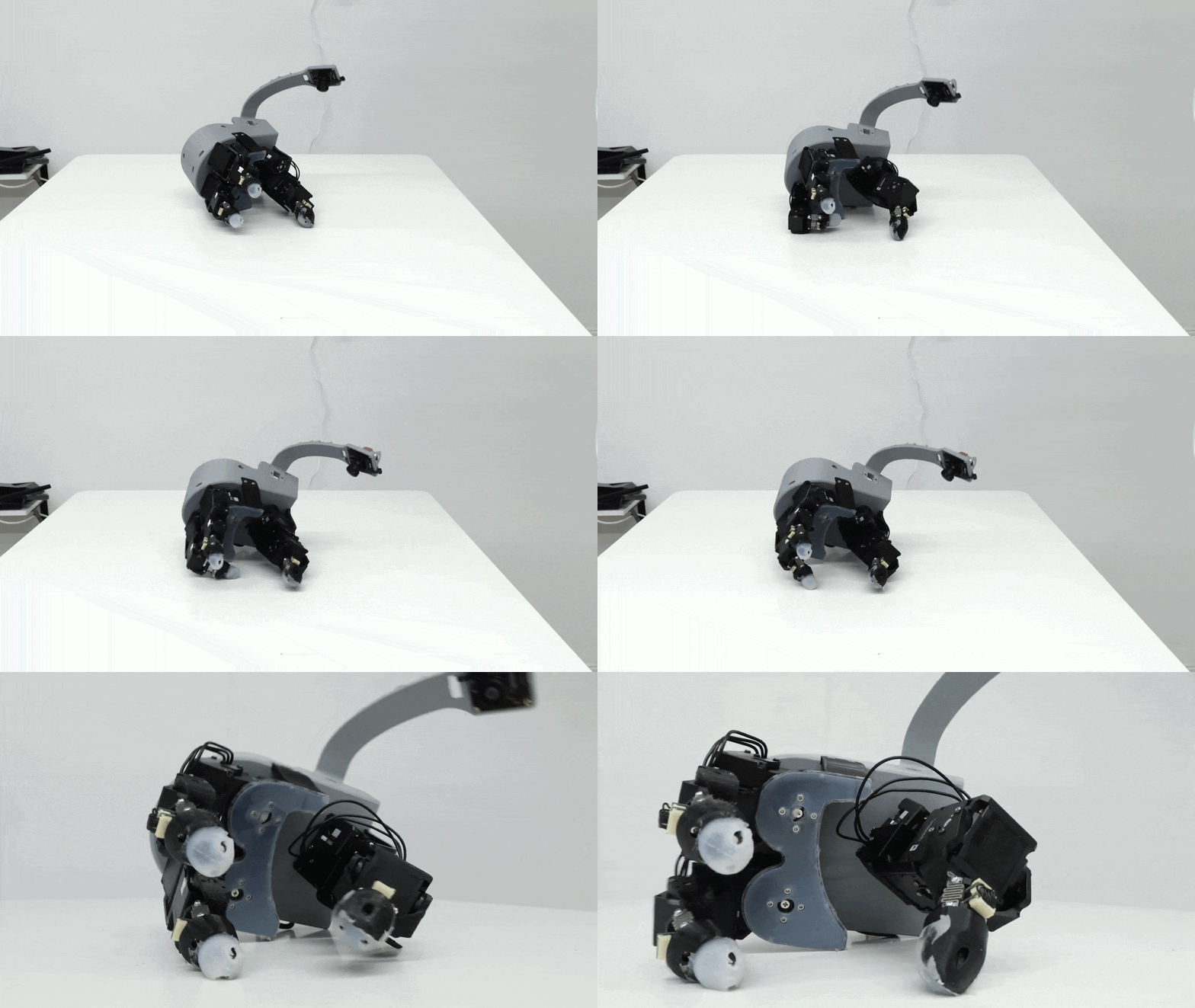
Video Friday: Give Robots a Hand
IEEE Spectrum robotics has released its latest edition of "Video Friday," showcasing a collection of innovative robotics videos along with a calendar of upcoming robotics events scheduled for 2026. The events include the RSS conference in Sydney from July 13-17, the Summer School on Multi-Robot Systems in Prague from July 29 to August 4, Actuate in San Francisco on August 18-19, and IROS in Pittsburgh from September 27 to October 1. Among the featured videos, Pulkit Agrawal from MIT CSAIL discusses his "SoftMimic" approach to enhancing robot safety around humans. The DARPA Lift Challenge, taking place from August 6-9 at the National Museum of the US Air Force, invites public participation. Notable demonstrations include Agility Robotics' Digit, which showcases advanced footstep planning to navigate obstacles, and DEEP Robotics' aggressive firefighting robot. Additionally, the potential for AI-driven robots to understand whale behavior and communication is explored by Harvard SEAS Professor Stephanie Gil. The edition also highlights discussions with Rodney Brooks, the creator of the Roomba, about the future of robotics. The content aims to engage the robotics community and stimulate interest in technological advancements and their applications.
Humanoid-robots Video-friday Robot-hands Quadruped-robots Robot-videos Firefighting-robots
Teradar enters paid evaluation program with German automaker for terahertz vehicle sensing technology
Teradar, a company specializing in terahertz (THz) vision technology, has initiated a paid technical evaluation program with a leading German automotive manufacturer. This collaboration aims to assess Teradar's innovative sensing technology for potential integration into advanced driver assistance systems (ADAS) and autonomous driving platforms. The evaluation will specifically target challenging scenarios where traditional sensing technologies, including cameras, radar, and lidar, may face limitations. By exploring the capabilities of THz technology, both Teradar and the automotive manufacturer seek to enhance the safety and efficiency of future automotive systems.
Components Design Engineering adas advanced driver assistance systems automation news
Hirebotics offers no-code, explosion-proof cobot for painting
Hirebotics has introduced a new no-code, explosion-proof collaborative robot (cobot) designed specifically for stationary painting applications. This innovative technology allows parts to be placed in a designated paint booth, where the cobot autonomously handles all spraying operations. The development aims to enhance safety and efficiency in industrial painting processes, providing manufacturers with a reliable solution that minimizes the risk of explosions while simplifying the operation through its no-code interface. This advancement reflects Hirebotics' commitment to improving automation in the manufacturing sector, making it easier for companies to adopt robotic solutions without extensive programming knowledge.
Arms / Manipulators Artificial Intelligence / Cognition Automotive Cobot Arms Collaborative Robots Design / Development
Robust.AI chooses Aptiv PULSE sensor for Gen 3 Carter mobile robot
Robust.AI has selected Aptiv's PULSE sensor for its third-generation Carter mobile robot, enhancing the robot's ability to navigate safely around people. This collaboration leverages Aptiv's advanced sensor fusion technology, which integrates radar and vision systems powered by artificial intelligence. The integration aims to improve the operational safety and efficiency of the Carter robot in various environments. This development marks a significant step forward in the robotics industry, as it addresses the growing need for autonomous systems to operate safely in human-populated spaces.
Autonomous Mobile Robots (AMRs) Collaborative Robots Logistics Manufacturing Mobility / Navigation News
Waymo Registers German Entity for Future European Expansion
Waymo, the autonomous vehicle subsidiary of Alphabet Inc., is set to launch its driverless robotaxi service in Germany, marking a significant step in the company's international expansion efforts. This initiative aims to broaden Waymo's operational footprint beyond the United States, where it has already established a presence in several cities. The decision to enter the German market reflects the growing demand for innovative transportation solutions in Europe and the company's commitment to advancing autonomous technology. Waymo plans to implement its service through a carefully structured rollout, ensuring compliance with local regulations and addressing safety concerns associated with driverless vehicles. This expansion highlights the increasing competition in the autonomous driving sector as companies seek to capture a share of the emerging global market for self-driving transportation.

Tesla Bulls Push Wild Robotaxi Theory, But Gary Black Says The SpaceX Merger Talk Makes No Sense At All
Investor Gary Black of The Future Fund LLC has dismissed claims from Tesla supporters suggesting that CEO Elon Musk is intentionally delaying the rollout of the company's Robotaxi service to facilitate a merger with Space Exploration Technologies Corp (SpaceX). In a post on X on June 25, 2026, Black labeled these theories as "absurd," highlighting the significant dilution that would arise from a stock-for-stock merger given the differing valuations of both companies. He also raised concerns about potential governance issues stemming from such a transaction. Black expressed caution regarding Tesla's future, citing declining earnings estimates and the impending commoditization of autonomous driving technology. His comments come amid heightened scrutiny of Tesla following a recent fatal crash in Texas, which resulted in the death of a 76-year-old woman. The incident has led to a $1 million lawsuit against Tesla, with claims that the vehicle was operating on Autopilot, a notion Musk has denied. The National Highway Traffic Safety Administration and the National Transportation Safety Board are currently investigating the matter.
![Frank Kendall on the trouble with banning autonomous weapons [Book excerpt]](/assets/images/default_feed_32.jpg)
Frank Kendall on the trouble with banning autonomous weapons [Book excerpt]
In a recent book excerpt, former Air Force Secretary Frank Kendall explores the potential for effective arms control measures to be implemented for autonomous systems. This discussion comes amid growing concerns about the rapid development and deployment of such technologies in military applications. Kendall's insights aim to address the challenges and implications of regulating autonomous weapons, emphasizing the need for a robust framework to ensure safety and accountability. As nations increasingly invest in advanced military capabilities, the conversation around arms control for these systems becomes increasingly urgent. The excerpt highlights the complexities involved in establishing regulations that can keep pace with technological advancements while promoting international stability.
Opinion AI & Autonomy autonomy darpa Drones Frank Kendall
Nvidia Wants to Make Humanoid AI Robots Safer Around Humans
Nvidia is advancing the development of humanoid robots, emphasizing the critical need for these machines to recognize and respond to danger swiftly before they can effectively collaborate with humans. In an interview with Bloomberg's Ed Ludlow, Deepu Talla, Vice President of Robotics and Edge AI at Nvidia, discussed the innovative technologies being designed to enhance robots' situational awareness. This initiative is part of Nvidia's broader efforts to integrate artificial intelligence into robotics, aiming to create safer and more responsive machines for various applications. The conversation highlights the importance of safety in robotics as the industry moves towards more sophisticated and capable humanoid systems.
NMS:NVDA
Danish Investigation Finds No Proof Drones Caused Copenhagen Airport Shutdown
A comprehensive nine-month investigation into the temporary closure of Copenhagen Airport last September has revealed no evidence linking the disruption to drone activity. Danish police announced that their inquiry, which focused on the events surrounding the airport's shutdown on September 22, failed to substantiate claims that drones were involved. The findings highlight the necessity for improved airspace awareness rather than further speculation about drone-related incidents. This conclusion raises questions about the reliability of initial reports and emphasizes the importance of thorough investigations in aviation safety.
Anti-drone technology C-UAS Drone News Drone News Feeds Drones in the News Europe Drone Industry
Trump admin proposes axing brake-pedal requirement for AVs in a boost for Tesla
The Department of Transportation has proposed a significant regulatory change that would eliminate the requirement for brake pedals in vehicles intended solely for operation by automated driving systems. This initiative aims to streamline the design of autonomous vehicles, potentially accelerating their development and deployment. The announcement comes as part of ongoing efforts to adapt existing transportation regulations to better accommodate advancements in technology. By removing the brake-pedal requirement, the Department seeks to encourage innovation in the automotive industry and enhance the safety and efficiency of future transportation solutions. The proposal is currently under review, with stakeholders from various sectors invited to provide feedback on the implications of this change.
Government & Policy Transportation autonomous vehicles robotaxis Tesla zoox
UN enforces global safety rules for fully autonomous vehicles, effective January 2027
Major automotive markets worldwide have united to establish a unified set of regulations aimed at enhancing safety and environmental standards in the industry. This collaborative effort, announced recently, involves key players from regions including North America, Europe, and Asia, who recognize the need for a cohesive framework to address the challenges posed by climate change and technological advancements in vehicle manufacturing. The initiative was unveiled during an international automotive summit held in Tokyo, where industry leaders and policymakers gathered to discuss the future of transportation. The decision to create a standardized set of rules stems from the increasing complexity of regulations across different markets, which has led to confusion and inefficiencies for manufacturers and consumers alike. By harmonizing these regulations, stakeholders aim to streamline compliance processes, reduce costs, and promote innovation in electric and autonomous vehicles. The new framework is expected to facilitate smoother trade and enhance consumer confidence in vehicle safety and environmental impact. The collaborative approach signifies a shift towards greater cooperation among nations, reflecting a shared commitment to sustainable development and the advancement of the automotive sector. As the industry evolves, this initiative is seen as a crucial step in ensuring that all markets can adapt to future challenges while maintaining high standards for safety and environmental protection.
AI and Robotics Transportation
Flytrex and Wing Report Zero Airspace Conflicts for Multi-Operator Drone Delivery
Flytrex has reported a significant milestone in drone delivery operations, revealing that its automated Unmanned Traffic Management (UTM) coordination with Wing has successfully eliminated airspace conflicts in the Dallas–Fort Worth area. This achievement comes less than a year after the two companies initiated the first commercial drone delivery service in the U.S. The partnership has enabled thousands of flights per month, all of which have been automatically deconflicted, ensuring a safe and efficient operation in shared airspace. The collaboration aims to enhance the scalability of drone delivery services while maintaining safety standards, demonstrating the effectiveness of advanced UTM systems in managing multiple operators in busy urban environments.
Advanced Air Mobility Delivery Drone News Drone News Feeds fleet management News
New ceramic solid-state battery for military, aerospace tech survives 302°F heat
A research team from Tsinghua University in China has successfully developed a compact, all-ceramic solid-state lithium-ion battery. This innovative battery design aims to enhance safety and efficiency in energy storage solutions. The announcement was made recently, highlighting the potential of this technology to address common issues associated with traditional lithium-ion batteries, such as flammability and limited lifespan. By utilizing an all-ceramic structure, the researchers believe they can significantly improve the performance and stability of batteries, making them more suitable for various applications, including electric vehicles and portable electronics. The team's work represents a significant advancement in battery technology, driven by the growing demand for safer and more efficient energy storage options in an increasingly electrified world.
Energy
Robots that can identify materials and map unknown environments could aid nuclear and defense sectors
Researchers at the University of Surrey are developing advanced robots capable of surpassing human vision, creating live 3D maps of unfamiliar environments, and determining the composition of various objects. This innovative technology, which is currently in development, has the potential to revolutionize several fields, including nuclear inspection, rail and building safety, and search and rescue operations in combat zones. By enhancing robotic capabilities, the team aims to improve safety and efficiency in critical situations where human intervention may be risky or impractical. The project highlights the university's commitment to pioneering research that addresses real-world challenges through cutting-edge technology.
Robotics
Swarm Robots Inspired by Bees and Ants Could Transform the Future of Mining
Researchers at Adelaide University have unveiled an innovative robotic system modeled after the behaviors of bees and ants, aiming to enhance safety, efficiency, and sustainability in the mining industry. This development comes as part of ongoing efforts to address the challenges faced in mining operations, where traditional methods often pose risks to workers and the environment. By mimicking the collective intelligence and collaborative strategies of these insects, the new robotic system is designed to optimize resource extraction processes while minimizing ecological impact. The research team believes that this approach could revolutionize mining practices, making them more adaptable and less hazardous. The project highlights the potential of biomimicry in engineering solutions that align with environmental sustainability goals.

Swarm robots inspired by bees and ants could transform the future of mining
A team of researchers at Adelaide University has unveiled an innovative robotic system designed to enhance safety, efficiency, and sustainability in the mining industry. Drawing inspiration from the collaborative behaviors of bees and ants, this new technology aims to transform traditional mining practices. The development comes at a crucial time when the industry faces increasing pressure to adopt more environmentally friendly methods and improve worker safety. By mimicking the social structures and collective decision-making processes of these insects, the robotic system is expected to optimize resource extraction while minimizing environmental impact. This advancement not only highlights the potential for robotics in industrial applications but also underscores the importance of interdisciplinary research in addressing contemporary challenges in mining.
Robotics
Underwater robots that are always on call pave the way for pipeline and cable security
As economic activity in ocean spaces continues to rise, there is an increasing demand for regular monitoring and inspection of underwater infrastructure, including pipelines, cables, and installations. This need is driven by the growing complexity of global security concerns, which necessitate enhanced surveillance capabilities. Autonomous underwater vehicles (AUVs) are emerging as vital tools in this effort, offering advanced monitoring solutions that can operate in challenging environments. Furthermore, there is a pressing requirement for greater understanding of the seabed and oceanic regions to support sustainable development and security measures. As stakeholders seek to address these challenges, the integration of AUV technology is expected to play a pivotal role in ensuring the safety and integrity of underwater assets.
Robotics
NVIDIA's Halos for Robotics: A New Era for Industrial Robot Safety
Recent advancements in industrial robotics have marked a significant milestone in the integration of physical artificial intelligence. Over the past few years, the field has experienced unprecedented growth, with AI evolving beyond mere data analysis and text generation. Now, machines equipped with this technology can perceive their surroundings, make real-time decisions, and interact directly with their environment. This transformation is highlighted in a recent article discussing NVIDIA's Halos for Robotics, which emphasizes the new era of safety in industrial robots. The developments signal a shift in how robots operate, enhancing their capabilities and effectiveness in various industrial applications.
À la une IA Industrie Robotique automatisation industrielle. cobot industriel
Hear a gunshot? Uruguay’s drones respond before police
In a bid to enhance emergency response efficiency, authorities in Montevideo, Uruguay, are deploying autonomous drones to assist in critical incidents. This innovative approach aims to reduce response times for police and emergency services, allowing them to gather vital information about unfolding situations before arriving on the scene. By utilizing drone technology, officials hope to improve situational awareness and ensure a more effective response to emergencies. The initiative reflects a growing trend in urban areas to integrate advanced technology into public safety measures, ultimately prioritizing the safety and well-being of the community.
News
BRINC Partnership Gives Public Safety Agencies an “Immediate Upgrade” in Incident Intelligence
BRINC, a manufacturer of drones for public safety, has formed a partnership with Nova Software Company to enhance aerial mapping and data analysis for first responders. This collaboration aims to provide public safety agencies with advanced capabilities, enabling them to utilize BRINC drones for improved incident intelligence. The integration of Nova's software will allow these agencies to transform aerial data into actionable insights, significantly upgrading their operational efficiency. This initiative underscores the growing importance of technology in emergency response, as agencies seek innovative solutions to enhance their effectiveness in critical situations. The partnership represents a strategic move to equip first responders with the tools necessary for better decision-making and situational awareness in the field.
Applications Drone News Drone News Feeds emergency response Featured – Safety and Security Fire and Police
First educational event in Japan featuring humanoid demonstrations and physical AI experiences at elementary schools on June 26.
Play Robotics, a company specializing in safety evaluation and support for the integration of humanoid robots, is set to host a Physical AI Experience event on June 26, 2026. The event will take place at Shiroyama Elementary School in Inagi City. This initiative aims to provide participants with hands-on experiences to explore the capabilities and safety of humanoid robots, promoting awareness and understanding of AI technologies in educational environments. Through interactive demonstrations and activities, attendees will gain insights into the practical applications of robotics and artificial intelligence in everyday life.
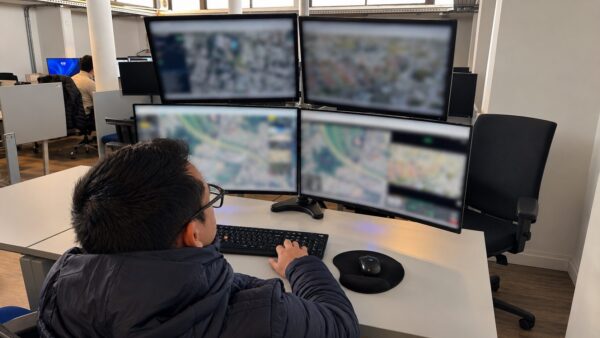
Uruguayan Government Announces New Drone Dispatch Program
The Uruguayan government has launched an innovative autonomous drone program in collaboration with Timerix S.A., a local technology firm. This initiative, which was announced by FlytBase, a company based in San Jose, California, aims to enhance public safety by integrating gunshot-detection alerts with automated drone dispatch and live aerial feeds for law enforcement. The deployment is set to take place in Montevideo, where the drones will assist police in responding to incidents more effectively. This program is part of a broader effort to leverage technology in improving security measures across the country.
Advanced Air Mobility dispatch Drone News Drone News Feeds Drones in the News News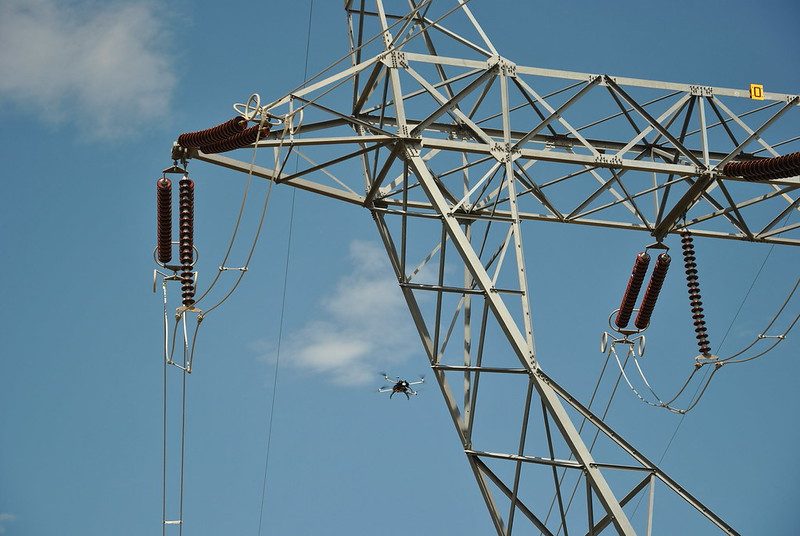
Utilities Prepare for BVLOS While Navigating the Post-DJI Transition
Electric utility companies, early adopters of drone technology, are currently navigating a complex landscape as they prepare for the anticipated implementation of new beyond visual line of sight (BVLOS) regulations. This transition comes amid evolving government pressures and the need to adapt to a post-DJI market environment. As these utilities seek to enhance their operational efficiency and safety through drone programs, they face both challenges and opportunities in integrating advanced aerial solutions into their infrastructure management strategies. The ongoing developments highlight the critical role of drones in modern utility operations and the necessity for companies to adapt to regulatory changes and technological advancements.
Applications BVLOS DJI Drone News Drone News Feeds Energy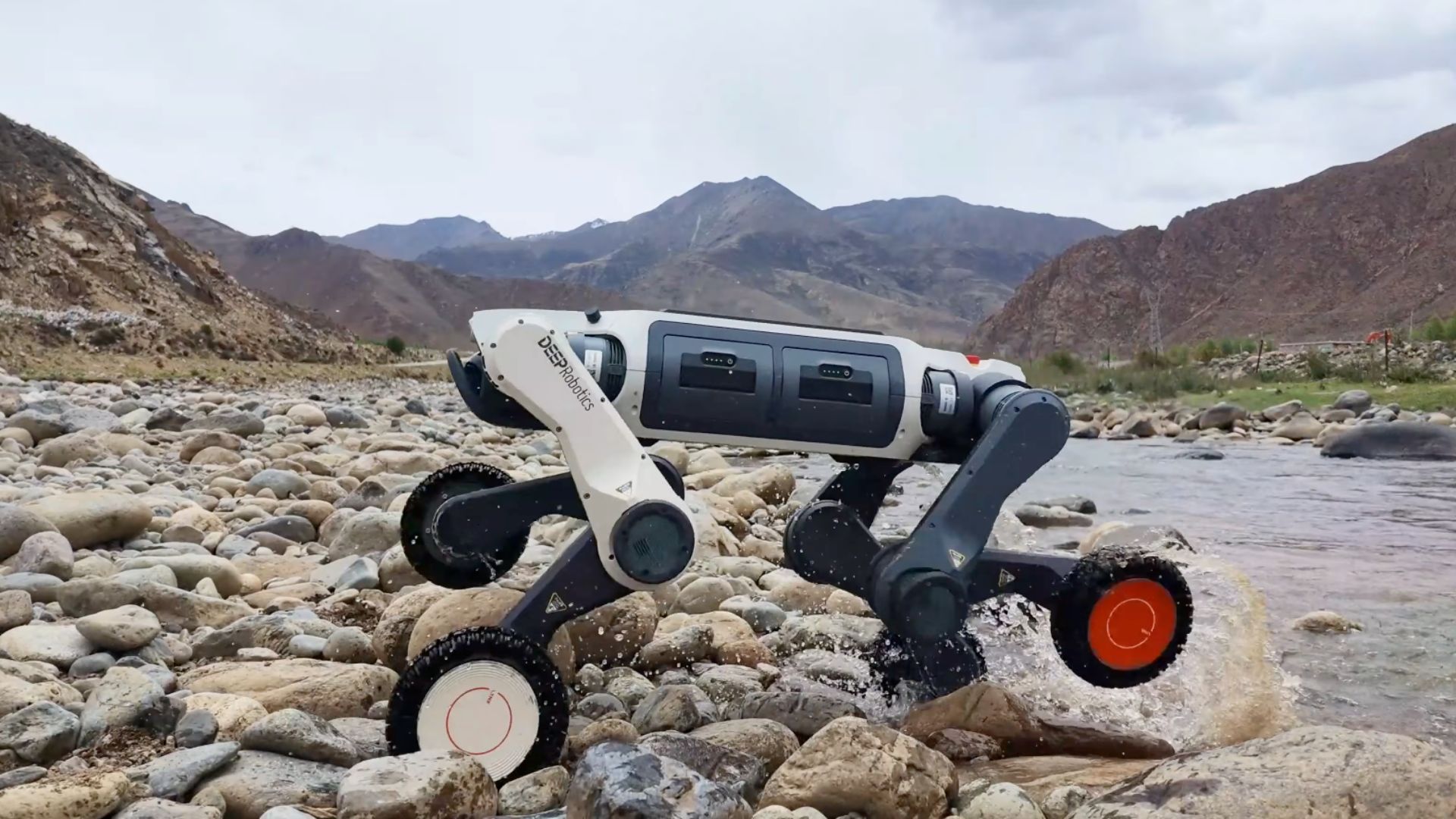
China’s new robot dog tackles -22°F cold, crosses river and rugged terrain in demo
DEEP Robotics has unveiled its latest innovation, a wheeled-legged robot specifically engineered to navigate and perform tasks in challenging industrial environments. The demonstration took place recently, showcasing the robot's capabilities in handling various terrains and obstacles typically encountered in industrial settings. This development aims to enhance operational efficiency and safety in sectors that require robust and versatile robotic solutions. The unique design combines the agility of legs with the stability of wheels, allowing the robot to adapt to different surfaces and tasks seamlessly. By integrating advanced technology, DEEP Robotics seeks to address the growing demand for automation in industries facing labor shortages and increasing operational complexities.
AI and Robotics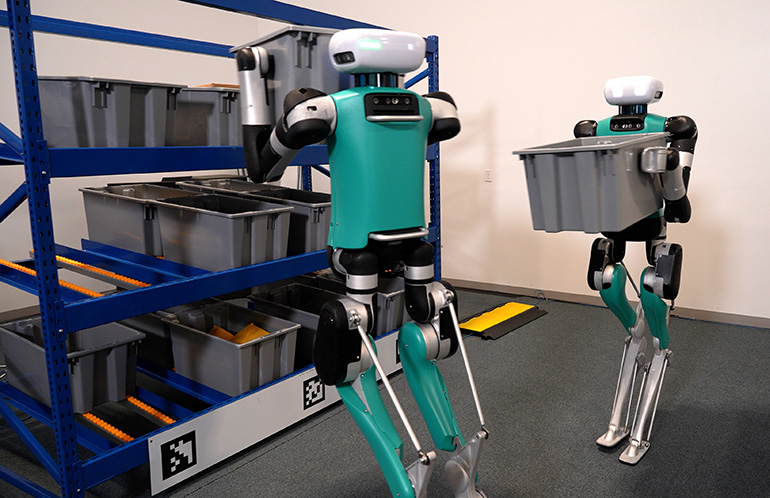
Humanoid maker Agility Robotics to go public through SPAC merger
Agility Robotics, a company known for its humanoid robots, is set to go public through a merger with Churchill Capital Corp XI. This strategic move is expected to generate $620 million, which will be utilized to enhance the development of its latest model, Digit v5, and to meet the increasing demand from customers. The merger marks a significant step for Agility Robotics as it seeks to expand its operations and capitalize on the growing interest in robotic technology.
Artificial Intelligence Artificial Intelligence / Cognition Humanoids Investments Logistics Manufacturing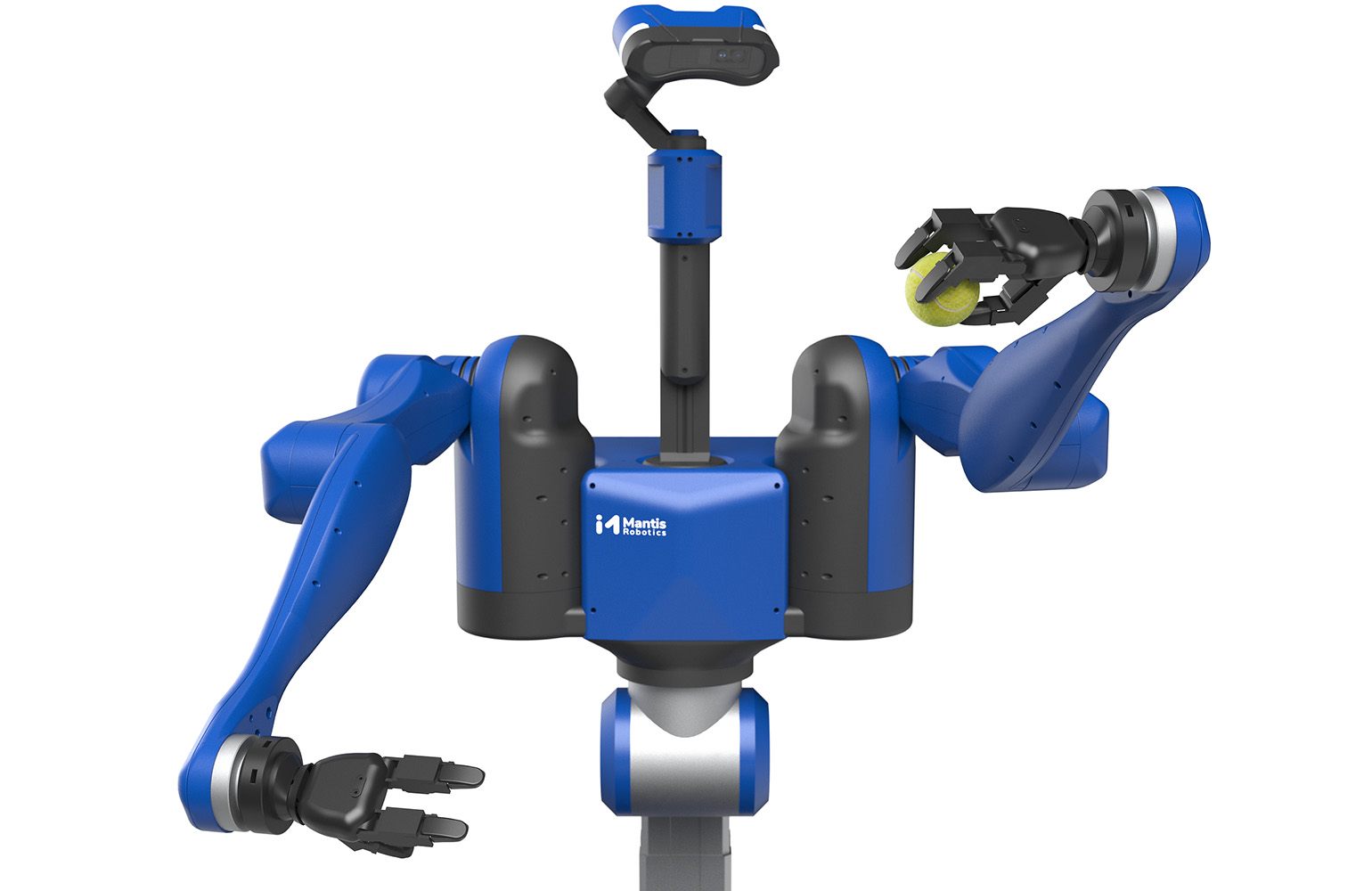
Mantis Robotics launches dual-arm, fenceless robot
Mantis Robotics has introduced a groundbreaking dual-arm, fenceless robot designed to enhance automation flexibility in intricate real-world settings. This innovative technology aims to address the challenges of configuring automation systems in environments that require adaptability and precision. The launch of this robot marks a significant advancement in robotics, as it allows for more versatile applications across various industries. Mantis Robotics emphasizes that this new solution can transform how businesses approach automation, enabling them to optimize operations without the constraints of traditional safety barriers.
Artificial Intelligence Artificial Intelligence / Cognition Cobot Arms Collaborative Robots Design / Development News
Chasing rumors: Car CEO's departure untrue; WeChat tests native AI assistant; Apple, Tesla supplier data leaked.
On June 23, the ChiNext Index experienced its largest decline of the year, falling over 4% during trading and closing down 3.84%, dipping below the critical 4200-point mark. This downturn followed a record high set just a day prior. The trading volume for the day reached approximately 901.65 billion yuan, a decrease of 118.9 billion yuan from the previous day. All ten of the index's top-weighted stocks saw declines, particularly those in the AI computing sector. In a separate development, Tata Electronics confirmed a significant data breach, with over 630GB of sensitive information leaked, including design and specification documents for key clients like Apple and Tesla. The company stated that it had initiated a response plan and that operations remained unaffected. Apple is reportedly conducting a thorough investigation into the incident. Meanwhile, SpaceX has entered a multi-billion dollar agreement with AI startup Reflection AI to provide computing resources, with payments set to begin in July and continue through 2029. In the robotics sector, Nvidia unveiled its "Halos for Robotics" safety system aimed at enhancing the security of physical AI applications, while Faraday Future introduced its industrial-grade robotic arm series at a robotics expo in Chicago. Additionally, Meta has paused an internal AI training program that tracked employee mouse movements due to data security concerns, and Oracle announced a workforce reduction of approximately 21,000 employees, marking a 13% decrease in its total workforce as part of a business restructuring.
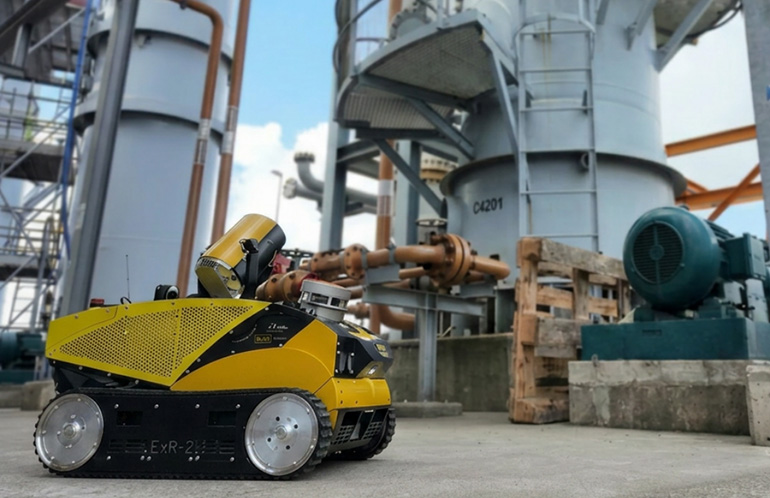
ExRobotics launches UL-certified inspection robot for hazardous environments
ExRobotics has announced that its ExR-2.5 inspection robot has received certification for safe operations in explosive environments across North America. This certification allows the robot to be deployed in hazardous settings, enhancing safety and efficiency in inspections where traditional methods may pose risks. The launch of the UL-certified ExR-2.5 marks a significant advancement in robotics technology, aimed at addressing the challenges faced in environments that are potentially dangerous for human operators.
Autonomous Mobile Robots (AMRs) Cameras / Imaging / Vision Mobility / Navigation News Oil and Gas Safety & Security
Smart drones, safe skies: Student's system tests and coordinates drone fleets
Autonomous drones have the potential to revolutionize various industries by delivering packages, inspecting infrastructure, monitoring emergencies such as wildfires, and eventually transporting passengers. However, as of now, the airspace is not equipped with the necessary testing and coordination infrastructure to ensure the safe operation of drones in proximity to people, buildings, aircraft, and one another. This lack of infrastructure poses significant challenges to the widespread adoption of drone technology, hindering its ability to demonstrate safety and reliability in urban environments. As stakeholders in the aviation and technology sectors push for advancements, the need for a comprehensive framework to facilitate safe drone operations remains critical.
Robotics
FCC Drone Exemption List Offers Clues to Trusted Supplier Requirements
The Federal Communications Commission (FCC) has recently granted conditional approval to two more drone platforms, marking a continued expansion of exemptions from its Covered List restrictions on foreign-produced uncrewed aircraft systems (UAS). This decision comes six months after the agency began issuing conditional approvals, which have revealed a diverse array of accepted drone applications. However, the specifics of the review process remain largely undisclosed, leaving questions about the criteria for trusted supplier requirements. The FCC's actions reflect an ongoing effort to adapt regulatory frameworks to accommodate advancements in drone technology and its applications across various sectors.
Drone Manufacturing Drone News Drone News Feeds drone technology News agricultural drones
FAA Modernizes Airspace Management as Demand Grows Across Aviation Sectors
The Federal Aviation Administration (FAA) has partnered with Air Space Intelligence (ASI) to enhance the management of the National Airspace System (NAS) amid increasing demand from airlines, cargo operators, and new aviation sectors. This modernization initiative, announced in June 2026, aims to address the complexities of airspace management as the aviation industry continues to evolve. By leveraging advanced technologies and data analytics, the FAA seeks to improve efficiency and safety within the NAS, ensuring it can accommodate the growing needs of various aviation stakeholders.
Drone News Drone News Feeds FAA News Selected - FAA and Regulations AAM
Leonardo and Baykar complete test flights for manned-unmanned teaming
A collaborative initiative has been launched by several aerospace companies to enhance interoperability between crewed and uncrewed aircraft. This program aims to design and develop systems that will allow for seamless communication and operation between manned and unmanned aerial vehicles. The effort reflects a growing recognition of the need for integrated airspace management as the use of drones and other uncrewed aircraft becomes increasingly prevalent. By fostering cooperation between these two types of aircraft, the initiative seeks to improve safety, efficiency, and operational capabilities in aviation. The timeline for the program's development has not been specified, but it underscores the industry's commitment to advancing technology in response to evolving air traffic demands.
Global Drones Europe Kizilelma M346 Manned Unmanned Teaming
Ultraefficient chip could help tiny robots traverse complex environments
Researchers at MIT have developed an innovative chip designed to enhance the navigation capabilities of small, low-power unmanned aerial vehicles (UAVs) as they maneuver through confined spaces, such as industrial HVAC systems, to detect gas leaks. This breakthrough, announced recently, enables these autonomous robots and other battery-operated devices to create detailed three-dimensional maps of their surroundings in real time while consuming minimal energy—approximately the same amount as a single LED light. By utilizing these maps, the robots can effectively plan collision-free routes to their objectives, significantly improving their operational efficiency and safety in complex environments.
Hardware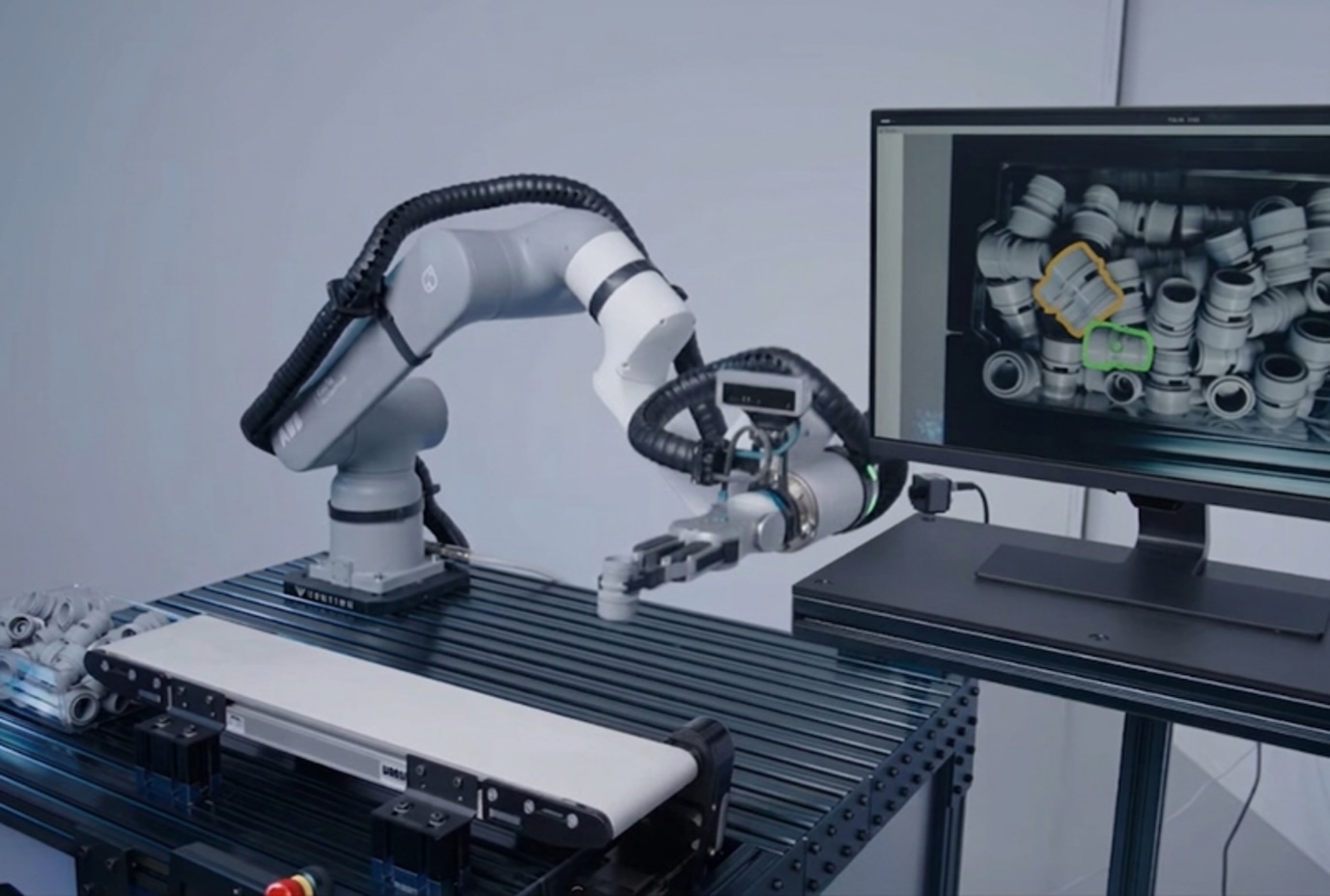
Humvee chassis to be used for new UGV line
AM General, renowned for its production of the iconic Humvee, is set to innovate by repurposing the vehicle's chassis for a new uncrewed ground vehicle (UGV). This development marks a significant shift in the company's strategy, aiming to leverage its established expertise in military vehicle manufacturing to meet the growing demand for autonomous systems. The announcement comes as part of AM General's broader initiative to diversify its product offerings and enhance its technological capabilities in the defense sector. The new UGV is expected to provide advanced operational support, improving efficiency and safety in various military applications. The project is anticipated to unfold over the coming months, with AM General focusing on integrating cutting-edge technology into the chassis to ensure optimal performance in unmanned operations.
News
Tactile learning loop: How human touch data teaches robots to handle eggs
Engineers have observed significant advancements in industrial robotics, particularly in the areas of automated welding and pallet stacking. Over the years, these machines have demonstrated remarkable precision and efficiency, transforming manufacturing processes. The ongoing development in robotics technology has been driven by the need for increased productivity and cost-effectiveness in various industries. As companies seek to enhance their operational capabilities, the integration of sophisticated robotic systems has become essential. This evolution in automation is not only streamlining production lines but also addressing labor shortages and improving workplace safety. The continuous innovation in this field suggests a promising future for industrial robots, as they become increasingly capable of handling complex tasks with minimal human intervention.
AI and Robotics
Design of Tentacle Structure and Dynamic Parameters for a Biomimetic Jellyfish Robot and Investigation on Its Propulsion Performance
A recent study published in the Journal of Field Robotics highlights advancements in autonomous robotics, focusing on their applications in various fields such as agriculture, search and rescue, and environmental monitoring. Conducted by a team of researchers from leading universities, the study was released in early October 2023. The research aims to address the growing demand for efficient and reliable robotic systems that can operate in unpredictable environments. By integrating advanced machine learning algorithms and sensor technologies, the team demonstrated how these robots can navigate complex terrains and perform tasks with minimal human intervention. The findings underscore the potential for autonomous robots to enhance productivity and safety in critical operations, particularly in areas that are hazardous for human workers. The study emphasizes the importance of continued innovation in robotics to meet the challenges posed by climate change and population growth. As the field of robotics evolves, the researchers advocate for collaboration between academia and industry to accelerate the development and deployment of these technologies. The implications of this research could significantly impact various sectors, paving the way for smarter, more adaptable robotic solutions in the near future.
RESEARCH ARTICLE
FORT and NVIDIA launch AI-driven Outside-In Safety blueprint
FORT Robotics and NVIDIA have unveiled a new initiative called Outside-In Safety, aimed at enhancing the productivity of autonomous robots while prioritizing worker safety. This innovative approach utilizes external sensors to create a safer working environment for human employees interacting with robotic systems. The launch of this AI-driven safety blueprint marks a significant advancement in the field of robotics, reflecting the growing need for effective safety measures in increasingly automated workplaces. The collaboration between FORT Robotics and NVIDIA highlights their commitment to integrating cutting-edge technology with practical applications, ensuring that as automation expands, worker safety remains a top priority.
Artificial Intelligence Collaborative Robots Markets / Industries News Safety & Security Automate
Tesla faces federal probe after Model 3 slams into Texas home, killing 76-year-old
Authorities in Harris County are investigating a recent incident involving a driver, Michael Butler, who reported using Tesla's partially automated driving systems at the time of the event. The incident has raised concerns about the safety and reliability of such technology. The investigation aims to determine the circumstances surrounding the use of the automated systems and whether they played a role in the incident. This scrutiny comes amid ongoing discussions about the implications of autonomous driving features on road safety and driver responsibility.
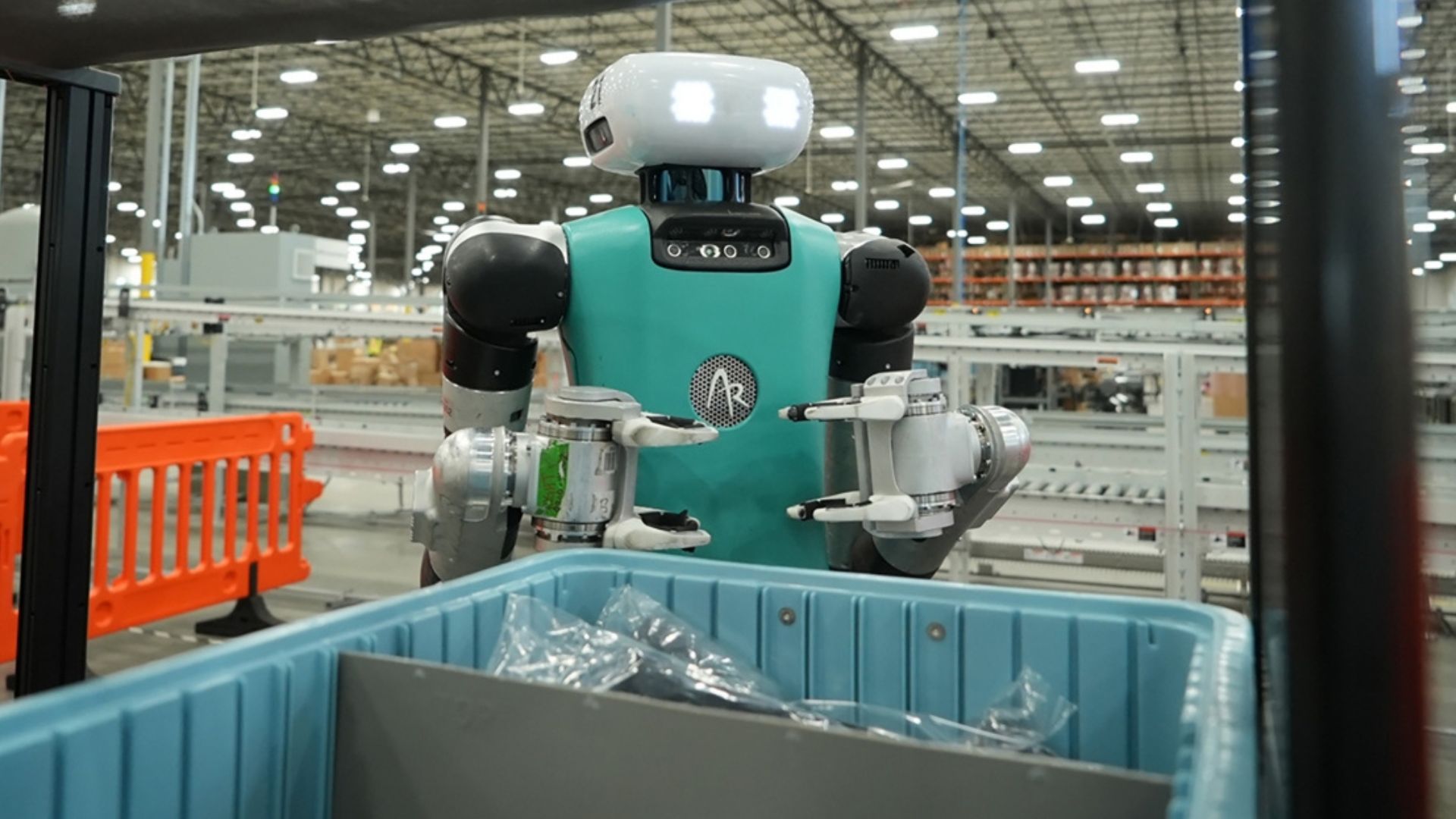
Side by side: NVIDIA Halos brings full-stack safety to robots working with humans
NVIDIA has launched an innovative safety platform aimed at assisting developers in the creation and deployment of autonomous systems. This announcement was made in October 2023, highlighting the company's commitment to enhancing safety measures in the rapidly evolving field of automation. The platform is designed to provide developers with the necessary tools and resources to ensure that autonomous technologies operate reliably and securely. By addressing safety concerns, NVIDIA seeks to foster greater trust and adoption of autonomous solutions across various industries. The initiative reflects the growing demand for robust safety protocols as companies increasingly integrate autonomous systems into their operations.
AI and Robotics
Ribri’s 14lb Heimdall uses 48-cell MEMS array to detect Shaheds at 3 miles passively
At Eurosatory 2026, a prominent defense and security exhibition, a Chinese manufacturer introduced an innovative man-portable drone detection system. This cutting-edge technology is designed to identify and track unmanned aerial vehicles, addressing growing concerns over drone-related security threats. The unveiling of this system comes at a time when the proliferation of drones poses significant challenges for military and civilian sectors alike. By enhancing situational awareness and providing real-time data, the system aims to bolster protective measures against potential drone incursions. The manufacturer emphasized the system's portability and ease of use, making it suitable for various applications, including military operations and public safety initiatives.
Military
NVIDIA releases Halos, a full-stack safety system for robotics
NVIDIA has launched Halos, a comprehensive safety system designed for robotic applications. This innovative platform integrates artificial intelligence computing, system software, sensor data, and safety applications to enhance the functionality and reliability of robotic systems. The release of Halos aims to address the growing demand for advanced safety measures in robotics, ensuring that these systems can operate effectively and securely in various environments. By streamlining the connection between essential components, NVIDIA seeks to improve the overall performance and safety of robotic technologies.
Artificial Intelligence Artificial Intelligence / Cognition Design / Development News Safety & Security Advantech
FAA Clarifies World Cup Drone Restrictions, Creates Path for Authorized Flights
The Federal Aviation Administration (FAA) has announced updates regarding drone operations during the FIFA World Cup 2026, clarifying that both Part 107 and Part 135 operators can now seek approval for flights within restricted airspace. This decision comes as part of the FAA's efforts to streamline Temporary Flight Restriction NOTAMs for the event. The authorization process will involve coordination with the Department of Homeland Security, allowing for certain drone activities to take place despite the typical restrictions associated with major events. This initiative aims to enhance safety and operational flexibility for drone operators while ensuring compliance with security protocols during the high-profile tournament.
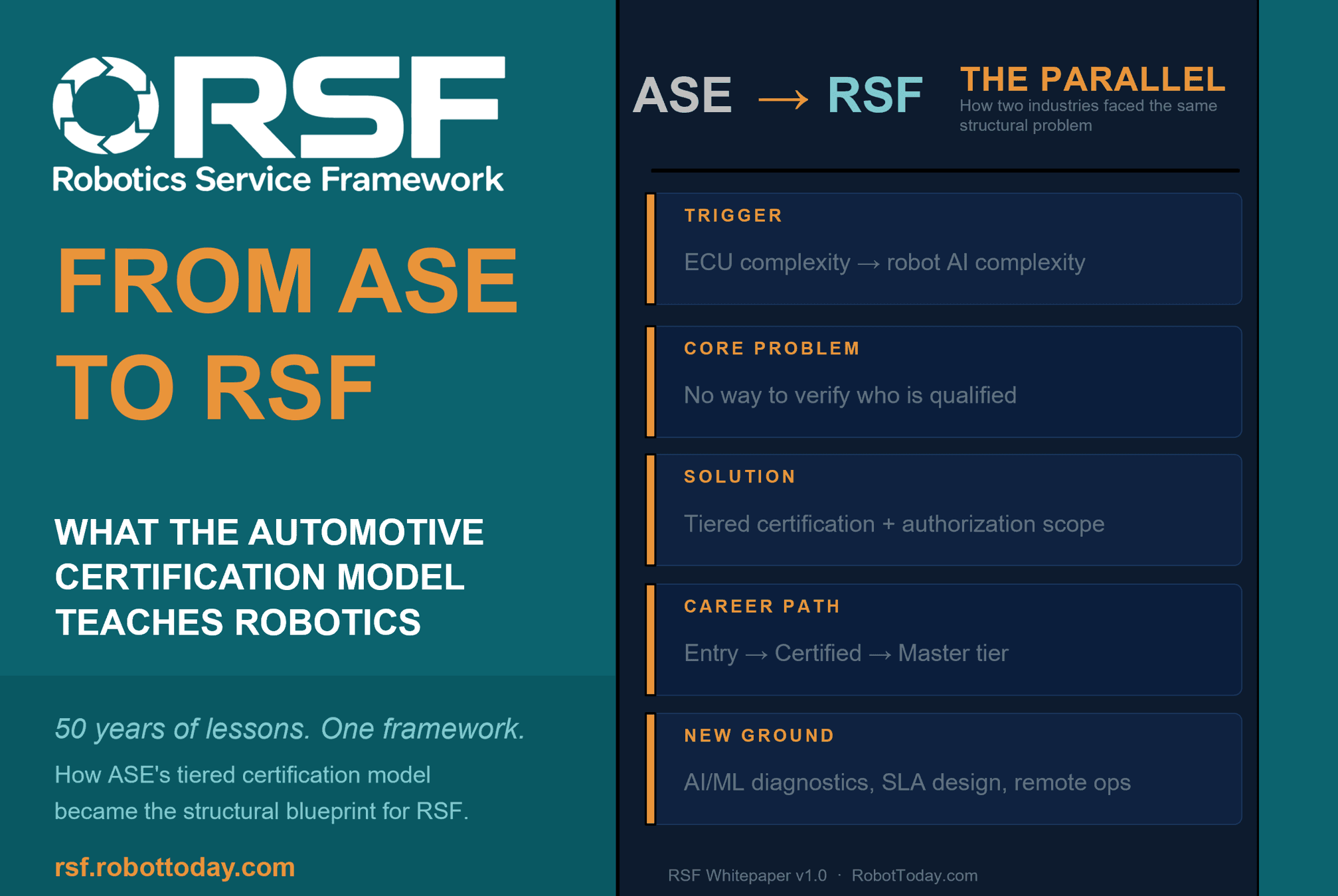
Drone News Drone News Feeds Drones in the News News Regulation Selected - FAA and RegulationsRobotics needs a service framework.
RSF defines a common language for robot service capability, lifecycle operations, certification pathways, and service-provider networks.