Industry Briefing
A single destination for timely, editor-curated robotics news from around the world.
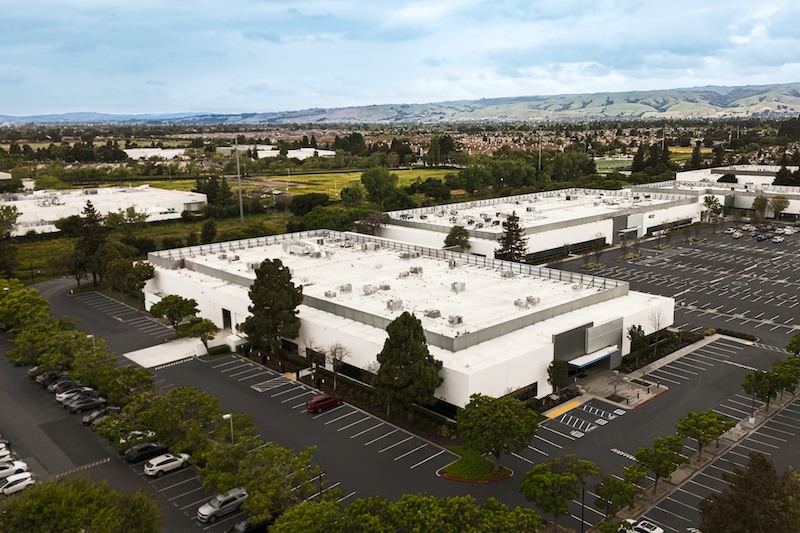
Agility Robotics Launches New Facility in Fremont to Enhance Physical AI Development
Agility Robotics has inaugurated a new facility in Fremont, California, aimed at accelerating advancements in physical AI that enhance customer operations. This 60,000-square-foot site will serve as a hub for software development and AI capabilities, focusing on training and testing technologies that enable the humanoid robot, Digit, to acquire new skills and perform complex tasks in various environments. The establishment of this facility is significant as it positions Agility Robotics in the heart of Silicon Valley, a region known for its AI talent and innovation. The company plans to employ nearly 200 staff members, including experts in hardware engineering and AI/ML software, to drive the development of next-generation AI capabilities that will enhance Digit's safety and productivity in enterprise settings. Looking ahead, Agility Robotics has secured over $300 million in multi-year orders for Digit v5 and has a growing pipeline of more than 30 customers. The Fremont facility is crucial for meeting the increasing demand for humanoid robots in warehouses and manufacturing, as it aims to deliver ongoing safety and productivity improvements in collaboration with human workers. No further timeline was disclosed at the time of publication.
Humanoids Infrastructure News agility robotics ai artificial intelligence
Genesis AI and LG CNS Enter Strategic Partnership to Scale General-Purpose Robotics Across Enterprise Operations
Genesis AI and LG CNS have announced a long-term partnership aimed at assessing and implementing general-purpose robots in manufacturing and logistics sectors across the United States. This collaboration seeks to provide companies globally with a streamlined approach to adopting robotics on an enterprise scale. Zhou Xian, co-founder and CEO of Genesis AI, emphasized the significance of this partnership in facilitating the deployment of advanced robotic solutions. The initiative reflects a growing trend towards automation in various industries, driven by the need for efficiency and innovation in operational processes.
AI AI Funding & Investment AI Use Cases Robotics genseis AI industrial robotics
Jining Transforms into a Robotics Hub, Redefining Its Industrial Identity
Jining, a historic city known as the hometown of Confucius and Mencius, is redefining its industrial identity through robotics. In July, the 2026 'Robot+' Innovation Development Conference took place in Jining, attracting 165 upstream and downstream robotics companies and showcasing ten practical application scenarios. The city, one of Shandong's four major robotics industry hubs, is drawing national capital with its unique approach. As a top 100 city for advanced manufacturing in China, Jining encompasses 38 of the 41 major industrial categories, including engineering machinery and biomedicine. Thousands of enterprises are advancing digital transformation and automation upgrades. The demand for robotics is particularly strong in heavy industries, coal mining, and logistics, with significant opportunities for mining robots and warehouse automation. Jining's development strategy involves differentiated growth across its districts, focusing on core components, drones, and service robots. The city has established a 500 million yuan investment fund for robotics and is prioritizing projects in key areas such as industrial robots and special-purpose mining robots. As Jining embraces robotics, it illustrates the synergy between its rich cultural heritage and intelligent manufacturing.
Robotics Industrial Automation Smart Manufacturing AI Technology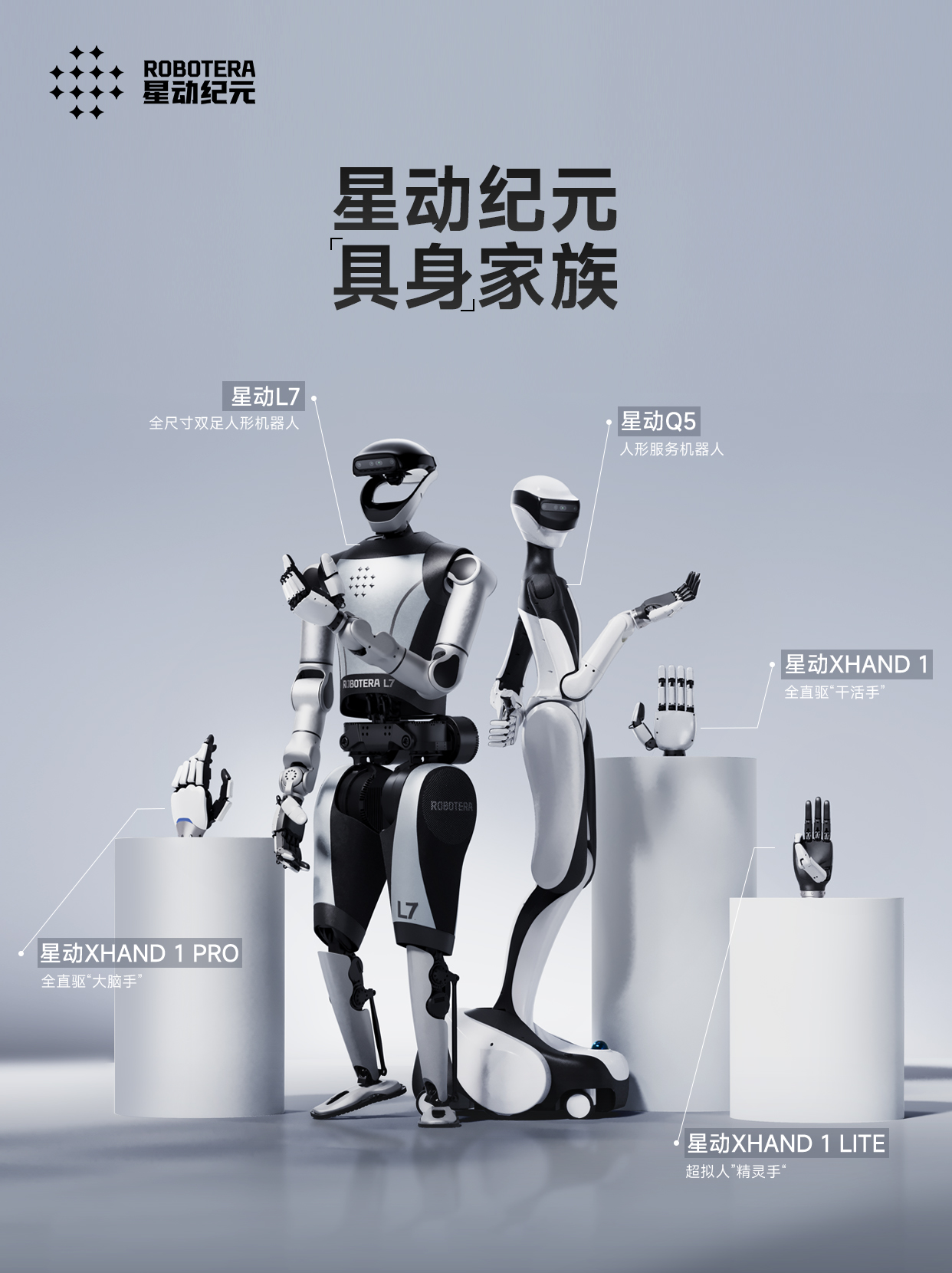
Xingdong Era Secures 2.5 Billion Yuan in Funding: State-Owned Enterprises Backing Intelligent Robotics
Xingdong Era has secured 2.5 billion yuan in funding over the past two months, with the investment primarily coming from state-owned enterprises and financial institutions. The company specializes in embodied intelligence, focusing on the development of advanced robotics solutions tailored for logistics and industrial applications. This significant financial backing will enable Xingdong Era to enhance its data-driven systems, ultimately aiming to improve operational efficiency across various sectors.
Embodied Intelligence Robotics Logistics Automation AI Data Systems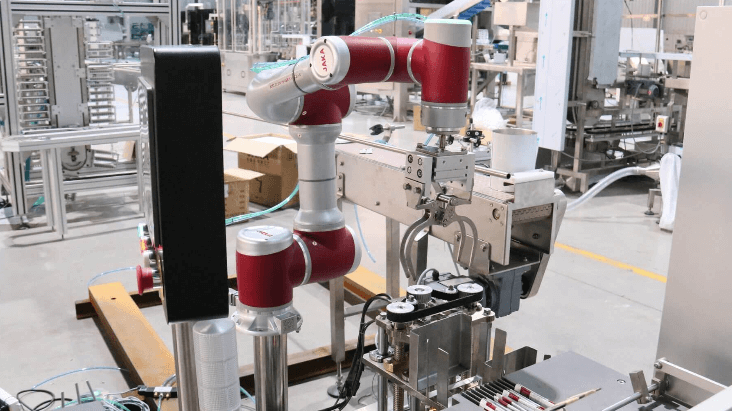
The Impact of Automation and Industrial Robotics on Small and Midsize Enterprises
The landscape of automation and industrial robotics is evolving, enabling small and midsize enterprises to access advanced manufacturing tools previously deemed unattainable. JAKA, a key player in this transformation, focuses on creating industrial collaborative robots (cobots) designed for flexibility and ease of use. These modern cobots lower traditional barriers to entry by allowing existing shop floor personnel to manage automation without requiring extensive technical expertise. With intuitive programming and plug-and-play connectivity, JAKA's cobots can be quickly integrated into production processes, enhancing operational efficiency. Their compact design allows for easy redeployment across various tasks, making them ideal for businesses facing space constraints and fluctuating order demands. Moreover, the economic impact of these cobots extends beyond productivity. They improve operational consistency, reduce material waste, and enhance product quality, ultimately protecting brand reputation. By taking over repetitive and ergonomically challenging tasks, JAKA's cobots also help mitigate workplace fatigue and injuries, contributing to a safer work environment. As accessible automation reshapes the capabilities of smaller manufacturers, JAKA aims to empower these businesses with practical robotic solutions that deliver immediate benefits while fostering long-term growth and resilience.

Genesis AI and LG CNS Enter Industry-First Strategic Partnership to Scale General-Purpose Robotics Across Enterprise Operations
Genesis has announced a strategic partnership with LG CNS to create a scalable deployment model for full-stack robotics tailored for industrial environments. This collaboration aims to enhance automation capabilities across various sectors, addressing the growing demand for efficient and flexible robotic solutions. The initiative was unveiled on October 15, 2023, and will focus on integrating advanced robotics technology into manufacturing and logistics operations. By leveraging LG CNS's expertise in IT services and Genesis's innovative robotics solutions, the partnership seeks to streamline processes and improve productivity in industrial settings. This development reflects a broader trend in the industry towards adopting sophisticated automation technologies to meet evolving operational needs.
SVT Robotics surpasses four billion transactions on its Softbot automation platform
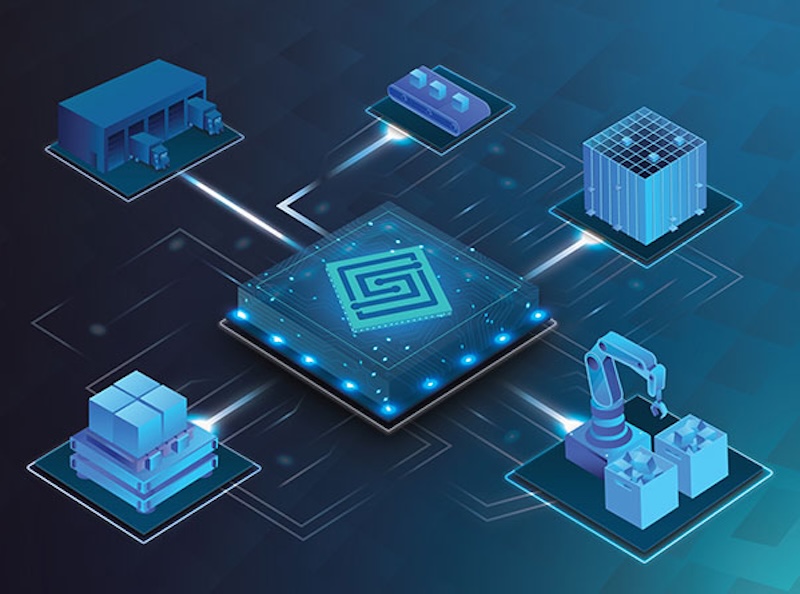
SVT Robotics, a prominent provider of interoperability software for enterprise and physical AI, has reported a significant milestone with its Softbot Platform surpassing four billion transactions. This achievement highlights the platform's robust infrastructure, which is designed to support high-volume data processing on a global scale. Currently, transaction volumes are rapidly increasing, reaching between 100 million and 130 million transactions per week. This surge reflects the growing demand for efficient and resilient data solutions in various industries, positioning SVT Robotics as a key player in the technology landscape.
Computing News Robotics AI-ready data automation infrastructure automation software
Aetina Demonstrates Edge AI Platforms for Robotics, Vision AI and Enterprise Automation at COMPUTEX 2026
NVIDIA is set to showcase its cutting-edge edge AI systems, robotic automation, lightweight VLM deployment, and agentic AI workflows through live demonstrations. These events will highlight the capabilities of real-time AI processing at the edge, illustrating the potential applications and advancements in technology. The demonstrations are scheduled to take place in the coming weeks, providing attendees with a firsthand experience of the latest innovations in AI. By presenting these technologies, NVIDIA aims to emphasize the importance of edge computing in enhancing efficiency and performance across various industries. The demonstrations will allow participants to observe how these systems operate in real-time, showcasing their practical applications and benefits.

RevOps for Robotics OEMs Integrates AI Agents as New GTM Operating System
RevOps for robotics OEMs is evolving to unify sales, marketing, and customer success teams under a strategic framework. This integration aims to enhance customer attraction and retention, increase average order value (AOV), and maximize customer lifetime value (CLV), all while optimizing costs. Efficiency is paramount, making tech stack management a critical function of RevOps. The introduction of Go-to-Market (GTM) AI agents is transforming the tech stack, enabling improved predictive forecasting, market data analysis, and buyer intent tracking. These AI agents streamline lead routing, scheduling, and personalized outreach, allowing RevOps teams to focus on innovative strategies to drive revenue growth. The use of GTM AI APIs facilitates the development of core tech stack layers, enhancing the ability to analyze prospect interactions and identify effective sales tactics. As AI agents are integrated into intent layers, they monitor high buying intent signals and enrich prospect profiles by gathering data from various sources. This data is visualized as contact graphs, enabling targeted outreach. A practical example in the robotics OEM sector illustrates how these AI agents enhance operational efficiency and strategic decision-making, ultimately contributing to revenue preservation and growth.
AI agents Technology agentic ai ai agents artificial intelligence automation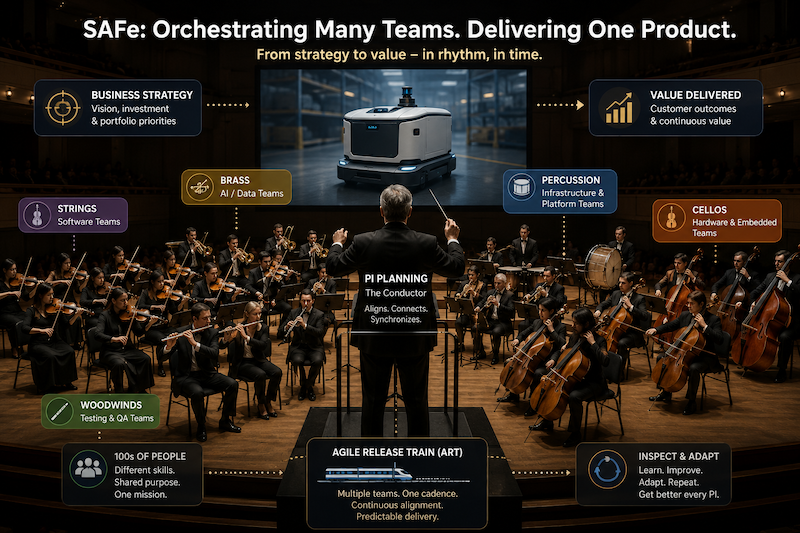
SAFe Has Won Enterprise Agile – What That Means for Your Career
In recent years, the landscape of enterprise agile frameworks has seen a significant shift, with the Scaled Agile Framework (SAFe) establishing itself as the leading methodology for large organizations seeking to implement agile practices at scale. This trend has been particularly evident among companies with substantial hiring needs, where SAFe's structured approach has facilitated smoother transitions to agile operations. The framework's popularity stems from its ability to address the complexities of scaling agile across various teams and departments, making it an appealing choice for enterprises aiming to enhance productivity and collaboration. As organizations continue to embrace agile methodologies, SAFe's dominance reflects a broader industry consensus on effective practices for large-scale agile transformation.
Business Computing Software agile coaching Agile leadership agile methodology
How AI APIs are strengthening phishing detection and email security across industrial enterprises
Phishing attacks have evolved beyond traditional IT concerns, posing significant threats to manufacturers, robotics integrators, and logistics operators. A single deceptive email can disrupt production lines, misdirect supplier payments, or jeopardize access to automated warehouse systems. This shift highlights the urgent need for enhanced cybersecurity measures to protect industrial operations from increasingly sophisticated threats. As the attack surface broadens, companies must adapt their defenses to safeguard against these emerging risks in the industrial sector.
Artificial Intelligence Business AI APIs AI phishing detection automation news business email compromise
The Rise of Force Sensing Technology in China's Robotics Industry
Recent trends in the robotics industry indicate a shift from mere mobility to operational intelligence, particularly in humanoid robots. Companies are now focusing on practical applications such as tool handling and assembly, highlighting the importance of force sensing technology. As robots engage in physical tasks, understanding the force exerted becomes crucial for effective operation. This transition underscores the growing significance of six-dimensional force sensors, which are evolving from optional components in industrial robots to essential infrastructure for next-generation intelligent robots. The recent funding rounds exceeding 100 million yuan reflect a broader interest from both traditional investors and state-owned enterprises, signaling a pivotal moment in the industry's development. Looking ahead, the demand for comprehensive sensing, control, and manufacturing infrastructure will likely increase as the humanoid robotics sector matures. The complexity of enabling robots to perform sustained tasks, such as assembly and material handling, will challenge developers to innovate beyond flashy capabilities and focus on the intricate details that drive commercialization.
Humanoid Robots Force Sensing Technology Industrial Automation Robotics Innovation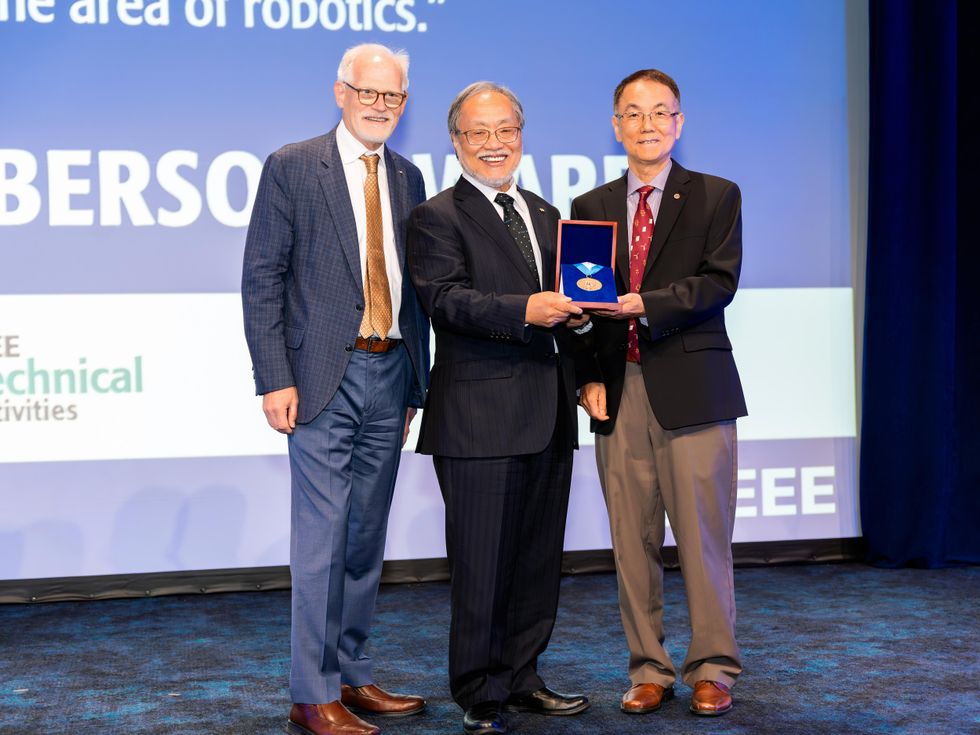
IEEE Honors Robotics Pioneer Toshio Fukuda
Toshio Fukuda has been blazing trails for most of his career. He is considered to be one of the most prolific scholars in robotics, writing more than 2,000 research papers and authoring several books on the field. He’s an influential figure thanks to his pioneering work developing biomedical robotic systems, industrial robots, micro-nano robotics, mechatronics, and AI-driven automation.Fukuda launched one of the first robotics conferences, the IEEE/RSJ International Conference on Intelligent Robots and Systems (IROS). It is still popular almost 40 years later.Toshio FukudaEmployerEgypt-Japan University of Science and Technology, in Alexandria TitleProfessor and vice president of research Member gradeLife Fellow Alma matersWaseda University, in Tokyo; University of Tokyo An IEEE Life Fellow, he is a professor emeritus in the department of micro-nano systems engineering and a visiting professor at Nagoya University, in Japan, where he taught for nearly 25 years. Currently, he is a vice president of research at the Egypt-Japan University of Science and Technology, in Alexandria, Egypt.Within IEEE, Fukuda has held top volunteer positions including the organization’s highest office: He served as IEEE president in 2020, becoming the first person of Asian descent to hold the role.He’s a former program director of Japan’s Moonshot program, which by 2050 intends to develop advanced AI robots.Born in Japan, Fukuda has been recognized by the country for his contributions to science with two of its highest awards: the Medal of Honor with a purple ribbon in 2015 and the Order of the Sacred Treasure in 2022.IEEE honored him with this year’s Richard M. Emberson Award for “distinguished service advancing the technical objectives of IEEE, especially in the area of robotics.” The IEEE Board-level award is sponsored by the IEEE Technical Activities Board. Fukuda received the award on 24 April at a ceremony in New York City.As a former IEEE president who has served as a master of ceremonies at several of the organization’s major award events, Fukuda noted that he is more accustomed to bestowing awards than receiving them.“It’s very interesting to be on the receiving end,” he says.The journey into robotics researchAs a teenager, Fukuda spent his summer breaks teaching himself how to build things including transistor radios and steam engines.“It was very nice to have a hands-on hobby and make these kinds of things myself,” he says. His experimentation led him to study engineering.He earned a bachelor’s degree in engineering in 1971 from Waseda University, in Tokyo. He says one of his professors there—Ichiro Kato, regarded as the father of Japanese robotics research—was a good mentor who made a positive impact.Fukuda’s research interests were robotics and mechatronics, a field that combines robotics, electronics, computer science, and control systems.He went on to earn a master’s degree and a doctorate in science from the University of Tokyo, in 1971 and 1977. During those years, he also attended Yale, where he conducted research on advanced control theory in 1973.He reflects fondly on his time at Yale: “It was a very nice environment and a kind of free-thinking atmosphere. It motivated me to study more.”“IEEE doesn’t care who you are, what you do, what country you are from, or whether you are male or female. IEEE accepts people who have energy and passion.”While at Yale, Fukuda served as an assistant to his advisor—which led him to consider a career in academia, he says, because he enjoyed the freedom that research work afforded him.But he realized that such freedom comes with a price. University researchers are expected to raise the money that funds their work. He compares researchers to small-business owners who have to bring in money to keep their enterprise afloat.That realization led him to select robotics as his field because he intended to develop technologies useful to industry, he says.After earning his doctorate, he returned to Japan in 1977 to work as a research scientist at the government’s Mechanical Engineering Laboratory, later renamed the National Institute of Advanced Industrial Science and Technology, in Tsukuba.“There was a lot of research going on at the lab, including practical robotics and theory,” he says.He left Japan in 1979 to become a visiting research fellow at the University of Stuttgart, in Germany. During his year there, he studied systems, software problems, and related topics.He returned to Japan and was hired as an associate professor of mechanical engineering at the Tokyo University of Science. He conducted research into practical uses for robots by visiting industrial plants. He decided to develop robots that inspect industrial equipment such as those used in assembly plants, oil refineries, and power stations—places that “can be hostile environments for humans,” he says.His work drew interest from chemical, oil, and utility companies.“I got a lot of money from them for this very practical application, which funded my research,” he says, laughing.Developing popular robotic systemsFukuda grew tired of making those robots, he says, so he switched to creating ones for scientific applications. He developed many techniques, but he probably is best known for his modular, cellular robotic systems (CEBOTs), which he introduced in 1985.He has described how CEBOTs work in numerous papers published in the IEEE Xplore Digital Library.The CEBOT system is composed of a number of autonomous robotic cells that stick together like interlocking Lego plastic bricks, he says.Each cell is a fundamental modular unit that has a function. When a simple task is given, the system can analyze it and generate the structure of the cellular manipulator. The cells connect to and detach from each other through connection mechanisms and cooperate mutually, creating complex structures and configurations.“You start developing from the component-wise to the cell-wise to a small functional unit—and then you come up with clusters that make bigger systems. We can make a society of robot beings like that,” he explained in his oral history published on the Engineering and Technology History Wiki. “It’s a distributed robotic system, a self-organized robotic system, and also an evolutionary robotic system.“It’s also a fault-tolerant robot system because if something is wrong, you just remove those things and make a new one. You keep the system working. That’s a great thing.”Today CEBOTs are used for a variety of tasks such as delivering medication in hospitals, assisting with planting crops, and transporting products in distribution centers. Check out IEEE Spectrum’s Robots Guide for news from the world of robotics.In 1989 Fukuda joined Nagoya University as a professor of mechanical engineering and micro-nano systems engineering. During his 24-year career there, he was director of the university’s Center for Micro-Nano Mechatronics. He developed a long list of technologies at the university, including many for medical applications. He also conducted groundbreaking research into intelligent robotic systems and micro- and nano-robotics.Another technology he is known for is brachiation robots, which he helped develop in 1988. He calls them monkey robots because they’re based on the pendulum-like movement of monkeys swinging from tree to tree. The gravity-based locomotion enables continuous movement.Brachiation robots now are inspecting high-voltage transmission towers and bridges, searching damaged buildings for survivors, and performing maintenance on pipelines and cables.Fukuda retired from the university in 2013 and was named professor emeritus.He didn’t stay retired for long, though. He next held a teaching appointment at Meijo University, in Nagoya, until he left in 2022 to join the Egypt-Japan University.A prominent volunteerHe joined IEEE in 1980 at the encouragement of one of his research advisors, Professor Fumio Harashima, now an IEEE Life Fellow. After attending conferences and reading the organization’s publications, Fukuda says, he looked forward to becoming more involved.“I wanted to know how to organize a conference and how to edit a paper for one of its Transactions,” he says. “I wanted to know what was going on from inside the organization, not just the outside.”In 1988 he was the founding chair and organizer of IROS, in Tokyo. The conference had 330 attendees that year, and was supported by Harashima. Today it is one of the largest and most prestigious conferences on the topic, attracting more than 9,000 people annually. Out of 120,000 conferences, it was the only conference in the Nature Index database for this year, Fukuda says.In 1996 he and other members launched IEEE Transactions on Mechatronics.He was the founding president of the IEEE Nanotechnology Council, which was established in 2002. He is considered a pioneer in nanotechnology research, particularly regarding how it relates to robotics.Over the years, he has held numerous volunteer positions on IEEE editorial boards and committees.He was the 1998–1999 president of the IEEE Robotics and Automation Society, becoming the first non-U.S. member to hold the title.He was director of IEEE Division X (2001–2002 and 2017–2018), which covers intelligent systems, biological engineering, robotics, control systems, and photonic technologies. He served as the 2013–2014 director of IEEE Region 10 (Asia-Pacific).As the 2020 IEEE president, Fukuda saw the organization through the early part of the COVID-19 pandemic. Because of travel restrictions, he realized IEEE should change how it offered its in-person services, specifically educational programs. He encouraged IEEE Educational Activities to develop an online learning platform. The IEEE Learning Network started with just three courses and now offers nearly 2,000 courses, webinars, and learning materials.An award-winning memberThe Emberson Award joins a slew of other recognitions Fukuda has received from IEEE. They include several from the IEEE Robotics and Automation Society: a 2004 Pioneer Award, a 2009 Saridis Leadership Award, and the 2011 Harashima Award for Innovative Technologies. He is also a recipient of the Board-level 2010 IEEE Robotics and Automation Technical Field Award.He says he feels strongly that IEEE should be a diverse organization that is welcoming to all. As IEEE president, he led efforts to devise a diversity, equity, and inclusion program. Several policies, procedures, and bylaws were revised to give members a safe, inclusive place for discourse.“It’s important for IEEE to make everyone feel comfortable,” he says. “DEI programs are important. All people should be equal. IEEE doesn’t care who you are, what you do, what country you are from, or whether you are male or female. IEEE accepts people who have energy and passion.“It accepted me, from the Far East. That’s why I like it.”You can learn more about Fukuda and his career from the oral history conducted by the IEEE History Center.
Robotics Robots Ieee-member-news Type-ti Ieee-awards Toshio-fukuda
Xingdong Era Secures 1 Billion Yuan Funding: Why is the National Team Betting on This Tsinghua Robotics Company?
Xingdong Era Robotics has successfully secured 1 billion yuan in its latest financing round, led by state-owned enterprises such as Chengtong Fund. This funding marks the third major investment for the company in 2023, bringing its total capital raised this year to over 3.5 billion yuan. The influx of capital underscores a strategic shift towards industry collaboration and a commitment to advancing embodied intelligence, particularly in logistics applications. The company aims to enhance practical delivery and ensure operational stability, positioning itself for long-term growth in the evolving robotics sector.
Robotics Embodied Intelligence Logistics Automation Funding Tsinghua University
Tech Mahindra and Viam partner to scale advanced robotics and automation solutions
Tech Mahindra has announced a strategic partnership with Viam, enabling its global enterprise clients to leverage advanced robotics and automation capabilities through Viam's innovative physical AI platform. This collaboration, which aims to enhance operational efficiency and streamline processes for businesses, will provide clients with direct access to cutting-edge technology designed to optimize workflows and improve productivity. The partnership is expected to significantly impact various industries by integrating AI-driven solutions into everyday operations. This initiative reflects Tech Mahindra's commitment to driving digital transformation and innovation within its client base, positioning them at the forefront of technological advancements.

Intelligent indoor/outdoor automation company MyBull Robotics opens new US headquarters
MyBull Robotics U.S. has officially opened its new headquarters in Farmington Hills, Michigan, on May 14, 2026, marking a significant step in the company's expansion into the North American market. The facility aims to enhance the supply of the company's innovative indoor and outdoor automated logistics solutions, which utilize advanced technologies such as lidar and vision cameras for efficient material handling. This strategic move is designed to support local investment and job creation, with plans to grow the current team of 12 employees, focusing on engineering and technical roles. The grand opening event attracted business leaders, partners, and customers, featuring structured sessions that included product demonstrations and a Q&A with the MyBull Robotics team. The new headquarters, located at 37735 Enterprise Ct., includes a showroom and a warehouse for proof-of-concept demonstrations, showcasing the capabilities of MyBull Robotics' autonomous machines in real-world industrial settings. Vinh Tran, Managing Director of MyBull Robotics U.S., emphasized the company's commitment to contributing to the advanced manufacturing and supply chain ecosystem in Michigan and across the U.S. With a focus on improving efficiency and performance for various industrial sectors, MyBull Robotics aims to leverage its technology and customer support to drive innovation in the automation and robotics market.
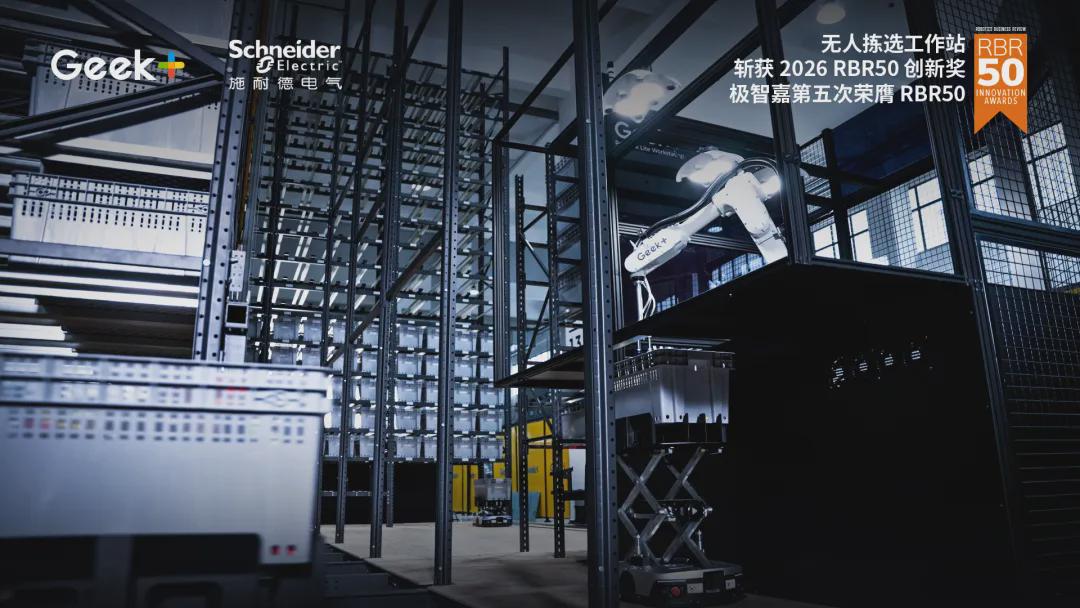
Geek+ Achieves Fifth Win at 'Oscars of Robotics': Valuation Anchor for Embodied Intelligence Platform Taking Shape
On May 19, Geek+ announced that its embodied intelligence picking workstation has been honored with the 2026 RBR50 Global Robotics Innovation Award. This recognition marks the fifth award for the company, solidifying its position as the most awarded Chinese firm in the history of the RBR50. The accolade underscores Geek+'s evolution from a logistics equipment provider to a platform-based enterprise focused on embodied intelligence, reflecting its commitment to innovation in the robotics sector.
Robotics Innovation Warehouse Automation Embodied Intelligence AI Solutions
ABB Robotics launches high-speed PoWa cobot family
ABB Robotics has launched its new PoWa™ cobot family, designed to enhance industrial automation by combining high-speed performance with higher payload capacities. Announced on April 22, 2026, this launch aims to address the growing demand for collaborative robots (cobots) among small and medium-sized enterprises (SMEs) as well as large corporations, as the global market for collaborative robotics is projected to grow by 20 percent annually until 2028. The PoWa cobots, which can handle payloads ranging from 7kg to 30kg and achieve top speeds of 5.8 m/s, fill a crucial gap in the market by offering industrial-grade capabilities in a compact design. This makes them suitable for various applications, including machine tending, palletizing, screwdriving, and arc welding. The cobots are powered by the ABB OmniCore™ controller platform, ensuring superior motion control and precision, and are compatible with ABB’s suite of AI-powered software tools for easy programming and deployment. Andrea Cassoni, Head of Collaborative Robots at ABB Robotics, emphasized that the PoWa family meets the needs of manufacturers looking for efficient automation solutions without the complexity of traditional industrial robots. With user-friendly features, including programmable buttons and no-code programming, the PoWa cobots can be operational within an hour, enabling manufacturers to automate processes quickly and effectively. This launch reflects ABB Robotics' commitment to advancing the capabilities of collaborative robots, making them faster, safer, and more versatile for a wide range of industrial applications.

AUTONOMOUS Debuts as the Premier Conference for Robotics & Physical AI
Frontier Media has announced the inaugural Robotics & Physical AI Conference, set to take place on July 16, 2026, in San Francisco. This event aims to bring together founders, investors, engineers, and enterprise operators to explore the latest advancements and opportunities in robotics and artificial intelligence. The conference seeks to foster collaboration and innovation within the industry, addressing the growing interest and investment in these technologies. Participants will have the chance to engage in discussions, network with key players, and gain insights into the future of robotics and AI applications across various sectors.
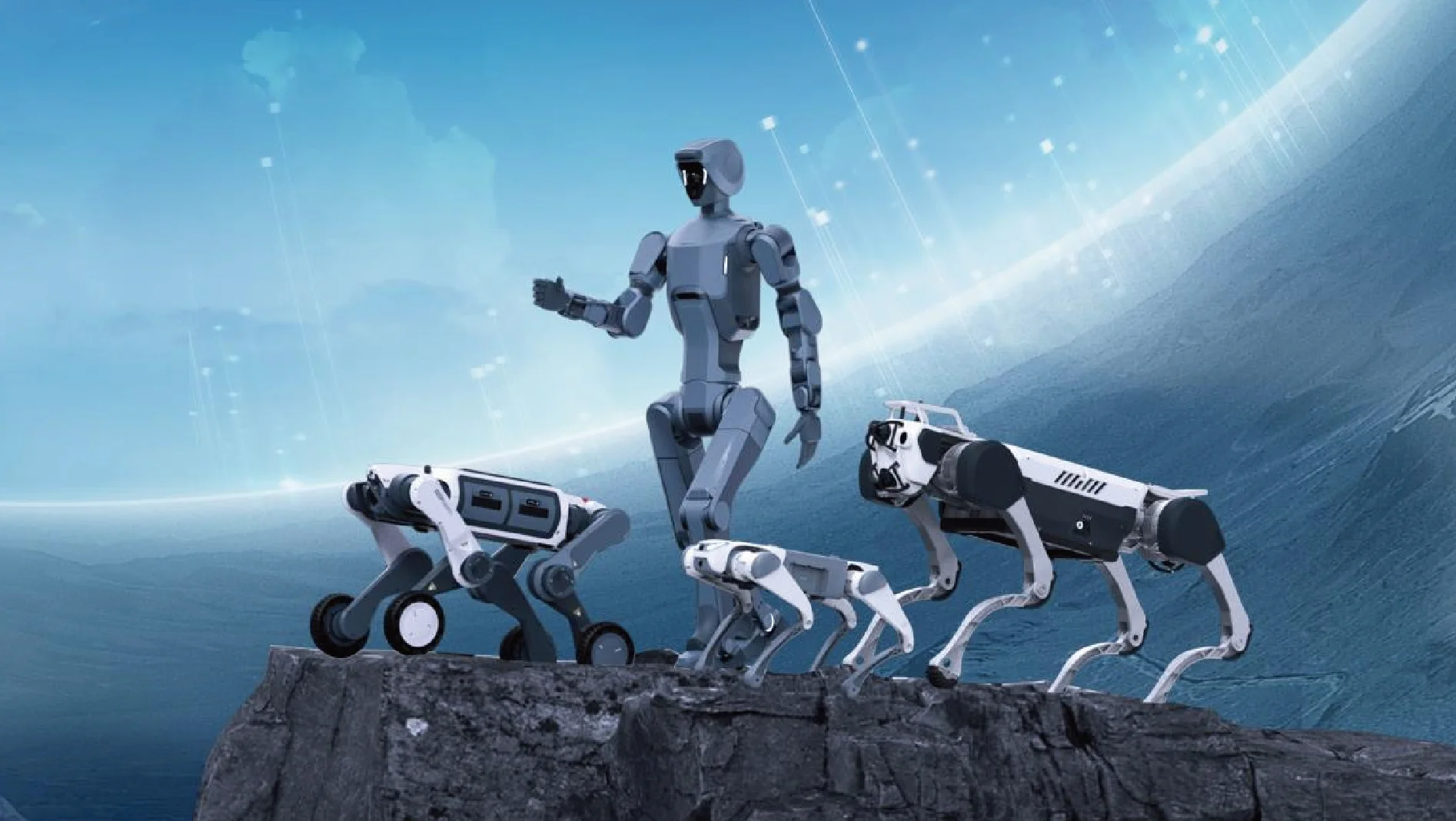
Deep Robotics Secures $68M in Series C to Fuel Humanoid and ‘Embodied AI’ Push
Deep Robotics, supported by state-owned telecommunications giants China Telecom and China Unicom, has successfully completed a Series C funding round. This financial boost positions the company to expand its innovative wheeled-legged and humanoid robotic platforms. The funding comes as Deep Robotics prepares for a potential initial public offering (IPO), aiming to capitalize on the growing demand for advanced robotics solutions. The strategic partnership with these major state-owned enterprises not only enhances Deep Robotics' financial stability but also strengthens its market presence in the competitive robotics industry.
Business Deep Robotics China
SAP Launches Major ‘Embodied AI’ Push with Humanoid, Neura Robotics, and Others
SAP, the prominent software company, is collaborating with several robotics firms, such as Humanoid and Neura Robotics, to enhance robots with "business context awareness." This initiative aims to integrate advanced robotics into supply chain operations, allowing robots to interact more effectively with enterprise systems. Recent pilot programs at BITZER and Martur Fompak demonstrate this technology in action, where robots are now capable of receiving and processing orders directly from SAP's warehouse management software. This partnership seeks to streamline operations and improve efficiency in logistics, showcasing the potential of robotics in modern business environments.
Unitree Robotics 4NE-1 Neura Robotics Booster Robotics HMND-01 AGIBOT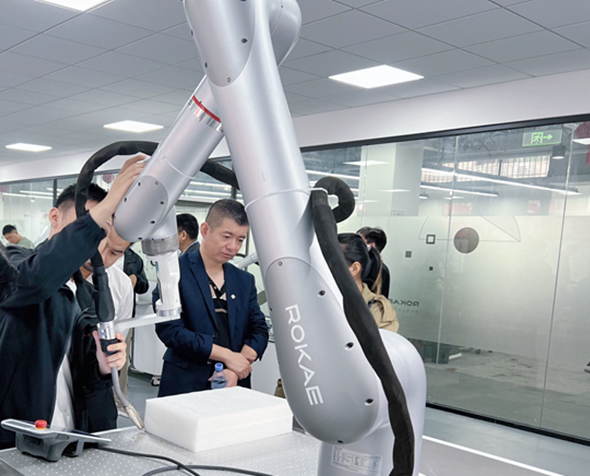
Guangdong Welding Industry Association Visits ROKAE Robotics to Explore the Future of Intelligent Welding
A delegation from the Guangdong Welding Industry Association, featuring representatives from more than 50 prominent member enterprises, recently visited the Shenzhen branch of ROKAE Robotics. This visit, which took place to facilitate an in-depth exchange and exploration, focused on promoting the integration of welding robotics within the broader manufacturing sector. The initiative aims to identify viable pathways for technological innovation and to invigorate the intelligent transformation of Guangdong’s welding industry. By fostering collaboration and sharing insights, the delegation seeks to enhance the region's competitiveness in the evolving landscape of manufacturing technology.

Top 20 Chinese warehouse robotics companies: Geekplus turns its attention to domestic competitors
In a rapidly evolving landscape of logistics and automation, companies like Locus Robotics are solidifying their positions as significant players on the global stage. As the demand for efficient warehouse solutions continues to rise, these firms are innovating to meet the challenges posed by e-commerce and supply chain complexities. The competition is intensifying, with various enterprises striving to enhance their operational capabilities through advanced robotics and automation technologies. This surge in innovation is driven by the need for increased efficiency and cost-effectiveness in the logistics sector, particularly in response to growing consumer expectations for faster delivery times. As industry leaders showcase their latest advancements, the focus remains on how these technologies can transform traditional warehousing practices and improve overall productivity.
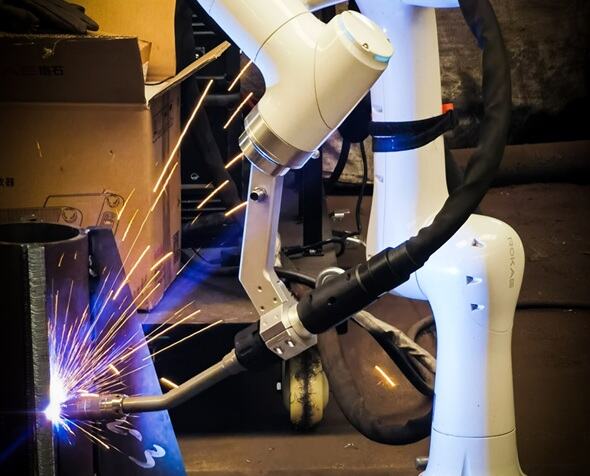
Breaking New Ground: ROKAE Robotics Leads Intelligent Upgrade in New Energy Shipbuilding
The Jining Municipal Government Information Office hosted a press conference titled “Shandong’s Excellent Companies on the Industrial Chain,” where Tuo Hua, CEO of ROKAE Robotics, and representatives from three other companies participated in discussions with journalists. The event focused on Jining's initiative to establish itself as a hub for innovative applications in the new energy ship sector. This gathering aimed to highlight the region's advancements and potential in the burgeoning industry, showcasing the collaborative efforts of local enterprises to drive innovation and sustainability in maritime technology.
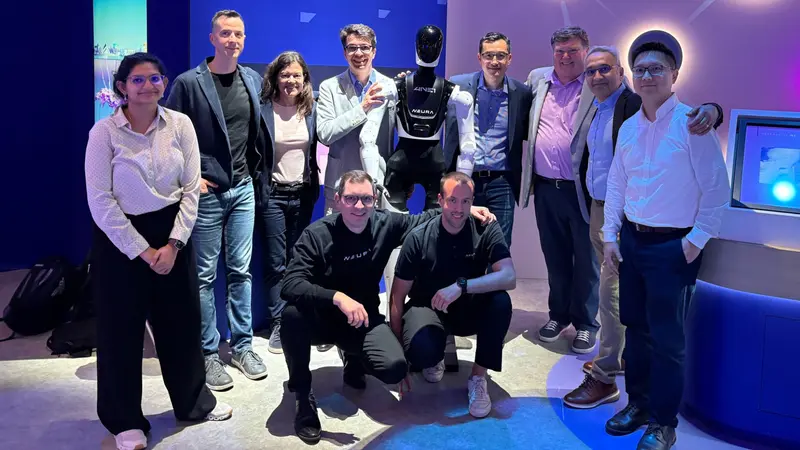
NEURA Robotics, SAP, and NVIDIA Partner to Bring Business AI to Physical Robots
NEURA Robotics, SAP, and NVIDIA have formed a strategic partnership to enhance robotic capabilities through the integration of advanced technologies. This collaboration, announced recently, aims to combine SAP's business AI with NVIDIA's digital twin technology and NEURA's cognitive robots. The initiative seeks to develop what is termed 'physical Business AI,' allowing robots to autonomously execute complex tasks by leveraging real-time enterprise data. This innovative approach will be facilitated through NEURA's Neuraverse platform, marking a significant step forward in the automation and efficiency of business operations.
NVIDIA 4NE-1 Neura Robotics Neuraverse
Seizing Golden Exposure Opportunities: Core Achievements of Enterprises to be Showcased at the Industry Conference Opening Ceremony
The 3rd China Embodied Intelligence and Humanoid Robot Industry Conference is set to take place soon, offering a vital platform for companies in the robotics sector to unveil innovative products and technological advancements. This event comes at a time when the industry is experiencing significant growth, driven by substantial funding and a strategic emphasis on domestic component production. As companies prepare to showcase their latest developments, the conference aims to foster collaboration and knowledge sharing, further propelling the evolution of humanoid robotics in China.
Embodied Intelligence Humanoid Robots Industry Conference Technology Showcase
Conference Overview | 30+ Academics and Industry Leaders, 50+ Leading Enterprises Gather at the Third China Embodied Intelligence and Humanoid Robot Industry Conference to Discuss the Future of Embodied Intelligence
The third China Embodied Intelligence and Humanoid Robot Industry Conference recently convened, attracting more than 30 experts and representatives from 50 leading companies. This significant event took place to discuss advancements and future trends in embodied intelligence and humanoid robotics. The conference aimed to foster collaboration and innovation within the industry, highlighting the growing importance of these technologies in various sectors. By bringing together key players in the field, the conference served as a platform for sharing insights and exploring potential partnerships that could drive the industry forward.
Embodied Intelligence Humanoid Robots Industry Conference Robotics Innovation
Leading VC Partners with Shanghai State-Owned Enterprises to Invest in Weiyi Technology's Multi-Million Pre-A Funding Round
Weiyi Technology, a prominent company specializing in core motion components for embodied intelligence, has secured a multi-million dollar Pre-A funding round. The investment was led by Xiaomiao Langcheng and Shanghai State-Owned Assets, highlighting the growing confidence in the company's technological innovations and its potential impact on the robotics industry. This funding round, which underscores Weiyi Technology's advancements, positions the company for further growth and development within the competitive landscape of robotics.
Robotics Motion Components Investment Embodied Intelligence
Robotic Process Automation in 2026: A Buyer’s Guide for Procurement Teams
Over the past decade, the landscape of Robotic Process Automation (RPA) has evolved significantly. Initially characterized by basic screen-scraping bots that mimicked human interactions with legacy desktop applications, the technology has now advanced to include both attended and unattended bots. These modern bots are capable of managing user interface tasks within various enterprise systems such as ERP and CRM platforms, as well as billing tools that organizations are reluctant to phase out. As of October 2023, RPA has shifted towards an API-first approach, enabling more sophisticated orchestration that directly integrates with cloud services at various integration points. This transformation reflects the growing demand for automation solutions that enhance efficiency and streamline operations across industries. The shift not only highlights the technological advancements in RPA but also underscores the necessity for businesses to adapt to changing digital landscapes in order to remain competitive.
Automation Business Digital Automation ai agents automation anywhere automation news
How SMEs can use automation to their advantage
In 2026, small and medium-sized businesses in the U.S. are facing significant challenges as they navigate rising operational costs while meeting customer demands for quicker responses. With over 36 million small businesses in the country, many are still dependent on manual processes, which can lead to increased administrative burdens and reduced focus on revenue-generating activities. As the business landscape evolves, it becomes crucial for these enterprises to adopt more efficient systems to streamline operations and enhance customer service. The pressing need for modernization stems from the competitive market environment, where agility and responsiveness are key to survival and growth.
Automation Business AI for business automated workflows automation news automation software
"Shengshi Weisheng secures hundreds of millions in Series B funding for its smart welding brain model."
3Srobotics, a company specializing in embodied intelligent robots for industrial manufacturing, has successfully raised several hundred million yuan in its Series B funding round. The investment was led by Shanghai Semiconductor Investment and Jinqiao Fund, with participation from Zero One Venture Capital, New Ding Capital, Zhongguan Dinghua, and existing shareholder Weiguang Venture Capital. The funds will be utilized to upgrade their intelligent welding systems, expand manufacturing capacity, and enhance their research and development and market service teams, aiming to accelerate the nationwide deployment of their products across various industries. Founded in 2020, 3Srobotics received national high-tech enterprise certification in 2023 and was recognized as a specialized and innovative small enterprise in Shanghai in 2024. This funding round marks a significant step in the company’s growth, leveraging its proprietary "intelligent brain and motor control system" to advance the development of scalable industrial-grade intelligent robots, particularly in the welding sector. The company focuses on addressing the growing labor shortage in welding, a critical process in industrial production that faces high risks and technical demands. With an aging workforce and a projected shortfall of millions of welding engineers by 2025, 3Srobotics aims to fill this gap with its AI-driven robots that can autonomously adapt to complex welding tasks, significantly improving efficiency and quality. 3Srobotics plans to expand its product offerings beyond welding to include grinding, cutting, assembly, and logistics, striving to create a comprehensive ecosystem of intelligent industrial robots that can transform manufacturing processes.
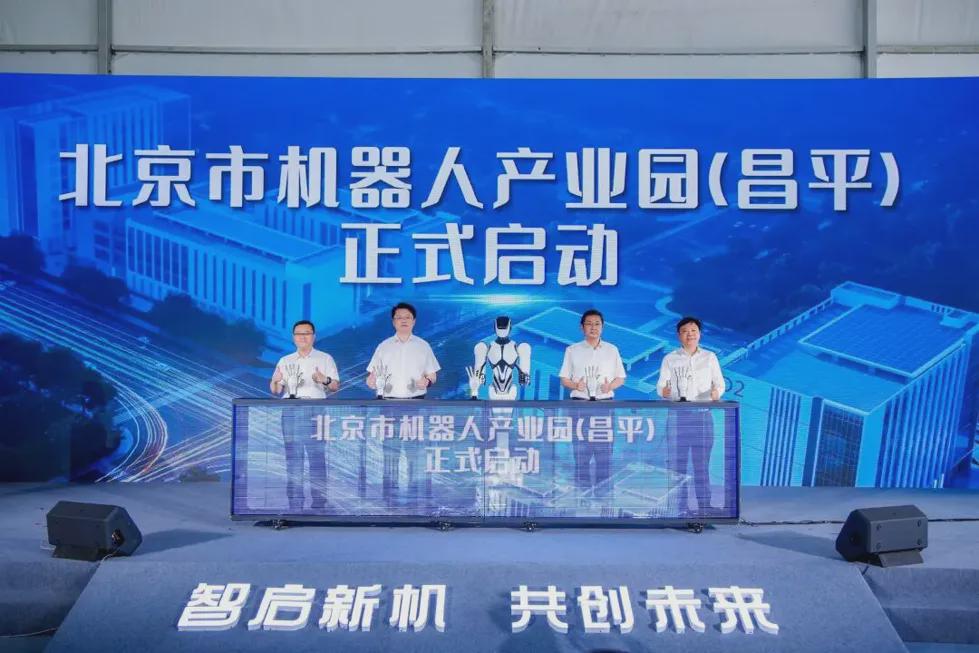
Beijing Launches Specialized Robot Industrial Park in Changping to Boost Innovation
On July 6, Beijing inaugurated its first specialized Robot Industrial Park in Changping, designed to encompass the entire robot industry chain. This initiative aims to enhance innovation and research in robotics, attracting high-quality enterprises and fostering collaboration among government, academia, and industry leaders to bolster the growth of the digital economy in Beijing. The establishment of this park is significant as it represents a strategic move to strengthen Beijing's position in the robotics sector. By focusing on the entire industry chain, the park is expected to facilitate advancements in technology and increase the competitiveness of local firms in the global market. This initiative aligns with China's broader goals of advancing its digital economy and technological capabilities. Looking ahead, stakeholders will be monitoring the park's development closely to assess its impact on the robotics industry in Beijing. No further timeline was disclosed at the time of publication regarding specific projects or partnerships that may emerge from this initiative.
Robot Industry Innovation Hub Industrial Park Research and Development Smart Manufacturing
HKU professor's startup Yisheng Technology secures hundreds of millions in angel funding to develop memory systems for robots.
TranscEngram, a robotics startup focused on developing autonomous intelligence, has successfully secured hundreds of millions in angel funding. The investment round saw participation from a diverse group of industry and state-owned enterprises, including Charoen Pokphand Group’s China National Pharmaceutical, Pudong Venture Capital, and several others. Founded in September 2023 by leading AI experts, including Professor Ma Yi from the University of Hong Kong, TranscEngram aims to create a unified system for robots that mimics human cognitive processes through a "brain + cerebellum" architecture. This innovative approach seeks to advance the field of explainable embodied intelligence by enabling robots to learn through a closed-loop of perception, prediction, and interaction. The newly acquired funds will primarily support the development of advanced models for embodied control and physical world modeling, as well as the establishment of research and industrial bases in Shenzhen and Shanghai. The company’s technology promises to enhance robots' capabilities in self-correction and continuous evolution, moving towards commercial applications. TranscEngram's unique memory system allows robots to learn from vast amounts of data without relying on fixed programming, significantly improving their performance in multi-tasking scenarios. The startup is currently focusing on high-end service sectors, such as hotel operations and flexible manufacturing in aerospace, aiming to automate and optimize these industries. With research and data centers established in major cities, TranscEngram is collaborating with leading robotics firms to integrate its innovative solutions into existing production processes, enhancing efficiency and adaptability in real-world applications.

"Vision Bot completes over 100 million yuan in B++ round financing."
SpeedBot Robotics has successfully secured a significant B++ round of financing, amounting to over 100 million yuan. This funding round was led by the Hunan Sub-Fund of the National Small and Medium Enterprises Fund, managed by Dacheng Caizhi, along with joint investments from Changsha Urban Development. The investment aims to bolster the company’s growth and innovation in the robotics sector, reflecting a strong interest in advancing technology solutions.

InOrbit.AI Demonstrates the Future of Multi-Vendor Robot Orchestration and Physical AI at Automate 2026
InOrbit.AI is set to showcase a pioneering multi-vendor robotics demonstration at Automate 2026, highlighting the future of the sentient enterprise. This event will take place in 2026, where industry leaders and innovators will gather to explore advancements in automation technology. The demonstration aims to illustrate how seamless interoperability and Physical AI are revolutionizing disparate automation systems, creating a cohesive and resilient operational ecosystem. By integrating various robotic technologies, InOrbit.AI seeks to address the challenges of isolated automation, ultimately enhancing efficiency and productivity across industries. This initiative reflects a growing trend towards unified solutions in the robotics sector, emphasizing the importance of collaboration among vendors to drive innovation and improve operational capabilities.
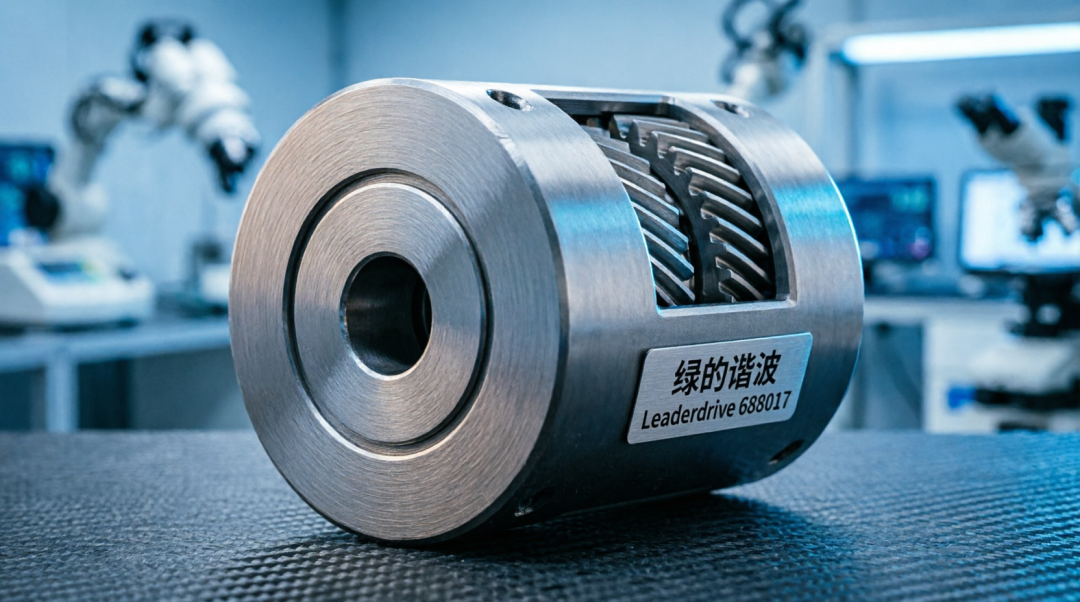
Green Harmony's Market Value Surpasses 77 Billion: A New Beginning or an End?
Green Harmony has captured attention in the A-share market as its stock price has surged, elevating its market value to over 77 billion yuan. This remarkable rise is attributed to the company's robust financial performance, fueled by an increasing demand for industrial robots and innovations in embodied intelligent robotics. As a result, Green Harmony is evolving from a technology-centric organization into a profitable enterprise, showcasing significant growth in both revenue and net profit.
Industrial Robotics Market Growth Financial Performance Embodied Intelligence Harmonic Drive Technology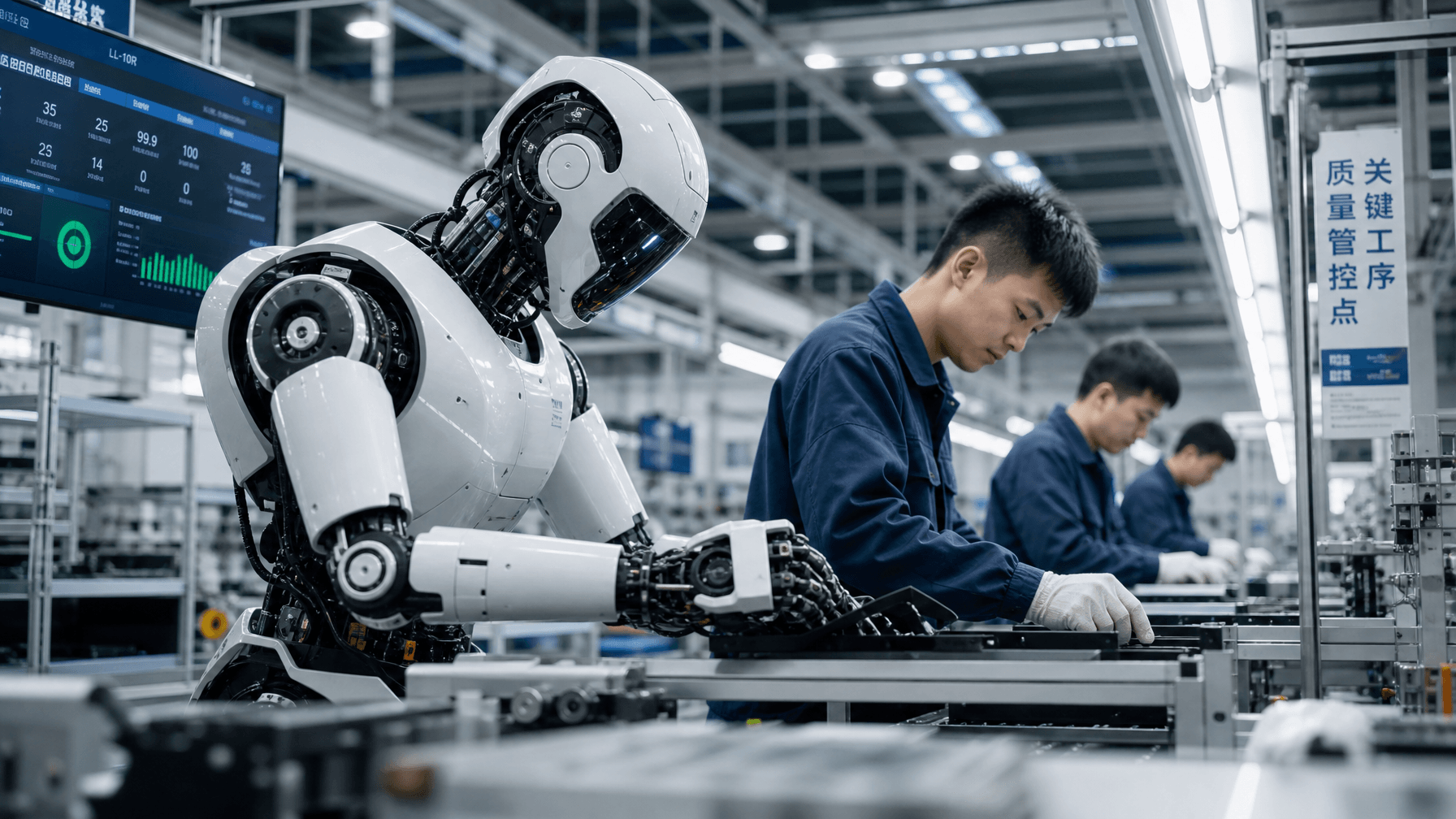
MIIT and SASAC Launch 2026 Humanoid Robot Real-Scene Training Initiative
China's Ministry of Industry and Information Technology (MIIT) and the State-owned Assets Supervision and Administration Commission (SASAC) have announced a comprehensive action plan aimed at deploying humanoid robots across various sectors by 2026. This initiative seeks to implement thousands of humanoid robots in real-world industrial, service, and specialized applications, with a focus on over 100 high-value scenarios. The plan underscores China's commitment to advancing its robotics industry and enhancing automation in key areas, reflecting a strategic move to boost productivity and innovation in the face of evolving market demands. The deployment strategy will involve collaboration between government bodies and private enterprises to ensure effective integration of these technologies into existing workflows.
HumanoidRobotics
Can You Buy Tesla Optimus in 2026? Pre-Order, Price & Consumer Timeline
Tesla has announced that its highly anticipated Optimus robot will not be available for purchase until 2026, with enterprise sales expected to begin in late 2026 and consumer availability projected for the end of 2027. The company has clarified that there will be no pre-orders or waitlists for the product, emphasizing a straightforward timeline for potential buyers. This decision reflects Tesla's strategy to ensure readiness and reliability before launching the Optimus to the market. As the company prepares for this rollout, it aims to meet the growing demand for advanced robotics in various sectors, positioning itself as a leader in the field.

Video: This $42k humanoid robot from China blends real-time motion, vision, and smart control
Chinese robotics company LimX Dynamics has unveiled a full-size humanoid robot aimed at enhancing automation across various industries. The launch took place on October 15, 2023, at a technology expo in Shanghai, where the company showcased its latest advancements in robotics. This innovative robot is designed to perform tasks traditionally handled by humans, thereby increasing efficiency and productivity in workplaces. LimX Dynamics believes that the integration of such robots can significantly reduce labor costs and address workforce shortages in sectors like manufacturing and logistics. The development process involved extensive research and collaboration with industry experts to ensure the robot's capabilities meet the demands of modern enterprises.
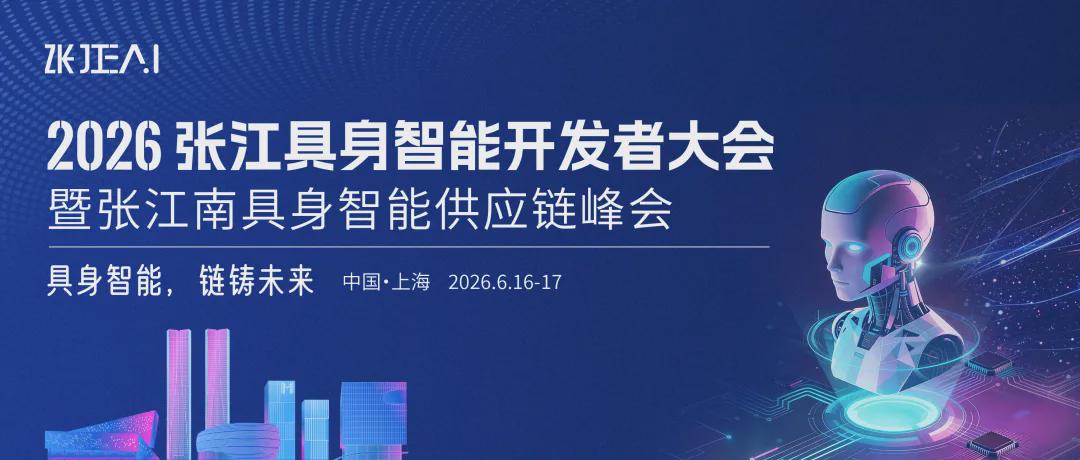
Zhangjiang's Embodied Intelligence Supply Chain Platform Joins Ahead of 2026 Developer Conference
The Zhangjiang South Embodied Intelligence Supply Chain Platform is set to debut at the 2026 Zhangjiang Embodied Intelligence Developer Conference in Shanghai. This initiative seeks to improve collaboration within the supply chain, specifically targeting the challenges faced in the design, prototyping, and manufacturing of humanoid and embodied robots. By fostering efficient connections between high-quality enterprises and industry resources, the platform aims to streamline processes and enhance innovation in the rapidly evolving field of robotics.
Embodied Intelligence Supply Chain Collaboration Humanoid Robots Manufacturing Technology Robotics Innovation
Cloud Depth Technology Files for STAR Market IPO, Seeks ~$3.5B Valuation
Cloud Depth Technology has joined the ranks of Unitree Robotics and Qiangkin Technology by filing for a listing on China's STAR Market. This move, announced recently, aims to secure approximately 2.5 billion yuan, which is equivalent to a valuation of around $3.5 billion. The filing marks a significant step for the company, positioning it among the prominent 'Hangzhou Seven Dragons' in the tech sector. This initiative reflects the growing trend of innovative technology firms in China seeking to capitalize on the opportunities presented by the STAR Market, which is known for supporting high-growth enterprises.
IPO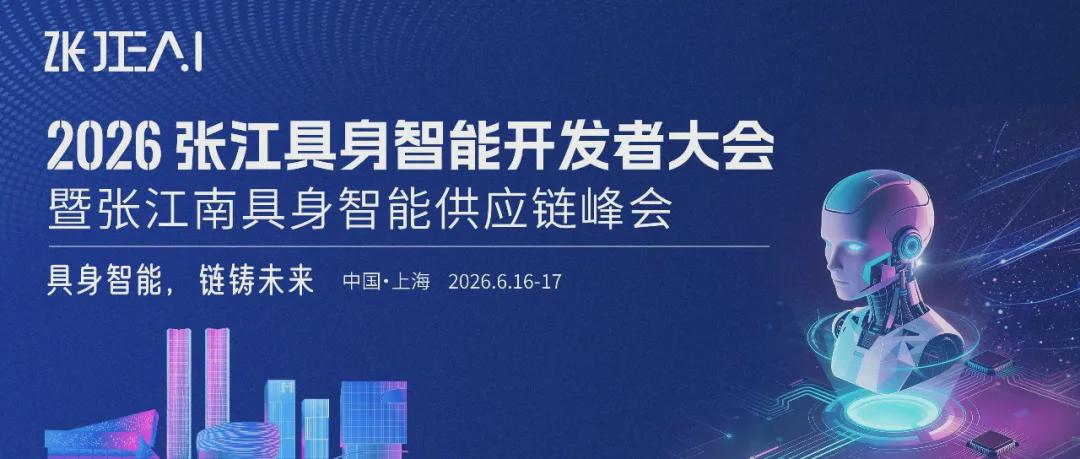
Focusing on Technological Breakthroughs and Supply Chain Collaboration: Invitation to the 2026 Zhangjiang Embodied Intelligence Developer Conference
The 2026 Zhangjiang Embodied Intelligence Developer Conference is set to occur on June 16-17, focusing on the latest advancements in embodied intelligence technologies. This conference aims to bring together enterprises, developers, and investors to promote collaboration within the rapidly evolving fields of robotics and artificial intelligence. By facilitating discussions and networking opportunities, the event seeks to drive innovation and development in these cutting-edge sectors.
Embodied Intelligence Robotics AI Supply Chain Collaboration Industry Conference
Perceptron Mk1 shocks with highly performant video analysis AI model 80-90% cheaper than Anthropic, OpenAI & Google
Perceptron Inc., a Bellevue-based startup founded by former Meta researchers Armen Aghajanyan and Akshat Shrivastava, has launched its flagship video analysis model, Mk1, aimed at revolutionizing how enterprises utilize AI in real-time video processing. Announced today, this innovative model is priced significantly lower than competitors, at $0.15 per million input tokens and $1.50 per million output tokens, making it accessible for large-scale industrial applications. The Mk1 model, developed over 16 months, excels in understanding complex physical interactions and temporal reasoning, outperforming established models like OpenAI's GPT-5 and Google's Gemini 3.1 Pro in various benchmarks. Its unique architecture allows it to process video streams continuously, maintaining object identity and providing precise analysis of dynamic scenes, which is particularly beneficial for sectors such as security, robotics, and marketing. Perceptron aims to position Mk1 as a leader in the "Efficiency Frontier," balancing high performance with cost-effectiveness. The model's capabilities extend to auto-clipping highlights from live sports and enhancing quality control in manufacturing. A public demo site is available for potential users to explore its functionalities. This launch signifies a significant step towards integrating advanced AI into real-world applications, as the company seeks to make "physical AI" as prevalent as its digital counterpart.
Technology
Why Global Buyers Are Increasingly Choosing Robot Arm China for Automation
The global industrial sector is experiencing a significant transformation as companies increasingly adopt flexible automation, particularly in China, which has emerged as the largest market for industrial robots. This shift is driven by a growing demand for sophisticated robotic arms that not only offer cost-effectiveness but also advanced adaptability and intelligence to seamlessly integrate into existing production lines. Historically associated with mass production, Chinese manufacturing is now recognized for its technical innovation and research and development in robotics. Local manufacturers are enhancing their technologies to meet stringent international standards, resulting in systems that excel in precision, payload capacity, and software integration. International buyers are attracted to these modern Chinese robotic solutions due to their rapid deployment capabilities and versatility, which are designed to simplify complex automation tasks for small and medium-sized enterprises. By focusing on user-friendly interfaces and modular designs, these robots lower the barriers to automation across various industries, including electronics, automotive, and food processing. Leading this collaborative revolution is JAKA, a global frontrunner in intelligent robotics. The company emphasizes a mission to enhance productivity through its innovative solutions, such as the JAKA Zu Series and S Series. These products boast impressive specifications, including high payload capacities and precise positioning accuracy, making them ideal for delicate tasks. JAKA's "plug-and-play" approach allows its collaborative robots to operate safely alongside human workers without traditional safety barriers, further enhancing their appeal. With a global service network and advanced training programs, JAKA positions itself as a comprehensive partner in automation, ensuring that its technology remains at the forefront of the industry.
Which Company Makes Industrial Robots?
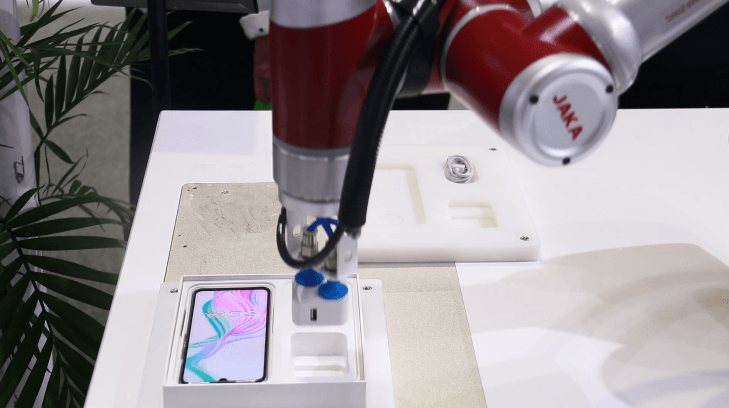
The global manufacturing sector is witnessing a significant transformation as it shifts from traditional high-speed automation to flexible collaborative systems. This change, driven by the emergence of "Industry 5.0," prioritizes human-machine synergy, allowing robots to operate safely alongside human workers. By 2026, the industrial robotics market has diversified, with companies adapting to the specific needs of production lines, moving beyond the dominance of the "Big Four" in heavy-duty manufacturing. Innovators in the field are now focusing on creating robots that are "Smart, Simple, Small," featuring intuitive graphical interfaces and wireless connectivity. This shift has enabled smaller enterprises to adopt automation technologies previously reserved for larger factories, resulting in increased productivity across various sectors, including electronics, food and beverage, and logistics. JAKA Robotics, a leader in this industrial revolution since 2014, emphasizes the concept of "embodied intelligence" in its robots. Their JAKA Zu series supports payloads up to 20kg with high precision, while the JAKA A series caters to delicate assembly lines with even greater accuracy. JAKA distinguishes itself with user-friendly innovations, such as mobile terminal APP control, which simplifies the automation process. The company’s commitment to providing safe and reliable robotic solutions positions it at the forefront of the evolving landscape of industrial innovation, paving the way for a new era in manufacturing.
Why Are Collaborative Robots Crucial for SMEs and Industry Giants?
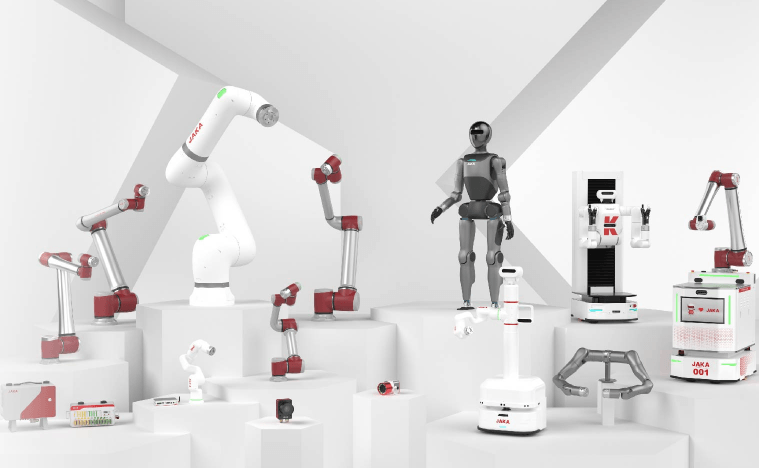
As global manufacturing evolves, the line between manual labor and automation is increasingly blurred. In 2026, a pivotal shift occurs as general industries—including food, consumer goods, and logistics—emerge as the leading sectors driving automation growth, previously dominated by industrial robotics in automotive plants. This transformation is largely attributed to the rise of collaborative robots (cobots), designed to work safely alongside human workers without the need for traditional safety barriers. Small and Medium Enterprises (SMEs) often struggle with the "automation paradox," needing efficiency to compete but lacking the resources for conventional robots. Cobots address this challenge with their compact design and user-friendly, no-code programming, enabling smaller businesses to automate repetitive and hazardous tasks with minimal investment. Meanwhile, larger manufacturers benefit from cobots' flexibility in high-mix, low-volume production environments, where they can efficiently handle tasks like precision dispensing and palletizing. JAKA, a leader in collaborative robotics, emphasizes the importance of robots as reliable partners rather than mere tools. Their JAKA Mini series, weighing under 10kg, is tailored for SMEs, while the JAKA Pro series is built for larger enterprises, offering durability in harsh conditions. Advanced AI and vision systems enhance the robots' ability to interact with their environment, earning the trust of industry giants like Toyota and Schneider Electric. JAKA's solutions aim to facilitate the transition from manual labor to intelligent automation, providing the necessary flexibility and value for the future of Industry 4.0.
Integrator Insights: HKR Sondermaschinenbau (Austria)
In a recent interview for the Integrator Insights series, Lukas Rebhandl, Managing Director of HKR Sondermaschinenbau GmbH in Austria, discussed the growing importance of automation in manufacturing. The conversation highlighted the challenges faced by companies, including a shortage of skilled labor, rising costs, and the need for consistent product quality. Rebhandl emphasized that automation, particularly through the use of collaborative robots (cobots), can significantly enhance productivity and alleviate the burden of repetitive tasks on employees. HKR Sondermaschinenbau specializes in developing customized automation solutions for various industries, including automotive and food production. The company has successfully implemented projects using JAKA Robotics' Zu20 cobot, which offers flexibility and ease of integration. Rebhandl noted that misconceptions about cobots being limited to simple tasks persist, despite their capability to handle complex applications effectively. The automation market in Austria is robust and expanding, with an increasing awareness of cobots among customers. However, Rebhandl cautioned that companies often underestimate the effort required to analyze their processes before implementation. He recommended starting with a well-defined pilot project to ensure successful integration. HKR's innovative HKR Finish Box, designed for small and medium-sized enterprises, exemplifies the benefits of cobots, providing consistent quality and reducing employee workload. As businesses face labor shortages and competitive pressures, the adoption of cobots presents a practical solution for efficient and flexible automation.
Effortless Surface Finishing: Automate Grinding, Polishing & Deburring with the HKR Finish Box
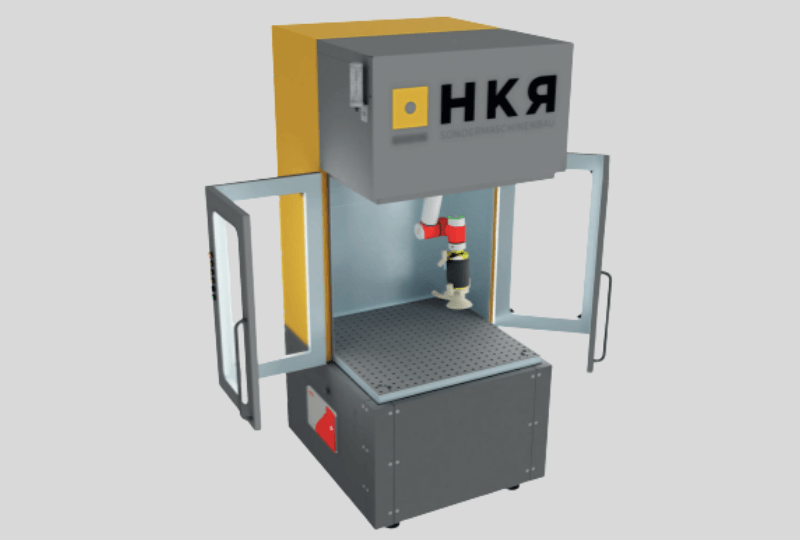
Manufacturers facing challenges in manual surface finishing due to rising costs and a shortage of skilled labor can now turn to a new solution from HKR Sondermaschinenbau. The company has introduced the HKR Finish Box, a compact automation system powered by a JAKA collaborative robot, designed to streamline grinding, polishing, and deburring processes. Launched recently, the HKR Finish Box transforms traditional manual workflows into fully automated operations, ensuring consistent quality and precision even for complex geometries. This innovative system utilizes intelligent 3D software and active force control to maintain reliable results, addressing the difficulties of standardization and scalability in small batch production. One of the standout features of the HKR Finish Box is its user-friendly programming. Instead of requiring extensive robotics expertise, users can simply define the processing area, allowing the system to automatically generate the necessary toolpaths. This ease of use facilitates quick integration into existing workshops, thanks to its compact 1 x 1 meter design and fully enclosed structure that ensures safe operation. With a starting price of €120,000, the HKR Finish Box offers an accessible entry point into automation for small and medium-sized enterprises, promising immediate benefits such as high-quality surface results, reduced physical workload, and efficient production capabilities. By combining advanced tooling with collaborative robotics, HKR aims to help manufacturers modernize their processes without unnecessary complexity or risk.
ASK-100-CB – Une introduction pratique au soudage cobot
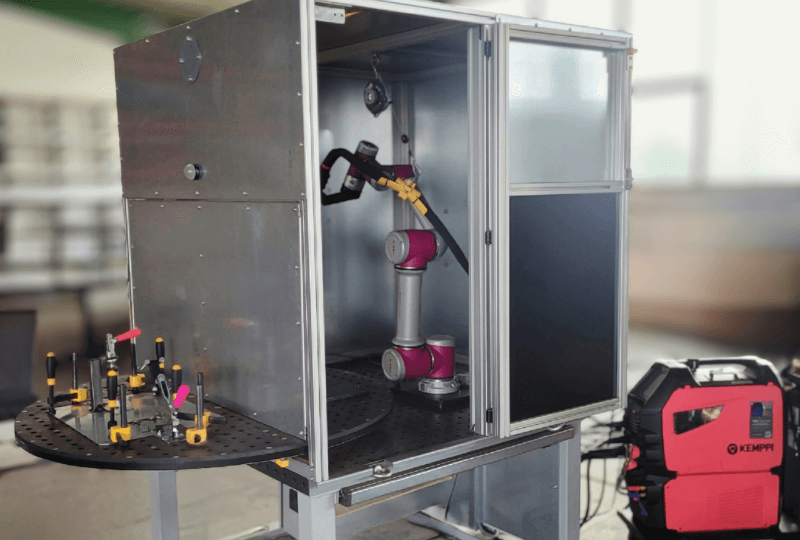
Akon Robotics has introduced the ASK-100-CB, a collaborative welding cell designed to address the challenges faced by small and medium-sized industrial enterprises, including fluctuating production volumes and a shortage of skilled welders. Launched recently, this innovative solution combines a JAKA collaborative robot with a Kemppi welding system, creating a compact and mobile unit that allows for quick automation of welding processes with minimal complexity. The ASK-100-CB is specifically tailored for flexible and high-mix welding applications, enabling operators to easily adapt the system to changing components through a user-friendly drag-and-drop programming interface. This flexibility is enhanced by its ability to be controlled via PC, tablet, or smartphone, making it suitable for various workshop environments. Featuring a 180° rotating table, the cell allows for simultaneous loading and unloading during welding, significantly optimizing battery usage and reducing downtime—critical factors for achieving a rapid return on investment, especially in small batch production. Safety is prioritized with a CE-compliant risk assessment enclosure, while integrated fume extraction contributes to a clean and ergonomic workspace. Clients have reported measurable improvements in their welding operations after implementing the ASK-100-CB, including reduced waste, increased productivity, and enhanced working conditions without the need for additional skilled labor. Akon Robotics emphasizes that this fully integrated solution ensures seamless compatibility between the robot, peripherals, software, and safety concepts, allowing manufacturers to focus on production outcomes rather than system integration.
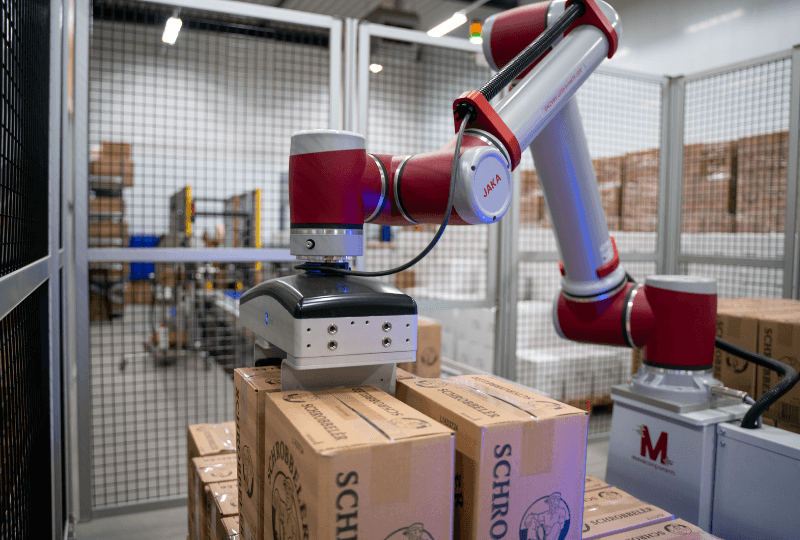
Palettiseur cobot pour l'automatisation à grande vitesse
In the modern manufacturing sector, repetitive tasks like palletizing can drain valuable human resources and hinder production efficiency. To address this challenge, Just Automate has partnered with JAKA Robotics to introduce the MoveComponents® palletizing solution, designed to enable businesses to automate palletizing quickly, safely, and effectively. This innovative system integrates the precision and flexibility of the JAKA Pro 16 collaborative robot with the robust MoveComponents palletizing base, making it suitable for various industries, including food production and logistics. Enhanced by OnRobot's intuitive D:PLOY automation platform, the solution simplifies implementation and operation, benefiting end-users. The MoveComponents palletizer features a stable and flexible base designed for the JAKA cobot, equipped with LED lighting for better visibility and sensors for accurate pallet detection. Its mobile design allows manufacturers to reposition the system as needed, while intuitive programming and collaborative capabilities facilitate rapid automation without complex planning or custom integration. The MoveComponents solution has already proven effective for companies across Europe. For instance, a Dutch distillery faced challenges with manual stacking of heavy crates. With the MoveComponents palletizer, the system became operational in just one day, significantly reducing operator workload and increasing productivity. Similarly, a German road safety equipment manufacturer optimized its production flow by automating repetitive tasks, enhancing both productivity and employee safety. What sets this cobot palletizer apart is its robust design, collaborative flexibility, and ready-to-use automation, making it an ideal solution for manufacturers seeking to reduce manual labor and streamline operations, particularly in mixed and low-volume production environments. This accessible and cost-effective system offers immediate availability and transparent pricing, making automation attainable for small and medium-sized enterprises.
Robotics needs a service framework.
RSF defines a common language for robot service capability, lifecycle operations, certification pathways, and service-provider networks.