Top News

Industry Briefing

A single destination for timely, editor-curated robotics news from around the world.

Best Morganite Engagement Rings for Modern Couples

Best Morganite Engagement Rings for Modern Couples

A growing trend in engagement rings is reshaping traditional norms as couples increasingly seek jewelry that mirrors their personal style rather than adhering to conventional designs. This shift, observed in recent years, highlights a rising preference for unique gemstones, innovative settings, and designs imbued with personal significance. Among the standout choices gaining popularity is the morganite engagement ring, celebrated for its soft hues and sophisticated appeal. As more couples prioritize individuality in their engagement jewelry, the market is responding with a diverse array of options that cater to these evolving tastes.

Business Design alternative gemstone rings bridal jewelry engagement ring trends gemstone engagement rings
Exotec's Managing Director Discusses Key Warehouse Automation Trends for 2026

Exotec's Managing Director Discusses Key Warehouse Automation Trends for 2026

Thomas Genestar, managing director of western Europe at Exotec, emphasizes the necessity of automation and AI in logistics due to the e-commerce boom. He identifies resilience, reliability, and operational continuity as critical pillars influencing supply chain strategies for 2026 and beyond. Genestar highlights the growing adoption of Goods-to-Person (G2P) solutions, which enhance warehouse efficiency by delivering items directly to operators. This innovation reduces unnecessary movement, increases task consistency, and minimizes physical strain on workers, addressing the significant costs associated with non-automated warehouses. Additionally, he notes the shift from traditional forecasting to AI/ML models that allow for dynamic demand sensing, enabling organizations to better align production with demand. This evolution supports more sustainable and resilient supply chain practices, including improved reverse logistics inspired by e-commerce return models. No further timeline was disclosed at the time of publication.

Features Logistics ai automation circular logistics demand sensing
The Rise of Cobots in Manufacturing: Trends Shaping the Global Automation Market

The Rise of Cobots in Manufacturing: Trends Shaping the Global Automation Market

The manufacturing industry is experiencing a transformative shift as automation technologies advance, with JAKA leading the way in the integration of collaborative robots, or cobots. These machines are designed to work alongside human operators, enhancing productivity while prioritizing safety. The adoption of cobots is expanding beyond niche applications to various sectors, including assembly, electronics, automotive, and precision engineering. JAKA's Zu series exemplifies how intelligent automation can optimize complex tasks like screwdriving, ensuring speed, accuracy, and reliability in production processes. A notable trend in modern manufacturing is the increasing use of 6-axis robot arm systems, which provide enhanced flexibility and adaptability. JAKA's robotic solutions can perform multiple functions such as assembly, material handling, and inspection, with the ability to adjust torque independently for different product requirements. This innovation has enabled clients to reduce manual labor and maintain consistent quality across production lines, particularly in high-mix, low-volume environments. The focus on efficiency and safety is driving the adoption of cobots, with JAKA integrating advanced control algorithms and sensors to create collaborative workspaces. The JAKA Zu series facilitates safe and reliable automated screwdriving, reducing repetitive strain injuries and improving production predictability. As the demand for intelligent automation grows, JAKA remains committed to providing flexible and precise solutions that meet the evolving needs of modern factories, positioning cobots as a vital component in the future of manufacturing.

OPPO launches Reno16 series, featuring "3D floating sphere + live stickers" to set new smartphone trends.

OPPO launches Reno16 series, featuring "3D floating sphere + live stickers" to set new smartphone trends.

On May 25, 2026, OPPO held the "Reno Land Fantasy Night" launch event, unveiling a range of new products including the OPPO Reno16 smartphone series, OPPO Pad 6 tablet, OPPO Pad Air5 learning tablet, OPPO Enco Air5s noise-canceling earbuds, and the OPPO Bubble selfie screen. The event focused on meeting the diverse needs of young users in areas such as learning, creation, socializing, live streaming, and gaming, emphasizing stylish aesthetics, innovative imaging technology, AI experiences, and seamless cross-device collaboration. The Reno16 series features a design inspired by the "Dream Core Planet" aesthetic, utilizing a pioneering 3D floating technology for a striking visual effect. The series includes advanced camera systems with a 200-megapixel main camera and enhanced imaging algorithms for realistic portrait experiences. Additionally, the Reno16 Pro is tailored for live streaming, equipped with stabilization technology and a powerful battery for extended use. Alongside the smartphones, OPPO introduced the Pad 6 tablet, designed for students with features like AI-assisted note-taking and seamless connectivity with OPPO smartphones. The Enco Air5s earbuds offer lightweight design and advanced noise-canceling capabilities, making them ideal for immersive learning experiences. To support students, OPPO announced exclusive purchase subsidies, with the Reno16 series and Pad 6 set to officially launch on May 29, 2026, available through various online and offline channels.
WAIC 2026 Concludes with Key Trends in Embodied Intelligence Development

WAIC 2026 Concludes with Key Trends in Embodied Intelligence Development

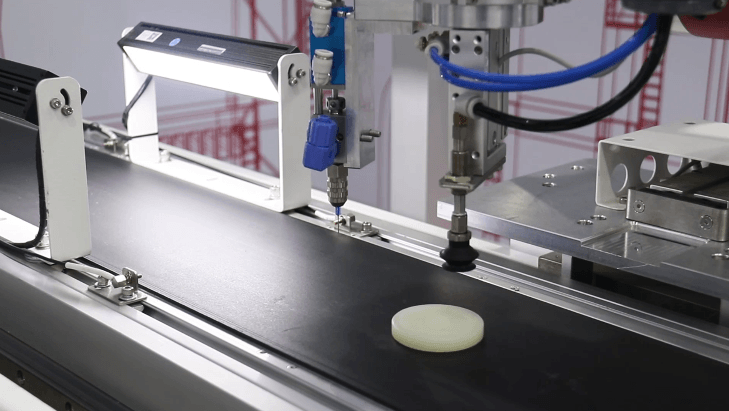
The 2026 World Artificial Intelligence Conference (WAIC) concluded on July 20, showcasing over 1,100 companies and more than 300 global product launches. Embodied intelligence emerged as a core focus alongside intelligent computing, with over 200 companies presenting 208 embodied intelligence terminals and over 300 real machines. This year's event marked a significant shift from previous years, where robots were primarily showcased for their dexterity to now addressing real industrial needs and continuous operation requirements. The transformation in the exhibition atmosphere reflects a broader industry acceleration, as robots are now expected to perform complex tasks and maintain stability in multi-machine collaborations. The metrics for evaluation have evolved from basic capabilities to more practical measures such as operational duration and recovery rates. This shift indicates a move from a technology narrative to an industry narrative, highlighting the importance of a complete industry chain from perception hardware to deployment. Looking ahead, the advancements in embodied intelligence, particularly in sensor technology and production capabilities, will be crucial for the industry's growth. The introduction of high-precision sensors and the establishment of automated production lines signal a readiness for mass production. No further timeline was disclosed at the time of publication.

Embodied Intelligence Tactile Sensing Robotics AI Technology
Interview with MTC’s Mike Wilson: ‘Automation is not optional if the UK wants to rebuild manufacturing’

Interview with MTC’s Mike Wilson: ‘Automation is not optional if the UK wants to rebuild manufacturing’

During the 1980s, the UK underwent a significant economic transformation, often associated with the policies of then-Prime Minister Margaret Thatcher. This period marked a decisive shift from a manufacturing-based economy to one increasingly dominated by services, finance, retail, and consumer spending. As the country embraced these changes, the manufacturing sector diminished in importance, reflecting broader trends seen in other Western economies, particularly the United States. This evolution was driven by a combination of government policies aimed at deregulation and privatization, which sought to stimulate economic growth and enhance competitiveness in a rapidly changing global market. The lasting impact of this transition continues to shape the UK’s economic landscape today.

Economy Features Manufacturing Technology automation news British manufacturing
MIT’s Initiative for New Manufacturing builds momentum

MIT’s Initiative for New Manufacturing builds momentum

In its inaugural year, the Innovative Manufacturing Network (INM) has made significant strides in advancing new manufacturing technologies. The organization has focused on three key areas: research, workforce development, and industry engagement. By fostering collaboration among various stakeholders, INM aims to accelerate the adoption and practical application of these technologies in the manufacturing sector. The initiative is driven by the need to enhance efficiency and competitiveness within the industry, responding to the growing demand for innovation and modernization. Through targeted programs and partnerships, INM is positioning itself as a catalyst for change, ensuring that the latest advancements are effectively integrated into real-world manufacturing processes.

Special events and guest speakers Classes and programs Industry Collaboration Mechanical engineering Manufacturing
Cirtronics to discuss manufacturing robotics at scale at the Robotics Summit

Cirtronics to discuss manufacturing robotics at scale at the Robotics Summit

Cirtronics is set to showcase its expertise at the Robotics Summit & Expo, where it will lead a panel discussion focused on the successful commercialization of robotics. This event, aimed at industry professionals, will take place in the near future, although the specific date has not been disclosed. Located at a prominent venue, the summit serves as a platform for innovators and manufacturers to explore advancements in robotics technology. Cirtronics' participation highlights its commitment to addressing the challenges and opportunities in manufacturing robotics at scale, providing insights into effective strategies for bringing robotic solutions to market. The company's presentation is expected to attract attention from stakeholders eager to learn about the latest trends and best practices in the robotics industry.

Defense / Security Design / Development Events Healthcare Robotics Manufacturing News
Auriga Space and U.S. Army Explore Electromagnetic Launchers for Countering Drone Swarms

Auriga Space and U.S. Army Explore Electromagnetic Launchers for Countering Drone Swarms

Auriga Space has entered a three-year Cooperative Research and Development Agreement (CRADA) with the U.S. Army Combat Capabilities Development Command Armaments Center (DEVCOM AC) to investigate the potential of electromagnetic launch technology in countering drone swarms. This initiative aims to find a cost-effective alternative to traditional missile interceptors, which have proven expensive in engagements against low-cost drones. The significance of this research lies in the increasing need for modern militaries to address the economic challenges posed by drone warfare. Current missile interceptors can cost hundreds of thousands to millions of dollars, creating a cost imbalance when defending against inexpensive drones. The CRADA represents a broader commitment by the Department of War to explore innovative counter-drone technologies that can maintain high engagement rates while reducing operational costs. Looking ahead, Auriga plans to conduct the first outdoor flight test of its transportable electromagnetic launch platform, Hermes, later this summer. This platform is designed for rapid reloads and repeated engagements against multiple targets, potentially offering a new solution to the growing threat of drone swarms. No further timeline was disclosed at the time of publication.

Anti-drone technology Applications C-UAS Defense Drone News Drone News Feeds
Richtech Robotics Introduces 24/7 Livestream with AI Robot ADAM for Global Interaction

Richtech Robotics Introduces 24/7 Livestream with AI Robot ADAM for Global Interaction

Richtech Robotics, based in Nevada, has launched a 24/7 interactive livestream featuring its AI humanoid robot, ADAM. This initiative allows global audiences to engage with ADAM in real-time, asking questions and observing the robot's responses. The platform utilizes Nvidia Jetson Thor for onboard computing and the Nvidia Isaac open robotics platform, showcasing the capabilities of embodied AI. This livestream initiative is significant as it represents a shift in human-robot interaction, moving beyond traditional pre-recorded content to a dynamic, user-controlled experience. Richtech Robotics aims to demonstrate how AI-powered robots can effectively communicate in real-world settings, enhancing user engagement and showcasing their broader portfolio of automation solutions across various industries, including hospitality and manufacturing. Looking ahead, Richtech Robotics is positioned to lead advancements in intelligent automation and robotics. The company plans to continue evolving the interaction between humans and robots, with no further timeline disclosed for additional features or expansions of the ADAM livestream platform at the time of publication.

Humanoids adam AI-powered robots artificial intelligence automation conversational ai
Key Trends from the 2026 Zhangjiang Embodied Intelligence Supply Chain Conference

Key Trends from the 2026 Zhangjiang Embodied Intelligence Supply Chain Conference

The 2026 Zhangjiang Embodied Intelligence Supply Chain Conference recently brought together more than 80 companies to discuss the evolving landscape of humanoid robotics. Held in Zhangjiang, the event marked a significant transition from technical validation to commercial viability within the industry. Key trends highlighted during the conference included the increasing commercialization of humanoid robots, advancements in emotional interaction capabilities, and the rise of innovative firms dedicated to open-source and modular designs. This gathering underscored the growing interest and investment in humanoid robotics as companies seek to capitalize on emerging technologies and meet market demands.

Humanoid Robots Emotional Interaction Robotics Innovation Supply Chain Technology
Vishay Precision Group (VPG) is Benefiting from the Manufacturing Rebound and Robotics Growth

Vishay Precision Group (VPG) is Benefiting from the Manufacturing Rebound and Robotics Growth

Vishay Precision Group, Inc. (NYSE: VPG), a Malvern, Pennsylvania-based company specializing in precision measurement and sensing technologies, is experiencing significant growth due to a rebound in manufacturing and advancements in robotics. In its first-quarter 2026 investor letter, Prosper Stars & Stripes highlighted VPG as a key beneficiary of these trends, noting a 33.60% increase in share price over the past month and an impressive 429.73% rise over the past year, with shares closing at $133.45 on June 17, 2026. The company's recent performance reflects a broader recovery in the industrial sector, with VPG reporting a book-to-bill ratio above 1.0 for the sixth consecutive quarter and projecting revenue growth of nearly 10% alongside a doubling of operating margins to approximately 20%. This growth is driven by increased demand across various markets, including military, space, semiconductors, and data centers. Additionally, VPG is positioning itself in the emerging humanoid robotics market, which is expected to scale significantly later this year, potentially expanding its addressable market. The company reported $84.4 million in revenue for Q1 2026, marking an 18% year-over-year increase. Despite its potential, some analysts suggest that other AI stocks may offer greater upside. As of the end of Q1 2026, VPG was held by 23 hedge fund portfolios, up from 20 in the previous quarter.

From 'Product Creation' to 'Market Penetration': Six Key Trends in the Embodied Intelligence Industry for 2026

From 'Product Creation' to 'Market Penetration': Six Key Trends in the Embodied Intelligence Industry for 2026

As the embodied intelligence industry gears up for a transformative phase in 2026, industry leaders are emphasizing the importance of practical applications for robotic technology. At a recent conference, experts discussed six key trends shaping the future of robotics, including significant advancements in dexterous hands, multi-modal perception, and the ongoing evolution of intelligent systems. These developments signal a shift from the creation of robots to their integration into real-world scenarios, highlighting the industry's commitment to enhancing functionality and usability. The conference served as a platform for innovators to showcase their latest research and solutions, underscoring the potential for robots to play a vital role in various sectors.

Embodied Intelligence Dexterous Robots Multi-Modal Perception Robotics Technology
Top 5 Trends of the Industrial Cobot Industry in 2026

Top 5 Trends of the Industrial Cobot Industry in 2026

The industrial cobot sector is experiencing significant advancements, particularly in 2026, as manufacturers increasingly integrate collaborative robots into their operations. JAKA, a key player in this field, highlights several emerging trends that are shaping the future of robotics and automation. One major trend is the demand for adaptable automation systems. The JAKA Pro5 exemplifies this shift by being highly reprogrammable, allowing manufacturers to efficiently adjust to varying production needs while minimizing downtime and equipment costs. Safety remains paramount, with collaborative robots being deployed to replace human operators in hazardous environments. The JAKA Pro5 enhances workplace safety by performing tasks like polishing and grinding, thereby reducing the risk of accidents and ensuring a safer production environment. Another significant trend is the emphasis on precision and consistent quality. Industrial operators are increasingly relying on cobots to deliver reliable processing outcomes, with the JAKA Pro5 helping to lower defect rates and meet stringent quality standards. Moreover, the integration of smart manufacturing and Industry 4.0 technologies is influencing cobot deployment. The JAKA Pro5 connects seamlessly with production monitoring systems, providing real-time insights that optimize workflows and enhance operational efficiency. Finally, the applications of collaborative robots are expanding across various industries, including electronics, automotive, and food processing. The versatility of the JAKA Pro5 supports this trend, enabling it to perform complex tasks tailored to different production lines. As 2026 unfolds, these trends underscore the evolving role of collaborative robots in enhancing efficiency, safety, and quality within the robotics and automation industry, with JAKA committed to advancing solutions that align with these developments.

Top 5 Trends of the Collaborative Robot Industry in 2026

Top 5 Trends of the Collaborative Robot Industry in 2026

The collaborative robot industry is poised for significant transformation in 2026, influenced by evolving manufacturing structures and workforce expectations. As companies shift towards higher mix and lower volume production, there is an increasing emphasis on integrating collaborative robots into operational workflows rather than treating them as standalone automation solutions. This change is driven by the need for stable quality and scalable growth in production environments. Key trends for 2026 include a focus on practical intelligence, where manufacturers prioritize robots that offer stable operation and predictable performance over complex features. Additionally, the demand for flexible deployment is rising, as production lines become more dynamic, necessitating robots that can be easily redeployed and adapted without extensive reprogramming. Integration capabilities are also crucial, with robots needing to work seamlessly alongside vision systems and existing automation tools. Inspection automation is emerging as a rapidly growing application, enhancing efficiency and maintaining quality, particularly for small-batch production. Solutions like the JAKA AL are designed for high compatibility with external devices, facilitating non-destructive testing and automated measurements. Furthermore, workforce optimization is becoming a priority, as delegating repetitive inspection tasks to robots reduces operator fatigue and allows skilled workers to concentrate on more complex responsibilities. In summary, the trends shaping the collaborative robot industry in 2026 reflect a shift towards practicality, flexibility, and integration, addressing real manufacturing challenges and enhancing operational efficiency. JAKA is committed to aligning its solutions with these industry directions to ensure long-term value in evolving production settings.

Top 5 Trends of the Industrial Robotics Solutions Industry in 2026 (Focus on AI & Cloud)

Top 5 Trends of the Industrial Robotics Solutions Industry in 2026 (Focus on AI & Cloud)

The automation sector is witnessing significant advancements, particularly in industrial robotics, as companies like JAKA adapt to evolving demands for flexibility, intelligence, and connectivity. As the industry heads toward 2026, five key trends are shaping the future of robotic solutions. Manufacturers are increasingly focusing on adaptive and accessible automation, enabling easier deployment and reconfiguration of sophisticated systems. JAKA is leading this shift with user-friendly interfaces that allow shop-floor personnel to quickly set up industrial welding robots, minimizing downtime and skill barriers. Another trend is the growth of cloud-connected system management, which facilitates centralized monitoring and data analytics across multiple robotic arms. This connectivity allows manufacturers to optimize maintenance and streamline operations, particularly in welding applications where real-time tracking of consumable usage is crucial. Artificial intelligence is also playing a pivotal role, moving beyond vision inspection to enhance real-time process control. JAKA's AI-enhanced welding robots can make instantaneous adjustments, improving efficiency and reducing rework by compensating for material variations. The expansion of human-robot collaboration is evident as collaborative robots (cobots) become smarter and more integrated into workflows. JAKA's cobots assist operators in welding tasks, allowing humans to focus on quality inspection and decision-making, thereby boosting productivity. Lastly, the integration of digital twin technology is gaining traction, enabling manufacturers to simulate robotic processes without disrupting production. JAKA's compatibility with simulation platforms allows for pre-validation of welding paths, reducing debugging time and accelerating return on investment. These trends underscore a shift toward more connected and intelligent automation, with JAKA committed to developing user-centric solutions that meet the demands of the smart factory era.

The Hiring Freeze Came First. The Robots Came After.

The Hiring Freeze Came First. The Robots Came After.

In May, the U.S. labor market revealed a significant demand for workers, with approximately 332,000 open positions in transportation, warehousing, and utilities, alongside an additional 400,000 vacancies in the manufacturing sector. Despite rising wages and improved benefits, the supply of workers has not kept pace with this demand, indicating a persistent labor shortage in these critical industries. This imbalance highlights ongoing challenges in the job market as employers struggle to fill positions, reflecting broader economic trends as of October 2023.

The Escalating AI Arms Race in Software Engineering Technical Interviews

The Escalating AI Arms Race in Software Engineering Technical Interviews

The landscape of software engineering job interviews is rapidly evolving due to the increasing use of AI by both candidates and employers. Applicants are employing AI assistants to enhance their performance during remote technical interviews, while companies are countering with AI tools designed to detect such assistance. This dynamic creates a competitive environment where the human element of hiring remains crucial despite the technological advancements. The rise of AI in hiring processes is largely driven by the current job market, which is characterized by a surplus of applicants and ongoing tech layoffs. Experts like AI hiring strategist Tatiana Teppoeva highlight that candidates often resort to AI tools as a response to automated hiring practices that may not favor them. This situation leads to a cycle where both parties leverage AI, potentially shifting the focus from genuine capability to algorithm optimization. As AI tools become more prevalent, concerns regarding their effectiveness and fairness have emerged. While some companies are embracing AI in interviews, others warn of the risks associated with bias and privacy. The need for human oversight in the hiring process is emphasized, as relying solely on AI could result in the exclusion of qualified candidates. No further timeline was disclosed at the time of publication.

Hiring-trends Interviews Ai-bias Software-engineering
WTWH Media Transforms and Rebrands as Arrowfly to Enhance B2B Engagement

WTWH Media Transforms and Rebrands as Arrowfly to Enhance B2B Engagement

WTWH Media, the parent company of The Robot Report, has officially rebranded as Arrowfly. This change reflects its evolution from a specialized trade publisher to a comprehensive B2B media, events, and marketing entity. Arrowfly aims to connect hard-to-reach professional decision-makers with trusted journalism and industry intelligence across three key sectors: Engineering, Healthcare and Life Sciences, and Food, Retail, and Hospitality. The rebranding is significant as it positions Arrowfly to better serve professionals through its extensive portfolio, which includes over 40 vertical media brands and more than 45 industry events. The company emphasizes that while its name and visual identity have changed, its commitment to editorial independence and community engagement remains steadfast. This transformation is designed to strengthen the connections within its professional networks and enhance the overall experience for its audience. Looking ahead, Arrowfly is poised for growth and expansion, with a focus on maintaining the trust it has built over the years. The leadership, including CEO Matt Logan, highlights the importance of editorial authority and community reliance in driving decision-making. No further timeline was disclosed at the time of publication.

Business Resources News Press Release Arrowfly WTWH WTWH Media
Chinese firms face pressure on AI investments as US peers’ spending keeps soaring

Chinese firms face pressure on AI investments as US peers’ spending keeps soaring

Investments in artificial intelligence by major US tech companies are projected to exceed $700 billion this year, significantly outpacing spending by Chinese firms. This surge is fueled by increasing memory costs and a growing demand for AI applications. Analysts suggest that China's tech industry, recognizing the urgent need to enhance its AI capabilities, will also ramp up its investments in the sector throughout the year. On Thursday, both Google and Microsoft highlighted their ongoing commitment to AI development, underscoring the competitive landscape between US and Chinese technology firms. As the global race for AI dominance intensifies, the contrasting investment trends reflect the differing strategic priorities and market conditions in the two countries.

71% of Shoppers Say Viral Trends Drive Retail Demand Surges

71% of Shoppers Say Viral Trends Drive Retail Demand Surges

A recent survey conducted by Locus Robotics has uncovered significant trends in consumer product preferences that are contributing to increased demand volatility within retail supply chains. The findings, released in October 2023, underscore the pressing need for retailers to adopt more adaptable and responsive strategies to manage these fluctuations effectively. As consumer behavior shifts rapidly, businesses are facing challenges in maintaining adequate inventory levels and ensuring timely delivery of products. The survey highlights that the acceleration of these trends is largely driven by changing consumer expectations and the influence of viral marketing on purchasing decisions. Retailers are urged to rethink their supply chain operations to better align with these evolving demands, emphasizing the importance of flexibility and innovation in their logistics and inventory management practices.

71% of Consumers Say Viral Trends Drive Purchases, Putting New Pressure on Retail Fulfillment, Finds Locus Robotics

71% of Consumers Say Viral Trends Drive Purchases, Putting New Pressure on Retail Fulfillment, Finds Locus Robotics

A recent consumer survey reveals that viral trends on social media are significantly influencing purchasing decisions among consumers. Conducted in October 2023, the survey highlights how platforms like TikTok and Instagram are becoming powerful tools for brands to reach potential buyers. As users increasingly turn to these platforms for product recommendations and reviews, businesses are adapting their marketing strategies to capitalize on this trend. The findings indicate that the rapid spread of viral content not only boosts brand visibility but also accelerates sales, prompting companies to invest more in social media marketing. This shift underscores the growing importance of digital engagement in the retail landscape, as consumers seek authenticity and relatability in their shopping experiences.

From Warehouse to Wallet: New State of AI in Retail and CPG Survey Uncovers How AI Is Rewiring Supply Chains and Customer Experiences

From Warehouse to Wallet: New State of AI in Retail and CPG Survey Uncovers How AI Is Rewiring Supply Chains and Customer Experiences

Artificial intelligence is revolutionizing the retail and consumer packaged goods sectors by significantly improving customer analysis and segmentation. This technological advancement allows companies to deliver more personalized marketing and advertising strategies. Additionally, AI enhances the speed and accuracy of demand forecasting, enabling businesses to respond more effectively to market trends and consumer needs. As organizations increasingly adopt these AI-driven solutions, the landscape of retail and CPG operations is evolving, leading to more efficient practices and improved customer experiences. This transformation is occurring as companies strive to stay competitive and meet the growing expectations of consumers in an ever-changing marketplace.

AI is driving new content strategies and powering localization, but cultural understanding still depends on humans

AI is driving new content strategies and powering localization, but cultural understanding still depends on humans

The Intelligent Futures: AI’s Global Ecosystems event took place in Hangzhou on Thursday, organized by TechNode in collaboration with TECOM and Founders Breakfast. The second panel of the event focused on the role of artificial intelligence and content design in enhancing success within cross-border e-commerce. Three speakers from leading multinational technology companies shared insights on emerging trends in global digital content strategies, highlighting how businesses are evolving to meet the demands of an increasingly interconnected market. The discussions aimed to explore innovative approaches that leverage AI to optimize content delivery and engagement in the competitive landscape of international trade.

Events Content and entertainment E-commerce and New Retail Highlight News
Kuaishou e-commerce reports strong growth during 2025 Spring Festival shopping event

Kuaishou e-commerce reports strong growth during 2025 Spring Festival shopping event

Kuaishou, the short video platform, announced its e-commerce performance report for the Spring Festival shopping day, which took place on January 14, 2025. The report highlighted a significant 22% year-on-year increase in the number of active merchants, alongside a 21% rise in new merchants achieving their first sales during the event. Influencer-driven gross merchandise value (GMV) experienced a remarkable surge of 59% compared to the previous year, underscoring the growing impact of social media influencers on online shopping. The report emphasized the crucial role of livestreaming in driving these impressive sales figures, reflecting a broader trend in e-commerce that leverages real-time engagement to boost consumer spending.

News Feed
Exploring the Expanding Applications of Robotics in Warehouse Operations

Exploring the Expanding Applications of Robotics in Warehouse Operations

Robots are increasingly versatile, now applicable to a broader spectrum of warehouse tasks than in the past. This evolution highlights the importance of understanding current trends and considerations when investing in robotic systems. The significance of these advancements lies in their potential to enhance operational efficiency and productivity within warehouse environments. By leveraging the latest robotic technologies, businesses can achieve effective implementations that maximize the return on investment. Looking ahead, it will be crucial for enterprises to monitor ongoing developments in warehouse robotics. Staying informed will enable decision-makers to capitalize on innovations that can drive significant business value and improve overall supply chain performance. No further timeline was disclosed at the time of publication.

Digital twins, software maturity and other automation trends

Digital twins, software maturity and other automation trends

Manufacturers are increasingly adopting AI-powered simulation technology and advanced robotics software, which are becoming more powerful and cost-effective. This shift is occurring as companies seek to enhance efficiency and productivity in their operations. The trend has gained momentum in recent months, reflecting a broader industry move towards automation and smart manufacturing solutions. By integrating these technologies, manufacturers aim to streamline processes, reduce costs, and improve overall performance. As a result, the landscape of manufacturing is evolving, with businesses leveraging innovative tools to remain competitive in a rapidly changing market.

How GE Vernova builds the massive gas turbines powering the AI data center boom

How GE Vernova builds the massive gas turbines powering the AI data center boom

Elon Musk's xAI Colossus 1 data center is now being powered by GE Vernova turbines, marking a significant advancement in sustainable energy for tech infrastructure. In a related move, Microsoft has also acquired seven of these turbines to supply energy to its data center located in Texas. This initiative comes as both companies seek to enhance their operational efficiency and reduce their carbon footprint, aligning with broader industry trends towards renewable energy solutions. The deployment of GE Vernova's technology is expected to support the growing demand for data processing while promoting environmental sustainability.

Structural Optimization and Robotic Concrete Construction: Key Trends from 2015–2025

Structural Optimization and Robotic Concrete Construction: Key Trends from 2015–2025

A team of researchers has pinpointed critical factors essential for transforming optimized concrete designs into dependable robotic construction processes. Their study highlights the importance of addressing fabrication constraints, integrating reinforcement, implementing effective sensing technologies, and ensuring rigorous quality control. By focusing on these elements, the researchers aim to enhance the reliability and efficiency of robotic construction workflows. This research is particularly relevant in the context of advancing construction technologies, as it seeks to bridge the gap between innovative design and practical application in the field.

Top 5 Trends of the Industrial Robot Arm Industry in 2026

Top 5 Trends of the Industrial Robot Arm Industry in 2026

In 2026, the landscape of industrial automation and robotics is undergoing a transformative shift, moving from rigid machines to intelligent, adaptive systems. This evolution is driven by global manufacturing challenges, including labor shortages and the demand for hyper-personalization. Key advancements in connectivity and artificial intelligence are reshaping productivity and safety on factory floors. A major trend is the emergence of "self-evolving" robots that utilize generative AI to autonomously learn new tasks, minimizing the need for manual programming. Additionally, agentic AI empowers these machines to make informed decisions in complex environments, enhancing their ability to predict equipment failures and optimize operations in real-time. The convergence of Information Technology (IT) and Operational Technology (OT) is facilitating seamless data exchange between digital systems and physical robots. This integration allows for the creation of digital twins, enabling manufacturers to simulate production changes before implementation. Cloud connectivity has become standard, with nearly half of new deployments leveraging IoT technology for predictive maintenance. This capability allows robots to monitor their health and schedule repairs proactively, reducing unplanned downtime and long-term costs. Furthermore, advanced 2D and 3D vision systems are enhancing robots' capabilities, enabling them to perform high-speed quality inspections and adjust their behavior for safety around human workers. The shift towards modular and scalable automation is also notable, as manufacturers adopt flexible robot cells that simplify integration and facilitate quick changeovers. Leading this innovation is JAKA Robotics, whose JAKA A12 model exemplifies the future of flexible automation. With a 12 kg payload and a 1425 mm working radius, the JAKA A12 combines high performance with user-friendly deployment through a wireless software ecosystem, positioning itself as a key player in the evolving industrial landscape.

Quiz: Industrial Connectivity Trends

Quiz: Industrial Connectivity Trends

Recent developments in industrial networks are significantly transforming the landscape of manufacturing connectivity. As companies increasingly adopt advanced technologies, the integration of Internet of Things (IoT) devices and cloud computing is reshaping how manufacturers communicate and operate. This shift is particularly evident in the ongoing evolution of smart factories, which leverage real-time data to enhance efficiency and productivity. The changes are occurring across various sectors, with a notable emphasis on automation and data analytics. By October 2023, many manufacturers have begun to implement these technologies to streamline operations and reduce costs. The push for greater connectivity is driven by the need for improved supply chain management and the ability to respond swiftly to market demands. Experts highlight that the transition to more interconnected systems is not merely a trend but a necessary adaptation to remain competitive in a rapidly changing global market. Manufacturers are increasingly recognizing the importance of collaboration and data sharing among partners to optimize processes and innovate products. As this transformation continues, the implications for workforce dynamics and skill requirements are becoming apparent. Companies are investing in training programs to equip employees with the necessary skills to thrive in this new environment. The ongoing evolution of industrial networks is poised to redefine traditional manufacturing paradigms, fostering a more agile and responsive industry capable of meeting the challenges of the future.

Process / Communication
2026 Robotics and Automation Predictions: Top Trends Transforming Global Industries

2026 Robotics and Automation Predictions: Top Trends Transforming Global Industries

Industry leaders have outlined their predictions for the robotics sector in 2026, emphasizing the growing impact of AI-driven automation and the increasing deployment of robotics in warehouses. Key players in the field, including Locus Robotics, are at the forefront of these advancements, shaping the future of logistics and operational efficiency. The discussions took place during a recent industry conference, where experts gathered to explore the transformative potential of robotics technology. The motivation behind these predictions stems from the need for businesses to enhance productivity and reduce operational costs in an increasingly competitive market. By integrating advanced robotics solutions, companies aim to streamline processes and improve service delivery. As the industry evolves, the collaboration between technology developers and businesses will be crucial in driving innovation and addressing the challenges of modern supply chains.

Robotic Welding Arm Trends: Focus on Precision, Compactness, and Ease of Programming

Robotic Welding Arm Trends: Focus on Precision, Compactness, and Ease of Programming

Recent advancements in automated welding technology are addressing key industrial demands for consistent joint quality, space efficiency, and user-friendly operation. JAKA, a leader in robotic solutions, is focusing on the development of a modern robotic welding arm that integrates enhanced precision, compact design, and simplified programming. To ensure reliable weld quality, JAKA emphasizes synchronized control, where the robot's motion is precisely aligned with welding parameters like voltage and current. This integration allows for consistent arc characteristics along the weld seam, which is crucial for structural integrity and compliance with industry standards. The company employs real-time communication protocols and adaptive control algorithms to maintain uniform weld bead geometry. Recognizing space constraints in manufacturing environments, JAKA is also optimizing the kinematics of its robotic arms. The design features slimmer links and a minimized base, enabling the robots to operate effectively in tight spaces without requiring significant changes to existing production layouts. Furthermore, JAKA aims to make robotic welding more accessible by simplifying programming interfaces. The introduction of intuitive features, such as hand-guided teaching and graphical software with pre-configured settings, allows welding technicians to leverage their expertise without extensive coding knowledge. This approach not only reduces deployment time but also empowers skilled welders to efficiently manage automated processes. Overall, JAKA's commitment to combining accuracy, spatial efficiency, and operational accessibility positions its robotic welding arm as a practical solution for the evolving needs of the metal fabrication and manufacturing sectors.

Tencent Emerges as a Leading Agent Production Hub with WorkBuddy and New AI Offerings

Tencent Emerges as a Leading Agent Production Hub with WorkBuddy and New AI Offerings

Tencent has established itself as a significant player in the agent production sector, launching WorkBuddy, which has garnered 8.85 million monthly visits. This initiative is part of a broader strategy that includes the introduction of several AI agents such as Zaohua Gongfang, Ardot, Miora, WorkRally, DataBuddy, and LearnBuddy. The rise of Tencent as an agent factory is noteworthy as it reflects the growing demand for AI-driven solutions across various industries. With WorkBuddy's impressive user engagement, Tencent is positioning itself to capitalize on the increasing reliance on intelligent agents in both personal and professional environments. Looking ahead, industry observers should monitor Tencent's continued expansion in the AI agent space and its impact on the competitive landscape. No further timeline was disclosed at the time of publication.

Industry
AGIBOT Brings APC 2026 to Thailand, Building a Professional Partner Ecosystem to Accelerate Local Deployment of Embodied AI

AGIBOT Brings APC 2026 to Thailand, Building a Professional Partner Ecosystem to Accelerate Local Deployment of Embodied AI

AGIBOT has officially launched the AGIBOT Partner Conference 2026 in Thailand, aiming to create a professional partner ecosystem that will expedite the integration of embodied AI and humanoid robots in various sectors. This initiative, in collaboration with VST ECS (Thailand), represents a pivotal step in AGIBOT's dedication to boosting local technological engagement and productivity through cutting-edge AI solutions. The conference serves as a platform for industry leaders to discuss advancements and foster partnerships that will drive innovation in the region.

Embodied AI Robotics Technology Partnership Industrial Automation Productivity Solutions
Alibaba and ByteDance Invest in Embodied Intelligence: What Can Internet Giants Bring to Robotics?

Alibaba and ByteDance Invest in Embodied Intelligence: What Can Internet Giants Bring to Robotics?

On June 16, Alibaba introduced the Qwen-Robot series, a new line of embodied intelligence models designed to improve robotic capabilities. This launch marks a significant shift in the robotics industry, as Alibaba, alongside ByteDance, transitions from a passive observational role to active engagement in the sector. Both companies are utilizing their extensive resources and expertise to drive innovation in robotics. However, they face ongoing challenges related to hardware development and the commercialization of their products.

Embodied Intelligence Robotics Artificial Intelligence Automation
Ukrainian anti-drone laser system with 16400-foot engagement range nears deployment

Ukrainian anti-drone laser system with 16400-foot engagement range nears deployment

Ukraine’s Celebra Tech is making significant progress toward the deployment of its Tryzub anti-drone laser weapon, a development that could enhance the country’s defense capabilities amid ongoing conflict. The company has been working diligently to finalize the technology, which aims to counter the increasing threat posed by enemy drones. As tensions continue to escalate, the urgency for effective defense solutions has become paramount. The Tryzub system is designed to target and neutralize drones with precision, potentially shifting the dynamics of aerial warfare in the region. Celebra Tech's advancements are expected to play a crucial role in bolstering Ukraine's military readiness as the nation seeks to protect its airspace from hostile incursions.

Bilibili posts first full-year profit as ads and user engagement grow

Bilibili posts first full-year profit as ads and user engagement grow

Bilibili announced its financial results for the fourth quarter and full year of 2025 on March 5, marking a significant milestone as it recorded its first full-year profit under U.S. GAAP. The Chinese video-sharing platform reported an annual revenue of RMB 30.35 billion (approximately $4.2 billion), reflecting a 13% increase compared to the previous year. The company also achieved an adjusted net profit of RMB 2.59 billion (around $360 million). Notably, advertising revenue surged by 23%, reaching RMB 10.06 billion (about $1.39 billion) in 2025. This growth is attributed to Bilibili's expanding user base and enhanced monetization strategies, positioning the company for continued success in the competitive digital media landscape.

News Feed
Import AI 440: Red queen AI; AI regulating AI; o-ring automation

Import AI 440: Red queen AI; AI regulating AI; o-ring automation

A recent survey conducted among users of language models reveals a growing interest in the capabilities of large language models (LLMs). The survey, which took place in October 2023, sought to understand user engagement and perceptions regarding LLMs. Participants expressed curiosity about the extent of the models' training and their applications across various fields. The survey highlighted that many users are eager to explore the potential of LLMs in enhancing productivity, creativity, and problem-solving. As organizations increasingly integrate these technologies into their operations, understanding user experiences and expectations becomes crucial. The findings indicate that while many users are aware of the models' capabilities, there remains a significant gap in knowledge regarding their limitations and ethical considerations. This underscores the importance of ongoing education and transparency in the development and deployment of LLMs. As the technology continues to evolve, stakeholders are encouraged to engage in discussions about responsible usage and the future of artificial intelligence in society.

JD.com and Unitree to open first offline store in Beijing, offering hands-on robot experience and on-site orders

JD.com and Unitree to open first offline store in Beijing, offering hands-on robot experience and on-site orders

JD.com and Unitree Robotics are set to launch their inaugural offline experience store in Beijing tomorrow. This new retail space marks a significant transition for consumer robotics, moving from predominantly online presentations to a tangible, in-person shopping experience. The initiative aims to enhance customer engagement by allowing potential buyers to see, interact with, and purchase robotic products directly at the store. By providing hands-on experiences, the companies hope to accelerate the adoption of consumer robots and reduce barriers to use, making technology more accessible to the public.

Heavy Hitters Content and entertainment Highlight News Robotics
Alibaba expands 88VIP into super membership covering food, travel, and retail

Alibaba expands 88VIP into super membership covering food, travel, and retail

Alibaba is revamping its flagship 88VIP program into a comprehensive cross-platform super membership, effective this month. The enhanced 88VIP will now incorporate services from various Alibaba subsidiaries, including Ele.me, Fliggy, and Freshippo, providing users with a range of benefits that encompass shopping, dining, travel, and everyday activities. To kick off this transformation, Freshippo has initiated a promotional offer allowing 88VIP members to enjoy a complimentary 90-day subscription from August 4 to September 10. This strategic move aims to enhance customer loyalty and engagement by creating a more integrated and rewarding user experience across Alibaba's diverse ecosystem.

News Feed
Employee Handbook Translation Services Are No Longer Optional for Modern Workplaces

Employee Handbook Translation Services Are No Longer Optional for Modern Workplaces

In an effort to enhance workplace communication and ensure compliance with safety standards, a mid-sized manufacturing company has updated its employee handbook to include translated versions for its multilingual workforce. The initiative, spearheaded by the HR manager, aims to clarify workplace expectations and policies, thereby fostering a more inclusive environment for all employees. Recognizing that automated translation tools often produce inaccuracies, the company prioritized the use of professional translation services to ensure that the wording in the handbooks is precise and accessible. This strategic move not only supports better understanding among employees but also reinforces the company's commitment to safety and compliance. The updated handbooks are expected to improve employee engagement by making essential information readily available in multiple languages. By maintaining consistency across teams, the company hopes to create a cohesive workplace culture that values clear communication and inclusivity. This proactive approach reflects a growing trend among businesses to address the needs of diverse workforces and enhance overall operational efficiency.

Business Technology automation news business communication compliance training construction workforce
The Creative Club optimiert mit KI-gestützter Robotertechnologie seine gesamten Fullfillment-Prozesse

The Creative Club optimiert mit KI-gestützter Robotertechnologie seine gesamten Fullfillment-Prozesse

The Creative, a dynamic company, is implementing a multi-faceted business model aimed at enhancing its market presence. This strategy includes diversifying its offerings to cater to a broader audience, thereby increasing its competitive edge. The initiative, which began in October 2023, is being rolled out across various sectors, with a focus on innovation and customer engagement. The company's leadership believes that by expanding their services and products, they can better meet the evolving needs of consumers and adapt to market trends. This approach is expected to not only boost revenue but also strengthen brand loyalty among existing customers. The Creative's commitment to this comprehensive strategy reflects its ambition to establish itself as a leader in its industry.

Silence Breaks: Sailis Unveils Its First Humanoid Robot in a Factory Visit

Silence Breaks: Sailis Unveils Its First Humanoid Robot in a Factory Visit

Sailis has unveiled its first humanoid robot, named 'Xiao Sai', during a recent factory tour video, distinguishing itself in an industry often characterized by flashy announcements. This innovative robot is intended to welcome and guide visitors, reflecting Sailis' dedication to incorporating robotics into its advanced manufacturing operations. The introduction of Xiao Sai highlights the company's strategy to enhance its automated systems and improve visitor engagement within its facilities.

Humanoid Robots Automated Manufacturing AI Technology
RAD Secures £4.4 Million Funding to Enhance Autonomous Marine Technology and Electric Propulsion Systems

RAD Secures £4.4 Million Funding to Enhance Autonomous Marine Technology and Electric Propulsion Systems

RAD, a marine technology firm, has successfully raised £4.4 million in funding to accelerate the commercialization of its autonomous vessel technologies and expand its electric propulsion systems. This funding round, led by Mercia Ventures, comes after a year of significant product development and customer engagement, including the launch of the Axon open systems architecture for uncrewed vessels at the Combined Naval Event in May 2026. The funding is crucial as RAD aims to capitalize on the growing demand for flexible and scalable marine solutions in both defense and commercial sectors. The Axon architecture allows for rapid development and integration of uncrewed vessel capabilities, which is expected to enhance operational efficiency and reduce vendor lock-in for operators. With this investment, RAD is positioned to lead the electrification shift in marine technology, similar to trends seen in road transport. Looking ahead, RAD plans to utilize the funds for international expansion, including establishing a presence in the U.S. market, and further developing its electric propulsion systems and energy management technologies. The company is also focused on enhancing its engineering capabilities to meet the increasing demand from its diverse customer base. No further timeline was disclosed at the time of publication.

rad raise investment commercialisation autonomous marine technology propulsion systems
Watch: Humanoid robot dance crew capture spotlight on America’s Got Talent show

Watch: Humanoid robot dance crew capture spotlight on America’s Got Talent show

Chinese humanoid robots have captured the attention of a significant American television audience, underscoring an increasing cultural and technological divide between the two nations. This development comes as these advanced robots have been showcased in various entertainment formats, demonstrating their capabilities in tasks ranging from performance art to interactive engagement with viewers. The surge in interest was particularly notable during a recent televised competition, where the robots showcased their skills, impressing audiences and judges alike. The event took place in the United States, where the integration of robotics into mainstream entertainment is still in its nascent stages, contrasting sharply with China's rapid advancements in this field. The growing fascination with these humanoid robots reflects broader trends in technology and innovation, as well as shifting perceptions of artificial intelligence and automation in society. Experts suggest that this phenomenon is driven by a combination of curiosity and concern over the implications of robotics in everyday life. As American viewers become more exposed to the capabilities of these machines, discussions around their potential impact on jobs, social interaction, and ethical considerations are intensifying. The successful reception of Chinese humanoid robots on American television not only highlights their technological prowess but also raises questions about the future of human-robot relationships in a world increasingly influenced by artificial intelligence.

Alpha Metallurgical Resources: The Weak Link In The Steel Chain

Alpha Metallurgical Resources: The Weak Link In The Steel Chain

In a significant development for investors, Seeking Alpha has announced the launch of a new platform aimed at enhancing user engagement and providing more comprehensive financial analysis. This initiative, unveiled on October 5, 2023, is set to take place online, allowing users from around the globe to access the upgraded features. The motivation behind this enhancement is to empower investors with better tools and insights, fostering informed decision-making in an increasingly complex market environment. The platform will incorporate advanced data analytics and user-friendly interfaces, making it easier for individuals to navigate financial information and trends. Through this strategic move, Seeking Alpha aims to solidify its position as a leader in investment research and community engagement, responding to the growing demand for accessible financial resources.

AMR The Sharpe Quest
Elon Musk shares video of Unitree G1 humanoid robots pulling off backflips at concert

Elon Musk shares video of Unitree G1 humanoid robots pulling off backflips at concert

Elon Musk, the CEO of Tesla, sparked significant interest in the global technology community today by sharing a video on the social media platform X. The video features six G1 humanoid robots created by Hangzhou-based Unitree Robotics, performing in sync with human dancers at a concert by renowned Chinese artist Wang Leehom. Musk's caption, “Impressive,” highlights his admiration for the technological advancements showcased in the performance. This post not only underscores the growing intersection of robotics and entertainment but also reflects Musk's ongoing engagement with innovative technology trends. The event, which took place in China, has garnered attention for its demonstration of cutting-edge robotic capabilities in a live performance setting.

Heavy Hitters Content and entertainment Highlight News Robotics
TME reports strong subscription growth in Q3, but faces decline in monthly active users

TME reports strong subscription growth in Q3, but faces decline in monthly active users

Tencent Music Entertainment (TME), the online music streaming platform operated by Tencent, announced a significant increase in paid subscribers during the third quarter of 2024. Despite this positive development, the company experienced a decline in monthly active users across its music and social entertainment divisions. TME's revenue from its online music services grew by 20.4% compared to the previous year, totaling RMB 5.48 billion (approximately $800 million). This growth in subscriber numbers highlights TME's ability to attract paying customers, even as it faces challenges in maintaining user engagement across its broader platform. The contrasting trends of rising revenue and falling active users suggest a shift in user behavior, prompting TME to reassess its strategies to enhance user retention and engagement in the competitive streaming market.

News Feed
AI's Final Mile: Transitioning from Demonstration to Real-World Application

AI's Final Mile: Transitioning from Demonstration to Real-World Application

At the WAIC 2026, while humanoid robots showcased impressive feats, a closed-door discussion titled 'Chain π Roundtable' addressed the gap between AI technology demonstrations and real-world applications. Wu Liming, Chairman of Huamao Technology, highlighted that Moore's Law has failed beyond 5nm, with chip performance now limited by physical constraints. Advanced packaging and optical interconnects are crucial, with advanced packaging sales expected to surpass traditional packaging by 2025. The conversation also introduced the concept of 'native AI in factories' by Wei Jie, Chairman of Shanghai Jingzhi. He noted that many industrial AI projects excel in labs but struggle in factories due to issues like data fragmentation and insufficient validation scenarios. He emphasized that AI must grow from real manufacturing data to ensure operational stability. The roundtable concluded with three key insights: the bubble in computing infrastructure will not burst before fall 2028, the speed of AI adoption depends on data loop iterations, and the focus should be on profitability rather than trends. The overarching theme was the need for AI to operate sustainably and profitably in real environments, underscoring the importance of stable revenue for technology development.

Industrial AI Data Integration Advanced Packaging Healthcare AI Robotics
RobotToday Initiative

Robotics needs a service framework.

RSF defines a common language for robot service capability, lifecycle operations, certification pathways, and service-provider networks.