Industry Briefing
A single destination for timely, editor-curated robotics news from around the world.

Powering the Next American Century: US Energy Secretary Chris Wright and NVIDIA’s Ian Buck on the Genesis Mission
During a fireside chat at the SCSP AI+ Expo on Thursday morning, U.S. Energy Secretary Chris Wright and NVIDIA Vice President Ian Buck discussed the pivotal role of artificial intelligence in transforming the energy sector. They emphasized how AI technologies can enhance energy efficiency and optimize resource management, addressing the growing demand for sustainable energy solutions. The conversation highlighted the urgent need for innovation in energy production and consumption, driven by climate change and the quest for greener alternatives. By leveraging AI, the energy industry can better predict consumption patterns, reduce waste, and ultimately build a more resilient energy infrastructure. This dialogue underscores the collaboration between government and technology leaders to harness advanced computing capabilities for a sustainable future.
Behind the 6.8 Billion Power Grid Order: Are Humanoid Robots a Boon or a Bubble?
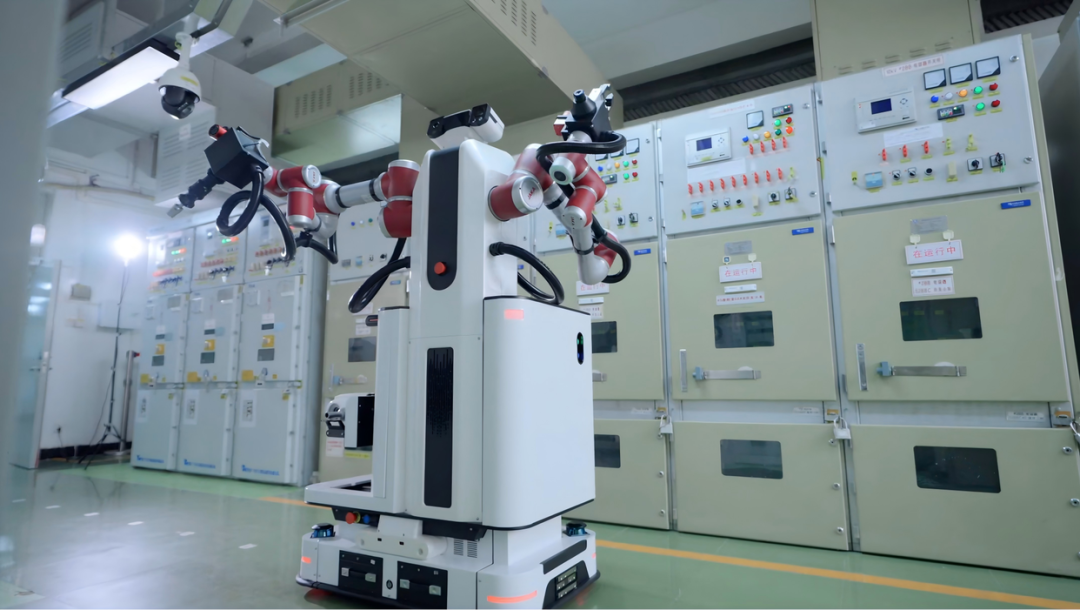
In April 2026, China's State Grid revealed an ambitious plan to acquire 8,500 intelligent devices, which will include 500 humanoid robots specifically designed for high-voltage operations. This initiative signifies a significant transition from previous pilot projects to a large-scale deployment of advanced technology in the energy sector. The move aims to enhance operational efficiency and safety in high-risk environments. However, it also raises critical questions regarding the technological specifications needed, the financial implications for the project, and the potential challenges suppliers may face in meeting these demands. As the State Grid embarks on this extensive procurement effort, the implications for the energy industry and the robotics market are expected to be profound.
Humanoid Robots Power Grid Automation Intelligent Devices Industrial Robotics
DeepOcean Selected as Var Energi’s IMR Partner
DeepOcean, a prominent ocean services provider, has secured a long-term inspection, maintenance, and repair (IMR) frame agreement with Vår Energi, a leading operator in the energy sector. This agreement marks a significant partnership aimed at enhancing operational efficiency and ensuring the integrity of offshore assets. The deal was finalized recently, underscoring the growing demand for specialized marine services in the energy industry. By leveraging DeepOcean's expertise and advanced technologies, Vår Energi aims to optimize its operations and maintain high safety standards in its offshore activities. The collaboration is expected to foster innovation and sustainability within the sector, reflecting the ongoing commitment of both companies to meet the challenges of the evolving energy landscape.
deepocean var energi imr
Oceaneering Acquires 100 Exail Octans 9 Attitude Heading Referencing Systems to Enhance Offshore Operations
Oceaneering International, a leading provider of engineered services and products for the offshore energy sector, has made a significant move by placing an initial order for at least 100 units of Exail’s latest Octans 9 Attitude Heading Referencing Systems (AHRS). This acquisition, announced recently, highlights Oceaneering's dedication to innovation and operational efficiency. By integrating the advanced AHRS technology, the company aims to bolster its capabilities in offshore survey and positioning projects, thereby enhancing its service offerings in a competitive market. The decision reflects Oceaneering's strategic focus on improving its technological resources to meet the evolving demands of the offshore energy industry.
oceaneering exail octans 9 attitude heading referencing systems offshore operations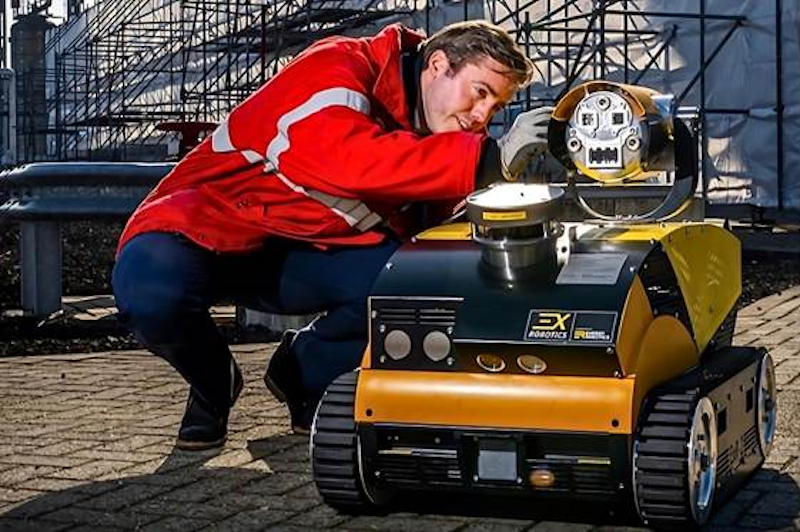
ExRobotics launches UL-certified inspection robot for hazardous industrial sites in North America
ExRobotics has announced the North American launch of its UL Certified ExR-2.5 autonomous inspection robot at the recent Energy Drone & Robotics Summit in Houston. This certification marks another industry first for ExRobotics. The ExR-2.5 is the only UL Certified inspection robot for potentially explosive industrial environments. This provides operators with a recognised pathway to […]
Energy News asset integrity autonomous inspection Autonomous robots bp
Europe’s most important industrial lubrication conference celebrates its 10th anniversary in Bilbao
The Euskalduna Convention Centre in Bilbao is set to host the 10th anniversary of LUBMAT, Europe’s premier conference on industrial lubricants, this Wednesday and Thursday. The event will bring together 200 professionals from Europe, Asia, and America, highlighting its significance as a leading international biennial gathering focused on lubricants, tribology, and production equipment monitoring. This milestone edition aims to foster collaboration and knowledge sharing among industry experts, reflecting the growing importance of innovation and sustainability in the lubricants sector.
Events advanced lubricants advanced manufacturing aerospace engineering AI in maintenance asset management
Odessa Oilfield Accident Lawyer: Your Guide to Legal Support and Justice
In the Permian Basin, individuals affected by oilfield accidents are urged to seek not just legal representation but a dedicated advocate committed to securing their future. A prominent team of Odessa-based oilfield accident lawyers emphasizes their readiness to confront large corporations on behalf of injured workers and their families. With a proven track record of winning billions in compensation, they highlight their unbeaten history as a testament to their effectiveness in fighting for justice. The firm aims to provide support and representation for those navigating the aftermath of workplace disasters, ensuring that victims receive the compensation they deserve.
Business Engineering accident compensation automation news energy industry industrial accidents
Starmind's Satellite Technology Achieves 880 Billion Liters in Annual Water Savings
Starmind has announced that its satellite technology can save approximately 880 billion liters of cooling water annually at full scale. This figure is equivalent to the annual household water use of around 6.5 million Americans. The technology operates by utilizing a closed-loop liquid cooling system that eliminates the need for water during its operational life, contrasting sharply with traditional ground data centers that consume vast amounts of water for cooling. The significance of this achievement lies in the growing water consumption crisis faced by data centers, particularly as AI expansion drives demand. In 2025, U.S. data centers consumed nearly one trillion liters of water, highlighting the urgent need for sustainable solutions. Starmind's approach not only addresses direct water usage but also avoids indirect water consumption associated with electricity generation, marking a substantial shift in how computing can be conducted in a resource-efficient manner. Looking ahead, Starmind's deployment strategy includes a projected buildout of 100 GW of orbital compute per year, which could displace an additional 735 billion liters of ground water demand annually. The first tranche of 10,000 satellites is already operational, offsetting approximately 8.8 billion liters of water per year. No further timeline was disclosed at the time of publication.

How Cold Chain Operators Are Turning Energy Flexibility Into a Competitive Advantage
Cold storage facilities, known for their high energy consumption, face increasing challenges as the cost of electricity becomes more dependent on consumption timing rather than just the volume used. This shift in energy pricing creates a difficult situation for operators who have traditionally viewed electricity costs as fixed. As refrigeration systems must run continuously to maintain product integrity, the significant energy load required raises concerns about operational expenses and sustainability. The industry is now compelled to adapt to these changing dynamics, prompting a reevaluation of energy management strategies to mitigate costs and enhance efficiency.
Business Logistics automation news cold chain cold chain logistics cold storage
AirData Marks Energy and Utility Growth Milestone as BVLOS Rule Nears
AirData UAV, based in El Dorado Hills, California, has announced a significant milestone, surpassing 120 energy and utility customers globally. This achievement comes as the company prepares for the upcoming FAA Part 108 regulations, which are set to impact the drone industry. With over 63 million flights logged, AirData UAV is positioning itself as a leader in providing data solutions for these sectors. The expansion reflects the growing demand for drone technology in energy and utility operations, highlighting the company's commitment to innovation and compliance in a rapidly evolving regulatory landscape.
Drone News Drone News Feeds Energy infrastructure News utilities
Forum Energy Technologies' latest LARS model launches onto the market with a compact, all-in-one package
Forum Energy Technologies (FET) has introduced its newest subsea handling equipment, the Model 6000 (M6000) Launch and Recovery System (LARS). This innovative system was unveiled recently as part of FET's ongoing commitment to enhancing operational efficiency in subsea operations. The launch took place at the company's headquarters, where industry experts and stakeholders gathered to witness the demonstration of the M6000's capabilities. The M6000 is designed to improve safety and reliability during the deployment and retrieval of subsea equipment, addressing critical challenges faced by operators in harsh underwater environments. FET's development of this system responds to the growing demand for advanced technology in the subsea sector, driven by an increase in offshore exploration and production activities. By incorporating cutting-edge engineering and design, the M6000 aims to streamline operations, reduce downtime, and ultimately lower costs for clients. The system's advanced features include enhanced control systems and improved handling capacities, making it a significant advancement in subsea technology. FET's latest launch underscores the company's position as a leader in the subsea equipment market, reinforcing its dedication to innovation and customer satisfaction. As the industry continues to evolve, the M6000 is poised to play a pivotal role in the future of subsea operations.
forum energy technologies' latest lars model launches onto the market with a compact all-in-one package
Decentralized Training Can Help Solve AI’s Energy Woes
As the demand for artificial intelligence (AI) continues to surge, concerns over its significant energy consumption and carbon footprint have prompted major tech companies to explore nuclear energy as a sustainable solution. While nuclear-powered data centers remain a future prospect, industry leaders are currently focusing on decentralizing AI model training to address the escalating energy requirements. This approach distributes training tasks across a network of independent nodes, utilizing existing computing resources, such as dormant servers and solar-powered home computers, rather than relying solely on traditional data centers. Companies like Nvidia and Cisco are enhancing their infrastructure to support this decentralized model, allowing for efficient AI training across geographically dispersed data centers. Additionally, platforms like Akash Network are facilitating a "GPU-as-a-Service" model, enabling users with underutilized GPUs to rent out their computing power. On the software side, advancements in federated learning and algorithms like DiLoCo are being implemented to optimize decentralized training while minimizing communication costs and enhancing fault tolerance. These innovations allow for collaborative model training without the need for constant data exchange, thus improving efficiency. Akash Network's Starcluster program aims to convert homes into functional data centers by leveraging solar energy and existing computing devices. This initiative seeks to make participation accessible and is targeting a 2027 launch. By decentralizing AI training, the industry hopes to create a more energy-efficient and environmentally sustainable future for AI development.
Training Ai-energy Data-center Large-language-models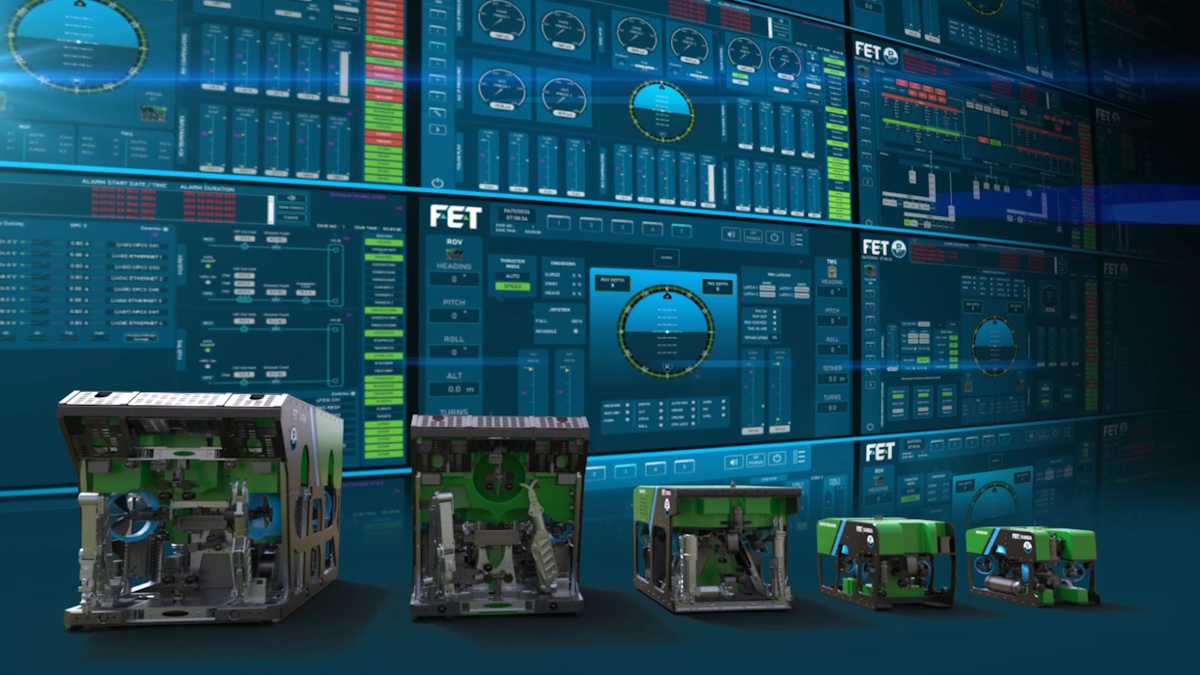
Forum Energy Technologies Upgrades ROVs for Global Vessel Operator
Forum Energy Technologies (FET) has secured a contract to upgrade two remotely operated vehicles (ROVs) for a leading global vessel operator. This initiative aims to significantly enhance the performance, efficiency, and reliability of the ROV systems. The upgrades are expected to bolster the operator's capabilities in underwater operations, reflecting FET's commitment to advancing technology in the maritime sector. The timeline for the project has not been disclosed, but it underscores the growing demand for improved ROV technology in the industry.
forum energy technologies upgrades rov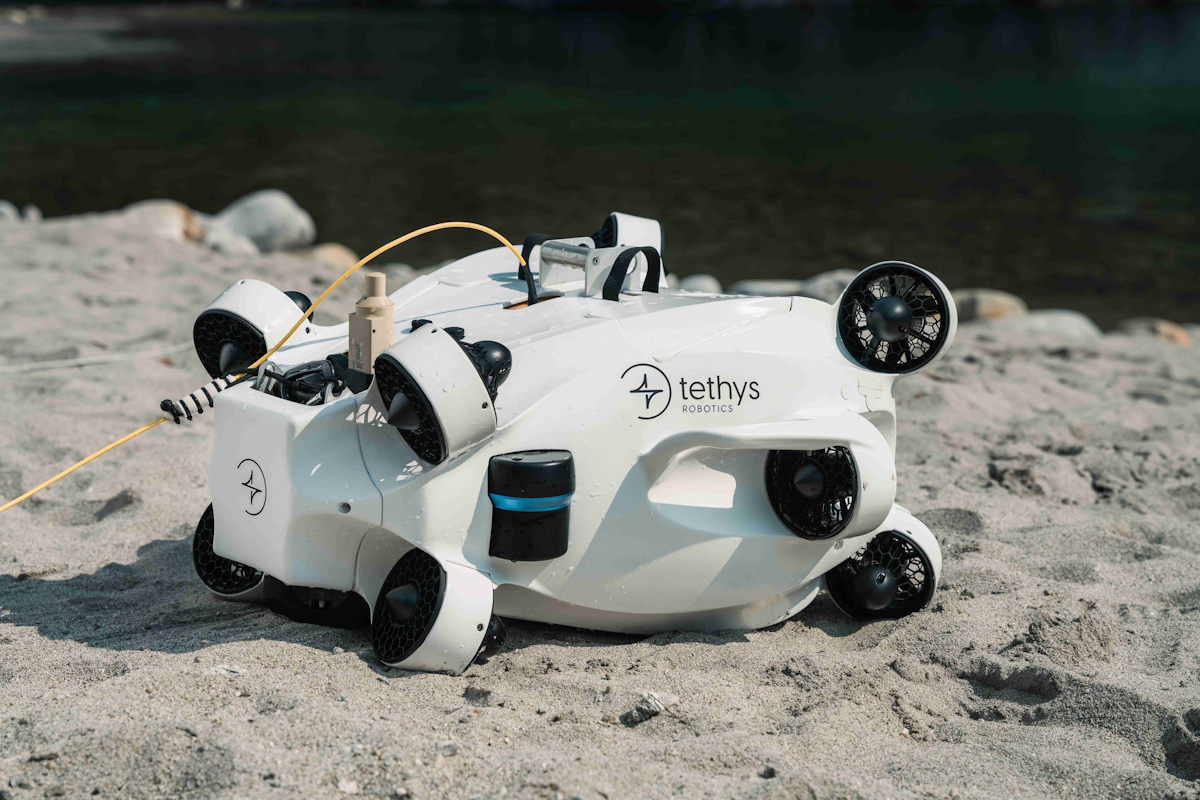
SeaRenergy and Tethys Robotics Announce Strategic Partnership to Enhance Offshore Subsea Inspection Services
Tethys Robotics AG has entered into a strategic partnership with SeaRenergy Offshore Holding GmbH, a prominent offshore service provider recognized for its expertise in complex subsea operations across Europe. This collaboration, announced recently, aims to enhance subsea inspection services by leveraging SeaRenergy's extensive experience in offshore wind and marine projects alongside Tethys Robotics’ advanced inspection technology. The partnership is expected to elevate performance standards in the industry, combining operational insights with cutting-edge technological capabilities.
searenergy tethys robotics strategic partnership offshore subsea inspection services
Zetwerk Advances Towards IPO with SEBI Observations in India’s Energy and Aerospace Sectors
Zetwerk, an Indian company operating in sectors such as energy, aerospace, and defense, has received observations from the Securities and Exchange Board of India (SEBI) as it moves closer to its Initial Public Offering (IPO). The company focuses on industrial commodities and has been preparing for this significant financial milestone, although specific timelines for the IPO have not been disclosed. The significance of this development lies in Zetwerk's strategic positioning within high-demand sectors like energy and aerospace, which are critical for India's economic growth. The observations from SEBI indicate regulatory progress, suggesting that the company is on track to attract potential investors and raise capital to further expand its operations in these vital industries. Looking ahead, industry watchers will be keen to see how Zetwerk responds to SEBI's observations and the subsequent steps it takes towards launching its IPO. No further timeline was disclosed at the time of publication, but the upcoming months will likely be pivotal for the company's public offering plans.
News Accel India IPO Zetwerk
As AI Reshapes Global Energy Systems, Melbourne Leads Through Engineering Collaboration
As artificial intelligence (AI) rapidly expands, it is driving a significant increase in global electricity demand, presenting urgent challenges for energy systems. Melbourne, Australia, is positioning itself as a leader in addressing these issues, with a focus on the infrastructure necessary to support AI's growth. By 2035, data centers in Australia are expected to consume up to 11 percent of the nation's electricity, raising concerns about generation and system reliability. The University of Melbourne is at the forefront of this initiative, with interdisciplinary research aimed at developing energy systems that can meet the demands of AI. The Melbourne Energy Institute is exploring how various energy technologies interact, while facilities like the Smart Grid Lab allow for real-time simulations of power systems. This integrated approach is essential for designing resilient and efficient energy systems that can adapt to new patterns of demand. Victoria's advanced energy ecosystem, which includes renewable generation and battery storage, is crucial for balancing digital growth with sustainability. The collaboration between researchers, industry, and policymakers is vital for creating future energy systems that are affordable and resilient. Looking ahead, Melbourne will host the IEEE PES Generation Transmission and Distribution Asia 2027 Conference, bringing together global experts to address the evolving challenges in power systems. This event underscores Melbourne's commitment to fostering international collaboration and innovation in energy solutions, reinforcing its role as a key player in the global energy transition.
Artificial-intelligence Australia Energy-systems University-of-melbourne Ai-data-centers Power-grid
China Achieves Major Breakthroughs in Aerospace, Clean Energy, and Infrastructure
This week, China has made notable advancements across various sectors, including aerospace, clean energy, infrastructure, and advanced manufacturing, showcasing the country's ongoing commitment to technological progress. These breakthroughs reflect China's strategic focus on innovation and development, aiming to enhance its global competitiveness and address pressing domestic challenges. The achievements highlight the effectiveness of China's investment in research and development, as well as its efforts to foster collaboration between government, industry, and academia. As these sectors continue to evolve, China's advancements are expected to play a crucial role in shaping the future of technology and sustainable development on a global scale.
Technology
China’s Galactic Energy Pushes Toward World’s First Electromagnetic Launch Rocket
China is making significant strides in the development of electromagnetic rocket launch technology, a cutting-edge advancement in the aerospace sector. Private aerospace company Galactic Energy is at the forefront of this initiative, aiming to become the first entity to operationalize this innovative launch method. This technology promises to enhance the efficiency and cost-effectiveness of rocket launches, potentially revolutionizing space access. As the country invests in and refines this technology, it positions itself as a leader in the global aerospace industry, seeking to capitalize on the growing demand for satellite deployment and space exploration. The timeline for the operational rollout remains under wraps, but the advancements signal a pivotal shift in how space missions may be conducted in the near future.
Technology
The Drone Industry’s Battery Problem Has a New Challenger
Factorial Energy, a battery technology company, has announced new partnerships aimed at enhancing drone performance through the integration of next-generation solid-state batteries. These collaborations span across the United States, Europe, and the Asia-Pacific region, focusing on improving drone endurance, power, and cold-weather capabilities for both commercial and defense applications. By leveraging advanced battery technology, Factorial seeks to address the ongoing challenges faced by the drone industry, particularly in terms of battery efficiency and reliability. The initiative reflects a growing recognition of the importance of innovative battery solutions in advancing drone technology and expanding its potential uses in various sectors.
Applications battery technology Defense Drone News Drone News Feeds News
Accelerating Chipmaking Innovation for the Energy-Efficient AI Era
Applied Materials is set to revolutionize semiconductor research and development with the opening of its EPIC Center in 2026, marking the largest investment in advanced semiconductor equipment R&D in U.S. history at approximately $5 billion. This initiative aims to address the pressing demands of the AI era, where companies are racing to enhance AI system performance while managing energy consumption. The EPIC Center will facilitate a collaborative environment where engineers and technologists work together from the outset, streamlining the traditional R&D workflow that has become too slow for the rapid advancements required in AI technology. By integrating atomistic modeling, process development, and validation within a shared space, EPIC aims to accelerate the transition from research to high-volume manufacturing. As AI workloads increasingly depend on efficient data movement, the center will focus on optimizing three interconnected domains: logic, memory, and advanced packaging. Innovations such as 3D devices, high-bandwidth memory, and hybrid bonding will be prioritized to enhance energy efficiency and performance per watt. The EPIC model emphasizes the need for a new approach to innovation, breaking down silos and fostering collaboration among industry leaders and academic institutions. This shift is essential to meet the challenges posed by the angstrom era, where the complexity of semiconductor manufacturing demands a more integrated and rapid development process. Through EPIC, Applied Materials aims to lead the charge in delivering the next generation of energy-efficient AI technologies.
Chipmaking Artificial-intelligence Materials-science Semiconductors
Oxford to build next-gen robotic solutions for nuclear energy sites with AtkinsRéalis
In the evolving landscape of nuclear energy, industry experts are highlighting the increasing importance of skilled workers who can navigate the complexities and risks associated with this sector. As the demand for clean energy sources rises, the nuclear industry is facing a critical shortage of qualified personnel, particularly in safety and operational roles. This trend is becoming more pronounced as older workers retire and fewer new professionals enter the field. The urgency of this situation has prompted nuclear energy companies to invest in training programs and partnerships with educational institutions to cultivate a new generation of experts. These initiatives aim to equip workers with the necessary skills to manage advanced technologies and ensure safety protocols are rigorously followed. The focus on workforce development is particularly relevant as countries strive to meet climate goals and reduce reliance on fossil fuels. With nuclear energy poised to play a significant role in achieving these objectives, the sector is recognizing that its most valuable asset may soon be its workforce. As a result, efforts to attract and retain talent are becoming paramount, with companies offering competitive salaries and benefits to entice new recruits. In summary, the nuclear energy sector is at a pivotal moment, emphasizing the need for skilled professionals to sustain its growth and safety. As the industry adapts to meet future energy demands, the commitment to workforce development will be crucial in ensuring a reliable and secure energy supply.
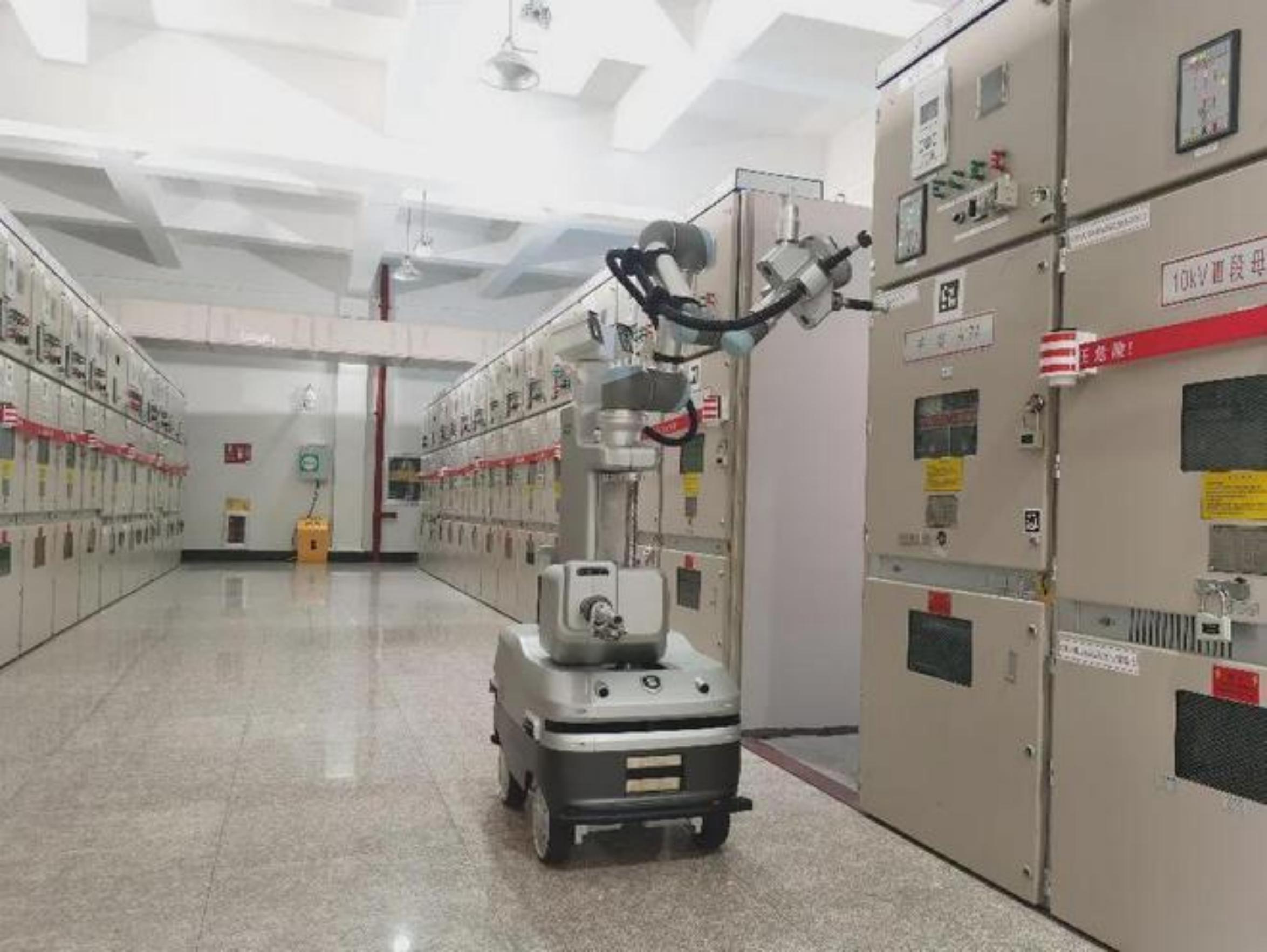
National Grid Launches Billion-Yuan Procurement, Embodied Intelligence Industry Sees Promising Growth Opportunities
The National Grid has unveiled a significant procurement plan aimed at acquiring 8,500 embodied intelligent devices, with an investment of 6.8 billion yuan. This initiative is designed to improve autonomous operations in various sectors, including power inspections, emergency responses, and logistics. The move is anticipated to have a substantial impact on the industry, with total investments expected to surpass 10 billion yuan by 2026. The strategic investment reflects the National Grid's commitment to advancing technology and enhancing operational efficiency in the energy sector.
Embodied Intelligence Power Robotics Autonomous Operations Industrial Automation
Efficiency at Scale: NVIDIA, Energy Leaders Accelerating Power‑Flexible AI Factories to Fortify the Grid
At CERAWeek, often referred to as the "Davos of energy," industry leaders, policymakers, and technology innovators convened last week to explore the future of global energy solutions. Among the notable presentations, NVIDIA and Emerald AI introduced a groundbreaking approach that leverages artificial intelligence to enhance energy efficiency and sustainability. This initiative aims to address the pressing challenges of energy production and consumption in a rapidly changing world. By integrating advanced AI technologies, the companies seek to optimize energy systems, reduce waste, and promote cleaner energy alternatives, aligning with global efforts to combat climate change and transition to more sustainable practices. The discussions at CERAWeek highlight the critical role of collaboration among various stakeholders in shaping a resilient energy future.
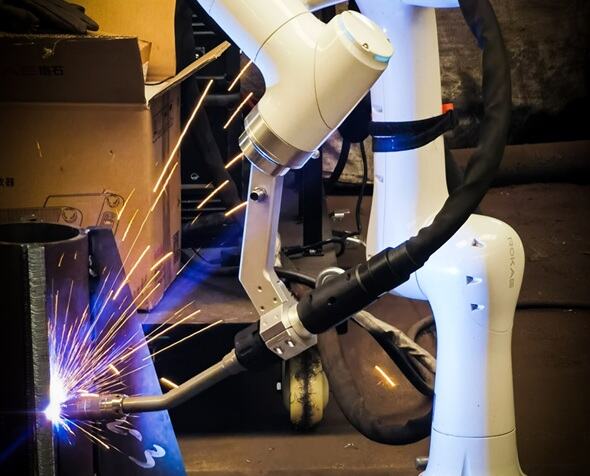
Breaking New Ground: ROKAE Robotics Leads Intelligent Upgrade in New Energy Shipbuilding
The Jining Municipal Government Information Office hosted a press conference titled “Shandong’s Excellent Companies on the Industrial Chain,” where Tuo Hua, CEO of ROKAE Robotics, and representatives from three other companies participated in discussions with journalists. The event focused on Jining's initiative to establish itself as a hub for innovative applications in the new energy ship sector. This gathering aimed to highlight the region's advancements and potential in the burgeoning industry, showcasing the collaborative efforts of local enterprises to drive innovation and sustainability in maritime technology.
Automotive & Spot Welding: Estun Creates “Hard and Soft” Welding Solutions for Automotive Industry
The automotive industry is undergoing significant transformation as it embraces intelligent electric power. This shift is driven by the rapid rise of new energy vehicles, the increasing use of lightweight materials, and consumers' heightened demand for safety and quality. As a result, manufacturers are adapting their production processes to meet these evolving standards. The changes reflect a broader trend towards sustainability and innovation in the sector, highlighting the industry's commitment to addressing environmental concerns while enhancing vehicle performance. This evolution is reshaping the landscape of automotive manufacturing, paving the way for a future where electric and intelligent vehicles dominate the market.
ESTUN AUTOMATION ROBOTICS SERVO SYSTEMS
Bristol Myers Squibb Launches Advanced AI Factory with NVIDIA Vera Rubin Technology
Bristol Myers Squibb (BMS) has announced the deployment of its second NVIDIA DGX SuperPOD, featuring eight DGX Vera Rubin NVL72 systems. This new AI cluster is touted as the most powerful and energy-efficient in the life sciences sector, significantly enhancing researchers' access to AI capabilities. BMS aims to democratize AI access among its scientists, allowing for faster drug discovery processes without the constraints of resource limitations. The introduction of this advanced AI infrastructure is crucial for BMS as it seeks to translate AI capabilities into measurable impacts in drug discovery. The new system will facilitate a unified AI platform, including the NVIDIA BioNeMo Agent Toolkit, which will streamline predictions and model training across the drug discovery pipeline. BMS has already seen substantial benefits from its existing DGX SuperPOD, including significant time savings in target identification and the expansion of its library of CELMoD compounds. Looking ahead, BMS is focused on leveraging AI to optimize lead discovery and enhance the efficiency of laboratory experiments. The new system is expected to alleviate current computational bottlenecks and support large-scale predictions. As BMS continues to innovate in the AI space, it emphasizes the importance of making advanced technology accessible to scientists to drive impactful research outcomes. No further timeline was disclosed at the time of publication.
UK industry team looks to miniaturize DragonFire laser for Type 45 destroyer debut
The United Kingdom is poised to become the first European NATO member to operationally deploy advanced laser directed energy technology by 2027. This initiative reflects the UK's commitment to enhancing its defense capabilities in response to evolving security challenges. The deployment aims to provide a cutting-edge solution for military operations, improving efficiency and effectiveness on the battlefield. The move underscores the UK's leadership role within NATO and its dedication to modernizing its armed forces in line with contemporary technological advancements.
Global Naval Warfare Army DragonFire Drones Europe
Joint Industry Project to Introduce Next Generation Subsea Flowlines
TotalEnergies, Equinor, Aker BP, DeepOcean, Tenaris, and LS Cable & System have collaborated to develop and commercialize a groundbreaking subsea flowline heating technology. This innovative solution aims to significantly lower manufacturing and installation costs by as much as 35%, while also achieving a 30% reduction in carbon emissions. The technology accomplishes this by separating the pipeline installation from the heating installation process, enhancing efficiency and sustainability in subsea operations. The initiative marks a significant step forward in the energy sector's efforts to adopt greener technologies and reduce environmental impact.
subsea flowlines totalenergies equinor aker bp deepocean tenaris
Great News | Estun Servo Products Selected into CATL's Recommended List of Commonly Used Components, Empowering New Energy Intelligent Manufacturing with Superior Performance!
Estun's servo system products have been recognized for their exceptional performance and reliability, earning a spot in the recommended tier of Contemporary Amperex Technology Co., Limited's (CATL) List of Commonly Used Components. This significant achievement not only highlights Estun's commitment to quality but also signifies a deeper strategic partnership between the two companies. The inclusion in CATL's list reflects Estun's growing influence in the industry and its ability to meet the high standards set by one of the leading battery manufacturers globally. This development is expected to enhance Estun's market presence and foster further collaboration with CATL in the future.
ESTUN AUTOMATION ROBOTICS SERVO SYSTEMS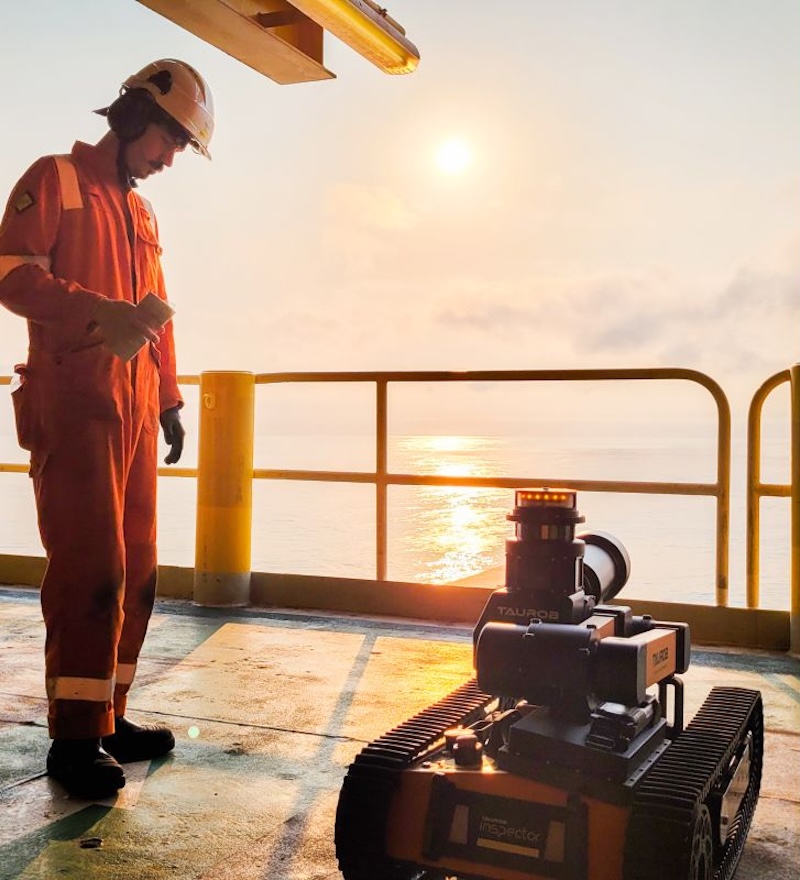
From oil platforms to power plants: Dietsmann showcases robotics-driven maintenance in Africa
Dietsmann, a leading independent provider of operation and maintenance services for energy production facilities, has announced its participation as a Bronze Sponsor at the upcoming African Energy Week (AEW) 2026. This significant event is scheduled to take place from October 12 to 16 in Cape Town, South Africa. The sponsorship underscores Dietsmann's longstanding commitment to the African energy sector, which has been a focus for the company for decades. By engaging in this prominent industry gathering, Dietsmann aims to enhance its visibility and influence within the region, reflecting its evolving role in supporting energy production and sustainability initiatives across Africa.
Events Features AEW 2026 African Energy Week AI analytics automation news
Titan Batteries Opens European Drone Battery Plant in Tilburg
Titan Batteries, a drone battery manufacturer based in Pocatello, Idaho, has made a significant move in the industry by launching its first full-scale production facility in Europe. The new plant, located in Tilburg, Netherlands, was officially opened on May 2, 2026, coinciding with International Drone Day. This expansion marks Titan Batteries as the first major drone battery maker to operate production on two continents, reflecting the company’s commitment to meeting the growing demand for UAV power solutions. The Tilburg facility is situated on the Energy Conversion Campus, positioning Titan to leverage advanced technologies and resources in the region.
battery technology Drone News Drone News Feeds European Union News Bosch
Beyond the Drone: Percepto’s New Platform Brings AI to Infrastructure Inspections
Percepto has unveiled its next-generation inspection software at the InnovateEnergy Week conference, which is currently taking place in The Woodlands, Texas. This new platform aims to enhance the capabilities of energy companies, particularly in the oil, gas, and electric utility sectors, by providing actionable data that is crucial for their operations. The launch reflects the industry's growing need for advanced technology to optimize infrastructure inspections and improve efficiency. By integrating artificial intelligence into their inspection processes, Percepto seeks to revolutionize how companies manage and analyze their energy resources, ultimately supporting their production goals.
Applications Drone News Drone News Feeds Drones in the News Energy infrastructure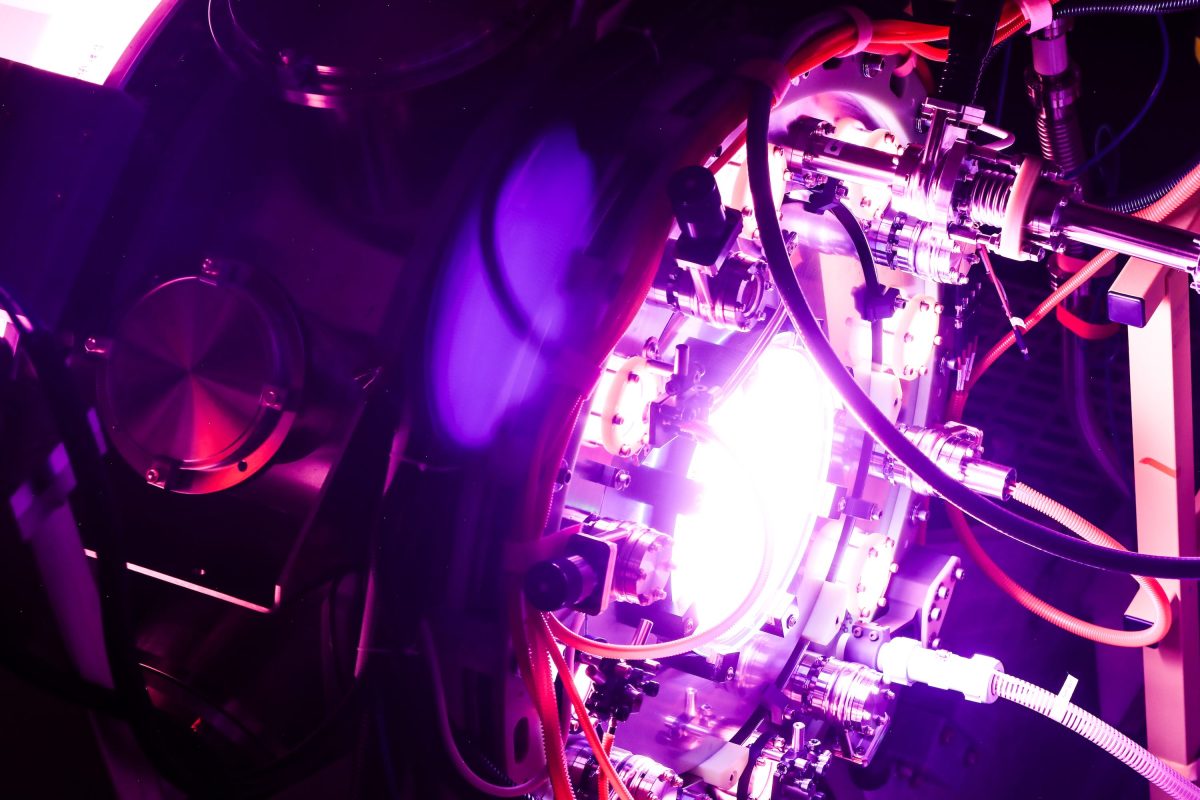
Helion, the Sam Altman-backed fusion startup, raises $465M to build a power plant for Microsoft
Helion, a fusion energy startup, is accelerating its efforts to build a power plant for Microsoft, with a completion target set for 2028. The company has recently secured a new round of funding, which is expected to bolster its development capabilities and expedite the project. This partnership highlights the growing interest in fusion energy as a viable solution for sustainable power, particularly in the tech industry, where companies like Microsoft are seeking innovative ways to meet their energy needs and reduce carbon footprints. The collaboration represents a significant step forward in the pursuit of clean energy solutions, as Helion aims to harness fusion technology to provide reliable and environmentally friendly electricity.
Climate Fundraising Startups Helion fusion energy Peak XV Partners
Microsoft’s AI data center push is colliding with its clean power goals
Microsoft's ambitious plans to expand its data center operations are jeopardizing its commitment to clean energy initiatives. The tech giant is facing scrutiny as it seeks to increase its data center footprint, which could conflict with its established goals for sustainable power usage. As the company accelerates its infrastructure development, concerns have arisen regarding the environmental impact and the ability to source renewable energy to meet its growing energy demands. This situation is unfolding amid a broader industry trend where the demand for cloud services continues to surge, prompting companies like Microsoft to invest heavily in new facilities. The challenge lies in balancing rapid growth with the need to adhere to environmental standards and commitments, raising questions about the future of corporate responsibility in the tech sector.
Climate data centers Microsoft net zero renewable energy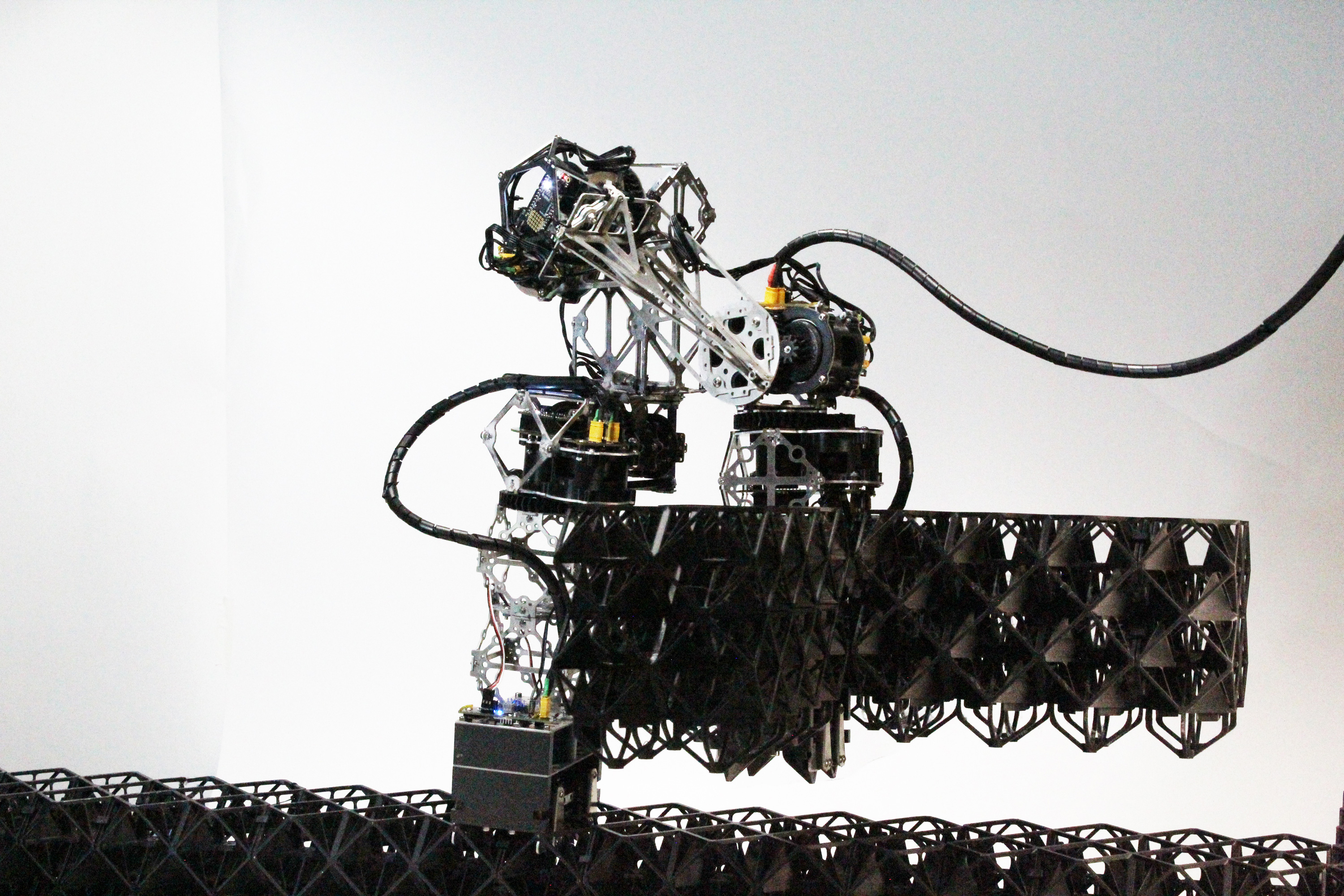
Robotically assembled building blocks could make construction more efficient and sustainable
Recent research indicates that the construction of simple buildings using interlocking subunits is not only mechanically viable but also significantly reduces carbon emissions. This innovative approach to building design could transform the construction industry by offering a sustainable alternative to traditional methods. The findings, which emerged from a study conducted by a team of engineers and architects, highlight the potential for these modular structures to minimize environmental impact while maintaining structural integrity. The research underscores the urgent need for more eco-friendly construction practices in response to growing concerns about climate change and resource depletion. By utilizing interlocking components, builders can streamline the construction process, reduce waste, and enhance energy efficiency, ultimately contributing to a greener future for urban development.
Research Construction Robotics Self-assembly Concrete Additive manufacturing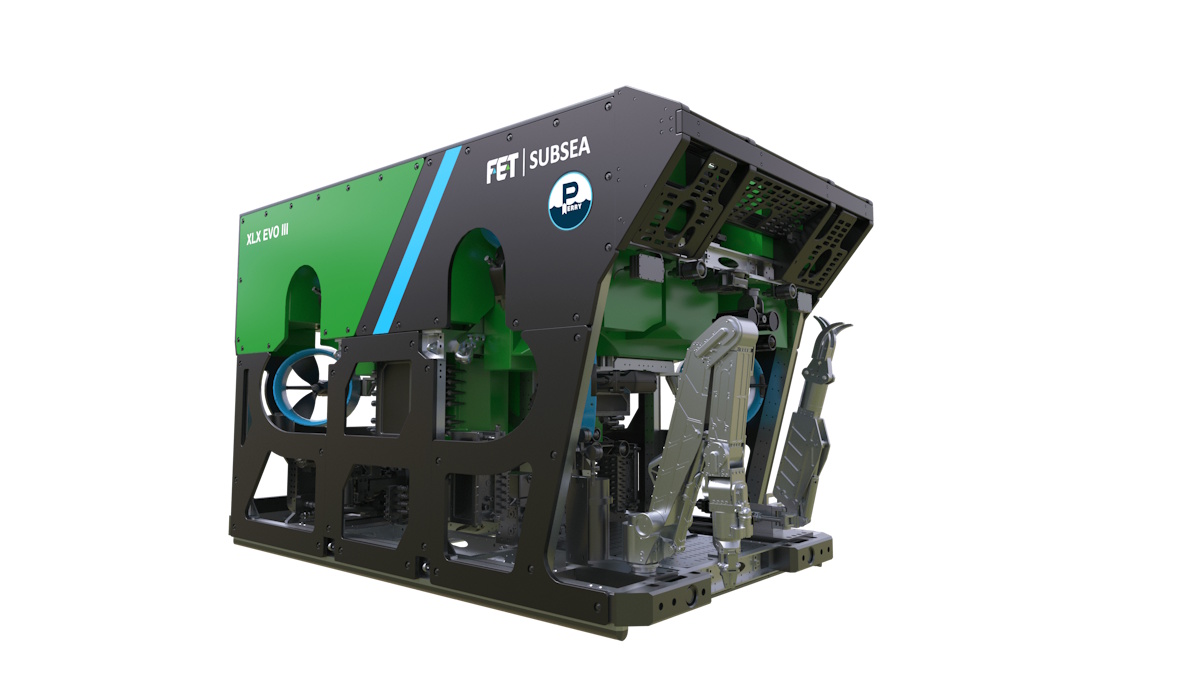
FET Brings New Generation Work Class ROV to Market
Forum Energy Technologies (FET) has unveiled its newest work class Remotely Operated Vehicle (ROV), the XLX EVO III, which represents a significant advancement in Ultra-Heavy-Duty subsea vehicle technology. This launch took place recently, showcasing FET's commitment to innovation in the subsea industry. The XLX EVO III is designed to enhance operational efficiency and safety in challenging underwater environments, addressing the growing demand for robust and reliable ROV solutions. By integrating advanced technology and engineering, FET aims to meet the evolving needs of its clients in sectors such as oil and gas, renewable energy, and underwater construction. The introduction of the XLX EVO III is expected to set new standards in subsea operations, reflecting FET's dedication to pushing the boundaries of underwater exploration and intervention capabilities.
forum energy technologies (fet) rov xlx evo iii ultra-heavy-duty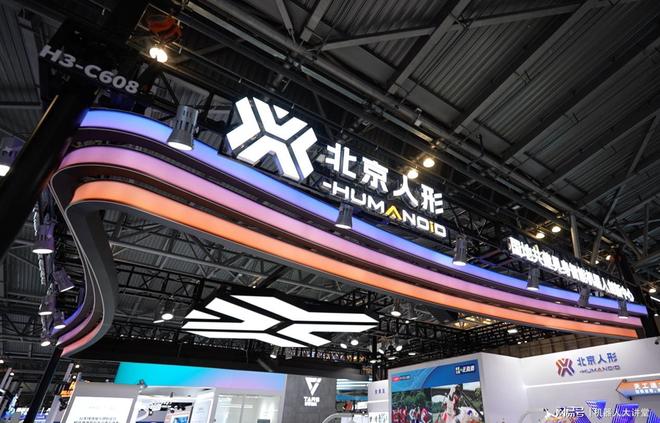
Beijing Humanoid Robotics Showcases 3D Solutions at WAIC to Enhance Future Productivity
On July 17, the 2026 World Artificial Intelligence Conference (WAIC) commenced in Shanghai, focusing on embodied intelligence and digital industrialization. Beijing Humanoid Robotics unveiled its 3D solutions, emphasizing a new industry standard of 'technology with warmth, rapid deployment, and broad industry application.' The company aims to transition humanoid robots from experimental settings to real-world applications, addressing industry challenges such as high customization costs and lengthy development cycles. The introduction of these 3D solutions is significant as it targets core operational needs in commercial, industrial, energy, inspection, and logistics sectors. By focusing on three specific areas—Dirty, Dangerous, and Dull tasks—Beijing Humanoid Robotics aims to replace manual labor in high-risk and repetitive jobs, thereby enhancing productivity across various fields. This marks a shift towards a more systematic and standardized approach in the embodied intelligence industry. Looking ahead, the company plans to continue developing its technology and solutions, inviting global partners to collaborate in building a new ecosystem for embodied intelligence. No further timeline was disclosed at the time of publication.
Humanoid Robots Industrial Automation AI Solutions Robotics Technology
TerraFirma Secures $115M Series A Funding to Enhance Robotic Construction Infrastructure
TerraFirma has successfully raised $115 million in Series A funding to bolster its engineering, manufacturing, and construction teams while advancing its semi-autonomous heavy equipment. Co-founder and CEO Noah Schochet emphasized the need for innovation in construction, citing historical achievements and the potential for significant improvements in speed, cost, and safety. The construction industry has faced declining productivity for decades, with U.S. construction labor productivity decreasing by an average of 0.6% annually since 1965, contrasting with a 1.6% growth in the broader economy. TerraFirma aims to address this issue by developing a full-stack platform that integrates AI-driven pre-construction software and retrofitted semi-autonomous machinery, enhancing operational efficiency and job safety. Looking ahead, TerraFirma is engaged in various projects across multiple sectors, including housing and energy, with recent initiatives in Texas. The company’s approach combines technology and operations to create a more effective construction ecosystem, with the potential to revolutionize the industry. No further timeline was disclosed at the time of publication.
Construction Energy / Solar / Renewables Financial Investments Manufacturing Markets / Industries
Zone Separation Innovations Could Enhance Cold Chain Efficiency in the UK
The UK, holding the largest cold storage market in Europe, faces significant challenges as cold-chain energy costs surged by 46% in 2023. The Cold Chain Federation highlights that the temperature-controlled sector contributes £14 billion to the economy, making energy management a critical operational factor for logistics operators. A major energy drain in distribution centers arises from the movement of goods between temperature zones, with air infiltration accounting for over half of the refrigeration load in high-traffic facilities. Implementing physical zone separation, such as temperature-separating curtain walls and PVC strip curtains, can significantly reduce energy loss by minimizing uncontrolled air exchange. As the cold chain sector moves towards energy efficiency, particularly in light of the UK's 2050 Net Zero target, the adaptability of curtain systems offers a practical solution. These systems allow for flexible reconfiguration of temperature zones without extensive construction, aligning with the industry's evolving needs while promoting energy savings without major facility overhauls. No further timeline was disclosed at the time of publication.
Cold Chain Logistics Storage & Racking Transport and Distribution Warehouse Property Warehousing cold chain
Re:Build Manufacturing Launches US-Made Lithium-Ion Battery Packs for UAVs
Re:Build Manufacturing has initiated direct commercial sales of its new lithium-ion battery packs designed for unmanned aerial vehicles (UAVs). This product line includes the Core, Power, and Performance series, which cater to various energy configuration needs. The launch is part of a broader manufacturing expansion at the company's Pennsylvania facility, aimed at producing Group 1, Group 2, and Group 3 unmanned aircraft systems (UAS). The introduction of these battery packs is significant as it addresses supply chain vulnerabilities in domestic aerospace hardware. UAV developers, particularly in dual-use, public safety, and military sectors, face stringent procurement regulations regarding component origins. Re:Build's assembly protocol utilizes non-FEOC battery cells to ensure compliance with National Defense Authorization Act (NDAA) procurement frameworks, thus enhancing the reliability of UAV operations. Looking ahead, Re:Build Manufacturing is set to provide dedicated engineering support for custom energy storage solutions, including Battery Management System (BMS) development. The company's advanced manufacturing facility in New Kensington, spanning 175,000 square feet, is designed to facilitate the transition from UAV prototyping to mass production, addressing common scaling challenges in the industry. No further timeline was disclosed at the time of publication.
Military
33rd China International Power Equipment and Technology Exhibition to Take Place in December 2026
The 33rd China International Power Equipment and Technology Exhibition (EP Exhibition) will be held from December 3 to 5, 2026, at the Shanghai New International Expo Center. This year's exhibition will feature a historic expansion, introducing a new 'Smart Electricity' pavilion focused on virtual power plants, industrial microgrids, and zero-carbon parks. This significant event is expected to attract over 2,200 top domestic and international power equipment and technology suppliers, including well-known companies such as ABB and Shanghai Electric Group. The exhibition aims to enhance international participation, providing a platform for global energy transition and showcasing China's advancements in the power industry. As the EP Exhibition marks its 40th anniversary in 2026, it will continue to promote collaboration across various sectors, including energy storage, hydrogen energy, and AI-powered solutions. The event is poised to be a high-profile gathering that highlights the integration of digital technologies and clean energy in the power sector. No further timeline was disclosed at the time of publication.
Power Equipment Energy Transition Smart Electricity Exhibitions Renewable Energy
Hummingbird F100 Revolutionizes Wind Turbine Blade Inspection with Wireless Technology
The Hummingbird F100, launched by Schrodinger Industrial Group, marks a significant advancement in wind turbine blade inspection. This device operates wirelessly, enabling stable connections over distances of up to 150 meters, and is designed to navigate complex internal structures of turbine blades, which are typically challenging to inspect due to their confined spaces. The global market for wind turbine blade inspection services is projected to grow from $7.74 billion in 2025 to $8.48 billion in 2026, with a compound annual growth rate of 9.6%. The Hummingbird F100 addresses the industry's need for more efficient inspection methods by automating data collection and analysis, shifting from reactive maintenance to proactive asset management. Looking ahead, the integration of AI with inspection robotics will enhance defect detection and reporting capabilities. The transition from wired to wireless operations will not only streamline deployment but also expand operational ranges and reduce on-site risks. The Hummingbird F100's modular design allows for rapid adaptation to various inspection scenarios, positioning it as a key player in the evolving wind energy sector.
Wind Turbine Inspection Robotics AI Technology Data Management Wireless Solutions
Advancements in Humanoid Robotics Driven by Power Management Solutions
The latest episode of Designing the Future highlights the significant progress in humanoid robotics, driven by advancements in speed, mobility, and dexterity. As these technologies evolve, the role of power management becomes increasingly critical, particularly in the context of battery and fuel cell usage. Engineers face challenges in converting energy from onboard sources to effectively power mechatronics and logic systems. This focus on power management is essential for the realization of humanoid robots that can perform a wide range of tasks, fulfilling the long-held promise of general-purpose machines. The conversation between Jim Anderton and John Quinlan from Murata Power Solutions underscores the importance of efficient power solutions in enhancing robotic performance. As the industry continues to innovate, the interplay between power systems and robotic capabilities will shape future developments. Looking ahead, the demand for compact and efficient power products will likely grow as humanoid robots become more prevalent in various sectors, including industrial and medical markets. No further timeline was disclosed at the time of publication.
Humanoids
Pakistan gives foreign banks an edge in shift to Islamic finance
FinancePakistan gives foreign banks an edge in shift to Islamic financeDomestic lenders required to convert to sharia-compliant model from 2028One currency, two banking systems. Pakistan's banks must all offer sharia-compliant services from 2028, but foreign banks will be able to continue offering non-Islamic services alongside -- giving them a possible advantage. © ReutersADNAN AAMIRJuly 7, 2026 14:31 JSTISLAMABAD -- In the run-up to its banking reform toward Islamic banking, the Pakistani government has decided to require domestically owned banks to operate under a fully sharia-compliant model from 2028 to eliminate interest-based finance.Read NextEnergyPakistan approves final link in 1,600-km national oil pipelineFinanceBangladesh bets $3.2bn to avert a banking crisis but reforms elusiveBusiness trendsPakistani gig workers' exports to hit record high but AI threats loomCommoditiesIndian families scale back on gold for weddings as prices hover near highsEnergyBangladesh power cuts deepen as government struggles to pay billsFood & BeverageIndia's sugar industry likely to exit exports and exist for ethanolDefensePakistan unfazed by Afghan-Russian military pact, say officialsTradeChinese firms brace for new EU rules as trade deficit tops $1bn a dayInternational relationsBangladesh courts China to drive infrastructure and trade pushBusiness dealsPakistan offers up 3 state-owned power distributors in privatization pushLatest on FinanceFinanceSingapore's Temasek to raise AI exposure 2.5-fold over 5 yearsFinanceJapan brokerages set sights on US mega-IPOs after strong SpaceX debutFinanceJapan's blockchain-based security tokens to open to foreign investorsSponsored ContentAbout Sponsored ContentThis content was commissioned by Nikkei's Global Business Bureau.
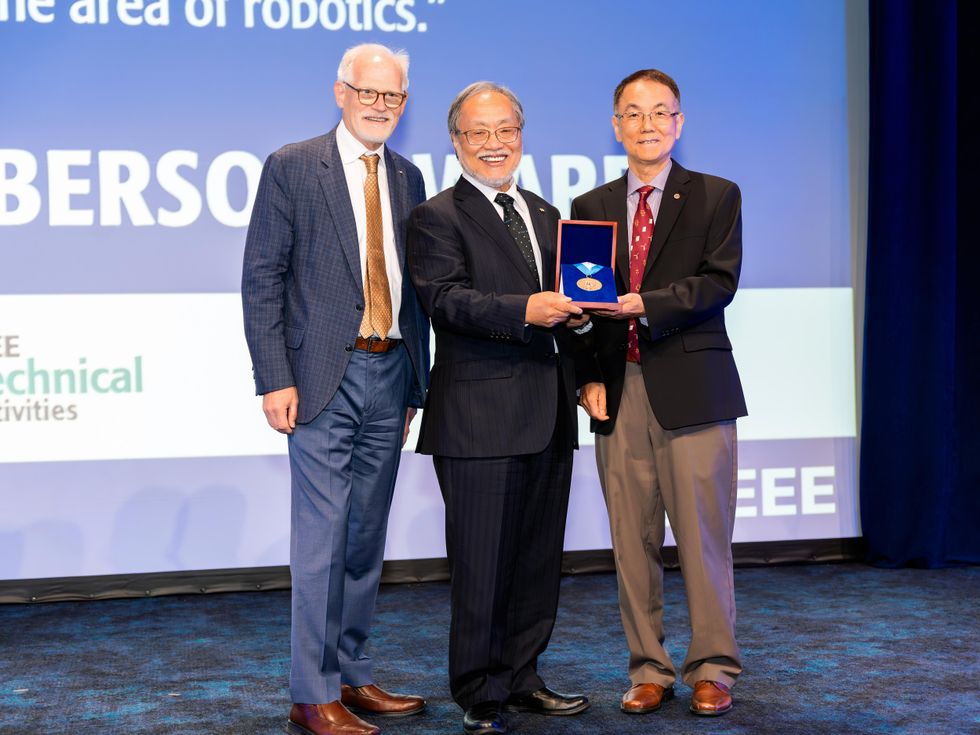
IEEE Honors Robotics Pioneer Toshio Fukuda
Toshio Fukuda has been blazing trails for most of his career. He is considered to be one of the most prolific scholars in robotics, writing more than 2,000 research papers and authoring several books on the field. He’s an influential figure thanks to his pioneering work developing biomedical robotic systems, industrial robots, micro-nano robotics, mechatronics, and AI-driven automation.Fukuda launched one of the first robotics conferences, the IEEE/RSJ International Conference on Intelligent Robots and Systems (IROS). It is still popular almost 40 years later.Toshio FukudaEmployerEgypt-Japan University of Science and Technology, in Alexandria TitleProfessor and vice president of research Member gradeLife Fellow Alma matersWaseda University, in Tokyo; University of Tokyo An IEEE Life Fellow, he is a professor emeritus in the department of micro-nano systems engineering and a visiting professor at Nagoya University, in Japan, where he taught for nearly 25 years. Currently, he is a vice president of research at the Egypt-Japan University of Science and Technology, in Alexandria, Egypt.Within IEEE, Fukuda has held top volunteer positions including the organization’s highest office: He served as IEEE president in 2020, becoming the first person of Asian descent to hold the role.He’s a former program director of Japan’s Moonshot program, which by 2050 intends to develop advanced AI robots.Born in Japan, Fukuda has been recognized by the country for his contributions to science with two of its highest awards: the Medal of Honor with a purple ribbon in 2015 and the Order of the Sacred Treasure in 2022.IEEE honored him with this year’s Richard M. Emberson Award for “distinguished service advancing the technical objectives of IEEE, especially in the area of robotics.” The IEEE Board-level award is sponsored by the IEEE Technical Activities Board. Fukuda received the award on 24 April at a ceremony in New York City.As a former IEEE president who has served as a master of ceremonies at several of the organization’s major award events, Fukuda noted that he is more accustomed to bestowing awards than receiving them.“It’s very interesting to be on the receiving end,” he says.The journey into robotics researchAs a teenager, Fukuda spent his summer breaks teaching himself how to build things including transistor radios and steam engines.“It was very nice to have a hands-on hobby and make these kinds of things myself,” he says. His experimentation led him to study engineering.He earned a bachelor’s degree in engineering in 1971 from Waseda University, in Tokyo. He says one of his professors there—Ichiro Kato, regarded as the father of Japanese robotics research—was a good mentor who made a positive impact.Fukuda’s research interests were robotics and mechatronics, a field that combines robotics, electronics, computer science, and control systems.He went on to earn a master’s degree and a doctorate in science from the University of Tokyo, in 1971 and 1977. During those years, he also attended Yale, where he conducted research on advanced control theory in 1973.He reflects fondly on his time at Yale: “It was a very nice environment and a kind of free-thinking atmosphere. It motivated me to study more.”“IEEE doesn’t care who you are, what you do, what country you are from, or whether you are male or female. IEEE accepts people who have energy and passion.”While at Yale, Fukuda served as an assistant to his advisor—which led him to consider a career in academia, he says, because he enjoyed the freedom that research work afforded him.But he realized that such freedom comes with a price. University researchers are expected to raise the money that funds their work. He compares researchers to small-business owners who have to bring in money to keep their enterprise afloat.That realization led him to select robotics as his field because he intended to develop technologies useful to industry, he says.After earning his doctorate, he returned to Japan in 1977 to work as a research scientist at the government’s Mechanical Engineering Laboratory, later renamed the National Institute of Advanced Industrial Science and Technology, in Tsukuba.“There was a lot of research going on at the lab, including practical robotics and theory,” he says.He left Japan in 1979 to become a visiting research fellow at the University of Stuttgart, in Germany. During his year there, he studied systems, software problems, and related topics.He returned to Japan and was hired as an associate professor of mechanical engineering at the Tokyo University of Science. He conducted research into practical uses for robots by visiting industrial plants. He decided to develop robots that inspect industrial equipment such as those used in assembly plants, oil refineries, and power stations—places that “can be hostile environments for humans,” he says.His work drew interest from chemical, oil, and utility companies.“I got a lot of money from them for this very practical application, which funded my research,” he says, laughing.Developing popular robotic systemsFukuda grew tired of making those robots, he says, so he switched to creating ones for scientific applications. He developed many techniques, but he probably is best known for his modular, cellular robotic systems (CEBOTs), which he introduced in 1985.He has described how CEBOTs work in numerous papers published in the IEEE Xplore Digital Library.The CEBOT system is composed of a number of autonomous robotic cells that stick together like interlocking Lego plastic bricks, he says.Each cell is a fundamental modular unit that has a function. When a simple task is given, the system can analyze it and generate the structure of the cellular manipulator. The cells connect to and detach from each other through connection mechanisms and cooperate mutually, creating complex structures and configurations.“You start developing from the component-wise to the cell-wise to a small functional unit—and then you come up with clusters that make bigger systems. We can make a society of robot beings like that,” he explained in his oral history published on the Engineering and Technology History Wiki. “It’s a distributed robotic system, a self-organized robotic system, and also an evolutionary robotic system.“It’s also a fault-tolerant robot system because if something is wrong, you just remove those things and make a new one. You keep the system working. That’s a great thing.”Today CEBOTs are used for a variety of tasks such as delivering medication in hospitals, assisting with planting crops, and transporting products in distribution centers. Check out IEEE Spectrum’s Robots Guide for news from the world of robotics.In 1989 Fukuda joined Nagoya University as a professor of mechanical engineering and micro-nano systems engineering. During his 24-year career there, he was director of the university’s Center for Micro-Nano Mechatronics. He developed a long list of technologies at the university, including many for medical applications. He also conducted groundbreaking research into intelligent robotic systems and micro- and nano-robotics.Another technology he is known for is brachiation robots, which he helped develop in 1988. He calls them monkey robots because they’re based on the pendulum-like movement of monkeys swinging from tree to tree. The gravity-based locomotion enables continuous movement.Brachiation robots now are inspecting high-voltage transmission towers and bridges, searching damaged buildings for survivors, and performing maintenance on pipelines and cables.Fukuda retired from the university in 2013 and was named professor emeritus.He didn’t stay retired for long, though. He next held a teaching appointment at Meijo University, in Nagoya, until he left in 2022 to join the Egypt-Japan University.A prominent volunteerHe joined IEEE in 1980 at the encouragement of one of his research advisors, Professor Fumio Harashima, now an IEEE Life Fellow. After attending conferences and reading the organization’s publications, Fukuda says, he looked forward to becoming more involved.“I wanted to know how to organize a conference and how to edit a paper for one of its Transactions,” he says. “I wanted to know what was going on from inside the organization, not just the outside.”In 1988 he was the founding chair and organizer of IROS, in Tokyo. The conference had 330 attendees that year, and was supported by Harashima. Today it is one of the largest and most prestigious conferences on the topic, attracting more than 9,000 people annually. Out of 120,000 conferences, it was the only conference in the Nature Index database for this year, Fukuda says.In 1996 he and other members launched IEEE Transactions on Mechatronics.He was the founding president of the IEEE Nanotechnology Council, which was established in 2002. He is considered a pioneer in nanotechnology research, particularly regarding how it relates to robotics.Over the years, he has held numerous volunteer positions on IEEE editorial boards and committees.He was the 1998–1999 president of the IEEE Robotics and Automation Society, becoming the first non-U.S. member to hold the title.He was director of IEEE Division X (2001–2002 and 2017–2018), which covers intelligent systems, biological engineering, robotics, control systems, and photonic technologies. He served as the 2013–2014 director of IEEE Region 10 (Asia-Pacific).As the 2020 IEEE president, Fukuda saw the organization through the early part of the COVID-19 pandemic. Because of travel restrictions, he realized IEEE should change how it offered its in-person services, specifically educational programs. He encouraged IEEE Educational Activities to develop an online learning platform. The IEEE Learning Network started with just three courses and now offers nearly 2,000 courses, webinars, and learning materials.An award-winning memberThe Emberson Award joins a slew of other recognitions Fukuda has received from IEEE. They include several from the IEEE Robotics and Automation Society: a 2004 Pioneer Award, a 2009 Saridis Leadership Award, and the 2011 Harashima Award for Innovative Technologies. He is also a recipient of the Board-level 2010 IEEE Robotics and Automation Technical Field Award.He says he feels strongly that IEEE should be a diverse organization that is welcoming to all. As IEEE president, he led efforts to devise a diversity, equity, and inclusion program. Several policies, procedures, and bylaws were revised to give members a safe, inclusive place for discourse.“It’s important for IEEE to make everyone feel comfortable,” he says. “DEI programs are important. All people should be equal. IEEE doesn’t care who you are, what you do, what country you are from, or whether you are male or female. IEEE accepts people who have energy and passion.“It accepted me, from the Far East. That’s why I like it.”You can learn more about Fukuda and his career from the oral history conducted by the IEEE History Center.
Robotics Robots Ieee-member-news Type-ti Ieee-awards Toshio-fukuda
480,126 Reasons to Buy Tesla Stock Now for the Second Half of 2026
Tesla Inc. has reported impressive second-quarter results, delivering 480,126 vehicles, a 25% increase year-over-year, surpassing analysts' expectations of 406,600 deliveries. The announcement, made on July 7, 2026, comes as the company aims to recover from previous annual declines in auto sales. Despite the positive delivery numbers, Tesla's stock fell 7.5% on July 2, reflecting market concerns over rising competition from Chinese and European automakers and the potential impact of returning oil prices to pre-war levels. To address these challenges, Tesla is introducing lower-cost versions of its Model 3 and Model Y, while also expanding its Full Self-Driving (Supervised) driver assistance program in select markets. The company is ramping up production of its Semi electric trucks and preparing to manufacture its driverless Cybercab and Optimus humanoid robots. With a market capitalization of $1.48 trillion, Tesla continues to influence the electric vehicle industry significantly, as investors remain optimistic about its growth beyond car sales, particularly in robotaxis and energy storage. Analysts have tempered their expectations, maintaining a "Hold" rating on Tesla stock, with price targets ranging from $420 to $430. The consensus rating among 42 analysts is a "Moderate Buy," reflecting cautious optimism about Tesla's future performance as it navigates a competitive landscape.
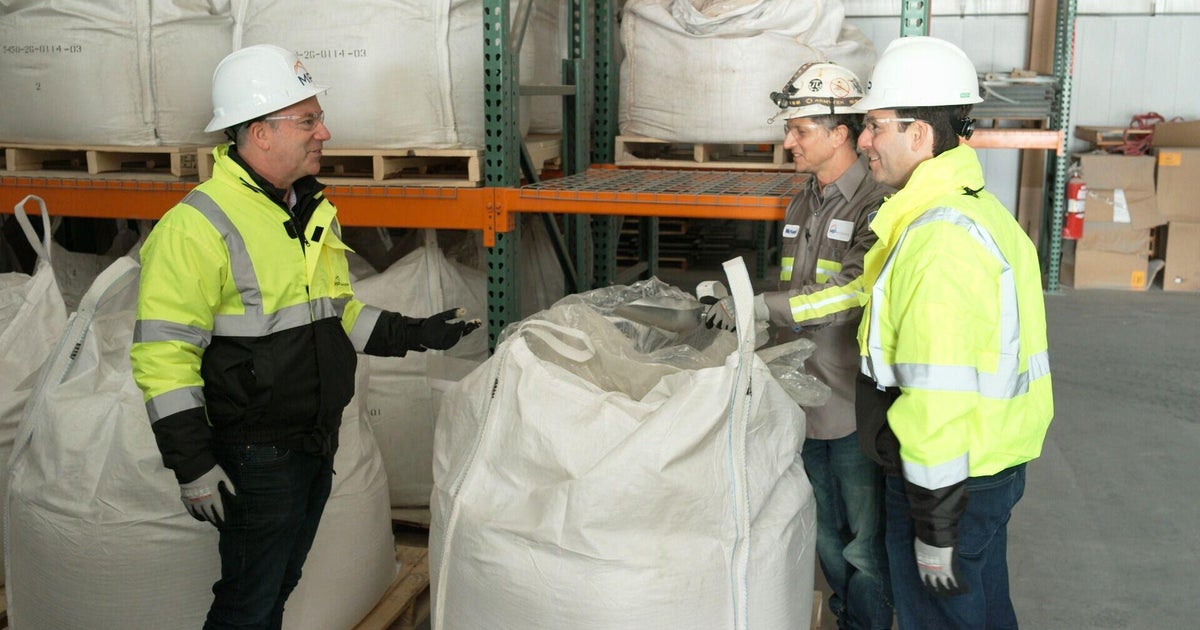
7/5/2026: Elemental Crisis; The Knowledge; Banana Ball
A recent report highlights the operations of the only active rare earth mine in the United States, emphasizing its significance in the global supply chain for critical minerals. This mine plays a crucial role in supporting various industries, including technology and renewable energy, as demand for rare earth elements continues to rise. In London, taxi drivers express skepticism regarding the introduction of robotaxis, raising concerns about safety and job security. The city's iconic cabbies are wary of the potential impact of autonomous vehicles on their livelihoods and the reliability of such services for passengers. Additionally, an exploration into the emerging sport of Banana Ball reveals its unique rules and growing popularity. This fast-paced variation of baseball, characterized by its emphasis on entertainment and fan engagement, is capturing the interest of sports enthusiasts and could reshape the landscape of traditional baseball games. These stories collectively illustrate the intersection of technology, industry, and culture, reflecting ongoing changes and challenges in various sectors.
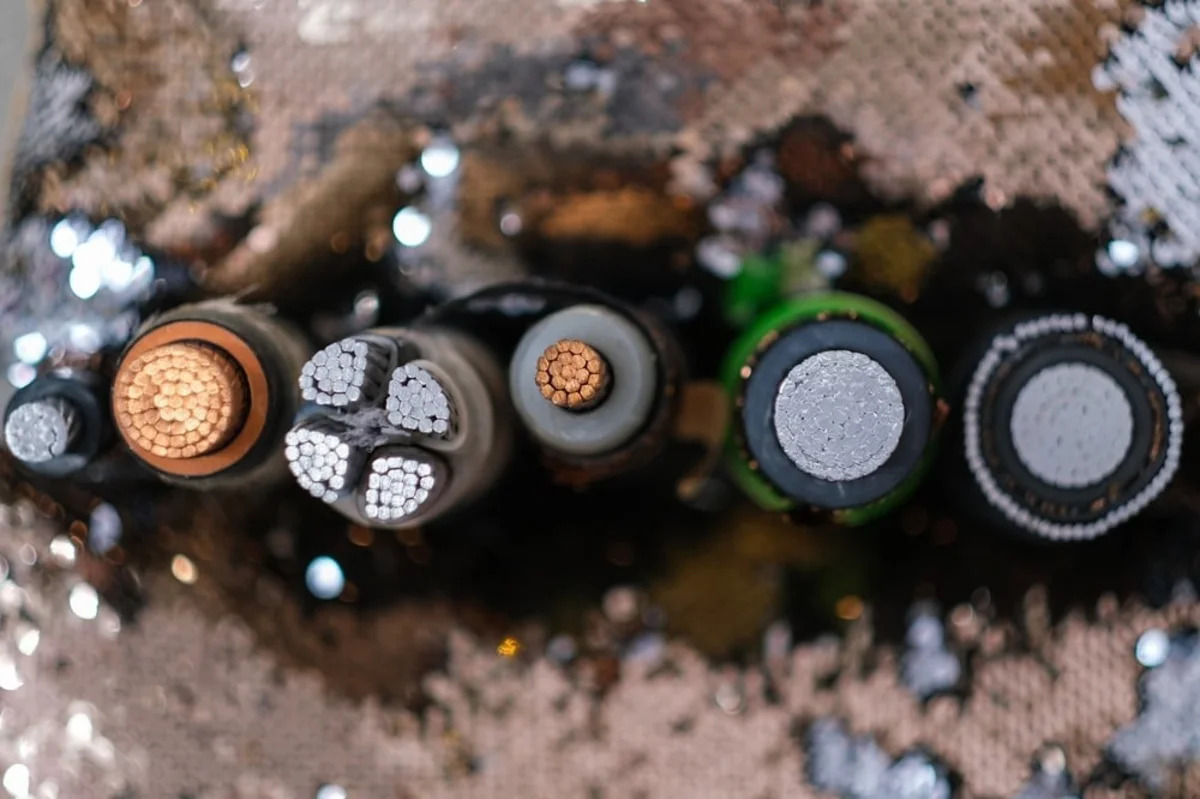
$4.1 Billion Deal Shows Why Ferrari and Tesla Are Ditching Copper for a Substitute
$4.1 Billion Deal Shows Why Ferrari and Tesla Are Ditching Copper for a Substitute $4.1 Billion Deal Shows Why Ferrari and Tesla Are Ditching Copper for a Substitute Stjepan Kalinic Sun, July 5, 2026 at 8:31 AM PDT 6 min read RACE.MI TSLA Benzinga and Yahoo Finance LLC may earn commission or revenue on some items through the links below. Substitution is one of the fundamental economic forces. If a product goes up in price, consumers have a direct incentive to switch to a cheaper substitute. While branding power dictates some price flexibility, such calculations are more straightforward for fungible commodities. When copper costs about $15,000 a metric ton, manufacturers have every right to ask – does every wire really need to be copper? With data centers, grid upgrades and green-energy projects tightening supply, the answer from automakers is increasingly no. Aluminum, trading at $3,100 per ton, is being promoted wherever physics allows. Don't Miss: A single bad hire can set a startup back years. Here are the 5 hires founders most often misjudge — and why Still Learning the Market? These 50 Must-Know Terms Can Help You Catch Up Fast Driving Investment and Corporate Consolidation Aside from being much cheaper, the metal is lighter and good enough for many vehicle applications. The appeal to save on weight is just a bonus for range-anxious electric vehicles. Ferrari has used aluminum in bodies, engines, and chassis for years and has recently begun using aluminum power cables in the 296 hybrid and other models. The payoff can be meaningful: wiring weight savings of up to 20%. "We are not choosing aluminum because it's cheaper; we choose the material that has better performance," the firm's communications executive Dario Esposito said per Reuters. Market interest is driving asset transactions, as Alcoa Corp. has just signed a binding agreement to acquire most of South32 Ltd.'s aluminum value chain for $4.1 billion. These include assets in Australia, South Africa and Brazil, but not the Mozal operation in Mozambique. The largest domestic aluminum producer expects the transaction will generate about $900 million in synergies. JPMorgan estimates the aluminum substitution could affect about 2% of global copper demand this year, and potentially as much as 6% by 2030. Trending: Avoid the #1 Investing Mistake: How Your 'Safe' Holdings Could Be Costing You Big Time A Partial Substitute Still, aluminum is not copper with a discount sticker. It is less electrically conductive, meaning cables often must be thicker to carry the same current. Those properties create problems in tight spaces – shared by both data centers and automobiles. For high-performance systems and specialized applications, copper's efficiency still remains ahead. Story Continues Then, there are environmental and geopolitical complications. The final phase of aluminum production is energy-intensive, often generating a much larger carbon footprint than copper. Energy prices have squeezed domestic producers and closed smelters, while trade frictions, including U.S. tariffs, further complicate sourcing. Cable makers provide some guidance on the issue. Xavier Mathieu, VP of Nexans, the second-largest global cable manufacturer, said buyers typically start switching when copper costs about 3.5 times as much as aluminum. The current ratio exceeds 4.2. The math means aluminum will keep swallowing market share where weight and space permit, but copper's performance edge still means it is the hedge, not the heir. Photo by laowaika via Shutterstock Read Next: Skip the Regrets: The Essential Retirement Tips Experts Wish Everyone Knew Earlier. Think you're saving enough for your kids? You might be dangerously off — see why Building Wealth Across More Than Just the Market Building a resilient portfolio means thinking beyond a single asset or market trend. Economic cycles shift, sectors rise and fall, and no one investment performs well in every environment. That's why many investors look to diversify with platforms that provide access to real estate, fixed-income opportunities, precious metals, and even self-directed retirement accounts. By spreading exposure across multiple asset classes, it becomes easier to manage risk, capture steady returns, and create long-term wealth that isn't tied to the fortunes of just one company or industry. Arrived Backed by Jeff Bezos, Arrived Homes makes real estate investing accessible with a low barrier to entry. Investors can buy fractional shares of single-family rentals and vacation homes starting with as little as $100. This allows everyday investors to diversify into real estate, collect rental income, and build long-term wealth without needing to manage properties directly. FarmTogether Farmland has historically held its value through market volatility and delivered returns uncorrelated to stocks and bonds. For accredited investors, FarmTogether offers direct access to high-quality U.S. farmland starting at $15,000 — fully ma
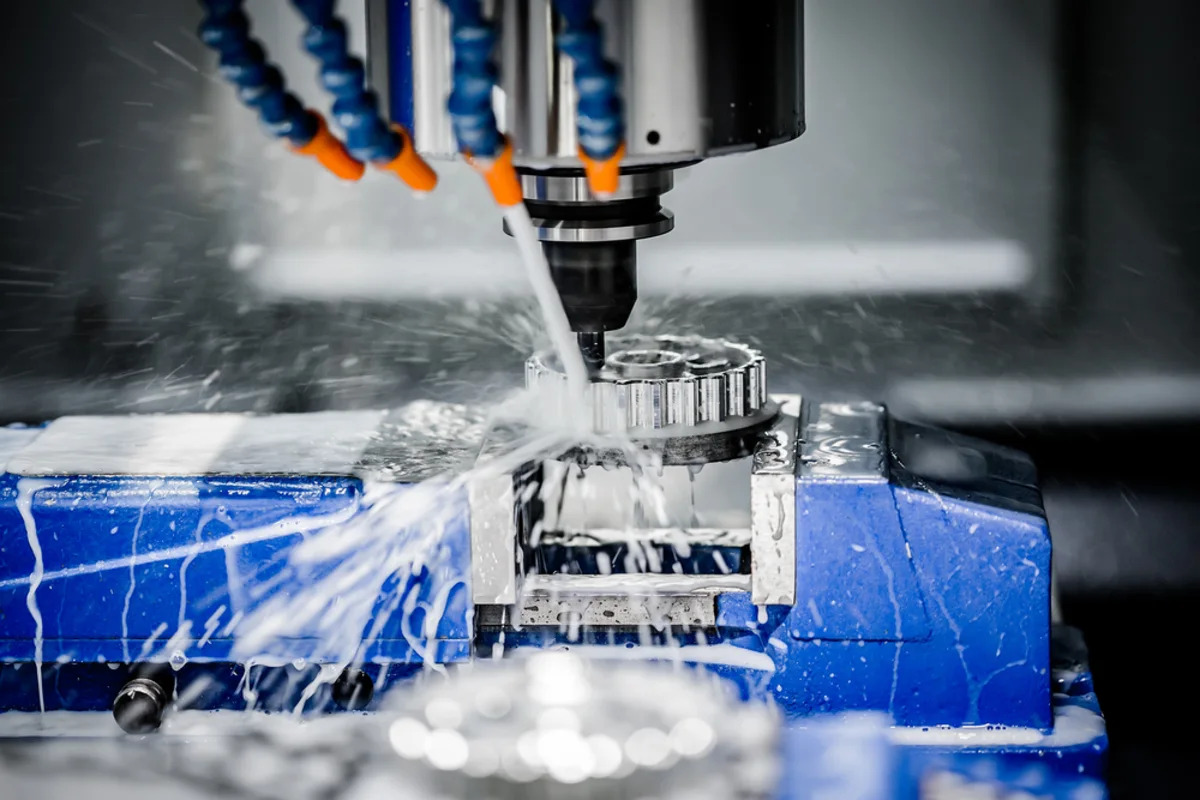
Honeywell International Inc. (HON): One of The Best Robotics Stocks to Buy Poised for Manufacturing Automation Opportunities
Honeywell International Inc. has emerged as a leading contender in the robotics sector, particularly in the realm of manufacturing automation. On June 9, 2026, the company introduced Experion Cognition, an AI-enabled control system aimed at enhancing autonomous operations. This innovative platform leverages Honeywell's extensive experience in process automation and incorporates advanced AI models to address anomalies in control room settings, thereby optimizing production efficiency. Experion Cognition is designed to seamlessly integrate into existing control room environments, enabling operators—regardless of their experience level—to manage plant operations effectively. By automating situation management, the platform addresses the ongoing industrial workforce shortage, allowing less experienced personnel to operate complex systems with greater ease. The system's AI features, including an Operations Assistant, can generate predictions within a span of 5 to 10 minutes. Dr. Hasan Karam, Chief Operating Officer of Borouge International, highlighted that this new solution establishes a benchmark for efficiency and innovation, paving the way for the first AI-autonomous operations within the petrochemical industry. As a global technology and manufacturing conglomerate, Honeywell specializes in automation, aerospace systems, and energy transition, providing essential hardware, software, and services that enhance the safety and sustainability of various industries. While investment in Honeywell carries inherent risks, analysts believe that its advancements in AI technology position it favorably for future growth.

Alibaba bans Claude Code internally; FF's LA office empty, company denies; Microsoft invests $2.5 billion to form new AI company.
In a significant policy shift, China's Ministry of Finance, State Taxation Administration, and Ministry of Industry and Information Technology announced the adjustment of tax incentives for energy-efficient and new energy vehicles. Effective January 1, 2027, the government will eliminate the half-tax reduction for energy-efficient vehicles and discontinue the tax exemption for pure electric commercial vehicles, plug-in hybrid vehicles, and fuel cell commercial vehicles. This decision aims to align tax policies with the evolving automotive market and promote sustainable practices. The announcement follows a comprehensive evaluation of the current tax framework and its impact on the industry.
Robotics needs a service framework.
RSF defines a common language for robot service capability, lifecycle operations, certification pathways, and service-provider networks.