

Industry Briefing
A single destination for timely, editor-curated robotics news from around the world.

Kidz AI Raises $1.9 Million to Enhance KIDZBot Educational Robotics Platform
Kidz AI has secured $1.9 million from its previously announced $500 million convertible-note financing facility to boost the manufacturing and deployment of its KIDZBot educational robotics platform. The funding will support the expansion of KIDZBot, which is designed to teach robotics, coding, and AI concepts through hands-on applications. This financing is crucial as Kidz AI aims to establish a comprehensive robotics education ecosystem around KIDZBot, integrating hardware, software, curriculum, and educator support. The company has also launched Classover Robix, a subsidiary dedicated to embodied AI hardware and partnerships with educational institutions, enhancing its outreach in the educational sector. Looking ahead, Kidz AI is engaging with educational partners and high school networks for classroom deployments and will showcase its initiatives at the 2026 AI in Education Conference in December. No further timeline was disclosed at the time of publication.
AI AI Funding & Investment Robotics AI in education funding KIDZ AI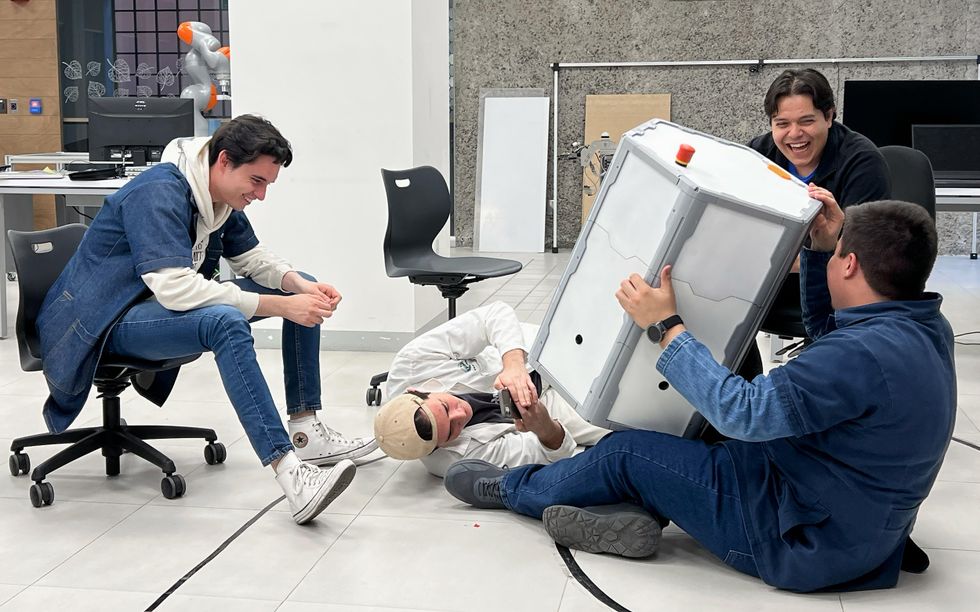
ITESO Team Develops RoboMeshA Portable Educational Platform for Robotics Learning
In Guadalajara, Mexico, a team from ITESO, Universidad Jesuita de Guadalajara, has developed RoboMeshA, a portable educational platform aimed at enhancing robotics and AI learning in high schools lacking advanced tools. This initiative, part of the EPICS in IEEE program, involves 15 engineering students and faculty advisors who designed a self-contained mobile laboratory that allows students to engage with robotics without needing specialized facilities. RoboMeshA addresses the resource shortfall faced by many schools, enabling hands-on learning experiences in science, technology, engineering, and mathematics. The platform is user-friendly, allowing students to connect via a web browser and interact with the robot directly. The project integrates various engineering disciplines, providing students with a comprehensive understanding of how mechanics, electronics, software, and control systems work together. The team has built two units and is working on expanding the system's capabilities for classroom demonstrations. They aim for RoboMeshA to serve as a model for engineering education, promoting community engagement and inspiring future engineers. No further timeline was disclosed at the time of publication.
Robotics Ai Type-ti Ieee-educational-activities Ieee-products-and-services Epics-in-ieee
Electromate Advocates for Hands-On Robotics Learning Using Dobot's Educational Platform
Electromate Inc. is emphasizing the importance of hands-on robotics education by showcasing Dobot's educational robotics platform. This initiative aims to assist schools, colleges, and universities in overcoming hardware access challenges as they expand their robotics and automation programs. The deployment of Dobot robots in educational settings is significant as it enables educators to create interactive learning environments. By providing practical access to multiple robots, Electromate is facilitating the integration of programming, automation, and advanced robotics coursework into the curriculum. Looking ahead, educators and institutions should monitor how the adoption of Dobot's platform influences student engagement and learning outcomes in robotics education. No further timeline was disclosed at the time of publication.

Viam Introduces Educational Initiatives for Developers to Create Robotics Applications
Viam has launched Viam Education, a new initiative aimed at assisting developers in creating robotics applications on its platform. This program, spearheaded by Shannon Bradshaw, SVP of Product and Education, includes Viam 101, which provides engineers with a structured approach to robotics development. The significance of Viam Education lies in its commitment to making robotics more accessible to engineers. By offering free online courses, live events, hackathons, and dedicated office hours in New York City, Viam aims to empower developers and enhance their skills in building applications using the Viam platform. Looking ahead, Viam's educational offerings are expected to evolve, potentially introducing more advanced courses and resources. No further timeline was disclosed at the time of publication.
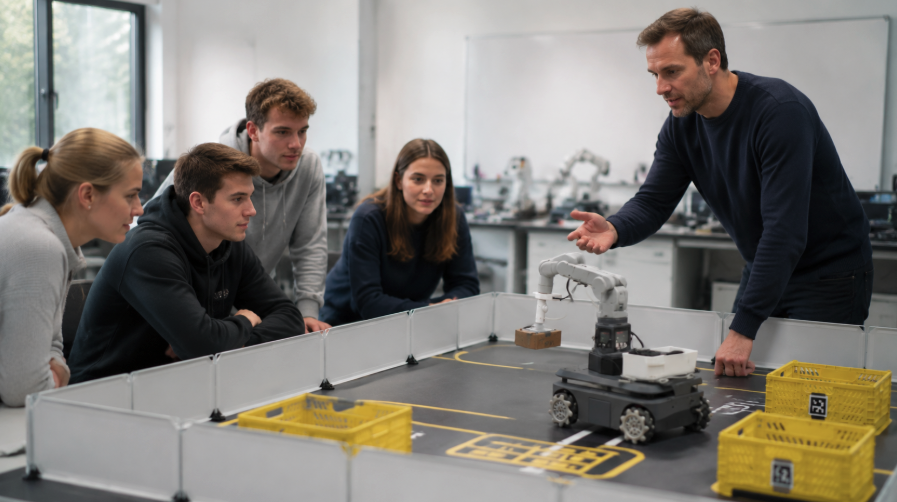
Empowering STEM Education and Research in the Americas: Elephant Robotics Introduces Integrated Educational Robotics Solutions
In recent years, STEM education has seen significant growth, fueled by a rising demand for practical engineering skills, artificial intelligence literacy, and interdisciplinary innovation. Despite this progress, schools, universities, and research laboratories continue to face challenges in creating effective robotics environments. Educators often struggle to integrate various components such as robotic arms, mobile platforms, sensors, and open-source software from multiple sources, complicating the development of comprehensive robotics programs. This ongoing issue highlights the need for streamlined solutions that can enhance the teaching and learning of robotics in educational settings.
Design Research Robotics AI education americas automation news
First educational event in Japan featuring humanoid demonstrations and physical AI experiences at elementary schools on June 26.
Play Robotics, a company specializing in safety evaluation and support for the integration of humanoid robots, is set to host a Physical AI Experience event on June 26, 2026. The event will take place at Shiroyama Elementary School in Inagi City. This initiative aims to provide participants with hands-on experiences to explore the capabilities and safety of humanoid robots, promoting awareness and understanding of AI technologies in educational environments. Through interactive demonstrations and activities, attendees will gain insights into the practical applications of robotics and artificial intelligence in everyday life.
Educational Robotic Arm in Action: Case Studies in High School Robotics Clubs
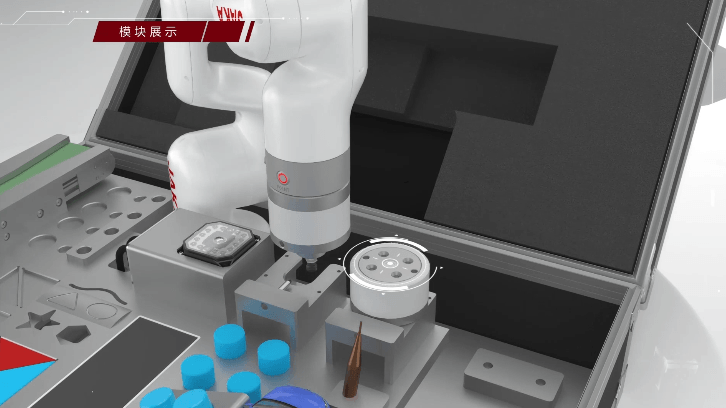
In recent years, high school robotics clubs have increasingly adopted educational robotic arms, such as the JAKA MiniCobo, to enhance student learning through hands-on experience with automation and programming. This versatile tool allows students to engage in various tasks, including sorting and assembly, while minimizing direct contact with potentially hazardous equipment, thereby creating a safer learning environment. The JAKA MiniCobo has become a central resource in several robotics clubs, where students have successfully programmed the arm to identify and separate components during projects. This adaptability enables students to explore multiple programming approaches and fosters collaboration as they work in teams to troubleshoot and refine their coding solutions. Educators have noted that the use of this robotic arm not only improves accuracy and efficiency but also teaches essential skills in workflow optimization and precision control, crucial for careers in engineering and STEM fields. Furthermore, the integration of the JAKA MiniCobo into extracurricular activities has significantly boosted student engagement. Students benefit from immediate feedback on their programming efforts and enjoy the creative freedom to design new tasks, simulating real-world industrial processes. This hands-on approach cultivates curiosity and confidence in technology, ultimately preparing students for future innovations. Overall, the incorporation of educational robotic arms like the JAKA MiniCobo in high school settings exemplifies the transformative potential of automation in education, equipping students with valuable skills while promoting a safe and engaging learning atmosphere.
Robotics needs a service framework.
RSF defines a common language for robot service capability, lifecycle operations, certification pathways, and service-provider networks.
Join the RobotToday community on LinkedIn
Daily robotics news, in-depth analysis, conference highlights, and discussions with professionals worldwide.







