Industry Briefing
A single destination for timely, editor-curated robotics news from around the world.

Military Humanoid Robots in Engineering Validation Phase Amid Global Defense Research Trends
The global embodied intelligence industry is increasingly capturing the attention of national defense research, with humanoid robots expected to enhance their mobility, dexterity, and environmental perception by 2025-2026. Chinese manufacturers dominate the global humanoid robot shipment market, providing a substantial hardware foundation for military research. Various military research institutions are exploring potential battlefield applications, including urban warfare and infiltration, with simulations indicating that usable prototype systems may emerge within 5-10 years. However, despite advancements, there is currently no public evidence that armed humanoid robots have been officially deployed in combat units, as most projects remain in laboratory and training validation phases. The battlefield presents complex conditions that impose stringent reliability and endurance standards, far exceeding those of commercial products. Challenges such as high energy consumption and complex repair processes hinder the operational capabilities of humanoid robots in high-intensity combat scenarios. Tactically, humanoid robots are not the sole optimal solution for battlefield unmanned equipment. More mature technologies like wheeled and tracked vehicles are already fulfilling reconnaissance and logistics roles at lower costs. The dual-use technology approach emphasizes the importance of civilian advancements in robotics for military applications, while military requirements can drive improvements in civilian products. The path forward involves addressing environmental adaptability, energy consumption, and cost issues to ensure humanoid robots can reliably operate in harsh conditions and meet tactical and economic demands.
Humanoid Robots Military Robotics Dual-Use Technology Robotics Research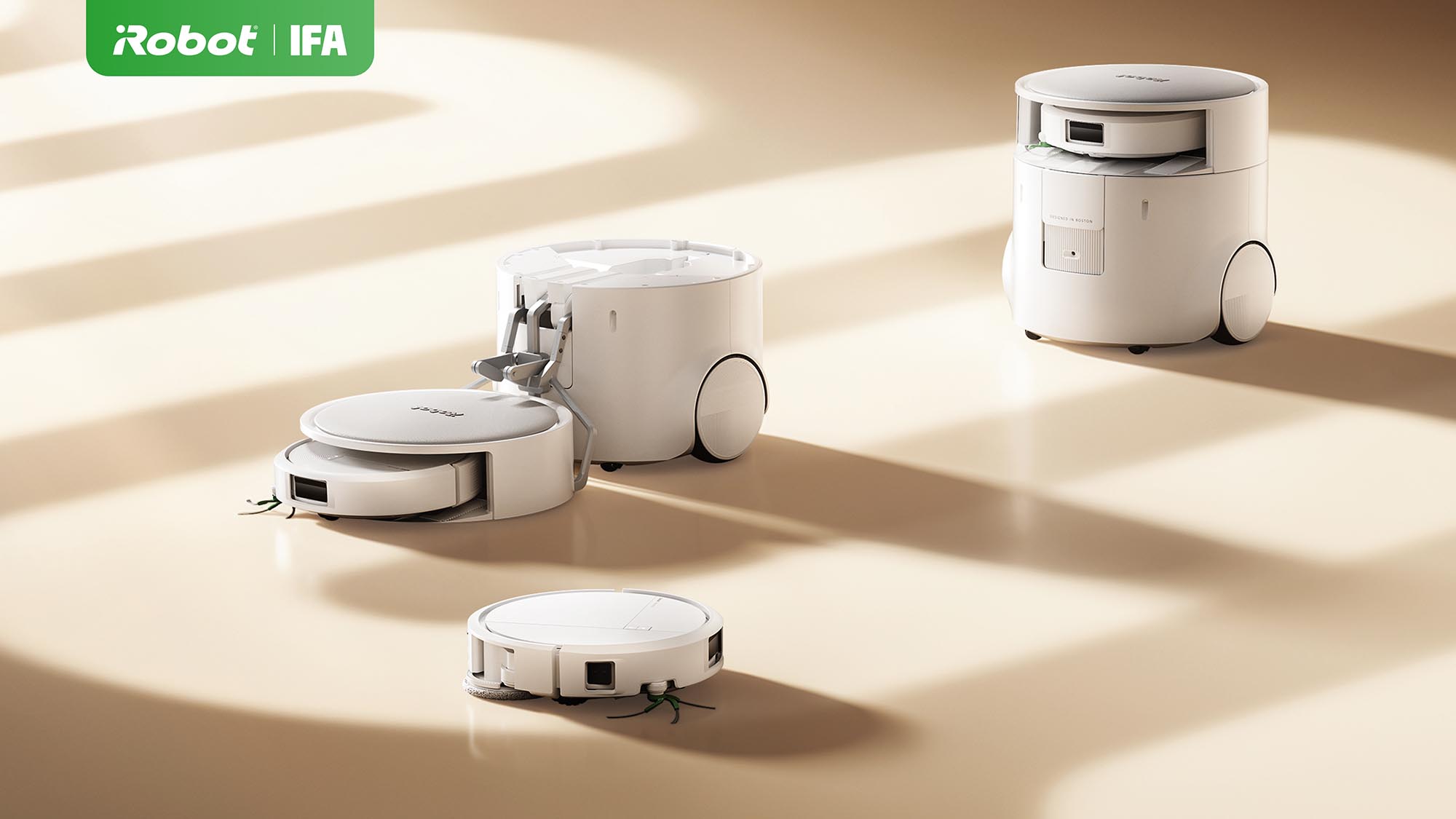
iRobot Unveils Roomba Duo Concept Model at IFA 2026 Featuring Dual-Robot Design
iRobot introduced the Roomba Duo, a concept model of a robotic vacuum cleaner, at IFA 2026 in Berlin on September 4. This innovative design features two robots that can share cleaning tasks, including a companion robot for tight spaces and a main robot for powerful vacuuming and floor washing. The Roomba Duo's dual-robot system utilizes AI to allocate cleaning areas in real-time, enhancing coverage efficiency. The main robot boasts a cylindrical design, equipped with a high-performance motor and a large battery for robust suction and cleaning capabilities. However, iRobot has stated that there are no plans for commercial release of this concept model. As the robotics market evolves, the introduction of the Roomba Duo highlights iRobot's commitment to innovation in home cleaning solutions. Observers should watch for potential developments in dual-robot systems and how they may influence future product offerings. No further timeline was disclosed at the time of publication.
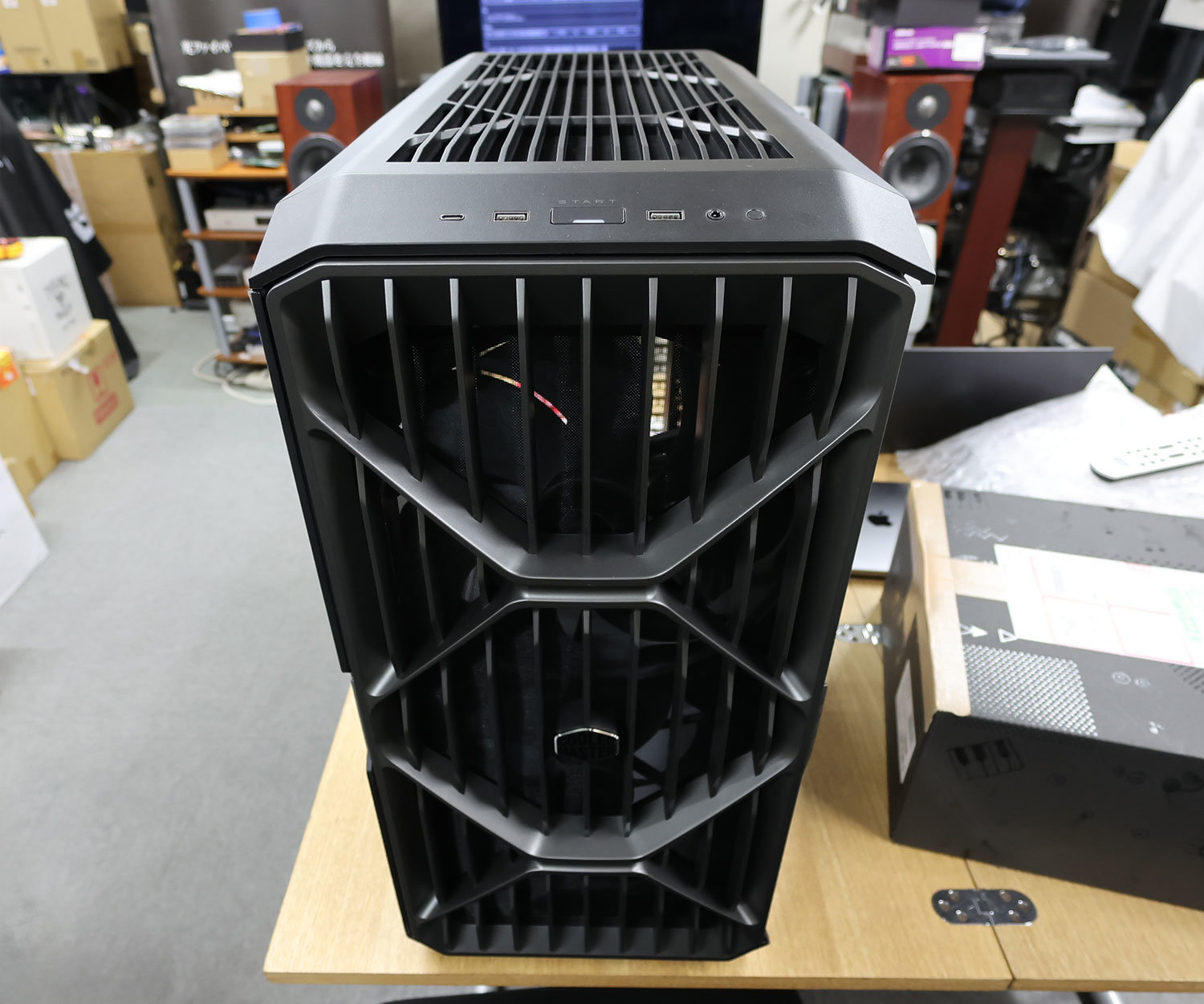
Cooler Master's HAF II 500 Case Launches with Dual 220mm Fans for GPU Support
Cooler Master Technology has launched the HAF II 500, an E-ATX PC case priced under 30,000 yen. This case features a cooling-focused design with two 220mm fans at the front and a 180mm fan at the back, enhancing airflow. It is designed to accommodate dual graphics cards, responding to the increasing demand for higher graphics memory capacity. The introduction of the HAF II 500 comes at a time when the trend of using multiple graphics cards is resurging, reminiscent of the SLI and CrossFire setups from two decades ago. The case's GPU holder allows for secure installation of one or two graphics cards, catering to users looking to maximize performance. As graphics card prices continue to rise, the HAF II 500's affordable pricing and robust cooling capabilities make it an attractive option for PC builders. No further timeline was disclosed at the time of publication.

SpaceX's Starmind Targets AI Labs with $6.3 Billion Compute Contracts
SpaceX's Starmind is designed to provide wholesale AI compute services to businesses, particularly AI labs and cloud customers, rather than individual consumers. The service operates similarly to AWS, where users benefit from applications running on Starmind without direct subscriptions. The compute capacity of a single AI1 satellite is comparable to one NVIDIA GB300 rack, emphasizing its enterprise-grade capabilities. The significance of Starmind lies in its positioning as a potential fourth hyperscaler, joining the ranks of AWS, Microsoft Azure, and Google Cloud. The Reflection AI contract, valued at $150 million per month, exemplifies the enterprise-focused model, with total payments potentially reaching $6.3 billion through 2029. This contract highlights the growing demand for AI compute resources, particularly from AI-native startups and labs. Looking ahead, the focus will remain on securing additional enterprise contracts as Starmind expands its offerings. No consumer-facing products or subscriptions have been announced, and the current strategy is to cater to businesses with substantial AI workloads. No further timeline was disclosed at the time of publication.
![[Man-ki Kim] Foster dual-use defense tech](/uploads/2026/06/2669837006758506.jpg)
[Man-ki Kim] Foster dual-use defense tech
For much of the 20th century, defense technology evolved within a tightly controlled military-industrial framework, where governments dictated needs, contractors created solutions, and civilian sectors reaped the benefits later. However, this paradigm is shifting. In the contemporary landscape, advancements in technologies such as artificial intelligence, semiconductors, robotics, batteries, cloud computing, autonomous systems, synthetic-aperture radar satellites, and commercial drones are increasingly emerging from the civilian economy. This transformation is reshaping how defense capabilities are developed and integrated, highlighting the growing interdependence between civilian innovations and military applications. As a result, the defense sector is now leveraging these civilian technologies to enhance its operational effectiveness and adaptability in a rapidly changing global environment.
All News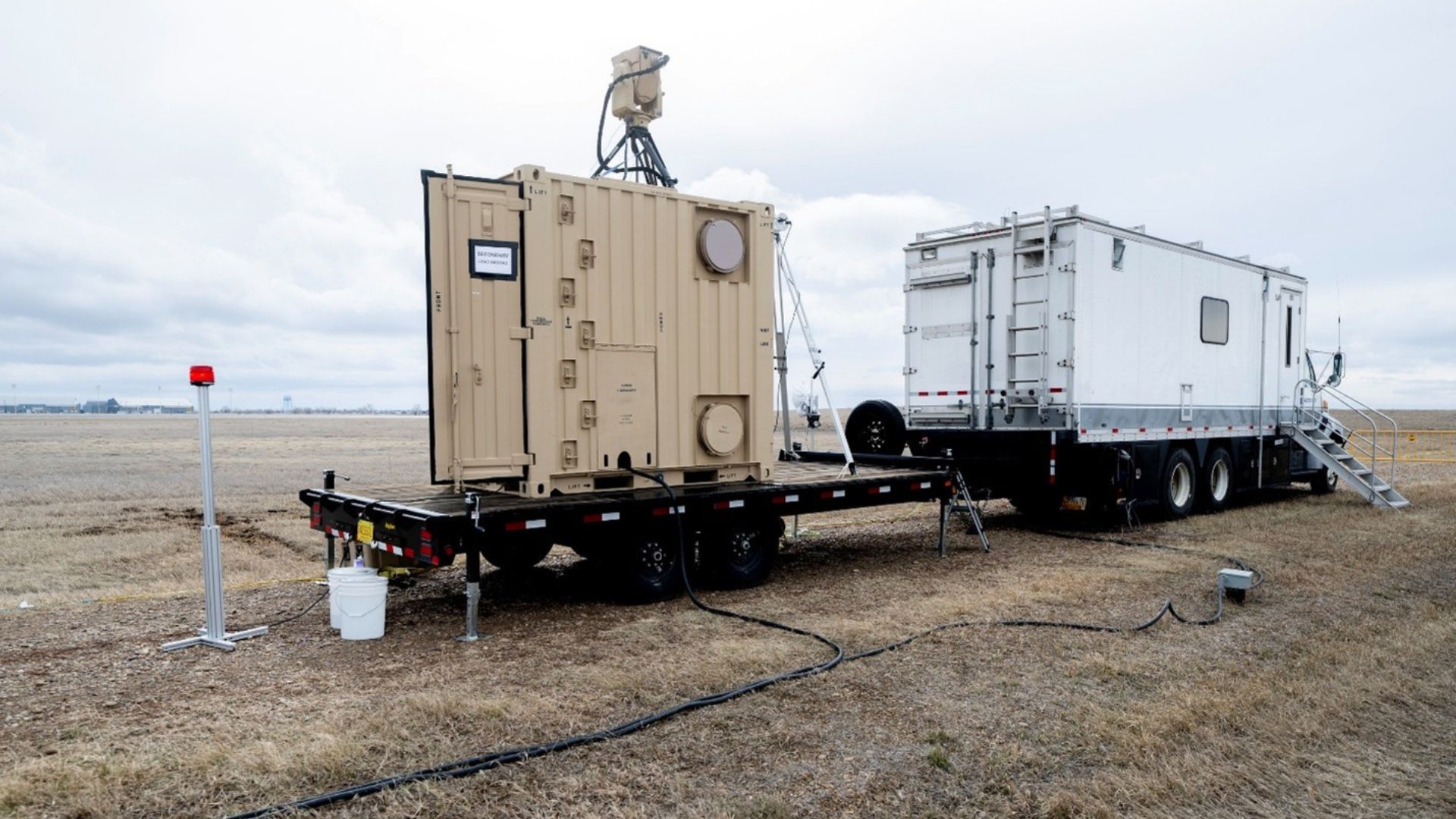
US Navy tests dual-use laser that beams power and counters drone threats in one system
The U.S. Naval Research Laboratory (NRL) has successfully demonstrated a groundbreaking laser system capable of transmitting data at unprecedented speeds. This innovative technology was showcased during a recent test conducted at the laboratory's facilities in Washington, D.C. The demonstration highlights the potential for advanced communication systems that could enhance naval operations and improve data transfer capabilities in various military applications. By utilizing laser technology, the NRL aims to address the growing demand for faster and more secure communication methods in an increasingly digital battlefield. The successful test marks a significant step forward in the development of high-speed data transmission solutions, paving the way for future advancements in military communications.
Military
Windows 11 response improvements are gradually taking effect with the latest update and a shift in Microsoft's AI strategy.
Microsoft has launched a new update for Windows 11, aimed at enhancing performance, particularly in the responsiveness of the Start menu and application launches. This update comes at a pivotal moment for the company, as it faces significant changes within its AI division. Yusuf Mehdi, who has been instrumental in leading Microsoft's AI and operating systems efforts, has announced his departure. Additionally, the company is revising its internal rules regarding the use of AI development tools. These developments indicate a potential shift in Microsoft's AI strategy as it navigates these transitions.

OpenAI releases life sciences AI "GPT-Rosalind" for bio-defense, raising concerns over dual-use risks.
OpenAI has launched the "Rosalind Biodefense" program, utilizing its frontier reasoning model, GPT-Rosalind, specifically designed for life sciences research. Announced recently, this initiative focuses on detecting biological threats for defense purposes. The program will provide approved developers, U.S. government agencies, and allied partner organizations with free access to its API, aiming to enhance biodefense capabilities.
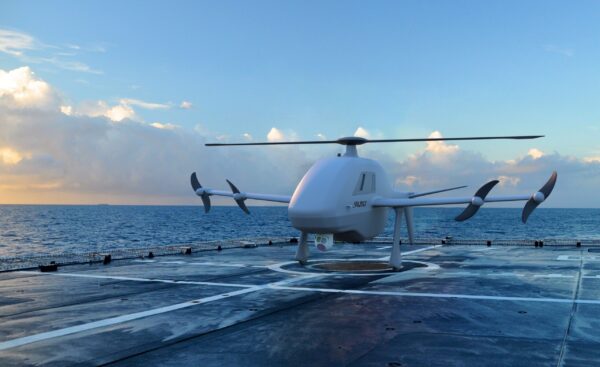
From The Floor of XPONENTIAL: AIRO and Jaunt Reveal Dual-Use VTOL Aircraft for Defense and Cargo Missions
At the AUVSI XPONENTIAL 2026 event in Detroit on May 12, AIRO Group Holdings showcased its full-scale autonomous vertical takeoff and landing (VTOL) aircraft, developed in collaboration with Jaunt Air Mobility. This innovative aircraft is designed to serve dual purposes in defense, specifically for intelligence, surveillance, reconnaissance (ISR), and cargo logistics, as well as remote operations. The unveiling highlights the growing interest in autonomous technology within the aerospace and defense sectors, aiming to enhance operational efficiency and versatility in various mission scenarios.
Cargo Defense defense Delivery Drone News Drone News Feeds
Headed to XPONENTIAL 2026? Don’t Miss These Partners, Panels, and Dual-Use Innovations in Detroit
The annual AUVSI Xponential conference is set to take place in Detroit from May 11 to 14, bringing together key players in the global autonomous systems industry. This year's event highlights the growing integration of uncrewed systems, artificial intelligence, advanced manufacturing, and resilient supply chains, which are increasingly important for both commercial and defense sectors. As one of the premier showcases for innovations in these fields, XPONENTIAL 2026 aims to facilitate discussions and partnerships that address current industry priorities.
DL Exclusive Drone News Drone News Feeds News Ascent AeroSystems Autonomous Systems
UniX AI introduces Panther, the world's first service humanoid robot to enter real household deployment, powered by its differentiated wheeled dual-arm architecture
A groundbreaking advancement in robotics has been unveiled with the introduction of the Panther, a wheeled dual-arm humanoid robot. This innovative machine is equipped with the world's first mass-produced eight-degree-of-freedom (8-DoF) bionic arms, enhancing its dexterity and functionality. Additionally, the Panther features an adaptive intelligent gripper mounted on a high-degree-of-freedom joint platform, allowing for versatile handling of various objects. The robot's design includes an omnidirectional four-wheel steering and four-wheel drive (4WS+4WD) chassis, enabling it to navigate complex environments with ease. This development marks a significant step forward in robotic technology, aimed at improving automation and efficiency in various industries. The Panther was revealed to the public in October 2023, showcasing its capabilities at a technology expo. The motivation behind its creation stems from the growing demand for advanced robotic solutions that can perform tasks traditionally handled by humans, particularly in sectors such as manufacturing, logistics, and healthcare. By integrating cutting-edge engineering with adaptive technology, the Panther is set to redefine the role of robots in everyday operations, paving the way for a future where humans and machines work side by side more effectively.
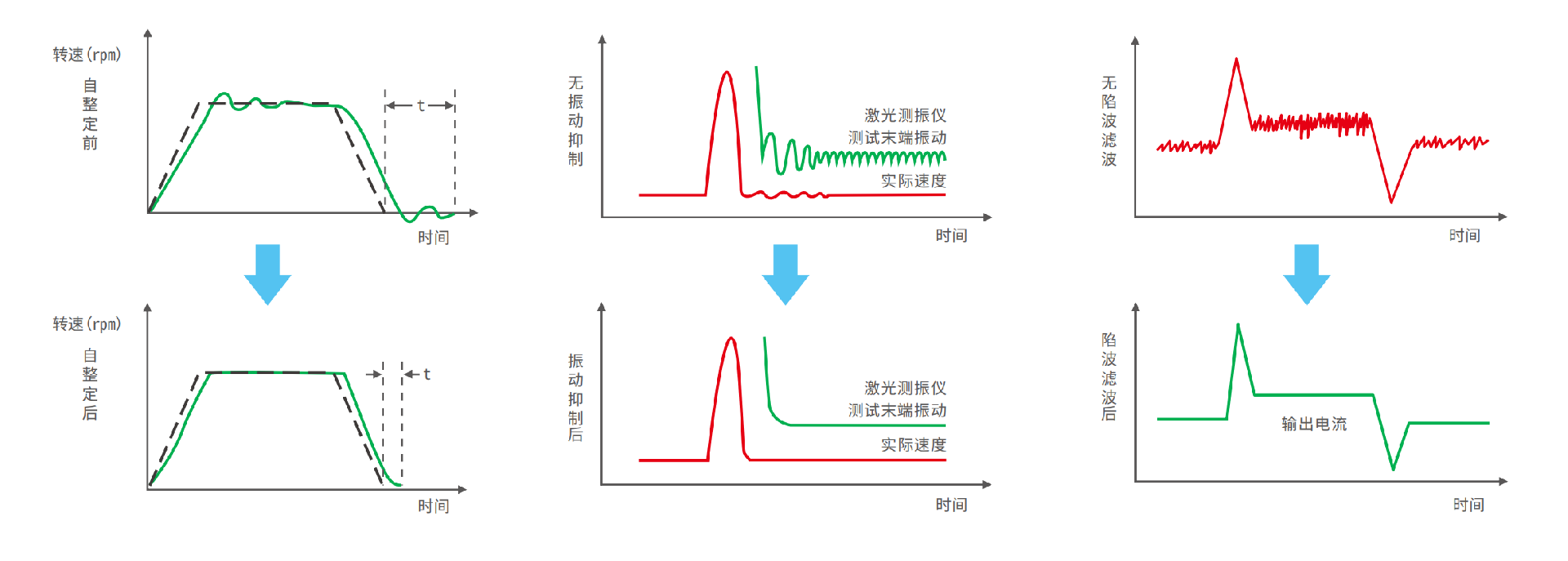
Premium Express | ESTUN 5-Series Bus Servo: Dual Breakthrough in High Performance and Ease of Use
In the context of rapid advancements in intelligent manufacturing and increasing global competition, ESTUN has unveiled its 5-Series Bus Servo System, which marks a significant technological breakthrough in motion control technology. This innovation is poised to enhance the competitiveness of the equipment manufacturing industry. The system's dual technological advancements are expected to streamline operations and improve efficiency, addressing the growing demand for sophisticated manufacturing solutions. As industries strive to stay ahead in a competitive landscape, ESTUN's latest offering represents a critical step forward in the evolution of motion control technology, underscoring its importance in modern manufacturing processes.
ESTUN AUTOMATION ROBOTICS SERVO SYSTEMS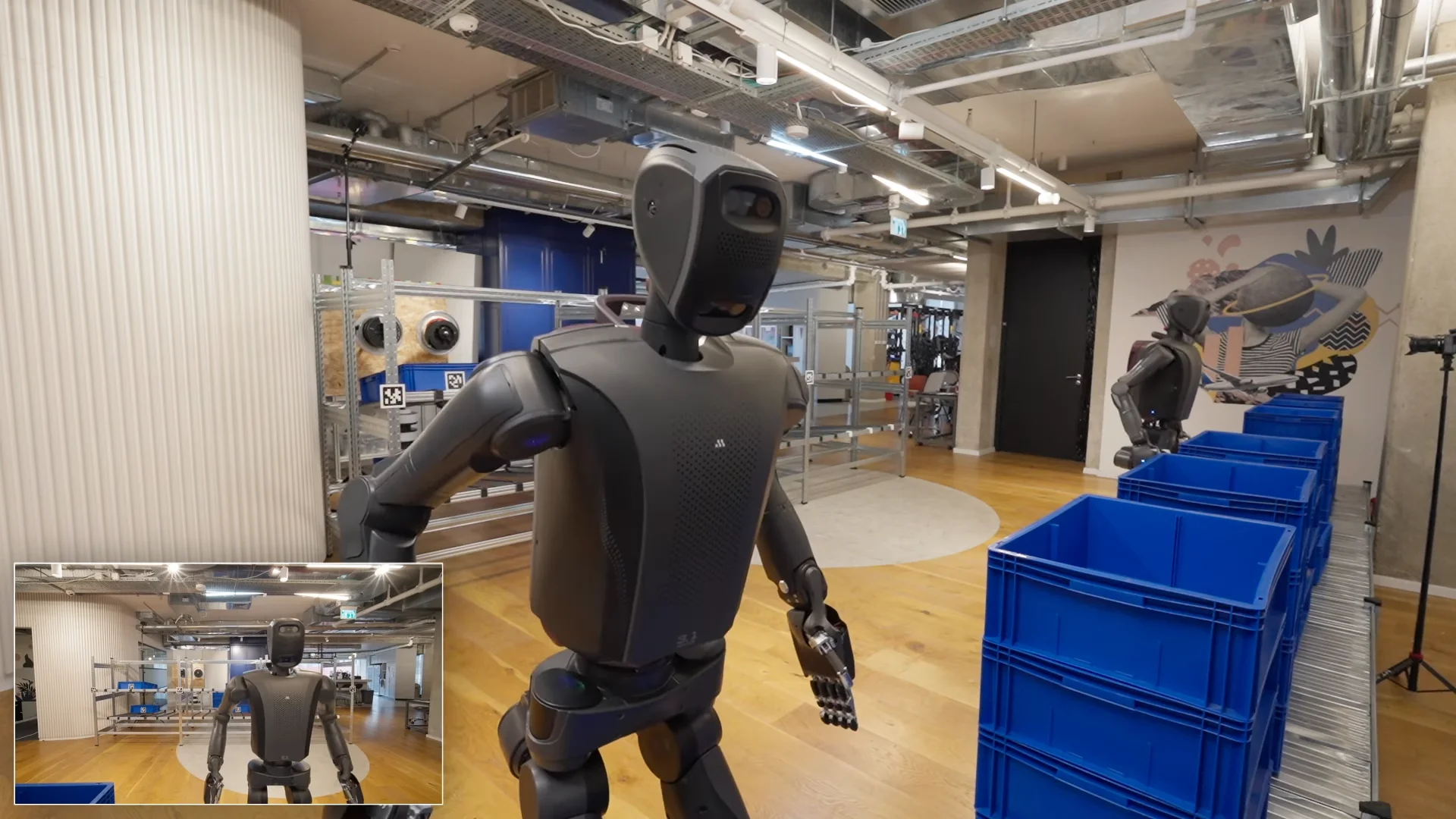
Mentee Robotics Demonstrates Warehouse Autonomy with Dual-Robot ''Uncut'' Demo
An Israeli robotics firm has unveiled unedited footage showcasing two of its V3 MenteeBots engaged in continuous logistics tasks. This release marks a significant step in the company's efforts to advance reliable industrial automation. By demonstrating the capabilities of these robots in real-time operations, the firm aims to highlight the potential for increased efficiency and productivity in various industries. The footage, which was made public recently, underscores the growing trend toward automation in logistics and the role of robotics in transforming traditional workflows.
MenteeBot Mentee Robotics
Sunday Robotics' Third Teaser Reveals "In-House" Dual-Gripper and a Wheeled, Non-Humanoid Body
Sunday Robotics unveiled its latest innovation in a groundbreaking video, showcasing a wheeled robot equipped with a vertical lift. This robot features a custom-designed dual-gripper end-effector, which was developed entirely in-house. The demonstration highlights the robot's ability to execute a complex two-glass pickup, emphasizing a "utility-first" approach that marks a significant shift away from traditional humanoid robotics. This reveal represents a pivotal moment for the company, as it seeks to redefine the capabilities and applications of robotic technology.
Sunday Robotics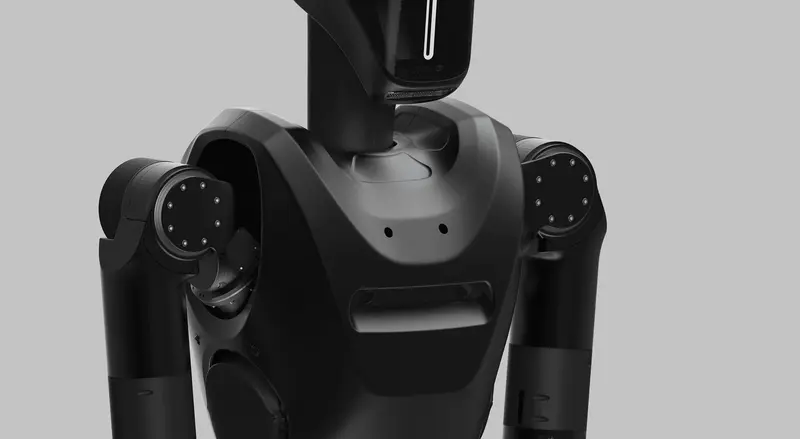
Foundation CEO Discusses 'Dual-Use' Humanoids, From Factory Floors to Future Battlefields
In a recent interview, Sankaet Pathak, CEO of Foundation Robotics, discussed the company's innovative strategy focused on developing humanoid robots designed for industrial automation and military logistics. The conversation highlighted the company's specific hardware selections and ambitious production targets, which aim to set them apart in a competitive market. Pathak also addressed the controversial dual-use approach of their technology, which raises ethical considerations while positioning Foundation Robotics as a leader in both commercial and defense sectors. This strategic direction reflects a growing trend in robotics, where the integration of advanced technology serves multiple purposes, potentially reshaping industries and defense operations alike.
sankaet-pathak military-robotics foundation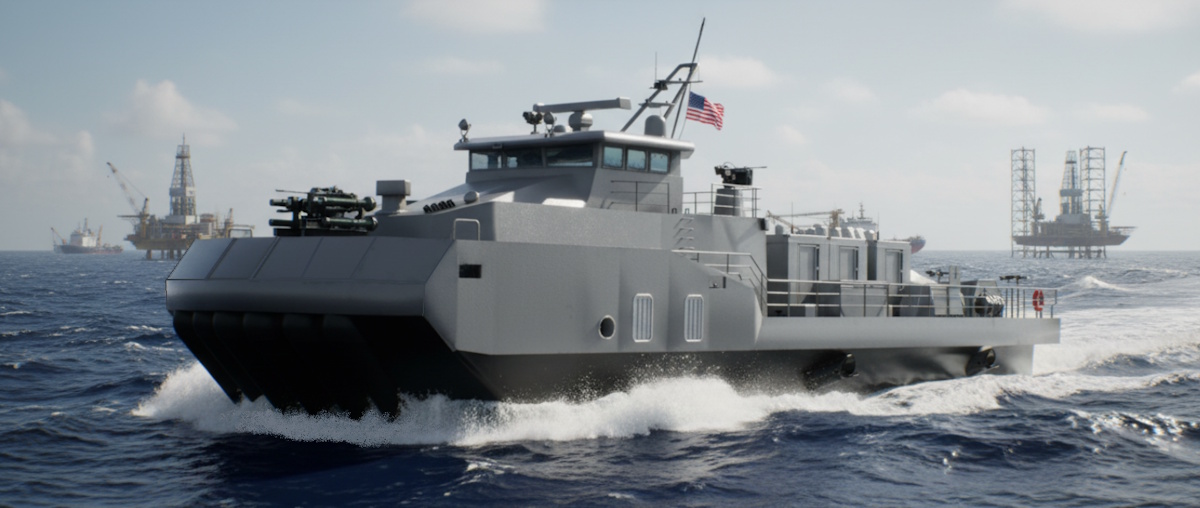
ABS, Eureka Naval Craft, AIRCAT Vessels, Team to Advance Safe, Dual-Use High-Speed Autonomous Vessels for Defense and Offshore Energy
Eureka Naval Craft, AIRCAT Vessels S.A.S., and the American Bureau of Shipping (ABS) have entered into a significant agreement aimed at advancing the safe development of high-speed Unmanned and Autonomous Surface Vessels (USVs/ASVs). This collaboration, announced today, focuses on enhancing naval defense capabilities and improving offshore energy operations. By leveraging their combined expertise, the partners intend to establish rigorous safety standards and innovative technologies that will facilitate the deployment of these advanced vessels. The initiative underscores the growing importance of autonomous maritime solutions in addressing modern security and energy challenges.
Robotics needs a service framework.
RSF defines a common language for robot service capability, lifecycle operations, certification pathways, and service-provider networks.
Join the RobotToday community on LinkedIn
Daily robotics news, in-depth analysis, conference highlights, and discussions with professionals worldwide.