

Industry Briefing
A single destination for timely, editor-curated robotics news from around the world.
Pentagon Issues Urgent Request for Robotic Boats to Deploy Drone Swarms in 120 Days
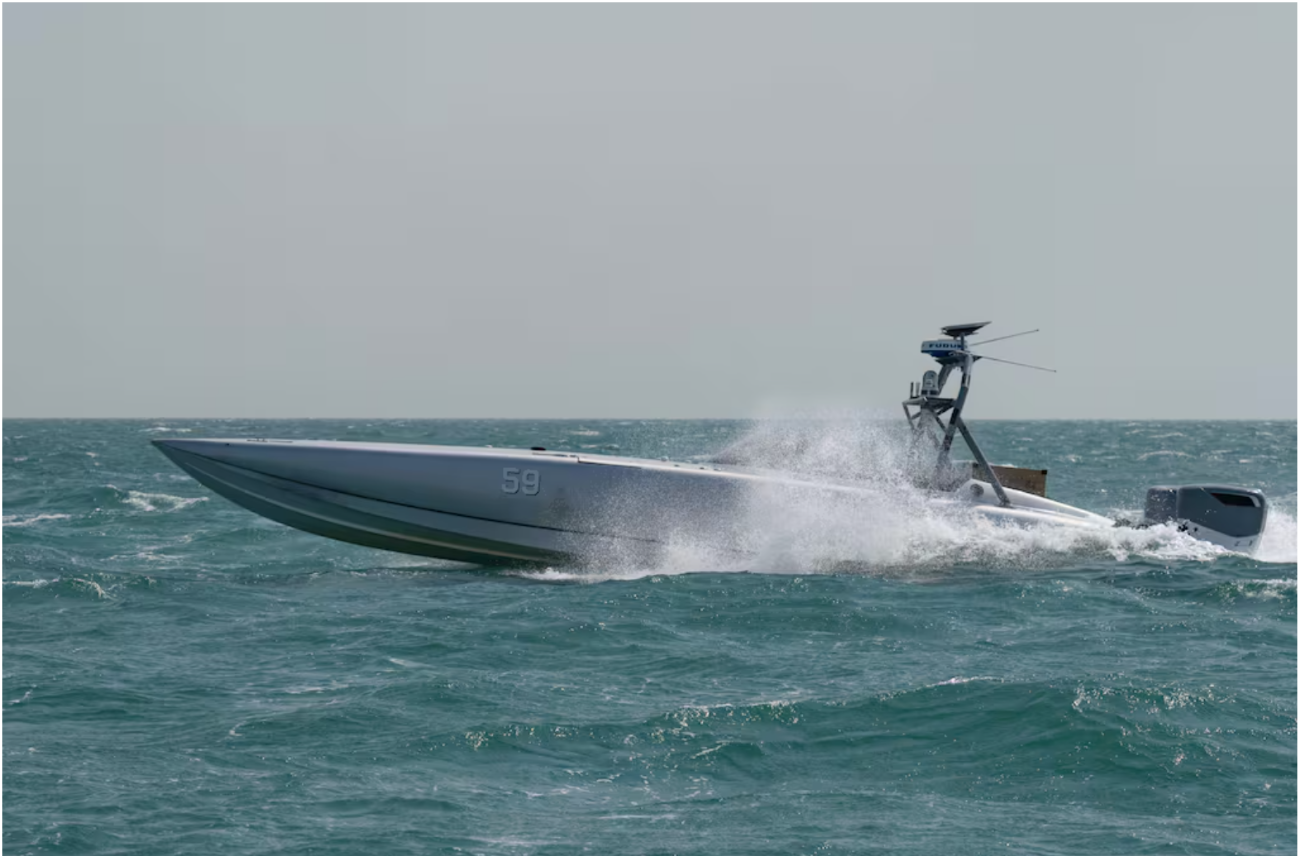
The Pentagon has issued an urgent solicitation for the development of robotic boats capable of launching drone swarms within 120 days. This initiative, led by the Defense Innovation Unit (DIU) under the Department of Defense, aims to address the rising costs of modern warfare, where expensive naval vessels are increasingly vulnerable to cheaper unmanned threats. The DIU's project, codenamed SWAP-USV, seeks solutions that can autonomously track and intercept asymmetric maritime threats, such as high-speed smuggling boats and semi-submersibles. The robotic boats must carry at least two small drones with a combined payload capacity of 2 kilograms (approximately 4.4 pounds) for kinetic strikes, emphasizing the need for cost-effective defense mechanisms in contested environments. Looking ahead, the DIU has outlined a two-phase testing approach, with Sprint 1 requiring a fully mission-capable unmanned surface vehicle (USV) ready for testing within 29 days of selection, and a $40 million prize for successful solutions. The urgency of the 120-day timeline reflects the Pentagon's recognition of the need to adapt to evolving maritime threats and cost dynamics in warfare.
Robotic Boats Drone Technology Military Innovation Defense Technology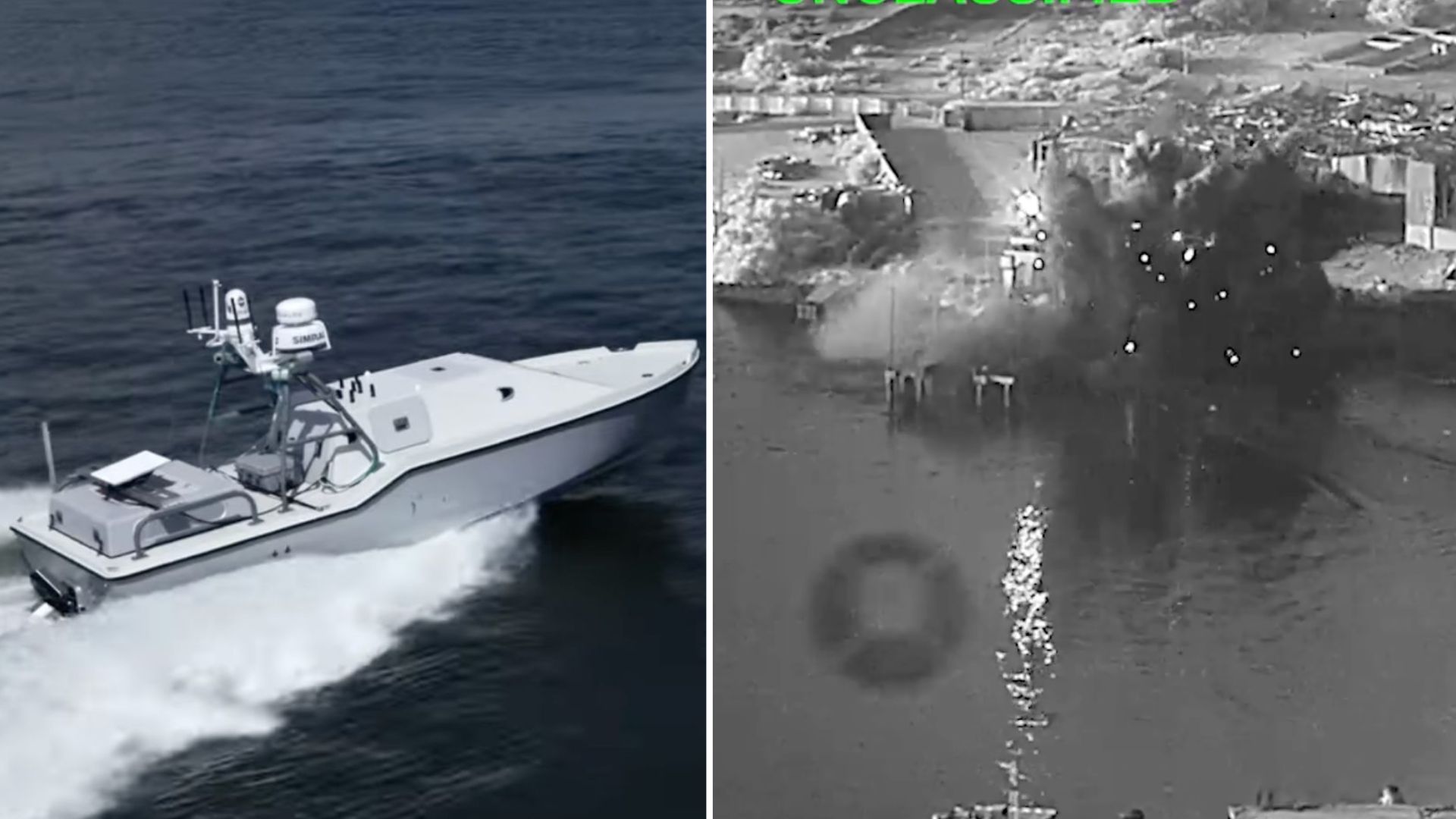
U.S. Military Executes First Offensive Strike with Autonomous Drone Boats on Iran's Naval Base
On July 12, 2026, the U.S. Central Command announced a significant advancement in naval warfare with a coordinated attack by three autonomous surface vessels on Iran's Bandar Abbas Naval Base. This operation, executed by the U.S. Navy's 5th Fleet through Task Force 59, marks the first offensive mission by a major navy using unmanned attack boats. The strike is pivotal as it demonstrates a shift toward utilizing autonomous platforms for combat missions, allowing militaries to conduct operations without risking crewed vessels. The Saronic Corsair vessels targeted a raised dock at the naval base, showcasing advanced capabilities in stealth and artificial intelligence for precise operations. Looking ahead, the success of this operation indicates a potential evolution in naval tactics, with autonomous vessels taking on more offensive roles. As militaries invest in unmanned systems, coordinated strikes like the one at Bandar Abbas may become increasingly prevalent in future naval engagements. No further timeline was disclosed at the time of publication.
Military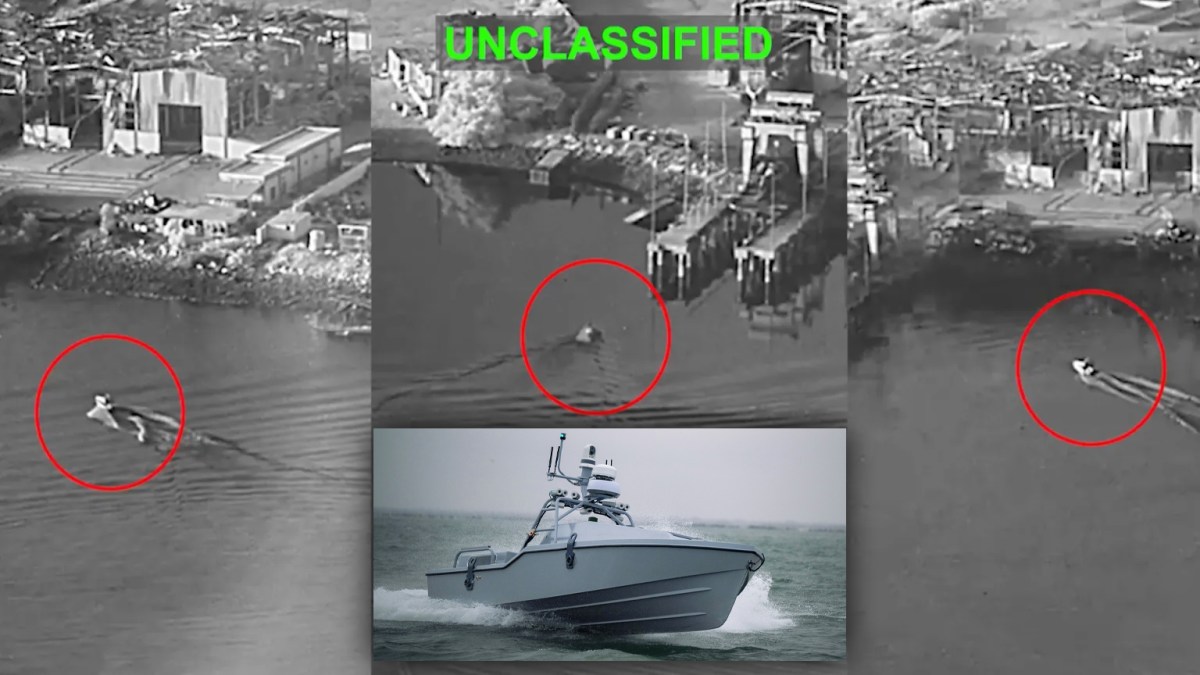
U.S. Military Deploys Saronic Corsair Drone Boats in Combat Operations for the First Time
For the first time in U.S. military history, uncrewed surface vessels (USVs) were utilized as a strike weapon during combat on July 12. The U.S. Central Command (CENTCOM) reported that three Saronic Corsair USVs targeted Iranian facilities, marking a significant advancement in naval warfare technology. This development is crucial as it reflects the evolving nature of military strategy, particularly in the context of ongoing tensions between the U.S. and Iran over the Strait of Hormuz. The successful strikes against Iranian targets demonstrate the potential of USVs to enhance operational capabilities while reducing the risk to manned aircraft and crews. Looking ahead, the operational use of USVs in combat roles may reshape naval engagements and strategies. The U.S. Navy's Task Force 59, established to integrate uncrewed and AI technologies, is likely to continue exploring these capabilities, which could lead to further innovations in military operations.
Sea Around The Globe Iran Middle East News & Features POTUS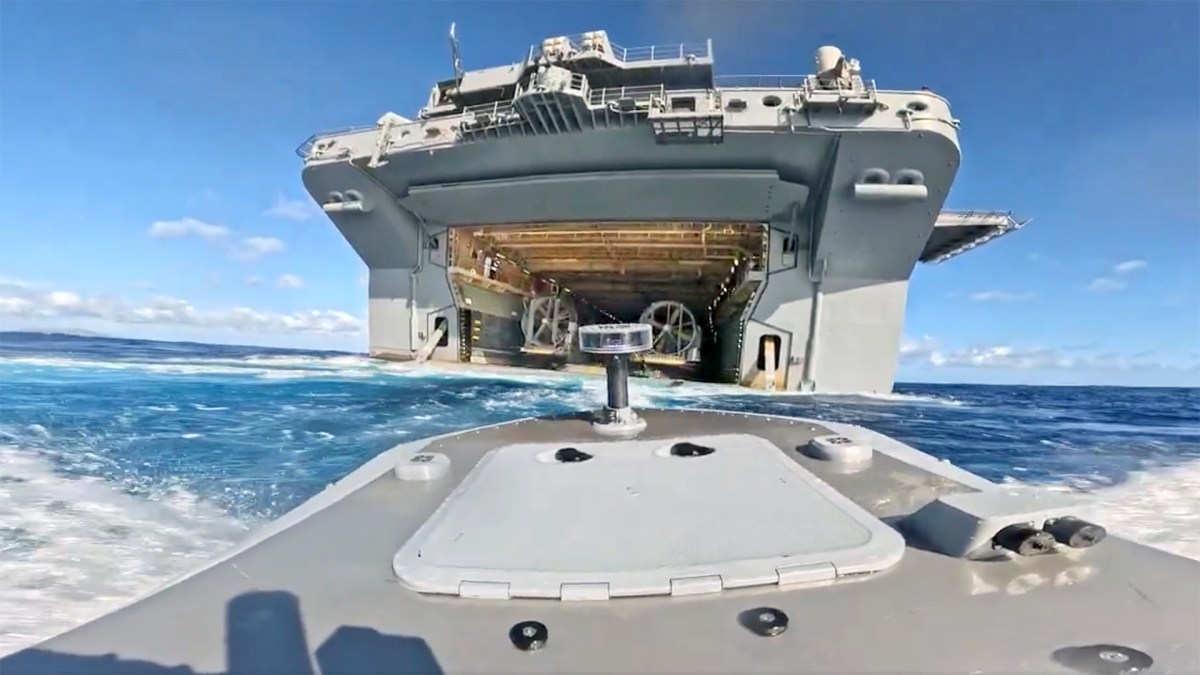
Marine Colonel Advocates for Uncrewed Surface Vessels in Future Deployments
Colonel Chris P. Niedziocha, who led the 31st Marine Expeditionary Unit during its recent Middle East deployment, emphasized the need for uncrewed surface vessels (USVs) in future operations. He noted that the Marines are currently lagging in operationalizing USVs, which are crucial for reconnaissance of contested beach landing areas, a task traditionally handled by the Navy. The increasing global military use of USVs highlights their importance, as demonstrated by Ukraine's effective use of sea drones against Russian naval forces. The U.S. has also employed USVs in combat, including during Operation Epic Fury, where they were used for various missions, including surveillance and search and rescue operations. Niedziocha pointed out that the integration of robotics and autonomy in combat is essential for future military strategies. Looking ahead, Niedziocha sees significant potential for USVs in amphibious operations, particularly for assessing underwater conditions before deploying Marines. The Marines are actively working on developing their own USV capabilities, including counter-mine systems, to enhance their operational effectiveness and safety in contested environments. No further timeline was disclosed at the time of publication.
Sea U.S. Marine Corps Unmanned Surface Vessels (USVs)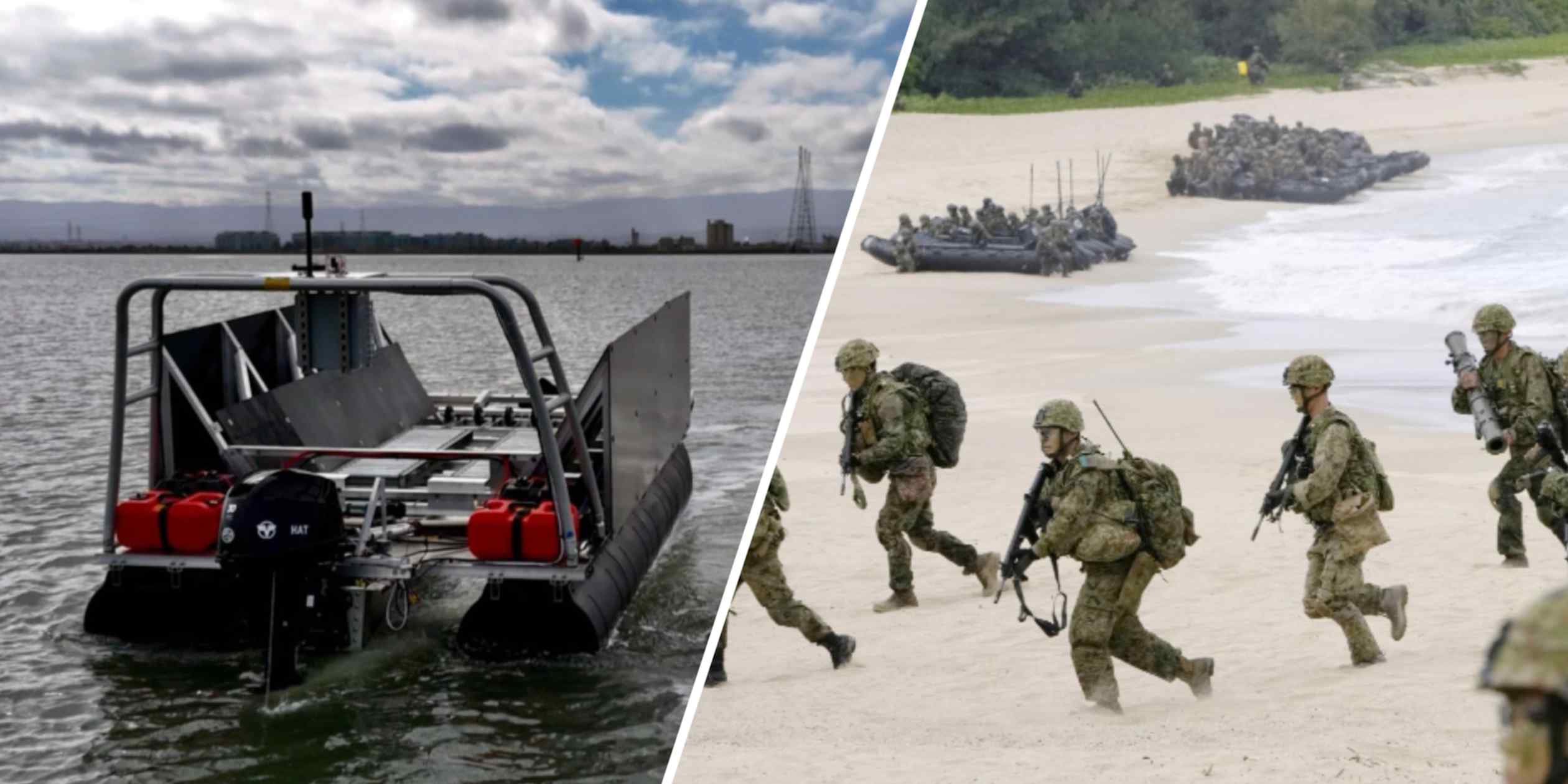
Onomichi Dockyard to Manufacture Uncrewed Surface Vessels for Japan and US Markets
Onomichi Dockyard, a Japanese shipbuilder, has announced plans to start constructing uncrewed surface vessels. The company aims to supply these vessels to Japan's Self-Defense Forces and the U.S. military, marking a significant step into dual-use technologies that serve both civilian and military purposes. This initiative is part of a broader trend among midsize commercial shipbuilders to diversify their offerings and tap into the growing demand for uncrewed maritime solutions. The vessels are designed to deliver supplies to beaches without the need for port infrastructure, highlighting their potential utility in various operational scenarios. Looking ahead, Onomichi Dockyard's entry into the uncrewed vessel market could reshape its business model and open new avenues for collaboration with military and defense sectors. No further timeline was disclosed at the time of publication.

Finland launches counter-drone patrol boats and vehicle project
The Finnish Border Guard has initiated a new project aimed at enhancing its capabilities to counter drone threats through the development of specialized patrol vehicles and boats. This initiative reflects the growing concern over the use of drones in various security contexts, prompting the Border Guard to bolster its operational readiness. The project, which commenced recently, is part of a broader strategy to ensure national security and protect Finland's borders from potential aerial intrusions. By integrating advanced technology into their patrol units, the Border Guard aims to effectively monitor and respond to drone activities, thereby safeguarding the integrity of the nation's airspace.
News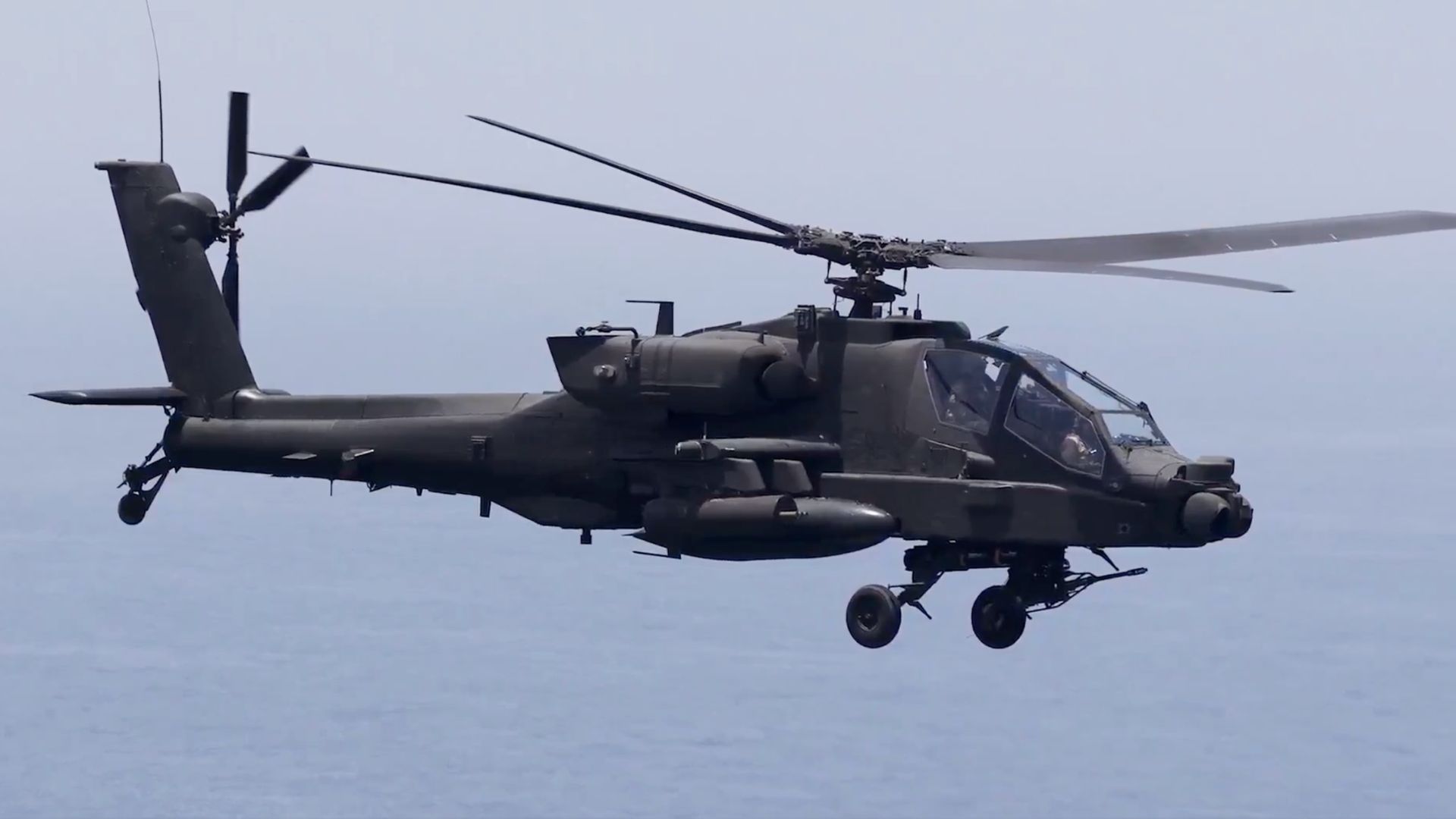
US attack helicopters sink 6 Iranian boats in Hormuz, shoot down missiles and drones
On May 4, 2026, the U.S. military conducted a targeted strike in the Strait of Hormuz, a strategic waterway crucial for global oil transportation. This operation was part of an ongoing effort to counter escalating threats from regional adversaries, particularly amid rising tensions in the Middle East. The strike aimed to neutralize specific military assets believed to be involved in hostile activities against U.S. interests and allies in the region. The decision to launch the strike followed a series of provocations, including attacks on commercial vessels and threats to shipping lanes, which prompted U.S. officials to act decisively to ensure maritime security. The operation involved precision airstrikes, utilizing advanced technology to minimize collateral damage while effectively targeting the identified threats. Military analysts noted that this action underscores the U.S. commitment to maintaining freedom of navigation in international waters and deterring aggression from hostile forces. As the situation continues to evolve, the U.S. military remains on high alert, prepared to respond to any further escalations in the region.

Kongsberg to Develop Missiles and Drone Boats in Ukraine
Kongsberg Defence & Aerospace has signed agreements with two prominent Ukrainian companies to collaborate on the development and production of affordable, high-volume air defense missiles and unmanned surface vessels. This initiative aims to bolster Ukraine's defense capabilities amid ongoing regional tensions. In conjunction with these agreements, KONGSBERG is also establishing a permanent office in Kyiv to facilitate operations and strengthen its presence in the country. The move underscores the company's commitment to supporting Ukraine's defense industry and enhancing its military infrastructure.
kongsberg drone boats usvRobotics needs a service framework.
RSF defines a common language for robot service capability, lifecycle operations, certification pathways, and service-provider networks.
Join the RobotToday community on LinkedIn
Daily robotics news, in-depth analysis, conference highlights, and discussions with professionals worldwide.







