

Industry Briefing
A single destination for timely, editor-curated robotics news from around the world.

ARM Institute Issues Project Call for U.S. Defense Manufacturing Technology Innovations
The ARM Institute has launched Project Call 27-01, inviting proposals for technologies aimed at enhancing U.S. defense manufacturing capabilities. This initiative seeks innovations in areas such as metalwork, drones, munitions, and shipbuilding, with a focus on dual-use technologies that can benefit both military and civilian sectors. This project call is significant as it aligns with the U.S. Department of War's (DoW) objectives to improve defense manufacturing efficiency and reduce costs. The ARM Institute emphasizes the importance of validated transition plans that include government stakeholders, which can facilitate smoother integration into the DoW's commercial industrial base and organic industrial base. Looking ahead, concept papers must be submitted by September 16, 2026, with a series of deadlines leading up to the final project execution beginning February 1, 2027. The ARM Institute aims to foster collaboration and innovation within its community of over 500 members, addressing funding and engineering challenges in defense technology development.
Artificial Intelligence Autonomous Mobile Robots (AMRs) Collaborative Robots Defense / Security Drones Manufacturing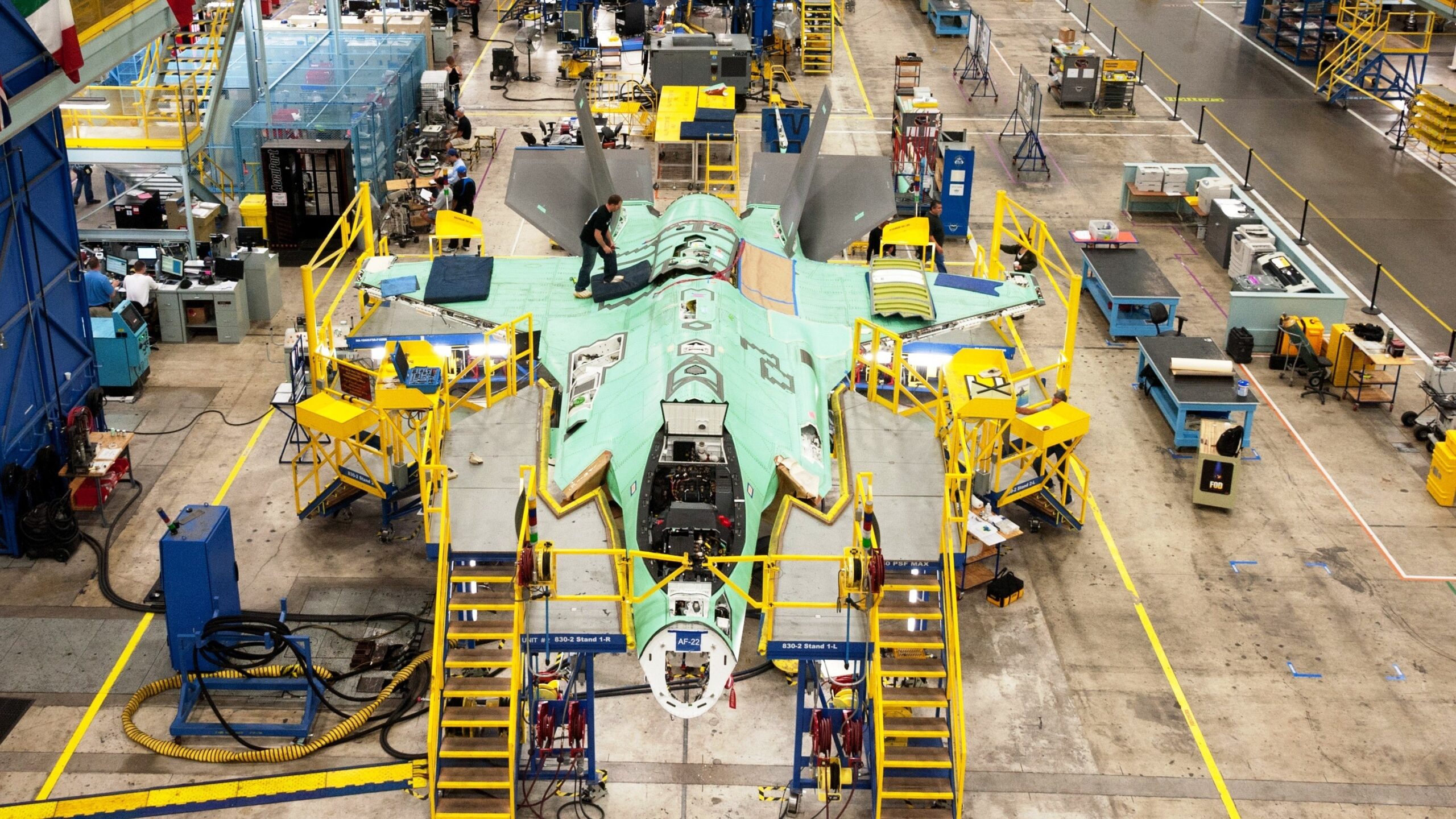
AIA and Bain Report Highlights Funding Gaps in Defense Technology Sector
A recent study by the Aerospace Industries Association (AIA) and Bain & Company reveals significant funding gaps in the defense technology sector, particularly in critical minerals and components like semiconductors and solid rocket motors. Despite a tenfold increase in venture capital funding for defense since 2019, private equity remains largely untapped, indicating barriers to investment in essential areas. The report emphasizes that while there is no shortage of capital in defense, challenges exist in directing this investment towards critical bottleneck areas. AIA President Eric Fanning noted the need for federal decision-makers to understand how to incentivize private investment and address barriers that hinder capital flow to necessary facilities and technologies. Looking ahead, the study suggests that addressing these funding gaps is crucial for strengthening the defense industrial base and enhancing production capacity. No further timeline was disclosed at the time of publication.
Pentagon Aerospace Industries Association Business & Industry defense industrial base private equity venture capital VC
The NavalX Mid-Atlantic Tech Bridge (MATB) and 757 Collab have launched the Defense Technology Accelerator
The NavalX Mid-Atlantic Tech Bridge (MATB) and 757 Collab have announced the launch of the Defense Technology Accelerator, a program aimed at expediting the development of dual-use technologies that can benefit the Department of Defense (DoD). This initiative is part of a broader effort to enhance technological innovation and collaboration within the defense sector. The application window for the inaugural cohort is set to close on April 30, 2025, providing a limited timeframe for interested participants to submit their proposals. The accelerator seeks to foster partnerships between startups and the DoD, ultimately driving advancements that can address national security challenges.
navalx mid-atlantic tech bridge (matb) 757 collab defense technology accelerator
Military Humanoid Robots in Engineering Validation Phase Amid Global Defense Research Trends
The global embodied intelligence industry is increasingly capturing the attention of national defense research, with humanoid robots expected to enhance their mobility, dexterity, and environmental perception by 2025-2026. Chinese manufacturers dominate the global humanoid robot shipment market, providing a substantial hardware foundation for military research. Various military research institutions are exploring potential battlefield applications, including urban warfare and infiltration, with simulations indicating that usable prototype systems may emerge within 5-10 years. However, despite advancements, there is currently no public evidence that armed humanoid robots have been officially deployed in combat units, as most projects remain in laboratory and training validation phases. The battlefield presents complex conditions that impose stringent reliability and endurance standards, far exceeding those of commercial products. Challenges such as high energy consumption and complex repair processes hinder the operational capabilities of humanoid robots in high-intensity combat scenarios. Tactically, humanoid robots are not the sole optimal solution for battlefield unmanned equipment. More mature technologies like wheeled and tracked vehicles are already fulfilling reconnaissance and logistics roles at lower costs. The dual-use technology approach emphasizes the importance of civilian advancements in robotics for military applications, while military requirements can drive improvements in civilian products. The path forward involves addressing environmental adaptability, energy consumption, and cost issues to ensure humanoid robots can reliably operate in harsh conditions and meet tactical and economic demands.
Humanoid Robots Military Robotics Dual-Use Technology Robotics Research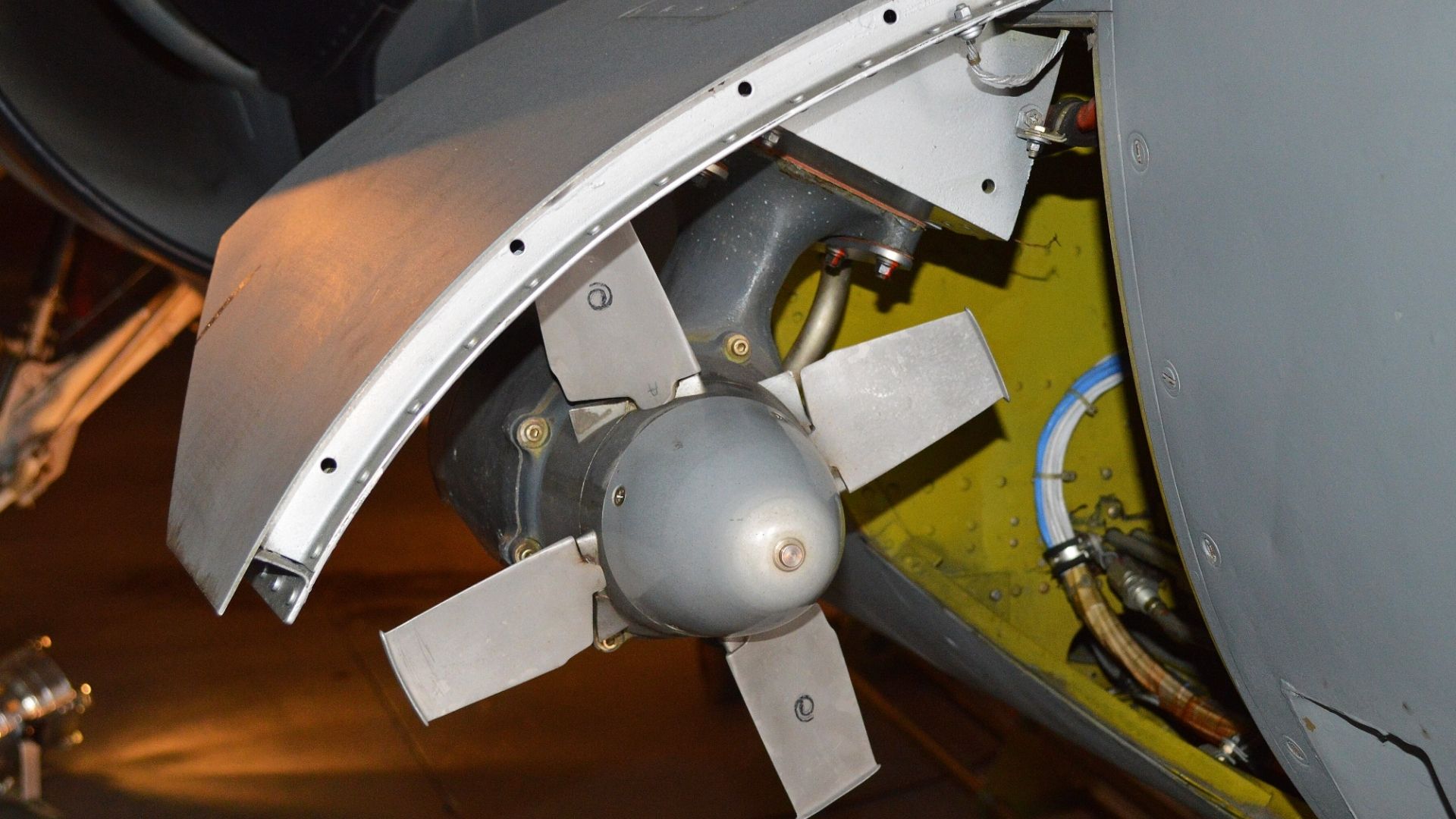
Marotta Controls to Supply Technology for US Navy's Next Generation Jammer Program
Marotta Controls, a US aerospace and defense contractor, has secured contracts to provide technology for two subsystems of the US Navy’s Next Generation Jammer–Low Band (NGJ-LB) program. Announced on September 2, the contracts involve a subcontract with CFD Research Corporation for a ram-air turbine power-generation system and a direct contract from L3Harris Technologies, the prime contractor for the NGJ-LB. The NGJ-LB is designed for the EA-18G Growler, enhancing its electronic warfare capabilities by disrupting enemy air defenses and ground communications. Marotta's involvement marks its entry into the airborne electronic warfare market, supplying equipment for the Turbine Speed Control System, which is crucial for power generation and regulation within the NGJ-LB pod. As the US Navy aims to replace the legacy AN/ALQ-99 Tactical Jamming System, the NGJ-LB program, selected in August 2024 under a $587.4 million contract, is set to deliver operational prototype pods for fleet assessment. No further timeline was disclosed at the time of publication.
Military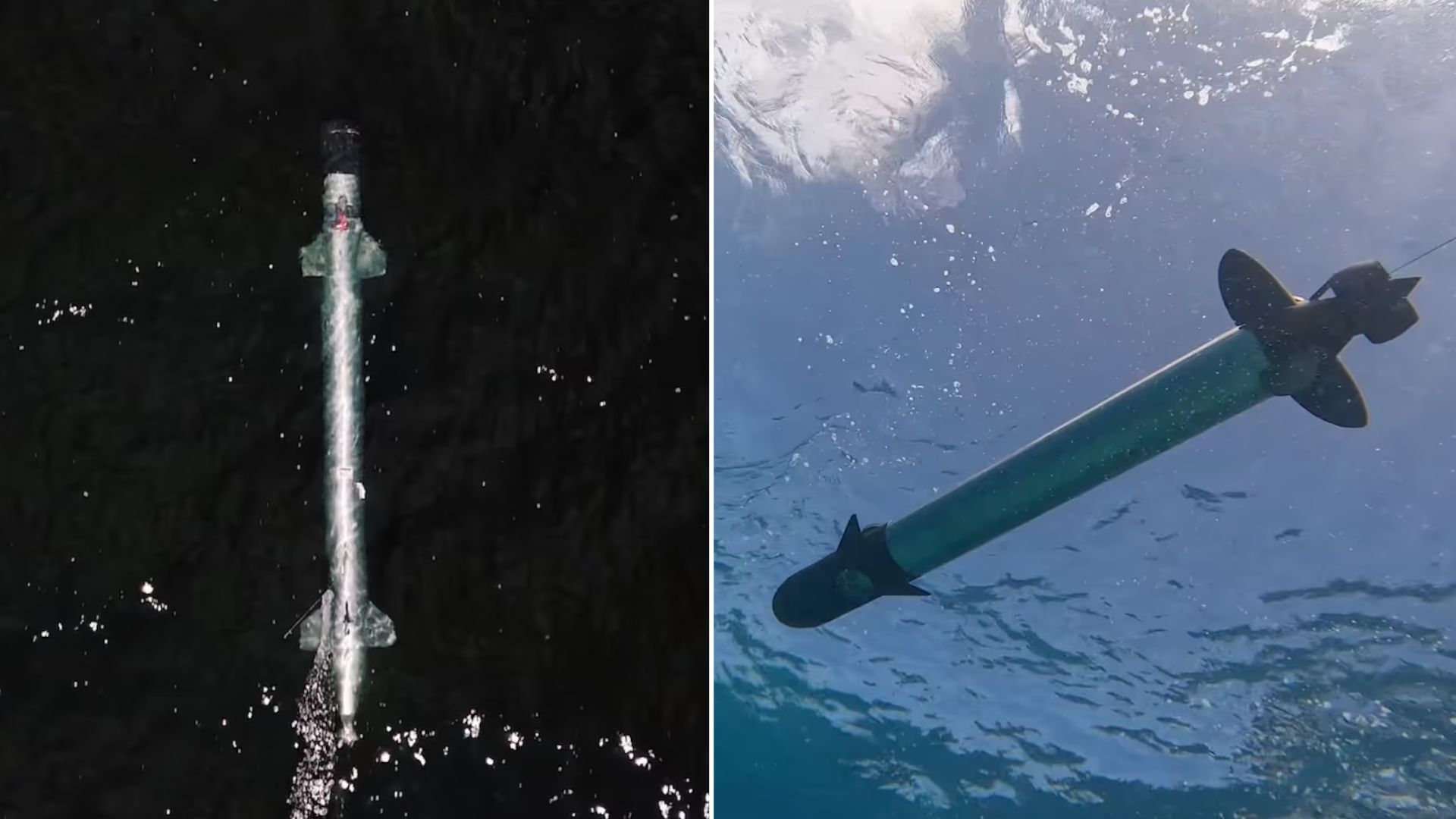
Taiwan Collaborates with U.S. Startup Vatn Systems on 200 nm Submarine Drone Technology
Taiwan has entered into a partnership with U.S. defense startup Vatn Systems to develop autonomous underwater vehicles (AUVs) aimed at enhancing maritime surveillance and defense capabilities. The agreement, signed with the National Chung-Shan Institute of Science and Technology (NCSIST), focuses on AI-enabled command-and-control systems and establishing a local supply chain for AUV technology. This collaboration is significant as it combines Vatn's expertise in undersea autonomy with Taiwan's industrial capabilities, allowing for the development of affordable AUVs like the Skelmir S12. These vehicles can perform various missions, from seabed mapping to mine countermeasures, without the risks associated with manned vessels, thus expanding Taiwan's underwater capabilities. Looking ahead, the partnership not only aims to enhance Taiwan's defense but also supports dual-use applications in critical infrastructure inspection and offshore industries. The initiative is part of a broader strategy by NCSIST to develop indigenous underwater technology while collaborating with foreign firms, including ongoing efforts with Anduril Industries and the Huilong program for local AUV development.
Military
SpaceX's Starmind Targets AI Labs with $6.3 Billion Compute Contracts
SpaceX's Starmind is designed to provide wholesale AI compute services to businesses, particularly AI labs and cloud customers, rather than individual consumers. The service operates similarly to AWS, where users benefit from applications running on Starmind without direct subscriptions. The compute capacity of a single AI1 satellite is comparable to one NVIDIA GB300 rack, emphasizing its enterprise-grade capabilities. The significance of Starmind lies in its positioning as a potential fourth hyperscaler, joining the ranks of AWS, Microsoft Azure, and Google Cloud. The Reflection AI contract, valued at $150 million per month, exemplifies the enterprise-focused model, with total payments potentially reaching $6.3 billion through 2029. This contract highlights the growing demand for AI compute resources, particularly from AI-native startups and labs. Looking ahead, the focus will remain on securing additional enterprise contracts as Starmind expands its offerings. No consumer-facing products or subscriptions have been announced, and the current strategy is to cater to businesses with substantial AI workloads. No further timeline was disclosed at the time of publication.
When Commercial Drone Technology Meets Defense: A Closer Look at Civil–Military Integration
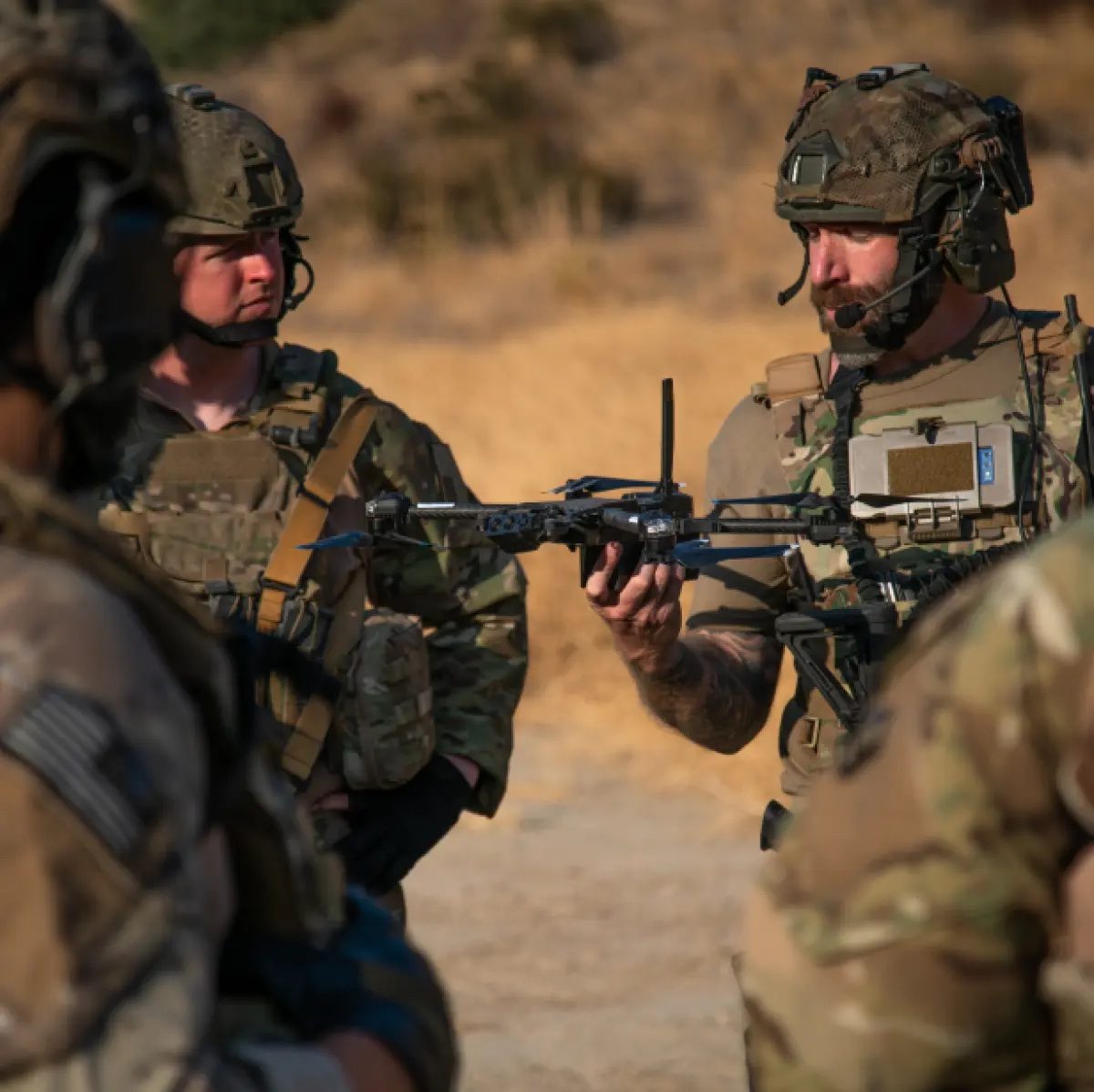
A recent report from the Foundation for Defense of Democracies (FDD) underscores the significant convergence of commercial drone technology and military applications, highlighting the evolving landscape of the drone industry. This analysis, titled “China’s War Wolves,” emphasizes how shared innovation pipelines are influencing both commercial markets and defense capabilities. The report draws attention to the implications of civil-military integration, particularly in the context of national security and technological advancement. As the demand for drones continues to rise, understanding the interplay between civilian and military uses becomes increasingly critical. The findings are particularly relevant as nations seek to enhance their defense strategies while leveraging advancements in commercial technology.
Applications Defense defense DL Exclusive Drone News Drone News Feeds
Cellula Robotics Selected for Canadian Technology Accelerators UK Maritime Defence and Security Program
Cellula Robotics, a Canadian company specializing in advanced robotics, has been chosen to join the Maritime Defence and Security Applications of Ocean Technologies program in the United Kingdom. This opportunity comes through the Canadian Technology Accelerators (CTA) initiative, which aims to support Canadian businesses in expanding their reach in international markets. The program, scheduled to take place in the coming months, focuses on enhancing maritime defense and security capabilities through innovative ocean technologies. By participating, Cellula Robotics seeks to leverage this platform to showcase its expertise and foster collaborations that could lead to advancements in maritime safety and security.
cellula roboticsl canadian technology accelerator uk maritime defence and security program
AeroVironment and BlueHalo Complete Transaction — Creating A Global Defense Technology
AeroVironment, Inc. has successfully finalized its transaction with BlueHalo, LLC, as announced today. This strategic move enhances AeroVironment's status as a leading global defense technology company, enabling it to offer integrated capabilities across various domains, including air, land, sea, space, and cyber. The completion of this deal marks a significant step in AeroVironment's efforts to expand its technological offerings and strengthen its competitive position in the defense sector.
aerovironment bluehalo videoray defense technology aquisition m&aRobotics needs a service framework.
RSF defines a common language for robot service capability, lifecycle operations, certification pathways, and service-provider networks.
Join the RobotToday community on LinkedIn
Daily robotics news, in-depth analysis, conference highlights, and discussions with professionals worldwide.







