

Industry Briefing
A single destination for timely, editor-curated robotics news from around the world.

xAI Files Lawsuit Against Terry Harwood for Allegedly Using Grok to Create CSAM Deepfakes
Elon Musk's xAI has initiated legal action against Terry Wayne Harwood, accusing him of using the Grok AI chatbot to generate child sexual abuse material (CSAM). The lawsuit alleges that Harwood intentionally bypassed Grok's safeguards to alter images and create CSAM, violating the company's policies. Harwood, who was arrested in February on multiple felony charges related to CSAM, is claimed to have used Grok to convert non-consensual images into explicit content. This lawsuit is significant as it highlights the potential legal and reputational risks associated with AI technologies like Grok, especially following the introduction of features that allow image editing. xAI's claims suggest that Harwood's actions not only breached their policies but also exposed the company to substantial legal challenges. The case follows a trend of increasing scrutiny on AI-generated content and the responsibilities of companies in preventing misuse. Looking ahead, xAI is seeking damages and legal expenses from Harwood, as well as a court order to prevent him from using Grok in the future. This lawsuit marks a notable moment in the ongoing conversation about the ethical implications of AI tools and the accountability of their users. No further timeline was disclosed at the time of publication.
AI News Policy Tech Twitter - X xAI
The Week Ahead in AI: Anthropic’s Models Suspended, Meta’s AI Model Monetizing Question, Deepfake Challenges, Plus Upcoming Earnings & Events
Anthropic, a prominent AI company, announced that it has received a directive from the U.S. government requiring the suspension of access to its AI models, Fable 5 and Mythos 5. This development comes as part of ongoing regulatory scrutiny surrounding artificial intelligence technologies. The suspension is set to take effect during the week of June 14-20, 2023, raising concerns about the implications for AI research and development. The government's decision aims to address potential risks associated with these advanced AI systems, reflecting a growing emphasis on safety and ethical considerations in the rapidly evolving tech landscape. As the situation unfolds, industry experts and stakeholders are closely monitoring the impact of this directive on both Anthropic and the broader AI sector.
AI Exclusives Robotics Accenture AI Summit Anthropic
Deepfake Detection Dataset Aims to Keep Up With Generative AI
A collaborative effort involving researchers from Microsoft, Northwestern University, and the non-profit organization Witness has led to the development of a new dataset aimed at enhancing the detection of AI-generated media. Announced in a study published on April 10 in IEEE Intelligent Systems, the Microsoft-Northwestern-Witness (MNW) deepfake detection benchmark is designed to address the growing challenge of distinguishing real from fake content in an era where generative AI technology is rapidly advancing. The dataset includes a diverse array of AI-generated images, audio, and videos, reflecting the current landscape of generative AI. Thomas Roca, a principal research scientist at Microsoft, emphasized the increasing sophistication of AI-generated media, which can easily be produced by anyone using accessible applications. This proliferation raises significant concerns, including identity fraud and the creation of harmful content. The MNW benchmark aims to improve the effectiveness of detection systems by providing a wider variety of AI-generated materials, including those that have undergone post-processing manipulations. Researchers acknowledge that while this dataset could potentially be misused to develop new evasion techniques, it is crucial for enhancing the ability to assess the authenticity of media as generative AI continues to evolve. The team plans to update the dataset biannually to incorporate the latest developments in generative AI and detection challenges, with the goal of fostering transparency and raising standards in the fight against deepfake content.
Deepfakes Generative-ai Artificial-intelligence Microsoft Journal-watch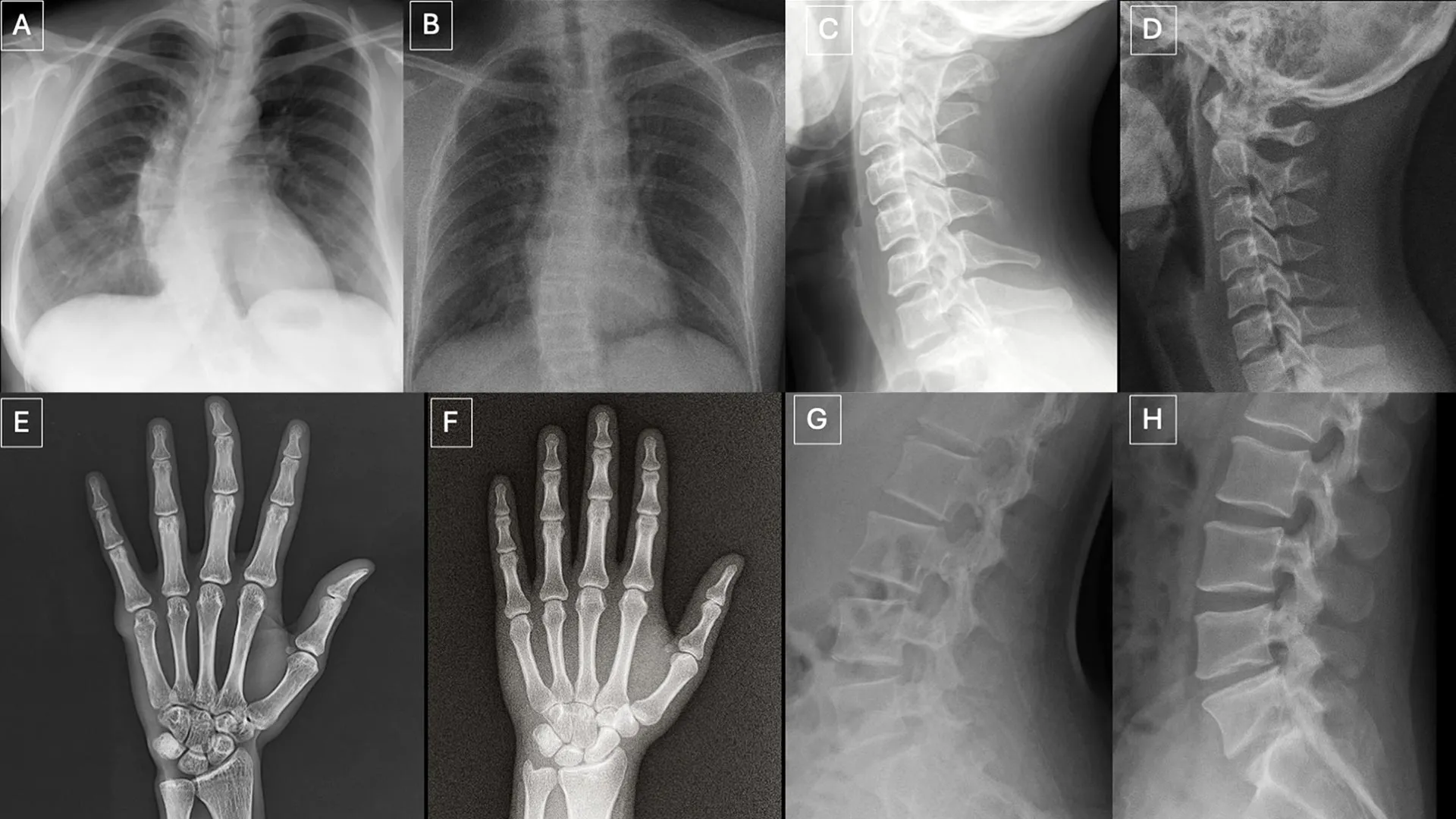
Deepfake X-rays are so real even doctors can’t tell the difference
Recent advancements in artificial intelligence have led to the creation of deepfake X-rays that are increasingly difficult to distinguish from genuine images, posing significant challenges for medical professionals. In recent tests, radiologists struggled to accurately identify these fake images, particularly when unaware that they were viewing altered content. This development raises concerns about potential misuse, including fraudulent medical claims and inaccurate diagnoses. Experts emphasize the urgent need for enhanced safeguards and detection tools to mitigate the risks associated with this evolving technology. As AI continues to advance, the medical community must remain vigilant to protect patient safety and maintain the integrity of medical imaging.
CMU and MIT Join Forces to Combat Deepfake Threats
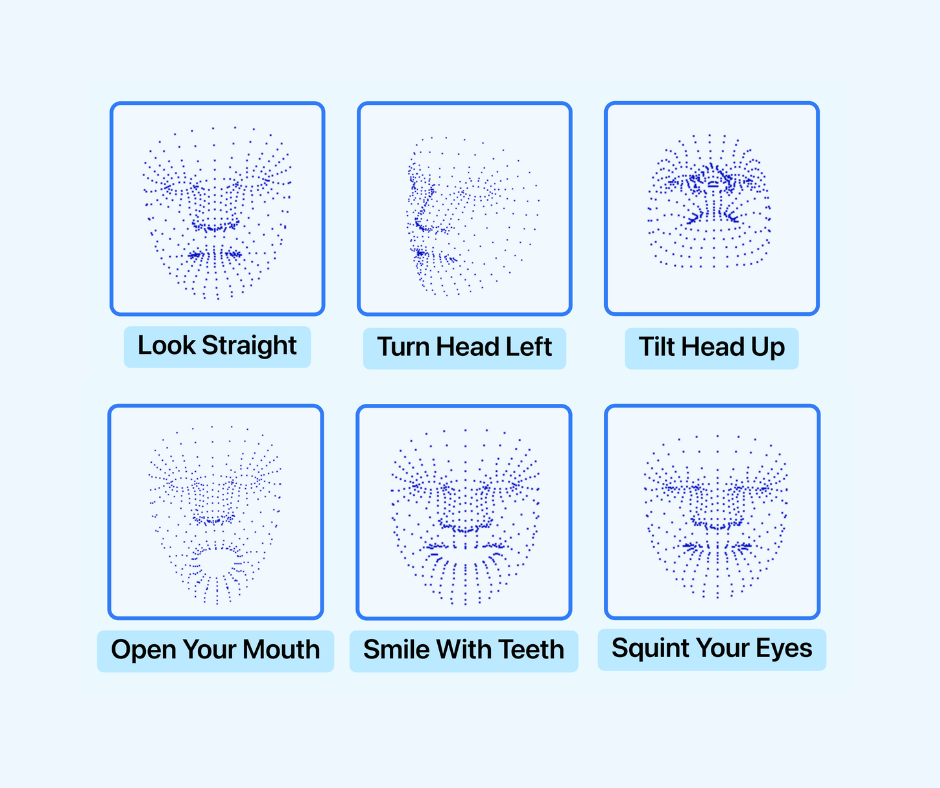
Researchers from Carnegie Mellon University’s Robotics Institute and the Massachusetts Institute of Technology have developed CHARCHA (Computer Human Assessment for Recreating Characters with Human Actions), a secure verification protocol designed to enable individuals to authenticate their likeness in generative video content. This initiative, launched recently, aims to address growing ethical concerns surrounding deepfake technology and its potential misuse. By ensuring that individuals can control the use of their image in digital media, the team seeks to mitigate the risks associated with identity theft and misinformation. The development of CHARCHA represents a significant step towards enhancing digital security and personal agency in the age of advanced artificial intelligence.
ResearchRobotics needs a service framework.
RSF defines a common language for robot service capability, lifecycle operations, certification pathways, and service-provider networks.
Join the RobotToday community on LinkedIn
Daily robotics news, in-depth analysis, conference highlights, and discussions with professionals worldwide.







