

Industry Briefing
A single destination for timely, editor-curated robotics news from around the world.

E/V Nautilus Embarks on Two Expeditions to Explore Mariana Deep-Sea Regions
The Ocean Exploration Trust's Exploration Vessel (E/V) Nautilus has set sail for two expeditions to explore the deep sea around the Mariana Islands. These expeditions, taking place from June to August 2026, will utilize the vessel's remotely operated vehicle (ROV) and telepresence systems, alongside Woods Hole Oceanographic Institution's autonomous underwater vehicle (AUV) Sentry, to investigate previously unsurveyed areas. These missions are significant as they aim to enhance understanding of abyssal plain habitats and ancient seamounts east of the Mariana Trench, a region known for its tectonic activity and unique geological features. The expeditions are supported by NOAA Ocean Exploration and the Bureau of Ocean Energy Management, highlighting the collaborative effort to advance oceanographic research and fill knowledge gaps in this critical area. Looking ahead, the E/V Nautilus will focus on characterizing deep ocean habitats and biodiversity, as well as geological formations, including marine critical minerals. The outcomes of these expeditions are expected to contribute to both US and international scientific priorities, addressing the need for comprehensive data on the largely unexplored deep-sea environments around the Mariana Islands.
e/v nautilus marianas deep-sea exploration ocean exploration trust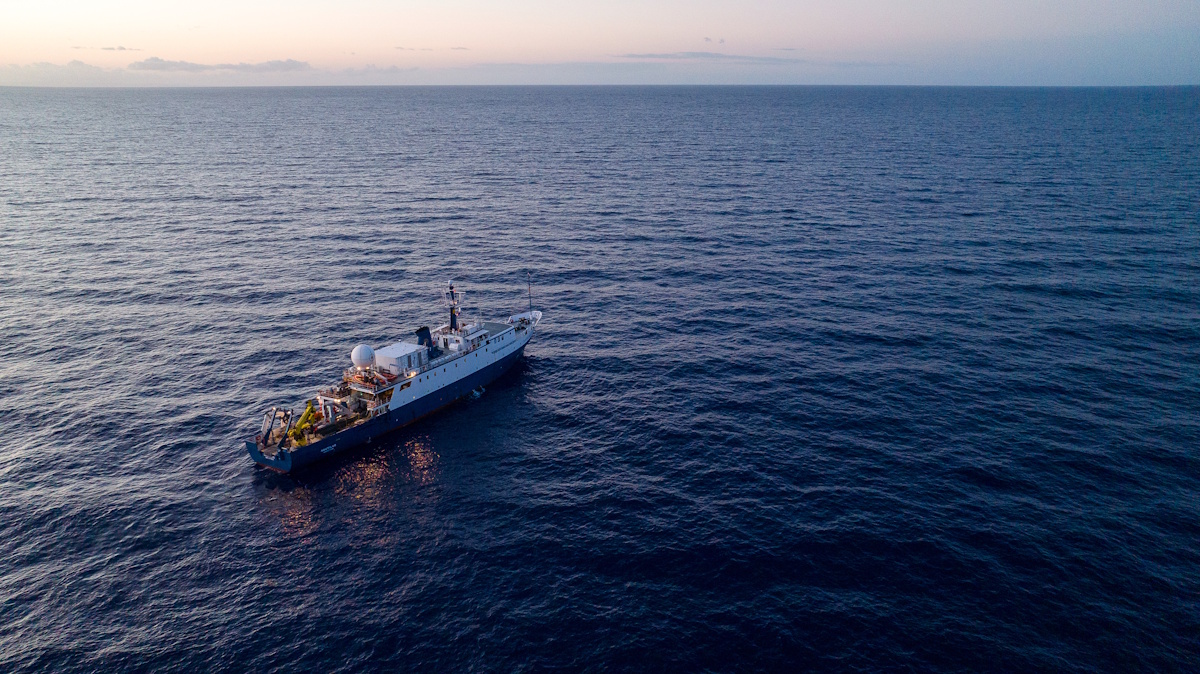
Ocean Exploration Trust Launches Expedition with New Mapping Sonar to Explore Deeper than Ever!
The Ocean Exploration Trust (OET) launched its Exploration Vessel (E/V) Nautilus today for the inaugural expedition of 2026, marking a significant advancement in deep-sea exploration. This expedition, named Pacific Mapping (NA178), features the first operational deployment of the newly installed Kongsberg EM 304 MKII multibeam sonar technology, which enhances the vessel's capability to explore ocean depths more effectively than ever before. The initiative aims to expand our understanding of the Pacific Ocean's underwater landscapes and ecosystems, leveraging cutting-edge technology to gather critical data. The expedition underscores OET's commitment to marine research and exploration, as it seeks to uncover the mysteries of the ocean and contribute to scientific knowledge.
ocean exploration trust’s (oet) e/v nautilus expedition 2026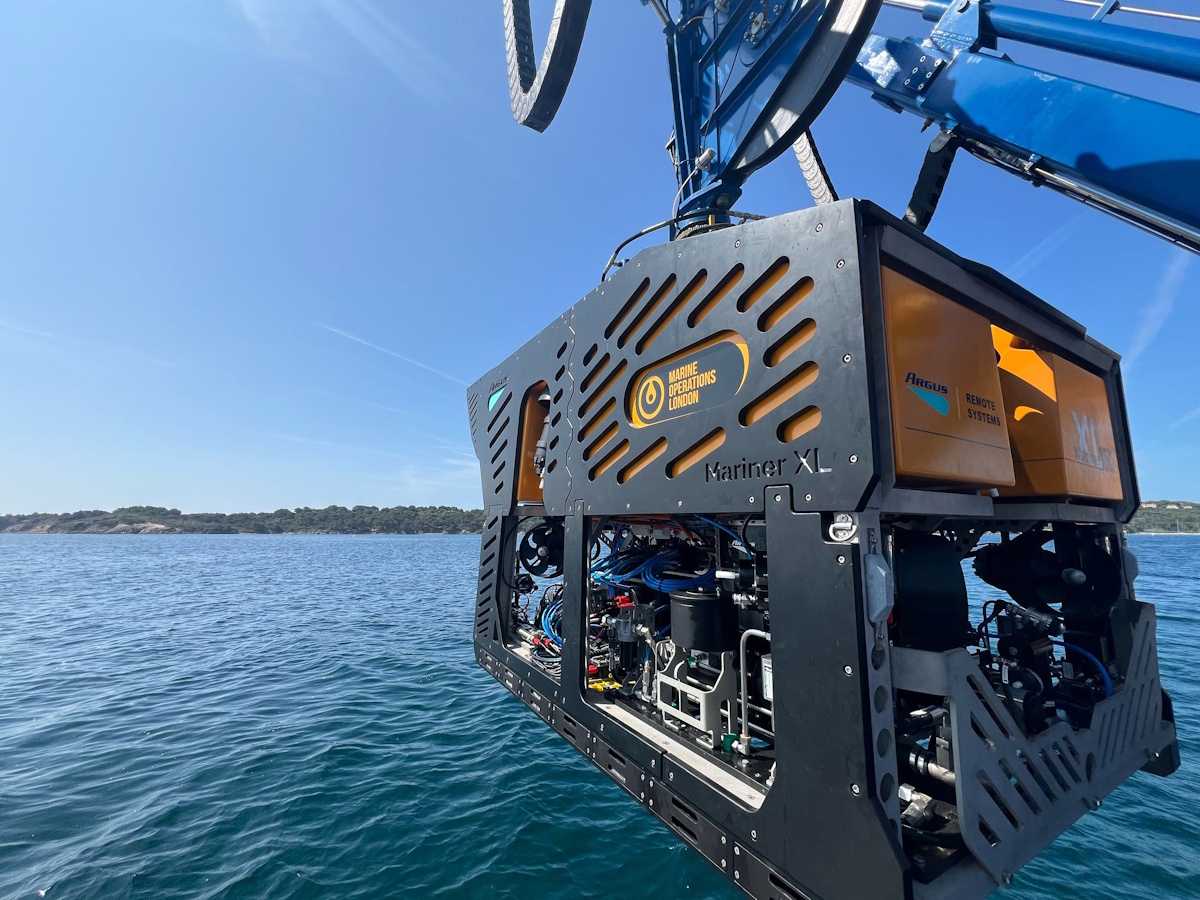
Exail to Equip Deep Ocean Search with Next-Generation Navigation and Positioning Systems for Deep-Sea Missions
Deep Ocean Search (DOS), a prominent company in deep-sea exploration, has partnered with Exail to enhance its navigation and acoustic positioning for forthcoming missions. This collaboration will see DOS utilize Exail's advanced Rovins 9-DVL navigation system and Gaps M7 acoustic positioning system, which are designed to operate at depths of up to 6,000 meters. The integration of these technologies is expected to significantly improve DOS's operational capabilities in challenging underwater environments, facilitating more precise and efficient exploration efforts.
exail deep ocean search navigation and positioning systems for deep-sea missions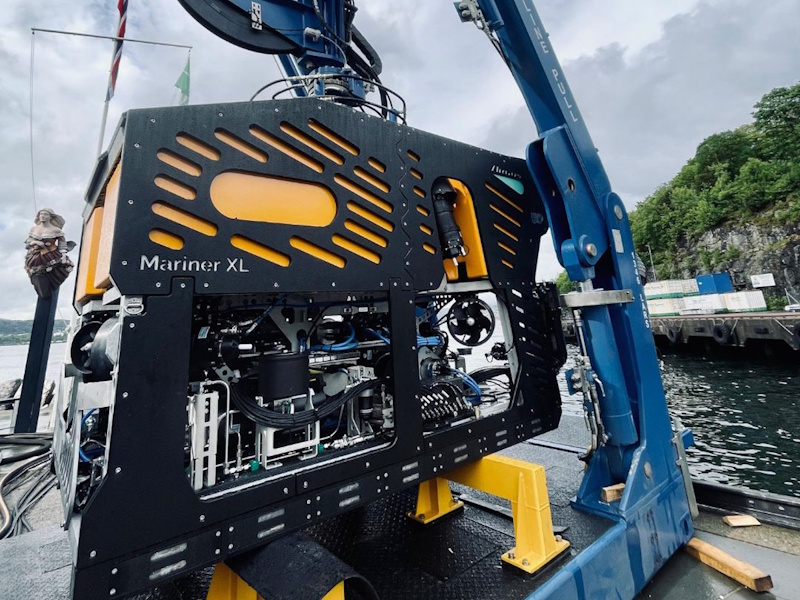
Deep Ocean Search Launches its New 6,000m Depth Rated ROV: Mariner XL
Deep Ocean Search, in partnership with Marine Operations London LTD, has introduced the Mariner XL, a highly capable work-class remotely operated vehicle (WROV) designed for ultra-deep operations. This advanced ROV can operate at depths of up to 6,000 meters and is available for hire, offering rapid deployment capabilities worldwide. The system includes a launch and recovery mechanism, an ultra-long range inertial and acoustic positioning system, a pilot station, and storage space, all efficiently packed into four 20-foot containers. The Mariner XL is engineered for a variety of tasks, including inspection, sampling, object recovery, imaging, and data acquisition, making it a versatile tool for marine operations. Notably, its deployment does not necessitate significant structural modifications to the support vessel, nor does it require calibration, streamlining the operational process. This innovative solution aims to enhance efficiency and effectiveness in deep-sea exploration and recovery missions.
deep ocean search 6 000m depth rated rov mariner xl deep sea rov
Norway sends deep-sea drone 20,000 feet down to uncover hidden ocean secrets
Norway has initiated the inaugural expedition of its advanced robot submarine, designed to reach depths of nearly 6,000 meters. This groundbreaking mission commenced recently in the North Atlantic, showcasing the submarine's capabilities in deep-sea exploration. The project aims to enhance scientific research and environmental monitoring in the region, addressing the growing need for innovative technology in oceanography. The submarine is equipped with state-of-the-art sensors and imaging systems, allowing it to gather critical data on marine ecosystems and geological formations. This expedition marks a significant step forward in Norway's commitment to advancing underwater research and understanding the complexities of ocean environments.
Science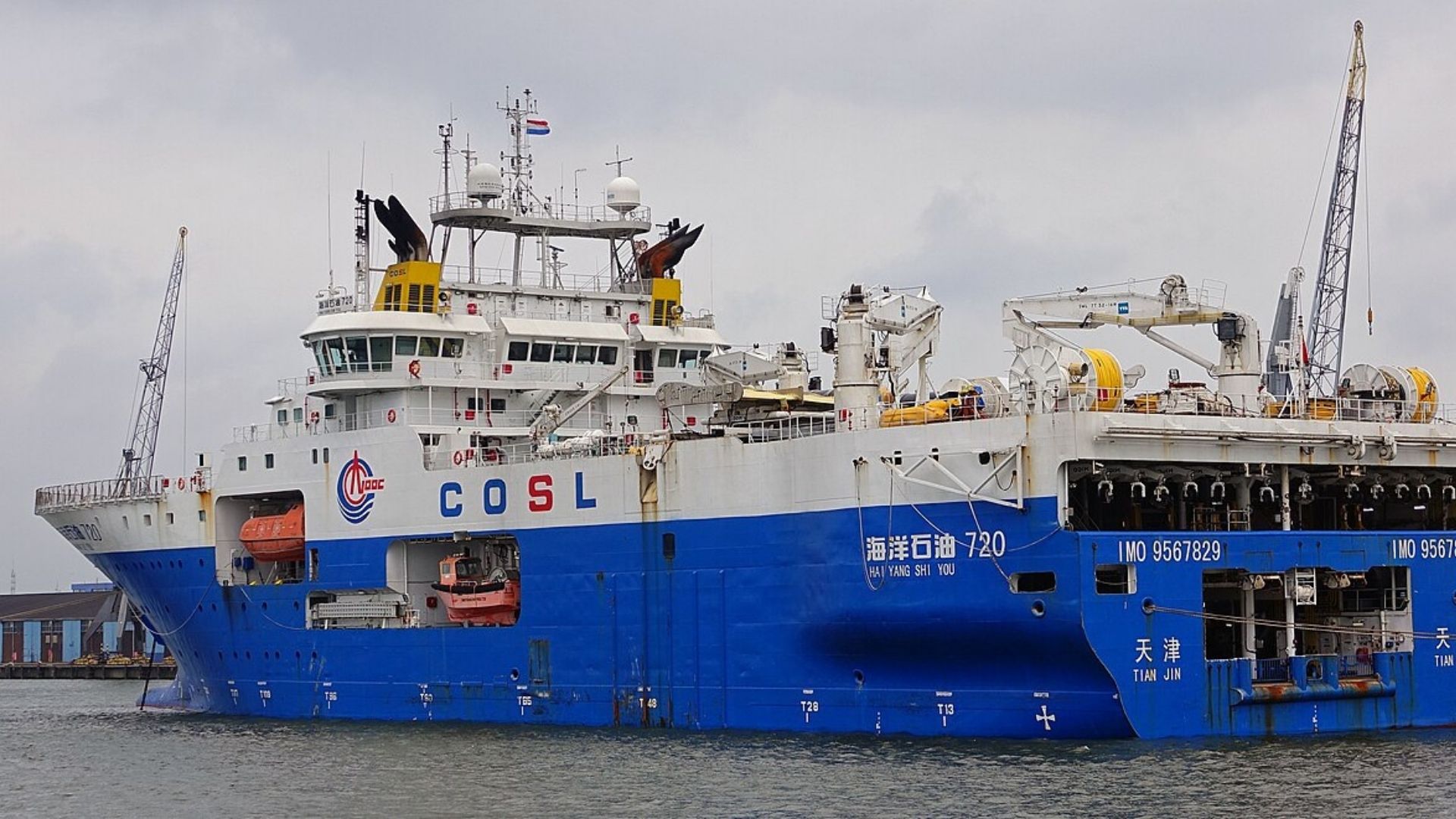
China completes record 537-day deep-sea materials experiment under extreme pressure
China has announced the successful completion of a groundbreaking 537-day deep-sea material corrosion exposure experiment, claiming it to be the first of its kind in the world. Conducted in the South China Sea, the project aimed to assess the durability and longevity of various materials used in marine engineering and construction. The initiative is part of China's broader efforts to enhance its capabilities in deep-sea exploration and technology, driven by the increasing demand for sustainable and resilient infrastructure in challenging underwater environments. Researchers monitored the materials' performance and degradation over the extended period, providing valuable data that could inform future developments in maritime engineering. This achievement underscores China's commitment to advancing its scientific research and technological prowess in the field of marine sciences.

U-Boat Worx Launches “Wet Lease” Program to Make the Deep Sea Accessible to All
U-Boat Worx, a leading manufacturer of manned submersibles, has introduced its Wet Lease program, making deep-sea exploration accessible to a wider audience. This innovative initiative allows commercial operators to provide unique submarine diving experiences without the necessity of owning a submersible or possessing operational expertise. The program aims to democratize underwater adventures, enabling more people to explore the depths of the ocean. By offering a fully managed, turnkey solution, U-Boat Worx is poised to transform the underwater tourism industry, catering to both seasoned adventurers and newcomers alike.
u-boat worx “wet lease” program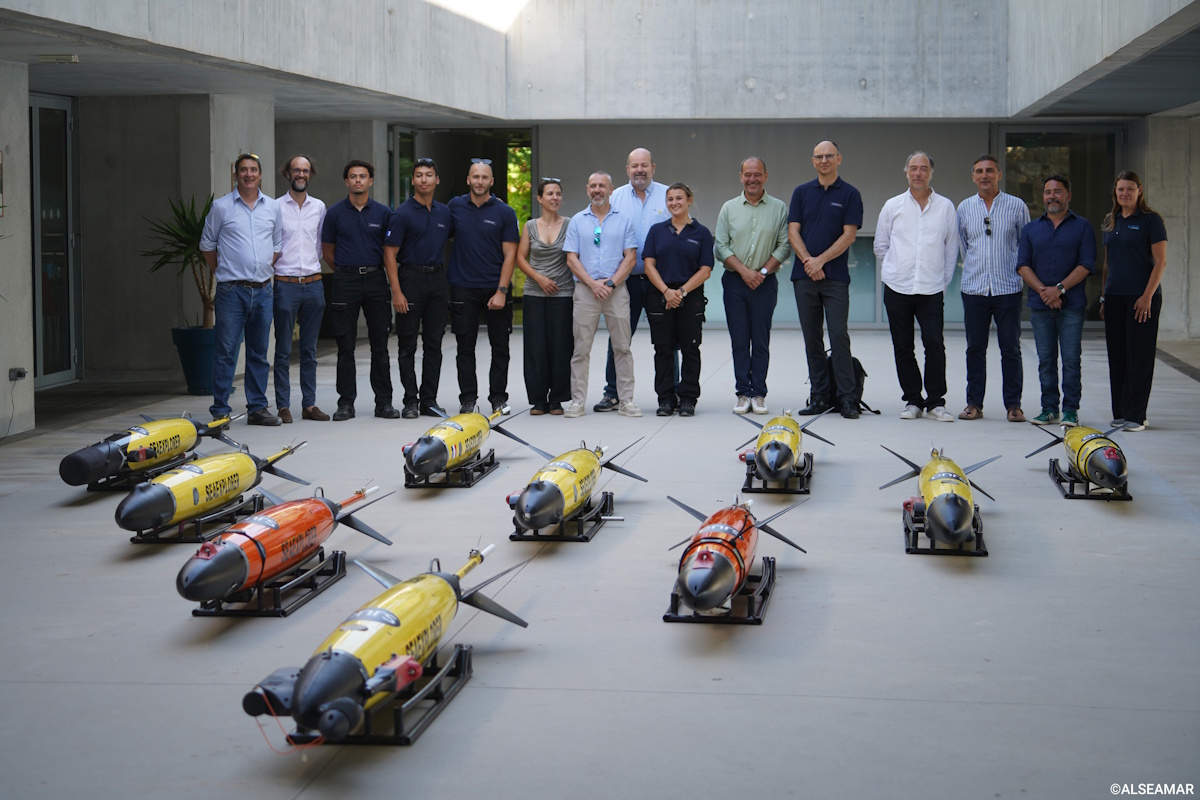
CNRS Deploys Ten SEAEXPLORER Autonomous Gliders for Mediterranean Ecosystem Research
In mid-June 2026, the CNRS deployed ten SEAEXPLORER autonomous underwater gliders in the Ligurian Sea as part of Mission 6 under France's 2030 funding plan. This initiative aims to create a comprehensive environmental data atlas for the northwestern Mediterranean, focusing on the impacts of human activities on marine ecosystems. The gliders will operate for one month, diving to depths of 1,000 meters and equipped with sensors to monitor underwater noise and ocean currents. The deployment is significant as it represents a strategic effort by the French government to enhance industrial competitiveness and develop next-generation technologies for deep-sea exploration. By utilizing coordinated fleets of autonomous gliders and advanced sensing technologies, researchers aim to better understand the dynamics of marine ecosystems and the effects of climate change, maritime traffic, and ocean acidification. This innovative approach will facilitate the study of plankton distribution and biodiversity through methods such as environmental DNA monitoring. Looking ahead, the next phases of Mission 6 will involve additional deployments in the Gulf of Lion in 2028 to test new sensors, followed by operations in French Polynesia between 2028 and 2029. These efforts will further expand the capabilities of autonomous underwater vehicles in marine research, with no further timeline disclosed at the time of publication.
autonomous gliders cnrs exploration mediterranean marine ecosystems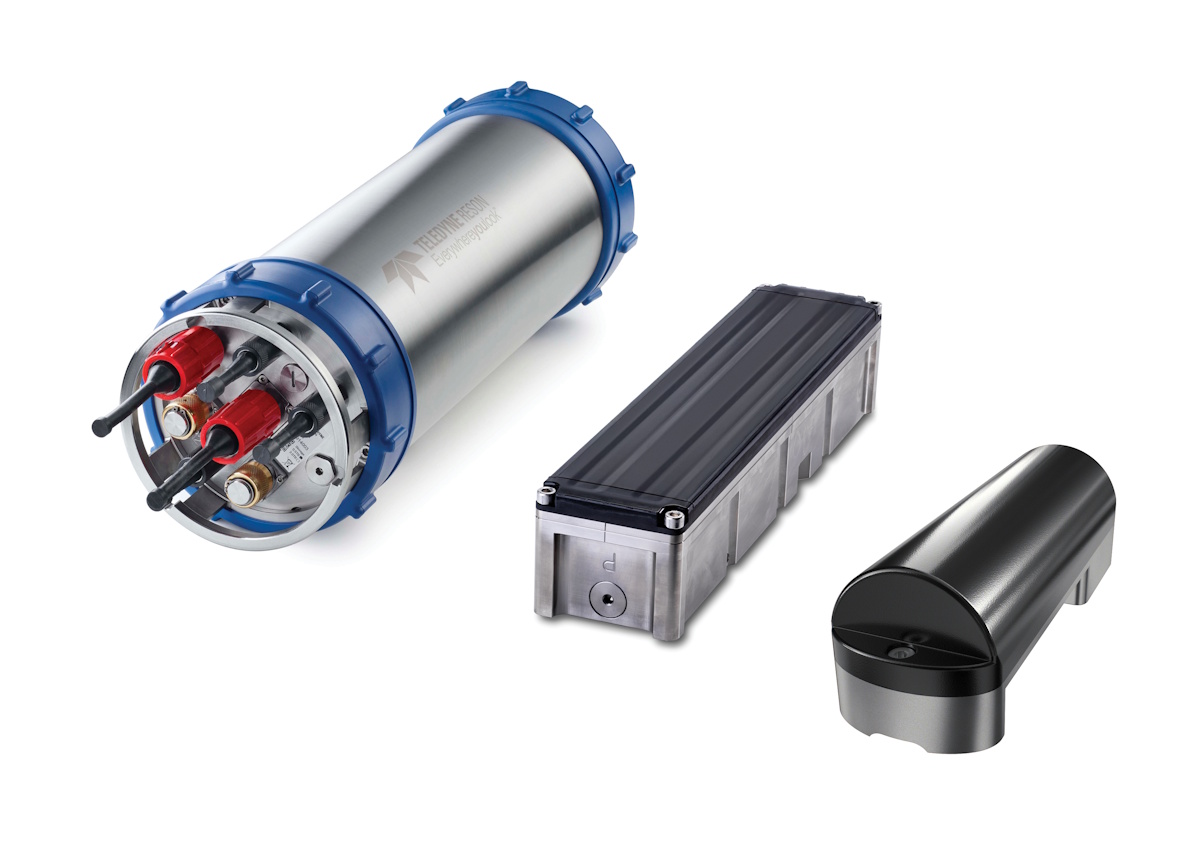
Teledyne Marine Launches SeaBat T51-S Multibeam, Setting a New Standard in High Resolution Subsea Mapping
Teledyne Marine has unveiled the SeaBat T51-S multibeam echosounder, the newest addition to its SeaBat T-series, aimed at enhancing subsea exploration capabilities. This advanced echosounder is specifically engineered for deployment on remotely operated vehicles (ROVs) and autonomous underwater vehicles (AUVs), facilitating deep-sea exploration and underwater surveys. The launch follows the success of the flagship SeaBat T51-R, reflecting Teledyne Marine's commitment to innovation in marine technology. The SeaBat T51-S is expected to significantly improve data collection and mapping in challenging underwater environments, supporting various marine research and commercial applications.
teledyne marine seabat t51-s multibeam subsea mapping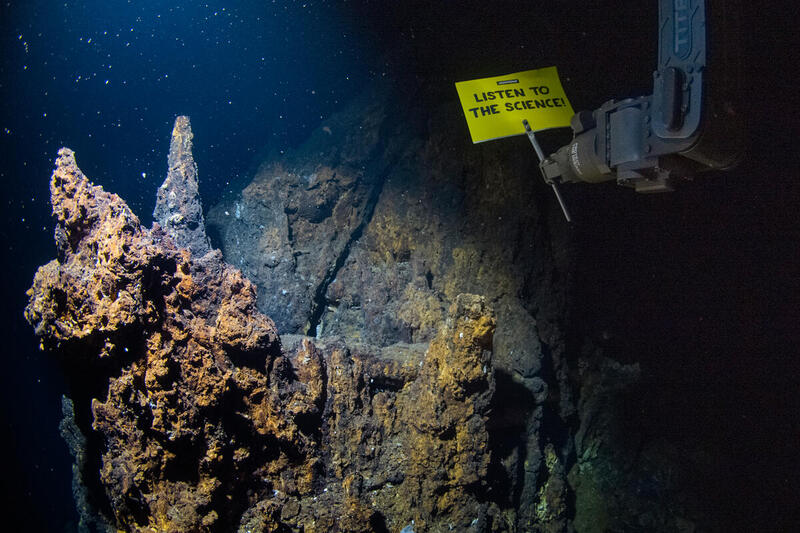
Greenpeace robot stages deepest-ever seabed protest
In a groundbreaking initiative, Greenpeace has launched an underwater robot to conduct a scientific survey of vulnerable deep-sea ecosystems along the Arctic Mid-Ocean Ridge. This event marks the deepest banner protest ever executed from the seabed, occurring at a depth of 2,300 meters. The robot displayed a powerful message urging global leaders to heed scientific advice, stating, “LISTEN TO THE SCIENCE!” The campaign aims to raise awareness about the urgent need for action to protect these unexplored marine environments. Dr. Sandra Schöttner, a key figure in the initiative, emphasized the importance of scientific research in informing policy decisions regarding environmental conservation. This innovative protest not only highlights the threats facing deep-sea ecosystems but also seeks to galvanize international attention and action on climate change and marine protection.
Environment News Arctic Ocean automation news autonomous underwater vehicles climate change
Three Years Later: Remembering the TITAN Tragedy and Advancing Submersible Safety
Three years after the tragic loss of the OceanGate submersible TITAN in the North Atlantic, Pelagic Research Services (PRS) commemorates the lives lost during the incident. The organization joins the global maritime and undersea community in reflecting on the profound impact of this event, which marked one of the most significant deep-ocean emergency responses in recent history. The remembrance serves not only as a tribute to those who perished but also as a reminder of the challenges and risks associated with deep-sea exploration.
oceangate submersible titan pelagic research services
Flexible Soft Sensor Enables Robotic Action Without Traditional Electronics
Researchers have developed a new soft sensor that allows soft robots to convert touch into action without relying on traditional electronic components. This innovation addresses a critical limitation in soft robotics, which often depend on bulky electronic sensors and actuators. The sensor is made from flexible materials, enhancing the robot's adaptability for various applications, including minimally invasive surgery and deep-sea exploration. The significance of this development lies in its potential to simplify the design and functionality of soft robots. By eliminating the need for electronic sensors and circuits, the new soft sensor reduces weight and complexity, making robots more efficient and reliable in challenging environments. This advancement could lead to broader applications in sectors where traditional electronics may fail, such as in wet or high-pressure conditions. Looking ahead, the next steps involve further testing and refinement of the soft sensor technology. Researchers aim to explore its integration into existing soft robotic systems and assess its performance in real-world scenarios. No further timeline was disclosed at the time of publication.
Robotics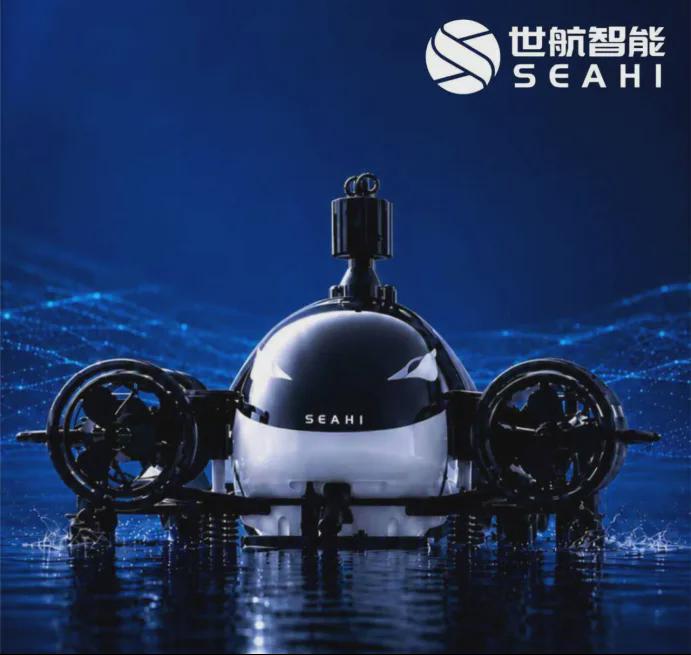
1 Billion RMB Series A Funding for Global Marine Robotics Leader
Shihang Intelligent, a prominent player in the marine robotics industry, has successfully raised over 1 billion RMB in a Series A funding round, setting a record as the largest single investment in the global marine robotics sector. This significant financial boost will be directed towards advancing the company's core technologies and facilitating its expansion into international markets. With this funding, Shihang Intelligent aims to commercialize its innovative underwater robotics solutions, which are designed for diverse applications such as maritime cleaning and deep-sea exploration.
Marine Robotics Underwater Technology AI Funding Automation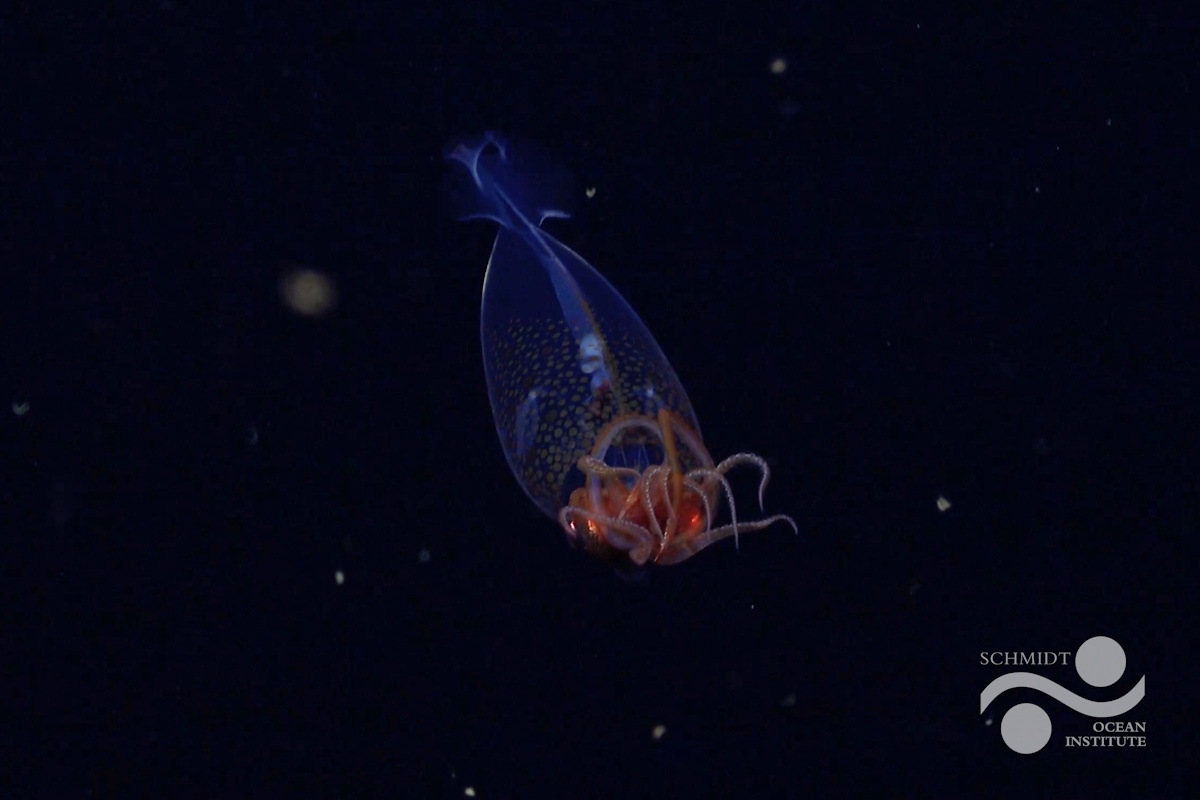
First Confirmed Footage of a Colossal Squid—and it’s a Baby!
An international team of scientists aboard the Schmidt Ocean Institute’s research vessel Falkor (too) made a groundbreaking discovery by filming a juvenile colossal squid (Mesonychoteuthis hamiltoni) in its natural habitat for the first time. The 30-centimeter squid was recorded at a depth of 600 meters (1,968 feet) using the Institute’s remotely operated vehicle, SuBastian. This significant sighting took place on March 9 during an expedition near the South Sandwich Islands in the South Atlantic Ocean. The event coincides with the 100th anniversary of the colossal squid's identification and formal naming, marking a milestone in marine biology and deep-sea exploration.

Base Materials to Supply Buoyancy Solutions to DNV Certified Full Ocean Depth Submersible
Base Materials has announced a partnership with Inkfish, an organization dedicated to marine research, to provide buoyancy solutions for the DSV Bakunawa, a full ocean depth submersible. This collaboration is part of a broader initiative to upgrade the submersible, enhancing its capabilities for deep-sea exploration. The project aims to advance marine research efforts, enabling scientists to conduct more comprehensive studies of ocean ecosystems. The timeline for the upgrade has not been specified, but it reflects a growing commitment to improving tools for underwater research.
base materials buoyancy dnv submersible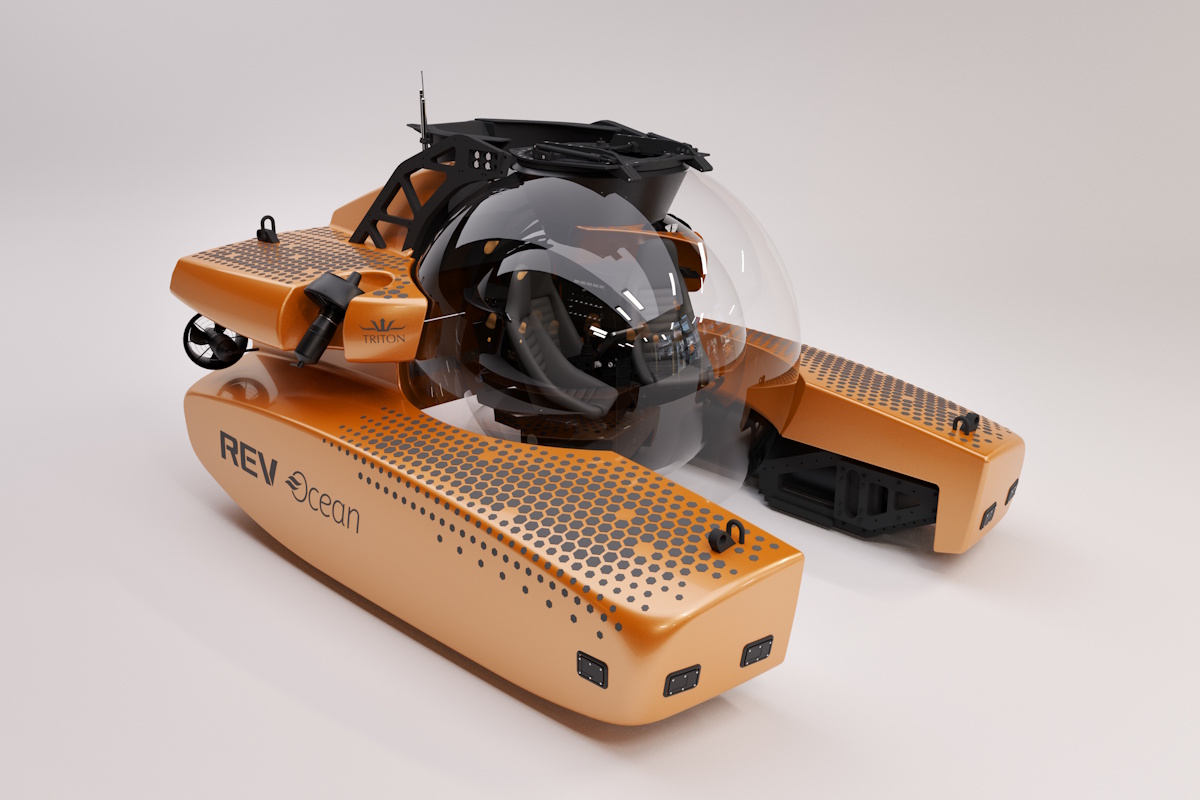
Base Materials Announces Long-term Technical Partnership with Cutting-edge Submersible Manufacturer Triton Submarines LLC
Base Materials has entered into a strategic partnership with Triton Submarines LLC to enhance the capabilities of the Triton 7500/3, recognized as the world's deepest diving three-person acrylic submersible. This collaboration aims to upgrade the innovative vessel, which is certified by DNV and features a fully transparent acrylic pressure hull. Capable of reaching depths of 2,286 meters (7,500 feet) and operating for over 10 hours, the Triton 7500/3 will provide explorers, scientists, and filmmakers with unparalleled access to the ocean's bathypelagic zone, an area located between 1,000 and 4,000 meters (3,280 to 13,123 feet) beneath the surface. This initiative underscores the growing interest in deep-sea exploration and the need for advanced technology to uncover the mysteries of the ocean.
base materials technical partnership submersible triton submarines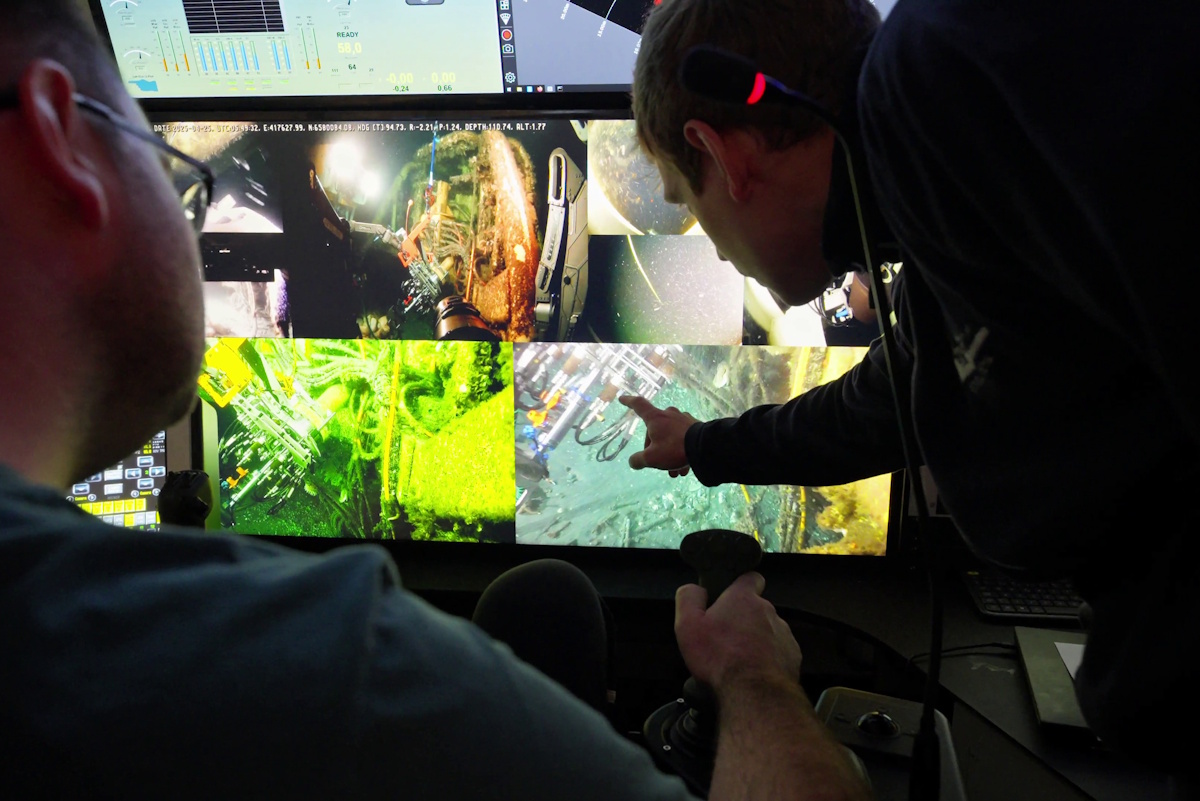
DeepOcean Completes Subsea Infrastructure Removals for Spirit Energy in North Sea
DeepOcean has successfully completed the recovery of the subsea wellhead protection structure at Spirit Energy's Seven Seas field and disconnected subsea infrastructure at the Grove West field in the North Sea. This operation utilized proprietary tooling developed in-house for decommissioning and was executed using the high-specification construction vessel Edda Freya. The project is part of Spirit Energy's broader decommissioning program for the Seven Seas and Grove West fields, aiming to maximize material recovery and minimize waste. DeepOcean's operations, managed from Aberdeen, UK, have ensured that all recovered materials are either reused, recycled, or disposed of responsibly, contributing to environmental sustainability. Looking ahead, DeepOcean's successful execution of these subsea removals positions them well for future projects with Spirit Energy. The company has demonstrated its capability in subsea decommissioning, with a focus on efficiency and environmental responsibility, as highlighted by the recycling of over 95% of materials from decommissioned assets.
deepocean subsea removals spirit energy seven seas grove west field oil and gas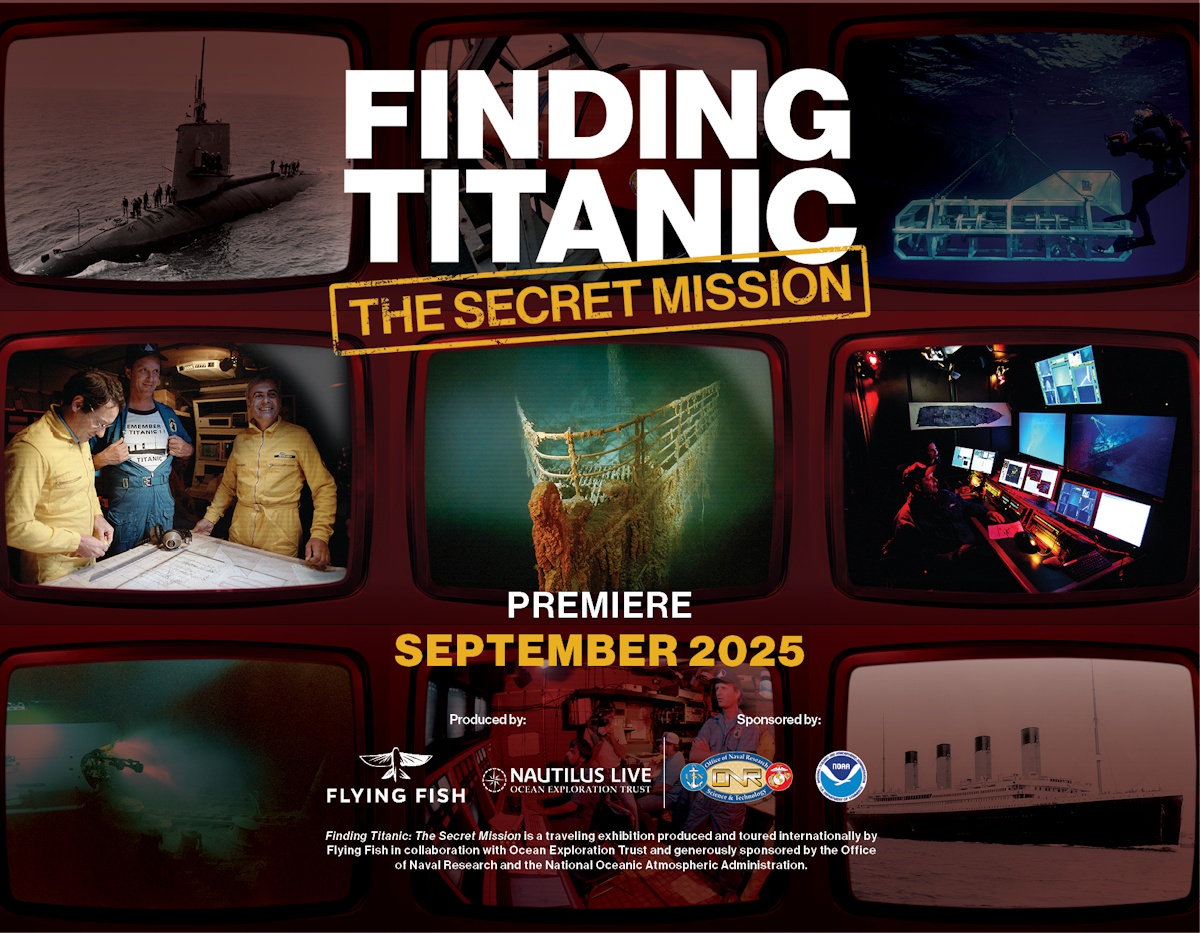
Titanic Discovery Turns 40: Dr. Robert Ballard Reflects on Now Declassified Historic Moment With New Exhibition
On September 1, the world commemorates the 40th anniversary of the discovery of the RMS Titanic, a significant underwater find that captivated public interest. The expedition, which took place in 1985, was spearheaded by esteemed oceanographer Dr. Robert Ballard and involved a collaboration between American and French teams. After being lost for over 70 years beneath the North Atlantic, the successful location of the Titanic marked a pivotal moment in deep-sea exploration, igniting curiosity and further research into maritime history and underwater archaeology. This landmark achievement not only unveiled the mysteries surrounding the iconic ship but also set the stage for future explorations of the ocean's depths.
titanic discovery dr. robert ballard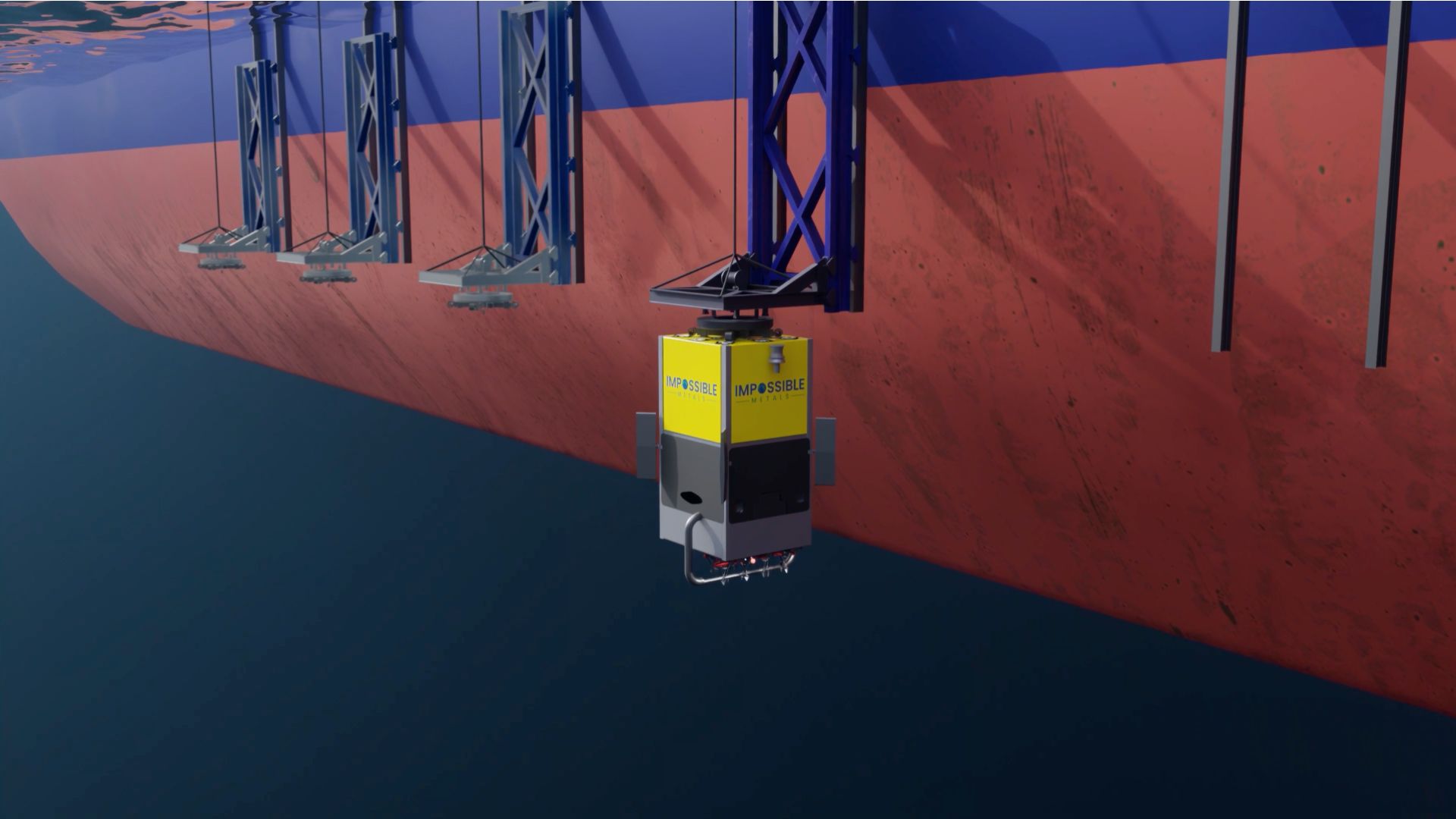
Impossible Metals to Launch Advanced Marine Robotics Hub for Deep-Sea Mineral Harvesting
Impossible Metals, a US mining technology company, has announced plans to establish an Advanced Marine Robotics Hub in Pittsburgh, Pennsylvania. This facility will focus on developing autonomous marine systems for the deep-sea collection of critical minerals, creating over a dozen high-paying engineering and science jobs. The hub aims to enhance US capabilities in marine robotics and critical mineral technologies through collaboration with local universities and researchers. The significance of this initiative lies in its potential to redefine deep-sea mining practices. According to Mike Regan, Chief Growth Officer at Impossible Metals, the hub will enable swarms of autonomous robots to harvest critical minerals like nickel, cobalt, copper, and manganese with minimal environmental impact. This approach not only promises to produce the lowest-cost critical metals on Earth but also aims to strengthen the US supply chain and reduce reliance on foreign sources of essential materials. Looking ahead, the Advanced Marine Robotics Hub will serve as the primary research center for advancing the Eureka autonomous underwater platform and Smart Launch and Recovery Systems. The company plans to continue developing dual-use technologies that cater to both commercial and naval applications. No further timeline was disclosed at the time of publication.
AI and Robotics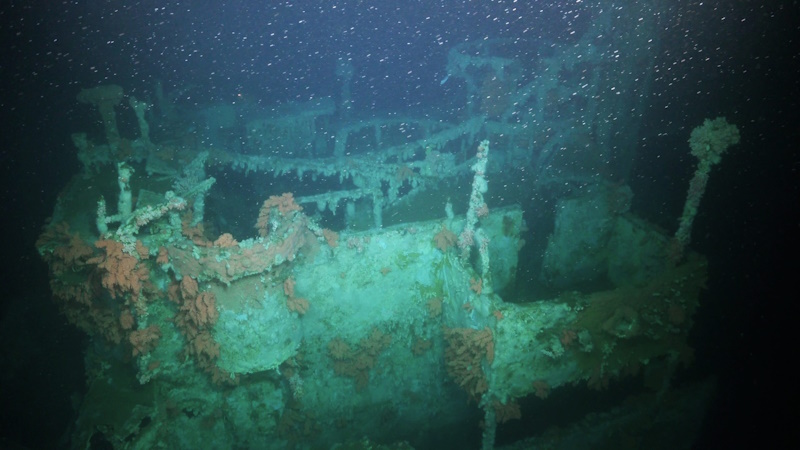
Vibrant Coral Reefs Discovered in Historic Exploration of Uruguay’s Deep Sea
In a significant scientific expedition, researchers have uncovered vibrant deep coral reef ecosystems that are facing global threats, alongside identifying at least 30 potential new species. This exploration, which took place recently, marks the first visit to the wreck of the ROU Uruguay, enhancing our understanding of marine biodiversity and the impacts of environmental changes. The findings underscore the urgent need for conservation efforts as these unique habitats are increasingly at risk. The team's innovative methods and dedication to marine research highlight the importance of preserving these underwater treasures for future generations.

Sonardyne Fetch Precision for New Deep-sea Neutrino Telescope
A groundbreaking deep-sea neutrino detector is currently under construction, aimed at revolutionizing our understanding of the universe. This ambitious project, which is set to enhance scientific research significantly, will utilize advanced positioning technology provided by the underwater technology firm Sonardyne. The collaboration between scientists and Sonardyne is expected to ensure the detector's precise placement in the challenging underwater environment. As the project progresses, it promises to contribute valuable insights into fundamental questions about cosmic phenomena, potentially reshaping our knowledge of particle physics and astrophysics. The initiative highlights the growing intersection of technology and scientific exploration, as researchers strive to unlock the mysteries of the universe.
sonardyne fetch deep-sea neutrino telescope
France 2030: Ifremer entrusts ALSEAMAR with the design of a deep-sea glider capable of reaching 3,500m
Ifremer has awarded a contract to French company ALSEAMAR for the design and development of a deep-sea underwater glider, following a call for proposals under the “Deep Seabed” priority of the France 2030 investment plan. This initiative, funded by the French National Research Agency (ANR) on behalf of the French government, aims to enhance France’s capabilities in deep-ocean exploration and observation, addressing significant global scientific and societal challenges. The project, led by Ifremer in collaboration with CNRS and Shom, will involve a scientific user group that will play a crucial role in defining the necessary sensors for the glider, ensuring that the system aligns with the evolving needs of ocean research.
france 2030 ifremer alseamar deep-sea glider
Memorandum of Understanding Between Deep Ocean Search and Deep Sea Vision
Deep Ocean Search and Deep Sea Vision, two leaders in ultra-deep-water technology, have announced the launch of advanced solutions featuring an Autonomous Underwater Vehicle (AUV) and new Remotely Operated Vehicles (ROVs) capable of operating at depths of 19,700 feet (6,000 meters). This significant development, revealed in October 2023, aims to enhance exploration and research capabilities in the challenging deep-sea environment. The collaboration between these two companies is driven by the growing demand for innovative underwater technology to support various industries, including marine research, oil and gas exploration, and environmental monitoring. By combining their expertise, Deep Ocean Search and Deep Sea Vision are set to provide cutting-edge tools that will facilitate deeper and more efficient underwater operations.
memorandum of understanding (mou) deep ocean search deep sea vision
DeepOcean Strengthens Subsea Robotics Asset Base
DeepOcean, a leading ocean services provider, has announced a significant expansion of its fleet by adding eight new remotely operated vehicles (ROVs) to its existing inventory of nearly 60 units. This move, revealed recently, underscores the company's commitment to advancing modern electric ROV technology. The expansion aims to enhance operational capabilities and meet the growing demand for innovative underwater solutions in various sectors, including offshore energy and marine research. By integrating these new ROVs, DeepOcean is positioning itself to better serve its clients and contribute to the evolving landscape of ocean exploration and services.
deepocean
TMC USA Submits Application for Commercial Recovery of Deep-Sea Minerals in the High Seas Under U.S. Seabed Mining Code
The Metals Company (TMC), a leader in the exploration of critical metals essential for infrastructure, defense, and energy technologies, has announced that its U.S. subsidiary, The Metals Company USA LLC, has submitted applications for a commercial recovery permit and two exploration licenses. This move is in accordance with the Deep Seabed Hard Mineral Resources Act (DSHMRA) and the regulations set forth by the National Oceanic and Atmospheric Administration (NOAA), which together establish the framework for seabed mining in the United States. The applications mark a significant step in TMC's efforts to tap into the world's largest undeveloped resource of critical metals, aiming to support future technological advancements and sustainable resource management.
tmc usa application commercial recovery of deep-sea minerals u.s. seabed mining code
OMS Advances Sea Acceptance Tests for USV Elite, Validating Deepwater Survey P Capability and Long-range Endurance
OMS Group (OMS) has announced significant progress in the Sea Acceptance Tests (SAT) for its long-range DriX O-16 Uncrewed Surface Vessel (USV), taking place off the southern coast of France. The ongoing tests are showcasing remarkable seakeeping abilities and promising initial results regarding the vessel's deepwater multibeam echosounder performance. This development aligns with OMS's strategic objective to enhance and expand its long-range uncrewed survey capabilities on a global scale.
oms group sea acceptance tests usv deepwater survey long-range endurance
DeepOcean and Woodside Advance Subsea Efficiency Through Dual-scope Approach
DeepOcean, a global ocean services provider, has partnered with Woodside Energy (Senegal) B.V. to conduct simultaneous inspections and 3D scanning of subsea infrastructure at the Sangomar field, located offshore Senegal. This operation, which took place recently, aims to enhance the understanding and management of the subsea assets in the area. By utilizing advanced technology for inspection and scanning, the collaboration seeks to ensure the integrity and safety of the infrastructure, which is crucial for ongoing energy operations. The successful execution of this project underscores the commitment of both companies to leveraging innovative solutions for efficient subsea management in the energy sector.
deepocean woodside subsea efficiency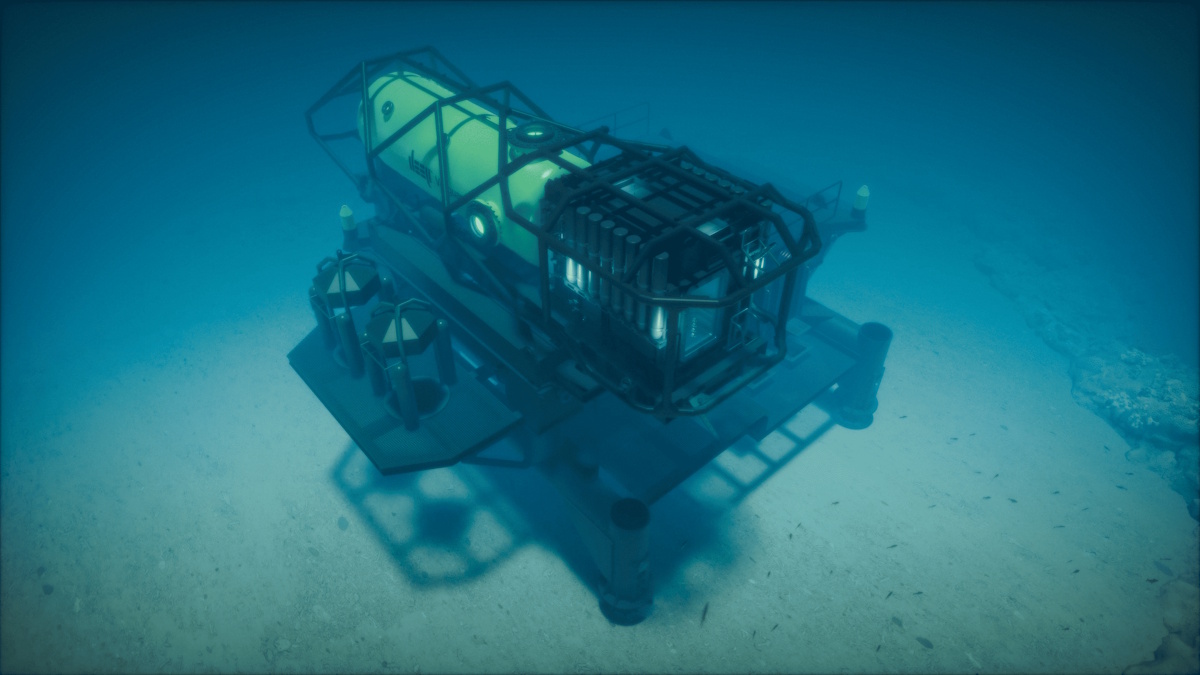
DEEP Partners with Unique Group to Deliver Next-Generation Subsea Human Habitat
Unique Group, a prominent player in subsea technologies and engineering, has been appointed as the specialized technology provider for DEEP’s innovative subsea human habitat initiative. This collaboration focuses on the design, engineering, and project management of essential systems necessary for the deployment of Vanguard, the pilot habitat. The partnership aims to advance underwater living capabilities, reflecting a growing interest in sustainable and long-term habitation solutions beneath the sea.
deep partnership unique group subsea human habitat
PlanBlue and Orpheus Ocean Join Forces to Advance Sustainable Seafloor Intelligence into the Deep Sea
PlanBlue and Orpheus Ocean have formed a strategic partnership aimed at enhancing sustainable seafloor intelligence in the deep sea. This collaboration, announced recently, seeks to leverage advanced technologies and data analytics to promote environmental sustainability and better understand marine ecosystems. By combining their expertise, the two organizations aim to address critical challenges facing ocean health and biodiversity. The partnership reflects a growing commitment to innovative solutions that can support conservation efforts and sustainable ocean management.
planblue orpheus ocean sustainable seafloor intelligence deep sea
DeepOcean Engaged by Vattenfall for Subsea Cable Support
DeepOcean, a prominent ocean services provider, has secured framework agreements with Vattenfall to deliver subsea cable operations and maintenance services. These agreements are specifically designed to support Vattenfall's operational offshore wind portfolio across Europe. The partnership aims to enhance the reliability and efficiency of subsea cable systems, which are crucial for the functioning of offshore wind farms. This collaboration marks a significant step in advancing sustainable energy solutions in the region, reflecting the growing demand for renewable energy infrastructure.
deepocean vattenfall subsea cable support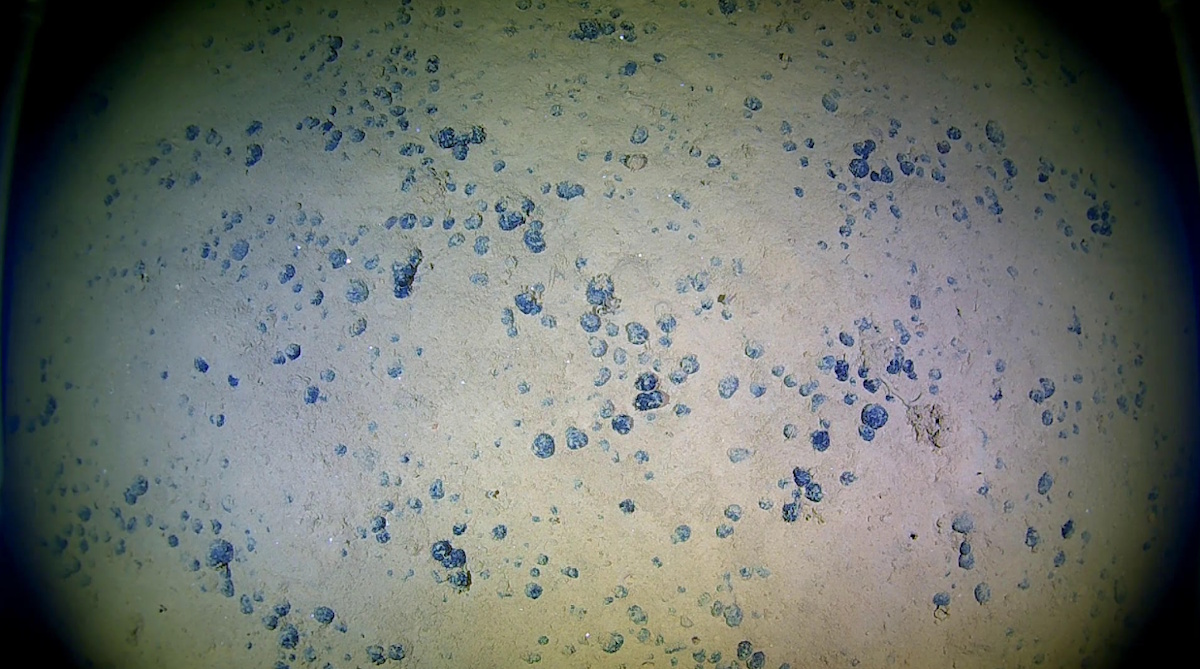
New Autonomous Vehicle Helps Advance Understanding of the Deep Sea and its Critical Minerals
A groundbreaking mission led by the Ocean Exploration Cooperative Institute (OECI) has successfully deployed a new autonomous underwater vehicle (AUV) to explore a previously uncharted section of the seafloor in the ultra-deep waters near the Mariana Trench. This significant operation took place recently and marks the first time this advanced technology has been utilized for such exploration. The initiative received crucial support from several federal agencies, including the National Oceanic and Atmospheric Administration (NOAA), the Bureau of Ocean Energy Management (BOEM), and the U.S. Geological Survey (USGS). The mission aims to enhance our understanding of deep-sea ecosystems and geological formations, contributing valuable data to oceanographic research and conservation efforts.

DeepOcean Delivers First Remote Subsea Intervention with Offshore Management Based Onshore
DeepOcean, a global leader in ocean services, has achieved a significant milestone by completing its inaugural subsea intervention project with offshore operational leadership managed from onshore. This project, which underscores the company's commitment to advancing remote subsea capabilities, highlights the growing trend of utilizing onshore resources to enhance operational efficiency in offshore environments. The successful execution of this project marks a pivotal moment in DeepOcean's development strategy, reflecting the industry's shift towards innovative solutions in subsea operations.
deepocean remote subsea intervention offshore management
DeepOcean Awarded Subsea Tie-back Contract in the UK
DeepOcean, a leading ocean services provider, has secured a contract for subsea construction and tie-in operations at a development site located on the UK continental shelf. This project, which aims to enhance subsea infrastructure, underscores the growing demand for advanced marine services in the region. The contract was awarded recently, reflecting the company's expertise and commitment to supporting offshore energy projects. DeepOcean will employ its specialized equipment and skilled workforce to ensure the successful execution of the construction and tie-in work, contributing to the overall advancement of subsea capabilities in the UK.
deepocean contract award subsea tie-back
Voyis Launches VSLAM 1.3 for Improved 3D Visualization in Subsea Inspections
Voyis, a prominent player in underwater optical systems, has partnered with EIVA to unveil the latest version of Voyis VSLAM powered by EIVA NaviSuite, now at version 1.3. This significant update enhances real-time subsea mapping capabilities, offering users an innovative 3D visualization experience through advanced voxel-based rendering and stereo vision technologies. The release aims to improve the efficiency and accuracy of underwater exploration and mapping, catering to industries reliant on precise subsea data. This development reflects the ongoing commitment of both companies to push the boundaries of underwater technology and provide cutting-edge solutions for their clients.
voyis vslam 1.3 augmented 3d visualization enhanced subsea inspection
DeepOcean Acquires Shelf Subsea to Create a Global Subsea Player
DeepOcean, a prominent ocean services provider, has announced its acquisition of Shelf Subsea, an independent subsea services company well-established in the eastern hemisphere. This strategic move, finalized recently, aims to enhance DeepOcean's global presence in the subsea services market by expanding its operational reach into the Asia-Pacific and Middle East regions. The acquisition is driven by a strong industrial fit between the two companies, allowing for a more comprehensive portfolio of solutions to meet the growing demands of the subsea industry. With this merger, DeepOcean positions itself as a significant player in the global subsea services sector, poised to leverage its expanded capabilities to better serve clients worldwide.
deepocean acquisition shelf subsea
DeepOcean’s Subsea Services Offering Reinforced by Vessel Capacity Extensions
DeepOcean, a prominent ocean services provider, has enhanced its subsea capabilities by extending its charter agreements with Østensjø Rederi for three vessels. This strategic move ensures that DeepOcean's advanced subsea vessel, Edda Freya, will continue to be part of its fleet until at least 2026, with further options for extension available. The decision reflects DeepOcean's commitment to bolstering its operational capacity in the subsea sector, responding to increasing demand for specialized marine services.
deepocean subsea services vessel capacity østensjø rederi edda freya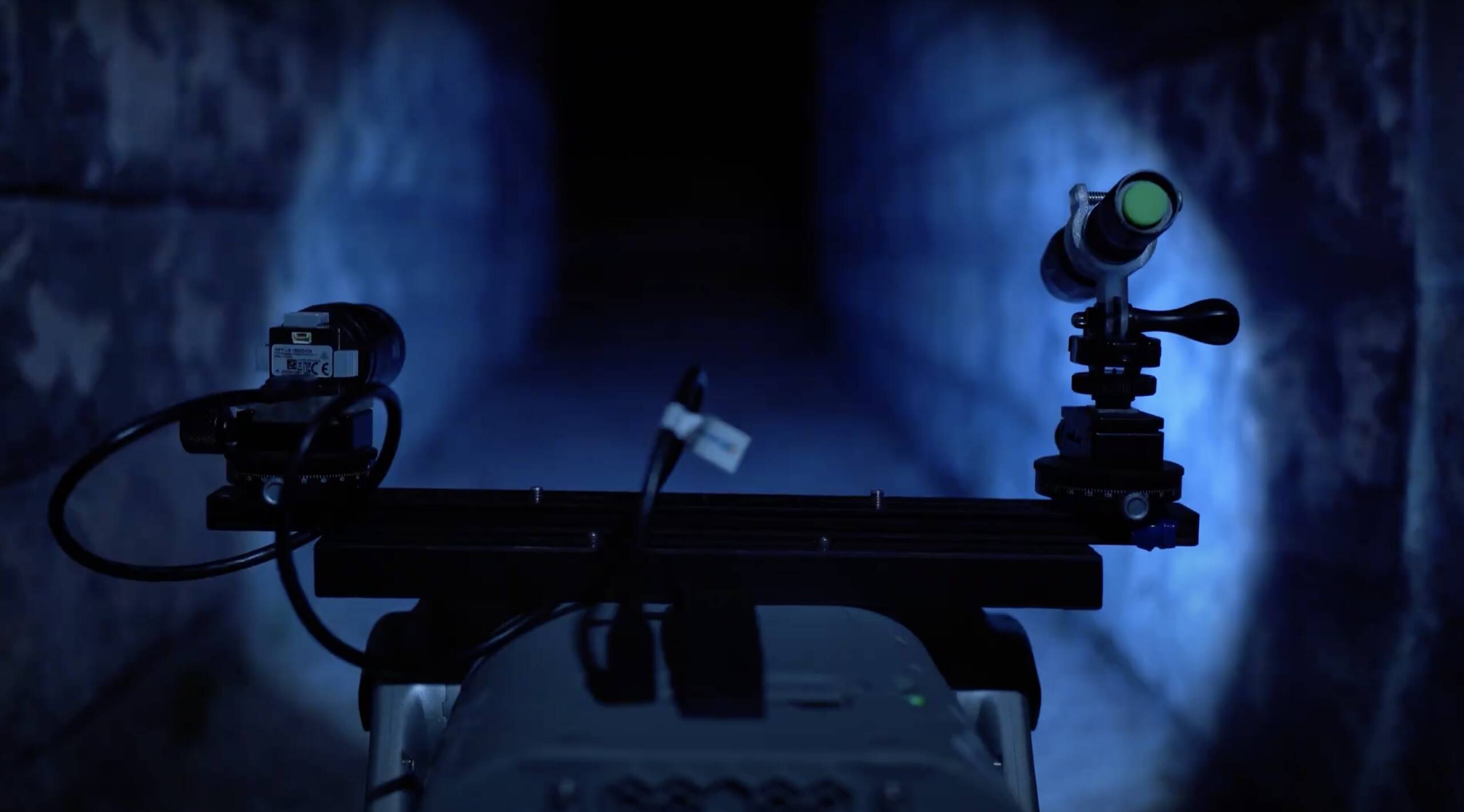
CMU Researchers Illuminate New Horizons in Low-Light Robotic Exploration
Researchers at Carnegie Mellon University have developed a groundbreaking framework that enables robots to create photorealistic representations of scenes in low-light environments. This advancement is significant as robots are increasingly utilized for various tasks, including lifting heavy loads in warehouses, delivering meals to diners, and performing household chores. Despite their growing presence, much of the work done by robots remains unseen, particularly in challenging lighting conditions. The new framework enhances the capabilities of robots and autonomous vehicles, allowing them to effectively conduct critical tasks such as exploration, inspection, and transportation in environments where visibility is limited. This innovation opens up new possibilities for robotic applications, particularly in areas that require reliable performance in low-light scenarios.
Research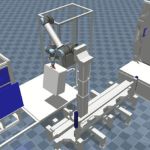
NASA and Rice University Launch Open-Source Simulator for Space Robotics Research
Rice University and NASA have introduced the iMETRO Dynamic Simulation, the first open-source platform for developing robots for spacecraft and habitats. Unveiled at the 2026 IEEE International Conference on Robotics and Automation in Vienna, this simulator creates a digital twin of NASA's iMETRO facility, enabling global researchers to test intravehicular robotic systems in a virtual setting. This platform is significant as it broadens access to advanced space robotics research, facilitating innovation for future human space missions. It focuses on robot manipulators that assist with maintenance and logistics tasks, which are crucial for reducing astronaut workloads during extended missions. The simulator features an eight-degree-of-freedom robotic manipulator model and supports ROS 2 and MuJoCo, enhancing usability and compatibility for developers. Looking ahead, the iMETRO Dynamic Simulation aims to maximize astronaut productivity by automating routine tasks, allowing crew members to focus on scientific exploration. The research team successfully demonstrated the simulator's capabilities by transferring a robotic application from simulation to the physical facility in under a day. No further timeline was disclosed at the time of publication.
AI and Robotics
Major American deep-sea expedition delivers 4,059 samples across 53 survey sites
American Ocean Minerals Corporation (AOMC) has successfully completed a significant deep-sea environmental research initiative aimed at assessing the impact of mineral extraction on marine ecosystems. The project, which took place over the past several months, focused on various locations in the Pacific Ocean known for their rich mineral deposits. This research is part of AOMC's broader commitment to sustainable practices in the mining industry, driven by the increasing demand for critical minerals used in technology and renewable energy solutions. By conducting thorough environmental assessments, AOMC seeks to ensure that its operations do not adversely affect marine life or habitats. The findings from this extensive study will inform future mining practices and regulatory compliance, as the company aims to balance economic development with environmental stewardship. AOMC plans to share the results with stakeholders and the scientific community to foster transparency and collaboration in the pursuit of responsible ocean resource management.
Science
Japan to develop deep-sea drone in hunt for rare earths
A Japanese marine research agency is set to develop an advanced autonomous underwater vehicle (AUV) by fiscal 2028 to enhance the search for rare earth elements and other mineral resources in the seabed near Minamitorishima, Japan's easternmost territory. This initiative, announced on June 3, 2026, aims to secure a stable supply of these critical materials, which are essential for various high-tech industries. The project reflects Japan's ongoing efforts to reduce its dependence on foreign sources, particularly China, amid rising global demand for rare earths. The development of this hybrid vessel is expected to significantly accelerate exploration and retrieval processes in the region, positioning Japan as a key player in the global rare earth supply chain.
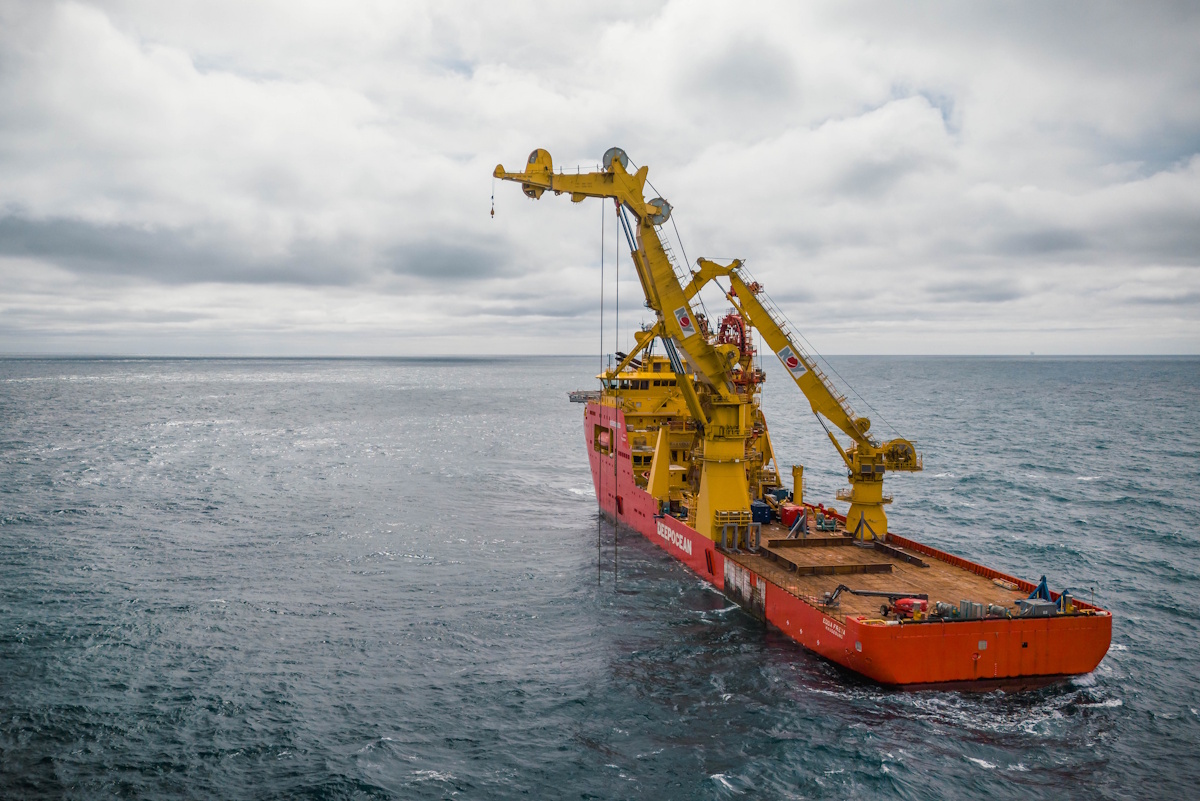
DeepOcean awarded subsea contracts by Equinor
DeepOcean, a global leader in ocean services, has secured a substantial subsea contract from Equinor for various fields located on the Norwegian continental shelf, including the Barents Sea. The offshore operations are scheduled to take place over two years, from 2027 to 2028. This contract underscores DeepOcean's commitment to supporting Equinor's initiatives in the region, reflecting the growing demand for subsea services in the energy sector. The collaboration aims to enhance the efficiency and sustainability of operations in these vital offshore areas.
deepocean contract award equinor
Teledyne RDI ADCPs to Support Japan’s Deep-Sea Environmental Assessment of Polymetallic Nodule Mining
Teledyne RD Instruments (RDI), a division of Teledyne Marine, has been chosen by Deep Reach Technology (DRT), a marine engineering consultancy, to provide support for a significant deep-sea environmental impact assessment (EIA) project in Japan’s Exclusive Economic Zone (EEZ). The project, aimed at evaluating the ecological effects of deep-sea activities, will utilize 20 of RDI's advanced Acoustic Doppler Current Profilers (ADCPs). This collaboration highlights the growing emphasis on environmental sustainability in marine engineering and underscores the importance of accurate data collection in assessing the potential impacts of deep-sea operations. The deployment of these sophisticated instruments is expected to enhance the quality of the assessment and contribute to informed decision-making regarding marine resource management in the region.
teledyne
Humanoid Startup Foundation Pins Hopes on Decades of AI Research to Give Robots a Deeper Understanding of Physics
Startup Foundation, under the leadership of former Synapse CEO Sankaet Pathak and AI research chief Professor Patrick van der Smagt, has announced plans to develop humanoid robots that utilize Deep Variational Bayes Filters to enhance their interaction with the environment. The initiative aims to revolutionize how robots learn and adapt to their surroundings. As the company sets ambitious fundraising targets to support this innovative project, experts are scrutinizing the scientific principles behind these claims, as well as the potential challenges that may arise during development. The project is positioned at the forefront of AI and robotics, promising to push the boundaries of technology and human-robot interaction.
sankaet-pathak phantom foundation
Deepvein Mining Tech Wins NY Product Design Gold for Exploration Robotics
Deepvein Mining Tech has been awarded Gold at the 2026 NY Product Design Awards for its innovative series of Intelligent Geological Mapping and Geochemical Sampling Quadrupedal Robots. This recognition highlights the company's advancements in robotic systems specifically designed for mineral exploration in challenging and remote environments. The award underscores the importance of technology in enhancing safety and efficiency in high-risk mining operations.

Apple's AI Features Approved in China; DeepSeek Prepares for IPO
Apple's 'Apple Smart' AI model has completed its registration in China as of July 8, with Alibaba and Baidu providing support for text and image generation capabilities. This collaboration enhances the domestic version of Apple's AI suite and Siri functionality, marking a significant step in AI integration for Apple devices. The approval of Apple's AI features is crucial as it indicates the company's commitment to enhancing user experience in China, a key market for Apple. With Alibaba's Qianwen and Baidu's AI search capabilities, the partnership aims to create a competitive edge in the rapidly evolving AI landscape, which is essential for maintaining relevance in the tech industry. Looking ahead, the focus will be on how effectively these AI capabilities are integrated into Apple's product lineup and the potential impact on user engagement. No further timeline was disclosed at the time of publication.
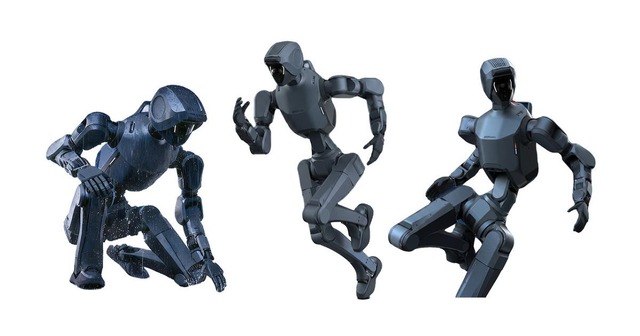
Elza Japan starts handling the world's first fully IP66 waterproof industrial humanoid, DEEPRobotics DR02.
Elsa Japan Co., Ltd. announced the launch of the DEEPRobotics DR02, an all-weather industrial humanoid robot, for the domestic market on June 18, 2026. This new product aims to enhance operational efficiency in various industries by providing advanced robotic solutions capable of functioning in diverse environmental conditions. The introduction of the DR02 reflects the growing demand for automation and robotics in Japan, as companies seek innovative technologies to improve productivity and safety in their operations.
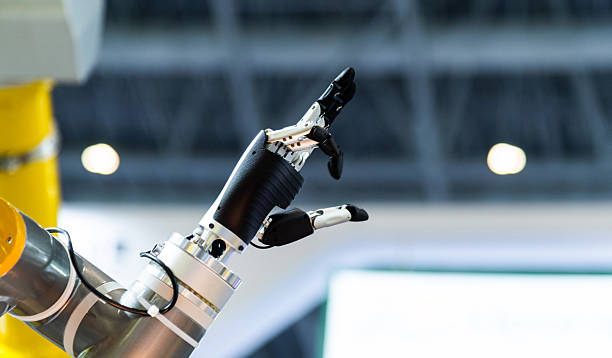
Deep Reinforcement Learning Based Autonomous Decision‐Making for Cooperative Uncrewed Aerial Vehicles: A Search and Rescue Real World Application
A recent study published in the Journal of Field Robotics highlights advancements in autonomous robotic systems designed for agricultural applications. Researchers from various institutions collaborated to develop innovative algorithms that enhance the efficiency and precision of robotic farming equipment. The findings, released in early October 2023, emphasize the growing importance of automation in agriculture, particularly in response to labor shortages and the need for sustainable farming practices. The research was conducted in multiple agricultural settings, showcasing how these robotic systems can adapt to different crop types and environmental conditions. By integrating machine learning and sensor technology, the robots are capable of performing tasks such as planting, weeding, and harvesting with minimal human intervention. This development aims to address the challenges faced by farmers, including the rising costs of labor and the increasing demand for food production. The study underscores the potential for these autonomous systems to revolutionize the agricultural sector, making it more efficient and environmentally friendly. As the agricultural industry continues to evolve, the implementation of such technologies could lead to significant improvements in productivity and sustainability.
RESEARCH ARTICLE
From DeepSeek to DeepRoute: Why a Top AI Researcher Bet on the Physical World
At the 2026 Beijing Auto Show, DeepRoute.ai announced a strategic transformation from being an Advanced Driver Assistance Systems (ADAS) supplier to focusing on developing Physical AI infrastructure. This shift is underscored by the integration of a unified foundation model and extensive real-world data to enhance AI applications in the physical realm. The company also highlighted its commitment to innovation with the recent addition of Ruan Chong, a former scientist from DeepSeek, to its team. This move reflects DeepRoute.ai's ambition to leverage AI technology to create more effective solutions for real-world challenges.
News
Research on ORB–SLAM2 Deep‐Sea Visual Localization Technique Based on Image Enhancement
A recent study published in the Journal of Field Robotics highlights advancements in autonomous robotic systems designed for agricultural applications. Conducted by a team of researchers from various universities, the study was released in early October 2023. The research focuses on the development of innovative robotic technologies aimed at improving efficiency and sustainability in farming practices. The motivation behind this initiative stems from the growing need for sustainable agricultural solutions in response to increasing global food demands and environmental concerns. The researchers employed a combination of machine learning algorithms and sensor technologies to enhance the robots' capabilities in tasks such as planting, harvesting, and monitoring crop health. Field tests were conducted in diverse agricultural settings, demonstrating the robots' ability to adapt to varying conditions and perform complex tasks autonomously. The findings suggest that these robotic systems could significantly reduce labor costs and increase productivity while minimizing the environmental impact of farming. The study underscores the potential of robotics to transform the agricultural sector, paving the way for more efficient and eco-friendly farming practices. As the agricultural industry faces challenges from climate change and population growth, the integration of advanced robotic technologies may offer viable solutions for future food production.
RESEARCH ARTICLE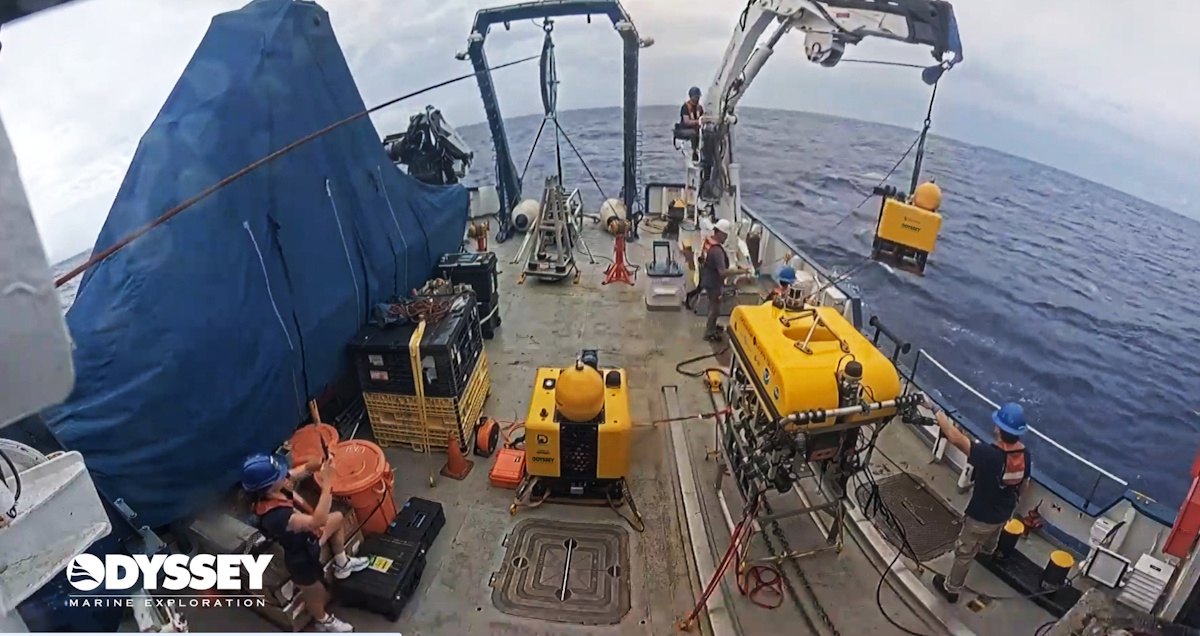
Two Odyssey Marine Exploration Autonomous Benthic Mini Landers Successfully Deployed in the Cook Islands’ EEZ
Odyssey Marine Exploration, Inc., a leader in ocean exploration and critical mineral resource development, has successfully deployed two Autonomous Benthic Mini Landers (ABML) in the exclusive economic zone of the Cook Islands. This significant achievement, announced today, represents the inaugural deep-sea deployment of specialized systems designed by Develogic GmbH for Odyssey. The deployment aims to enhance the company's capabilities in exploring and developing underwater mineral resources.
odyssey marine exploration autonomous benthic mini landers subsea miningRobotics needs a service framework.
RSF defines a common language for robot service capability, lifecycle operations, certification pathways, and service-provider networks.







