Industry Briefing
A single destination for timely, editor-curated robotics news from around the world.
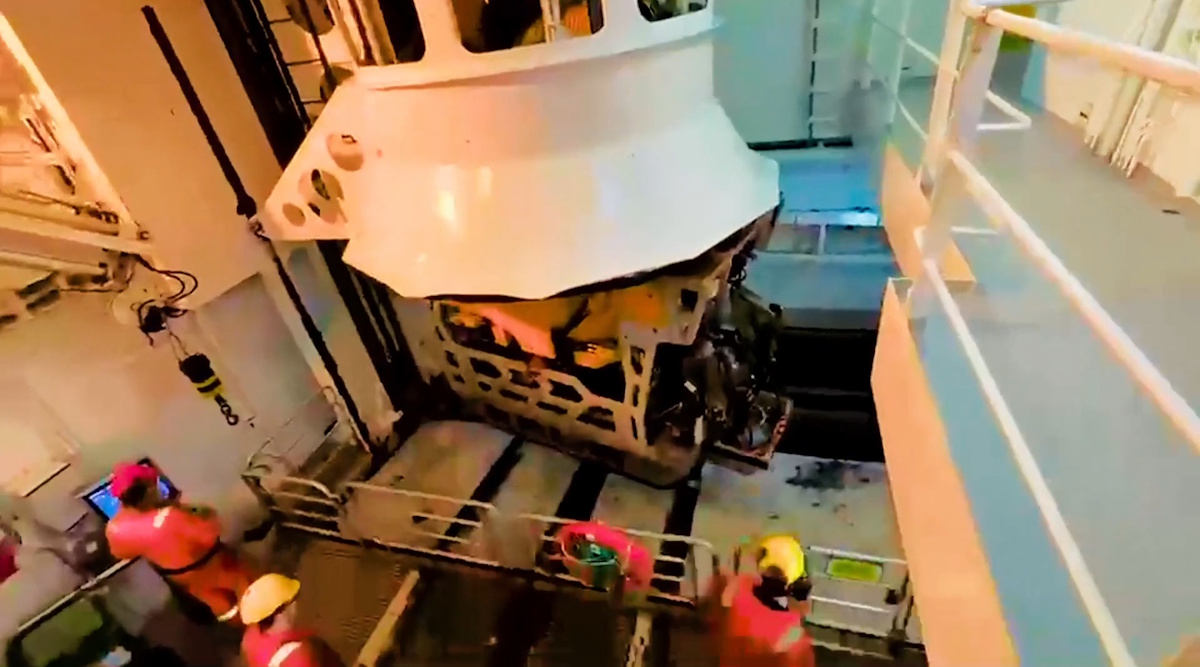
Spirit Energy Completes £40 Million Decommissioning Campaign in UK North Sea
Spirit Energy has successfully concluded a £40 million decommissioning campaign in the UK North Sea, which involved plugging and abandoning three subsea wells and removing over 234 tonnes of subsea infrastructure. The operation, conducted between April and July 2026, was executed in collaboration with more than 30 supply chain partners, including DeepOcean and Well-Safe. This campaign is significant as it underscores the vital role of domestic gas in the UK's energy security, with the Seven Seas and Grove G5 wells having produced a total of 56 billion cubic feet of gas, sufficient to heat over 2.5 million homes for a year. The project adhered to the North Sea Transition Authority's Decommissioning Charter, emphasizing collaboration and efficient resource deployment. Looking ahead, the successful completion of this complex operation, which involved over 114,000 hours of work, highlights the importance of teamwork in decommissioning efforts. No further timeline was disclosed at the time of publication.
spirit energy uk north sea decommissioning campaign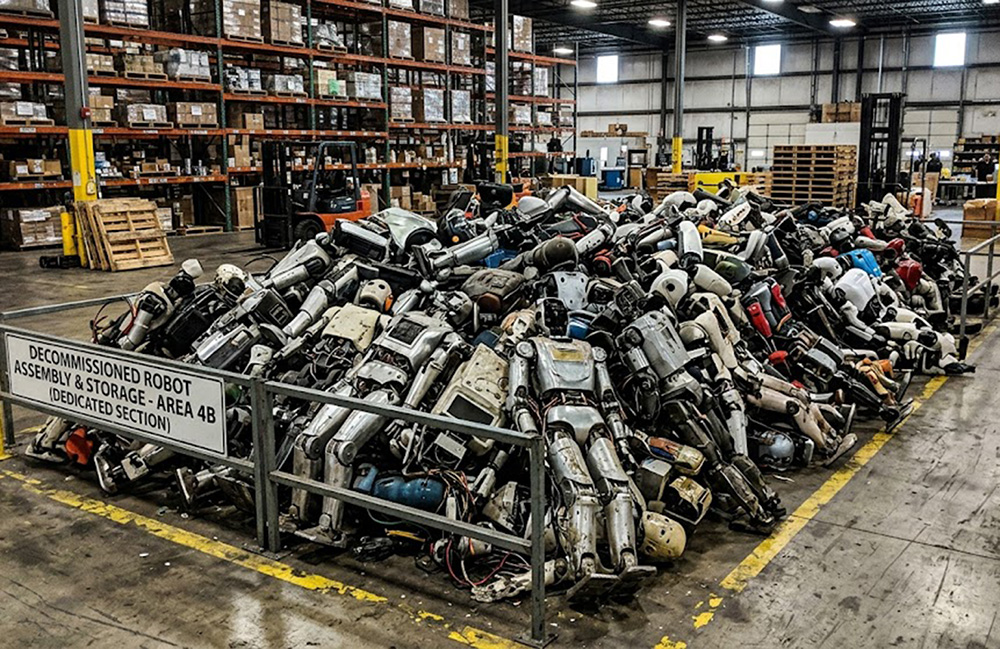
Challenges in Recycling Humanoid Robots: A Complex Decommissioning Process
The mass production of humanoid robots is accelerating, yet the question of their end-of-life management remains largely unanswered. Decommissioning these robots involves intricate procedures due to their complex architecture, which consists of 200 to 500 major sub-components across four interconnected systems. This complexity raises significant concerns regarding data security, hazardous materials, and structural integrity. Proper recycling of humanoid robots is crucial as they contain sensitive data that could lead to corporate espionage if not securely handled. Additionally, the disposal of lithium-ion batteries poses risks of thermal runaway, while hydraulic components can become dangerous projectiles if not properly discharged. The economic viability of salvaging parts like servo motors is overshadowed by the potential risks involved in their reuse. Moreover, humanoid robots contain a substantial amount of rare-earth neodymium magnets, which complicate recycling efforts. Traditional methods of bulk crushing can contaminate these valuable materials, necessitating skilled technicians for safe extraction. As the industry evolves, the need for effective recycling strategies will become increasingly important to mitigate risks and recover valuable resources.
Actuators / Motors / Servos Batteries / Power Supplies Cameras / Imaging / Vision Humanoids Microprocessors / SoC Motion Control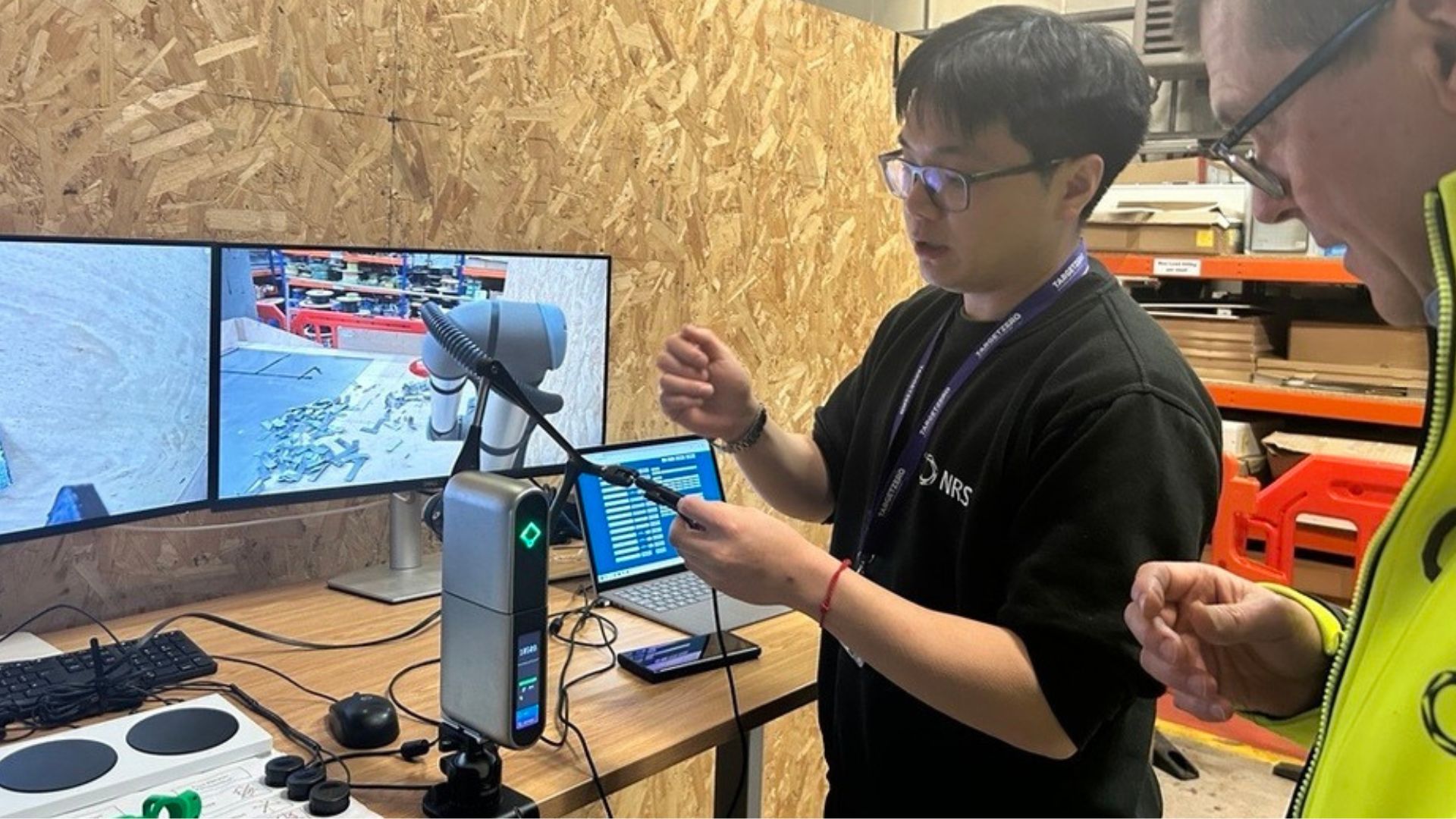
UK’s nuclear waste decommissioning could be handled by teleoperated robots
Innovative robotic technologies are being trialed in the UK to improve the safe management of...
AI and RoboticsRobotics needs a service framework.
RSF defines a common language for robot service capability, lifecycle operations, certification pathways, and service-provider networks.
Join the RobotToday community on LinkedIn
Daily robotics news, in-depth analysis, conference highlights, and discussions with professionals worldwide.